15 Italian Pasta Dishes Americans Order on Repeat
Italian pasta isn’t just food—it’s a ritual, a way to bring warmth and richness to your table without overcomplicating things. I’ve always believed that the best meals come from understanding ingredients, respecting their quality, and letting them shine without drowning them in unnecessary additions. These fifteen dishes represent that philosophy perfectly, each one a testament to how simple, wholesome ingredients can create something extraordinary.
What makes these pasta dishes so beloved is their honesty. There’s no pretense, no fussy techniques—just fresh pasta, quality sauces, and the kind of bold flavors that make you want seconds. Whether it’s the smoky depth of carbonara or the herbaceous brightness of pesto, each recipe tells a story rooted in Italian tradition while adapting beautifully to American kitchens.
I cook these dishes regularly because they remind me why I fell for cooking in the first place: the transformation of raw ingredients into something that nourishes both body and spirit. These aren’t just recipes Americans order repeatedly—they’re the ones we return to because they feel like home, no matter where we’re from.
Farfalle Primavera
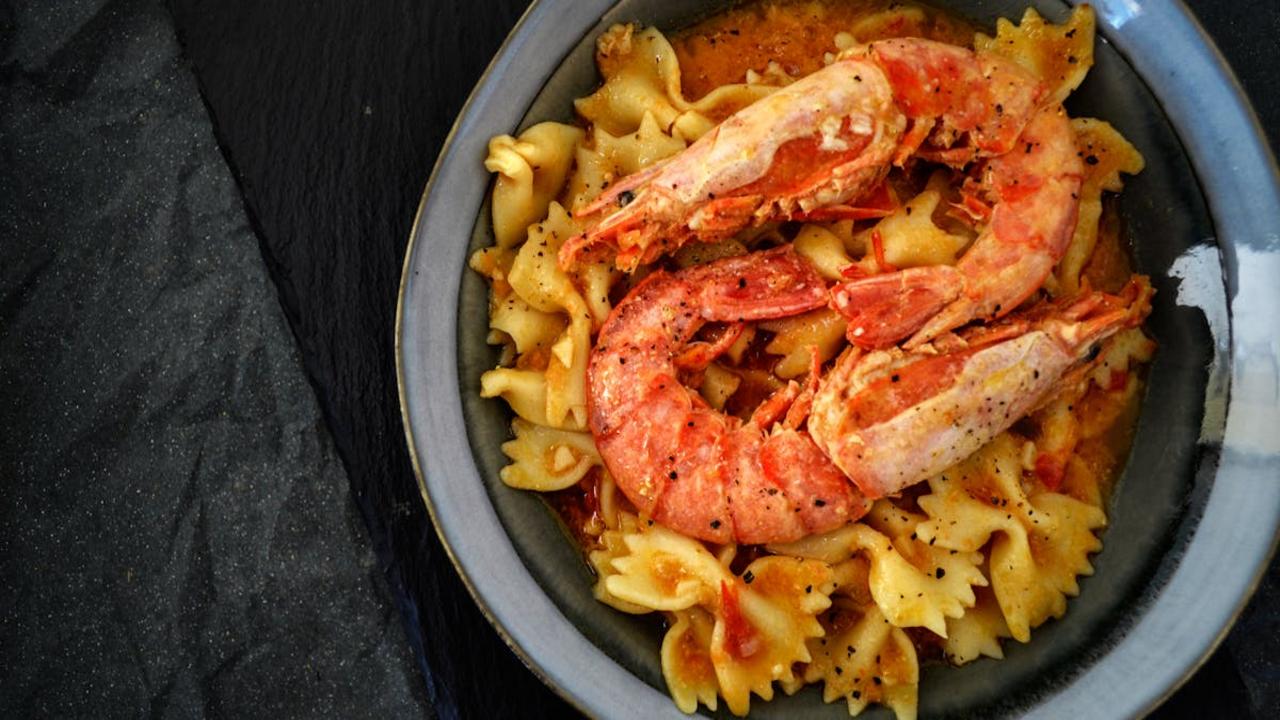
Farfalle primavera brings together those adorable bow-tie pasta shapes with whatever fresh vegetables are calling to you from the market. I love how this dish transforms simple seasonal produce into something that feels both light and satisfying. The beauty here is in the timing—you want your vegetables to maintain their snap and vibrancy, not turn into mush. I usually start with a good sauté of garlic in olive oil, then add harder vegetables like carrots or broccoli first, followed by quicker-cooking ones like zucchini and bell peppers. A splash of pasta water helps create a silky coating that clings to every butterfly-shaped piece.
What makes this dish so popular is its flexibility and how naturally it fits into healthier eating without feeling like a compromise. You can load it up with spring asparagus, summer tomatoes, or fall squash—whatever’s in season. I finish mine with fresh basil, a squeeze of lemon, and maybe some grated Parmigiano-Reggiano if I’m feeling indulgent. The pasta acts as a perfect canvas for showcasing vegetables at their peak, and you’re getting real nourishment without any processed shortcuts. It’s the kind of meal that proves eating well doesn’t mean sacrificing flavor or satisfaction, just choosing ingredients that actually taste like something.
Penne Puttanesca
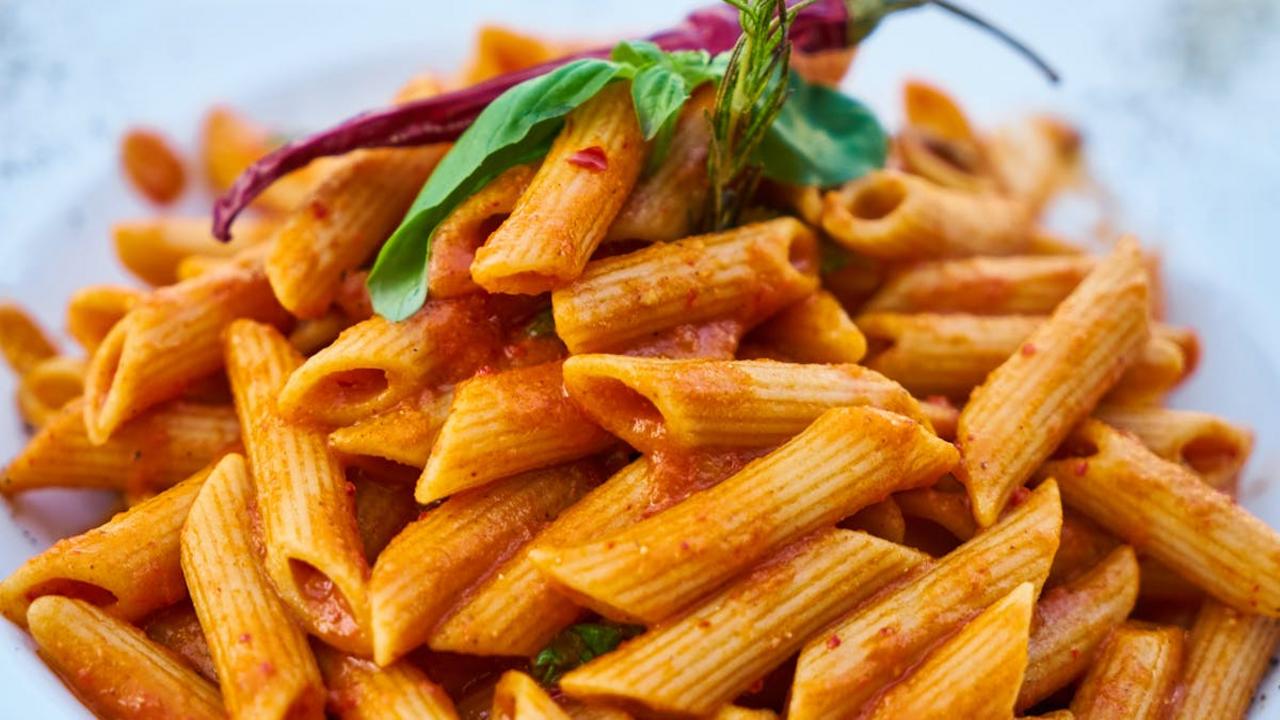
Penne puttanesca brings bold, punchy flavors to your table with minimal effort. This dish originated in Naples, where resourceful cooks tossed together pantry staples—tomatoes, olives, capers, anchovies, and garlic—to create something extraordinary. The sauce hits you with a perfect balance of salty, briny, and slightly sweet notes that cling beautifully to ridged penne. I love making this on nights when I want big flavor without spending hours in the kitchen. The anchovies melt into the sauce, adding depth without screaming “fish,” while the capers and olives provide those addictive little bursts of saltiness.
What makes penne puttanesca so appealing is how it transforms simple ingredients into something that tastes complex and restaurant-worthy. You can have this on the table in twenty minutes, yet it delivers satisfaction that lingers long after the last bite. The dish works beautifully year-round since it relies on canned tomatoes rather than fresh ones, making it perfect for those moments when your produce drawer looks sad. I often add a pinch of red pepper flakes and fresh parsley at the end to brighten everything up. This is comfort food that doesn’t weigh you down—just pure, concentrated Mediterranean flavor that keeps Americans ordering it again and again.
Ziti al Forno
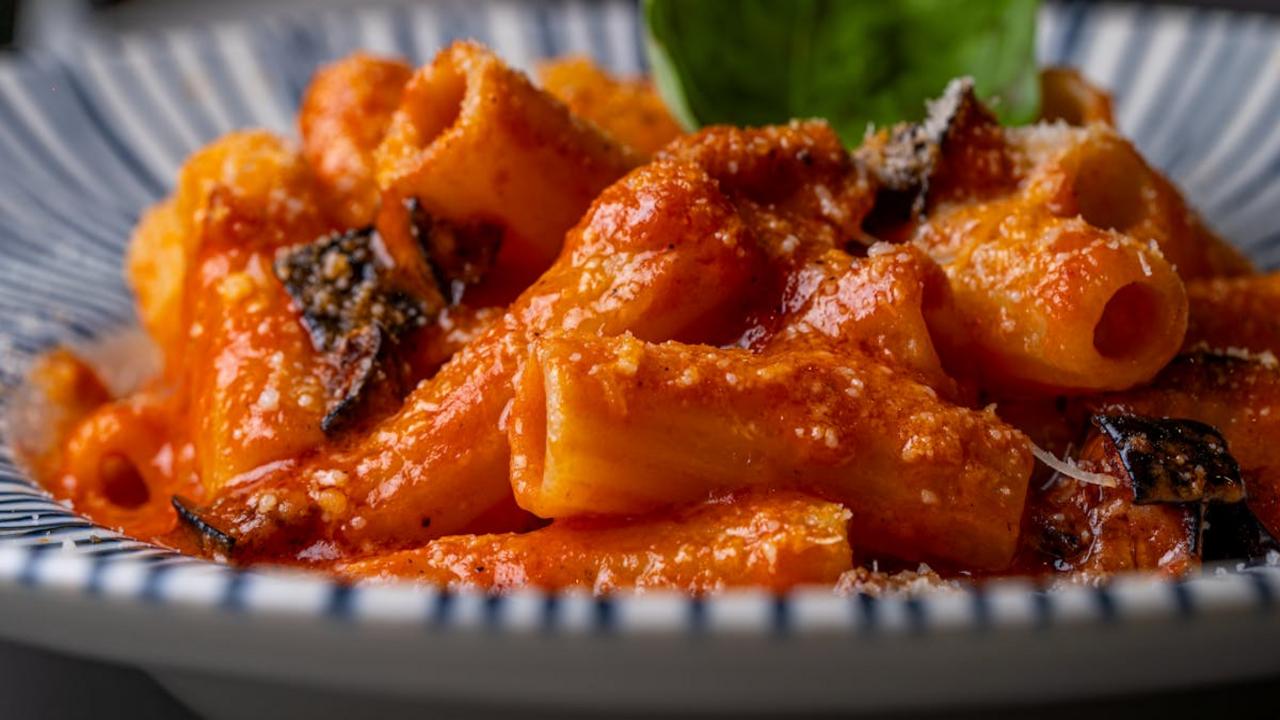
Ziti al Forno brings comfort food to a whole new level with its layers of perfectly cooked pasta, rich tomato sauce, and melted cheese that bubbles and browns in the oven. This baked pasta dish transforms simple ingredients into something special—tubular ziti holds onto every bit of sauce, while the cheese creates those irresistible crispy edges everyone fights over. The beauty lies in its straightforwardness: good pasta, homemade tomato sauce with garlic and herbs, and a generous blend of ricotta and mozzarella. Skip the jar and make your own sauce; the difference in flavor will amaze you.
What makes Ziti al Forno a repeat order is how it satisfies that craving for something hearty without being overly complicated. The dish comes together in stages—cook the pasta just shy of al dente since it’ll finish in the oven, layer it with your sauce and cheese mixture, then bake until golden. That final bake melds everything together while creating textural contrast between the creamy interior and crispy top. I always add fresh basil at the end and sometimes sneak in sautéed mushrooms or spinach for extra nutrition. This is the kind of meal that fills your kitchen with aromas that make everyone gather around the table before you even call them.
Ravioli ai Funghi
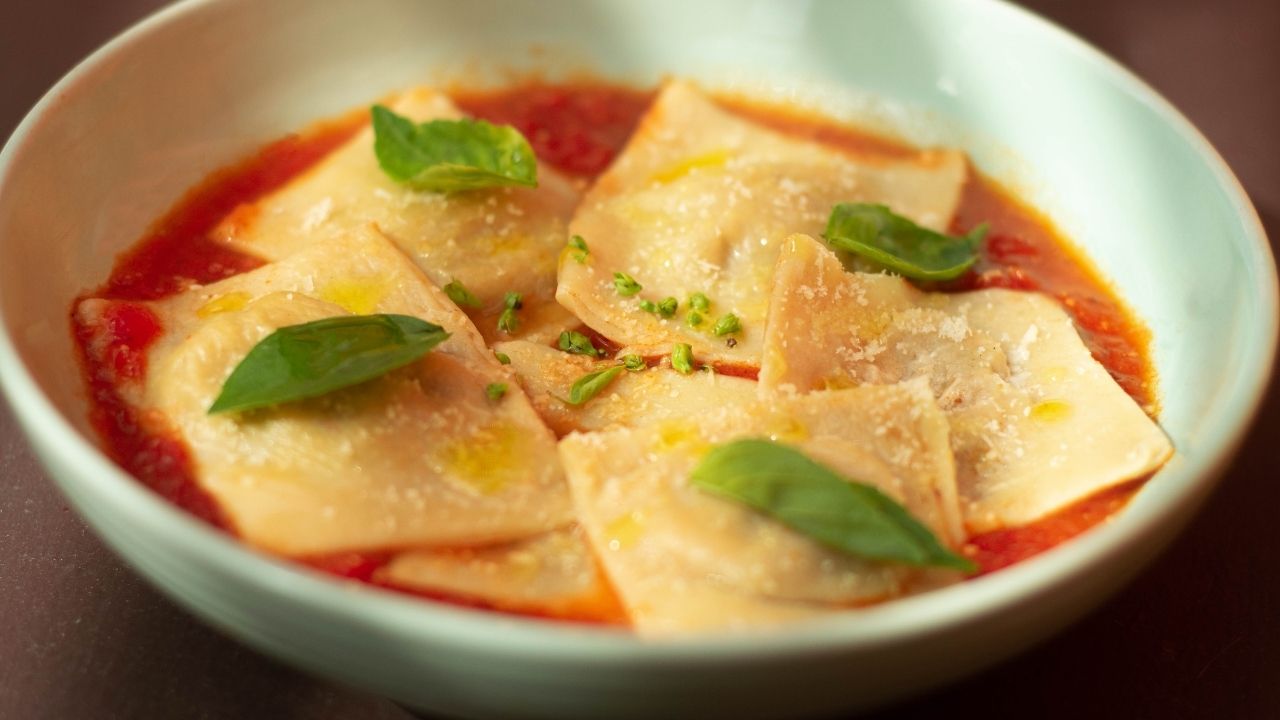
Ravioli ai Funghi brings together tender pasta pillows stuffed with earthy mushrooms, bathed in a silky butter and sage sauce that transforms simple ingredients into something extraordinary. You’re tasting centuries of Italian tradition in every bite—the kind of dish that makes you slow down and savor the moment. The filling typically combines porcini, cremini, or shiitake mushrooms with ricotta, creating a richness that doesn’t weigh you down. Americans keep ordering this because it delivers comfort without feeling heavy, and that balance is exactly what keeps us coming back to Italian cooking again and again.
Making ravioli from scratch might seem intimidating, but here’s what I know: the process itself becomes meditative once you get into the rhythm. You’re mixing flour and eggs, rolling dough until it’s thin enough to see your hand through, spooning filling, and sealing each pocket with care. The mushrooms need proper sautéing to release their moisture and concentrate their flavor—don’t rush this step. When you finish with that classic butter and sage sauce, maybe a handful of toasted walnuts for texture, you’ve created something that connects you directly to generations of Italian grandmothers who understood that real food doesn’t need complexity to be memorable.
Tagliatelle al Tartufo
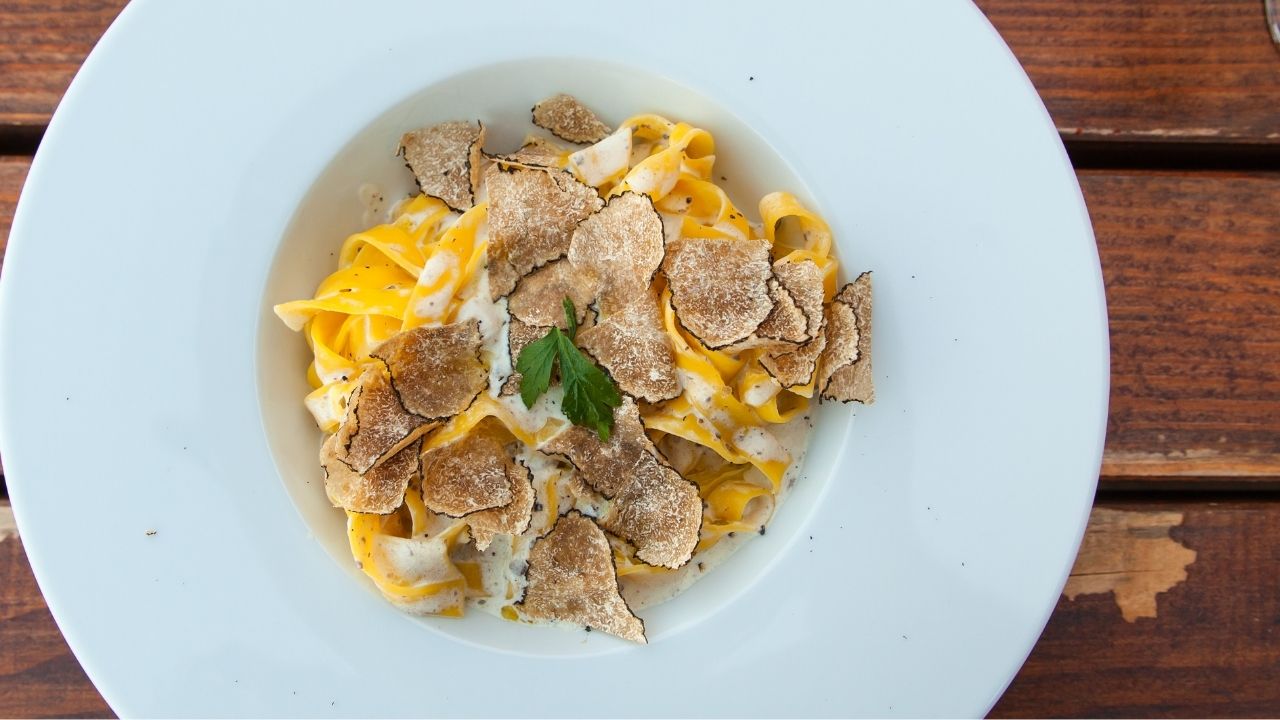
When you twirl ribbons of tagliatelle coated in butter and freshly shaved truffles, you’re experiencing one of Italy’s most luxurious yet surprisingly simple dishes. This Umbrian specialty proves that exceptional food doesn’t require a long ingredient list—just impeccable quality. The earthy, intoxicating aroma of black or white truffles transforms basic pasta into something extraordinary, and Americans can’t get enough of this indulgent treat whenever they spot it on a menu. Fresh tagliatelle provides the perfect wide, flat surface to catch every bit of that precious truffle-infused butter, creating an experience that’s both decadent and surprisingly light.
Making this at home requires splurging on quality truffles or truffle oil, but the payoff is worth every penny. Start with fresh or high-quality dried tagliatelle, toss it with good butter (and maybe a splash of pasta water for silkiness), then finish with generous shavings of fresh truffle or a drizzle of real truffle oil—not the synthetic stuff. A sprinkle of Parmigiano-Reggiano adds depth without overwhelming the star ingredient. This dish taught me that sometimes the best cooking means getting out of the way and letting premium ingredients shine through minimal preparation.
Trofie al Pesto
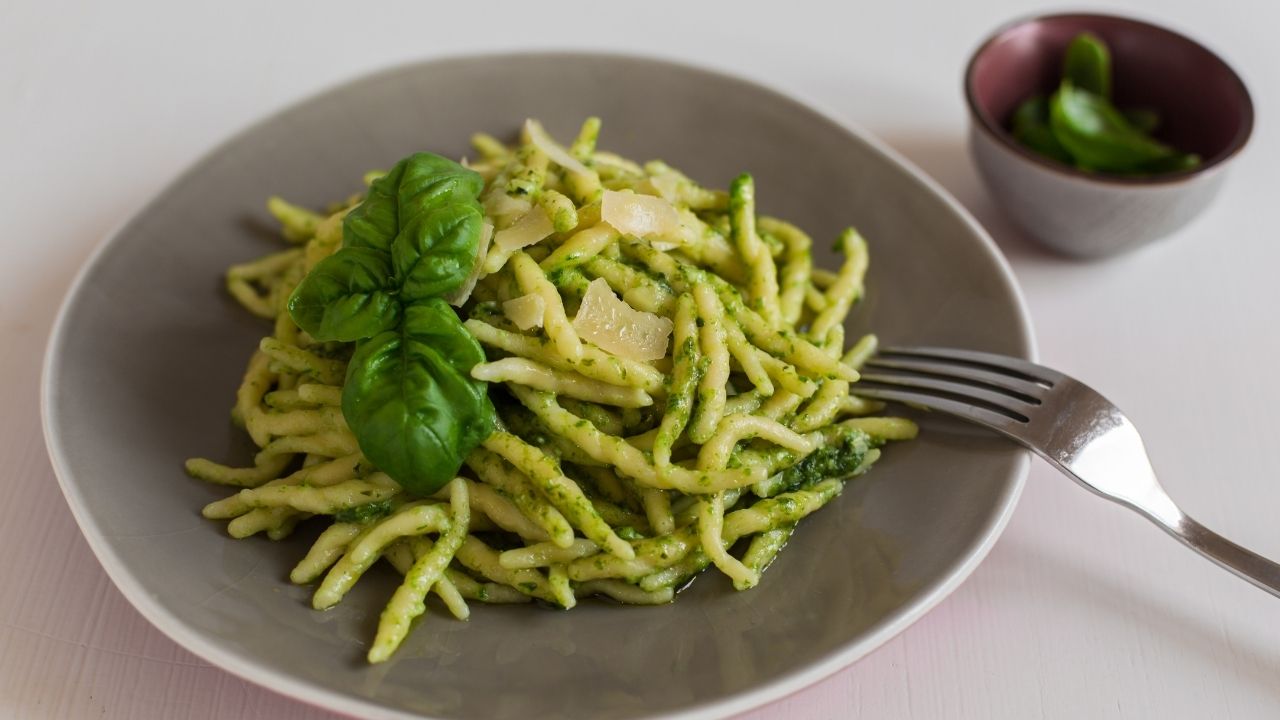
Trofie al pesto captures the heart of Ligurian cooking in every twisted, hand-rolled piece of pasta. These short, thin spirals have an irregular texture that grabs onto that vibrant basil pesto like nobody’s business. The shape comes from rolling small pieces of dough against a work surface, creating natural grooves that become perfect little pockets for sauce. When you make this at home, the pasta doesn’t need to look perfect—those imperfections actually help the pesto cling better. Fresh basil, pine nuts, garlic, Parmigiano-Reggiano, and good olive oil get blended into a bright green sauce that tastes like summer, even in the middle of winter. The traditional recipe keeps things simple, letting each ingredient shine without competing for attention.
Americans order this dish because it feels both light and satisfying, healthy yet indulgent. The pasta stays firm enough to give you something to chew on, while the pesto coats every surface with herbaceous, nutty flavor. I always add a splash of the pasta cooking water to the pesto before tossing—it helps everything come together into a silky coating instead of clumping up. You can throw in some blanched green beans and potato cubes to make it more substantial, the way they do in Genoa. The whole thing takes less than twenty minutes once your water boils, making it perfect for those nights when you want real food without spending hours in the kitchen. Nothing processed, nothing complicated—just good ingredients treated with respect.
Rigatoni Bolognese
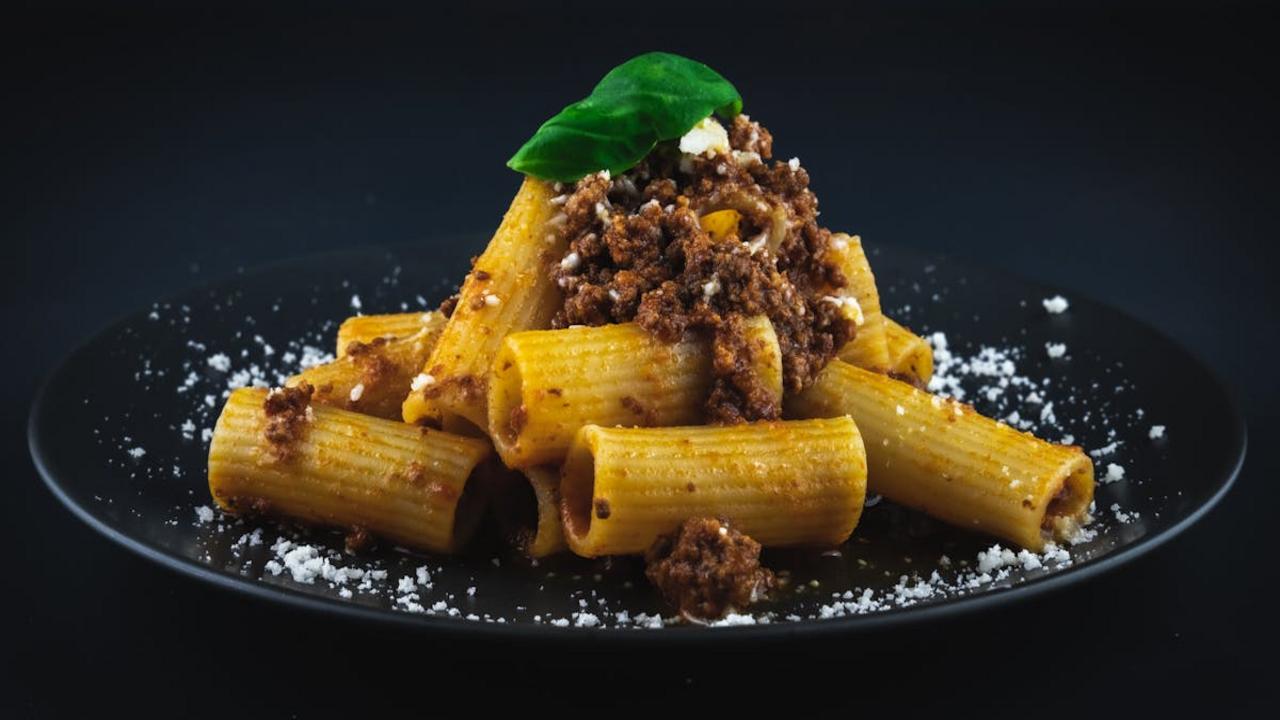
Rigatoni Bolognese stands as one of those dishes that perfectly demonstrates why Italians have such strong opinions about pasta shapes. Those thick, ridged tubes aren’t just there to look good on your plate—they’re designed to trap every bit of that slow-simmered meat sauce in their hollow centers and grooves. This is comfort food that respects your time and taste buds equally. A proper Bolognese simmers for hours, building layers of flavor as tomatoes, meat, wine, and aromatics meld into something greater than their parts. You’re creating a sauce that clings to each piece of rigatoni with the determination of someone who refuses to let good food go to waste.
What makes this dish so popular in American restaurants isn’t just the hearty satisfaction it delivers. It’s the way rigatoni holds up to reheating, making it a reliable choice for both dine-in and takeout orders. The pasta’s sturdy structure means it won’t turn mushy after sitting in sauce, and that thick coating of Bolognese ensures every bite delivers the rich, meaty flavor you’re craving. When you make this at home, you control the quality of your ingredients—grass-fed beef, San Marzano tomatoes, good wine you’d actually drink. Skip the processed jarred sauces and build your Bolognese from scratch. Your kitchen will smell amazing for hours, and you’ll have enough leftovers to make your future self extremely grateful.
Fettuccine Alfredo
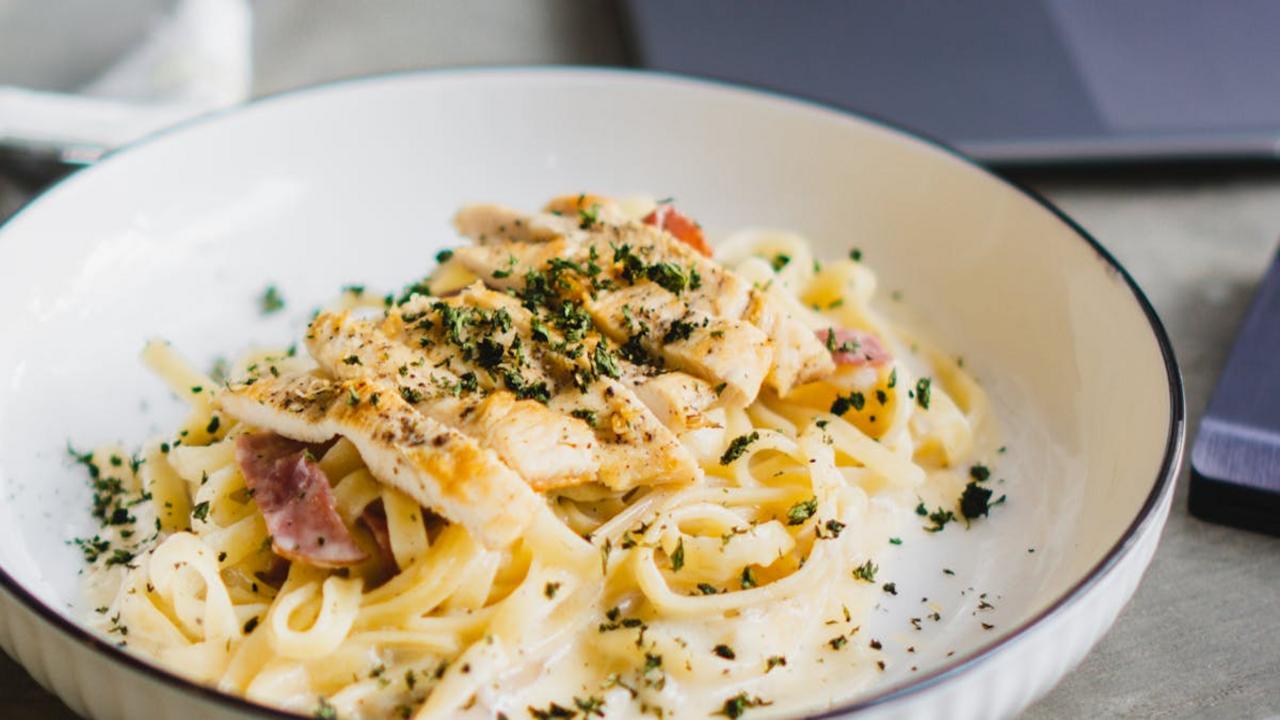
Fettuccine Alfredo is the dish that made Americans fall head over heels for cream-based pasta. You know what’s funny? This isn’t even how Italians traditionally eat it. The original version in Rome uses just butter and Parmigiano-Reggiano, tossed with hot pasta until it becomes this glossy, silky coating. But Americans took that concept and ran with it—adding heavy cream, sometimes garlic, and creating something entirely different. I make mine with real butter and freshly grated cheese, letting the pasta water do most of the work to create that velvety sauce. The key is reserving at least a cup of that starchy cooking liquid before you drain your noodles.
Here’s what I’ve learned from making this dish countless times: temperature matters more than you think. Your pasta needs to be piping hot when you toss it with the butter and cheese, and you need to work quickly. Cold plates will seize up your sauce faster than you can say “Alfredo.” I always warm my serving bowls in the oven first, and I never stop moving the pasta around in the pan. Some people add nutmeg or white pepper for depth, which I love. And if you want to keep it lighter without sacrificing that creamy texture, swap half the cream for whole milk and use the pasta water generously. The result is still rich and satisfying but won’t leave you in a food coma. Pair it with grilled chicken or shrimp, and you’ve got yourself a restaurant-quality meal at home.
Linguine alle Vongole
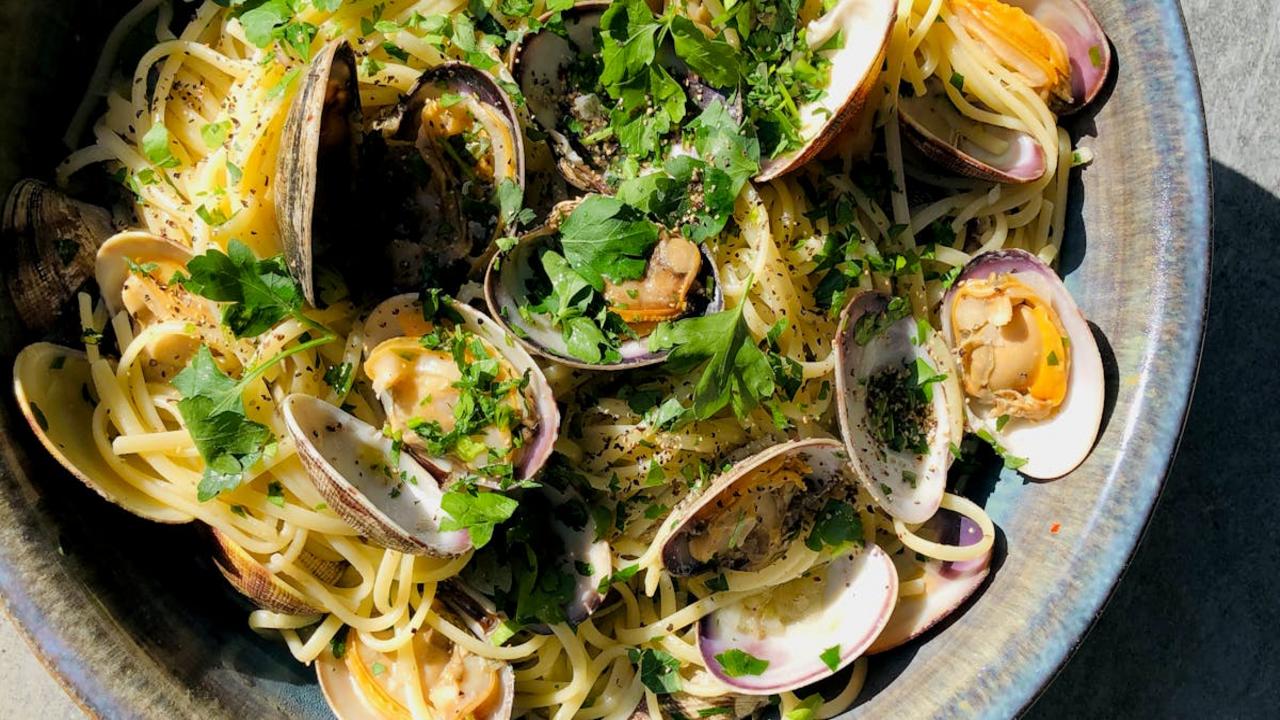
When you twirl linguine alle vongole on your fork, you’re experiencing one of the purest expressions of Italian coastal cooking. This classic dish from Naples showcases tiny, sweet clams bathing in a silky sauce of white wine, garlic, and olive oil, all tangled up with perfectly cooked pasta. What makes this dish so addictive is its simplicity—you’re not drowning the delicate clam flavor under heavy sauces or excessive ingredients. Instead, you’re allowing each element to shine through, from the briny ocean taste of the clams to the aromatic punch of fresh parsley and red pepper flakes. Americans keep ordering this because it feels both elegant and comforting, like someone who truly understands seafood made it just for you.
Making this at home requires fresh clams, good olive oil, and a bit of patience while they release their natural juices into the wine. You’re creating a sauce that’s light yet intensely flavorful, where the starchy pasta water helps bind everything together into glossy perfection. The trick is timing—you want your clams to open just as the pasta reaches al dente, so everything comes together in one harmonious moment. This dish reminds me why Italian cooking resonates so deeply: it’s about respecting ingredients and letting their natural qualities create magic on the plate. Skip the heavy cream versions you sometimes see—the traditional white clam sauce is where the real beauty lives.
Cavatelli with Pesto
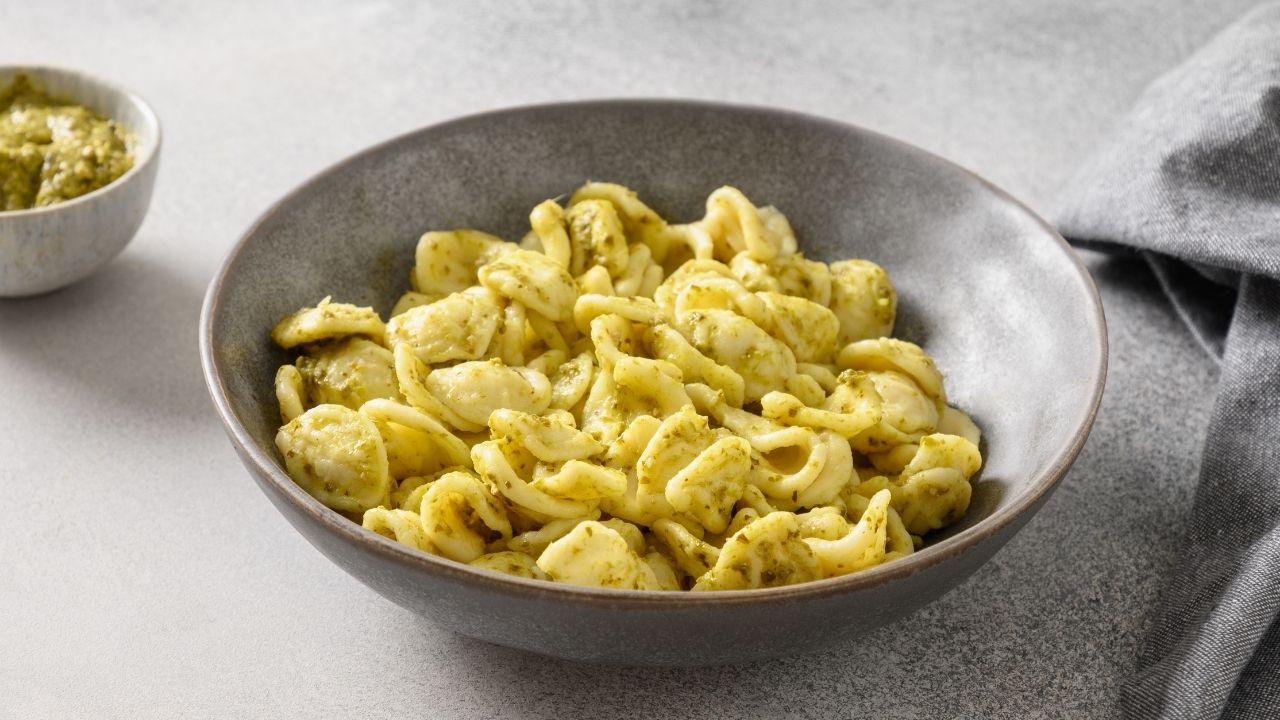
Cavatelli paired with pesto creates one of those magical combinations that proves simplicity wins every time. The ridged, shell-like shape of cavatelli isn’t just pretty—it’s engineered to trap every bit of that herbaceous, garlicky pesto in its grooves. When you twirl this pasta on your fork, you get an even coating of basil, pine nuts, Parmesan, and olive oil in every single bite. Making your own cavatelli takes some practice, but once you get the rhythm of rolling the dough against your work surface, you’ll understand why Italian grandmothers have been doing it this way for centuries. The texture is tender yet substantial, with a satisfying chew that holds up beautifully against the rich pesto.
I always keep fresh basil growing on my windowsill specifically for homemade pesto—there’s no comparison to store-bought versions once you’ve tasted the real thing. Toast your pine nuts until they’re golden and fragrant, then blitz everything together with good quality olive oil and freshly grated Parmesan. If you’re making cavatelli from scratch, save some of that starchy pasta water to loosen your pesto and help it cling to the pasta. A squeeze of lemon juice brightens everything up, and a handful of toasted pine nuts scattered on top adds textural contrast. This dish comes together in minutes once your components are ready, making it perfect for those nights when you want something special without spending hours in the kitchen. The beauty lies in using the best ingredients you can find and letting them speak for themselves.
Pappardelle with Wild Boar Ragu
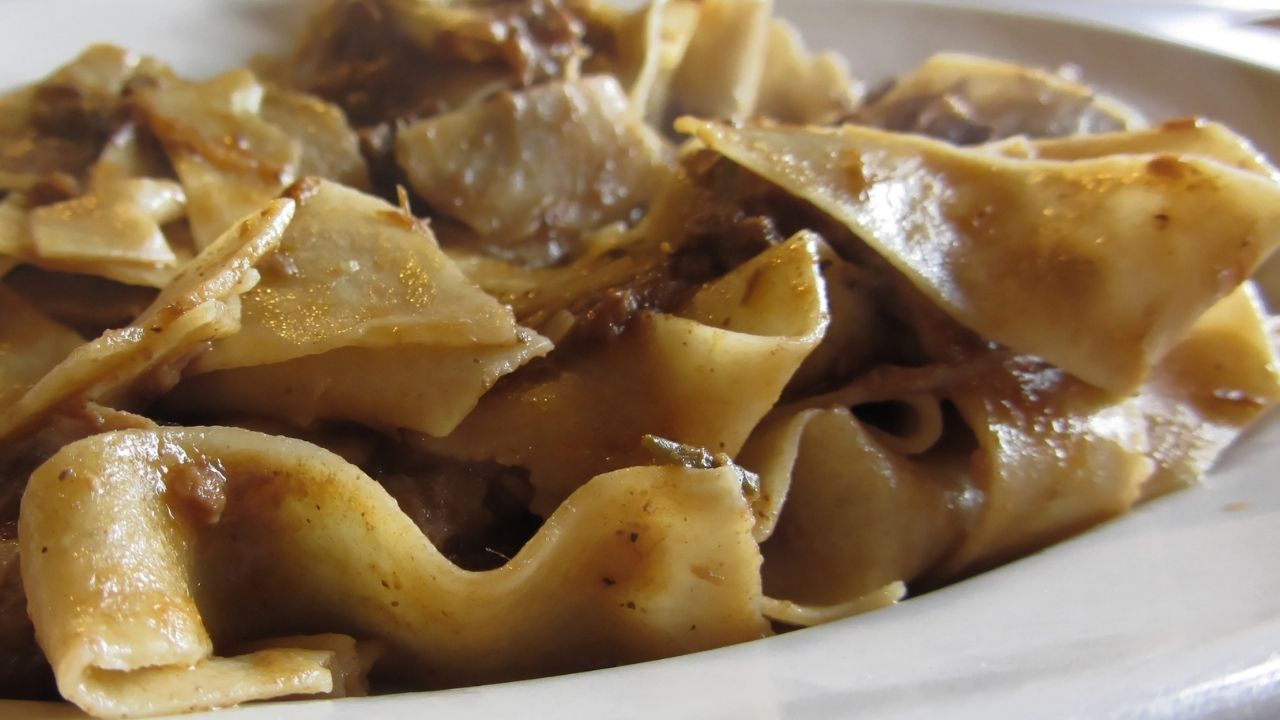
Wild boar ragu transforms pappardelle into something deeply satisfying and rustic. The wide, flat ribbons of pasta catch every bit of that slow-cooked sauce, which has been simmering for hours until the meat falls apart into tender shreds. Wild boar brings a richer, gamier flavor than regular pork, and it stands up beautifully to red wine, tomatoes, and aromatic herbs like rosemary and bay leaf. This dish comes from Tuscany, where hunters would bring home their catch and turn it into hearty meals that warmed entire families. The sauce clings to each strand of pappardelle, creating that perfect bite where pasta and meat become one unified experience.
What makes this dish special is the time and care that goes into building those complex flavors. You start by browning the meat properly, then add vegetables that soften and sweeten the sauce base. A good splash of red wine deglazes the pan and adds depth, while the long, gentle simmer allows everything to meld together. The result is a sauce that tastes like it has a story behind it—because it does. Americans order this dish because it feels both exotic and comforting, offering something different from everyday pasta while still delivering that satisfying, stick-to-your-ribs quality. The pappardelle’s broad surface area makes every forkful substantial, and the wild boar adds a sophistication that regular meat sauces just can’t match.
Orecchiette with Broccoli Rabe and Sausage
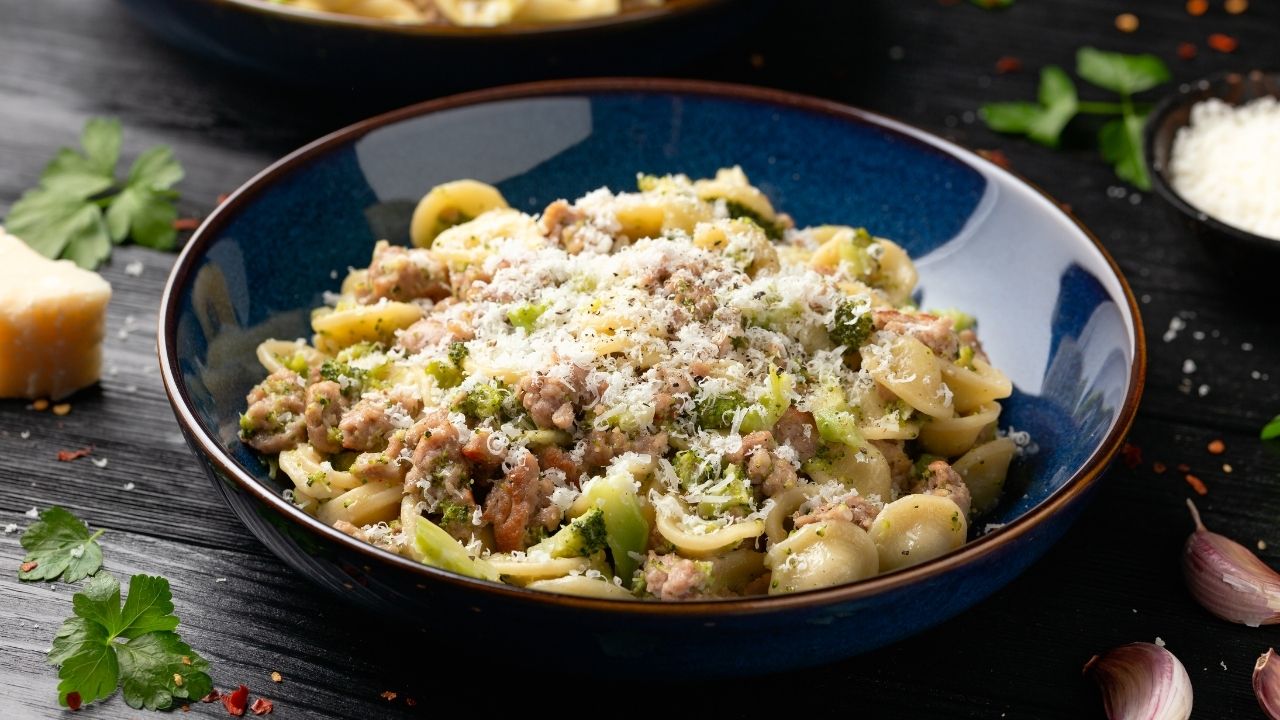
This dish speaks to the soul of Southern Italian cooking, where bitter greens meet savory meat in perfect balance. The ear-shaped pasta cups catch pieces of spicy Italian sausage and tender broccoli rabe in every bite. I cook this when I want something deeply satisfying that doesn’t rely on heavy cream or complicated techniques. The sausage renders its fat, which becomes the base for the sauce, coating each piece of orecchiette with rich flavor. A generous pinch of red pepper flakes and a splash of pasta water bring everything together into a glossy, cohesive dish.
What makes this recipe brilliant is its simplicity and how the ingredients support each other. The slight bitterness of broccoli rabe cuts through the richness of the sausage, while garlic and olive oil tie the elements together. You can have this on the table in under thirty minutes, making it perfect for weeknights when you want something more interesting than plain pasta. The key is blanching the broccoli rabe first to tame its bitterness, then sautéing it with the cooked sausage. Each component maintains its character while contributing to a harmonious whole that keeps Americans coming back for more.
Bucatini all’Amatriciana
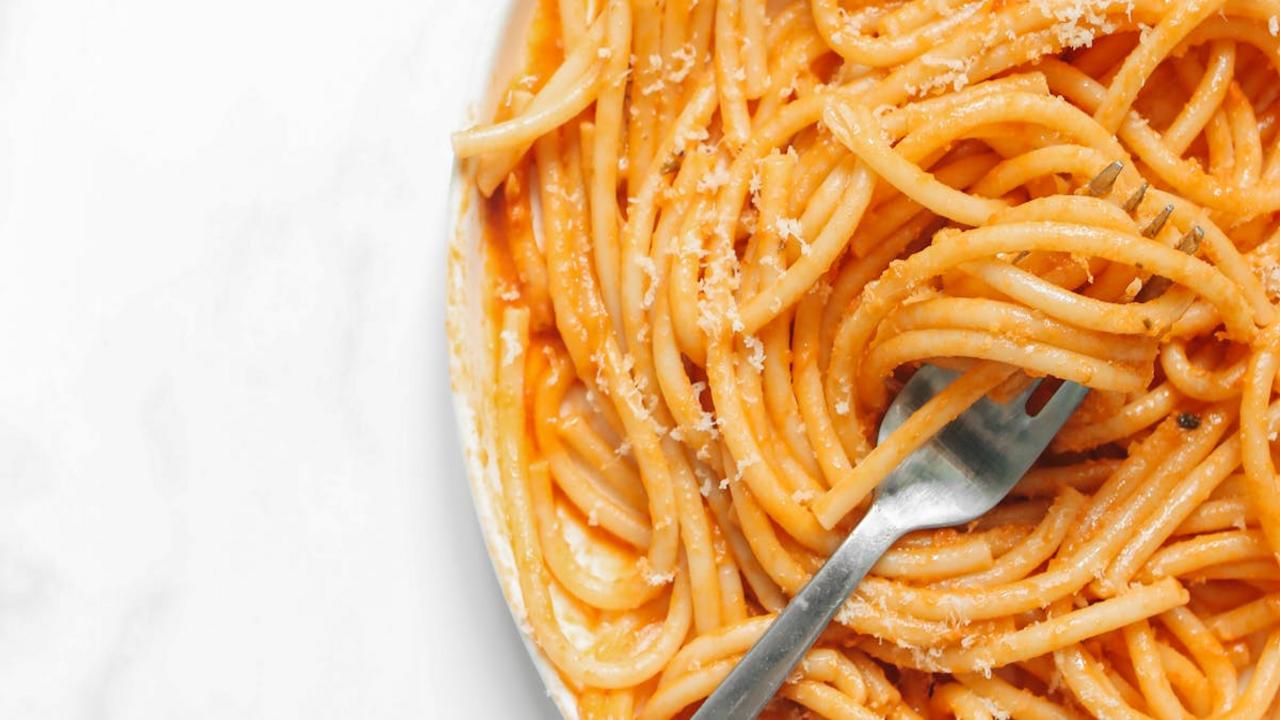
This Roman classic hits different when you make it from scratch. Bucatini—those thick, hollow spaghetti-like noodles—catch the rich tomato sauce in their centers, creating perfect bites every time. The sauce builds on guanciale (cured pork jowl), which renders its fat into liquid gold before tomatoes and pecorino romano join the party. Most restaurants in America nail this dish because it’s straightforward yet demands respect for technique. You can’t rush the guanciale or skimp on quality pecorino. When that salty, porky fat mingrates through sweet San Marzano tomatoes and coats each strand of bucatini, you understand why this dish survived generations.
I’ve noticed Americans gravitate toward amatriciana because it balances familiar comfort with authentic Italian soul. Unlike cream-heavy dishes that weigh you down, this one keeps things bright and energizing. The guanciale provides richness without feeling heavy, while the tomatoes add acidity that keeps you reaching for another forkful. If you can’t source guanciale, thick-cut bacon works in a pinch, though you’ll miss some of that distinctive funk. The pecorino romano is non-negotiable—its sharp, salty punch transforms the sauce from good to unforgettable. This dish proves that Italian cooking doesn’t need complexity to satisfy deeply.
Penne alla Vodka
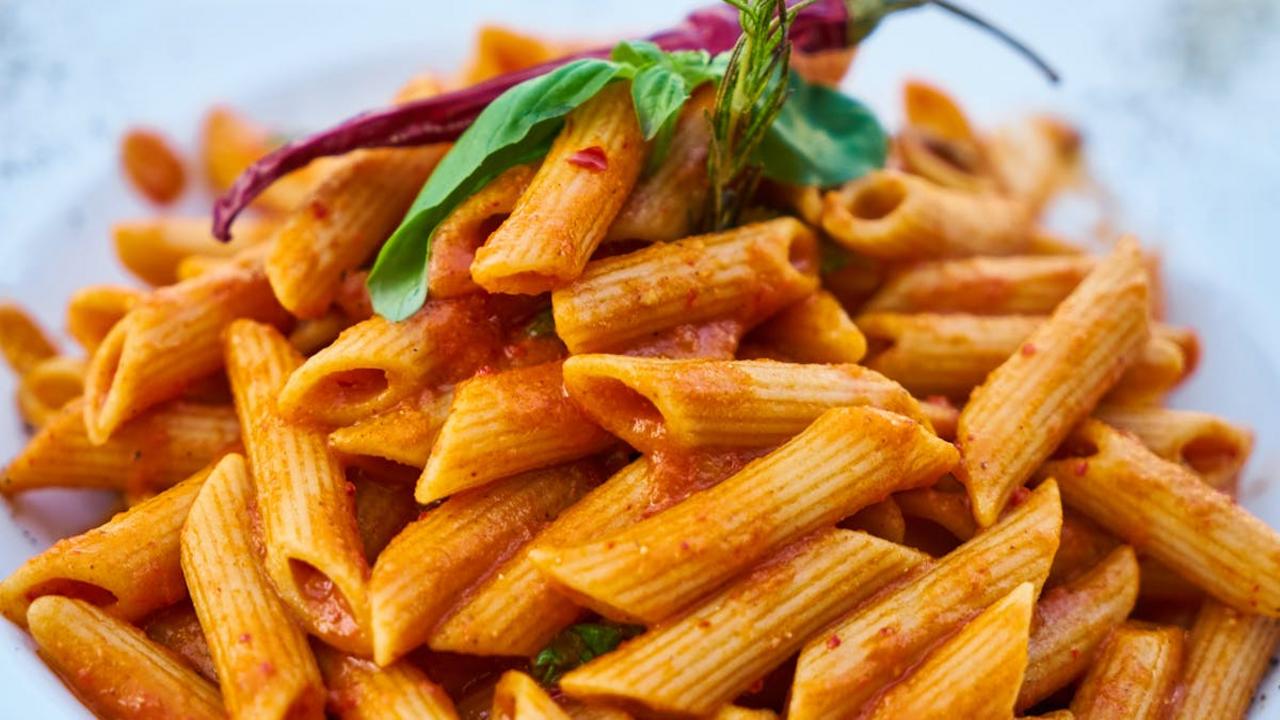
Penne alla Vodka sits comfortably at the intersection of American-Italian dining, and there’s a reason it shows up on restaurant tables again and again. The dish delivers a silky tomato-cream sauce that clings to every ridged tube of penne, creating that perfect balance between richness and brightness. What makes this sauce work so beautifully is the vodka—it acts as a solvent that pulls out flavor compounds from the tomatoes that neither water nor fat can extract on their own. When you add that splash of vodka to your simmering tomatoes, you’re not just following tradition; you’re actually unlocking deeper, more complex flavors that make the sauce taste more intensely tomatoey. The alcohol cooks off, leaving behind only the enhanced essence of everything in the pan.
Making this dish at home gives you control over the quality of ingredients and the final texture. Start with good canned San Marzano tomatoes, let them break down with garlic and red pepper flakes, then add your vodka and let it reduce by half before stirring in heavy cream. The sauce should coat the back of a spoon without feeling heavy—that’s when you know the consistency is right. Fresh basil at the end brightens everything up, and a generous handful of Parmigiano-Reggiano melts into the sauce, adding that savory depth. This isn’t complicated cooking; it’s about understanding how each ingredient contributes to building layers of flavor that keep people coming back for more.
Spaghetti Carbonara
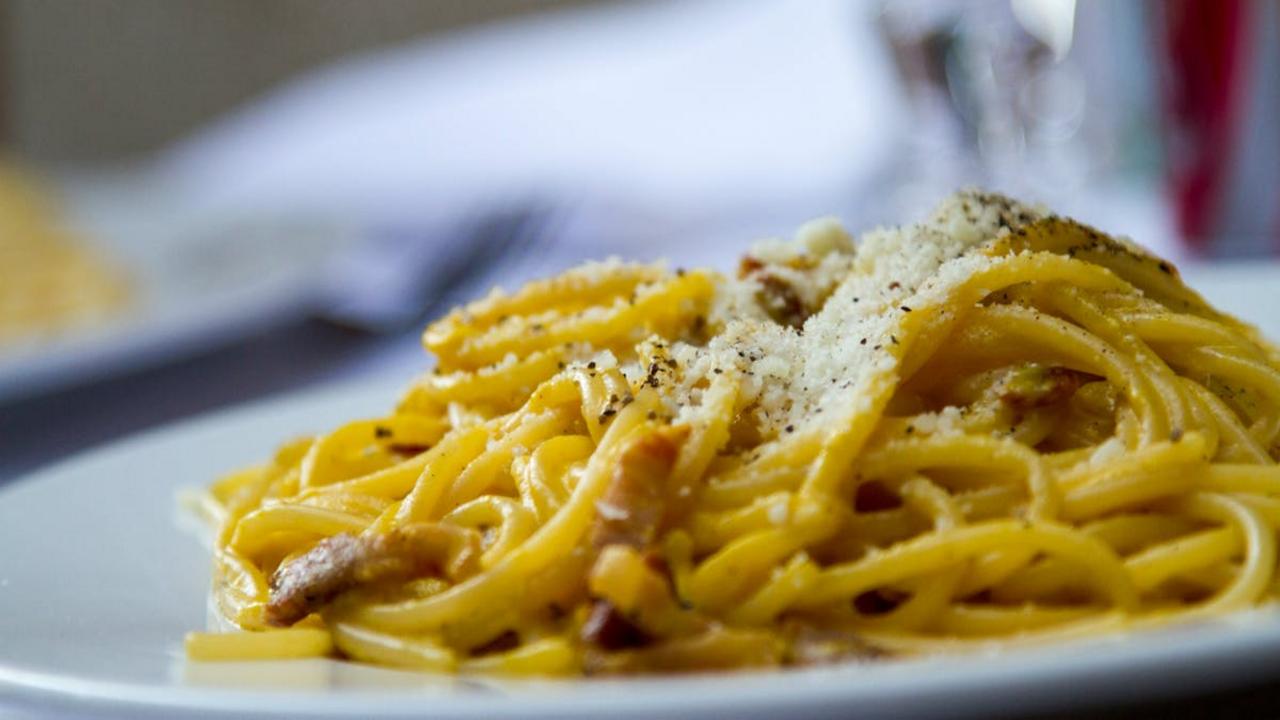
Picture this: silky strands of spaghetti coated in a luscious, creamy sauce made without a drop of cream. That’s the magic of authentic carbonara, and honestly, once you understand how simple it really is, you’ll never order the heavy, cream-laden version again. The real deal relies on just five ingredients—spaghetti, guanciale (or pancetta if you can’t find it), eggs, Pecorino Romano cheese, and black pepper. The secret? Tossing hot pasta with whisked eggs and cheese off the heat, creating that velvety sauce through the residual warmth alone. Americans have fallen hard for this Roman classic because it delivers restaurant-quality satisfaction in about twenty minutes, proving that you don’t need complicated techniques or a pantry full of ingredients to create something extraordinary.
What makes carbonara so addictive is that perfect balance of salty, savory pork against the rich egg sauce, all brightened by a generous crack of black pepper. I make mine by crisping the guanciale until it’s golden and rendering out all that beautiful fat, then I save some starchy pasta water—this is your insurance policy for a smooth sauce that clings to every strand. The technique takes a bit of confidence at first because you’re essentially tempering eggs with hot pasta, but once you nail it, you’ll understand why Italians are so protective of this recipe. No peas, no cream, no garlic—just pure, unadulterated comfort that respects the ingredients and lets each one shine.