15 Foods You’re Probably Tossing That Are Kitchen Gold
You’re throwing away kitchen treasures! Those broccoli stems, carrot tops, and fruit peels you discard? They pack serious nutrition and flavor. I discovered this while cooking on a budget—transforming my “trash” into delicious meals saved money and reduced waste in my kitchen.
Every food scrap holds potential. Orange peels become zesty seasonings, watermelon rinds transform into pickles, and banana peels make surprisingly good curry. Your potato skins contain more nutrients than the flesh inside, and those celery leaves add bright flavor to soups and salads.
My cooking changed when I started seeing food waste differently. Pineapple cores brew into refreshing tea, cheese rinds enrich soups, and aquafaba whips into perfect meringues. Think twice before tossing these ingredients—they’ll expand your cooking options while shrinking your grocery bill.
Pumpkin seeds
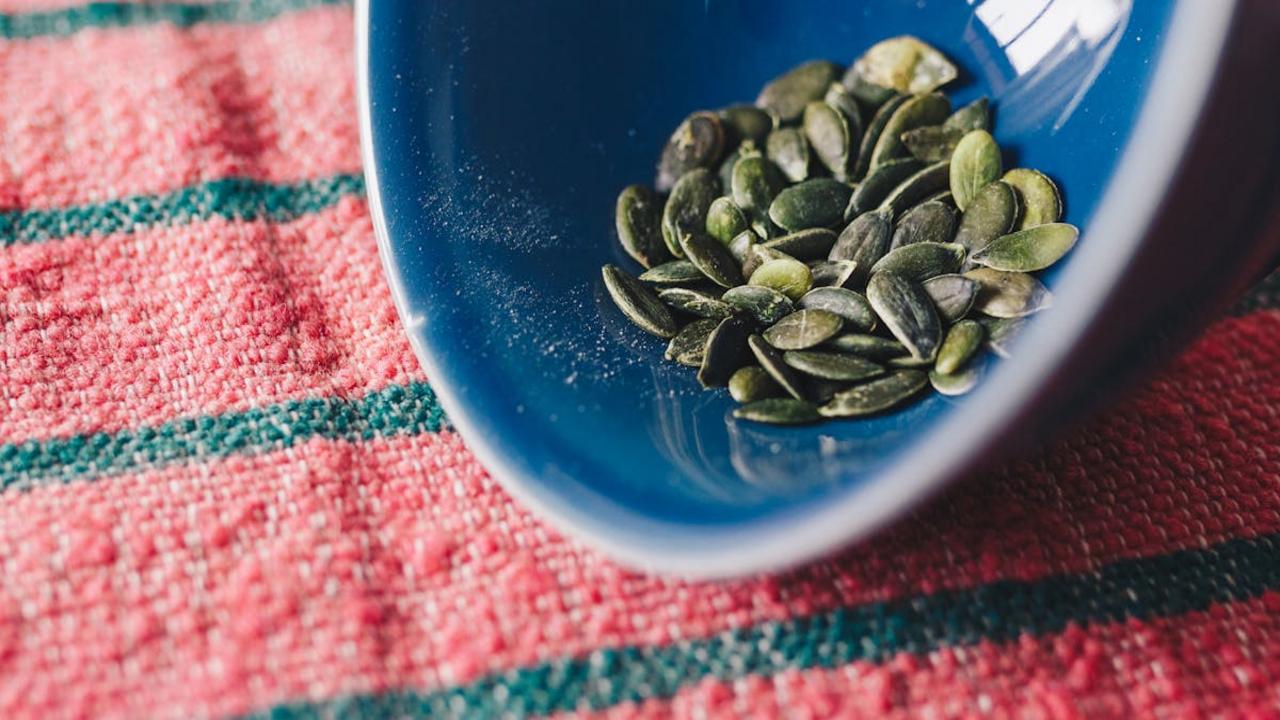
Every October, I watch friends and family carve their jack-o’-lanterns and toss those precious pumpkin seeds straight into the trash. It breaks my heart because they’re throwing away one of nature’s most nutritious snacks! Those little seeds pack serious punch—loaded with magnesium, zinc, and healthy fats that your body craves. I’ve been roasting pumpkin seeds since I was a kid helping my grandmother in her kitchen, and now I get excited every time pumpkin season rolls around because it means free superfood for months.
The magic happens when you clean those slimy seeds, toss them with olive oil and your favorite spices, then roast them until they’re golden and crunchy. I love experimenting with different flavor combinations—sometimes I go Mediterranean with herbs and lemon zest, other times I’ll add curry powder and a touch of honey for something unexpected. You can store them in an airtight container for weeks, perfect for sprinkling on salads, mixing into trail mix, or just grabbing a handful when you need a satisfying snack. Trust me, once you taste homemade roasted pumpkin seeds, you’ll never waste another one again.
Aquafaba (chickpea liquid)
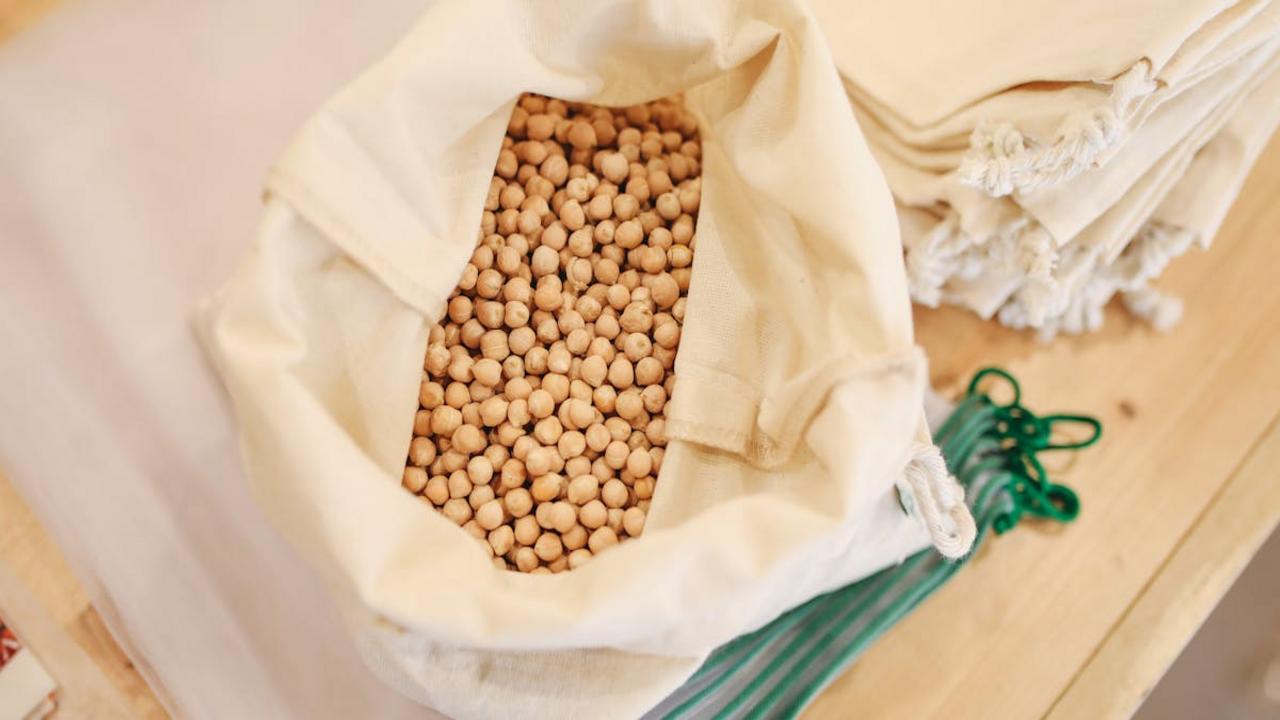
That thick, cloudy liquid you drain from canned chickpeas? Stop pouring it down the sink immediately! Aquafaba transforms into the most incredible egg substitute I’ve ever worked with. This magical liquid whips into fluffy peaks for meringues, binds ingredients in baking, and creates the silkiest mayonnaise. I discovered this treasure while experimenting with plant-based alternatives, and now I save every drop from my chickpea cans. The protein-rich liquid mimics egg whites so perfectly that even my most skeptical dinner guests can’t tell the difference in my chocolate mousse or homemade marshmallows.
Three tablespoons of aquafaba replace one whole egg in any recipe, making it perfect for friends with allergies or those choosing plant-based options. I love how it brings people together around the table regardless of dietary preferences. The neutral flavor means you can use it in both sweet and savory dishes without compromising taste. Store it in your refrigerator for up to a week, or freeze it in ice cube trays for longer storage. Once you start incorporating aquafaba into your cooking routine, you’ll wonder how you ever lived without this pantry staple that was hiding in plain sight.
Coffee grounds
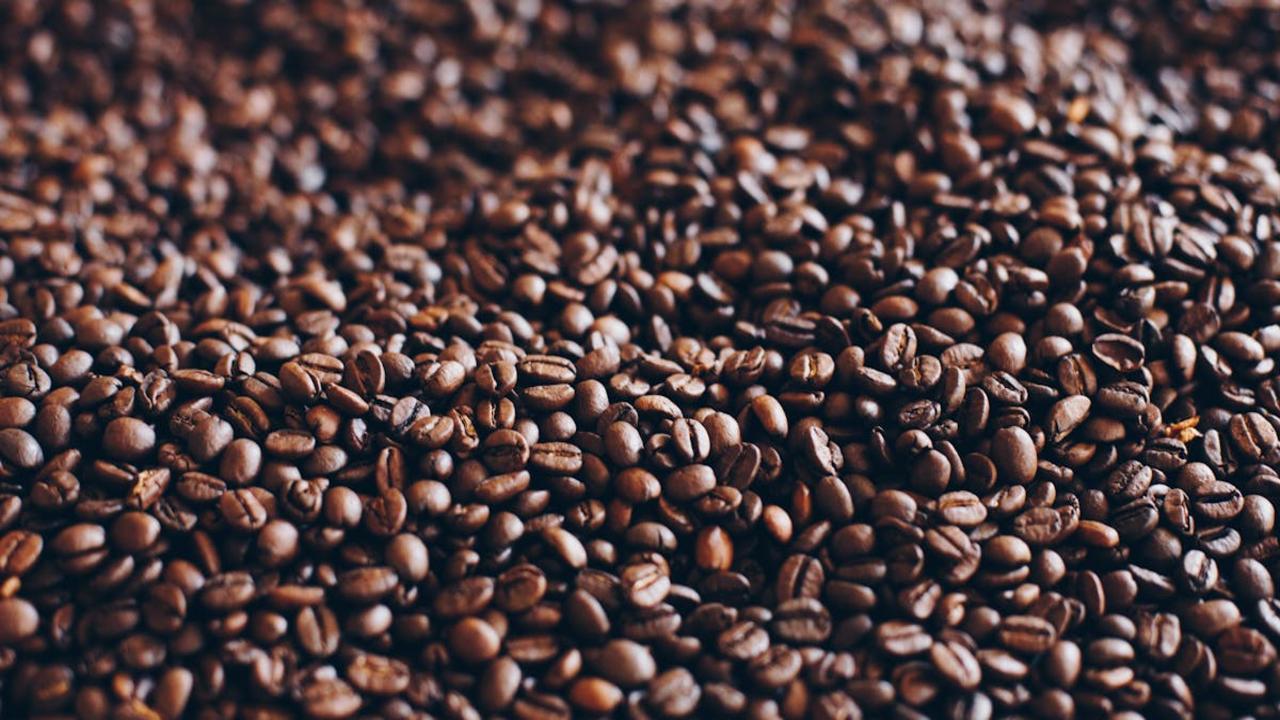
Your morning coffee ritual creates more than just that perfect cup – those spent grounds sitting in your filter hold incredible potential for your kitchen and garden. I discovered this years ago when my grandmother showed me how she mixed used coffee grounds into her chocolate cake batter, creating the most intensely rich dessert I’d ever tasted. The grounds add depth without bitterness, and they pair beautifully with chocolate, cinnamon, and even savory spice rubs for meat. You can dry them completely and store them in airtight containers for months, ready to transform ordinary recipes into something extraordinary.
Beyond baking, coffee grounds work magic in your garden as natural fertilizer and pest deterrent. I scatter them around my tomato plants and herbs – the nitrogen feeds the soil while keeping slugs at bay naturally. You can also create an exfoliating body scrub by mixing grounds with coconut oil and a touch of honey, or use them to scrub stubborn food residue from pots and pans. The coarse texture works better than harsh chemicals, and your hands won’t smell like cleaning products afterward. Next time you brew your morning coffee, think twice before tossing those grounds – they’re liquid gold waiting for their second act in your home.
Apple cores
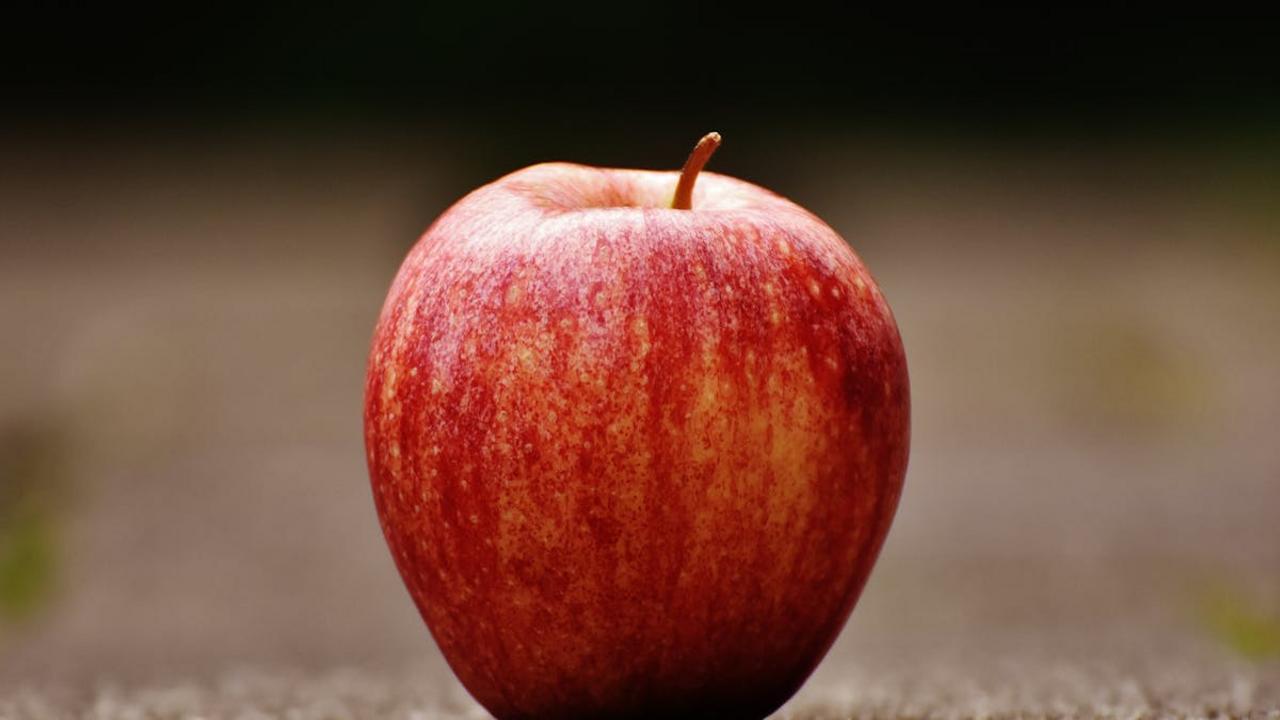
Before you toss that apple core into the compost bin, stop right there! Those seemingly unusable centers pack incredible potential that most home cooks never realize. I’ve been saving my apple cores for years, and they’ve become one of my favorite secret ingredients. The pectin-rich core contains natural thickening power that transforms into liquid gold when simmered with water. You can create the most beautiful, amber-colored apple stock that adds depth to everything from oatmeal to braised pork dishes. The natural sweetness and subtle apple essence work magic in both sweet and savory applications.
Here’s what I do with mine: collect cores in a freezer bag until I have about ten, then simmer them with water, a cinnamon stick, and maybe some ginger for thirty minutes. Strain the liquid, and you’ve got homemade apple stock that keeps for weeks in the fridge. This base becomes my go-to for cooking quinoa, making salad dressings with a hint of fruit, or reducing down into a glaze for roasted vegetables. The cores also make fantastic additions to homemade vinegar or kombucha for extra flavor complexity. Once you start seeing apple cores as ingredients rather than waste, your kitchen creativity will expand in ways you never imagined.
Cheese rinds

I used to toss those hard, waxy cheese rinds straight into the trash without a second thought—what a mistake! Those rinds from aged cheeses like Parmesan, Pecorino Romano, or Gruyère pack incredible flavor that transforms ordinary dishes into something special. The rinds aren’t just edible; they’re concentrated flavor bombs waiting to elevate your cooking. I keep a small container in my freezer specifically for collecting these golden treasures, and you should too.
Drop a Parmesan rind into your next pot of minestrone or bean soup, and watch magic happen. The rind slowly releases its nutty, salty essence, creating a depth that no amount of salt or seasoning powder can match. I also love simmering them in tomato sauce for pasta—the rind melts partially and infuses the sauce with that authentic Italian richness. Just remember to fish out any remaining pieces before serving, though honestly, I often leave small softened bits in because they add wonderful texture. Your soups, stews, and sauces will thank you for this simple switch from waste to flavor.
Onion skins
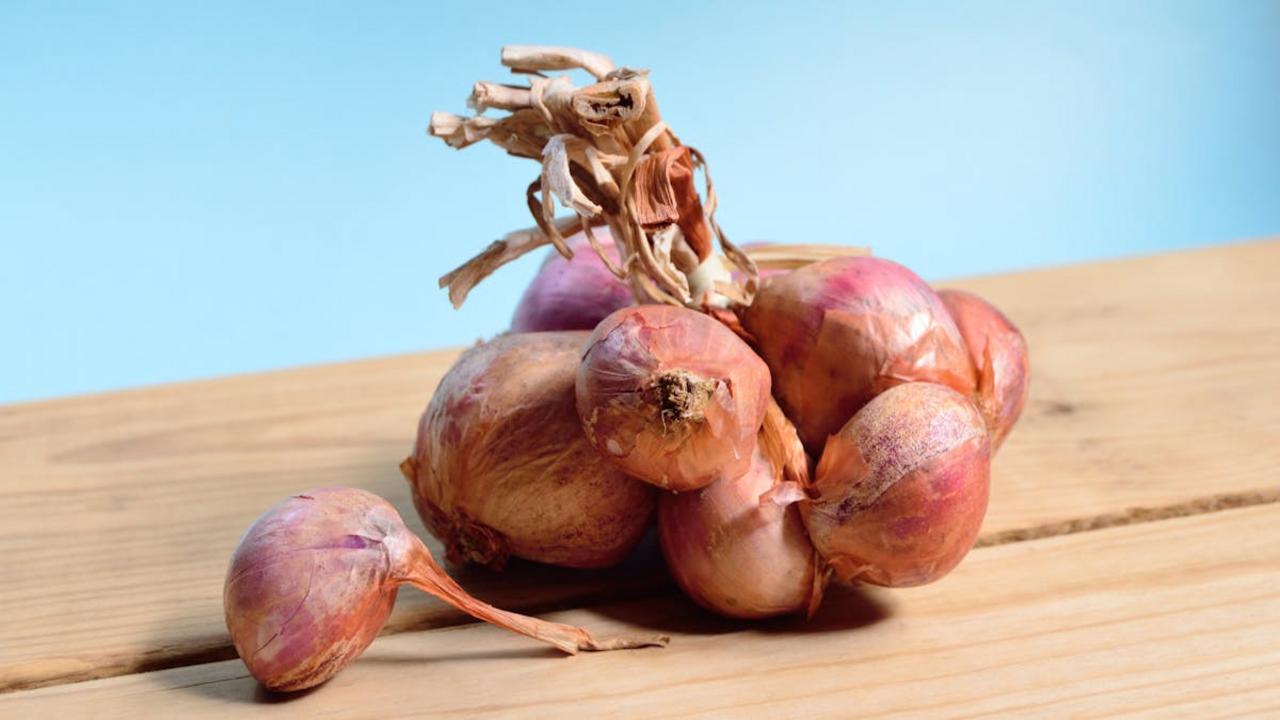
Those papery onion skins you automatically toss into the trash? Stop right there! I’ve been saving mine for months now, and they’ve completely transformed how I approach building flavor in my kitchen. These thin, translucent layers pack an incredible punch of concentrated onion essence that can elevate your cooking in ways fresh onions simply can’t match. The dry, concentrated nature of these skins means they infuse broths and stocks with a deep, caramelized sweetness that would take hours to achieve through traditional cooking methods.
I store my collected onion skins in a freezer bag, adding to them each time I cook with onions. When I’m ready to make vegetable stock, I toss a handful of these golden treasures directly into the pot with my other aromatics. The result is a rich, amber-colored broth with layers of complex onion flavor that forms the perfect base for soups, risottos, and grain dishes. You can also steep them in hot water for 15-20 minutes to create an instant onion tea that works beautifully for deglazing pans or adding depth to gravies. This simple practice has saved me money while reducing food waste, proving that some of our most valuable ingredients hide in plain sight.
Pineapple core

That tough, fibrous center you automatically toss while prepping pineapple? Stop right there! The core packs serious nutritional punch with concentrated enzymes, fiber, and vitamin C. I discovered this gem years ago when my grandmother refused to waste any part of the fruit. She’d slice those cores into thin rounds and add them to her morning smoothies, creating this incredible tropical base that transformed ordinary breakfast drinks into something special.
Now I save every single core for multiple kitchen adventures. Blend them into smoothies for natural sweetness and digestive benefits, or simmer them with ginger and water to create the most refreshing homemade pineapple water you’ve ever tasted. The cores also work beautifully in fermented tepache – that traditional Mexican drink that turns pineapple scraps into a lightly fizzy, probiotic-rich beverage. You can even dice the softer parts into small pieces and fold them into fried rice or stir-fries for unexpected bursts of sweetness. Trust me, once you start using cores, you’ll never see pineapple prep the same way again.
Herb stems
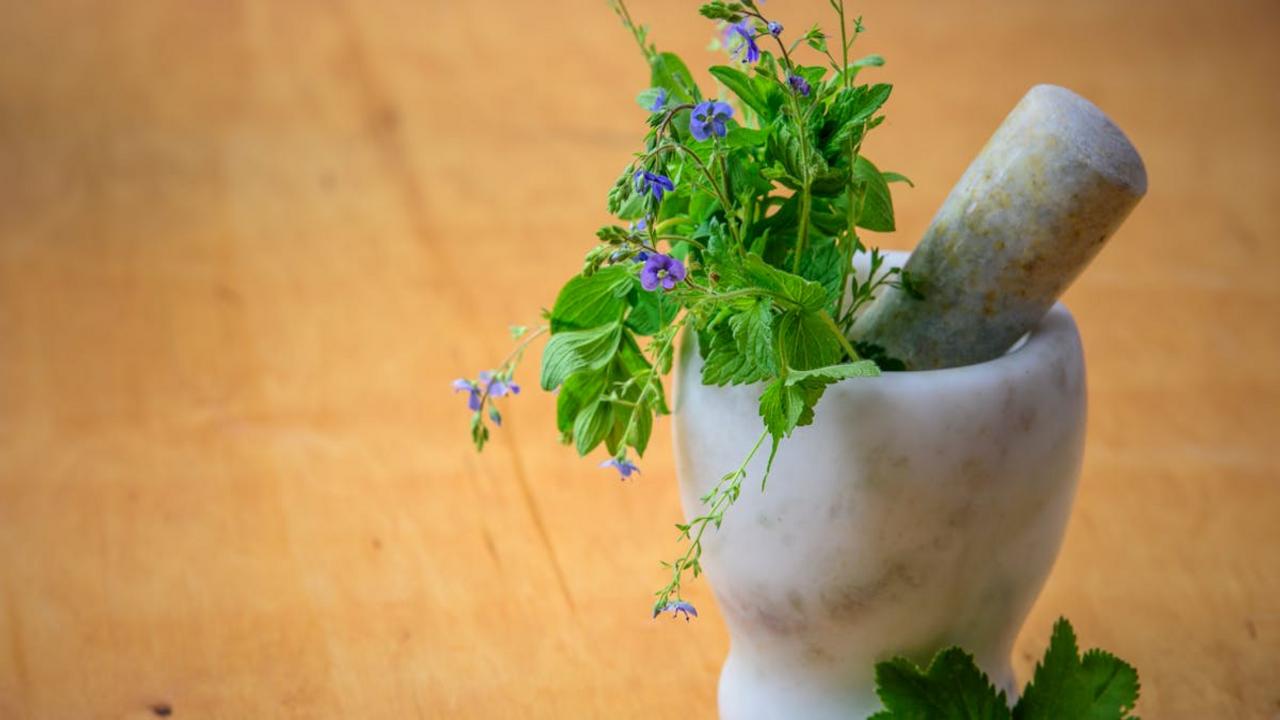
Those tender stems from your parsley, cilantro, dill, and basil bunches hold incredible flavor that many home cooks simply toss away. I used to do the same thing until my grandmother showed me how she’d bundle up those discarded stems and simmer them in her stocks and broths. The stems actually contain concentrated oils and aromatics that can transform a simple soup base into something extraordinary. Now I save every single stem, storing them in the freezer until I need them.
You can chop tender stems like parsley and cilantro right into your dishes—they add a slightly different texture and often more intense flavor than the leaves alone. For heartier stems from thyme or rosemary, I tie them into bundles and drop them into slow-cooking stews, removing them before serving. My favorite trick is blending softer herb stems with olive oil, garlic, and a pinch of salt to create vibrant herb oils that drizzle beautifully over roasted vegetables or grilled fish. These stems represent pure flavor waiting to shine in your cooking.
Celery leaves
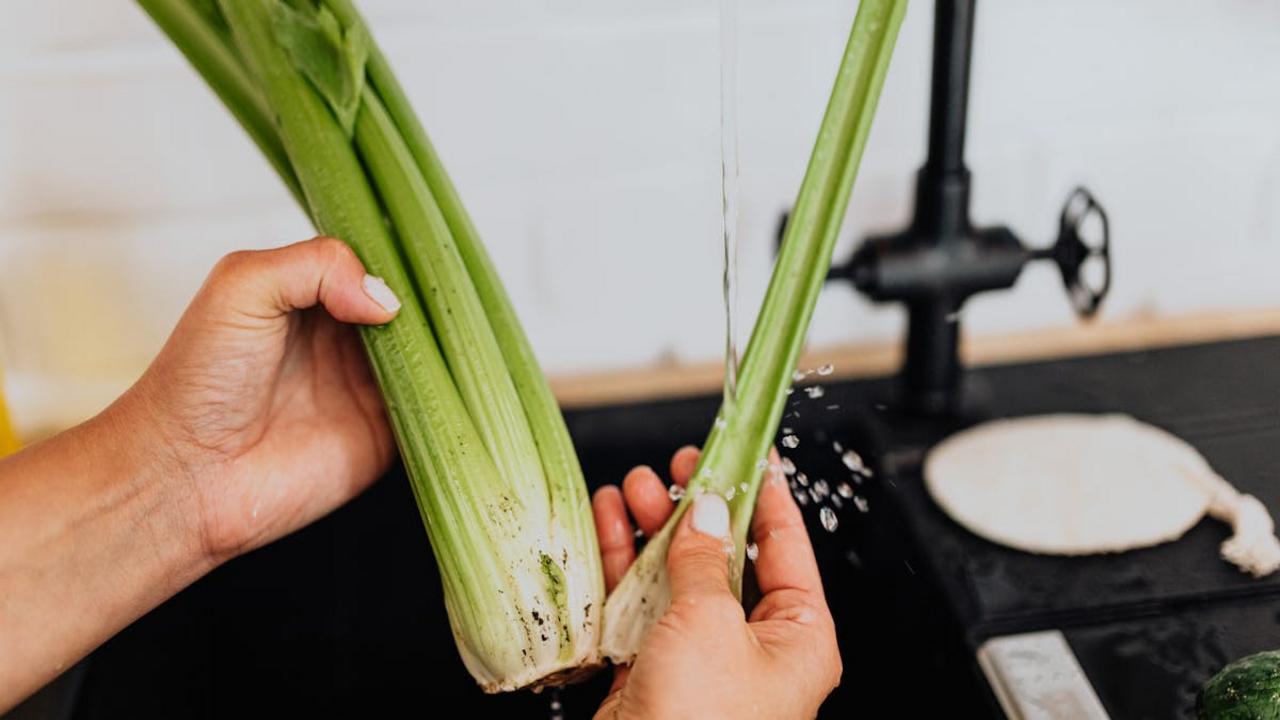
You know that moment when you’re prepping celery and automatically toss those beautiful, feathery leaves into the compost? I used to do the same thing until I discovered these green gems pack more flavor than the stalks themselves. Those leaves carry an intense, herbaceous punch that’s somewhere between parsley and the celery stalk, but with a more concentrated, almost peppery finish. I started saving them after watching my grandmother in her Nigerian kitchen never waste a single part of any vegetable—she’d dry them, chop them fresh, or throw them whole into her soups.
Now I treat celery leaves like the herb they truly are. I toss them into salads for an unexpected bite, blend them into my green smoothies, or chop them finely to sprinkle over roasted vegetables and grain bowls. They’re incredible in homemade stocks and broths, where they add depth without overpowering other flavors. My favorite trick is making a simple chimichurri-style sauce with celery leaves, garlic, olive oil, and a splash of lemon juice—it transforms grilled chicken or fish into something special. You can also dry them in your oven on low heat and store them as a seasoning blend. Trust me, once you start cooking with celery leaves, you’ll never see them as waste again.
Potato skins
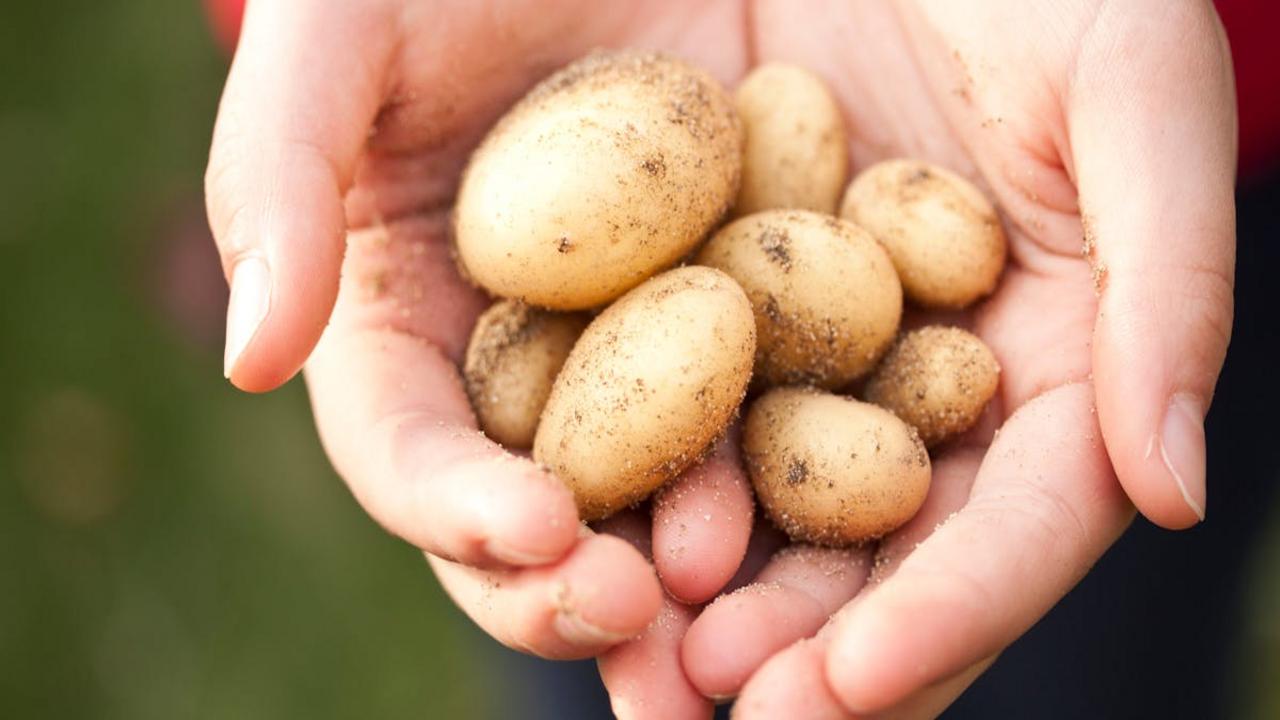
You know that satisfying moment when you’re making mashed potatoes and you automatically reach for the peeler? Stop right there! Those potato skins you’re about to discard hold more nutritional power than the flesh itself. I discovered this during my early days of cooking when money was tight and wasting food felt criminal. Potato skins contain concentrated amounts of potassium, vitamin C, and fiber – plus they add incredible texture to dishes when you know how to work with them.
Transform these nutrient-dense gems into crispy delights by tossing clean skins with olive oil, sea salt, and your favorite spices before roasting until golden. They make phenomenal garnishes for soups, add crunch to salads, or become addictive snacks on their own. I love mixing roasted potato skins into grain bowls or using them as a base for loaded “skins” topped with herbs, cheese, or yogurt. The key lies in washing your potatoes thoroughly and choosing organic when possible – this way, you’re getting clean, wholesome nutrition without any unwanted chemicals. Your wallet and your body will thank you for this simple shift in perspective.
Banana peels

Listen, I know what you’re thinking – banana peels are trash, right? Wrong! These golden skins pack serious nutritional power and bring incredible flavor to your cooking. In many parts of Asia and Latin America, banana peels are treasured ingredients that transform ordinary meals into something special. The peels contain potassium, magnesium, and fiber, plus they add a subtle sweetness with earthy undertones that work beautifully in both savory and sweet dishes.
Before you toss that peel, try my favorite preparation: slice them thin and sauté with onions, garlic, and your favorite spices for a side dish that’ll surprise everyone at your table. You can also blend them into smoothies (trust me on this one), or even pickle them for a tangy condiment that pairs perfectly with grilled meats. The key is choosing organic bananas and washing the peels thoroughly. Start small – maybe add just half a peel to your next stir-fry. Once you taste how they absorb flavors and add that unique texture, you’ll never look at banana peels the same way again.
Watermelon rinds
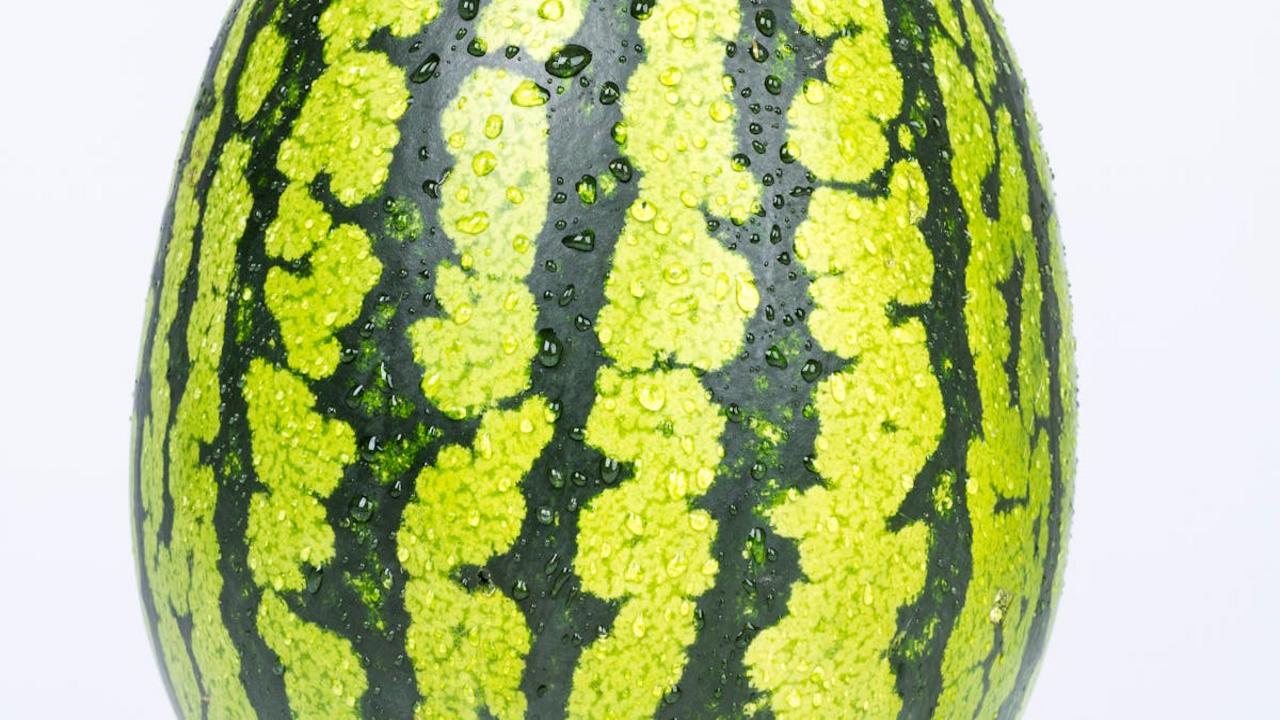
Your kitchen scraps just got a major upgrade! Those thick white and green watermelon rinds you automatically toss? Stop right there. I’ve been experimenting with these crunchy gems for years, and they’ve become my secret weapon for adding texture and mild sweetness to dishes. The white part tastes surprisingly similar to cucumber with a subtle watermelon hint, making it perfect for pickles, stir-fries, and even smoothies. My grandmother used to say nothing should go to waste, and she was absolutely right – these rinds contain more nutrients than you’d expect, including vitamin C and amino acids.
Transform those rinds into quick refrigerator pickles by slicing them thin and soaking in rice vinegar with ginger and chili flakes. They’ll be ready in just a few hours and add incredible crunch to summer salads and grain bowls. I also love dicing them for fresh salsas or throwing chunks into my morning green smoothies for extra fiber and hydration. The key is removing the tough outer green skin and focusing on that crisp white layer. Trust me, once you start using watermelon rinds, you’ll never see them as waste again – they’re pure kitchen gold waiting to elevate your everyday meals.
Orange peels
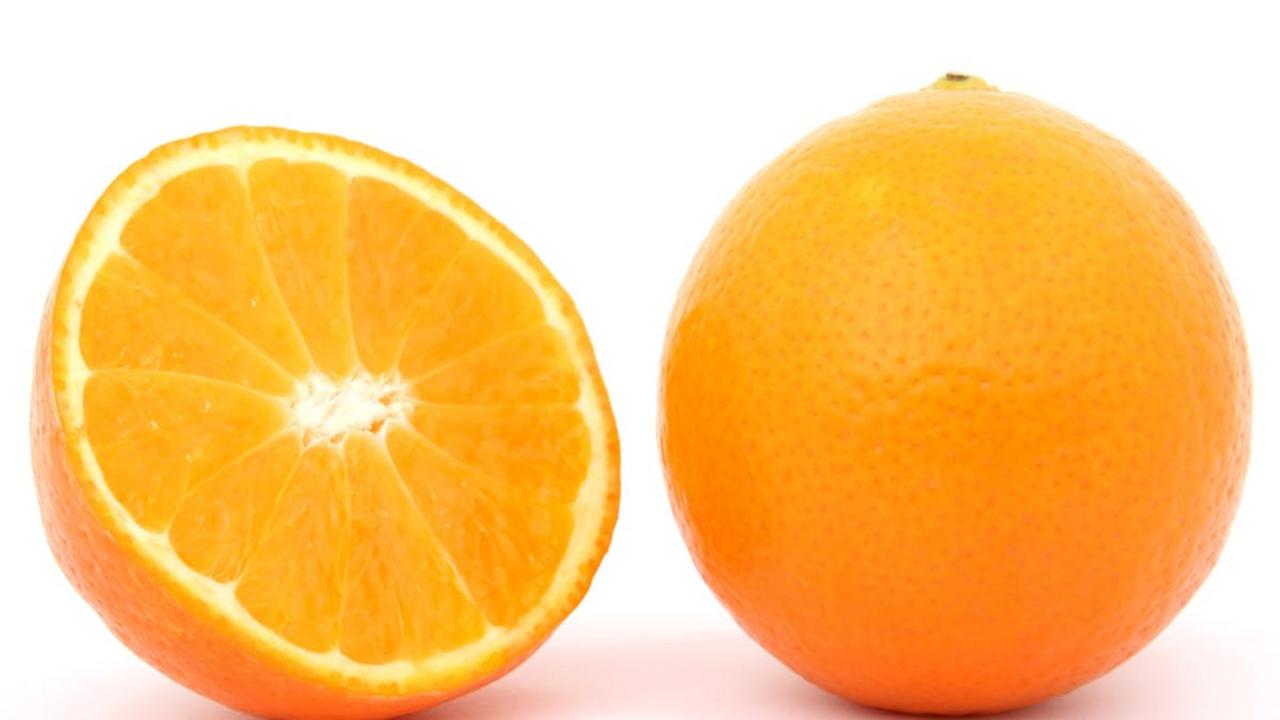
Your kitchen holds a secret weapon that most people toss straight into the trash – those vibrant orange peels! I’ve been zesting and grating these aromatic gems for years, and they’ve become one of my favorite ingredients for adding bright, citrusy notes to both sweet and savory dishes. The oils in orange peel pack more intense flavor than the juice itself, making them perfect for infusing olive oil, creating homemade spice blends, or adding depth to marinades and dressings.
Try grating fresh orange peel into your morning oatmeal or yogurt for an instant flavor boost, or dry the peels in your oven at low heat to create your own orange powder seasoning. I love incorporating them into my spice rubs for chicken and fish, where they create this beautiful balance between citrus brightness and warm earthiness. You can also candy the peels by simmering them in simple syrup – they make gorgeous garnishes for desserts and cocktails. Before you know it, you’ll be saving every orange peel and wondering how you ever cooked without them!
Carrot tops
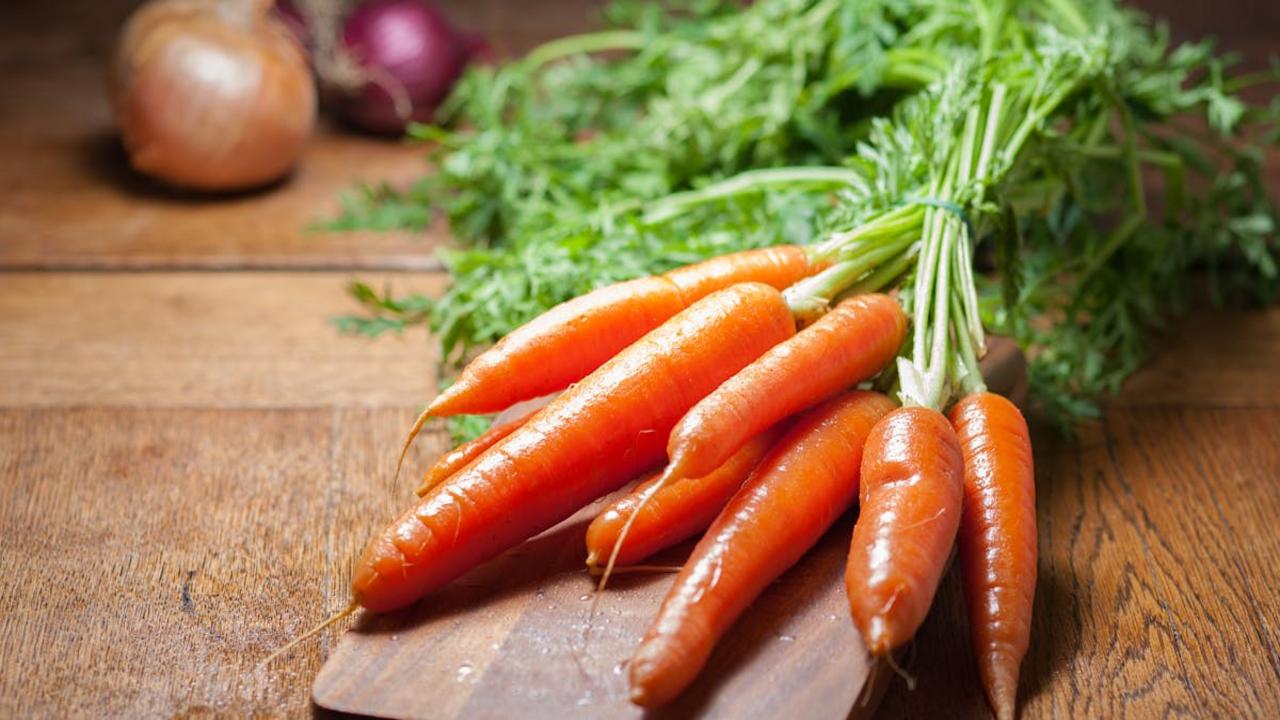
You know that moment when you’re prepping carrots and automatically toss those feathery green tops into the compost? Stop right there! Those vibrant greens pack more flavor punch than you’d expect. I started saving mine after realizing they taste like a beautiful cross between parsley and carrot—earthy, slightly bitter, with that unmistakable carrot sweetness threading through. They’re loaded with potassium, vitamin K, and vitamin C, making them nutritional powerhouses hiding in plain sight.
Transform these overlooked greens into your new secret weapon. Blend them into pestos with nuts and olive oil, or chop them finely to sprinkle over roasted vegetables and grain bowls. I love adding them to homemade stocks and broths where they infuse incredible depth. Try sautéing them with garlic as a side dish, or mix them into chimichurri for an unexpected twist. The slightly bitter notes balance beautifully with rich dishes, and honestly, once you start cooking with carrot tops, you’ll wonder why you ever threw away such kitchen gold. Your wallet and your meals will thank you.
Broccoli and cauliflower stems
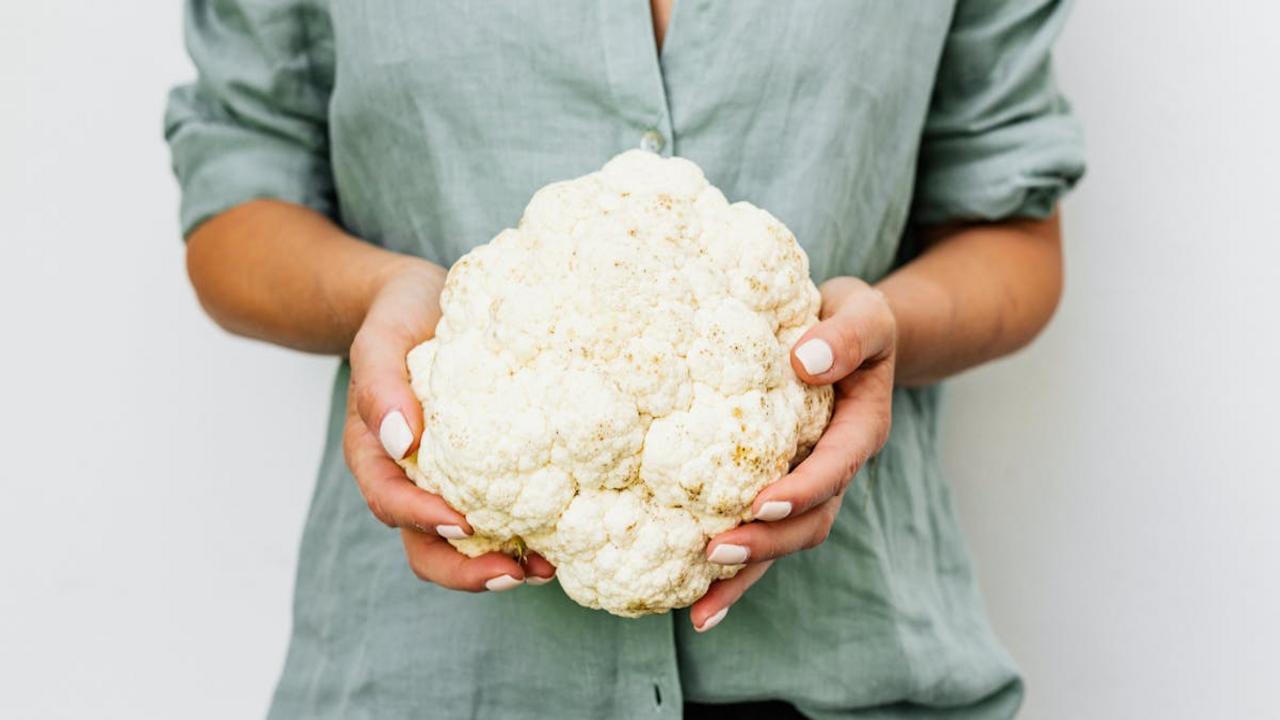
Those thick, fibrous stems from broccoli and cauliflower heads? Stop throwing them away immediately! I see so many home cooks toss these beauties straight into the compost, but honestly, you’re missing out on some serious flavor and nutrition. The stems contain concentrated minerals and have this wonderful, mild sweetness that works beautifully in so many dishes. I peel away the tough outer layer with a sharp knife, then slice the tender interior into coins or julienne strips. They’re absolutely perfect for stir-fries, where they add a satisfying crunch, or I’ll grate them raw into slaws for that fresh, peppery bite that pairs wonderfully with Asian-inspired dressings.
My favorite way to use these stems? I dice them up and sauté them with garlic and ginger as the base for fried rice, or blend them into creamy soups where they add body without overpowering the delicate flavors. You can also pickle them quickly with rice vinegar and a touch of honey for an instant condiment that brightens up grain bowls. The texture reminds me of heart of palm or water chestnuts – that same crisp freshness that makes every bite interesting. Trust me, once you start cooking with these stems, you’ll wonder why you ever threw away such good food. Your wallet and your taste preferences will thank you for making this simple shift toward whole-ingredient cooking.