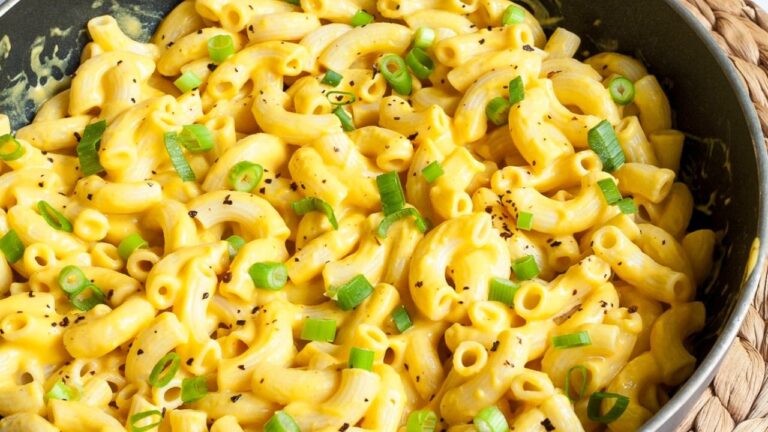
13 Game-Changing Kitchen Tricks to Make Your Home Cooking Taste Restaurant-Worthy
You know that moment when you take a bite at your favorite restaurant and wonder how they made something so simple taste absolutely incredible? I’ve spent years figuring out those secrets, and honestly, most professional techniques translate beautifully to home kitchens.
The difference between good home cooking and restaurant-quality food often comes down to understanding a few fundamental principles. These aren’t complicated chef secrets—they’re practical techniques that transform ordinary ingredients into extraordinary meals. From proper seasoning timing to selecting the right pan, small adjustments create dramatic improvements.
I’m excited to share thirteen techniques that completely changed how I cook at home. These methods help you build confidence in the kitchen while creating dishes that rival your favorite dining spots. Your family will notice the difference immediately.
Food Plating Techniques
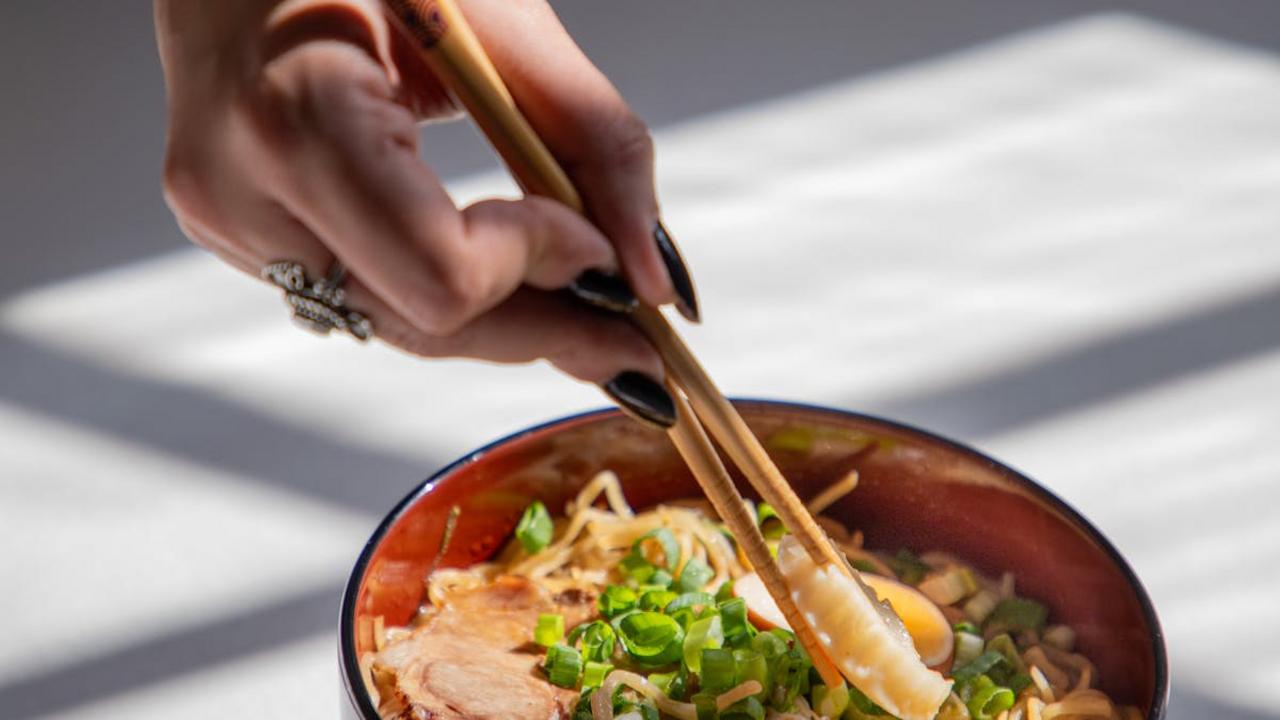
You know that moment when your homemade pasta tastes incredible, but it looks like you just dumped it on a plate? I’ve been there countless times! After years of cooking for my family and creating content, I’ve learned that beautiful plating transforms the entire dining experience. Start with warm plates—this simple step keeps your food at the perfect temperature and shows you care about every detail. Use the clock method: place your protein at 6 o’clock, your starch at 9 o’clock, and vegetables at 3 o’clock. This creates natural balance and makes portion control effortless.
Color contrast becomes your best friend when you want restaurant-quality presentation at home. I love pairing vibrant roasted beets with creamy goat cheese and fresh herbs, or placing golden turmeric-spiced chicken against a bed of deep green spinach. Height adds drama—stack your components or lean elements against each other instead of spreading everything flat. Don’t forget about negative space; your plate needs room to breathe just like your ingredients do. A simple drizzle of good olive oil or a sprinkle of microgreens around the rim elevates even the most basic weeknight dinner into something that makes your family pause and appreciate the love you’ve put into their meal.
Ingredient Quality Selection
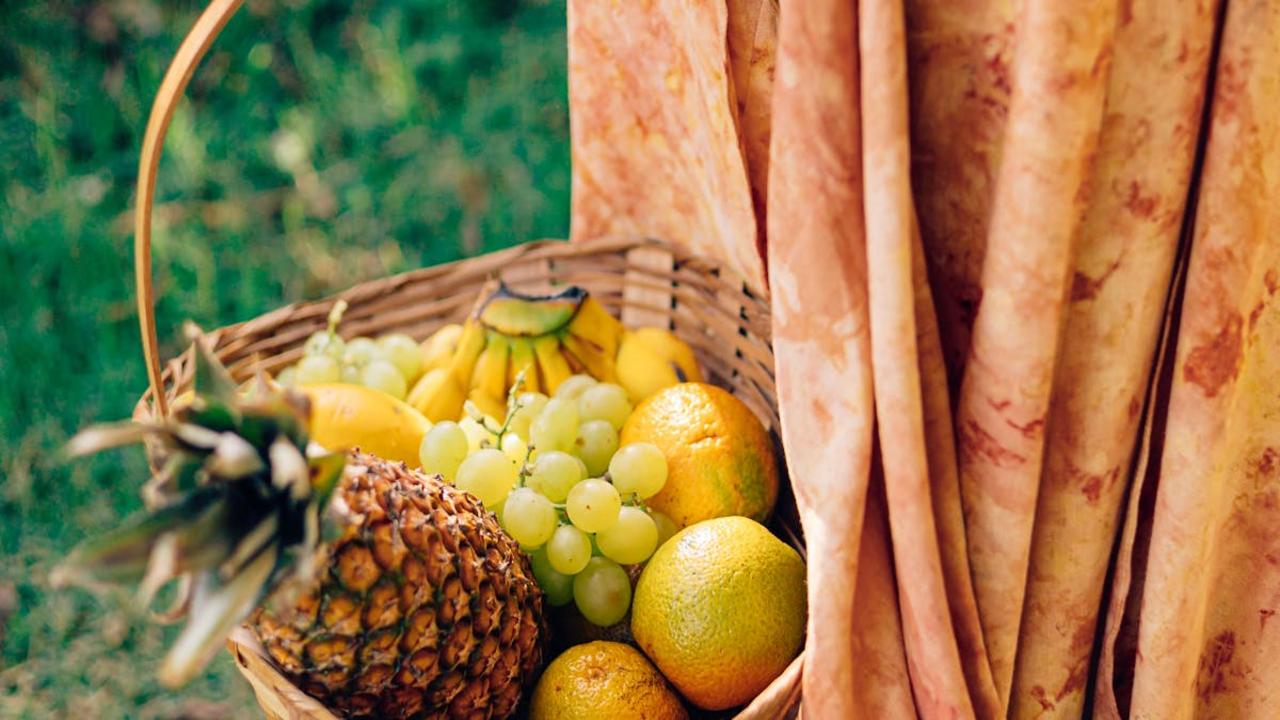
Your ingredients form the foundation of every dish you create, so choosing wisely transforms ordinary meals into extraordinary experiences. I’ve learned that sourcing fresh, seasonal produce makes an immediate difference – those sun-ripened tomatoes from the farmers market will outshine their pale supermarket counterparts every single time. When you invest in quality proteins, whether that’s grass-fed beef, wild-caught fish, or organic tofu, you taste the difference instantly. The same principle applies to pantry staples: that bottle of cold-pressed olive oil or authentic aged soy sauce might cost more upfront, but they add depth and complexity that processed alternatives simply cannot match.
Building relationships with local vendors, farmers, and specialty food stores opens doors to discovering ingredients that spark creativity in your kitchen. I often find myself wandering through ethnic markets, picking up unfamiliar spices or unique varieties of rice that become the inspiration for my next meal. Quality ingredients require less manipulation – a perfectly ripe avocado needs nothing more than a sprinkle of sea salt, while fresh herbs can transform simple pasta into something memorable. By focusing on fewer, better ingredients rather than loading your cart with processed shortcuts, you create space for flavors to shine naturally and develop your palate to recognize what truly excellent food tastes like.
Kitchen Tool Maintenance
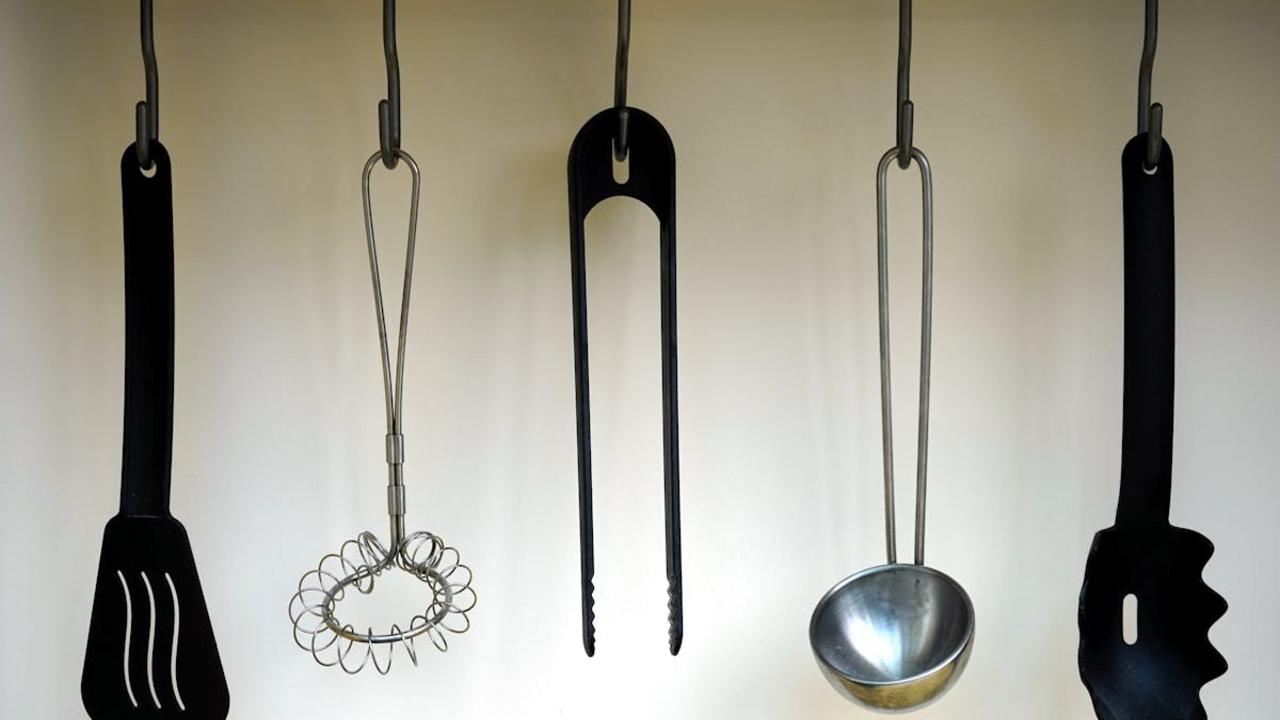
Your knives deserve better than a hasty rinse and toss into the dishwasher. I learned this lesson the hard way when my favorite chef’s knife became duller than a butter spreader after months of neglect. Sharp knives don’t just make prep work faster—they transform your entire cooking experience. Hand wash your blades immediately after use, dry them completely, and store them properly in a knife block or magnetic strip. A well-maintained knife glides through tomatoes without crushing them and makes paper-thin onion slices that caramelize beautifully. I sharpen mine every few weeks using a whetstone, which sounds intimidating but becomes second nature with practice.
Your cast iron pan needs love beyond the occasional scrub. After each use, I clean mine while it’s still warm using coarse salt and a paper towel—no soap needed. Then I heat it briefly on the stove and rub in a thin layer of oil before storing. This ritual keeps the seasoning strong and prevents rust. The same attention applies to wooden cutting boards: wash with hot water, dry immediately, and oil monthly with food-grade mineral oil. These simple habits mean your tools will outlast most kitchen gadgets and actually improve with age, developing character that mass-produced items never achieve.
Seasoning Adjustments
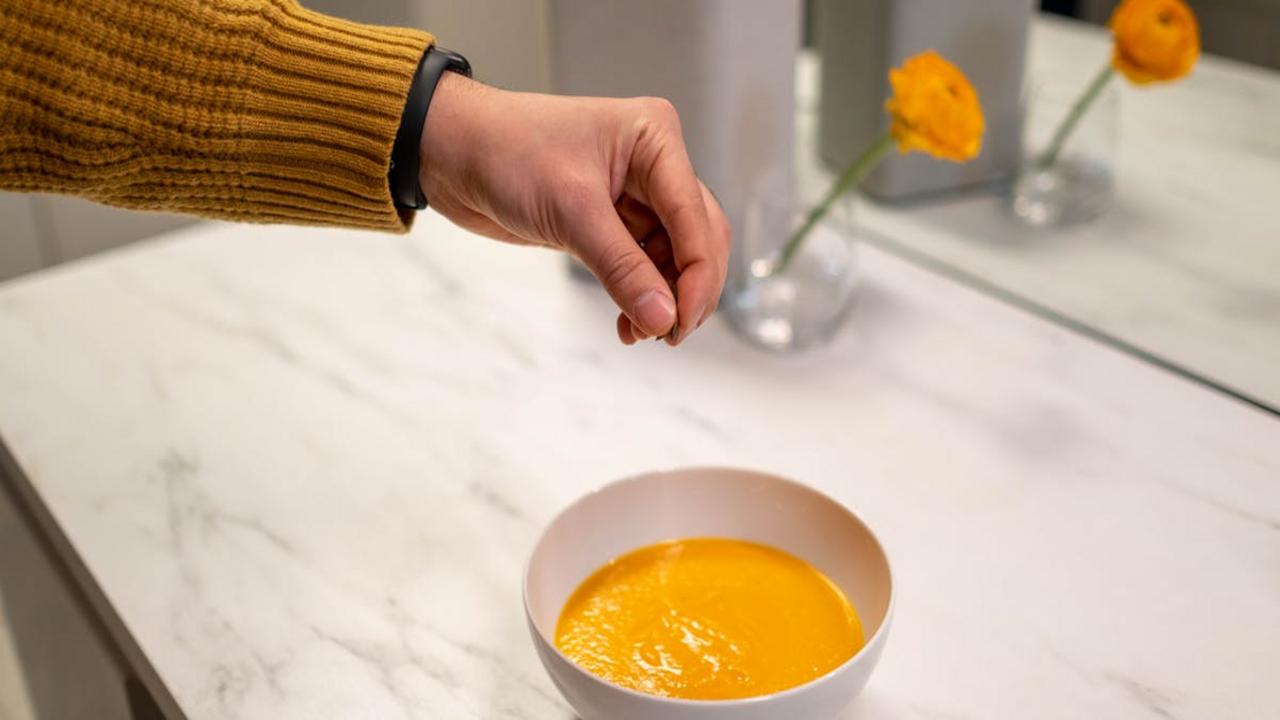
You know that moment when your dish tastes almost perfect but something’s missing? That’s where seasoning adjustments become your secret weapon in the kitchen. Most home cooks add salt and pepper at the beginning and call it done, but restaurant chefs constantly taste and adjust throughout the cooking process. I always keep a small spoon nearby for tasting – it’s become second nature to me. The magic happens in layers: start with your base seasonings, then build complexity as you go. Fresh herbs added at different stages create depth, while a pinch of sugar can balance acidity in tomato-based sauces, and a splash of acid like lemon juice or vinegar can brighten everything up at the end.
The real game-changer is learning to trust your palate and understanding how different seasonings work together. I’ve discovered that warming spices like cumin and coriander in a dry pan before adding them to curry dishes releases oils that transform the entire flavor profile. Salt doesn’t just make things salty – it amplifies other flavors and can even reduce bitterness in leafy greens. Sometimes I’ll add a tiny amount of fish sauce or soy sauce to non-Asian dishes for umami depth, or finish a simple vegetable soup with fresh grated ginger and lime zest. Remember, you can always add more seasoning, but you can’t take it away, so taste frequently and adjust gradually.
Flavor Layering
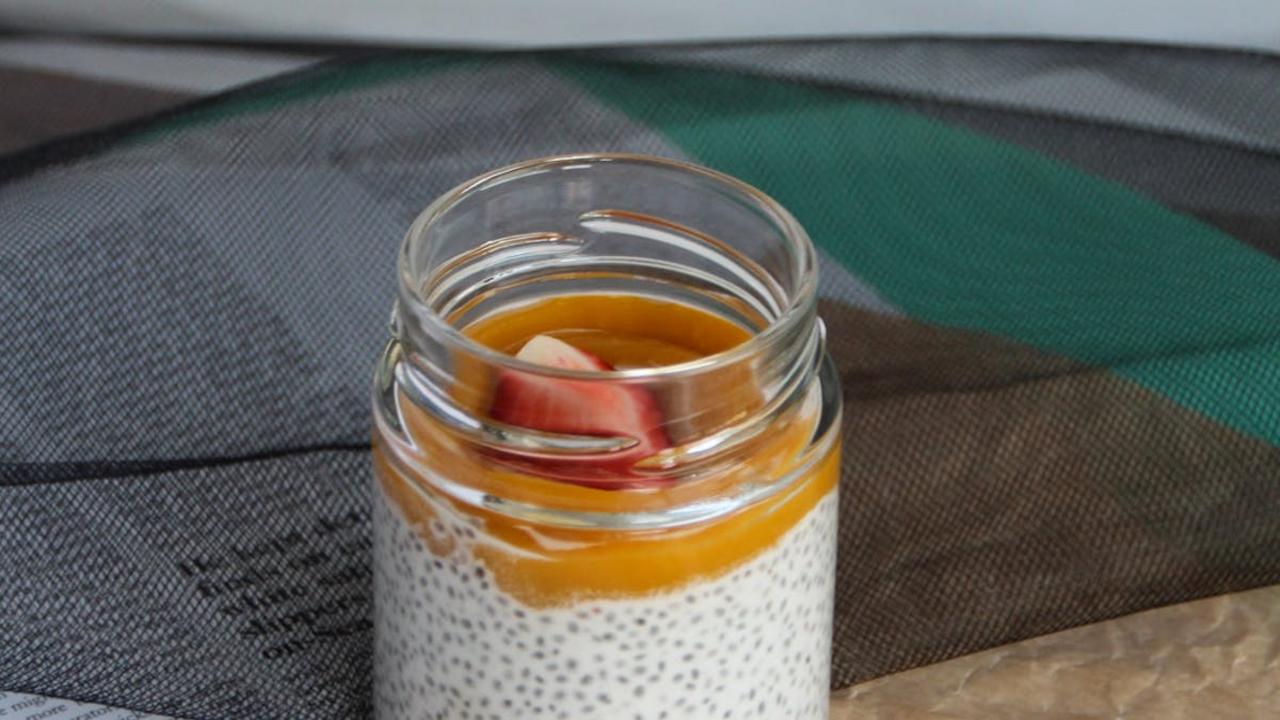
Think of flavor layering like building a beautiful song – each ingredient adds its own note while harmonizing with everything else on your plate. I learned this technique from watching my grandmother build her curries, adding spices at different stages to create depth that you simply can’t achieve by dumping everything in at once. Start with aromatics like onions, garlic, and ginger in your pan, then introduce your heartier spices, followed by tomatoes or other acidic ingredients, and finally your proteins and vegetables. Each layer gets time to bloom and develop before the next one joins the party.
This technique transforms simple weeknight dinners into restaurant-quality meals without any fancy equipment or expensive ingredients. I love applying this method to my fusion dishes – maybe starting with cumin and coriander seeds, then building with fresh herbs, a splash of coconut milk, and finishing with a squeeze of lime. The magic happens because each ingredient gets its moment to shine while contributing to the bigger picture. Your kitchen will smell incredible during the process, and that complex flavor profile will have your family wondering what secret ingredient you used. The secret? Just time and patience to let each layer develop properly.
Meat Resting Techniques
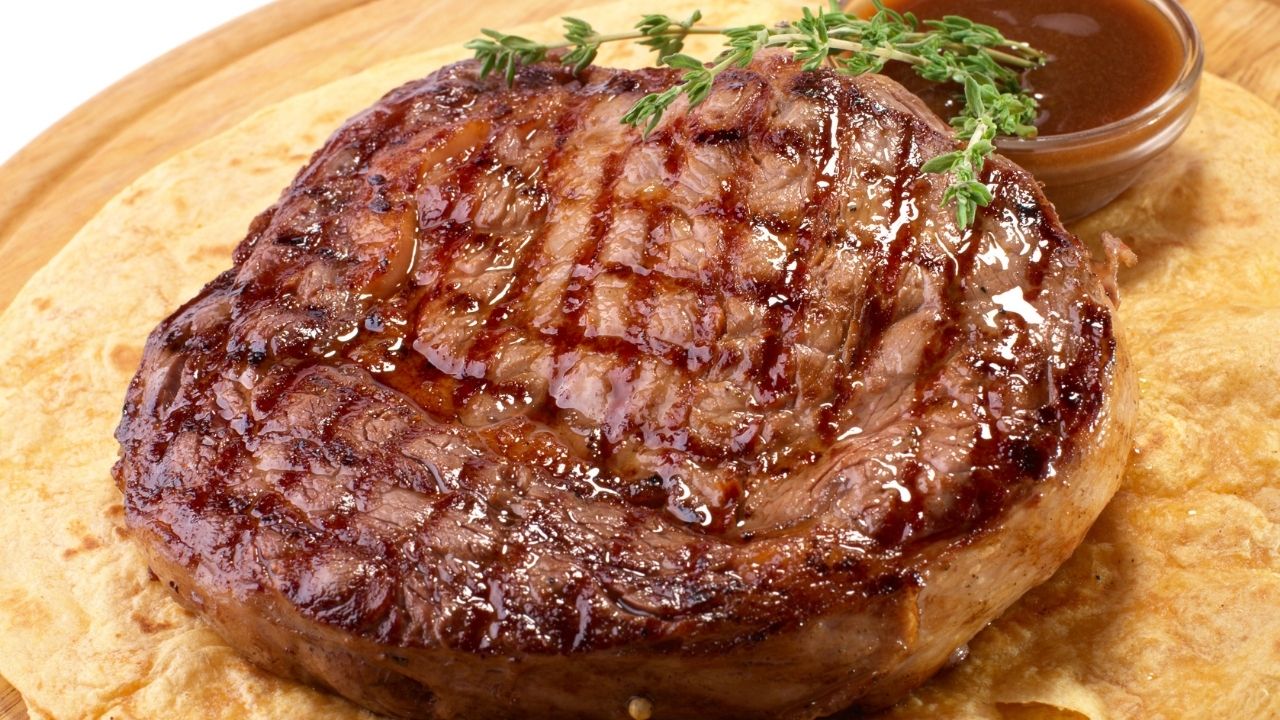
You know that moment when you pull a beautiful steak or roasted chicken from the heat, and every instinct screams “eat it now!”? I get it—the sizzle, the aroma, the anticipation. But here’s what transformed my cooking: learning to let meat rest properly. This simple step redistributes all those incredible juices throughout the protein instead of watching them pool on your cutting board. I learned this from watching my grandmother’s Sunday roasts, where she’d tent the meat with foil and let it sit while finishing the vegetables. The difference in tenderness and flavor is absolutely remarkable.
The magic happens during those 5-15 minutes of patience. For steaks and chops, I give them about 5 minutes under loose foil. Larger roasts need 15-20 minutes, sometimes more. During this time, the internal temperature actually continues rising slightly—what chefs call carryover cooking—which means you can pull your protein a few degrees before your target temperature. I’ve started using this resting time to prepare quick pan sauces with the fond left in the pan, whisking in herbs, wine, or even a splash of coconut milk for richness. Your guests will notice the difference immediately: every bite stays juicy, flavorful, and perfectly cooked throughout.
Knife Skills Mastery
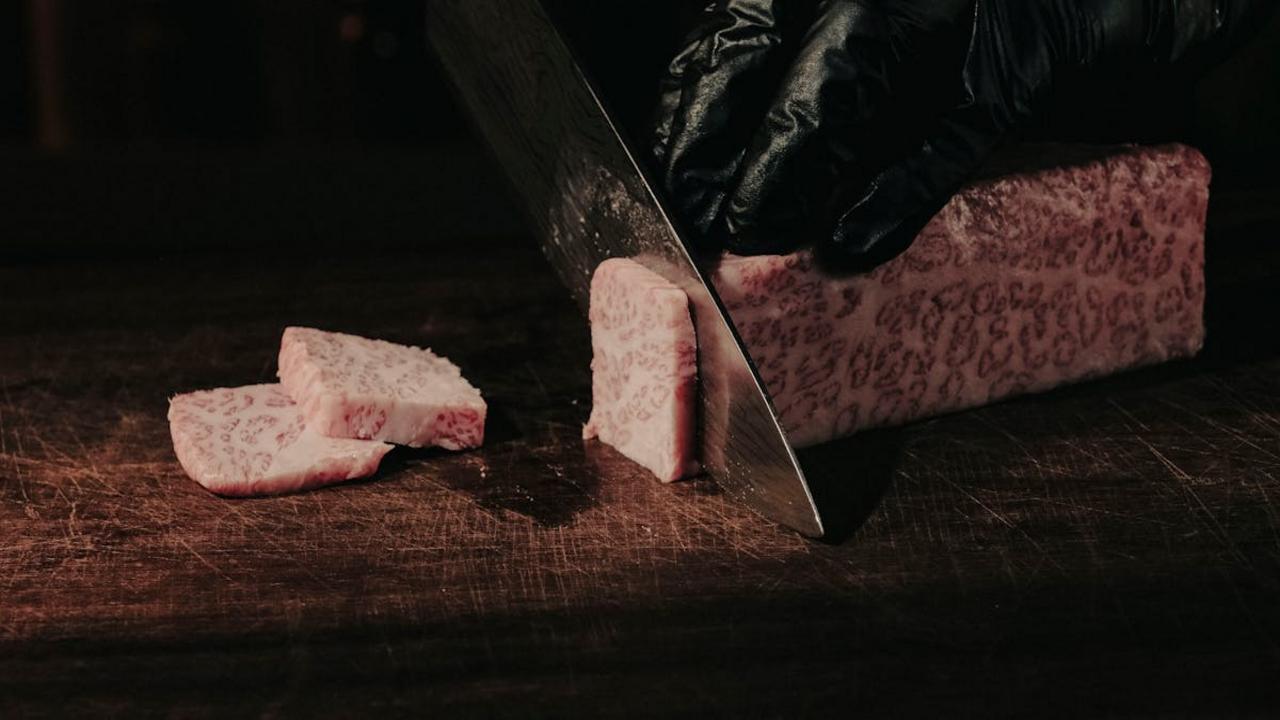
I remember the day my friend’s grandmother watched me chop onions and simply shook her head. “Your knife is crying louder than you are,” she said with a gentle smile. That moment changed everything for me. Proper knife skills transform your entire cooking experience – and I’m not talking about flashy chef moves you see on TV. I’m talking about the foundational techniques that make every single dish you create taste better. When you master your knife, you control texture, cooking times, and flavor release in ways that seem almost magical.
Start with your grip – hold the knife like you’re shaking hands with it, confident but relaxed. Your other hand becomes a claw, knuckles forward, protecting your fingertips while guiding each cut. Practice the rock-chop motion where the tip of your blade never leaves the cutting board, creating a smooth rhythm that feels meditative. Uniform cuts mean even cooking, which means your vegetables caramelize beautifully instead of some pieces burning while others stay raw. I’ve learned that sharp knives are actually safer than dull ones – they require less pressure and give you complete control. Invest in one quality chef’s knife and keep it sharp. Your ingredients will thank you, your cooking will improve dramatically, and you’ll find yourself looking forward to prep work instead of dreading it.
Sauce Making Basics
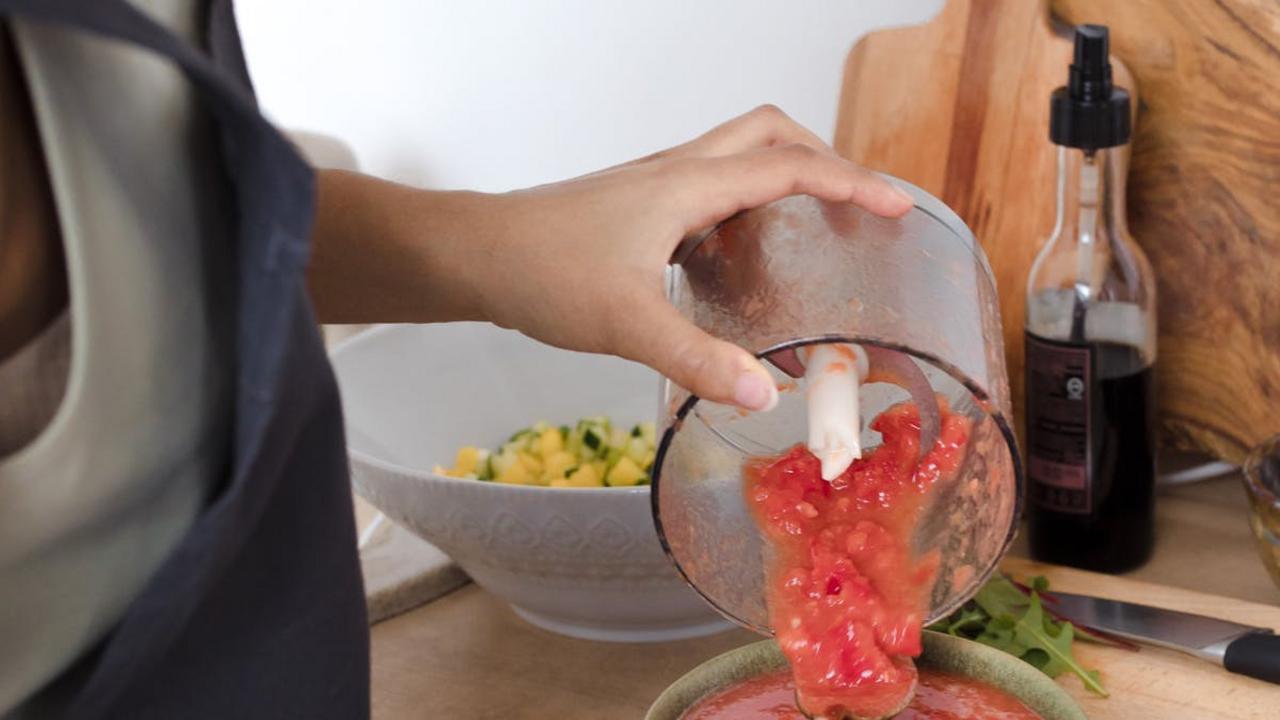
You know that moment when you taste something at a restaurant and think, “How did they make this so incredibly flavorful?” Nine times out of ten, the secret lies in their sauce game. I’ve spent years perfecting my approach to sauce making, and I can tell you that once you master these fundamentals, your home cooking will transform completely. The beauty of sauce making isn’t just about following recipes—it’s about understanding how flavors build and balance each other. Whether you’re whisking up a simple pan sauce from the drippings of your seared chicken or slowly building layers in a tomato-based creation, the principles remain the same: fat carries flavor, acid brightens everything, and salt brings it all together.
Start with what I call the “holy trinity” of sauce making: a good fat (butter, olive oil, or even coconut oil), an acid component (lemon juice, vinegar, or wine), and your flavor base (garlic, shallots, herbs, or spices). From this foundation, you can create everything from a bright chimichurri that transforms grilled vegetables to a rich mushroom sauce that makes simple pasta sing. I always keep a jar of homemade stock in my fridge because it’s the secret weapon that turns ordinary sauces into something extraordinary. Remember, tasting and adjusting as you go is your best friend—add a pinch more salt, a squeeze of lemon, or a dash of honey until the flavors sing in perfect harmony.
Fresh Herbs Usage
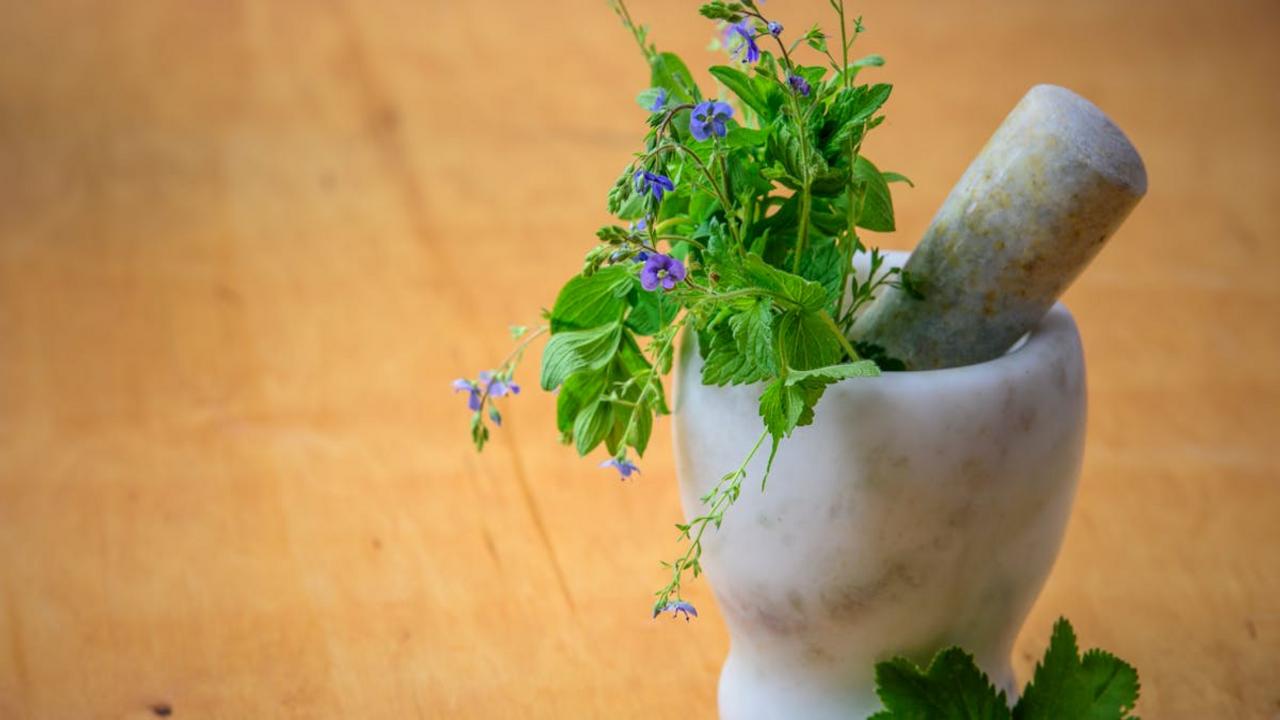
Fresh herbs transform ordinary dishes into restaurant-quality meals with their vibrant flavors and aromatic punch. I treat herbs like precious jewels in my kitchen – each one brings its own personality to the table. Basil adds sweetness to tomato-based dishes, while cilantro brightens up Mexican and Asian flavors. Rosemary pairs beautifully with roasted vegetables and grilled meats, and mint creates magic in both savory Middle Eastern dishes and refreshing beverages. The key lies in timing: add delicate herbs like basil and parsley at the end of cooking to preserve their bright flavors, while heartier herbs like thyme and oregano can handle longer cooking times.
I always keep a windowsill herb garden or buy fresh bunches weekly because dried herbs simply can’t compete with the intensity fresh ones provide. Store your herbs properly by treating them like flowers – trim the stems and place them in water, then cover loosely with plastic bags in the refrigerator. For immediate use, I chop herbs with a sharp knife rather than crushing them, which preserves their oils and prevents bruising. Don’t forget about herb stems either – they contain concentrated flavor and work perfectly in stocks, marinades, and slow-cooking dishes where they have time to release their essence.
Proper Pan Selection

You know what completely transformed my cooking? Finally understanding that not all pans work the same way. I used to grab whatever was closest in my cabinet, wondering why my proteins stuck or my vegetables turned out soggy. The truth is, each pan has a superpower, and matching the right tool to your cooking method makes an incredible difference. Cast iron gives you that perfect sear on steaks and develops beautiful browning on vegetables. Stainless steel heats evenly and works beautifully for deglazing sauces. Non-stick pans are your best friend for delicate fish and eggs that slide right out.
Heat distribution changes everything about how your food cooks. I learned this lesson the hard way after years of uneven results. Heavy-bottomed pans prevent hot spots that burn your onions while leaving other parts undercooked. Carbon steel pans, which I discovered through my love of Asian cooking, heat quickly and give you restaurant-style wok hei at home. Even the size matters more than you might think – overcrowding a small pan steams your ingredients instead of browning them. Now I choose my pan first, then plan my cooking technique around it. This simple shift turned my home kitchen into a place where I could recreate those complex flavors I used to think only professional chefs could achieve.
Salt Timing
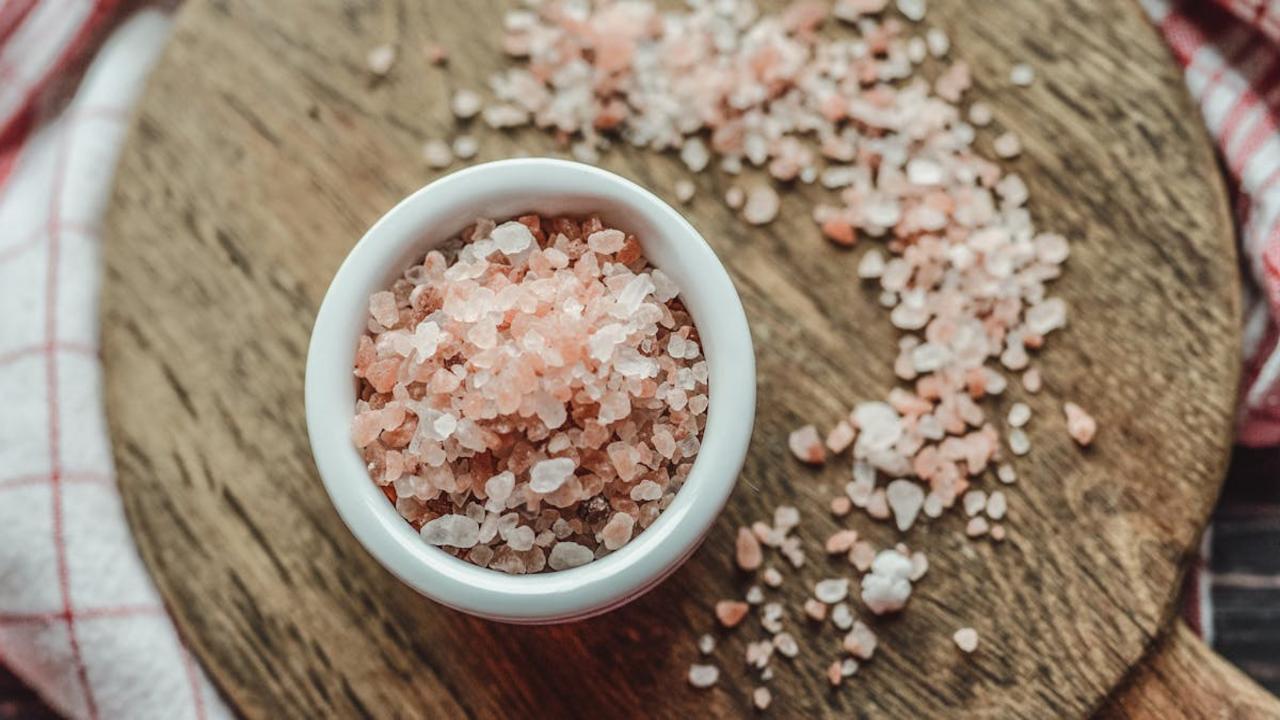
You know how professional chefs always talk about seasoning? They’re not just talking about adding salt at the end – they understand that timing makes all the difference between flat, one-dimensional food and layers of incredible flavor. I learned this from my grandmother, who would salt her tomatoes for salads thirty minutes before serving, watching them release their sweet juices and concentrate their taste. When you salt proteins like chicken or fish 40 minutes before cooking, the salt draws out moisture initially, then that moisture gets reabsorbed along with the salt, creating deeper seasoning that penetrates throughout the meat instead of just sitting on the surface.
For vegetables, I salt them right when they hit the pan to help break down cell walls and intensify their natural flavors. But pasta water? That gets salted generously once it’s boiling – you want it to taste like the ocean. This technique transforms simple ingredients into something extraordinary because you’re working with the food’s natural chemistry rather than against it. The difference between salting a steak right before cooking versus 45 minutes prior will shock you – that advance salting creates a tender, perfectly seasoned piece of meat that tastes like it came from an expensive steakhouse, not your home kitchen.
Temperature Control
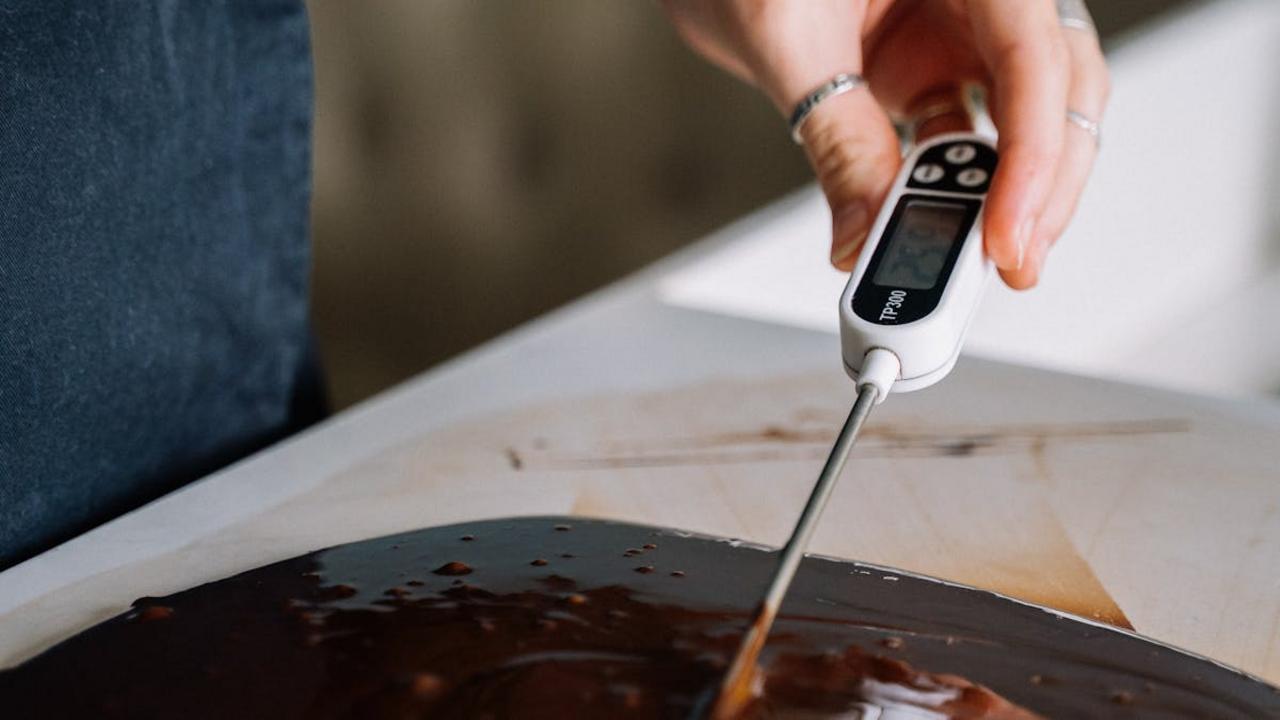
Listen, friend—getting your temperatures right transforms everything in your kitchen. I learned this lesson the hard way after years of overcooking beautiful vegetables and serving lukewarm soups that should have been steaming. Now I keep an instant-read thermometer within arm’s reach, and it’s become my most trusted cooking companion. Your proteins hit their perfect doneness every single time, your oils stay at that sweet spot for crispy-not-greasy results, and your chocolate melts like silk instead of seizing into grainy disappointment. Temperature control isn’t just about following recipes—it’s about understanding how heat moves through your ingredients and respecting that dance.
Start building this habit by checking your pan’s heat before adding anything to it. Hold your hand five inches above the surface—you should feel steady, even warmth for medium heat. For my favorite stir-fries inspired by Southeast Asian street food, I wait until that pan radiates serious heat, then add my aromatics for thirty seconds before tossing in vegetables. Room temperature ingredients cook more evenly than cold ones straight from the fridge, so I pull my proteins out twenty minutes before cooking. Trust your thermometer over visual cues, especially with thick cuts of meat or when you’re trying new techniques. Your family will notice the difference immediately—tender, juicy results that rival any restaurant.
Mise en Place Organization
You know that moment when you’re halfway through cooking and suddenly realize you forgot to chop the onions? Your pan is screaming hot, the garlic is about to burn, and chaos takes over your kitchen. This is exactly why I swear by mise en place – the French practice of having everything prepped and organized before you even turn on the stove. I learned this from watching my grandmother cook elaborate Sunday feasts without breaking a sweat, and it completely transformed how I approach cooking at home.
Start by reading your entire recipe twice, then gather every ingredient and tool you’ll need. Chop your vegetables, measure your spices into small bowls, and arrange everything within arm’s reach of your cooking station. This might feel like extra work initially, but trust me – once you experience the zen-like flow of cooking with everything perfectly organized, you’ll never go back. Your dishes will taste better because you can focus on technique rather than scrambling for ingredients. Plus, you’ll actually enjoy the process instead of feeling stressed. Professional chefs live by this principle, and it’s the secret to making restaurant-quality meals in your home kitchen.