13 Savvy Organic Grocery Hacks to Eat Clean on a Tight Budget
I know the struggle of wanting to eat organic while keeping your grocery bills in check. After years of writing about food and testing countless shopping strategies, I’ve discovered smart ways to make clean eating work on any budget. The good news? You don’t need to spend a fortune to fill your cart with wholesome organic foods.
Whether you’re new to organic shopping or looking to cut costs on your existing healthy habits, these 13 practical money-saving hacks will transform how you shop. From farmers’ market strategies to bulk buying secrets, each tip helps stretch your dollar without compromising on quality.
My favorite part about these budget-friendly organic shopping tricks? They’re simple to implement right away. You’ll save money while supporting sustainable farming practices and bringing home fresh, pesticide-free foods that nourish your body and make cooking more enjoyable.
Plan Weekly Meals
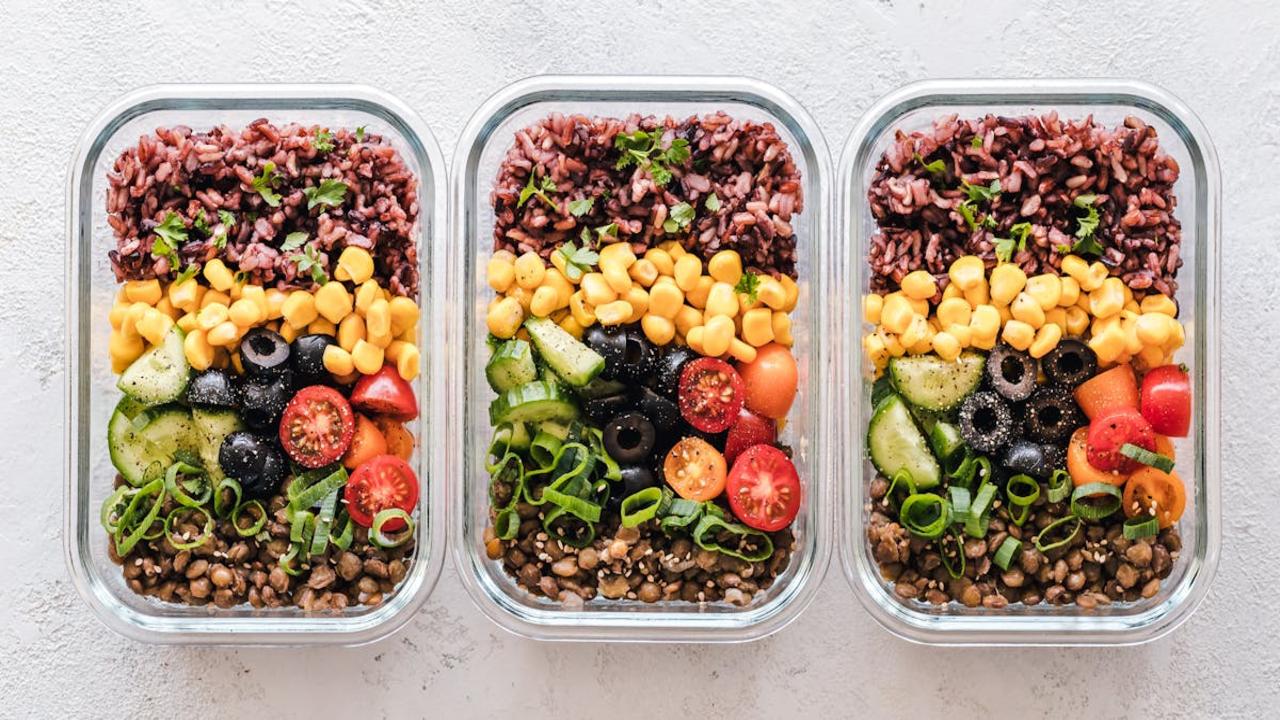
I’ll let you in on one of my favorite money-saving tricks for organic shopping – planning your weekly meals ahead of time! Every Sunday, I sit down with my calendar and map out what I’ll cook each day. This simple habit has cut my grocery spending by 30% and keeps me from buying random organic items that might go to waste. You can start by picking 4-5 main dishes to cook throughout the week, then list out all the organic ingredients you’ll need. This focused approach helps you buy exactly what you need and avoid those impulse purchases that can blow your budget.
Your weekly meal plan should include flexible recipes that share common organic ingredients. For example, if organic bell peppers are on sale, plan to make fajitas one night and stuffed peppers another – this way you can buy in bulk and save. I also recommend keeping a running list of pantry staples and checking what you already have before shopping. Remember to factor in leftovers and prep time when planning – maybe cook a bigger batch of organic quinoa on Monday to use in different meals throughout the week. This smart planning makes organic eating much more budget-friendly!
Cook from Scratch

I’ll let you in on a little secret – cooking organic meals from scratch will save you serious money compared to buying pre-made organic foods. You can transform basic organic ingredients like dried beans, whole grains, and fresh produce into multiple nourishing meals at a fraction of the cost. Take a simple organic chicken – you can make several meals from it, including soup from the bones, stretching your food budget while keeping things clean and healthy.
Making your own organic staples like broths, sauces, dressings, and baked goods puts you in control of the ingredients and costs way less than store-bought versions. Start small by mastering a few basic recipes, then gradually build your repertoire. Your homemade organic tomato sauce might cost $3 compared to $8 for the jarred version, plus you can customize the flavors exactly how you like them. The initial time investment pays off both financially and in developing valuable cooking skills that serve you for life.
Choose Whole Foods
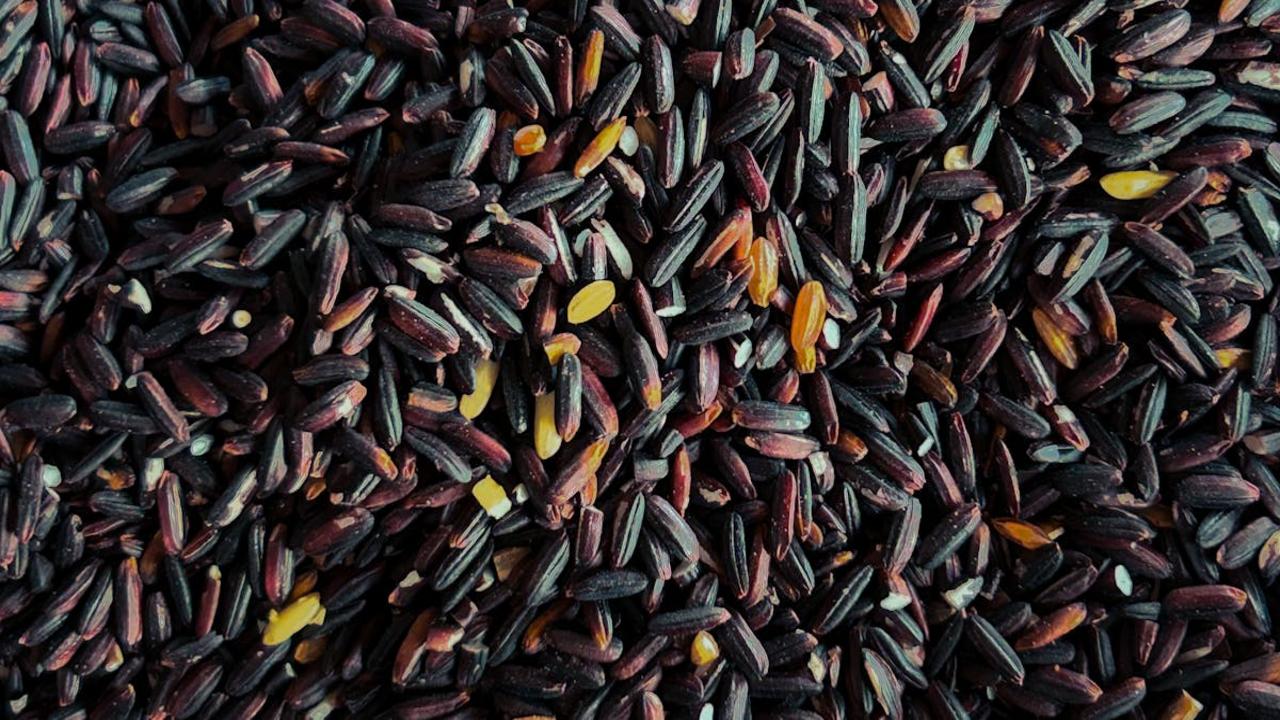
I’ve found that one of the best ways to save money while eating organic is to pick whole, unprocessed foods. Raw ingredients like brown rice, dried beans, whole grains, and unprocessed produce give you the most nutritional bang for your buck. These staples cost much less than their pre-packaged counterparts since you’re not paying for fancy processing or packaging. Plus, you’ll get all the natural fiber, vitamins, and minerals intact – exactly how nature intended.
Make it a habit to walk right past those expensive organic granola bars and instant meals. Instead, fill your cart with basic ingredients you can transform into multiple dishes. For example, a bag of organic quinoa can become a breakfast porridge, lunch salad base, or dinner side dish. Whole organic sweet potatoes work perfectly for roasting, mashing, or adding to soups. The versatility of whole foods means you’ll waste less while creating nourishing meals that keep both your body and wallet happy.
Buy Frozen Organic

Did you know frozen organic produce can cost up to 50% less than fresh? I always stock my freezer with organic berries, peas, corn, and green beans to save money while keeping my meals clean and nutritious. The best part? Frozen organic items retain their nutrients because they’re flash-frozen at peak ripeness, right after harvest. This means you’ll get the same health benefits as fresh produce, but with a much longer shelf life and no worries about spoilage.
Your freezer can become your secret weapon for budget-friendly organic eating! I recommend buying frozen organic fruits for smoothies, baking, and desserts – they blend perfectly and add natural sweetness without any need for added sugar. For vegetables, you can toss them straight into stir-fries, soups, and casseroles without any prep work. Plus, having frozen organic items on hand means fewer last-minute trips to the store and less food waste since you only use what you need. This simple switch has helped many of my readers cut their organic grocery bills significantly while maintaining a healthy diet.
Check Clearance Sections

Want to know my favorite secret spot in the grocery store? Head straight to the clearance section! I always make this my first stop, especially in natural food stores and organic markets. You’ll often find perfectly good organic products marked down 30-50% just because they’re close to their “best by” date or have slightly damaged packaging. Many shelf-stable items like granola, dried fruits, nuts, and even organic coffee stay fresh long past their suggested dates.
Make the clearance section your treasure hunt destination early in the morning when stores typically mark down fresh items. Keep your eyes peeled for organic produce that needs to move quickly – those spotty bananas make amazing smoothies! The meat department also regularly discounts organic cuts approaching their sell-by date. Just pop them in your freezer right away and save big. Remember to check the clearance areas in multiple spots around the store since some places scatter their discount sections throughout different departments.
Shop Store Brand Organic
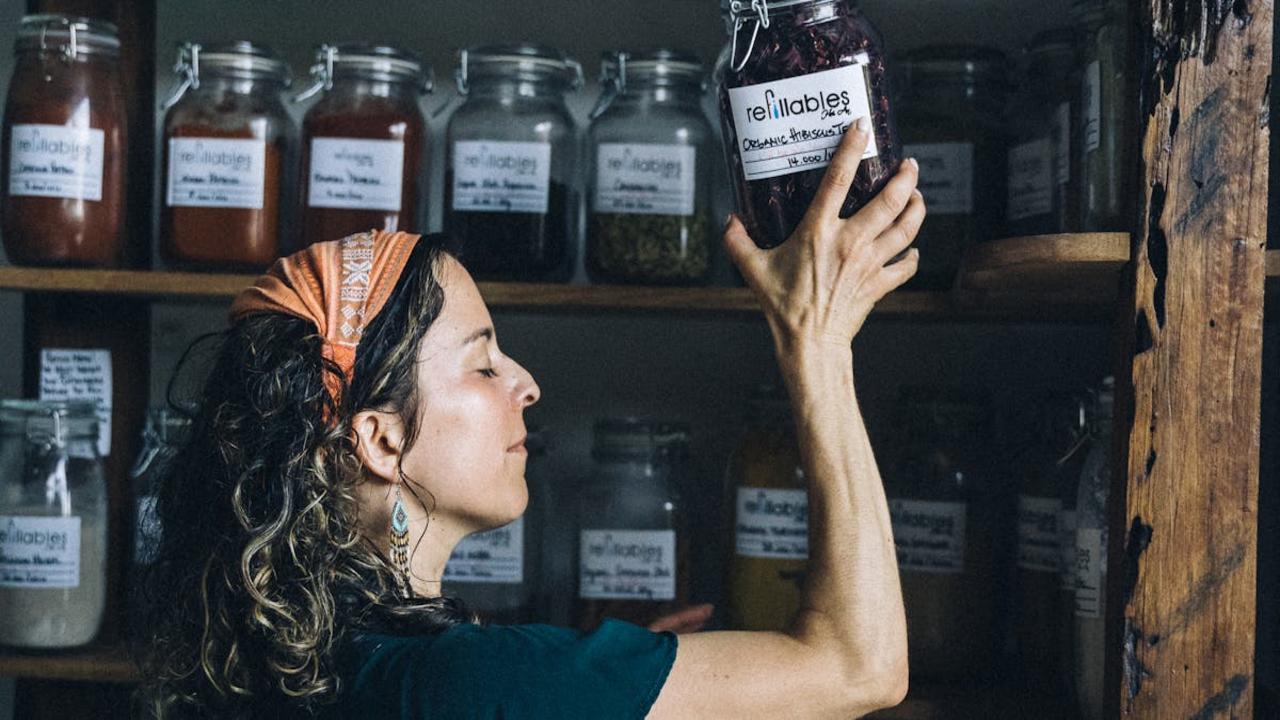
I’ve found a genius way to slash my organic grocery bills without compromising on quality – store brand organic products! Most major supermarkets now offer their own organic lines at prices 20-30% lower than name brands. Think organic pasta, canned beans, cereals, and frozen fruits. For example, I regularly buy Simple Truth Organic at Kroger and 365 Organic at Whole Foods, saving around $50 monthly while still getting the same USDA certified organic standards.
Here’s what makes store brand organics such a smart buy – they often come from the exact same farms and facilities as premium brands, just with different packaging. Your store’s organic peanut butter likely rolls off the same production line as that fancy $12 jar! I make it a habit to compare ingredients between store and name brands – they’re usually identical. Many chains also back their organics with satisfaction guarantees, so you can try them risk-free. Keep an eye out for store brand organic sales and stock up when prices drop even lower.
Compare Store Prices

I’ve found that organic food prices can vary significantly between stores – sometimes by several dollars for the exact same item! I make it a weekly habit to check prices across different stores in my area, including natural food markets, conventional supermarkets, and even online retailers. My favorite strategy is to create a simple spreadsheet on my phone where I track prices of my most-bought organic items. This helps me spot the best deals quickly and plan my shopping trips efficiently.
You’d be amazed at how much money you can save by buying different organic items at different stores. For example, I buy my organic produce at the local farmer’s market, bulk grains and nuts from the natural food co-op, and shelf-stable organic items from big box stores that often have lower prices. Many stores also price-match their competitors, so I always keep screenshots of better deals on my phone. Just remember to factor in gas costs and time when planning multiple store visits – sometimes paying a bit more at one store makes more financial sense than driving across town.
Grow Your Own Food

Growing your own organic food can slash your grocery bills while giving you the freshest produce possible! You don’t need a huge backyard – even a small patio or windowsill can become your mini garden paradise. Start with easy-to-grow herbs like basil, mint, and parsley in small pots. Then branch out to vegetables like cherry tomatoes, lettuce, and peppers, which thrive in containers. I’ve found that a $3 packet of organic seeds can yield months of fresh herbs and vegetables, saving you $50+ on store-bought organic produce.
Your homegrown food adventure can expand based on your space and comfort level. Consider joining a community garden if you lack yard space, or team up with neighbors to share garden plots and split the harvest. Create a simple composting system from kitchen scraps to make free, nutrient-rich soil for your plants. Keep a gardening calendar to track planting times and maximize your growing season. My favorite money-saving tip: save seeds from your strongest plants for next season’s garden. This small investment of time and effort will reward you with fresh, chemical-free produce right outside your door.
Focus on Seasonal Produce
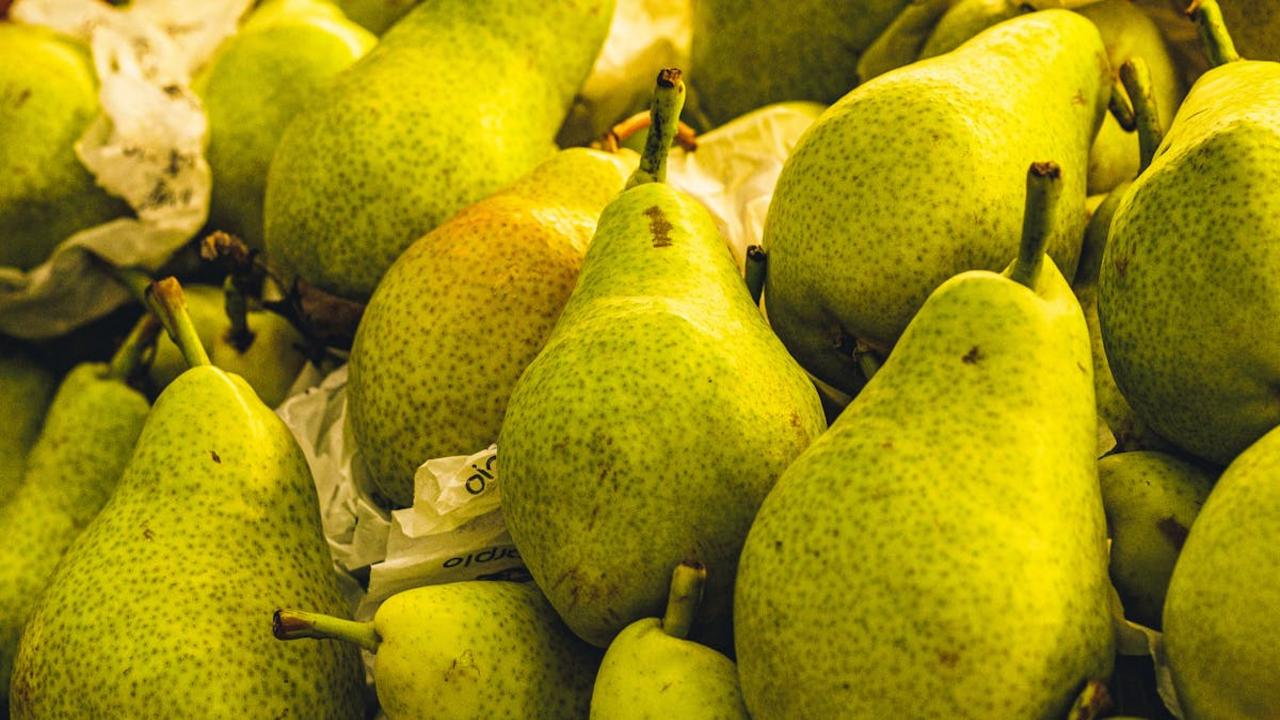
Buying organic produce in season will save you serious money at the grocery store while giving you the freshest, most nutritious fruits and vegetables. Nature follows a perfect rhythm – when certain foods grow abundantly during their peak season, prices drop significantly compared to off-season imports. For example, you’ll find organic strawberries at their lowest prices in late spring and summer, while butternut squash becomes a bargain in fall months.
I recommend creating a simple seasonal food calendar to track what’s typically available each month in your area. Your local farmers market vendors can help you learn the natural growing cycles. You can also sign up for produce alerts from your grocery store to catch the best seasonal deals. Stock up when prices are low – many seasonal items freeze well for later use. Summer tomatoes and berries, fall apples and pears, winter citrus and root vegetables – timing your shopping with nature’s schedule means maximum nutrition for minimum cost.
Prioritize the Dirty Dozen
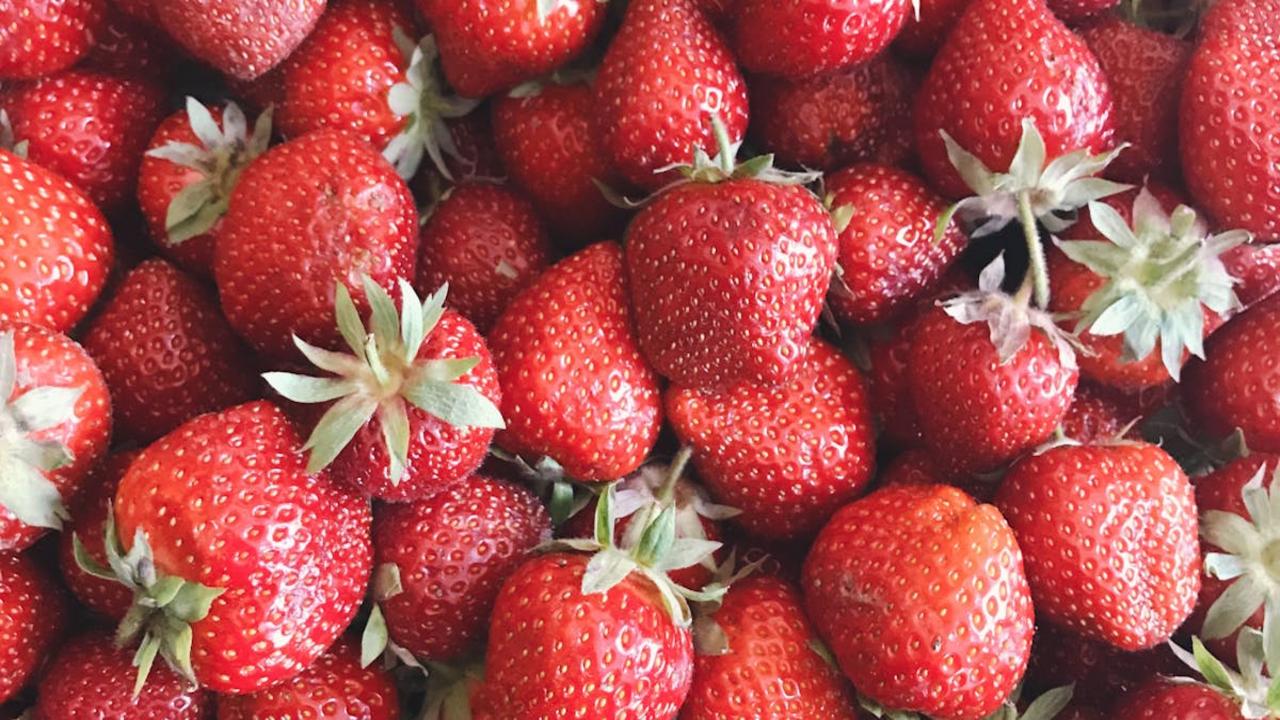
I always tell my readers to focus their organic budget on the “Dirty Dozen” – those fruits and vegetables that carry the most pesticide residues when grown conventionally. These items include strawberries, spinach, kale, apples, grapes, peaches, cherries, pears, tomatoes, celery, potatoes, and bell peppers. By choosing organic versions of just these specific items, you’ll reduce your exposure to harmful chemicals while keeping your grocery bill manageable. Think of it as a smart investment in your health without breaking the bank!
The good news? You can save money by buying conventional versions of the “Clean Fifteen” – produce with minimal pesticide residues. These include avocados, sweet corn, pineapples, onions, papayas, frozen sweet peas, eggplants, asparagus, cauliflower, cantaloupes, broccoli, mushrooms, cabbage, honeydew melons, and kiwis. I keep this list on my phone while shopping to make quick decisions at the store. By balancing organic and conventional purchases this way, you’ll make the most of your grocery budget while still maintaining clean eating habits.
Buy in Bulk
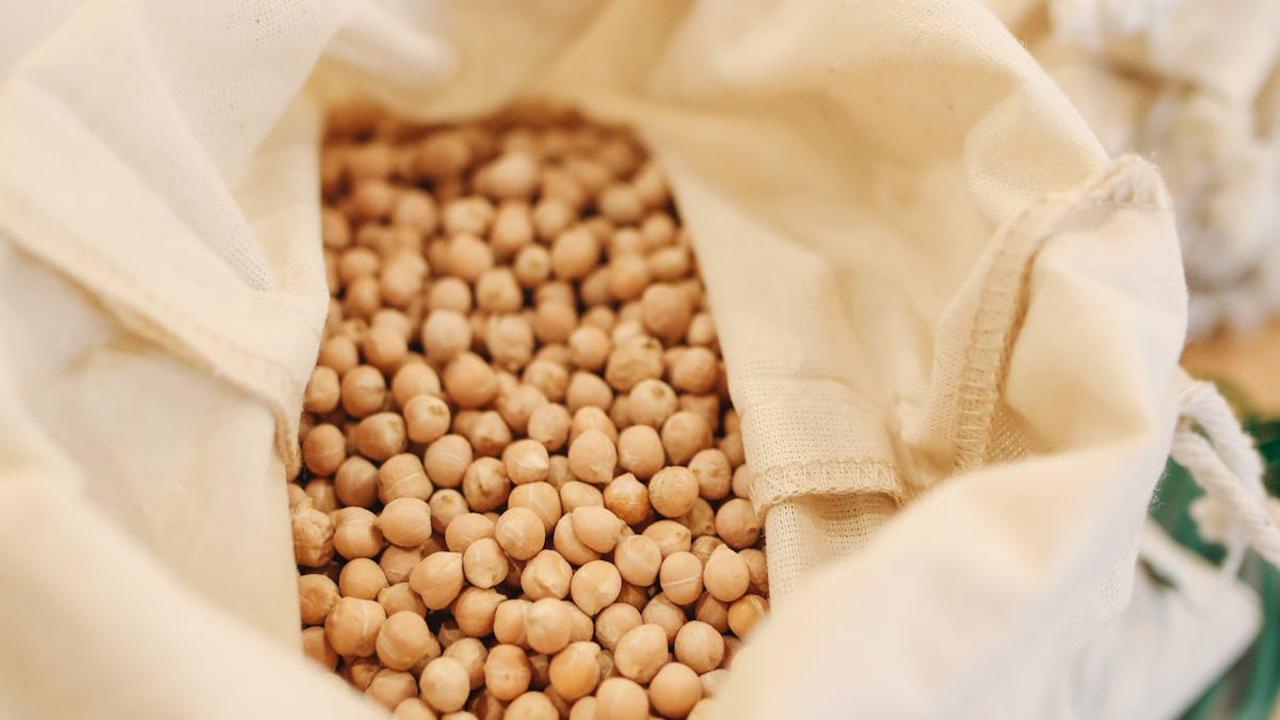
I love sharing this budget-friendly tip with my readers – buying organic ingredients in bulk can save you up to 50% compared to packaged goods! Think about those basic pantry items you use often: quinoa, brown rice, nuts, dried fruits, and beans. Head to stores with bulk bins where you can scoop exactly what you need into your own containers. Many natural food stores and co-ops offer extensive bulk sections with organic options at fantastic prices.
You’ll notice the biggest savings on items like organic oats, which might cost $5-6 per package but only $2-3 per pound in bulk. Make the most of your bulk shopping by bringing clean containers from home (just have the staff weigh them first), and buy only what you’ll use within a few months. I keep my bulk ingredients fresh in airtight glass jars and label them with purchase dates. This simple switch to bulk buying has helped many of my readers stick to organic eating while keeping their grocery bills manageable.
Join a CSA Program

I absolutely love Community Supported Agriculture (CSA) programs – they’re like having your own personal connection to a local farm! By signing up for a CSA, you’ll receive weekly or monthly boxes filled with fresh, seasonal organic produce directly from farmers in your area. The cost per box often works out cheaper than buying the same organic items at grocery stores since you’re cutting out the middleman. Plus, many CSA programs offer flexible payment plans and different box sizes to match your budget and household needs.
Your CSA membership does more than just save money – it supports local organic farmers and gives you the freshest possible produce. Each delivery brings exciting seasonal vegetables and fruits that encourage you to cook creatively and try new recipes. Most CSA farms welcome members to visit, pick their own produce, and learn about organic farming methods. You can even team up with friends or neighbors to split a larger share if the standard box size feels too big for your household. The direct farm-to-table connection makes organic eating both affordable and meaningful.
Shop at Farmers Markets
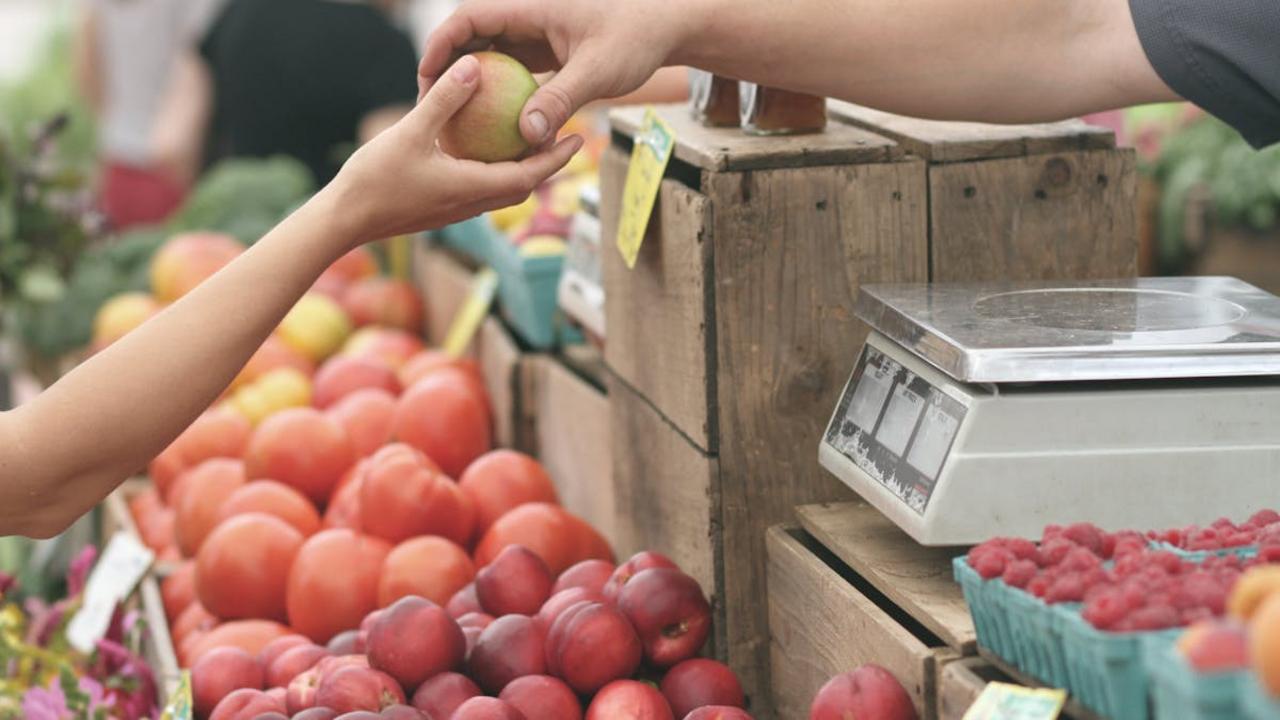
Your local farmers market can be a goldmine for finding fresh organic produce at lower prices than grocery stores. I love going to my neighborhood market near closing time (usually the last hour) when farmers often mark down their remaining produce rather than pack it up. You’ll get the best deals by building relationships with vendors – many will give you discounts as a regular customer or throw in extra items. Plus, you can ask about “seconds” – perfectly good but slightly blemished produce they sell for much less.
The direct farm-to-market model means you skip the middleman markup that grocery stores add. At my farmers market, I save 30-40% on organic vegetables compared to supermarket prices. The produce stays fresh longer too since it was harvested recently, not shipped long distances. Smart tip: Ask vendors if they offer bulk discounts – many will give you a better price if you buy larger quantities, which you can split with friends or freeze for later. Most markets now accept SNAP/EBT benefits and some even offer matching programs to double your purchasing power.