15 Great Depression-Era Recipes So Good I’d Still Make Them Today
Depression-era cooking wasn’t just about making do with less—it created some incredibly delicious recipes that shine through generations. My grandmother taught me how frugal cooks transformed simple ingredients into meals that satisfied both hunger and the soul. These 15 recipes showcase the creativity born from necessity during tough economic times.
You’ll notice many of these dishes stretch protein with fillers like breadcrumbs or beans, while others skip expensive ingredients altogether. What makes them special today? The same things that made them valuable then: they’re affordable, use pantry staples, and produce minimal waste. Plus, they’re genuinely tasty!
I’ve tested each recipe in my own kitchen and found them surprisingly relevant for modern life. Whether you want to save money on groceries or connect with cooking history, these Depression-era classics deserve a spot in your meal rotation. From comforting Potato Pancakes to ingenious Mock Apple Pie, these recipes prove good food transcends time.
Chili Mac
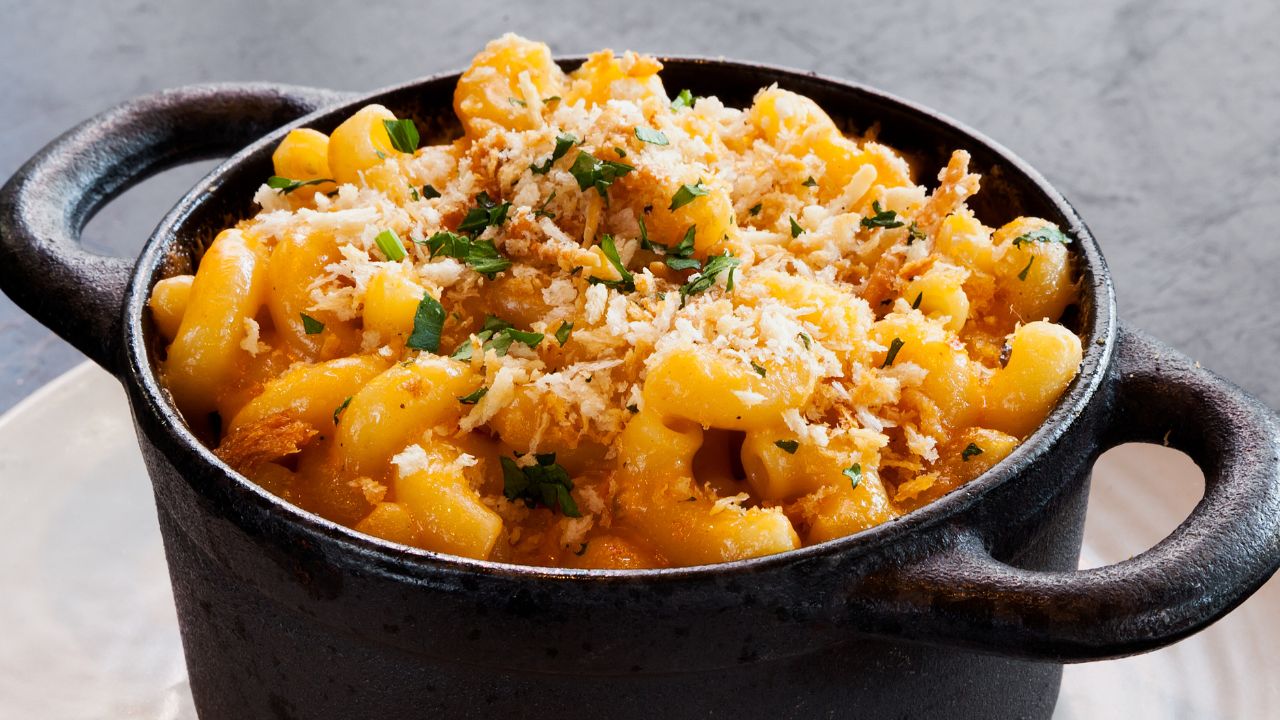
Chili mac represents everything I adore about Depression-era cooking – it takes humble ingredients and transforms them into pure comfort. This dish marries the heartiness of chili with tender pasta, creating a one-pot wonder that fed families for days on just pennies. When I make my version, I brown ground beef with onions and garlic, then add fire-roasted tomatoes, kidney beans, and a blend of cumin, paprika, and a touch of cocoa powder for depth. The magic happens when you fold in cooked macaroni and let everything simmer together, allowing the flavors to meld into something greater than its parts.
What makes this recipe brilliant is its flexibility – you can stretch it with extra beans or vegetables from your garden, making it feed more people without breaking the budget. I often add diced bell peppers, corn, or whatever vegetables need using up in my fridge. The beauty lies in its forgiving nature; too thick? Add some broth. Need more protein? Throw in another can of beans. This dish improves with time, making it perfect for meal prep or feeding a crowd. Every spoonful delivers warmth and satisfaction, proving that some of the best meals come from the simplest combinations of real, wholesome ingredients.
Depression-era Meatloaf
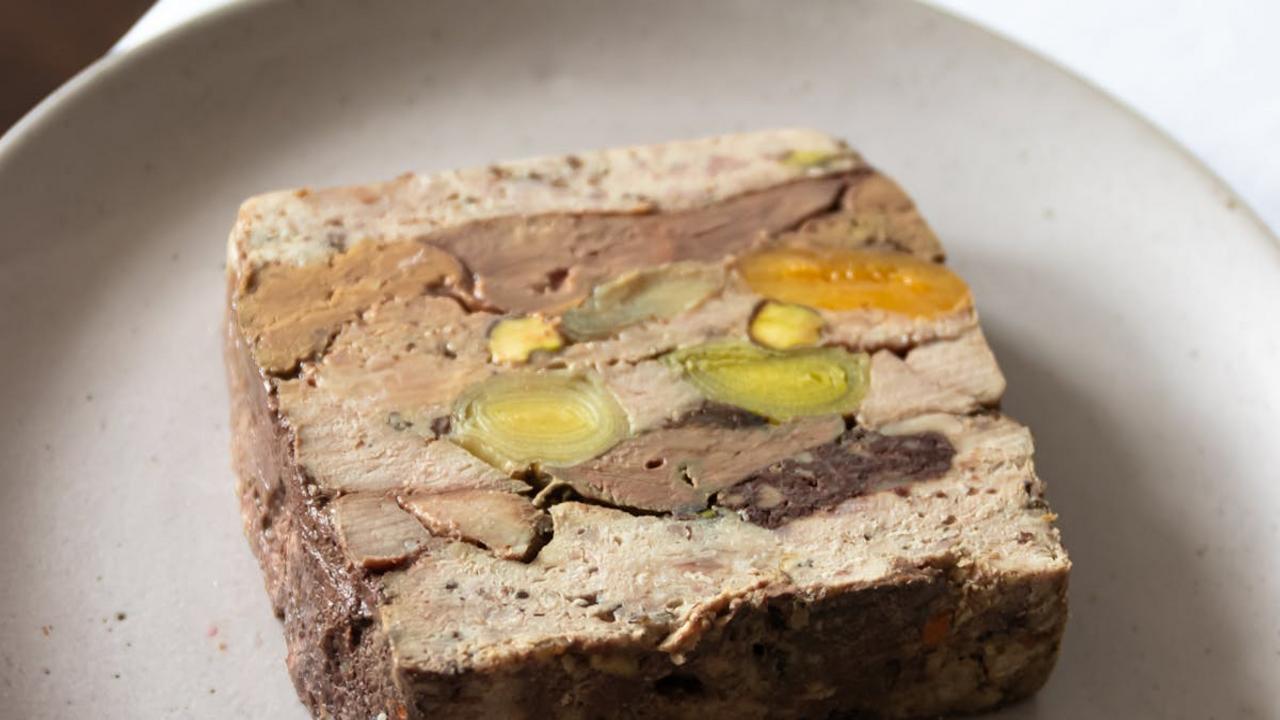
Depression-era meatloaf holds a special place in my heart because it represents everything I believe about cooking—making magic happen with whatever you have on hand. During the 1930s, home cooks stretched precious ground beef with oats, breadcrumbs, and even crackers, creating a dish that fed families without breaking the bank. I love how this recipe teaches us that limitations spark creativity in the kitchen, something I apply to my own cooking every single day.
What makes this meatloaf so brilliant is how it transforms simple, humble ingredients into something deeply satisfying and nourishing. You’ll mix your ground meat with rolled oats or stale bread, add some diced vegetables for moisture and nutrition, then bind everything with an egg and maybe a splash of milk if you have it. The result? A tender, flavorful loaf that’s actually more interesting than many modern versions loaded with processed ingredients. I still make versions of this recipe today, adding my own global twists like grated ginger or fresh herbs, proving that good techniques never go out of style.
Spam Hash
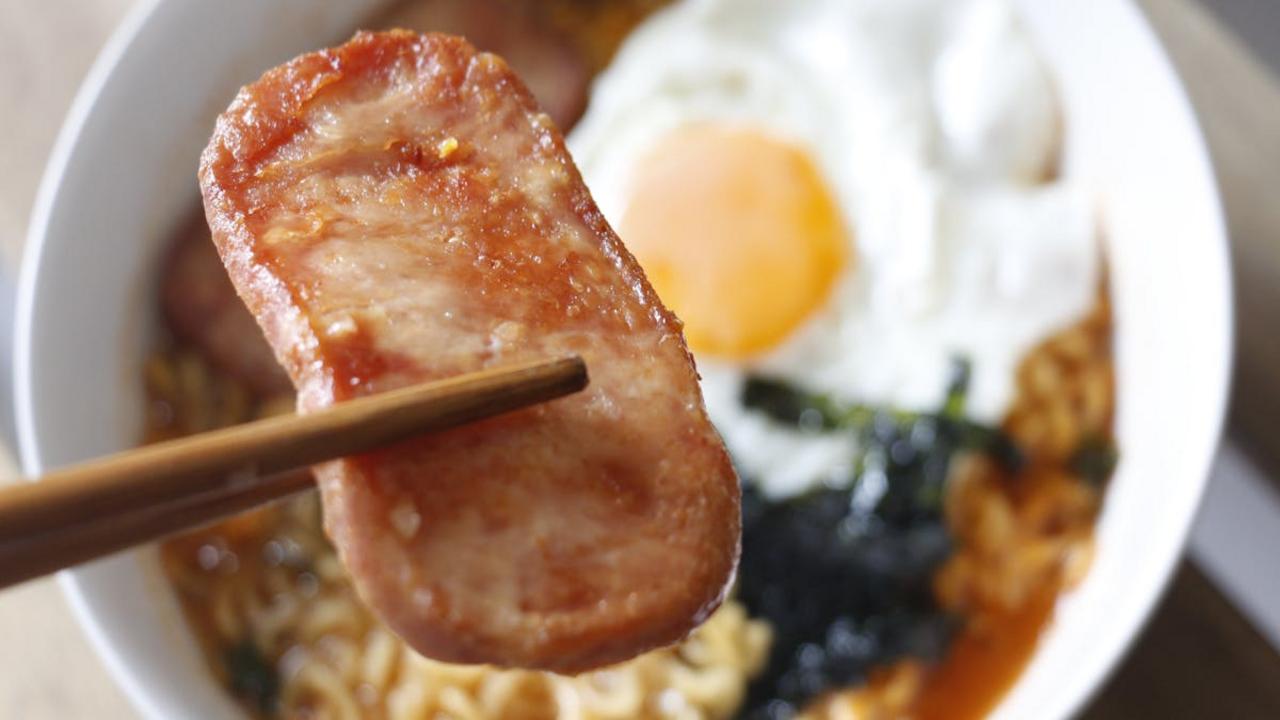
I know what you’re thinking—Spam gets a bad reputation these days, but hear me out! During the Great Depression, this canned meat became a lifeline for families stretching every dollar, and honestly, when you prepare it right, it transforms into something genuinely delicious. I’ve taken this classic Depression-era dish and given it my own spin, dicing the Spam into small cubes and browning them until they’re crispy on the outside. The key is getting that beautiful caramelization that brings out the smoky, salty flavors that made this protein so beloved back then.
What I love about Spam hash is how it becomes a canvas for whatever vegetables you have on hand. I toss in diced potatoes, onions, and bell peppers—sometimes adding fresh herbs from my garden or a sprinkle of smoked paprika for depth. The dish comes together in one skillet, making cleanup easy while creating layers of flavor that would make any Depression-era cook proud. Served with a fried egg on top and maybe some hot sauce on the side, this humble hash proves that simple, honest ingredients can create something truly satisfying. It’s comfort food that tells a story, and that story is worth preserving in our modern kitchens.
Banana Bread
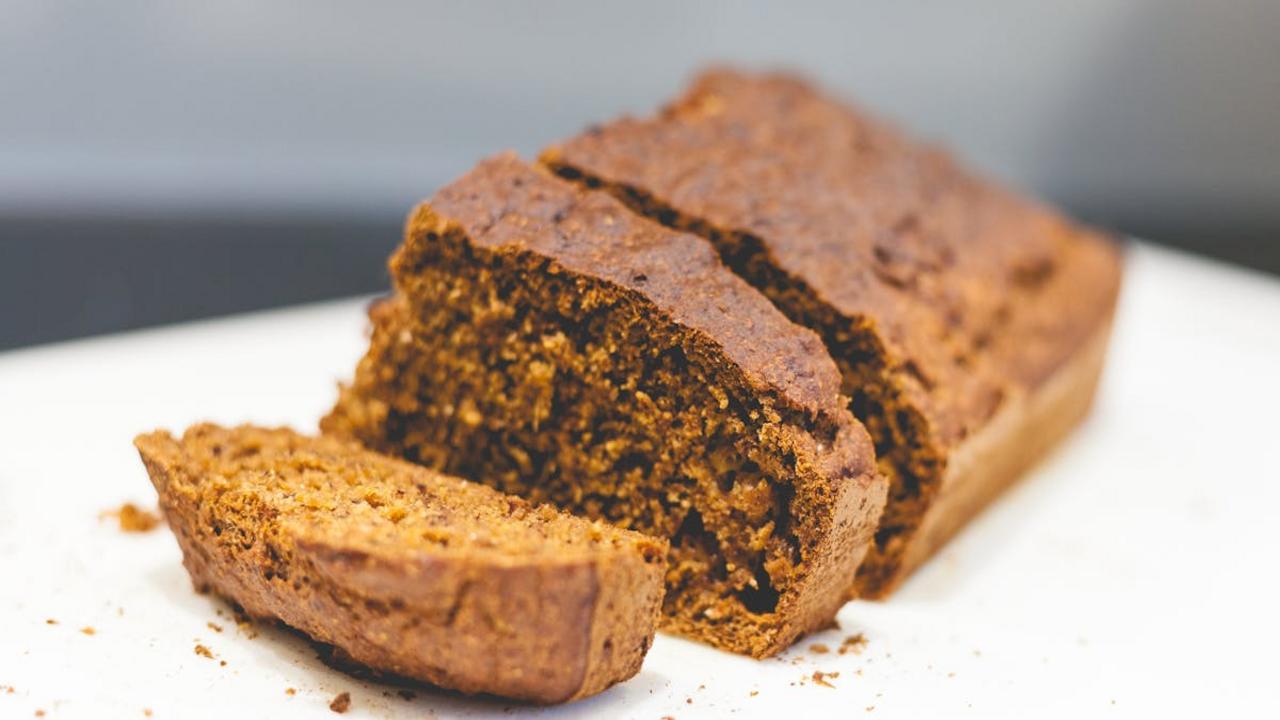
You know what I love about banana bread from the Depression era? Those home cooks turned overripe bananas—what many would toss today—into pure magic. Back then, nothing went to waste, and this mentality created one of our most beloved comfort foods. I make this recipe constantly because it teaches us something beautiful about resourcefulness and flavor development. Those brown, spotted bananas everyone avoids at the grocery store? They’re actually perfect for baking because their natural sugars concentrate as they ripen, creating incredible depth without needing loads of added sweeteners.
My version stays true to that original spirit while incorporating techniques I’ve picked up from different baking traditions. I fold in a touch of cardamom and sometimes swap half the all-purpose flour for whole wheat, giving the bread more substance and a subtle nuttiness. The beauty of this recipe lies in its forgiving nature—you can add walnuts, swap butter for coconut oil, or even throw in some dark chocolate chips. Every time I pull a loaf from the oven, that familiar aroma fills my kitchen and reminds me why simple, honest ingredients create the most satisfying results. It’s proof that the best recipes often come from making do with what you have on hand.
Peanut Butter Bread
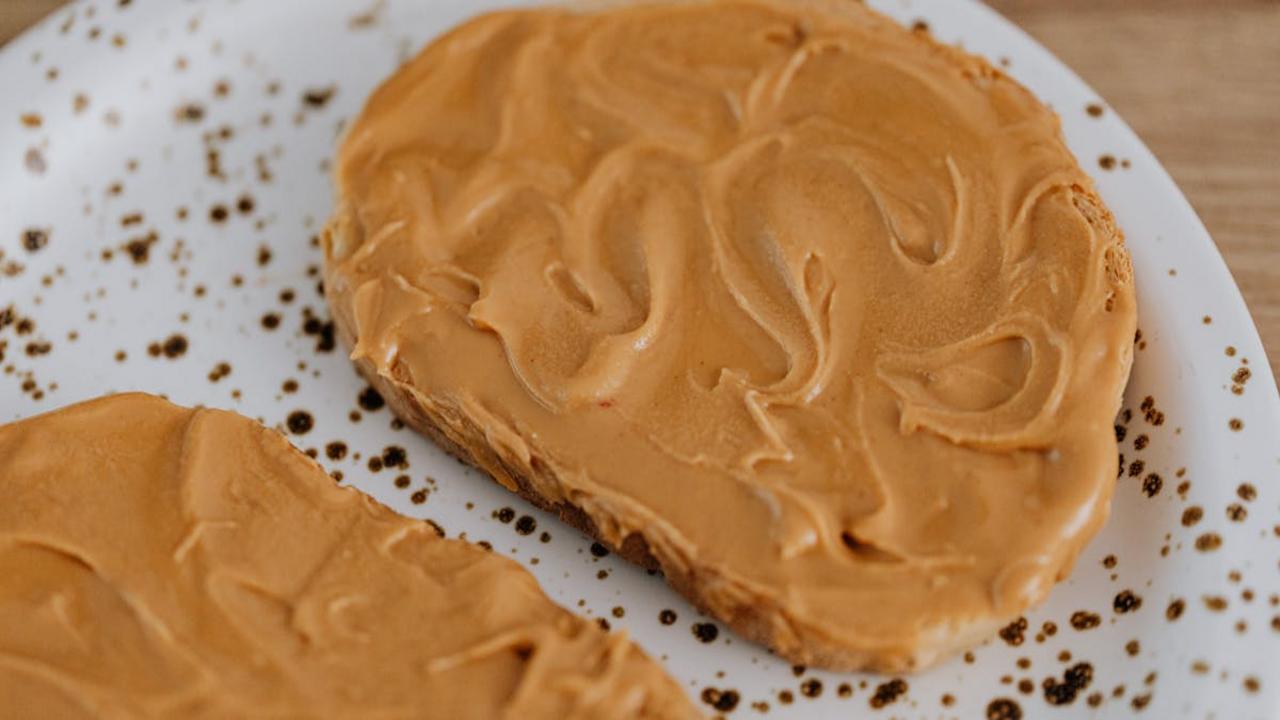
When times got tough during the Great Depression, home cooks discovered that peanut butter could transform simple flour and basic pantry staples into something genuinely satisfying. This bread became a household hero because peanut butter brought both protein and rich flavor to what could have been just another plain loaf. I love how this recipe shows the resourcefulness of that era—taking an ingredient that was becoming more affordable and accessible, then turning it into comfort food that fed families well.
What draws me to this recipe today is how it bridges that gap between sweet and savory that I’m always chasing in my own cooking. The natural oils in peanut butter create an incredibly moist crumb, while the nutty flavor pairs beautifully with a drizzle of honey or a simple spread of butter. I’ve started making variations using natural peanut butter and adding a handful of chopped peanuts for extra texture. This bread reminds me why simple ingredients, treated with respect and creativity, often produce the most memorable results in our kitchens.
Ritz Cracker Crust Pizza

You know how I’m always talking about turning simple pantry staples into something magical? Well, this Depression-era gem does exactly that with crushed Ritz crackers as the base for pizza. I first stumbled across this recipe in my grandmother’s handwritten collection, and honestly, I was skeptical. But after making it countless times, I can tell you this buttery, crispy foundation creates something completely different from traditional pizza dough. The crackers bring this incredible richness and crunch that pairs beautifully with whatever toppings you choose.
What I love most about this recipe is how it represents the resourcefulness of that era—taking what you have and making it shine. I’ve adapted the original by using whole grain crackers sometimes, or mixing in crushed nuts for extra nutrition. The beauty lies in its simplicity: crush your crackers, bind them with a beaten egg and maybe a touch of olive oil, press into your pan, and bake. Top with fresh tomatoes, herbs from your garden, and good cheese, and you’ve got something that tastes both nostalgic and completely contemporary. It’s perfect for those nights when you want pizza but don’t have time for yeast dough.
Egg Drop Soup
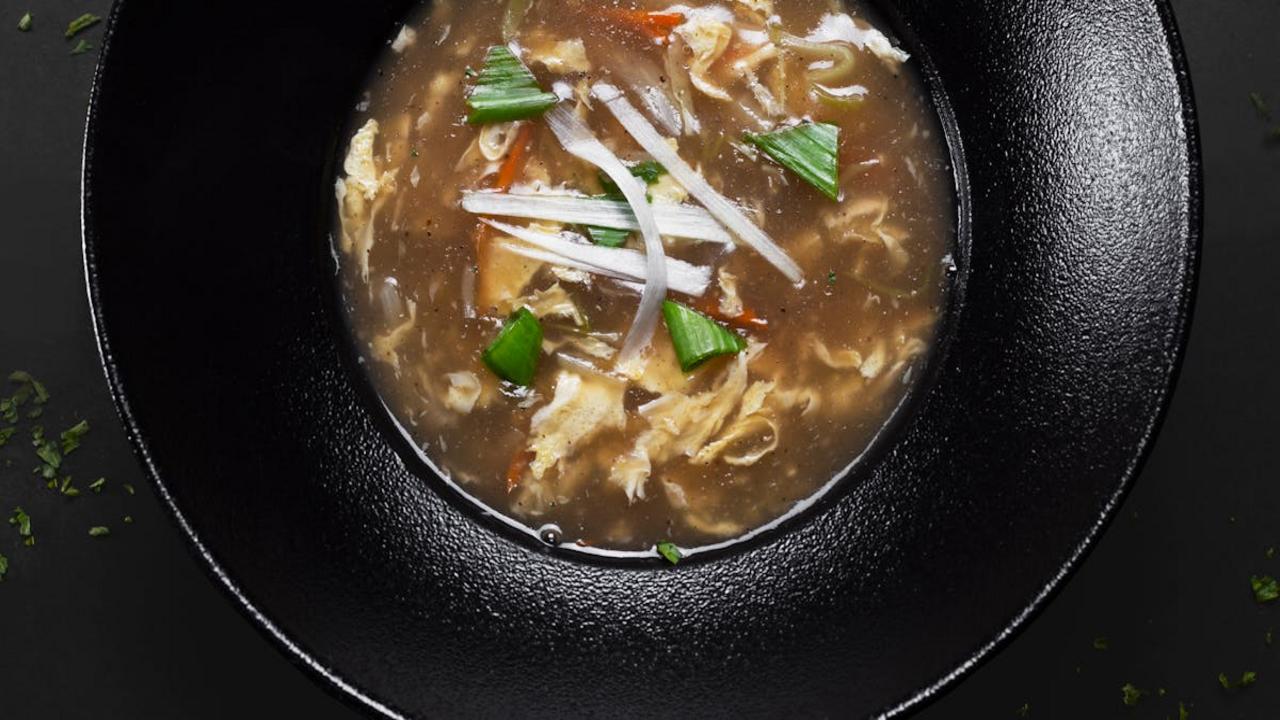
This silky, comforting soup represents everything I adore about Depression-era cooking—simple ingredients transformed into something magical through pure technique. You need just eggs, broth, and a few pantry staples, yet the result feels restaurant-worthy. I’ve made countless versions over the years, and each time I’m amazed by how the slowly drizzled beaten eggs create those gorgeous ribbons that dance through the hot broth. The key lies in your stirring motion and temperature control, creating that signature texture that makes this soup so satisfying.
What draws me to this recipe today isn’t just its frugality, but how easily you can adapt it to whatever you have on hand. I often add fresh ginger for warmth, throw in some leftover vegetables, or swirl in a touch of sesame oil at the end. The beauty of egg drop soup lies in its versatility—it works as a light starter, a quick lunch, or even a midnight comfort bowl when you’re feeling under the weather. Every spoonful delivers clean, nourishing flavors that remind you sometimes the most basic ingredients create the most memorable meals.
Creamed Chipped Beef on Toast
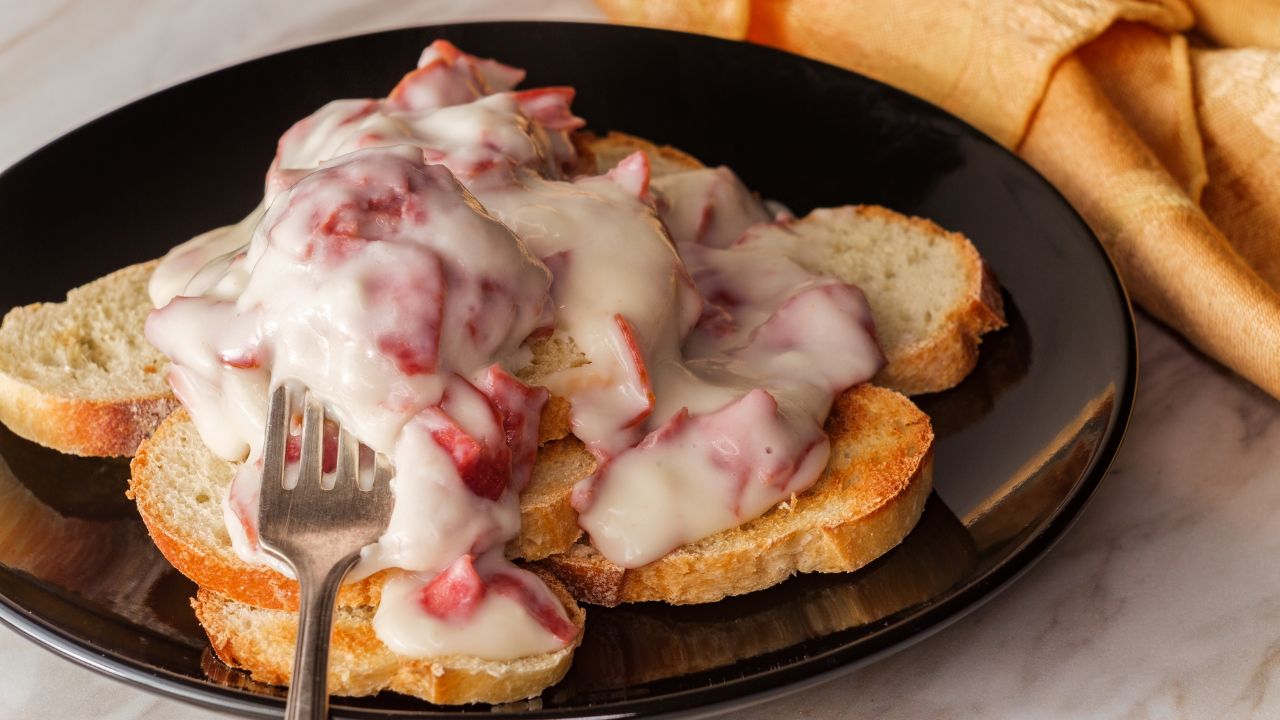
This humble dish carries more soul than its simple ingredients suggest. During the Great Depression, families stretched their budgets by transforming dried beef into something creamy, satisfying, and warming. I’ve made this countless times, and what I love most is how you can adapt it with whatever you have on hand. The base white sauce becomes your canvas—I often add a pinch of smoked paprika or fresh herbs from my garden to give it more personality. The beauty lies in creating something nourishing from pantry staples, turning the ordinary into comfort food that fills both belly and spirit.
Modern cooks sometimes turn their noses up at this recipe, but they’re missing something special. The technique of building a roux and slowly incorporating milk teaches fundamental cooking skills that transfer to so many other dishes. I make mine with whole wheat toast and sometimes sneak in sautéed mushrooms or a handful of spinach for extra nutrition. The key is not rushing the sauce—let it bubble gently while you whisk, creating that silky texture that makes this dish memorable. It’s proof that Depression-era cooks understood something we often forget: simple ingredients, treated with care and patience, create magic in the kitchen.
Hoover Stew
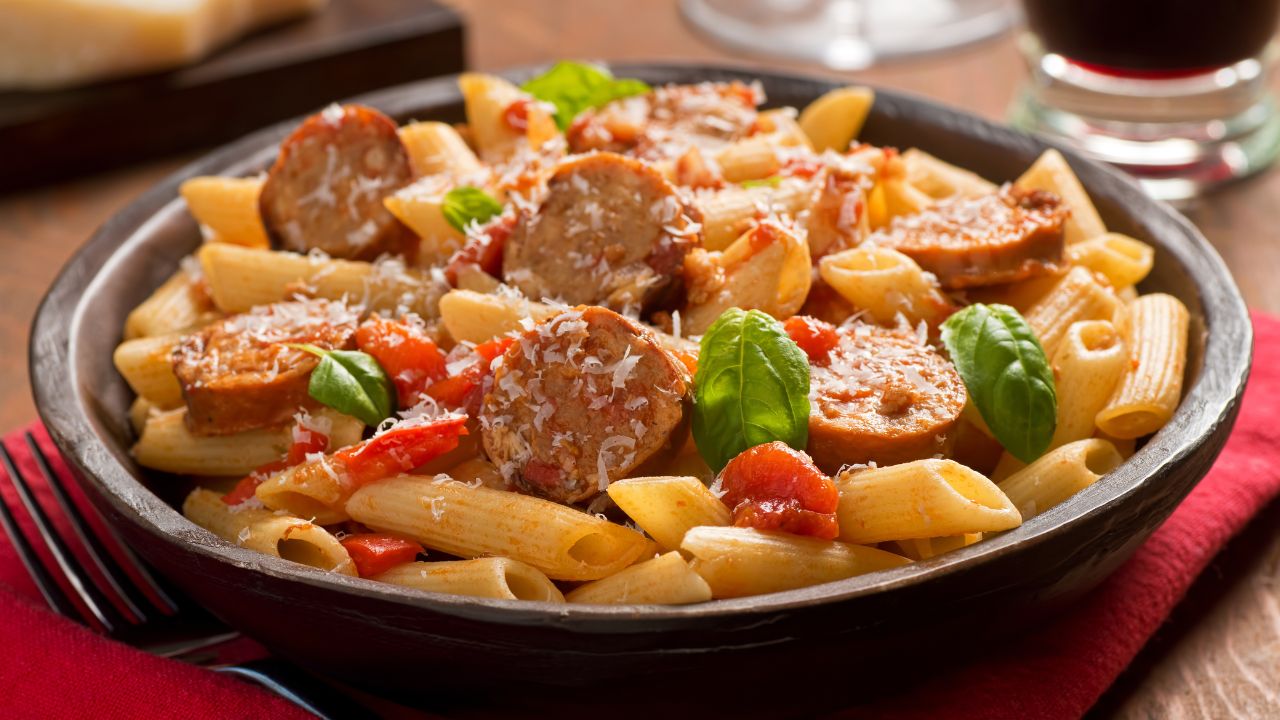
You know what I love about Hoover Stew? It’s proof that necessity really does breed creativity in the kitchen. Named after President Herbert Hoover during those tough Depression years, this humble dish transforms simple pantry staples into something genuinely satisfying. I make mine with whatever vegetables need using up—potatoes, onions, carrots, maybe some cabbage—plus a can of tomatoes and whatever protein I have on hand, whether that’s ground beef, sausage, or even beans for a plant-based version.
What makes this stew special is how it teaches you to cook intuitively, building layers of flavor from basic ingredients. I start by browning my protein, then add the aromatics, letting each element contribute its own character to the pot. The beauty lies in its flexibility—you can adjust the seasonings, swap vegetables based on what’s fresh or affordable, and still end up with a nourishing meal that feeds a crowd. This isn’t just Depression-era survival food; it’s a masterclass in resourceful cooking that creates genuine comfort from whatever you have available.
Bean and Bacon Soup
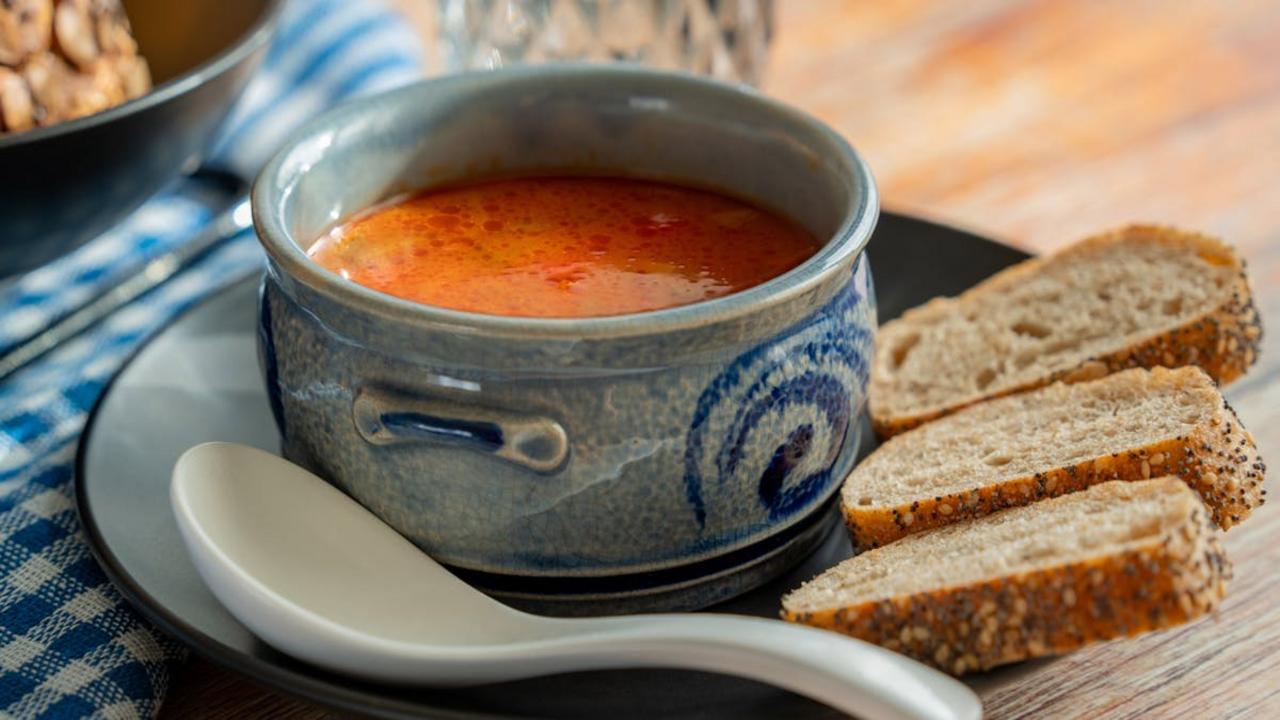
This Depression-era bean and bacon soup represents everything I love about resourceful cooking—taking humble ingredients and transforming them into something deeply satisfying. You start with dried beans (navy or great northern work beautifully), a small piece of bacon or ham hock, and whatever vegetables you have on hand. The magic happens during the slow simmer, where the bacon renders its fat, infusing the beans with smoky richness while the beans break down slightly, creating their own natural thickener.
What makes this soup so brilliant is its adaptability—I often add diced carrots, celery, and onions for extra nutrition, plus a bay leaf and fresh thyme from my garden. The original recipes called for just salt and pepper, but I like to finish mine with a splash of apple cider vinegar to brighten everything up. You can easily make this vegetarian by using smoked paprika and vegetable broth instead of bacon, maintaining that deep, satisfying flavor. This soup gets better the next day, making it perfect for meal prep, and costs practically nothing to make while delivering maximum comfort and nourishment.
Vinegar Pie

I know what you’re thinking – vinegar in a pie? Trust me, I had the same reaction when I first discovered this Depression-era gem. But hear me out: this surprisingly delicious dessert transforms simple pantry staples into something magical. The vinegar creates a bright, tangy custard that tastes remarkably similar to lemon curd, but without needing expensive citrus that families couldn’t afford during tough times. I love how our ancestors used their creativity to satisfy sweet cravings with what they had on hand.
Making vinegar pie connects you to generations of resourceful cooks who understood that good food doesn’t require fancy ingredients. The filling combines butter, eggs, sugar, flour, and just a tablespoon or two of white vinegar – ingredients most of us already keep stocked. When baked, the vinegar mellows completely, leaving behind a smooth, custard-like filling with a subtle tang that keeps you coming back for another slice. I often make this when I want to remind myself that some of our most treasured recipes came from times when people had to be ingenious with limited resources. It’s proof that necessity really does spark the most wonderful culinary innovations.
Wacky Cake
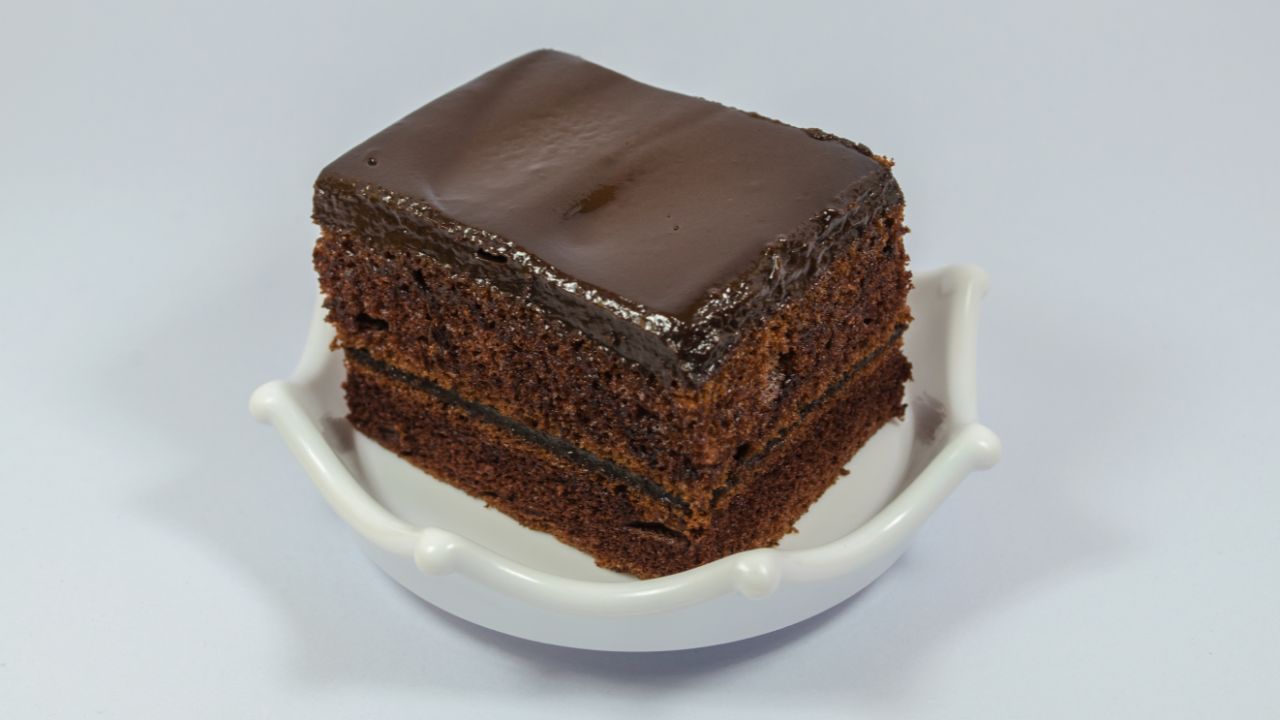
This Depression-era chocolate cake became a lifesaver when eggs, butter, and milk were precious commodities. What makes it truly brilliant is how it transforms pantry staples—flour, sugar, cocoa powder, baking soda, and vinegar—into something magical. I’ve made this cake countless times, and it never fails to amaze me how moist and rich it turns out without any dairy or eggs. The secret lies in the chemical reaction between vinegar and baking soda, which creates the perfect lift and texture.
I love making Wacky Cake when friends with dietary restrictions visit because it’s naturally vegan, yet nobody ever suspects it. The simplicity speaks to my soul—you literally mix everything right in the baking pan, no separate bowls required. Sometimes I add a handful of chopped walnuts or a sprinkle of cinnamon to honor different global traditions, and the cake adapts beautifully. This recipe proves that constraints often lead to the most creative solutions, and honestly, I choose this over many modern chocolate cakes because it’s so wonderfully uncomplicated yet satisfying.
Mock Apple Pie
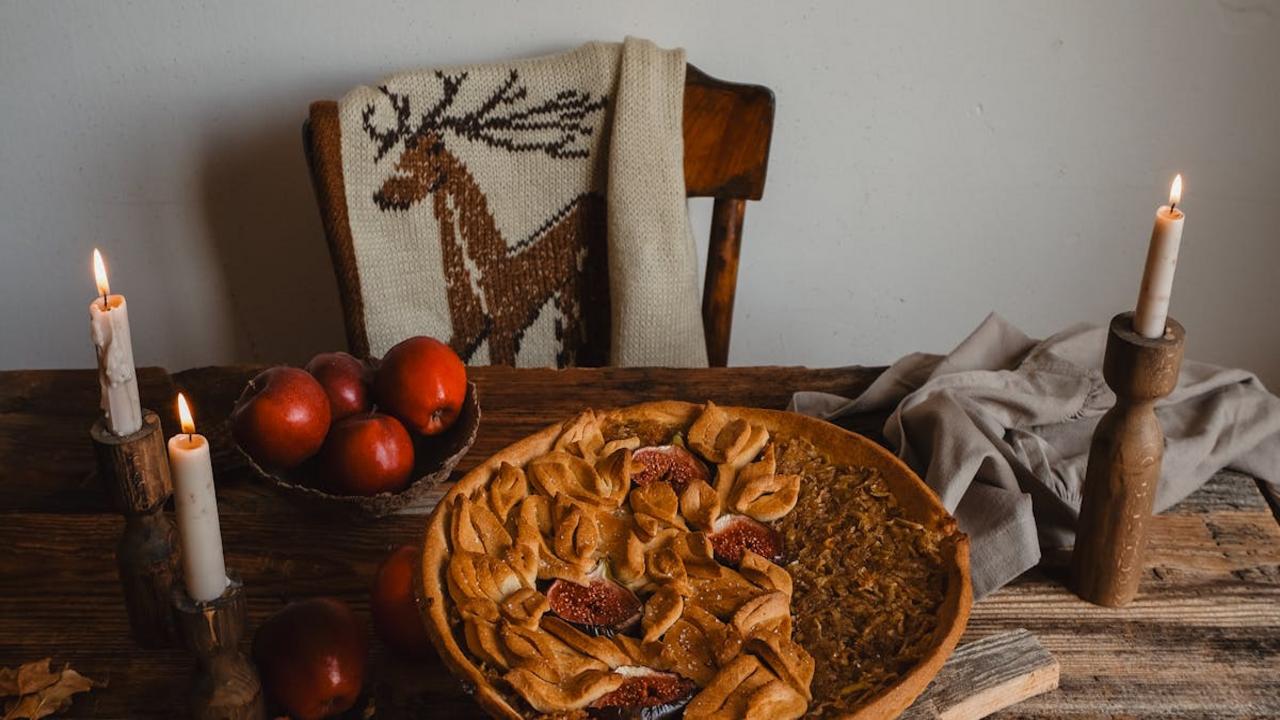
This recipe absolutely blows my mind every time I make it! Mock Apple Pie became famous during the Great Depression when apples were scarce or too expensive, so resourceful home cooks created this brilliant illusion using crackers, sugar, and spices. The magic happens when Ritz crackers break down and absorb the sweet, cinnamon-spiced syrup, transforming into something that genuinely tastes like tender apple filling. I’ve served this to friends without telling them the secret, and they’re convinced they’re eating real apple pie – the texture and flavor are that convincing!
What I love most about this recipe is how it represents the ingenuity that hard times can spark in the kitchen. You’re literally creating something wonderful from pantry staples, and that resourcefulness speaks to my soul as someone who believes in making magic with simple ingredients. I still make this pie today because it’s genuinely delicious and reminds me that creativity often trumps expensive ingredients. The buttery crust paired with that mysteriously apple-like filling creates a dessert that’s both nostalgic and surprisingly sophisticated – plus, it’s always a fantastic conversation starter when you reveal the secret ingredient!
Cornmeal Mush
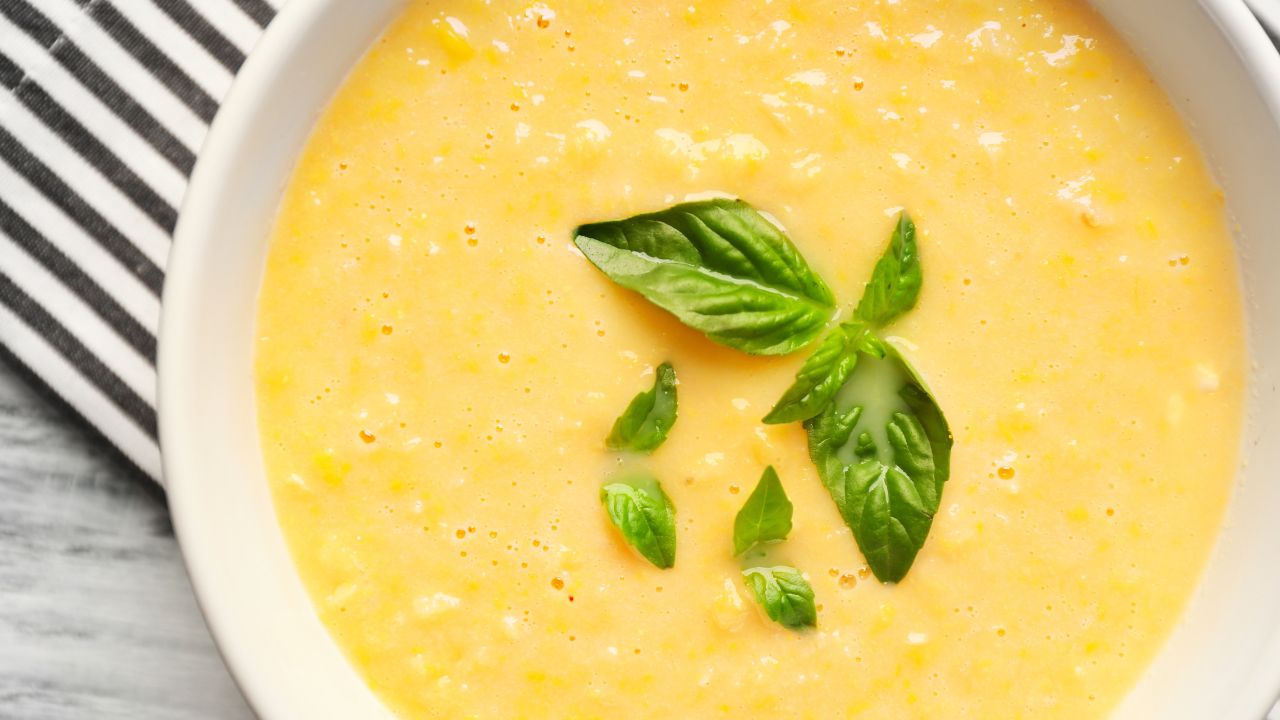
You know what amazes me about cornmeal mush? This Depression-era staple proves that the most humble ingredients can create something genuinely satisfying. I’ve been making this creamy, porridge-like dish for years, and it never fails to remind me why simple cooking often beats complicated recipes. The beauty lies in how you slowly whisk cornmeal into boiling salted water, watching it transform into this silky, golden comfort food that costs pennies to make. My grandmother used to say that cornmeal mush kept families fed when there wasn’t much else, and honestly, I can see why.
What I love most about cornmeal mush is its incredible versatility – you can serve it sweet with a drizzle of maple syrup and cinnamon, or go savory with cheese and herbs. I often add a splash of coconut milk for richness or fold in sautéed mushrooms and fresh thyme for an elevated twist. The leftover mush firms up beautifully in the refrigerator, and you can slice it thick and pan-fry until crispy on the outside while staying creamy within. This technique creates the most wonderful contrast of textures, turning yesterday’s breakfast into today’s satisfying side dish alongside roasted vegetables or a hearty stew.
Potato Pancakes
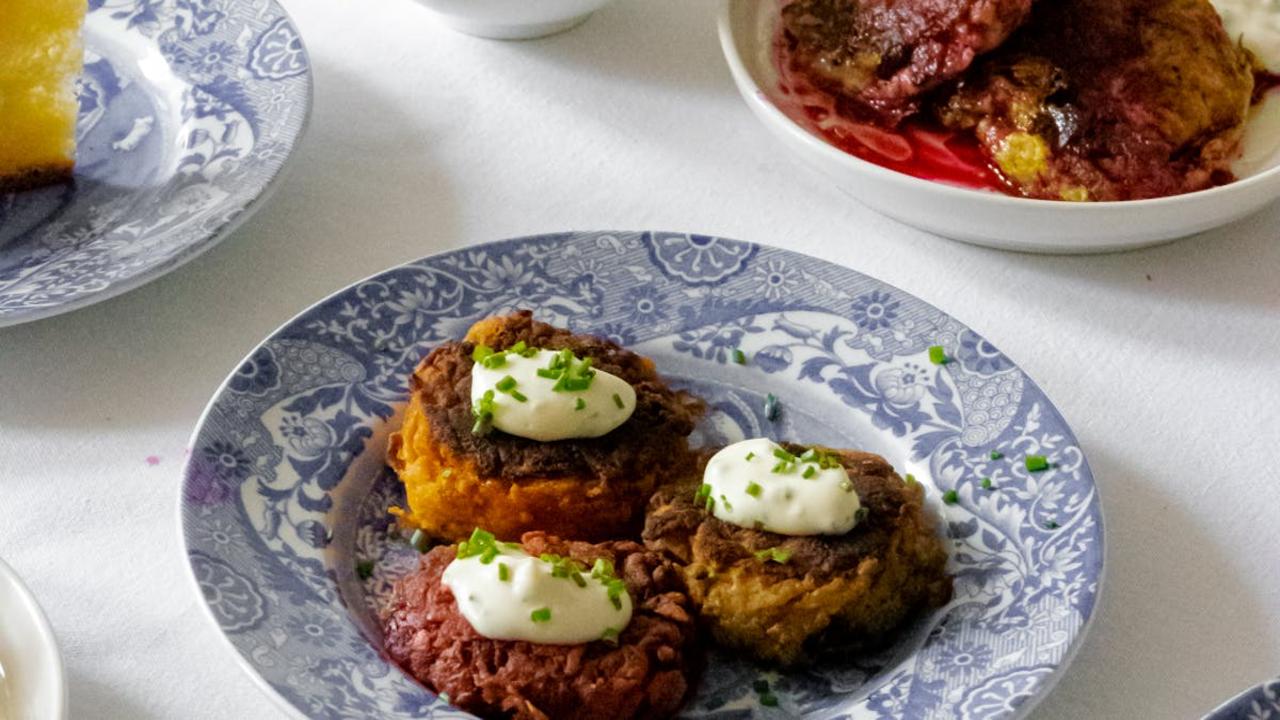
These golden, crispy potato pancakes saved countless families during the Depression, and I still make them weekly because they’re absolutely brilliant. You take just a few potatoes, grate them by hand, mix with an egg and a pinch of flour, then pan-fry until they’re beautifully golden and crispy on the outside while staying tender inside. The beauty lies in their simplicity – potatoes were cheap, filling, and could stretch a meal for an entire family. I love how these pancakes represent the ingenuity of home cooks who refused to let limited ingredients stop them from creating something truly satisfying.
What makes these pancakes special is how they transform humble potatoes into something that feels almost luxurious. I often add finely diced onions or herbs from my garden, and sometimes I’ll grate in a carrot for extra sweetness and color. The key is getting your skillet properly hot and not overcrowding the pan – you want that perfect crispy exterior that contrasts beautifully with the fluffy interior. Serve them with applesauce, sour cream, or even just a sprinkle of salt, and you have a meal that’s both nostalgic and completely modern. They’re proof that the best recipes often come from necessity, creating something magical from the most basic ingredients in your pantry.