12 Flavor-Packed Herbs Chefs Use to Elevate Every Meal
Look beyond your spice rack! While we all reach for basil and rosemary, professional kitchens buzz with lesser-known herbs that transform ordinary meals into memorable experiences. I’ve discovered these 12 game-changing herbs during my cooking adventures, and they’ve completely changed how I approach flavor building.
Each herb brings its unique personality to the table. Some add bright citrus notes, others offer earthy warmth or surprising sweetness. The magic happens when you start experimenting with these fresh alternatives in your everyday cooking—suddenly that roast chicken or simple pasta has restaurant-quality depth.
I’m sharing my favorite ways to use these herbs based on techniques I’ve picked up from chef friends and countless kitchen experiments. You’ll find practical tips for storing, pairing, and cooking with each one, plus simple recipes that showcase their distinctive qualities without complicated methods.
Borage

You know what gets me excited about borage? This gorgeous blue-flowered herb tastes exactly like cucumber but comes with the most stunning edible flowers I’ve ever worked with. I remember the first time I stumbled across borage at a farmers market – the vendor told me to try a leaf, and I couldn’t believe how refreshing and clean it tasted. The young leaves have this incredible cooling quality that transforms simple summer salads into something special. I love tossing them into mixed greens with tomatoes and a light vinaigrette, or chopping them finely to mix into yogurt-based dips.
Those brilliant blue star-shaped flowers aren’t just pretty – they’re completely edible and add such a whimsical touch to everything from cocktails to desserts. I freeze them in ice cubes for special occasions, and guests always ask about those beautiful blue stars floating in their drinks. The flowers carry that same mild cucumber flavor as the leaves, making them perfect for garnishing cold soups, particularly gazpacho or chilled yogurt-based soups. Growing borage in your garden is incredibly rewarding since it self-seeds readily, giving you a continuous supply throughout the growing season. Just remember to harvest the leaves when they’re young and tender – older leaves can get a bit rough and prickly.
Caraway
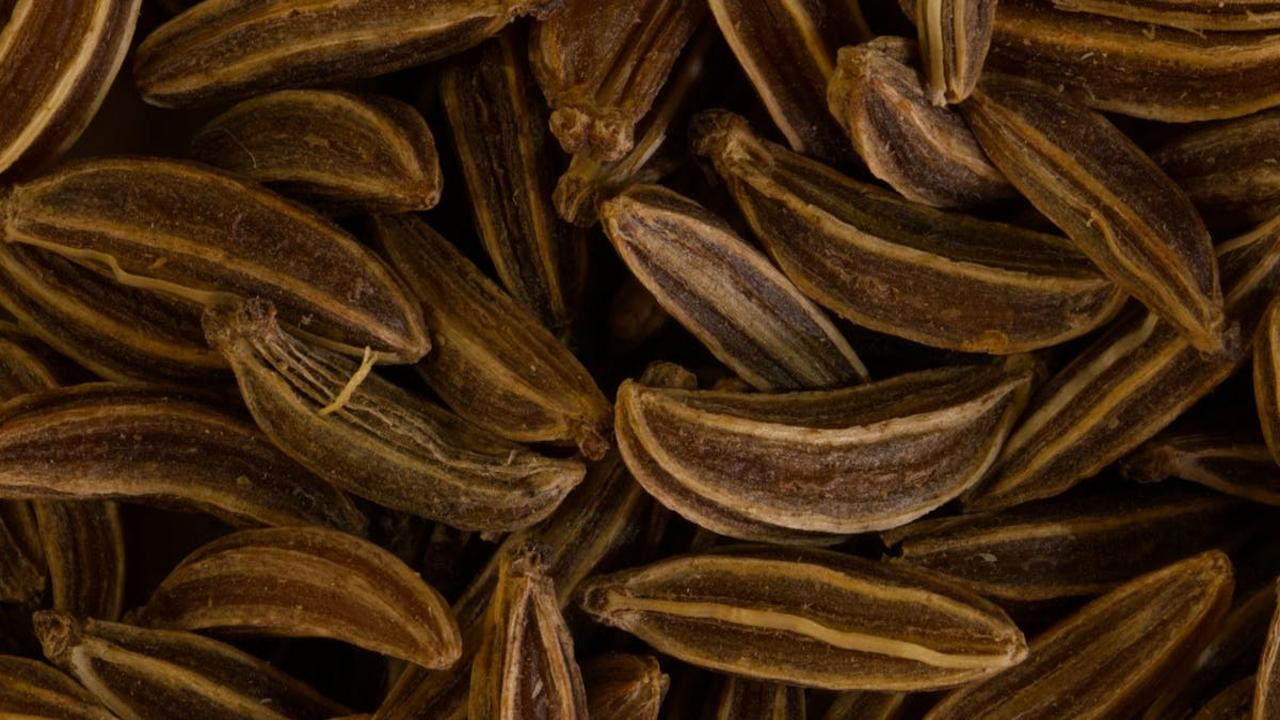
You know that creamy, tangy Sweet Onion Sauce you drizzle generously over your Subway sandwich? I hate to break it to you, but this seemingly innocent condiment packs a serious sugar punch that most people completely overlook. Each serving contains around 6 grams of sugar – that’s more than you’d find in many dessert sauces! The manufacturers cleverly mask this sweetness behind onion flavoring and a savory name, making you think you’re making a healthier choice compared to other fast food sauces.
What really gets me is how easily we can recreate this at home with so much less sugar and way more authentic flavors. I make my own version using caramelized onions, a touch of honey, apple cider vinegar, and Greek yogurt for that creamy texture. The natural sweetness from properly cooked onions gives you all the flavor satisfaction without the processed sugar overload. Plus, you control every ingredient that goes into your sauce – no mysterious preservatives or artificial flavors sneaking into your meal. Your homemade version will taste fresher, more complex, and won’t leave you crashing from a sugar high an hour later.
Winter Savory
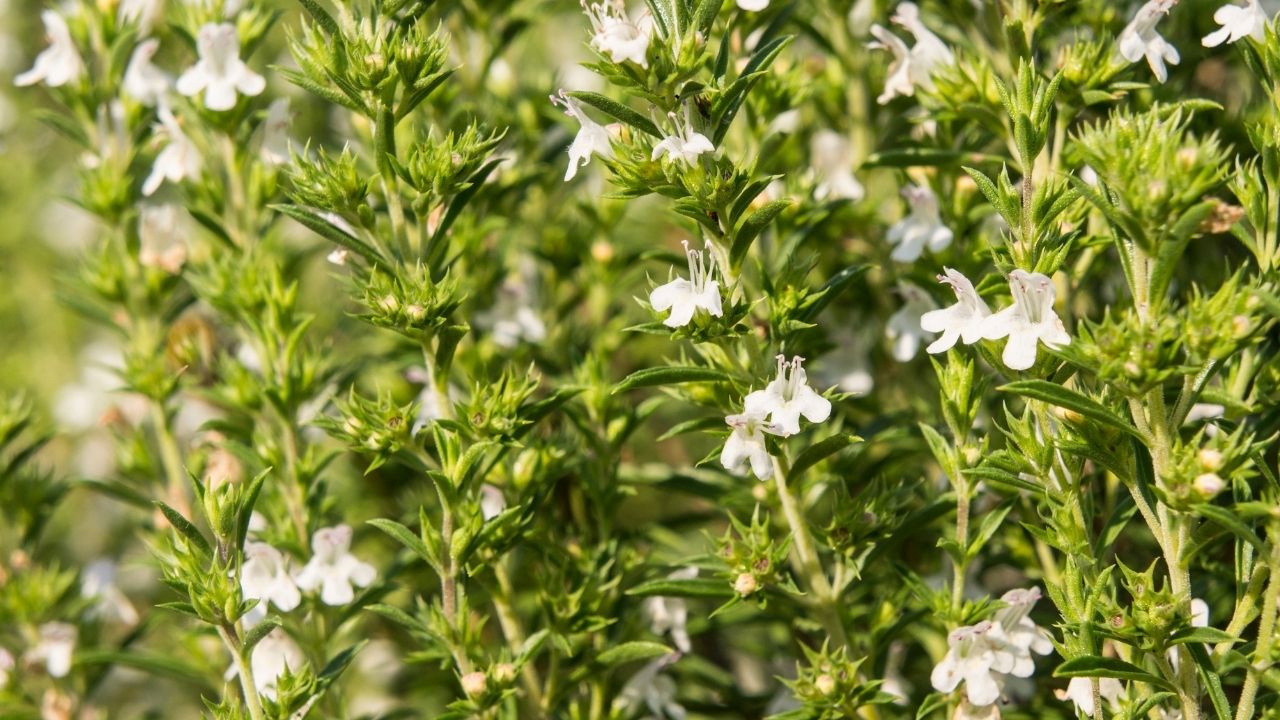
You walk into Panera thinking you’re making a smart choice with that Asian Sesame Salad, but here’s what they don’t advertise on their menu boards: that innocent-looking dressing packs a shocking 9 grams of sugar per serving. I’ve been recreating restaurant favorites in my kitchen for years, and this particular dressing always caught my attention because of how sweet it tastes compared to traditional sesame dressings I make at home. The culprit? High fructose corn syrup sits prominently in the ingredient list, transforming what should be a savory, nutty complement into something closer to candy.
Making your own version changes everything about this dish. I whisk together tahini, rice vinegar, a touch of honey, fresh ginger, and tamari sauce to create that same rich, complex flavor without the processed sugar overload. The homemade version delivers authentic sesame depth while keeping the sweetness balanced and natural. You control exactly what goes into your body, and honestly, once you taste how much brighter and more satisfying the real thing is, you’ll wonder why anyone needs 9 grams of added sugar in their salad dressing. Your greens deserve better than a sugar bomb masquerading as health food.
Lemon Balm
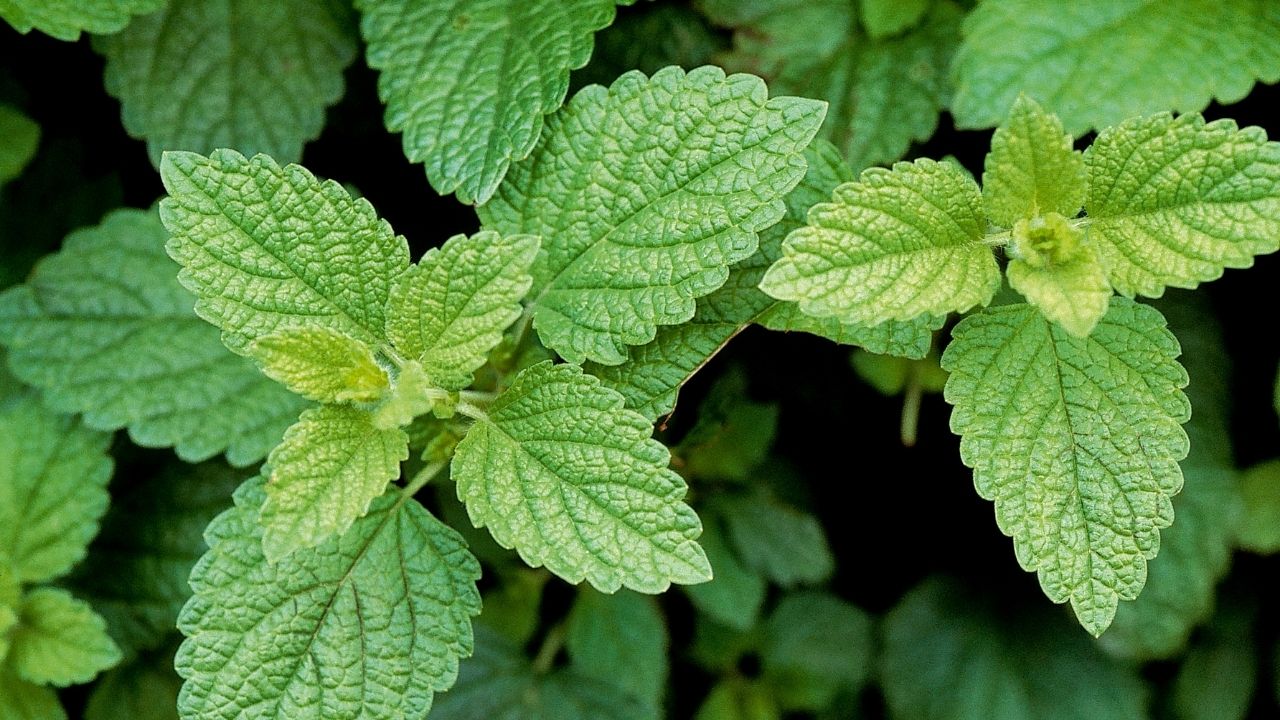
You walk into Jamba Juice thinking you’re making a smart choice with that vibrant Strawberry Smoothie, but here’s what I want you to know: this seemingly innocent drink packs a shocking 58 grams of sugar. That’s more than what you’d find in a can of soda! The culprit isn’t just the strawberries—it’s the fruit juices, sherbet, and added sweeteners that transform what could be a simple, wholesome blend into a sugar bomb. I’ve made countless smoothies at home, and I can promise you that real strawberries alone don’t need this much sweetness to taste amazing.
Here’s my take on creating better smoothie habits: start with whole frozen strawberries, add a splash of unsweetened plant milk, maybe half a banana for natural sweetness, and a handful of spinach you won’t even taste. You control every ingredient, and you’ll discover that real fruit flavors shine brightest without all those hidden sugars masking their natural beauty. Your body will thank you for the fiber, vitamins, and antioxidants without the sugar crash that follows these commercial versions. Making smoothies from scratch takes two minutes and gives you infinitely more nutrition and satisfaction.
Lovage
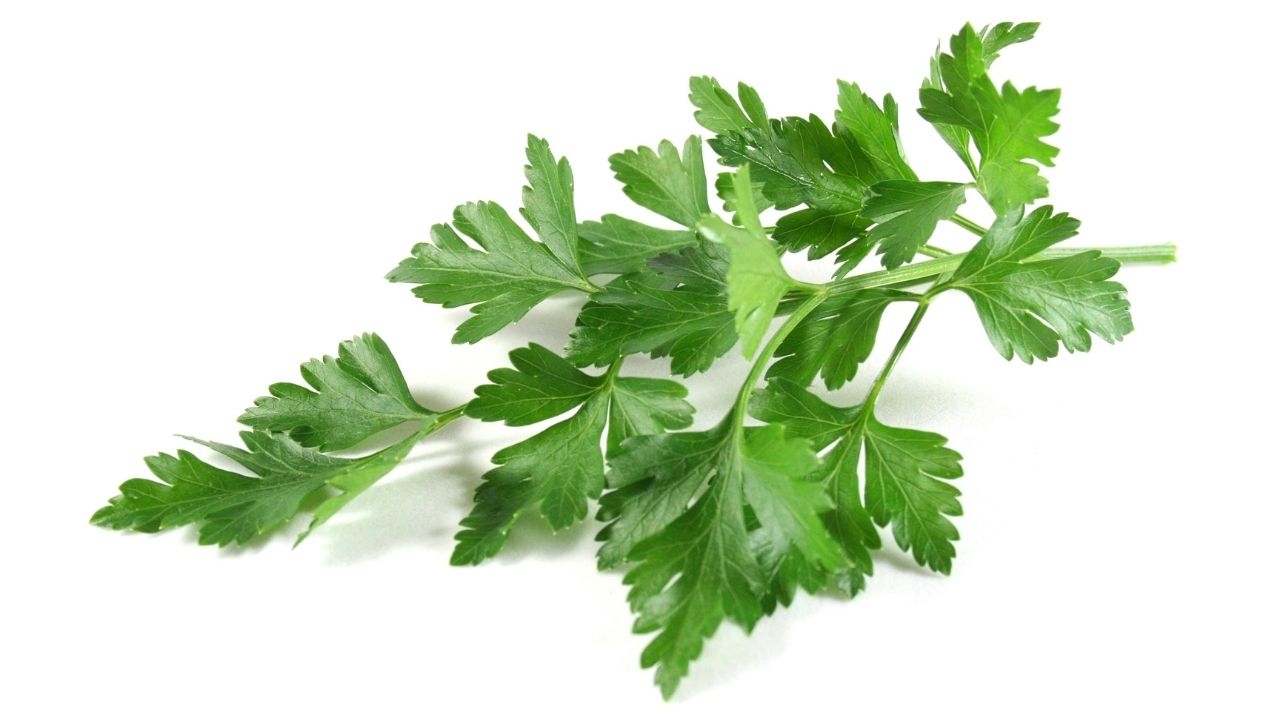
You know that creamy, tangy honey mustard sauce you dip your nuggets into at Wendy’s? I hate to break it to you, but that innocent-looking golden sauce packs a serious sugar punch. Each packet contains about 6 grams of sugar – that’s more than what you’d find in many cookies! What breaks my heart is how we’ve been conditioned to think of honey mustard as a “healthier” option compared to other fast food sauces, but the reality hits different once you peek behind the ingredient curtain.
Here’s what gets me fired up about this whole situation: making honey mustard at home takes literally five minutes and gives you complete control over the sweetness level. I mix Dijon mustard with a touch of raw honey, apple cider vinegar, and a pinch of turmeric for that beautiful color – no high fructose corn syrup or mysterious preservatives needed. Your homemade version will taste brighter, more balanced, and you’ll know exactly what goes into your body. Plus, you can adjust the honey to your preference, maybe even swap it for maple syrup or date paste for different flavor profiles that actually nourish you.
Chives
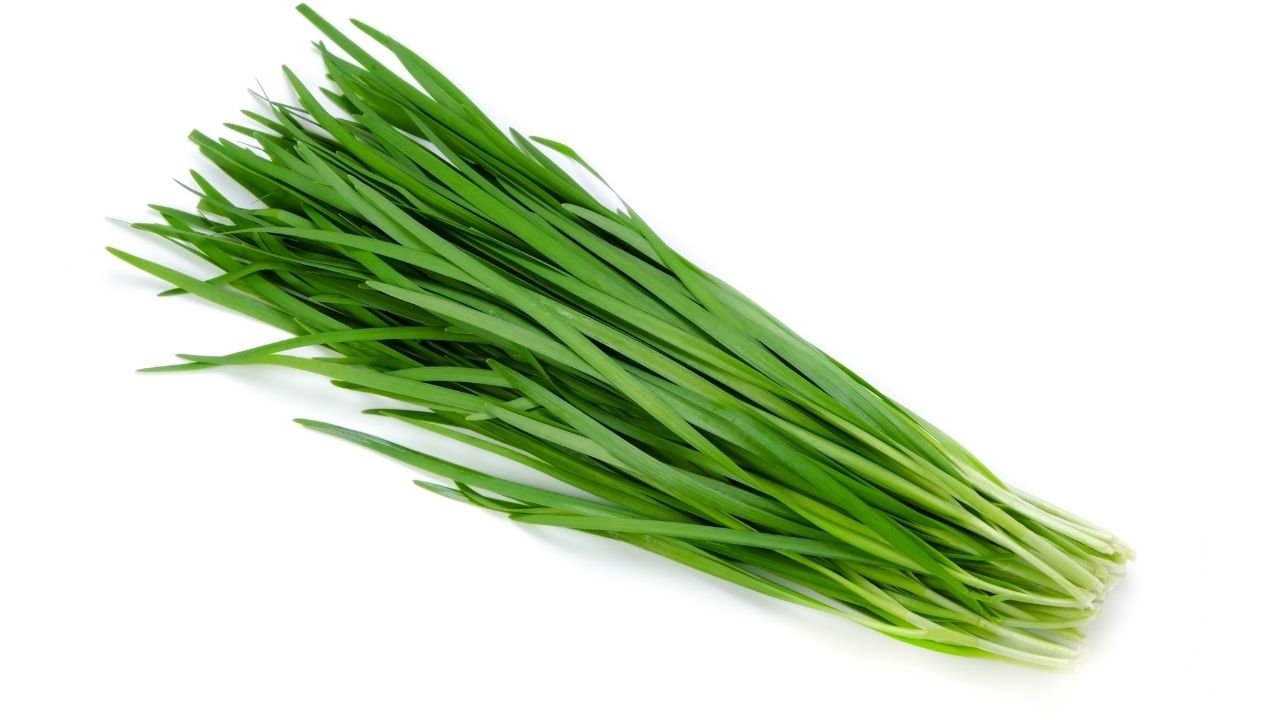
You might think you’re making a healthier choice by choosing KFC’s BBQ Chicken Sandwich over their fried options, but this seemingly innocent sandwich packs a shocking 21 grams of sugar – that’s more than five teaspoons! The tangy barbecue sauce coating that grilled chicken breast creates most of this sugar bomb, transforming what could be a decent protein choice into a dessert-level sweet treat. I always tell my friends to check those sauce ingredients because manufacturers love sneaking high fructose corn syrup and molasses into savory items.
As someone who makes barbecue sauce from scratch using tomatoes, apple cider vinegar, and just a touch of maple syrup, I can promise you that real barbecue flavor doesn’t need all that added sugar. Try grilling your own chicken at home and brushing it with a homemade sauce made from tomato paste, smoked paprika, garlic powder, and a small drizzle of honey. You’ll get that smoky, tangy flavor you crave while controlling exactly how much sweetness goes into your meal – your body will thank you for skipping those hidden sugars that spike your blood glucose levels.
Sorrel
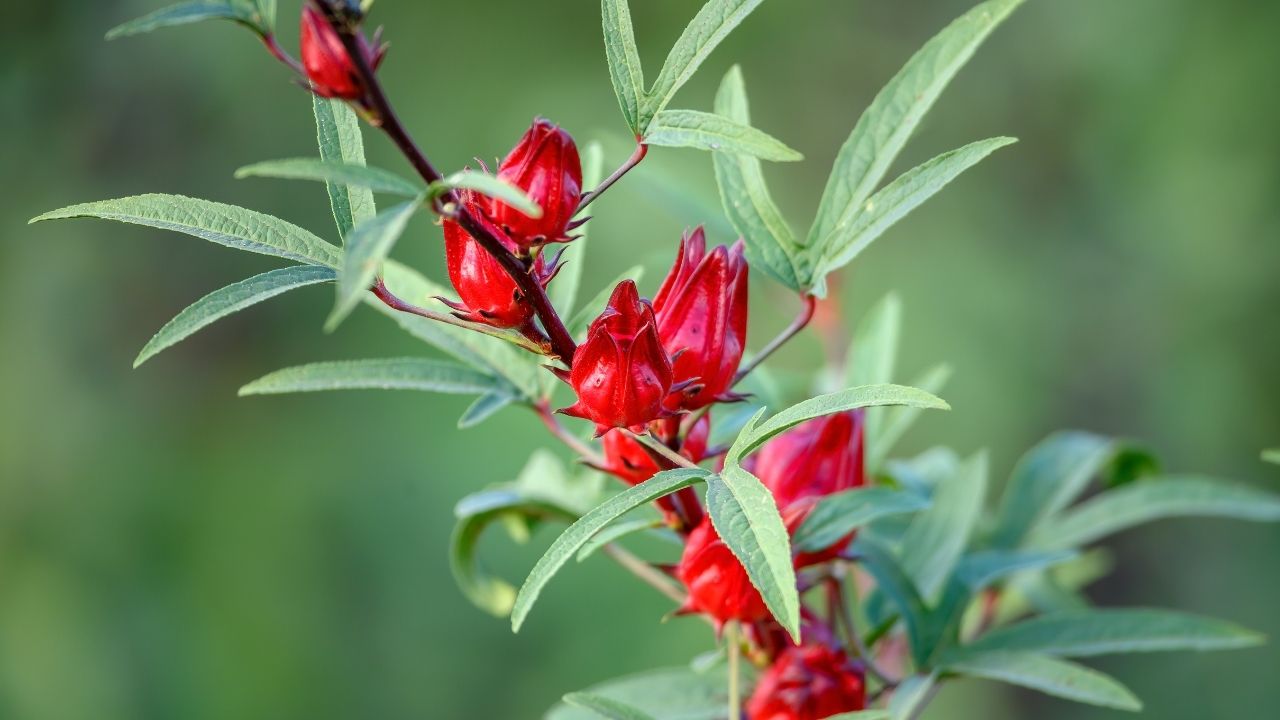
You walk into Starbucks thinking you’re making the healthier choice by grabbing their fruit parfait instead of a pastry, but here’s what I discovered when I started reading labels more carefully – this seemingly innocent breakfast contains a shocking 23 grams of sugar! That’s nearly six teaspoons of sugar hiding beneath those beautiful layers of berries and granola. The granola alone packs honey and brown sugar, while the vanilla Greek yogurt contributes its own sweetened load.
I get it – parfaits feel like the responsible breakfast option, especially with all those colorful fruits staring back at you. But after years of creating my own morning bowls at home, I’ve learned that store-bought versions often turn what should be a nourishing start into a sugar bomb. Try making your own version instead: plain Greek yogurt (unsweetened!), fresh berries that bring natural sweetness, and homemade granola where you control every ingredient. You’ll get the same satisfying crunch and creamy texture without sending your blood sugar on a roller coaster before 9 AM.
Summer Savory
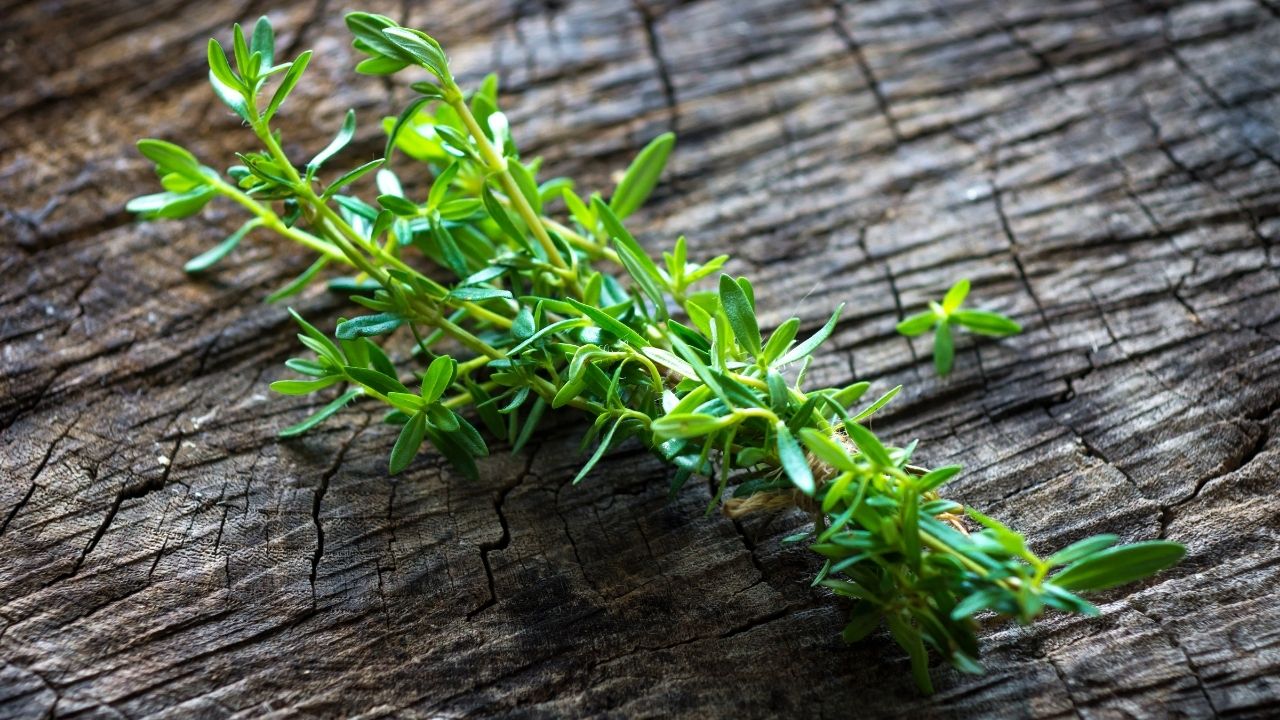
You know that moment when you’re cooking and something feels missing from your dish? Summer savory might just be your answer. This Mediterranean herb brings a peppery, slightly bitter edge that transforms simple ingredients into something memorable. I keep dried summer savory in my spice cabinet year-round because it works magic with beans, roasted vegetables, and grilled meats. Unlike its winter cousin, summer savory has a lighter, more delicate flavor that won’t overpower your cooking. When I’m making a quick weeknight dinner, I’ll sprinkle it over roasted chickpeas with olive oil and lemon juice – suddenly you have a protein-packed side dish that tastes like it came from a fancy restaurant.
The beauty of summer savory lies in its versatility across different cooking traditions. French cooks have used it for centuries in herb blends, while I love incorporating it into Middle Eastern-inspired dishes with yogurt and fresh vegetables. Try mixing it with dried mint and a pinch of sumac for a seasoning blend that brings life to everything from scrambled eggs to roasted cauliflower. Fresh summer savory, if you can find it, makes an incredible addition to marinades for lamb or chicken. The herb naturally complements legumes too – next time you’re cooking dried beans from scratch, throw in a sprig during the simmering process. Your kitchen will smell incredible, and the beans will absorb those earthy, aromatic notes.
Chervil
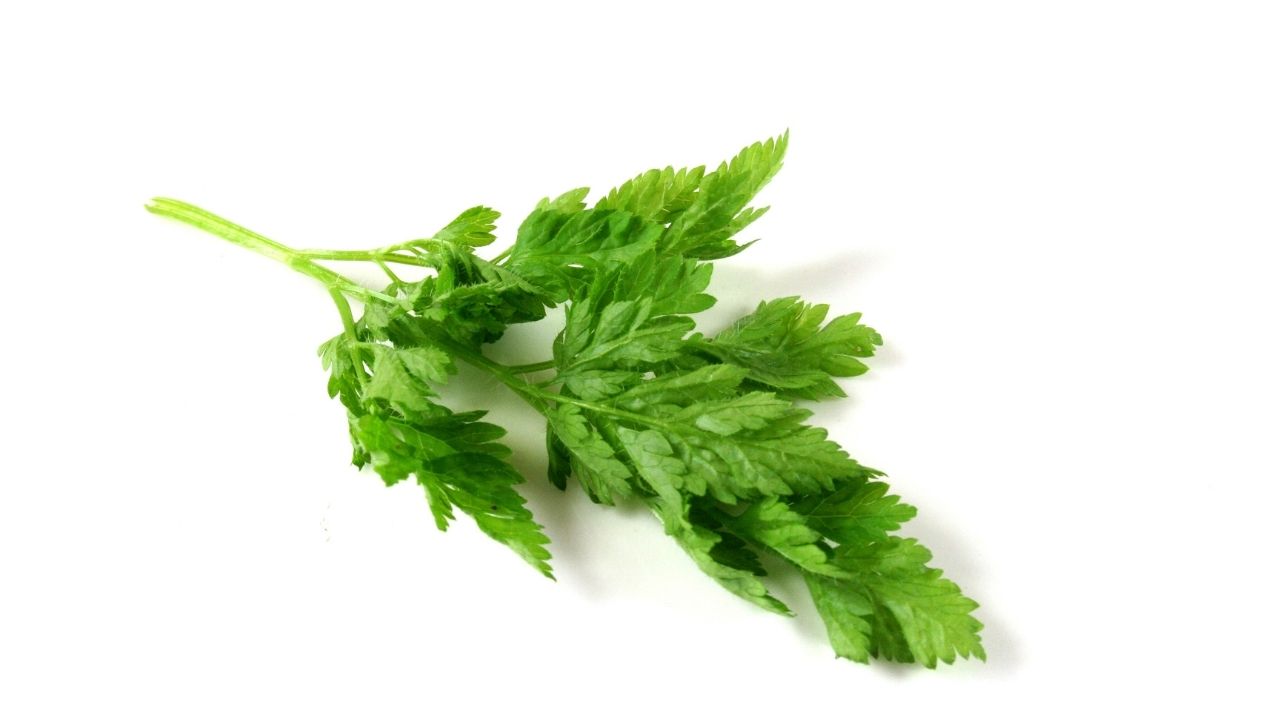
Picture this: you’re standing in your kitchen, and you need that perfect finishing touch for your spring soup or delicate fish dish. Chervil becomes your secret weapon! This feathery French herb carries the most beautiful anise-like sweetness with subtle hints of parsley and tarragon dancing together. I keep fresh chervil on hand because it transforms ordinary dishes into restaurant-quality creations without any fuss. You’ll find me sprinkling it over scrambled eggs, folding it into cream sauces, or mixing it with other herbs for a classic fines herbes blend that makes everything taste more sophisticated.
What makes chervil so special is how gently it works its magic. Unlike bold herbs that can overpower a dish, chervil whispers rather than shouts, making it perfect for those moments when you want to add depth without masking other flavors. I love using it in my homemade herb butter, where it pairs beautifully with chives and dill, or stirring it into yogurt-based dressings that accompany my roasted vegetable bowls. The key with chervil is treating it like the delicate soul it is—add it at the very end of cooking or use it fresh as a garnish. Trust me, once you start cooking with chervil, you’ll wonder how you ever created those refined, herbaceous flavors without it.
Marjoram
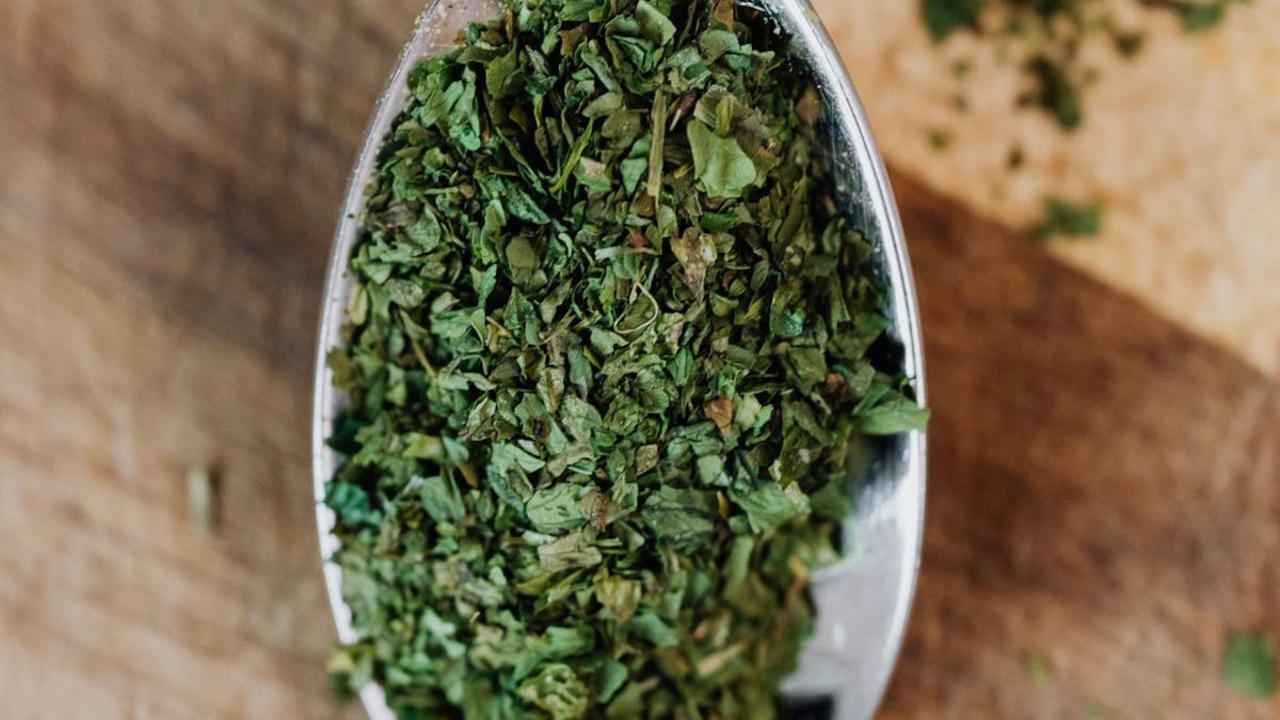
Marjoram holds a special place in my spice cabinet, and I think of it as oregano’s gentle, sophisticated cousin. This Mediterranean herb brings a sweet, pine-like fragrance with subtle floral notes that can transform even the simplest dishes into something memorable. I love how marjoram doesn’t overpower other ingredients – instead, it weaves through your cooking like a warm hug, adding depth without dominating. You’ll find it pairs beautifully with tomatoes, potatoes, and beans, making it perfect for those hearty, from-scratch meals I’m always encouraging you to create.
I reach for marjoram when I’m making my grandmother’s chicken and vegetable stew, or when I want to add something special to roasted root vegetables. The key with marjoram is to add it toward the end of cooking – its delicate oils can disappear if you cook it too long. Try sprinkling fresh marjoram over grilled zucchini with olive oil and lemon, or mix dried marjoram into your homemade bread dough for an unexpected aromatic twist. This herb connects you to centuries of Mediterranean cooking traditions while keeping your meals wholesome and unprocessed. Trust me, once you start cooking with marjoram regularly, you’ll wonder how you ever managed without it.
Tarragon
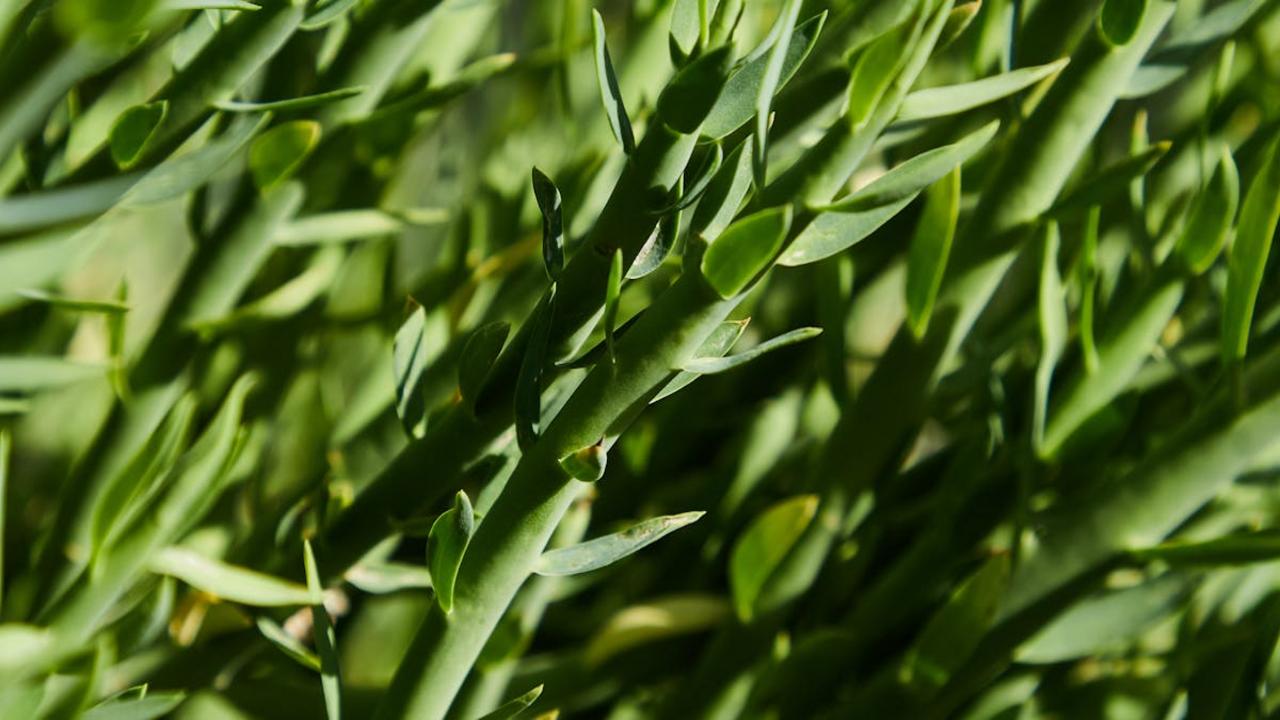
You know that moment when you taste something and can’t quite put your finger on what makes it so special? That’s tarragon for you – this slender-leafed herb carries an intriguing anise-like flavor with hints of vanilla and a gentle peppery finish. French tarragon reigns supreme in my kitchen, offering a more refined taste than its Russian cousin. I love how it transforms simple dishes into something memorable, whether I’m whisking it into homemade mayonnaise for the most incredible chicken salad or folding fresh leaves into scrambled eggs on Sunday mornings.
What really gets me excited about tarragon is how it bridges different cooking traditions so beautifully. In Georgian cuisine, it’s the star of chakapuli, that gorgeous green stew with lamb and sour plums, while French cooks have made it the backbone of béarnaise sauce. I’ve discovered that tarragon works magic with fish – try stuffing a whole trout with fresh sprigs before roasting, or blend it with olive oil and lemon for the simplest yet most elegant sauce. The key is adding it toward the end of cooking since heat can dull its delicate complexity. Keep fresh tarragon wrapped in damp paper towels in your refrigerator, and it’ll stay vibrant for up to a week.
Sage
3