15 Foods That Sustained Remote Communities and Defined Their Culinary Traditions
Picture this: you’re stranded on a windswept island with nothing but rocks, seaweed, and your questionable survival skills. What do you eat? Remote communities figured this out centuries ago, turning whatever nature threw at them into surprisingly delicious meals that kept entire civilizations thriving.
These food pioneers didn’t have grocery stores or delivery apps—they had creativity, necessity, and an impressive ability to make tree bark taste good. From Inuit seal blubber (surprisingly rich in vitamins!) to Himalayan yak jerky, these communities transformed local ingredients into nutritional powerhouses that sustained generations.
Each bite tells a story of adaptation, ingenuity, and pure stubbornness in the face of harsh environments. Ready to discover how dried fish became gourmet dining and why some folks still swear by fermented milk? Your taste buds are about to get an education.
Acorns
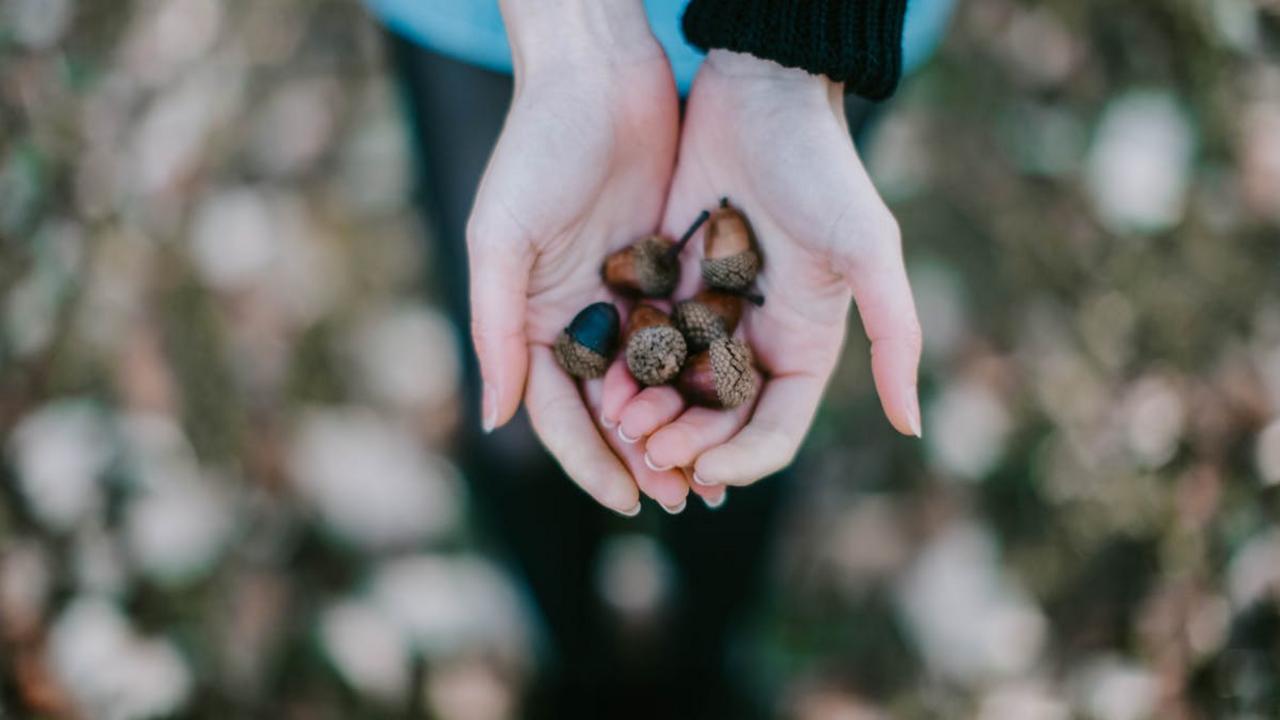
You know what’s funny? We feed acorns to squirrels without a second thought, but for countless remote communities across North America, these little nuggets were basically nature’s answer to wheat flour. Native American tribes from California to the Eastern woodlands turned these bitter, tannin-packed nuts into a dietary cornerstone that could sustain entire villages through harsh winters. The Yurok, Hupa, and countless other tribes developed intricate processing methods that would make any modern food scientist jealous – they’d crack, grind, and leach those acorns through specially woven baskets until the bitter tannins washed away, leaving behind a sweet, nutty flour that kept better than most grains.
Picture this: acorn pancakes for breakfast, acorn soup for lunch, and acorn bread for dinner – sounds repetitive, but these resourceful communities created dozens of variations that would put your Pinterest recipe board to shame. The white oak acorns were the cream of the crop (less bitter, faster processing), while the red oak varieties required more patience but packed more nutrition. Some tribes would bury processed acorn meal in clay-lined pits for months, creating a fermented version that added probiotics to their diet long before anyone knew what those were. Today, you can still buy acorn flour online, though fair warning – your first acorn pancake might taste like you’re eating a tree, but stick with it because these ancient communities knew something we’ve forgotten about making the most of what nature provides.
Fermented Milk

Picture this: you’re a nomadic herder thousands of years ago, and your precious cow just produced a gallon of fresh milk. Problem is, you can’t exactly pop it in the fridge for later. So what do you do? You let nature work its magic! Fermented milk products like kefir, kumiss, and various cultured dairy treasures became the ultimate survival hack for remote communities across the globe. These weren’t just happy accidents – they were brilliant solutions that turned perishable milk into shelf-stable (well, tent-stable) protein powerhouses that could last for weeks.
The beauty of fermented milk lies in its rebellious nature – it literally fights off the bad bacteria with an army of good ones. Mongolian herders perfected kumiss from mare’s milk, creating a slightly alcoholic drink that could fuel epic horseback rides across the steppes. Meanwhile, Caucasian mountain folk developed kefir, those magical grains that transform ordinary milk into a tangy, probiotic-rich elixir that makes your gut dance with joy. The fermentation process doesn’t just preserve the milk; it actually makes it more nutritious and easier to digest. Try making your own kefir at home – just get some kefir grains online, drop them in milk, wait 24 hours, and boom! You’ve got yourself a ancient superfood that tastes like liquid sourdough had a baby with yogurt.
Wild Honey
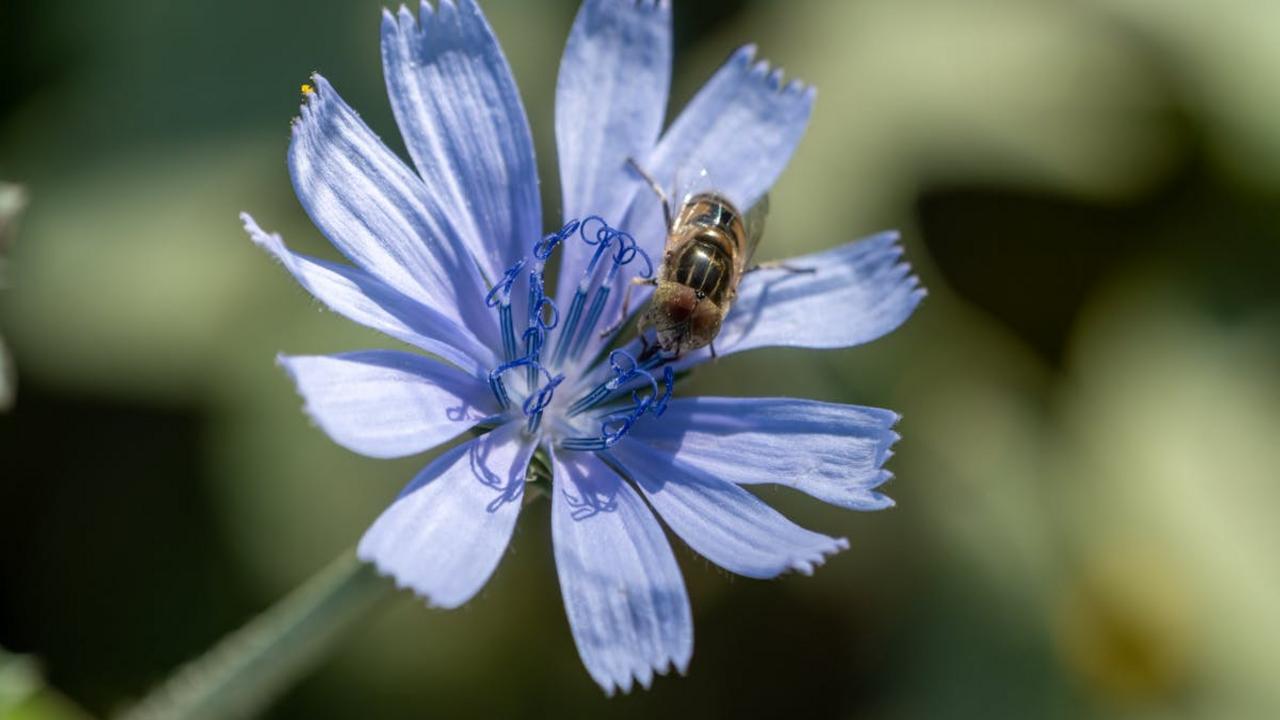
Picture this: you’re living in a remote mountain village, miles from the nearest grocery store, and your sweet tooth starts acting up. What do you do? You grab a stick, follow the angry buzzing sounds, and risk your life for liquid gold! Wild honey wasn’t just nature’s candy for isolated communities – it was their sugar, their medicine, and their insurance policy all rolled into one sticky, amber package. These brave souls would scale cliffs and venture into hollow trees, dodging protective bees like they were playing the world’s most dangerous game of tag, all for that precious honeycomb.
The beauty of wild honey lies in its incredible diversity – each hive tells a different story based on what flowers the bees visited. Mountain communities might score dark, robust honey from wildflower meadows, while coastal settlements could find lighter varieties from seaside blooms. Smart honey hunters learned to read the landscape like a menu: spot the lavender fields, and you know you’re getting floral perfection; find bees near chestnut groves, and prepare for something earthy and complex. They’d smoke out the hives using damp leaves and grass, creating just enough confusion to sneak away with their prize. This wasn’t just food gathering – it was an extreme sport with the sweetest possible reward!
Cactus Fruit
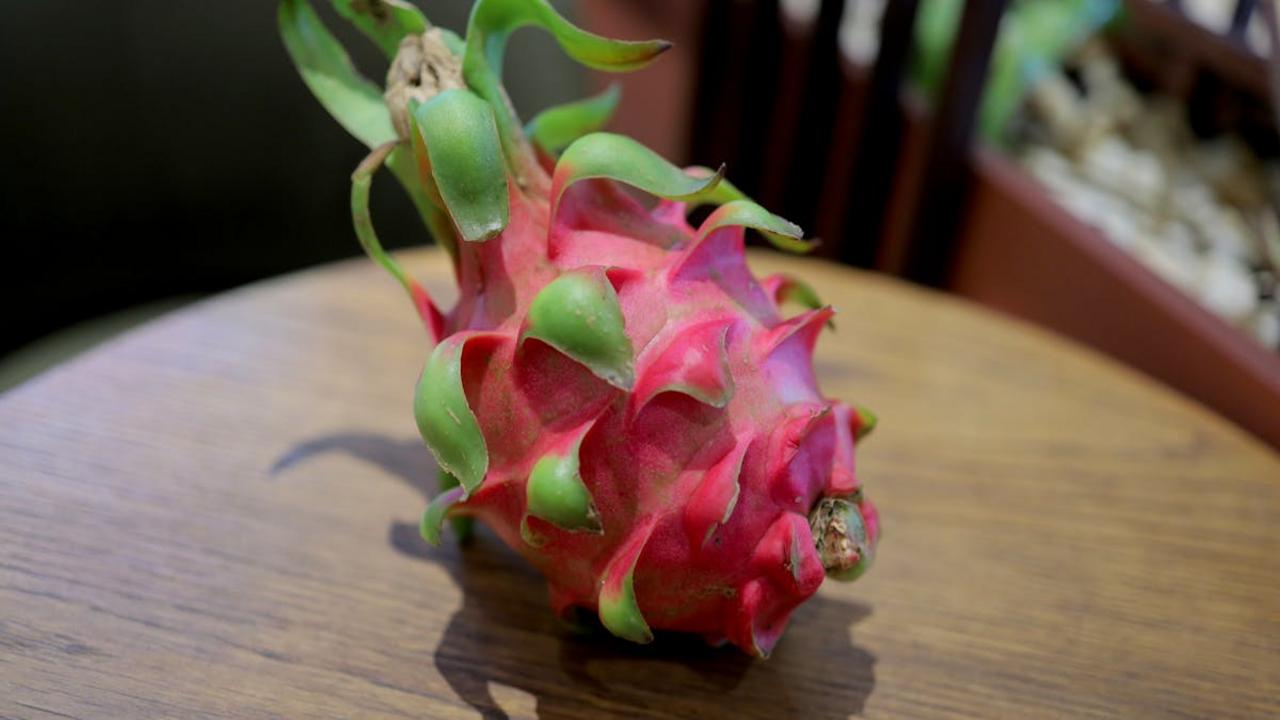
Picture this: you’re wandering through a sun-baked desert, and suddenly you spot what looks like nature’s version of a magenta disco ball hanging from a prickly plant. That’s the prickly pear cactus fruit, and trust me, this spiky little troublemaker has been feeding desert dwellers for thousands of years! The Tohono O’odham people of the Sonoran Desert basically built their summer calendar around these ruby gems, hosting entire festivals when the fruits ripened. You know you’ve found something special when people throw parties just because a cactus decided to get fruity. The flavor? Imagine a watermelon that went on vacation with a strawberry and came back with stories – sweet, refreshing, and just weird enough to keep you guessing.
Now here’s where things get interesting: getting to the good stuff requires some serious commitment because those tiny spines, called glochids, are basically nature’s way of saying “Are you sure about this?” Indigenous communities developed ingenious harvesting techniques using long sticks and leather gloves, proving that where there’s a will (and hunger), there’s definitely a way. Once you brave the spikes, you’re rewarded with juice that turns the most stunning magenta color – it’s like drinking liquid sunset! The fruits can be eaten fresh, made into syrup, or fermented into traditional beverages. Pro tip from someone who learned the hard way: always use tongs and thick gloves, because those microscopic spines will remind you of your carelessness for days. Desert communities turned this prickly situation into liquid gold, creating drinks and preserves that sustained them through harsh seasons.
Dried Seaweed
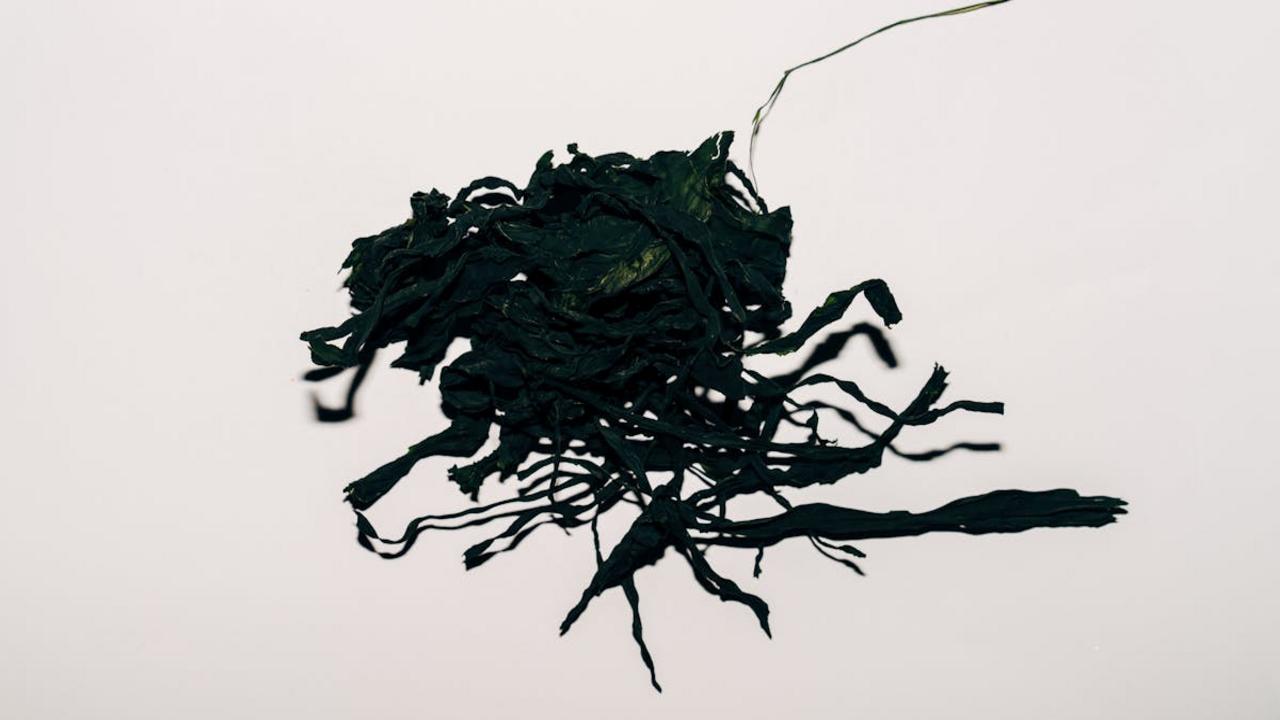
Picture this: you’re stranded on a rocky coastline with nothing but waves crashing around you, and suddenly you spot these dark, rubbery sheets clinging to the rocks like nature’s own potato chips. That’s dried seaweed for you – the ultimate coastal survival snack that’s been keeping island communities fed for thousands of years! From the windswept shores of Scotland where they call it “dulse” to the volcanic coasts of Japan where nori reigns supreme, this oceanic treasure has sustained entire civilizations. I mean, who needs a fancy grocery store when you’ve got an entire underwater garden washing up on your doorstep twice a day?
Here’s the wild part: dried seaweed packs more nutritional punch than most landlubbers ever imagine. We’re talking about a food so loaded with iodine, iron, and vitamins that it basically turns you into a superhuman with better thyroid function and shinier hair. Korean grandmothers have been onto this secret forever, turning sheets of kim into crispy snacks that’ll make you forget about those overpriced kale chips. You can crumble it over rice, wrap your sushi like a pro, or just munch on it straight – though fair warning, your friends might give you weird looks until they try it themselves and become converts to the church of umami.
Tree Bark Flour
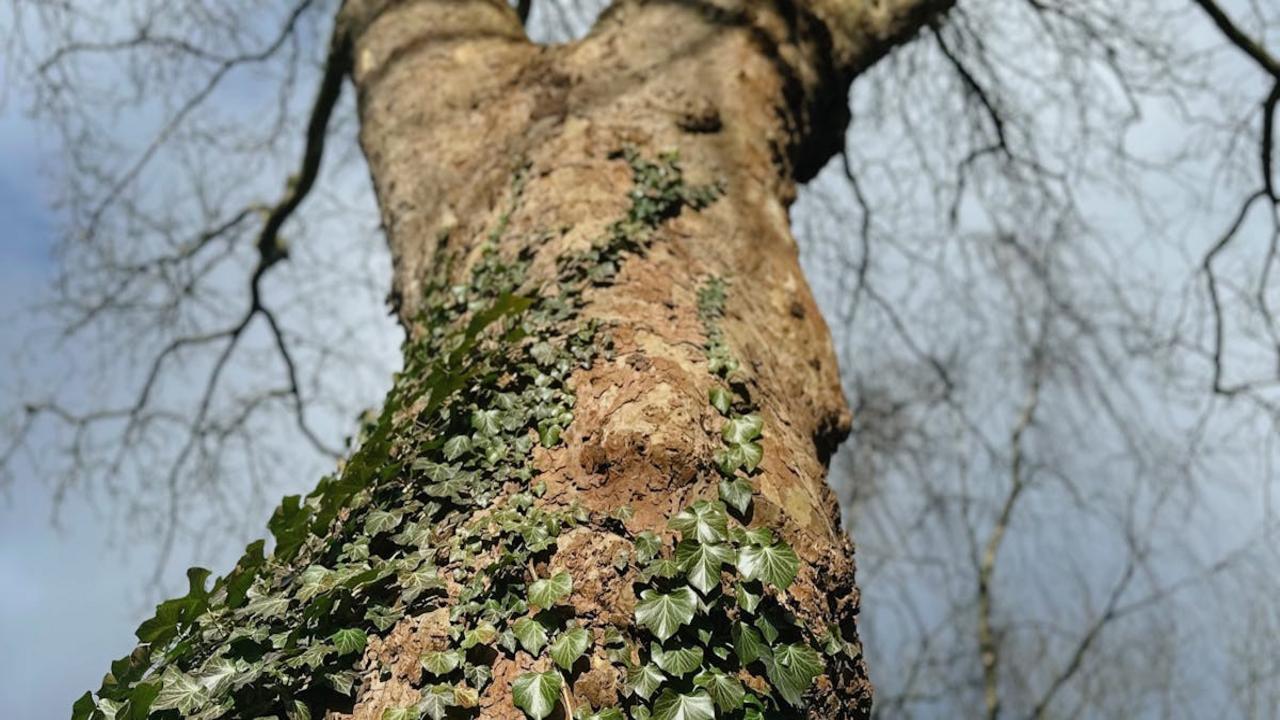
You know that moment when you’re camping and you look at a tree and wonder, “Could I eat that if I had to?” Well, turns out your ancestors already figured out the answer! Tree bark flour became the ultimate survival food for remote communities across Scandinavia, Siberia, and parts of North America. Pine, birch, and aspen trees offered their inner bark (called cambium) to hungry families during harsh winters and failed harvests. The process involved stripping away the rough outer bark to reach the sweet, nutritious layer underneath, then drying and grinding it into a surprisingly versatile flour.
Before you wrinkle your nose, this stuff actually tastes pretty decent – think mildly sweet with earthy undertones, nothing like chewing on a stick! Finnish communities mixed pine bark flour with regular grain to make bread that could last months, while Indigenous groups in Alaska created nutrient-dense cakes that packed serious calories for long hunting trips. The best part? Trees don’t have bad crop years, so bark flour served as nature’s insurance policy. Modern foraging enthusiasts still make bark bread today, though I’d suggest starting with a small batch – your digestive system needs time to adjust to this ancient superfood that literally grew on trees!
Wild Berries
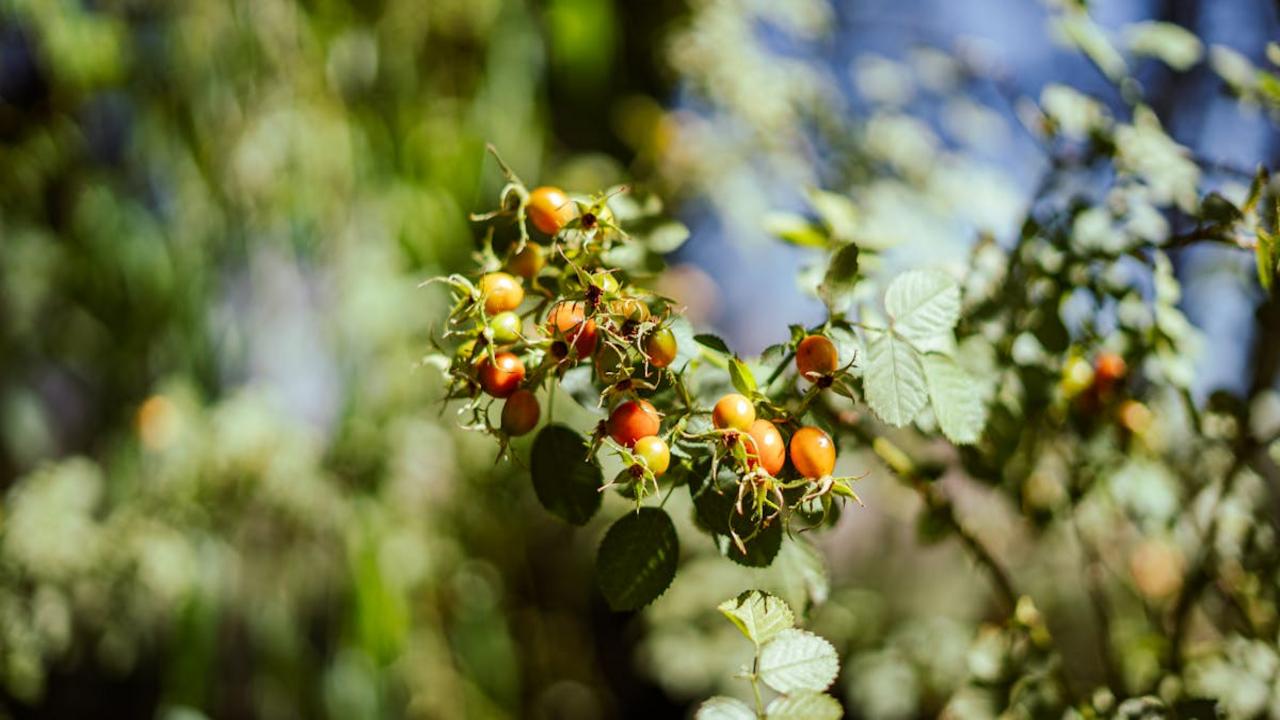
Picture this: you’re trekking through the Alaskan wilderness, your stomach growling like an angry bear, when suddenly you spot clusters of jewel-toned berries hanging from bushes like nature’s own candy store. Wild berries became the ultimate survival snack for remote communities across the globe, from the cloudberries treasured by Scandinavian reindeer herders to the salmonberries that sustained Pacific Northwest tribes through harsh winters. These little powerhouses packed more vitamin C than most citrus fruits—imagine telling scurvy to take a hike with nothing but a handful of bog cranberries! The Inuit people knew exactly what they were doing when they mixed cloudberries with seal fat to create akutaq, or “Eskimo ice cream,” a dessert so rich in nutrients it could fuel you through a polar expedition.
What makes wild berries absolutely brilliant is their natural preservation qualities—many species dry beautifully on the bush, creating portable energy bars long before anyone invented protein powder. The Sami people of northern Europe would collect cloudberries during the brief Arctic summer, storing them in their own juice for months without refrigeration. You can try this ancient technique yourself: mix fresh berries with honey in a sealed jar, and they’ll keep for weeks while developing complex flavors that would make any fancy preserves jealous. Indigenous communities from Siberia to Canada developed countless ways to enjoy these gifts, from simple dried berry cakes to fermented drinks that provided both nutrition and a little liquid courage during the endless dark winters. Next time you pay five dollars for a tiny container of organic blueberries, remember that entire civilizations built their seasonal rhythms around these free-range superfoods!
Mountain Goat Cheese
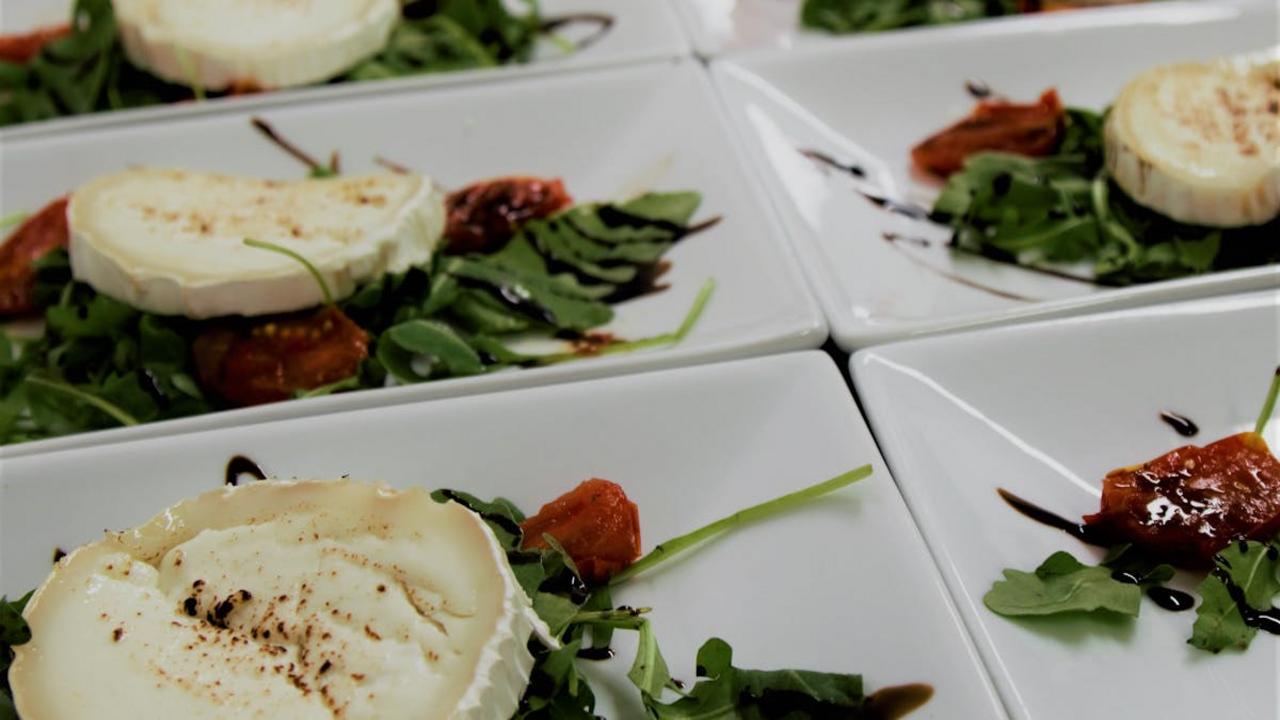
Picture this: you’re clinging to a rocky ledge thousands of feet above sea level, and your neighbor casually mentions they’re heading out to milk the goats. Welcome to the wild world of mountain goat cheese, where dairy farming meets extreme sports! High-altitude communities across the Alps, Himalayas, and Andes have been turning these sure-footed climbers into liquid gold for centuries. These hardy animals produce milk that’s naturally richer in fat and protein than their lowland cousins, creating cheese with an intensity that’ll make your regular cheddar weep with envy. The goats basically live on a diet of alpine herbs and flowers, which means their milk tastes like a meadow decided to become dairy.
Making mountain goat cheese isn’t for the faint of heart – imagine hauling buckets of milk down treacherous mountain paths twice a day! The high altitude actually works in the cheesemaker’s favor, creating perfect aging conditions with cool temperatures and low humidity that produce wheels of cheese so complex they practically tell stories. Traditional methods involve wrapping the cheese in local leaves or storing it in mountain caves, where beneficial molds work their magic over months or even years. The result? A cheese so distinctive that one bite can transport you straight to windswept peaks and wildflower meadows, even if you’re sitting in your kitchen wearing pajamas and questioning your life choices.
Cassava Root
Meet cassava, the ultimate survival superhero of the plant kingdom! This gnarly, brown root looks like it belongs in a horror movie prop department, but don’t let its appearance fool you—this humble tuber has kept entire civilizations fed for thousands of years. Originally from South America, cassava spread across Africa and Asia like the world’s most practical gossip, becoming the third-largest source of carbohydrates globally. What makes this root so special? It grows in soil so poor that other crops would pack their bags and leave, tolerates drought like a champion, and stores underground for up to three years without refrigeration. Talk about the ultimate pantry staple!
Now here’s where things get interesting—raw cassava contains cyanogenic glycosides, which basically means it’s trying to poison you before you eat it. But clever cooks figured out centuries ago that proper preparation neutralizes these compounds completely. Whether you’re making Brazilian farofa (toasted cassava flour that’s sprinkled on everything), African fufu (a stretchy, dough-like staple), or Filipino cassava cake, the key is cooking it thoroughly. You can boil it, fry it, grind it into flour, or even turn it into those delightfully chewy tapioca pearls in your bubble tea. Pro tip: if you’re buying fresh cassava, use it within a few days—unlike its underground storage abilities, once harvested, this root doesn’t mess around with spoilage!
Palm Hearts
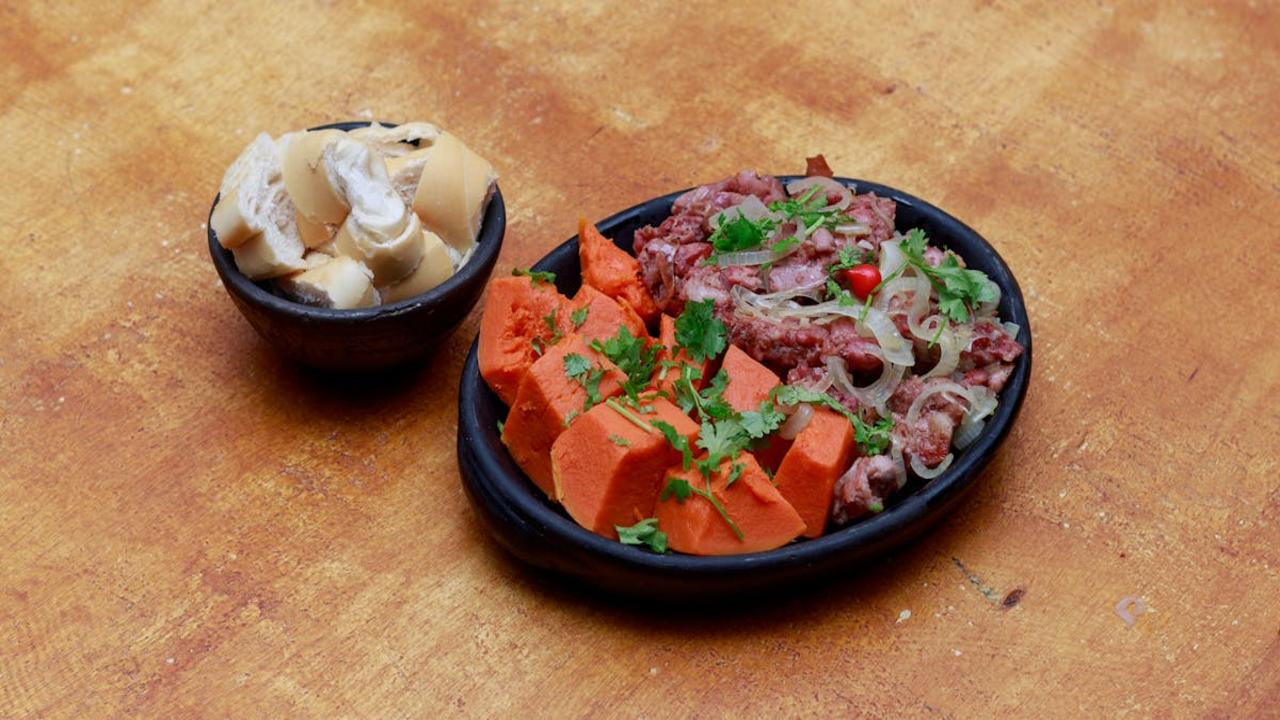
Picture this: you’re wandering through the Amazon rainforest, stomach growling louder than a jaguar’s roar, when suddenly you spot salvation growing right above your head. Palm hearts, or “palmito” as the locals call them, are basically nature’s version of canned artichoke hearts – except infinitely better and requiring you to climb a tree to get them. These tender, ivory-white cores hide inside palm trees like edible treasure, and for centuries, indigenous communities have been harvesting them as their go-to source of fresh vegetables when lettuce wasn’t exactly an option at the local grocery store (because, well, there wasn’t one).
The beauty of palm hearts lies in their crisp texture and mild, slightly nutty flavor that makes them the perfect blank canvas for whatever seasonings you can scrounge up in the wilderness. Brazilian communities would slice them raw into salads, toss them into stews, or simply eat them straight from the tree like the world’s most elegant fast food. Here’s the catch though – harvesting palm hearts means killing the entire palm tree, which is why sustainable harvesting became an art form among remote communities who knew better than to eat their way out of house and home. Today, you can find them in fancy restaurants served at ridiculous prices, but nothing beats the satisfaction of knowing that for generations, these little white cylinders kept entire communities fed when the going got tough.
Dried Yak Meat
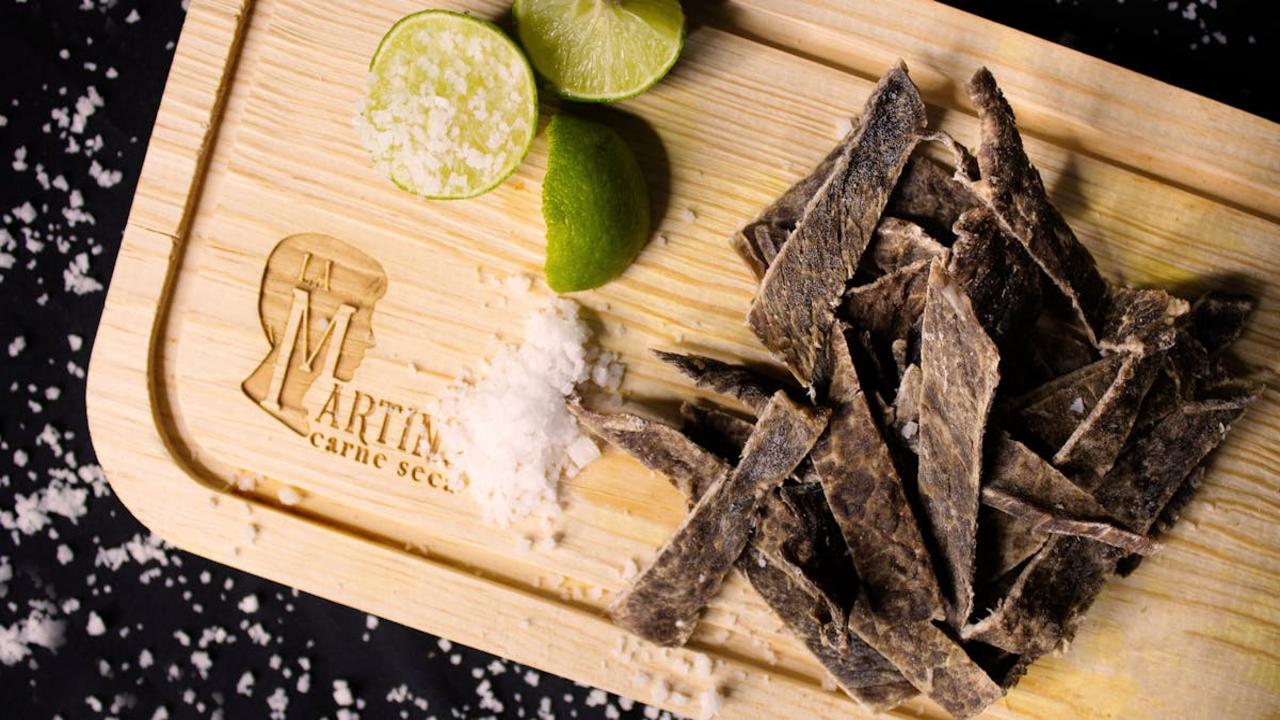
Picture this: you’re stuck on a windswept Tibetan plateau where the nearest grocery store is about three mountain ranges away, and your stomach starts growling. What do you reach for? If you’re lucky enough to live in the high-altitude communities of Tibet, Nepal, or Mongolia, you grab some dried yak meat – nature’s original protein bar, but infinitely more badass. These hardy folks figured out centuries ago that when you’ve got animals built like furry tanks roaming around your backyard, you better make the most of them. Yak meat gets transformed into “sukuti” or “chhurpi” through a process that involves slicing the meat paper-thin and hanging it out to dry in the crisp mountain air, where it basically mummifies itself into chewy, concentrated deliciousness.
Now, before you wrinkle your nose thinking this sounds like chewing on leather boots, let me set the record straight – properly prepared dried yak meat tastes like a smoky, slightly gamey version of beef jerky that packs enough protein to fuel a sherpa up Everest. The drying process concentrates all those rich, mineral-heavy flavors while creating something that can sit in your backpack for months without going bad. Remote communities discovered that a small handful of this stuff could keep them going through brutal winters or long trading expeditions across treacherous mountain passes. You can eat it straight up as a snack, toss it into soups for instant umami bombs, or grind it into powder to mix with tsampa (roasted barley flour) for a meal that would make any modern energy bar manufacturer weep with envy.
Wild Rice
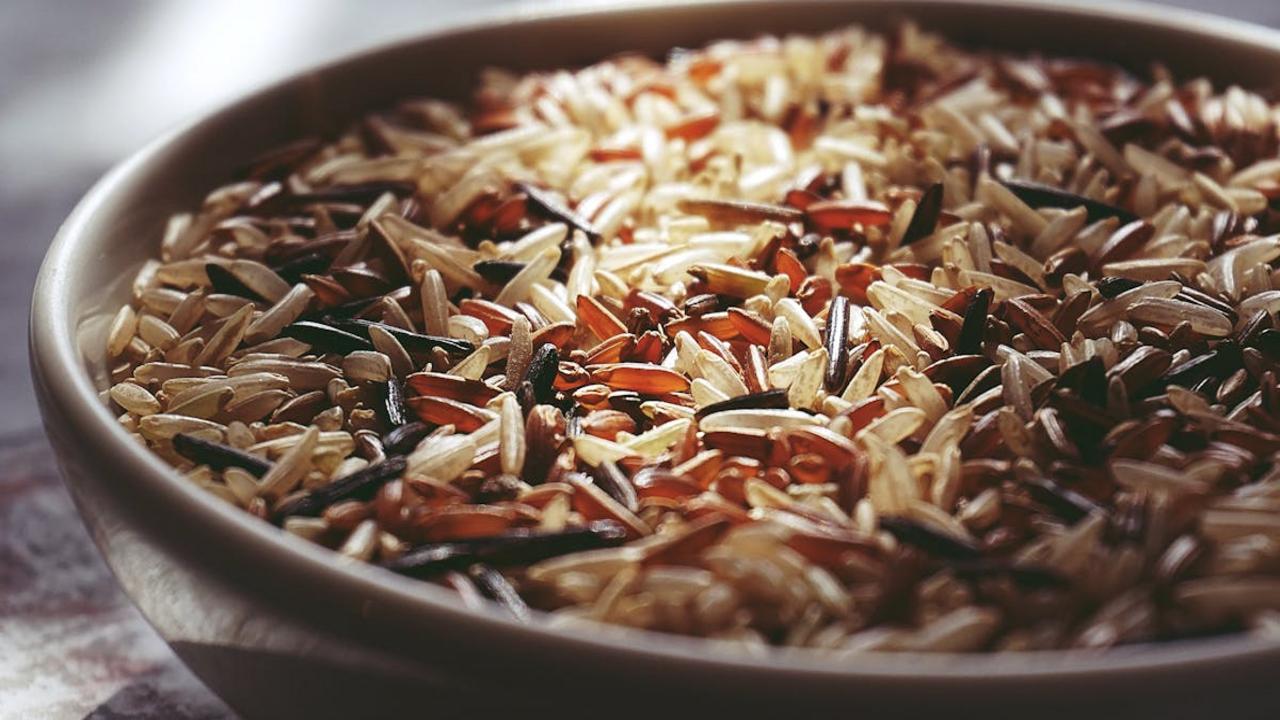
Picture this: you’re paddling through Minnesota’s pristine lakes at dawn, and suddenly you spot what looks like tall grass swaying in the shallows. Plot twist—that’s not grass, it’s wild rice, and it’s been feeding the Ojibwe people for over a thousand years! This aquatic grain (which isn’t actually rice at all, but a grass seed—nature loves to mess with our heads) grows naturally in the shallow waters of the Great Lakes region. The Ojibwe call it “manoomin,” meaning “good berry,” and they’ve been hand-harvesting it from canoes using wooden poles for generations. You know what makes this grain special? It tastes like the love child of rice and nuts had a baby in a campfire—earthy, smoky, and absolutely divine.
Wild rice sustained entire communities through brutal winters when other food sources vanished faster than your motivation on Monday morning. These clever folks figured out that this nutritional powerhouse packed more protein than regular rice, plus a hefty dose of fiber, B vitamins, and minerals that kept everyone healthy during those long, cold months. The harvesting process is basically the world’s most zen agricultural practice: you bend the stalks over your canoe and gently knock the seeds loose with wooden sticks. Modern wild rice lovers (myself included) go crazy for its chewy texture and nutty flavor in everything from hearty soups to fancy stuffings. Pro tip: cook it like pasta in plenty of salted water for about 45 minutes, then drain—your taste buds will thank you later!
Pine Nuts
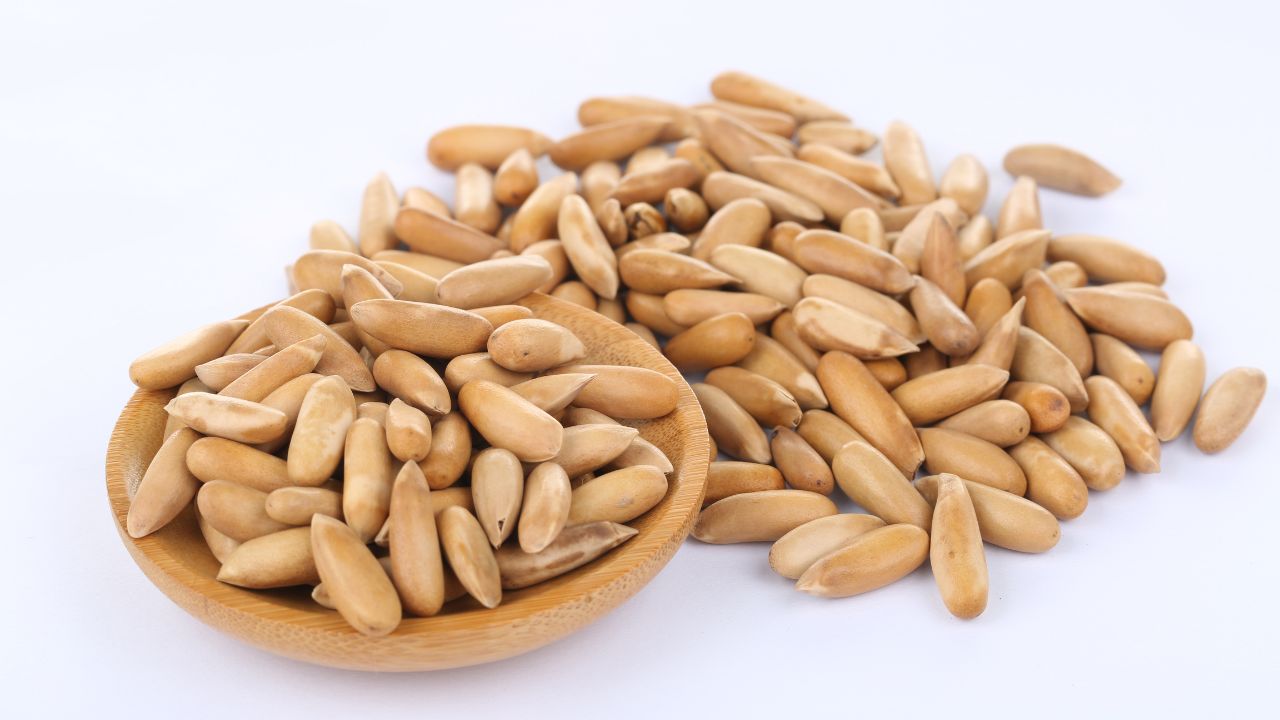
Picture this: you’re wandering through a windswept mountain forest, and suddenly you stumble upon nature’s most expensive treasure chest – the humble pinecone. Hidden inside those prickly shells are tiny, buttery gems that have kept remote mountain communities fed for thousands of years. Pine nuts aren’t just expensive grocery store curiosities; they’re survival food royalty! These little powerhouses pack more calories per ounce than most nuts, which explains why indigenous peoples from the American Southwest to Siberian forests considered them liquid gold. The Paiute tribes would organize entire seasonal migrations around pine nut harvests, and honestly, who can blame them?
Getting these bad boys out of their fortress-like cones requires serious commitment – you’ve got to roast the cones over fire until they crack open like nature’s most stubborn safe. But here’s the kicker: different pine species produce wildly different flavors. Korean pine nuts taste like buttery heaven, while the smaller Mediterranean varieties pack a resinous punch that’ll make your mouth tingle. Remote communities learned to grind them into flour, press them into oil, or simply roast them for trail snacks that could last months without spoiling. Today, you’ll pay premium prices for what mountain dwellers once gathered by the basketful, proving that the best things in life really do come in the tiniest, most labor-intensive packages!
Seal Blubber
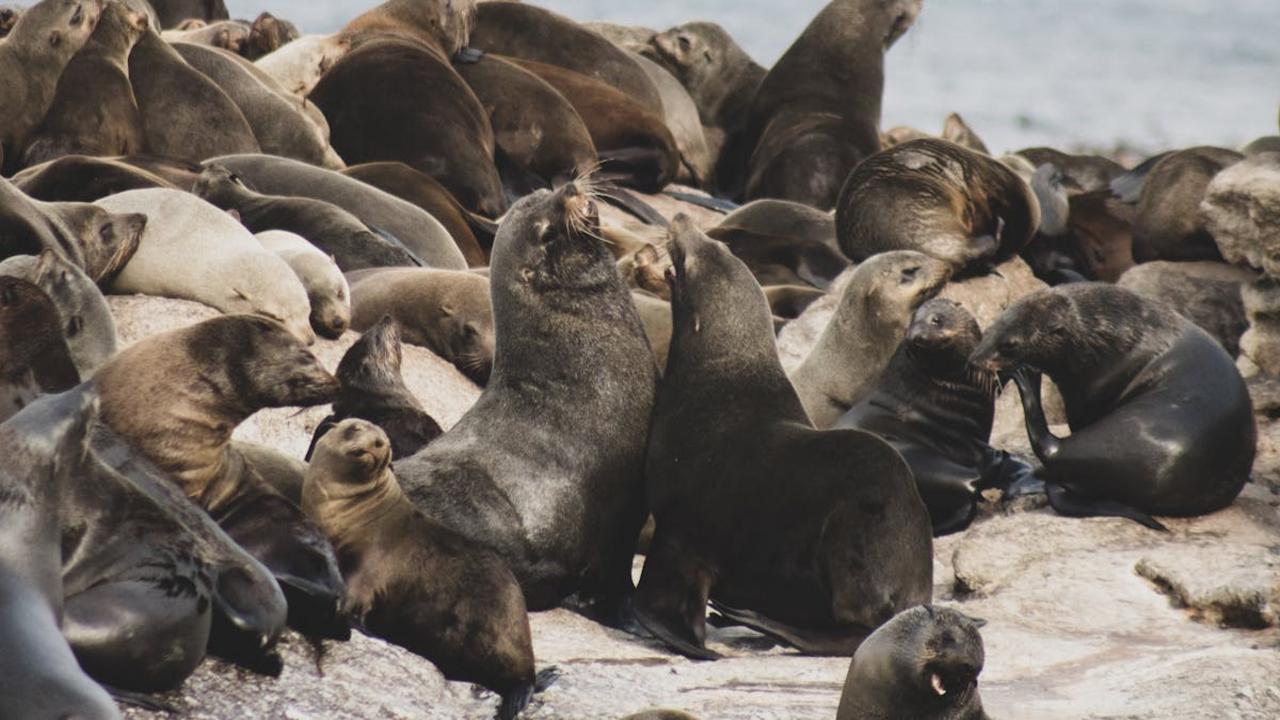
Picture this: you’re living in the Arctic, where the nearest grocery store is approximately 2,000 miles away and the “fresh produce” section consists of whatever you can hunt or fish through a hole in the ice. Enter seal blubber – nature’s most calorie-dense power bar that kept Inuit communities thriving in some of Earth’s most unforgiving conditions. This thick layer of fat beneath a seal’s skin wasn’t just food; it was liquid gold that provided up to 400 calories per ounce. Talk about efficient eating! The Inuit developed ingenious ways to process and store this precious fat, sometimes aging it in seal stomachs buried in permafrost – basically the world’s first deep freezer.
Now, before you wrinkle your nose and reach for that kale smoothie, consider this: seal blubber contains more vitamin C than most fruits and vegetables, plus omega-3 fatty acids that would make any modern nutritionist weep with joy. Traditionally eaten raw, cooked, or rendered into oil, it fueled everything from dog sleds to oil lamps while keeping families warm from the inside out. The fat burns so cleanly that it produced smokeless flames perfect for ice fishing holes. Modern Inuit communities still prize certain cuts of blubber, especially the prized “muktuk” – whale skin with attached blubber that’s considered the ultimate delicacy. One bite supposedly delivers enough energy to keep you going for hours, though I suspect the average city dweller might need a few practice rounds before fully appreciating this Arctic superfood.
Dried Fish
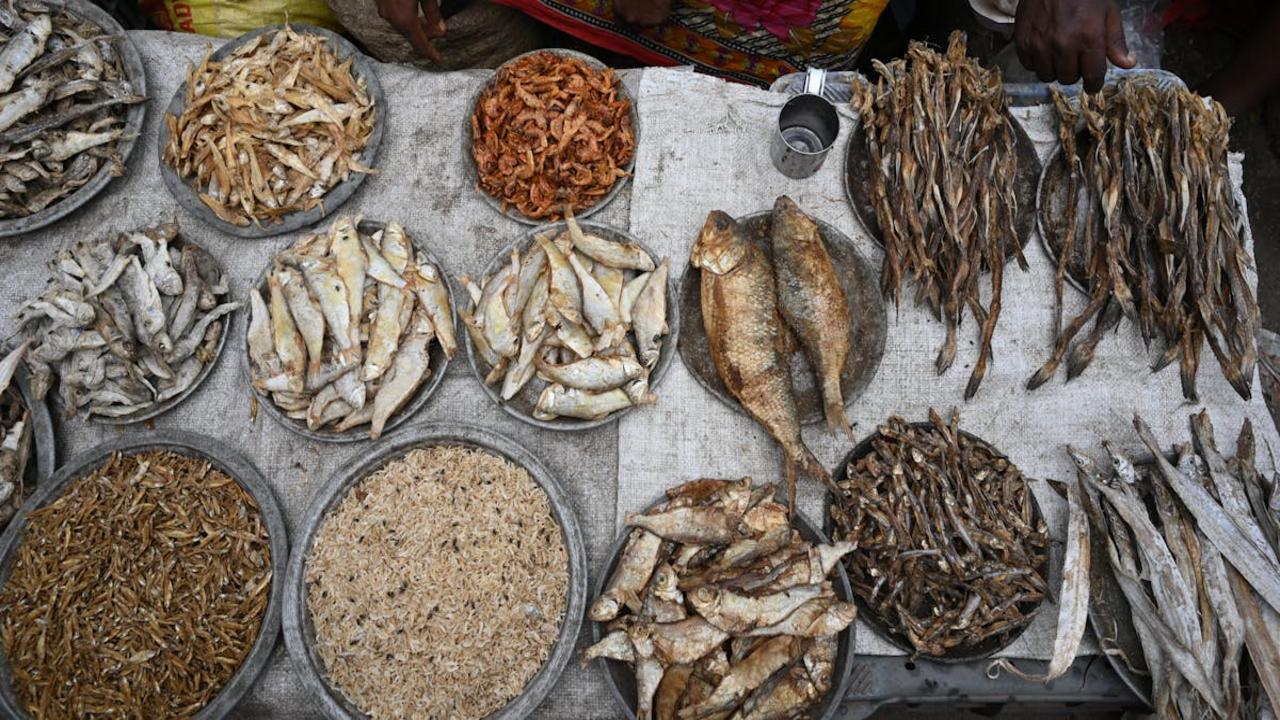
Picture this: you’re living in a coastal village where the nearest grocery store is about 500 miles away, and your refrigerator runs on hopes and dreams (aka no electricity). What do you do when you catch more fish than you can eat before it goes bad? You turn into a fish-drying wizard! Communities from Norway’s fjords to the Philippines’ remote islands discovered that salt, sun, and patience could transform their fresh catch into protein-packed jerky that lasted months. I once watched my friend’s grandmother from Newfoundland hang cod on wooden racks like she was decorating the world’s most practical Christmas tree – except this decoration could feed her family through winter.
The beauty of dried fish lies in its stubborn refusal to spoil, making it the ultimate survival food that actually tastes good. Different cultures developed their own signature techniques: Scandinavians created stockfish by air-drying cod in freezing winds, while Southeast Asian communities perfected the art of salt-curing small fish until they became intensely flavorful little flavor bombs. You can still make your own dried fish at home – just clean your catch, coat it in coarse salt, and hang it in a well-ventilated area (your garage works, though your neighbors might give you strange looks). The result? Concentrated ocean goodness that transforms simple rice or pasta into a feast worthy of ancient fishing legends.