14 Ways Food Marketing Gets You to Buy More Than You Planned
Ever wonder why you walk into the grocery store for milk and bread but leave with three bags of chips, fancy cheese, and a rotisserie chicken? You’re not alone! Supermarkets and food companies play a sophisticated game of psychological chess with your wallet, using tricks that make even the most budget-conscious shopper toss extra items into their cart.
These marketing wizards study your shopping habits more closely than your own mother. They’ve mastered techniques from strategic product placement to sensory manipulation that bypass your rational brain and speak directly to your hungry stomach. The grocery store transforms into a battlefield where your shopping list fights against carefully designed traps.
I’ve fallen victim to these tricks countless times, watching my grocery bill climb while wondering what happened to my self-control. Let’s pull back the curtain on these sneaky tactics so you can spot them next time. Knowledge is power—especially when faced with the temptation of those mysteriously appealing end-of-aisle displays!
Mobile App Personalized Deals
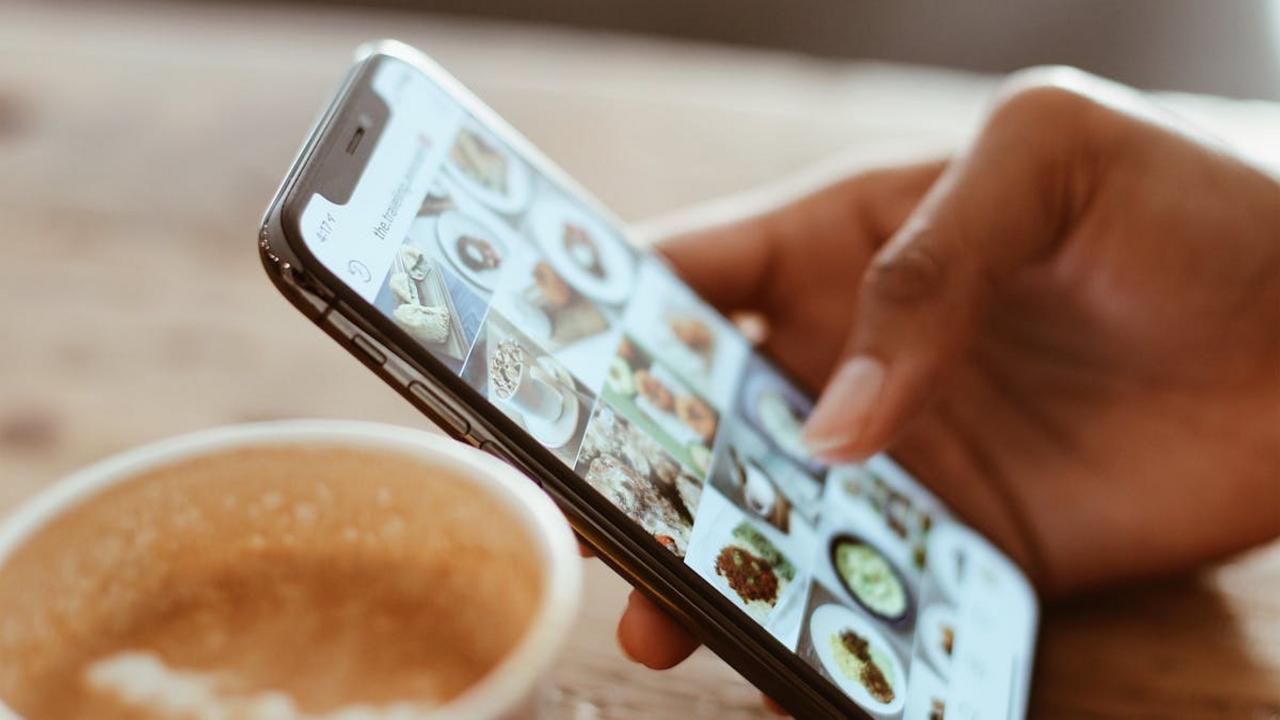
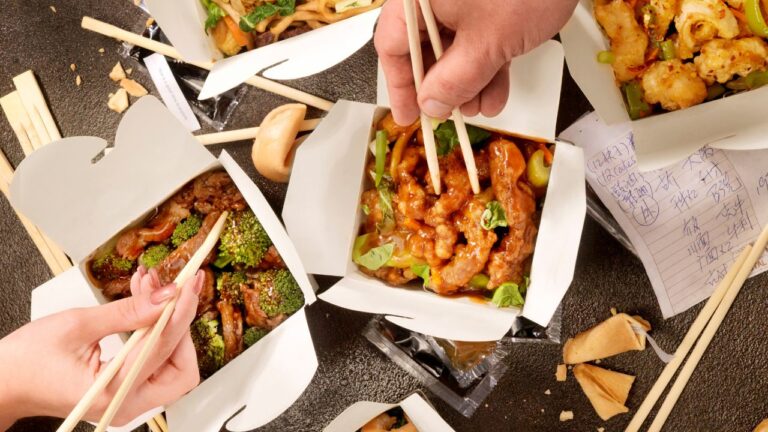
Your phone knows you better than your mother does, especially when it comes to your snack habits. Those shiny food delivery apps track every single order you’ve ever made, noting that you’re weak for pad thai on rainy Tuesdays and always add extra guac (even though it costs more). They build detailed profiles of your cravings, then bombard you with perfectly timed push notifications. “Hey there, pad thai lover! 20% off your favorite order right now!” pops up just as you’re scrolling mindlessly through your phone at 2 PM, stomach rumbling. The algorithm knows you ordered Thai food exactly 47 times last year and that you’re most likely to cave around mid-afternoon.
These apps have turned impulse buying into a science experiment where you’re the unwitting lab rat. They send you “limited-time offers” for restaurants you’ve never tried but that serve similar food to your favorites. One minute you’re checking the weather, the next you’re ordering Korean fried chicken because the app sweetly reminded you that you love crispy things and spicy sauces. The personalization feels so thoughtful, like a digital friend who really gets your food preferences, but it’s actually a sophisticated marketing machine designed to make you spend more money on dinner than you planned. Before you know it, you’ve got three different meals arriving at different times because those deals were just too good to pass up.
Sample Stations
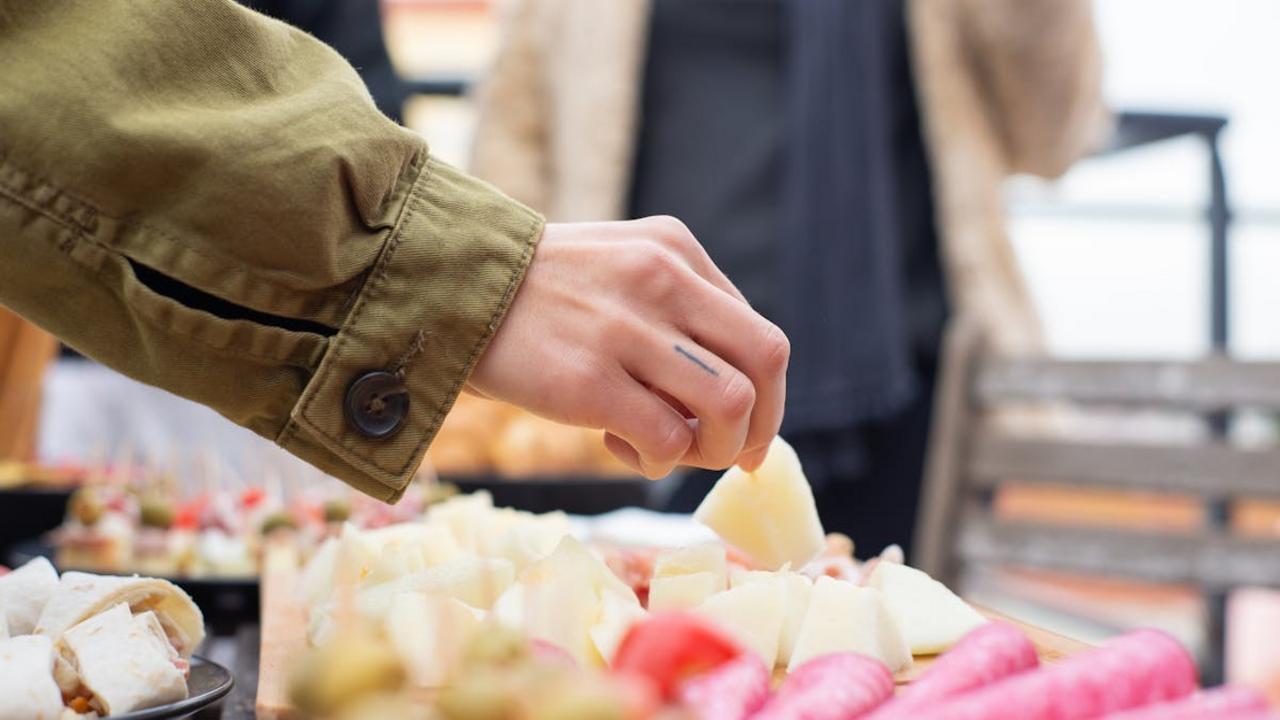
Picture this: you stroll into the grocery store with your sensible shopping list, feeling confident and prepared. Then suddenly—BAM!—you spot that cheerful lady in the hairnet offering tiny paper cups of something that smells absolutely divine. Before you know it, you’re standing there like a moth to a flame, accepting your third sample of artisanal mac and cheese while your wallet trembles in fear. Sample stations are basically grocery stores’ secret weapon, turning innocent shoppers into impulsive buyers faster than you can say “just a taste.” These mini food theaters create a sensory experience that bypasses your rational brain entirely, making you believe you absolutely need that $12 bag of truffle-infused popcorn you’ve never heard of before.
Here’s the sneaky psychology behind it: once you accept that free morsel, you’re psychologically invested in the product. Studies show that people who sample items are up to 60% more likely to purchase them, even if they didn’t particularly enjoy the taste! It’s like your brain gets confused between politeness and genuine desire. Plus, there’s something magical about getting something for free that makes us feel obligated to reciprocate—suddenly you’re buying three jars of that gourmet salsa even though you already have four unopened ones at home. Smart shoppers know to eat before hitting the store and approach sample stations with caution, treating them like the delicious traps they are. Remember, that tiny cube of cheese costs way more per ounce than your monthly streaming subscription!
Decoy Pricing
You know that moment when you’re standing at the movie theater concession stand, staring at three popcorn sizes, and suddenly the medium option makes the large look like an absolute steal? Welcome to decoy pricing, my friend – the sneaky little brother of psychological manipulation that food marketers absolutely adore. They strategically place a ridiculously overpriced “medium” option right next to what they actually want you to buy (the large), making your brain do mental gymnastics that would impress a mathematician. Your wallet thinks it’s getting a bargain, but really, you just got played harder than a fiddle at a bluegrass festival.
This trickery shows up everywhere in the food world, from coffee shops offering a $4.50 medium latte next to a $5.00 large (guess which one suddenly feels reasonable?) to restaurants placing that $28 salmon dish strategically next to the $45 lobster special. Grocery stores pull this move constantly – ever notice how the “family size” chips cost only 50 cents more than the regular bag? That’s no accident! The decoy makes you feel smart for choosing the bigger option, even though you probably didn’t need a bag of chips that could feed a small village. Next time you spot this pricing pattern, give yourself a pat on the back for recognizing the game, then decide if you actually need that jumbo anything or if you’re just being bamboozled by some very clever number placement.
Left Digit Pricing
You know that feeling when you see a price tag reading $9.99 and your brain immediately files it under “nine dollars” instead of “practically ten bucks”? That’s left digit pricing working its magic on your wallet, and grocery stores have turned this psychological trick into an absolute science. Your brain gets so fixated on that first number that it basically ignores everything after the decimal point – which is why that organic quinoa suddenly feels like a steal at $7.99 instead of a budget-buster at $8.00. Retailers have discovered that dropping prices by just one cent can boost sales by up to 60%, because our brains are apparently terrible at math but excellent at self-deception.
The sneaky brilliance doesn’t stop there – supermarkets pile on the psychological warfare by combining left digit pricing with other visual tricks. They’ll stick that $4.99 rotisserie chicken right next to the $12.99 organic whole bird, making your dinner choice feel like winning the lottery. I once caught myself doing a victory dance in aisle seven because I found pasta sauce for $2.99, completely ignoring the fact that I already had six jars at home and definitely didn’t need a seventh. The funniest part? Studies show that even when people know about this pricing strategy, they still fall for it every single time – proving that knowing about food marketing tricks and actually avoiding them are two completely different things.
Package Size Illusions
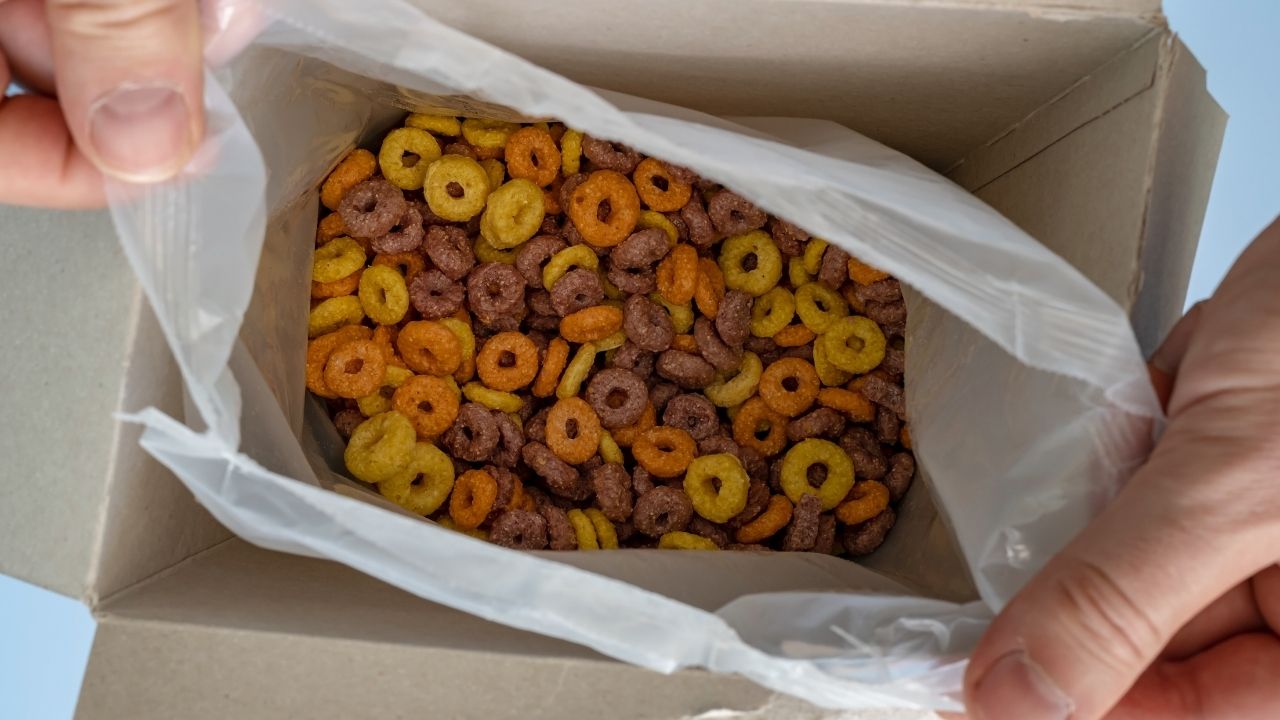
You know that moment when you grab what looks like a normal-sized bag of chips, only to open it and discover you’ve basically purchased a balloon filled with air and three lonely potato slices? Welcome to the wild world of package size illusions, where food companies have mastered the art of making you think you’re getting more bang for your buck. They’ve got more tricks up their sleeves than a magician at a kid’s birthday party. Take cereal boxes, for instance – they’re often designed to be taller and wider but surprisingly shallow, creating the optical illusion of abundance while actually containing less product than their squatter predecessors.
The sneakiest move? The “slack fill” phenomenon, where manufacturers legally fill packages with air or padding to make products appear larger. I once bought what I thought was a generously-sized container of mixed nuts, only to shake it and hear the sad rattle of maybe twelve cashews having a dance party in all that empty space. Companies also play with packaging materials – using thicker plastic or cardboard to make containers feel more substantial in your hands. Your brain automatically associates weight and size with value, so when you’re speed-shopping down the grocery aisle, that chunky package screams “great deal!” even when it’s mostly housing expensive air. Pro tip: always check the actual weight or volume listed in tiny print – your wallet will thank you later!
Limited Time Offers
You’re innocently scrolling through your favorite food app when BAM! A bright red banner screams “ONLY 3 DAYS LEFT!” for that fancy truffle pizza you’ve been eyeing. Suddenly, your brain transforms into a panicked squirrel, convinced that missing this deal means you’ll never taste happiness again. Food marketers know exactly what they’re doing with these countdown timers and fleeting promotions – they’re playing with your FOMO harder than a carnival game operator. The psychology behind limited-time offers triggers our ancient hunter-gatherer instincts, making us believe we need to grab that discounted artisanal cheese board before it vanishes forever into the void of missed opportunities.
Here’s the kicker: most “limited time” offers aren’t actually that limited. That seasonal pumpkin spice latte you panic-bought in September? It probably stuck around until December, quietly laughing at your urgency. McDonald’s has been bringing back the McRib “for a limited time” so many times that it’s basically become a running joke – like that friend who keeps saying they’re moving to another city but never actually leaves. Smart shoppers have learned to screenshot these deals and wait a few days. Nine times out of ten, that “exclusive 24-hour flash sale” on gourmet meal kits will mysteriously extend itself when sales don’t meet expectations. Your wallet will thank you for practicing a little patience instead of falling for the artificial scarcity trap.
Fresh Scents in Strategic Areas

Walk into any grocery store and you’ll notice something sneaky happening right around the bakery section – that intoxicating aroma of fresh bread practically grabs you by the nose and drags you toward the carb aisle. Retailers pump these scents through their ventilation systems like aromatic puppet masters, knowing full well that your brain can’t resist the primal connection between smell and hunger. The scent of vanilla near the ice cream freezers isn’t an accident, and neither is that coffee fragrance wafting through the beverage section. These calculated olfactory attacks bypass your rational thinking and head straight for your wallet.
The science behind this trickery is fascinating – your sense of smell connects directly to the limbic system, the same part of your brain that handles emotions and memories. That’s why the smell of cinnamon rolls can transport you back to Sunday mornings at grandma’s house, making you suddenly “need” a dozen pastries you had zero intention of buying. Grocery stores spend thousands on scent machines that release these calculated fragrances at just the right moments. Some stores even coordinate scent releases with their music playlists, creating a full sensory shopping experience that makes your shopping list feel more like a gentle suggestion than a firm plan.
Slow Music to Encourage Browsing
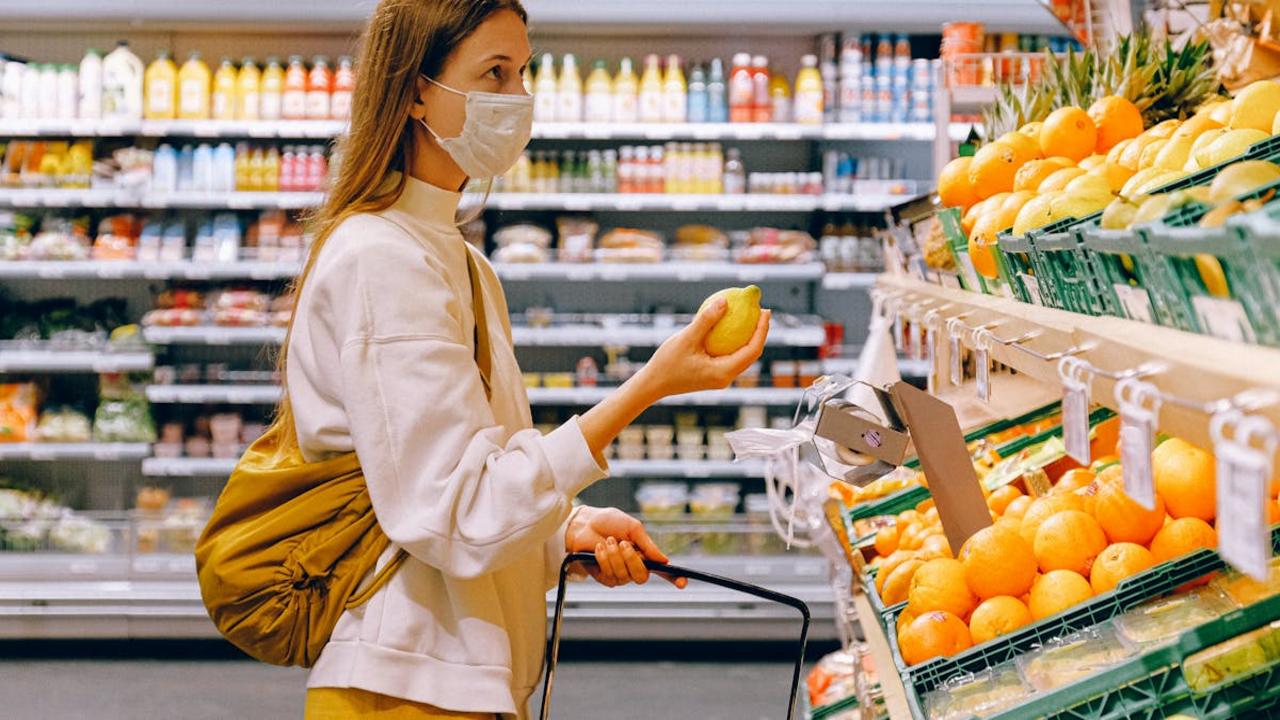
Ever wonder why grocery stores sound like they’re hosting a spa retreat instead of a shopping marathon? That mellow jazz drifting through the aisles isn’t there for your relaxation—it’s psychological warfare disguised as Kenny G. Retailers discovered that slower tempos literally slow down your walking pace, turning you into a leisurely browser instead of a focused shopper on a mission. Studies show that when stores play music under 72 beats per minute, customers spend 38% more time wandering the aisles and drop significantly more cash at checkout. You think you’re just enjoying the smooth saxophone while comparing pasta sauce prices, but your brain is actually syncing to those languid rhythms.
Fast-paced music has the opposite effect—it turns shoppers into speed demons who grab what they need and bolt for the exit. That’s why you’ll never hear techno pumping through the produce section (unless the store manager has completely lost their mind). Next time you find yourself swaying to that dreamy background music while debating between seventeen different types of olive oil, remember that every note has been carefully calibrated to keep your feet moving at molasses speed. The joke’s on the stores though—now that you know their secret, you can power-walk through those aisles to your own internal soundtrack of “Eye of the Tiger” and stick to your shopping list like a champion.
Product Clustering and Cross Merchandising
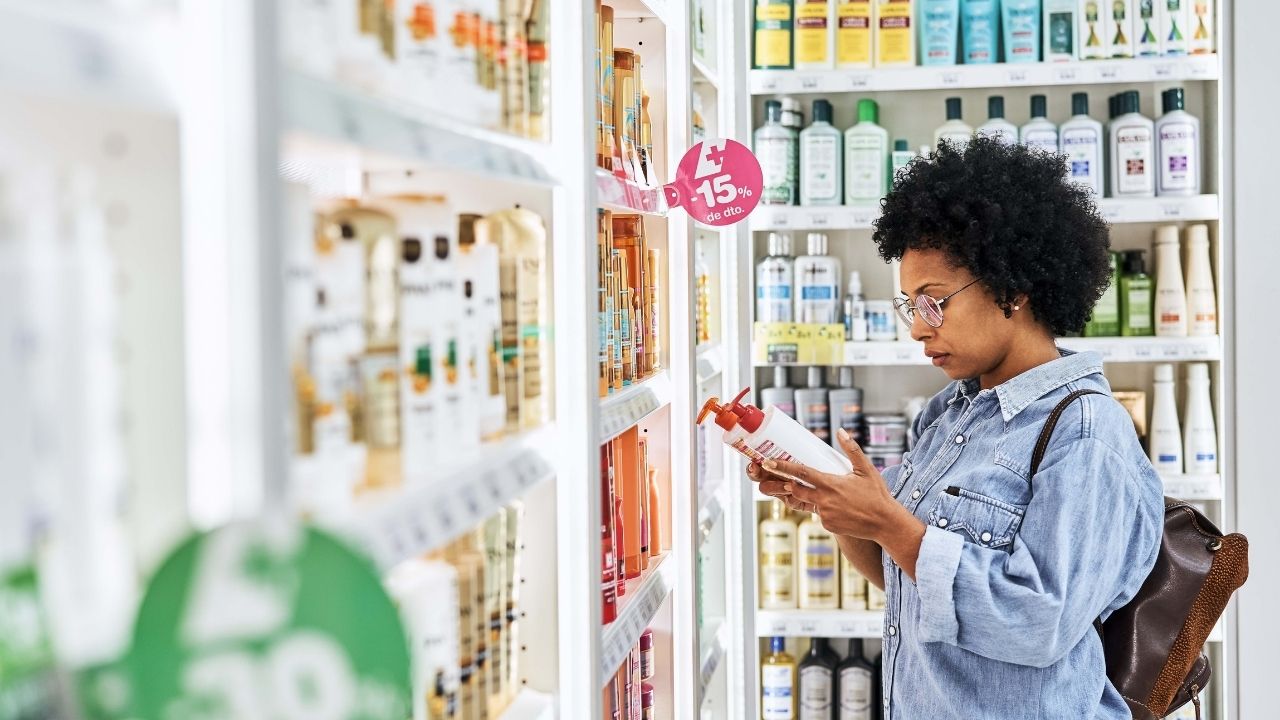
You know that magical moment when you walk into the grocery store for milk and somehow end up with tortilla chips, salsa, avocados, and lime? That’s not your lack of willpower talking—that’s strategic product clustering working its retail wizardry on your brain! Stores group complementary items together because they understand something fundamental about human psychology: we think in complete scenarios, not individual ingredients. When you see those perfectly arranged chips next to the dip display, your mind automatically starts planning that Saturday night movie marathon, and suddenly you’re not just buying snacks—you’re buying an entire experience.
Cross merchandising takes this concept and cranks it up to eleven. Picture this: you’re innocently browsing the pasta aisle when BAM—there’s a display of parmesan cheese, fresh basil, and crusty bread right there tempting you. It’s like the store read your mind and said, “Hey, wouldn’t tonight be perfect for homemade spaghetti?” Retailers spend serious money studying purchase patterns and discovering that people who buy pasta sauce also grab garlic bread 73% of the time (okay, I made that statistic up, but you get the idea). These strategic partnerships between products create what I like to call “shopping momentum”—once you start building a meal in your cart, it becomes nearly impossible to stop until you have every single component for the feast you didn’t even know you were planning.
Buy One Get One Promotions
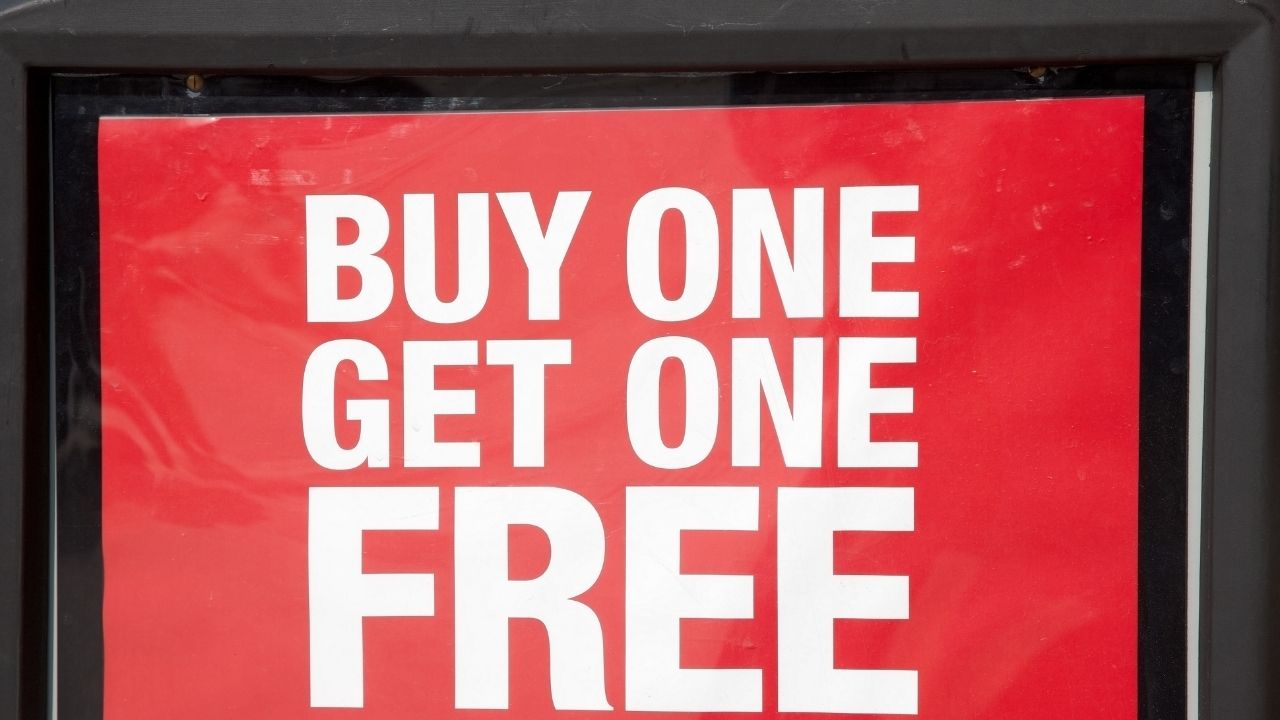
You know that moment when you spot a “Buy One Get One Free” deal on your favorite pasta sauce and suddenly your brain does this weird mathematical gymnastics? “I’m basically SAVING money by buying two!” you tell yourself while grabbing both jars. Here’s the kicker: grocery stores bank on this exact thought process. BOGO promotions make you feel like you’ve discovered buried treasure in aisle seven, but retailers often inflate the original price before slapping on that irresistible deal sticker. That “free” jar of marinara? It probably costs the same as buying two at regular price elsewhere, but your brain is too busy doing its happy dance to notice.
The psychology gets even sneakier when you consider how these promotions mess with your shopping list faster than a toddler in a candy store. You walked in needing one jar of sauce for tonight’s spaghetti, but now you’re walking out with fourteen different BOGO items because “the savings were too good to pass up.” Food companies love this because you’re not just buying more – you’re also likely to consume more. Studies show that when people stock up during BOGO sales, they actually eat through their purchases faster than normal. It’s like having extra cookies in the house; they whisper your name from the pantry until you cave. Before you know it, you’re back at the store sooner than planned, ready for another round of “strategic savings.”
End Cap Displays
You know that magical section at the end of grocery store aisles where products seem to glow with an otherworldly “buy me” aura? Those are end cap displays, and they’re basically the grocery store’s equivalent of a siren song. Retailers pay premium dollars—sometimes thousands per week—to get their products featured in these prime real estate spots because they know you can’t resist their hypnotic pull. These displays catch your eye from multiple angles as you navigate the store, creating what marketers call “impulse purchase zones.” Fun fact: items placed on end caps sell 30% more than the same products tucked away on regular shelves, which explains why you suddenly need those artisanal pickle chips you’ve never heard of before.
The psychology behind end cap displays is downright sneaky. Stores often rotate seasonal items, limited-time offers, or “special deals” through these spots, creating artificial urgency that makes your brain scream “grab it now or regret it forever!” You’ll notice they frequently feature complementary items too—like chips next to salsa, or pasta sauce beside fancy noodles—turning a simple grocery run into an unplanned dinner party prep session. The clever positioning makes these products feel like featured recommendations rather than strategic marketing moves. Next time you’re shopping, challenge yourself to walk past three end cap displays without adding anything to your cart. Spoiler alert: it’s harder than solving a Rubik’s cube while blindfolded!
Larger Shopping Carts
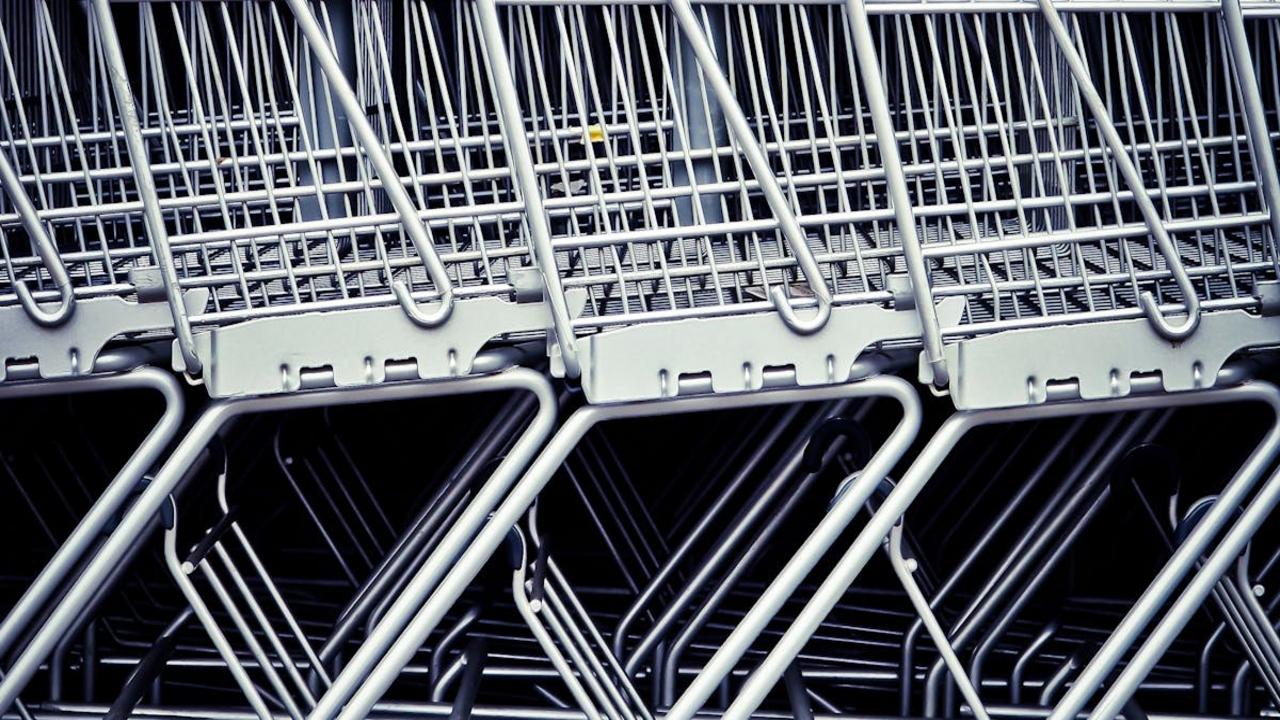
You walk into the grocery store with your mental list of three items: milk, bread, and those fancy crackers for tonight’s wine night. Fast forward twenty minutes, and you’re wrestling a cart the size of a small aircraft carrier toward the checkout, wondering how you acquired seventeen different types of cheese and a family-sized bag of gummy bears. Welcome to the brilliant psychology of supersized shopping carts! These metal monsters aren’t just getting bigger to accommodate our growing appetites – they’re scientifically designed to trick your brain into thinking you need more stuff. Studies show that doubling cart size increases purchases by up to 40%, because our minds perceive a half-empty giant cart as practically barren, even when it contains enough food to feed a small village.
The grocery industry discovered this sneaky trick back in the 1930s when Sylvan Goldman invented the shopping cart (originally called a “folding basket carrier,” which sounds way less fun). Today’s carts are roughly twice the size they were decades ago, and retailers know exactly what they’re doing. Your brain sees all that empty space and goes into panic mode, convinced you’re somehow failing at shopping if you don’t fill every corner. It’s the same psychological principle that makes us eat more from larger plates – except instead of overstuffing your stomach, you’re overstuffing your pantry with impulse buys. Next time you shop, grab a basket instead of a cart for quick trips, or mentally divide that mammoth cart into sections to avoid the “empty cart anxiety” that retailers count on to boost their bottom line.
Color Psychology in Packaging
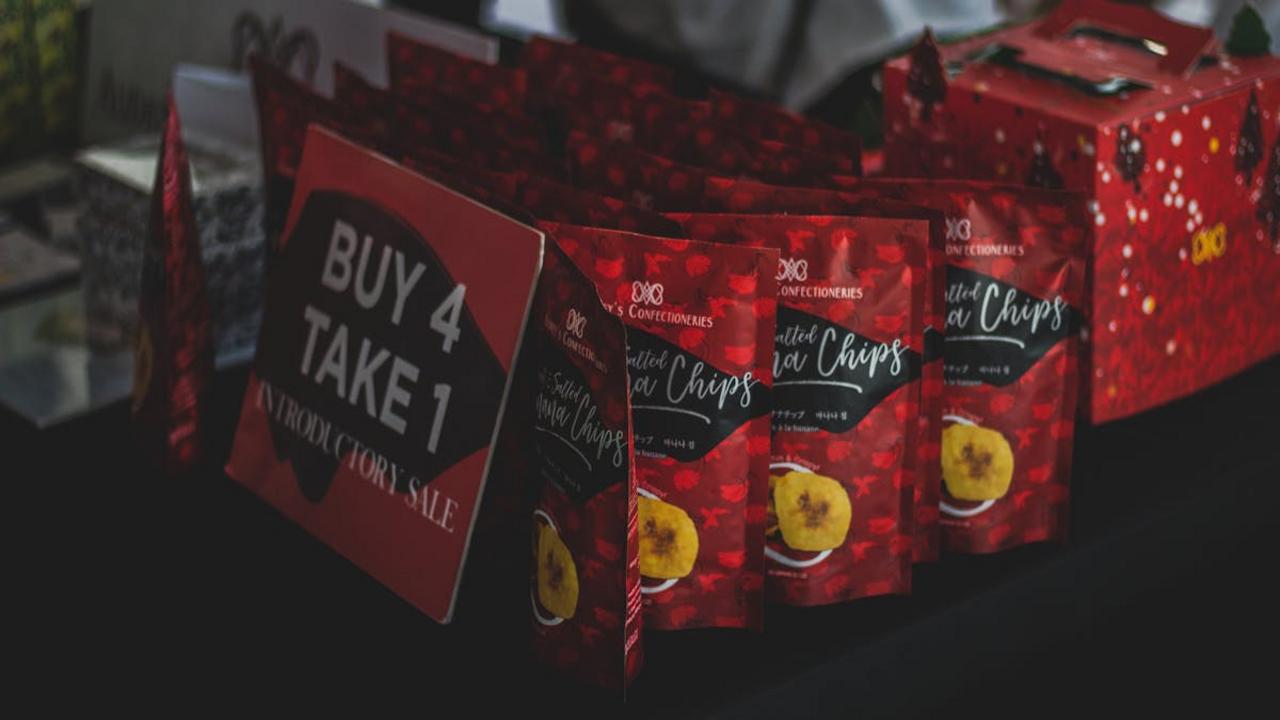
Ever wonder why you grabbed that bright red bag of chips instead of the blue one sitting right next to it? Food marketers know exactly what they’re doing with those colors, and they’re playing your brain like a fiddle! Red packaging screams urgency and excitement, making you think “I need this NOW!” while orange suggests fun and adventure. Yellow triggers happiness and optimism – hello, McDonald’s golden arches – and green whispers healthy promises that make you feel virtuous about your snack choices. Companies spend millions studying which shades make you reach for their products first.
The sneakiest part? Your brain processes these color cues in milliseconds, long before your rational mind kicks in to read ingredients or compare prices. That’s why organic foods love their earthy browns and forest greens – they’re selling you the dream of natural goodness. Meanwhile, kids’ cereals blast you with electric blues and hot pinks because children’s brains go absolutely wild for saturated colors. Next time you’re shopping, try this experiment: close your eyes, walk down an aisle, then open them and notice which package your eyes land on first. I guarantee it’s not the boring beige box hiding in the corner!
Strategic Shelf Placement at Eye Level
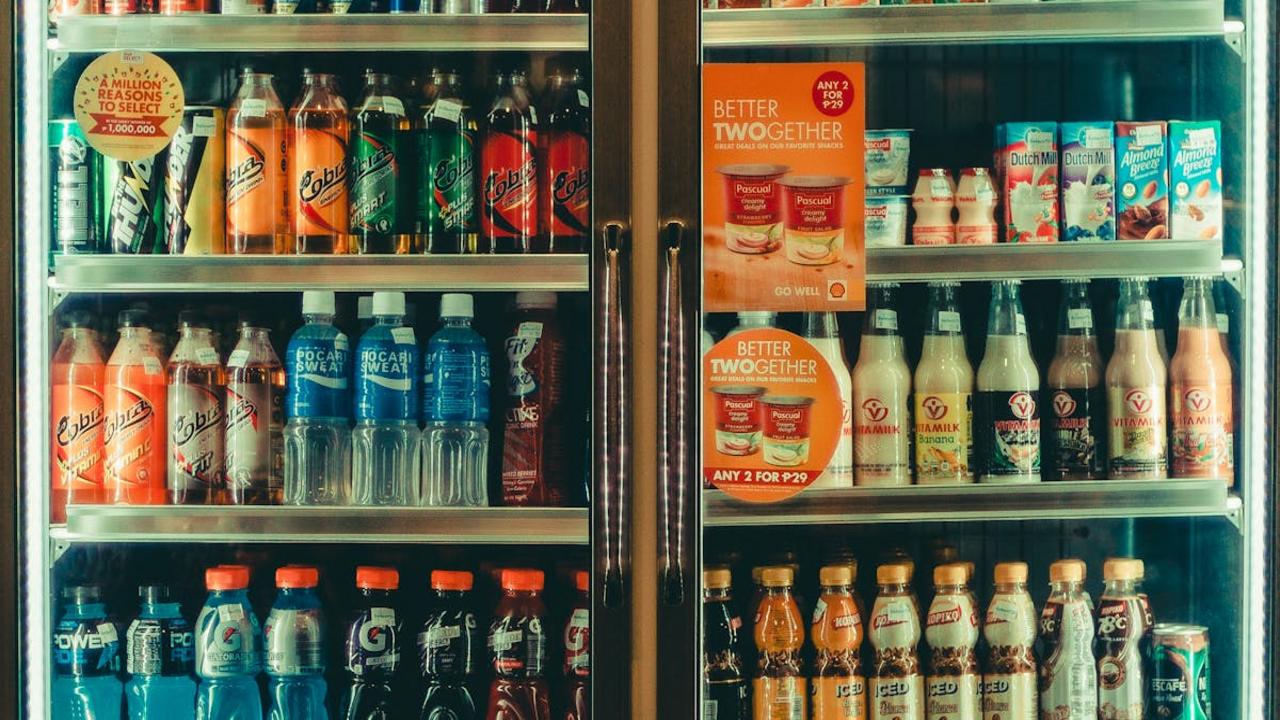
Ever wonder why you always grab the same brand of cereal without thinking twice? Grocery stores place their most profitable products right at eye level—what retailers call the “golden zone”—because that’s where your gaze naturally lands first. Companies pay premium dollars for these prime real estate spots, sometimes shelling out thousands per month just to get their products positioned perfectly in your line of sight. The expensive organic granola gets the VIP treatment at adult eye level, while the sugary kids’ cereals sit lower down, strategically placed where little hands can reach and tiny eyes can spot their favorite cartoon mascots.
This sneaky psychology trick works because our brains make split-second decisions based on what we see first. You walk down the aisle scanning products, and boom—that perfectly positioned pasta sauce catches your attention before you even notice the cheaper options hiding on the bottom shelf. Smart shoppers crouch down and look up to discover better deals, but most of us grab what’s convenient and move on. Next time you’re shopping, try the “shelf shuffle”—deliberately look at the top and bottom shelves before making your choice. You might discover that the store brand hiding down low tastes just as good as the name brand getting the spotlight treatment up high.