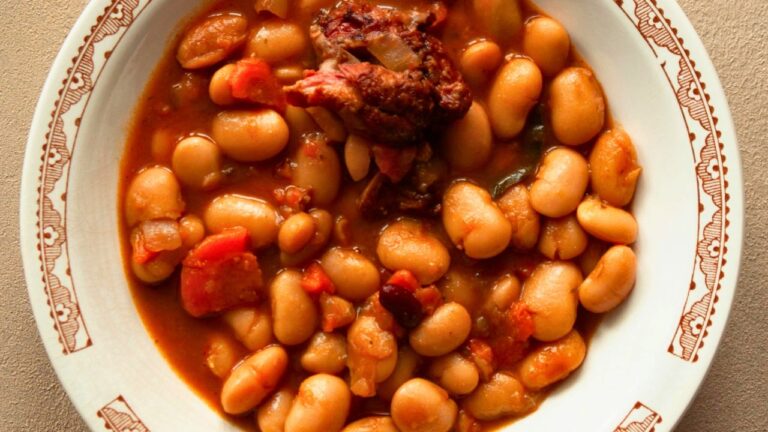
15 Biblical Foods Still Gracing Modern Dinner Tables
Ever noticed how the foods in your kitchen connect you to ancient traditions? The Bible mentions numerous foods that have stood the test of time, continuing to nourish us thousands of years later. From protein-packed lentils to sweet honey, these ingredients have fed humanity across millennia.
I’m always amazed by how these biblical staples remain central to healthy diets worldwide. Pomegranates burst with antioxidants, while olives provide heart-healthy fats. These foods weren’t just sustenance—they carried symbolic weight in biblical stories and continue to hold cultural significance today.
Your modern meals likely include many of these ancient ingredients without you even realizing their biblical roots. Whether you’re sprinkling salt on your dinner, snacking on almonds, or enjoying fresh figs, you’re participating in a food tradition that spans thousands of years. These 15 biblical foods prove that good nutrition truly is timeless.
Salt
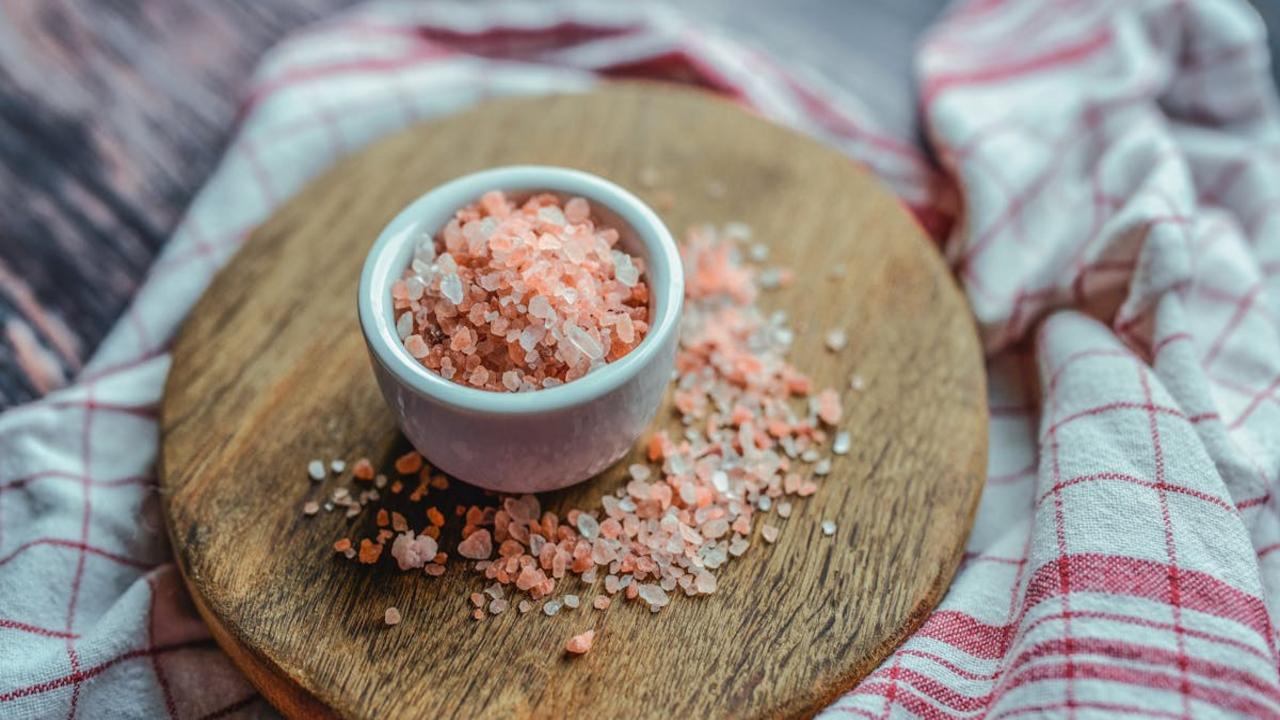
Salt holds such a special place in biblical history that Jesus himself called his followers “the salt of the earth.” This precious mineral appears throughout scripture, from Lot’s wife turning into a pillar of salt to the covenant of salt mentioned in Chronicles. Back then, salt was incredibly valuable – sometimes worth more than gold! People used it not just for seasoning, but for preserving food and sealing agreements. The phrase “worth your salt” comes from ancient times when workers received salt as payment.
Today, you probably reach for salt without thinking twice, but this humble ingredient remains just as important in your kitchen. I love how a pinch of good sea salt can transform even the simplest dish – it brightens vegetables, enhances the natural sweetness in tomatoes, and brings out complex flavors in everything from chocolate to caramel. Choose quality salt like Himalayan pink, Celtic sea salt, or flaky Maldon for finishing touches. Your taste buds will notice the difference, and you’ll connect with thousands of years of food tradition every time you season your meals.
Fish (such as tilapia and sardines)

Fish swim through biblical stories with remarkable frequency, from the miraculous catch of fish to Jesus feeding thousands with just a few loaves and fishes. Mediterranean waters provided abundant protein for ancient communities, and today we still turn to these same varieties for both nutrition and flavor. Tilapia, often called “St. Peter’s fish,” remains incredibly popular because of its mild taste and versatility – you can bake it with herbs, pan-fry it with lemon, or add it to tacos for a fresh weeknight dinner. I love how this white fish takes on whatever seasonings you pair with it, making it perfect for beginners who want to start cooking more fish at home.
Sardines pack an incredible nutritional punch in their small silver bodies, loaded with omega-3 fatty acids, protein, and calcium. These little powerhouses were staples in ancient diets, and modern research shows they’re among the most sustainable seafood choices available today. You can find them fresh at many markets, but canned sardines work beautifully too – try them mashed into pasta with garlic and olive oil, or spread on toast with avocado for a quick lunch. Both fish varieties connect us directly to biblical times while supporting heart health and providing clean, lean protein that fits perfectly into contemporary healthy eating patterns.
Lamb
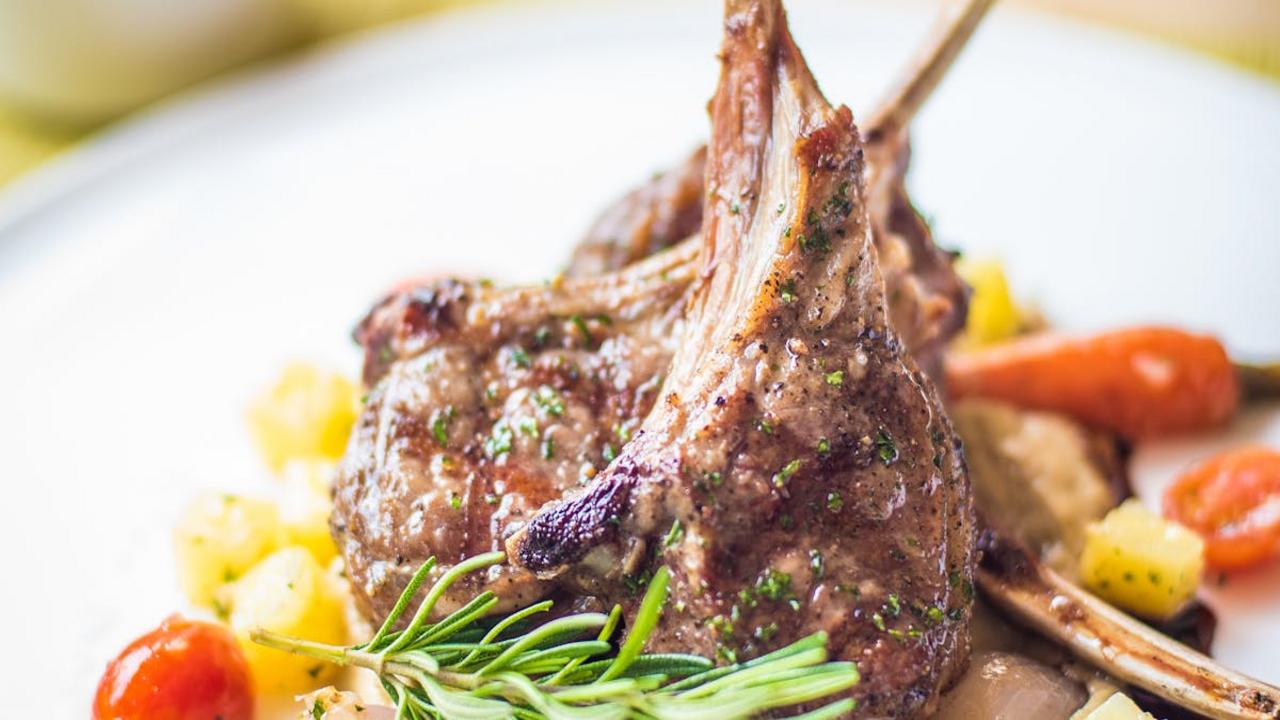
Lamb holds a special place in biblical history, appearing throughout scripture from Abel’s offering to the Passover feast. This tender, flavorful meat was considered precious in ancient times, often reserved for religious ceremonies and special celebrations. You’ll find lamb mentioned in countless biblical passages, symbolizing sacrifice, purity, and abundance. What makes this protein so remarkable is how it continues to connect us with our ancestors’ tables thousands of years later.
Today’s home cooks can easily bring this ancient protein into modern kitchens with incredible results. Lamb offers rich, distinctive flavors that pair beautifully with Mediterranean herbs like rosemary, thyme, and oregano – many of which also have biblical origins. Try slow-roasting a leg of lamb with garlic and fresh herbs for Sunday dinner, or prepare simple lamb chops seasoned with salt, pepper, and a drizzle of olive oil. The meat’s natural tenderness makes it forgiving for beginners, while its bold taste satisfies even the most discerning palates. Whether you choose ground lamb for hearty stews or elegant rack of lamb for special occasions, you’re preparing food that has nourished families across millennia.
Almonds
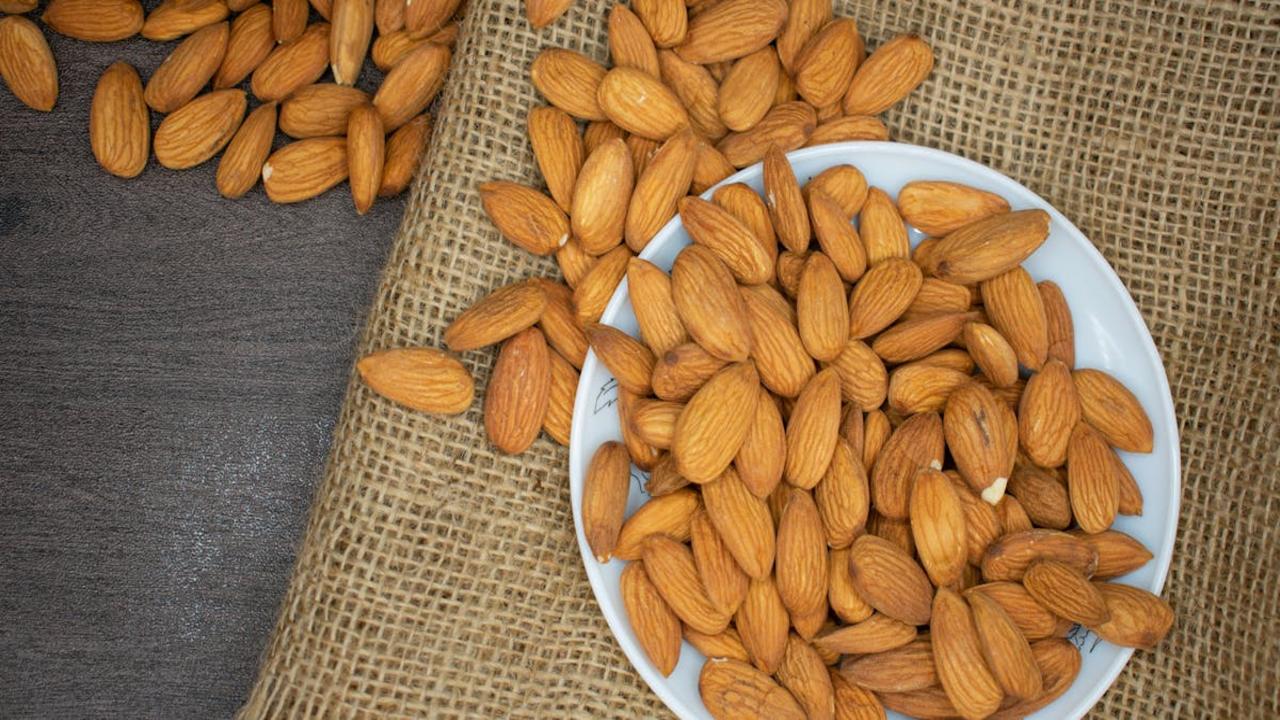
Almonds have been nourishing people for thousands of years, and you’ll find these incredible nuts mentioned throughout biblical texts as symbols of hope and divine favor. Aaron’s rod that budded with almonds in Numbers 17 shows just how significant these nuts were in ancient times. I love how almonds bridge the gap between biblical history and modern nutrition – they’re packed with healthy fats, protein, and vitamin E that your body craves. Whether you’re snacking on raw almonds or adding sliced ones to your morning oatmeal, you’re connecting with a food tradition that spans millennia.
Today’s kitchen benefits tremendously from almonds’ versatility, and I encourage you to experiment with different ways to enjoy them. Try making your own almond butter for a protein-rich spread, or toss chopped almonds into salads for extra crunch and nutrition. Almond flour has become a fantastic gluten-free baking alternative that adds richness to cookies and cakes. You can even make fresh almond milk at home – just soak almonds overnight, blend with water, and strain. These ancient nuts prove that sometimes the most timeless foods are exactly what our modern bodies need for sustained energy and optimal health.
Chickpeas
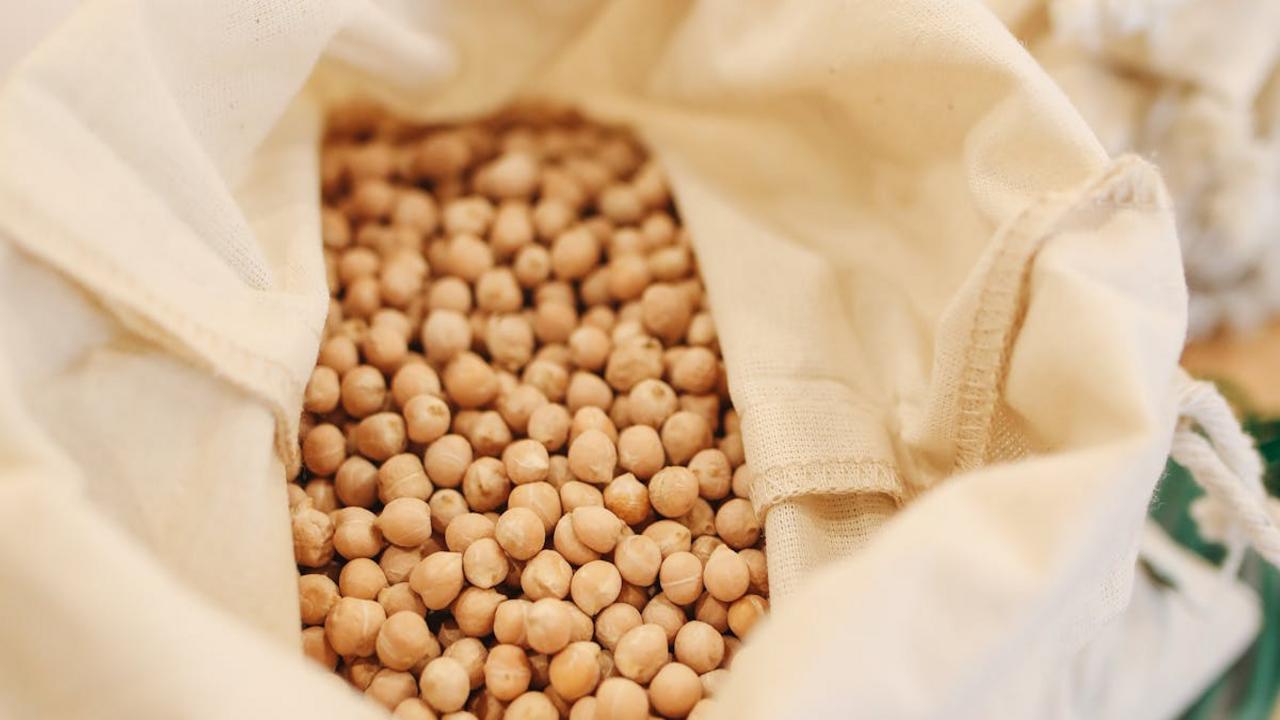
These protein-packed legumes have been feeding families for thousands of years, and honestly, I can’t imagine my pantry without them! Chickpeas appear throughout biblical texts, where they were ground into flour for bread and cooked into hearty stews that sustained entire communities. What I love most about chickpeas is how they transform from humble dried beans into creamy hummus, crispy roasted snacks, or tender additions to soups and curries. They’re like little nutritional powerhouses that deliver fiber, plant-based protein, and folate in every single bite.
You can find chickpeas shining in modern kitchens everywhere, from Mediterranean mezze platters to Indian dal recipes that’ll warm your soul. I keep both canned and dried versions on hand because they’re so incredibly versatile – toss them into salads for extra crunch, blend them into smoothies (trust me on this one!), or even bake them into chocolate chip cookies for a healthier twist. The aquafaba (that liquid from canned chickpeas) works magic as an egg substitute in vegan baking, proving that these ancient legumes still have plenty of surprises up their sleeves for today’s home cooks.
Grapes
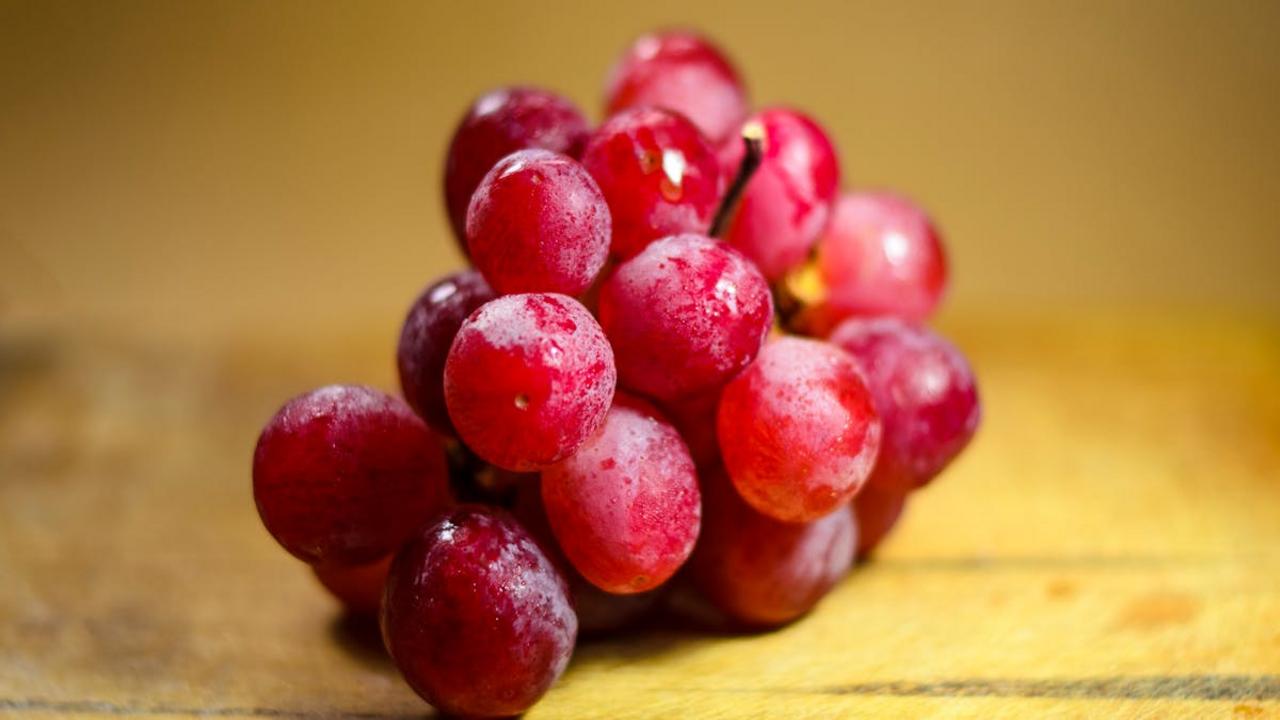
Grapes hold a special place in biblical history, appearing throughout both the Old and New Testaments as symbols of abundance and blessing. From the massive cluster of grapes that the Israelite spies carried back from the Promised Land to Jesus turning water into wine, these little orbs of sweetness have been nourishing people for thousands of years. The Bible mentions grapes over 60 times, highlighting their importance in ancient Middle Eastern culture and diet.
Today, you can enjoy grapes in countless ways that would make our biblical ancestors smile. Fresh grapes make perfect snacks for busy afternoons, while dried grapes (raisins) add natural sweetness to your morning oatmeal or homemade trail mix. Try roasting grapes with vegetables for a surprisingly sweet and savory side dish, or freeze them for a refreshing summer treat that beats any popsicle. Rich in antioxidants, vitamin C, and natural sugars, grapes offer the same wholesome energy that sustained ancient peoples through their daily work and long travels across desert lands.
Spices (such as cumin and coriander)
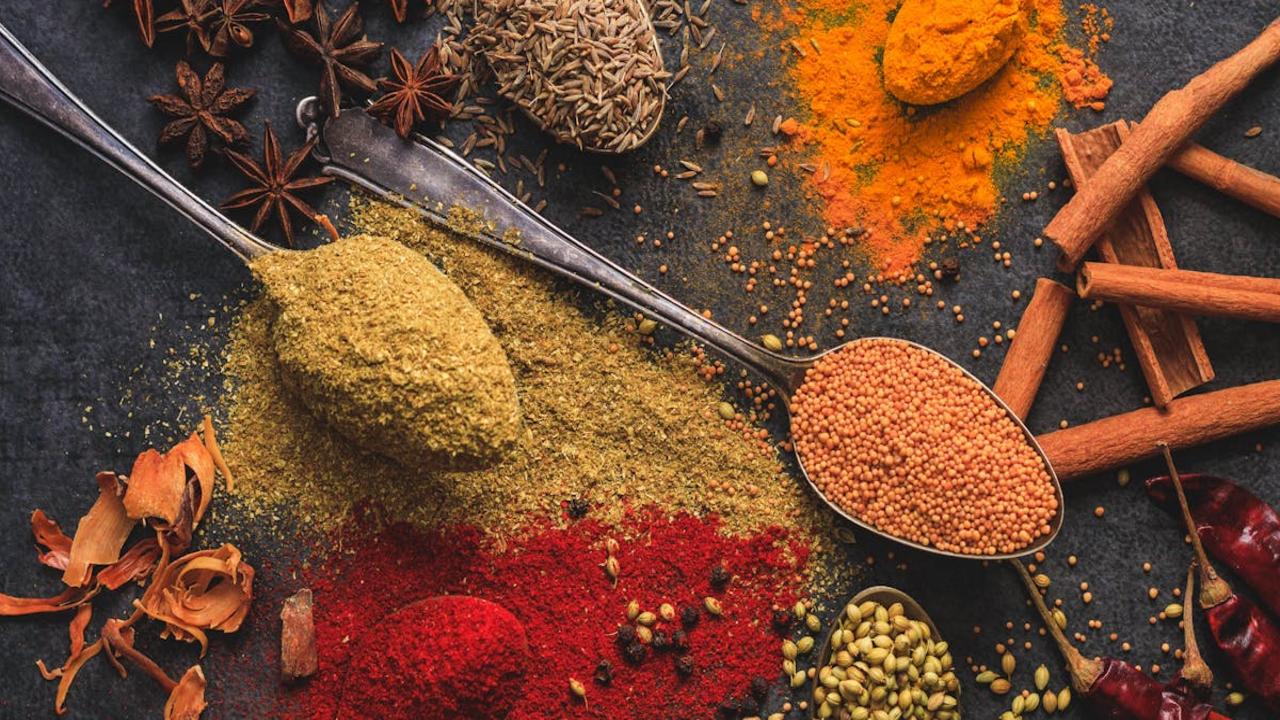
Biblical spices like cumin and coriander have been adding warmth and complexity to dishes for thousands of years, and they’re still absolute superstars in kitchens worldwide today. These aromatic treasures were so valuable in ancient times that they served as currency and offerings in religious ceremonies. Cumin brings that distinctive earthy, slightly nutty flavor that transforms everything from roasted vegetables to homemade bread, while coriander seeds offer a bright, citrusy note that pairs beautifully with both sweet and savory preparations.
What I love most about these ancient spices is how incredibly versatile they are in modern cooking. You can toast whole cumin seeds in a dry pan for just a minute to release their fragrant oils, then grind them fresh for maximum flavor impact in your favorite curry or chili recipe. Coriander works magic when you crush the seeds lightly and add them to marinades, or grind them into spice blends for roasted meats. Both spices also offer impressive health benefits – cumin supports digestion and may help regulate blood sugar, while coriander provides antioxidants and can aid in reducing inflammation. Keep whole seeds in your pantry and grind them fresh whenever possible for the most vibrant flavors.
Wheat
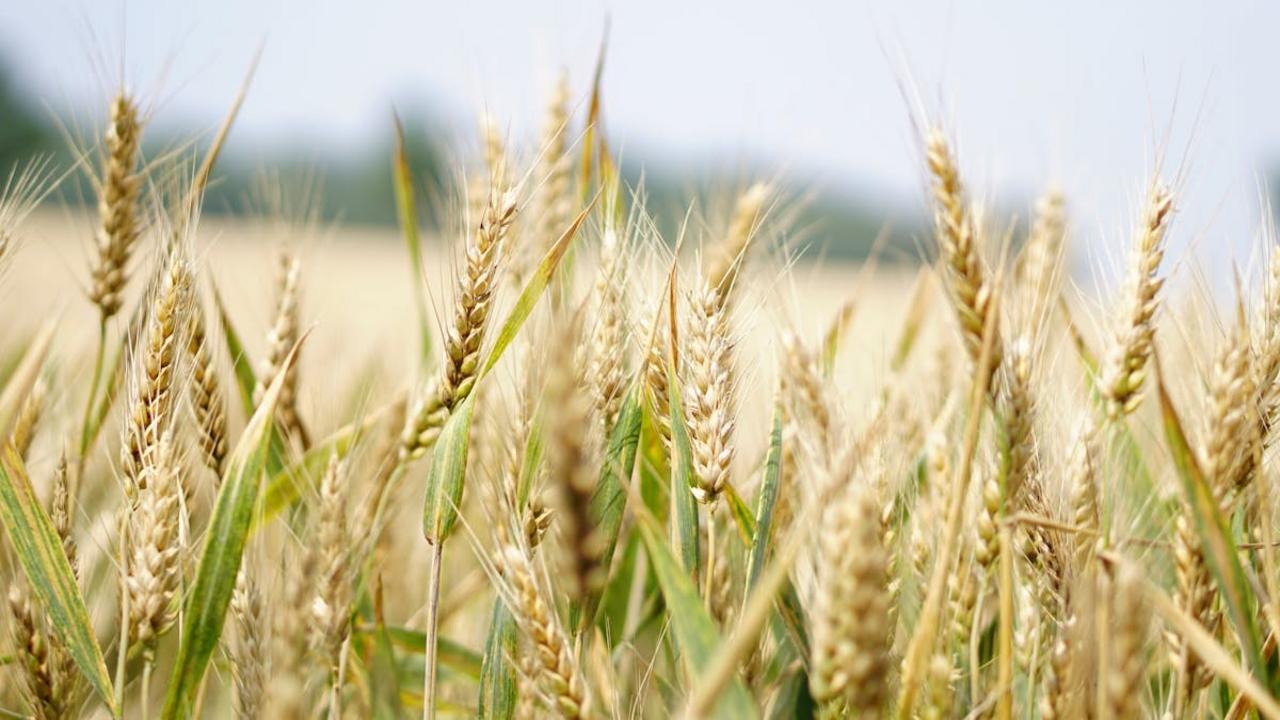
Wheat holds an incredible place in biblical history, appearing in countless stories from the Old and New Testaments. Jesus himself used wheat in many of his parables, comparing the Kingdom of Heaven to wheat fields and talking about separating wheat from chaff. This golden grain fed entire civilizations and continues to be one of our most important food sources today. Ancient biblical peoples ground wheat into flour for bread, which they considered the staff of life – and honestly, can you imagine our modern kitchens without it?
Today’s wheat varieties might look different from their ancient counterparts, but the nutritional powerhouse remains remarkably similar. You’ll find wheat in your morning toast, your pasta dinner, and that homemade pizza dough you’ve been perfecting. Modern wheat provides protein, fiber, B vitamins, and minerals that keep our bodies running strong. Whether you’re baking sourdough bread from scratch or simply enjoying a bowl of whole grain cereal, you’re connecting with thousands of years of human nourishment. Try swapping refined wheat products for whole grain versions – your body will thank you for the extra fiber and nutrients that our biblical ancestors naturally enjoyed.
Barley
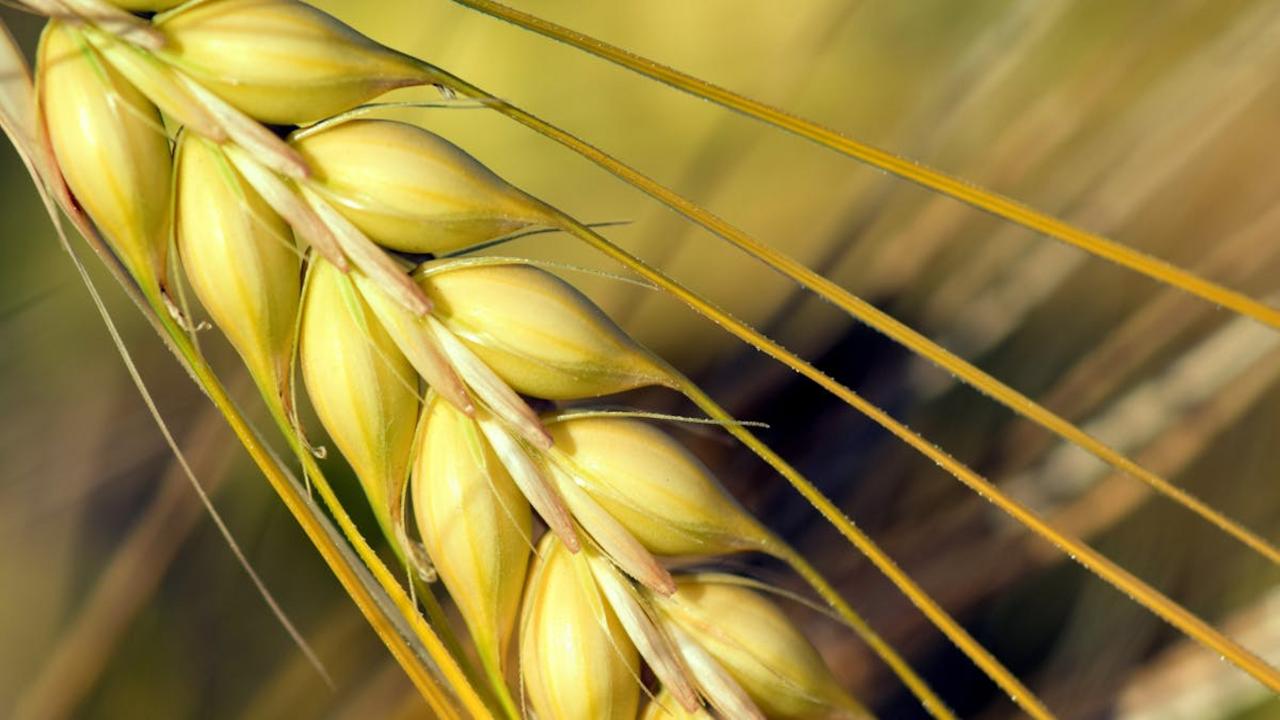
This ancient grain has been nourishing families for thousands of years, and I’m absolutely thrilled that barley is making such a strong comeback in modern kitchens! You’ll find this powerhouse ingredient mentioned throughout biblical texts, where it served as a staple food for entire communities. What makes barley so special is its incredible versatility – you can toss it into soups for heartiness, use it as a base for grain bowls, or even grind it into flour for baking. The nutty, slightly chewy texture adds such wonderful depth to whatever dish you’re creating.
From a health perspective, barley is pure gold for your body! This fiber-rich grain helps keep your digestive system happy while providing steady energy throughout the day. I love how it naturally helps regulate blood sugar levels, making it perfect for anyone looking to maintain balanced nutrition. You can find pearled barley at most grocery stores, which cooks up beautifully in about 45 minutes. Try stirring it into your favorite vegetable soup, mixing it with roasted vegetables for a satisfying grain bowl, or using it in place of rice for a more nutritious side dish. Trust me, once you start cooking with barley regularly, you’ll wonder why it took you so long to rediscover this biblical treasure!
Honey

You know that golden jar sitting in your pantry? It connects you directly to one of the most celebrated foods in biblical times! Honey appears throughout scripture as a symbol of abundance and sweetness, from the Promised Land flowing with “milk and honey” to Samson’s riddle about finding honey in a lion’s carcass. Ancient peoples treasured this natural sweetener not just for its incredible flavor, but for its remarkable preserving qualities and medicinal benefits that we still recognize today.
What makes honey so special is its complex flavor profile and versatility in your modern kitchen. Raw honey contains beneficial enzymes, antioxidants, and antimicrobial properties that processed sugars simply can’t match. Try drizzling local honey over Greek yogurt with fresh figs for a breakfast that would make King Solomon smile, or use it to glaze roasted vegetables for a caramelized finish. I love substituting honey for refined sugar in baking – just reduce other liquids slightly and watch your breads and muffins develop that beautiful golden color and moist texture that keeps everyone coming back for seconds.
Dates

Picture those incredibly sweet, chewy morsels that satisfied ancient desert travelers – dates have been fueling people for thousands of years! These little powerhouses appear throughout biblical texts, from the promised land flowing with milk and honey to the palm branches waved during Jesus’s triumphant entry into Jerusalem. You’ll find dates mentioned as symbols of prosperity and abundance, and honestly, once you taste their natural caramel-like sweetness, you’ll understand why ancient peoples considered them such treasures.
Today’s dinner tables still celebrate these amazing fruits in countless delicious ways. I love stuffing them with cream cheese and nuts for an instant appetizer that always impresses guests, or chopping them into grain salads for that perfect sweet-savory balance. They work beautifully in both sweet and savory dishes – try adding chopped dates to your next chicken tagine or blending them into energy balls with oats and cocoa powder. The natural sugars in dates make them perfect for healthy baking substitutions too, and their fiber content means they’ll keep you satisfied much longer than processed sweets.
Olives
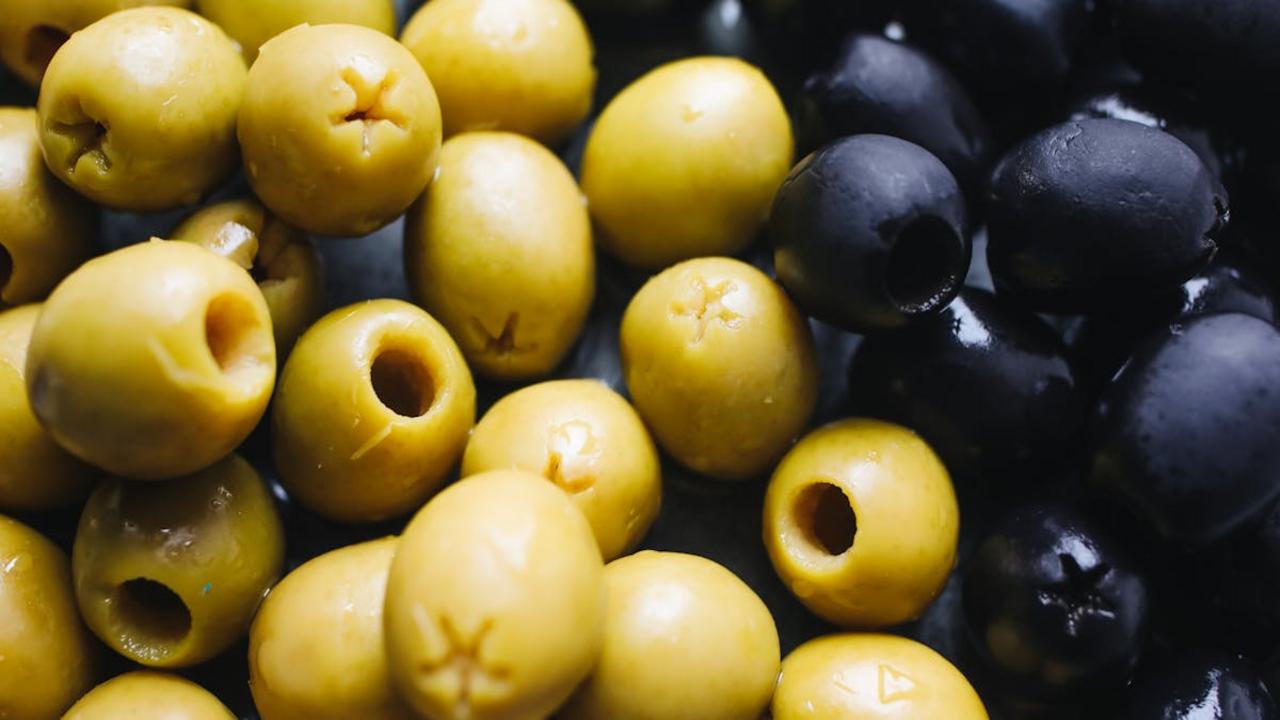
Picture yourself wandering through an ancient Mediterranean grove, and you’ll find the same silvery-leafed trees that provided sustenance thousands of years ago! Olives have been gracing tables since biblical times, appearing in countless passages as symbols of peace, abundance, and divine blessing. These little gems were so precious that olive oil was used not just for cooking, but for anointing kings and lighting sacred lamps. Today, you can bring that same ancient wisdom right into your modern kitchen, whether you’re tossing Kalamata olives into a vibrant Greek salad or drizzling golden olive oil over fresh bread.
What makes me absolutely excited about olives is their incredible versatility and health benefits! You’ve got everything from buttery Castelvetrano olives perfect for snacking to robust black olives that transform a simple pizza into something special. The healthy fats in olives support your heart health while adding rich, complex flavors to your meals. Try stuffing green olives with garlic and herbs for your next dinner party, or blend them into a tapenade that’ll have your guests asking for the recipe. Whether you choose briny, sweet, or spicy varieties, you’re connecting with a food tradition that spans millennia while nourishing your body beautifully.
Pomegranates
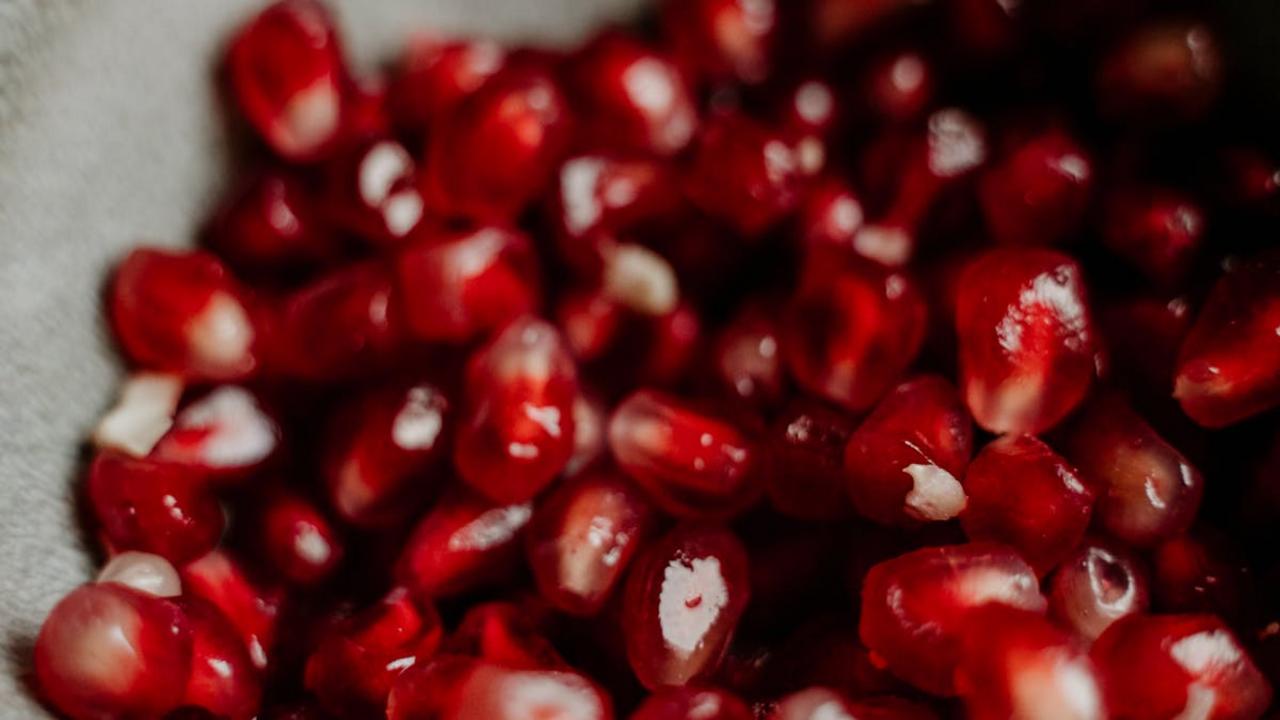
These ruby-red jewels have been captivating hearts and nourishes bodies since ancient times, and honestly, I can’t get enough of them! Pomegranates appear throughout biblical texts as symbols of abundance and fertility, and they were among the fruits brought back by the spies who explored the Promised Land. What I love most about pomegranates is how they transform any ordinary dish into something spectacular – those gorgeous arils burst with sweet-tart flavor that makes your mouth water instantly.
You can enjoy pomegranates in countless ways that’ll keep you coming back for more. Sprinkle those jewel-like seeds over your morning yogurt, toss them into salads for a pop of color and crunch, or blend them into smoothies for an antioxidant boost that your body will thank you for. I particularly enjoy making pomegranate molasses – a tangy syrup that adds incredible depth to roasted vegetables and grilled meats. The best part? These gorgeous fruits are packed with vitamin C, fiber, and powerful antioxidants that support your overall health while satisfying your sweet cravings naturally.
Figs
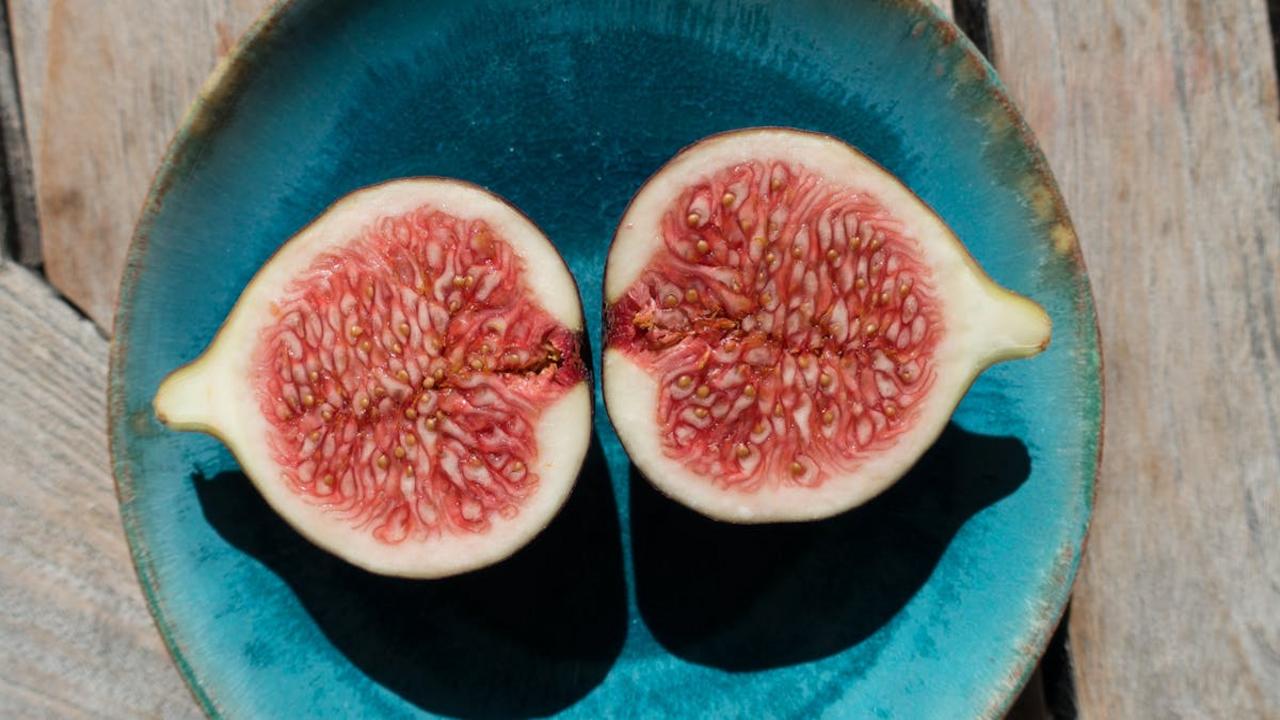
Fresh figs hold such a special place in my heart, and knowing they’ve been nourishing families since biblical times makes them even more magical! These honey-sweet fruits appear throughout scripture, from Adam and Eve’s fig leaf coverings to Jesus cursing the barren fig tree. I love how figs bring this incredible connection between ancient wisdom and modern wellness right to your kitchen table. Their naturally creamy texture and complex sweetness make them perfect for both simple snacking and elegant entertaining.
What really excites me about figs is how incredibly versatile they are in today’s cooking! You can slice them fresh over Greek yogurt with a drizzle of honey for breakfast, roast them with goat cheese for an appetizer that’ll wow your guests, or even blend them into smoothies for natural sweetness. They’re packed with fiber, potassium, and antioxidants, making them a nutritious choice that satisfies your sweet tooth naturally. Fresh figs have this short but glorious season, so I always encourage you to grab them when you see them at the market – they’ll transform any ordinary meal into something truly memorable!
Lentils

These tiny powerhouses have been nourishing families since ancient times, and honestly, I can’t imagine my pantry without them! Lentils appear throughout biblical texts, from Esau trading his birthright for a bowl of red lentil stew to being one of the ingredients in Ezekiel’s bread. What makes me absolutely love lentils is how they transform from these humble little seeds into creamy, satisfying meals that fill your home with the most incredible aromas. They’re packed with protein, fiber, and iron – basically everything your body craves in one tiny package.
The best part about cooking with lentils today? They’re incredibly forgiving and versatile! Red lentils cook up in just 15 minutes and practically melt into silky soups and curries, while green and brown varieties hold their shape beautifully in hearty salads and grain bowls. I love how you can throw them into almost anything – from Mediterranean-inspired dishes with olive oil and herbs to warming Indian dals with aromatic spices. Plus, they’re budget-friendly and store forever in your pantry, making them perfect for those nights when you need to whip up something nourishing without a trip to the grocery store.