14 Sleep-Boosting Foods to Help You Drift Off Faster Tonight
Struggling with sleep? Your pantry might hold the answers. I’ve discovered 14 natural foods that can dramatically improve how quickly you fall asleep and enhance your sleep quality. From protein-rich options to magnesium powerhouses, these foods work with your body’s chemistry to promote better rest.
Many of these sleep heroes contain tryptophan, melatonin, or magnesium—nutrients that help regulate your sleep-wake cycle naturally. I started incorporating almonds and cherries into my evening routine, and the difference in how quickly I drift off is remarkable. You’ll find options for every preference, whether you crave something sweet, savory, or comforting.
Creating a sleep-friendly eating pattern doesn’t mean complicated recipes or hard-to-find ingredients. Small additions to your dinner or a simple bedtime snack can transform your nights. Ready to stock your kitchen with these natural sleep aids? Let’s look at how each food works its nighttime magic.
Salmon

Salmon brings together everything I adore about cooking with intention—rich omega-3 fatty acids that support your brain’s natural sleep rhythms, plus protein that keeps you satisfied without feeling heavy before bed. When I prepare salmon for dinner, I know I’m setting myself up for deeper, more restful sleep. The omega-3s work behind the scenes to regulate melatonin production, while the high-quality protein provides tryptophan, that same sleepy amino acid found in turkey. I love how this fish transforms from a simple fillet into something magical with just sea salt, fresh herbs, and a gentle pan-sear.
My go-to evening salmon recipe involves rubbing the fillet with olive oil, garlic, and whatever fresh herbs are calling to me—maybe dill from my windowsill garden or thyme from the backyard. I cook it skin-side down in a cast iron pan until it flakes perfectly, then serve it alongside roasted vegetables or a simple quinoa pilaf. The beauty lies in salmon’s versatility—you can bake it wrapped in parchment with lemon and capers, or create a quick teriyaki glaze with honey and ginger. Each preparation method preserves those sleep-supporting nutrients while creating a meal that feels both nourishing and indulgent.
Sweet Potatoes

You know that feeling when you bite into a perfectly roasted sweet potato and it melts on your tongue like nature’s candy? Well, those same compounds that make sweet potatoes taste incredible also work magic on your sleep cycle. These orange gems pack complex carbohydrates that trigger steady serotonin production in your brain – the same neurotransmitter that converts to melatonin, your body’s natural sleep hormone. I love how sweet potatoes bridge the gap between comfort food and functional nutrition, giving you permission to enjoy something naturally sweet while actually supporting your rest.
I often roast sweet potatoes whole in the oven with just a sprinkle of cinnamon, then mash them into my evening meals or eat them straight up about two hours before bedtime. Their natural potassium content helps relax your muscles, while the magnesium works to calm your nervous system – it’s like your grandmother’s lullaby in vegetable form. Try my favorite trick: slice them into rounds, roast until caramelized, then drizzle with a tiny bit of tahini and honey. The combination of natural sugars and healthy fats creates the perfect pre-sleep snack that won’t spike your blood sugar but will gently guide your body toward drowsiness.
Pumpkin Seeds
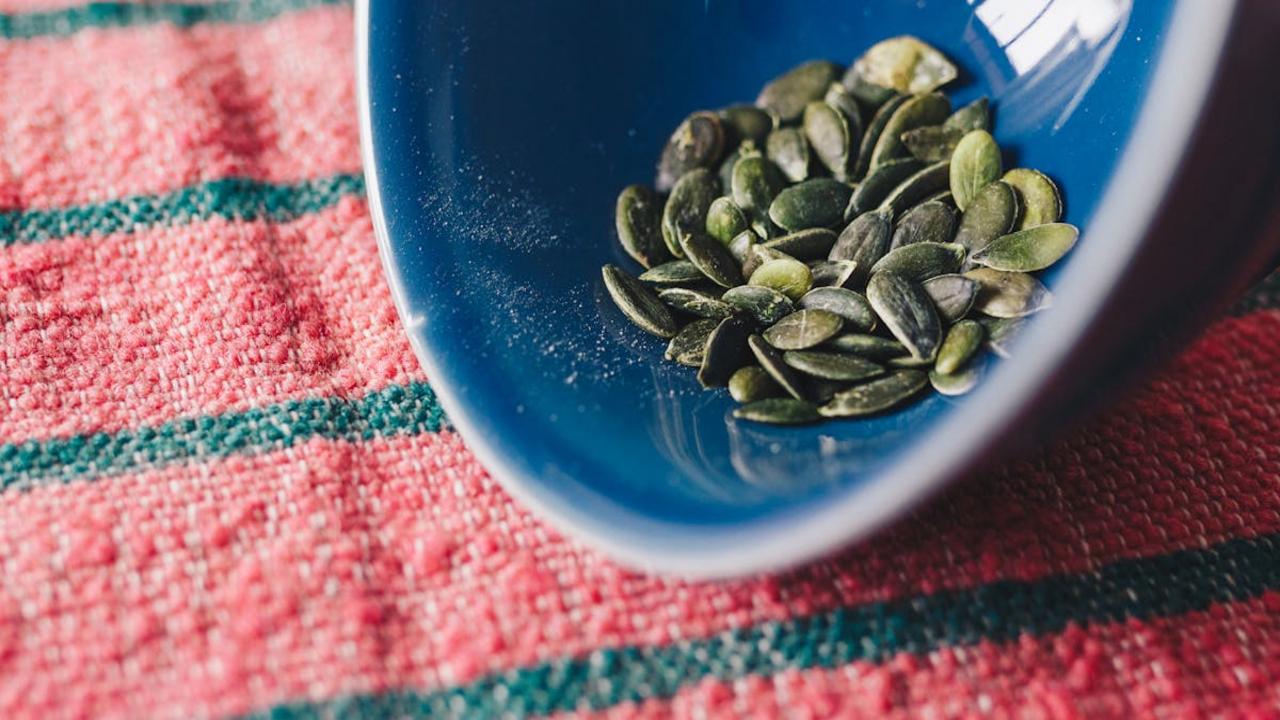
You know what I love about pumpkin seeds? They’re this perfect little package of sleep magic hiding right inside your Halloween jack-o’-lantern! Instead of tossing them in the trash, I roast mine with a sprinkle of sea salt and keep them in a jar for my evening snack ritual. These tiny powerhouses pack serious amounts of magnesium—that mineral your muscles crave for deep relaxation. Plus, they contain tryptophan, the same sleepy compound found in turkey, working quietly to help your brain produce more serotonin and melatonin.
I grab a small handful about an hour before bedtime, sometimes mixing them into a warm bowl of yogurt with honey and cinnamon. The combination feels like a gentle lullaby for your nervous system. What makes pumpkin seeds special is their zinc content too—this mineral teams up with magnesium to calm your mind and prepare your body for restorative sleep. Try toasting them with warming spices like turmeric or cardamom for an anti-inflammatory boost that supports overnight recovery. Trust me, once you start treating pumpkin seeds as your natural sleep aid instead of just seasonal waste, you’ll wonder why you ever threw them away!
Chamomile Tea

You know that gentle, honey-scented cup of chamomile tea your grandmother used to make when you couldn’t sleep? She was onto something magical. This daisy-like flower contains apigenin, a compound that binds to specific receptors in your brain, naturally calming your nervous system and preparing your body for rest. I love brewing fresh chamomile flowers when I can find them at the farmer’s market, but dried chamomile works beautifully too. The ritual itself becomes part of the sleep preparation—that warm steam rising from your mug, the floral aroma filling your kitchen, the mindful moment of slowing down.
What makes chamomile so special in my evening routine is how it works with your body rather than against it. Unlike caffeine that jolts your system awake, chamomile gently guides you toward drowsiness without that groggy morning-after feeling. I often add a drizzle of raw honey and a thin slice of fresh ginger to my evening cup, creating a soothing blend that tastes like comfort in liquid form. Steep it for at least five minutes to extract those sleep-promoting compounds fully. The best part? You can grow chamomile in your garden or windowsill, giving you a fresh supply of this natural sleep aid right at your fingertips.
Kiwi
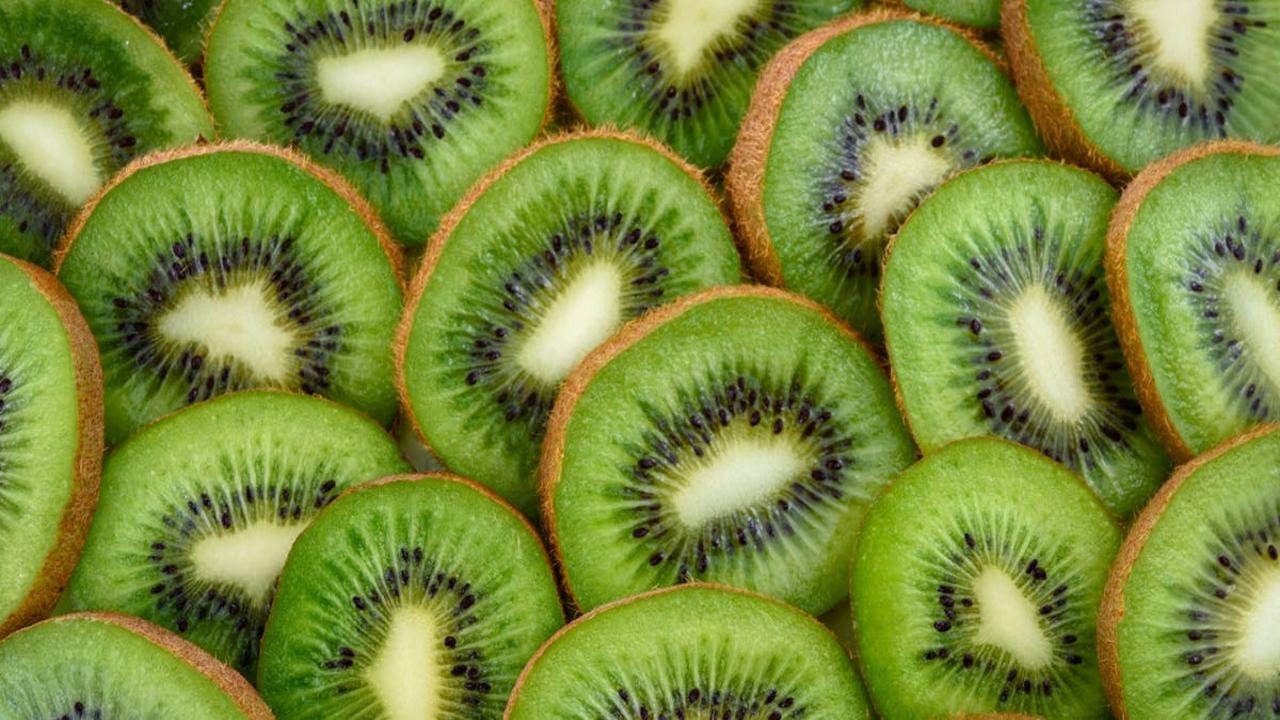
You know what surprised me during my late-night kitchen experiments? The humble kiwi sitting in my fruit bowl turned out to be nature’s little sleep remedy. This fuzzy green powerhouse packs an incredible punch of serotonin—the same feel-good chemical your brain needs to wind down for the night. I started slicing up a couple of kiwis about an hour before bedtime, and honestly, the difference in how quickly I drift off amazes me every single time.
The magic doesn’t stop at serotonin though. Kiwis burst with vitamin C, potassium, and folate, creating this perfect storm of nutrients that help regulate your sleep-wake cycle naturally. I love how you can eat them straight up with a spoon, blend them into a bedtime smoothie with some chamomile tea, or even fold them into overnight oats for tomorrow’s breakfast. The sweet-tart flavor feels like a gentle reminder that the best sleep solutions often come from the most unexpected places in your kitchen—no fancy supplements needed, just real food doing what it does best.
Greek Yogurt

I always keep a container of thick, creamy Greek yogurt in my fridge—not just for breakfast bowls or smoothies, but because it’s become my secret weapon for better sleep. This protein-packed wonder contains tryptophan, the same amino acid that makes you drowsy after Thanksgiving dinner, but in a much more manageable form. What makes Greek yogurt particularly special is its calcium content, which helps your brain convert that tryptophan into sleep-promoting serotonin and melatonin. I love how versatile it is—you can eat it plain, swirl in some honey, or create a simple bedtime parfait with chopped almonds and a drizzle of tahini.
The timing matters here, though. I recommend enjoying your Greek yogurt about an hour before bedtime to give your body time to process those sleep-supporting nutrients. My favorite evening combination pairs half a cup of full-fat Greek yogurt with a small handful of walnuts and a light sprinkle of cinnamon—the healthy fats from the nuts help slow digestion, keeping you satisfied through the night without that heavy feeling. Plus, the probiotics in quality Greek yogurt support your gut health, and there’s growing research showing the connection between a healthy gut and quality sleep. Choose organic varieties without added sugars to maximize these benefits and avoid any late-night energy spikes that could keep you tossing and turning.
Walnuts

You know that handful of walnuts I keep in a small bowl on my kitchen counter? They’re not just there for mindless snacking—these wrinkled gems are actually nature’s sleep aids in disguise. Walnuts contain natural melatonin, the hormone that regulates your sleep-wake cycle, plus they’re packed with healthy omega-3 fatty acids and magnesium that help calm your nervous system. I’ve been munching on a small portion about an hour before bedtime, and honestly, the difference in how quickly I drift off has been remarkable.
What I love most about incorporating walnuts into my evening routine is their versatility. Sometimes I’ll crush them over Greek yogurt with a drizzle of honey, or I’ll blend them into a simple date and walnut energy ball that satisfies my sweet tooth without the sugar crash. The key is timing—eating them too close to bedtime might leave you feeling too full, but that sweet spot an hour before sleep works perfectly. Trust me, your brain will thank you for this simple, wholesome addition to your nighttime ritual.
Oatmeal
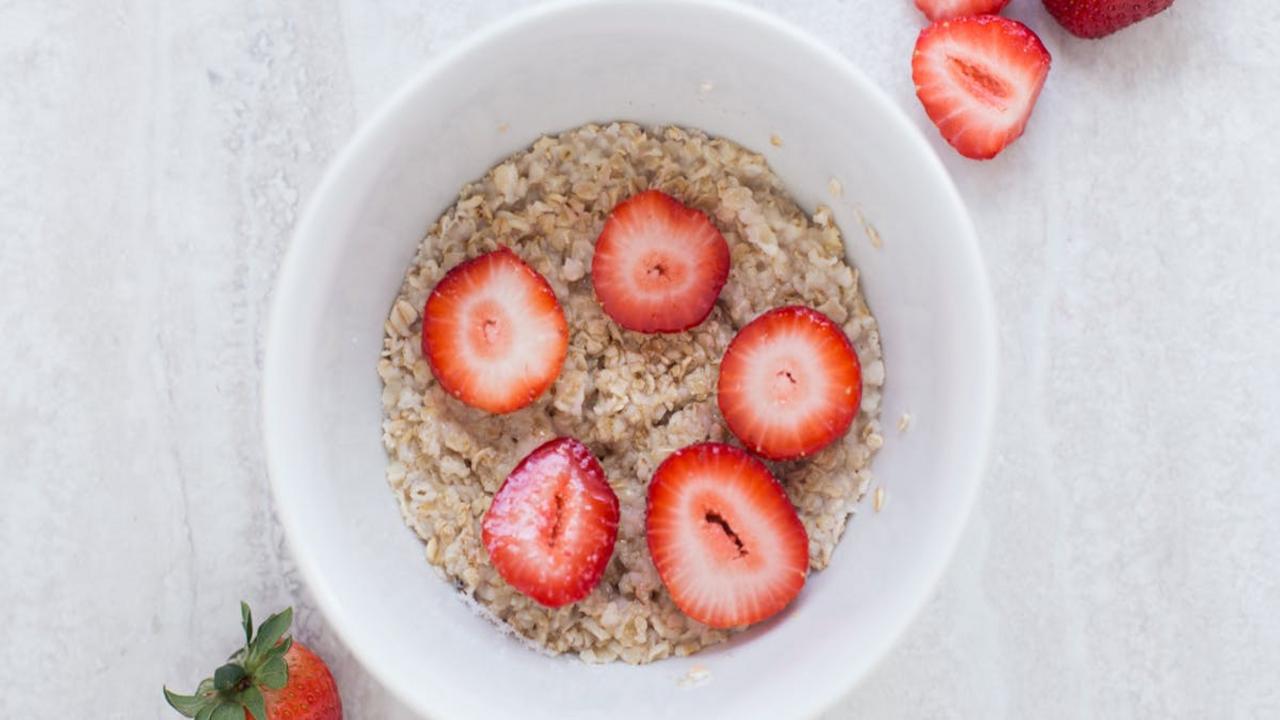
You know that warm bowl of oatmeal your grandmother used to make on chilly mornings? Turns out she was onto something incredible for your sleep health. Oatmeal naturally contains melatonin, the hormone that signals your body it’s time to wind down. Beyond that, oats are packed with complex carbohydrates that trigger serotonin production in your brain – the feel-good neurotransmitter that helps calm your mind and prepare you for rest. The magnesium in oats acts like a natural muscle relaxant, melting away the tension you’ve been carrying all day.
I love transforming simple oatmeal into a sleep-supporting evening ritual by adding chopped walnuts for extra melatonin, a drizzle of honey for natural sweetness, and a sprinkle of cinnamon that helps regulate blood sugar throughout the night. Skip the instant packets loaded with artificial flavors – steel-cut or rolled oats cooked slowly with a splash of warm milk create the perfect creamy texture. Try preparing overnight oats with tart cherries and almonds, letting all those sleep-promoting compounds meld together while you sleep. This isn’t just comfort food; it’s your ticket to deeper, more restorative rest that leaves you refreshed come morning.
Milk
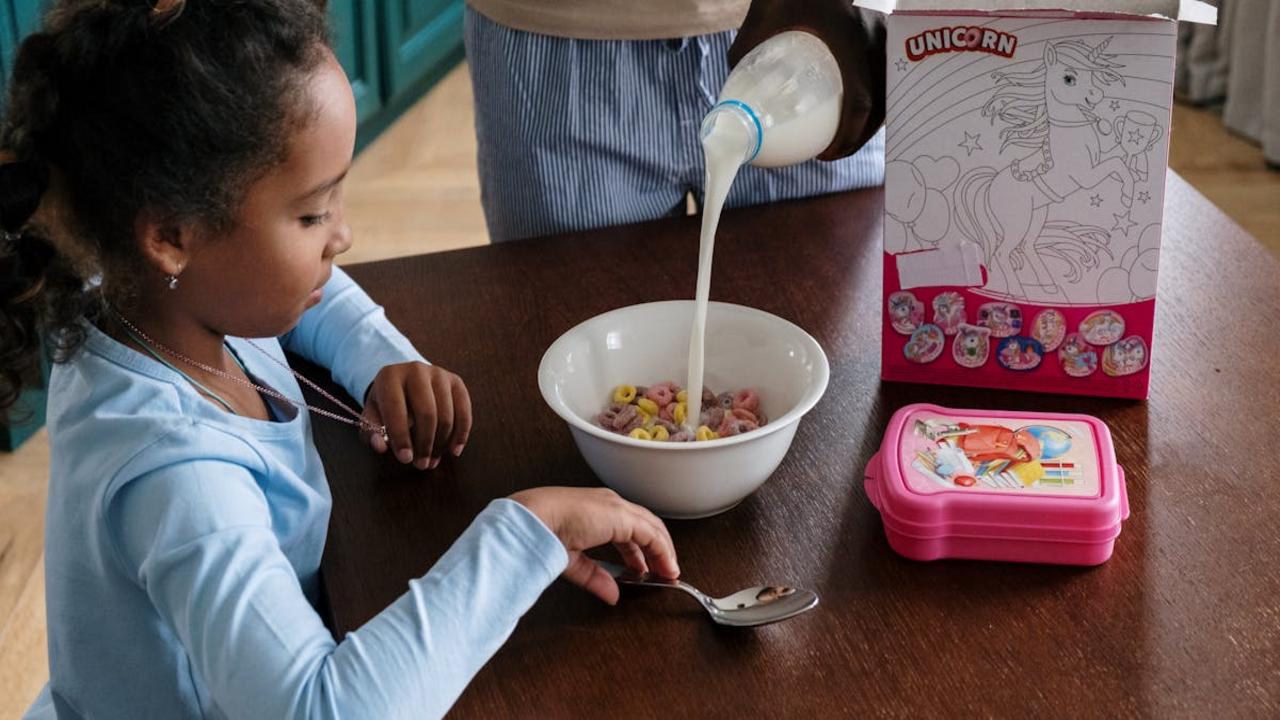
You know that childhood ritual of sipping warm milk before bed? Your grandmother wasn’t just being sweet—she was onto something scientifically sound. Milk contains tryptophan, the same amino acid that makes you drowsy after Thanksgiving turkey, plus calcium that helps your brain convert tryptophan into melatonin. I love creating my own bedtime milk blends, whisking in a pinch of turmeric and honey, or sometimes cardamom and a touch of maple syrup for something that feels like liquid comfort.
The beauty of milk lies in its versatility and immediate availability. You don’t need fancy sleep aids when you have this simple ingredient in your refrigerator. I often warm a cup with cinnamon bark and nutmeg, creating an aromatic ritual that signals bedtime to my entire body. Whether you choose dairy or plant-based alternatives like almond or oat milk, the key is making it warm and intentional. This isn’t just drinking milk—you’re creating a moment of calm that prepares your mind and body for rest.
Turkey

You know that post-Thanksgiving sleepiness isn’t just from overeating – turkey genuinely contains sleep-promoting compounds that can help you drift off naturally. This lean protein packs tryptophan, an amino acid your body converts into serotonin and then melatonin, the hormone that regulates your sleep cycle. I love incorporating turkey into my evening meals year-round, not just during holidays. Ground turkey works beautifully in my weeknight stir-fries with ginger and turmeric, while leftover roasted turkey transforms into comforting soups that warm you from the inside out.
The magic happens when you pair turkey with complex carbohydrates like sweet potatoes or quinoa – this combination helps tryptophan cross the blood-brain barrier more effectively. I often make turkey and vegetable curry bowls topped with brown rice about three hours before bedtime, giving my body time to process the nutrients without feeling too full. Try my simple turkey lettuce wraps with avocado and herbs for a lighter option that still delivers those sleep-supporting benefits. The key is choosing organic, free-range turkey when possible, avoiding the processed versions loaded with sodium and preservatives that can actually disrupt your sleep patterns.
Cottage Cheese

You know, I used to think cottage cheese was just something my grandmother ate with fruit, but this humble dairy product has become one of my go-to evening snacks for better sleep. Cottage cheese packs an impressive amount of casein protein, which your body digests slowly throughout the night, keeping your muscles nourished while you rest. This steady protein release also helps stabilize blood sugar levels, preventing those middle-of-the-night wake-ups that can disrupt your sleep cycle.
I love mixing cottage cheese with a drizzle of honey and a sprinkle of chopped walnuts about an hour before bed – the combination creates a perfect balance of protein, healthy fats, and natural sugars that signal your body it’s time to wind down. Sometimes I’ll fold in fresh berries or a pinch of cinnamon for extra flavor and antioxidants. The creamy texture feels comforting, almost like a bedtime ritual, and unlike heavier late-night snacks, cottage cheese won’t leave you feeling overly full or uncomfortable when you lie down to sleep.
Cherries

Picture this: you’re standing in your kitchen at 9 PM, craving something sweet but knowing you want to sleep well tonight. Reach for a handful of fresh cherries or pour yourself a small glass of tart cherry juice. These ruby gems contain natural melatonin, the same hormone your body produces to signal bedtime. I keep frozen cherries in my freezer year-round because they work just as well as fresh ones, and honestly, there’s something magical about how this simple fruit can help reset your internal clock.
What makes cherries so special goes beyond their melatonin content. They’re packed with anthocyanins, those deep red compounds that give cherries their color and provide anti-inflammatory benefits that support better sleep quality. I love adding them to my evening smoothies with a splash of almond milk and a pinch of cinnamon, or simply enjoying them fresh about an hour before bed. The natural sugars provide just enough comfort without the crash you get from processed sweets, and your body gets the gentle nudge it needs to start winding down for the night.
Bananas
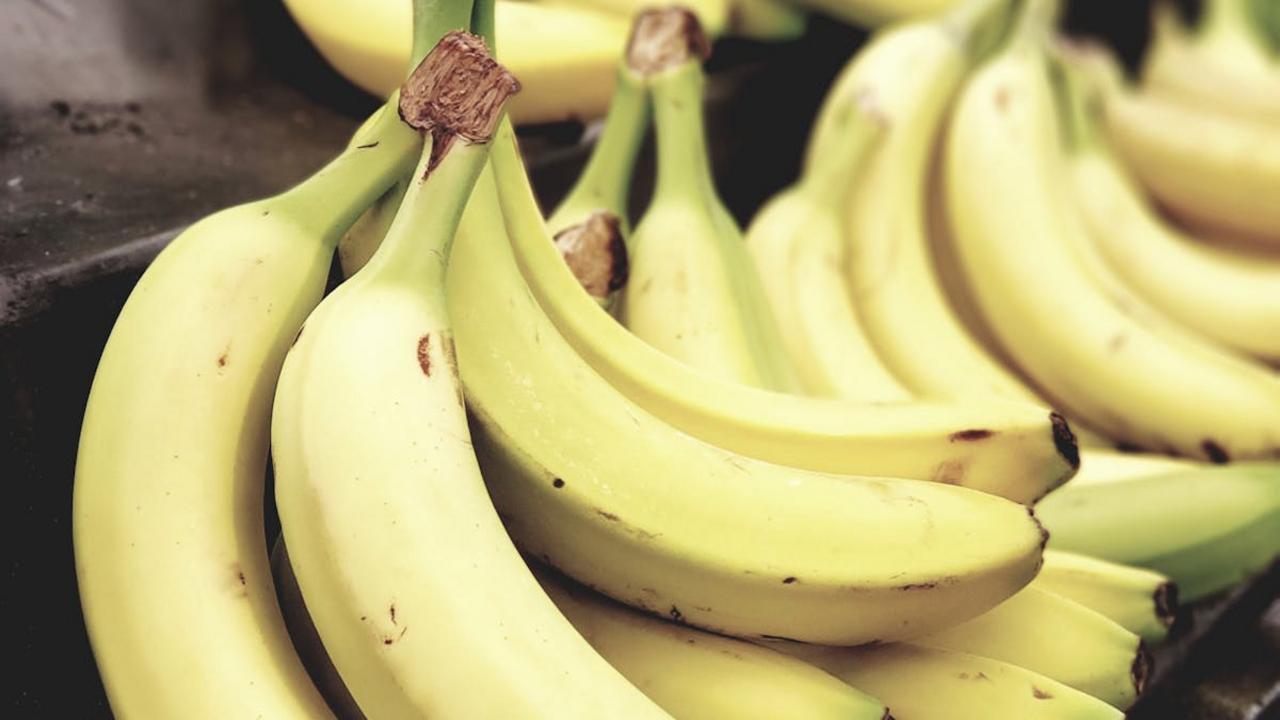
I keep bananas on my counter not just for morning smoothies, but because they’re nature’s perfect bedtime snack. These yellow beauties pack a powerful sleep-promoting punch with their natural combination of magnesium, potassium, and tryptophan. The magnesium works to relax your muscles while potassium helps regulate your nervous system, creating the perfect environment for rest. Meanwhile, tryptophan—the same amino acid found in turkey—helps your body produce serotonin, which then converts to melatonin, your body’s natural sleep hormone.
What I love most about bananas is their versatility in evening recipes. I often slice them over a bowl of warm oatmeal with a sprinkle of cinnamon, or blend them into a creamy bedtime smoothie with almond milk and a touch of vanilla. For something more indulgent, I’ll sauté banana slices in a pan with a drizzle of honey and a pinch of cardamom—it tastes like dessert but supports better sleep. The natural sugars provide just enough fuel to prevent midnight hunger pangs, while the fiber keeps you satisfied without feeling heavy.
Almonds
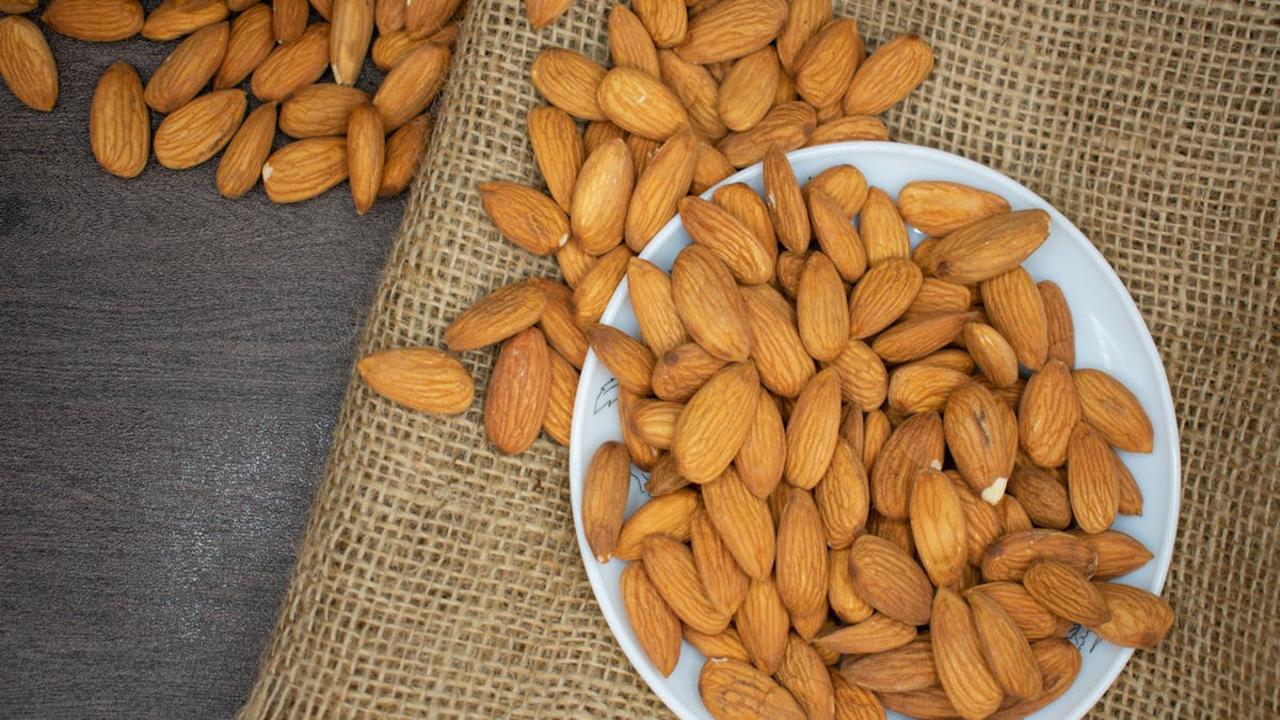
I keep a small bowl of raw almonds on my kitchen counter, and they’ve become my evening ritual for good reason. These humble nuts pack magnesium, tryptophan, and melatonin—three natural compounds that work together to calm your nervous system and signal to your body that it’s time to wind down. When I’m feeling restless after a long day of recipe testing, I’ll grab a small handful about an hour before bed, sometimes paired with a cup of chamomile tea.
What makes almonds special is their versatility in your bedtime routine. You can eat them straight from the bowl, blend them into a creamy almond milk with a pinch of cinnamon and vanilla, or even incorporate them into homemade granola bars with dates and oats. I sometimes warm almond milk gently on the stove with turmeric and honey—it’s like a hug in a mug that prepares both body and mind for rest. The healthy fats in almonds also help stabilize blood sugar throughout the night, preventing those 3 AM wake-ups that leave you tossing and turning.