15 Classic Street Foods That Ruled the Roaring 1920s
Picture bustling city streets where vendors called out their wares from wooden carts, filling the air with tantalizing aromas. The 1920s brought us an incredible array of handheld treats that defined street food culture in America. These weren’t your modern processed snacks – they were simple, honest foods made fresh daily by enterprising sellers who understood what people craved.
From hot dogs sizzling on pushcart grills to warm chestnuts roasted over coal fires, each bite told a story of immigrant traditions meeting American innovation. Vendors perfected their recipes through trial and error, creating comfort foods that could be eaten on the go. These treats weren’t just sustenance – they were affordable luxuries that brought joy to working-class families during an era of unprecedented social change.
What strikes me most about these classic street foods is their authenticity. No artificial preservatives, no mystery ingredients – just real food prepared with care right before your eyes. Today’s food truck revolution owes everything to these pioneering street vendors who proved that great food doesn’t need fancy kitchens, just passion and quality ingredients.
Frosted Malted Milk
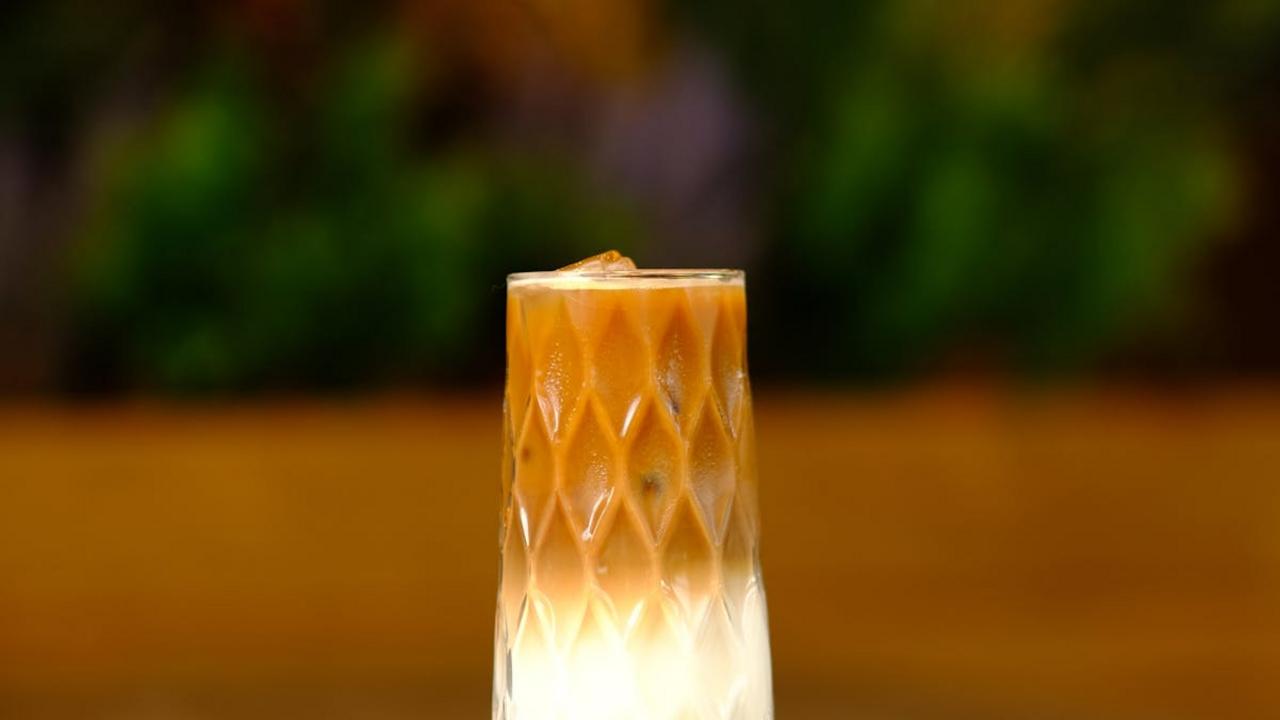
Picture this: you’re walking down a bustling 1920s street corner when the sweet, creamy aroma of frosted malted milk draws you to a soda fountain. This wasn’t just any ordinary drink – it was the sophisticated cousin of today’s milkshakes, made with real malted milk powder that gave it that distinctive, almost nutty depth. The soda jerks would blend fresh milk with malted barley extract, vanilla, and a generous scoop of ice cream, then top it with a cloud of whipped cream. What made this drink special was the malt – it added complexity and richness that plain milk simply couldn’t match.
I love recreating this classic at home because it connects me to an era when people truly savored their treats. You can make your own version using whole milk, a quality malted milk powder (look for brands without artificial additives), real vanilla extract, and homemade vanilla ice cream if you’re feeling ambitious. The key is balancing the malt’s earthy sweetness with the cream’s richness – start with less malt powder than you think you need, then build up the flavor. Serve it in a tall glass with a long spoon, just like they did back then, and you’ll understand why this drink ruled the streets during Prohibition when people craved simple pleasures.
Hamburger Sliders
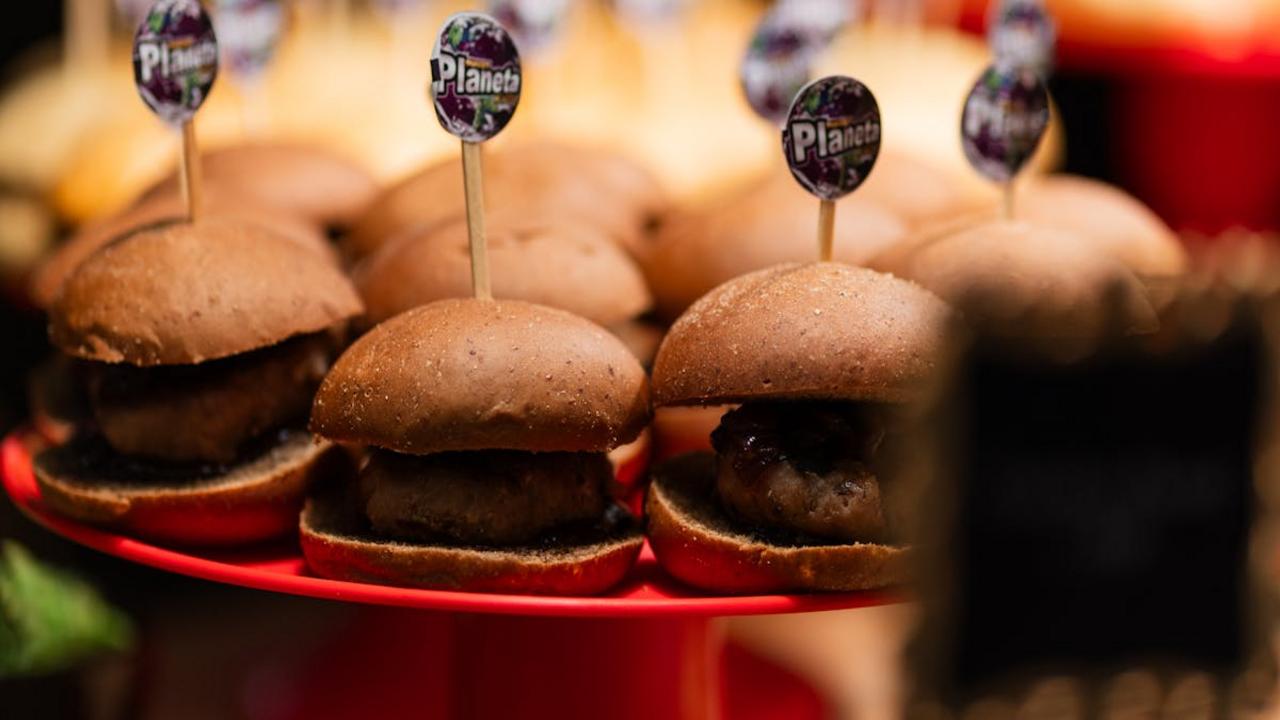
You know what gets me excited about the 1920s food scene? Those tiny hamburger sliders that started popping up everywhere! White Castle opened their doors in 1921, and suddenly everyone could grab these perfect little square patties for just a nickel. I love how they took the concept of a regular hamburger and made it completely accessible – small enough that you could eat three or four without thinking twice, and cheap enough that working folks could afford a quick, satisfying meal on their lunch break.
What really draws me to this concept is how they perfected the simplicity. Thin beef patties cooked with onions, a soft bun, and maybe a pickle – that’s it! No fancy sauces or complicated toppings, just pure, honest flavors working together. When I make sliders at home now, I stick to that same philosophy: good quality ground beef (I prefer grass-fed when possible), caramelized onions that I cook low and slow until they’re golden, and fresh herbs from my garden. The beauty lies in how each small bite delivers maximum flavor without overwhelming your palate – exactly what those 1920s street vendors understood instinctively.
Hot Corn on the Cob
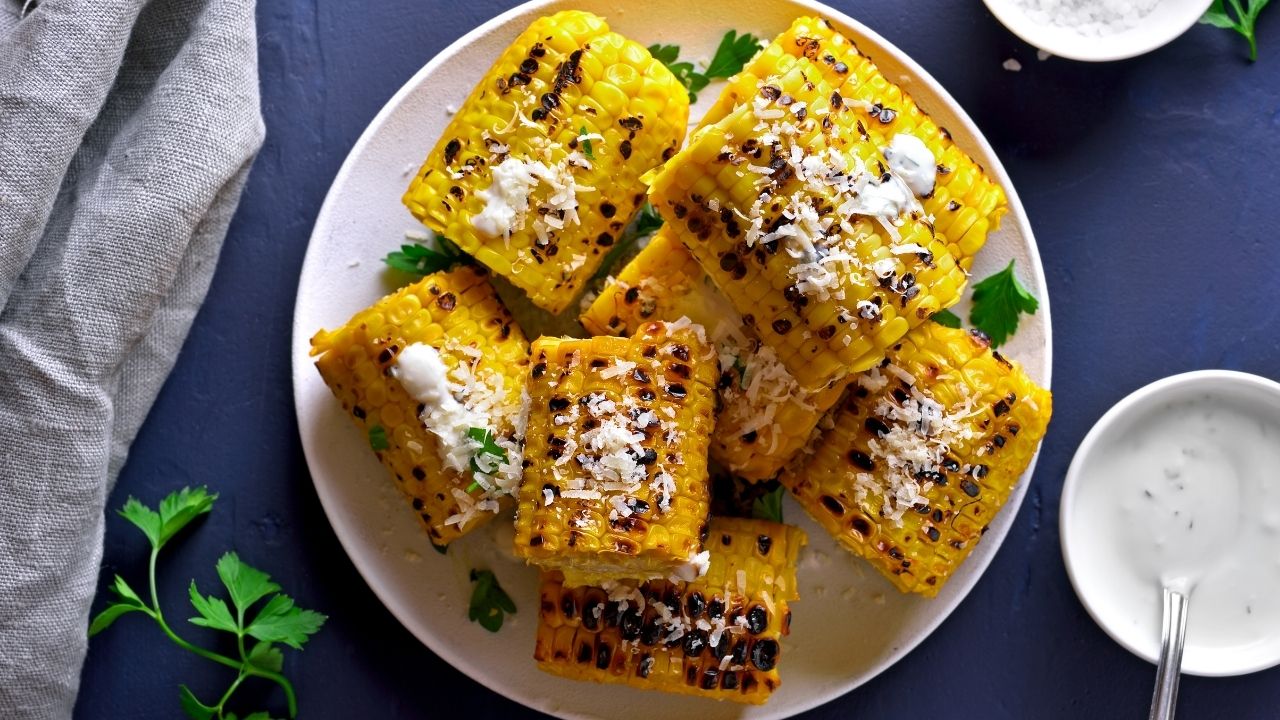
Picture street corners across America in the 1920s, where vendors with steaming carts called out “Hot corn! Hot corn!” to hungry passersby. This wasn’t just any corn—these were plump, golden ears boiled in large metal drums, then slathered with butter and a sprinkle of salt. You’d grab one wrapped in its own husks, using them as a natural handle while you devoured every sweet kernel. The simplicity was pure genius, and honestly, I can’t think of anything more satisfying than corn prepared this way. Street vendors knew exactly what they were doing, keeping things minimal yet absolutely delicious.
What I love most about this 1920s street food is how it celebrates corn in its most honest form. No fancy seasonings, no complicated preparations—just fresh corn cooked perfectly and enhanced with real butter. This approach mirrors how I cook today: taking one beautiful ingredient and treating it with respect. When you buy corn from your local farmers market, try this old-school method at home. Boil the ears until tender, brush with grass-fed butter, and add a pinch of sea salt. You’ll taste exactly what those Jazz Age folks experienced—pure, unadulterated corn sweetness that needs nothing else to shine.
Cracker Jack
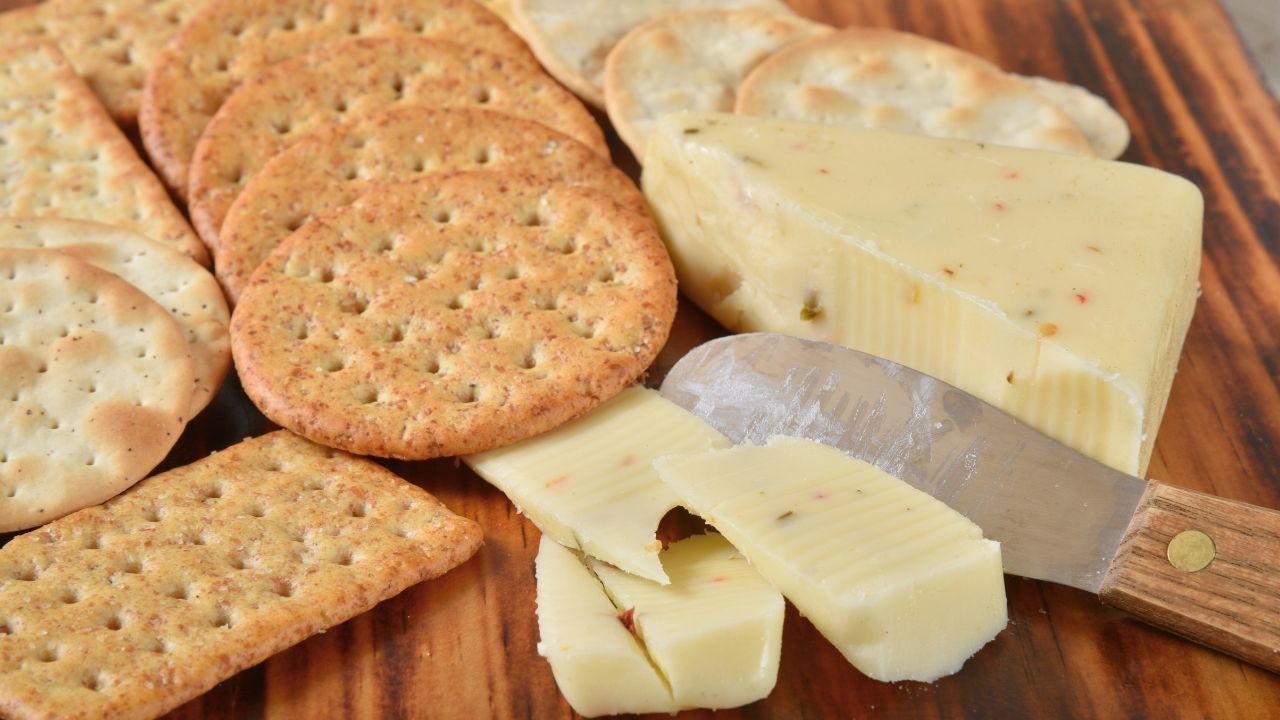
Picture this: you’re strolling through a bustling 1920s street fair, and that irresistible aroma of caramelized sugar and roasted peanuts draws you in like a magnet. Cracker Jack wasn’t just a snack—it was pure magic in a box! This brilliant combination of popcorn, peanuts, and molasses-based caramel became the ultimate portable treat that perfectly captured the spirit of the Jazz Age. What I love most about this classic is how it transformed simple, wholesome ingredients into something extraordinary. The genius lies in that perfect balance of sweet and salty, crunchy and chewy textures that dance together in your mouth.
You know what makes me smile about Cracker Jack? It proves that the best foods don’t need fancy processing or artificial additives to create joy. Those three core ingredients—corn, peanuts, and molasses—represent everything I believe in: real food that nourishes and delights. The famous “prize inside” tradition started during this era, turning each box into a little treasure hunt that brought families together. Even today, when I make homemade caramel corn with my kids, I think about how this simple street food created countless memories across generations. Sometimes the most meaningful recipes are the ones that bring out our inner child and remind us that food should be fun, not complicated.
Caramel Corn

Picture this: you’re strolling down a busy 1920s street corner, and that intoxicating aroma of buttery caramel hits you like a warm hug. Caramel corn wasn’t just a snack during the Roaring Twenties—it was pure magic wrapped in golden sweetness. I love how this treat represents everything beautiful about cooking from scratch. You take simple corn kernels, transform them with heat and patience, then coat them in homemade caramel that’s nothing more than sugar, butter, and time. No artificial flavors, no mysterious ingredients—just honest food that brings joy to every bite.
What draws me to caramel corn is how it perfectly balances sweet and salty, crunchy and chewy. Street vendors would make massive batches in copper kettles, stirring constantly to prevent burning, creating that perfect amber coating that made each kernel shine like a tiny jewel. You can recreate this same magic in your own kitchen by popping fresh corn and making caramel the old-fashioned way—watching sugar slowly melt and bubble until it reaches that perfect golden color. The process teaches you patience and rewards you with something far superior to anything you’d find in a processed package. This treat connects us to those simpler times when food was made with care, not convenience.
Saltwater Taffy
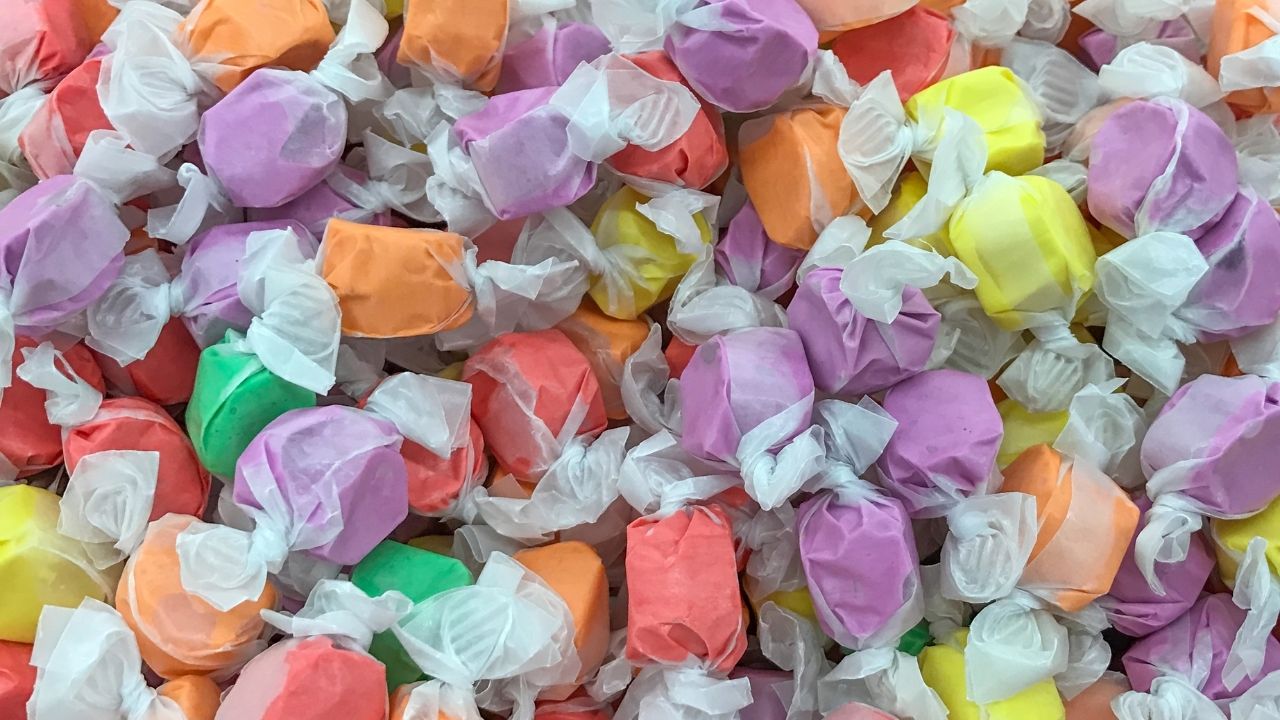
Picture this: you’re strolling down Atlantic City’s famous boardwalk in 1925, and the sweet, chewy pull of saltwater taffy beckons from every corner candy shop. This stretchy confection became the ultimate seaside treat during the Roaring Twenties, though I have to chuckle because despite its name, most saltwater taffy never actually contained seawater! The story goes that a candy maker’s shop flooded during a storm, soaking his taffy in actual saltwater, and when a young girl asked for some “saltwater taffy,” the name stuck forever.
What I love about taffy from a cook’s perspective is how it teaches us about the magic of sugar transformation – just like when I’m making caramel or reducing fruit into jams. The process requires patience, temperature control, and that satisfying pull-and-fold technique that creates the perfect chewy texture. Back in the 1920s, taffy shops became social gathering spots where families would watch the mesmerizing taffy-pulling machines work their magic. You can recreate this nostalgic treat at home using simple ingredients: sugar, corn syrup, butter, and natural flavorings like vanilla or fruit extracts – skip those artificial colors and embrace the beauty of naturally-tinted confections using real fruit purees or spices.
Hot Roasted Peanuts
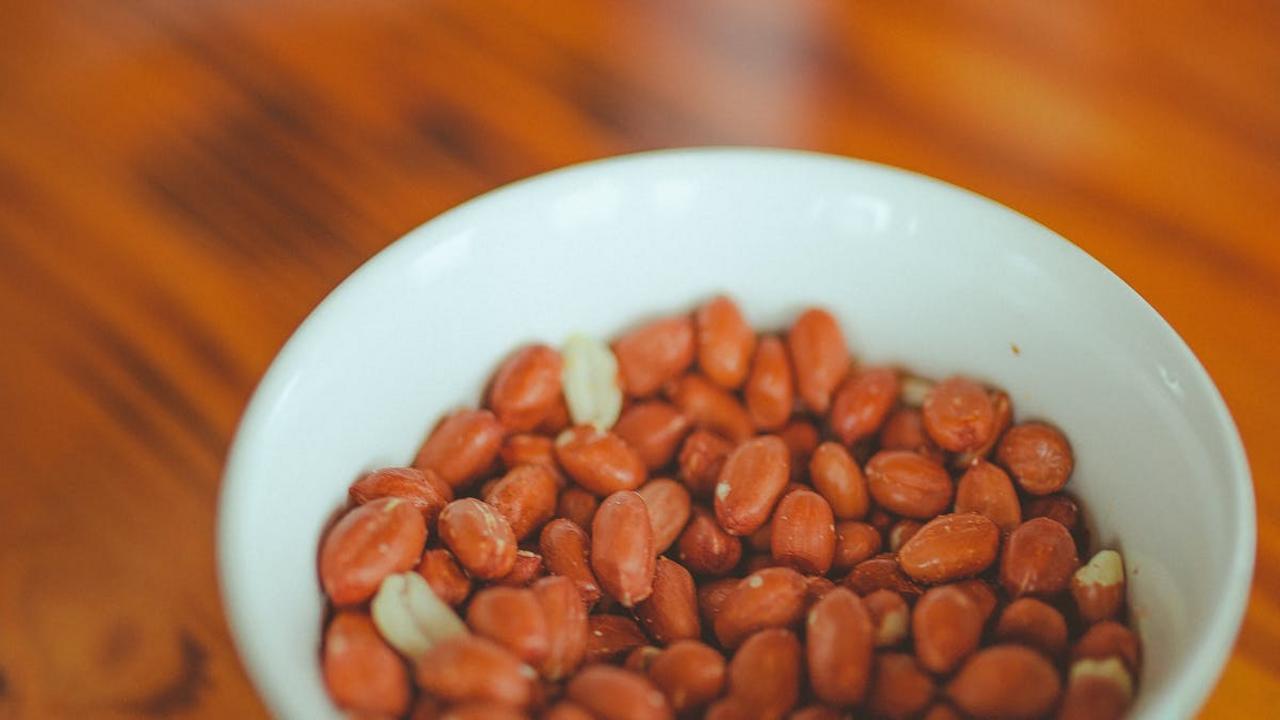
You know what takes me back to simpler times? The sound of peanuts crackling in a hot cast-iron pan, filling the air with that deep, nutty aroma that made people stop in their tracks on busy 1920s street corners. Peanut vendors wheeled their carts through neighborhoods, calling out “Hot peanuts! Get your hot peanuts!” – and honestly, I get why people couldn’t resist. These weren’t your modern packaged snacks; vendors roasted raw peanuts right there on the spot, often seasoning them with just a pinch of salt or sometimes a dash of spices that reflected their own heritage. The warmth from those paper cones felt like holding a little piece of comfort on cold days.
What I love most about this street food is how it represents everything I believe in – simple, whole ingredients transformed through heat and time into something magical. When I roast peanuts at home now, I use the same basic technique: raw peanuts, a heavy-bottomed pan, and just enough heat to coax out those oils and develop that rich flavor. Sometimes I’ll add a sprinkle of smoked paprika or a touch of garlic powder, but the beauty lies in the peanut itself. These vendors understood that good food doesn’t need fancy processing or artificial flavors – just quality ingredients treated with respect. Plus, peanuts pack protein, healthy fats, and minerals that actually nourish your body, unlike so many modern snacks that leave you feeling empty.
Soft Pretzels
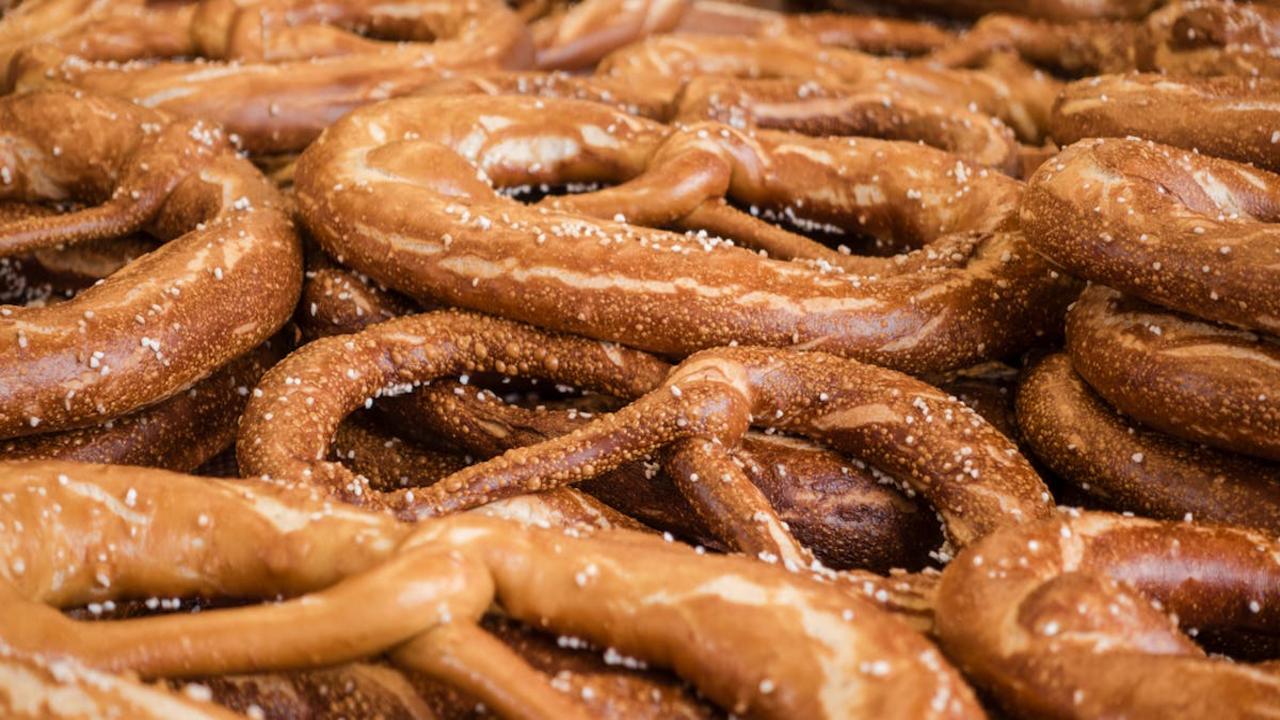
Picture this: you’re walking down a bustling 1920s street, and that unmistakable aroma of fresh-baked pretzels hits you like a warm hug. German immigrants brought this twisted treasure to American cities in the 1800s, but by the Roaring Twenties, soft pretzels had become the ultimate street food companion. Vendors pushed their wheeled carts through neighborhoods, calling out “Hot pretzels!” while that golden, chewy goodness stayed warm under cloth covers. I love how these simple ingredients—flour, water, salt, and yeast—transformed into something so satisfying and comforting.
What makes me appreciate pretzels even more is their honest simplicity. No fancy preservatives or mysterious ingredients, just real food made fresh daily. The traditional alkaline bath that gives pretzels their distinctive brown crust and unique flavor comes from lye or baking soda—completely natural processes that create that perfect chewy texture we crave. During the 1920s, a pretzel cost just a nickel, making it accessible to factory workers, students, and anyone needing a quick, filling snack. You can still recreate this magic at home with basic pantry ingredients, connecting directly to those street vendors who understood that sometimes the most beautiful foods are the most uncomplicated ones.
Candied Apples
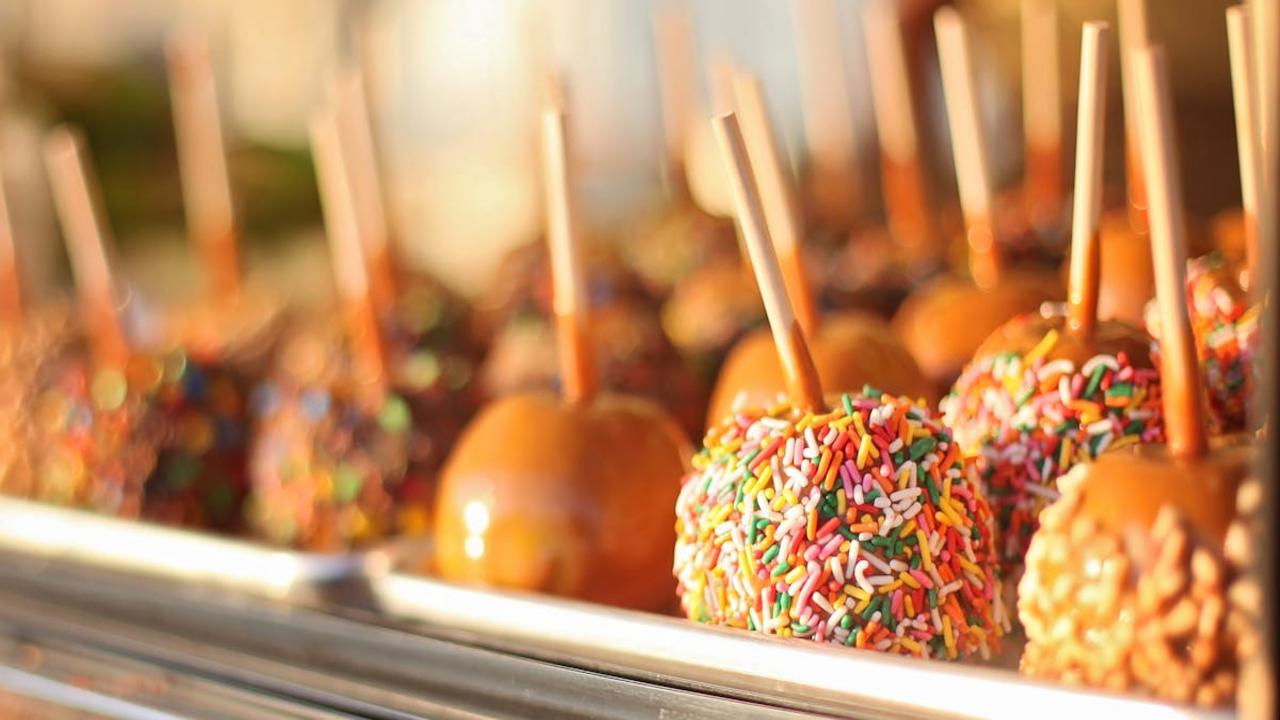
Picture this: you’re strolling down a bustling 1920s street fair, and that glossy red shine catches your eye from blocks away. Candied apples became the ultimate handheld treat during the Jazz Age, transforming simple orchard fruit into something magical. Street vendors would dip crisp apples into molten sugar syrup, creating that signature candy shell that cracked perfectly between your teeth. The beauty of this treat lies in its simplicity – just apples, sugar, water, and a dash of red food coloring. I love how this represents everything I believe about cooking: taking wholesome, natural ingredients and creating something extraordinary without complicated processes.
What makes me appreciate candied apples even more is how they celebrate the apple at its peak. During autumn months in the 1920s, vendors would use the crispest varieties they could find – often Granny Smith or Northern Spy apples. The contrast between the sweet, glassy exterior and the tart, juicy apple inside created this perfect balance that modern processed snacks rarely achieve. You can easily recreate this magic at home using organic apples and pure cane sugar, avoiding the artificial additives that mass-produced versions contain today. The process teaches patience too – watching that sugar reach the perfect hard-crack stage, then working quickly to coat each apple before the syrup cools. It’s pure kitchen alchemy that connects us directly to those roaring twenties street vendors.
Ice Cream Sandwiches
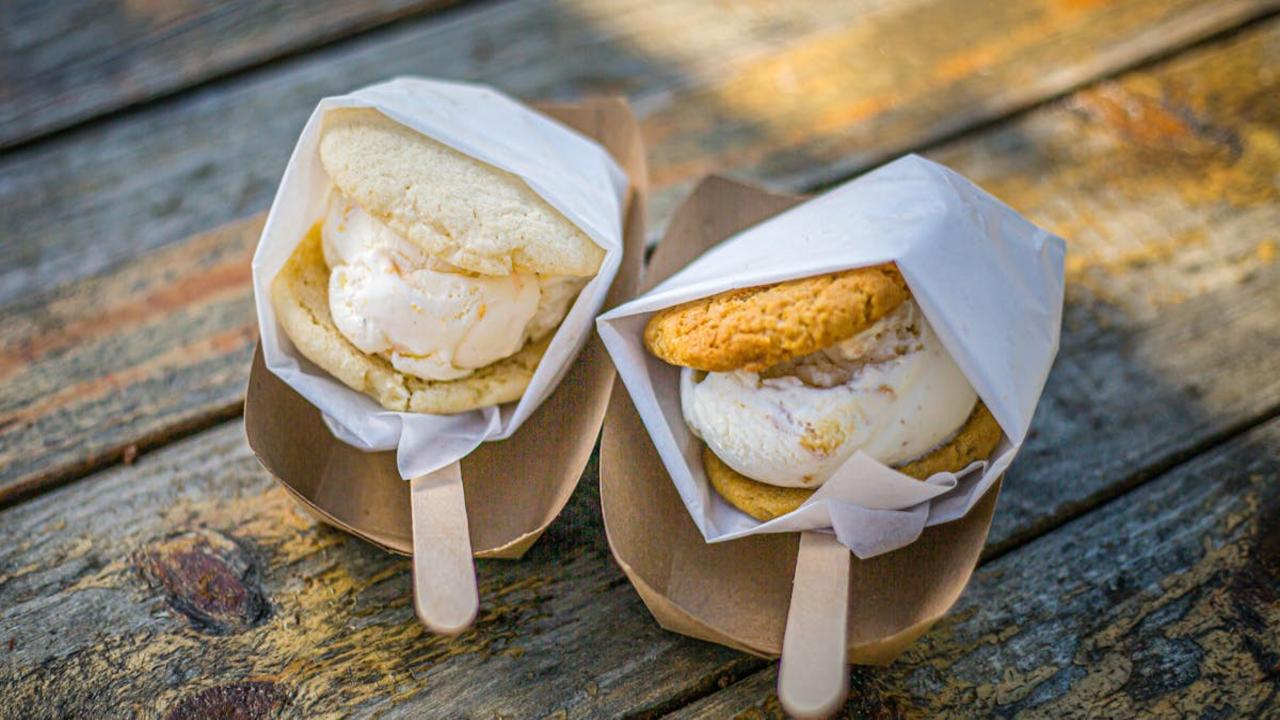
Picture this: you’re walking down a bustling 1920s street, and the ice cream vendor calls out with that familiar bell. But instead of just a cone, he’s offering something revolutionary – creamy vanilla ice cream pressed between two soft cookies or wafers. This wasn’t your modern processed version from the freezer aisle. Street vendors would make these fresh, often using simple sugar cookies or thin wafers that they’d bake themselves. The ice cream was churned that morning, rich and dense, without all the stabilizers we see today. You’d watch them assemble your sandwich right there, the cold cream slightly melting at the edges where warm hands pressed the cookies together.
What I love about recreating these at home is how you can control every single ingredient. I make my own vanilla ice cream using real vanilla beans, fresh cream, and just enough natural sweetener. For the cookies, I keep them simple – flour, butter, a touch of honey, maybe some almond extract for that old-fashioned flavor. The magic happens when you let the ice cream soften just enough to spread easily, then press those homemade cookies gently so they don’t crack. No artificial flavors, no mysterious additives – just pure, honest ingredients that would make those 1920s street vendors proud. Store them wrapped in parchment paper, and you’ve got a treat that connects you directly to that golden age of American street food.
Popcorn Balls
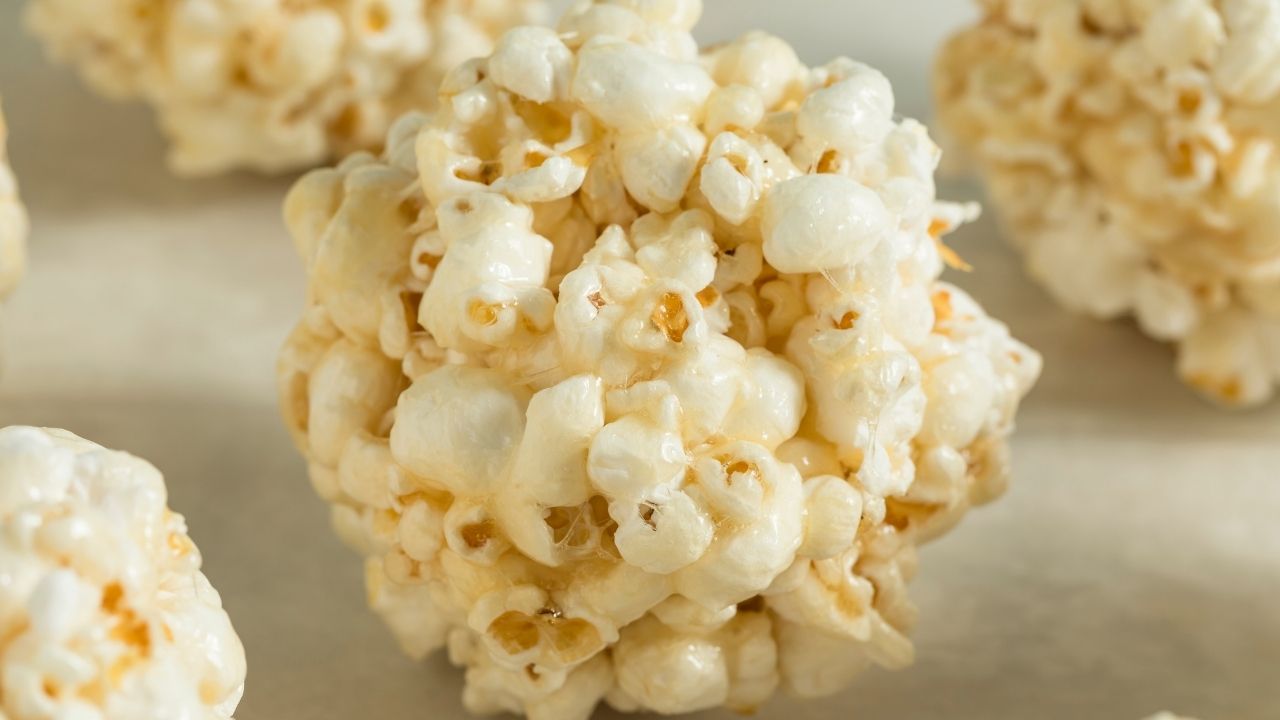
Picture this: you’re strolling down a bustling 1920s street, and the sweet aroma of caramelized sugar mixed with freshly popped corn fills the air. Popcorn balls weren’t just treats back then—they were pure magic wrapped in sticky, golden goodness. Street vendors would craft these spherical delights by hand, combining fresh popcorn with molasses or corn syrup, creating portable snacks that satisfied both sweet cravings and hunger pangs. What I love about this classic treat is how it represents the beauty of simple ingredients transforming into something extraordinary through heat and patience.
Making popcorn balls at home connects you directly to this nostalgic tradition, and honestly, the process feels almost meditative. Start with kernels you pop yourself—none of that pre-packaged stuff—and create a syrup using pure maple syrup or honey instead of refined sugars. The key lies in timing: your syrup needs to reach that perfect soft-ball stage where it holds its shape but remains pliable enough to bind the popcorn. Roll them while the mixture stays warm, and you’ll understand why these treats captivated an entire generation. They’re crunchy, chewy, and incredibly satisfying—proof that the most memorable foods often come from the simplest combinations.
Cotton Candy

Picture this: you’re strolling down a bustling 1920s boardwalk, jazz music floating through the air, and there it is—that magical cloud of spun sugar we call cotton candy. Back then, this wasn’t just a treat; it was pure theater! Vendors would work their machines like magicians, transforming granulated sugar into gossamer threads that dissolved on your tongue. I love how this sweet invention perfectly captured the spirit of the era—bold, whimsical, and utterly captivating. The way cotton candy makers would twirl those paper cones, gathering up wisps of sugar like they were capturing actual clouds, never fails to make me smile.
What fascinates me most about cotton candy is how it proves that sometimes the simplest ingredients create the most memorable experiences. Just sugar and heat, yet the transformation feels miraculous every single time. While I typically champion whole foods and minimal processing in my kitchen, cotton candy holds a special place because it represents pure joy and celebration. Those 1920s street vendors understood something we often forget today—food isn’t just fuel; it’s connection, wonder, and shared moments of happiness. When you watch someone’s face light up at their first bite of cotton candy, you witness the same magic that captivated crowds nearly a century ago.
Oyster Stew
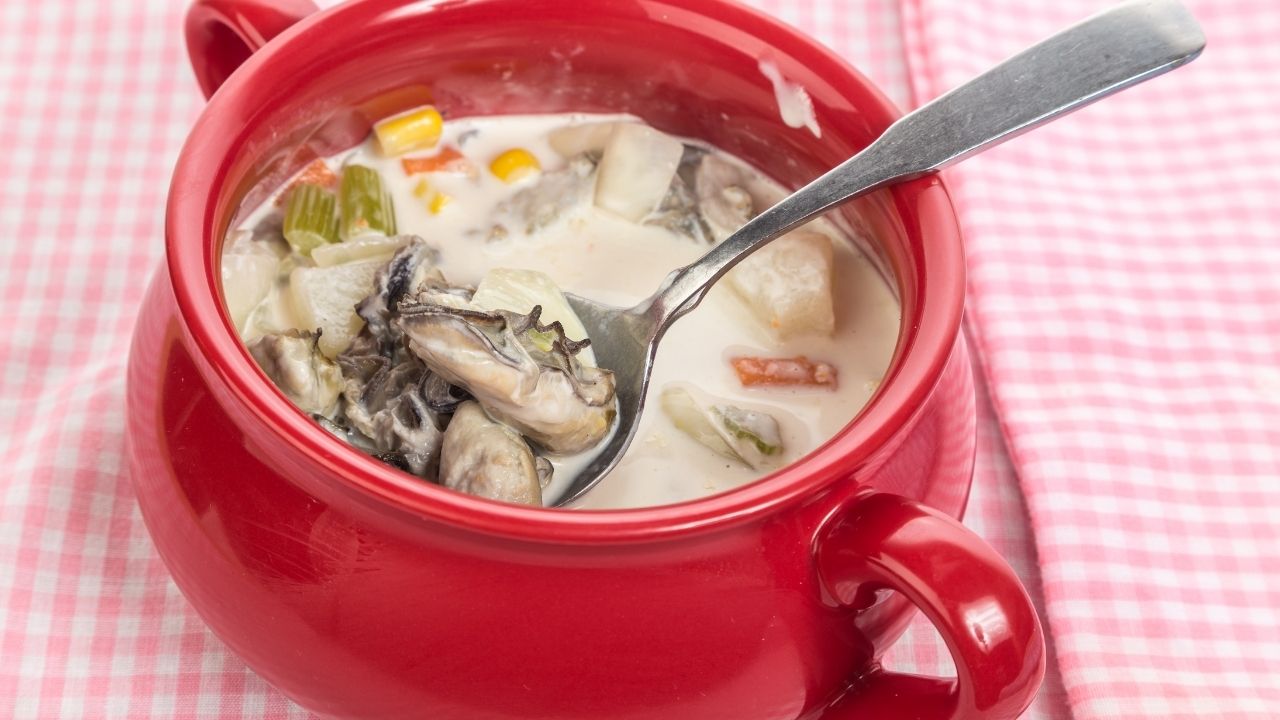
Picture yourself standing on a bustling 1920s street corner, watching vendors ladle creamy, pearl-white stew from large pots into waiting bowls. Oyster stew became the ultimate comfort food during this golden decade, transforming simple ingredients into pure magic. I love how this dish represents the beauty of minimalist cooking – fresh oysters swimming in rich milk or cream, seasoned with just butter, salt, pepper, and maybe a whisper of celery salt. The vendors knew exactly what they were doing, creating something that warmed both body and soul during those crisp autumn and winter evenings.
What fascinates me most about oyster stew is how it perfectly captures the 1920s spirit of accessible luxury. Working folks could enjoy what felt like an expensive restaurant dish right from a street cart. You can recreate this magic in your own kitchen today – start with the freshest oysters you can find, gently heat them in their own liquor until the edges curl, then fold them into warm cream or milk with a generous pat of butter. Skip any processed additions and trust the natural brininess of the oysters to create that authentic flavor. Serve it with simple crackers, and you’ve got yourself a bowl of pure 1920s nostalgia.
Roasted Chestnuts
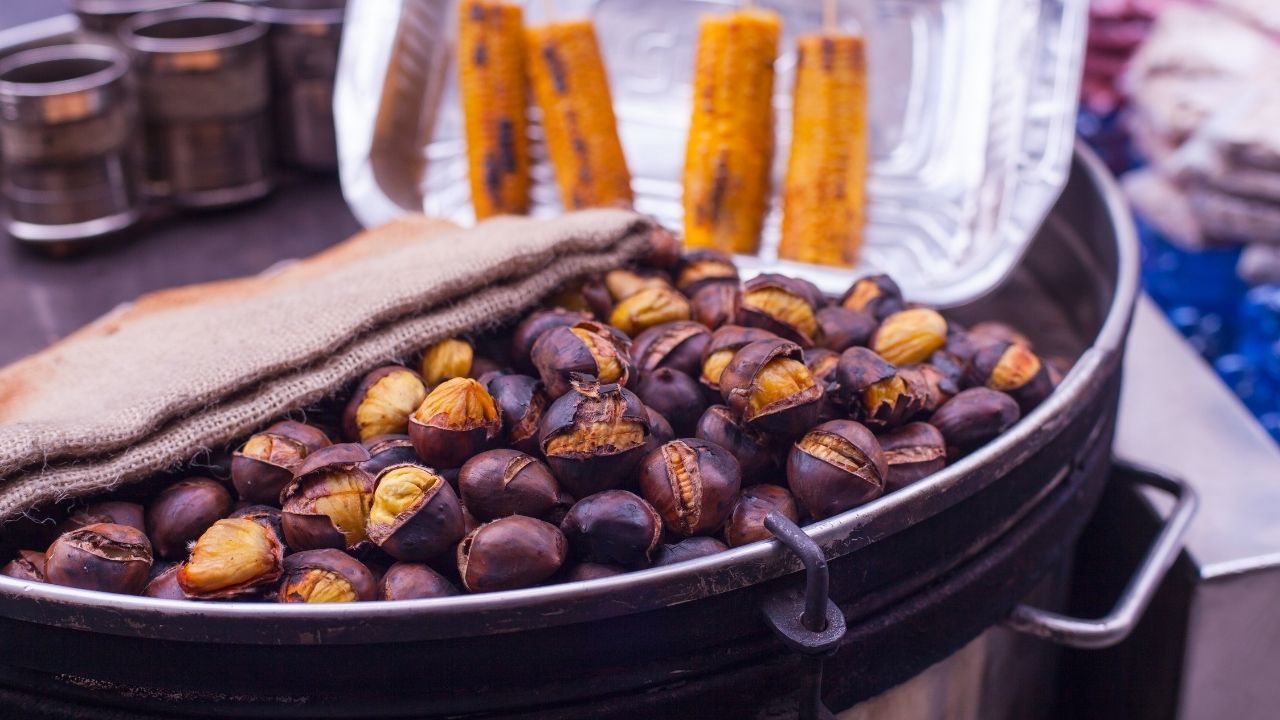
Picture this: you’re walking down a bustling 1920s street corner, and that unmistakable aroma hits you—sweet, nutty, and absolutely irresistible. Roasted chestnuts weren’t just a snack back then; they were pure comfort wrapped in a humble shell. Street vendors with their smoking cart setups knew exactly how to coax out those deep, caramelized flavors that made people stop in their tracks. I love how simple this whole process is—just scoring an X into each chestnut, tossing them in a hot pan, and letting the magic happen. The sound of shells crackling open tells you they’re ready, and that first bite delivers creamy, slightly sweet flesh that warms you from the inside out.
What fascinates me most about chestnuts is how they bridge seasons and cultures so beautifully. Unlike other nuts loaded with oils, chestnuts bring more of a starchy satisfaction similar to sweet potatoes, making them incredibly satisfying without feeling heavy. During those chilly 1920s evenings, vendors knew their customers craved something that offered both sustenance and soul-warming comfort. You can recreate this magic at home by roasting them in your oven—that same scoring technique works perfectly, and twenty minutes later, you’ve got yourself a snack that connects you directly to those vibrant street food traditions. The best part? You’re getting fiber, vitamin C, and folate while indulging in something that feels absolutely decadent.
Hot Dogs from Pushcarts
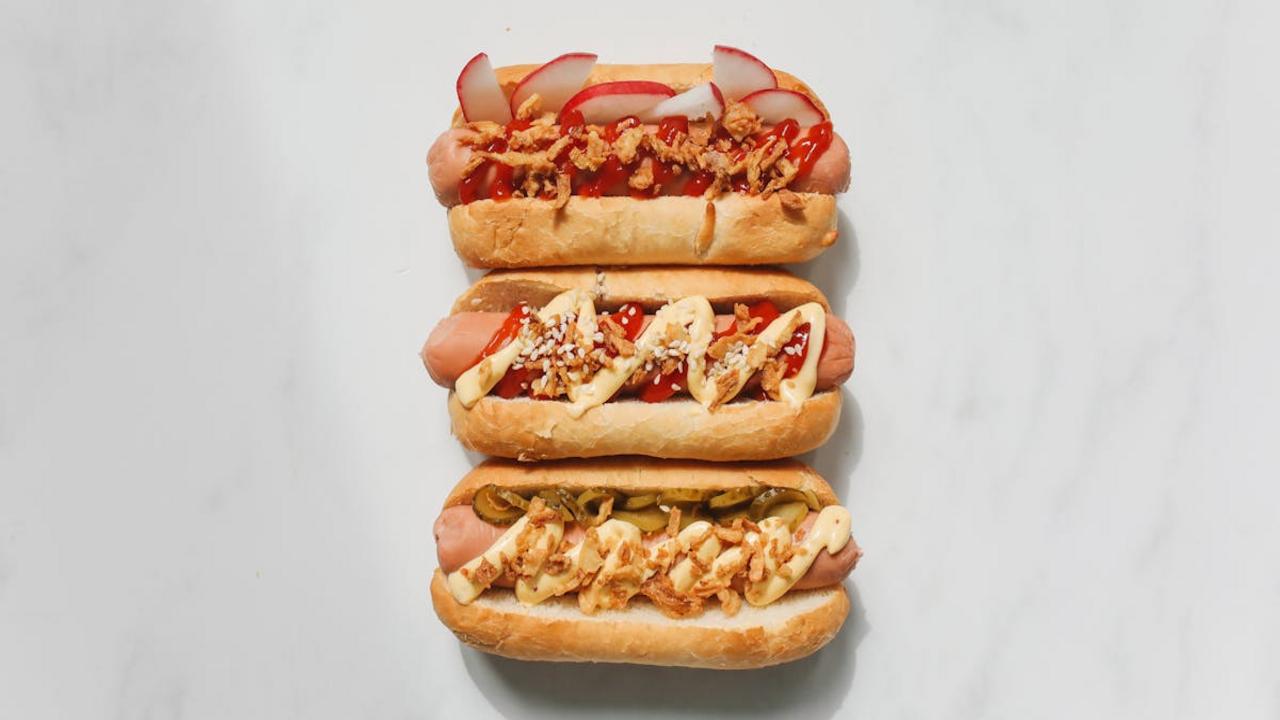
Picture this: you’re strolling down a bustling 1920s street, and that unmistakable aroma of sizzling frankfurters hits you from a weathered pushcart. The hot dog vendor, probably an immigrant making his American dream one sausage at a time, calls out to passersby with genuine warmth. These weren’t your modern stadium dogs loaded with preservatives – these were simple, honest sausages nestled in fresh rolls, maybe topped with sauerkraut that someone’s grandmother fermented in the back of a tenement kitchen. The beauty lay in their simplicity, much like how I approach cooking today.
What strikes me most about those pushcart hot dogs is how they represented real food made by real people. The vendors often made their own sauerkraut, mustard, and sometimes even ground their own meat blends. You knew exactly what you were eating because you could watch it happen right before your eyes. Today, I try to capture that same spirit by making my own fermented vegetables and experimenting with different spice blends for homemade sausages. There’s something magical about taking basic ingredients – quality meat, natural casings, simple spices – and creating something that brings people together on street corners, just like it did nearly a century ago.