15 Foods That Sound Healthy But Are Packed With Preservatives
You grab that granola bar thinking you’re making a smart choice, but what if I told you many “healthy” foods are hiding a secret stash of preservatives? The supermarket shelves trick us with clever marketing and wholesome-looking packaging, making it tough to spot the real nutritional heroes from the preservative-packed pretenders.
Think about those dried fruits that look innocent enough – nature’s candy, right? Wrong! Many manufacturers sneak in sulfites and added sugars. The same goes for those crunchy vegetable chips you munch on while feeling virtuous. They often contain more artificial ingredients than actual vegetables.
I’ve spent years investigating these sneaky health food imposters, and now I’m sharing my findings with you. From smoothie drinks loaded with high fructose corn syrup to veggie burgers packed with sodium, these 15 foods might make you think twice about what you put in your shopping cart.
Granola Bars
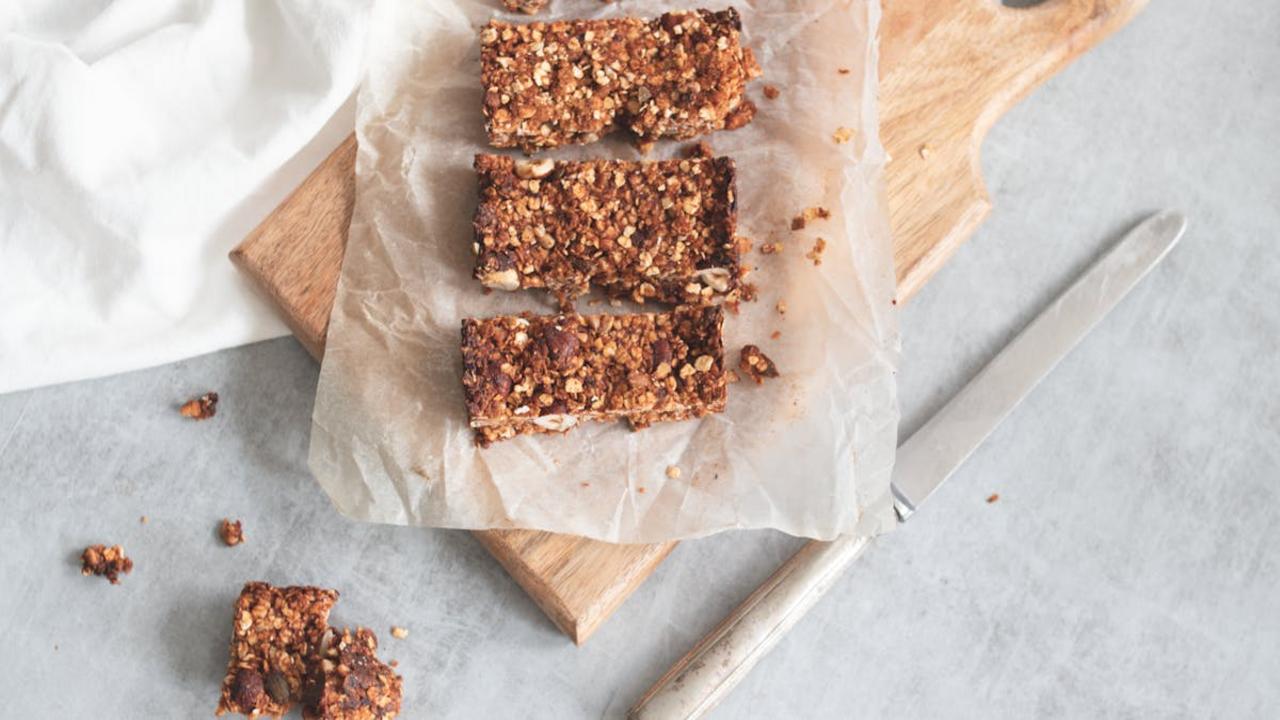
Oh, those sneaky granola bars! You grab them thinking you’re making a wholesome choice, but many popular brands pack more sugar and preservatives than a candy bar. I recently checked the label on my favorite childhood granola bar and nearly dropped it when I saw ingredients like high fructose corn syrup, BHT, and something called “glycerin” – which sounds more like something from my high school chemistry class than a snack. Most commercial granola bars contain artificial flavors, preservatives like sodium benzoate, and various gums to maintain their shape and extend shelf life.
Want a better option? Make your own bars at home! Mix rolled oats, chopped nuts, and dried fruit, then bind them with honey and almond butter. Ten minutes of prep saves you from dozens of artificial additives. My niece calls these “adventure snacks” because we pack them for hiking – they’re infinitely customizable and actually fill you up, unlike those flimsy processed versions. Plus, homemade bars stay fresh in an airtight container for two weeks, no chemical preservatives needed. Now that’s what I call a real energy boost!
Vegetable Chips
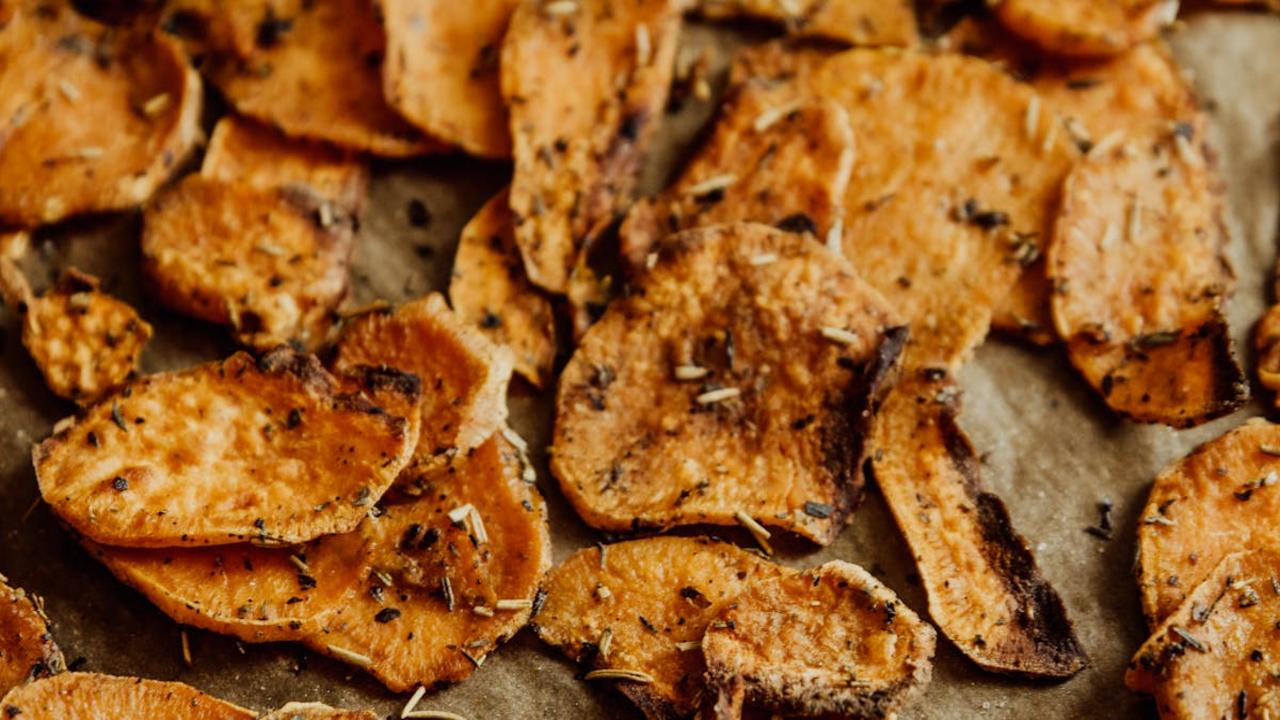
Oh, those colorful bags of veggie chips sitting innocently in the health food aisle – they’re like the master illusionists of snack foods! While you might think you’re making a smart choice by swapping regular potato chips for these rainbow-hued crunchy treats, here’s the scoop: most store-bought vegetable chips pack just as many preservatives as their potato cousins. Many brands load these supposedly healthy alternatives with artificial colors, sodium, and preservatives like BHA and BHT to maintain their shelf life and keep those pretty colors from fading. Plus, the high-heat processing often strips away many of the natural nutrients you’d get from eating actual vegetables.
Want to know something that’ll make you chuckle? Those green chips you’re munching? They often contain more potato and corn than actual vegetables! Manufacturers typically use vegetable powders or purees mixed with potato starch, then add synthetic food dyes to create those Instagram-worthy colors. A single serving can contain up to 8 grams of fat and enough sodium to make your doctor raise an eyebrow. If you’re craving that satisfying crunch, try making your own veggie chips at home using fresh beets, sweet potatoes, or kale. A mandoline slicer, some olive oil, and your oven are all you need for genuinely healthy vegetable chips without the sneaky preservatives.
Flavored Yogurt
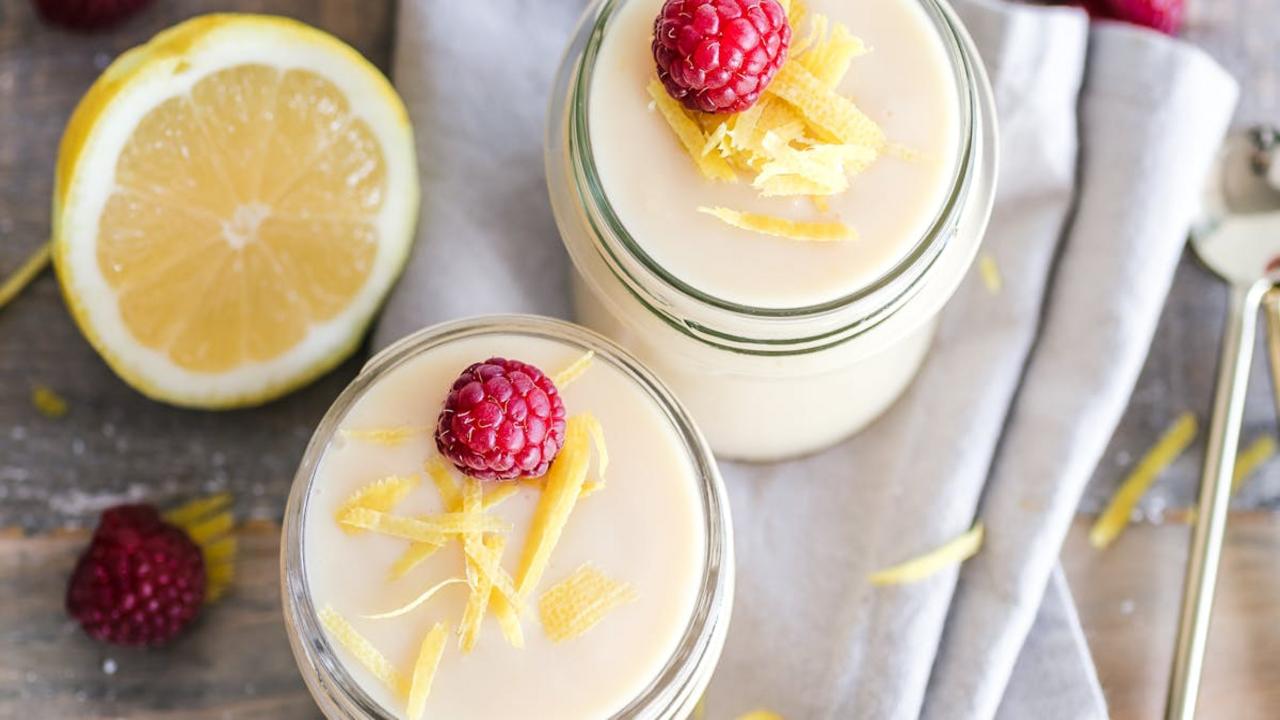
You might think that fruity, colorful yogurt cup in your fridge is a healthy snack, but I’ve got some news that’ll make you want to check those labels! While plain yogurt rocks the health scene with its protein and probiotics, most flavored versions pack a sneaky sugar punch that’ll make candy bars blush. I recently counted 26 grams of sugar in a single serving of berry-flavored yogurt – that’s more than 6 teaspoons! Plus, manufacturers often stuff these dairy treats with artificial colors, modified corn starch, and preservatives like potassium sorbate to keep them looking fresh and pretty on store shelves.
Want to know what really grinds my gears? Those fruit chunks at the bottom aren’t usually real fruit – they’re more like fruit-flavored gel bits made with corn syrup and artificial flavors. Companies add carmine (yes, from insects!) for that perfect red color and carrageenan to make it thick and creamy. Your best bet? Grab plain yogurt and jazz it up with fresh berries, a drizzle of honey, or some crunchy granola. You’ll skip those weird additives and control exactly what goes into your breakfast bowl. My favorite combo is Greek yogurt with fresh raspberries and a sprinkle of dark chocolate chips – it’s like dessert for breakfast, minus the chemical cocktail!
Dried Fruit
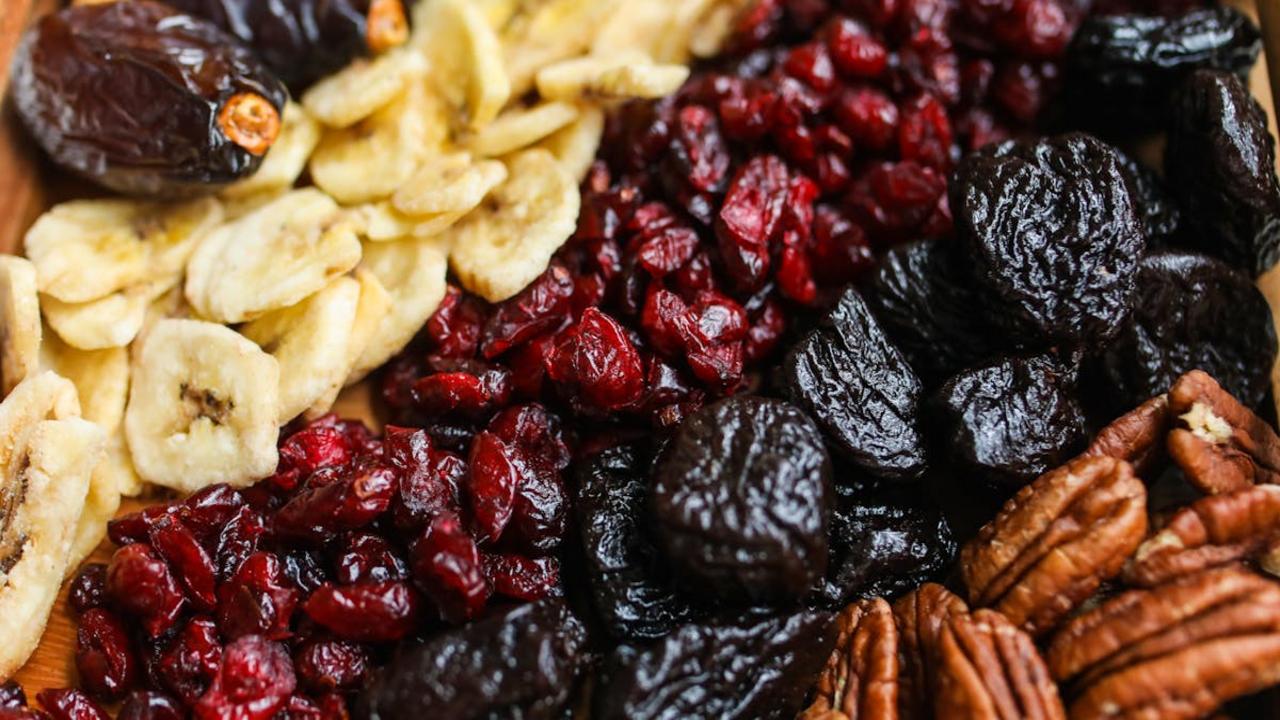
Oh, those innocent-looking dried cranberries and raisins sitting in your pantry might not be as pure as you think! While fresh fruit naturally preserves itself through dehydration, most commercial dried fruits go through heavy processing with added sulfur dioxide and other preservatives to maintain their color and extend shelf life. Your mango or apple pieces keep that bright, appealing hue thanks to synthetic chemicals like sodium benzoate and potassium sorbate. Many manufacturers also coat dried fruits with vegetable oil to prevent sticking and sugar to enhance sweetness – turning what should be a healthy snack into a preservative-packed candy.
I discovered this sneaky truth while reading labels at my local grocery store – those golden dried pineapple rings contained five different preservatives! Your best bet? Make your own dried fruit at home using a dehydrator or low-temp oven. You’ll notice the natural colors might be darker and less vibrant, but you’ll get pure fruit flavor without the chemical additions. If you must buy commercial dried fruit, look for organic varieties specifically labeled “no sulfites” or “unsulfured” – they’ll cost more but deliver cleaner nutrition. And remember, even preservative-free dried fruit packs a concentrated sugar punch, so stick to small portions!
Fruit Juice Cocktails

Oh, those colorful fruit juice cocktails beckoning you from the grocery store shelves with their promises of “100% natural” and “made with real fruit”! I hate to burst your bubble, but most fruit juice cocktails contain only a tiny percentage of actual fruit juice – sometimes as little as 5%! The rest? A mix of high fructose corn syrup, artificial flavors, and preservatives like sodium benzoate and potassium sorbate. You’d need to drink nearly 20 bottles to get the same nutritional benefits as eating one fresh orange. Plus, many brands sneak in artificial colors like Red 40 and Yellow 6 to make their drinks look more appealing.
Want to know what makes these drinks even trickier? Marketing teams often design the labels with images of fresh fruits and words like “natural” or “from concentrate” to make you think you’re drinking something healthy. In reality, your average 12-ounce fruit juice cocktail packs more sugar than a candy bar – we’re talking 30-40 grams! If you really want fruit juice, grab your blender and make your own at home. Mix fresh oranges, apples, or berries with a splash of water. You’ll get genuine fruit flavor without the chemical preservatives, and your body will thank you for skipping all that added sugar.
Whole Wheat Bread
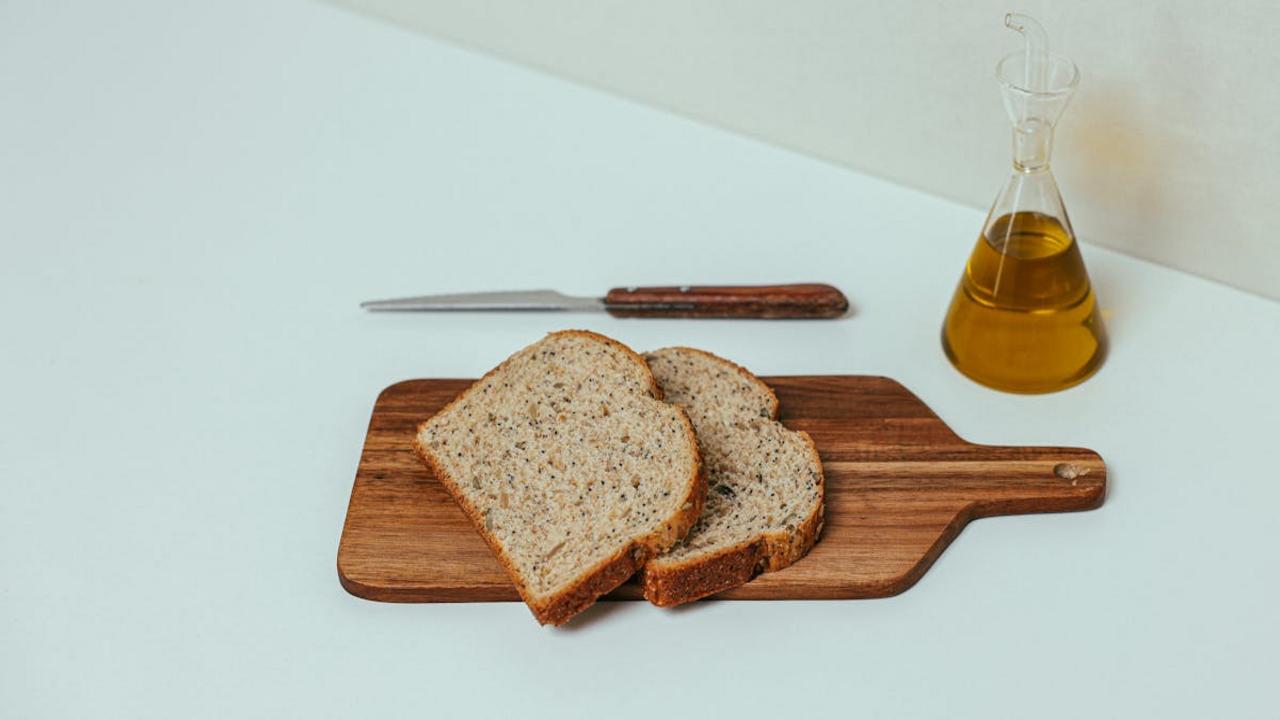
You might think you’re making a healthier choice by grabbing that loaf of whole wheat bread, but here’s the shocking truth – many commercial whole wheat breads pack more preservatives than their white counterparts! While manufacturers proudly display “100% Whole Wheat” on their packaging, they often sneak in ingredients like calcium propionate, potassium sorbate, and various dough conditioners to extend shelf life and maintain that soft, squeezable texture we’ve grown to expect. Some brands even add extra gluten, corn syrup, or artificial colors to make their bread look more appealingly brown.
The real kicker? Many whole wheat breads contain just enough whole grain to qualify for the label, while still being primarily refined flour. Your best bet is to check the ingredient list – if it’s longer than your grocery receipt, put it back! Look for breads with simple ingredients like whole wheat flour, water, yeast, and salt. Better yet, visit your local bakery where fresh bread needs no preservatives because it’s meant to be eaten within a few days. Or channel your inner baker and whip up a homemade loaf – nothing beats the smell of fresh bread wafting through your kitchen!
Protein Bars
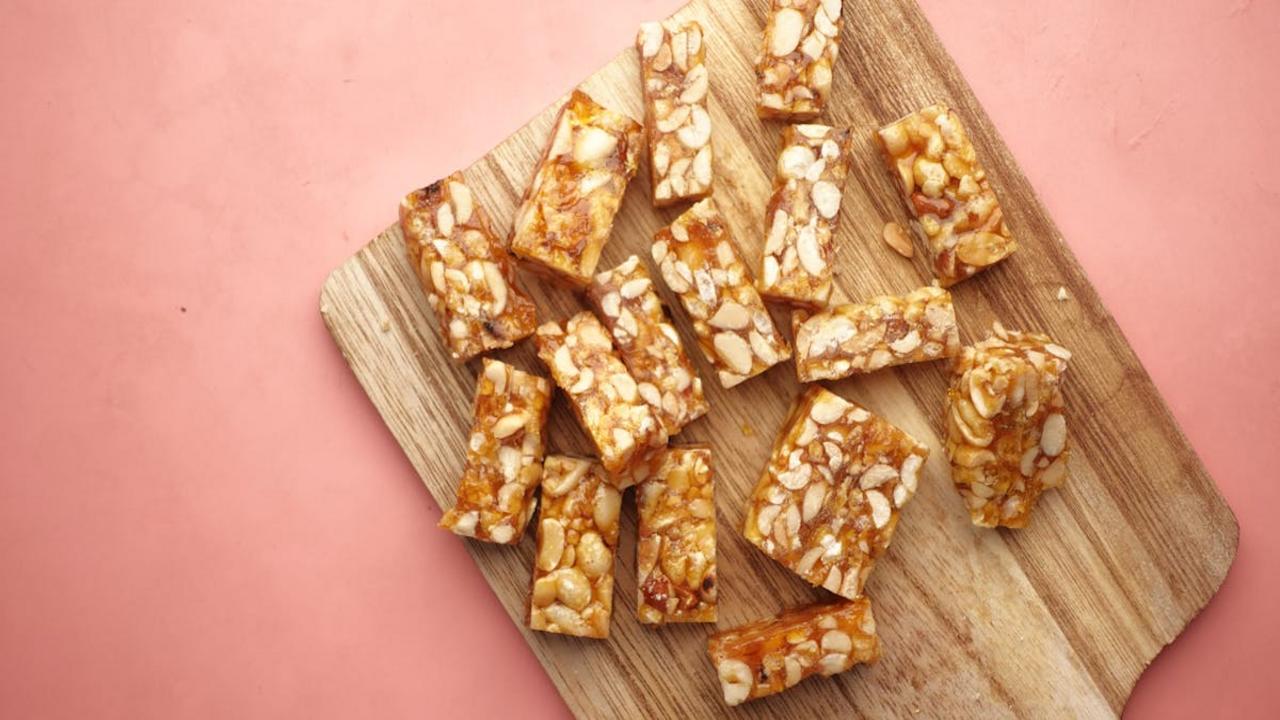
Oh, those protein bars sitting innocently in your gym bag – they’re not the health superheroes you think they are! While the front of the package screams “20g of protein!” and “perfect post-workout fuel,” flip that wrapper over and you’ll spot a ingredients list that reads like a chemistry textbook. Many popular protein bars pack artificial sweeteners, preservatives like BHT and BHA, and mysterious “natural flavors” that keep them shelf-stable for months. Some brands even sneak in more sugar than a candy bar, hiding it under fancy names like brown rice syrup or agave nectar.
I recently checked out 15 different protein bar brands at my local store, and the preservative content made my head spin. Even the “all-natural” varieties contained maltodextrin, carrageenan, or soy lecithin – ingredients added purely for texture and shelf life. Your best bet? Make your own protein-rich snacks at home using nuts, seeds, and pure whey protein powder. Mix up some almond butter with protein powder and oats, roll into balls, and refrigerate. You’ll get the protein boost without the science experiment of preservatives. Plus, they taste way better than those cardboard-like bars anyway!
Gluten Free Cookies
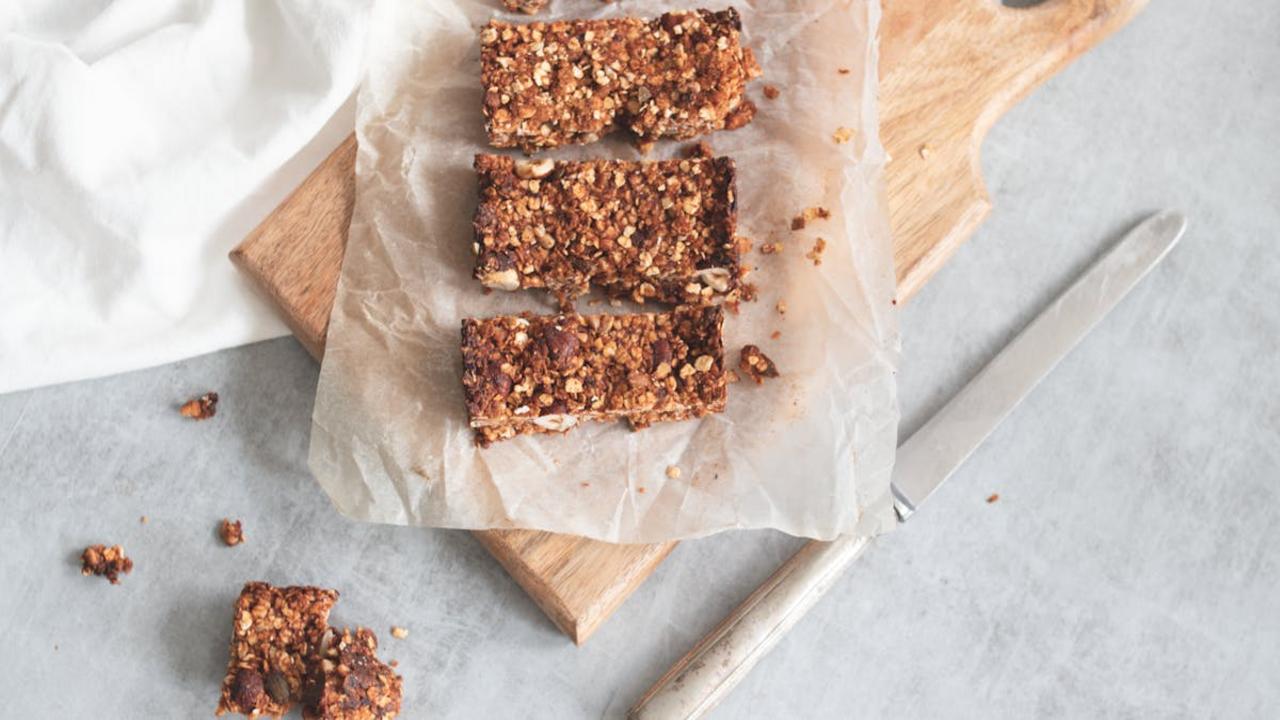
Oh, those innocent-looking gluten-free cookies sitting prettily on the health food store shelf! While you might think you’re making a wholesome choice by grabbing that package of GF treats, many commercial gluten-free cookies pack more preservatives than their regular wheat-based cousins. Companies often compensate for the missing gluten by adding extra stabilizers, artificial flavors, and synthetic binding agents like xanthan gum, carrageenan, and methylcellulose to achieve that classic cookie texture. Plus, to extend shelf life, manufacturers throw in potassium sorbate, calcium propionate, and BHA – ingredients that wouldn’t appear in your grandmother’s cookie recipe!
The real kicker? These processed gluten-free cookies frequently contain more sugar and refined starches than conventional cookies to mask the slightly different texture and taste. Many brands use corn syrup, dextrose, and modified food starch to achieve that sweet, satisfying bite. If you need to avoid gluten but still want your cookie fix, try baking your own using simple ingredients like almond flour, coconut flour, or oat flour (certified gluten-free, of course). Your homemade version won’t just skip the preservatives – it’ll actually give you the authentic cookie experience you’ve been craving.
Flavored Oatmeal Packets
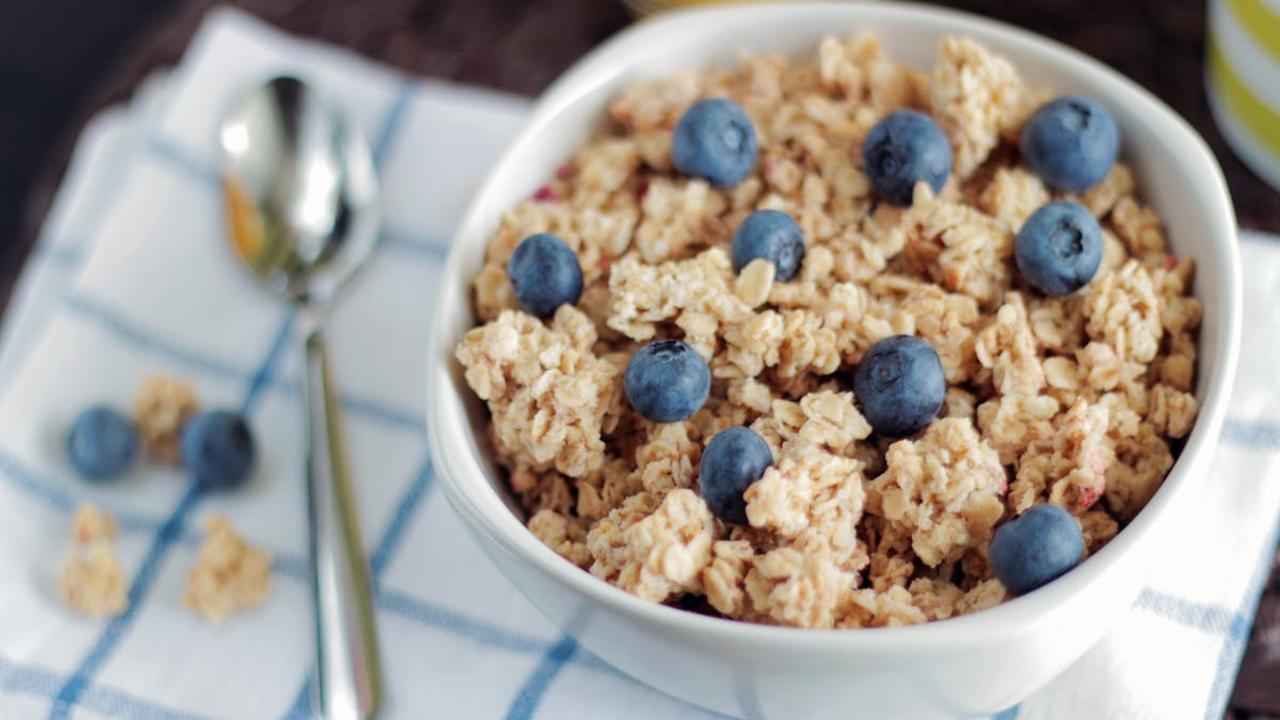
I know what you’re thinking – those convenient little packets of flavored oatmeal must be healthy, right? After all, plain oatmeal ranks among the most nutritious breakfast options available. But here’s the kicker: manufacturers pack those innocent-looking instant oatmeal packets with preservatives, artificial flavors, and an alarming amount of added sugars. Your maple and brown sugar oatmeal packet can contain up to 12 grams of sugar and ingredients like sodium phosphate, artificial colors, and modified corn starch – stuff you’d never find in natural oatmeal.
Want the real scoop on making your oatmeal both delicious and healthy? Skip those processed packets and start with plain rolled oats. Add fresh fruits, a drizzle of real maple syrup, or a sprinkle of cinnamon for natural sweetness. You’ll get all the fiber and nutrients without the chemical preservatives. My favorite morning combo? Steel-cut oats topped with caramelized bananas and a handful of chopped walnuts. Not only does it pack more protein and fiber than the packaged stuff, but it’ll keep you satisfied until lunch without that mid-morning sugar crash.
Flavored Almond Milk
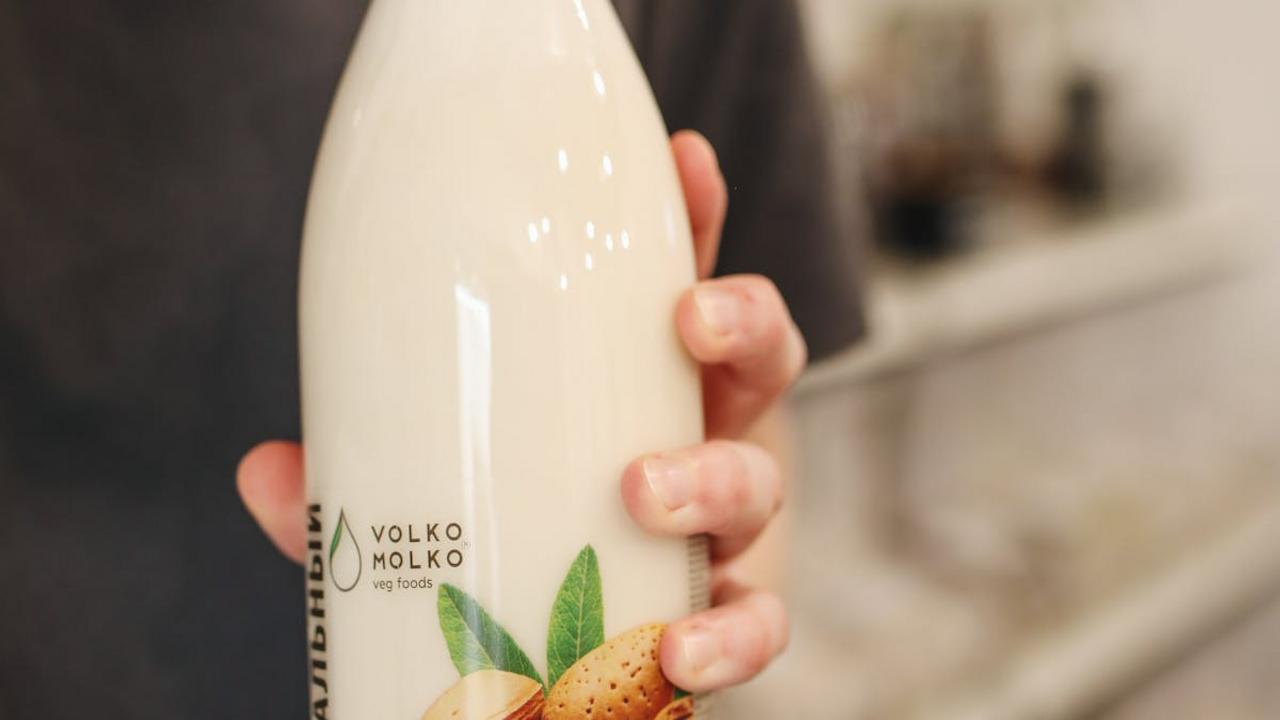
I grabbed a carton of vanilla almond milk at the store yesterday, thinking I was making a smart choice for my morning smoothie. But here’s the kicker – many commercial flavored almond milks contain a cocktail of preservatives and additives that might make you think twice. Your “natural” vanilla or chocolate almond milk often includes carrageenan (a thickener linked to digestive issues), synthetic vitamins, and artificial flavors. Plus, most brands pack their almond milk with added sugars – sometimes up to 16 grams per serving!
The real shocker? Some flavored almond milk brands contain less than 2% actual almonds! The rest is mostly filtered water, preservatives, and stabilizers like gellan gum and locust bean gum. Want a healthier option? Make your own almond milk at home – just blend raw almonds with water and strain. For flavor, add real vanilla beans, raw cacao, or dates. You’ll get pure, preservative-free almond milk that actually lives up to its healthy reputation. My homemade chocolate almond milk recipe uses raw cacao and maple syrup, and it beats any store-bought version hands down!
Veggie Burgers

You might think your veggie burger is a healthy choice, but many store-bought versions hide a long list of preservatives behind their “all-natural” marketing. I recently checked the ingredients on my favorite brand and nearly dropped my shopping cart – methylcellulose, disodium inosinate, and modified food starch were just a few of the tongue-twisters I found. These plant-based patties often need extra help staying fresh and maintaining their texture, which means manufacturers pack them with sodium, artificial flavors, and binding agents that wouldn’t exist in a homemade version.
The good news? You can skip the processed versions and make your own veggie burgers at home with real ingredients like black beans, quinoa, or mushrooms. My go-to recipe combines grated carrots, chickpeas, and brown rice – no chemical dictionary required! Just mix your chosen ingredients, form into patties, and pan-fry until crispy. Store them in your freezer for up to three months, and you’ll always have a truly healthy alternative ready to go. Trust me, once you try a homemade veggie burger, you’ll never go back to the preservative-packed versions gathering frost in the frozen food aisle.
Rice Cakes
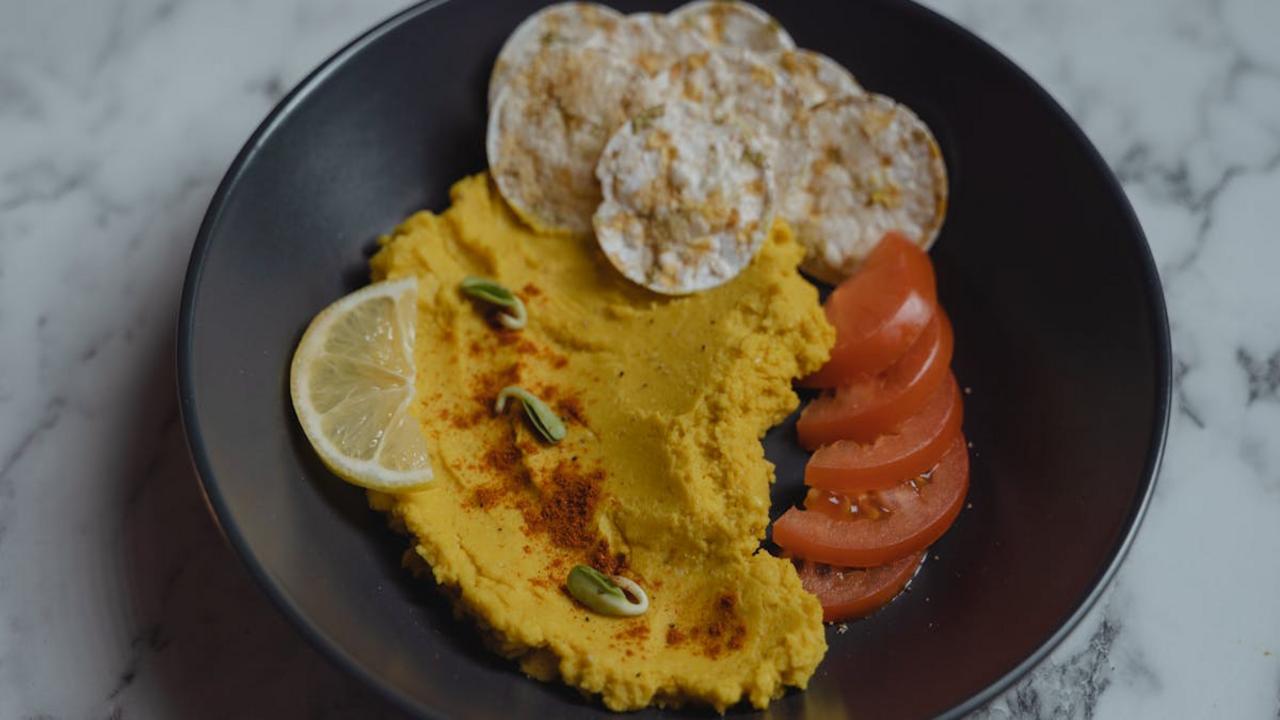
You’ve probably grabbed those airy rice cakes off the health food shelf thinking you’re making a smart choice. I get it – they look innocent enough with their minimalist packaging and “natural” vibe. But here’s the kicker: many commercial rice cakes pack a sneaky punch of preservatives like BHT (butylated hydroxytoluene) to keep them shelf-stable. These crunchy discs often contain added salt, artificial flavors, and modified food starch that you won’t find in homemade versions. The manufacturing process also strips away most of the rice’s original nutrients, leaving you with what I call a “ghost of grain’s past.”
The reality check gets even more interesting – manufacturers frequently add corn syrup solids and caramel color to make these snacks more appealing. Those fancy flavored varieties? They’re the biggest offenders, with some containing up to 20 different artificial ingredients! Your best bet? Make your own rice cakes at home using a rice cooker and simple seasonings. Mix brown rice with quinoa, press into patties, and bake until crispy. You’ll get the satisfying crunch without the chemical cocktail. Plus, your homemade version will actually keep you full longer than those store-bought puffs of air!
Trail Mix
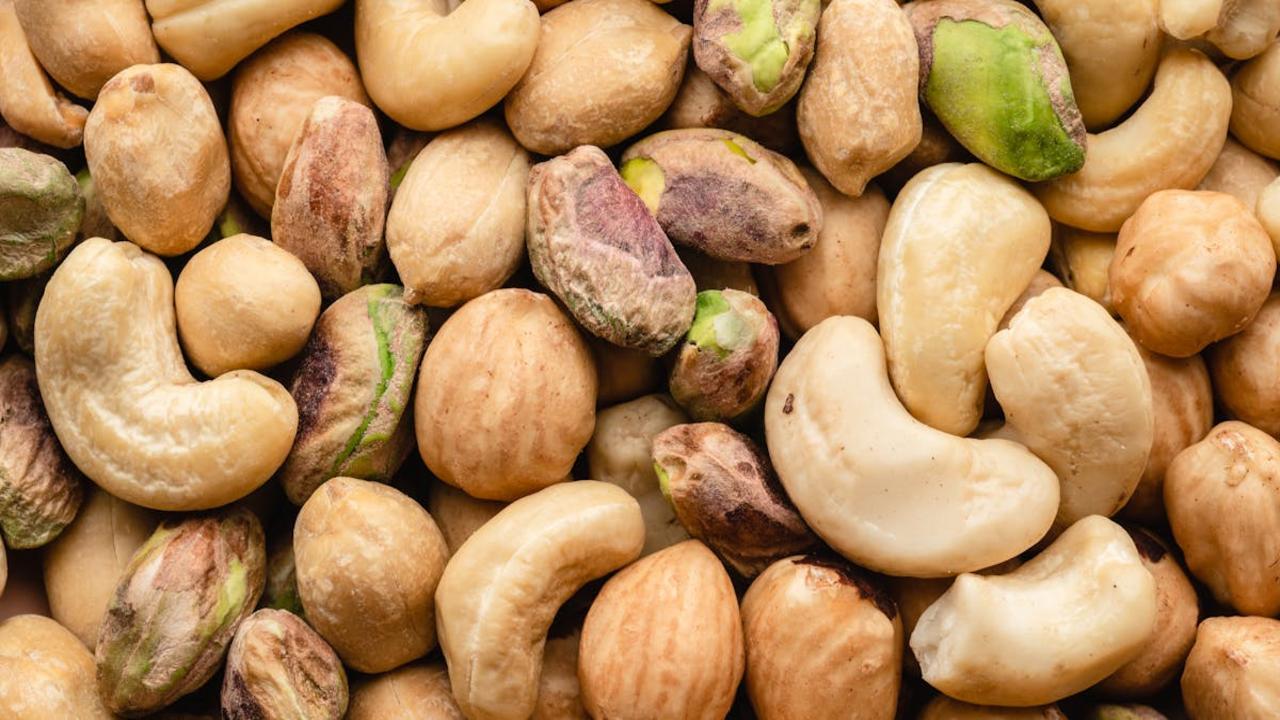
You might think that handful of trail mix you’re munching on during your afternoon slump is a healthy choice, but many commercial varieties pack more preservatives than a convenience store hot dog! While the basic concept sounds wholesome – nuts, dried fruits, and maybe some seeds – manufacturers often throw in sulfur dioxide to keep those dried fruits looking pretty, BHA to prevent the nuts from going rancid, and artificial colors to make everything pop. Plus, many brands sneak in candy-coated pieces and yogurt-covered treats that contain additional preservatives like sorbates and benzoates.
If you want the real deal without the chemical cocktail, try making your own mix at home! Grab some raw nuts (almonds, walnuts, or cashews), unsulfured dried fruits (look for naturally dried options at health food stores), and maybe some dark chocolate chips if you’re feeling fancy. Mix them up in a big bowl, portion into small containers, and boom – you’ve got yourself a genuinely healthy snack that won’t make your future self wonder about all those unpronounceable ingredients. Just remember to store it in an airtight container and eat it within a couple of weeks since, you know, no preservatives means it won’t last until the next ice age.
Smoothie Drinks
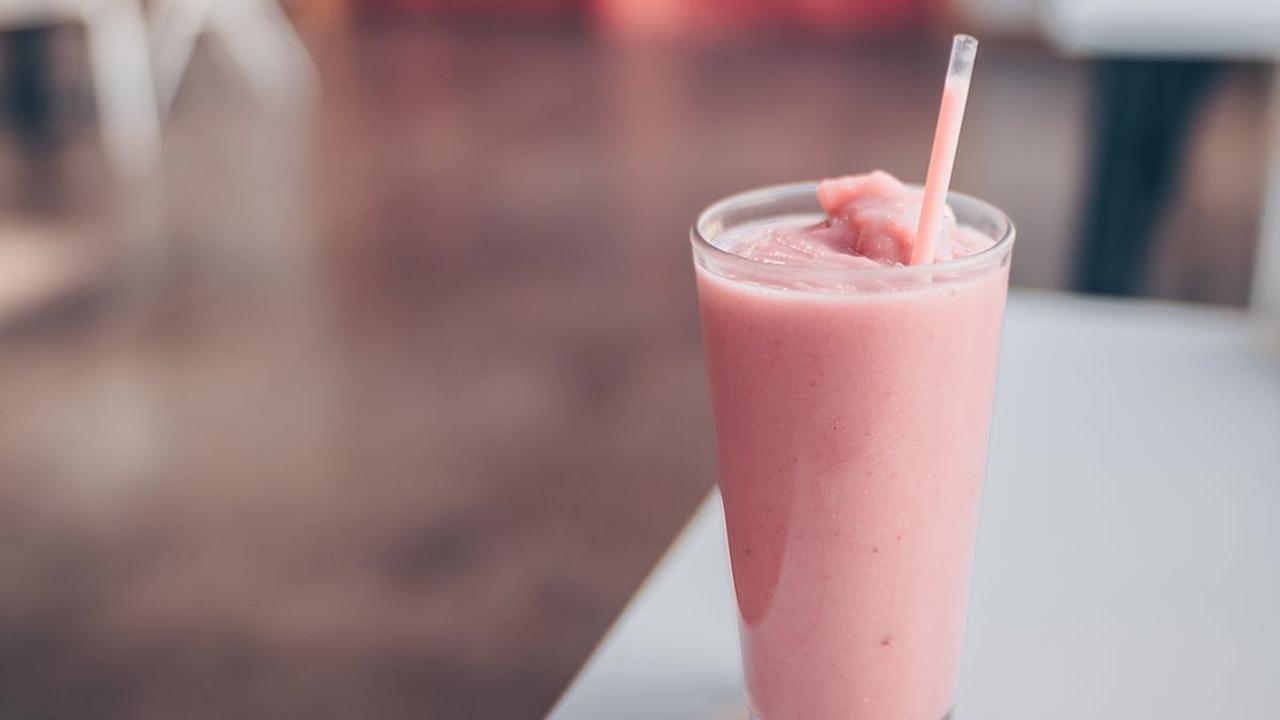
You might think those bottled smoothies at the grocery store are giving you a healthy boost, but I’ve got some news that’ll make you want to dust off your blender! Many commercial smoothie drinks hide a dirty little secret – they’re loaded with preservatives, artificial colors, and more sugar than a candy bar. What’s marketed as “pure fruit goodness” often contains sodium benzoate, potassium sorbate, and artificial flavors that wouldn’t exist in your homemade version. The fruit content? Sometimes it’s as low as 10%, with the rest being mostly water, preservatives, and sweeteners.
I recently compared the ingredient list of a popular “strawberry banana” smoothie to what I’d put in my own blender – the difference was shocking! While my homemade version needs just fresh fruits, yogurt, and maybe a splash of honey, the store-bought one had 15+ ingredients, including modified corn starch and “natural and artificial flavors.” The real kicker? These bottled drinks can sit on shelves for months without spoiling. If that doesn’t raise a red flag, I don’t know what will! Your best bet? Grab some fresh fruits and make your own smoothie – it’ll take 5 minutes and your body will thank you.
Frozen Diet Meals
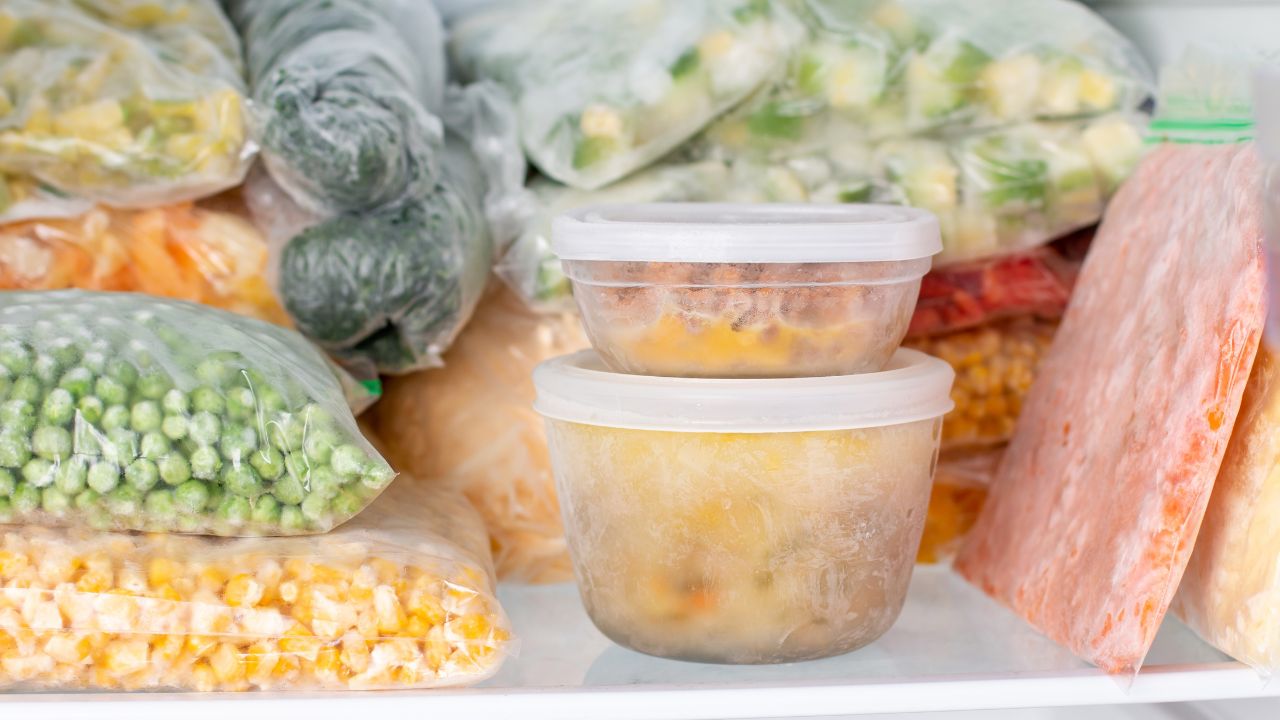
Oh, the irony of frozen diet meals! You grab them thinking you’re making a healthy choice, but flip that little box over and you’ll find an ingredients list longer than my weekend grocery receipt. While these convenient meals might save you time and calories, they often hide behind a fortress of preservatives, artificial sweeteners, and sodium that would make your cardiologist faint. Many manufacturers pump these “healthy” options full of modified food starch, maltodextrin, and various gums to maintain texture after freezing, not to mention the sneaky MSG derivatives hiding under innocent-sounding names.
I checked the label on a popular “lean” frozen dinner last week – it contained over 700mg of sodium per serving and more preservatives than I could pronounce! The truth is, these meals stay “fresh” in your freezer for months because they’re loaded with additives like BHA, BHT, and sodium phosphate. The vegetables inside often get treated with sulfites to maintain their color, while the meat usually contains nitrates and nitrites to prevent spoilage. If you really want a quick, healthy meal, you’d be better off meal-prepping some grilled chicken and vegetables on Sunday – at least you’ll know exactly what’s going into your food!