15 Signature Dishes That Define Every US State
America’s food story lives in its regional specialties—dishes born from local ingredients, immigrant traditions, and pure necessity. From Alabama’s tangy white barbecue sauce coating tender chicken to Vermont’s maple syrup drizzled over fresh snow, each state claims flavors that speak to its unique identity.
These signature dishes aren’t just recipes; they’re edible history lessons. Take Nevada’s Basque lamb stew or Montana’s hearty pasties—both carry stories of hardworking communities creating nourishing meals with what they had. I love how these foods prove that the best cooking happens when you work with your surroundings rather than against them.
What excites me most about regional American cooking is how it mirrors my own approach to food—using fresh, local ingredients and letting flavors develop naturally. These fifteen dishes show us that authentic food doesn’t need complicated techniques, just honest ingredients and time-tested methods passed down through generations.
Vermont: Sugar on Snow
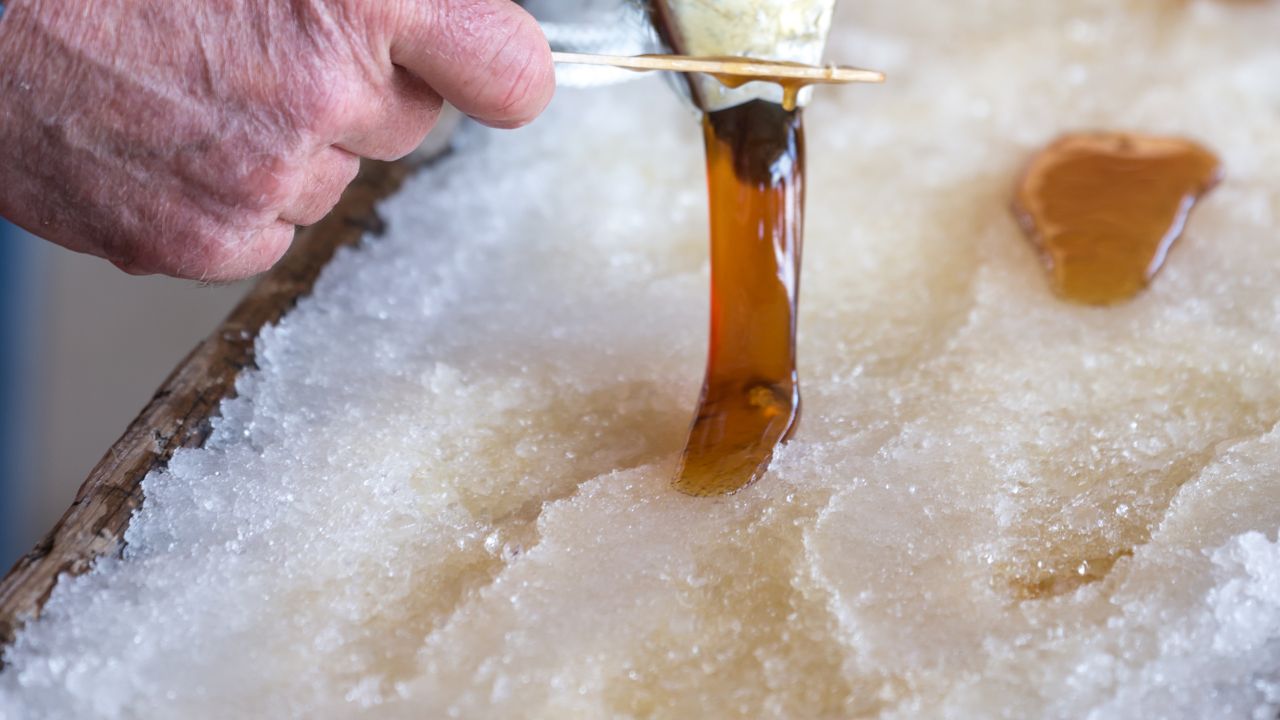
You know that magical moment when winter feels less like a harsh season and more like nature’s sweetest gift? That’s exactly what happens when you experience Vermont’s beloved Sugar on Snow. This traditional treat transforms fresh snow into the perfect canvas for hot maple syrup, creating ribbons of golden taffy that’ll make you understand why Vermonters have perfected this simple pleasure for generations. I love how this dish strips away all the unnecessary complexity we often add to desserts – just pure maple syrup, preferably grade A dark robust, heated to the soft-ball stage and poured over clean, fresh snow.
What strikes me most about Sugar on Snow is how it connects you directly to the source of your food. You’re not reaching for processed sugars or artificial flavors – you’re celebrating the pure essence of maple trees that have been tapped using methods passed down through families for centuries. The technique requires patience and attention: heat your syrup to exactly 235°F, then drizzle it over packed snow while it’s still bubbling hot. Watch as it instantly cools and forms those beautiful amber ribbons you can twirl around a fork or pick up with your fingers. Pair it with sour pickles and plain donuts like true Vermonters do – the contrast between sweet, sour, and neutral flavors creates a perfect balance that keeps you coming back for more.
New Mexico: Green Chile Stew
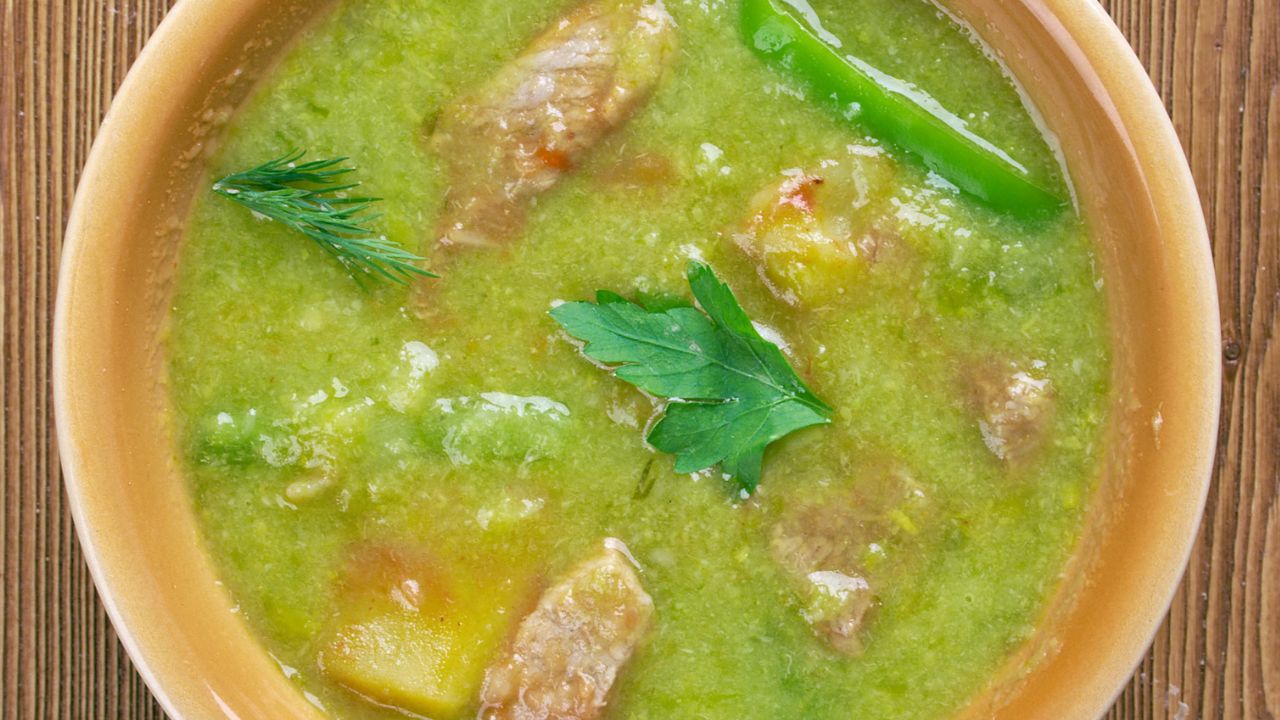
You know that moment when you walk into a New Mexican kitchen and the aroma of roasted green chiles hits you? That’s pure magic right there. Green chile stew represents everything I love about Southwest cooking—it’s bold, warming, and built on ingredients that have sustained families for generations. The Hatch green chiles are the stars here, bringing that perfect balance of heat and earthiness that makes your whole body feel alive. I always roast mine over an open flame until the skin blisters and chars, then steam them in a bag before peeling. This process transforms the chiles into something almost smoky-sweet, with just enough fire to keep things interesting.
What makes this stew so special is how it brings together tender chunks of pork or beef with potatoes, onions, and those gorgeous roasted chiles in a rich, comforting broth. I love adding cumin and a touch of oregano, but the chiles really do all the heavy lifting flavor-wise. The beauty of this dish lies in its simplicity—no need for complicated techniques or fancy ingredients. Just good, honest cooking that feeds both body and soul. Serve it with warm tortillas for scooping, and maybe a dollop of sour cream if you need to cool things down. This isn’t just a meal; it’s a celebration of New Mexico’s agricultural heritage and the kind of food that keeps communities connected.
Nevada: Basque Lamb Stew
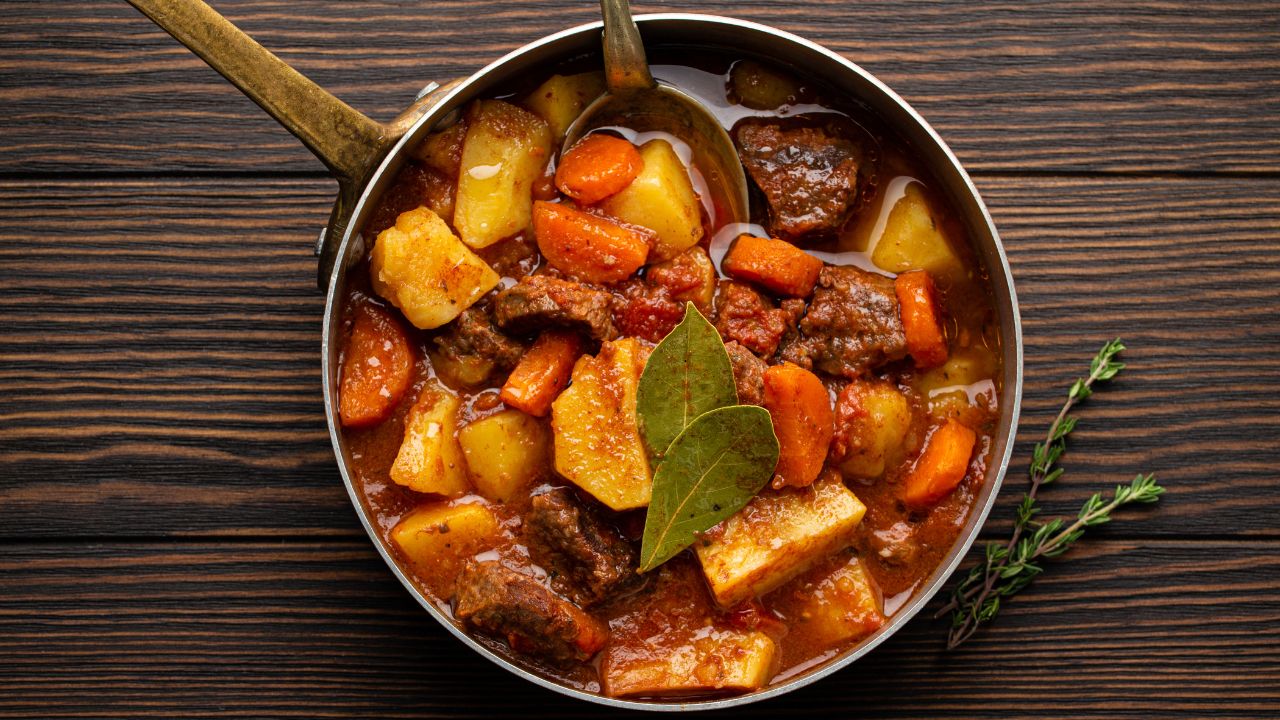
You know how sometimes the most unexpected places hold the most incredible food stories? Nevada’s Basque lamb stew is exactly that kind of beautiful surprise. When Basque shepherds arrived in Nevada during the 1800s, they brought with them this soul-warming stew that transforms simple ingredients into something magical. I love how this dish represents everything I believe about cooking from scratch—taking basic lamb, potatoes, onions, and beans, then letting time and patience work their magic. The slow braising process breaks down tough cuts of lamb into tender, flavorful pieces while creating a rich, aromatic broth that tells the story of hardworking people making nourishing meals with what they had.
What fascinates me about traditional Basque lamb stew is how it mirrors my own approach to wholesome cooking—no shortcuts, no processed ingredients, just pure, honest food. The shepherds would cook this in cast iron pots over open fires, building layers of flavor with garlic, paprika, and fresh herbs. I always encourage home cooks to embrace this same patience when making the stew. Start by browning the lamb properly, build your sofrito base with onions and tomatoes, then let everything simmer together until the meat falls apart at the touch of a fork. This isn’t fast food—it’s slow food at its finest, creating a meal that nourishes both body and soul while connecting us to Nevada’s rich multicultural heritage.
Montana: Pasties
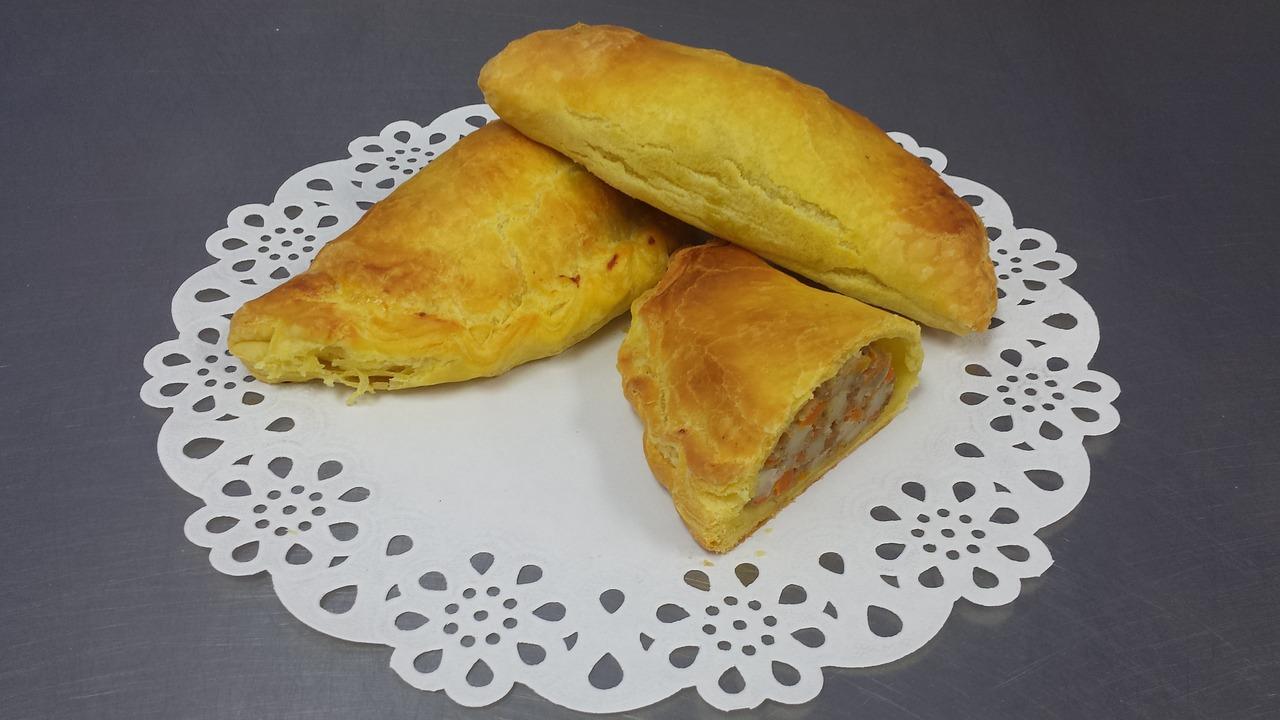
Picture this: you’re standing in your kitchen with leftover roast beef, some potatoes, and maybe a lonely rutabaga sitting in your crisper drawer. Instead of letting these ingredients languish, you can create something magical – Montana’s beloved pasty! These handheld meat pies came to Big Sky Country through Cornish miners in the late 1800s, and I absolutely love how they represent the ultimate make-ahead meal. You wrap seasoned beef, diced potatoes, onions, and rutabaga in a sturdy pastry crust, creating a complete dinner that fits perfectly in your palm. The beauty lies in their simplicity – no fancy techniques required, just good ingredients and a bit of patience while they bake to golden perfection.
What makes me excited about pasties is how they celebrate whole, unprocessed ingredients in their most honest form. You control every component, from the flaky homemade crust to the perfectly seasoned filling. I often swap traditional beef for whatever protein I have on hand – leftover chicken, turkey, or even a plant-based alternative works beautifully. The key is maintaining that classic ratio of meat to vegetables, ensuring each bite delivers both heartiness and nutrition. These portable parcels freeze wonderfully too, which means you can batch-cook them on Sunday and have wholesome meals ready throughout the week. Montana miners knew what they were doing – pasties prove that the most satisfying foods often come from the most straightforward approach to cooking.
Kansas: Bierocks
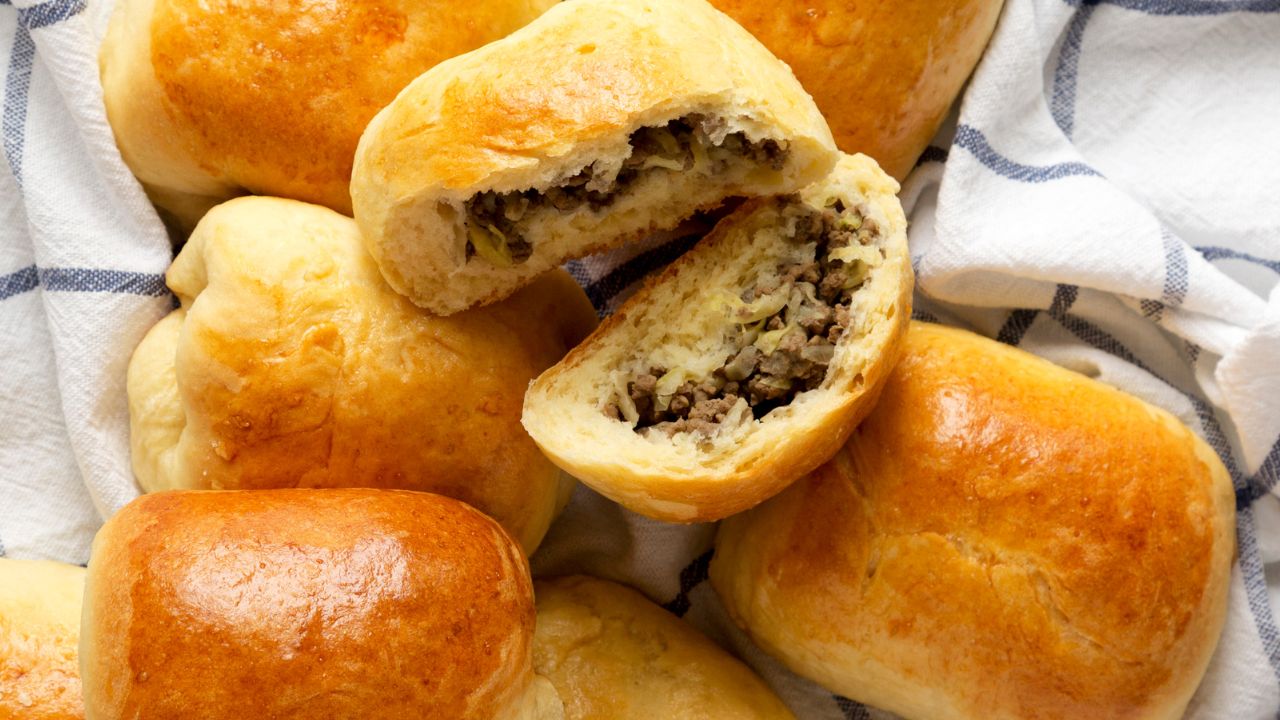
You know what gets me excited about Kansas bierocks? These golden, pillowy pockets prove that the best comfort food often comes from immigrant communities adapting their traditions to new ingredients. German-Russian settlers brought this brilliant concept to the Great Plains, stuffing yeasted dough with seasoned ground beef, cabbage, and onions. I love how this dish represents pure practicality—farmers needed portable, filling meals they could eat with one hand while working. The beauty lies in that perfect balance of tender, slightly sweet bread surrounding a savory filling that’s both hearty and surprisingly light.
Making bierocks from scratch connects you to generations of home cooks who understood that real nourishment comes from simple, whole ingredients combined with patience and care. I skip the processed shortcuts and focus on building layers of flavor—slowly caramelizing onions until they’re golden, letting the cabbage release its natural sweetness, and seasoning the meat with just salt, pepper, and maybe a touch of caraway. The dough needs time to rise properly, but that waiting period gives you space to prepare the filling mindfully. When you bite into a homemade bierock, you taste the difference that comes from cooking with intention rather than rushing through another meal.
Idaho: Finger Steaks
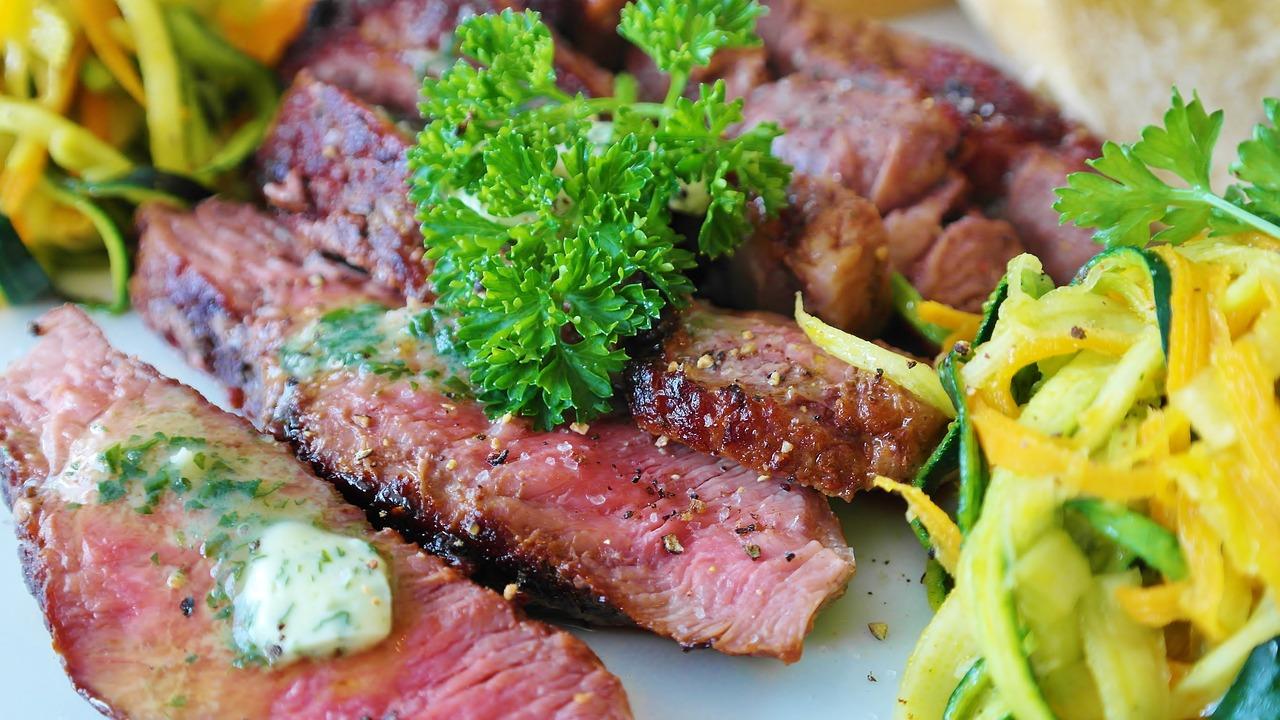
You know what makes me smile about Idaho’s finger steaks? They’re proof that the best comfort food often comes from the most unexpected places. Picture this: tender beef strips, cut into finger-sized pieces, coated in seasoned flour and fried to golden perfection. These aren’t your typical chicken fingers – we’re talking about premium beef that gets the crispy treatment it deserves. I love how this dish transforms a simple cut of meat into something special through technique and care. The secret lies in getting that coating just right – not too thick, but substantial enough to create that satisfying crunch when you bite down.
What really gets me excited about finger steaks is how they represent genuine American ingenuity in the kitchen. Born in Boise back in the 1950s, this dish shows us that innovation doesn’t always mean complicated – sometimes it means taking quality ingredients and presenting them in a new way. When I make these at home, I focus on using grass-fed beef and creating a coating from scratch with real spices. Serve them with that classic fry sauce (a magical blend of mayo and ketchup that somehow becomes greater than the sum of its parts), and you’ve got a meal that brings people together around the table, sharing stories and passing the sauce.
Hawaii: Loco Moco
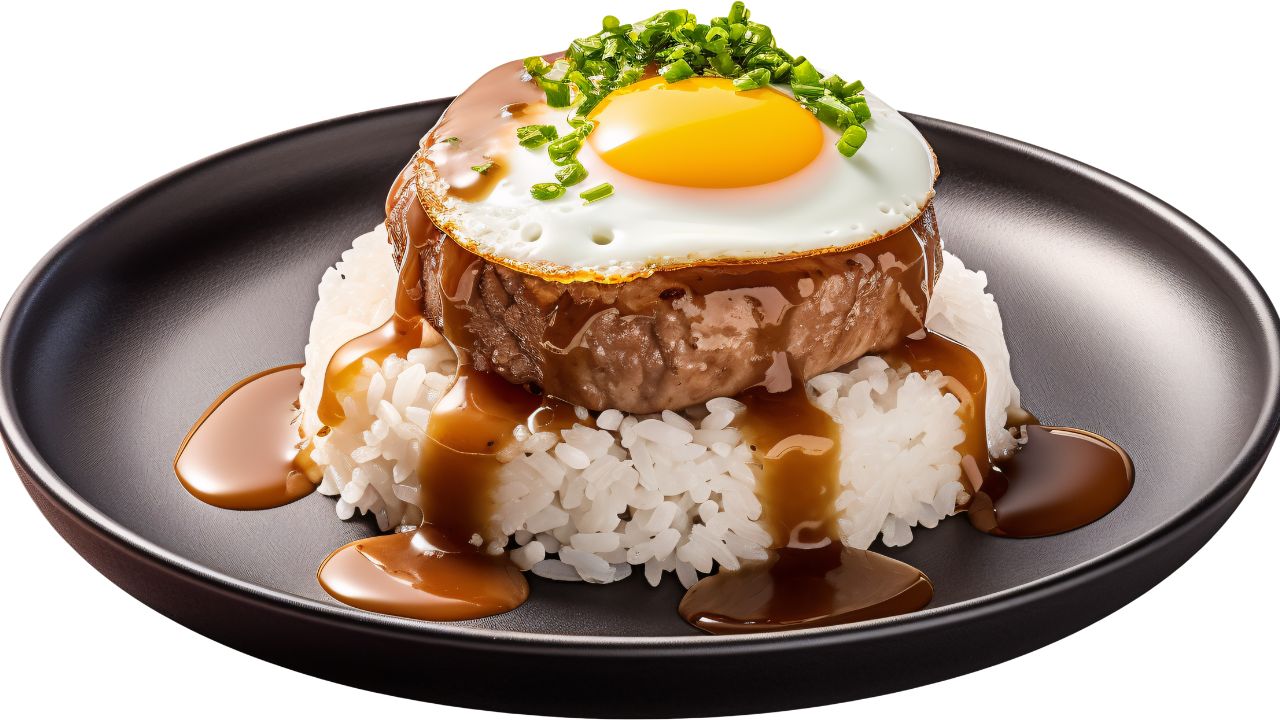
Picture this: you’re sitting at a local Hawaiian diner, and someone places a plate in front of you that looks like pure comfort on a dish. That’s Loco Moco for you – Hawaii’s most beloved plate lunch that started as a simple solution for hungry teenagers in the 1940s. I love how this dish represents everything beautiful about Hawaiian cooking: it takes humble ingredients and transforms them into something that feeds both body and soul. The foundation starts with two scoops of white rice (because one scoop is never enough), topped with a perfectly seasoned hamburger patty, a fried egg with that golden, runny yolk, and the whole thing gets smothered in rich brown gravy.
What makes me appreciate Loco Moco so much is how it perfectly captures Hawaii’s multicultural spirit – you’ve got American influences meeting Asian rice traditions, all brought together with that island hospitality. When I make this at home, I focus on building flavors from scratch: I season my ground beef with garlic, onions, and a touch of soy sauce, then create a gravy that’s more than just brown liquid – it’s a silky, savory blanket that ties everything together. The magic happens when you break that egg yolk and watch it mix with the gravy, creating this incredible sauce that coats every grain of rice. It’s messy, it’s indulgent, and it’s exactly what you need after a long day.
Georgia: Brunswick Stew
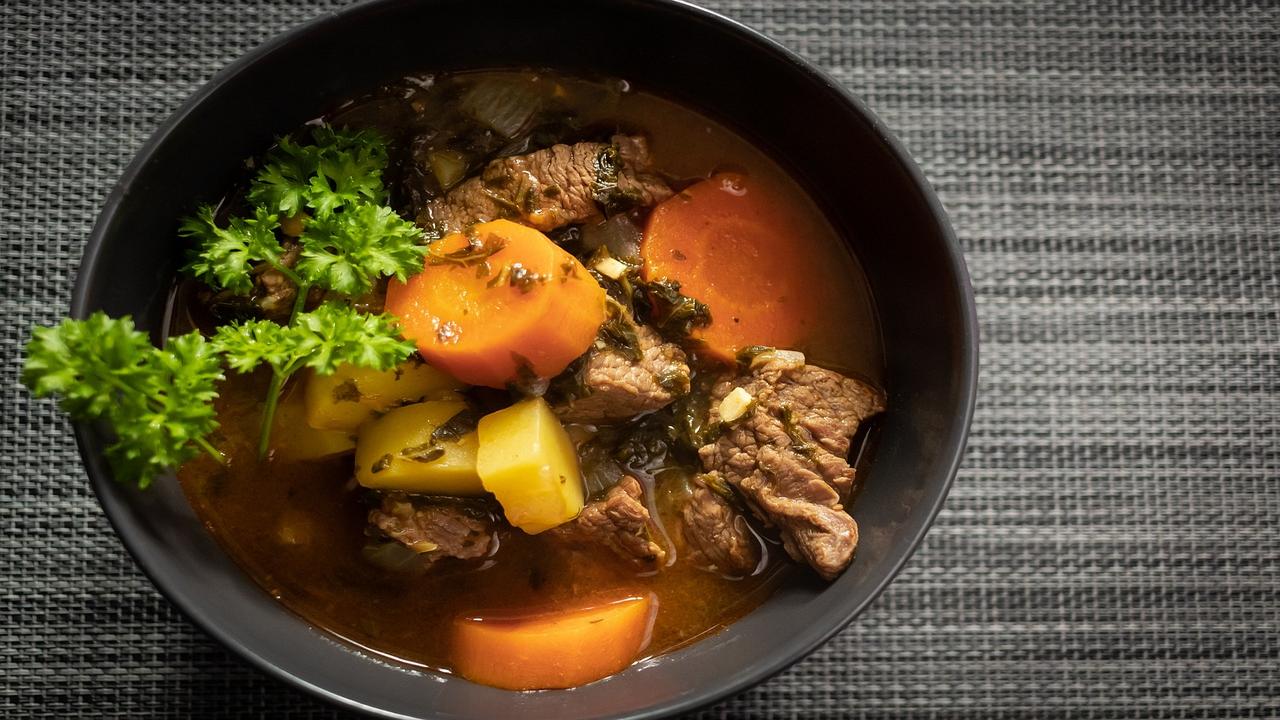
You know that feeling when you walk into someone’s kitchen and instantly feel at home? That’s exactly what happens when you encounter authentic Brunswick stew in Georgia. This hearty, soul-warming dish tells the story of resourceful Southern cooking at its finest. I’ve watched countless home cooks prepare their family versions, and each one brings something unique to the pot. The beauty lies in how this stew transforms simple, accessible ingredients into something deeply satisfying. Traditional recipes call for a medley of meats—often chicken, pork, and sometimes beef—slow-simmered with lima beans, corn, and tomatoes until everything melds into pure comfort.
What I love most about Brunswick stew is how it reflects the intuitive cooking approach that makes Southern cuisine so special. There’s no rigid formula here—just good instincts and a willingness to taste and adjust. The stew develops its signature thick consistency through patient cooking, allowing the starches from the vegetables to naturally thicken the base without any processed thickeners. Some cooks add okra for extra body, while others swear by their secret spice blend passed down through generations. When you make this at home, trust your palate and let the ingredients guide you. The result is a nourishing bowl that connects you to generations of Georgia kitchens, where resourcefulness and love created something truly extraordinary from whatever was on hand.
Delaware: Scrapple
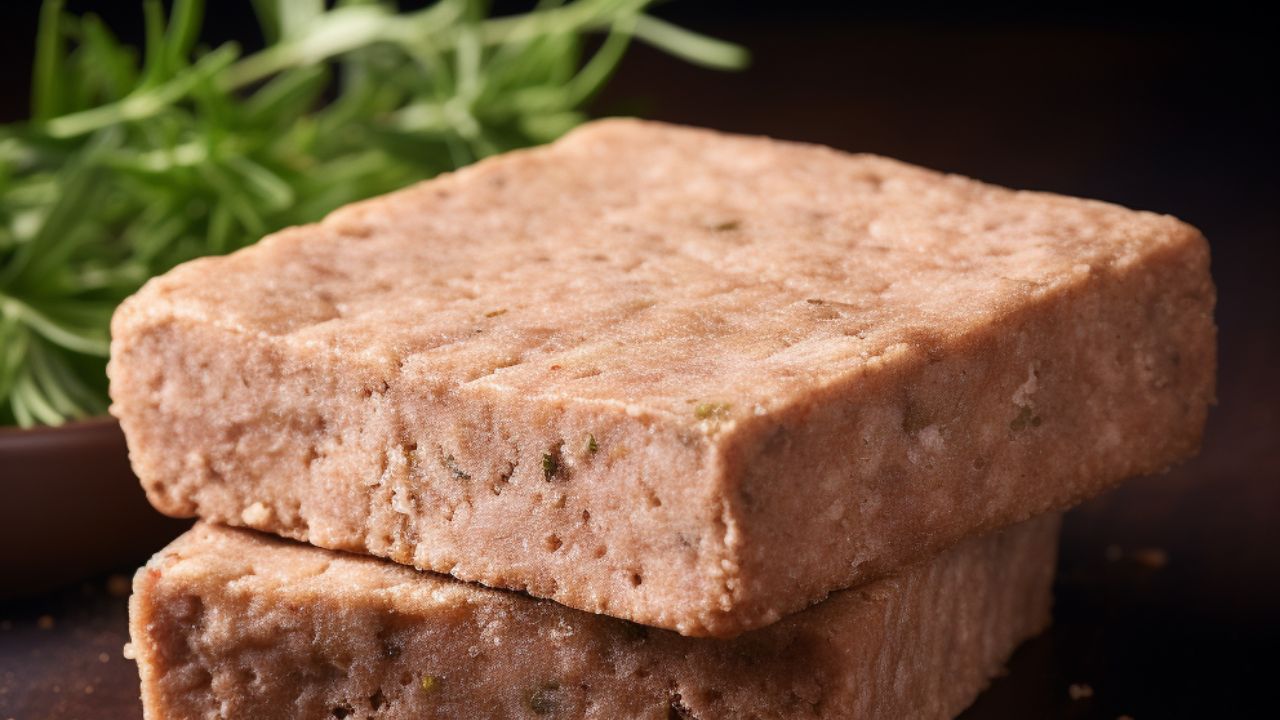
Picture this: you’re standing in your kitchen at dawn, and the aroma of something wonderfully savory fills the air. That’s scrapple for you – Delaware’s beloved breakfast staple that transforms humble pork scraps into pure comfort food magic. I love how this dish represents everything I believe about cooking: taking ingredients others might overlook and creating something absolutely delicious. Traditional scrapple combines ground pork with cornmeal and buckwheat flour, seasoned with sage, thyme, and black pepper. The mixture gets cooked into a loaf, then sliced and pan-fried until crispy on the outside while staying creamy within.
You can easily make a healthier version at home by choosing high-quality pork from local farms and adding your own global twist – maybe some ginger and five-spice for an Asian influence, or cumin and smoked paprika for a Southwestern kick. I slice mine thick and cook it in a cast-iron skillet until golden brown, serving it alongside fresh eggs and sautéed greens. The beauty of scrapple lies in its honest simplicity – no processed additives, just real ingredients coming together in perfect harmony. Trust me, once you master this technique, you’ll understand why Delawareans have cherished this dish for generations.
Connecticut: Steamed Cheeseburgers

You know how sometimes the most unexpected cooking methods create the most memorable dishes? Connecticut’s steamed cheeseburger perfectly proves this point. Instead of grilling or pan-frying, these burgers get their magic from steam cabinets that have been bubbling away in local diners since the 1920s. The patties cook in their own juices while blocks of cheese melt in separate compartments above, creating this incredibly tender, juicy burger that’s unlike anything you’ve tasted. I love how this method keeps all those natural flavors locked in rather than letting them escape on a hot grill.
What fascinates me most about steamed cheeseburgers is how they represent true comfort food innovation born from necessity. Small Connecticut diners needed efficient ways to feed hungry workers, and steaming allowed them to cook multiple burgers simultaneously while maintaining consistent results. The cheese literally melts into creamy perfection, cascading over the incredibly moist beef patty. If you want to try this at home, you can recreate the effect using a bamboo steamer or even a colander over boiling water – just steam your seasoned ground beef patties for about 10-12 minutes and melt your cheese separately in a small bowl placed in the steam. The result gives you this wonderfully clean, pure beef flavor that connects you directly to Connecticut’s working-class food heritage.
Colorado: Rocky Mountain Oysters
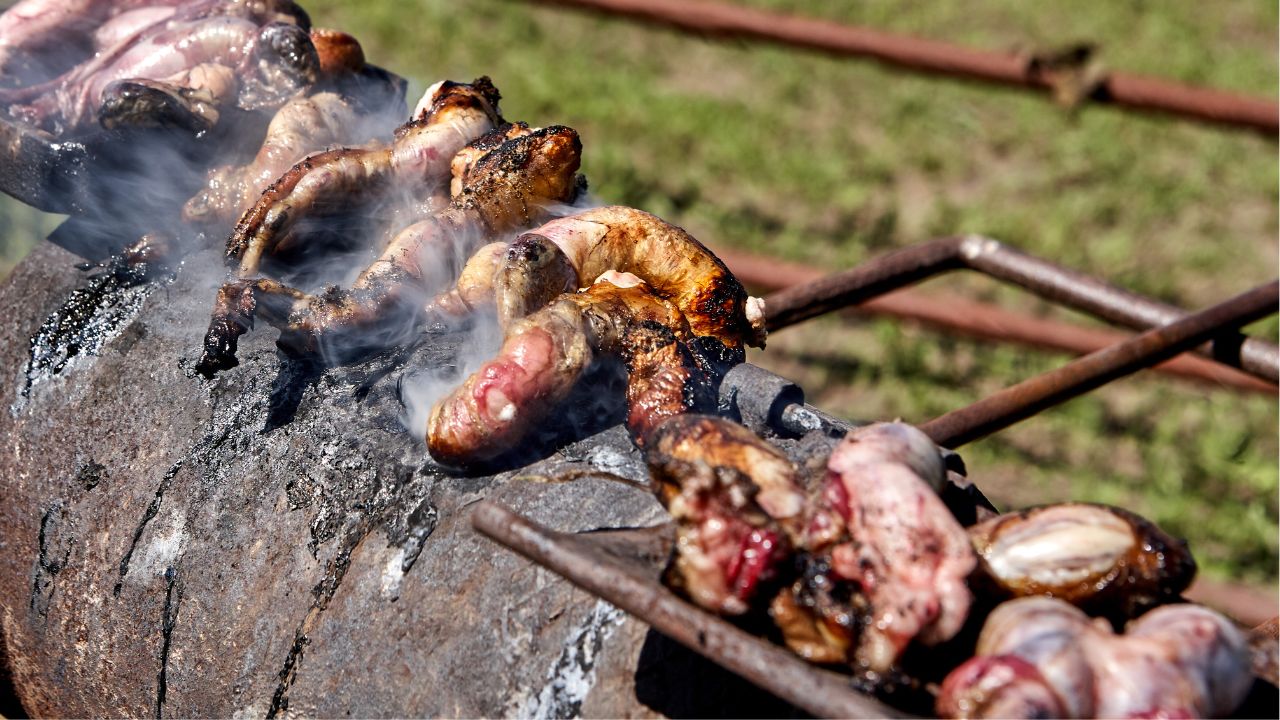
You know what? I’m going to be completely honest with you about Rocky Mountain Oysters – they’re not oysters at all, and once you discover what they actually are, you might need a moment to process it. These are deep-fried bull testicles, and yes, I see that look on your face right now. But here’s the thing about Colorado’s most infamous dish: it represents something beautiful about mountain cooking culture. When you live in rugged terrain where nothing goes to waste, you learn to transform every part of an animal into something nourishing and satisfying.
I respect the nose-to-tail philosophy behind this dish, even if it makes some people squirm. The preparation involves slicing these protein-rich organs thin, coating them in seasoned flour, and frying until golden and crispy. The result? A surprisingly tender interior with a satisfying crunch that tastes more like chicken than anything intimidating. What I love about Rocky Mountain Oysters is how they connect us to traditional foodways where resourcefulness ruled the kitchen. While I typically lean toward plant-forward cooking, I admire how this dish honors the whole animal and represents Colorado’s ranching heritage with unapologetic boldness.
Arkansas: Possum Pie
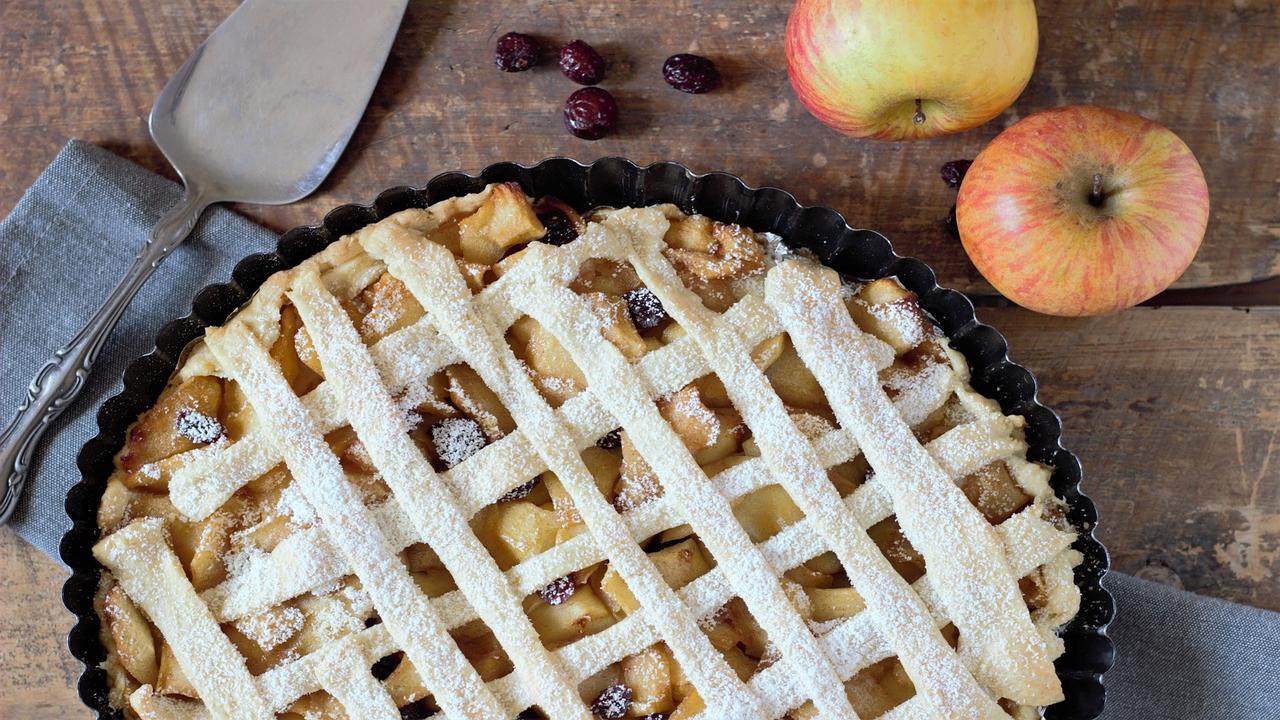
Don’t let the name fool you—Arkansas’s beloved Possum Pie contains no actual possum! This indulgent dessert captures the heart of Southern comfort food with its rich layers that mirror the colors of the furry woodland creature. I love how this pie represents the playful side of Arkansas cooking, where home bakers create something extraordinary from simple pantry staples. The traditional version starts with a pecan shortbread crust, followed by a layer of cream cheese mixture, then chocolate pudding, and finally topped with whipped cream and chopped pecans.
What makes this dessert so special is how each bite delivers different textures and flavors that work together beautifully. You get the buttery crunch from the pecan crust, the tangy richness of cream cheese, the smooth decadence of chocolate, and the light airiness of fresh whipped cream. I always tell people this pie tastes like a celebration—perfect for potluck dinners and family gatherings where you want to impress without spending hours in the kitchen. The best part? You can make it ahead of time, and it actually gets better as the flavors meld together overnight in the refrigerator.
Arizona: Chimichangas
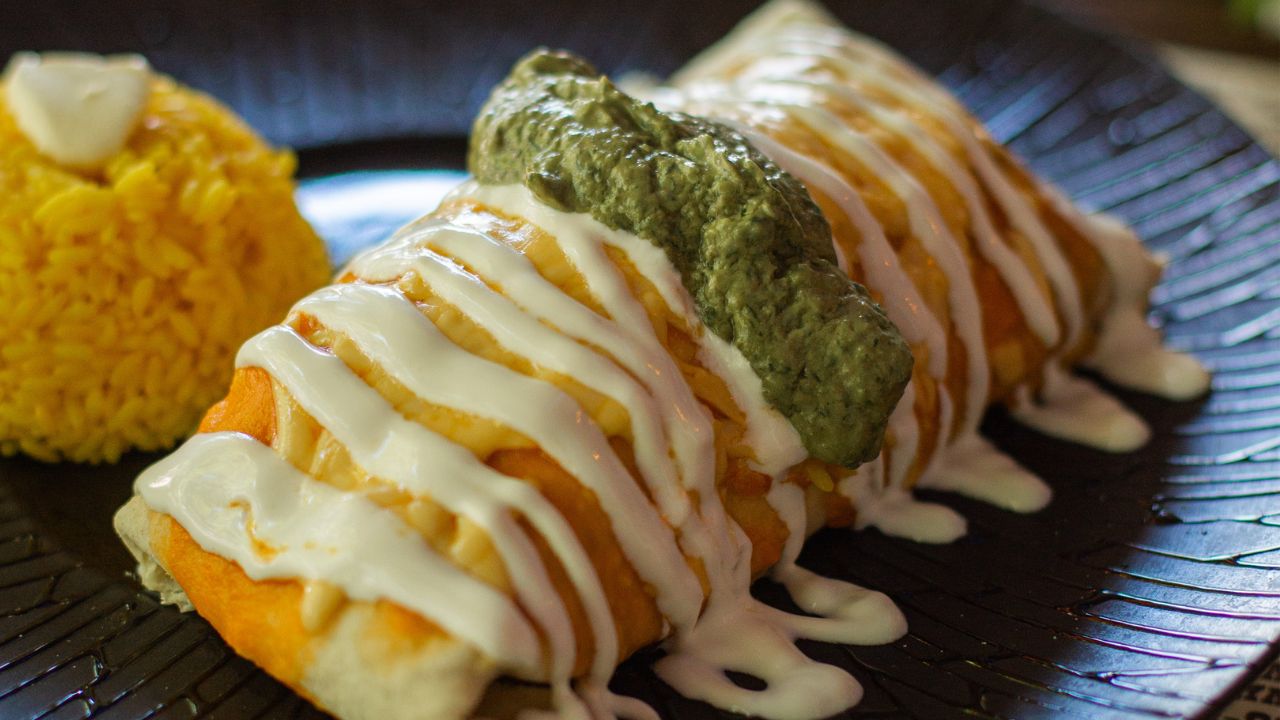
Picture this: you’re standing in your kitchen with leftover shredded chicken, some beans, and a stack of flour tortillas. Instead of the usual quesadilla route, why not transform these simple ingredients into something magical? That’s exactly what happened when chimichangas were born in Arizona – a happy accident that turned a burrito into crispy, golden perfection. I love how this dish represents the beautiful fusion of Mexican tradition with American innovation, creating something entirely new while honoring its roots.
Making chimichangas at home gives you complete control over what goes inside and how you cook them. Skip the deep fryer and brush your filled tortillas with a touch of olive oil before baking them until they’re perfectly crispy. Fill them with anything your heart desires – seasoned black beans and roasted vegetables for a plant-forward version, or slow-cooked carnitas with fresh salsa verde. The key lies in sealing those edges tightly and getting that satisfying crunch without drowning your creation in oil. Serve them topped with fresh cilantro, a dollop of Greek yogurt instead of sour cream, and maybe some pickled jalapeños you made yourself – now that’s what I call turning comfort food into something nourishing and delicious.
Alaska: Salmon Bake
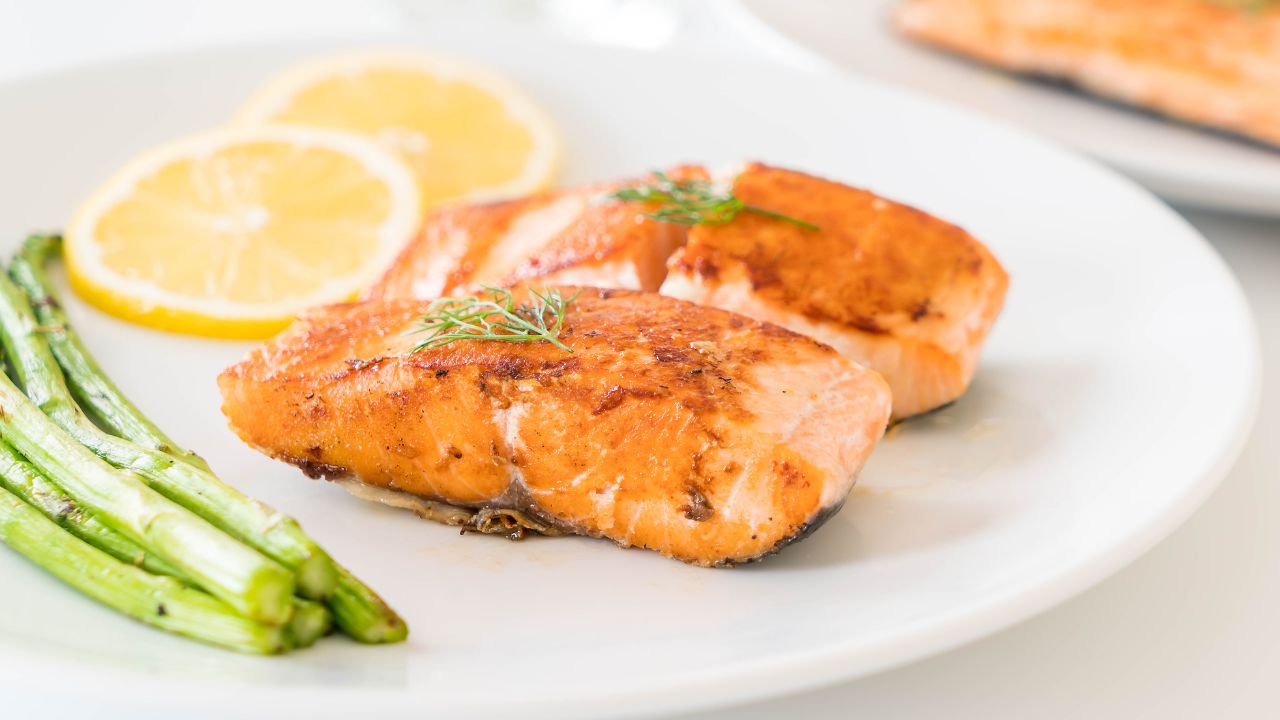
Alaska’s salmon bake represents everything I adore about authentic regional cooking—it’s simple, pure, and celebrates the incredible bounty of local waters. When you think about it, there’s nothing more honest than taking wild-caught Alaskan salmon, maybe some king or sockeye, and cooking it over an open fire or cedar planks. The traditional preparation involves minimal seasoning because the fish itself is so magnificent that you don’t want to mask its natural flavors. I love how this dish connects you directly to the land and sea, reminding us that the best meals often come from the simplest approaches.
What makes me excited about salmon bake is how it brings communities together—imagine gathering around a fire pit, sharing stories while the salmon slowly cooks, filling the air with that incredible smoky aroma. You can easily recreate this magic at home by using your oven or grill, seasoning the salmon with just sea salt, fresh dill, and maybe a squeeze of lemon. The key is respecting the fish’s natural oils and not overcooking it. Pair it with some roasted root vegetables or wild rice, and you’ve got a meal that nourishes both body and soul while staying true to Alaska’s incredible food traditions.
Alabama: Chicken and White Sauce
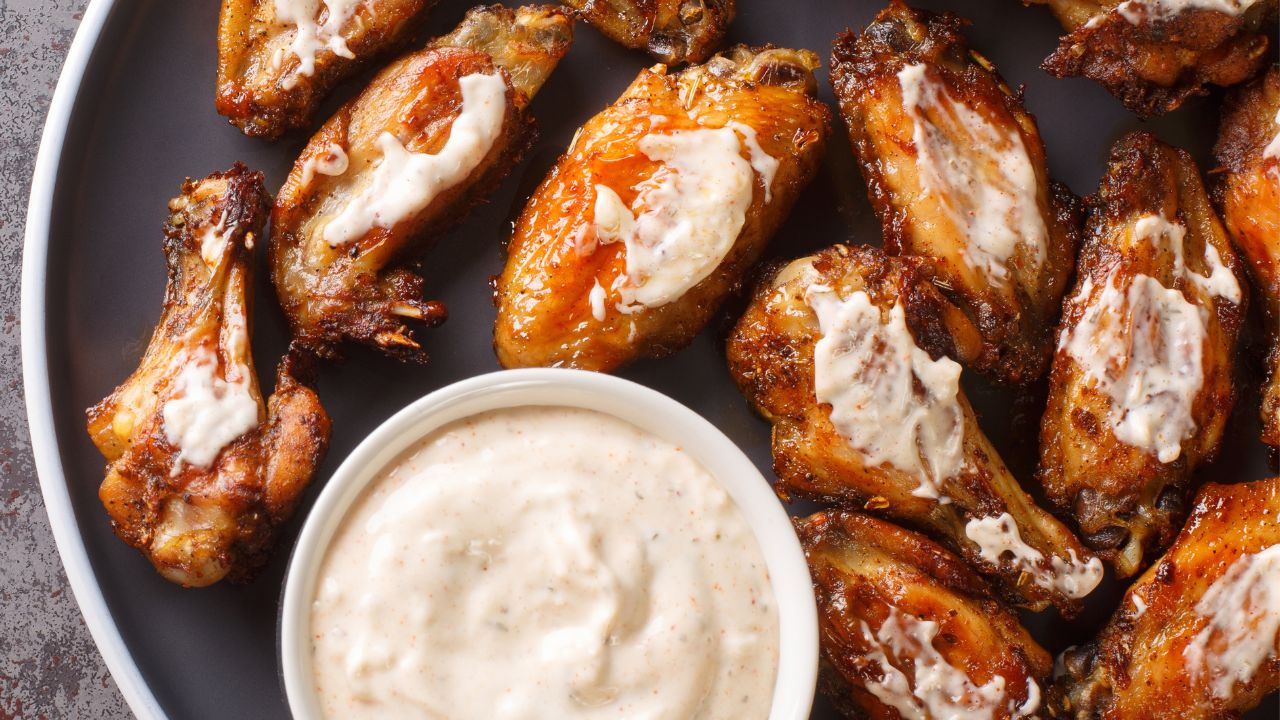
You know what gets me excited about Alabama’s signature dish? It’s not just the perfectly smoked chicken—it’s that incredible white sauce that completely changes everything you thought you knew about barbecue. I remember the first time I encountered this tangy, mayonnaise-based creation at a backyard gathering, and honestly, it opened my eyes to how regional cooking can surprise you in the best ways. This isn’t your typical tomato-heavy barbecue sauce; instead, Alabama white sauce brings bright acidity from vinegar, subtle heat from black pepper, and a creamy richness that clings beautifully to smoky meat.
What I love most about making this at home is how simple yet transformative it becomes. You start with quality mayonnaise (I prefer making my own when time allows), add apple cider vinegar for that signature tang, fresh lemon juice for brightness, and just enough horseradish to wake up your palate. The magic happens when you brush this sauce onto chicken during the final minutes of grilling or smoking—it creates this gorgeous caramelized coating that balances the meat’s smokiness with creamy, zesty notes. I’ve started using this technique with my own grilled vegetables too, because that white sauce works wonders on charred corn and zucchini. Alabama got this one absolutely right, proving that sometimes the most unexpected combinations create the most memorable flavors.