14 1970s Restaurant Dishes We Want Back on Menus
Picture this: you’re sitting in a dimly lit restaurant, the waiter wheels over a cart blazing with blue flames, and suddenly your dessert becomes dinner theater. The 1970s knew how to make dining an event, complete with tableside pyrotechnics and dishes that demanded your full attention.
These weren’t just meals—they were edible performances that turned every dinner into a celebration. Waiters flambéed with theatrical flair, chefs crafted elaborate presentations, and diners dressed up just to match the grandeur of what landed on their plates.
Today’s restaurants focus on Instagram-worthy minimalism, but something magical gets lost without the drama. These fourteen forgotten classics deserve a comeback, bringing back the days when ordering dinner felt like attending a show and every bite told a story worth savoring.
Baked Alaska
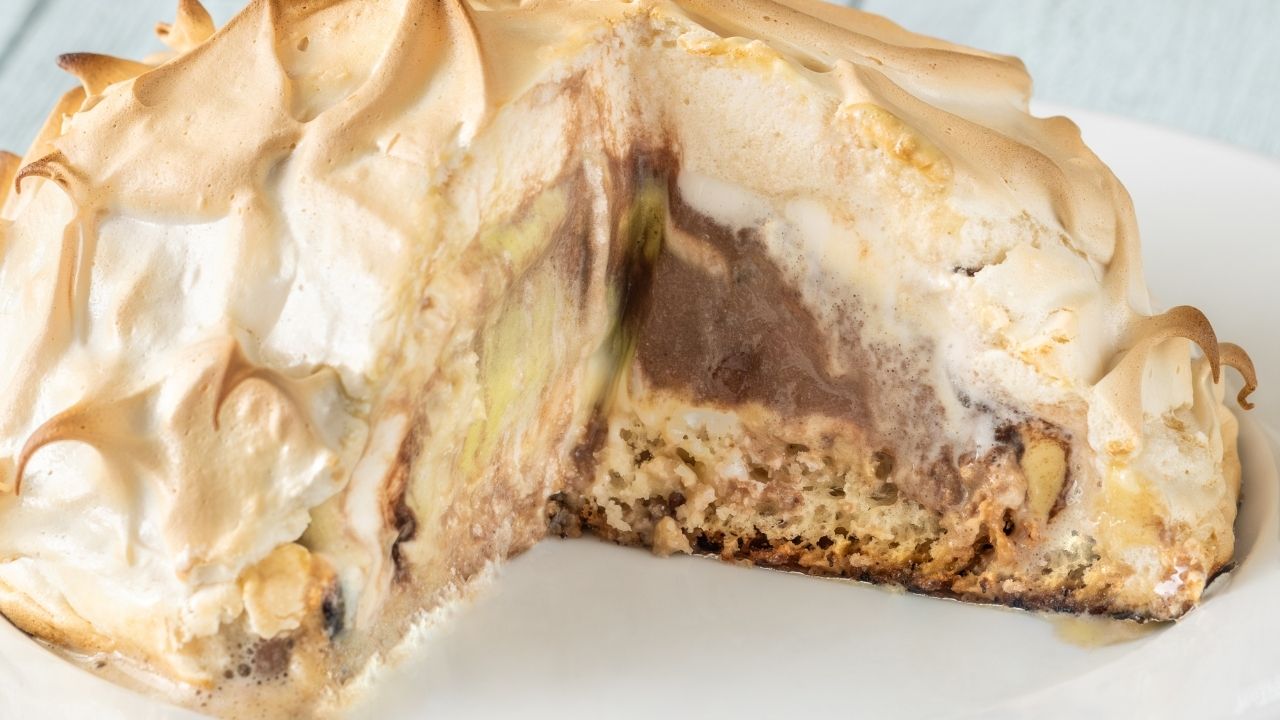
Picture this: you’re at a fancy restaurant in 1975, and suddenly the lights dim. Your waiter approaches carrying what looks like a flaming ice cream mountain, and everyone in the dining room turns to watch this theatrical masterpiece glide past their tables. That’s Baked Alaska for you – the dessert that made every birthday cake feel woefully inadequate. This magnificent creation layers ice cream on sponge cake, then wraps the whole thing in fluffy meringue before torching it to golden perfection. The science behind it blew everyone’s minds: how could something be simultaneously frozen and flaming? The meringue acts like edible insulation, protecting the ice cream from the heat while creating those gorgeous peaks that look like tiny snow-capped mountains.
Named after the 1867 purchase of Alaska (because apparently combining hot and cold reminded people of America’s iciest acquisition), this dessert disappeared from menus faster than you could say “flambé.” Modern restaurants ditched it because it requires actual skill, perfect timing, and – heaven forbid – tableside drama. But honestly, we’re missing out on pure magic here. Making Baked Alaska at home isn’t rocket science: spread softened ice cream over pound cake, freeze it solid, then pile on beaten egg whites mixed with sugar and blast it with a kitchen torch. Sure, your smoke alarm might have opinions, but watching that meringue transform from white fluff to caramelized gorgeousness makes every bit of kitchen chaos worthwhile. Bring back the spectacle, people!
Chateaubriand for Two
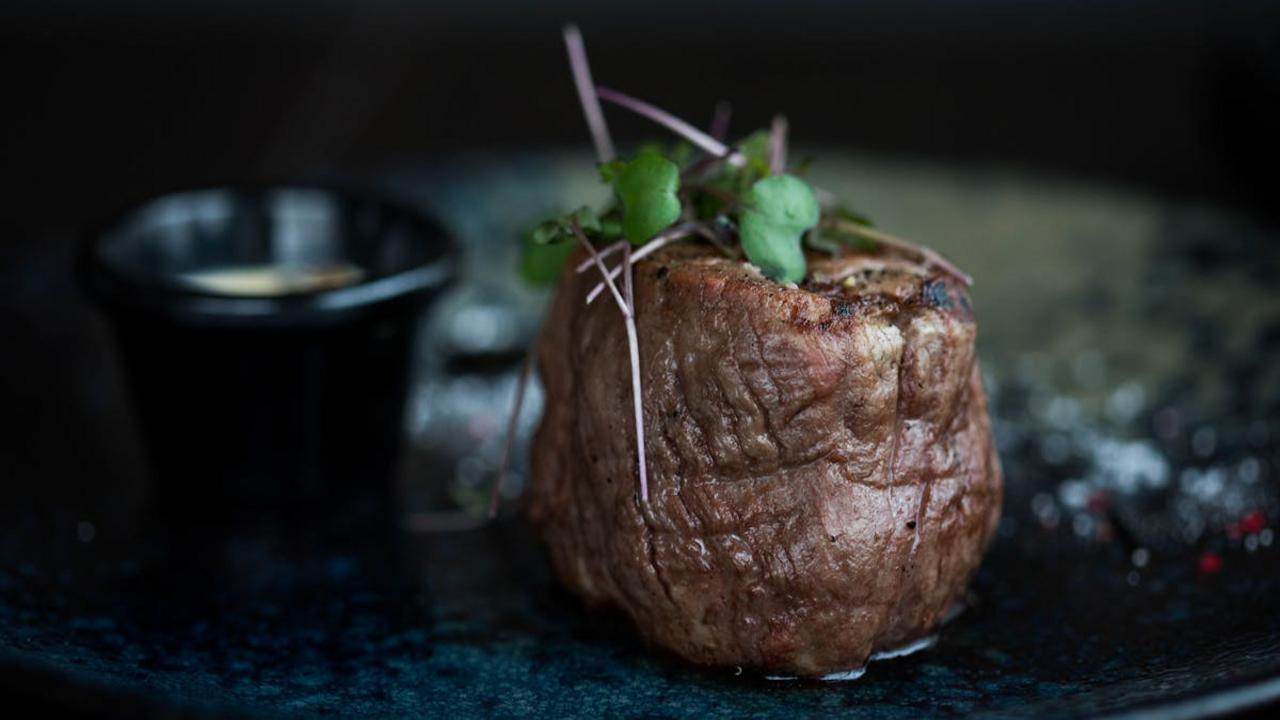
Picture this: you and your dinner companion dramatically announcing to the waiter, “We’ll have the Chateaubriand for two, please,” like you’re ordering the crown jewels of beef. This wasn’t just dinner—it was theater! The thick center cut of beef tenderloin would arrive at your table with all the pomp of a royal procession, carved tableside by a server who clearly practiced his knife skills in front of a mirror. Named after French writer François-René de Chateaubriand (who probably never imagined his legacy would involve premium beef), this dish represented peak dining sophistication in the ’70s.
What made Chateaubriand special wasn’t just the quality of the meat—though that thick, buttery tenderloin was certainly the star of the show. The real magic happened in the presentation and the shared experience. Restaurants would serve it with béarnaise sauce, roasted vegetables, and enough theatrical flair to make you feel like dining royalty. The communal aspect turned dinner into an event, forcing couples to coordinate their desired doneness and creating those “no, you pick the sauce” moments that somehow made the meal more memorable. These days, finding authentic tableside-carved Chateaubriand feels like searching for a unicorn, but man, wouldn’t it be nice to bring back that level of dinner drama?
Sole Meuniere
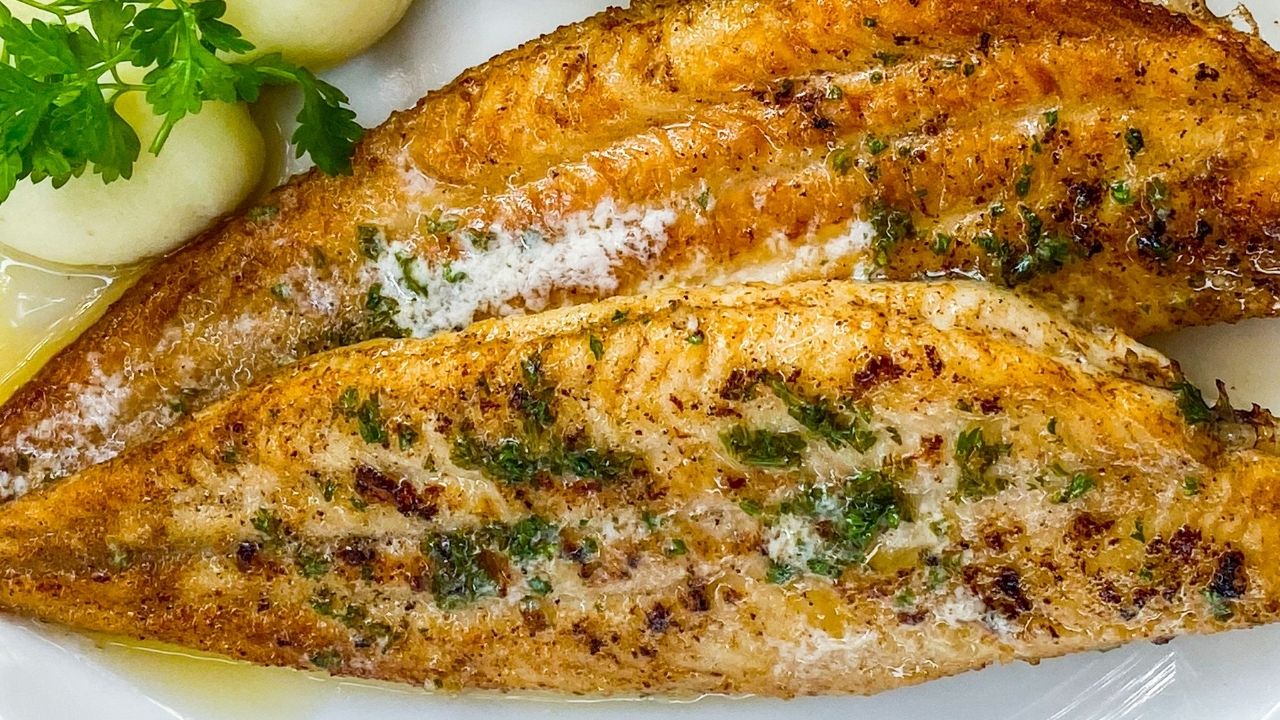
Picture this: you’re dining at a swanky restaurant in 1975, the kind where waiters wore bow ties and knew how to properly flambe dessert without setting the tablecloth on fire. You order sole meuniere, and what arrives is pure magic—a delicate Dover sole, lightly dusted with flour, sautéed in butter until golden, then finished with fresh lemon juice, parsley, and more butter because why not? The fish practically melts on your fork, and you suddenly understand why Julia Child made this dish famous after her first meal in France. This wasn’t just dinner; this was an education in how simple ingredients could create something absolutely transcendent.
The beauty of sole meuniere lies in its deceptive simplicity—just fish, flour, butter, lemon, and herbs, yet it requires the kind of technique that separates kitchen wizards from weekend warriors. The butter needs to foam just right, the fish must be patted bone-dry before hitting the pan, and timing everything perfectly means the difference between restaurant-quality perfection and expensive fish sticks. Sadly, most modern menus have abandoned this classic for flashier options with seventeen ingredients and Instagram-worthy presentations. But here’s the thing: when you nail sole meuniere, you don’t need fancy plating or molecular gastronomy tricks—the dish speaks for itself in that rich, buttery language that makes grown adults weep tears of joy.
Quiche Lorraine
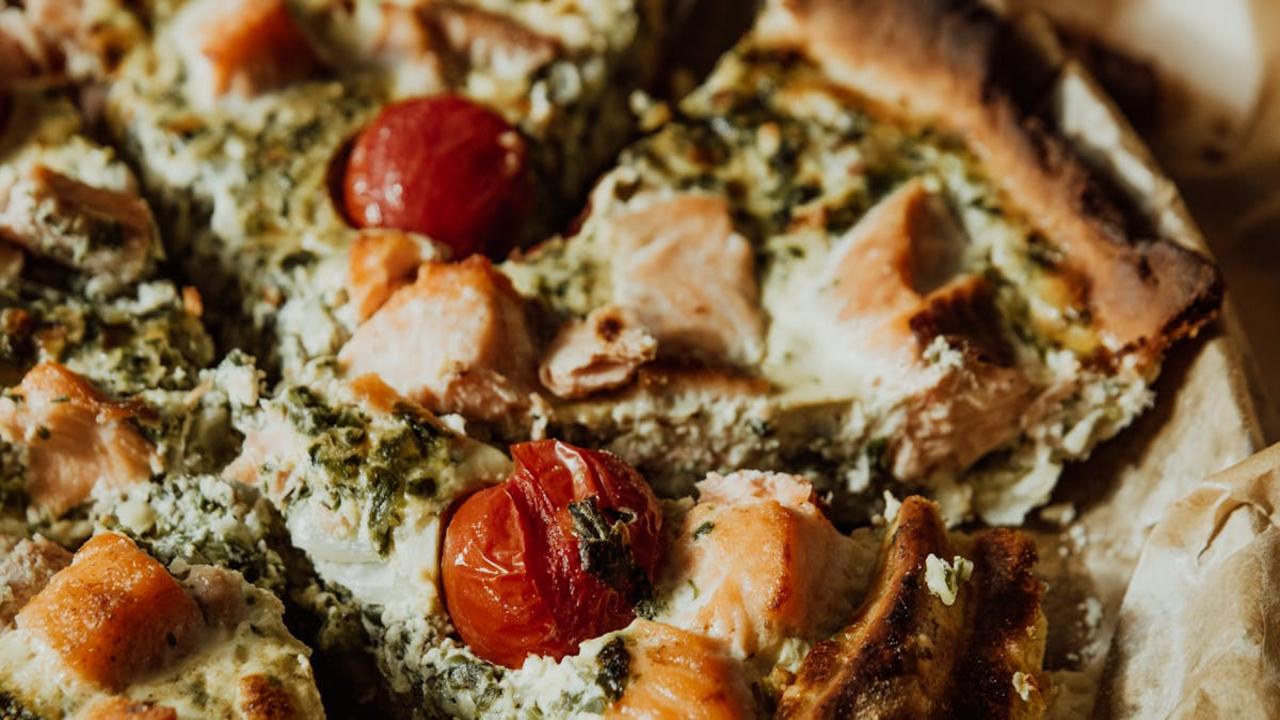
Picture this: you’re at a fancy brunch in 1975, wearing your best polyester pantsuit, and the waiter slides a perfect wedge of Quiche Lorraine in front of you. That golden, custardy masterpiece studded with crispy bacon and nestled in a buttery pastry shell was the height of sophistication back then. Everyone from suburban housewives to business executives considered themselves worldly for ordering this French import, even though most couldn’t pronounce “Lorraine” correctly if their lives depended on it. The dish became so popular that quiche pans flew off department store shelves faster than pet rocks.
What made Quiche Lorraine so irresistible was its perfect balance of rich eggs, heavy cream, smoky bacon, and just enough cheese to make everything sing without overwhelming the party. The original recipe from the Lorraine region of France actually skipped the cheese entirely, but American cooks couldn’t resist adding Gruyère or Swiss to jazz things up. You’d find this beauty gracing lunch tables everywhere, from country clubs to corner bistros, often paired with a simple green salad and a glass of white wine. Today’s brunch menus desperately need this classic back – sure, we have endless frittata variations and shakshuka, but nothing matches the pure elegance and comfort of a properly made quiche that wobbles just slightly when you cut into it.
Lobster Thermidor
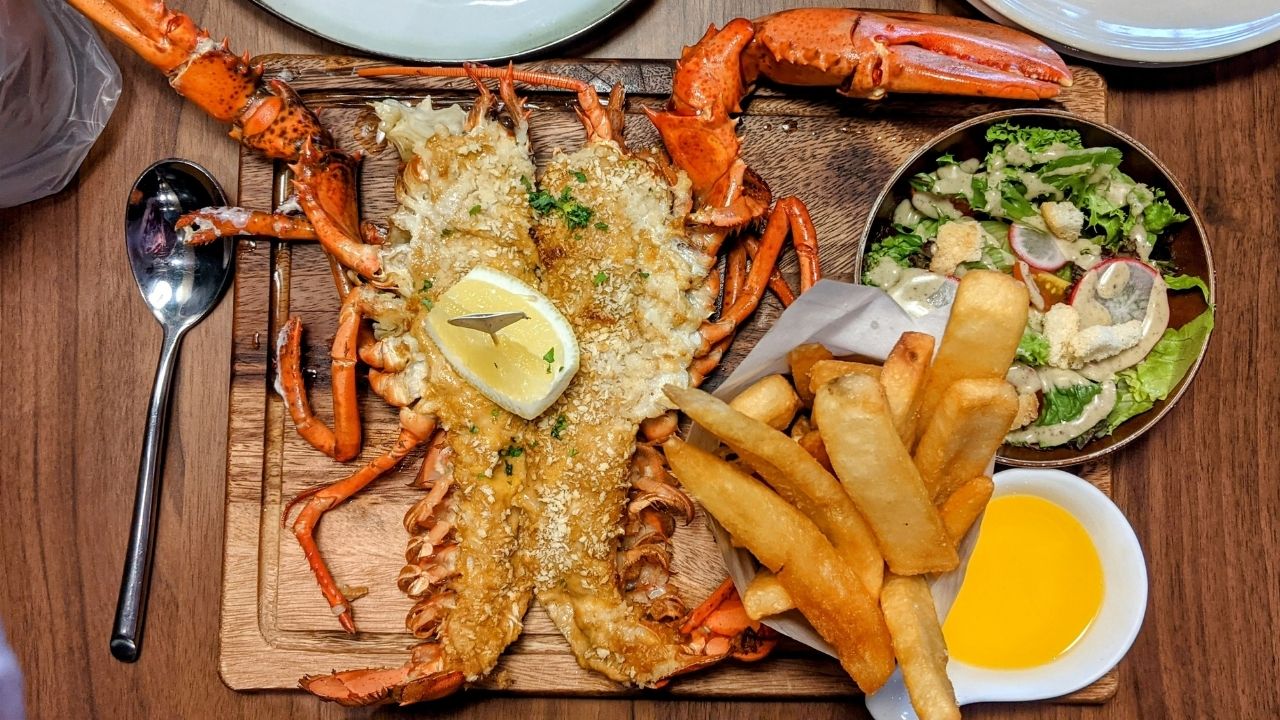
Picture this: you’re sitting in a dimly lit restaurant with burgundy velvet banquettes, and the waiter approaches your table carrying what looks like a flaming treasure chest from Poseidon’s personal collection. That, my friend, was Lobster Thermidor in its 1970s glory—a dish so extravagant it practically demanded its own spotlight and possibly a drum roll. The whole lobster shell arrived at your table stuffed with chunks of sweet lobster meat swimming in a rich, brandy-spiked cream sauce, topped with cheese that bubbled and browned under the broiler like edible lava. This wasn’t just dinner; this was dinner theater, complete with enough butter to make your cardiologist weep and enough drama to rival a soap opera.
Named after a month in the French Revolutionary calendar (because apparently revolutionaries knew how to party), Lobster Thermidor became the ultimate “I’m celebrating something important” dish of the disco era. You didn’t order this beauty on a Tuesday night—you saved it for anniversaries, promotions, or that moment when you finally convinced your date you were worth the investment. The dish required serious commitment from both kitchen and diner, with chefs carefully extracting every morsel of meat, mixing it with egg yolks, cream, mustard, and cognac, then stuffing it all back into the shell like the world’s most delicious jack-in-the-box. Sure, it took forever to prepare and cost more than your monthly phone bill, but watching that golden-brown masterpiece arrive at your table made you feel like dining royalty—even if you spent the next week eating ramen to recover financially.
Bananas Foster
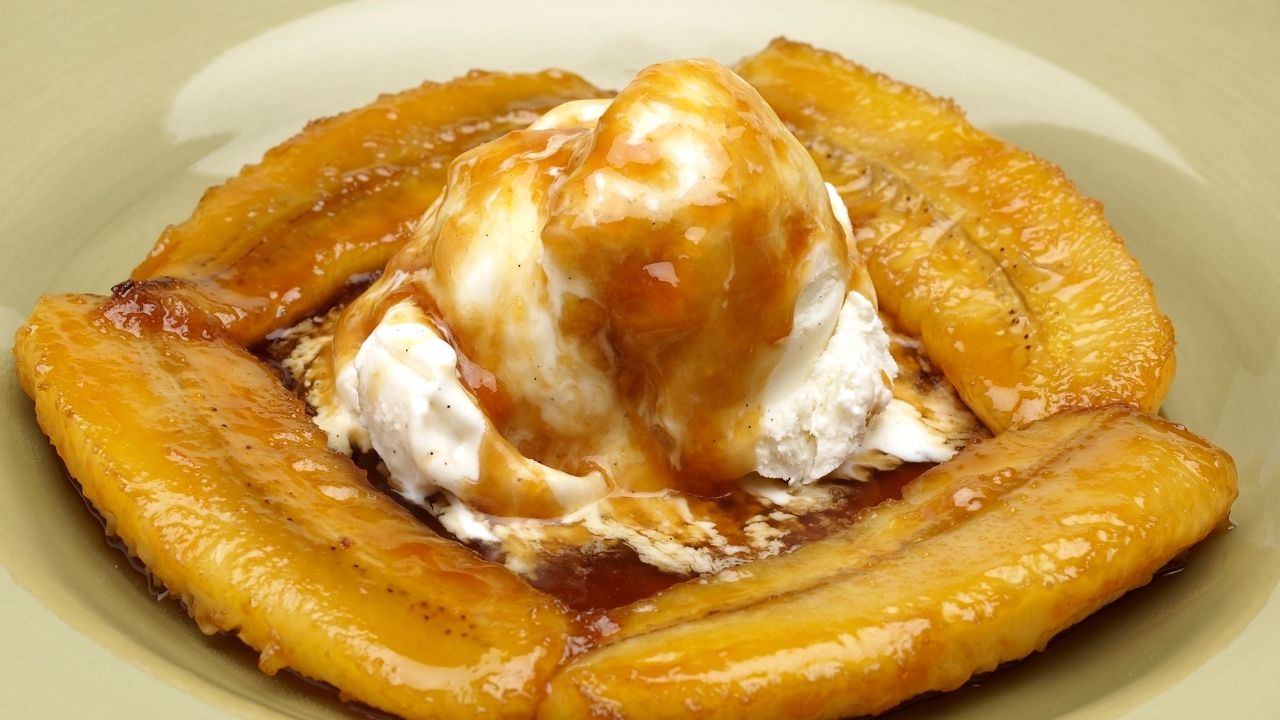
Picture this: you’re at a fancy restaurant in the 1970s, and suddenly your waiter wheels over a cart with a portable burner, creating what can only be described as controlled chaos at your tableside. That’s Bananas Foster for you—the dessert that turned every server into a pyrotechnician and every dinner into dinner theater. This New Orleans classic involves slicing bananas, drowning them in butter, brown sugar, and cinnamon, then dramatically flambéing the whole production with rum until flames dance like tiny orange spirits above your plate. The result gets spooned over vanilla ice cream while still warm, creating that perfect hot-and-cold contrast that makes your spoon practically sing.
What made this dessert so irresistible wasn’t just the taste—though those caramelized bananas swimming in buttery rum sauce were absolutely divine—but the pure spectacle of it all. You’d watch wide-eyed as your dessert literally caught fire, wondering if this was normal or if you should call the fire department. Created at Brennan’s Restaurant in New Orleans in 1951, Bananas Foster became the ultimate showstopper dessert of the ’70s dining scene. Every upscale restaurant worth its salt had someone who could work that tableside magic, and honestly, we need that drama back in our lives. Sure, you can make it at home, but where’s the fun in that when you could have a professional set your dessert ablaze while you sit back and applaud?
Veal Oscar
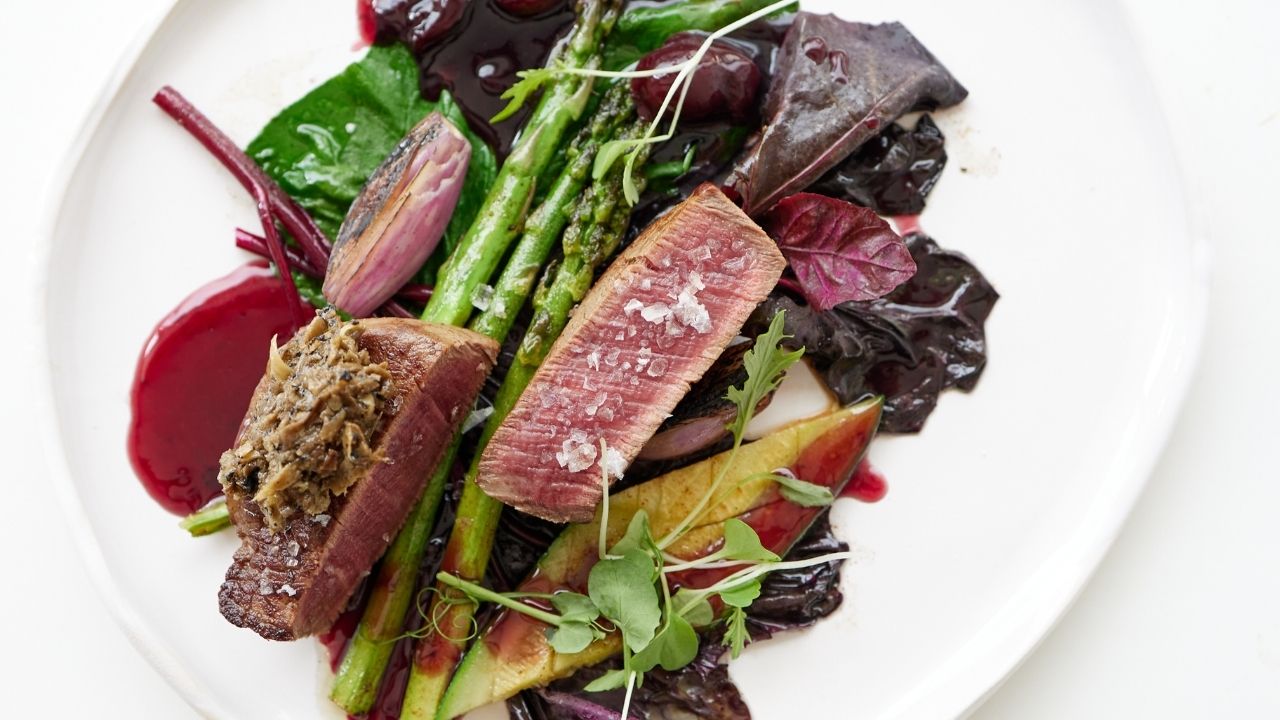
Picture this: tender veal cutlets topped with fresh crabmeat, blanched asparagus spears, and a generous drizzle of hollandaise sauce that would make even the most stoic dinner guest weak in the knees. Veal Oscar was the ultimate showstopper dish of the 1970s, the kind of entrée that made you feel like you were dining in a European palace rather than your local steakhouse. Named after King Oscar II of Sweden (who apparently knew a thing or two about good eating), this dish represented everything extravagant about fine dining during the disco era. You’d find it gracing the menus of upscale restaurants from coast to coast, often served alongside a martini that was definitely not dirty and conversation that was absolutely filthy.
The beauty of Veal Oscar lies in its perfect marriage of textures and flavors – the buttery veal, sweet crabmeat, crisp asparagus, and that luscious hollandaise creating a symphony that would make your fork do a little happy dance. Sure, making hollandaise from scratch might seem intimidating (and yes, it can break faster than a teenager’s promise to be home by curfew), but the payoff is worth every whisked egg yolk. Modern restaurants have largely abandoned this classic, probably because it requires actual skill and patience rather than throwing some arugula on a plate and calling it “artisanal.” If you’re feeling ambitious, try recreating this at home – just remember that hollandaise waits for no one, so have everything else ready before you start that sauce!
Crepes Suzette
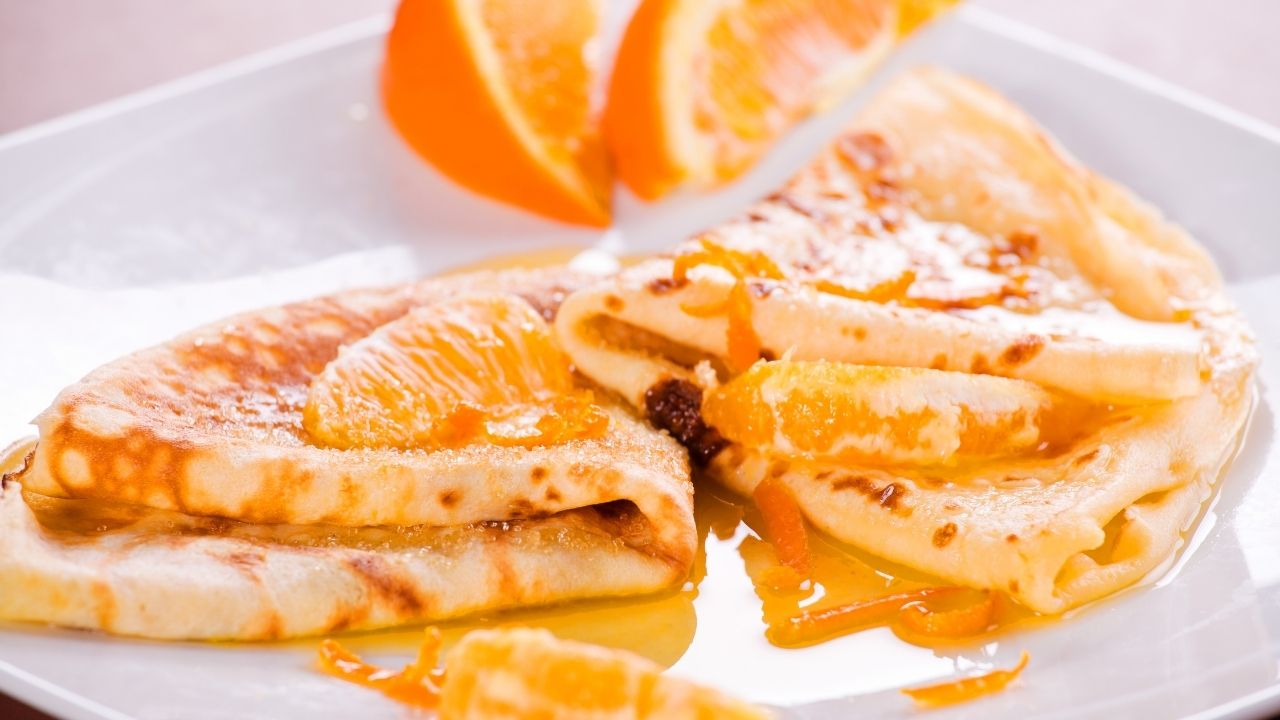
Picture this: you’re sitting in a dimly lit restaurant, watching your server wheel over a silver cart like they’re about to perform surgery. But instead of scalpels, they’ve got a chafing dish, a ladle, and enough theatrical flair to make Broadway jealous. That’s the magic of Crepes Suzette, the flambéed French dessert that turned every meal into dinner theater. Your server would fold those delicate pancakes with the precision of an origami master, then douse them in orange liqueur before setting the whole thing ablaze. The blue flames would dance across the table while you tried not to singe your eyebrows, and honestly? The spectacle was half the appeal.
These weren’t just any crepes – they were gossamer-thin beauties swimming in a buttery orange sauce that would make a citrus grove weep with envy. The combination of Grand Marnier, fresh orange juice, and butter created this glossy, aromatic sauce that clung to every fold of the crepe like silk pajamas. Sure, you can still find Crepes Suzette at some fancy French joints, but they’ve lost that pyrotechnic pizzazz that made them the rockstars of 1970s dessert menus. Modern restaurants seem terrified of open flames and tableside drama, probably because insurance companies don’t appreciate waiters wielding flaming ladles. But honestly, where’s the fun in a dessert that doesn’t require a fire extinguisher nearby?
Beef Stroganoff
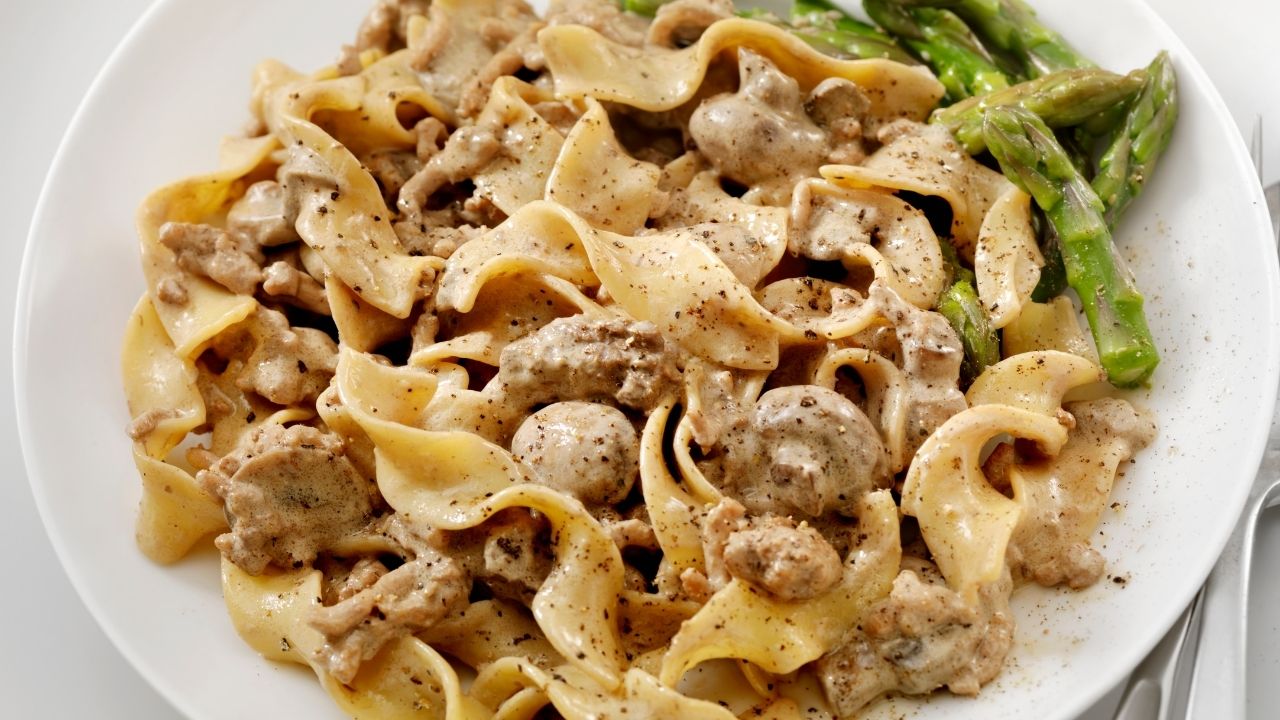
Remember when beef stroganoff graced dinner tables across America like some kind of creamy, mushroom-laden superhero? This Russian-born dish became the ultimate 1970s dinner party showstopper, and honestly, I’m still wondering why we collectively decided to abandon it for boring grilled chicken. Picture this: tender strips of beef swimming in a velvety sour cream sauce, nestled over egg noodles that practically begged you to twirl them around your fork. The dish originally got its name from a 19th-century Russian diplomat’s family, but by the groovy ’70s, American home cooks had made it their own with cream of mushroom soup shortcuts that somehow made it even more irresistible.
What made stroganoff so brilliant was its perfect balance of sophistication and comfort – fancy enough for company, cozy enough for a Tuesday night. You’d brown the beef until it developed that gorgeous caramelized crust, then create this impossibly rich sauce that clung to every piece of meat like a warm hug. The mushrooms added an earthy depth that made your kitchen smell like a fancy European bistro, while the sour cream brought that tangy richness that modern dishes seem to have forgotten. Sure, you can still find it lurking on some menus, but it’s usually a sad shadow of its former glory. Bring back the real deal – the kind that required actual skill, patience, and enough sour cream to make a cardiologist weep tears of both joy and concern!
Duck a l’Orange
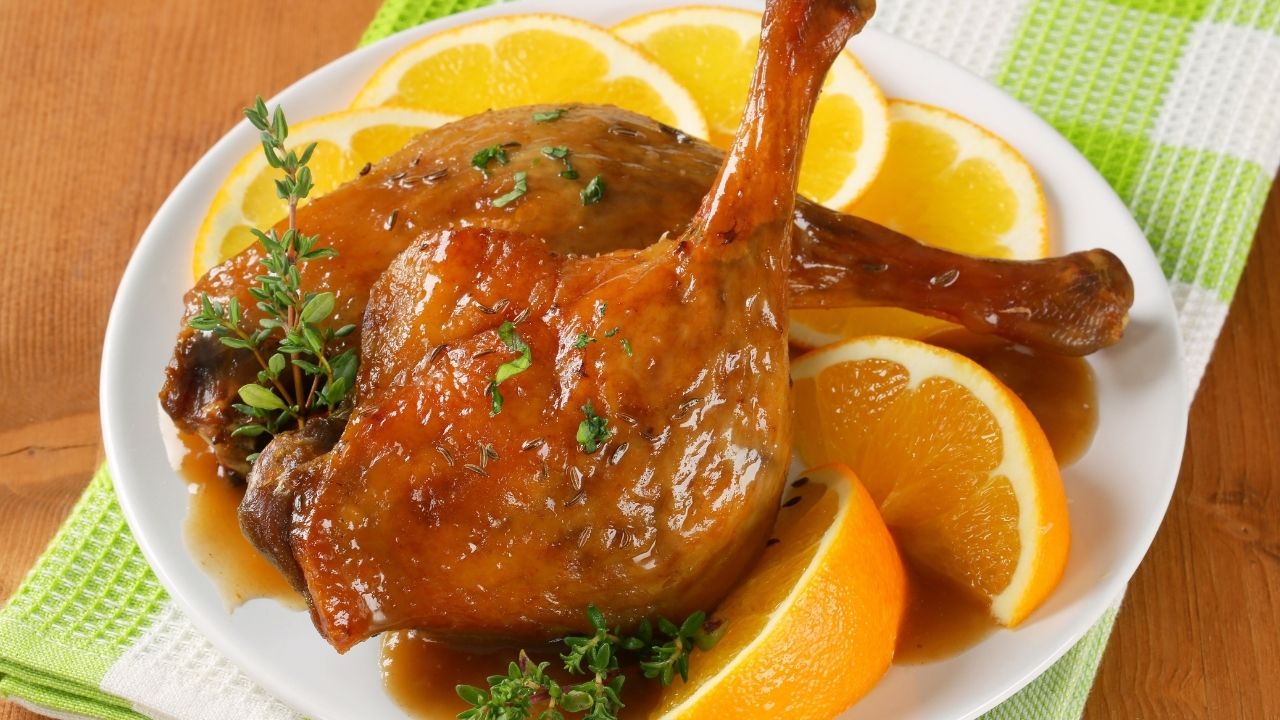
Picture this: it’s 1975, you’re wearing your finest polyester suit, and the waiter ceremoniously places before you a glistening roasted duck draped in glossy orange sauce that catches the candlelight like liquid amber. Duck à l’Orange wasn’t just dinner—it was theater! This French classic became the ultimate “I’ve arrived” dish of the disco era, gracing the tables of every upscale restaurant from Manhattan to Beverly Hills. The preparation involved roasting a whole duck until the skin crackled like autumn leaves, then bathing it in a sauce made from fresh orange juice, Grand Marnier, and just enough sugar to make your sophisticated palate swoon.
What made this dish so magical wasn’t just the dramatic presentation (though watching servers carve tableside never got old), but the perfect marriage of rich, fatty duck with bright, citrusy sweetness. The sauce required serious skill—too sweet and you’d have dessert masquerading as dinner, too tart and the duck would taste like it had been attacked by angry oranges. Today’s restaurants have largely abandoned this showstopper in favor of simpler fare, but honestly, we’re missing out on pure drama. If you want to recreate this 70s masterpiece at home, start with a good butcher, invest in a meat thermometer, and remember that patience makes the difference between crispy perfection and rubber disaster. Your dinner guests will think you’ve time-traveled straight from Studio 54!
Chicken Kiev
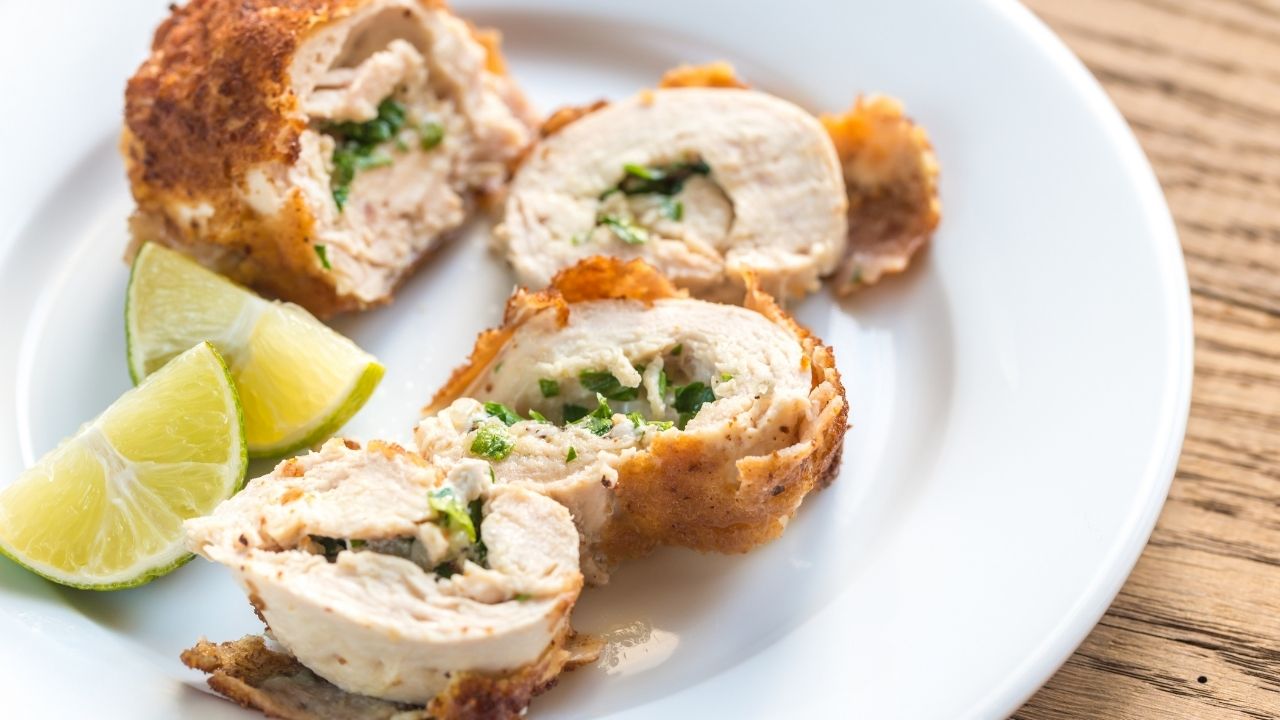
Picture this: you’re sitting in a dimly lit restaurant circa 1974, eyeing a golden-brown chicken breast that’s practically begging for attention on your plate. You slice into that bad boy with confidence, only to witness pure magic—molten herb butter erupts like a tiny, delicious volcano, pooling around your dinner in the most spectacular way possible. That, my friend, was Chicken Kiev in its heyday, and restaurants served it with the theatrical flair it deserved. The dish originated in Ukraine (though some French chefs will fight you on this), but American restaurants adopted it as their own showstopper, complete with toothpicks to hold everything together and stern warnings from waiters about the inevitable butter explosion.
The preparation was an absolute feat of kitchen engineering—chefs would pound chicken breasts paper-thin, stuff them with a mixture of butter, garlic, parsley, and sometimes chives, then roll them up tighter than a burrito before coating them in breadcrumbs and frying them to golden perfection. Smart diners knew to poke a small hole first to release some pressure, but half the fun was watching newbies get absolutely drenched in herb butter during their first encounter. These days, you’d be hard-pressed to find authentic Chicken Kiev on most menus, which is honestly tragic because nothing says “fancy dinner out” quite like wearing your entrée on your shirt while grinning like an idiot.
Oysters Rockefeller
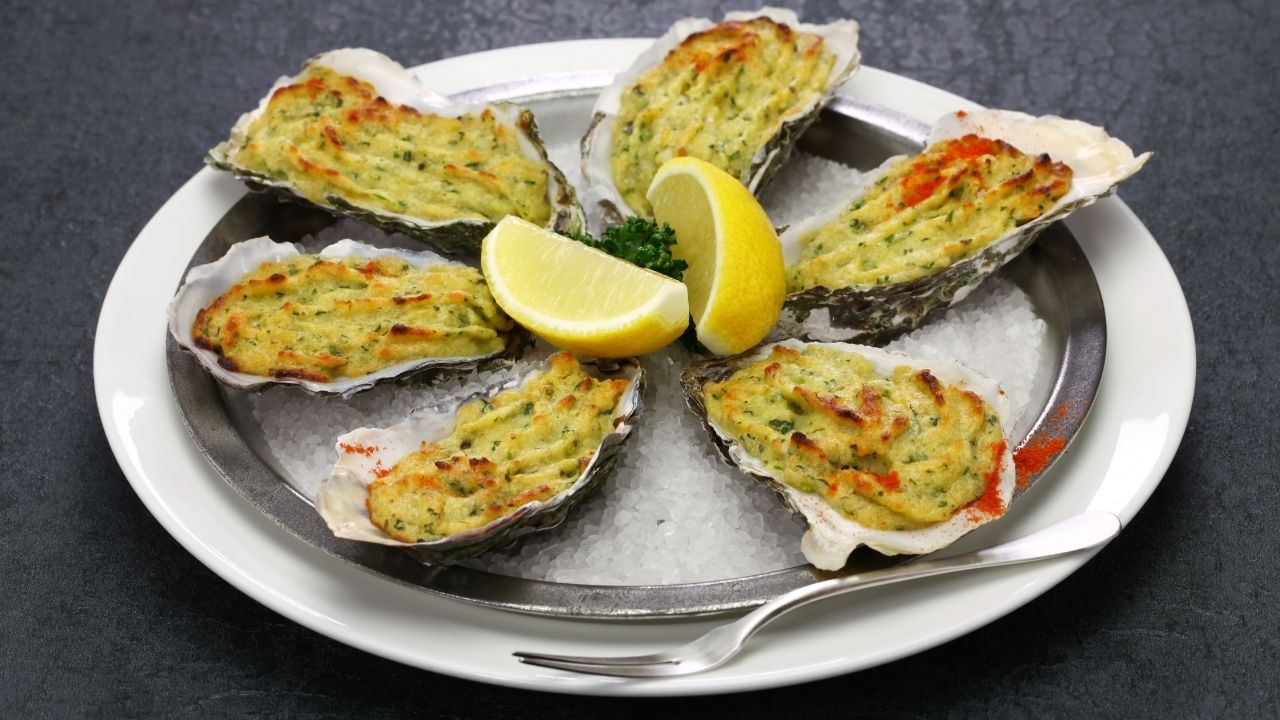
Picture this: you’re at a swanky 1970s restaurant, the kind where the waiters wore bow ties and knew how to flambe tableside without setting anyone’s hair on fire. The star of the appetizer menu? Oysters Rockefeller, those magnificent bivalves swimming in a pool of creamy, herb-laden butter that would make your cardiologist weep. Named after John D. Rockefeller because they were supposedly “rich as Rockefeller,” these little ocean gems got the royal treatment with spinach, herbs, and enough butter to lubricate a small aircraft. The original recipe from Antoine’s in New Orleans remains a closely guarded secret to this day – they’ve been keeping it under wraps since 1899, making it more mysterious than your grandmother’s meatloaf recipe.
What made these beauties so special wasn’t just the theatrical presentation (though watching them bubble under the broiler was pure dinner theater). The magic happened when that first forkful hit your mouth – the briny pop of the oyster mingling with the rich, garlicky spinach mixture created a flavor explosion that could convert even the most stubborn shellfish skeptic. Modern restaurants have sadly relegated this classic to the “too fancy” category, but honestly, we need to bring back foods that require actual skill to prepare. Sure, you can make them at home, but there’s something irreplaceable about having a professional chef who knows exactly how long to broil them without turning your oysters into expensive rubber erasers.
Cherries Jubilee
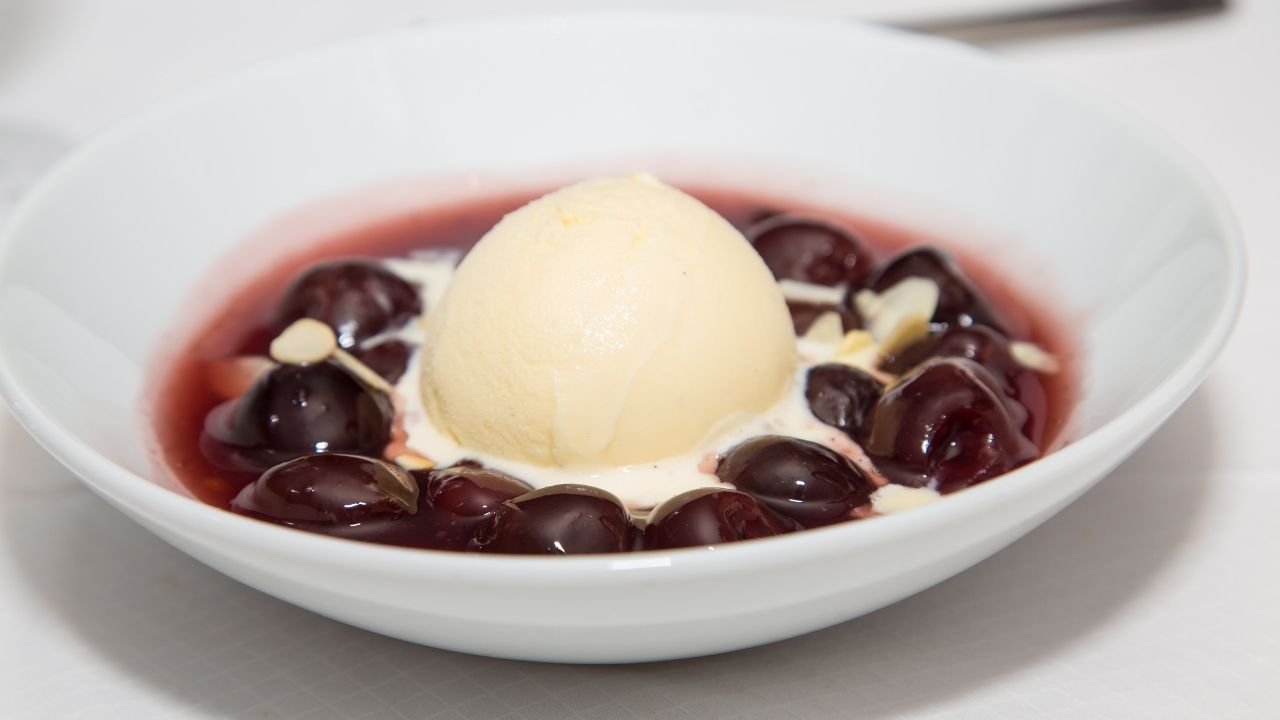
Picture this: you’re dining at a swanky restaurant in 1975, the lights dim dramatically, and your waiter wheels out a silver cart like he’s performing surgery. Then comes the magic—cherries swimming in brandy suddenly burst into flames right before your eyes! Cherries Jubilee wasn’t just dessert; it was dinner theater at its most delicious. This flambéed spectacle originated when chef Auguste Escoffier created it for Queen Victoria’s Diamond Jubilee in 1897, but the 1970s turned it into the ultimate date-night finale that made everyone feel like royalty.
The beauty of Cherries Jubilee lies in its perfect balance of sweet and boozy, with those plump cherries getting a dramatic alcohol bath before landing on vanilla ice cream. You’d watch the blue flames dance across the pan while inhaling that intoxicating aroma of caramelized fruit and brandy. Modern restaurants have mostly abandoned this theatrical treat, probably because insurance companies frown upon open flames in dining rooms. But honestly, we need more desserts that require actual performance skills! Making it at home is surprisingly simple—just heat your cherries with sugar and brandy, light it up (carefully!), and watch your guests’ jaws drop. It’s the kind of dessert that transforms any Tuesday into an occasion worth remembering.
Steak Diane
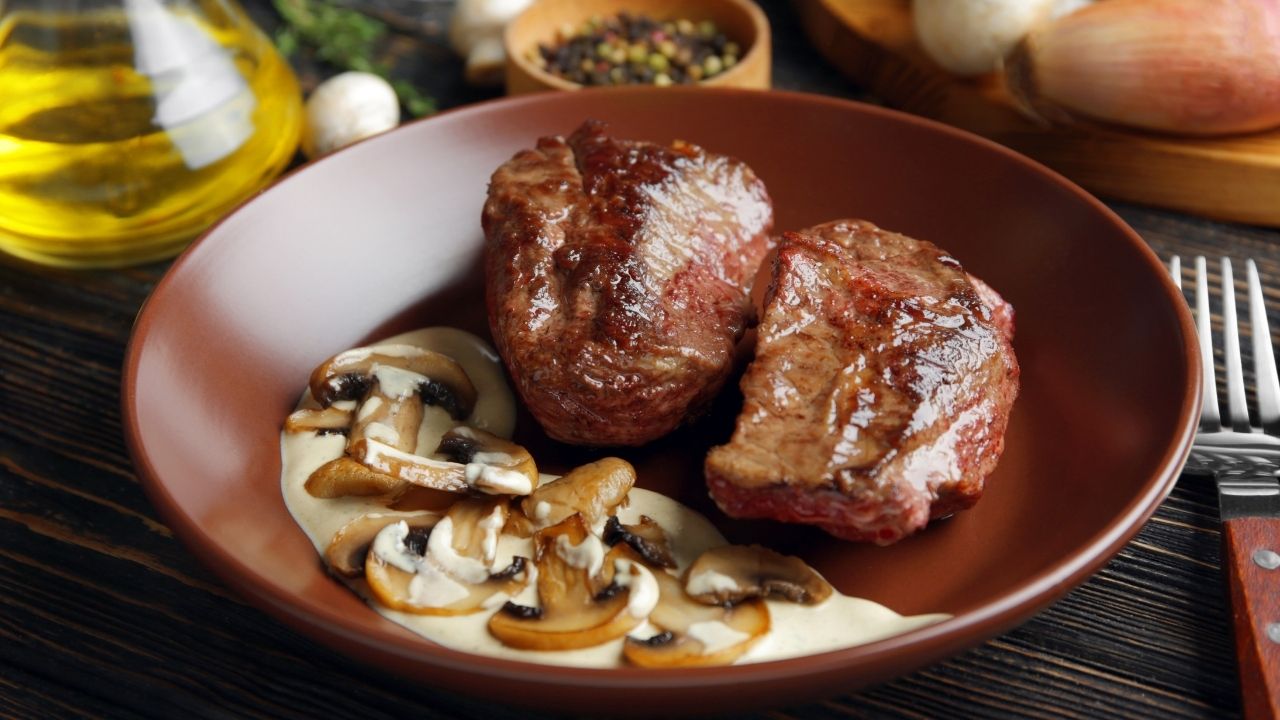
Picture this: you’re at a swanky 1970s restaurant, and suddenly the waiter wheels a cart to your table, flames dancing dramatically as your dinner gets the full theatrical treatment. That’s Steak Diane for you – the showstopper that made dining out feel like attending a Broadway performance. This dish featured tender beef medallions swimming in a rich, cognac-spiked pan sauce loaded with mushrooms, shallots, and enough butter to make Paula Deen weep with joy. The tableside preparation wasn’t just dinner; it was dinner theater, complete with the satisfying whoosh of alcohol igniting and diners leaning back with wide eyes and wider grins.
Named after the Roman goddess of the hunt (because apparently even ancient deities appreciated a good steak), this dish ruled the fine dining scene before disappearing faster than your paycheck after a Target run. The magic happened in that cognac-cream sauce – a silky, boozy blanket that transformed ordinary beef into something worth writing home about. Today’s restaurants seem too busy with foam and microgreens to bother with such theatrical flair, but honestly? We need more flambéed drama in our lives. Bring back the cart, bring back the flames, and bring back the days when your server was part chef, part entertainer, and entirely committed to making you feel like royalty with a really good steak.