14 Outrageously Expensive Restaurant Menu Items From Across the Globe
Money can buy you some truly outrageous dining experiences! From gold-flecked burgers to diamond-topped desserts, luxury restaurants worldwide create menu items that cost more than my monthly rent. These culinary extravagances aren’t just about taste—they’re status symbols that wealthy diners gladly pay thousands for.
I’ve tracked down 14 of the most jaw-dropping expensive foods on restaurant menus across the globe. Each item transforms premium ingredients like Wagyu beef, white truffles, and rare caviar into spectacles of excess. Some incorporate actual precious metals and gems, taking “food as art” to an entirely new financial stratosphere.
Would I spend $5,000 on a burger or $1,000 on a sundae? Absolutely not! But I find it fascinating to peek into this world where money is no object and chefs push boundaries of luxury. Ready to see what the 1% eats when they want to impress? These menu items will make your fancy dinner splurge look like pocket change.
Almas Caviar
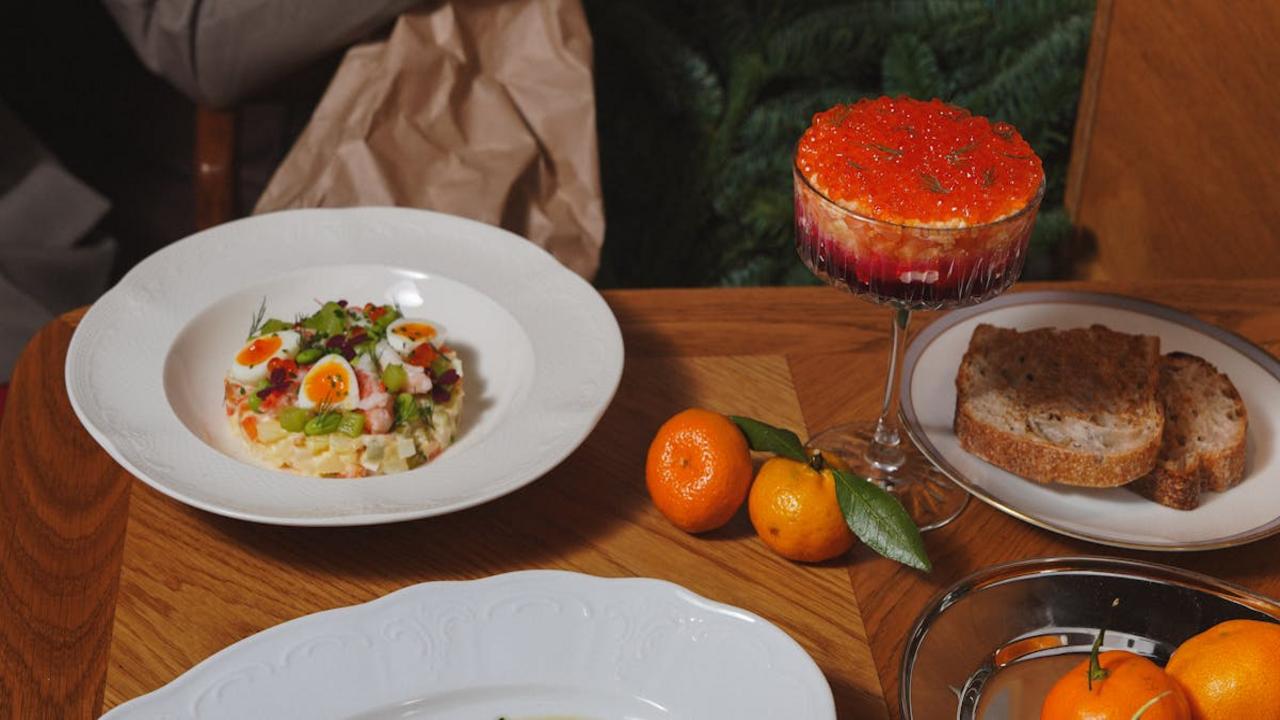
You know that moment when you’re shopping for groceries and you see something so expensive you have to double-check the price tag? Well, multiply that feeling by a thousand, and you might understand the shock of encountering Almas caviar. This extraordinary delicacy commands prices reaching $25,000 per kilogram, making it one of the most expensive foods on Earth. Sourced exclusively from the rare albino beluga sturgeon found in the pristine waters of the Caspian Sea, Almas caviar represents the pinnacle of luxury dining. The name “Almas” literally means “diamond” in Persian, which tells you everything about how precious this ingredient truly is.
What makes this caviar so special goes beyond its astronomical price point. The albino beluga sturgeon that produces Almas caviar can live over 100 years, and these ancient fish develop eggs with an incredibly complex flavor profile that’s both creamy and nutty, with subtle mineral notes that speak to their pristine environment. I always think about how food connects us to place and time, and this caviar carries the essence of centuries-old waters within each pearl-like sphere. The rarity factor cannot be overstated – finding albino sturgeon is like discovering a culinary unicorn. When served, it’s traditionally presented with mother-of-pearl spoons to preserve its delicate flavor, accompanied by simple blinis or toast points that won’t compete with its extraordinary taste.
The Luxe Milkshake

You know that moment when you’re craving something indulgent but your wallet starts crying? Well, imagine dropping $100 on a single milkshake at New York’s Serendipity 3. Their Golden Opulence Sundae gets all the attention, but their luxe milkshake deserves its own spotlight. This isn’t your corner diner’s chocolate shake – we’re talking about a dessert that includes edible gold leaf, premium Madagascar vanilla, and Belgian chocolate that costs more than most people’s grocery budget for a week.
As someone who makes milkshakes at home with frozen bananas and dates for natural sweetness, I have to admire the audacity. The presentation alone feels like theater – crystal glassware, gold accents, and enough Instagram-worthy elements to make your followers question your financial decisions. While I’d never spend that much on a drink (I could make fifty homemade versions with organic ingredients for the same price), there’s something fascinating about how restaurants transform simple comfort foods into luxury experiences. Sometimes the story and spectacle become part of what you’re paying for, not just the ingredients themselves.
Kobe Beef and Maine Lobster Burger
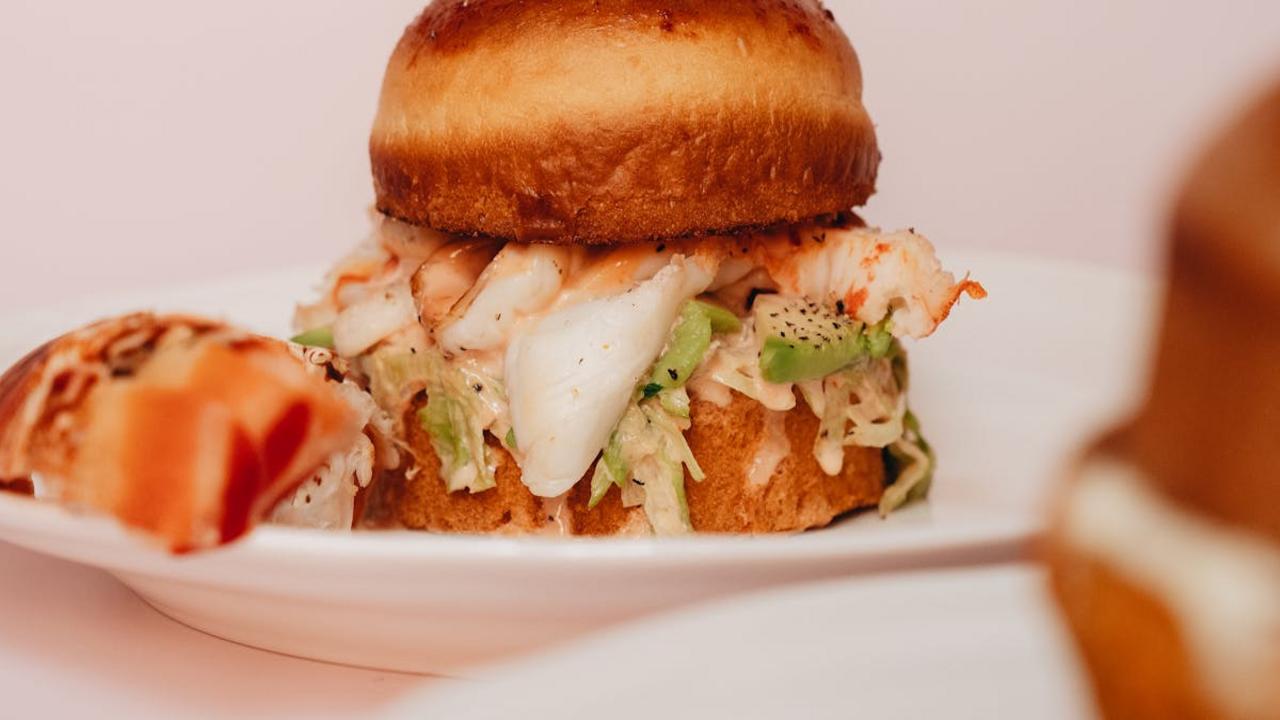
You know, when I first heard about this $777 creation at Serendipity 3 in New York, my home cook brain immediately started calculating how many regular meals I could make with that money! This isn’t your backyard barbecue burger—we’re talking authentic Japanese Kobe beef paired with fresh Maine lobster, topped with aged Gruyère cheese and truffle butter on a brioche bun. The restaurant even throws in a side of truffle fries because apparently regular fries wouldn’t complete this luxury experience.
Now, I respect quality ingredients—I always tell people to invest in good protein when they can—but this takes ingredient worship to another level entirely. What fascinates me about this burger is how it combines two completely different protein traditions: the incredibly marbled, buttery Kobe beef from Japan with sweet, delicate Maine lobster. As someone who loves experimenting with surf-and-turf combinations at home, I can imagine how these flavors would work together, though I’d probably add some fresh herbs and maybe a light citrus element to brighten everything up. The price tag might make your wallet weep, but you’ve got to admire the commitment to using only the finest ingredients available.
Angelito Araneta Jr.’s Sushi
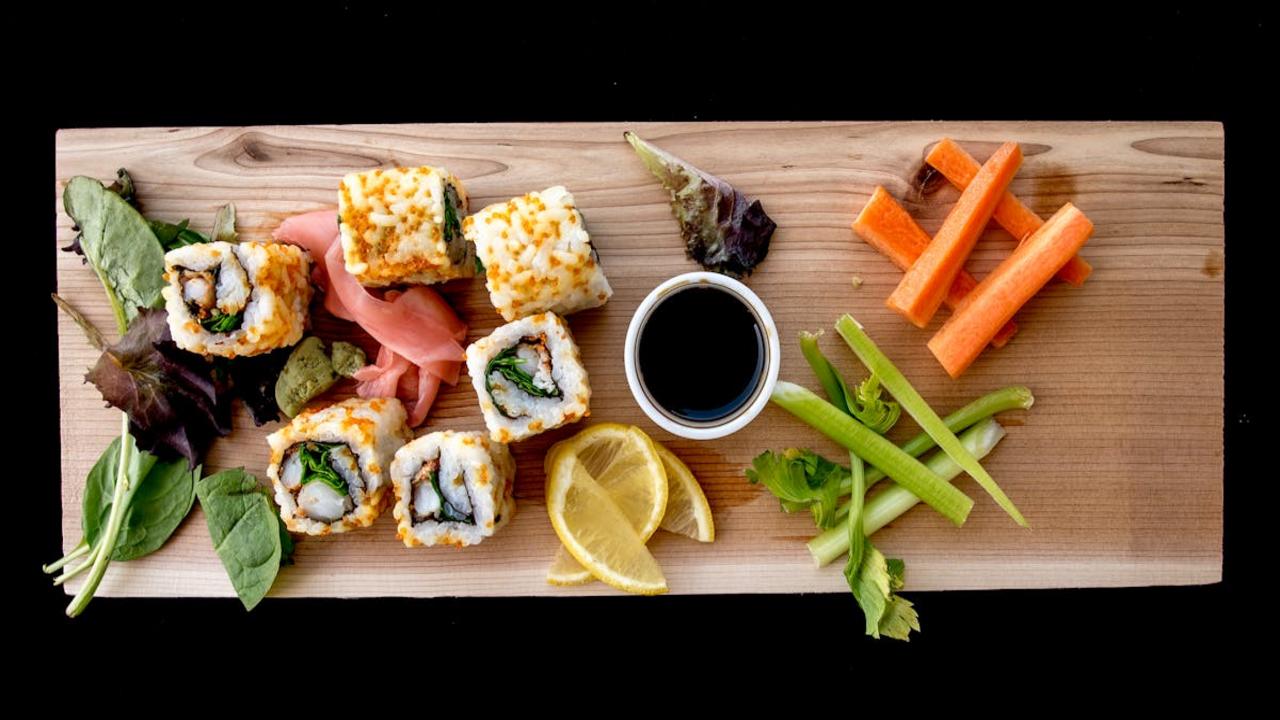
Picture this: you’re sitting in Manila, about to experience what might be the most expensive sushi on Earth – Angelito Araneta Jr.’s creation that costs a jaw-dropping $2,700 per piece. This isn’t your neighborhood sushi spot, my friend. We’re talking about sushi wrapped in 24-karat gold leaf and topped with three Mikimoto pearls, plus Iranian beluga caviar and foie gras. The man behind this creation believes food should be an experience that transcends the ordinary, and honestly, I can respect that vision even if my home cook budget would never stretch this far.
What fascinates me most about this extravagant creation isn’t just the price tag – it’s how Araneta Jr. takes traditional Japanese techniques and pushes them into uncharted territory. Sure, I’d never spend my grocery money on pearls for dinner, but there’s something beautiful about his commitment to using the finest ingredients available. In my own kitchen, I apply similar principles on a much smaller scale – choosing the best fish I can afford, respecting traditional methods, and creating something memorable. While most of us will never taste $2,700 sushi, we can still honor the craft by sourcing quality ingredients and treating each meal as something special worth our time and attention.
Floral Distinction
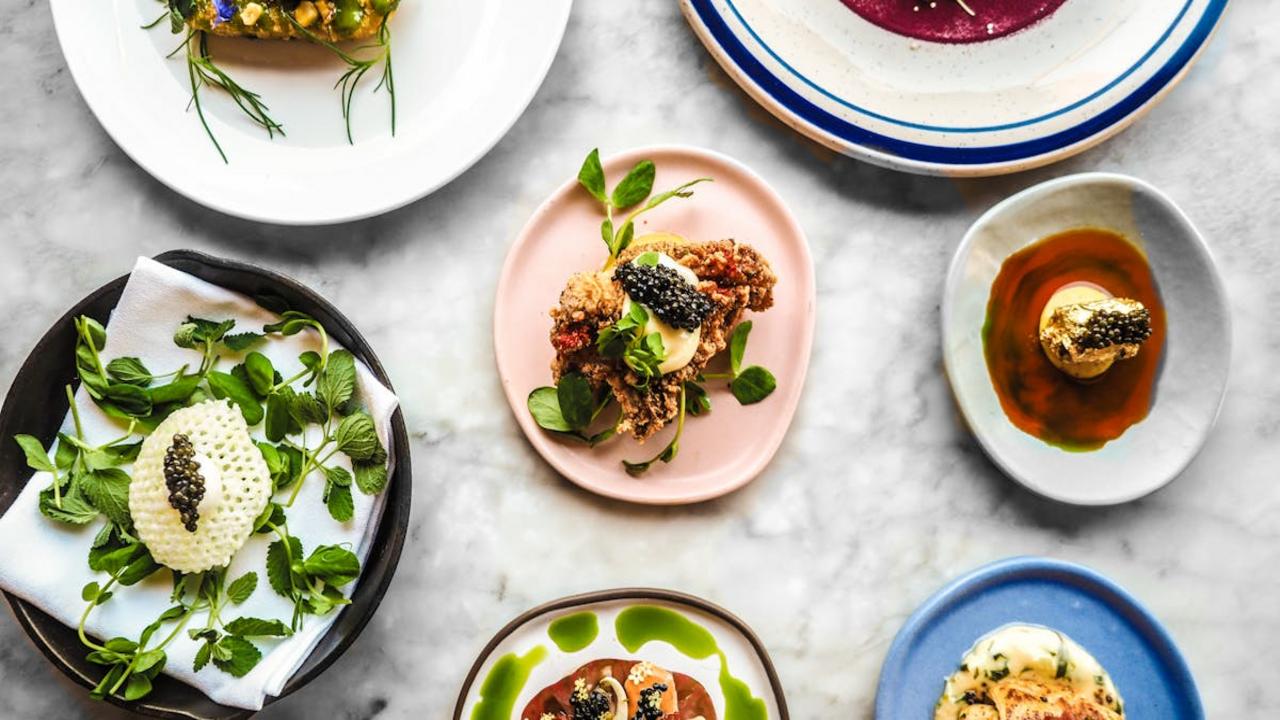
Picture this: you’re sitting in an upscale restaurant, and the server presents you with a dish that costs more than most people’s monthly grocery budget—all because it’s adorned with edible flowers that cost hundreds of dollars per bloom. Floral Distinction represents those breathtakingly expensive menu items where chefs incorporate rare, exotic flowers like saffron threads at $5,000 per pound, or delicate violet petals that must be hand-picked at dawn. These aren’t your grandmother’s nasturtiums from the backyard garden—we’re talking about flowers that require special cultivation, perfect timing, and sometimes international shipping to maintain their pristine condition.
Now, I get the appeal of beautiful presentation, and I absolutely love using edible flowers in my own cooking—hibiscus in teas, rose petals in desserts, or lavender in honey. But when restaurants charge astronomical prices for these floral additions, I can’t help but think about how you could recreate similar magic at home for a fraction of the cost. You can grow your own edible flower garden with pansies, calendulas, and borage, then use them to transform simple dishes into Instagram-worthy masterpieces. The real beauty lies not in the price tag, but in understanding how these delicate flavors can complement your cooking—a light peppery note from nasturtiums in salads, or the subtle perfume of rose petals in homemade ice cream.
Quintessential Grilled Cheese
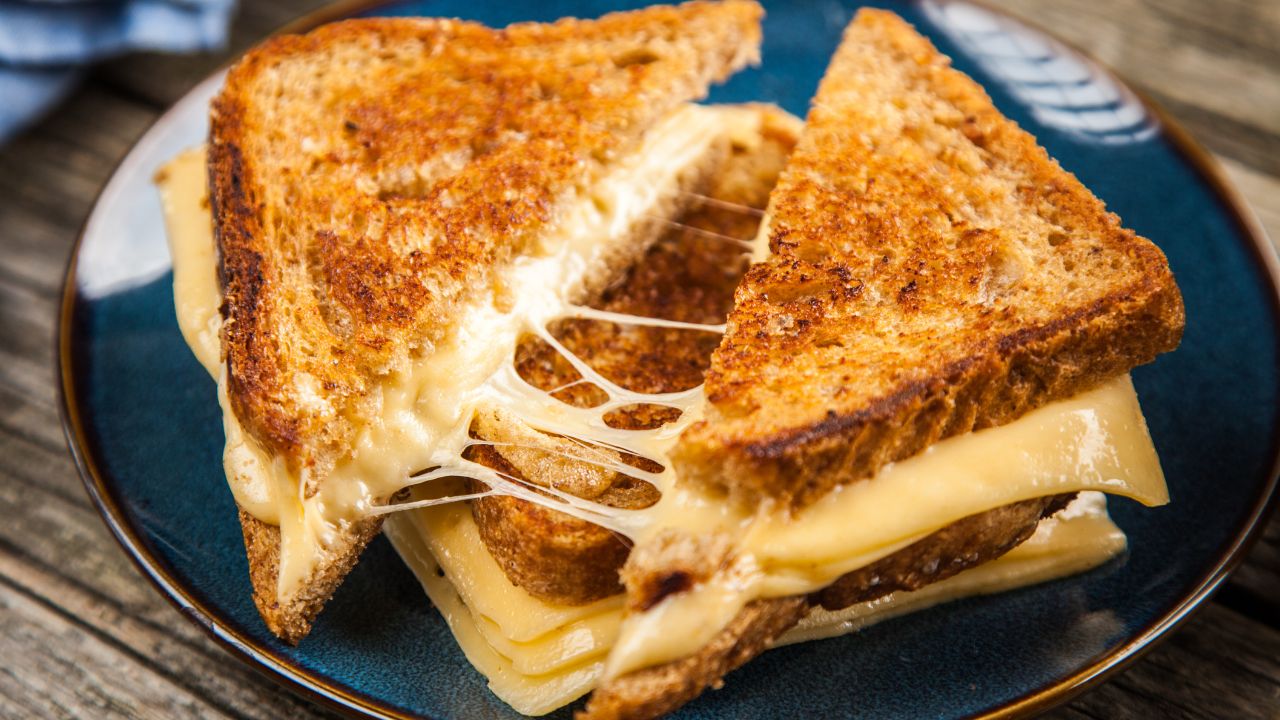
When I first heard about Serendipity 3’s $214 grilled cheese sandwich in New York City, I honestly thought someone was pulling my leg. But this isn’t your childhood comfort food – this creation features rare Caciocavallo Podolico cheese from Italy, made from the milk of cows that graze only on specific wild herbs and fennel. They pair this with Dom Pérignon champagne and white truffle butter, then grill it between two slices of French Pullman bread that’s been brushed with more truffle butter. The whole thing gets finished with edible gold flakes because, apparently, regular cheese isn’t fancy enough for some folks.
What gets me about this dish is how it takes something so fundamentally simple and pure – bread, butter, cheese – and completely loses sight of what makes a grilled cheese special in the first place. In my kitchen, I make incredible grilled cheese with good sourdough, real butter, and maybe some aged cheddar or gruyere, and it costs me less than five dollars. The magic happens when you get that perfect golden crust and the cheese melts just right, creating those satisfying cheese pulls we all love. Sometimes the most expensive ingredients can’t buy you the soul of a dish, and honestly, I’d rather spend that $214 on ingredients for a month’s worth of homemade meals that actually nourish both body and spirit.
Samundari Khazana Curry
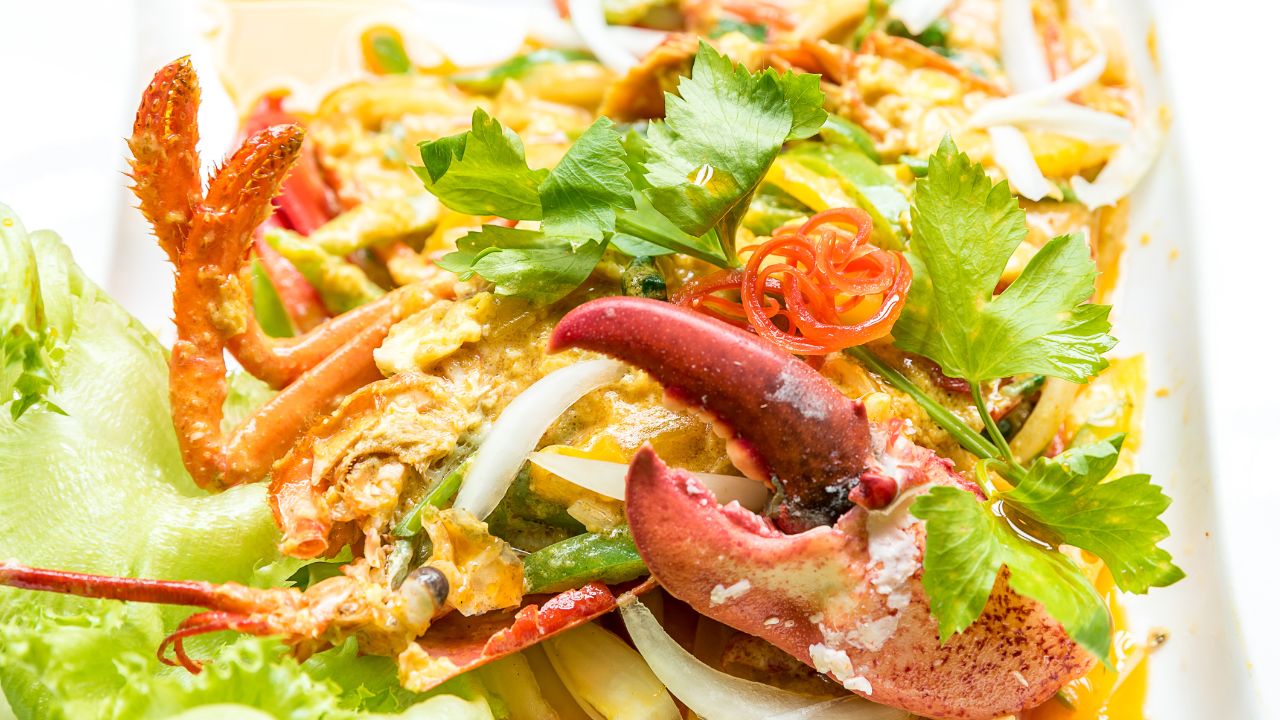
Picture this: you’re sitting in Mumbai’s prestigious Trishna restaurant, and the server presents you with what translates to “Treasure of the Sea” curry—a dish that costs around $120 per serving. This isn’t your typical home-cooked seafood curry, though I’d love to recreate something similar in my own kitchen! The Samundari Khazana brings together the finest catch from Indian waters: succulent lobster, plump prawns, tender crab meat, and delicate fish, all swimming in a rich coconut-based curry that’s been perfected over generations. What makes this dish so expensive isn’t just the premium seafood—it’s the meticulous preparation and the story each ingredient tells.
As someone who believes in cooking from scratch, I find myself fascinated by how this curry represents the perfect marriage of technique and quality ingredients. The chefs at Trishna don’t just throw seafood into a pot; they carefully select each piece based on freshness and size, then build layers of flavor using traditional spices like turmeric, coriander, and garam masala. The coconut milk gets extracted fresh, and the curry base simmers for hours to achieve that deep, complex flavor profile. While I can’t justify spending $120 on a single curry dish, I deeply respect the craft behind it—and you can bet I’m already thinking about how to create my own version using the freshest local seafood I can find, because sometimes the best treasures are the ones we create in our own kitchens.
Wagyu Beef Pie
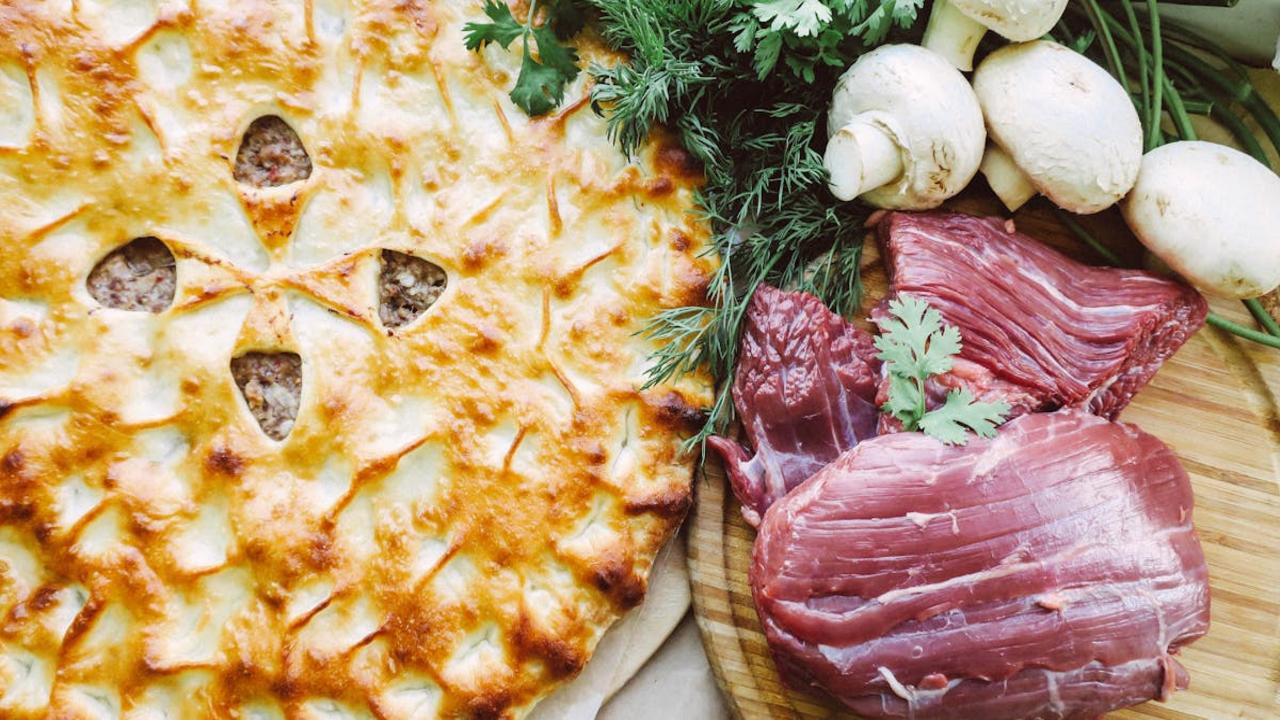
Picture this: you’re at Fortnum & Mason in London, and someone mentions their Wagyu beef pie costs £2,500. Your first thought might be “that’s more than my rent!” But here’s what makes this pie so extraordinary—it’s crafted with A5 Wagyu beef, the same grade that melts on your tongue like butter. The marbling in this beef creates an almost creamy texture that transforms into pure umami magic when slow-cooked. I’ve worked with premium ingredients before, but Wagyu operates on another level entirely. The fat content distributes so evenly that each bite delivers this incredible richness that regular beef simply can’t match.
What fascinates me most about this extravagant creation is how they honor the ingredient’s quality through traditional pastry techniques. The flaky, golden crust becomes a vessel for showcasing the beef’s natural flavor rather than masking it with heavy seasonings. From my own pie-making adventures, I know that achieving the perfect pastry-to-filling ratio requires serious skill and patience. The chefs likely spend hours preparing the filling, allowing the Wagyu to break down slowly until it reaches that fork-tender consistency. While I’d never splurge on this particular pie, it represents something beautiful about cooking—taking exceptional ingredients and treating them with the respect they deserve through time-honored methods.
White Truffle and Gold Pizza
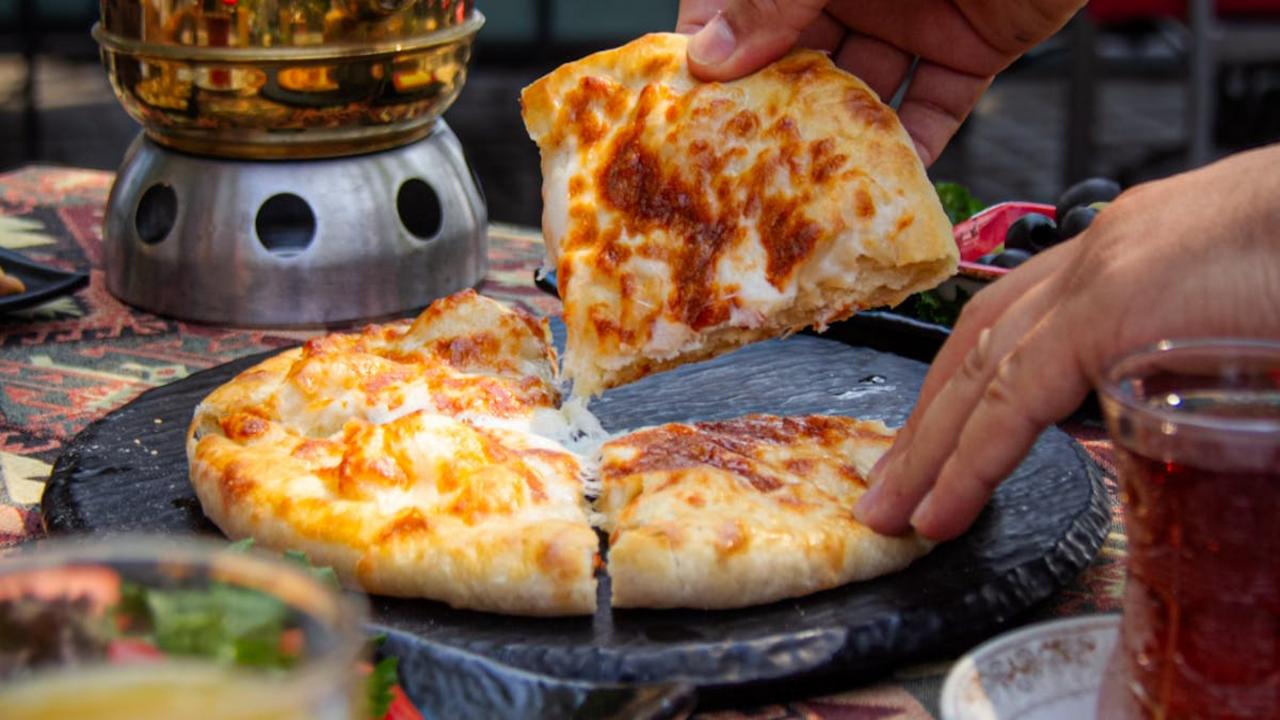
You know me—I’m all about creating magic in the kitchen with simple, wholesome ingredients. But sometimes I stumble across dishes that make my home cook heart skip a beat, and this $2,000 pizza from Industry Kitchen in New York definitely fits that category. This isn’t your Friday night takeout pizza. We’re talking about a canvas topped with white truffles, 24-karat gold flakes, foie gras, platinum Ossetra caviar, and aged stilton cheese. The base itself gets brushed with white truffle oil before receiving its luxurious toppings. I have to admit, part of me is fascinated by the sheer audacity of it all.
Now, while I’d never suggest you blow your grocery budget on gold-topped pizza, I do appreciate the technique behind maximizing flavor combinations. The earthy richness of white truffles paired with the creamy tang of stilton creates a symphony that speaks to my soul as a recipe creator. You could recreate some of these flavor profiles at home using mushroom powder for that umami depth, a good aged cheese, and maybe some truffle salt if you’re feeling fancy. The beauty of cooking lies in understanding why certain ingredients work together—then making them accessible in your own kitchen without needing a second mortgage.
Zillion Dollar Lobster Frittata
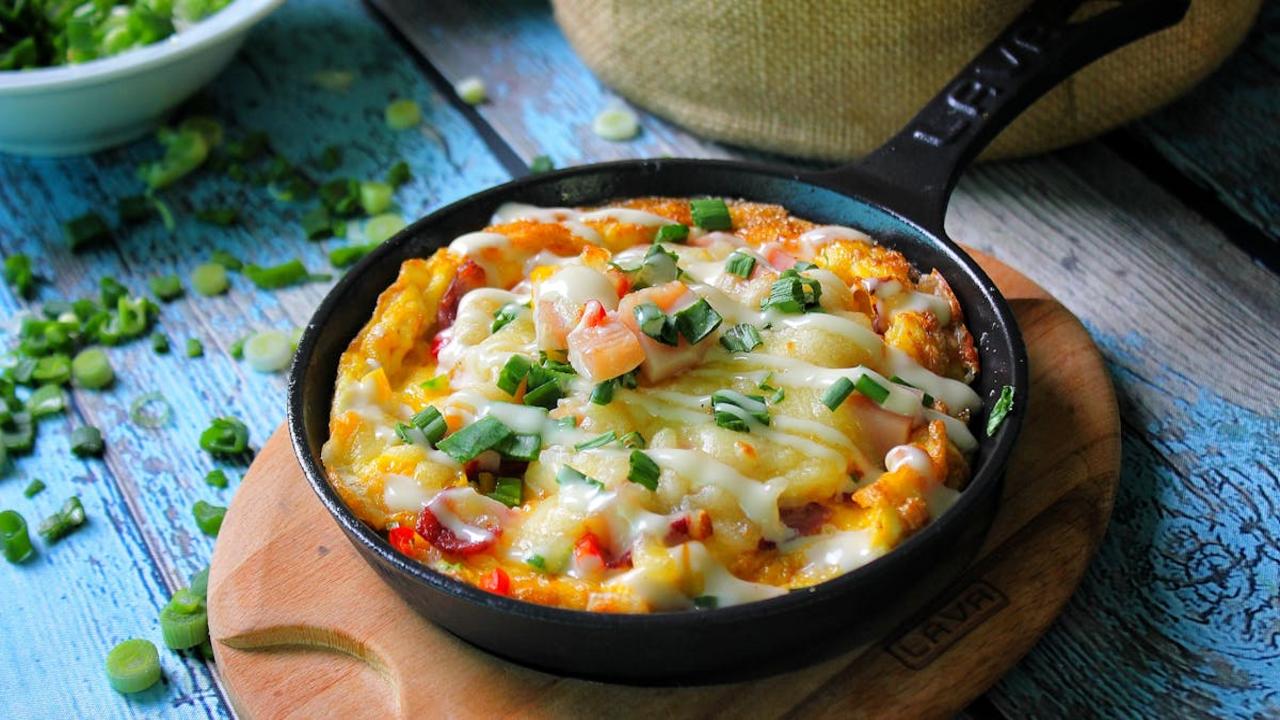
Picture this: you’re staring at a frittata that costs more than most people’s cars – $1,000 to be exact. Norma’s restaurant in New York serves up this audacious creation, and honestly, I had to do a double-take when I first heard about it. This isn’t your grandmother’s simple egg dish. They load it with fresh lobster, caviar, and chives, then present it with pure theatrical flair. What gets me is how they’ve taken something as humble and homey as a frittata – which I make weekly with whatever vegetables are languishing in my fridge – and transformed it into this wild luxury statement.
Now, don’t get me wrong – I absolutely respect the quality ingredients they’re using. Fresh lobster and good caviar deserve celebration. But there’s something beautifully ironic about charging a thousand dollars for what’s essentially scrambled eggs with fancy toppings. You know what I love about frittatas? They’re forgiving, adaptable, and perfect for using up odds and ends. I’ve made incredible versions with leftover roasted vegetables, fresh herbs from my garden, and maybe some good cheese. The technique remains the same whether you’re spending five dollars or a thousand. Start with good eggs, don’t overcook them, and let the ingredients shine. Sometimes the most expensive doesn’t mean the most satisfying.
The Fortress Stilt Fisherman Indulgence
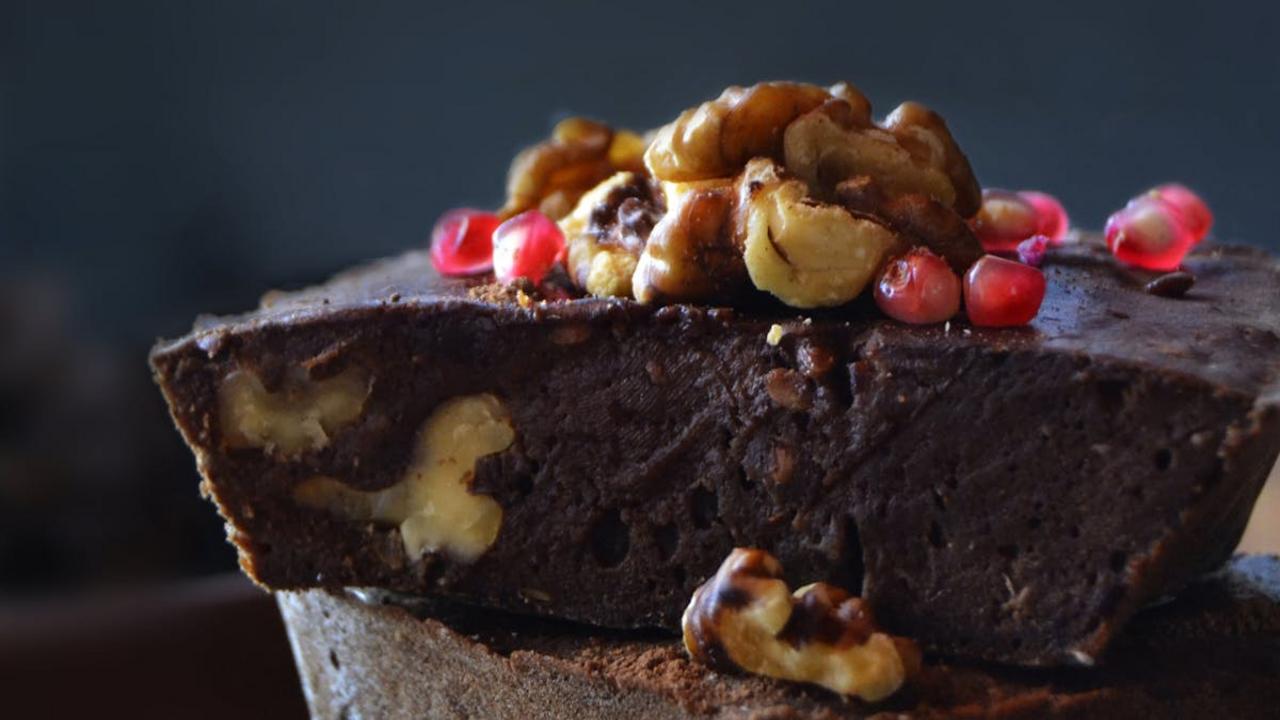
Picture this: you’re sitting at The Fortress resort in Sri Lanka, and they present you with what might be the most theatrical dessert experience on Earth—a $14,500 indulgence that transforms your table into a stage. This isn’t just about the gold leaf and rare ingredients; it’s about watching skilled artisans recreate the iconic stilt fishermen of Sri Lanka’s coastline right before your eyes. As someone who believes food should tell stories, I find myself captivated by how this dessert weaves local tradition into an unforgettable moment. The fisherman sculpture, crafted from the finest chocolate and precious metals, stands as a testament to Sri Lankan heritage while you savor layers of pomegranate and mint-infused delicacies.
What strikes me most about this creation is how it honors the hardworking fishermen who balance precariously on stilts in the Indian Ocean, turning their daily struggle into something beautiful and meaningful. The dessert itself features locally sourced tropical fruits, handpicked tea leaves, and a champagne sabayon that celebrates Sri Lanka’s rich agricultural bounty. You can request this masterpiece with 80-proof Irish cream liqueur, and the experience includes a personal butler who shares the cultural significance of each component. While the price tag seems astronomical, you’re not just buying dessert—you’re investing in a cultural experience that supports local artisans and celebrates traditions that have been passed down through generations of fishermen.
Gold Opulence Sundae
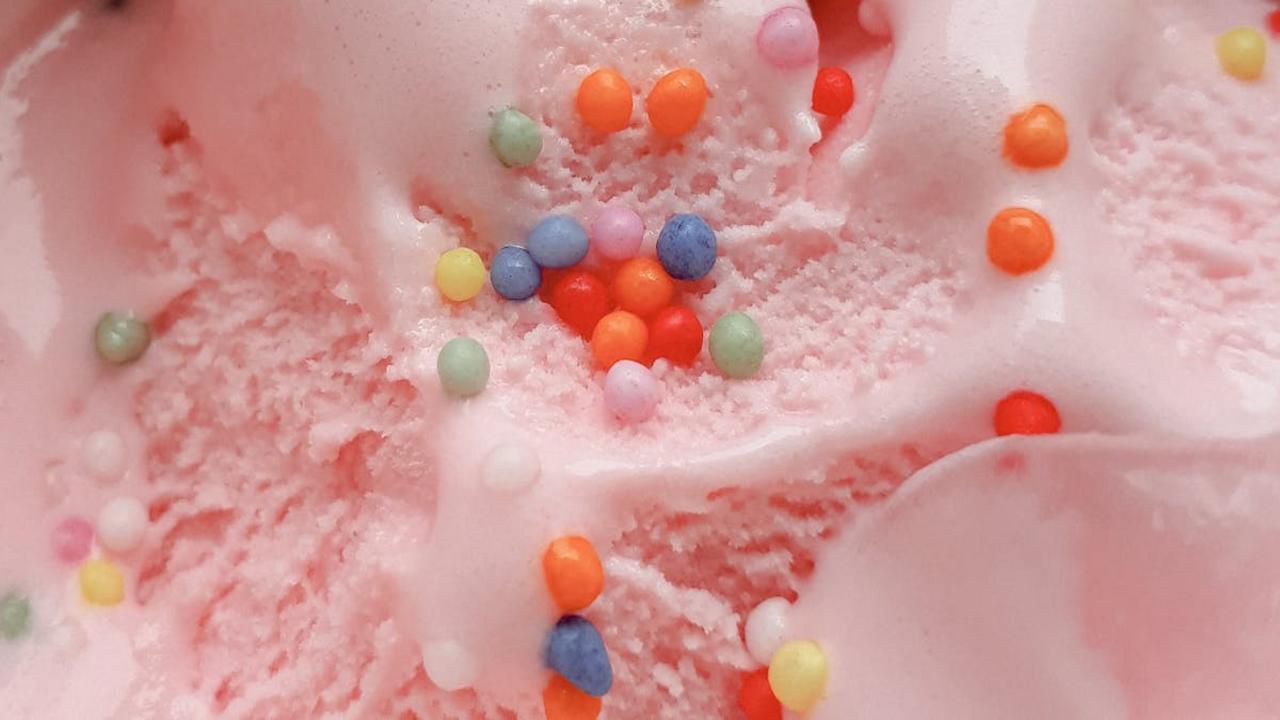
At Serendipity 3 in New York City, the Gold Opulence Sundae costs a staggering $1,000 and represents everything I stand against as someone who believes in wholesome, scratch-made desserts. This extravagant creation combines Tahitian vanilla bean ice cream with Madagascar vanilla, covered in 23-karat edible gold leaf, rare Amedei Porcelana chocolate, and topped with exotic candied fruits from Paris. The sundae arrives in a crystal goblet lined with more gold, accompanied by a mother-of-pearl spoon, which you get to keep as a souvenir of your expensive indulgence.
While I appreciate the craftsmanship behind premium ingredients like single-origin chocolate and real vanilla beans, this dessert feels more like theater than nourishment. The astronomical price tag comes largely from the gold leaf and fancy presentation rather than superior flavor or quality ingredients. You could create an incredibly satisfying vanilla sundae at home using organic cream, fresh eggs, and high-quality vanilla for under $10. Skip the gold and focus on what really matters – the pure, clean flavors that come from simple, unprocessed ingredients that actually enhance your dessert experience rather than just your Instagram feed.
Louis XIII Pizza
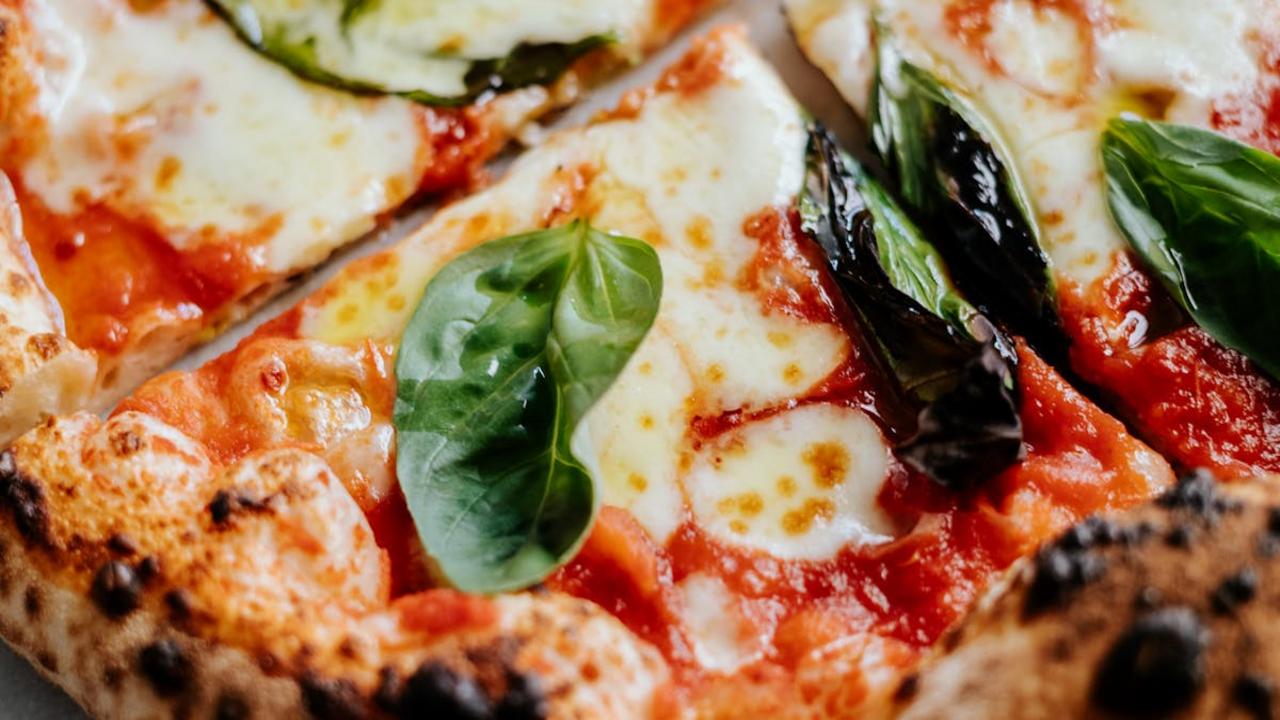
You know how I always say cooking should bring joy without breaking the bank? Well, friends, let me share something that completely flips that philosophy on its head. The Louis XIII Pizza from Renato Viola in Salerno, Italy, costs a staggering $12,000 per pie. This isn’t your typical Friday night pizza order – it’s topped with three types of caviar (Ossetra, Kaspia, and Beluga), lobster from Norway and Cilento, pink Australian sea salt, and buffalo mozzarella. The dough gets made with a specific type of flour and organic grain, then the whole creation gets finished with cognac Louis XIII Rémy Martin, which alone costs more than most people’s monthly grocery budget.
Now, I spend my days creating wholesome meals from simple, fresh ingredients, and I believe food should nourish both body and soul without emptying your wallet. But I can’t help admiring the craftsmanship that goes into this extravagant creation. The chef uses techniques that transform basic pizza dough into something extraordinary, much like how I transform humble vegetables into satisfying meals in my own kitchen. While I’ll stick to my homemade pizzas with garden-fresh tomatoes and herbs, there’s something fascinating about pushing culinary boundaries this far. The Louis XIII Pizza represents pure indulgence – every ingredient chosen for its rarity and price tag rather than nutritional value, making it the ultimate special occasion splurge for those who can afford it.
FleurBurger 5000
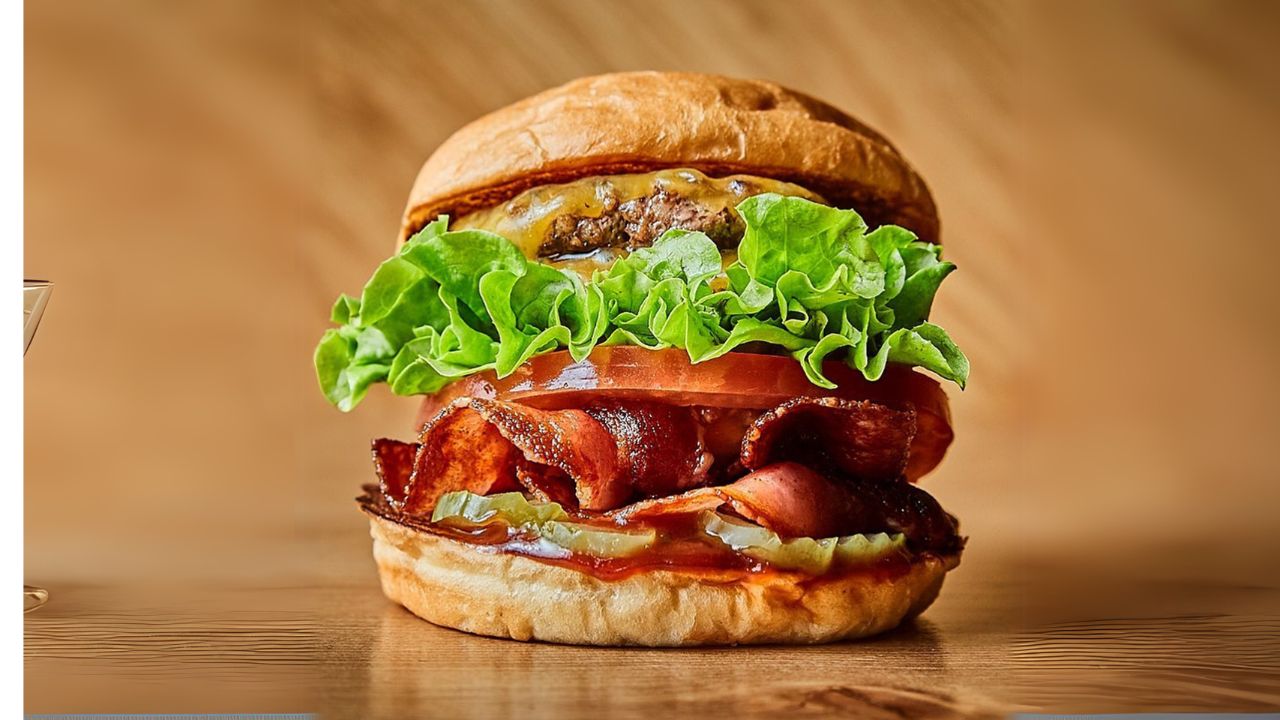
You know how I always talk about making food from scratch and keeping things real? Well, the FleurBurger 5000 at Fleur in Las Vegas takes that concept and flips it completely upside down – in the most extravagant way possible. This $5,000 burger comes with Wagyu beef, foie gras, and truffle shavings, all paired with a bottle of 1995 Château Pétrus wine. I have to admit, as someone who prefers simple, wholesome ingredients, this price tag makes my head spin a little!
What fascinates me most about this creation is how it represents the complete opposite of my cooking philosophy, yet I can’t help but respect the craftsmanship behind it. The Wagyu beef alone probably costs more than most people spend on groceries in a month, and that wine? It’s older than some of my favorite cast iron pans! While I’d much rather spend an afternoon grinding my own beef and crafting burger buns from scratch for a fraction of the cost, I appreciate how this dish pushes boundaries. Sometimes the food world needs these wild extremes to remind us that cooking can be both an everyday necessity and an over-the-top experience – even if I’ll stick to my garden-fresh tomatoes and homemade everything approach.