13 Fast-Food Items Sneaking In More Sugar Than You Think
Hidden sugars lurk in places you’d never expect at your favorite fast-food spots. That innocent-looking sauce packet or refreshing drink often packs more sweetness than a candy bar. After years of cooking from scratch and reading countless ingredient labels, I’ve learned that sugar hides behind dozens of different names and sneaks into the most surprising menu items.
Fast-food chains add sugar to balance flavors, extend shelf life, and create that addictive taste that keeps you coming back. Even savory items like BBQ sauce, salad dressings, and chicken sandwiches contain shocking amounts of added sweeteners. Your morning smoothie might deliver more sugar than three donuts combined.
Understanding these hidden sources helps you make informed choices without giving up convenience entirely. Knowledge becomes your superpower when ordering out. These thirteen items will open your eyes to just how much sugar companies sneak into seemingly innocent fast-food favorites.
Sweet Tea Chick fil A
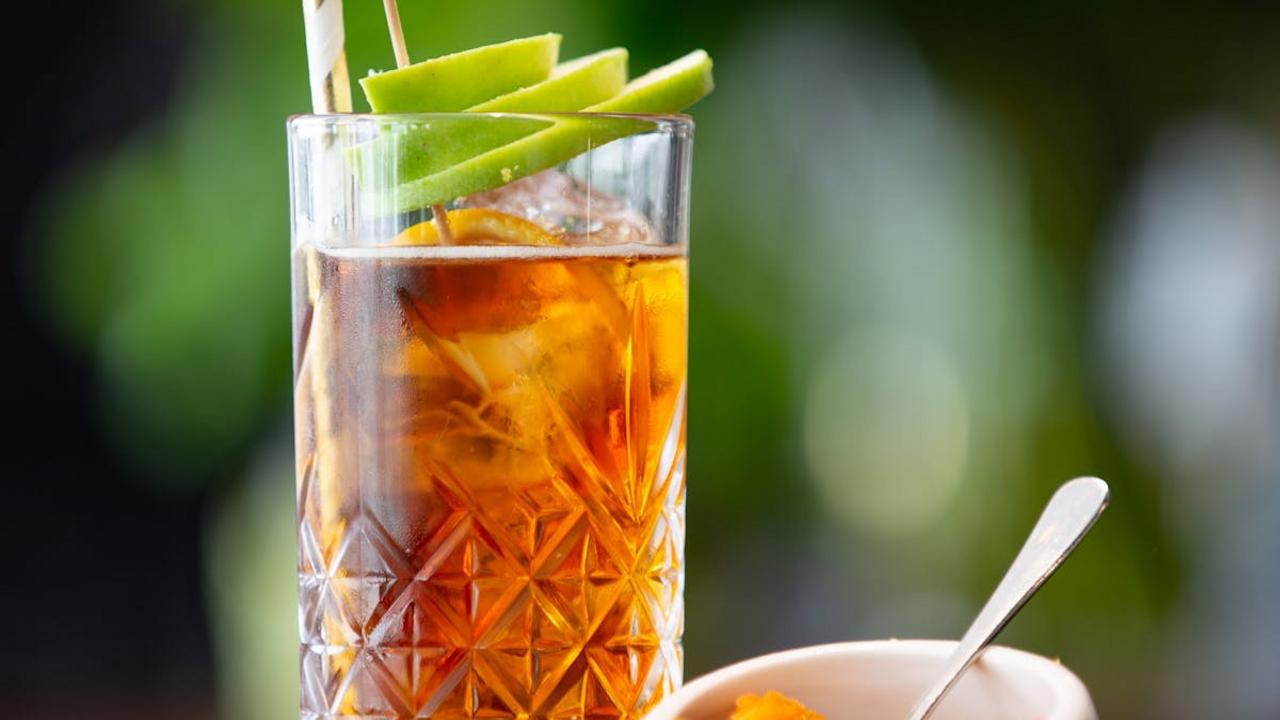
You know that moment when you order Chick-fil-A’s sweet tea thinking it’s a refreshing, innocent beverage choice? Well, my friend, that large cup contains a whopping 58 grams of sugar – more than what you’d find in most desserts! That’s equivalent to about 14 teaspoons of sugar swimming in your glass. I’ve spent years creating healthier versions of beloved drinks in my kitchen, and this one always catches people off guard. The sugar content rivals that of sodas and milkshakes, yet we often don’t think twice about pairing it with our meal.
What really gets me is how this drink can sabotage an otherwise balanced meal choice. You could order grilled nuggets and a side salad, feeling good about your decisions, then wash it down with sweet tea that contains more sugar than a candy bar. In my own kitchen, I make refreshing iced teas using fresh herbs, citrus, and just a touch of natural sweeteners like honey or maple syrup. The difference in both flavor complexity and nutritional value is remarkable. Next time you’re craving that Southern-style sweetness, consider asking for unsweetened tea and adding your own controlled amount of sweetener – your body will thank you for taking charge of what goes into your glass.
Mango Pineapple Smoothie McDonald’s
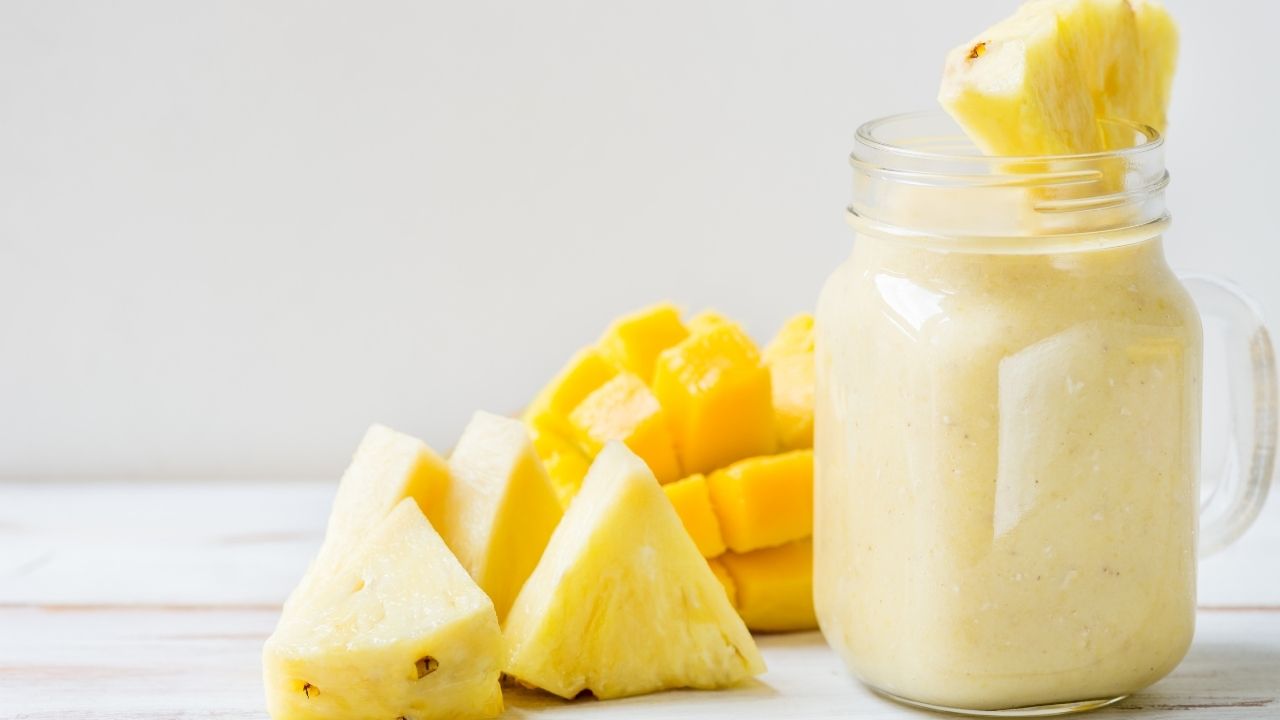
You grab McDonald’s Mango Pineapple Smoothie thinking you’re making a healthy choice, but here’s what I want you to know: this tropical drink packs around 70 grams of sugar in a large size. That’s more sugar than three glazed donuts! I’ve been creating smoothies at home for years, and I can promise you that real mango and pineapple don’t need this much added sweetness. The problem lies in the fruit concentrates, added sugars, and artificial flavoring that McDonald’s uses to create that consistent taste profile.
When I make mango pineapple smoothies in my kitchen, I use frozen chunks of actual fruit, a splash of coconut water, and maybe a touch of lime juice. The natural fruit sugars provide all the sweetness you need, plus you get fiber and nutrients that processed versions strip away. You can recreate this tropical flavor at home with just three ingredients and control exactly what goes into your body. Skip the drive-through version and blend your own – your body will thank you, and honestly, the flavor will be so much brighter and more authentic than anything that comes from a machine.
Honey BBQ Wings Buffalo Wild Wings
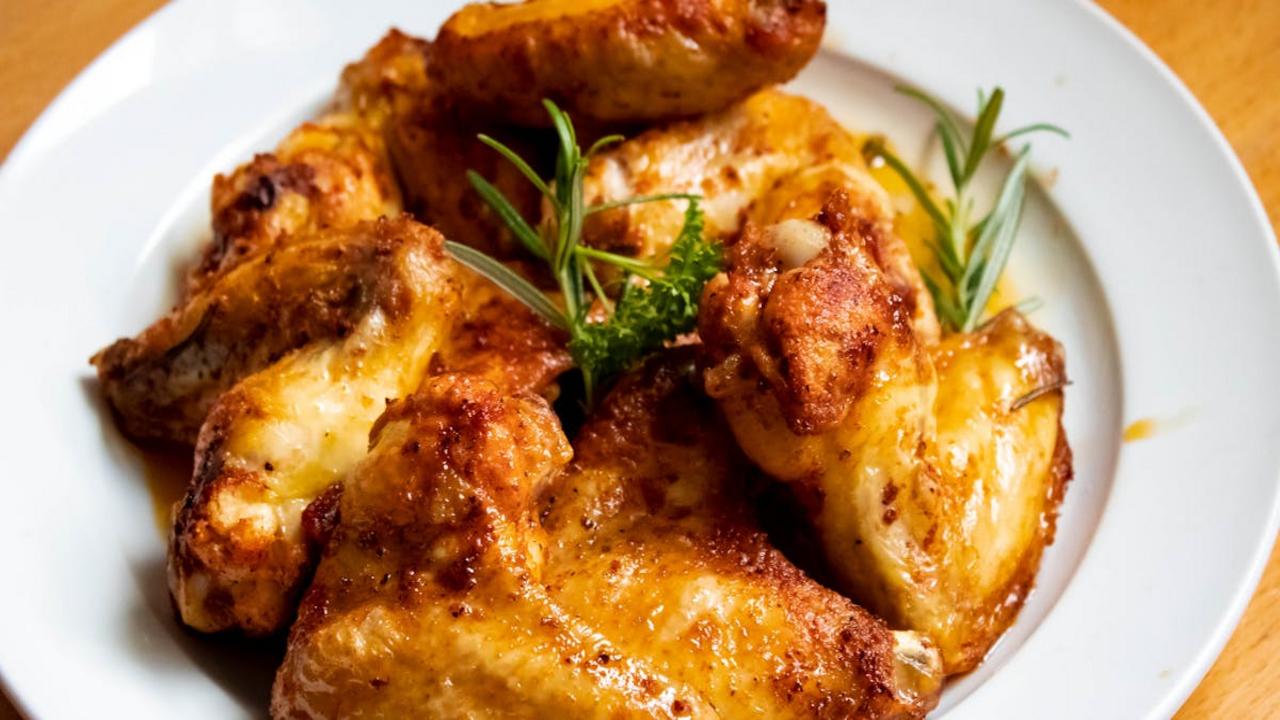
You grab a plate of Honey BBQ Wings at Buffalo Wild Wings thinking you’re making a savory choice, but here’s what I want you to know – these wings pack a serious sugar punch that would make your homemade barbecue sauce blush. Each wing gets doused in a glaze that contains high fructose corn syrup, brown sugar, and honey, creating a triple threat of sweetness that can clock in at around 14 grams of sugar for just six wings. That’s more sugar than you’d find in a chocolate chip cookie, and we’re talking about what should be a protein-forward meal.
I always tell people that restaurant sauces hide more sugar than you’d ever imagine, and this proves my point perfectly. When I make barbecue wings at home, I create a balanced sauce using tomato paste, apple cider vinegar, a touch of maple syrup, and plenty of spices – you get that same satisfying flavor without the sugar overload. The beauty of cooking your own wings means you control every ingredient, and trust me, your body will thank you for skipping those processed sugars that restaurants use to create addictive flavors. You can absolutely achieve that sticky, caramelized coating without turning your protein into a dessert.
Chicken and Waffles Burger King
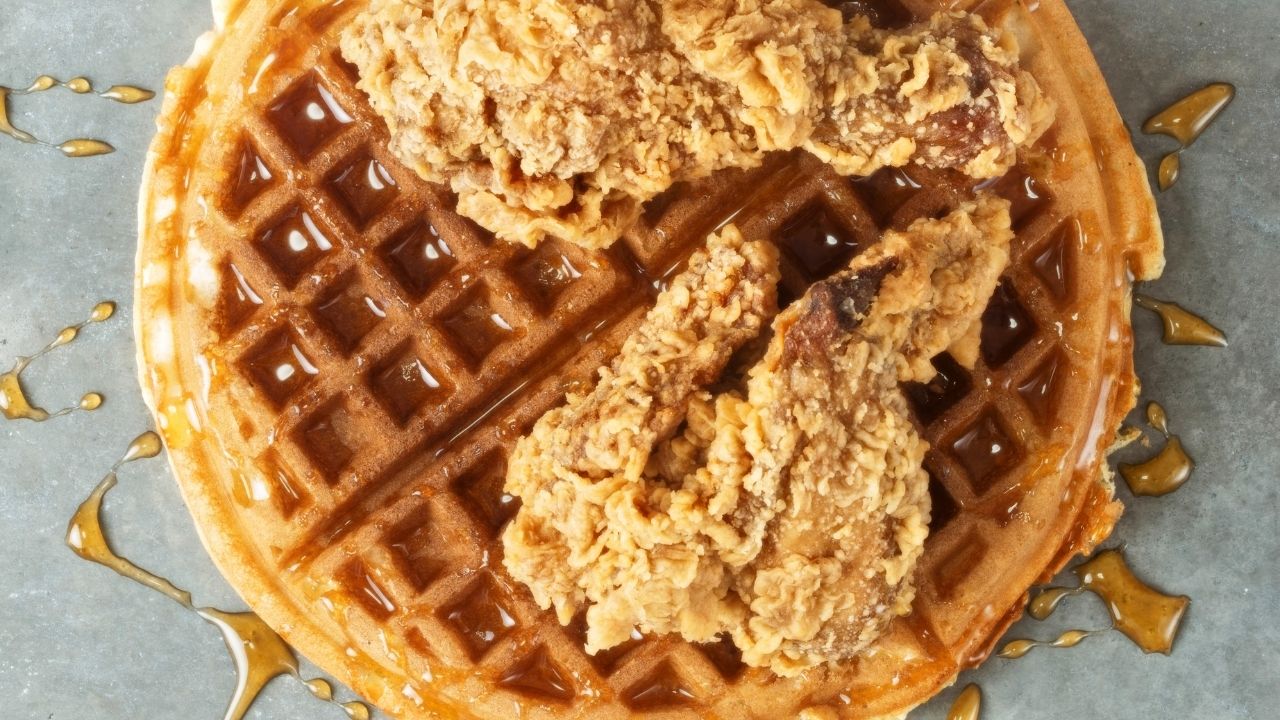
You grab Burger King’s Chicken and Waffles sandwich thinking you’re getting a savory breakfast treat, but you’re actually consuming 37 grams of sugar – that’s more than a can of soda! The maple-flavored syrup drizzled on those mini waffles packs a serious sweet punch, while the breading on that crispy chicken patty contains hidden sugars too. What seems like a protein-forward meal quickly transforms into a sugar bomb that’ll send your blood glucose levels on a wild ride.
I always tell my friends to skip these processed breakfast hybrids and make their own version at home instead. You can create fluffy whole grain waffles using almond flour and a touch of pure maple syrup, then pair them with herb-seasoned grilled chicken thighs. This homemade approach gives you complete control over the sweetness level while delivering genuine nutrition. Your body deserves real ingredients that nourish rather than crash your energy – and trust me, homemade chicken and waffles taste infinitely better than anything that comes from a fast-food wrapper.
Caramel Frappuccino Starbucks
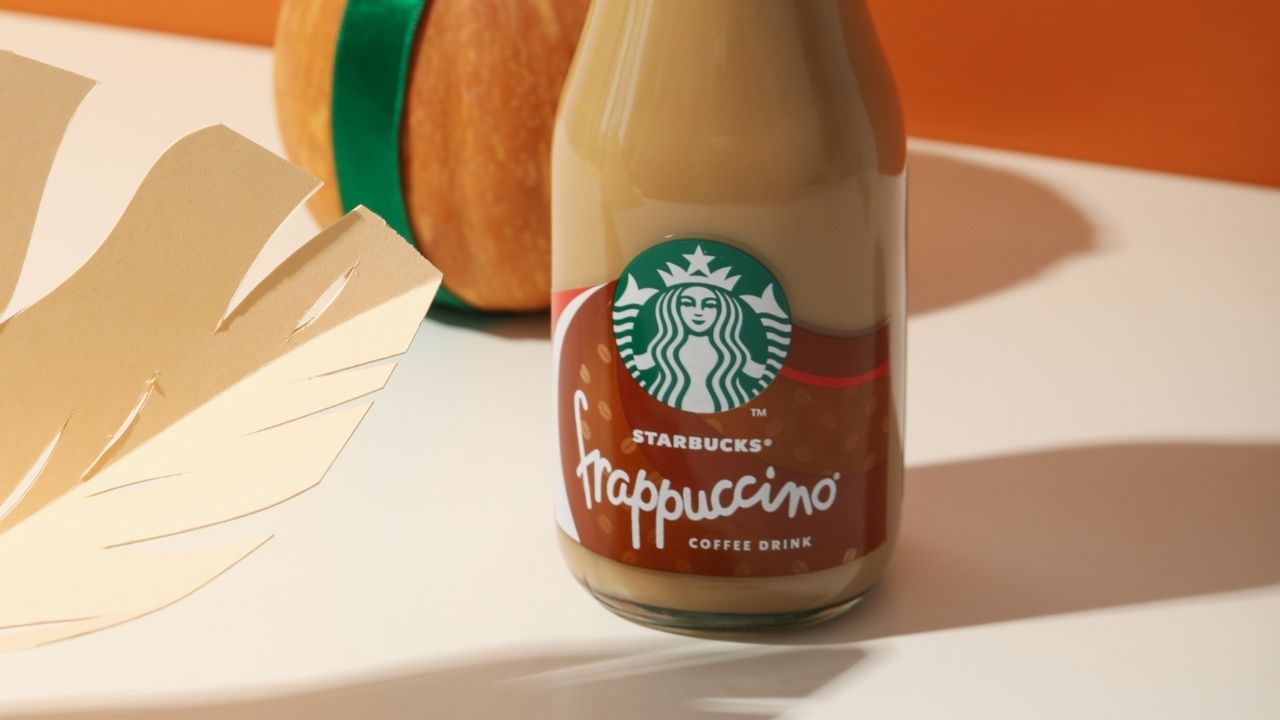
You know that creamy, coffee-shop treat you grab on busy afternoons? That Grande Caramel Frappuccino packs a shocking 54 grams of sugar – more than an entire can of soda! I used to think these blended drinks were just coffee with a touch of sweetness, but they’re basically desserts masquerading as beverages. The combination of caramel syrup, whipped cream, and the frappuccino base creates a sugar bomb that sends your blood glucose levels on a wild ride.
Instead of reaching for that processed concoction, I make my own version at home using cold brew coffee, a splash of unsweetened almond milk, and just a drizzle of pure maple syrup. You get that same satisfying coffee fix without the processed sugars and artificial flavors. Sometimes I’ll add a frozen banana for natural creaminess and sweetness – it transforms the drink into something genuinely nourishing while still feeling indulgent. Your body will thank you for choosing whole ingredients over that sugar-laden cafe creation.
Sweet Onion Sauce Subway
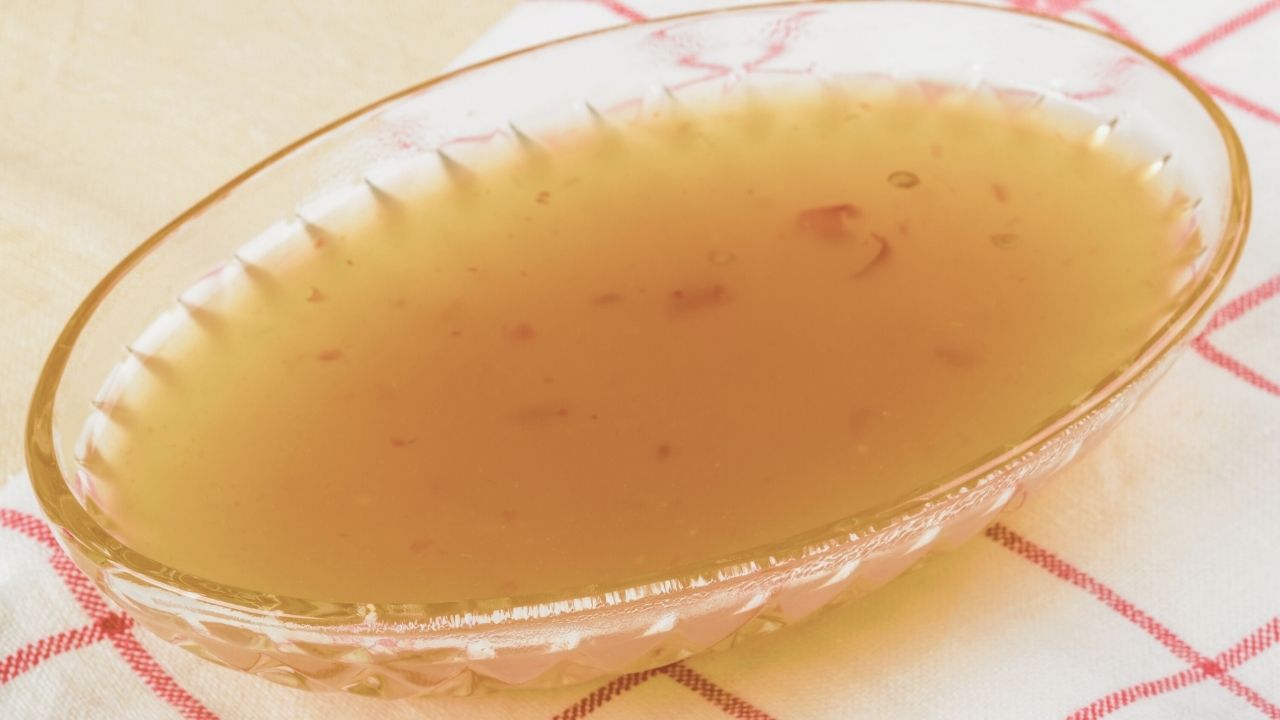
You walk into Subway thinking you’re making a healthier choice, and honestly, compared to many fast-food options, you probably are. But that Sweet Onion Sauce you’re drizzling on your turkey sandwich? It’s basically liquid candy masquerading as a condiment. With around 6 grams of sugar per serving, this sauce contains more sweetness than some dessert toppings I keep in my pantry. The ingredient list reads like a chemistry experiment – high fructose corn syrup, sugar, and corn syrup all make appearances within the first few ingredients.
Here’s what gets me fired up about this: onions are naturally sweet! I caramelize onions in my kitchen all the time, and they develop this incredible depth of flavor without adding a single grain of processed sugar. The beautiful thing about real onions is how their natural sugars concentrate during cooking, creating that golden, jammy goodness we all crave. Instead of reaching for that squeeze bottle next time, ask for extra red onions on your sub and maybe a splash of vinegar. Your body will thank you for skipping the unnecessary sugar rush, and you’ll actually taste real food instead of artificial sweeteners doing a poor impression of onion flavor.
Asian Sesame Salad Dressing Panera
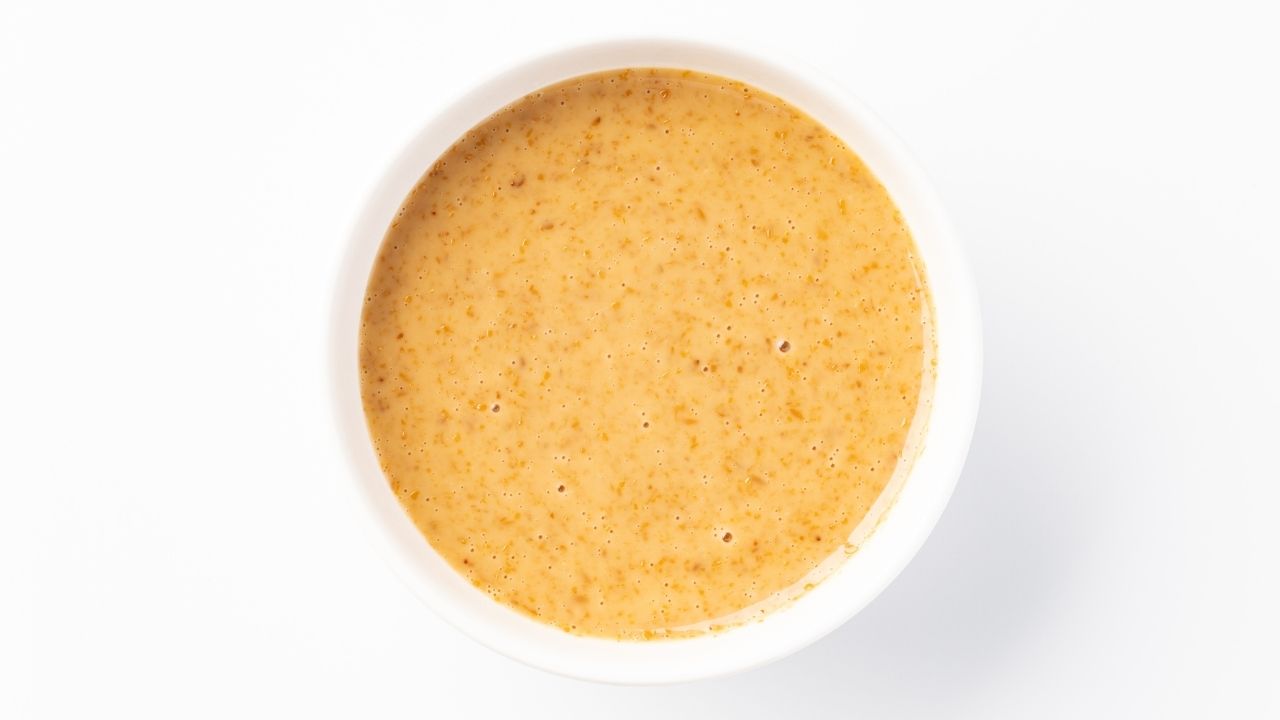
You walk into Panera thinking you’re making a smart choice with their Asian Sesame Salad, but that innocent-looking dressing packet packs a shocking 9 grams of sugar. I get it—sesame sounds healthy, and Asian-inspired flavors feel fresh and light. But here’s what happens behind the scenes: food manufacturers load these dressings with high fructose corn syrup and other sweeteners to create that addictive sweet-tangy balance we crave. What should taste like nutty sesame oil, rice vinegar, and soy sauce instead becomes a sugar bomb masquerading as a healthy choice.
I always make my own version at home using real sesame oil, fresh ginger, rice vinegar, and just a touch of honey or maple syrup for sweetness. You control exactly how much sugar goes in—usually just a teaspoon compared to those 9 grams hiding in the restaurant version. Mix it with some tamari, garlic, and a squeeze of lime, and you’ve got something that actually tastes like food instead of candy. Your salad becomes nourishing fuel for your body, not a sneaky dessert that leaves you craving more processed foods an hour later.
Strawberry Smoothie Jamba Juice
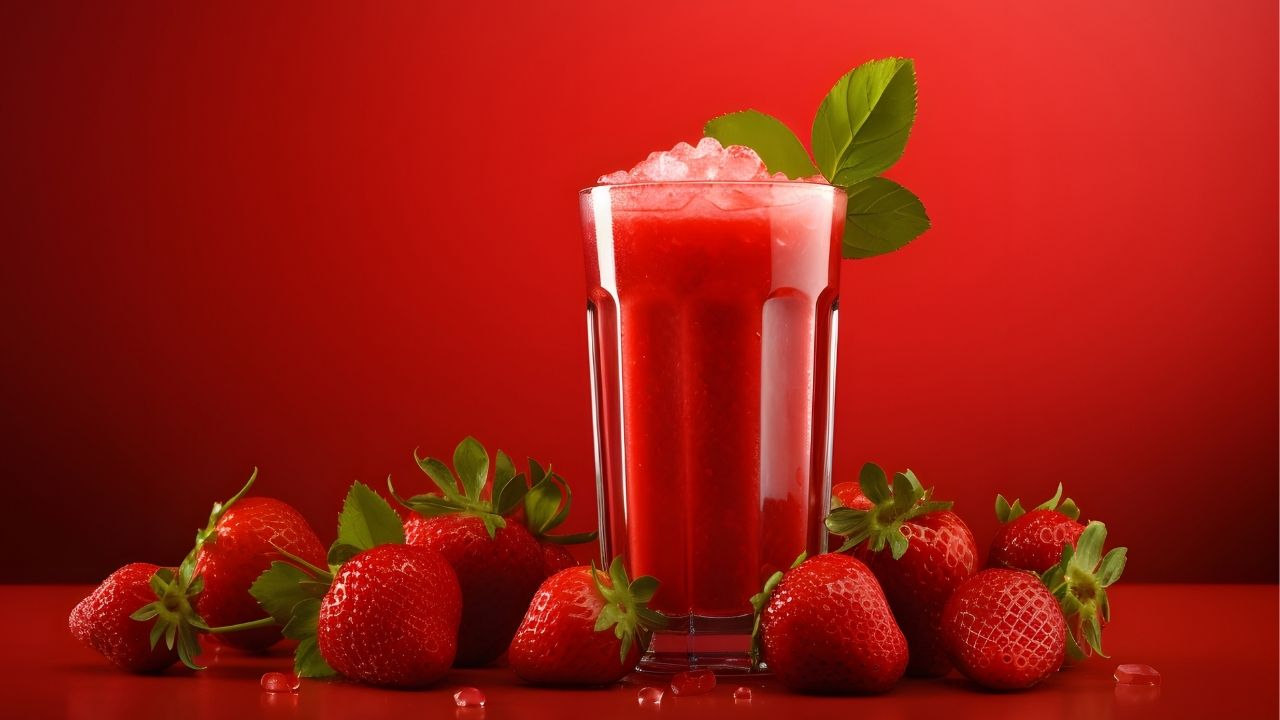
You know that feeling when you think you’re making a healthy choice, but then reality hits? That’s exactly what happens with Jamba Juice’s strawberry smoothie. This seemingly innocent fruit blend packs a shocking 58 grams of sugar – that’s more than a can of Coca-Cola! While strawberries naturally contain some sugar, most of this comes from added fruit juices, sherbet, and sweeteners that transform what could be a nutritious drink into a sugar bomb. The bright pink color and fruity taste mask just how much sweetness they’ve pumped into each cup.
Here’s what drives me crazy about these commercial smoothies – they take something as perfect as fresh strawberries and completely overdo it. When I make strawberry smoothies at home, I use whole frozen berries, a splash of coconut milk, maybe half a banana for natural sweetness, and that’s it. The result? Pure strawberry flavor without the sugar crash that follows thirty minutes after drinking one of these store-bought versions. Your body deserves better than processed fruit concentrates masquerading as health food. Skip the chain and blend your own – your energy levels will thank you later.
Honey Mustard Sauce Wendy’s
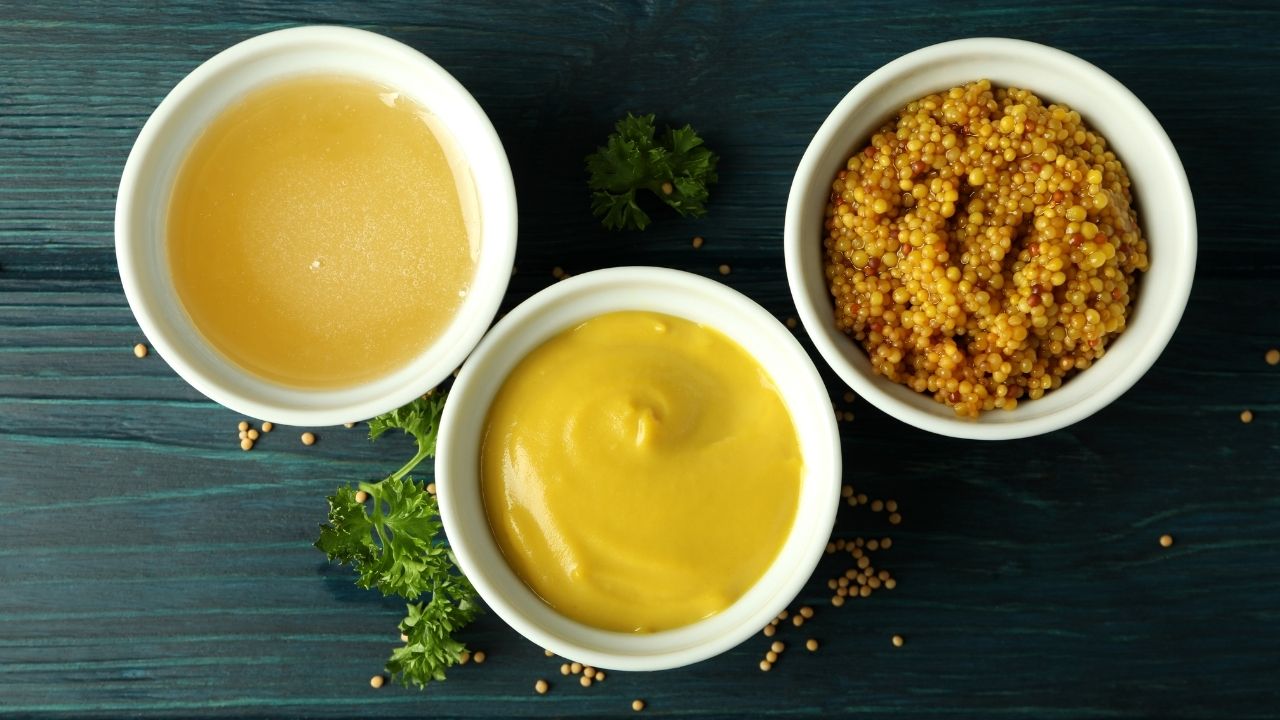
You grab that little packet of Wendy’s honey mustard sauce thinking it’s the perfect balance of sweet and tangy for your nuggets, but here’s what I discovered when I started reading labels more carefully: this innocent-looking condiment packs a whopping 8 grams of sugar per packet! That’s nearly two teaspoons of sugar hiding in what many people consider a “healthier” dipping option compared to ketchup or barbecue sauce. The culprit? High fructose corn syrup sits right there in the second ingredient spot, followed by regular corn syrup – that’s a double dose of processed sweeteners masquerading behind the wholesome image of honey.
I’ve been making my own honey mustard at home for years now, and trust me, the real deal doesn’t need anywhere near that much sugar to taste incredible. My go-to version uses just a tablespoon of raw honey, Dijon mustard, a splash of apple cider vinegar, and a tiny pinch of turmeric for that golden color – it takes two minutes to whisk together and contains maybe 3 grams of natural sugar total. The homemade version actually lets you taste the complexity of the mustard seeds and the floral notes of good honey, rather than just overwhelming sweetness. Once you start making your own condiments, you realize how much unnecessary sugar gets pumped into these commercial versions.
BBQ Chicken Sandwich KFC
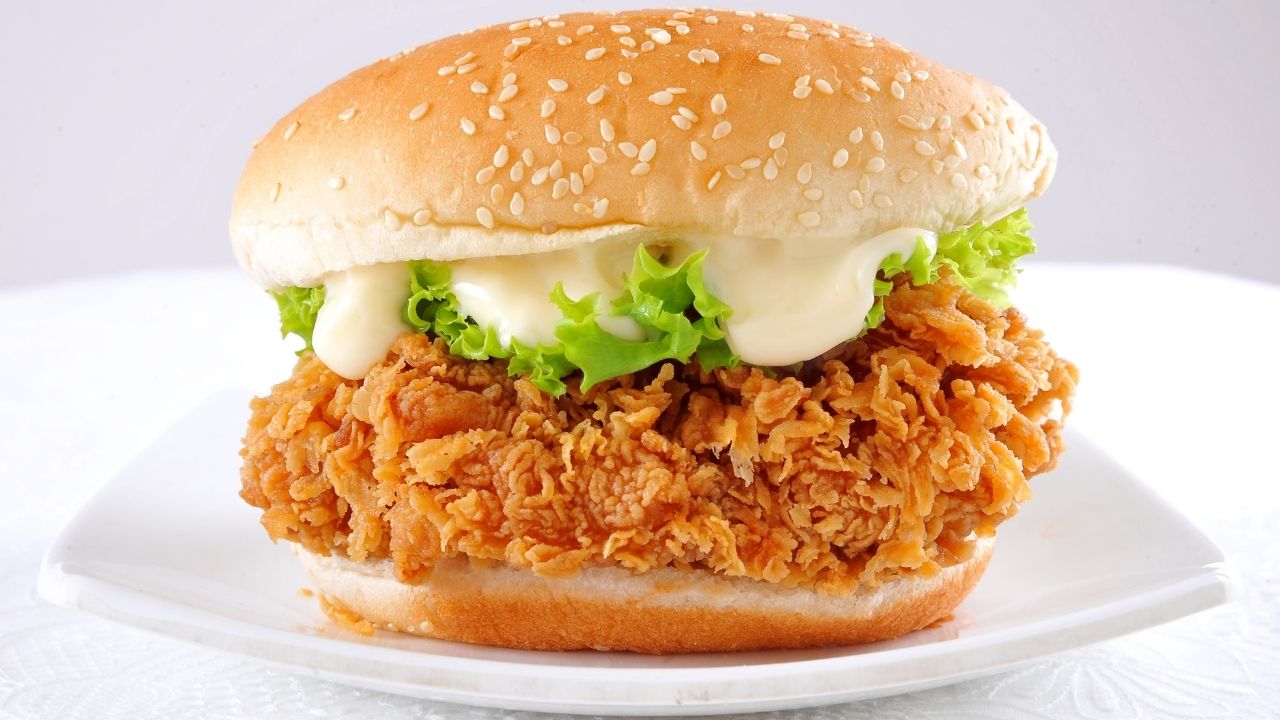
You know that tangy-sweet BBQ sauce coating KFC’s chicken sandwich? That glossy glaze packs a shocking 15 grams of sugar – more than what you’d find in a glazed donut! As someone who makes BBQ sauce from scratch, I can tell you that commercial versions rely heavily on high fructose corn syrup and brown sugar to achieve that sticky consistency we all crave. The sauce alone contains more sugar than many desserts, and that’s before we even consider the brioche bun underneath.
What gets me is how this sugar bomb masquerades as a savory meal. I’ve recreated this sandwich at home using a simple rub of smoked paprika, garlic powder, and a touch of coconut sugar, then finishing with a homemade sauce that balances tomato paste, apple cider vinegar, and just a hint of maple syrup. The result? All that smoky, tangy flavor you want without the sugar overload. Your body will thank you for skipping the processed version that treats your lunch like a candy bar in disguise.
Fruit Parfait Starbucks
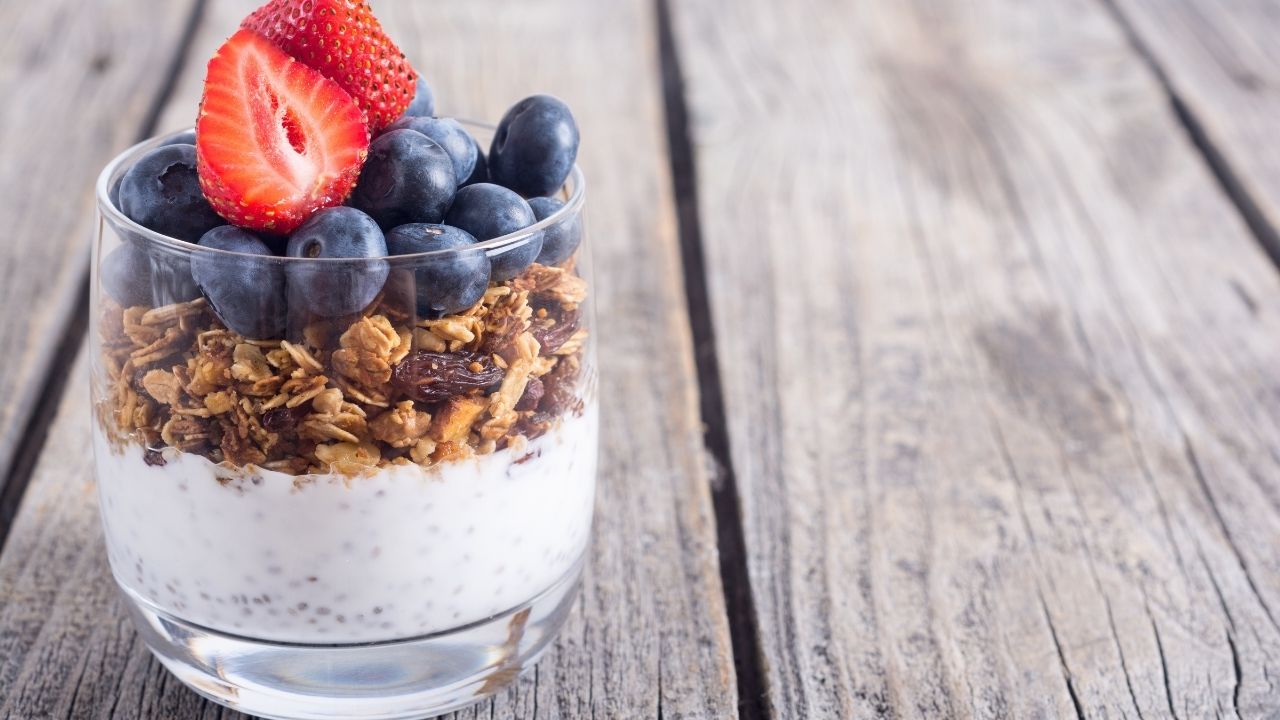
You walk into Starbucks thinking you’re making a healthy choice with that colorful fruit parfait, but here’s what I wish someone had told me years ago: this seemingly innocent breakfast contains a shocking 22 grams of sugar! That’s more than a glazed donut from some bakeries. The Greek yogurt base gets sweetened with added sugars, and those “fresh” berries often come with their own syrup coating. I learned this the hard way after tracking my sugar intake for a month and discovering my morning parfait habit was sabotaging my energy levels.
Instead of reaching for this sugar bomb, I create my own parfait magic at home using plain Greek yogurt, fresh seasonal berries, and a drizzle of pure maple syrup or honey. You control every ingredient this way, and trust me, your body will thank you for it. I love adding toasted coconut flakes or crushed almonds for texture without the processed sugar overload. The homemade version gives you the same satisfying breakfast experience but with half the sugar and twice the nutrition. Your morning routine doesn’t have to involve a sugar crash before 10 AM!
Sweet and Sour Sauce McDonald’s
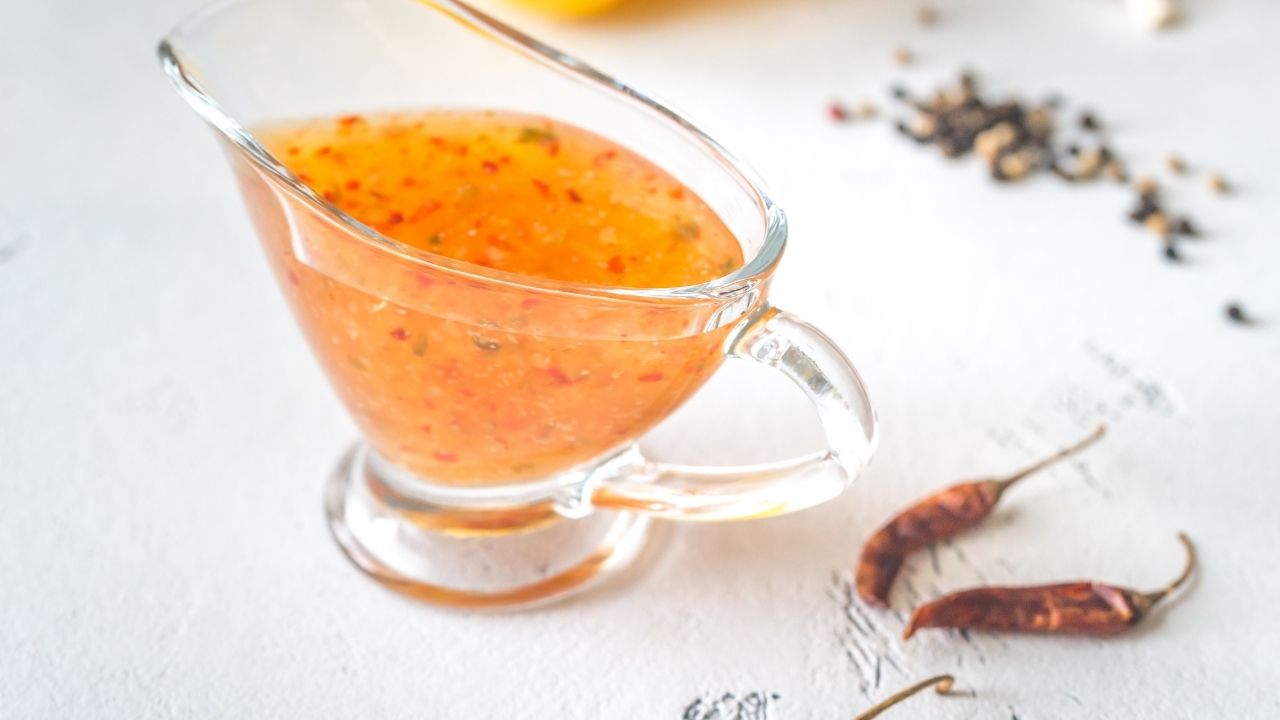
You grab those chicken nuggets and reach for that innocent-looking Sweet and Sour sauce packet, thinking you’re making a relatively harmless choice. But here’s what McDonald’s doesn’t highlight on their menu: that tiny 1-ounce packet contains a whopping 10 grams of sugar! That’s more than two teaspoons of sugar hiding in what should be a simple dipping sauce. I’ve made countless homemade versions of sweet and sour sauce using fresh pineapple juice, rice vinegar, and just a touch of honey, and I can promise you don’t need that much sweetener to create the perfect balance of flavors.
The problem with processed sauces like this one is that manufacturers rely heavily on high fructose corn syrup and added sugars to create that addictive flavor profile that keeps you coming back. Instead of enhancing the natural sweetness from ingredients like tomatoes or fruit, they pump in artificial sweeteners that spike your blood sugar and leave you craving more. Next time you’re planning a nugget night at home, try whisking together some tomato paste, apple cider vinegar, a splash of pineapple juice, and a pinch of ginger. You’ll get that same tangy-sweet satisfaction without the sugar crash, and your taste buds will actually appreciate the more complex, nuanced flavors.
Vanilla Milkshake McDonald’s
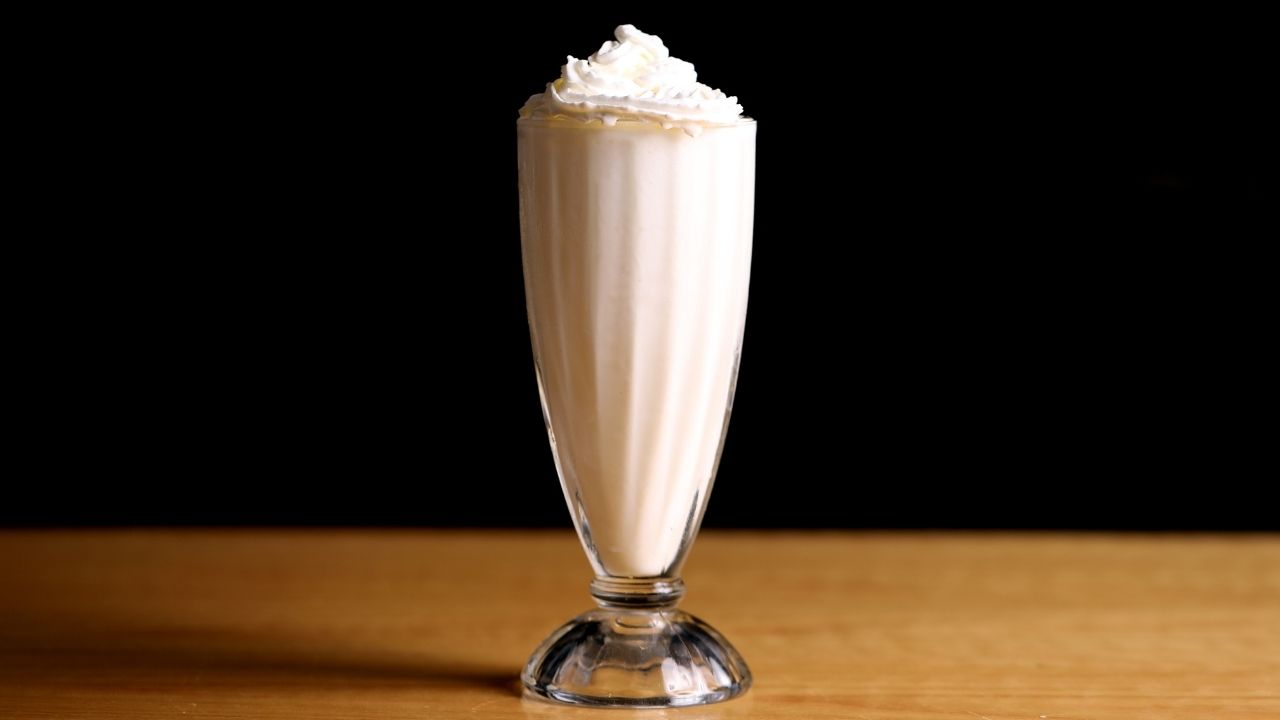
You know how I always say the sweetest treats hide the biggest surprises? McDonald’s vanilla milkshake packs a whopping 70 grams of sugar in their large size – that’s more sugar than you’d find in two cans of soda! I remember the first time I calculated this myself after my niece begged for one during our grocery run. The creamy, innocent-looking shake contains high fructose corn syrup, vanilla syrup, and sweetened ice cream that creates this sugar bomb. What gets me is how we think of milkshakes as just a fun treat, but this single drink contains nearly three times the daily recommended sugar intake for adults.
Here’s what really opened my eyes: you could eat four glazed donuts and still consume less sugar than this one milkshake. I’ve started making vanilla shakes at home using frozen bananas, a splash of vanilla extract, and whole milk – it gives you that same creamy satisfaction with natural sweetness and actual nutrients. My kids can’t even tell the difference, and I feel so much better knowing they’re getting potassium and fiber instead of processed corn syrup. The homemade version takes literally three minutes in a blender, costs less, and doesn’t leave anyone with that sugar crash an hour later.