12 Must-Try Exotic Fruits to Elevate Your Cooking
Ready to add bold new flavors to your kitchen? These 12 exotic fruits will transform your everyday recipes into vibrant, exciting dishes that burst with natural sweetness, tang, and complexity. From creamy desserts to savory mains, each fruit brings its own unique character to the table.
I’ve spent years experimenting with these incredible fruits in my home kitchen, discovering how their distinct profiles can enhance both simple snacks and elaborate meals. The best part? Many of these fruits are now available at local Asian markets and specialty grocery stores, making it easier than ever to incorporate them into your cooking.
Whether you’re blending dragon fruit into smoothie bowls or adding fresh lychee to summer salads, these fruits will expand your cooking repertoire. Each one offers different textures and flavors – some sweet, others tart or creamy – giving you endless possibilities to create memorable dishes.
Cherimoya
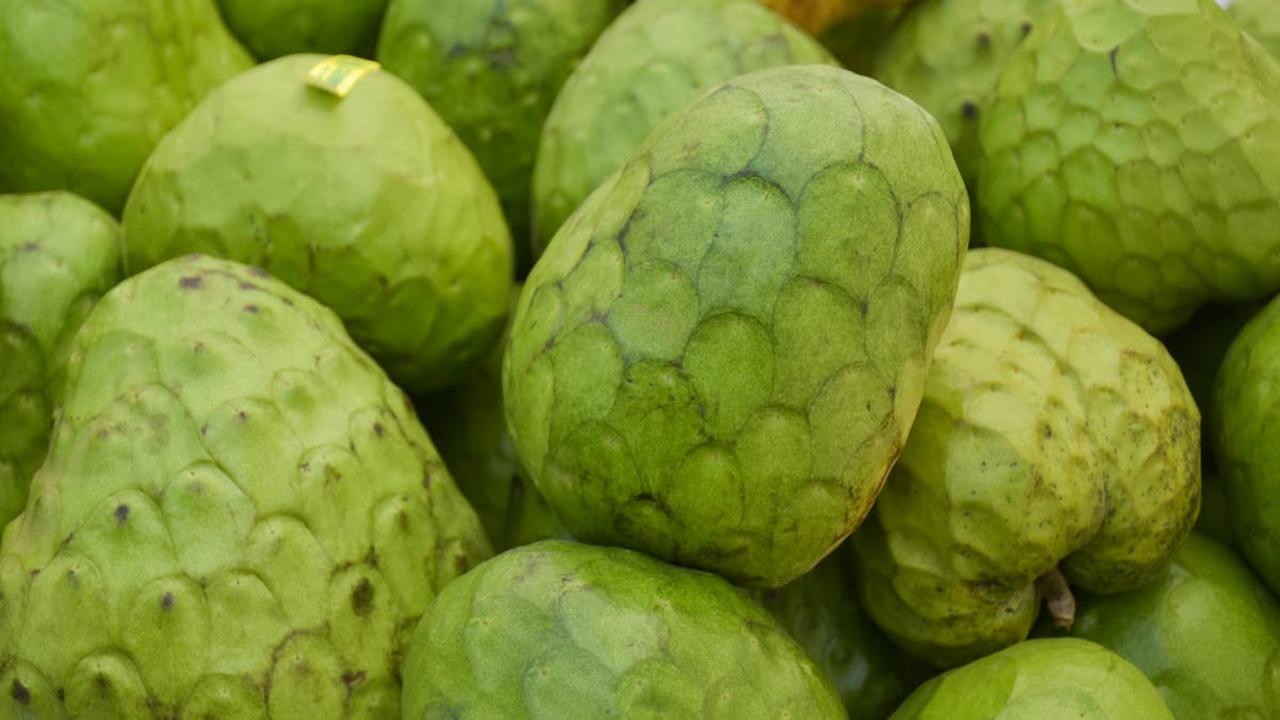
The cherimoya will transport you straight to a tropical paradise with its sweet, creamy flesh that combines hints of banana, pineapple, and strawberry. This heart-shaped fruit, native to the Andes Mountains, has a unique green exterior covered in natural indentations that look like thumbprints. I love adding chunks of ripe cherimoya to my morning smoothie bowls or folding it into yogurt parfaits for an instant upgrade to my breakfast routine.
Want to know my favorite way to enjoy this magical fruit? Simply chill it, cut it in half, and scoop out the custard-like flesh with a spoon, avoiding the large black seeds. The creamy texture makes it perfect for no-churn ice cream – just blend the flesh with a splash of cream and freeze. You can also dice it into fruit salads or blend it into tropical cocktails. Just remember to pick one that yields slightly to pressure, similar to a ripe avocado, for the best flavor and texture.
Kumquat
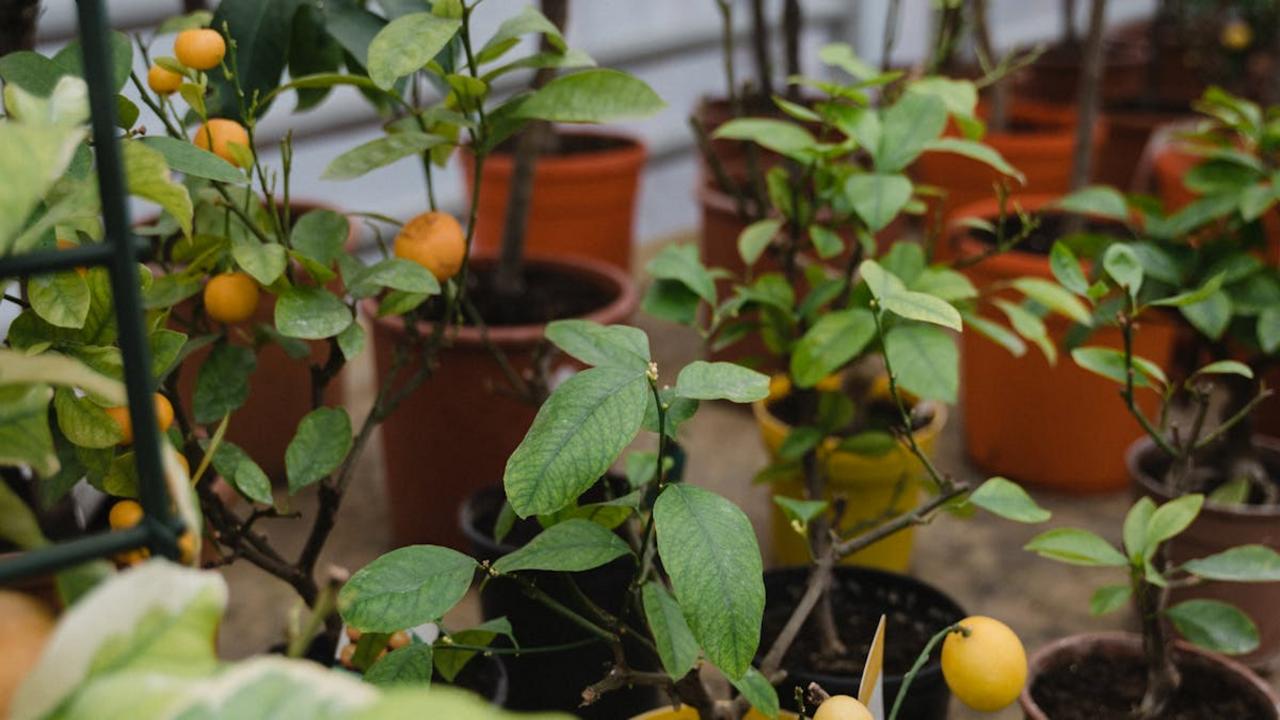
I absolutely adore kumquats – these tiny citrus gems pack such a fun surprise! Unlike other citrus fruits, you can eat the entire kumquat, peel and all. The skin has a sweet, aromatic flavor while the flesh inside brings a bright, tart punch. These little orange orbs make the perfect snack on their own, but I love adding them to both sweet and savory dishes. You’ll often find me tossing sliced kumquats into winter salads or using them to top my morning yogurt bowls.
Your cooking will reach new heights when you start experimenting with kumquats in your recipes. Try candying them for an elegant dessert topping, or simmer them into a zesty marmalade. I’ve found they work beautifully in Asian-inspired dishes – their natural tartness adds depth to stir-fries and noodle bowls. You can also muddle them into cocktails or infuse them in honey for a citrusy spread. The best part? Kumquats are rich in fiber and vitamin C, making them as nutritious as they are versatile in the kitchen.
Soursop
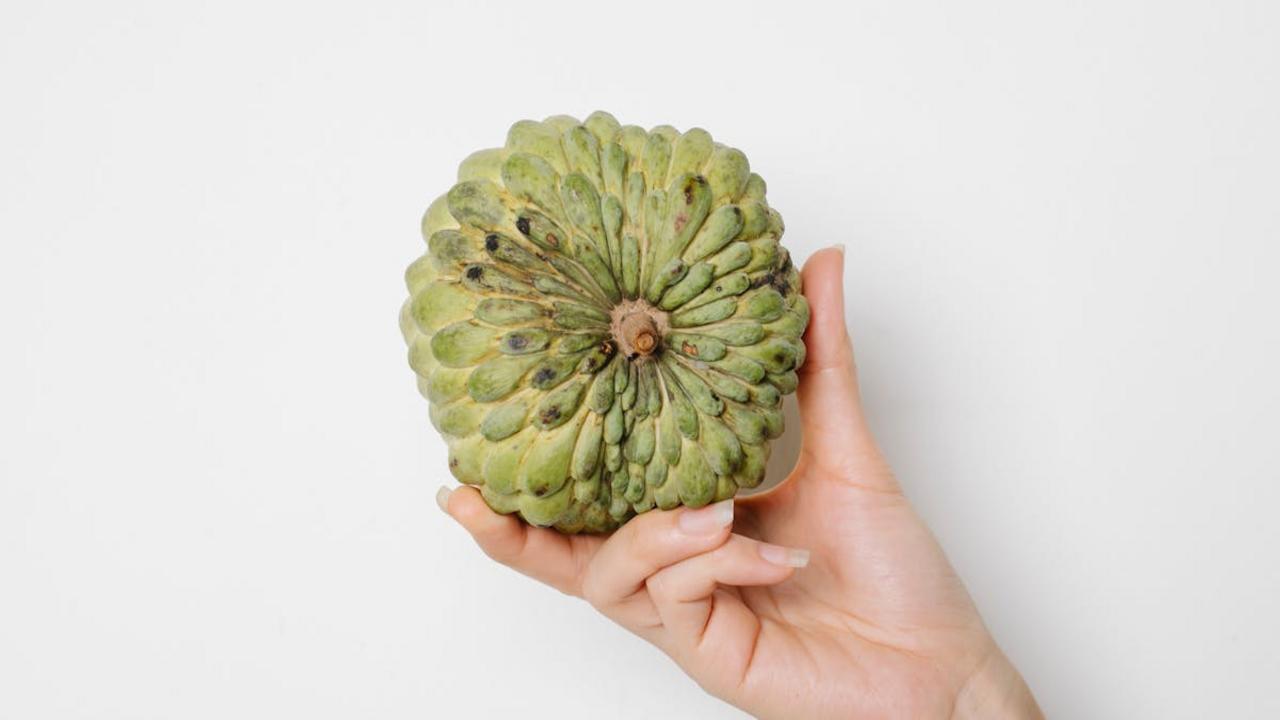
I first discovered soursop in a tiny market in Miami, and its spiky green exterior caught my attention right away! This tropical fruit, also known as guanábana, packs a unique combination of sweet and tart flavors that remind me of strawberries and pineapples with creamy notes of coconut. The white, custard-like flesh makes an incredible addition to smoothies and tropical desserts. You’ll want to wait until the fruit yields slightly to pressure before cutting it open to enjoy its sweet-sour goodness.
Your kitchen will transform into a tropical paradise once you start cooking with soursop! I love blending it into refreshing ice cream or creating a vibrant fruit punch that will transport you straight to the Caribbean. The fruit works beautifully in both sweet and savory dishes – try adding it to marinades for chicken or fish to create bold, tropical flavors. You can also simmer it down into a syrup for cocktails or drizzle it over pancakes for a bright twist on breakfast. Just remember to remove the black seeds before consuming, as they’re not edible.
Durian
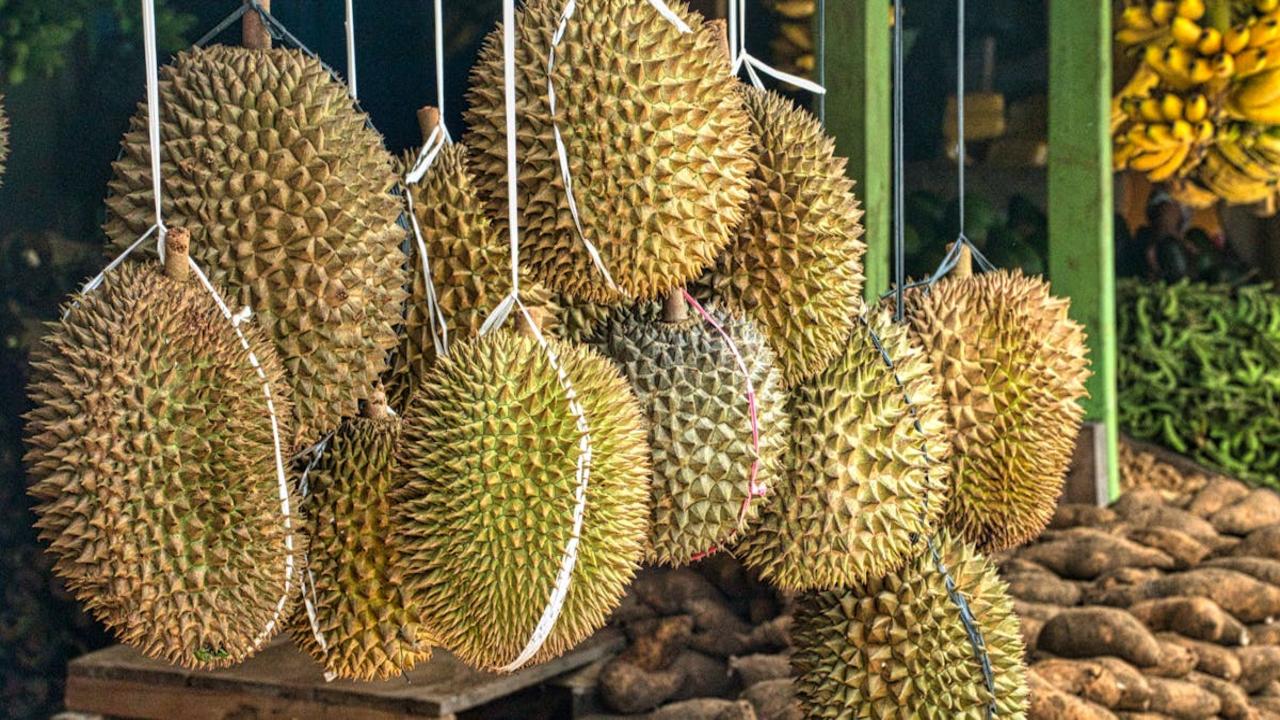
Known as the “King of Fruits” in Southeast Asia, durian has a distinctive spiky exterior and an intense aroma that creates strong reactions from anyone who encounters it. The creamy, custard-like flesh inside ranges from pale yellow to rich gold and offers complex flavors reminiscent of caramel, almonds, and vanilla. While many hotels and public spaces ban durian due to its powerful smell, true food lovers should give this unique fruit a chance – you’ll discover why it commands such devoted followers across Asia.
You can add durian to both sweet and savory dishes for incredible depth of flavor. Mix the flesh into ice cream, smoothies, or traditional Asian desserts like sticky rice. For main courses, try adding durian to curries or stir-fries – its rich, buttery texture works beautifully with coconut milk and spices. Just remember to handle the spiky shell with care and look for fruits that give slightly when pressed. The reward will be an unforgettable flavor that transforms ordinary recipes into extraordinary culinary experiences.
Rambutan
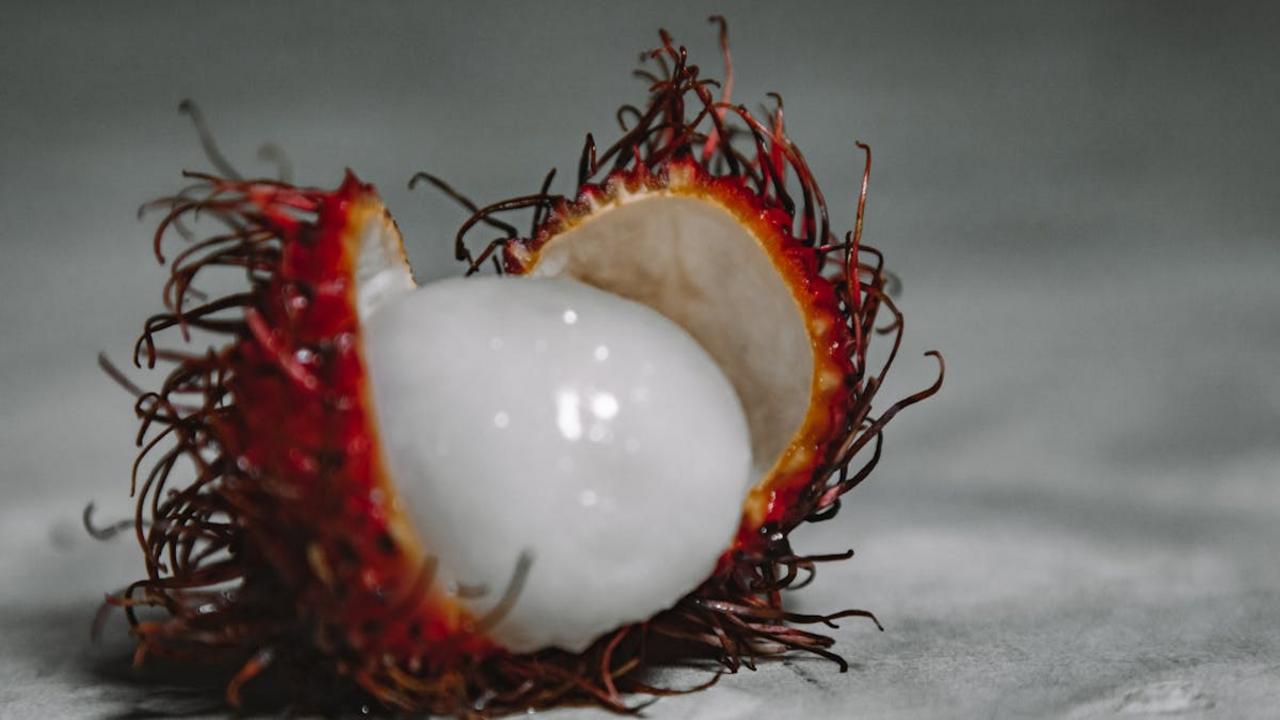
I still remember my first encounter with rambutan at a local farmers’ market – this hairy-looking red fruit with soft spines caught my eye immediately! Don’t let its wild appearance fool you though. Once you peel back the outer layer, you’ll find a sweet, translucent flesh that wraps around a single seed. The flavor reminds me of a perfect mix between lychee and grape, with subtle floral notes that make it truly unique. You can eat rambutans fresh as a snack, add them to fruit salads, or blend them into refreshing smoothies.
If you want to get creative in the kitchen, try adding rambutan to your next dessert creation. The fruit pairs beautifully with coconut in tropical parfaits or makes an eye-catching garnish for cakes and tarts. Just make sure to pick ones that feel firm and heavy for their size, with bright red spines that stand upright. The darker or more brownish the spines, the more likely the fruit is past its prime. Store your rambutans in the fridge for up to a week, but I recommend eating them within the first few days when their texture and flavor shine the brightest.
Jackfruit
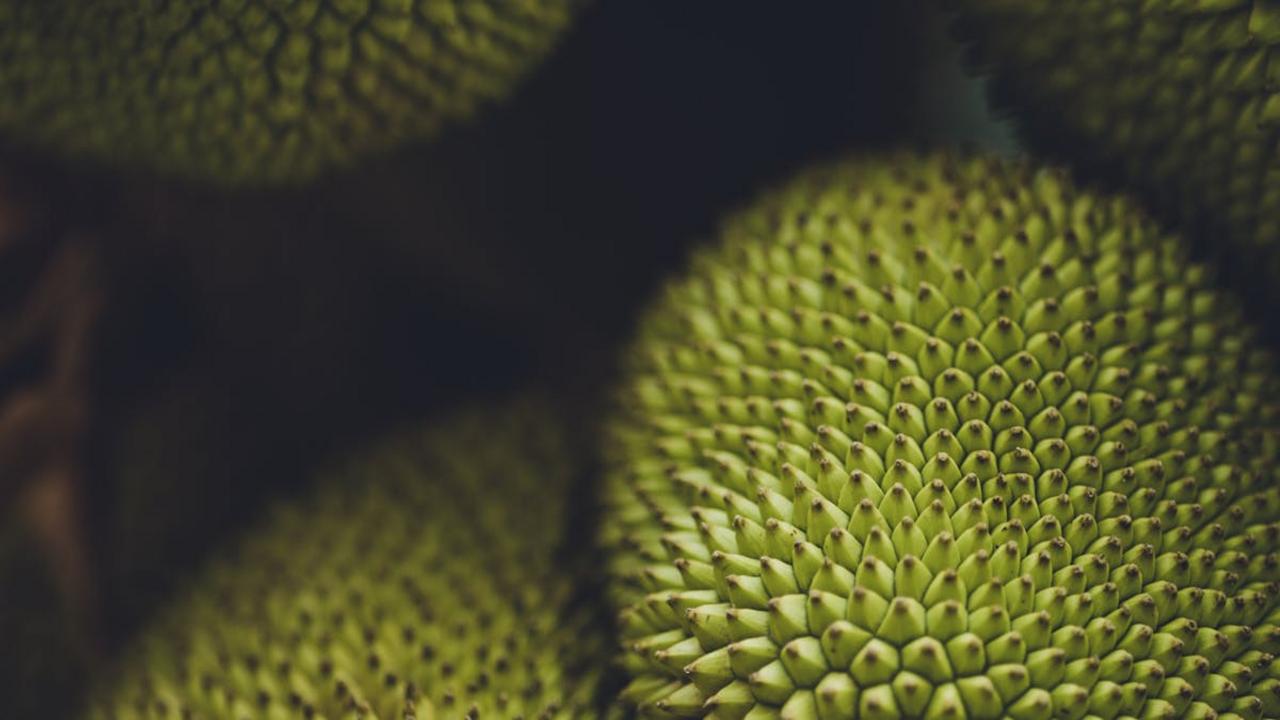
You’ll find jackfruit hard to miss at Asian markets – these massive green fruits can weigh up to 100 pounds! Their spiky exterior opens up to reveal golden yellow pods with a meaty texture that makes them perfect for plant-based cooking. I love using young jackfruit as a meat substitute in pulled “pork” sandwiches, tacos, and curries. The fibrous texture soaks up marinades and sauces beautifully, while ripe jackfruit offers a sweet tropical flavor similar to a mix of pineapple, mango, and banana.
Want a quick tip for working with jackfruit? Buy it canned in water or brine to skip the messy prep work of breaking down a fresh one. Just drain, rinse, and shred the pods with two forks before cooking. The neutral flavor of young jackfruit means you can season it any way you like – try barbecue sauce for sandwiches, taco seasoning for Mexican dishes, or coconut curry for Asian-inspired meals. If you grab a ripe one, add the sweet pods to smoothies, fruit salads, or enjoy them fresh for a healthy snack packed with fiber, potassium, and vitamin C.
Mangosteen
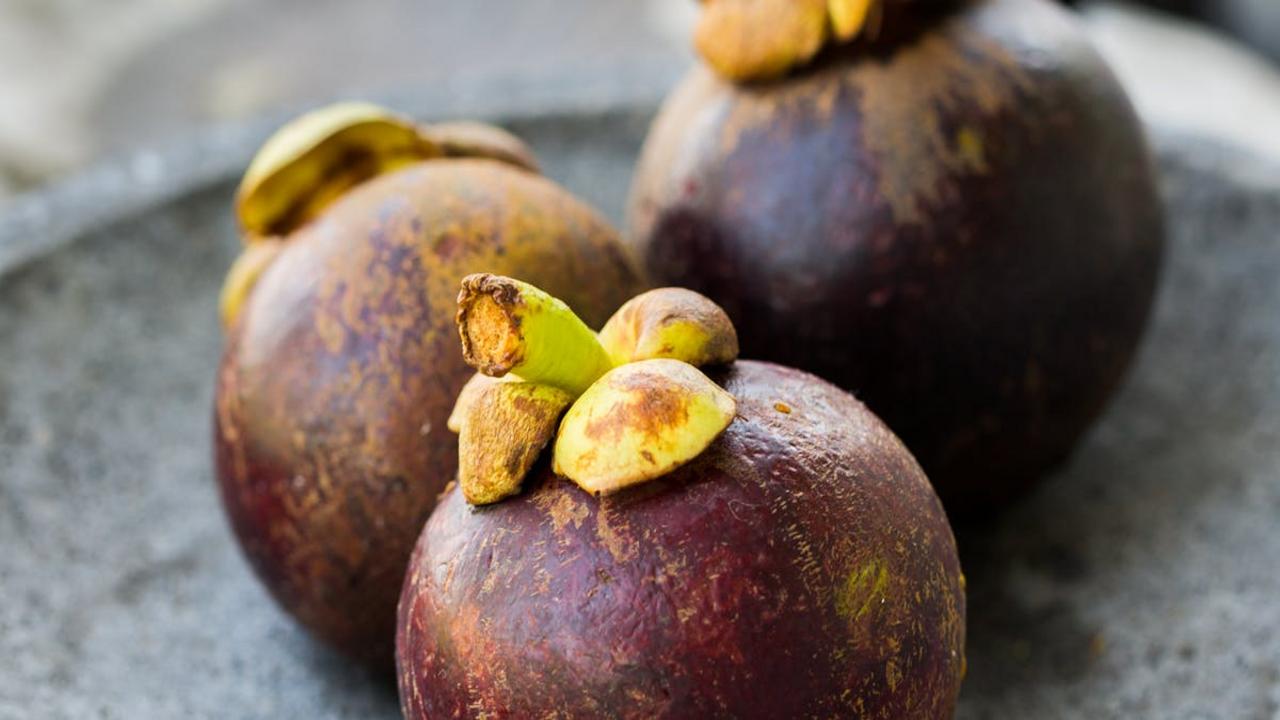
I adore mangosteen for its pure white, juicy segments that hide beneath a deep purple rind. This sweet and tangy fruit from Southeast Asia offers a unique mix of flavors – think strawberries and peaches with subtle notes of citrus. The real magic happens when you add mangosteen to fruit salads or blend it into smoothies. My favorite way to enjoy this fruit is to pair it with coconut milk and a touch of honey for a refreshing tropical dessert that will transport you straight to a beachside paradise.
Beyond its incredible flavor, mangosteen brings amazing health benefits to your kitchen. The fruit contains powerful antioxidants called xanthones, which help fight inflammation and boost your immune system. You can incorporate mangosteen into your cooking by making fresh sorbets, adding it to yogurt parfaits, or creating exotic fruit preserves. Just remember to choose fruits that feel slightly soft when pressed and have a bright, unblemished exterior. Store them in your fridge, and they’ll stay fresh for about a week – perfect for experimenting with new recipes!
Starfruit

I got so excited the first time I sliced a starfruit crosswise and saw those perfect little stars! Also known as carambola, this tropical fruit from Southeast Asia will transform your dishes into eye-catching masterpieces. The crisp, juicy flesh has a unique sweet-tart flavor that reminds me of a mix between green grapes and fresh apple. You’ll find starfruit particularly amazing in fruit salads, as garnishes for drinks, or simply eaten fresh as a healthy snack.
Want to make your next dinner party extra special? Add thin starfruit slices to a tropical chicken stir-fry or toss them into a citrus-based sauce for fish. The fruit pairs wonderfully with seafood and brings both visual appeal and bright flavors to any dish. Just remember to pick starfruit that’s firm and yellow with minimal brown spots. A ripe one should have a sweet aroma and give slightly when pressed. Green starfruit will ripen at room temperature within a few days, making it easy to plan ahead for your next recipe.
Lychee
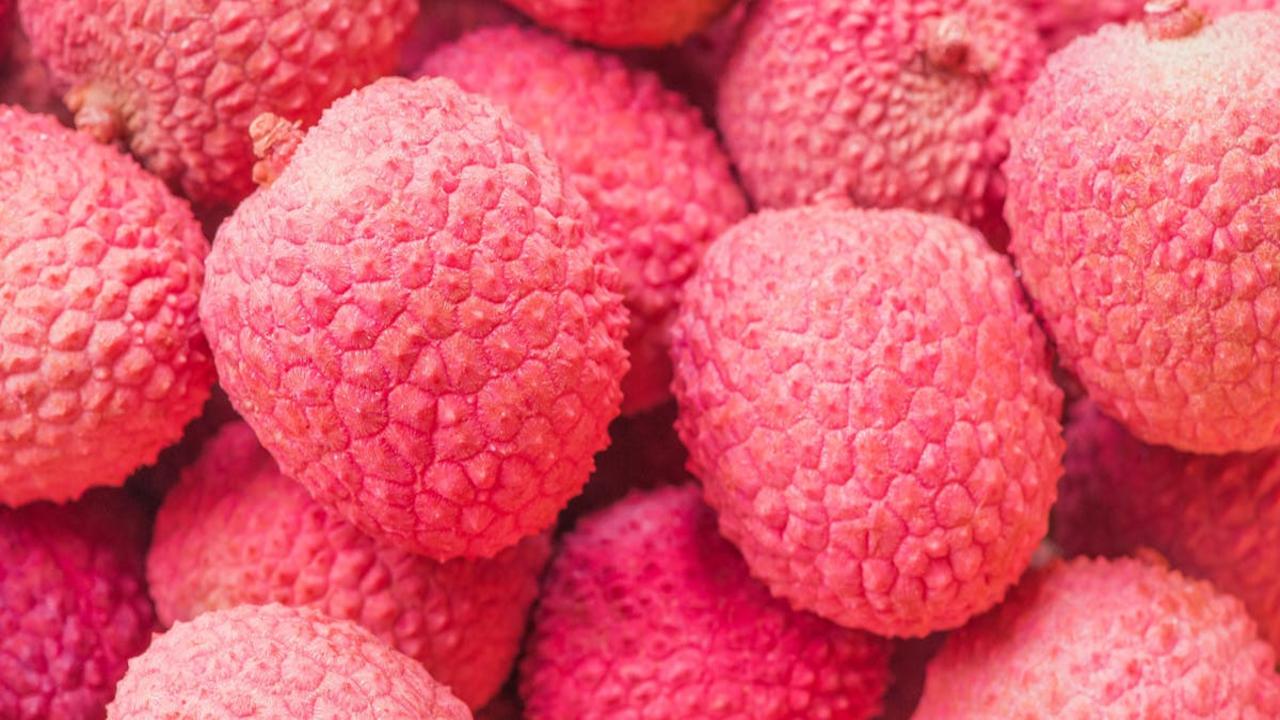
I’ll never forget the first time I peeled open a fresh lychee – the sweet floral aroma and juicy white flesh completely won me over! These small, bumpy-skinned fruits from Southeast Asia pack a wonderful combination of rose-like sweetness and subtle tartness that will transform your desserts and drinks. The translucent flesh has a grape-like texture but with a more complex flavor profile that makes it perfect for both sweet and savory dishes.
You can add fresh lychees to fruit salads, blend them into smoothies, or cook them down into a sauce for duck or chicken. I love incorporating them into Asian-inspired cocktails or muddling them with mint for a refreshing mocktail. If you can’t find fresh lychees, canned ones work great too – just drain and rinse them first to remove the excess syrup. My favorite quick dessert combines lychees with coconut cream and a sprinkle of toasted almonds for an exotic twist on traditional fruit and cream.
Guava
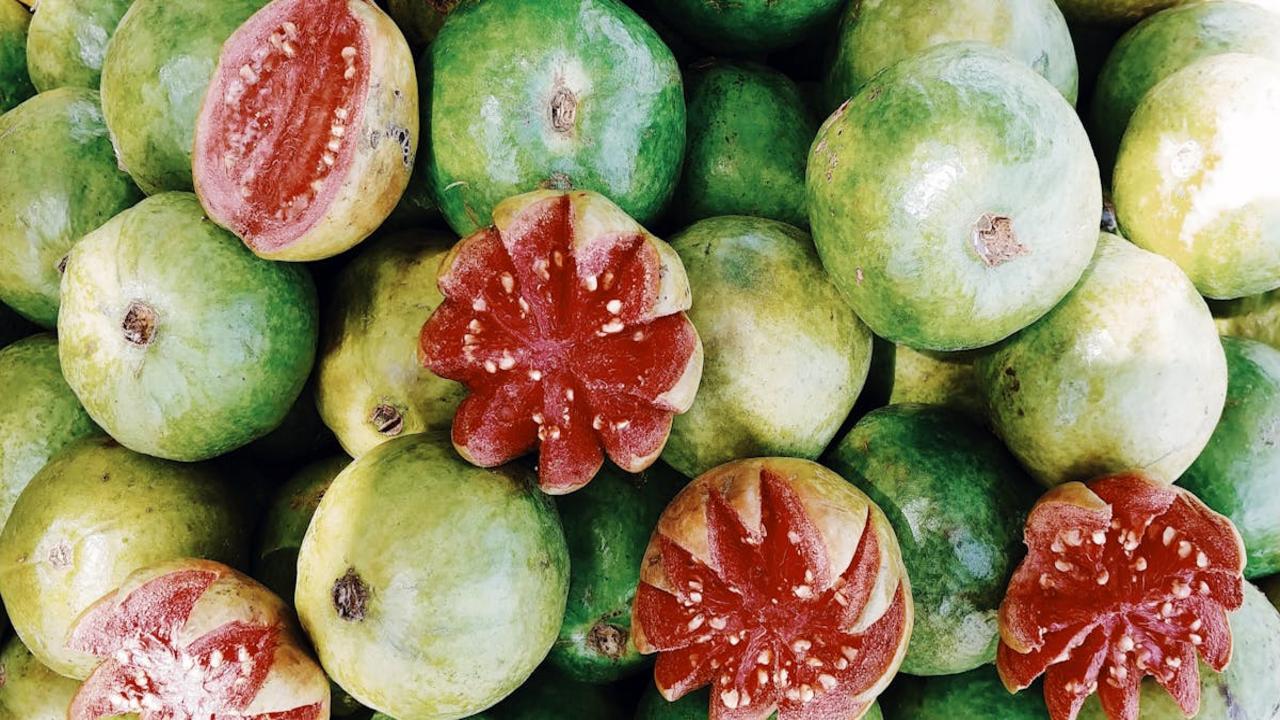
I adore guava for its sweet-tart tropical flavor and incredible versatility in the kitchen. This round or oval fruit has a distinctive aroma that fills your whole kitchen with its fragrant scent. The pale green to yellow skin protects a pink, white, or red flesh packed with small edible seeds. You’ll find guava perfect for both sweet and savory dishes – from tropical smoothies and exotic fruit salads to glazes for grilled meats and seafood.
My favorite way to use guava is to simmer it down into a thick paste or jam, which adds an amazing depth to pastries and desserts. The fruit contains high levels of vitamin C, fiber, and antioxidants, making it a fantastic addition to your healthy cooking repertoire. Try blending fresh guava into your morning smoothie bowl, or dice it into a zesty salsa for fish tacos. You can even use guava leaves to make a fragrant tea that pairs beautifully with honey and lemon.
Passion Fruit
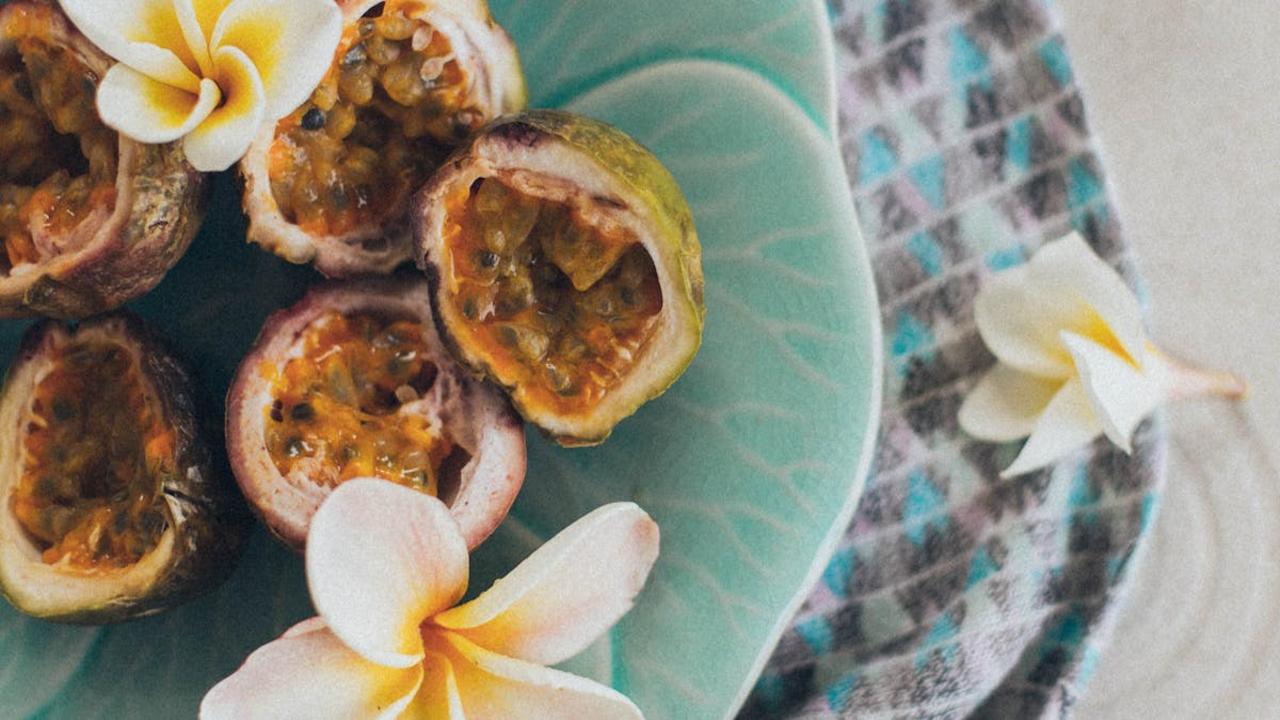
I adore passion fruit’s distinctive sweet-tart flavor and intoxicating tropical fragrance. The purple or yellow outer shell houses a treasure trove of crunchy black seeds suspended in golden, jelly-like pulp. You’ll find this fruit adds bright, tropical notes to smoothies, cocktails, and desserts. The seeds give a wonderful textural contrast while delivering beneficial fiber and antioxidants. My favorite way to enjoy passion fruit is to scoop out the pulp and drizzle it over yogurt or oatmeal for an instant vacation vibe in my breakfast bowl.
Want to take your cooking to new heights? Mix passion fruit pulp into marinades for chicken or fish – the natural enzymes help tenderize meat while adding complex flavor. You can also fold the pulp into whipped cream or custard for show-stopping desserts. The fruit pairs beautifully with coconut, mango, and citrus. I recommend buying passion fruits that feel heavy for their size and have slightly wrinkled skin – this means they’re perfectly ripe and ready to transform your dishes with their unique tropical charm.
Dragon Fruit
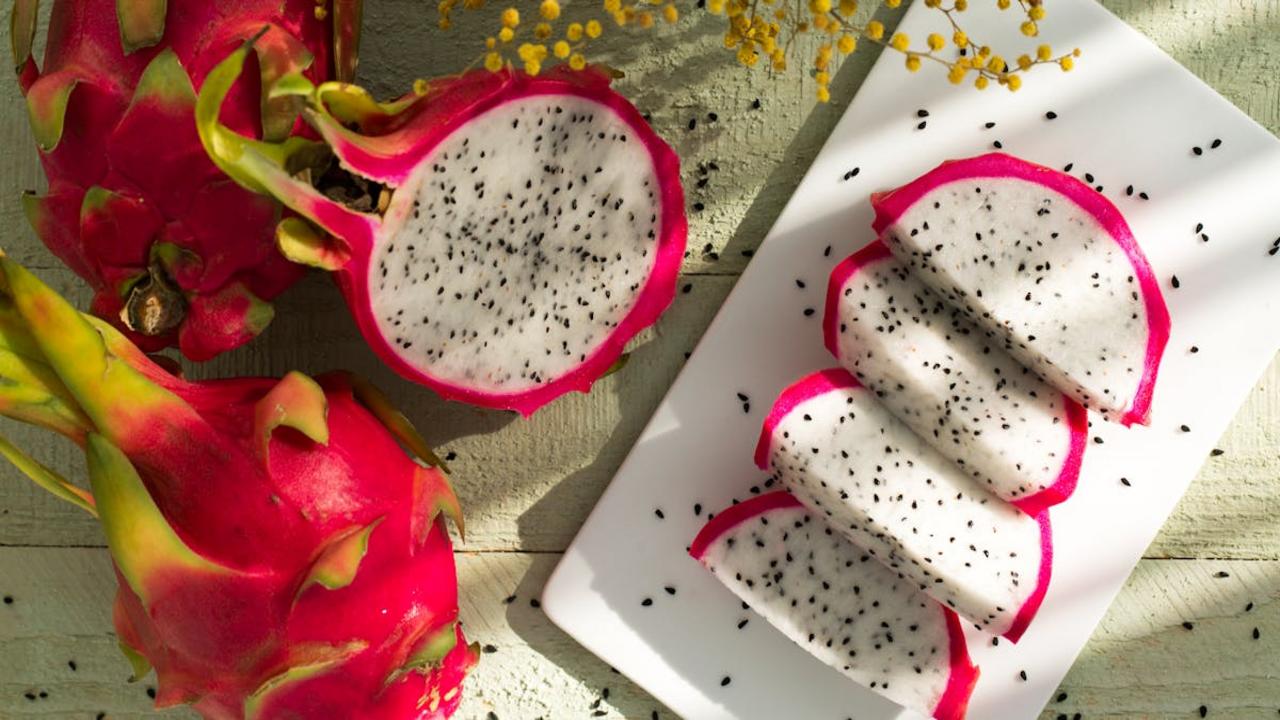
Dragon fruit will catch your eye with its hot pink exterior and white or magenta flesh dotted with tiny black seeds. This show-stopping tropical fruit brings a subtle sweetness and refreshing crunch that adds instant visual drama to your dishes. I love adding cubes of dragon fruit to morning smoothie bowls or tossing them into fresh fruit salads for an Instagram-worthy presentation that’ll make everyone ask “what’s that beautiful fruit?”
You can transform your everyday cooking with dragon fruit in so many creative ways. Blend it into vibrant breakfast smoothies, mix it into overnight oats, or layer it with yogurt and granola for a stunning parfait. The mild flavor pairs wonderfully with citrus and berries, making it perfect for summer desserts. For a quick appetizer that’ll wow your guests, try topping rice crackers with diced dragon fruit, mint leaves, and a drizzle of honey – trust me, they’ll be asking for the recipe!