15 Fake Indian Foods People Mistake for Traditional
Many popular “Indian” dishes you’ll find in restaurants actually originated far from India’s shores. These adaptations, created to suit different palates and ingredients, have become worldwide favorites while straying from authentic Indian cooking traditions. From British inventions to Anglo-Indian fusion dishes, these foods tell a fascinating story of cultural exchange and adaptation.
I grew up watching my grandmother cook real Indian food, which opened my eyes to the stark differences between authentic dishes and their Western interpretations. While these modified versions can be delicious, they often miss the complex spice blends, cooking techniques, and regional nuances that make Indian cuisine special.
Understanding these distinctions helps appreciate both authentic Indian cooking and its global variations. Each dish on this list represents creative innovation – new foods born from the meeting of different culinary traditions. Whether you prefer traditional or adapted versions, knowing their true origins adds depth to your dining experience.
Biryani
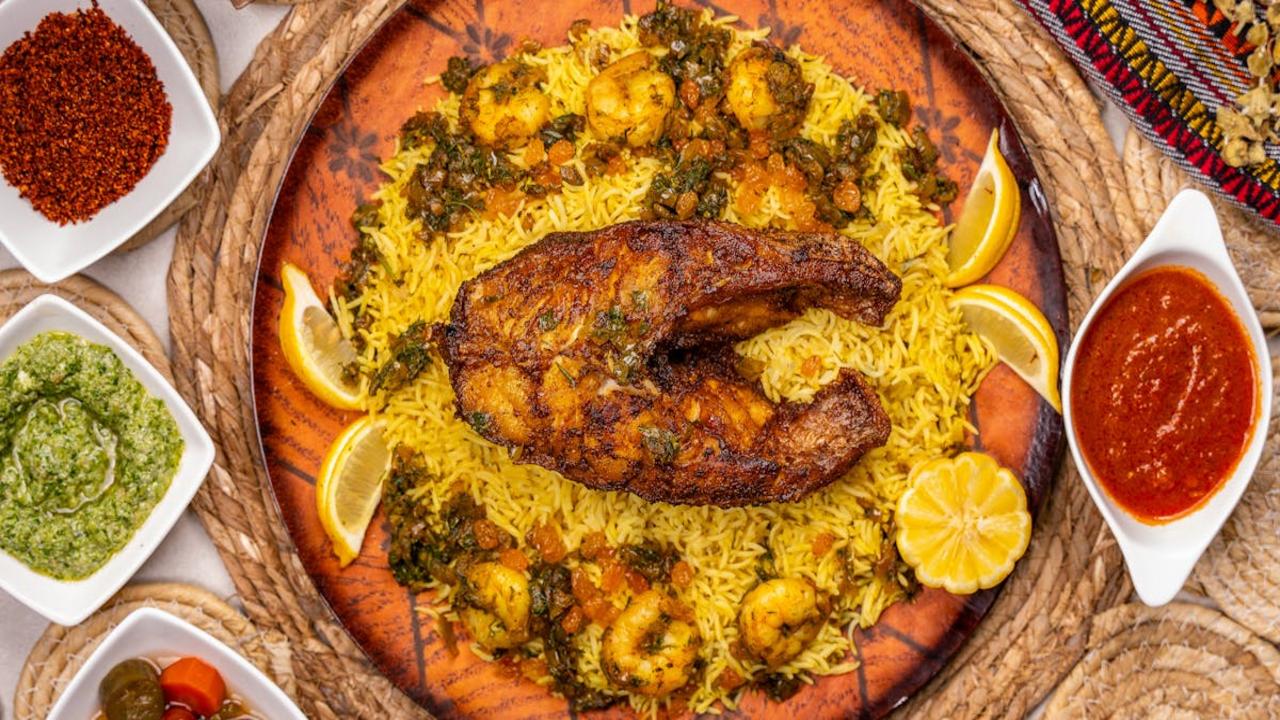
Many people assume biryani originated in India, but this fragrant rice dish actually traces back to Persia. The Mughals brought it to the Indian subcontinent in the 16th century, where it transformed through local ingredients and cooking methods. The authentic Persian version featured minimal spices and meat, while Indian adaptations incorporated regional masalas, vegetables, and proteins. Today’s restaurant versions often skip the traditional dum cooking method, where the dish slowly steams in a sealed pot.
I’ve noticed how modern Indian restaurants frequently serve a simplified “biryani” that’s just spiced rice topped with separately cooked meat or vegetables. Real biryani requires layering partially cooked rice with marinated meat or vegetables, then slow-cooking everything together so the flavors meld perfectly. The rice grains should remain separate and fluffy, not mushy or clumped together. Each region in India developed its own biryani style – from Lucknow’s subtle aromatics to Hyderabad’s fiery spices – but many restaurants serve a generic version that doesn’t reflect these distinct traditions.
Mulligatawny Soup
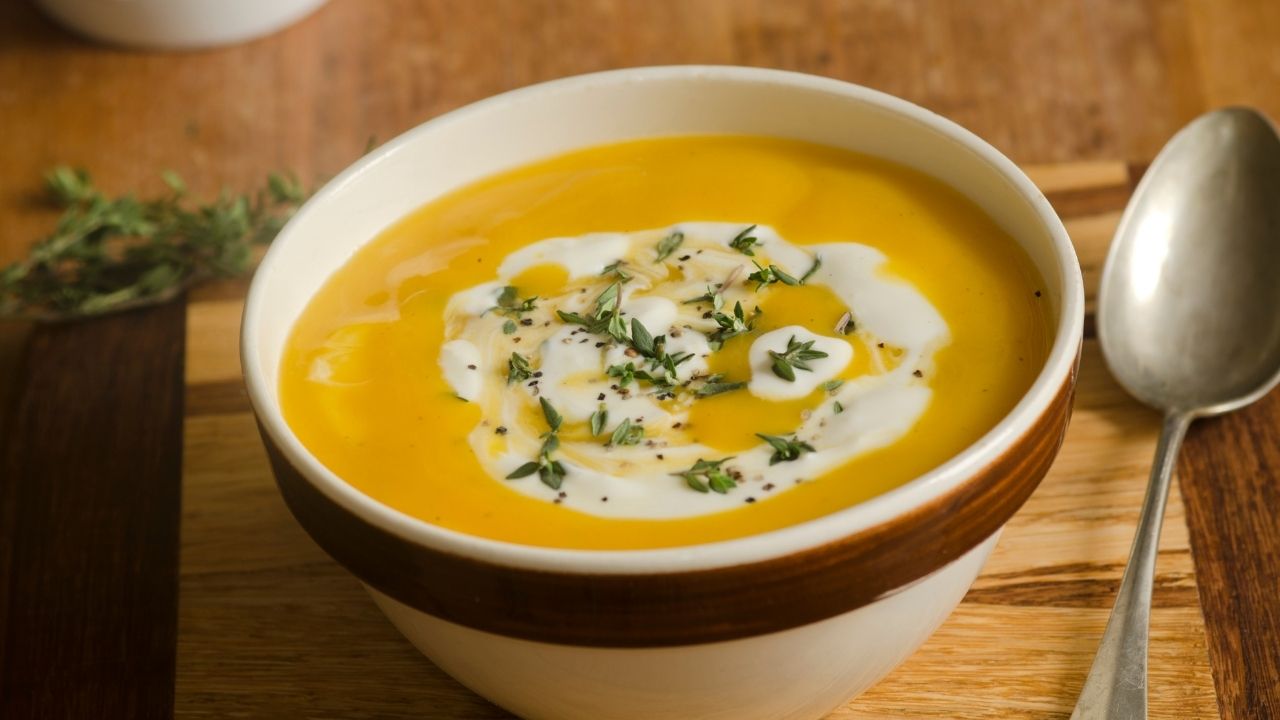
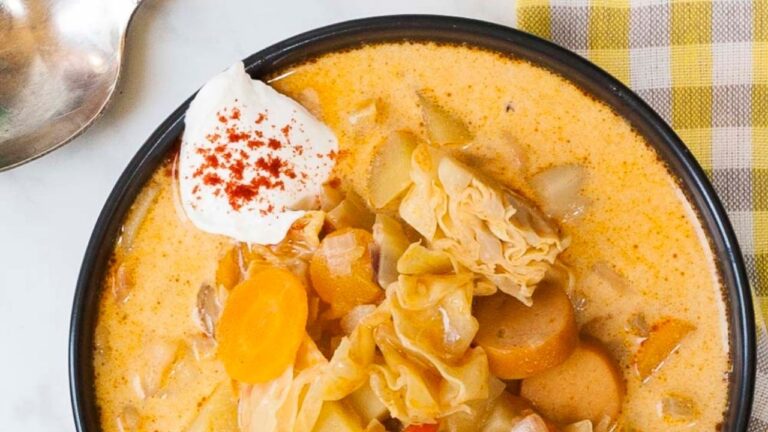
I always find it fascinating how Mulligatawny soup, despite its widespread association with Indian cuisine, actually originated during the British Raj era. British officials stationed in India wanted a soup course for their meals, which wasn’t common in traditional Indian dining. The colonial cooks created this Anglo-Indian fusion by adapting rasam, a South Indian preparation, into a heartier soup with lentils, chicken, and curry powder. The name itself comes from Tamil words ‘millagai’ (pepper) and ‘thanni’ (water).
Many restaurants serve Mulligatawny as an “authentic Indian soup,” but its true history lies in colonial adaptation rather than ancient Indian tradition. My version stays true to its fusion roots – I combine red lentils, coconut milk, curry leaves, and tender chicken pieces with apples for sweetness. This combination creates a rich, warming bowl that honors both its British and Indian influences. While not traditionally Indian, Mulligatawny represents an important chapter in Indian food history and remains popular in both countries today.
Tandoori Chicken
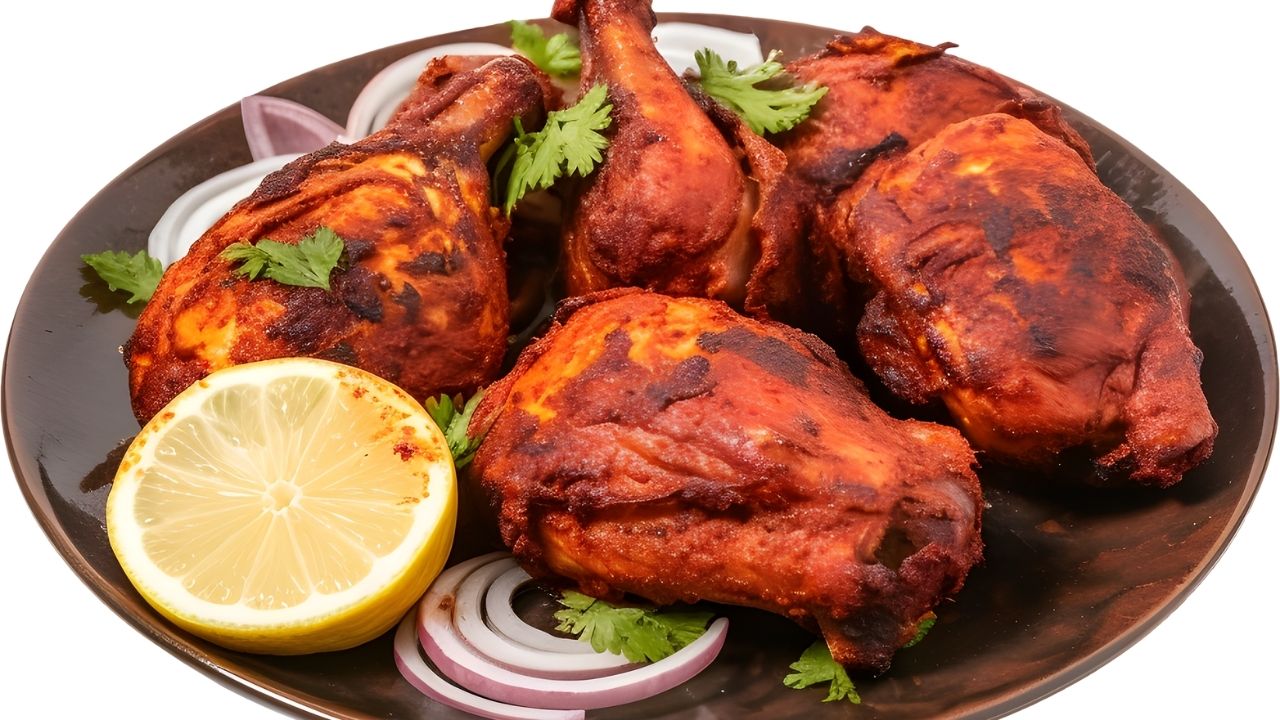
Many people think Tandoori Chicken represents traditional Indian cooking, but this bright red chicken dish only dates back to the 1920s in Peshawar (now Pakistan). The creator, Kundan Lal Gujral, wanted to prevent his chicken from drying out in the tandoor oven, so he marinated it in yogurt and spices. The signature red color? That came from artificial food coloring – not some ancient spice blend. The original version used natural ingredients like turmeric, cayenne, and other ground chilies to give a more subtle orange hue.
While modern restaurants often serve this dish as authentically Indian, the version you’ll find today bears little resemblance to Gujral’s innovation. Most places amp up the food coloring for that Instagram-worthy look, and some skip the tandoor altogether, using regular ovens instead. The yogurt marinade remains key, but many spots add ingredients like cream or butter – additions that would make Gujral shake his head. If you want a more genuine taste, look for restaurants that skip the red dye and focus on getting that perfect char from a real tandoor oven.
Korma
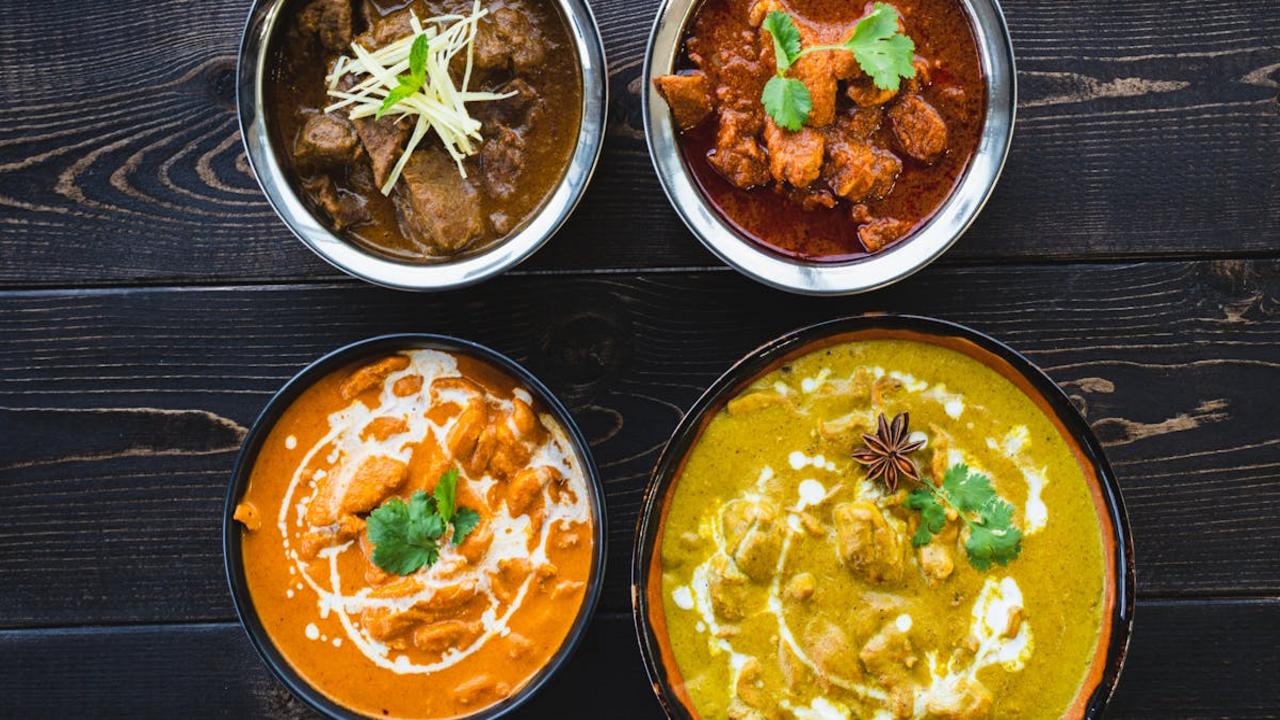
I need to break a misconception about korma – that creamy, mild curry you’ll find in most Indian restaurants abroad isn’t actually traditional Indian food. The authentic korma from Mughlai cuisine uses whole spices, nuts, and yogurt to create a rich sauce, not heavy cream or coconut milk. Many Western restaurants have adapted this dish to match local preferences, turning it into an ultra-mild curry that bears little resemblance to its original form.
The real korma preparation involves marinating meat (traditionally lamb or chicken) in yogurt and spices, then cooking it with browned onions, ground nuts, and aromatic whole spices like cardamom, cinnamon, and cloves. While modern restaurant versions often come drowning in cream sauce, authentic korma has a balanced, nuanced flavor from the careful layering of spices and the natural richness of nuts. The next time you order korma, ask your server about their preparation method – you might be surprised to learn you’re eating a Western adaptation rather than traditional Indian cuisine.
Jalfrezi
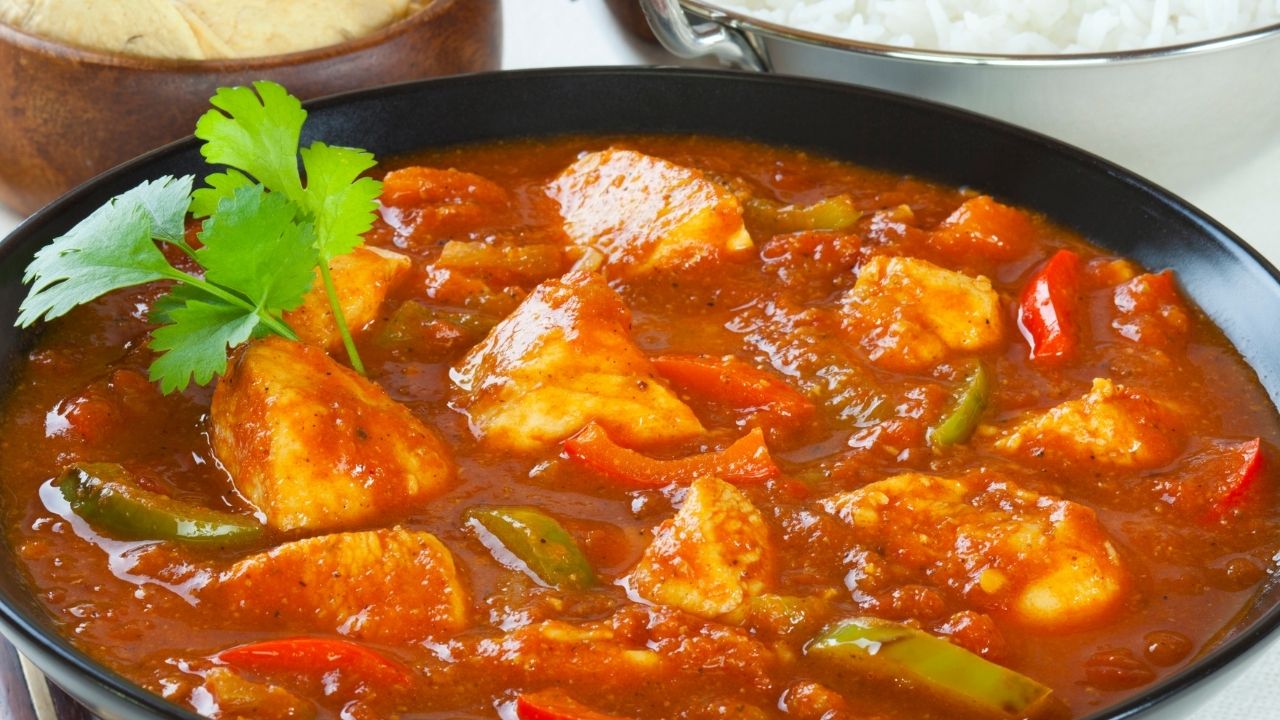
I see many restaurants claiming Jalfrezi as a traditional Indian dish, but it actually originated during the British Raj era. British officials wanted to use their leftover roasted meats, so Indian cooks created this dish by stir-frying the meat with onions, peppers, and spices. The word ‘Jalfrezi’ comes from Bengali words ‘jhal’ (spicy) and ‘poreza’ (suitable for eating) – though some say it derives from ‘jhal frezi’ meaning ‘hot fry.’
While modern Indian restaurants have adapted Jalfrezi into their menus, the cooking method remains distinctly Anglo-Indian. The dish typically features a dry, thick sauce rather than the gravy-rich authentic Indian curries. You’ll notice restaurants often make it with chicken or lamb now, not leftover meats. If you want genuine Indian flavors, I recommend trying dishes like Rogan Josh or Butter Chicken instead. Those showcase the depth and complexity of traditional Indian cooking techniques passed down through generations.
Butter Chicken
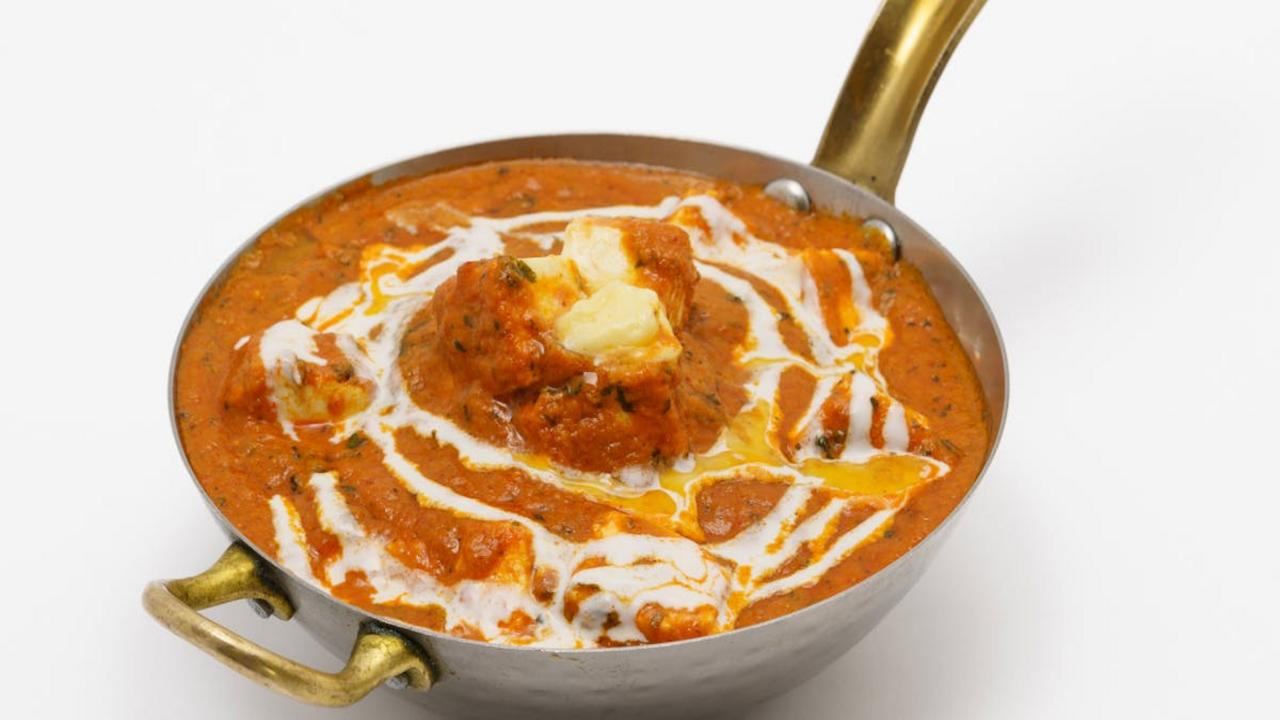
I know what you’re thinking – Butter Chicken must be an ancient Indian dish passed down through generations. But this creamy, tomato-based curry actually originated in the 1950s at Moti Mahal restaurant in Delhi! Chef Kundan Lal Gujral created this dish to use up leftover tandoori chicken by simmering it in a rich sauce of butter, tomatoes, and cream. The original version didn’t contain nearly as much cream or sugar as most modern restaurant versions do today. Many Indian home cooks make a much lighter, healthier version using yogurt instead of heavy cream.
The butter chicken you eat at most restaurants bears little resemblance to the original recipe. Modern versions often go heavy on sugar and cream to appeal to Western palates, creating an overly sweet dish that masks the complex spices. Restaurant versions frequently use food coloring to achieve that signature orange hue, while traditional preparations get their color naturally from Kashmiri red chilies and tomatoes. If you want to make authentic butter chicken at home, focus on building layers of flavor with whole spices, fresh tomatoes, and tangy yogurt rather than drowning everything in cream and butter.
Bhuna
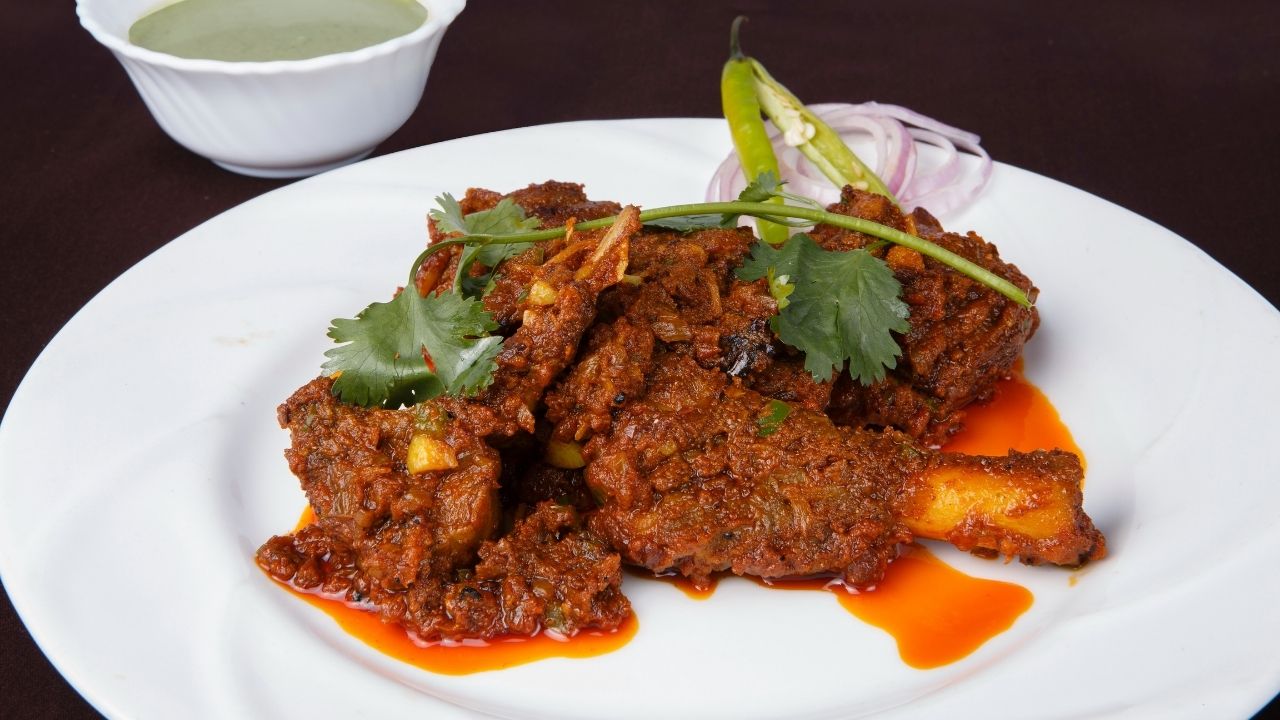
Here’s a truth that might shake up your understanding of Indian cuisine – Bhuna isn’t a traditional dish at all! While many restaurants market it as an authentic Indian curry, it’s actually a British creation that draws inspiration from South Asian cooking methods. The term “bhuna” refers to a cooking technique where spices and meat are fried together until they form a thick, dry sauce. British curry houses transformed this method into a standalone dish that’s now a menu staple.
I’ve noticed many people order Bhuna thinking they’re getting a slice of authentic Indian heritage, but this dish represents how British tastes have shaped what we know as “Indian food” today. The British interpretation typically features a thick, concentrated sauce with meat or vegetables – much richer and heavier than traditional Indian preparations. While it uses Indian spices and cooking techniques, the final result is distinctly British in its composition and serving style. Think of it as a delicious fusion dish rather than an authentic Indian creation.
Madras Curry
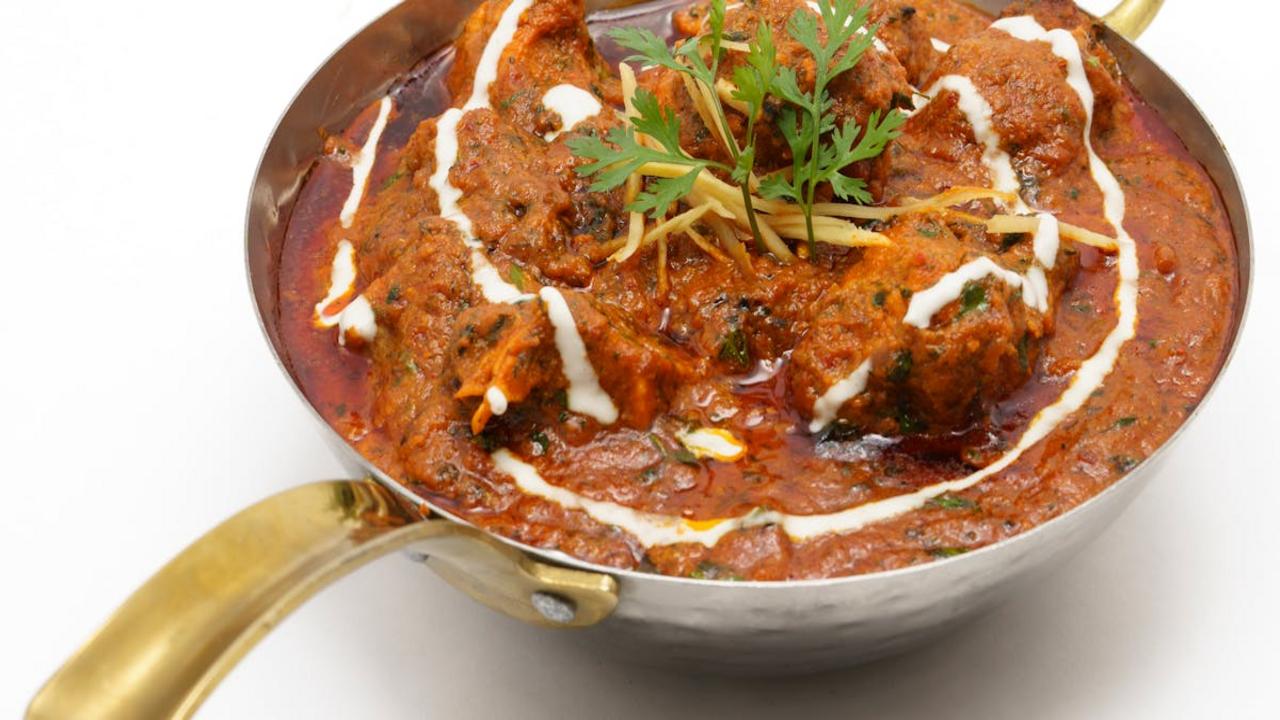
I need to bust a common misconception – Madras curry isn’t from India at all! This bright red, fiery curry powder blend actually originated in British restaurants during the colonial era. The British created it as their interpretation of South Indian flavors, naming it after the city of Madras (now Chennai). While you’ll find this spice mix in many UK curry houses and supermarket shelves worldwide, you won’t spot it in authentic Indian kitchens or recipes.
The real South Indian curries use freshly ground spice blends specific to each dish, not a one-size-fits-all powder. These authentic spice combinations bring subtle complexity and depth that Madras curry powder can’t match. If you want genuine South Indian flavors, skip the pre-made Madras mix and make your own masalas instead. Toast and grind whole spices like coriander, cumin, black pepper, and red chilies – the difference in taste will amaze you! Your curries will shine with true Indian character rather than a British colonial interpretation.
Saag Paneer
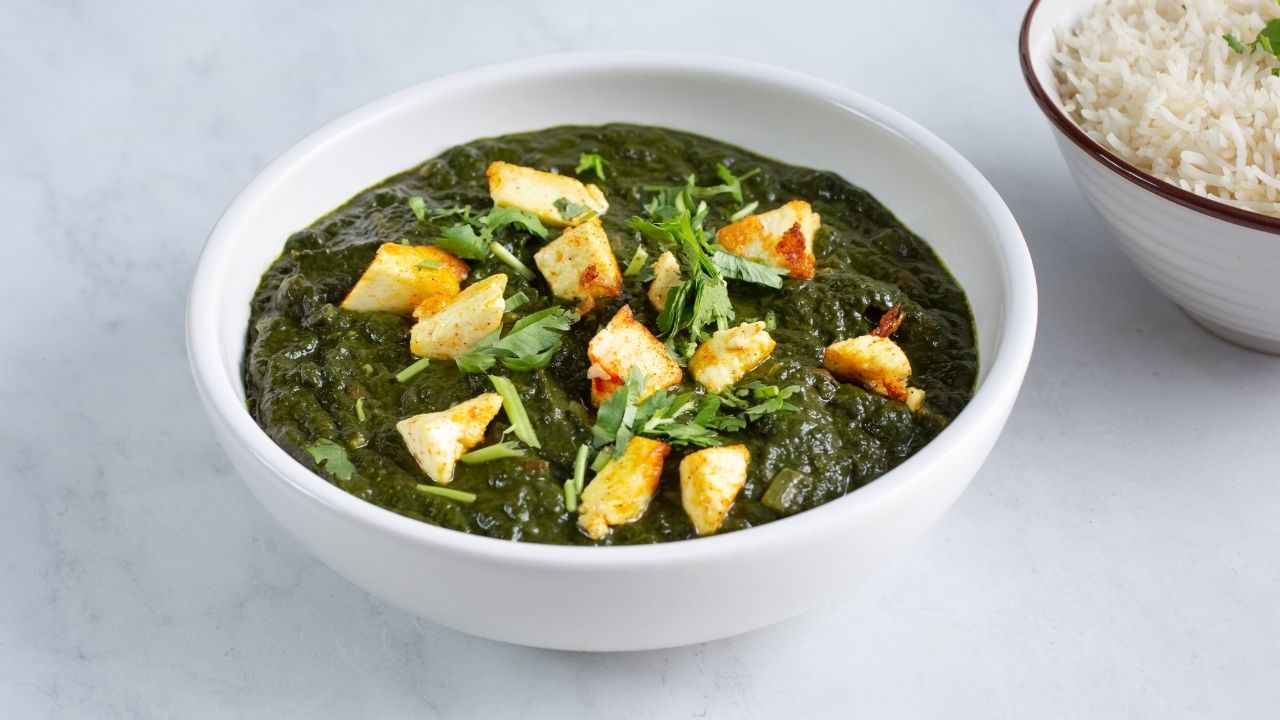
You might think that bright green, creamy saag paneer with chunks of fresh cheese is an ancient Indian dish, but the version you know from restaurants is quite different from traditional preparations. The common interpretation uses heavy cream and pureed spinach, creating a rich sauce that’s actually more Western-influenced. Traditional Indian greens preparations typically include mustard greens, fenugreek leaves, and other local leafy vegetables – not just spinach. The authentic versions have a more rustic texture and lighter consistency.
I discovered this eye-opening distinction while cooking with my grandmother, who showed me how restaurant versions prioritize a smooth, dairy-rich sauce that appeals to Western palates. The original dish focused on seasonal greens’ natural flavors and textures, using minimal dairy. Many modern restaurants add cream, butter and puree everything until silky to match customer expectations. While delicious, this interpretation strays from the humble roots of Indian home cooking. Next time you order saag paneer, remember you’re likely enjoying a contemporary fusion rather than an ancient recipe.
Rogan Josh
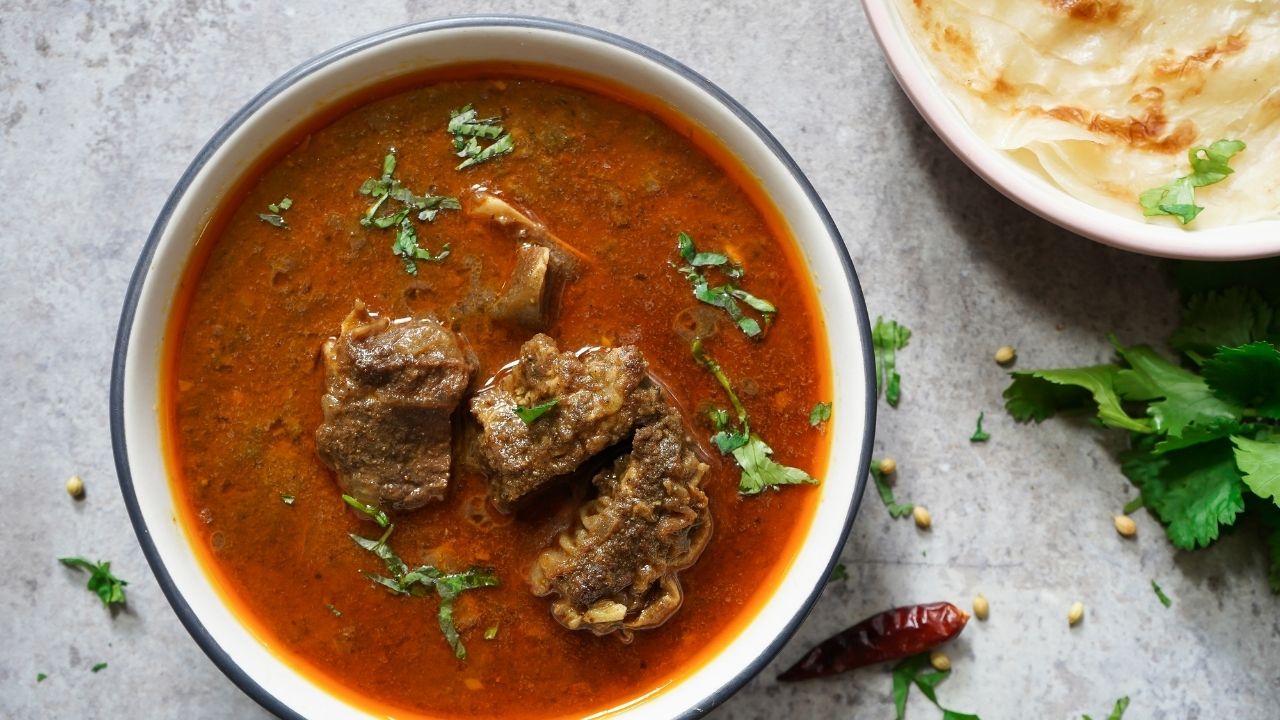
I’ve noticed many people think Rogan Josh originated in India, but this rich, aromatic curry actually comes from Persian cuisine and made its way to Kashmir through the Mughals. The authentic Kashmiri version uses yogurt, aromatic spices, and either lamb or goat meat – never tomatoes or onions. Many Indian restaurants outside Kashmir have created their own interpretation by adding tomato-based gravy and cream, which makes it more similar to butter chicken than the traditional dish.
The name “Rogan Josh” has Persian roots – “rogan” means oil and “josh” means heat or passion. The original recipe calls for specific Kashmiri spices like mawal (cockscomb flowers) and asafoetida, creating a distinctive red color without using tomatoes. Most modern restaurant versions skip these authentic ingredients and rely on regular chili powder and tomato paste instead. While these adaptations can taste good, they don’t capture the true essence of Kashmir’s beloved Rogan Josh with its complex, layered flavors and yogurt-based gravy.
Mango Chutney
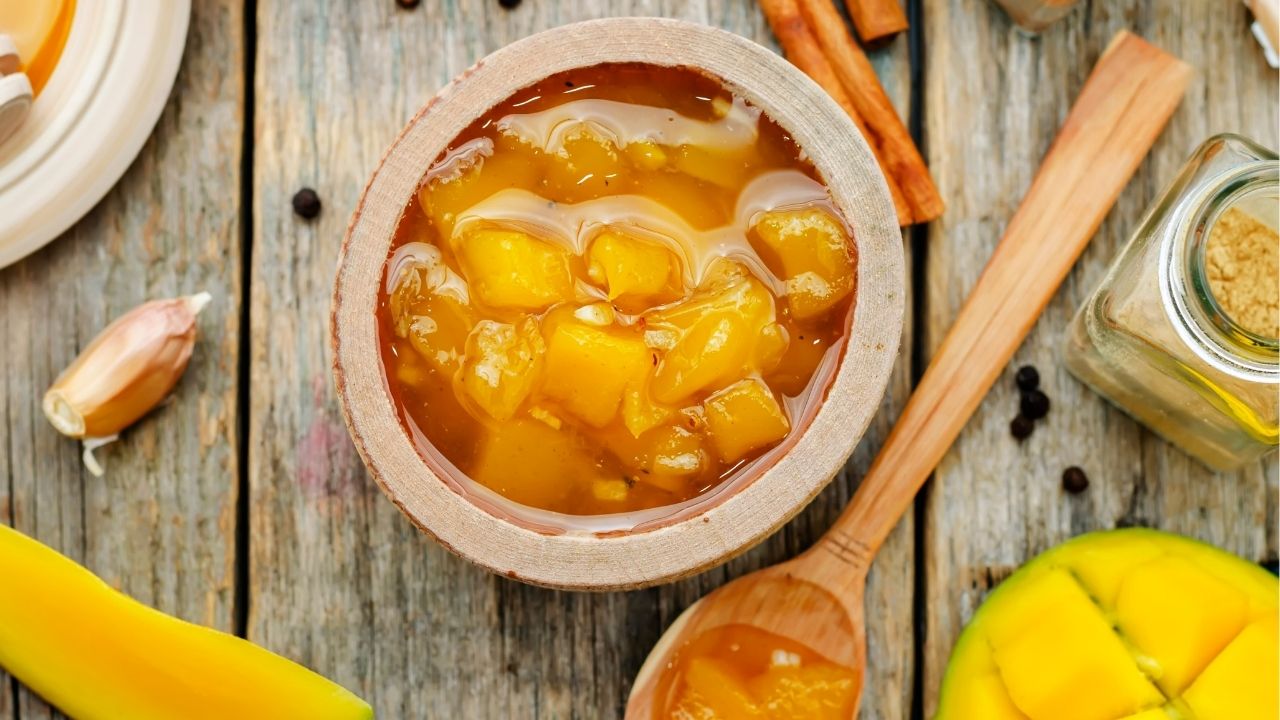
I need to bust a common myth about mango chutney – that sweet, jammy condiment you’ll find in many Indian restaurants across America and the UK isn’t actually a traditional Indian preparation. The authentic Indian version, called ‘aam ki chutney,’ is a fresh, tangy condiment made by grinding raw green mangoes with mint, cilantro, and spices. What you usually get served is a British colonial invention from the 18th century, created to suit European palates and preserve mangoes for longer shelf life.
The British-style mango chutney you know combines ripe mangoes, sugar, vinegar, and warming spices like cinnamon and cloves. This preservation method turned fresh, seasonal mangoes into a year-round commodity during colonial times. While this sweet chutney can complement certain dishes, it lacks the bright, zesty punch of traditional Indian fresh chutneys. If you want to experience authentic Indian mango preparations, try ‘aam ka achaar’ (mango pickle) or ‘aam panna’ (raw mango drink) instead.
Vindaloo
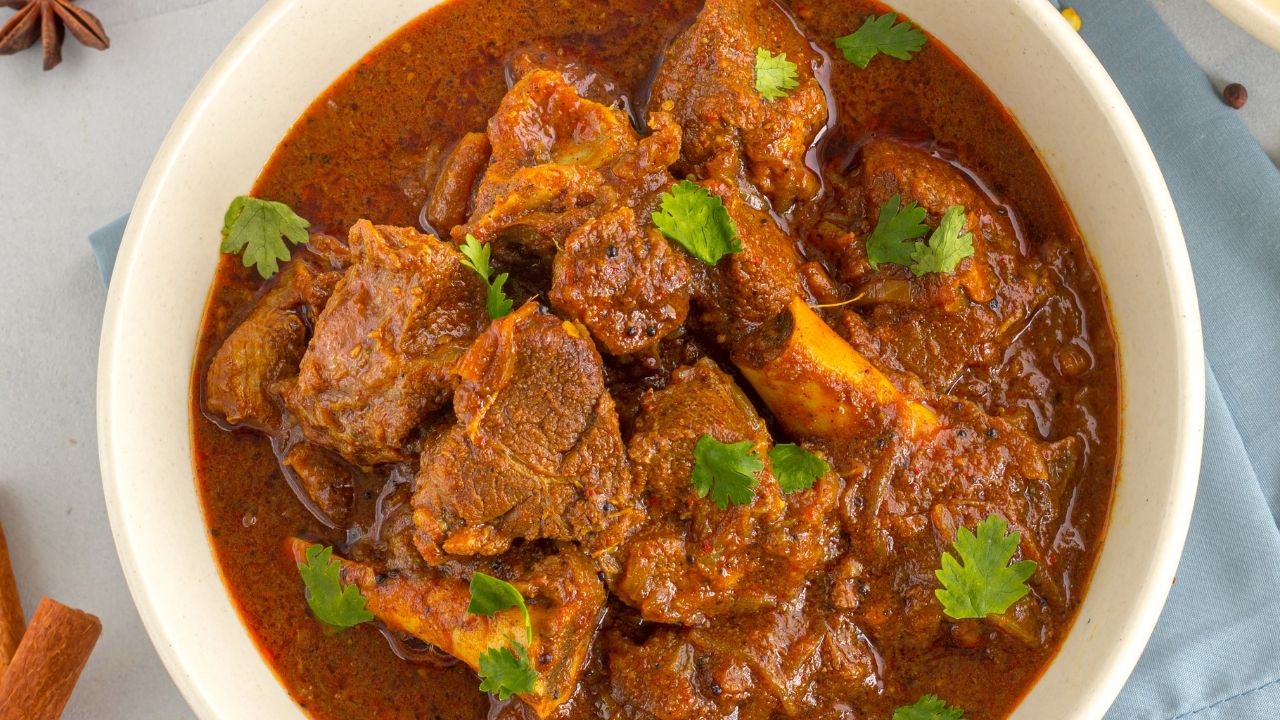
I’ll clear up a common misconception about Vindaloo – it’s not actually a traditional Indian dish! The fiery curry you order at most Indian restaurants bears little resemblance to its Portuguese-Goan ancestor “Carne de Vinha d’alhos.” The original dish combined pork with wine vinegar and garlic. Portuguese traders brought this preparation method to Goa in the 15th century, where locals adapted it using palm vinegar and adding regional spices like tamarind, black pepper, and cinnamon.
Modern restaurant versions, particularly in the UK and US, have transformed Vindaloo into an ultra-spicy curry that’s more about heat than flavor complexity. They often skip the vinegar altogether and load up on chilies and tomato paste. Some places even serve it with lamb or chicken instead of the traditional pork. The authentic Goan Vindaloo balances tanginess from vinegar with warmth from whole spices – it’s not meant to be a mouth-burning challenge. Next time you make Vindaloo at home, try the original version with pork, vinegar, and a balanced spice blend for a true taste of Goan-Portuguese fusion.
Balti
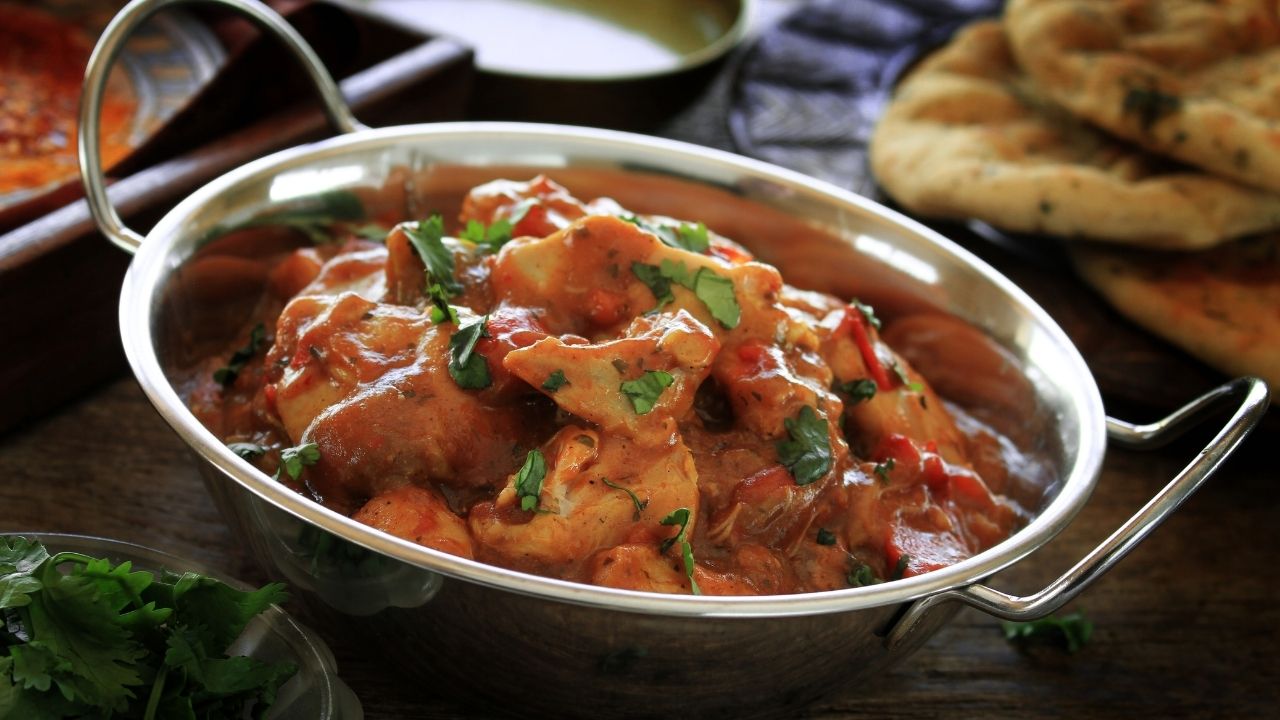
I need to burst your bubble about Balti – it’s not actually from India! This rich, aromatic curry style originated in Birmingham, UK during the 1970s. The term “balti” refers to the steel bowl it’s served in, and British-Asian restaurant owners created this dish to match local preferences. While it borrows Indian spices and cooking methods, the quick stir-fry technique and specific combination of ingredients make it distinctly British-Asian fusion.
You’ll find Balti dishes feature a mix of meat or vegetables in a thick, fragrant sauce made with tomatoes, onions, and ginger-garlic paste. The key difference lies in the cooking method – traditional Indian curries simmer slowly, while Balti cooks fast over high heat to keep vegetables crisp and meat tender. Many British curry houses advertise it as authentic Indian, but now you know its true origins! If you want genuine Indian curry, look for dishes like Rogan Josh, Korma, or classic Butter Chicken instead.
Naan Bread
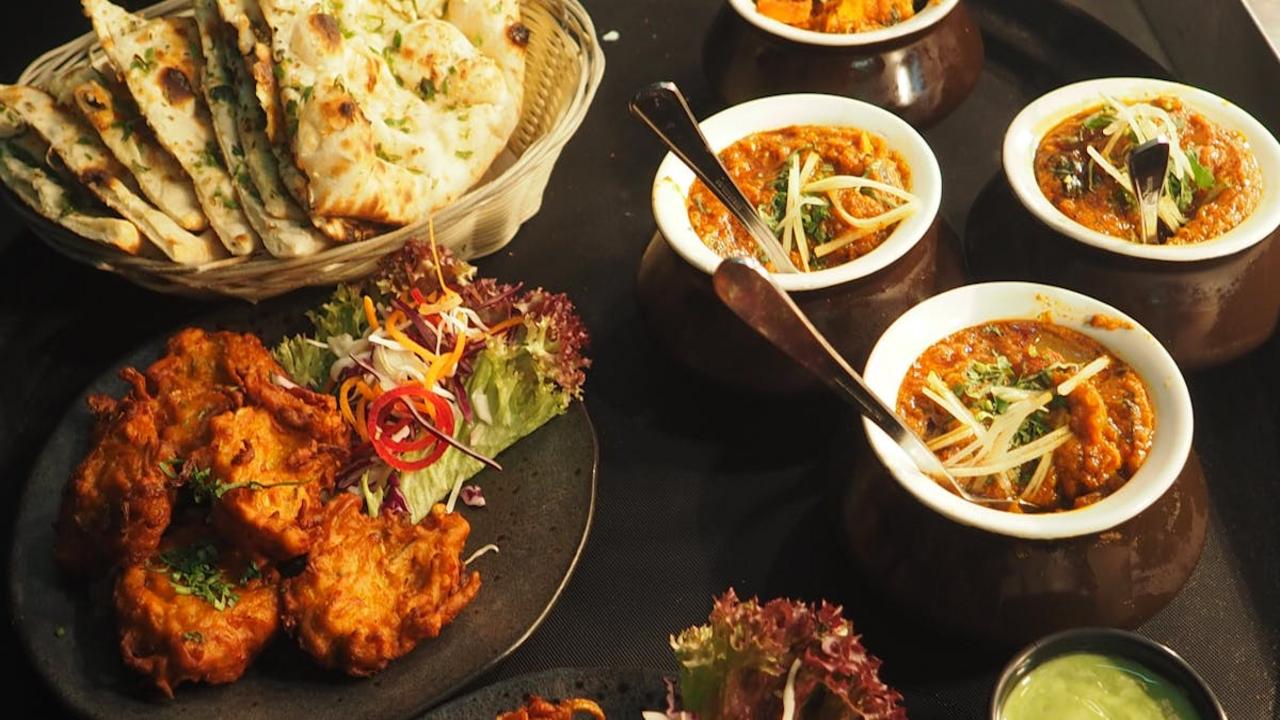
I see many people assuming naan bread is a traditional Indian staple, but this misconception needs clearing up. While naan holds immense popularity worldwide, it actually originated from Persian cuisine and made its way to India through the Mughal influence. The modern restaurant-style naan you eat today differs significantly from historical versions – traditional Indian households rarely made naan at home since it required a tandoor oven, making it primarily a restaurant food.
Your typical restaurant naan now contains ingredients like milk, eggs, and refined flour – elements that weren’t part of original Indian cooking. The authentic Indian bread selection includes chapati, paratha, and roti – all made from whole wheat flour and cooked on a flat griddle called tawa. These breads remain the true daily staples in Indian homes, offering more nutrition and authenticity than commercial naan. If you want to experience genuine Indian bread, try making fresh chapatis at home – they’ll give you a real glimpse into everyday Indian cooking.
Chicken Tikka Masala
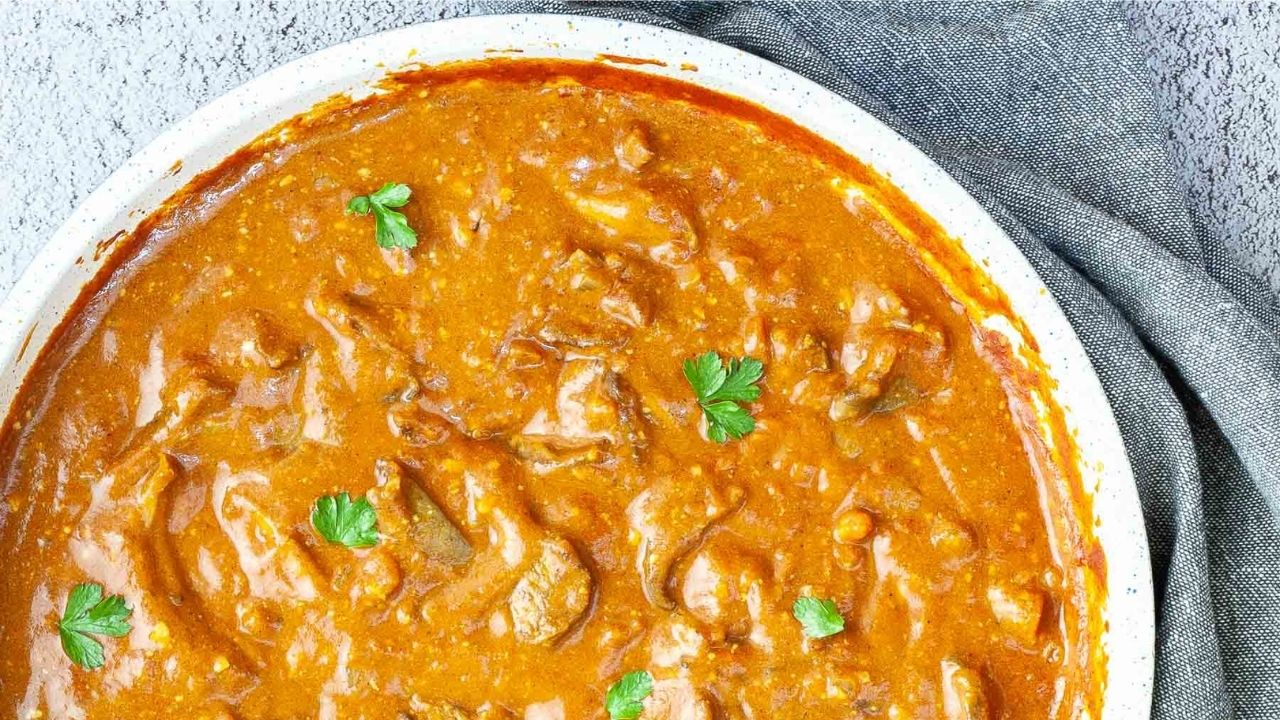
I’ll clear up a common misconception right away – Chicken Tikka Masala isn’t traditionally Indian at all! This creamy, tomato-based curry actually originated in Glasgow, Scotland in the 1970s. The story goes that a British customer complained about his chicken tikka being too dry, so the chef improvised by adding a creamy tomato sauce. The dish caught on quickly and became a British national favorite, with many people mistakenly thinking it came from India.
The rich orange-hued sauce combines tomatoes, cream, and aromatic spices like garam masala, creating that signature mild, slightly sweet flavor that’s now famous worldwide. While the base dish of chicken tikka (marinated and grilled chicken) is authentically Indian, the masala sauce transformation happened far from Indian shores. Today, you’ll find this Anglo-Indian hybrid on menus across the UK, US, and even India – where restaurants serve it to meet tourist expectations. The popularity of Chicken Tikka Masala shows how food evolves and adapts as it moves between cultures.