The Waitress Lied About My Steak, Brought Me Pork, and Charged Me $45 Extra. So I Left a Zero-Dollar Tip.
There are certain, unspoken rules we all follow when dining out. You order your meal, the restaurant prepares it correctly, and you pay for what you received. It’s a simple, time-honored exchange built on trust and good service. But every now and then, a story comes along that throws that entire system out the window, leaving you to wonder where common sense and courtesy have gone.
One man recently shared a dining experience so baffling, it proves that sometimes, even the simplest rules of etiquette are forgotten.
The Incident
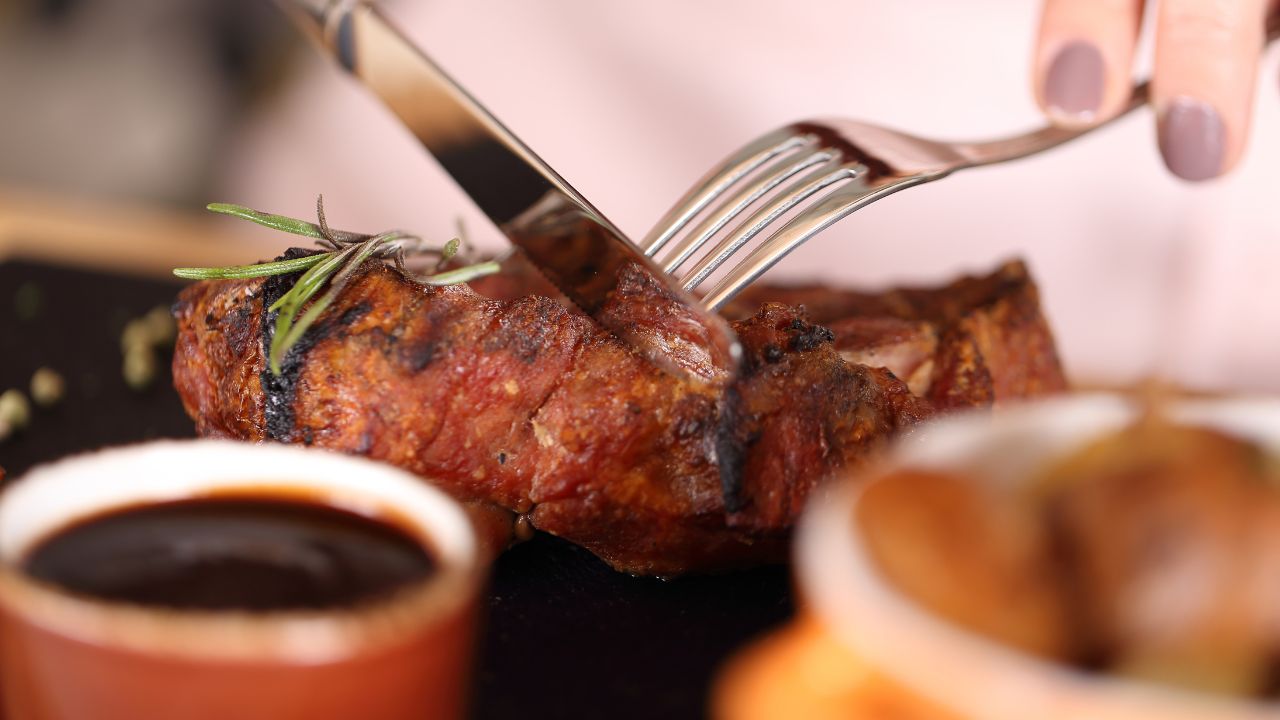
A gentleman and his fiancée decided to try a new restaurant she had been eager to visit for ages. Ready for a special treat, he ordered a filet mignon, a dish he had never experienced before. When his plate arrived, however, something was off. The meat didn’t taste like beef at all; in fact, he wrote that it “tasted oddly reminiscent of pork.”
He politely questioned the server, asking, “Are you sure this is a filet mignon?” She simply replied, “Yes,” and walked away. A bit concerned but trusting the staff, he ate the meal. Imagine his surprise when, ten minutes later, the waitress returned with a second plate—this time, with the actual filet mignon he had ordered. She apologized, explaining his first dish was meant for another table.
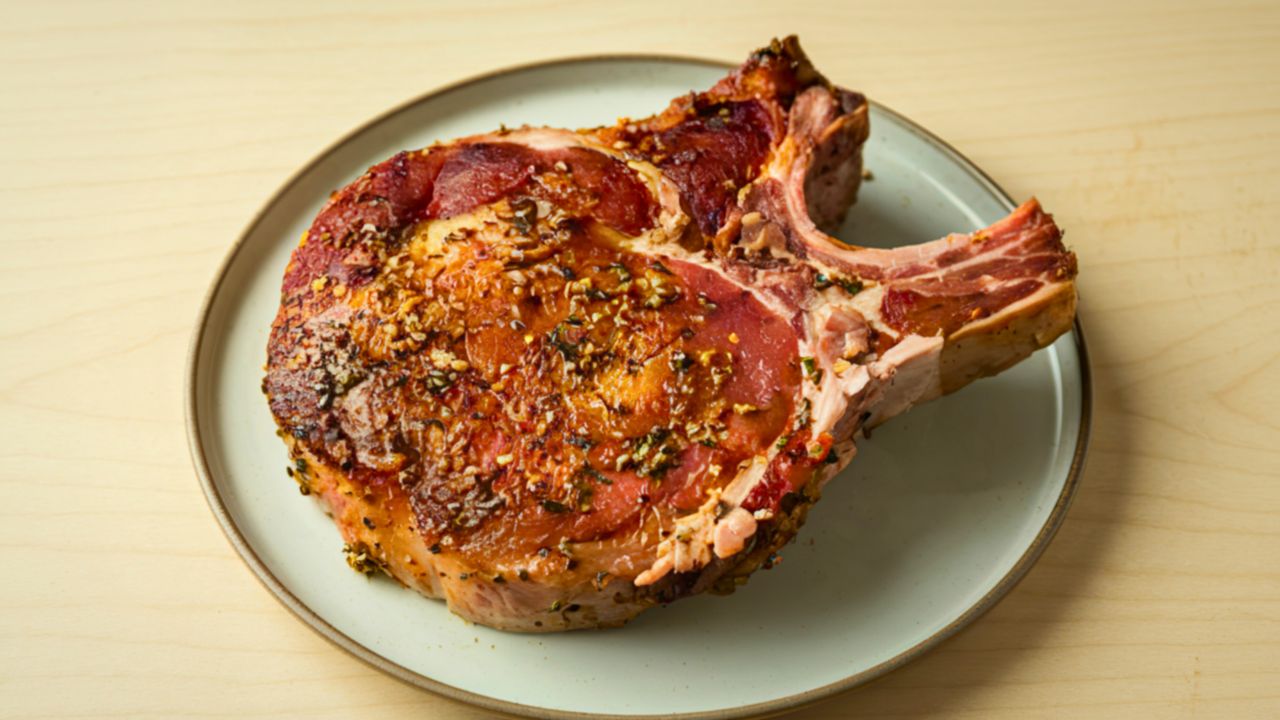
The real shock came with the check. An extra $45 had been added to their bill for the pork dish. When he asked why, the waitress’s response was simply unbelievable. She condescendingly told him that “since I ate it, then I should pay for it.” Stunned by the audacity of being charged for the restaurant’s mistake, he paid the bill but left no tip. His fiancée felt he handled it poorly, but he was convinced he was in the right.
The Internet Reacts
When he shared his story, people online were overwhelmingly on his side, and their reactions were divided into a few distinct camps.
First was the “Absolutely Not” crowd, who were furious on his behalf. They couldn’t believe the restaurant’s nerve. One commenter summed it up perfectly: “I’ve never heard of a restaurant charging you for food that you didn’t order… that waitress definitely doesn’t deserve any tipping. She can finish the $45 pork she ordered you.”
Many pointed out the serious implications of the mix-up, raising concerns about allergies and religious dietary restrictions. “What if op keep kosher or halal?” one person asked, highlighting how dangerous such a mistake could be.
Next came the “Industry Insiders,” many of whom were former servers. They didn’t defend the waitress’s actions but offered a possible explanation for her behavior. One person theorized that the waitress was trying to cover her tracks. “She would have to get a manager override to take it off the bill,” a commenter explained.
“She was hoping to push it on the customer so her boss wouldn’t find out.” Another former server confirmed that the proper response is to own the mistake and have a manager fix it, not to punish the customer.

Finally, there was the “What Should Have Happened” camp. These readers shared stories of how respectable establishments handle errors. One person noted, “At any decent restaurant… the entire meal would be comped.” Another shared an experience where a restaurant owner hand-delivered a $50 gift card to their house over a simple $4 overcharge. These comments only highlighted how poorly this particular situation was managed from start to finish.
The Etiquette Verdict
Let’s be perfectly clear: under no circumstances should a customer be forced to pay for a restaurant’s mistake. This is not a simple case of a forgotten side dish; the diner was served the wrong entrée, was incorrectly assured it was the right one, and then was expected to foot the bill for the error.
The waitress’s condescending attitude added insult to injury. Tipping is a reward for good service, and in this instance, the service was not just poor, it was fundamentally unfair. The diner was right to stand his ground.
Your Thoughts
What do you think? Was withholding the tip the correct and most direct way to handle the situation, or should he have immediately demanded to speak to a manager to have the charge removed?