15 Ancient Biblical Dishes You Can Cook at Home Today
Have you ever wondered what people ate in biblical times? The Bible mentions many foods that sustained civilizations thousands of years ago—and surprisingly, you can easily make these dishes in your kitchen today! These ancient ingredients tell stories of survival, celebration, and daily life in the Holy Land.
I’ve gathered 15 biblical foods that have stood the test of time. From protein-packed lentils that saved Esau from hunger to sweet honey described as flowing through the Promised Land, these ingredients formed the backbone of ancient Mediterranean nutrition. Many remain staples in Middle Eastern cooking today.
Try adding these biblical foods to your meal rotation for a taste of history. You’ll find most ingredients at your local grocery store, making it simple to connect with ancient traditions. Each biblical food offers both rich historical significance and modern health benefits your family will love.
Salt
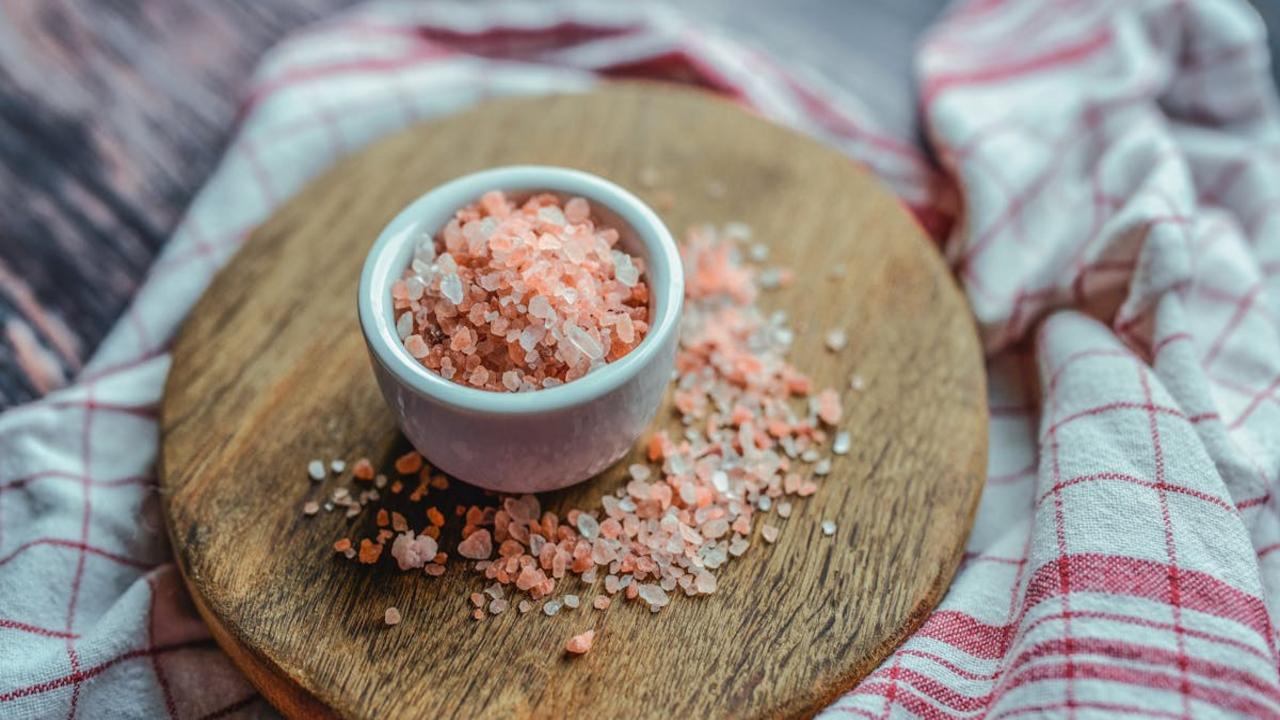
You know that white stuff sitting in your kitchen right now? It’s basically the same precious commodity that shaped entire civilizations in biblical times! Salt was so valuable back then that it served as currency, and people literally fought wars over it. The phrase “worth his salt” comes from this ancient reverence for this mineral. In biblical households, salt wasn’t just for flavor—it represented purity, preservation, and covenant. When Jesus called his followers “the salt of the earth,” he was referencing something everyone understood as absolutely indispensable to daily life.
Today, you can recreate that biblical connection by choosing unrefined sea salt or rock salt for your cooking adventures. Skip the processed table salt and grab some coarse sea salt from your local grocery store—it’s closer to what biblical families would have used. Try sprinkling it over fresh bread with olive oil, or use it to cure olives and preserve vegetables just like ancient households did. I love how salt transforms simple ingredients into something memorable. When you season your lentil stews or roasted lamb with good quality salt, you’re participating in a tradition that spans thousands of years. It’s incredible how this simple mineral connects us to our ancestors through every single meal we prepare!
Fish (such as tilapia and sardines)

Fish played a huge role in biblical times, especially around the Sea of Galilee where tilapia and sardines swam in abundance. These protein-packed swimmers fed entire communities and appear throughout biblical stories – from Jesus feeding the multitudes to the disciples’ daily catch. What I love about cooking these ancient fish today is how simple and nutritious they are! Tilapia offers mild, flaky meat that takes on whatever flavors you pair with it, while sardines pack an incredible nutritional punch with omega-3 fatty acids, calcium, and protein that’ll make your body sing with gratitude.
You can recreate biblical-style fish preparation right in your modern kitchen using methods our ancestors would recognize. Try pan-searing tilapia with olive oil, salt, and herbs like dill or parsley, or grill sardines whole with a squeeze of lemon and garlic. These fish cook quickly – tilapia needs just 3-4 minutes per side, while sardines take about 2-3 minutes. The beauty lies in their simplicity and how they pair perfectly with other biblical foods like flatbread, olives, or roasted vegetables. Your family will appreciate both the healthy benefits and the connection to ancient dining traditions that have nourished people for thousands of years.
Lamb
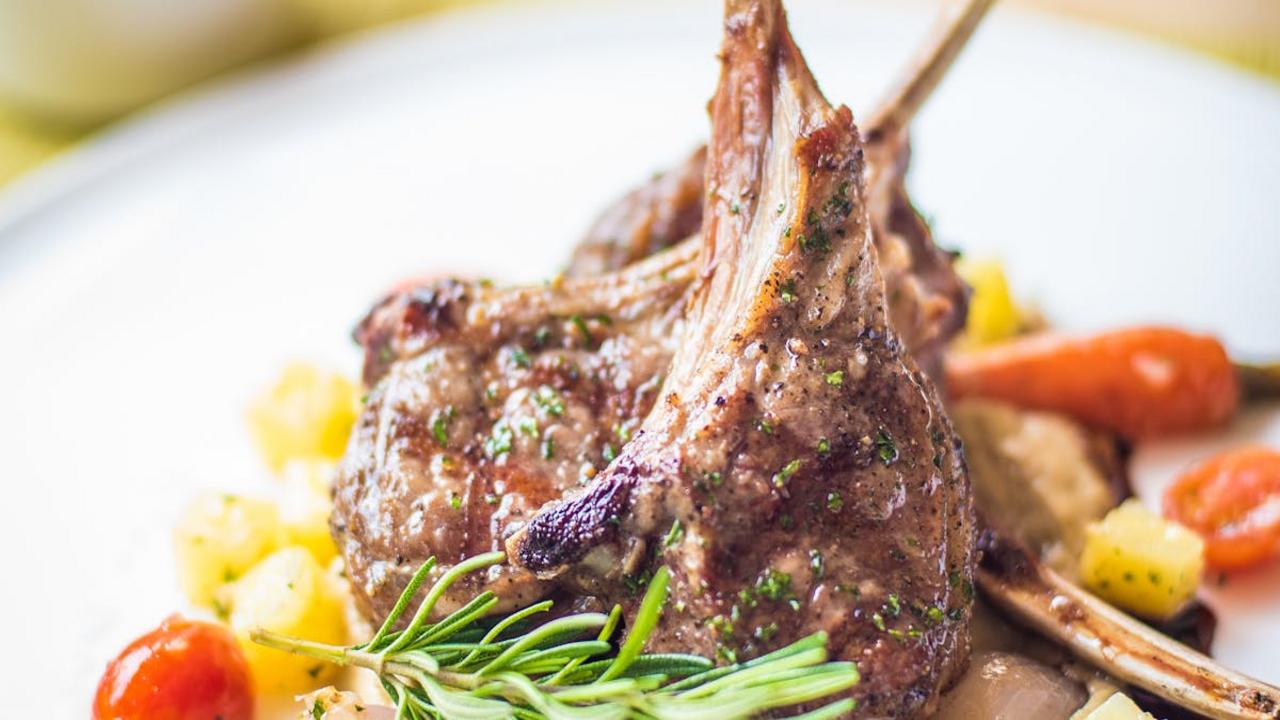
Lamb holds a special place in biblical cuisine, appearing throughout scripture as both a sacred offering and a cornerstone of ancient Middle Eastern meals. From the Passover lamb that marked the Israelites’ escape from Egypt to the countless references in Psalms and parables, this tender meat was more than just sustenance—it represented abundance, celebration, and divine provision. The shepherding culture of biblical times made lamb readily available, and families would gather to share roasted lamb during festivals and special occasions. You can recreate this ancient tradition in your own kitchen with remarkably simple techniques that bring out lamb’s natural richness.
Start with a bone-in leg of lamb or shoulder, rubbing it generously with olive oil, coarse salt, fresh rosemary, and crushed garlic—ingredients that would have been familiar to ancient cooks. Slow-roast the meat at a moderate temperature, allowing the natural fats to render and create that incredibly tender texture our ancestors cherished. The key lies in patience; biblical cooks understood that good things take time. Pair your lamb with roasted vegetables like onions, leeks, and root vegetables, creating a feast that connects you directly to thousands of years of shared human experience around the dinner table.
Almonds
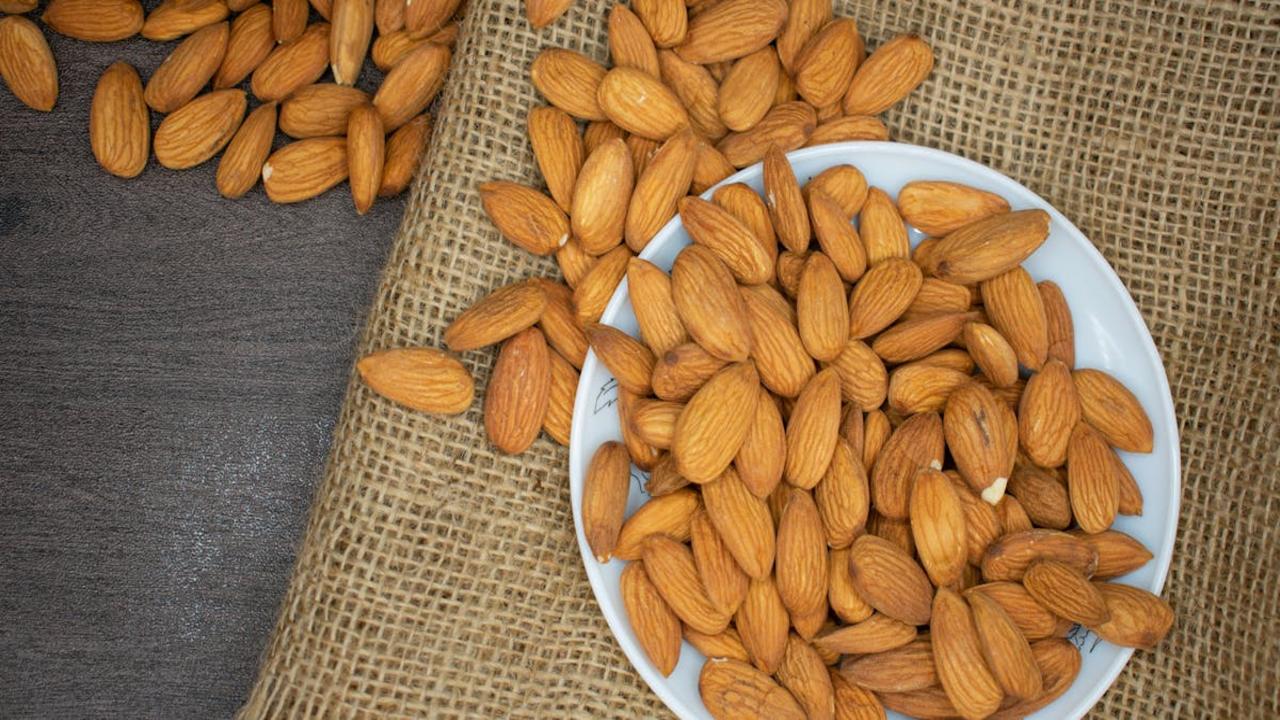
Almonds held incredible significance in biblical times, appearing throughout ancient texts as symbols of hope, renewal, and God’s provision. These nutrient-packed nuts were among the precious gifts Jacob sent to Egypt, and Aaron’s rod famously budded with almond blossoms as a divine sign. You can easily bring this ancient superfood into your modern kitchen! Raw almonds make perfect snacks, but try soaking them overnight to activate their nutrients and make them easier to digest. I love adding chopped almonds to my morning oatmeal or yogurt for that satisfying crunch and protein boost.
The beauty of cooking with almonds lies in their incredible versatility – you can grind them into flour for gluten-free baking, blend them into creamy milk, or simply toast them with a pinch of sea salt for an instant upgrade to any meal. Ancient peoples often ground almonds with honey and dates to create energy-rich treats that sustained them through long journeys. Try making your own almond butter by processing raw almonds in a food processor until smooth – it’s so much fresher than store-bought versions and contains no additives. Your family will love discovering how something so simple can transform ordinary dishes into something truly special.
Chickpeas
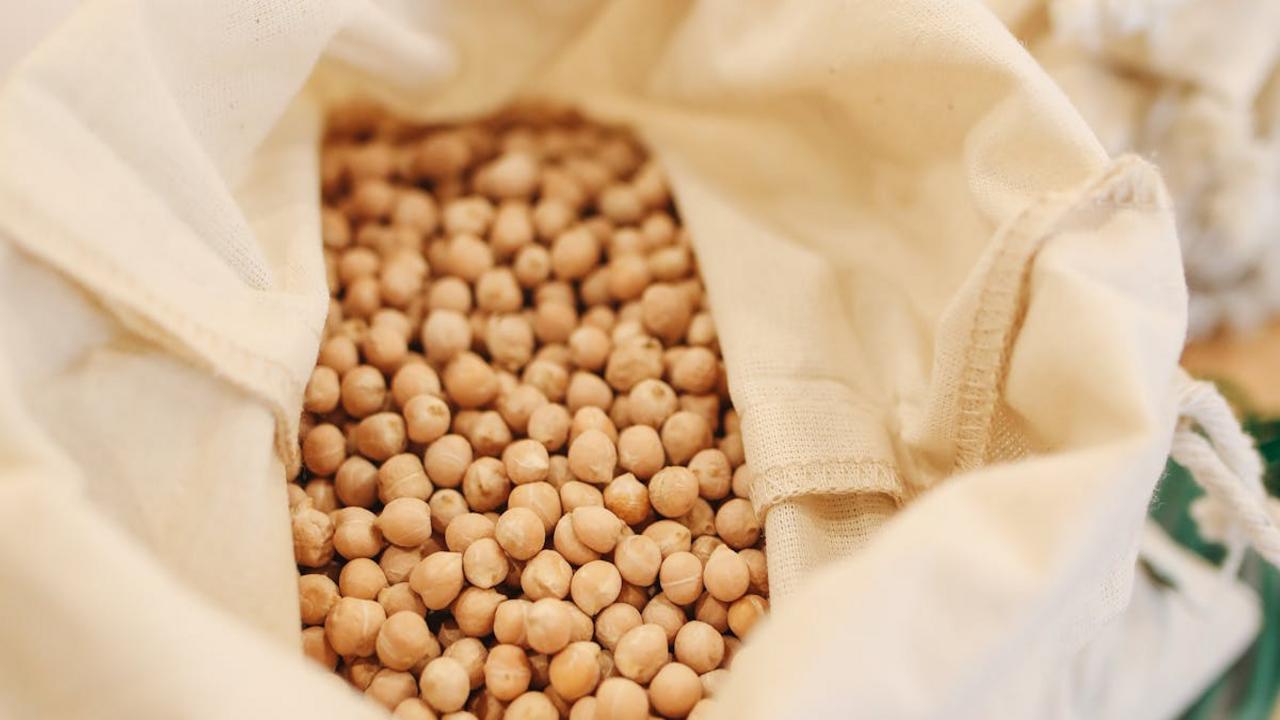
These humble legumes were absolute powerhouses in ancient biblical times, and honestly, they still deserve that same respect in our modern kitchens today! Chickpeas appear throughout biblical history as a protein-packed staple that kept entire communities nourished. You can find references to these golden gems in Ezekiel 4:9, where they’re mentioned alongside other grains for making bread during times of scarcity. What I love most about chickpeas is how incredibly versatile they are – you can roast them for a crunchy snack, blend them into creamy hummus, or toss them into hearty stews.
Preparing chickpeas at home connects you directly to thousands of years of cooking tradition, and the process is surprisingly simple. If you’re using dried chickpeas, soak them overnight and then simmer for about an hour until they’re tender and creamy. For a quick biblical-inspired meal, try making a rustic chickpea stew with onions, garlic, and whatever vegetables you have on hand – this combination would have been familiar to families in ancient Palestine. The protein and fiber in chickpeas make them incredibly satisfying, plus they’re naturally gluten-free and packed with nutrients that support heart health and stable blood sugar levels.
Grapes
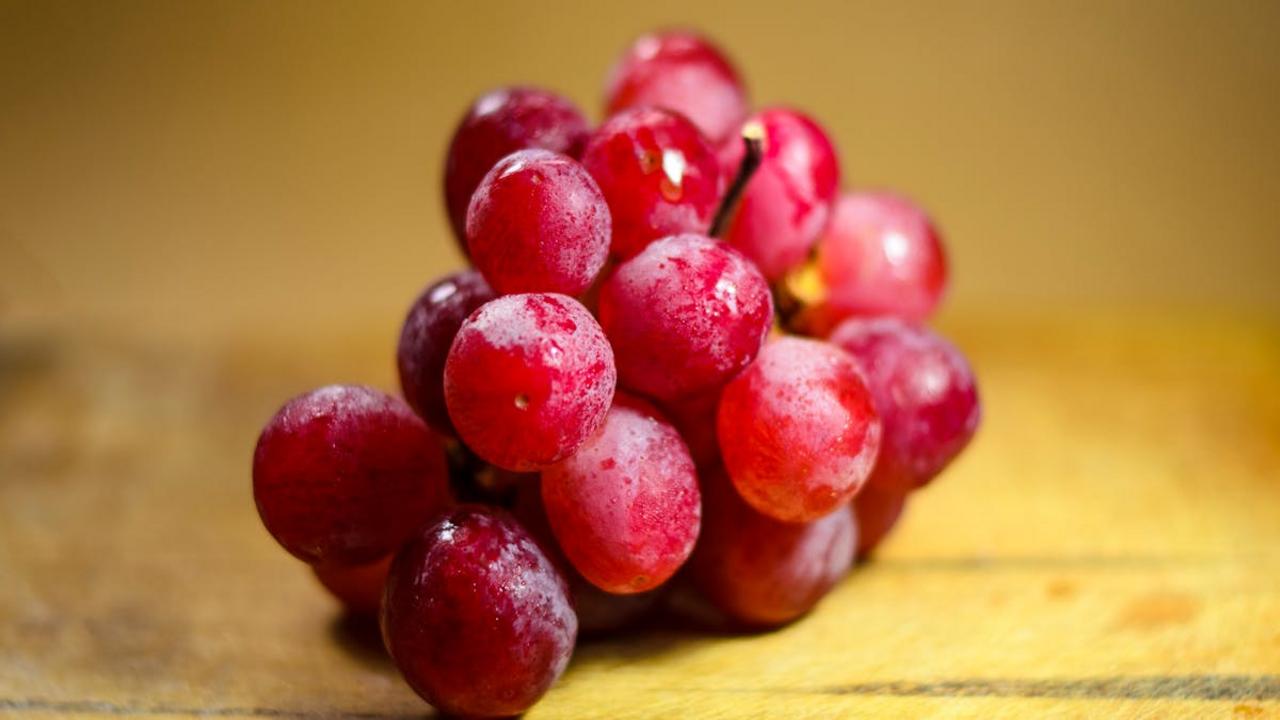
Grapes held tremendous significance in biblical times, appearing throughout scripture as symbols of abundance and divine blessing. These sweet, juicy fruits weren’t just enjoyed fresh from the vine – they were transformed into wine, dried into raisins, and even used to make a thick syrup called dibs. You can easily bring this ancient tradition into your modern kitchen by selecting fresh, organic grapes and experimenting with these time-honored preservation methods. Try making your own raisins by slowly dehydrating grapes in a low oven, or create a simple grape syrup by simmering fresh grapes until they release their natural sugars and reduce to a concentrated sweetness.
What makes grapes particularly wonderful for today’s health-conscious cook is their incredible versatility and nutritional value. Pack them into lunchboxes for a natural energy boost, toss them into salads for bursts of sweetness, or roast them alongside savory dishes like chicken or pork for a biblical-inspired flavor combination. Fresh grapes contain powerful antioxidants and natural sugars that provided sustained energy for ancient travelers and workers. You can honor this tradition by incorporating grapes into your weekly meal planning – whether you’re making a refreshing grape and herb agua fresca or simply enjoying them as nature intended, straight from the bunch.
Spices (such as cumin and coriander)
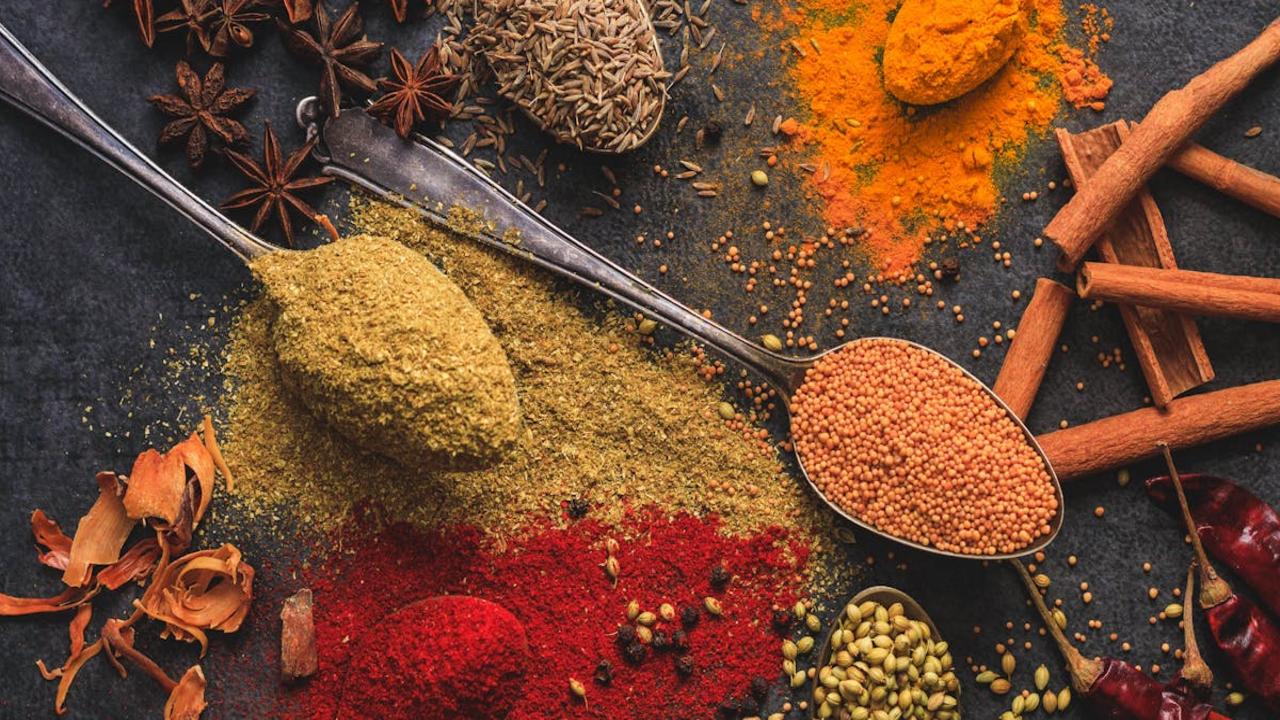
Picture the warm, earthy aroma of freshly ground cumin wafting through your kitchen – this is the same scent that filled ancient kitchens thousands of years ago! Cumin and coriander were precious commodities in biblical times, traded along spice routes and treasured for their incredible flavor and medicinal properties. These aromatic seeds appear throughout the Old Testament, where they seasoned everything from bread to stews. What makes these spices so special is their ability to transform simple ingredients into something extraordinary. Cumin brings a nutty, warm depth that makes your mouth water, while coriander offers a bright, citrusy note that lifts every dish.
You can easily incorporate these biblical treasures into your modern cooking adventures. Toast whole cumin and coriander seeds in a dry pan for just a minute or two – trust me, this simple step releases oils that will make your dishes sing with flavor! Grind them fresh for the most potent taste, or buy them pre-ground if you’re short on time. Try adding cumin to roasted vegetables, lentil soups, or homemade bread recipes. Coriander works beautifully in marinades, grain bowls, and even sprinkled over fresh fruit. These ancient seasonings prove that good food never goes out of style, and they’ll add authentic biblical flavors to your dinner table tonight.
Wheat
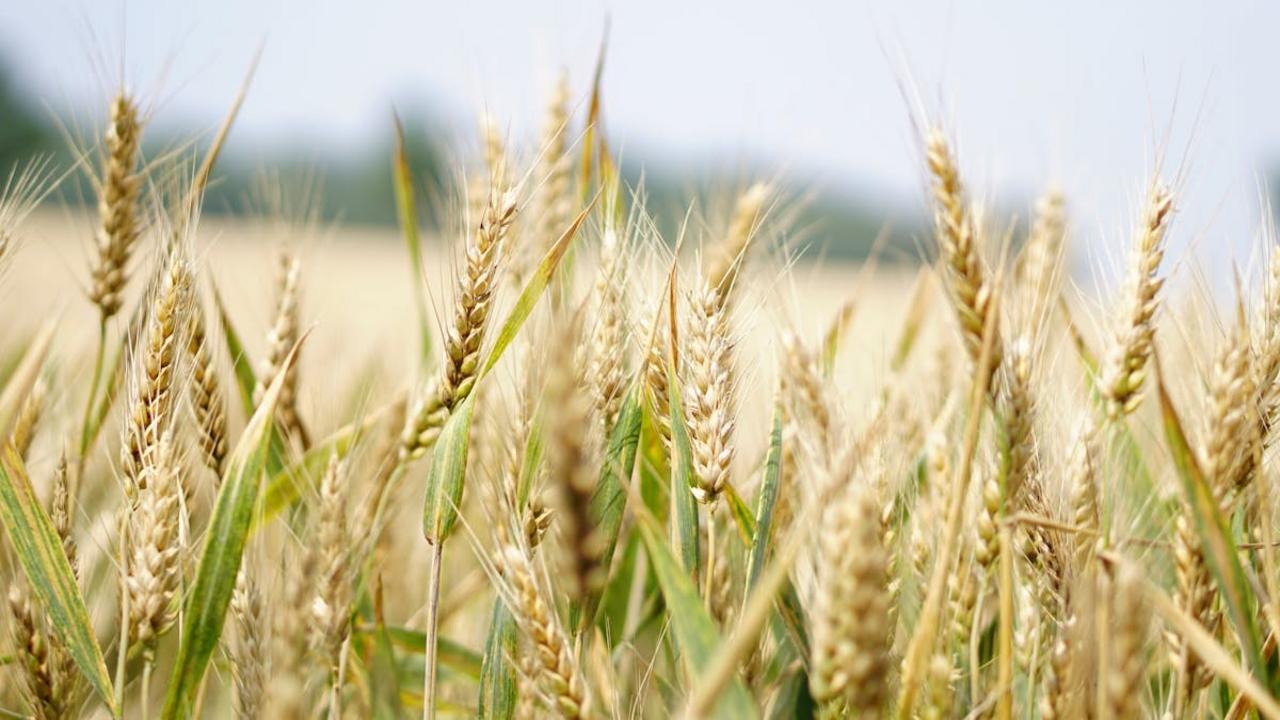
Wheat stands as one of the most fundamental grains mentioned throughout biblical texts, appearing in countless stories from the Old Testament to the New Testament. This ancient grain fed entire civilizations and continues to nourish families around the world today. You can easily incorporate whole wheat berries into your modern kitchen by cooking them like rice – simply simmer one cup of wheat berries in three cups of water for about 60-90 minutes until tender. The nutty, chewy texture makes them perfect for hearty grain bowls, soups, or as a substitute for rice in your favorite dishes.
What makes wheat so special is its incredible versatility and nutritional density. Ancient people ground wheat into flour for bread, cooked whole berries for porridge, and even roasted them for a crunchy snack. You can follow their lead by purchasing wheat berries from health food stores or online retailers. Try making a simple biblical-style porridge by cooking wheat berries with milk, honey, and cinnamon – it’s like eating history! The fiber content will keep you satisfied for hours, and the B vitamins support your energy levels naturally. Store your wheat berries in airtight containers, and they’ll last for months, giving you a pantry staple that connects you directly to thousands of years of human nourishment.
Barley
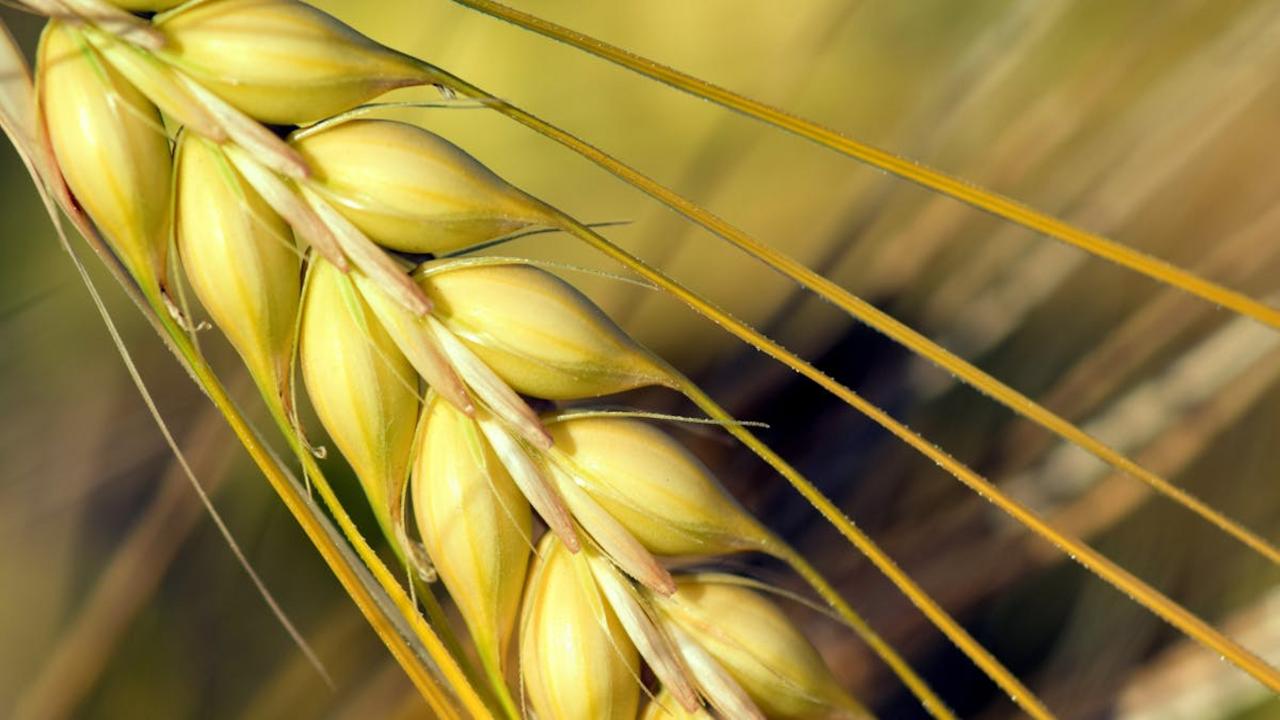
Barley holds such a special place in biblical history, and honestly, it’s one of those grains that deserves way more love in our modern kitchens! This humble grain appears throughout scripture as a staple food, from the barley loaves that fed the 5,000 to Ruth gleaning barley in Boaz’s fields. What I absolutely adore about barley is how incredibly versatile and nutritious it is – packed with fiber, protein, and B vitamins that will keep you energized throughout your day. You can find pearl barley at most grocery stores, which has been hulled and polished for quicker cooking, or seek out hulled barley for maximum nutrition and that wonderfully chewy texture.
Cooking with barley opens up so many delicious possibilities that’ll make your kitchen smell amazing! Try tossing cooked barley into hearty soups and stews where it adds incredible substance and helps thicken the broth naturally. I love making a simple barley pilaf by sautéing onions and garlic, adding the barley to toast for a few minutes, then simmering with broth until tender – about 45 minutes for pearl barley or up to an hour for hulled. You can also use cooked barley cold in grain salads with fresh herbs, roasted vegetables, and a bright lemon dressing. The nutty flavor pairs beautifully with roasted root vegetables, and it makes an excellent substitute for rice in stuffed peppers or cabbage rolls.
Honey

Honey holds such a special place in biblical history, and honestly, it’s one of those ingredients that connects us directly to ancient kitchens! The Bible mentions honey over 60 times, calling the Promised Land a place flowing with “milk and honey.” Back then, people used honey not just as a sweetener but as medicine, preservative, and even currency. Wild honey was precious – remember John the Baptist surviving on locusts and wild honey in the wilderness? You can recreate that ancient sweetness today by drizzling raw, unfiltered honey over your morning bread or mixing it into warm milk before bed.
What I love most about cooking with honey is how it transforms simple ingredients into something magical. Try making biblical-style honey cakes using just flour, honey, eggs, and a touch of olive oil – the same combination that would have graced ancient tables. Honey also works beautifully in savory dishes; mix it with olive oil and herbs to create glazes for roasted vegetables or lamb, just like they did thousands of years ago. Always choose raw, unprocessed honey when possible – it carries more complex flavors and retains the natural enzymes that made it so valuable to our ancestors. Your kitchen will smell absolutely divine, and you’ll taste history in every golden drop!
Dates

These sweet, chewy gems were absolute treasures in biblical times, and honestly, they still should be stars in your kitchen today! Dates appear throughout scripture as symbols of abundance and prosperity, and I can totally see why. They grow naturally in the Middle East and were often the go-to sweetener before sugar became widely available. You can find references to date palms and their precious fruit scattered throughout the Old Testament, making them one of the most authentic biblical foods you can bring to your modern table.
What I love most about dates is how incredibly versatile they are – you can stuff them with nuts for a quick energy boost, blend them into smoothies for natural sweetness, or chop them up and toss them into grain salads for that perfect chewy texture. Try making a simple date and almond butter combo for an afternoon snack that would make any ancient traveler jealous! They’re packed with fiber, potassium, and natural sugars that give you sustained energy without the crash. Plus, dates keep beautifully in your pantry, so you can always have this biblical superfood ready whenever you need a healthy sweet treat.
Olives

Picture this: you’re sitting around a simple wooden table thousands of years ago, sharing a meal that includes some of the most treasured fruits of the Mediterranean. Olives weren’t just food back in biblical times – they were pure liquid gold! These little green and black gems appear throughout scripture, from the olive branch that the dove brought to Noah, to the Mount of Olives where Jesus often prayed. The olive tree was so revered that it symbolized peace, prosperity, and God’s blessing upon the land.
Today, you can bring this ancient superfood right into your modern kitchen with incredible ease. Fresh olives need curing before eating (raw ones are quite bitter!), but you can buy pre-cured varieties and create your own Mediterranean magic. Try warming them with fresh herbs like rosemary and thyme, or stuff them with garlic and cheese for a party appetizer that would make any biblical feast proud. The healthy fats in olives support your heart while connecting you to thousands of years of food tradition – now that’s what I call eating with purpose and joy!
Pomegranates
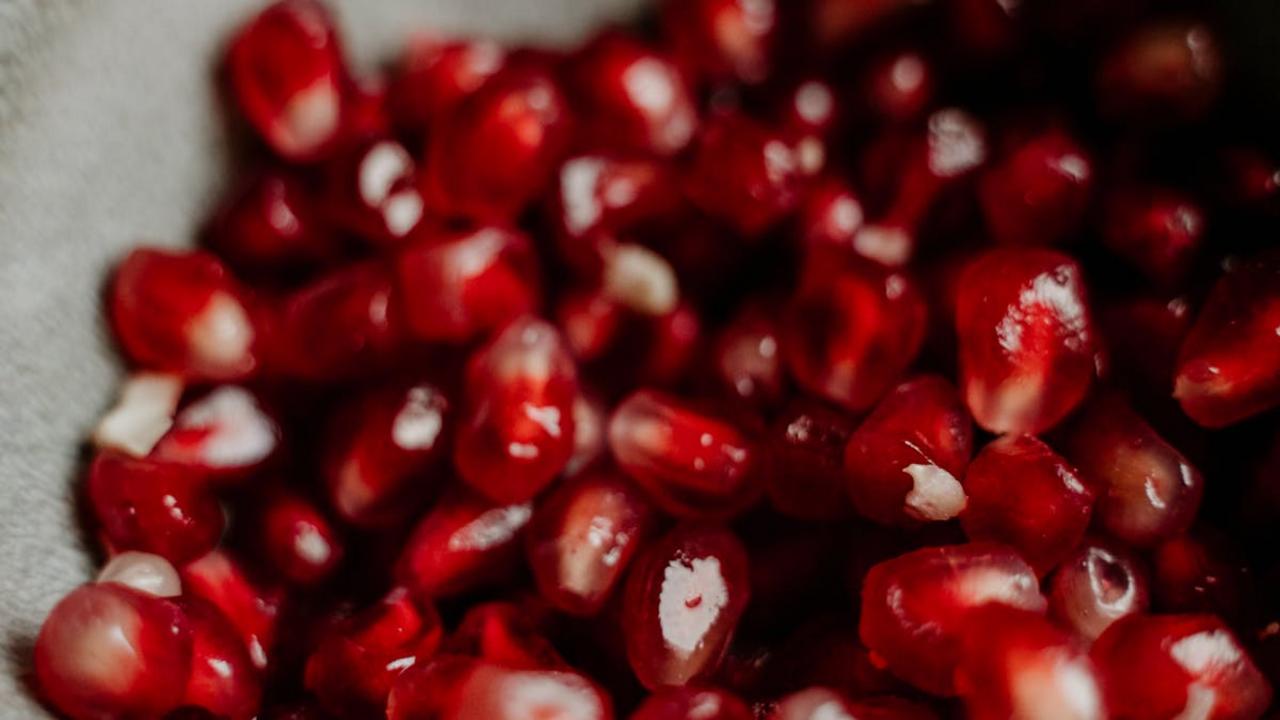
These ruby-red jewels were absolutely treasured in biblical times, and honestly, I can see why! Pomegranates appear throughout scripture as symbols of abundance and fertility, and they were considered so precious that Solomon decorated his temple with pomegranate motifs. The good news? You can easily bring this ancient superfruit into your modern kitchen. Fresh pomegranates are packed with antioxidants and have this incredible sweet-tart flavor that makes everything taste more exciting.
I love adding pomegranate seeds to salads for that satisfying pop of flavor and crunch, but you can also make fresh pomegranate juice by blending the seeds and straining them. Try mixing pomegranate molasses (which you can find at Middle Eastern markets) into marinades for lamb or chicken – it creates this amazing tangy glaze that would make any biblical feast memorable. During winter months, I toss pomegranate seeds into yogurt bowls or sprinkle them over roasted vegetables for a burst of color and nutrition that connects us directly to these ancient food traditions.
Figs
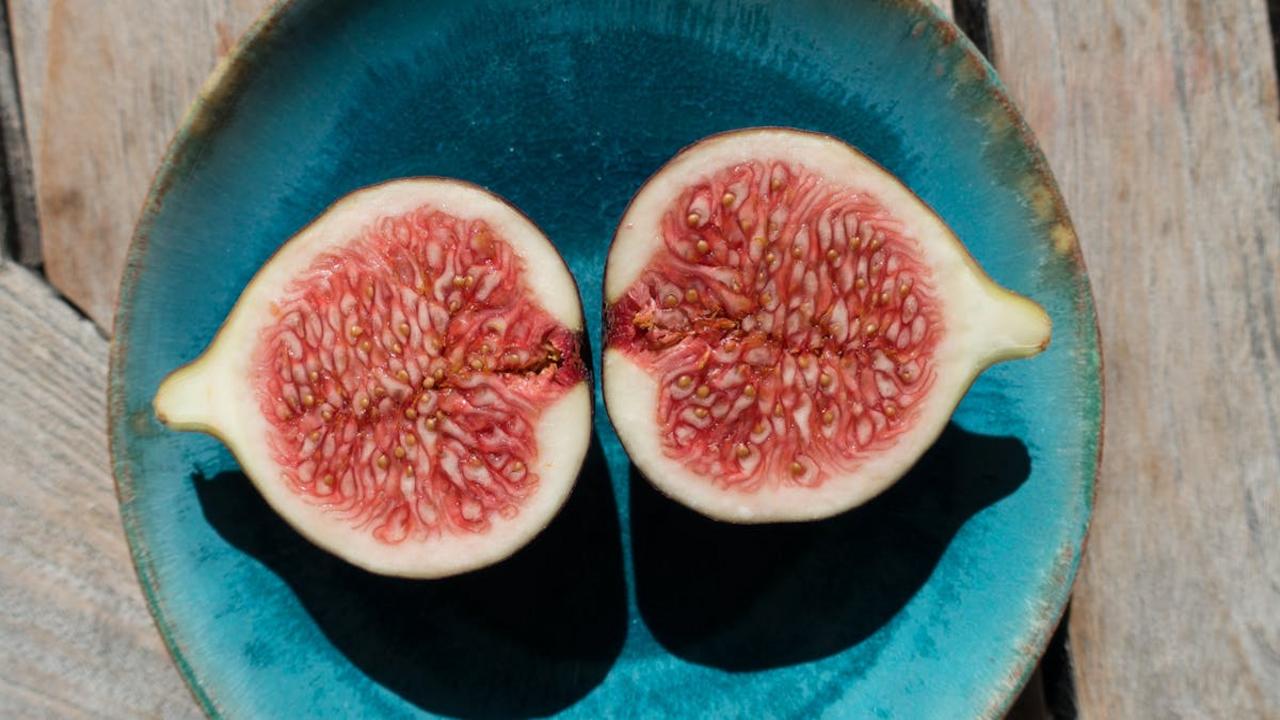
Fresh figs were absolutely treasured in biblical times, and I can see why they held such special meaning for ancient families. These naturally sweet gems appear throughout scripture as symbols of prosperity and peace, from the Garden of Eden to Jesus’s parables. You can easily bring this ancient sweetness into your modern kitchen by seeking out fresh figs at farmers markets or Mediterranean grocery stores during late summer and early fall.
Try preparing figs the way biblical families might have enjoyed them – simply slice them open and drizzle with honey, or stuff them with chopped almonds and dates for a more elaborate treat. Fresh figs pair beautifully with goat cheese and herbs for a light meal, or you can dry them in your oven on low heat to create chewy, concentrated bites of sweetness that keep for months. The natural sugars in figs made them incredibly valuable for preserving and carrying on long journeys, and today they offer you a wonderful source of fiber, potassium, and antioxidants that your body will thank you for.
Lentils

Lentils were absolute powerhouses in biblical times, and honestly, they still deserve that same respect today! These tiny legumes show up throughout scripture – remember Esau trading his birthright for a bowl of red lentil stew? That’s how satisfying these little gems can be. Red lentils, brown lentils, green lentils – they were all staples that kept ancient families nourished through long seasons. I love how versatile they are in your modern kitchen too. You can throw them into soups, stews, or even make them the star of a hearty main dish.
What makes lentils so fantastic is how they transform simple ingredients into something deeply satisfying. Try cooking red lentils with onions, garlic, and a pinch of cumin – you’ll have a creamy, protein-packed base that works for everything from Middle Eastern-inspired bowls to comforting winter soups. They cook faster than most beans, usually ready in 20-30 minutes, making them perfect for busy weeknights. Plus, they’re loaded with fiber, protein, and iron – basically everything you need to feel energized and satisfied. Your ancestors knew what they were doing when they made lentils a daily staple!