15 Energizing Protein-Packed Foods to Fuel Your Day
Getting enough protein can feel like a daily puzzle, especially if you want to skip the protein shakes and bars. The good news? Nature offers so many delicious high-protein options that will keep you energized throughout your day.
I’ve gathered 15 protein powerhouses that go way beyond the usual chicken breast and eggs. From plant-based champions like tempeh and seitan to seafood stars like mackerel and sardines, each food brings its own unique mix of nutrients to your plate.
Whether you follow a vegan diet, need quick post-workout fuel, or simply want to add more variety to your meals, these protein-rich foods will transform your everyday cooking. The best part? You can mix and match them to create satisfying meals that keep you full and focused.
Quinoa
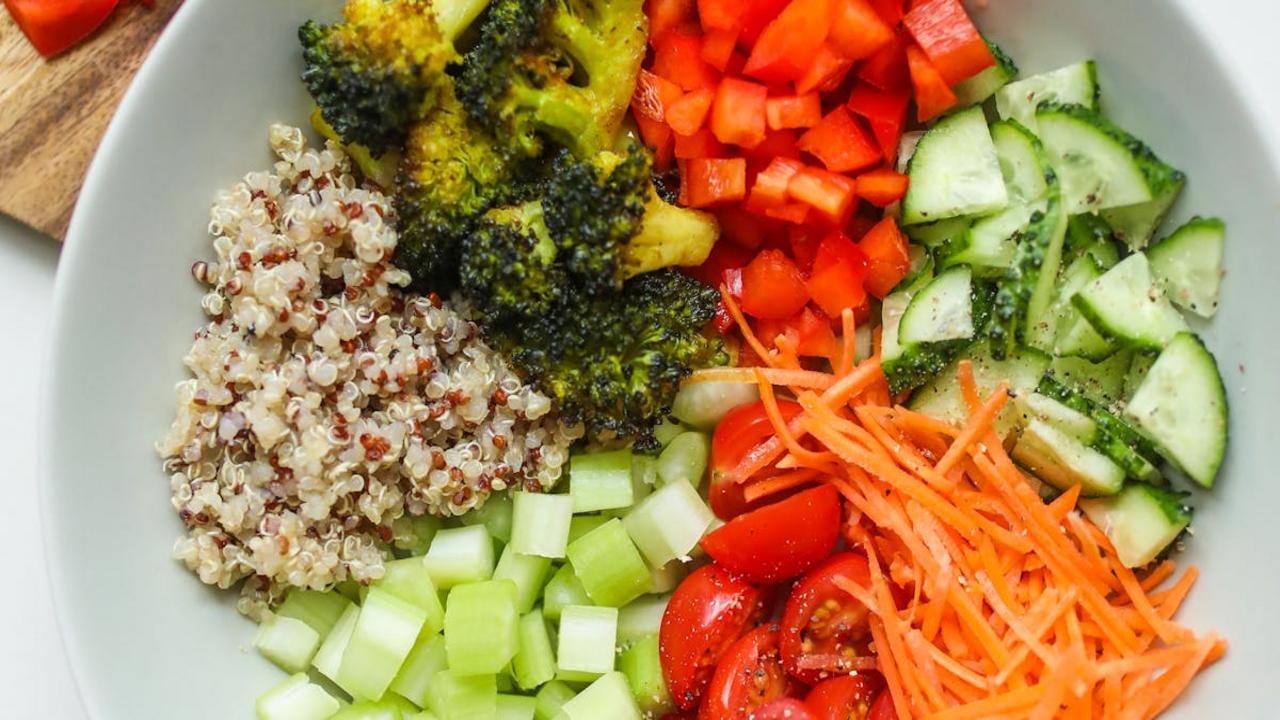
You’ll find quinoa at the heart of my weekly meal prep routine because this ancient grain (technically a seed!) packs a complete protein punch with all nine essential amino acids. I love how versatile quinoa proves in my kitchen – from breakfast bowls to dinner sides, it adapts to any flavor profile you throw at it. One cup of cooked quinoa gives you about 8 grams of protein, plus it’s naturally gluten-free and rich in fiber, making it perfect for anyone looking to add more plant-based protein to their diet.
My favorite way to prep quinoa involves toasting it lightly in a dry pan before cooking – this brings out its naturally nutty flavor and creates a fluffier texture. I recommend rinsing it thoroughly before cooking to remove the bitter-tasting saponins on the surface. Once cooked, quinoa becomes a blank canvas for your creativity – toss it with roasted vegetables and a light vinaigrette for a cold salad, mix it into your morning oatmeal for extra protein, or use it as a base for grain bowls topped with your favorite proteins and sauces. The light, fluffy texture and subtle nutty flavor make quinoa an excellent replacement for rice or couscous in most recipes.
Mackerel

I absolutely adore mackerel’s rich, buttery texture and intense flavor that packs a serious protein punch – giving you around 21 grams per 3-ounce serving. This oily fish brings so much more than just protein to your plate though. You’ll get a generous dose of heart-healthy omega-3 fatty acids, vitamin D, and B12. I often recommend mackerel to my friends who want to boost their energy levels naturally since it contains selenium and iron, two minerals that help fight fatigue.
You can prepare mackerel in countless delicious ways. I love grilling it with just salt, pepper, and lemon for a quick weeknight dinner. For meal prep, I’ll smoke or pan-fry fillets and add them to grain bowls or salads. The natural oils in mackerel make it nearly impossible to dry out while cooking, which means you’ll get perfect results even if you’re new to cooking fish. Plus, unlike some other seafood options, mackerel remains budget-friendly while delivering premium nutrition. Try pairing it with bright citrus flavors or bold Asian-inspired marinades to complement its natural richness.
Sardines
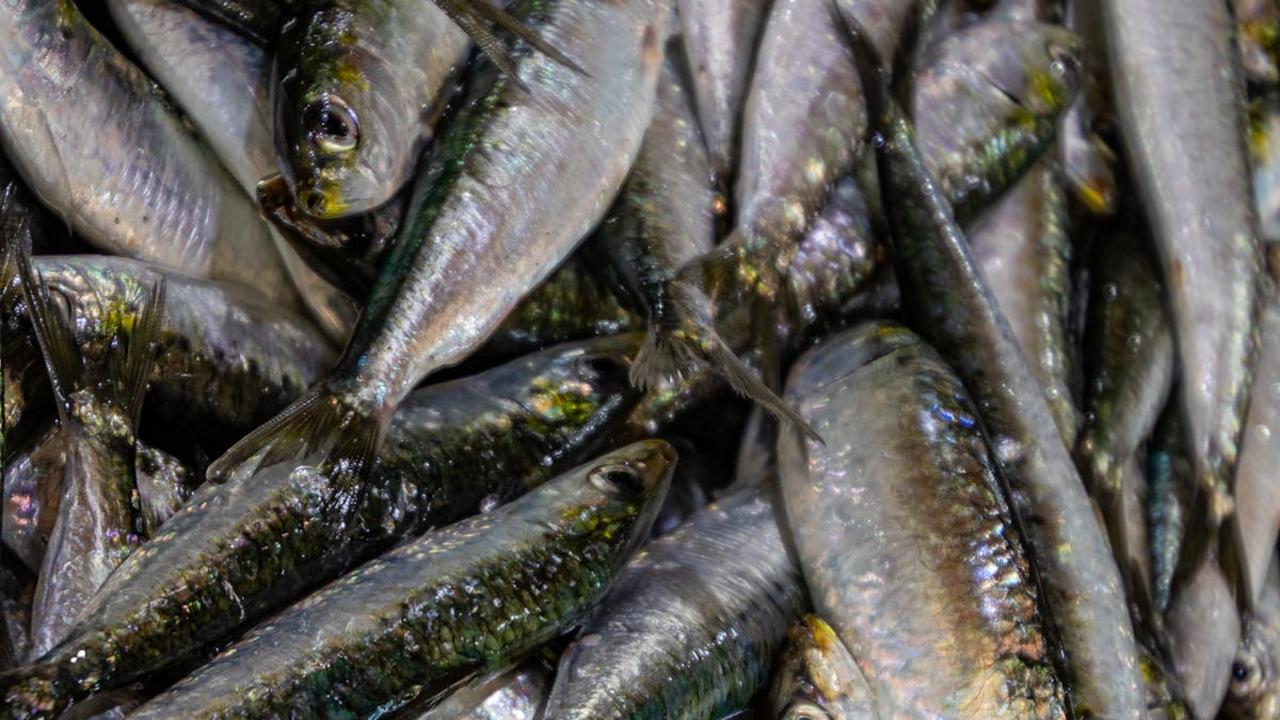
I’ve found sardines to be one of the most overlooked protein powerhouses in the grocery store! These tiny fish pack a serious nutritional punch with around 23 grams of protein per 3.75-ounce can. Beyond protein, sardines give you a hefty dose of omega-3 fatty acids, vitamin D, and calcium, thanks to their edible bones. What makes them extra special is how affordable they are compared to other fish options – you’ll get premium nutrition without breaking the bank.
You can eat sardines straight from the can, but I love transforming them into quick, protein-rich meals. Try mashing them with avocado, lemon juice, and black pepper for a satisfying sandwich spread. For a Mediterranean twist, toss them with pasta, olive oil, garlic, and fresh herbs. If you’re new to sardines, start with the skinless and boneless varieties packed in olive oil – they have a milder flavor that many people prefer. Keep a few cans in your pantry, and you’ll always have a nutritious protein source ready to go.
Tuna
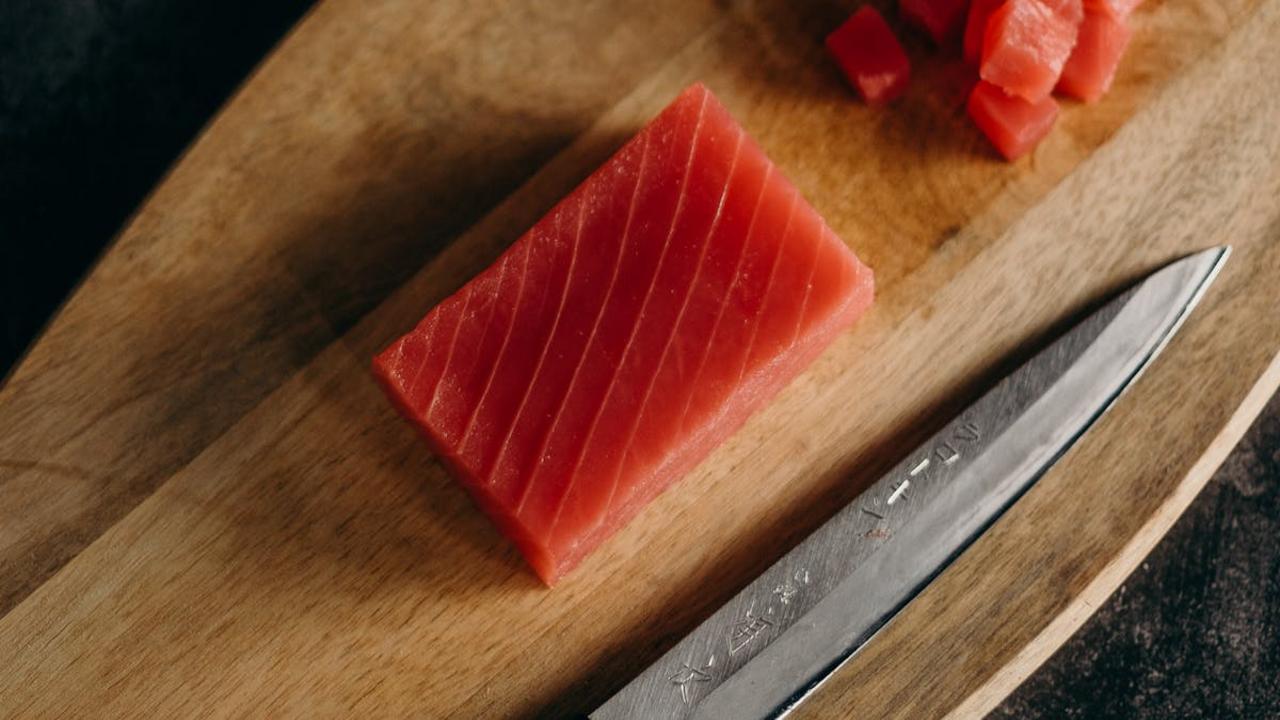
I always keep cans of tuna in my pantry for quick, protein-rich meals. A 3-ounce serving of tuna gives you around 20 grams of lean protein, making it perfect for muscle building and keeping you full between meals. The beauty of tuna lies in its versatility – mix it with Greek yogurt instead of mayo for a healthier sandwich spread, toss it into salads, or add it to your pasta dishes for an instant protein boost. Plus, tuna contains heart-healthy omega-3 fatty acids and B vitamins that help convert food into energy.
My favorite way to prepare tuna goes beyond the basic sandwich – I love making Mediterranean-style tuna bowls with quinoa, cherry tomatoes, cucumber, olives, and a light lemon-olive oil dressing. You can also make tuna patties by combining the fish with breadcrumbs, eggs, and herbs, then pan-frying until golden brown. For a spicy kick, try mixing your tuna with sriracha sauce, diced celery, and red onions. Remember to choose light tuna packed in water rather than oil to keep the calorie count lower while maintaining the protein content.
Lentils
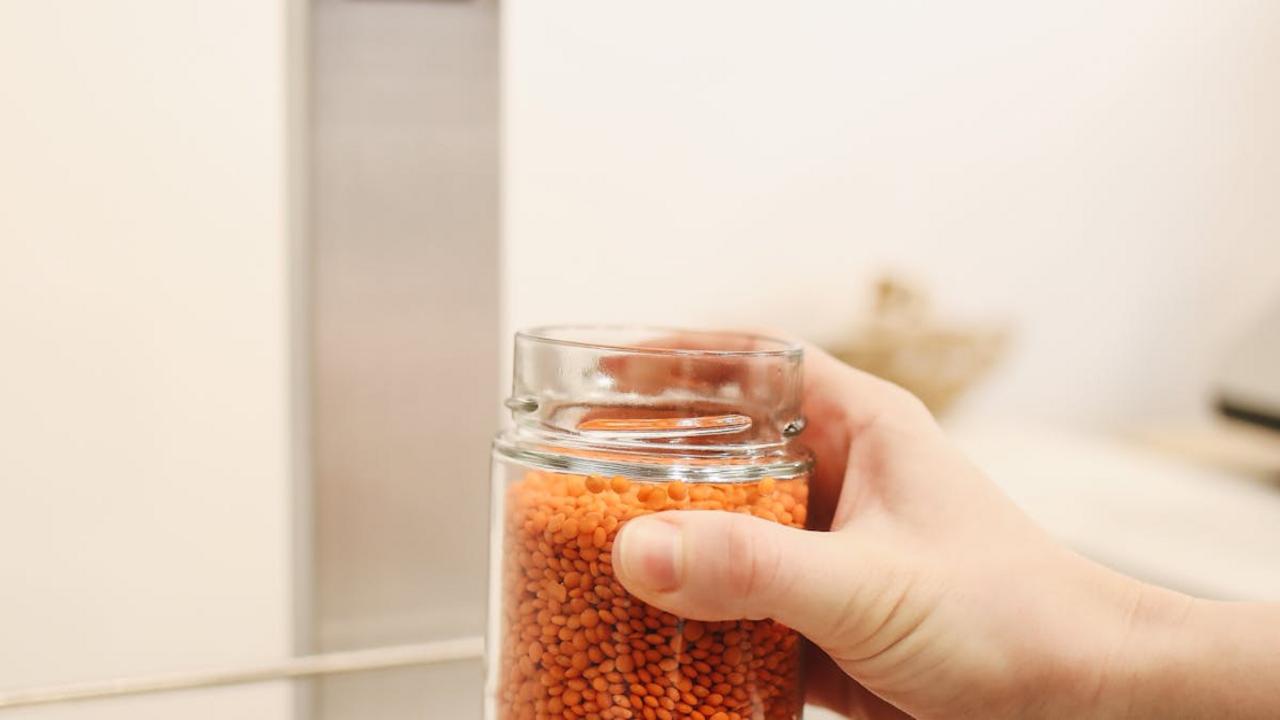
I can’t get enough of lentils – these tiny powerhouses pack a serious protein punch with 18 grams per cooked cup! The best part? You’ll find endless ways to incorporate them into your daily meals. I love tossing red lentils into soups where they break down beautifully to create rich, creamy textures. Brown and green lentils hold their shape better, making them perfect for hearty salads, veggie burgers, and meat-free bolognese sauce. Their nutty, earthy flavor adds depth to any dish while keeping you satisfied for hours.
Your pantry needs these budget-friendly legumes – they’re quick to cook and don’t require pre-soaking like other beans. I keep multiple varieties on hand: French green lentils for cold salads, red lentils for quick dahls, and brown lentils for everything in between. Beyond protein, they deliver impressive amounts of fiber, iron, and folate. Pro tip: cook them with aromatics like garlic, onions, and bay leaves to infuse extra flavor. Want to boost their nutrition? Sprout them first! Just rinse, soak overnight, and drain daily until tiny sprouts appear.
Seitan
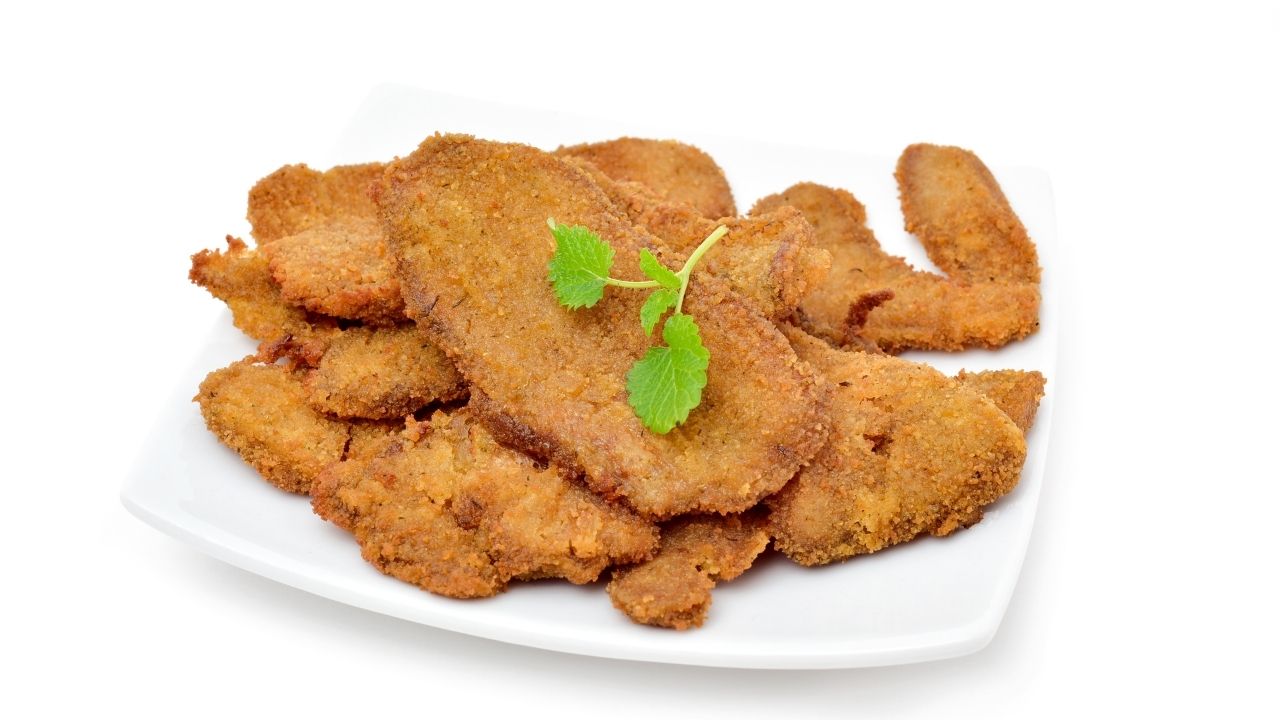
I never stop marveling at how seitan packs a whopping 25 grams of protein per 100-gram serving, making it one of the highest plant-based protein sources available. Made from vital wheat gluten, seitan brings a satisfying, meaty texture that works beautifully in stir-fries, sandwiches, and even grilled dishes. Its versatility shines through its ability to absorb flavors – I love marinating it in soy sauce, ginger, and garlic before cooking. The dense, chewy consistency makes it an excellent meat substitute for anyone looking to reduce their animal protein intake.
You’ll find seitan particularly filling thanks to its high protein content combined with complex carbohydrates. This combination helps maintain steady energy levels throughout your day without causing blood sugar spikes. I recommend preparing seitan at home – mix vital wheat gluten with vegetable broth and seasonings, then steam or simmer until firm. Store-bought options work too, but making your own lets you control the ingredients and customize the flavors. Remember that seitan contains gluten, so it’s not suitable for people with celiac disease or gluten sensitivity.
Nutritional yeast
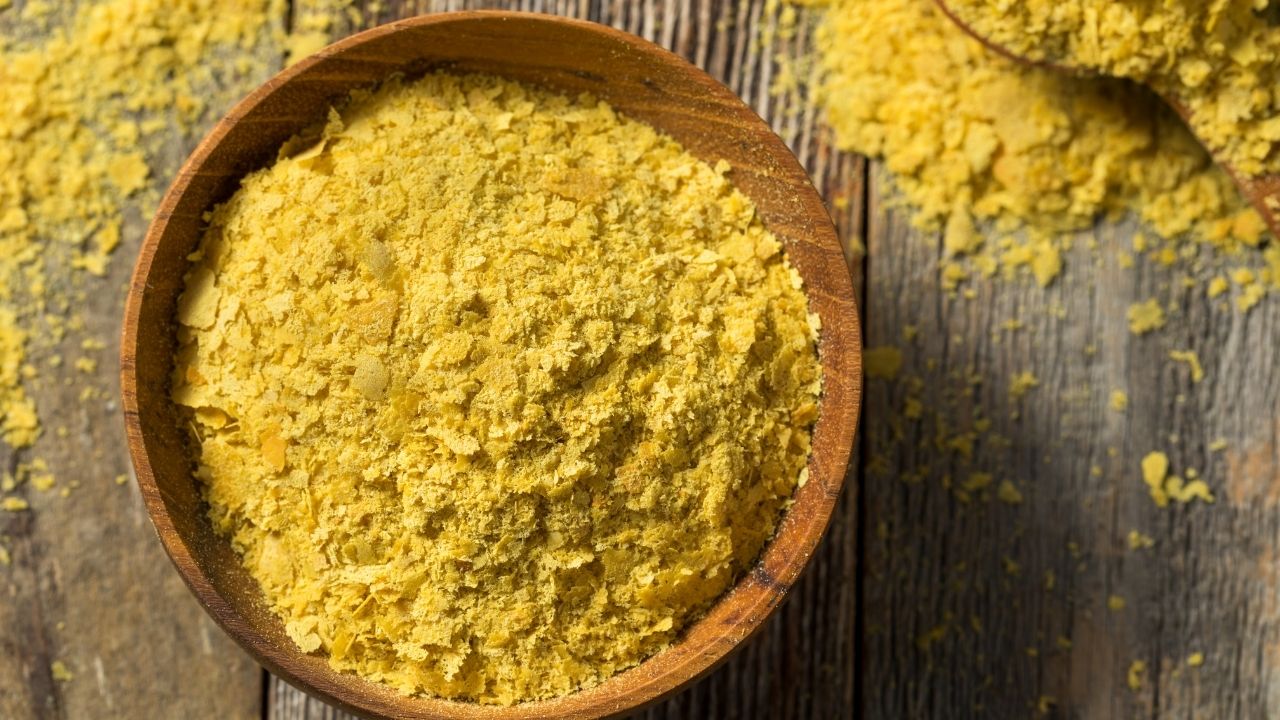
You’ll find nutritional yeast, or “nooch” as we affectionately call it in my kitchen, brings a rich, cheesy flavor to dishes while packing a serious protein punch. Just two tablespoons give you 8-10 grams of complete protein, making it perfect for sprinkling on popcorn, blending into creamy sauces, or adding to your morning smoothie. I love using it to create dairy-free cheese alternatives – it adds depth to cashew-based mac and cheese and transforms plain roasted vegetables into savory, umami-rich side dishes.
Beyond protein, nutritional yeast delivers a powerful dose of B vitamins, including B12, which many plant-based eaters need more of in their diets. The golden flakes dissolve easily into hot dishes and add a nutty, savory boost to virtually any meal. Try mixing it into mashed potatoes, sprinkling it on avocado toast, or whisking it into salad dressings. Your body will thank you for the protein boost, and your taste buds will celebrate the rich, complex flavors it brings to everyday meals.
Spirulina
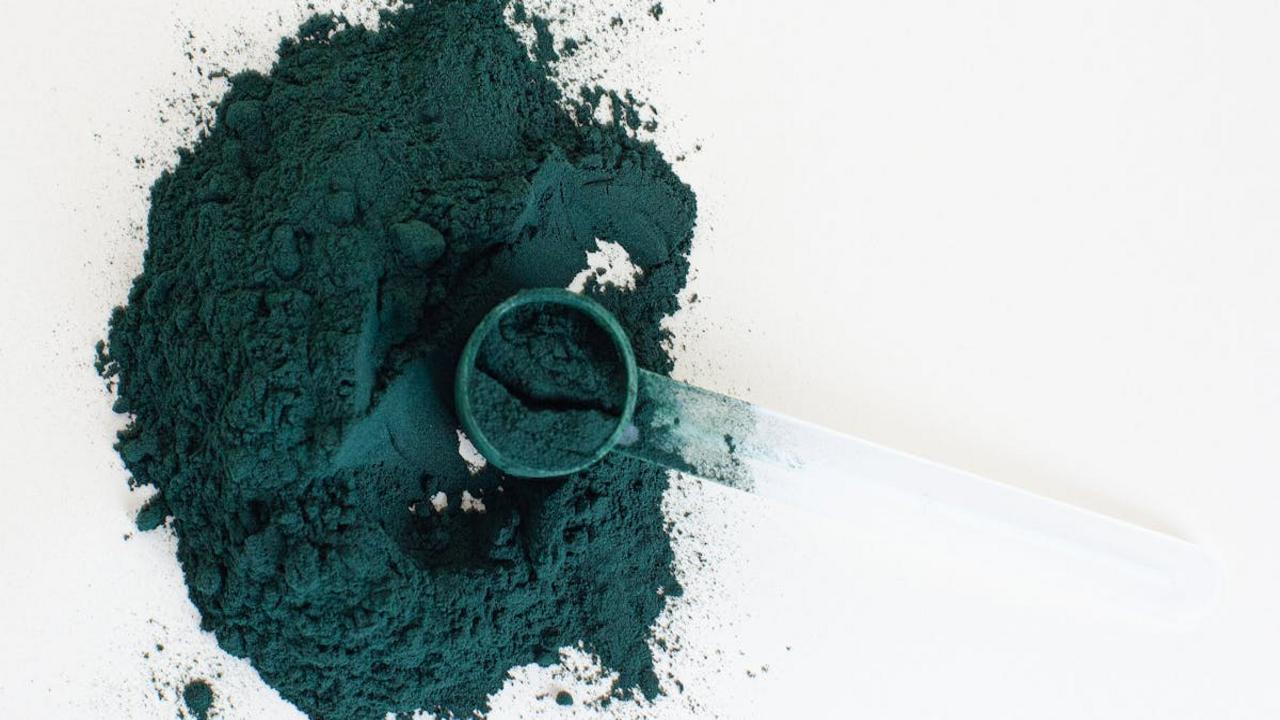
You’ll find a powerhouse of nutrition in spirulina, a blue-green algae that packs an incredible 60% complete protein content – meaning it contains all nine amino acids your body needs. I add this vibrant superfood powder to my morning smoothies, post-workout shakes, and even homemade energy balls. Just one tablespoon gives you 4 grams of protein, plus iron, B vitamins, and antioxidants that keep you energized throughout the day.
The deep green color might seem intimidating at first, but spirulina blends beautifully into recipes without overpowering other flavors. I love mixing it with frozen banana, mango, and coconut water for a tropical protein boost. You can also sprinkle it into overnight oats or blend it into homemade salad dressings. Start with a small amount – about 1/2 teaspoon – and gradually increase to 1-2 tablespoons daily as your body adjusts to this nutrient-rich algae.
Tempeh
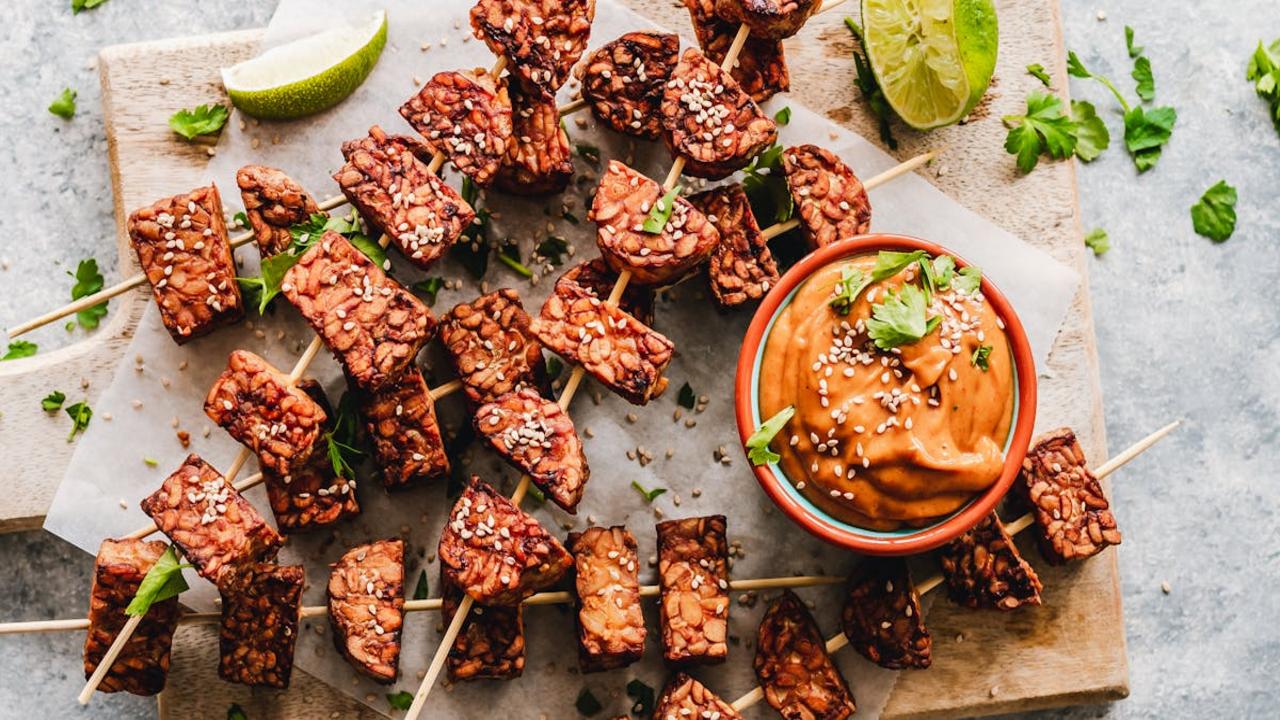
If you want a protein powerhouse that will keep you satisfied and energized, look no further than tempeh! This Indonesian staple made from fermented soybeans packs a whopping 20 grams of protein per serving. I love how the natural fermentation process makes the nutrients more bioavailable and adds beneficial probiotics. The dense, meaty texture and nutty flavor make tempeh incredibly versatile in your kitchen – you can crumble it into stir-fries, slice it for sandwiches, or marinate and grill it for a hearty main dish.
My favorite way to prepare tempeh is to steam it first for 10 minutes, which helps remove any bitterness and makes it more receptive to marinades. Then I’ll cube it and toss it in a mix of tamari, ginger, and garlic before pan-frying until golden brown. The result? A protein-rich ingredient that soaks up flavors beautifully while maintaining its satisfying bite. You can store tempeh in your fridge for up to a week, making it perfect for meal prep and quick weeknight dinners. Just remember to look for organic, non-GMO varieties for the best quality and nutrition.
Greek yogurt
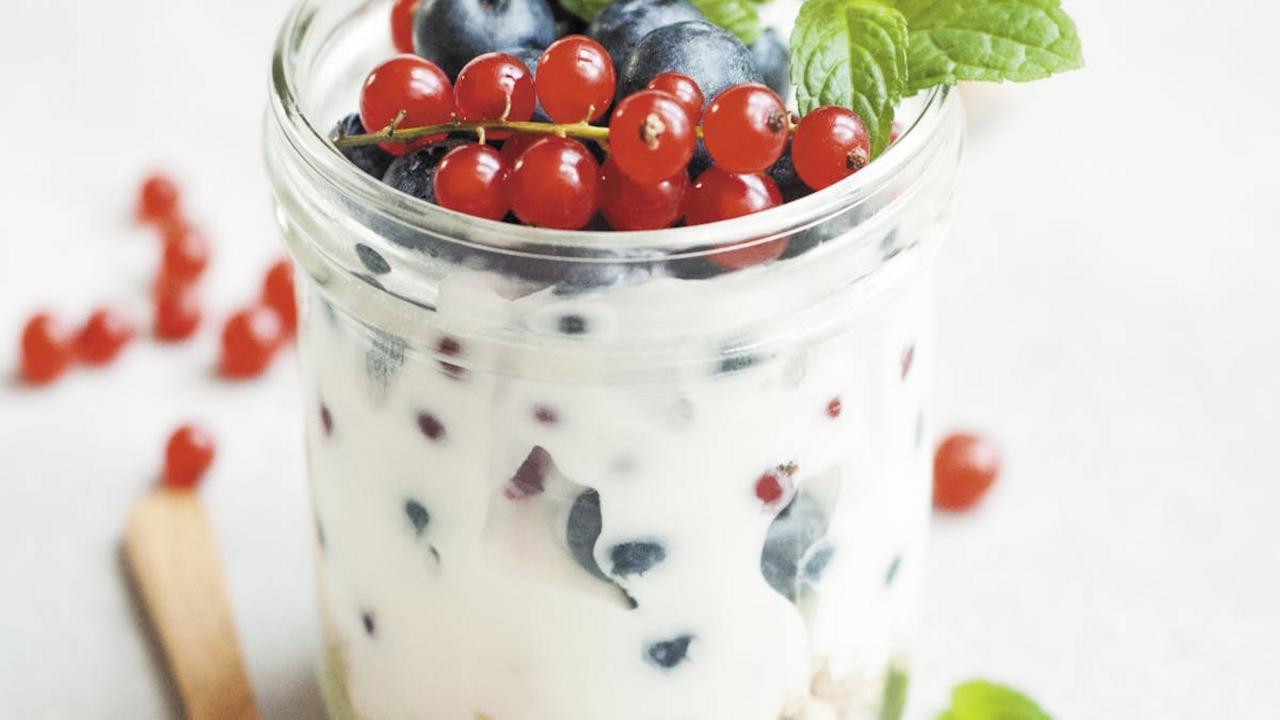
Greek yogurt has become my breakfast superhero, packing around 17 grams of protein per serving – that’s double what you’ll find in regular yogurt! I love how thick and creamy it feels, making it perfect for both sweet and savory dishes. You can mix it with fresh berries and honey for breakfast, blend it into smoothies, or use it as a protein-rich substitute for sour cream in dips and sauces. The natural probiotics support your gut health while keeping you satisfied until lunch.
Your body will thank you for choosing Greek yogurt since it contains less sugar and more calcium than regular varieties. I recommend buying plain, unsweetened versions and adding your own toppings – this gives you control over the sweetness and flavors. Try topping it with granola, nuts, or fresh fruit for crunch and natural sweetness. You can also use it in baking as a healthier substitute for butter or oil, or whip up a quick tzatziki sauce for grilled meats and vegetables. The possibilities with this protein powerhouse are endless!
Navy beans
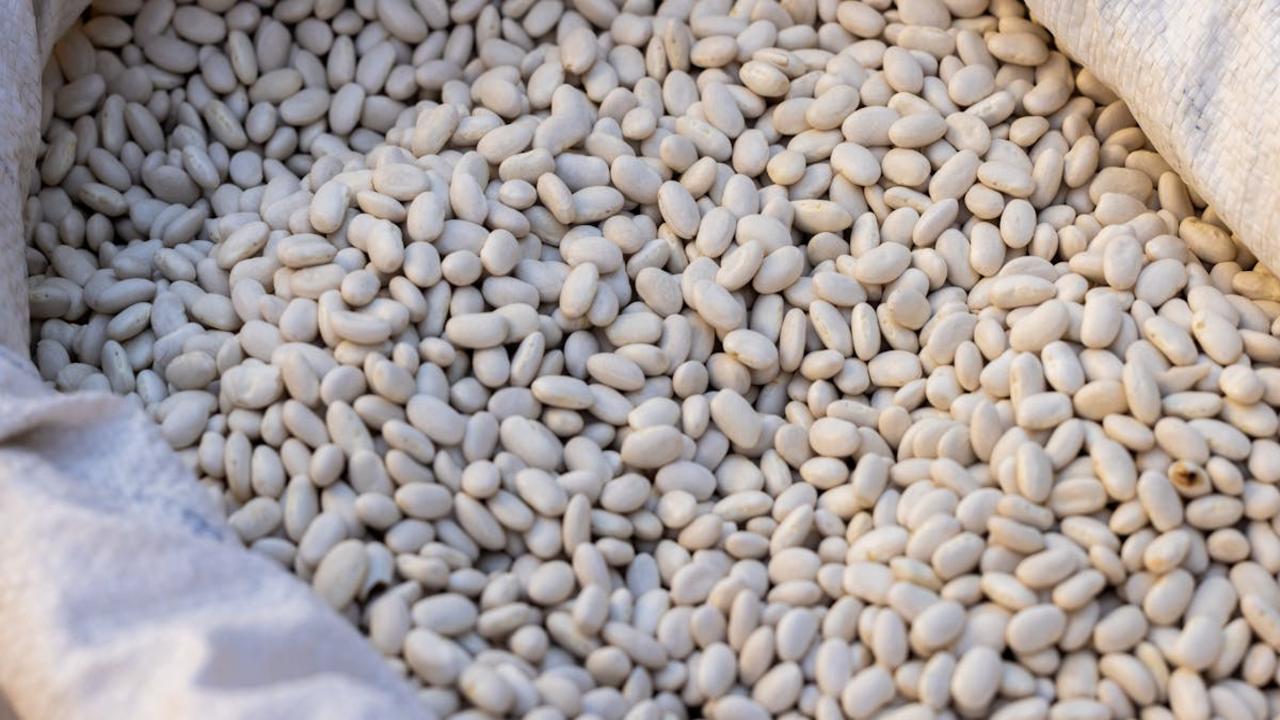
Navy beans pack a powerful protein punch with 15 grams per cooked cup, making them an excellent choice for anyone looking to add more plant-based protein to their meals. I love incorporating these small white beans into hearty soups and stews during colder months – they add such wonderful creaminess and body to any dish. The mild, nutty flavor of navy beans means they absorb seasonings beautifully, whether you’re making a classic baked bean recipe or tossing them into a Mediterranean-inspired salad with olive oil and fresh herbs.
Beyond protein, navy beans bring an impressive array of nutrients to your plate, including fiber, folate, and iron. I frequently blend them into creamy dips and spreads – just add garlic, lemon juice, and your favorite seasonings for a protein-rich alternative to hummus. You can also mash them with breadcrumbs and spices to create satisfying veggie burgers. For meal prep, I’ll cook a big batch on Sunday and add them to grain bowls, pasta dishes, and salads throughout the week. Their versatility and nutritional benefits make navy beans a pantry staple I reach for again and again.
Black beans
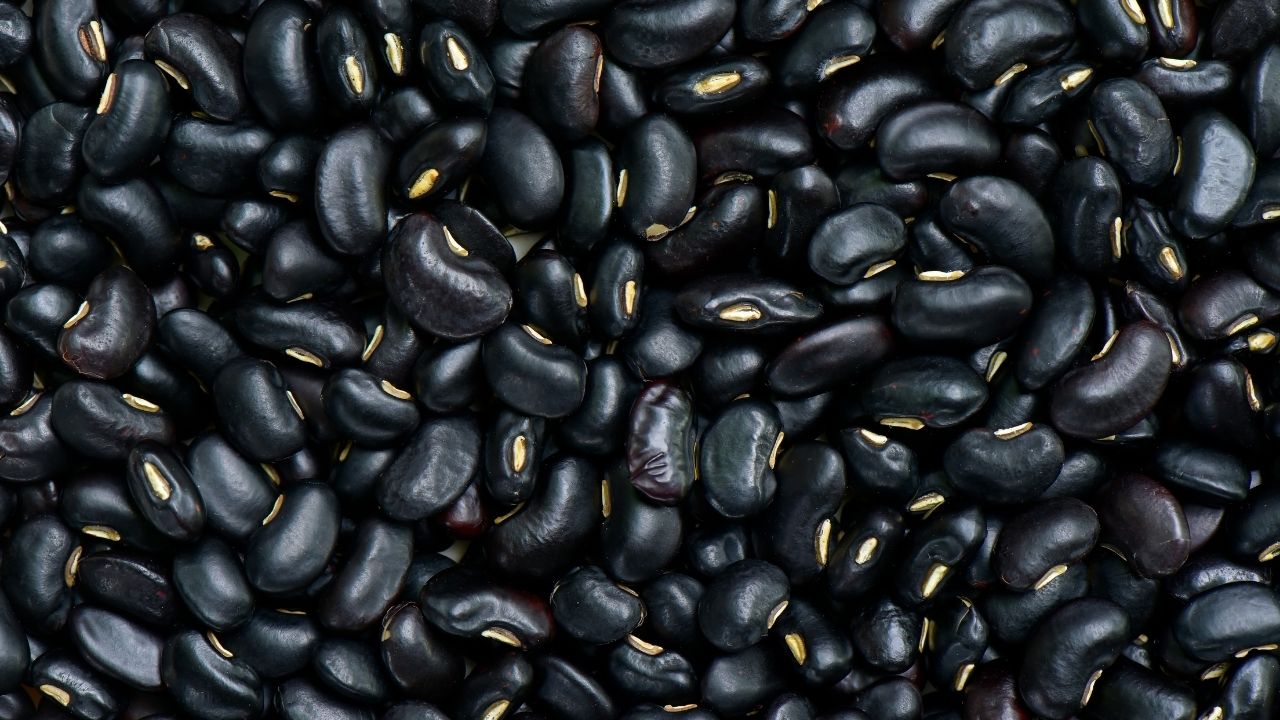
Black beans have become my go-to protein source for quick, filling meals that keep me energized throughout the day. With 15 grams of protein per cup, these little powerhouses pack a serious nutritional punch. I love adding them to my morning breakfast burritos with scrambled eggs and avocado, or tossing them into hearty lunch bowls with quinoa and roasted vegetables. The rich, earthy flavor adds depth to any dish, while their creamy texture makes them perfect for both hot and cold preparations.
You’ll find black beans incredibly versatile in your kitchen – from classic rice and beans to veggie burgers and dips. I regularly blend them into smooth, creamy hummus-style spreads with garlic, lime juice, and cumin. The fiber content (15 grams per cup) works alongside the protein to keep your blood sugar steady and hunger at bay. For meal prep, I cook big batches and freeze portions in containers, making it simple to add instant protein to any meal. Whether you buy them canned or cook them from dried, black beans offer an affordable, nutritious way to boost your daily protein intake.
Pumpkin seeds
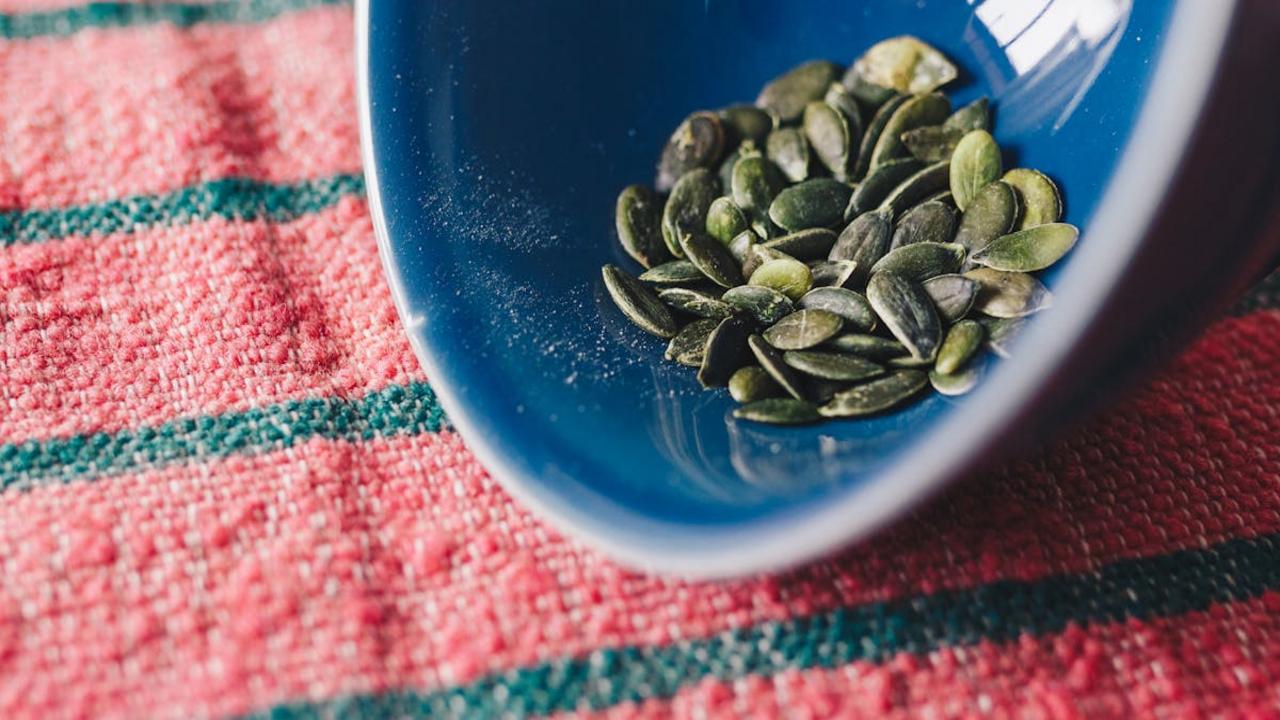
I always keep a jar of pumpkin seeds in my pantry for quick protein boosts throughout the day. These small but mighty seeds pack 8.5 grams of protein per ounce, making them perfect for sprinkling on salads, yogurt bowls, or eating straight from the jar. Beyond their protein content, pumpkin seeds offer magnesium, zinc, and iron – nutrients that help maintain energy levels and support immune function. Their versatility means you can toast them with different seasonings, from simple sea salt to spicy chili powder.
My favorite way to enjoy pumpkin seeds is by dry-roasting them with a pinch of smoked paprika and garlic powder. The roasting brings out their natural nuttiness while adding a satisfying crunch. You can blend them into smoothies, add them to homemade granola, or incorporate them into baked goods for extra nutrition. I often mix them with rolled oats and honey to make energy bars that keep me going during busy days. The combination of protein, healthy fats, and fiber makes pumpkin seeds an ideal snack for sustained energy without crashes.
Hemp seeds
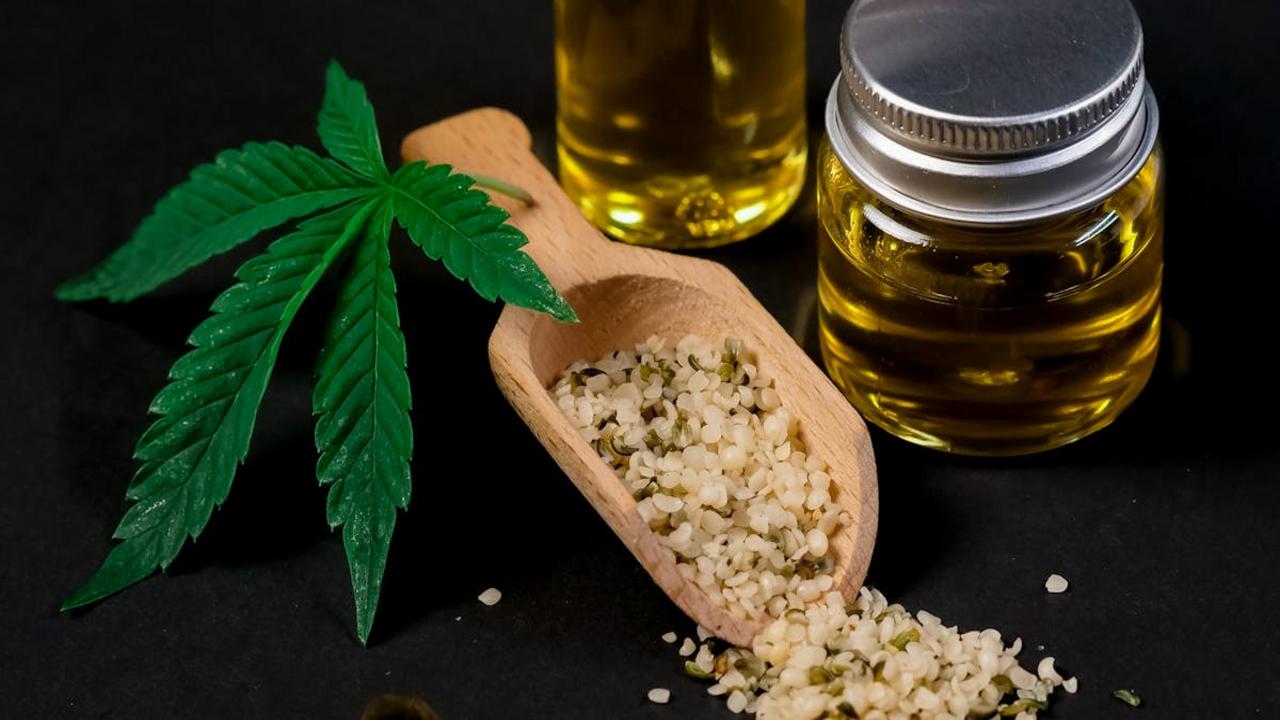
I add hemp seeds to almost everything in my kitchen – from smoothie bowls to salads and baked goods. These tiny powerhouses pack an impressive 10 grams of complete protein per 3 tablespoons, making them an excellent choice for anyone looking to boost their protein intake naturally. The nutty, slightly sweet flavor brings depth to both sweet and savory dishes. Plus, hemp seeds contain omega-3 and omega-6 fatty acids in the perfect ratio your body needs for optimal health.
What I love most about hemp seeds is their incredible versatility in cooking. You can blend them into creamy dairy-free milk, sprinkle them raw over yogurt and oatmeal, or incorporate them into homemade energy bars. The soft, chewy texture adds a pleasant bite without overpowering other ingredients. For an extra protein boost in your morning routine, try blending hemp seeds into your post-workout smoothie or mixing them into pancake batter – they’ll keep you energized and satisfied for hours.
Cottage cheese
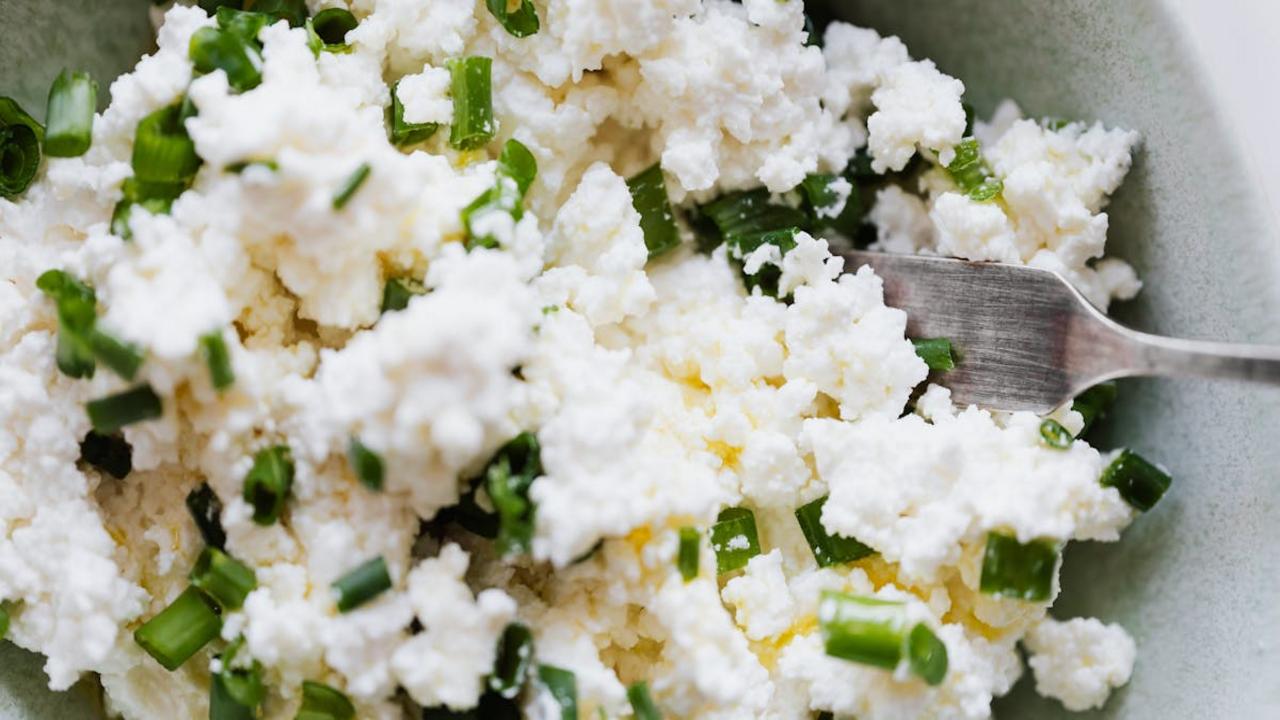
I always keep cottage cheese in my fridge as one of my go-to protein sources – it packs an impressive 24 grams of protein per cup! The mild, creamy texture makes it incredibly versatile in both sweet and savory dishes. You can blend it into smoothies, spread it on whole grain toast, or mix it with fresh fruits for a protein-rich breakfast. What I love most about cottage cheese is how it adds a rich, satisfying element to meals while keeping calories reasonable.
My favorite way to enjoy cottage cheese is by turning it into a Mediterranean-inspired bowl. I top it with olive oil, cherry tomatoes, cucumber, fresh herbs, and a sprinkle of black pepper – this combination creates a perfect balance of protein, healthy fats, and fresh vegetables. You can also incorporate cottage cheese into your baking as a substitute for ricotta in lasagna or blend it into pancake batter for extra protein. The possibilities truly extend beyond the traditional fruit pairing!