13 Foods That Could Become Pricey Luxuries in 2025 as Inflation Bites
Your grocery bill is about to get a serious wake-up call. We’re watching certain ingredients shift from everyday staples to special-occasion splurges, and it’s hitting closer to home than you might think. Climate shifts, production challenges, and rising costs are transforming foods we’ve taken for granted into premium items that’ll make you pause before tossing them in your cart.
I’m talking about ingredients that anchor your favorite recipes—the morning coffee you can’t live without, the olive oil you drizzle over everything, the avocados you’ve been mashing on toast for years. These aren’t exotic rarities hiding in specialty shops. They’re foods sitting in your pantry right now, quietly becoming more precious as 2025 unfolds.
What’s driving this shift? A perfect storm of weather disruptions, labor shortages, and supply chain hiccups is squeezing production worldwide. The foods on this list share something in common: they’re getting harder to grow, harvest, or transport. Understanding which items are most vulnerable helps you plan smarter, shop wiser, and maybe stock up while prices are still reasonable. Here’s what to watch.
Olive Oil
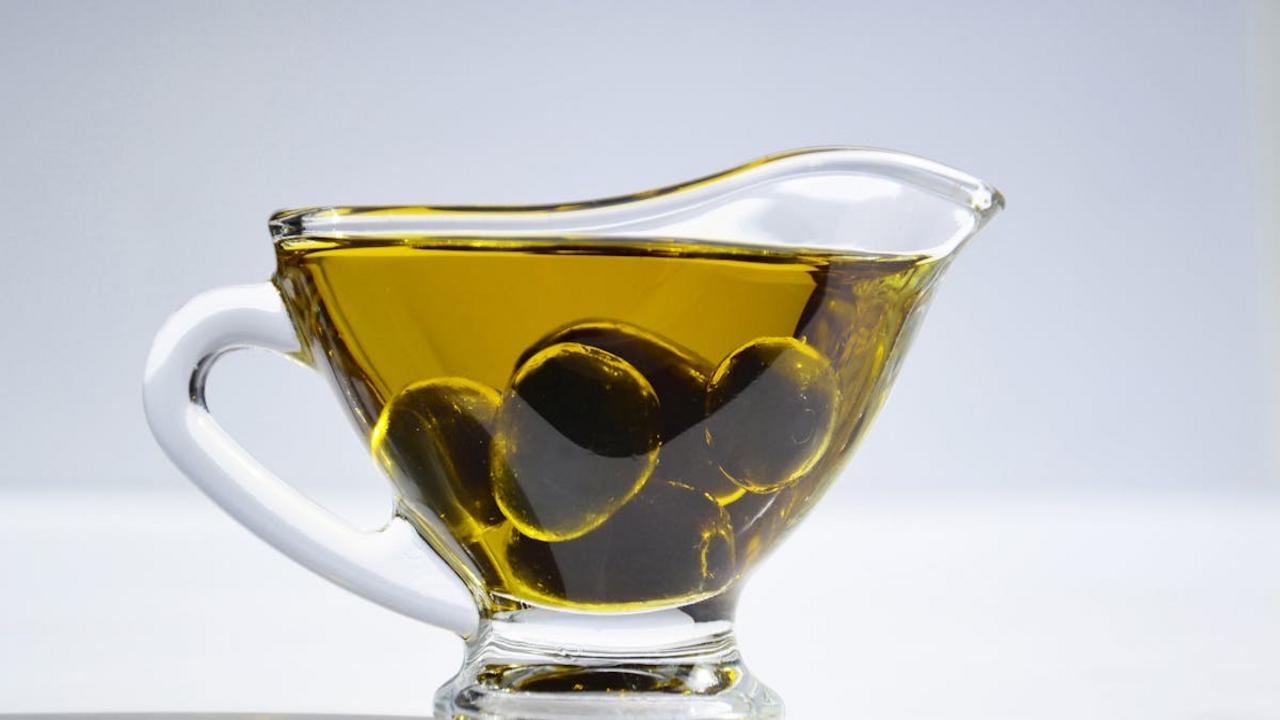
Olive oil prices have been climbing steadily, and 2025 looks set to push this kitchen staple even further out of reach for many households. Droughts across the Mediterranean—especially in Spain, which produces nearly half the world’s olive oil—have devastated harvests for consecutive years. When you walk down the grocery aisle now, you’re already seeing bottles that cost double what they did just three years ago. The situation isn’t improving either, with climate patterns becoming increasingly unpredictable and olive groves struggling to recover from years of stress. What was once an everyday ingredient you’d drizzle generously over salads or use for sautéing has started feeling more precious, something you measure out carefully rather than pour freely.
This shift hits home cooks particularly hard because olive oil isn’t just about flavor—it’s the foundation of so many healthy cooking methods we rely on. You can’t really replicate that fruity, peppery quality that good olive oil brings to vegetables, proteins, and grains. Sure, other oils exist, but they don’t offer the same nutritional benefits or that distinctive taste that makes simple dishes sing. If prices keep rising, you might find yourself reserving your best bottles for finishing dishes rather than cooking with them, or stretching what you have by mixing it with more affordable options. It’s a tough adjustment, especially when you’ve built your cooking style around the Mediterranean tradition of using quality olive oil as both ingredient and health choice.
Manuka Honey
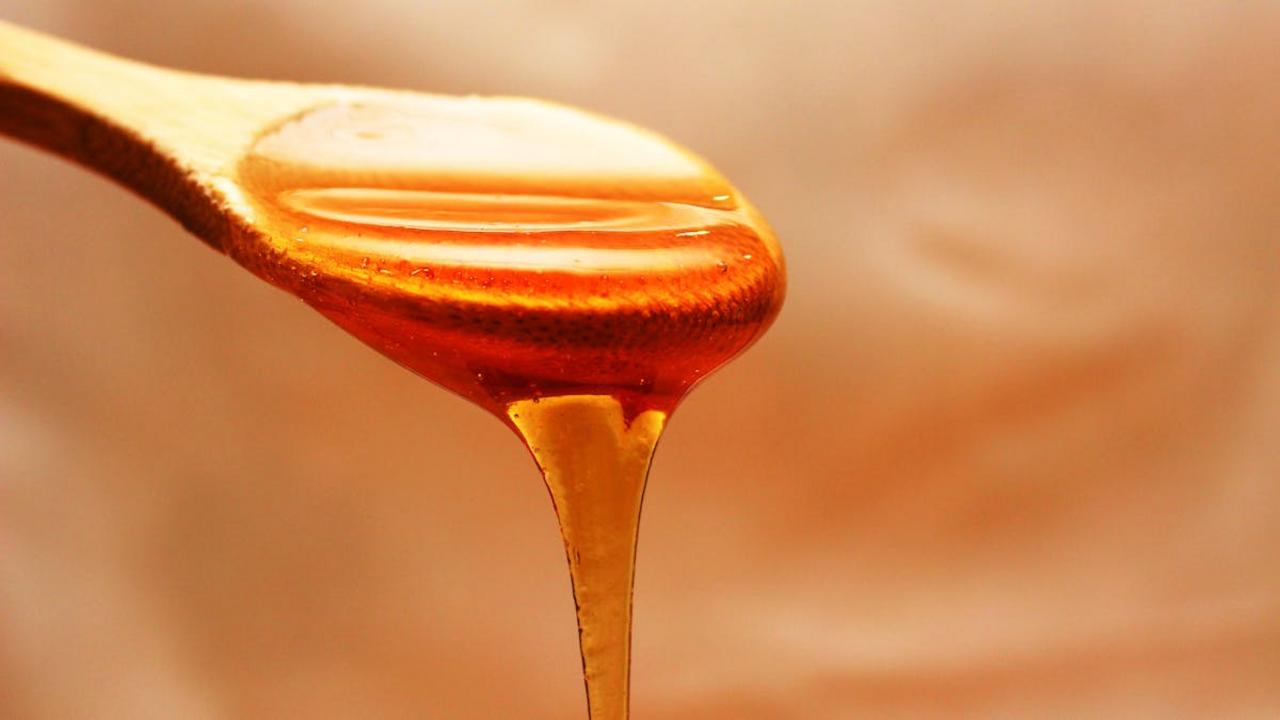
Manuka honey has always carried a premium price tag, but get ready—2025 might push this liquid gold even further out of reach for your everyday pantry. Produced exclusively by bees pollinating the Manuka bush in New Zealand and parts of Australia, this honey’s limited geographic source already makes it scarce. Add inflation into the mix, plus increasing global demand for its antibacterial properties, and you’re looking at prices that could easily double what you’re paying now. I keep a small jar in my kitchen for those moments when I want something truly special—a drizzle over Greek yogurt with fresh figs, or stirred into herbal tea when I’m feeling under the weather. But I’ve learned to treat it like the treasure it is, not something to slather on toast every morning.
The real challenge with Manuka honey in 2025 won’t just be the price—it’ll be finding authentic products. As costs rise, so does the temptation for counterfeit versions to flood the market. Look for UMF (Unique Manuka Factor) ratings on labels, which guarantee authenticity and potency. If you’re using it purely for flavor rather than medicinal purposes, consider switching to local raw honey from your area. You’ll support nearby beekeepers, save money, and still get that complex sweetness that makes honey such a beautiful ingredient. Save your precious Manuka for when you really need its unique benefits, and let your local honey shine in everyday cooking. Your wallet and your conscience will thank you.
White Truffles
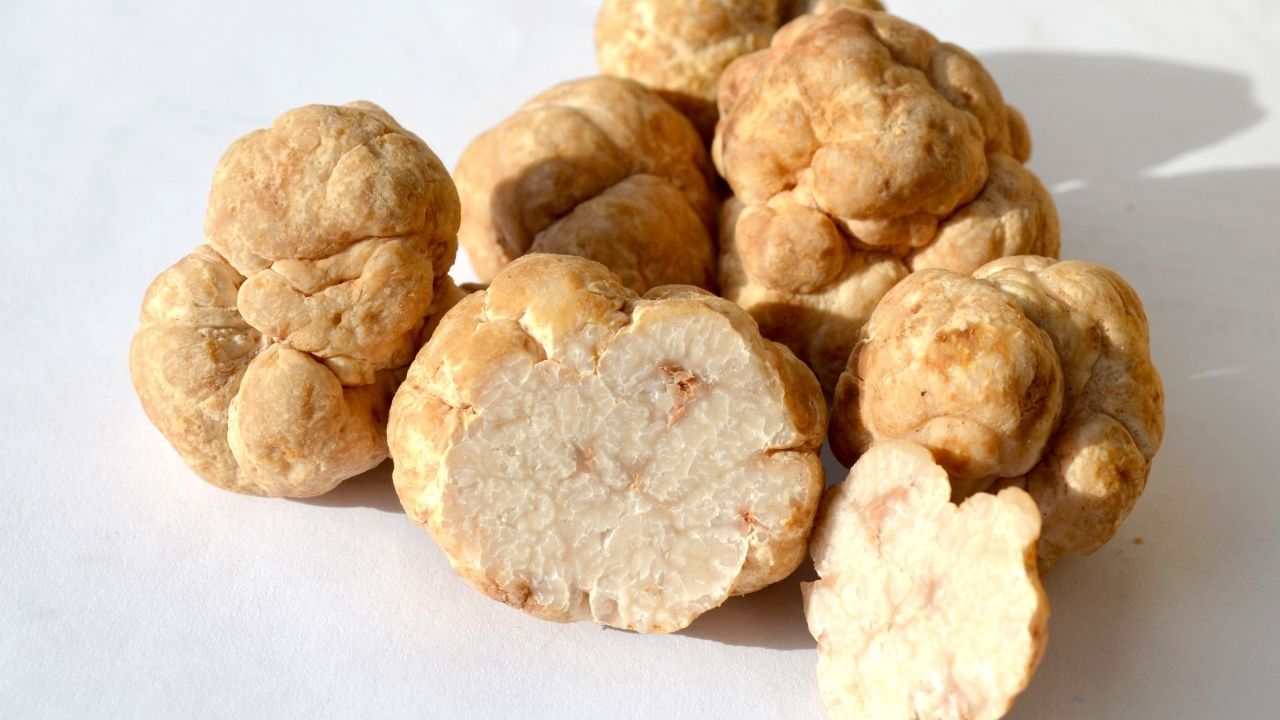
White truffles have always occupied a special place in the world of fine ingredients, but 2025 might push them even further beyond reach for most home cooks. Climate shifts affecting their native regions in Italy, particularly Piedmont and Alba, have already made harvests unpredictable. These aromatic fungi grow underground in symbiosis with specific tree roots, and they can’t be cultivated—they must be hunted by trained dogs in the wild. When nature doesn’t cooperate, supply drops dramatically while demand from restaurants and collectors remains steady or increases, creating a perfect storm for astronomical prices.
I’ve worked with white truffles only a handful of times in my cooking life, and each experience felt precious. Their earthy, garlicky perfume transforms simple pasta, eggs, or risotto into something extraordinary with just a few shavings. The beauty lies in their simplicity—you don’t need elaborate preparations, just quality ingredients that let the truffle shine. But with prices potentially doubling or tripling this year, that luxury becomes even more distant. If you’re lucky enough to find fresh white truffles at a market, grab them without hesitation. Store them wrapped in paper towels inside a sealed container with rice or eggs, which will absorb their magnificent aroma. Use them within days, because their magic fades quickly, and you’ll want every moment with these fleeting treasures to count.
Almonds
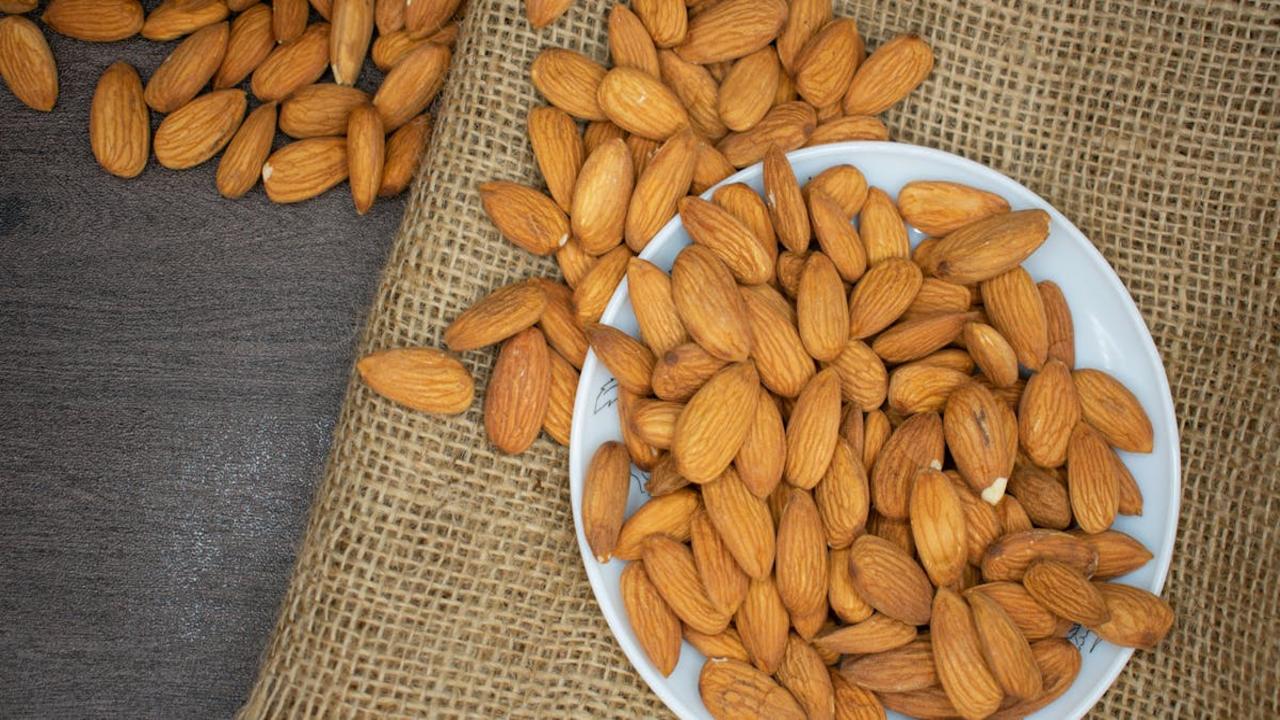
Almonds have become one of those staples you grab without thinking twice—until you check the price tag and wonder what happened. Climate change has hit California’s almond groves hard, where most of the world’s supply comes from. Water shortages and unpredictable weather patterns mean farmers are struggling to maintain their orchards, and those struggles show up directly in what you pay at checkout. The drought conditions aren’t getting better, and almonds are thirsty crops that need consistent irrigation to thrive.
If you’ve been tossing almonds into your morning oatmeal or blending them into homemade almond butter, 2025 might require some rethinking. Stock up when you spot sales, or consider rotating in other nuts like walnuts or sunflower seeds for variety and cost savings. Buying in bulk from warehouse stores can help cushion the blow, and toasting them yourself brings out incredible flavor that makes every almond count. The reality is that this crunchy protein source won’t be the budget-friendly option it once was, so treating them more like a special ingredient rather than an everyday staple makes sense for both your wallet and your appreciation of what you’re eating.
Bluefin Tuna
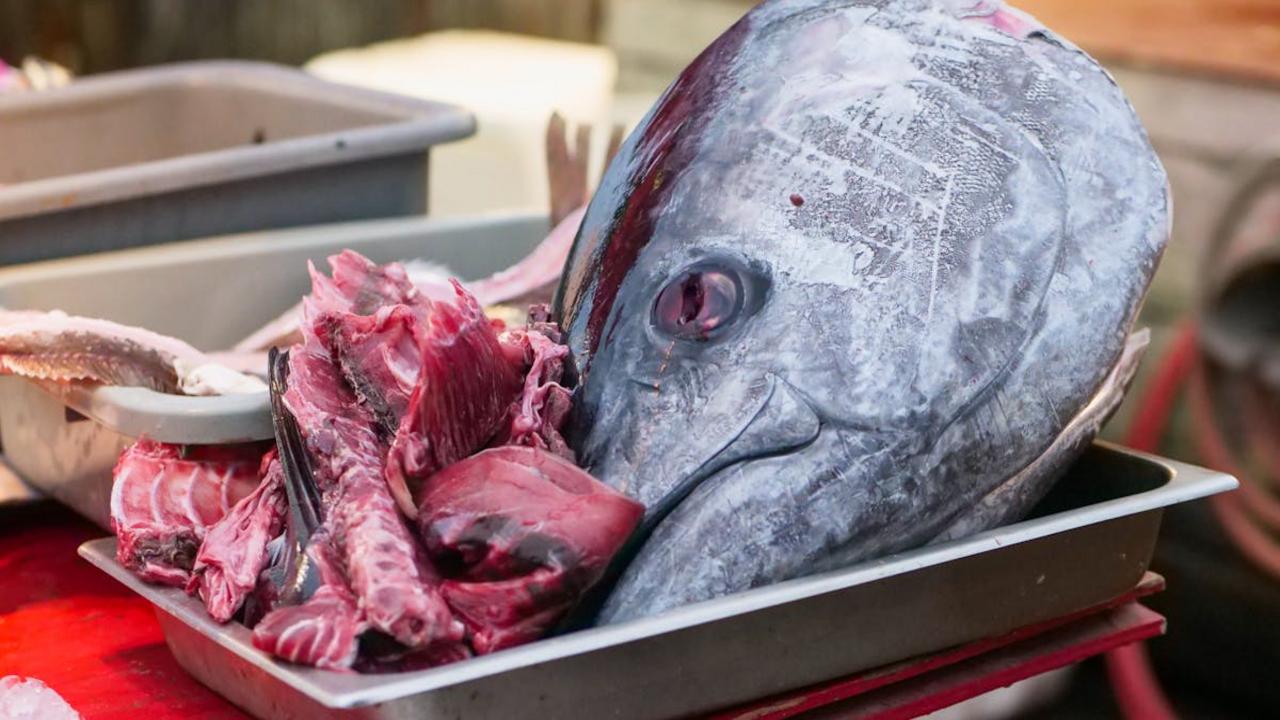
Bluefin tuna has always occupied a special place in seafood markets, but 2025 might push this magnificent fish further out of reach for home cooks. Overfishing, strict quotas, and climate change affecting migration patterns have created a perfect storm driving prices upward. What you could once find at specialty markets for a special dinner might soon require serious budget consideration. The prized cuts—especially the fatty belly known as toro—command astronomical prices at auction, and that trickles down to every retail counter. You’re looking at a situation where even basic bluefin cuts could cost more than premium beef.
If you love the rich, buttery texture of bluefin, start exploring sustainable alternatives now. Skipjack and albacore offer wonderful flavor profiles at fraction of the cost, and they’re caught using more responsible methods. Try marinating them in soy sauce, mirin, and fresh ginger before searing quickly in a screaming hot pan—you’ll get that same satisfying meatiness without the guilt or expense. Consider this an opportunity to broaden your seafood repertoire while protecting ocean ecosystems. Your wallet and the planet will both benefit from making this shift before bluefin becomes an occasional splurge rather than a regular option.
Coffee Arabica
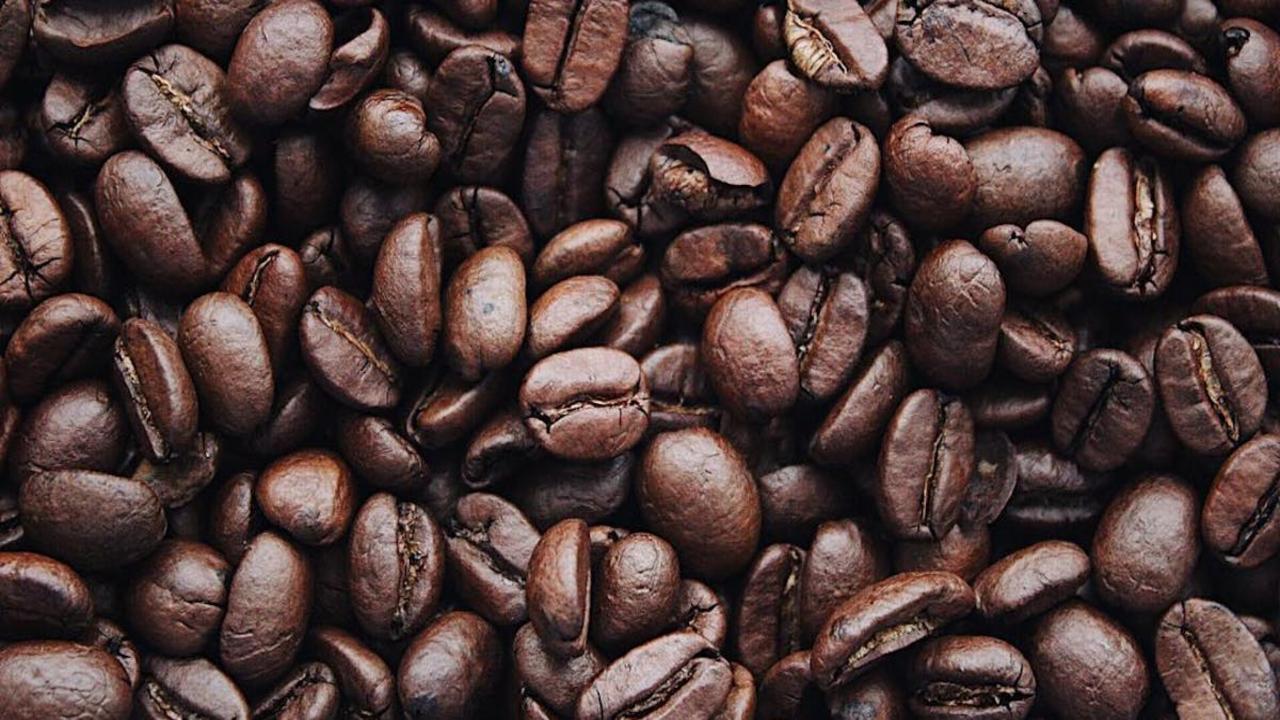
Climate change is hitting coffee production hard, and Arabica beans—the variety most of us pour into our morning cups—are especially vulnerable. Brazil and Vietnam, which supply the bulk of the world’s coffee, are facing erratic weather patterns that threaten yields. Droughts, unexpected frosts, and rising temperatures are making it increasingly difficult for farmers to maintain consistent harvests. When supply drops and demand stays steady, prices climb. That morning ritual you count on to start your day right might soon require a bigger bite from your budget.
If you’re a coffee lover like me, now’s the time to appreciate every sip and maybe explore alternatives. Consider switching to locally roasted beans when possible—they often offer better value and fresher flavors. I’ve started experimenting with cold brew at home, which uses less coffee per cup and still delivers that rich, bold taste. You can also stretch your coffee further by mixing it with chicory or trying half-caf blends. Stock up when you find good deals, and store beans properly in an airtight container away from light and heat. These small adjustments help maintain your coffee habit without breaking the bank as prices continue their upward march.
Avocados
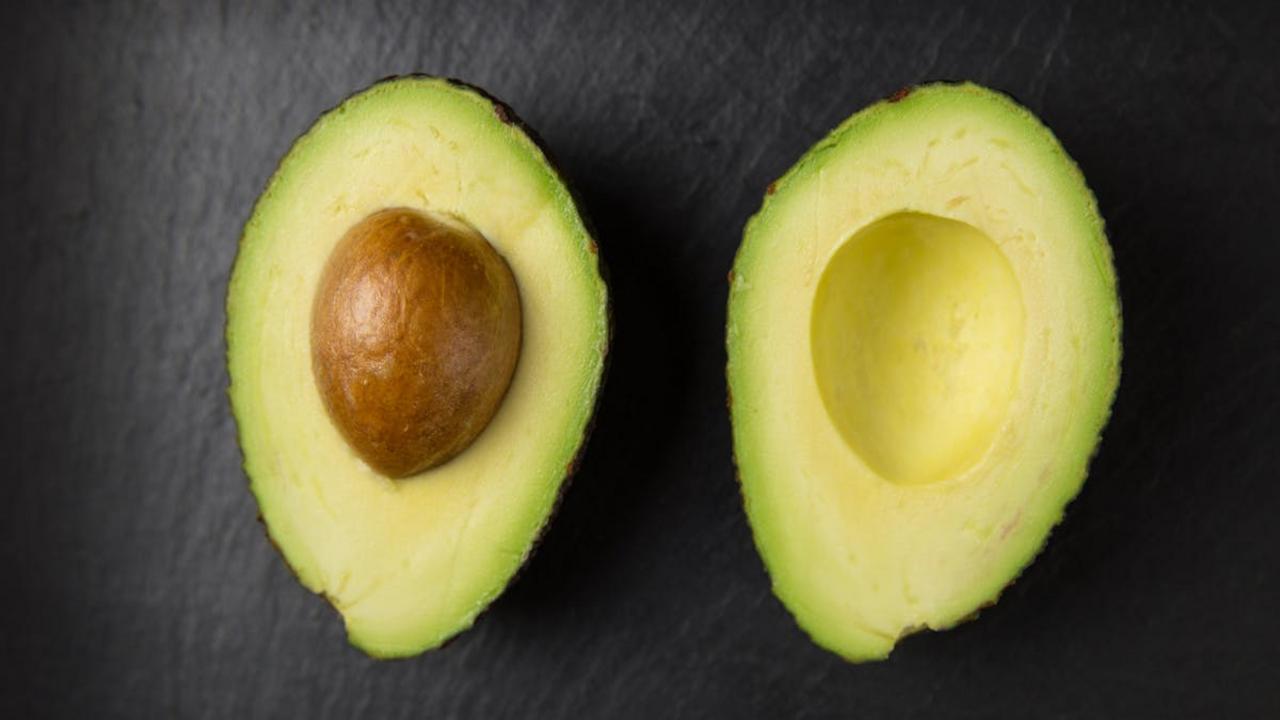
You know that creamy, buttery avocado you’ve been tossing into your morning toast or blending into smoothies? It might start costing you significantly more in 2025. Climate change is wreaking havoc on avocado-growing regions, particularly in Mexico and California, where unpredictable weather patterns and water scarcity are making cultivation increasingly difficult. Add rising transportation costs and labor expenses to the mix, and you’re looking at a fruit that could become a genuine luxury item. The same avocado that once felt like an everyday staple might soon require you to think twice before adding it to your cart.
What strikes me most about this shift is how it affects our approach to healthy eating. Avocados have become synonymous with nutritious, wholesome meals—they’re packed with healthy fats, vitamins, and minerals that make them irreplaceable in many recipes. But here’s what I’ve learned from cooking with global ingredients: adaptability is everything. If avocados become too expensive, consider exploring alternatives like tahini for creaminess in dressings, or mashed white beans for that satisfying texture in spreads. Stock up when prices dip, and freeze ripe avocados for later use. Sometimes the best cooking happens when we’re forced to think creatively and work with what’s actually accessible, rather than what’s trendy.
Maple Syrup
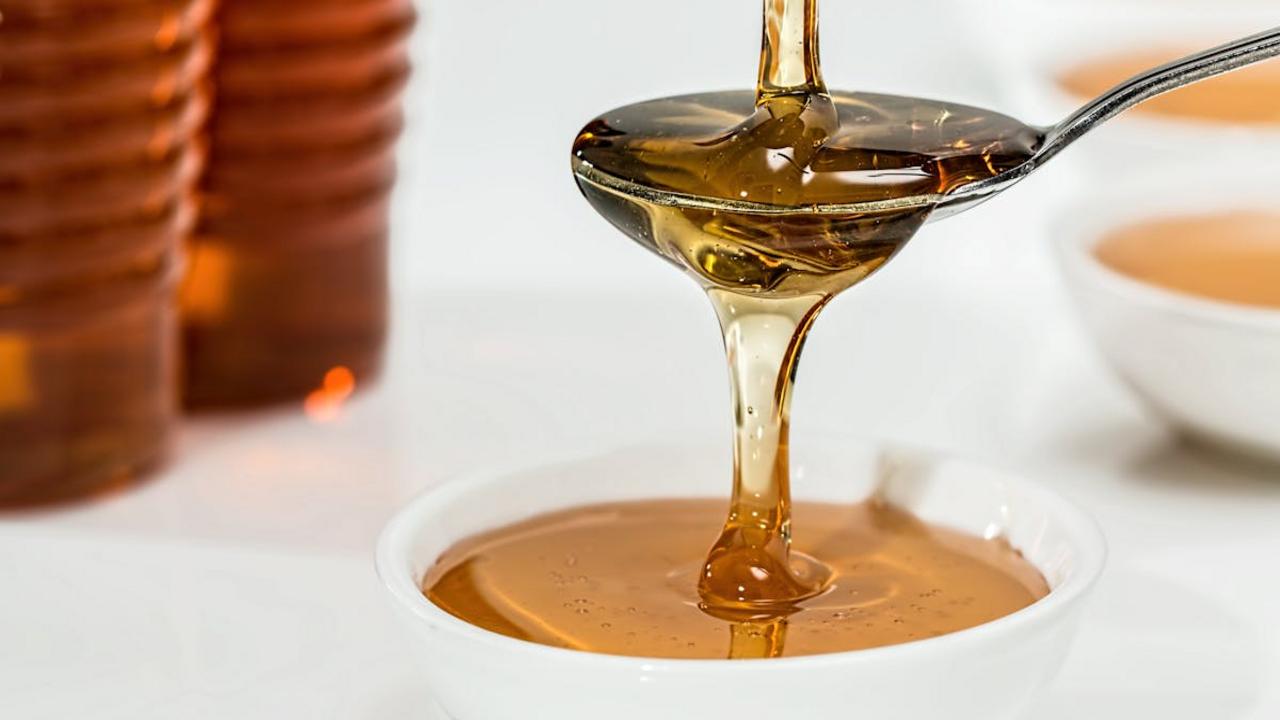
Maple syrup prices have been climbing steadily, and 2025 might push this breakfast staple into luxury territory. Climate change has wreaked havoc on maple production—unseasonably warm winters and unpredictable temperature swings disrupt the delicate sap flow that maple trees need. Quebec, which produces about 70% of the world’s maple syrup, faced devastating droughts that slashed yields. When your favorite pancake topping depends on specific weather conditions that occur for just a few weeks each year, you’re at nature’s mercy. Production costs have also skyrocketed with higher fuel expenses for boiling sap and increased labor costs, making each bottle more precious than ever.
If you’re like me and refuse to settle for artificial pancake syrup (that corn syrup imposter tastes nothing like the real thing), start budgeting for this liquid gold now. I’ve been experimenting with stretching my maple syrup by blending it with honey or date syrup for everyday use, saving the pure stuff for special weekend breakfasts. You can also make your own infused syrups by warming maple syrup with vanilla beans, cinnamon sticks, or orange peels—a little creativity goes far. Consider buying larger quantities directly from producers during harvest season when prices dip slightly, then storing it in your freezer where it keeps indefinitely. Your morning pancakes, waffles, and oatmeal deserve better than corn syrup pretending to be maple, so protect your supply while you still can.
Pistachios
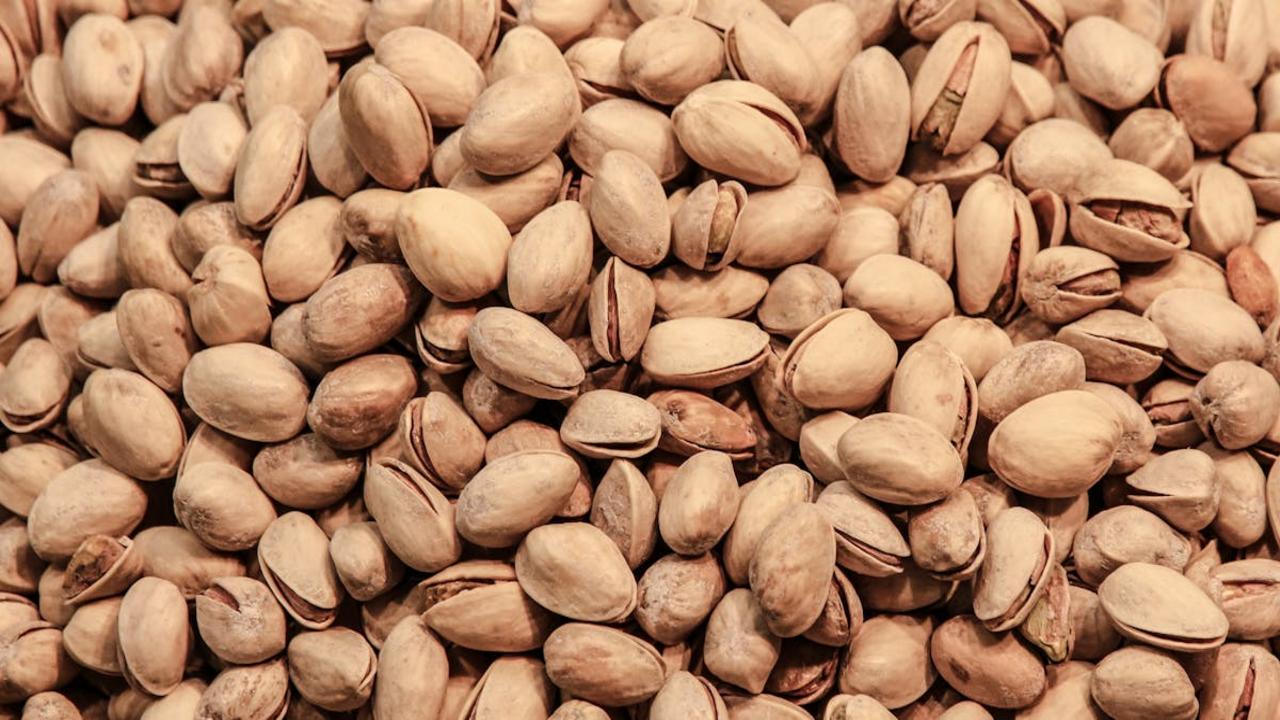
Your favorite green nut might soon command a premium price tag that’ll make you think twice before tossing them into your next batch of homemade baklava or grinding them into that vibrant pesto. Pistachios face a perfect storm of price pressures in 2025, driven by severe water shortages in major growing regions like California and Iran, where these trees demand enormous amounts of irrigation. Climate shifts have also disrupted the delicate balance these trees need—they require specific chilling hours in winter followed by hot, dry summers. When those patterns change, yields drop dramatically, and what does reach market gets priced accordingly.
I’ve started treating pistachios like the precious ingredient they’re becoming, measuring them out deliberately rather than snacking mindlessly straight from the bag. Instead of using them as a casual topping, I now reserve them for dishes where they truly shine—a sprinkle over roasted cauliflower with tahini, folded into energy balls where their richness matters, or blended into a special occasion ice cream. Consider buying them in-shell when possible; you’ll eat more mindfully and stretch your supply further. Look for alternatives like sunflower seeds or pumpkin seeds in everyday recipes, saving your pistachio stash for moments when nothing else will deliver that distinctive flavor and satisfying crunch.
Cacao
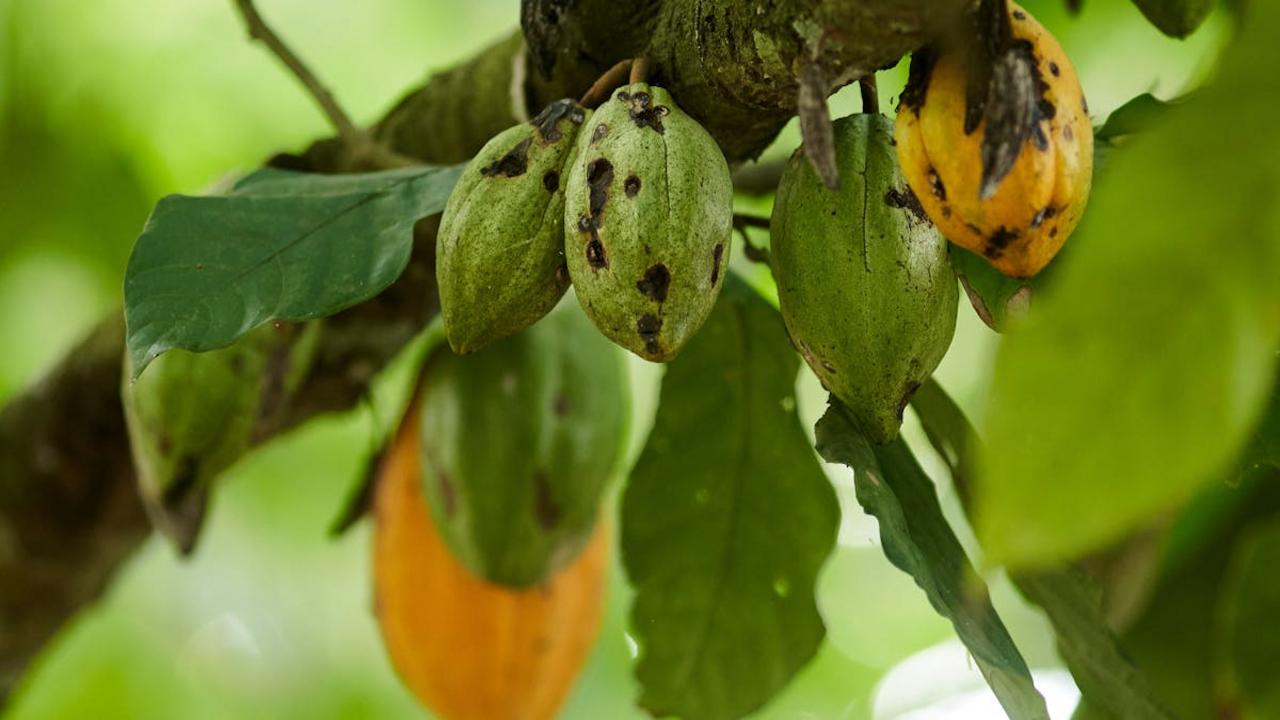
Cacao prices have been climbing steadily, and 2025 might push your favorite chocolate bars into luxury territory. Climate change is hitting cacao-growing regions hard, with West Africa—responsible for over 70% of global production—facing irregular rainfall patterns and disease outbreaks that devastate crops. When you’re standing in the grocery aisle eyeing that bar of dark chocolate, remember that each square represents farmers battling increasingly unpredictable conditions. The gap between supply and demand keeps widening, and processors are already warning that costs will transfer directly to you.
For home bakers and chocolate lovers, this means rethinking how you use cacao. Instead of dumping handfuls of chocolate chips into every batch of cookies, treat cacao like the precious ingredient it’s becoming. I’ve started measuring more carefully, toasting cacao nibs to intensify their flavor so I can use less, and choosing quality over quantity. A single tablespoon of high-grade cacao powder can transform a smoothie or oatmeal bowl into something extraordinary. Stock up on your favorite brands now if you can, because that affordable bag of cacao powder might cost twice as much next year. Your morning hot chocolate ritual deserves protection from inflation’s grip.
Wild Caught Salmon
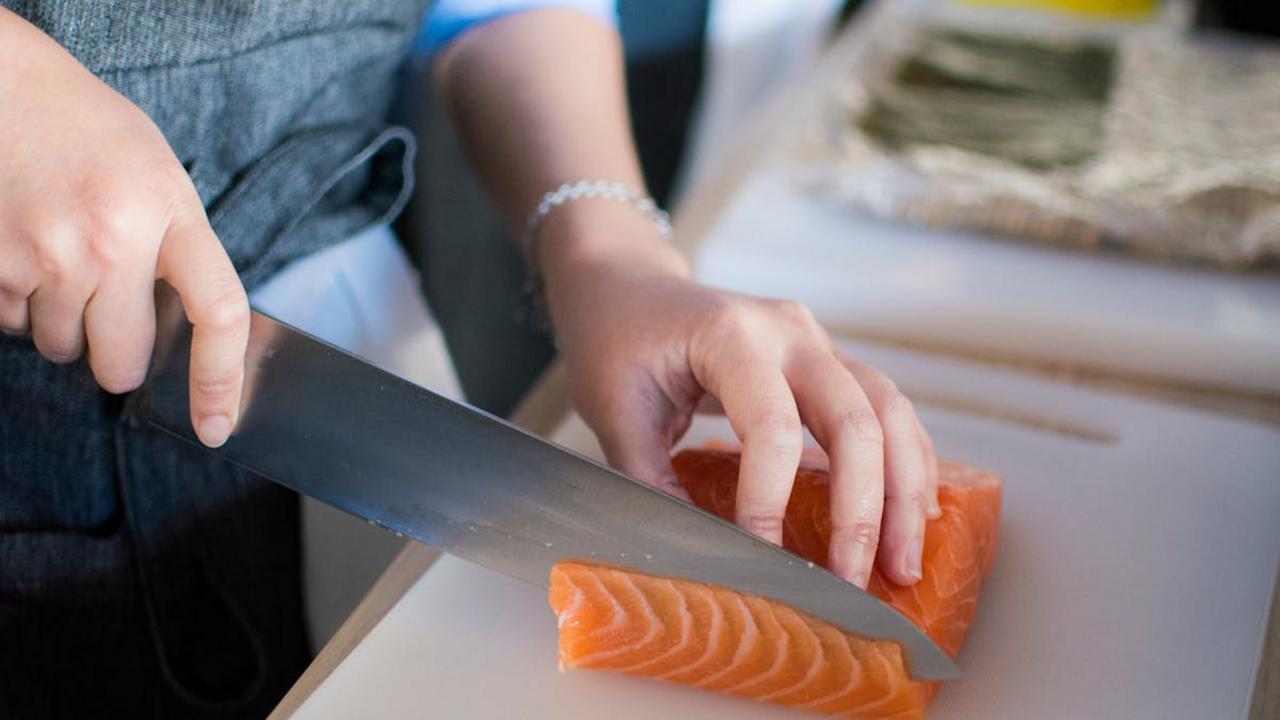
Wild caught salmon has become one of those proteins I reach for when I want to create something special, but honestly, it’s starting to feel like a luxury ingredient. Climate shifts affecting ocean temperatures and overfishing concerns mean fewer salmon making their way to our markets, and when they do, the price tags reflect that scarcity. I’ve noticed my local fish counter charging nearly double what it did just a couple years ago for a decent piece of sockeye or coho. The rich omega-3s and that unmistakable flavor make it worth seeking out, but you’ll need to plan your budget accordingly in 2025.
What I’ve started doing is treating wild salmon like the premium ingredient it’s becoming. Instead of making it the centerpiece of every meal, I’ll use smaller portions and let it shine alongside seasonal vegetables and whole grains. A four-ounce piece per person goes much further when you pair it with roasted root vegetables and a bright herb sauce. I also stock up when prices dip during peak season and freeze individual portions wrapped tightly in parchment and foil. This way, I can still enjoy that clean, oceanic flavor without breaking the bank every single time. Consider buying direct from fishermen if you live near coastal areas, or look into community supported fishery programs that offer better value than retail markets.
Vanilla Beans
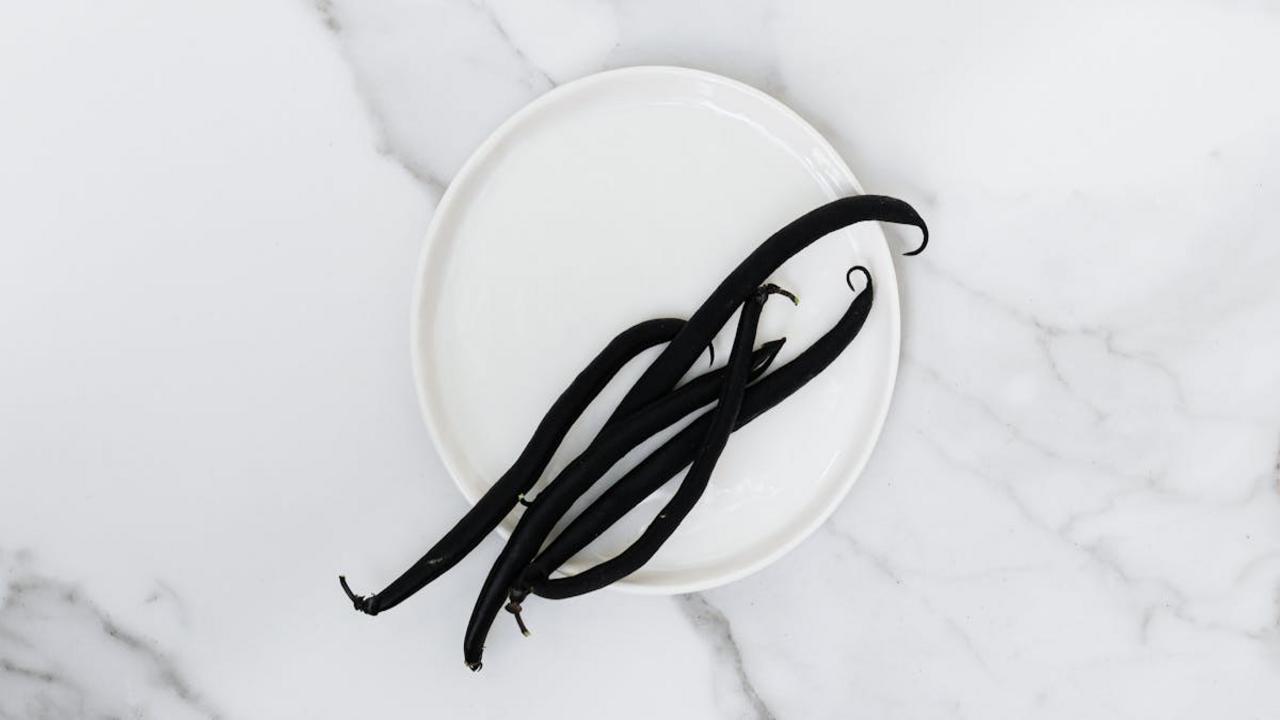
Vanilla beans have already earned their reputation as one of the world’s most expensive spices, and 2025 might push them even further out of reach for home cooks. Madagascar produces about 80% of the world’s vanilla, and the combination of climate challenges, labor shortages, and increased global demand has created a perfect storm for price hikes. If you’ve been buying those little bottles of pure vanilla extract without thinking twice, brace yourself—those prices are climbing steadily. The pods themselves, which you might use to infuse cream or make your own extract, could become a true splurge item rather than a regular pantry staple.
Here’s what this means for your kitchen: start thinking creatively about vanilla alternatives now. You can stretch your vanilla further by making your own extract—buy beans in bulk before prices spike even more, split them, and submerge them in vodka or bourbon. The extract improves with age, so you’re investing in future baking projects. Consider experimenting with vanilla bean paste, which uses the whole pod and goes further than extract alone. You might also explore other flavor profiles like almond extract, maple syrup, or even a touch of bourbon to add depth to desserts. I’m not suggesting you abandon vanilla entirely—its complex, floral sweetness is irreplaceable—but building a repertoire of complementary flavors now will keep your baking exciting without breaking the bank when vanilla prices soar.
Saffron
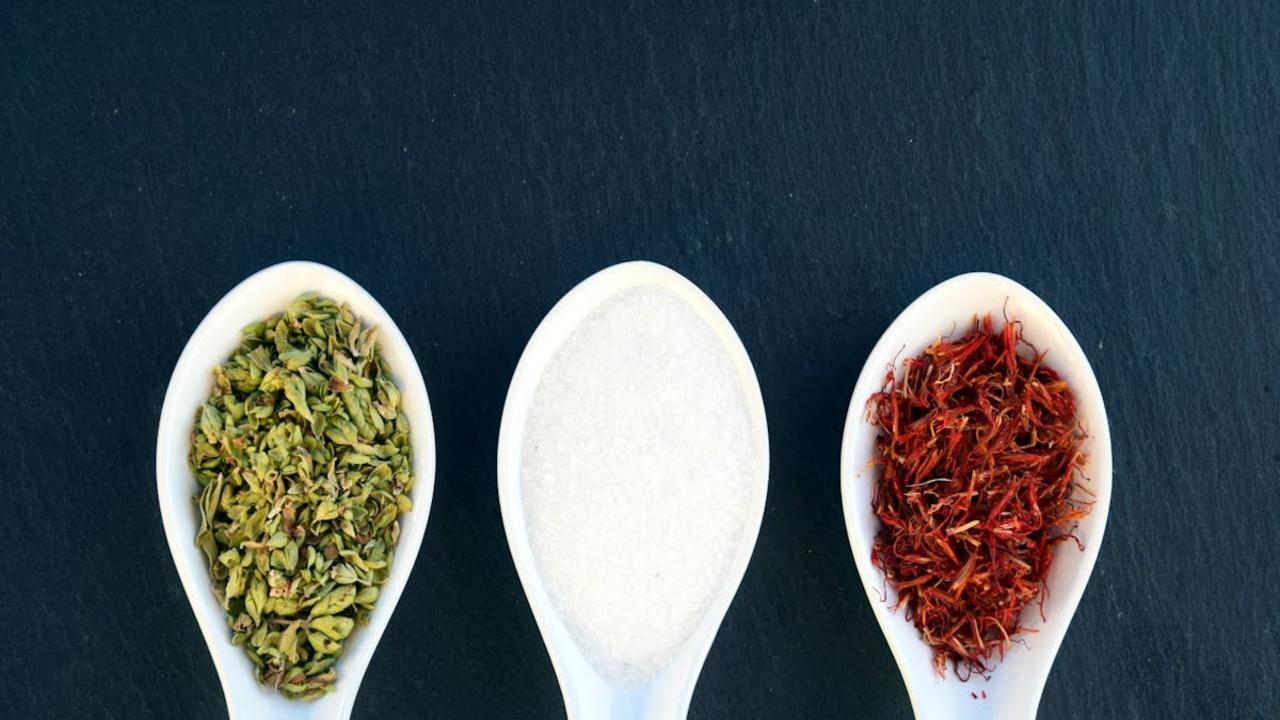
Saffron sits at the top of the spice hierarchy, commanding prices that reflect the painstaking labor behind every thread. Each crimson strand must be hand-harvested from crocus flowers at dawn, requiring roughly 75,000 blossoms to produce just one pound of this precious spice. With climate shifts affecting crocus-growing regions in Iran, Spain, and Kashmir, and labor costs climbing steadily, expect saffron prices to soar even higher in 2025. What already costs between $500 to $5,000 per pound could become an even more prohibitive luxury for home cooks who treasure its distinctive floral notes and golden hue.
If you cook with saffron regularly, now’s the time to stock up or get creative with alternatives. I’ve learned to stretch my saffron stash by blooming just a few threads in warm water or milk, which releases maximum flavor and color for rice dishes and desserts. Turmeric offers a budget-friendly substitute for color, though it lacks saffron’s complex taste profile. Consider reserving your precious saffron threads for special occasions where they truly shine—perhaps a celebratory paella or fragrant biryani—rather than everyday cooking. Store your saffron in an airtight container away from light and moisture, and treat each thread like the gold it’s becoming.