10 Regional American Dishes You’re Missing, From Coast to Coast
America’s food map reads like a secret code only locals know how to crack. While you’re busy chasing the latest food truck trend, entire regions have been perfecting dishes that would make your grandmother weep with joy. These aren’t your typical tourist trap eats—they’re the real deal, passed down through generations of home cooks who knew good food long before Instagram existed.
From Wisconsin’s butter-soaked masterpieces to New Mexico’s chile-fueled comfort bowls, each region guards its signature dishes like family recipes. You won’t find these gems on every street corner or trending on social media. They live in local diners, church basements, and backyard gatherings where recipes get whispered from one cook to another.
Ready to discover what you’ve been missing? These ten regional treasures represent the true heart of American cooking—messy, unapologetic, and absolutely delicious. Your taste buds are about to get a geography lesson they’ll never forget, complete with butter, spice, and everything twice as nice as you imagined.
Johnny Cakes
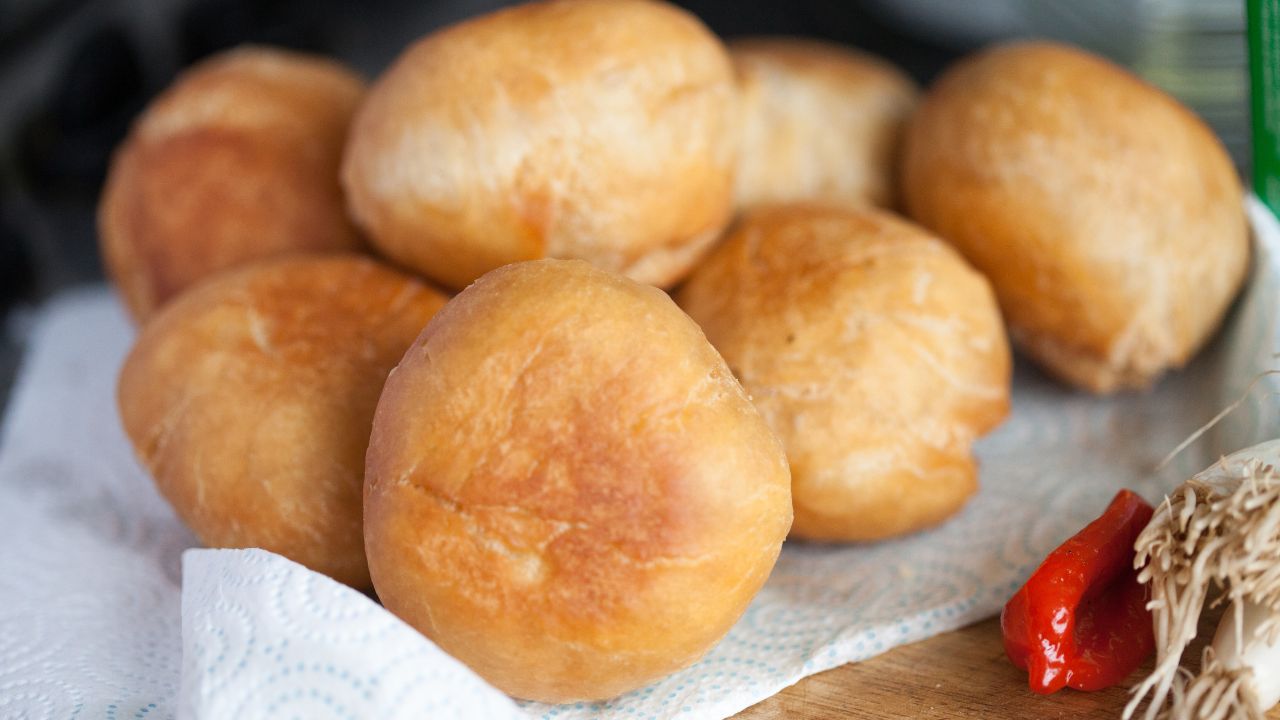
You know that moment when someone mentions a food that sounds completely made up? That’s exactly what happened to me the first time I heard about Johnny Cakes. I pictured some quirky dessert named after a guy called Johnny, but boy was I wrong! These Rhode Island and South Carolina gems are actually cornmeal pancakes that have been fueling Americans since colonial times. The name supposedly comes from “journey cakes” because they were perfect travel food for long trips, though some folks insist it’s from “Shawnee cakes” after the Native American tribe who first made them.
Now here’s where it gets interesting – Rhode Island takes their Johnny Cakes so seriously that they actually have feuds over the proper recipe. The northern part of the state uses fine cornmeal while the south swears by coarse meal, and don’t even get me started on the great whitecap versus yellowcap corn debate! In South Carolina, they make theirs thicker and often serve them with molasses or honey. The beauty of a proper Johnny Cake lies in its crispy edges and creamy center – it’s like a cornbread pancake had a baby with a tortilla. Mix stone-ground cornmeal with boiling water and a pinch of salt, then cook them on a griddle until golden. Trust me, once you try one hot off the pan with butter melting into every crevice, you’ll understand why entire states have built their breakfast identity around these humble corn cakes.
Brunswick Stew
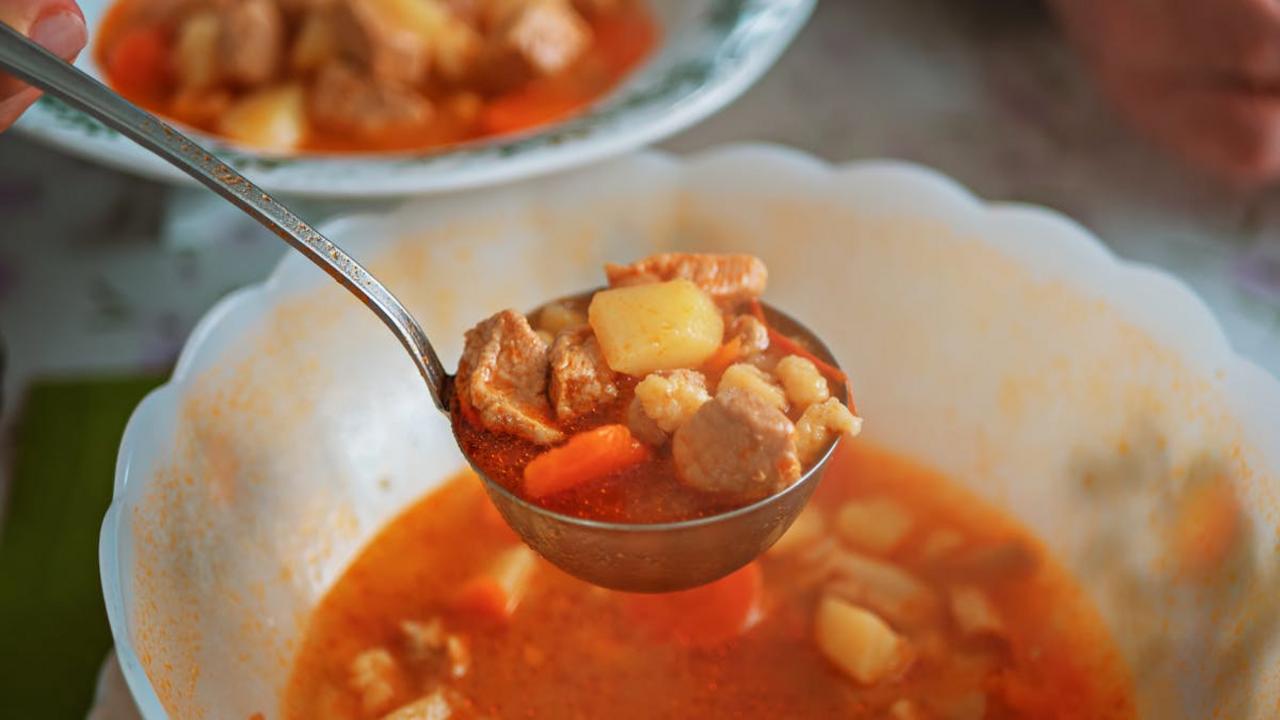
Picture this: you’re in the South, and someone mentions Brunswick stew, and suddenly half the room starts arguing about whether it originated in Brunswick County, Virginia, or Brunswick, Georgia. Both sides will defend their claim with the passion of Civil War reenactors, but honestly? Who cares when you’ve got a bowl of this magical concoction in front of you! This isn’t your grandmother’s dainty soup – Brunswick stew is a hearty, stick-to-your-ribs masterpiece that traditionally combined whatever protein happened to be available (we’re talking squirrel, rabbit, and even opossum back in the day) with corn, lima beans, and tomatoes.
Modern versions mercifully stick to chicken, pork, and sometimes beef, but the spirit remains the same: throw everything into a massive pot and let it simmer until it reaches that perfect consistency where a spoon can practically stand up straight. The best Brunswick stew has a slightly smoky flavor and a thickness that makes regular soup look like flavored water. You’ll find it at church fundraisers, political rallies, and family reunions across Virginia, North Carolina, and Georgia, where locals will swear their recipe is the authentic one. Pro tip: never suggest adding ketchup as a shortcut for tomatoes unless you want to witness a very polite Southern meltdown.
Green Chile Chicken Stew
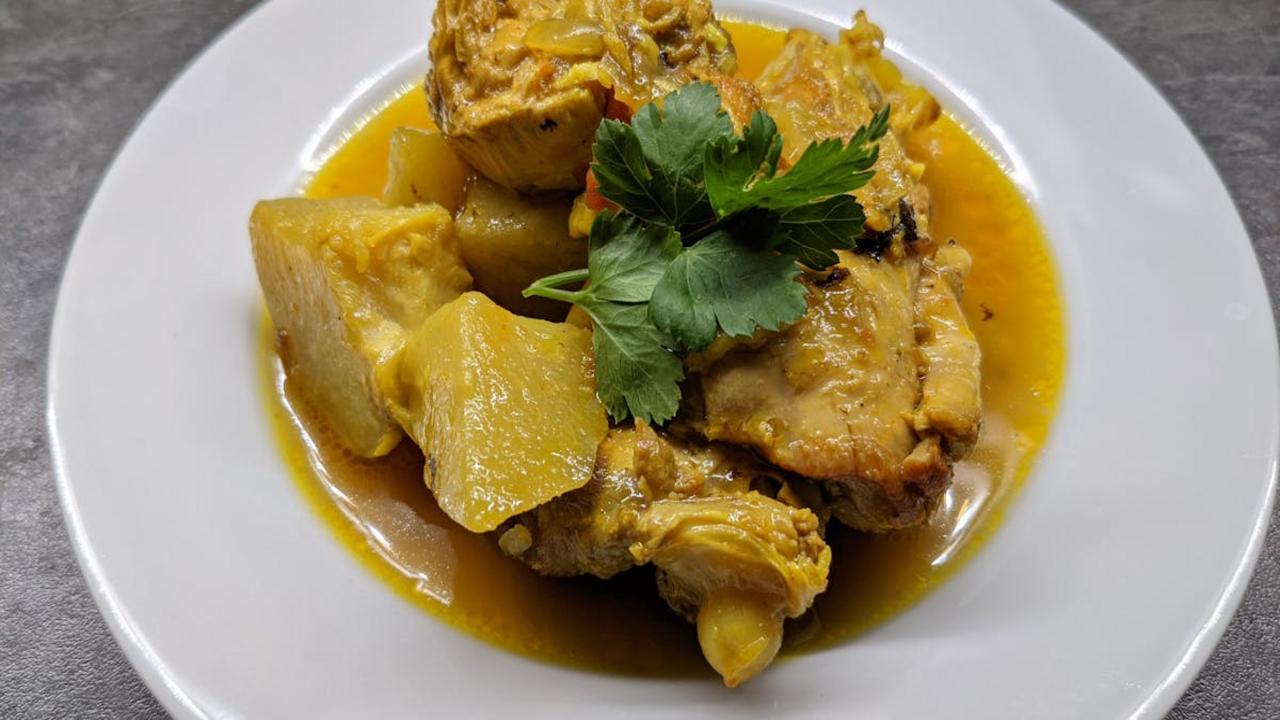
New Mexico’s green chile chicken stew isn’t just food—it’s liquid poetry that happens to cure everything from heartbreak to hangovers. This emerald-hued bowl of heaven combines tender chunks of chicken with roasted green chiles that pack more personality than your most dramatic friend. The secret lies in those Hatch green chiles, which grow in the high desert and develop a smoky, complex heat that makes your regular jalapeños look like amateurs. Every August, the entire state goes slightly mad during chile season, with people driving hours just to buy sacks of these green gems straight from roadside vendors who roast them over open flames.
Making this stew requires patience and a willingness to char some vegetables, but trust me—your kitchen will smell like pure magic. You’ll start by roasting fresh green chiles until their skins blister and blacken, then steam them in paper bags before peeling away the charred skin to reveal that gorgeous green flesh underneath. Add chunks of chicken, diced potatoes, onions, and garlic, then simmer everything in a rich broth until the flavors meld into something that tastes like comfort wrapped in a warm blanket. Locals swear this stew can fix anything, and after one spoonful of its smoky, spicy goodness, you’ll understand why New Mexicans put green chile on everything from pizza to ice cream.
Scrapple
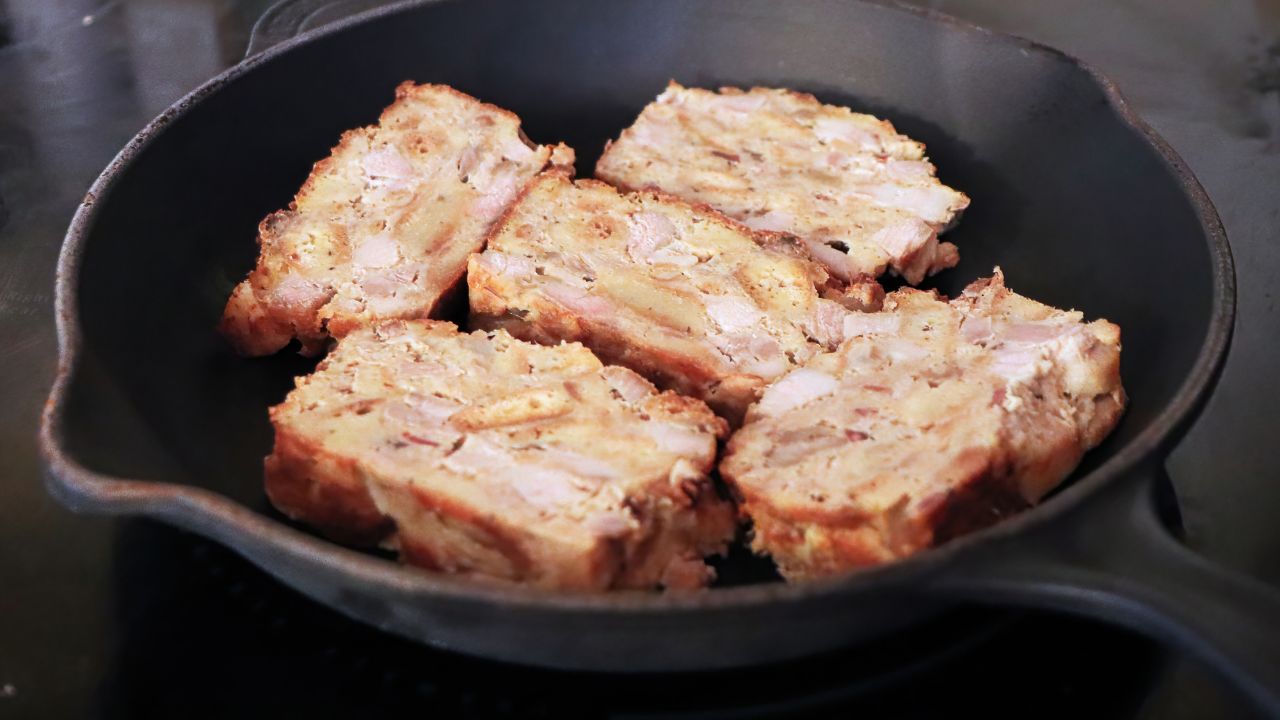
Picture this: you’re standing in a Pennsylvania diner at 7 AM, and the person next to you just ordered something that sounds like construction debris but smells absolutely divine. Welcome to scrapple, the Mid-Atlantic’s most misunderstood breakfast superstar! This humble rectangle of pure comfort starts with pork scraps (hence the name) mixed with cornmeal and buckwheat flour, then seasoned with sage and other spices before being formed into a loaf. The result? A crispy-outside, creamy-inside slice of heaven that’ll make you question why you ever settled for boring old bacon.
Here’s the thing about scrapple – it’s basically the ultimate “waste not, want not” creation that German immigrants perfected centuries ago. They took all those odds and ends from butchering a pig, threw them into a pot with some grains, and created something so addictive that Pennsylvanians still fight over the best brands at grocery stores. You slice it thick, fry it until golden brown, and watch the magic happen as that exterior gets wonderfully crispy while the inside stays soft and savory. Pro tip: serve it alongside eggs and toast, and don’t let anyone shame you for loving what’s essentially fancy meat pudding – they just don’t understand true breakfast brilliance!
Goetta
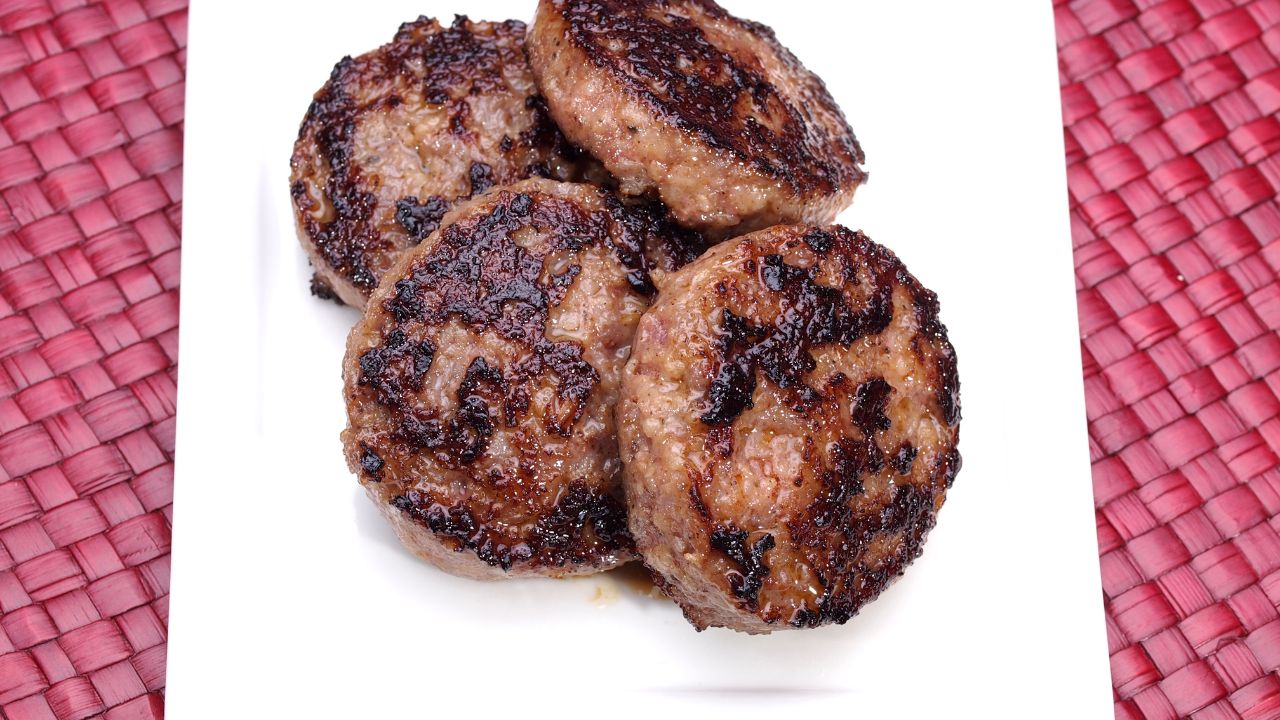
Picture this: you’re in Cincinnati at 6 AM, standing in line at a local diner where locals are practically vibrating with anticipation for their morning goetta fix. This German-American breakfast staple looks like a humble gray patty, but don’t let appearances fool you—goetta packs more personality than a Cincinnati chili debate. Made from ground pork, beef, steel-cut oats, and a secret blend of spices that every family guards like state secrets, this breakfast sausage gets sliced thick and fried until it develops a gorgeous golden crust that crackles when you bite into it.
The magic happens in that contrast between the crispy exterior and the creamy, almost porridge-like interior that melts on your tongue. German immigrants brought this recipe to the Ohio River Valley in the 1800s, originally creating it as a way to stretch expensive meat with cheap oats during tough times. Now it’s such a Cincinnati institution that you can find goetta festivals, goetta pizza, and even goetta ice cream (yes, really—and surprisingly, it works!). If you’re brave enough to make your own, remember that patience is everything: the mixture needs to cook low and slow for hours, stirring constantly, until it reaches that perfect creamy consistency that’ll make your kitchen smell like heaven.
Pecan Pie
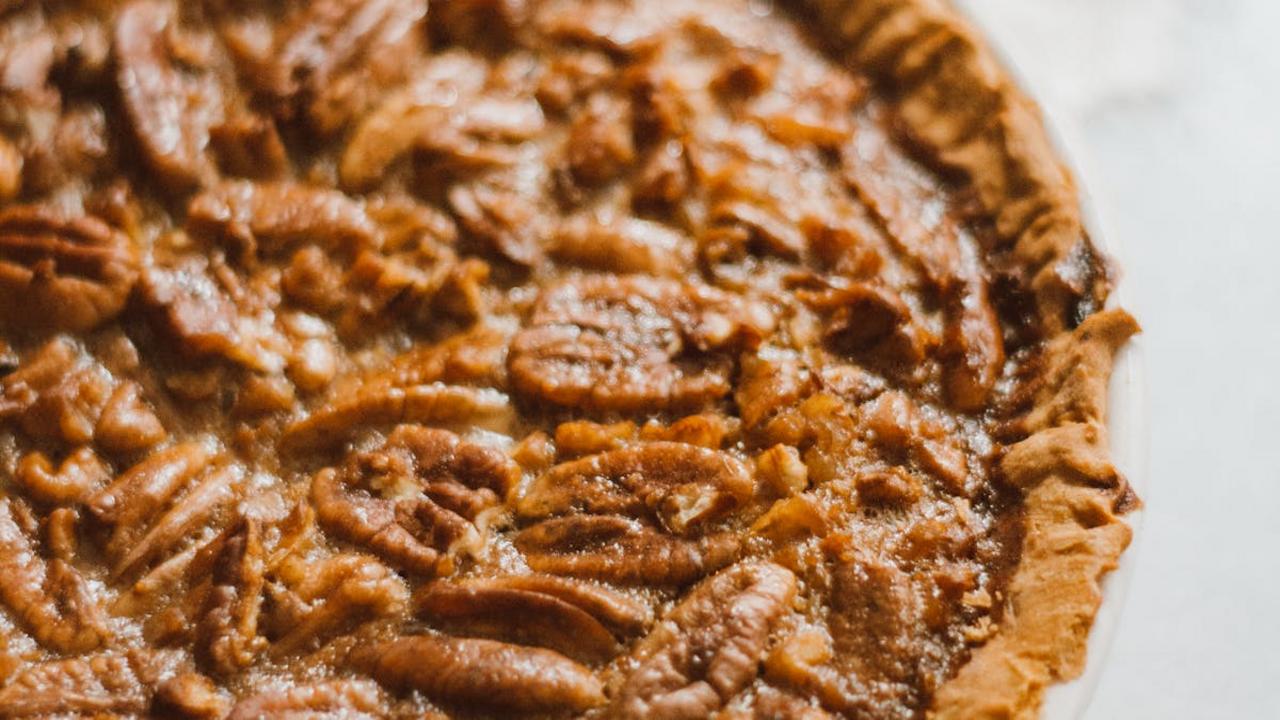
Down in the South, pecan pie reigns supreme as the unofficial dessert ambassador of hospitality. This gooey, nutty masterpiece transforms humble ingredients into pure magic – corn syrup, eggs, butter, and those gorgeous pecans that cost more per pound than some fancy cheeses. The pie’s origins trace back to French settlers who discovered Native American pecan groves, and honestly, thank goodness for that cultural exchange because life without pecan pie would be tragically incomplete. You know you’re eating authentic pecan pie when the filling jiggles just slightly but holds its shape, and the pecans create a beautiful mosaic on top that looks almost too pretty to destroy with a fork.
Here’s the thing about pecan pie – it’s deceptively simple yet wildly temperamental. Too much corn syrup and you’ll have tooth-aching sweetness that could power a small city. Too little and your filling won’t set properly, leaving you with pecan soup in a crust. The secret lies in using real vanilla extract (not that artificial stuff that tastes like sadness) and a pinch of salt to balance the sweetness. Serve it with a dollop of whipped cream or vanilla ice cream, and watch grown adults make embarrassing sounds of pleasure. Pro tip: always let it cool completely before slicing, even though waiting feels like torture – trust me, your patience will be rewarded with clean slices instead of gooey chaos.
Salt Potatoes
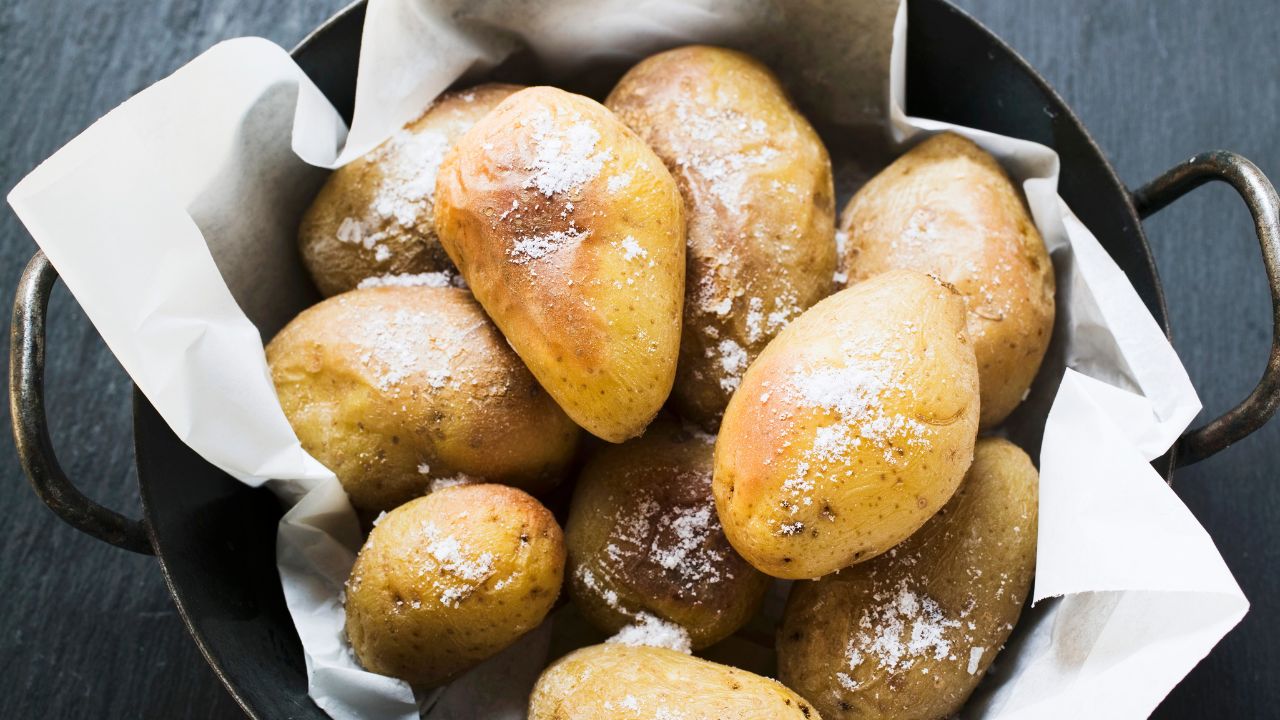
Syracuse, New York has given America one of its most wonderfully weird potato preparations, and honestly, I can’t believe more people don’t know about salt potatoes. Picture this: small, waxy potatoes swimming in water so salty it could pickle a herring, boiled until they develop this incredible wrinkled skin that looks like they’ve been sunbathing too long. The magic happens when that super-saturated salt water creates a creamy, fluffy interior while the skin becomes delicately crispy. You’d think dunking potatoes in what amounts to ocean water would make them inedibly salty, but the opposite occurs – they become perfectly seasoned little nuggets of comfort.
Born from Irish salt workers in the 1800s who used the free salt from nearby salt springs, these potatoes became a Syracuse summer tradition that locals guard fierciously. You’ll find them at every barbecue, fair, and family gathering, always served with melted butter for dipping. The ratio is crucial: one cup of salt per gallon of water sounds insane, but trust the process. Local grocery stores actually sell special “salt potato” bags with the perfect small spuds and enough salt included, because Syracuse takes this dish seriously. Try making them at home with small red or white potatoes, and prepare for your dinner guests to demand the recipe while simultaneously questioning your sanity.
St Louis Gooey Butter Cake
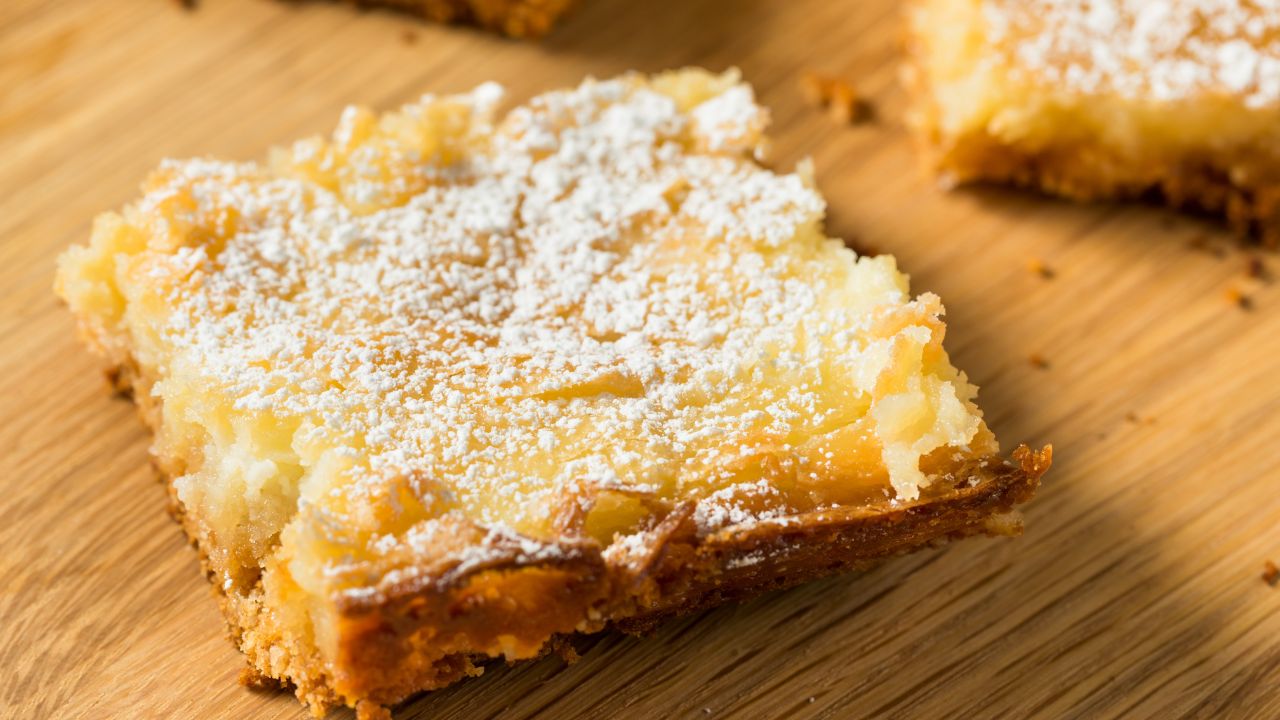
Picture this: you’re wandering through St. Louis, probably complaining about the humidity, when BAM—someone hands you a square of what looks like regular cake but feels like a warm hug from your grandmother’s kitchen. That’s gooey butter cake, folks, and it’s basically Missouri’s answer to “what if we made dessert even more indulgent?” This isn’t your typical cake situation. We’re talking about a dessert so rich and buttery that it makes cheesecake look like health food. The bottom layer is dense and cake-like, while the top transforms into this magical, slightly gooey layer that’s somewhere between custard and frosting.
Here’s the kicker: this beauty was born from a baker’s happy accident in the 1930s when someone messed up the proportions on a regular cake recipe. Instead of tossing the mistake, they baked it anyway and created what might be the most accidentally genius dessert in American history. The traditional version gets dusted with powdered sugar like fresh snow, but modern bakers have gone wild with variations—cream cheese, chocolate, lemon, you name it. Pro tip: eat it at room temperature for maximum gooeyness, and don’t even think about counting calories. Some foods exist purely for joy, and this butter-laden miracle definitely fits that category.
Kentucky Hot Brown
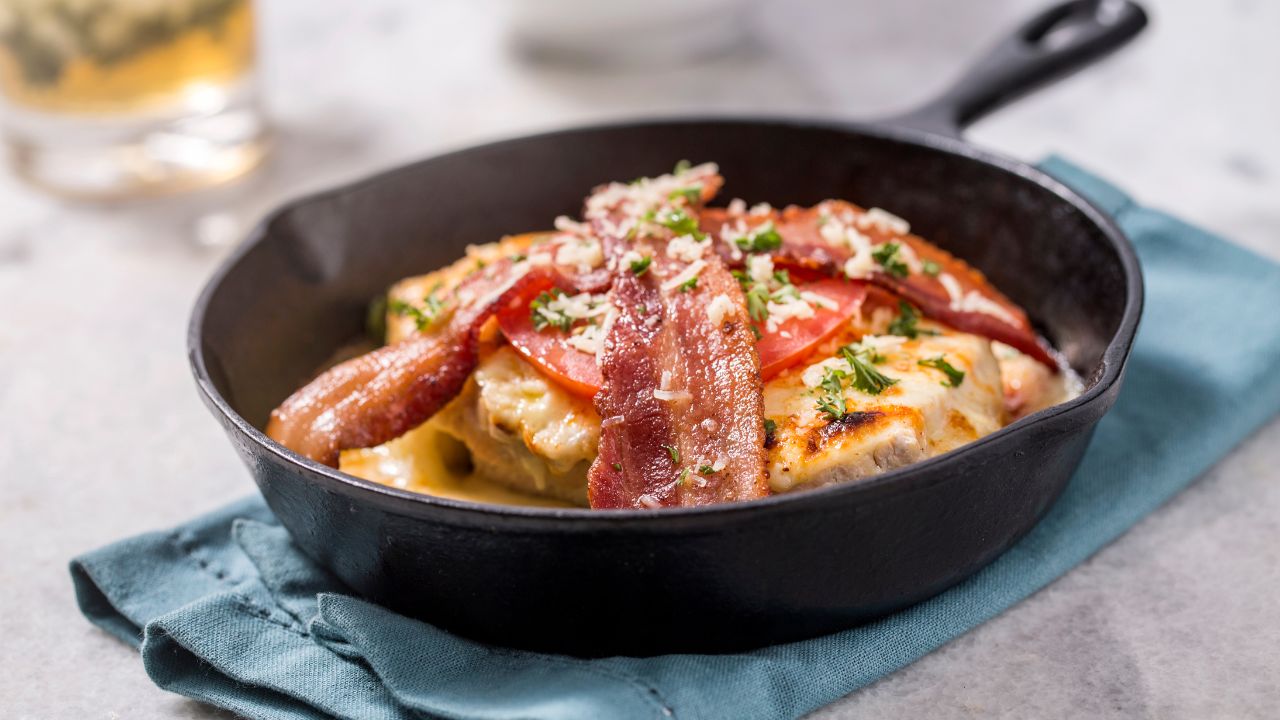
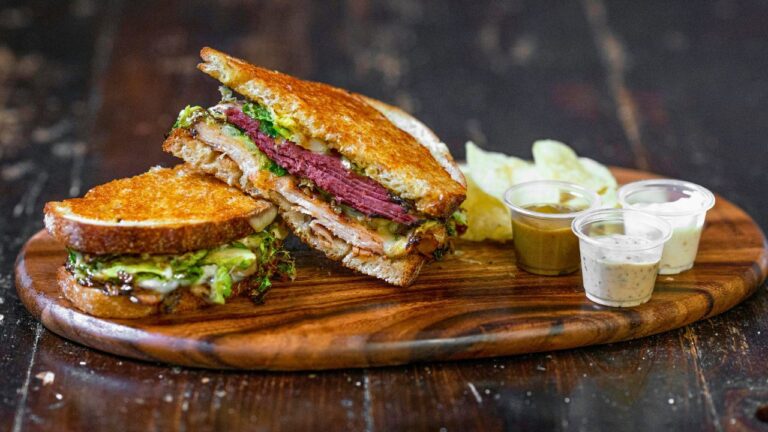
Picture this: you’re sitting in the Brown Hotel in Louisville in 1926, and the chef just invented what might be the most gloriously indulgent open-faced sandwich known to humanity. The Kentucky Hot Brown isn’t just food—it’s a warm hug from the Bluegrass State, slathered in creamy Mornay sauce and topped with crispy bacon that crackles like autumn leaves. This magnificent creation starts with thick slices of toast, gets piled high with sliced turkey (and I mean PILED—none of this dainty portion nonsense), then drowns in a rich cheese sauce that would make your grandmother weep with joy. The whole thing gets broiled until bubbly and golden, then crowned with strips of bacon and a sprinkle of paprika for that final flourish.
What makes this dish absolutely genius is how it transforms Thanksgiving leftovers into something that feels like fine dining. Chef Fred Schmidt created this masterpiece because hotel guests were getting tired of the same old ham and eggs at late-night parties, and honestly, bless that man’s innovative spirit. The original recipe calls for a blend of cheeses in the sauce, but here’s a secret: the best Hot Browns use a generous hand with sharp cheddar and just enough flour to keep everything from turning into a gooey mess. You can find variations across Kentucky now, some adding tomatoes or switching up the meats, but purists will tell you that’s basically food heresy. Trust me, once you’ve experienced turkey swimming in that molten cheese paradise, you’ll understand why Kentuckians guard this recipe like state secrets.
Butter Burger
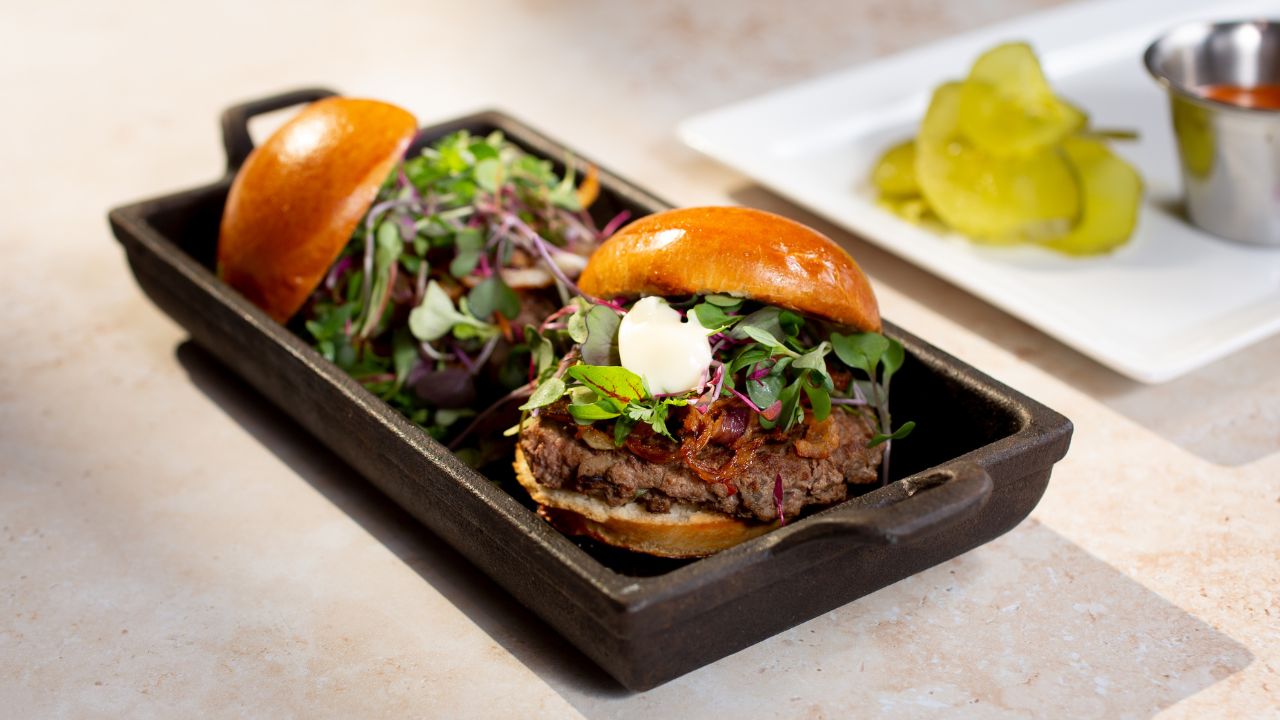
Picture this: you’re cruising through Wisconsin, and suddenly you spot a sign for Culver’s. Your stomach rumbles, and you decide to try their famous ButterBurger. What arrives at your table isn’t just any ordinary burger – it’s a masterpiece that takes the simple concept of “butter makes everything better” and runs with it like a kid chasing an ice cream truck. The magic happens when they generously slather real Wisconsin butter on a lightly toasted bun, creating a golden, glossy foundation that makes your regular burger joints look like amateurs. The beef patty, cooked to perfection, sits atop this buttery throne while fresh toppings complete the symphony.
Here’s the kicker: Culver’s didn’t invent the butter burger concept, but they absolutely perfected it into an art form that now spans across the Midwest. The restaurant chain, founded in 1984 in Sauk City, Wisconsin, started this beautiful obsession that now has people driving hours just for a taste. You can attempt to recreate this at home by using real butter (not margarine – we’re not savages here), toasting your buns until they’re golden, and remembering that the butter should be the star, not an afterthought. Fair warning though: once you experience the pure joy of a properly executed butter burger, your regular fast food will taste like cardboard wrapped in disappointment.