14 Game-Changing Storage Tips to Keep Your Produce Fresh for Weeks
Does your produce go bad before you get a chance to use it? I’ve been there! After years of watching fruits and vegetables spoil too quickly, I’ve discovered simple storage tricks that keep produce fresh for weeks. These methods have saved me money and reduced food waste in my kitchen.
Think of your fridge and pantry as living ecosystems where each fruit and vegetable needs specific conditions to stay fresh. From controlling temperature to managing natural gases that fruits release, small adjustments in how you store produce can make a huge difference in extending their life.
I’ve tested and refined these 14 storage tips through countless grocery hauls and meal prep sessions. Whether you’re dealing with delicate berries, leafy greens, or hardy root vegetables, these practical solutions will transform how long your produce stays fresh. Ready to stop throwing away spoiled fruits and vegetables? Let’s make your produce last longer!
Ripening Techniques
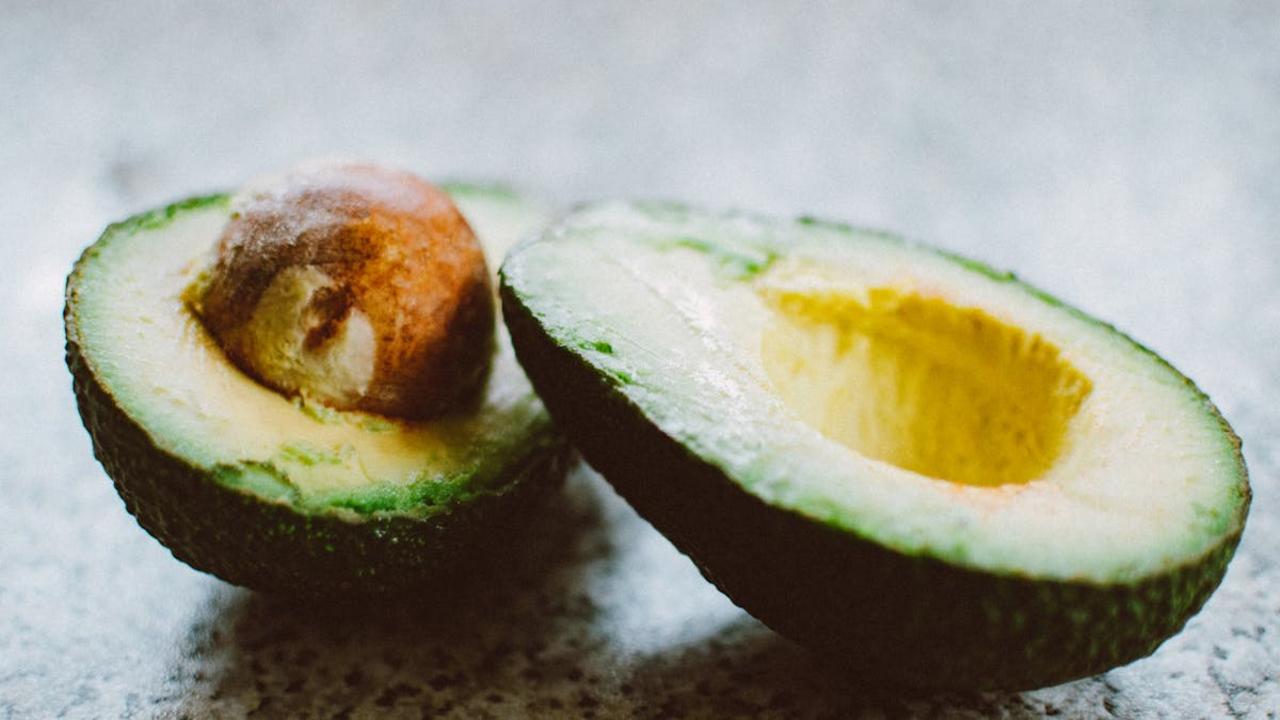
I’ve learned through years of cooking that mastering produce ripening can transform your kitchen game. Keep your unripe avocados, peaches, pears, and bananas in a brown paper bag at room temperature – the natural ethylene gas they release will speed up ripening. For an even faster result, add a ripe banana or apple to the bag since they produce more ethylene. Just remember to check daily so your fruits don’t go from perfect to overripe overnight.
You can also control ripening by separating certain fruits and vegetables. Bananas, apples, and pears give off high amounts of ethylene that can make nearby produce ripen too quickly. Store these away from other fruits and vegetables if you want to slow down ripening. Once your produce reaches ideal ripeness, move it to the fridge to extend its lifespan. This simple temperature change helps pause the ripening process, giving you more time to enjoy your fruits and vegetables at their peak flavor.
Herb Storage Solutions
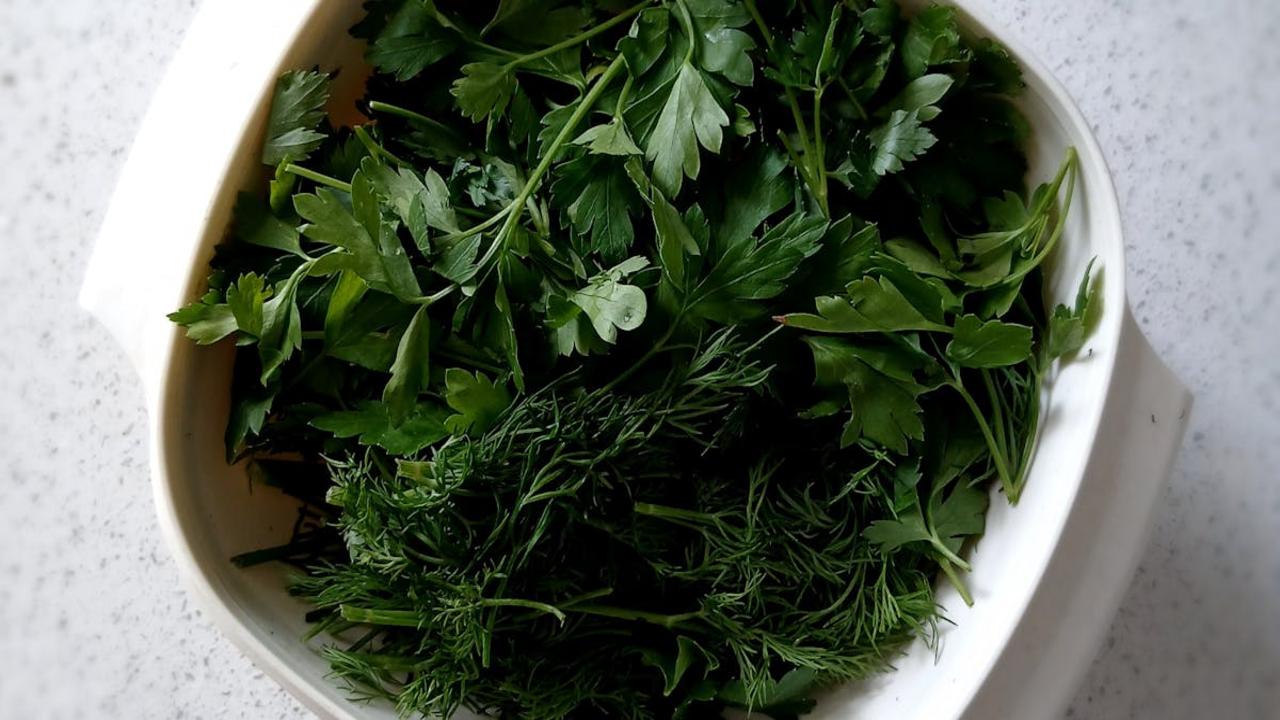
I keep my fresh herbs vibrant and ready-to-use for weeks with a simple yet effective method that mimics a mini greenhouse. Place herbs like cilantro, parsley, or basil upright in a glass jar with about an inch of water, just like you’d display flowers. Cover them loosely with a clean plastic bag to create humidity while allowing some airflow. Keep your herb bouquet in the fridge, changing the water every few days. This setup maintains the perfect moisture balance and prevents the leaves from getting slimy or wilted.
For woody herbs like rosemary, thyme, and sage, wrap them gently in slightly damp paper towels and store them in a resealable plastic bag. Push out excess air before sealing to prevent moisture buildup that can lead to mold. Place the bag in your crisper drawer, and you’ll have fresh herbs ready for your cooking adventures. Remember to check them periodically and remove any yellowing leaves. With these storage methods, you’ll save money by not throwing away spoiled herbs and always have fresh flavors at your fingertips.
Leafy Greens Care
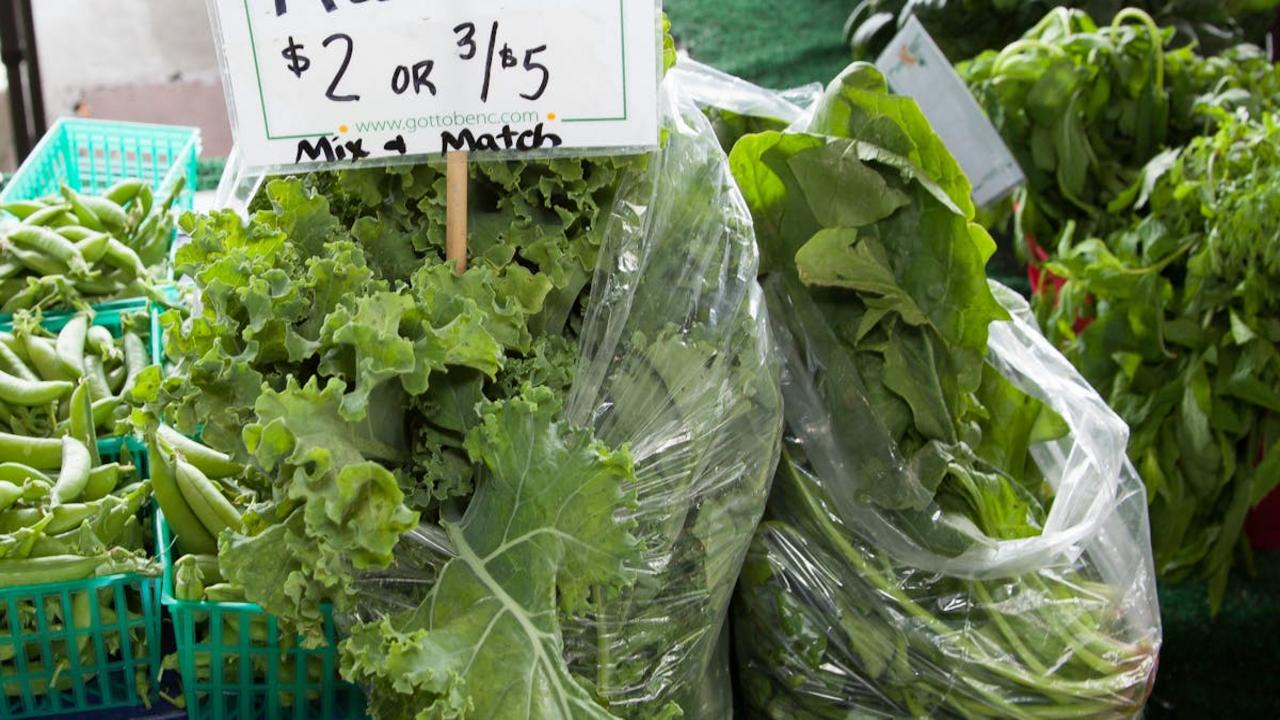
You’ll keep your leafy greens crisp and fresh by treating them with extra care right from the start. Remove any rubber bands or ties, then give them a good rinse in cold water. Pat them completely dry with clean kitchen towels or run them through a salad spinner – moisture is the enemy here! Store them in a large container or plastic bag lined with paper towels to absorb excess moisture. The paper towels act like little moisture-wicking superheroes, preventing your greens from getting slimy or wilted.
Remember to check your stored greens every few days and remove any leaves that start looking sad – they’ll bring down the whole bunch! If you notice the paper towels getting damp, swap them out for fresh ones. This simple maintenance keeps your lettuce, kale, spinach, and other leafy friends perky for up to two weeks. I’ve found that clear containers work best since they help me see what needs using first, preventing waste and keeping my greens rotation flowing smoothly. Plus, having prepped greens ready to go makes throwing together quick salads and healthy meals so much easier!
Root Vegetable Storage
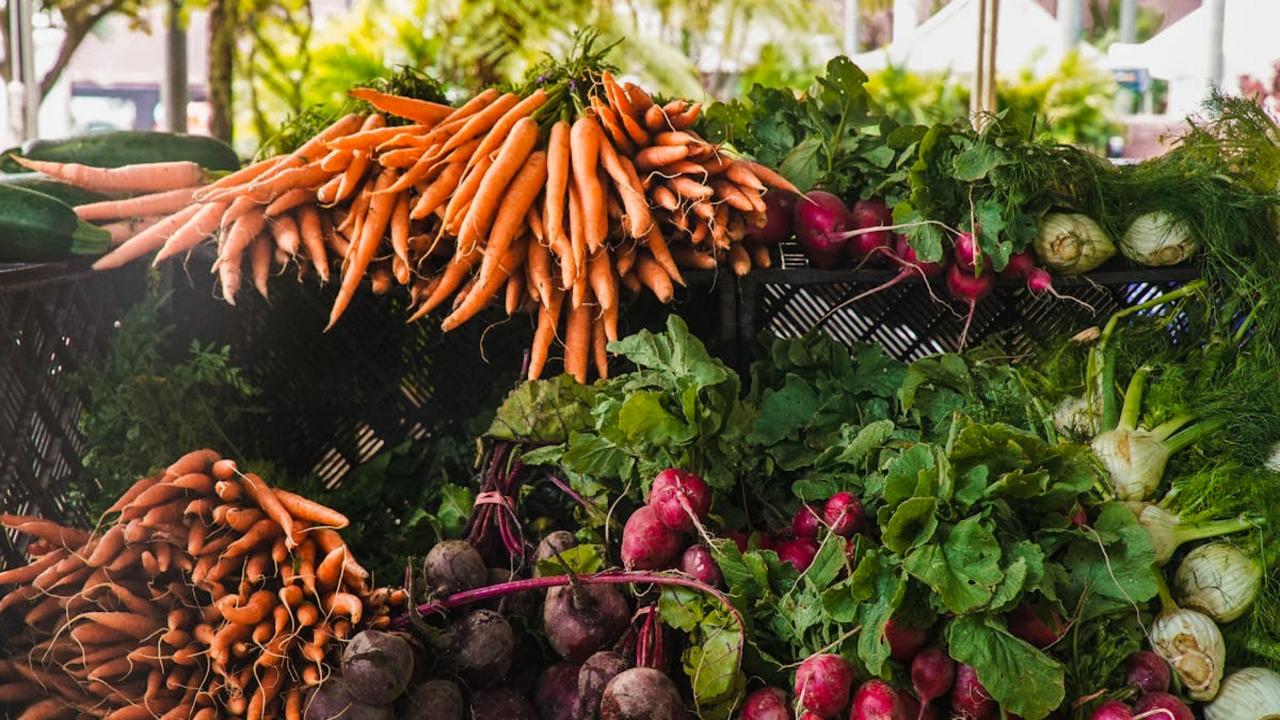
Your root vegetables deserve a cozy home that keeps them crisp and ready for your next recipe! I’ve found the perfect storage method through years of cooking – keep carrots, parsnips, turnips, and other root veggies in a paper bag with small holes punched in for airflow. Place them in your refrigerator’s crisper drawer at around 40°F (4°C). The paper bag absorbs excess moisture while letting the vegetables breathe, preventing that dreaded soft and rubbery texture that happens when they’re stored incorrectly.
For longer storage of root vegetables like potatoes and sweet potatoes, find a cool, dark spot in your pantry or basement where temperatures stay between 45-50°F (7-10°C). Keep them away from onions – they’ll make each other spoil faster! Store them in a cardboard box or wooden crate lined with newspaper, checking weekly for any soft spots. Remove any damaged ones right away to prevent spreading. With proper storage, your root vegetables will stay fresh for 2-3 months, ready whenever you need them for soups, roasts, or my favorite root vegetable medley.
Berry Preservation Methods
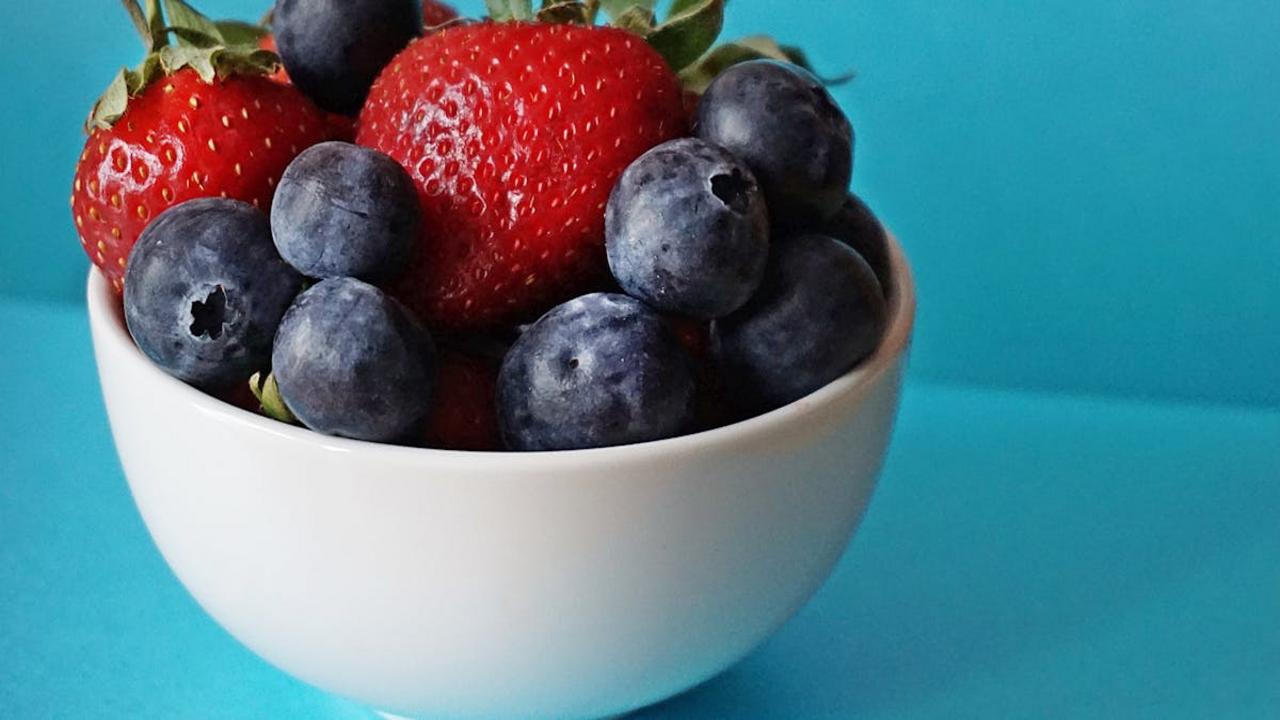
I love berries, but finding them spoiled after just a few days breaks my heart (and my wallet). Through years of testing in my kitchen, I’ve found that washing berries only right before eating them keeps them fresh longer. Store your unwashed berries in a container lined with paper towels to absorb excess moisture – this prevents mold growth. For strawberries, blackberries, and raspberries, arrange them in a single layer if possible to prevent crushing and keep them away from each other if any start to spoil.
Here’s my favorite vinegar bath trick that extends berry life by up to two weeks: Mix 3 parts water with 1 part white vinegar in a large bowl. Dip your berries for 30 seconds, then drain and dry them thoroughly. This natural solution kills bacteria and mold spores without affecting the taste. Transfer the completely dry berries to a container lined with fresh paper towels, leaving the lid slightly open for airflow. Keep them in the fridge’s crisper drawer where the temperature stays consistent. Replace the paper towels if they become damp.
Banana Storage Tricks
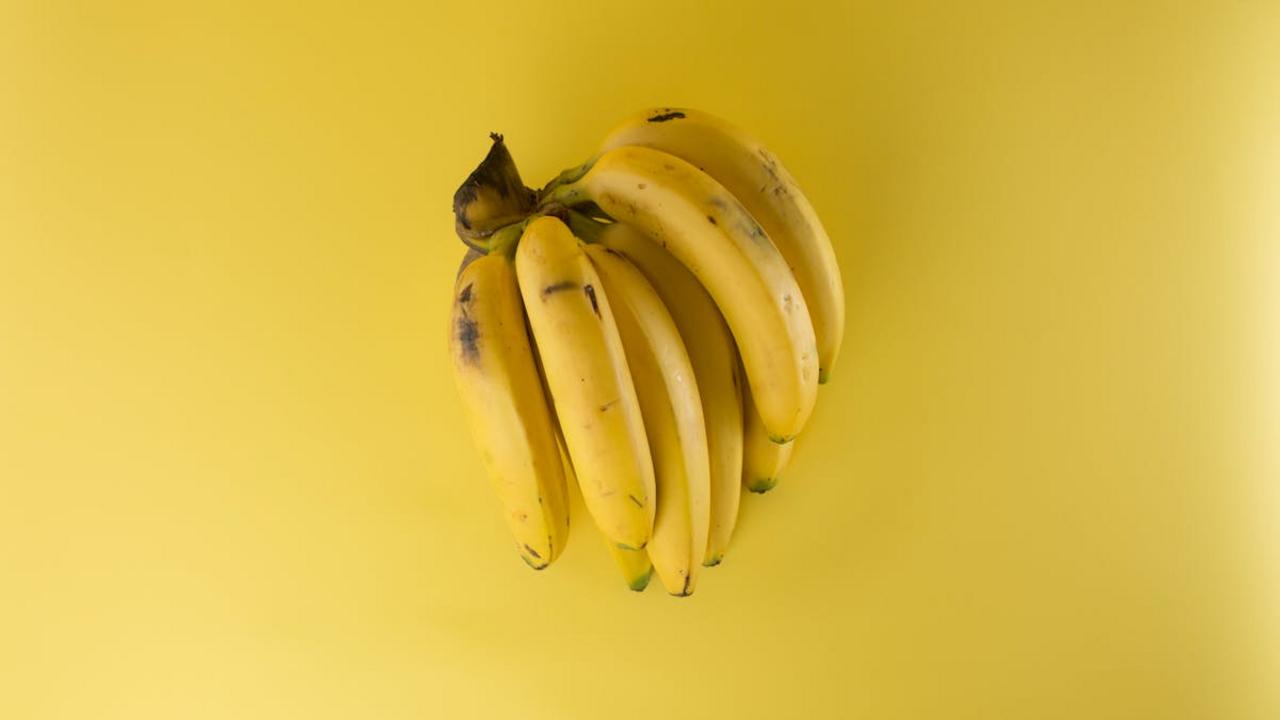
You can keep those bananas fresh longer with a few simple tricks I’ve learned through years of recipe testing. First, separate your bananas from the bunch instead of keeping them connected – this prevents them from ripening too quickly. Wrap the stem ends in plastic wrap to block ethylene gas from escaping and accelerating ripening. If your bananas get too ripe, peel them and pop them in a freezer bag – they’ll last for months and make amazing smoothies or banana bread.
Here’s a cool tip many people don’t know: store bananas away from other fruits, especially apples and avocados. These fruits release lots of ethylene gas that makes bananas ripen faster. I keep mine on a banana hook or in a designated bowl on my counter, away from the fruit basket. For green bananas that need ripening, place them in a paper bag with an apple – the trapped ethylene gas will speed up the process naturally. Just check them daily so they don’t get too ripe too fast.
Best Crisper Drawer Practices
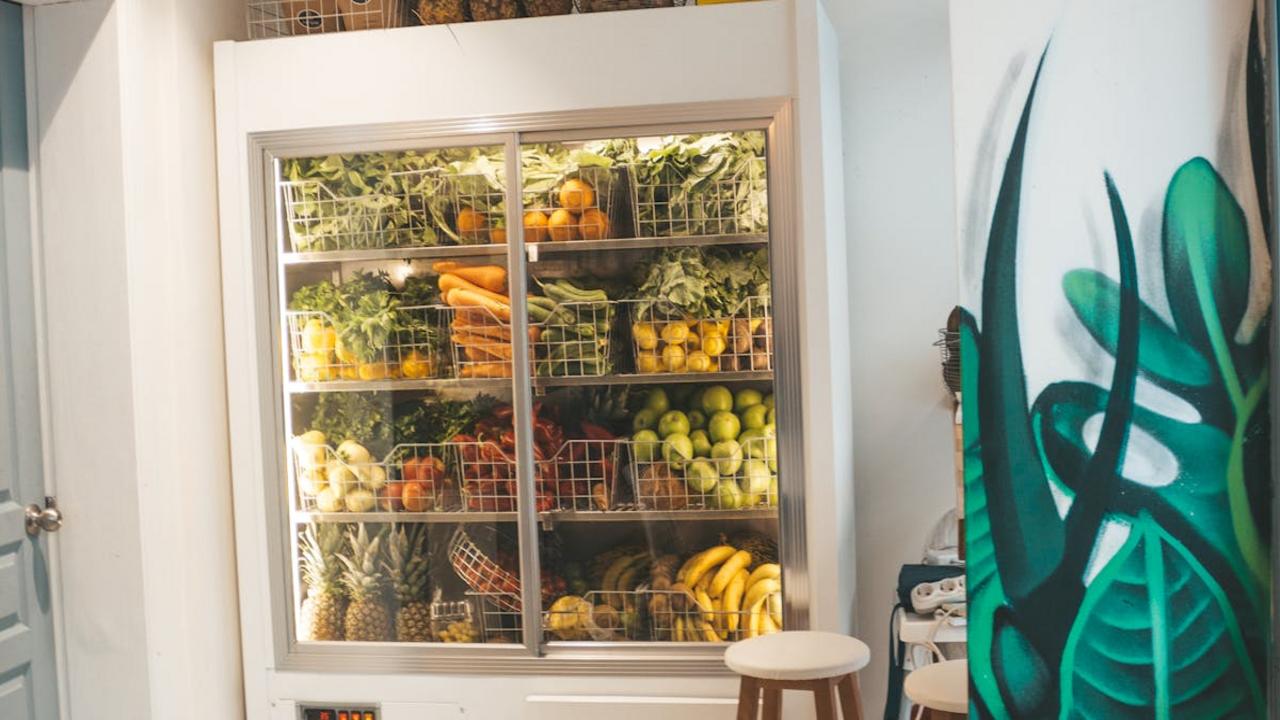
Your crisper drawer should work like a mini produce storage system, so you’ll want to set it up correctly to keep your fruits and veggies fresh longer. I recommend adjusting the humidity controls based on what you’re storing – keep the setting high for leafy greens, herbs, and thin-skinned produce that wilts easily. Turn it lower for fruits and vegetables that release ethylene gas like apples, pears, and stone fruits. This prevents excess moisture buildup while maintaining the right environment for each type.
Take a few minutes each week to clean and organize your crisper drawer – remove any spoiled items, wipe down the surfaces, and group similar produce together. Line the bottom with paper towels to absorb extra moisture and prevent rotting. Keep ethylene-producing fruits separate from ethylene-sensitive vegetables to avoid premature ripening. Make sure not to overcrowd the drawer either – good airflow helps maintain freshness. With proper setup and maintenance, your crisper drawer can extend produce life by 1-2 weeks.
Airtight Container Benefits
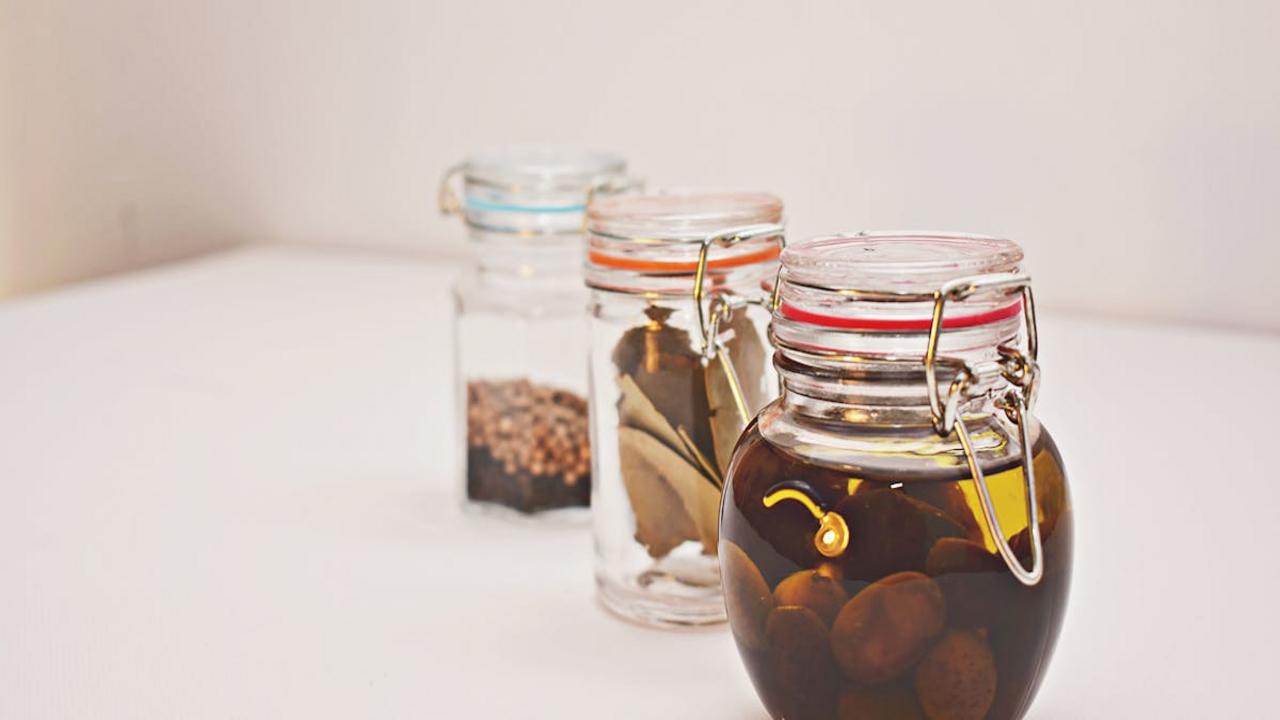
I swear by airtight containers in my kitchen – they’ve completely transformed how long my produce stays fresh. The tight seal keeps moisture and humidity at optimal levels while blocking out excess air that can speed up spoilage. This simple switch has saved me so much money by preventing my fruits and vegetables from going bad too quickly. Plus, the clear containers make it easy to spot what needs using up first, helping me reduce food waste.
My favorite airtight containers have adjustable vents that let me control airflow based on different types of produce. For mushrooms and leafy greens, I keep the vent slightly open to prevent condensation buildup. For berries and herbs, I seal them completely to lock in freshness. The right container also creates an organized fridge system – I can stack them neatly and maximize space while keeping everything visible. Just make sure to wash and thoroughly dry your containers between uses to prevent any bacterial growth.
Paper Towel Method
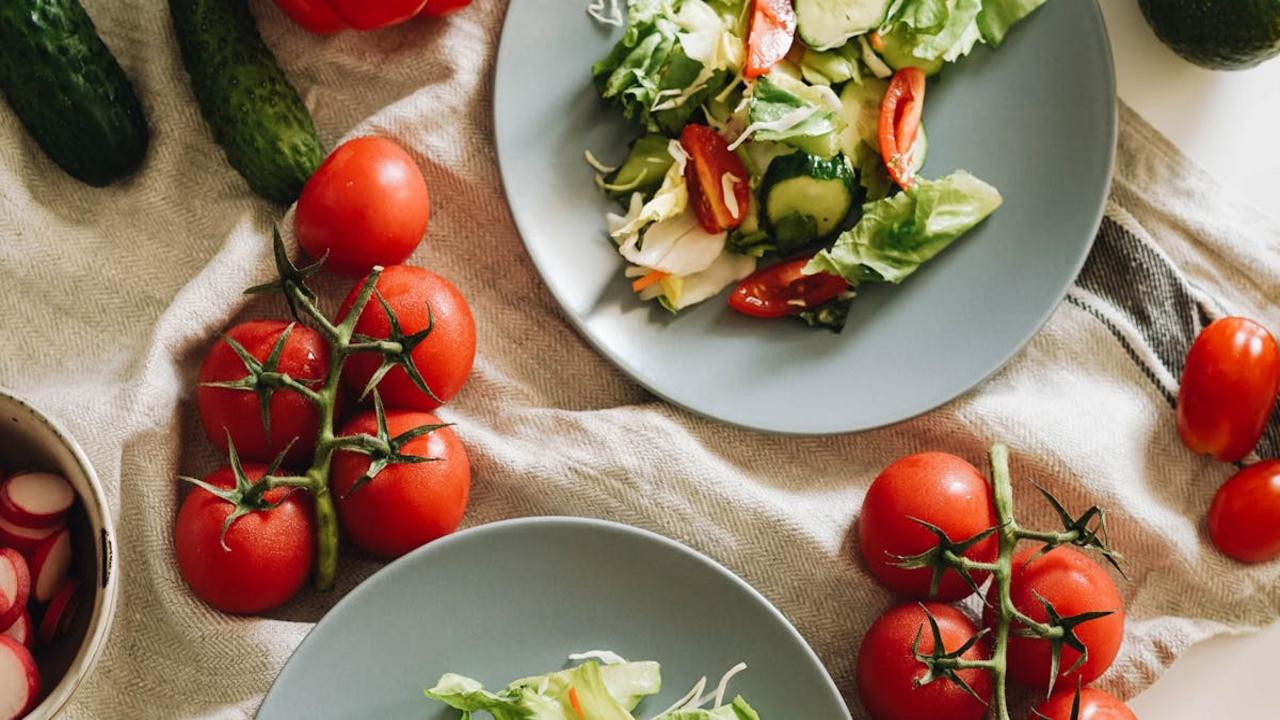
I swear by the paper towel method for keeping my leafy greens and herbs fresh – it’s made such a difference in reducing food waste in my kitchen! Simply line your produce storage containers with a dry paper towel before adding greens like lettuce, spinach, or herbs. The paper towel absorbs excess moisture that would normally cause your produce to get slimy and spoil quickly. Remember to check the paper towels every few days and replace them if they become too damp.
This simple trick works wonders for berries too. Place a paper towel at the bottom of the container, add your berries in a single layer, then top with another paper towel before closing the lid. The paper towels create the perfect environment by controlling moisture levels and preventing mold growth. I’ve kept strawberries fresh for over a week using this method! Just make sure your produce is completely dry before storing – any water droplets can speed up spoilage.
Avoid Washing Before Storage
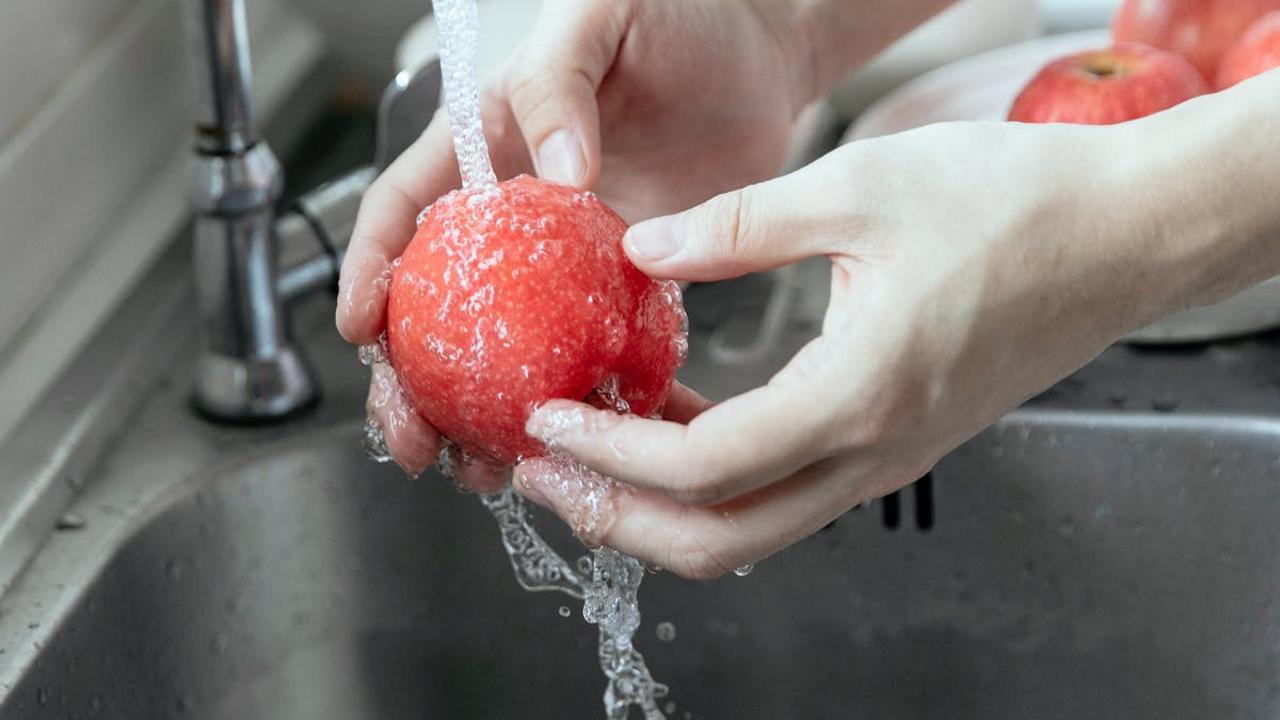
You might think washing your produce right after grocery shopping saves time later, but this common mistake can actually make your fruits and vegetables spoil faster. Excess moisture from washing creates the perfect environment for mold and bacteria growth. Instead, store your fresh produce dry and only wash it right before you plan to eat or cook with it. This simple switch in your routine can add days or even weeks to the life of your produce.
Keep berries, leafy greens, mushrooms, and other delicate items completely dry in their original packaging or ventilated containers. For root vegetables like carrots and potatoes, brush off visible dirt but skip the wash. If you absolutely need to clean something before storage, make sure to dry it thoroughly with clean kitchen towels or paper towels first. Remember – moisture is often the biggest enemy of fresh produce longevity, so keeping things dry until use will reward you with crisp, fresh vegetables and fruits that last much longer.
Remove Spoiled Items Quickly
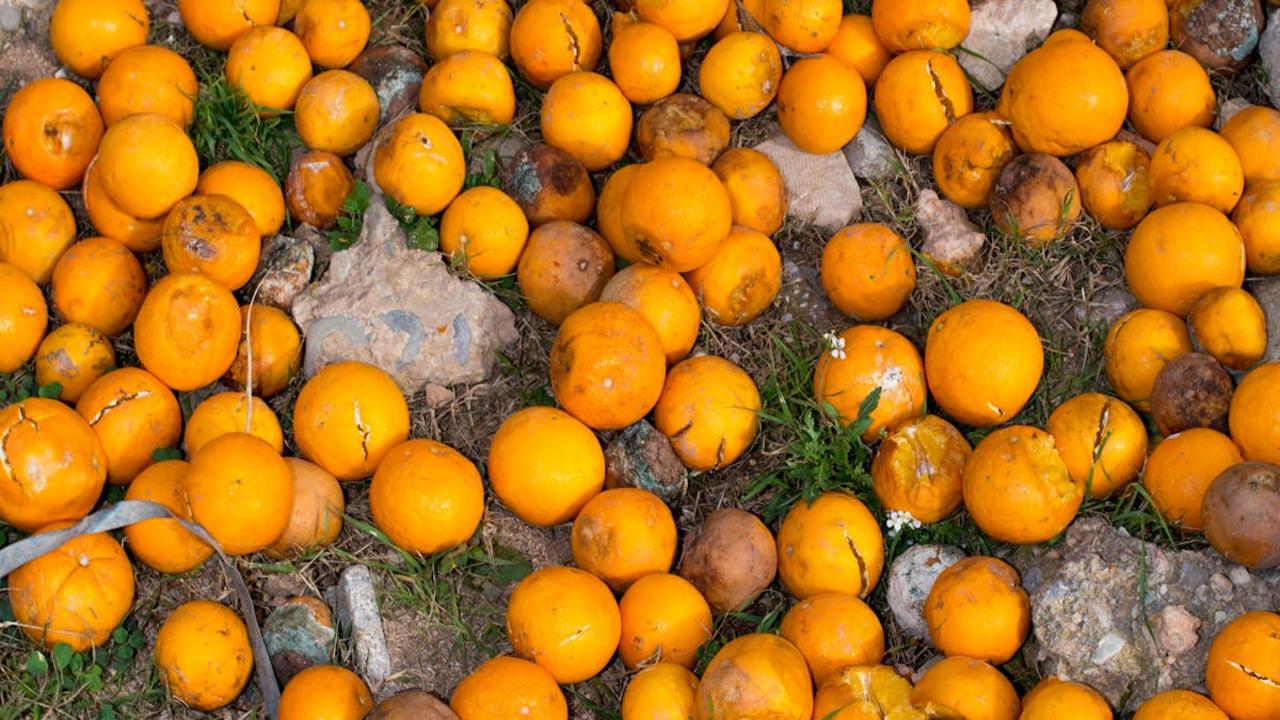
I’ll share one of my most effective habits for keeping produce fresh longer – removing spoiled items immediately. I learned this simple trick from my grandmother, who always kept the most pristine fruit bowls. One bad apple really does spoil the bunch! Fruits and vegetables release ethylene gas as they ripen and decay, which speeds up ripening in nearby produce. By quickly taking out anything that shows signs of mold, bruising, or rotting, you’ll protect your other fresh items from premature spoilage.
Make it a daily practice to scan your produce drawer and fruit bowl, looking for any soft spots, discoloration, or off-smells. Pay extra attention to delicate items like berries, peaches, and leafy greens since they tend to turn quickly. I keep a small compost bin right in my kitchen, making it easy to dispose of spoiled produce right away. Your remaining fruits and vegetables will stay fresh much longer, saving you money and reducing food waste. Remember, prevention through quick action works better than trying to salvage partially spoiled produce later.
Ethylene Gas Management
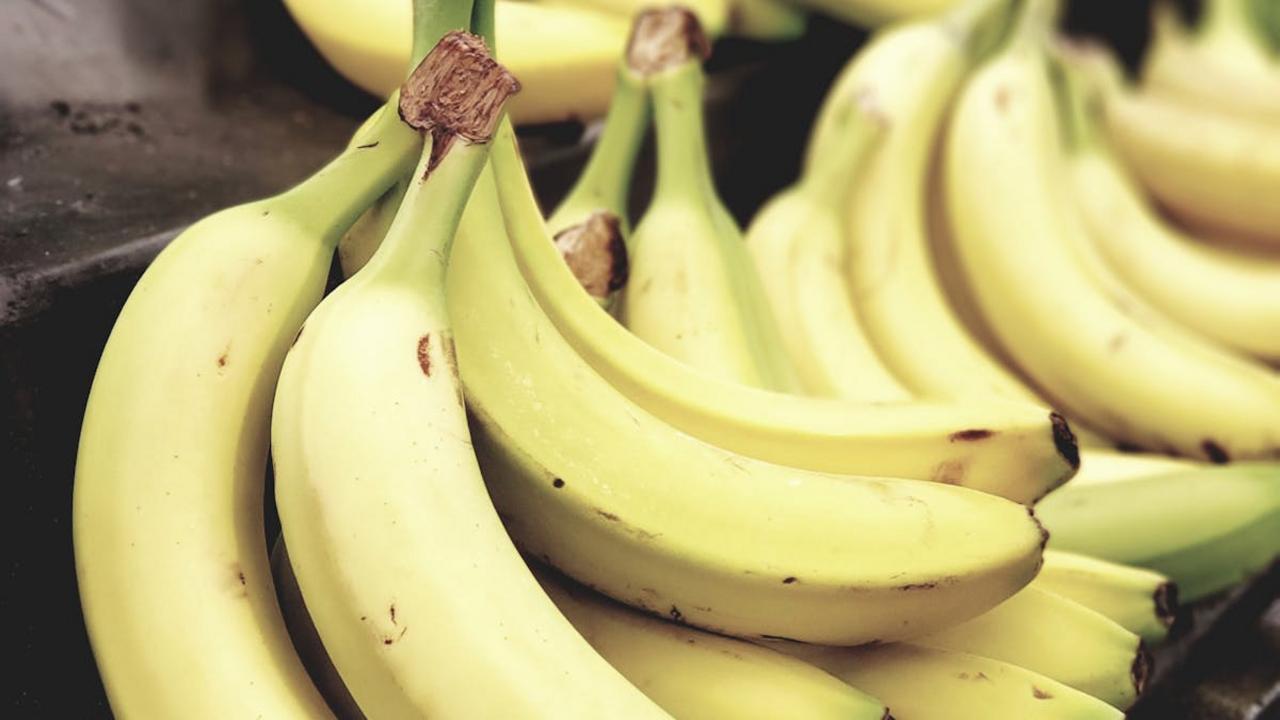
You’ll transform your produce storage game once you understand how ethylene gas works! Some fruits and vegetables naturally release this ripening gas, which can speed up spoilage in nearby produce. Keep your ethylene-producing foods like apples, bananas, pears, and avocados separate from ethylene-sensitive items such as leafy greens, carrots, and cucumbers. I store my ethylene producers in a designated fruit bowl on my counter, while keeping sensitive items in separate crisper drawers in the fridge.
Your bananas will stay fresh longer if you wrap their stems in plastic wrap – this slows down ethylene release and prevents premature ripening. For items like avocados, you can actually use ethylene to your advantage. Want to ripen them faster? Place them in a paper bag with a banana or apple. The enclosed ethylene gas will speed up the process naturally. Need to slow down ripening? Just move fully ripe produce to the fridge, where cooler temperatures reduce ethylene production and keep everything fresh longer.
Proper Temperature Control
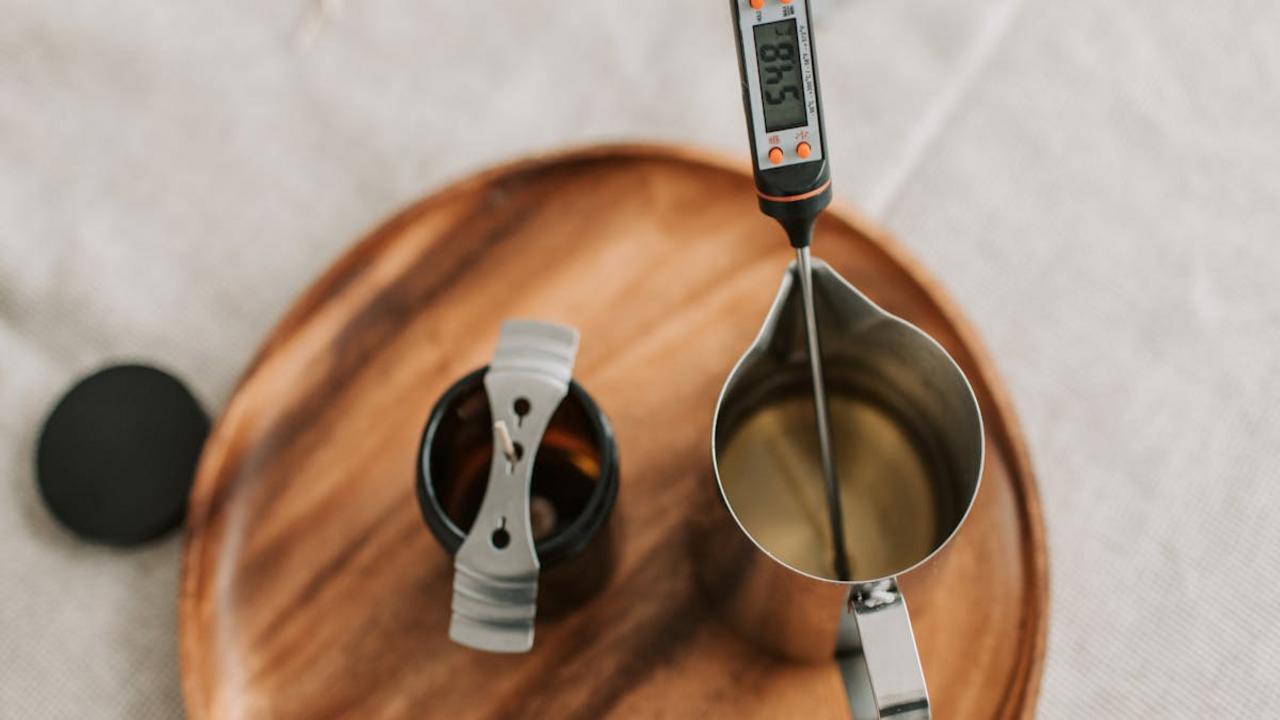
Your fridge’s temperature can make or break your produce storage game! I keep my refrigerator at a steady 40°F (4°C), which I’ve found perfect for most fruits and vegetables. The crisper drawers should stay between 35-40°F to maintain optimal humidity levels. You’ll want to place temperature-sensitive items like lettuce, berries, and herbs in these drawers away from the back wall where they might freeze.
Check your fridge’s temperature weekly with a simple thermometer – this small habit will save you money and reduce food waste. Keep your produce away from air vents, which can cause uneven cooling and premature spoilage. I’ve noticed that items stored on the middle shelves tend to last longer since the temperature stays most consistent there. Remember that some fruits and vegetables, like bananas, tomatoes, and avocados, do better at room temperature until they ripen – then you can move them to the fridge to extend their life.
Store Fruits and Vegetables Separately
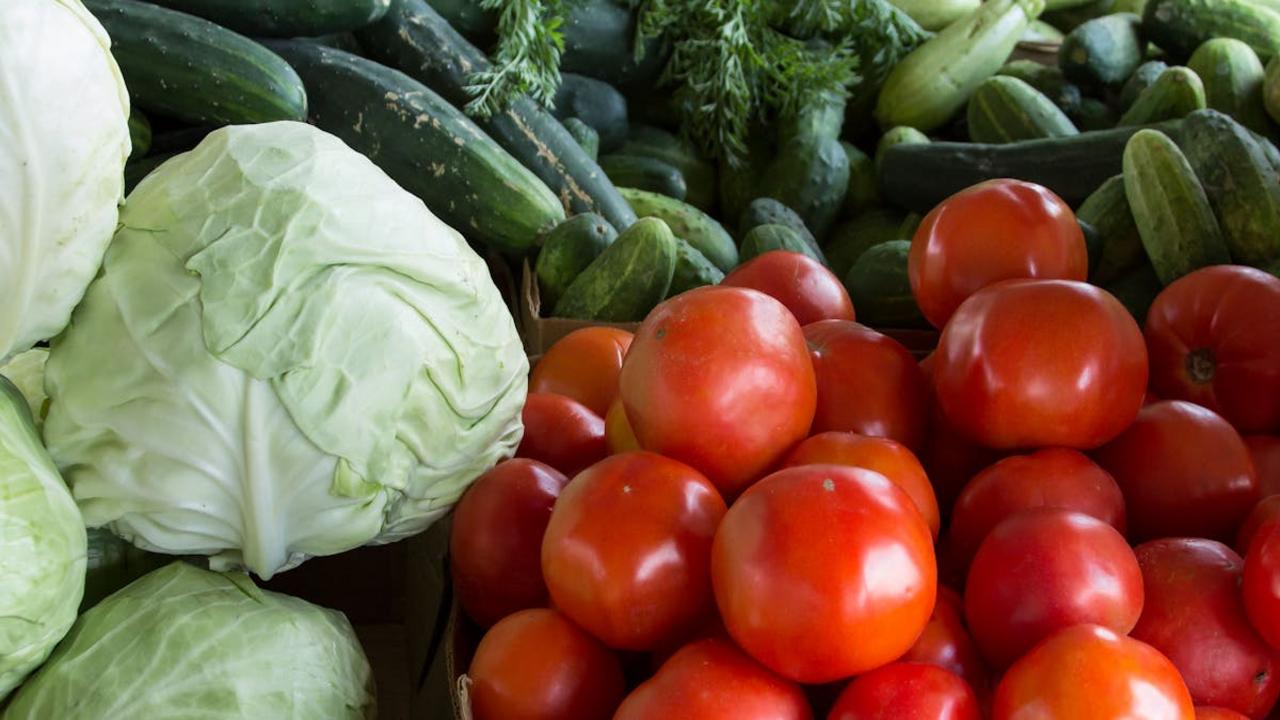
Your fruits and vegetables need their own spaces to thrive in your kitchen! Many fruits release ethylene gas as they ripen, which can speed up the ripening process of nearby vegetables. Keep your apples, bananas, pears, and other ethylene-producing fruits in a designated fruit bowl or drawer away from your vegetables. This simple separation trick will keep your vegetables from spoiling too quickly and help maintain their crisp texture and fresh flavors longer.
I learned this storage method the hard way after watching my beautiful bell peppers turn soft and spotty when stored next to ripening bananas. Now, I dedicate one crisper drawer exclusively to vegetables and keep a pretty fruit bowl on my counter for quick-ripening fruits. For slower-ripening fruits like citrus and berries, I give them their own special spot in a separate drawer in the fridge. Your produce will stay fresh and vibrant much longer with this strategic separation, saving you money and reducing food waste.