15 Classic Comfort Foods Facing Extinction
Remember those cozy Sunday dinners at grandma’s house? The familiar smells and tastes that made everything feel right in the world? Many classic comfort foods that once graced dinner tables across America are slowly disappearing from our daily menus and recipe collections.
The rise of quick meals, changing dietary preferences, and busy schedules have pushed these traditional dishes aside. Young home cooks often skip these time-tested recipes in favor of faster alternatives, while restaurants replace them with trendier options. This shift means we risk losing not just recipes, but precious family memories and cooking techniques passed down through generations.
I’ve gathered 15 beloved comfort foods that are becoming harder to find both at home and in restaurants. From hearty meatloaf to creamy tuna casserole, these dishes deserve another chance in your kitchen. Each recipe carries stories of family gatherings, holiday celebrations, and simple moments that made ordinary meals extraordinary.
Ham and Lima Beans
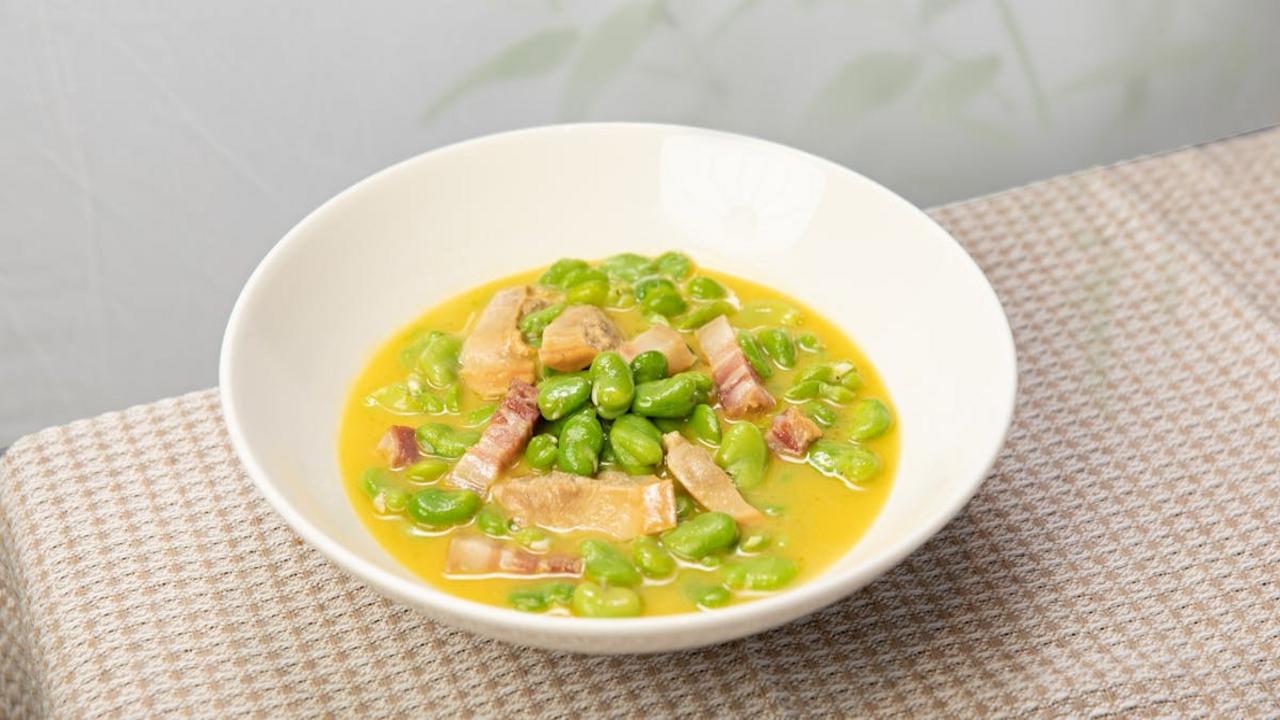
Remember those big Sunday family dinners where a steaming bowl of ham and lima beans would sit at the center of the table? This humble dish filled our homes with warmth and comfort through countless winter evenings. Made with smoky ham hocks, tender butter beans, and simple seasonings, this Southern classic brought families together for generations. Yet today, you’ll rarely find this nourishing meal on modern dinner tables, as busy schedules and changing tastes push this beloved dish toward obscurity.
I see fewer home cooks preparing this traditional comfort food, partly because younger generations haven’t grown up with lima beans as a dinner staple. The slow-cooking process required to achieve that perfect, creamy texture seems too time-consuming for many modern families. While some restaurants still feature ham and lima beans as occasional specials, this dish risks becoming just a nostalgic memory. The rich history and simple goodness of this meal deserve recognition – its hearty flavors and budget-friendly ingredients made it a dependable favorite during lean times and celebrations alike.
Cottage Pudding

I remember my grandmother talking about Cottage Pudding, a simple vanilla cake drowning in warm vanilla sauce that would fill her childhood home with the most wonderful aroma. This humble dessert was a common fixture at American dinner tables during the early 1900s, bringing comfort through its basic yet satisfying combination of buttery cake and sweet sauce. Today, you’ll rarely find this old-fashioned treat in cookbooks or on dessert menus, as modern tastes have shifted toward more elaborate confections.
The beauty of Cottage Pudding lies in its straightforward preparation – a basic butter cake made with pantry staples like flour, sugar, butter, and milk. The magic happens when you pour the hot vanilla sauce over each serving, creating a moist, pudding-like texture that melts in your mouth. While this dessert has largely disappeared from our modern repertoire, some food historians and dedicated home bakers keep the tradition alive by sharing family recipes and stories of this once-beloved comfort food that brought warmth to countless American homes.
Chicken Pot Pie
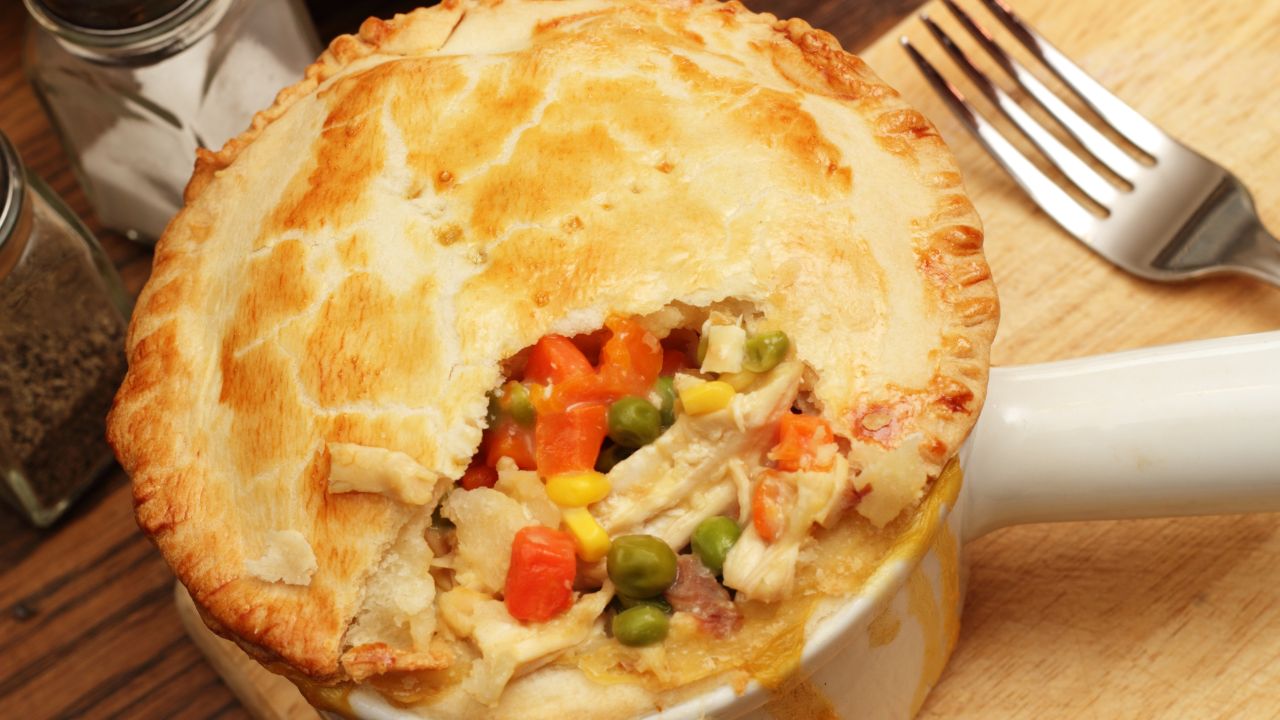
I’ve noticed fewer people making chicken pot pie at home these days, which breaks my heart since this comforting dish holds such special memories. The golden, flaky crust hiding tender chunks of chicken, carrots, peas, and potatoes in a rich, creamy sauce represents the ultimate cold-weather meal. Traditional family recipes for this hearty dish have started disappearing from recipe boxes, with many home cooks opting for quicker, more convenient dinner options.
The decline in homemade chicken pot pie reflects broader changes in how we cook and eat today. Many younger cooks skip the made-from-scratch pie crust, viewing it as too time-consuming or intimidating. Store-bought versions just don’t match the love and care baked into a homemade pot pie, with its perfectly seasoned filling and buttery, hand-crimped edges. I encourage you to keep this classic comfort food alive by learning the techniques from older generations and passing them down – your family will thank you for preserving this warming tradition.
Welsh Rarebit
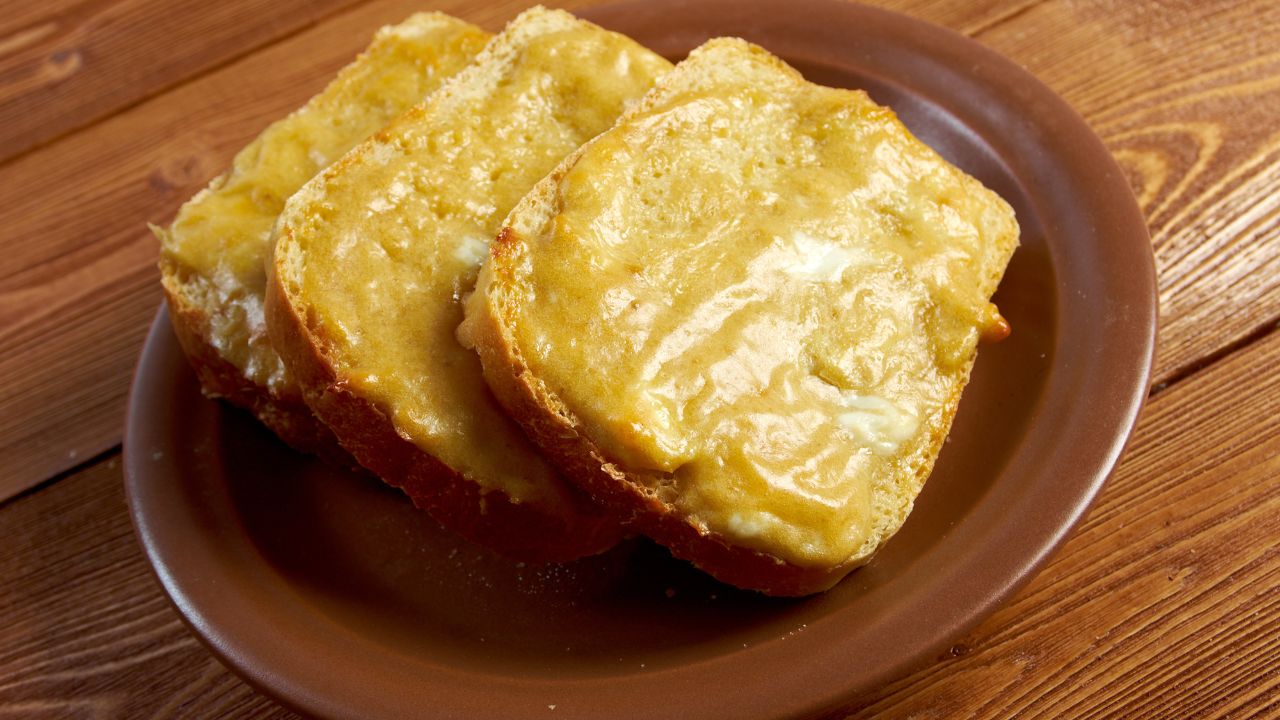
I can’t help but feel a twinge of sadness seeing this cherished British comfort food slowly fade from restaurant menus and home kitchens. Welsh Rarebit (or “rabbit” as some mistakenly call it) goes way beyond just cheese on toast – it’s a rich, savory blend of sharp cheddar, mustard, Worcestershire sauce, and sometimes beer, all melted together and poured over thick-cut toasted bread. The dish dates back to the 18th century when Welsh peasants created this hearty meal as a substitute for meat they couldn’t afford.
The decline of Welsh Rarebit points to our changing food habits and the rise of quick-fix meals. Many younger cooks skip the traditional preparation method of creating a proper cheese sauce with roux, opting instead for simple grilled cheese sandwiches. While both are delicious, there’s something special about the complex flavors and creamy texture of authentic Welsh Rarebit that deserves preservation. If you want to keep this classic alive, make it at home – the extra effort of cooking the sauce delivers an unmatched comfort food experience that basic cheese toast just can’t replicate.
Salisbury Steak
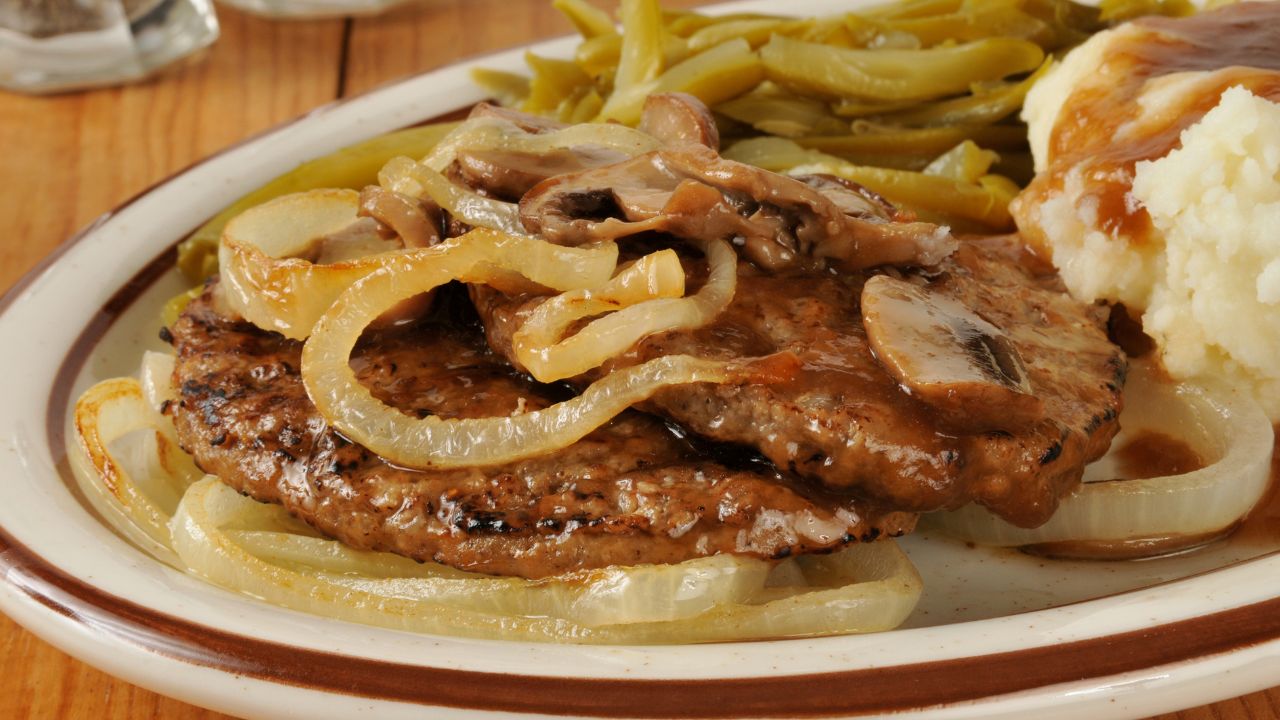
I remember the comforting aroma of Salisbury steak wafting through my grandmother’s kitchen – this humble hamburger patty smothered in rich mushroom gravy was a staple of TV dinners and school cafeterias in the 1950s and 60s. Created by Dr. James Salisbury in the 1800s as a “health food,” this dish combined ground beef with onions and seasonings, topped with a savory brown gravy. Today, you’ll rarely find it on restaurant menus or in modern cookbooks, making it one of America’s disappearing comfort foods.
The decline of Salisbury steak reflects changing food preferences and health consciousness. Many people now opt for leaner proteins or plant-based alternatives instead of traditional ground beef dishes. The convenience foods that once made Salisbury steak popular have given way to different quick-meal options. While some still make this classic at home, younger generations may never experience the simple satisfaction of cutting into a juicy beef patty swimming in mushroom gravy, paired with mashed potatoes and green peas – just like grandma used to make.
Bread Pudding
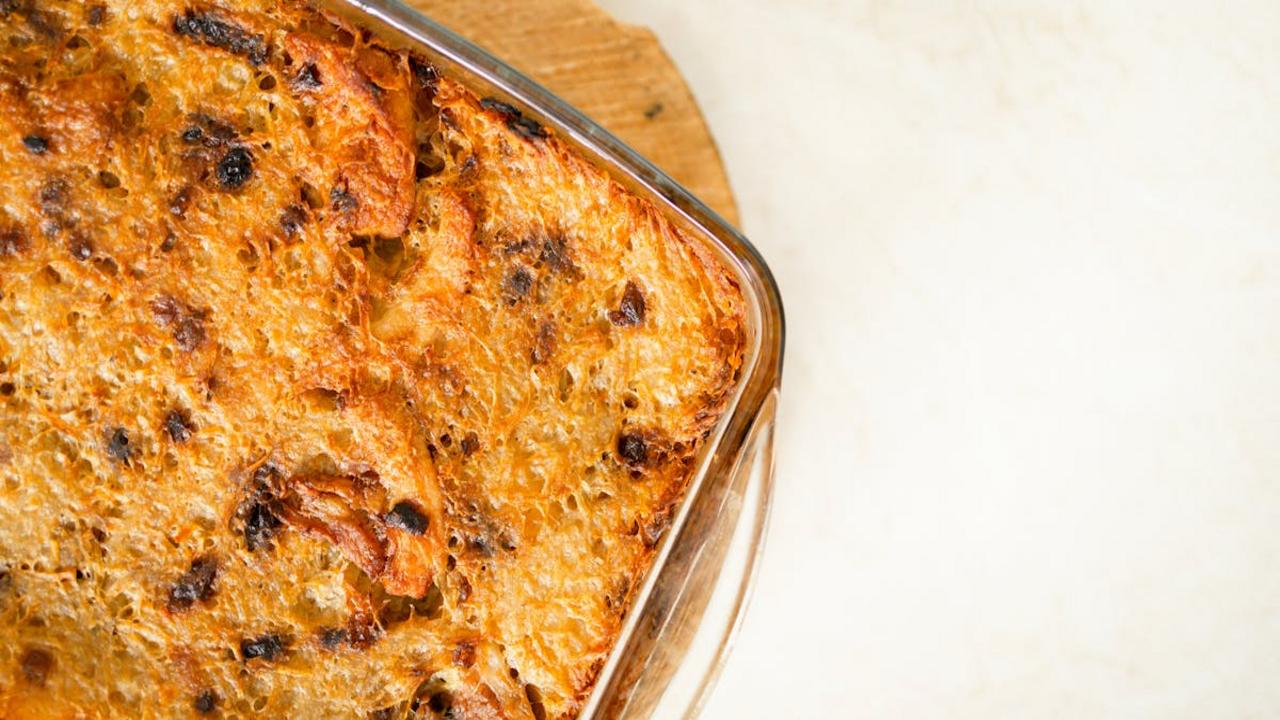
I noticed fewer and fewer people make bread pudding these days, which breaks my heart because this dessert holds such beautiful memories of family gatherings and cozy winter evenings. This humble dish transformed stale bread into a rich, custardy treat that my grandmother would make with milk, eggs, sugar, and whatever dried fruits she had on hand. The genius of bread pudding lies in its simplicity – it turned everyday ingredients into something extraordinary while reducing food waste, a practice we should bring back to our modern kitchens.
The decline of homemade bread pudding points to our changing food habits and busy lifestyles. Many home cooks now opt for quick desserts or store-bought sweets instead of taking time to create this classic comfort food. Yet, the magic of watching bread soak up that sweet, spiced custard and baking until golden brown remains unmatched. I believe we need to keep this tradition alive by teaching new generations how satisfying it feels to create something delicious from simple ingredients. Your kitchen will thank you with the most amazing vanilla and cinnamon aromas!
Cream Chipped Beef on Toast

I remember watching my grandmother make Cream Chipped Beef on Toast, a beloved military breakfast staple affectionately nicknamed “S.O.S” (Save Our Stomachs). This classic comfort dish combines dried beef in a rich cream sauce, served over golden-brown toast. The military connection runs deep – it kept countless soldiers going during World War II, and many veterans brought the recipe home to their families. Today, you’ll rarely find this hearty meal on restaurant menus or in home kitchens.
The simplicity of this dish made it a go-to breakfast for families in the 1950s and 60s, but changing food preferences and health concerns have pushed it toward extinction. The high sodium content from the dried beef and the heavy cream sauce don’t align with modern dietary trends. While some diners still serve this nostalgic comfort food, younger generations often skip past it for trendier breakfast options. If you want to experience this piece of American food history, ask your grandparents – they might just have a treasured recipe tucked away.
Chicken and Dumplings

I remember sitting at my grandmother’s kitchen counter, watching her roll out the soft, pillowy dumplings for her famous chicken and dumplings recipe. This beloved Southern comfort food brings together tender shredded chicken in a rich, velvety broth with light, fluffy dumplings that soak up all the wonderful flavors. But sadly, fewer home cooks now make this dish from scratch, opting instead for quick-fix alternatives or skipping it altogether. The time-honored tradition of hand-rolling dumplings and slowly simmering chicken is becoming a lost art in many households.
The real magic of chicken and dumplings lies in its ability to warm both body and soul – a true comfort food that reminds us of family gatherings and Sunday suppers. Yet modern schedules and changing food preferences have pushed this classic dish toward extinction. Many younger cooks find the process intimidating or time-consuming, while others seek out lighter fare. The dish remains popular in some Southern restaurants, but the authentic, made-from-scratch version your grandmother knew continues to fade from home kitchens across America.
Stuffed Bell Peppers
I still remember my grandmother’s stuffed bell peppers filling our kitchen with their mouthwatering aroma, but sadly, this hearty comfort dish has started to disappear from modern dinner tables. The combination of rice, ground beef, tomato sauce, and perfectly tender peppers represents a time when families gathered for homemade meals without rushing. Many home cooks now skip this dish because it takes longer to prepare than quick-service alternatives, and younger generations often prefer faster, more convenient meal options.
The traditional recipe holds special meaning in American households, particularly among families with Eastern European roots who brought their versions of this dish to the United States. Each family adds their unique twist – some include cheese, others prefer turkey instead of beef, and many create vegetarian versions with quinoa or lentils. Yet despite these creative adaptations, stuffed peppers have gradually faded from regular rotation in home kitchens. The decline mirrors a broader shift away from time-intensive comfort foods that require careful preparation and patience to perfect.
Rice Pudding
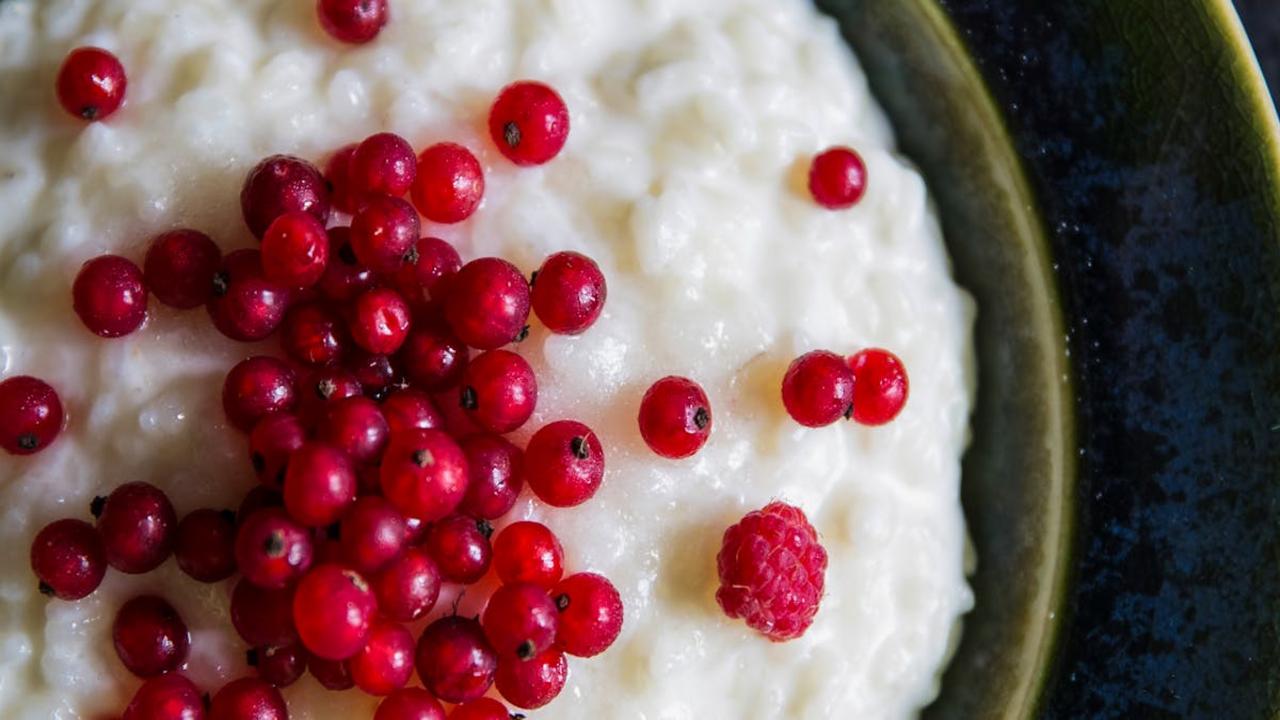
Remember those cozy Sunday afternoons at grandma’s house, with the sweet aroma of warm rice pudding filling the kitchen? This beloved comfort food has been a staple dessert in many households for generations, combining simple ingredients like rice, milk, sugar, and vanilla into pure comfort in a bowl. But now, this nostalgic treat faces a decline in popularity as modern dessert trends lean toward flashier, Instagram-worthy creations. The younger generation often overlooks this humble dish, missing out on its simple yet satisfying charm.
I’ve noticed fewer restaurants include rice pudding on their menus these days, and many home cooks skip this traditional dessert in favor of quick-fix alternatives. The slow-cooked nature of authentic rice pudding requires patience and attention – qualities that seem scarce in our fast-paced world. The creamy, dreamy consistency and gentle sweetness of a properly made rice pudding can’t be rushed or replicated with instant versions. If we don’t preserve this timeless recipe and pass it down to future generations, we risk losing one of our most comforting childhood memories.
Liver and Onions
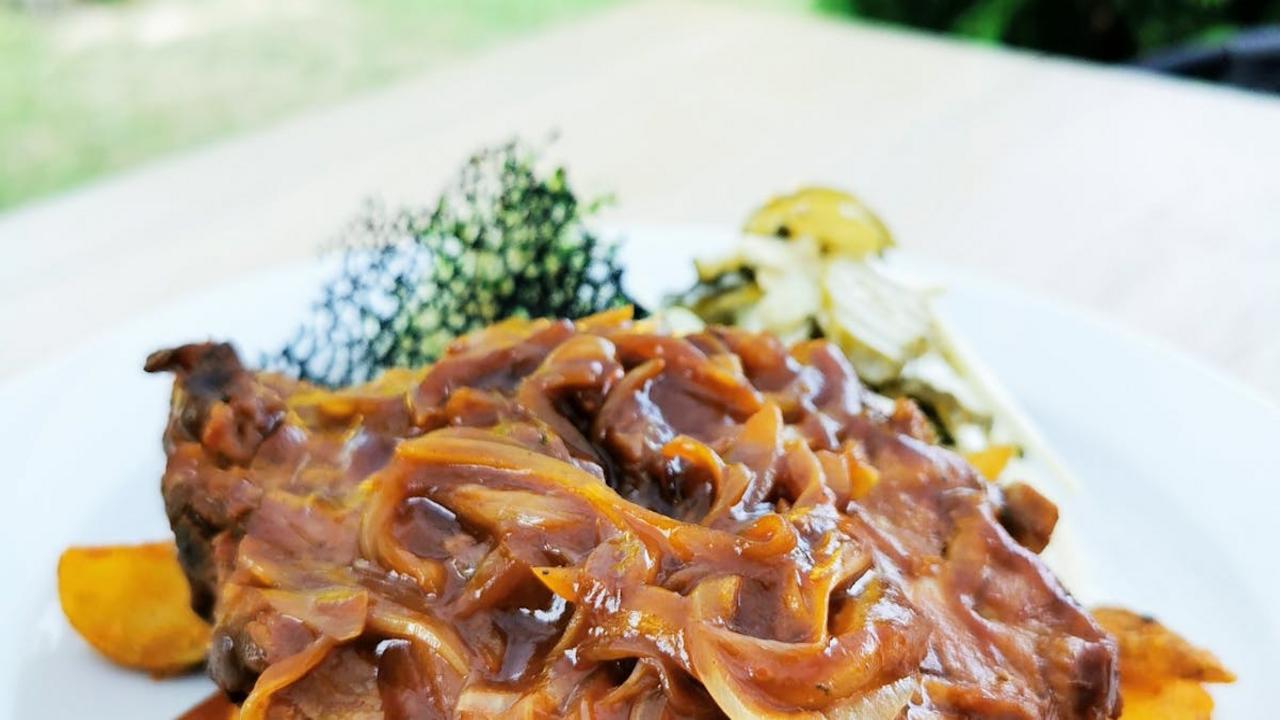
Remember those Sunday dinners at grandma’s house where the rich aroma of liver and onions filled every corner? This hearty dish, once a staple in American households, has seen a sharp decline in popularity among younger generations. Many home cooks shy away from preparing liver due to its strong flavor and the perception that organ meats belong to a bygone era. The classic combination of tender calf’s liver with sweet, caramelized onions used to represent resourceful cooking that made the most of every part of the animal.
The nutritional value of liver remains unmatched – it packs more vitamins and minerals per serving than almost any other food. A single portion contains your daily requirement of vitamin B12, iron, and vitamin A. Yet, modern dining preferences and changing food habits have pushed this nutrient-dense meal to the margins of our food culture. You’ll find fewer restaurants featuring liver and onions on their menus, and many butcher shops report declining sales of fresh liver. Unless more people rediscover this traditional dish, it risks becoming a fading memory of our grandparents’ generation.
Pot Roast
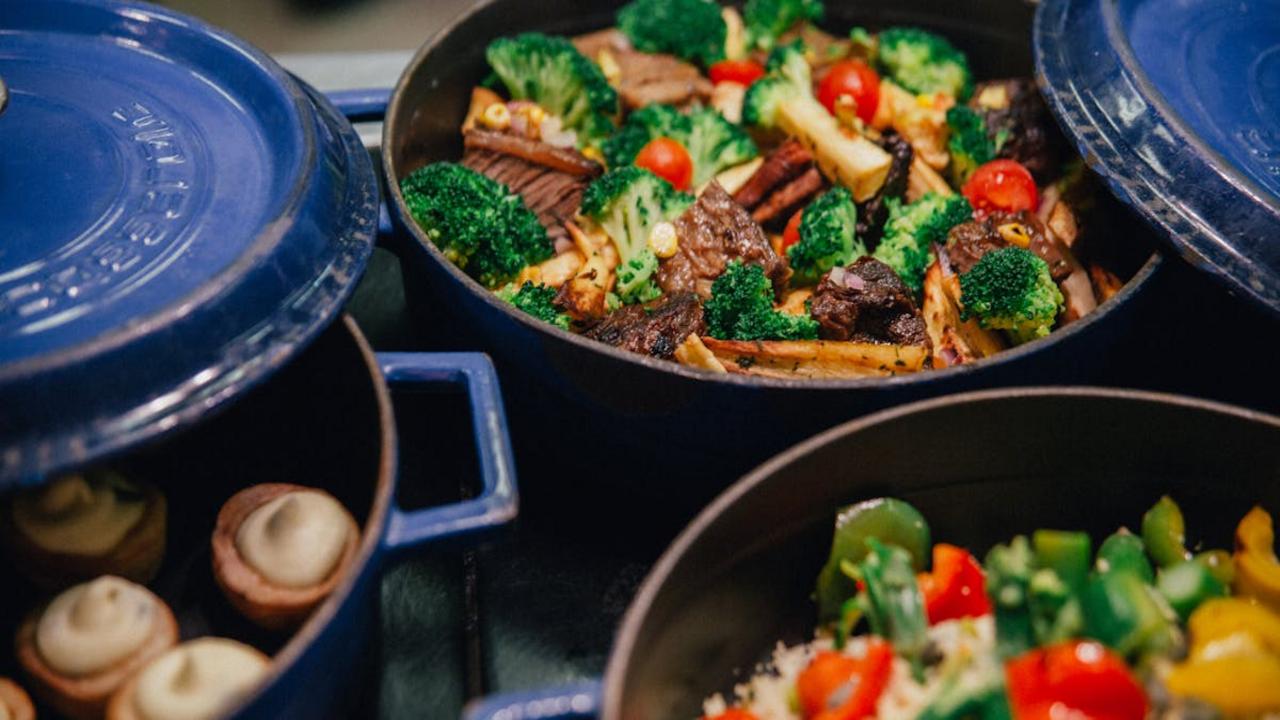
I still remember Sunday afternoons at my grandmother’s house, where the rich aroma of pot roast would fill every corner of her cozy kitchen. This classic comfort food, with its tender meat and hearty vegetables slow-cooked in savory broth, has been a family dinner favorite for generations. Yet, you’ll find fewer home cooks making this dish today, as busy schedules and changing dietary preferences push many Americans toward quicker, lighter meals.
The decline of pot roast mirrors broader shifts in American eating habits. Modern families often skip traditional Sunday dinners in favor of individual meal times or quick takeout options. The 3-4 hour cooking time needed for a proper pot roast doesn’t fit many households’ fast-paced lifestyles. Plus, the younger generation’s increasing focus on plant-based diets and reduced meat consumption means this beefy classic appears less frequently on dinner tables. While some restaurants still serve pot roast, the home-cooked version with its deeply developed flavors and fall-apart tender meat risks becoming a nostalgic memory rather than an active part of American food culture.
Beef Stroganoff
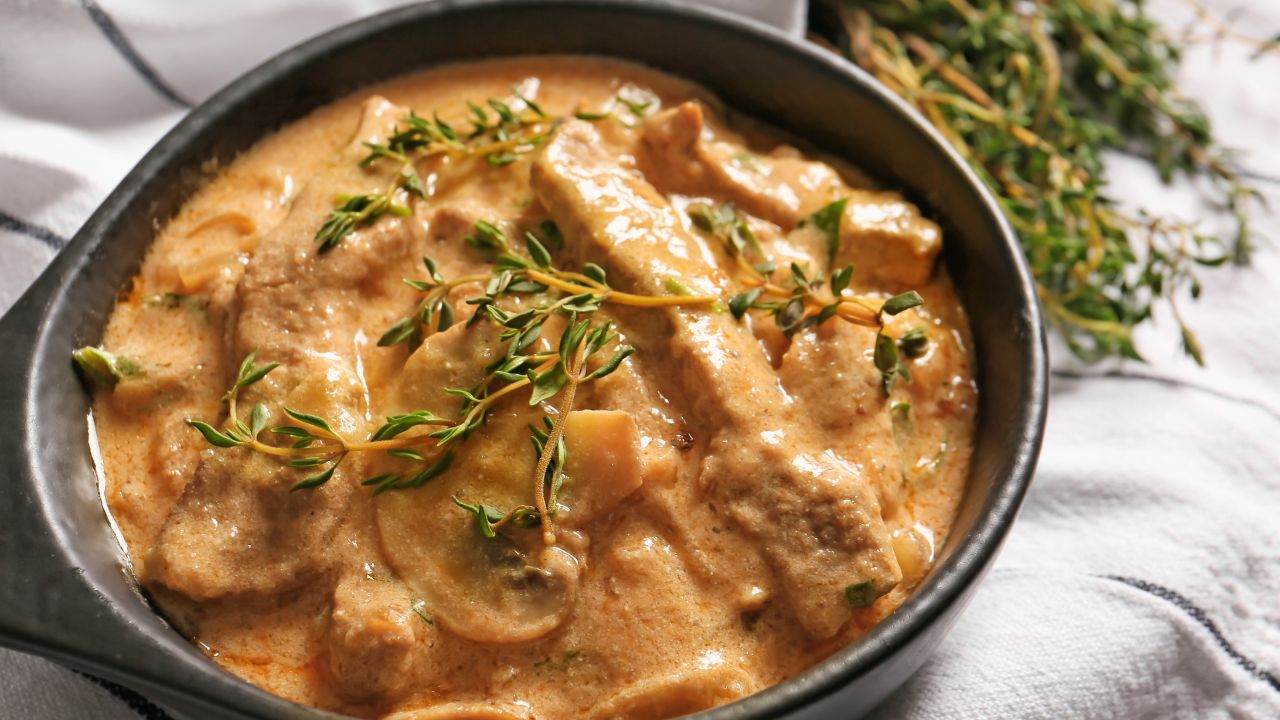
I remember my grandmother making the most amazing beef stroganoff for Sunday family dinners – tender strips of beef swimming in a rich, creamy mushroom sauce over perfectly cooked egg noodles. This Russian-inspired dish became popular in American homes during the 1950s and 60s, but now fewer families prepare it from scratch. The rise of convenience foods and changing dietary preferences have pushed this classic comfort food toward extinction, with many younger cooks opting for quick-serve meals or plant-based alternatives.
The traditional preparation of beef stroganoff requires patience and attention to detail – from properly searing the meat to achieving the right consistency in the sour cream sauce. Modern interpretations often cut corners with canned soups and pre-packaged ingredients, losing the authentic flavors that made this dish special. While you can still find beef stroganoff on some restaurant menus, the homemade versions many of us grew up with are becoming increasingly rare. The good news? You can keep this cherished recipe alive by learning the classic preparation methods and sharing them with your family.
Tuna Noodle Casserole
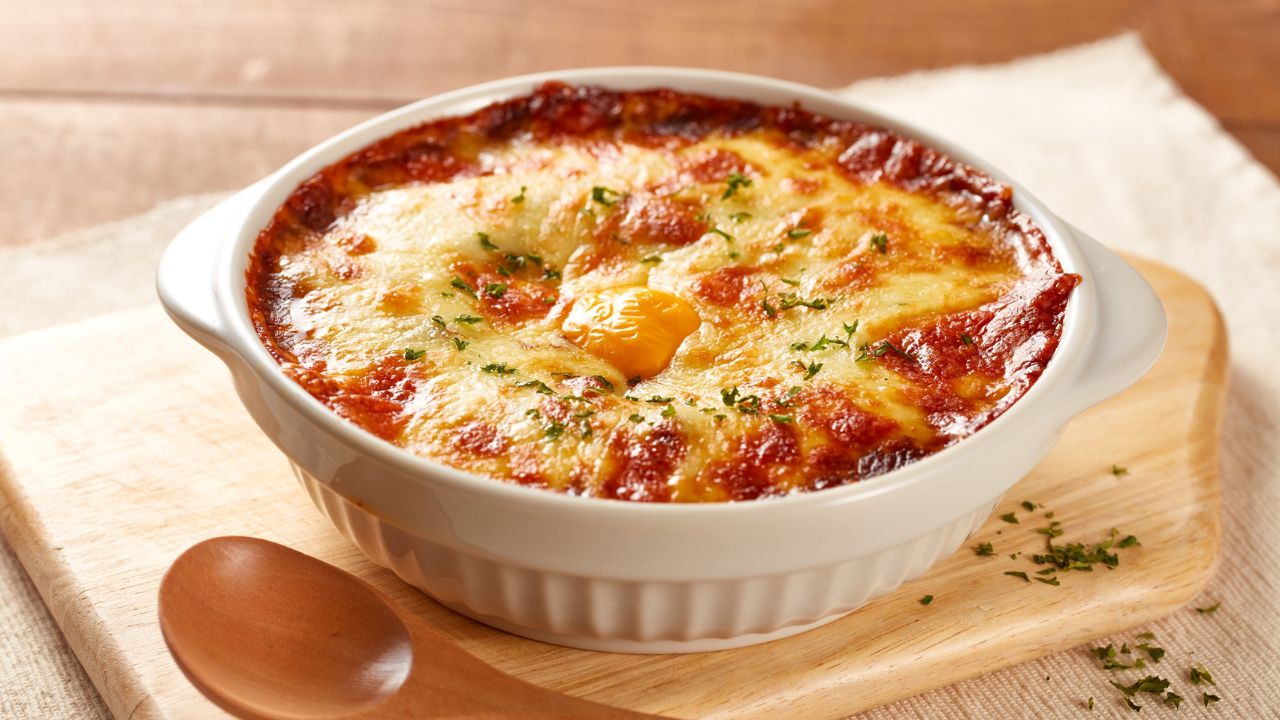
If you grew up in a typical American household during the 1950s through the 1980s, tuna noodle casserole was probably a regular at your dinner table. This comforting dish, made with canned tuna, egg noodles, cream of mushroom soup, and topped with crushed potato chips or breadcrumbs, has seen its popularity drop sharply in recent decades. Modern families now opt for fresher, less processed meals, moving away from condensed soups and canned ingredients that once made this casserole a quick, budget-friendly dinner option.
The decline of tuna noodle casserole reflects broader changes in American eating habits and food values. You’ll find fewer home cooks keeping cream of mushroom soup in their pantries, and concerns about mercury levels in tuna have made some people wary of this fish. While some food bloggers and recipe developers have tried to modernize this classic with fresh mushrooms, homemade cream sauce, and sustainable tuna, these versions take more time and cost more money – defeating the original appeal of this simple, economical dish. The convenience-focused spirit of mid-century cooking that gave birth to this casserole has faded into food history.
Meatloaf
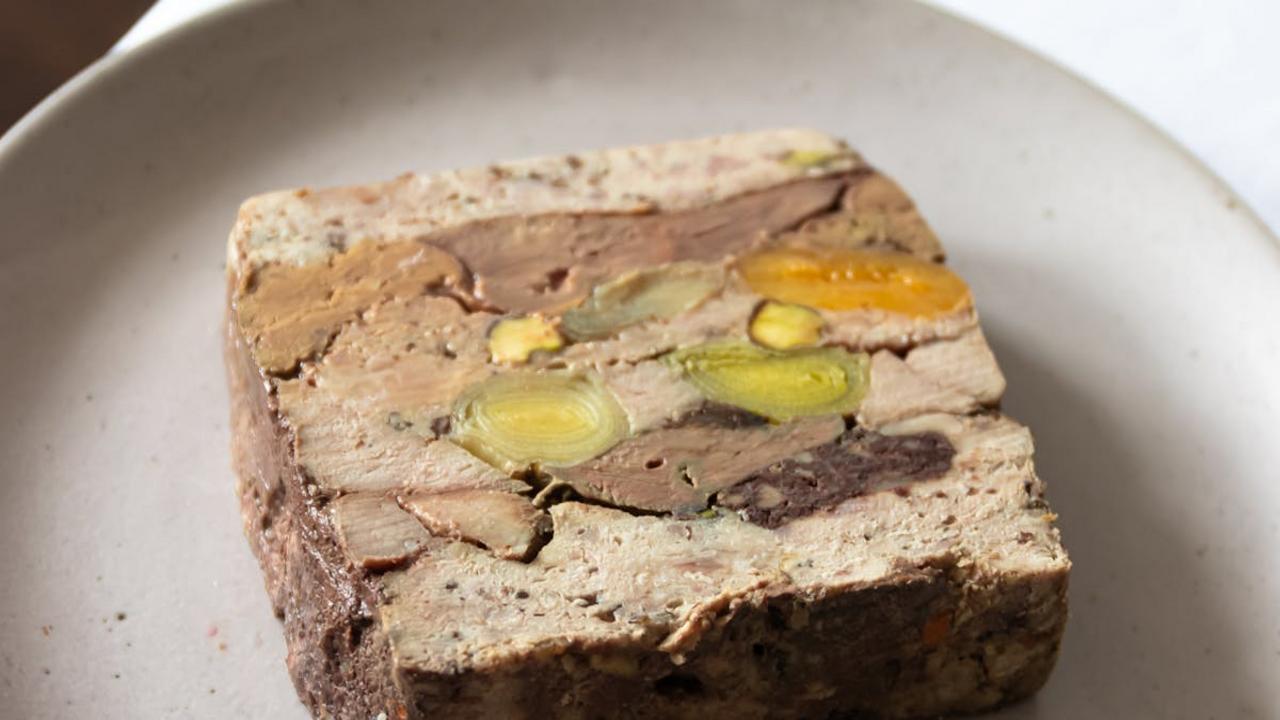
Remember that comforting aroma of meatloaf wafting through your childhood home? This beloved American classic holds a special place in many family recipe boxes, but its popularity has declined among younger generations. The hearty combination of ground meat, breadcrumbs, and savory seasonings topped with a sweet-tangy glaze once graced dinner tables weekly. Now, busy schedules and changing food preferences have pushed this dinner staple to the back burner, with many home cooks opting for quicker, lighter meals instead.
The decline of meatloaf mirrors broader shifts in American eating habits. Modern diets lean toward plant-based proteins and global cuisines, while traditional meat-centered dishes lose their appeal. Some restaurants still feature meatloaf on their menus, but they often reinvent it with trendy ingredients or present it as a nostalgic novelty rather than a regular offering. Without a new generation of cooks carrying on this comfort food tradition, the classic version of this dinner favorite risks becoming just a memory of mid-century American dining.