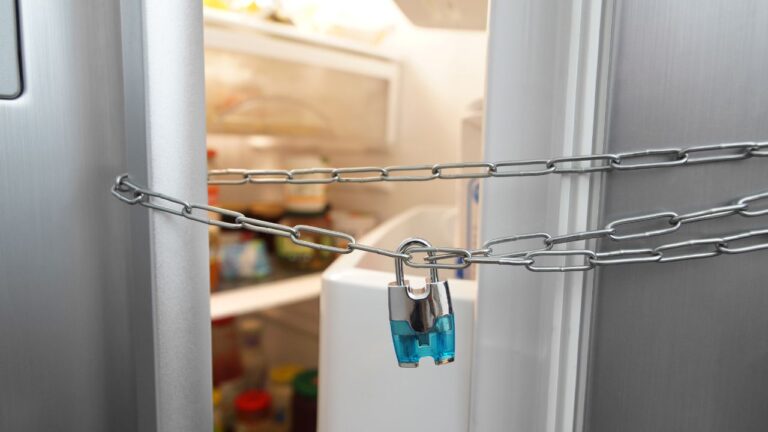
14 Hidden Kitchen Habits Making Your Food Less Safe
Your kitchen should be the safest place to prepare meals for your family, but common mistakes can turn it into a breeding ground for harmful bacteria. I’ve noticed many home cooks unknowingly practice habits that could make their food dangerous to eat – from incorrect storage methods to poor cleaning routines.
Through my years writing about food safety, I’ve discovered that even experienced cooks sometimes skip basic precautions. These oversights might seem small in the moment, but they can lead to serious foodborne illnesses. The good news? You can easily fix these habits with simple adjustments to your kitchen routine.
Together, we’ll look at 14 common kitchen mistakes that could be compromising your food safety right now. By identifying these habits and making small changes, you’ll create a cleaner, safer cooking environment for you and your loved ones. Your kitchen can become a space where healthy, safe meals bring everyone together.
Ignoring proper container storage
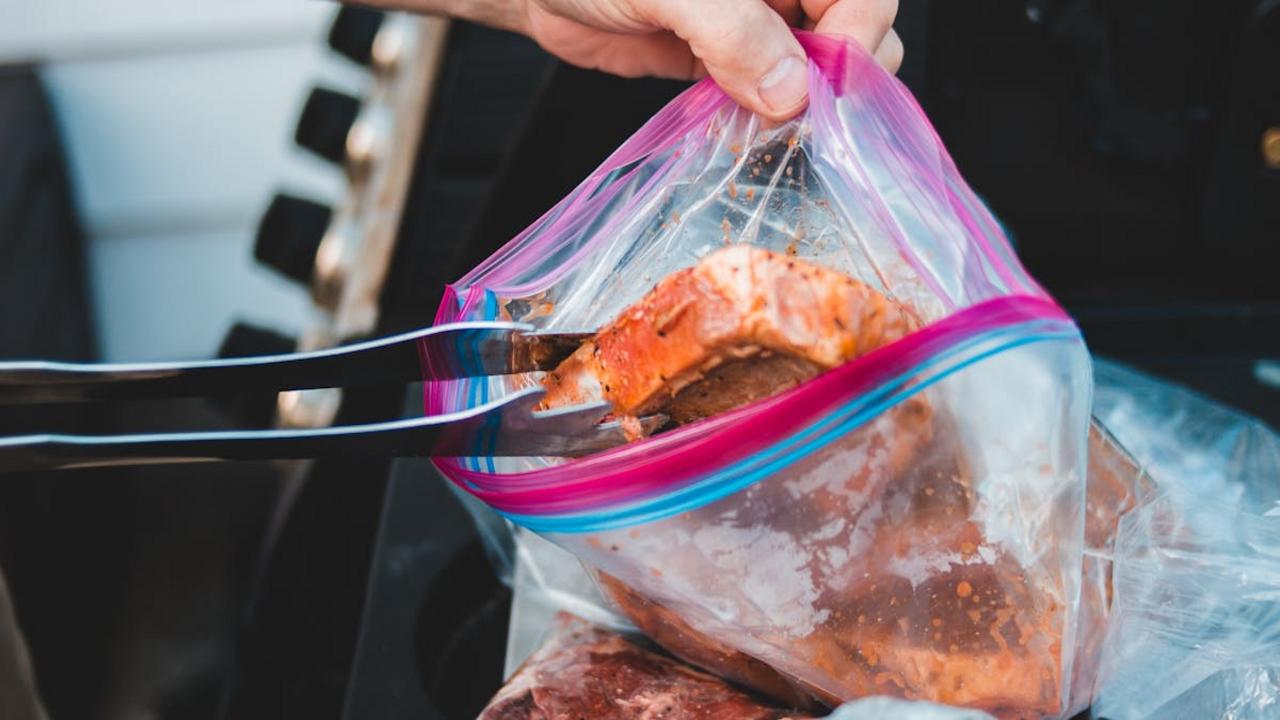
Your container storage habits could make or break your food safety game! I’ve seen so many kitchens where containers are stacked with their lids on, creating a perfect environment for moisture and bacteria growth. You need to store your food containers and lids separately, making sure they’re completely dry before putting them away. This simple step will prevent nasty odors, mold, and bacteria from developing in those tiny water droplets that get trapped between stacked containers.
Think about how you organize your containers too – clear containers should go on lower shelves where you can easily spot any discoloration or mold growth. Keep a close eye on plastic containers and replace them if you notice any scratches, stains, or warping, as these imperfections can harbor harmful bacteria. I recommend labeling your containers with dates and contents, then arranging them by size and usage frequency. This way, you’ll always grab the right container quickly and maintain better food safety standards in your kitchen.
Storing raw meat on upper shelves
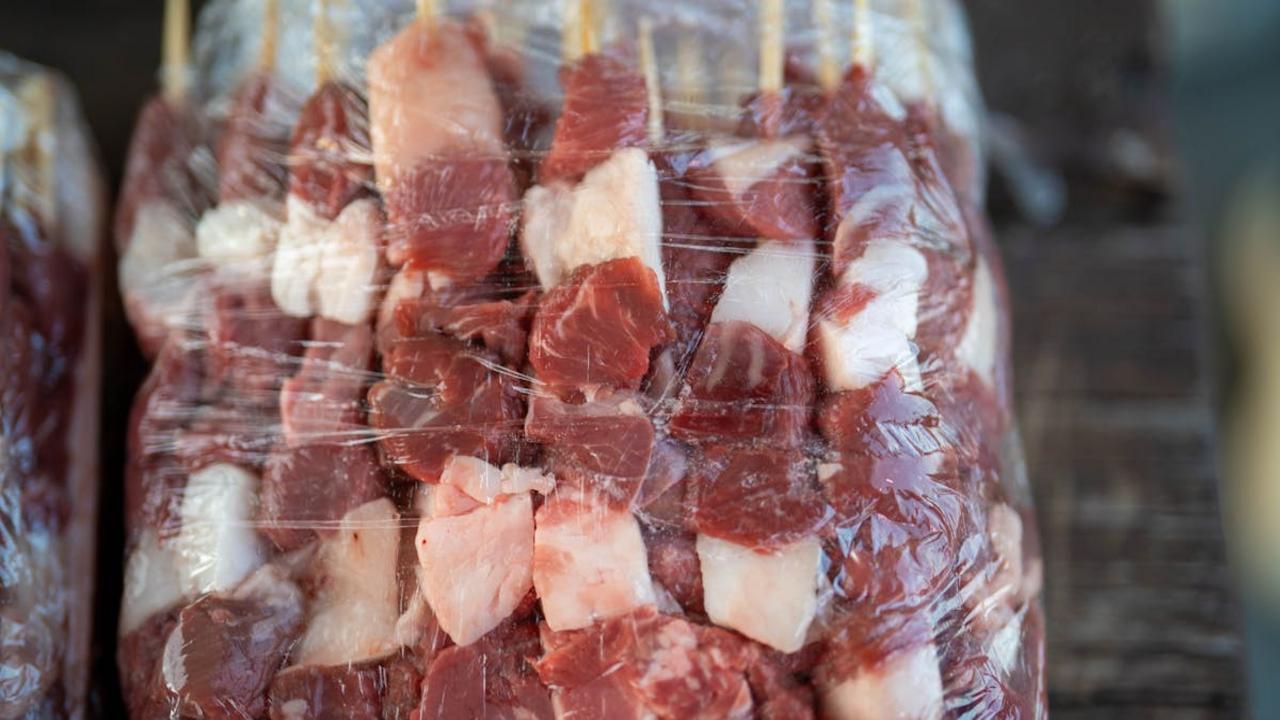
You might think shelf placement in your fridge doesn’t matter much, but storing raw meat on upper shelves creates a real food safety risk in your kitchen. Raw meat juices can drip down onto other foods below, spreading harmful bacteria like E. coli and Salmonella. This cross-contamination can make you and your family seriously sick, even if the contaminated foods don’t come in direct contact with the meat.
I always keep my raw meat, poultry, and fish on the bottom shelf of my fridge, ideally in a sealed container or plastic bag to catch any leaks. The bottom shelf gives those meat juices nowhere to drip, keeping the rest of your food protected. This simple change in how you organize your fridge can make a big difference in preventing foodborne illness. Make it a habit to check your meat packages for any tears or leaks before storing them away.
Not washing produce thoroughly
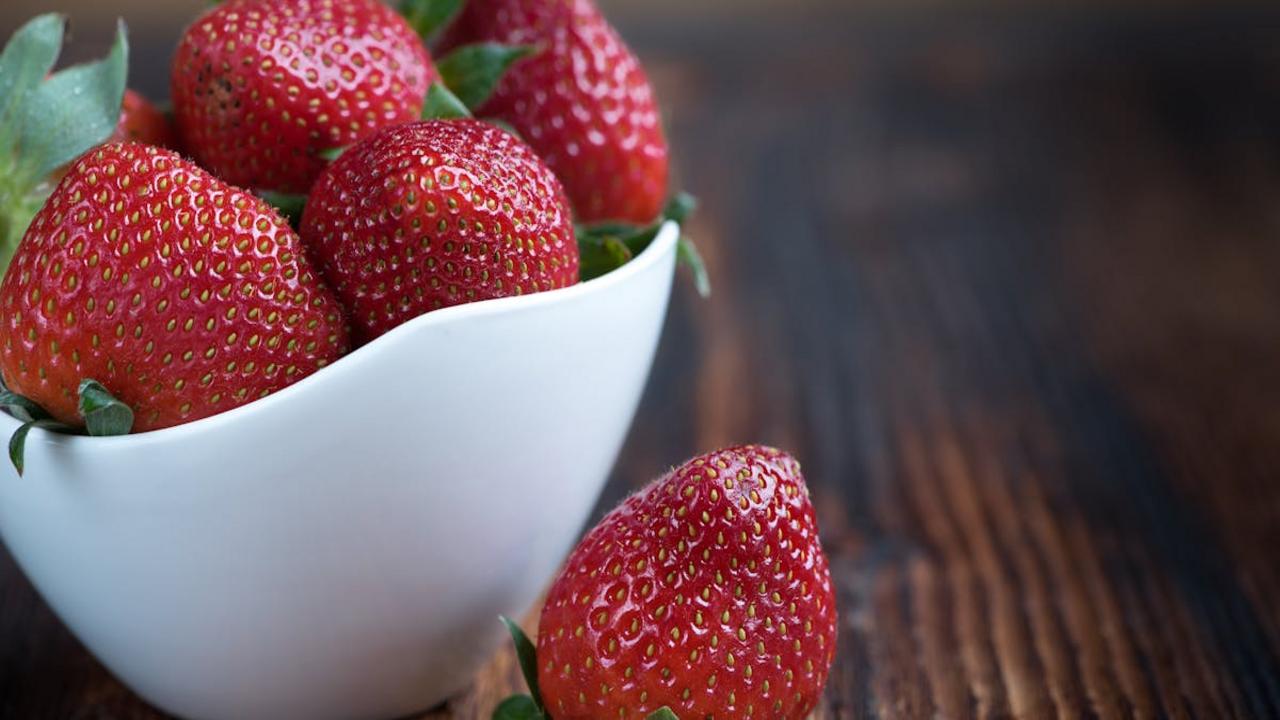
I still remember my grandmother’s golden rule in the kitchen: “Treat your fruits and veggies like precious gems that need a good polish!” You’ll want to wash all your produce properly – even the pre-washed bags of lettuce need a thorough rinse. Dirt, bacteria, and pesticide residues can stick to the surface of your fruits and vegetables, creating a perfect environment for foodborne illness. A quick splash under the tap won’t do the trick – you need to scrub firm produce with a clean brush and rinse leafy greens multiple times until the water runs clear.
My top tip? Fill a clean sink or large bowl with cold water and add a splash of white vinegar. Soak your produce for about 5-10 minutes, then rinse thoroughly. This method helps remove any lingering debris and bacteria you can’t see. Don’t forget about those often-overlooked spots like the stem areas of peppers or the base of lettuce heads where dirt loves to hide. For delicate berries, give them a gentle bath right before eating – washing them too far in advance can make them spoil faster. Your clean produce will reward you with better flavor and safer meals!
Using the same towel for multiple purposes
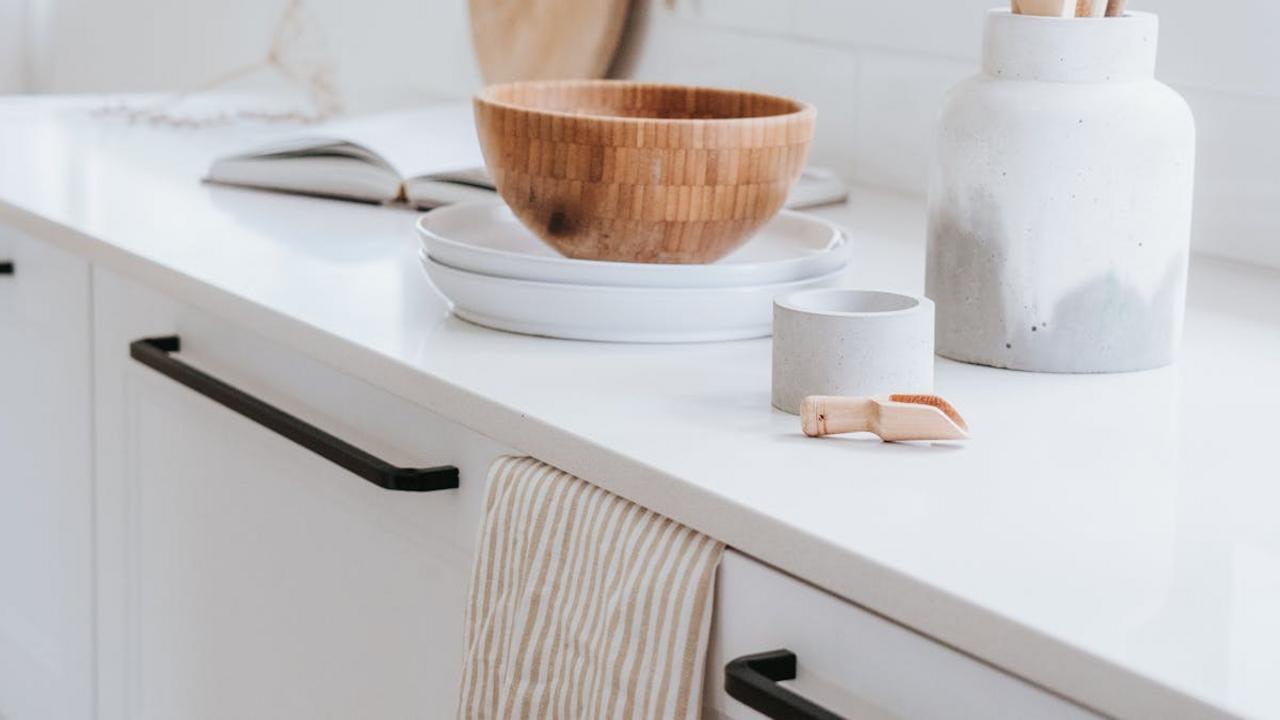
I see it in so many kitchens – that one faithful dish towel that does everything from drying hands to wiping counters to cleaning spills. But here’s the thing: using a single towel for multiple jobs can spread bacteria across your kitchen faster than you can say “food poisoning.” Each time you wipe something with that towel, you’re potentially transferring germs from one surface to another, creating a perfect environment for cross-contamination.
Keep your kitchen safe by designating specific towels for different tasks. Get a set of color-coded towels – maybe blue for hand drying, white for dishes, and red for countertop cleaning. Change them daily (or more often if they get visibly dirty or wet), and wash them in hot water. This simple change will dramatically reduce the risk of spreading harmful bacteria around your kitchen. Your food prep will stay cleaner, and you’ll avoid the risk of contaminating your meals with unwanted germs.
Neglecting to check expiration dates
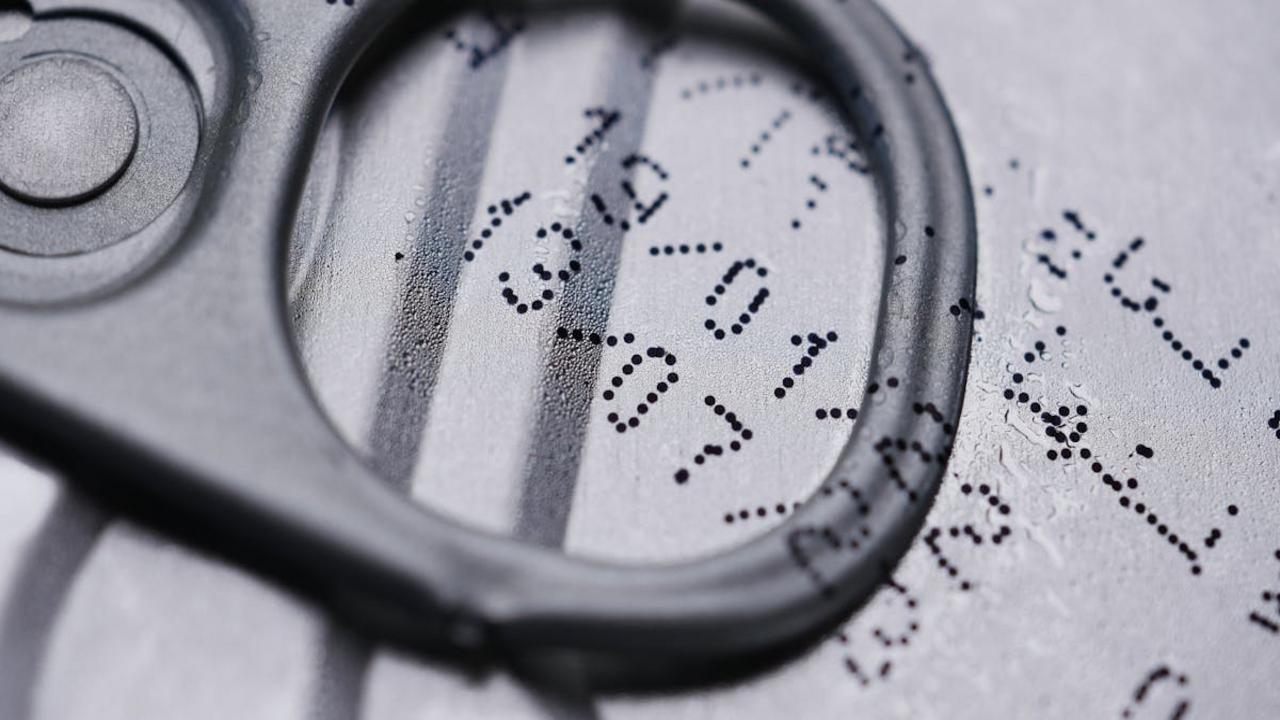
I know you’ve been there – finding a forgotten jar in the back of your fridge or pantry and wondering if it’s still good to eat. Not checking expiration dates can turn your kitchen into a breeding ground for bacteria and foodborne illnesses. While some foods might look and smell fine past their date, many items like dairy, meat, and eggs can become dangerous even before visible signs of spoilage appear. You should make it a regular habit to scan dates when you unpack groceries and do a weekly fridge clean-out to catch anything that needs to go.
The best way to stay on top of expiration dates is to create a simple system. When you buy new groceries, place newer items behind older ones so you’ll use the older products first. Keep a marker in your kitchen to write purchase dates on items that don’t have clear expiration labels. For opened containers, note the date you first opened them since many foods spoil faster once exposed to air. Remember that “best by” dates often indicate quality rather than safety, while “use by” dates are strict food safety guidelines you shouldn’t ignore.
Not using a meat thermometer
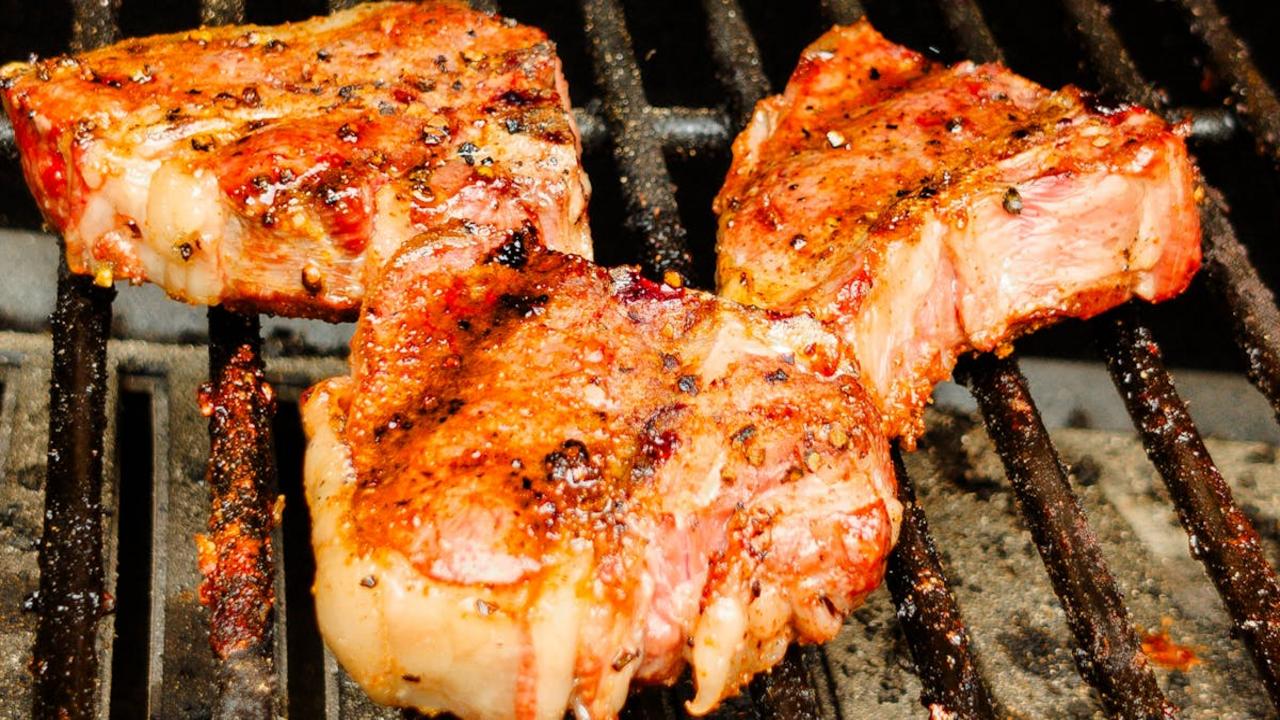
I’ve seen so many home cooks skip using a meat thermometer, thinking they can eyeball doneness by color or cutting into the meat. This risky habit can lead to either undercooked meat that harbors harmful bacteria or overcooked, dry dishes that nobody wants to eat. Your eyes can’t tell you if that chicken has reached the safe 165°F (74°C) or if that medium-rare steak is actually at 135°F (57°C). Remember, color isn’t a reliable indicator – some meats can look done on the outside while remaining dangerously raw inside.
A good meat thermometer is your best friend in the kitchen and will transform your cooking. I keep mine within arm’s reach whenever I’m cooking proteins. Simply insert it into the thickest part of the meat, avoiding fat or bone, and you’ll get an accurate reading in seconds. You’ll serve perfectly cooked, safe food every time, and your guests will notice the difference. Plus, you’ll save money by not overcooking expensive cuts of meat. Get yourself a digital instant-read thermometer – they’re affordable, easy to use, and will make you a more confident cook.
Rinsing raw chicken
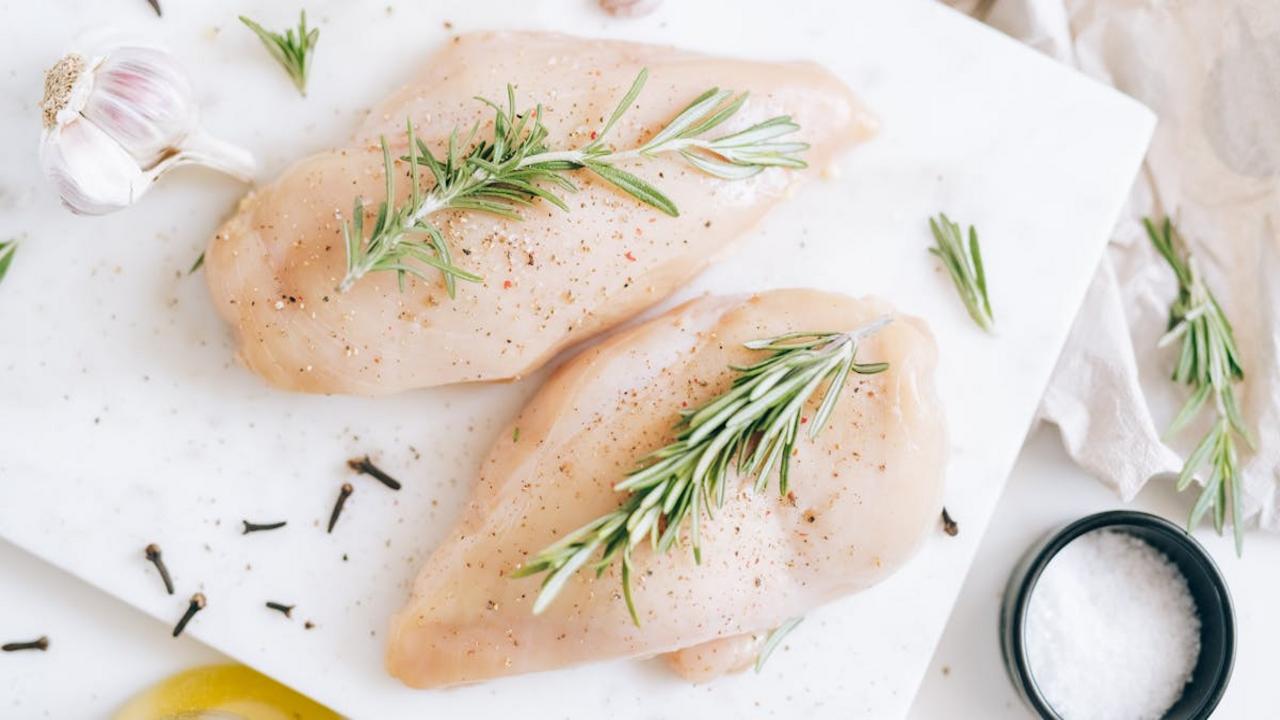
I know you might think rinsing raw chicken will make it cleaner and safer to eat, but this common kitchen habit actually puts you at a higher risk of foodborne illness. When you wash raw chicken under running water, you create tiny droplets that splash and spread harmful bacteria like Salmonella and Campylobacter around your sink, countertops, and nearby surfaces – up to 2-3 feet away! These invisible bacterial droplets can contaminate other foods, kitchen tools, and even your clothes.
The good news? You don’t need to rinse your chicken at all! The high cooking temperatures will kill any bacteria present on the meat’s surface. Instead, simply remove your chicken from its packaging, pat it dry with paper towels, and discard them immediately. If you notice any excess fat or unwanted bits, trim them with a clean knife. Keep your work area clean by washing your hands thoroughly with soap and water, and sanitize all surfaces that came in contact with the raw chicken using hot, soapy water or a kitchen disinfectant.
Thawing meat on the counter
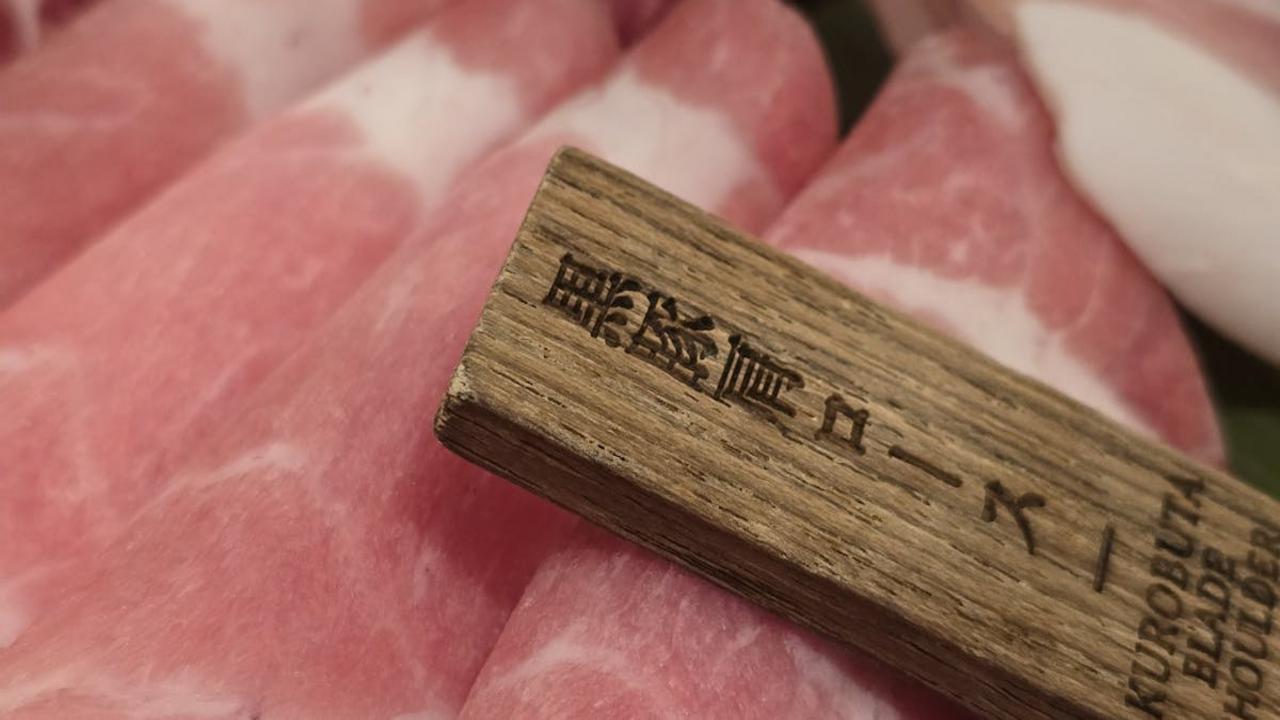
I know the temptation to leave your frozen meat on the counter for a quick thaw before dinner – we’ve all been there! But this common shortcut can create the perfect environment for harmful bacteria to multiply rapidly. The “danger zone” between 40°F and 140°F makes your kitchen counter a risky spot for thawing meat, since bacteria can double in number in just 20 minutes at room temperature.
Instead, you’ll want to plan ahead and thaw your meat safely in the refrigerator where the temperature stays consistent and controlled. Place the meat in a container or sealed bag on the bottom shelf to catch any drips and prevent cross-contamination. For faster thawing, you can submerge sealed meat in cold water, changing the water every 30 minutes. If you’re really short on time, your microwave’s defrost setting works too – just make sure to cook the meat right away to keep those bacteria at bay!
Tasting food with cooking utensils
Hey there! I need to talk to you about a super common but risky kitchen habit – tasting your food with the same spoon or utensil you’re cooking with. While you might think it’s harmless to quickly sample that pasta sauce or soup with your stirring spoon, you’re actually introducing bacteria from your mouth back into the food that’s still cooking. This creates a perfect environment for germs to multiply, especially if you keep using the same utensil throughout the cooking process.
The safe way to taste your cooking is simple – grab a separate small spoon or fork specifically for tasting. Take a small portion of your dish with your cooking utensil and transfer it to your tasting spoon. After tasting, put that spoon straight into the sink or dishwasher. This keeps your cooking utensils clean and prevents any cross-contamination. I keep a small container of clean tasting spoons near my stove, making it easy to grab a fresh one whenever I need to check my seasoning. Your food will stay safer, and your family will thank you!
Not cleaning sponges and dishcloths
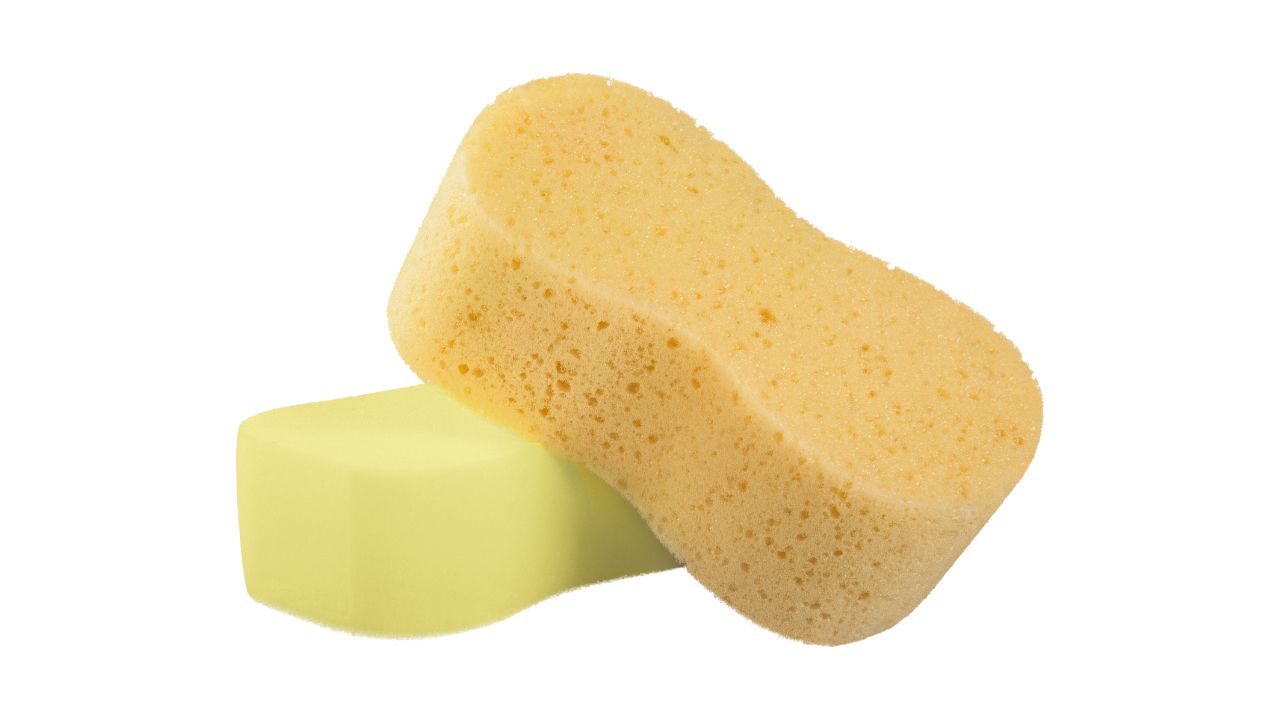
Hey there! I need to talk about something that makes me cringe every time I visit someone’s kitchen – those forgotten, bacteria-laden sponges and dishcloths sitting by the sink. Your kitchen sponges and dishcloths are perfect breeding grounds for harmful bacteria, especially when you leave them damp and don’t clean them regularly. Studies show that a typical kitchen sponge can hold more bacteria than a toilet seat – yikes! Every time you wipe your counters or dishes with dirty cleaning tools, you’re just spreading those germs around.
Here’s what I recommend: Replace your sponges every two weeks, or clean them daily by running them through your dishwasher’s hottest cycle or microwaving them while damp for two minutes. For dishcloths, wash them with hot water and detergent at least every other day. I keep three sets of dishcloths in rotation, so I always have clean ones ready. Remember, these items touch everything in your kitchen – from countertops to dishes – so keeping them clean is a must for food safety. Your family’s health depends on these simple but important habits!
Improper refrigerator temperature settings
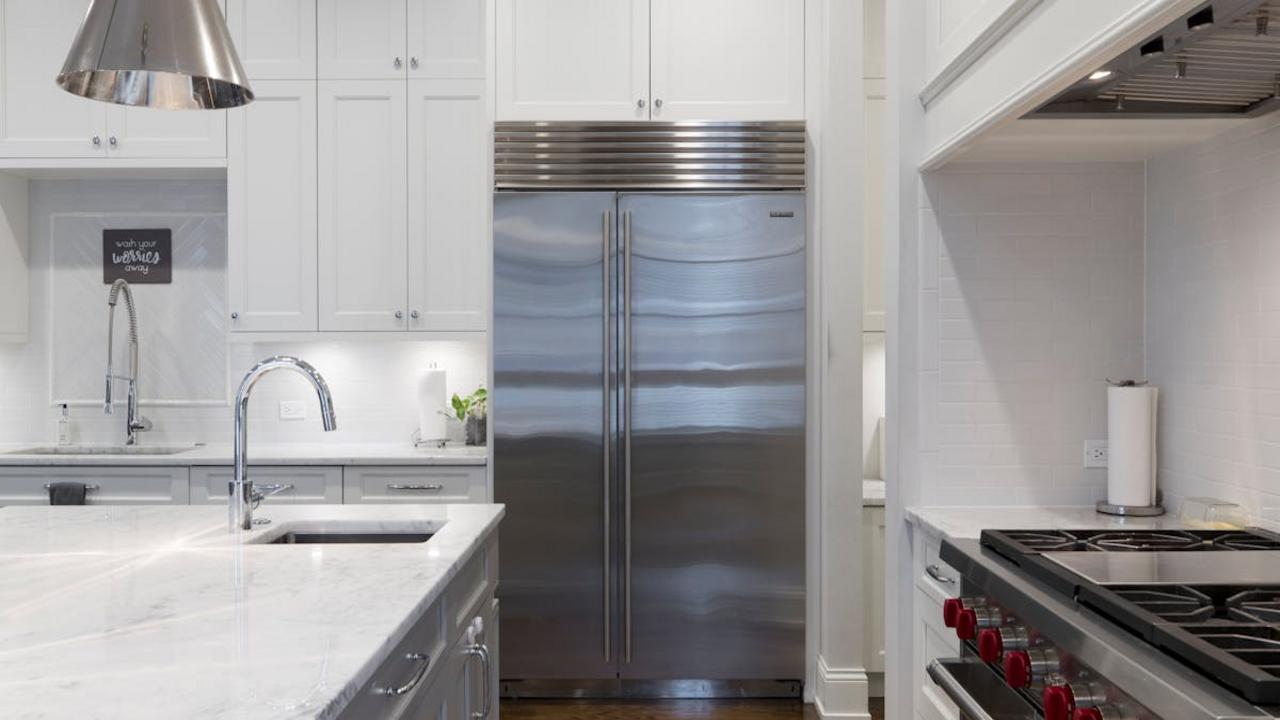
You might think setting your fridge to “cold enough” works fine, but the wrong temperature can turn your refrigerator into a bacteria playground. Your refrigerator needs to stay at or below 40°F (4°C) to keep food fresh and prevent harmful bacteria from growing. I’ve seen many home cooks skip the thermometer check, assuming their fridge runs at the right temperature just because it feels cold – but this simple oversight can make your food spoil faster and put your family’s health at risk.
Keep a basic refrigerator thermometer inside your fridge and check it weekly – this small step can make a big difference in food safety. Place the thermometer in the middle shelf rather than the door, since door temperatures fluctuate more with frequent opening and closing. If you notice the temperature creeping above 40°F, adjust your fridge settings immediately. Remember to give your fridge time to cool down after loading it with warm leftovers or groceries, and avoid overcrowding which can block proper air circulation and create warm spots.
Leaving food at room temperature too long
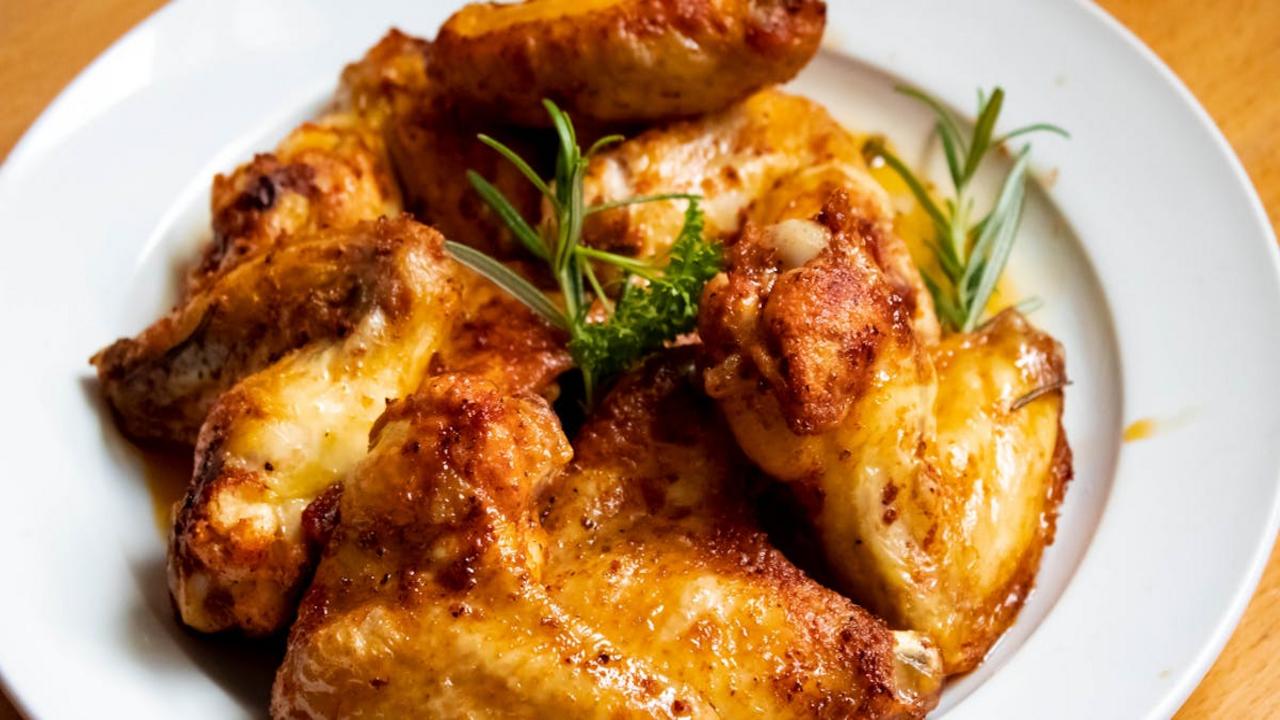
I know we’ve all done it – leaving that delicious pot of soup or casserole on the counter to cool down while we catch up on other tasks. But here’s the truth: your kitchen counter can turn into a bacterial playground if you leave food out too long. The “danger zone” sits between 40°F and 140°F (4°C-60°C), and bacteria multiply rapidly in this range. You should never keep food at room temperature for more than 2 hours, or 1 hour if your room is warmer than 90°F (32°C).
Getting your leftovers into the fridge quickly makes a huge difference in food safety. I recommend dividing large portions into smaller containers before refrigerating – this helps them cool faster and prevents bacterial growth. Keep a close eye on perishables like dairy, meat, and cooked grains. Set a timer on your phone if you need to, because time flies when you’re busy in the kitchen! Remember that proper food storage goes beyond just taste – it’s about keeping you and your family healthy and safe.
Cross contamination on cutting boards
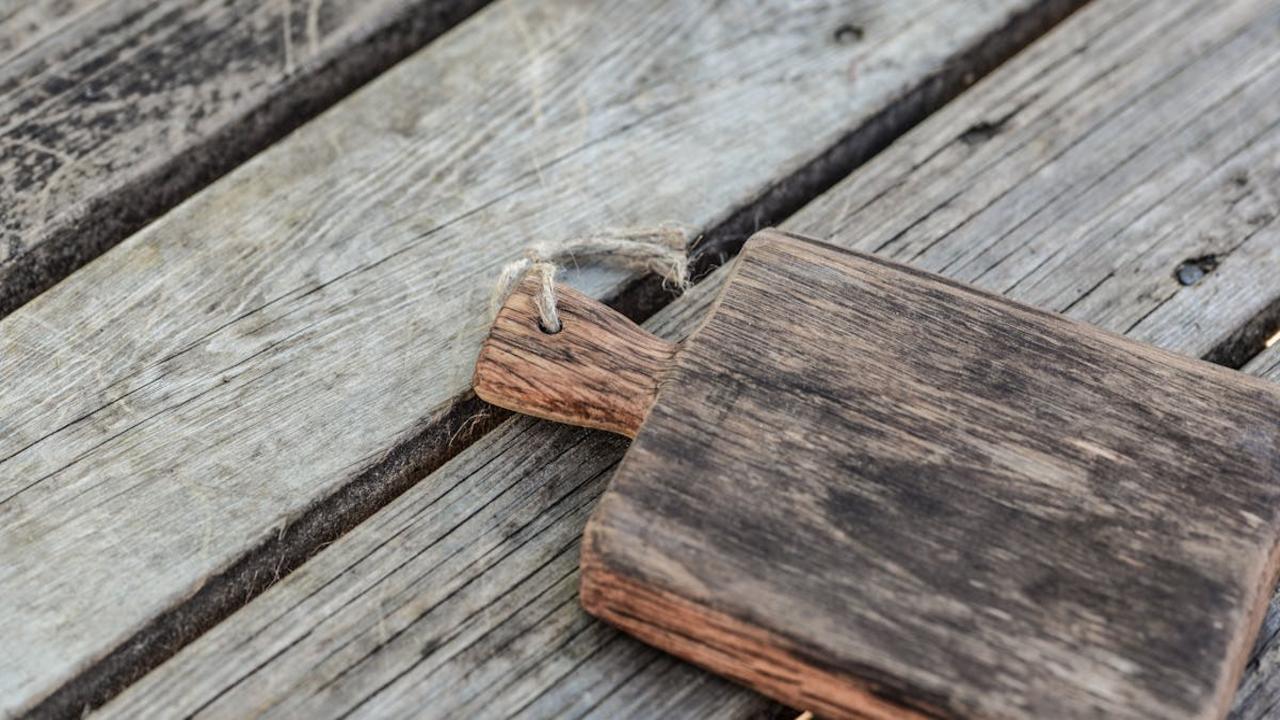
Your cutting board might be making you sick without you knowing it! I see this common mistake in many home kitchens – using the same cutting board for raw meat and fresh produce. Raw meat leaves behind harmful bacteria that can transfer to other foods, putting you and your family at risk of foodborne illness. Think about it: if you chop raw chicken and then cut lettuce on the same board, those dangerous bacteria will end up in your salad.
Here’s my go-to method to keep your food safe: keep two separate cutting boards in your kitchen. I mark my red board for raw meat only and my green one for fruits and veggies. After each use, wash your boards thoroughly with hot, soapy water, and sanitize them with a mixture of one tablespoon of bleach per gallon of water. Replace your cutting boards when they develop deep grooves or cracks since these spaces can trap bacteria and make proper cleaning impossible.
Not washing hands properly
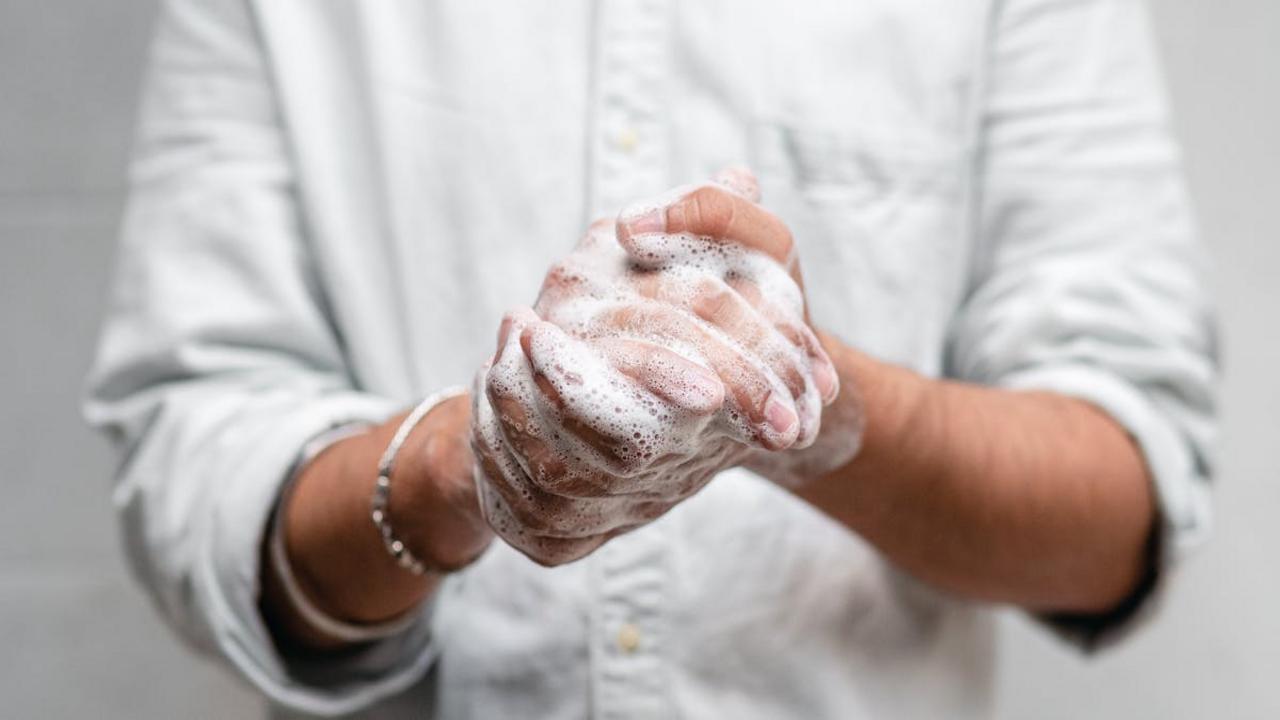
You might think a quick rinse under the tap counts as proper handwashing, but I’ve seen too many home cooks skip the full 20-second scrub with soap. Your hands touch countless surfaces throughout the day, picking up bacteria that can transfer directly to your food. From raw meat juices to dirt from your phone, these invisible threats need more than just water to wash away. The CDC recommends washing with warm water and soap, scrubbing all parts of your hands – including between fingers and under nails – for at least 20 seconds.
I’ve made handwashing a non-negotiable rule in my kitchen, and you should too! Wash up before you start cooking, after handling raw meats, after touching your face or hair, and between different food prep tasks. Keep a soap dispenser right by your kitchen sink as a visual reminder. Remember, those extra seconds of thorough handwashing can prevent nasty foodborne illnesses from spreading to your family’s meals. Clean hands make safe food – it’s that simple!