14 Chinese Takeout Favorites You Won’t Find in China
You know those Friday nights when you’re craving Chinese takeout? That perfectly crispy General Tso’s, those fortune cookies you crack open for a laugh? Here’s the thing—most of what we call “Chinese food” in America is actually an American creation. These dishes were invented right here, adapted by immigrant cooks who transformed traditional recipes to match local tastes and available ingredients.
I’m talking about the classics: sweet and tangy orange chicken, those cream cheese-filled crab rangoons, even the duck sauce we dip everything into. Walk into a restaurant in Beijing or Shanghai, and you won’t find these dishes anywhere. They’re uniquely ours—a beautiful fusion born from necessity and creativity.
But don’t get me wrong—there’s nothing fake about these flavors. They represent real ingenuity and adaptation. Understanding where these dishes came from makes ordering takeout even more interesting. So grab your chopsticks, and discover which of your go-to orders are purely American inventions.
Duck Sauce
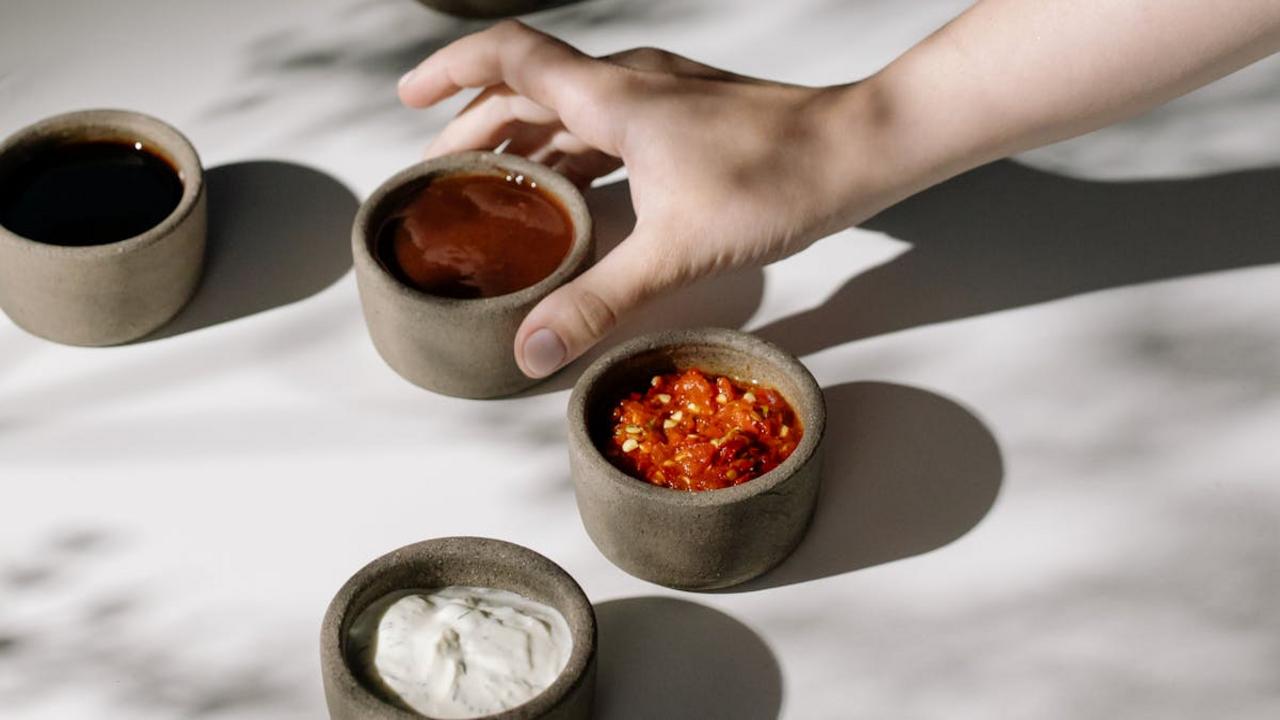
You know that sweet, tangy orange sauce that comes in those little packets with your takeout order? That’s duck sauce, and here’s something that might catch you off guard—you won’t spot it anywhere in China. This condiment is a purely American invention, created specifically for the Chinese restaurant scene here in the States. The funny thing is, despite its name, it rarely contains any duck at all. Most versions are made from apricots, plums, or peaches mixed with sugar, vinegar, and a few spices. Some recipes add ginger or chili flakes for a little kick, but the base stays pretty consistent across different brands and restaurants.
What I find fascinating about duck sauce is how it became this universal pairing for everything from egg rolls to fried wontons, even though Chinese diners would never dream of dunking their dumplings in something this sweet. In China, you’d get soy sauce, vinegar-based dips, or chili oil instead—condiments that complement rather than mask the food’s natural flavors. But here’s the thing: duck sauce has earned its place in American food culture because it works for our palates. If you want to make a fresher version at home, simmer down some apricot preserves with rice vinegar, a touch of fresh ginger, and a pinch of salt. It takes maybe ten minutes, and the result blows those packets out of the water. You get control over the sweetness level and can adjust the tanginess to match what you’re eating. That’s the beauty of making your own—you’re not stuck with one-note flavors.
Spring Rolls
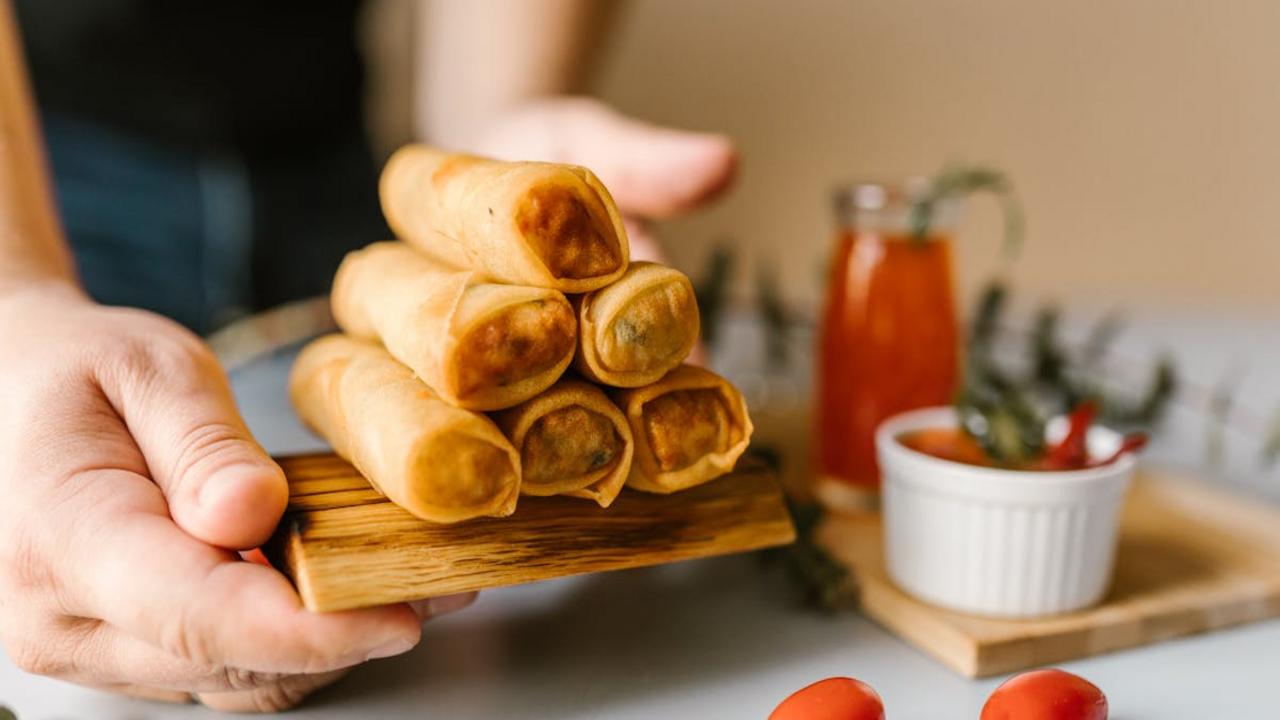
Spring rolls as you know them from your neighborhood Chinese takeout spot probably bear little resemblance to their actual Chinese counterparts. Those hefty, deep-fried cylinders stuffed with cabbage and mystery meat? That’s an American invention through and through. Real Chinese spring rolls are delicate, paper-thin wrappers filled with fresh vegetables and often served during the Spring Festival—hence the name. They’re traditionally pan-fried just until crispy, not dunked in a vat of oil until they become golden torpedoes. The filling usually contains bamboo shoots, mushrooms, and finely shredded vegetables seasoned simply with soy sauce and sesame oil. What you’re getting at most American-Chinese restaurants is closer to an egg roll, which is itself a Chinese-American creation with its thick, bubbly wrapper and heavy, greasy filling.
I make spring rolls at home using rice paper wrappers and stuff them with whatever fresh vegetables I have on hand—julienned carrots, cucumber, herbs, and sometimes leftover grilled chicken or shrimp. No deep fryer needed. You soak the wrapper briefly in warm water, lay it flat, add your filling, and roll it up like a burrito. These fresh rolls are light, healthy, and actually let you taste the ingredients instead of drowning everything in oil. The dipping sauce matters here—I mix fish sauce, lime juice, a touch of sugar, and fresh chilies for something bright and tangy. These rolls won’t weigh you down like their takeout cousins, and you’ll actually feel good after eating them. That’s the beauty of cooking from scratch: you control what goes into your food, and you can honor the original spirit of a dish without all the unnecessary heaviness.
Lemon Chicken
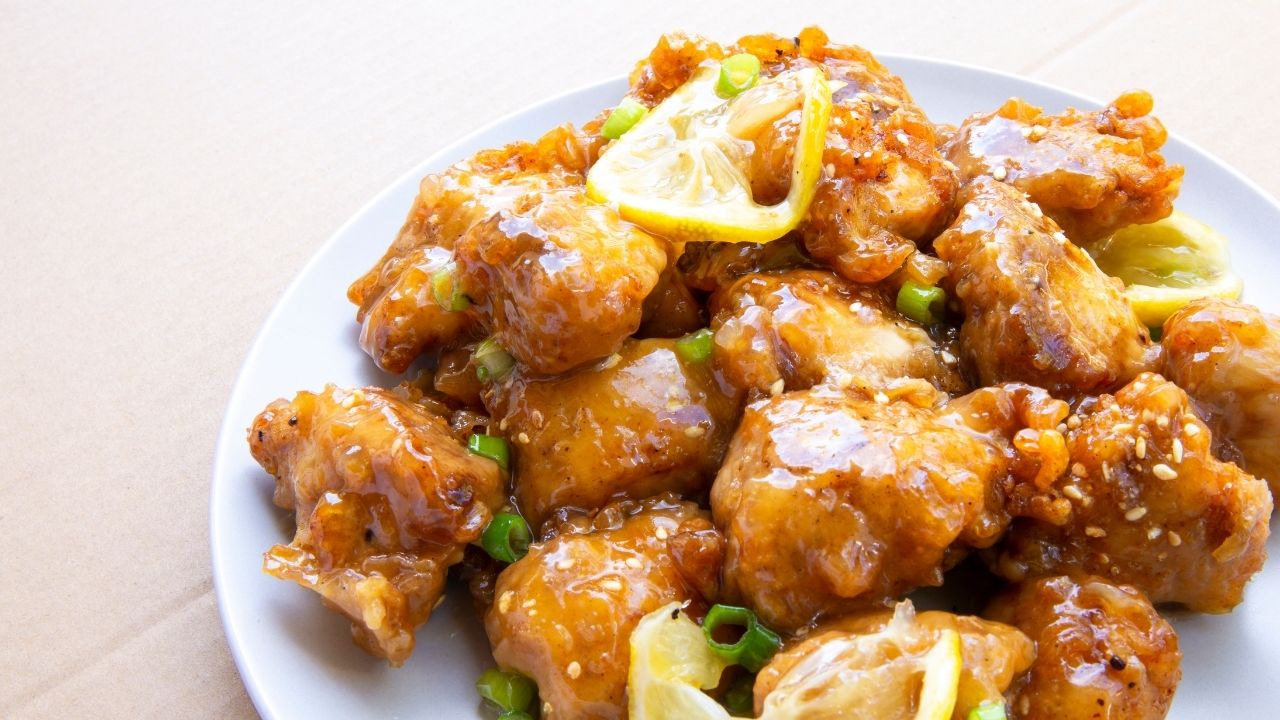
If you’re craving that sweet-and-sour punch with a citrus twist, lemon chicken is probably on your radar. This dish features battered and fried chicken pieces coated in a glossy, tangy lemon sauce that’s hard to resist. The problem? Walk into any restaurant in China, and you won’t see this on the menu. It’s a North American invention that took the concept of sweet-and-sour flavors and gave it a lemon makeover. The sauce is typically loaded with sugar, cornstarch, and artificial lemon flavor, creating that sticky coating we’ve come to associate with takeout boxes. While it’s undeniably tasty, it’s also one of those dishes that strays far from traditional Chinese cooking methods and flavor profiles.
Making your own version at home gives you control over the ingredients and the cooking process. Instead of deep-frying, try baking or air-frying your chicken pieces for a lighter result. For the sauce, use fresh lemon juice and zest to get real citrus brightness without relying on artificial flavors. A touch of honey or maple syrup can provide sweetness without overdoing it, and a splash of low-sodium soy sauce adds depth. Thicken the sauce with a small amount of cornstarch mixed with water, but keep it light so the lemon flavor shines through. Serve this over brown rice or alongside steamed vegetables, and you’ve got a satisfying meal that respects your body and your taste preferences without sacrificing flavor.
Kung Pao Chicken
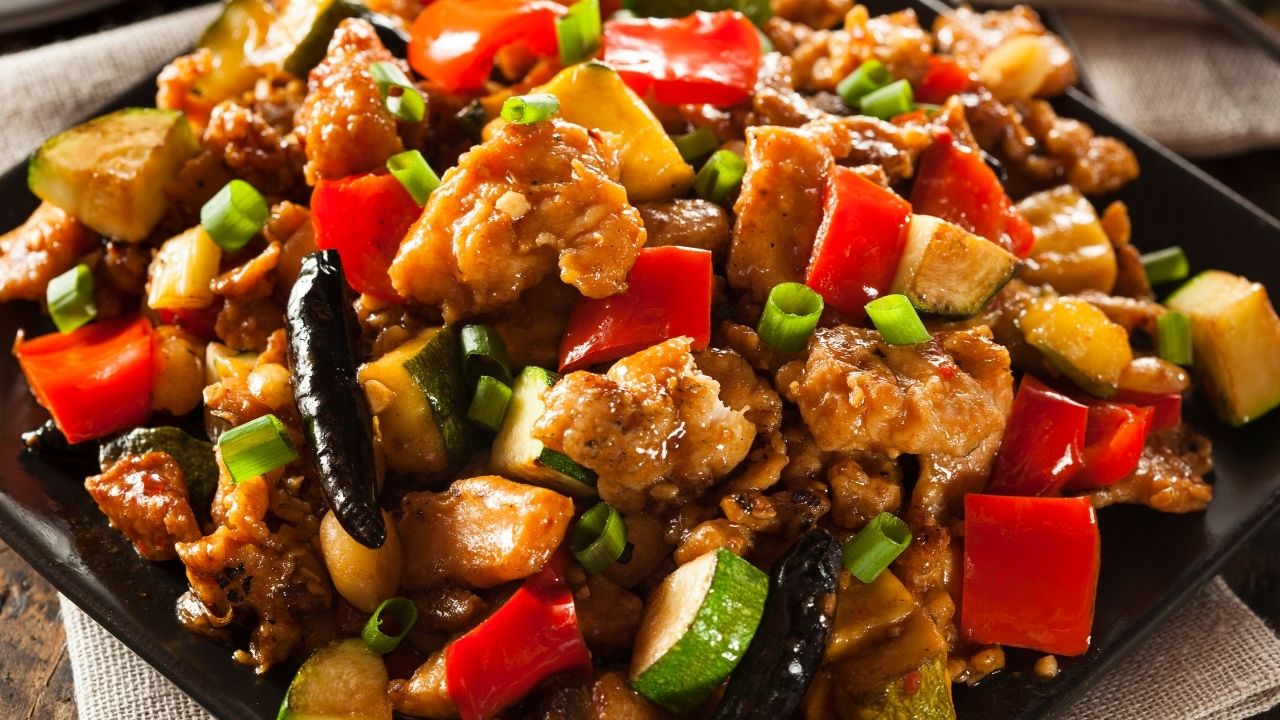
If you order Kung Pao Chicken at your local Chinese restaurant, you’re getting something entirely different from what you’d find in Sichuan province. The American version drowns tender chicken pieces in a thick, glossy brown sauce loaded with sugar and cornstarch, creating that familiar sticky-sweet coating. Roasted peanuts and diced vegetables add texture, but the dish lacks the complex heat and numbing sensation that defines authentic Sichuan cooking. What started as a bold, spicy stir-fry has been transformed into a crowd-pleasing dish that caters to American preferences for sweeter, milder flavors.
The original Kung Pao—named after a Qing Dynasty official—relies on dried red chilies, Sichuan peppercorns, and fermented black beans to create layers of flavor that build with each bite. The sauce stays light, clinging to the ingredients without overwhelming them, while the peppercorns provide that distinctive ma la sensation—numbing and spicy at once. Chinese versions often include leeks or scallions instead of bell peppers, and the peanuts get tossed in right before serving to maintain their crunch. The Americanized takeout version strips away these defining characteristics, leaving behind a dish that’s recognizable by name only. Making it at home means you can control the heat level and sauce consistency, bringing it closer to its roots while still adapting it to your own kitchen.
Sesame Chicken
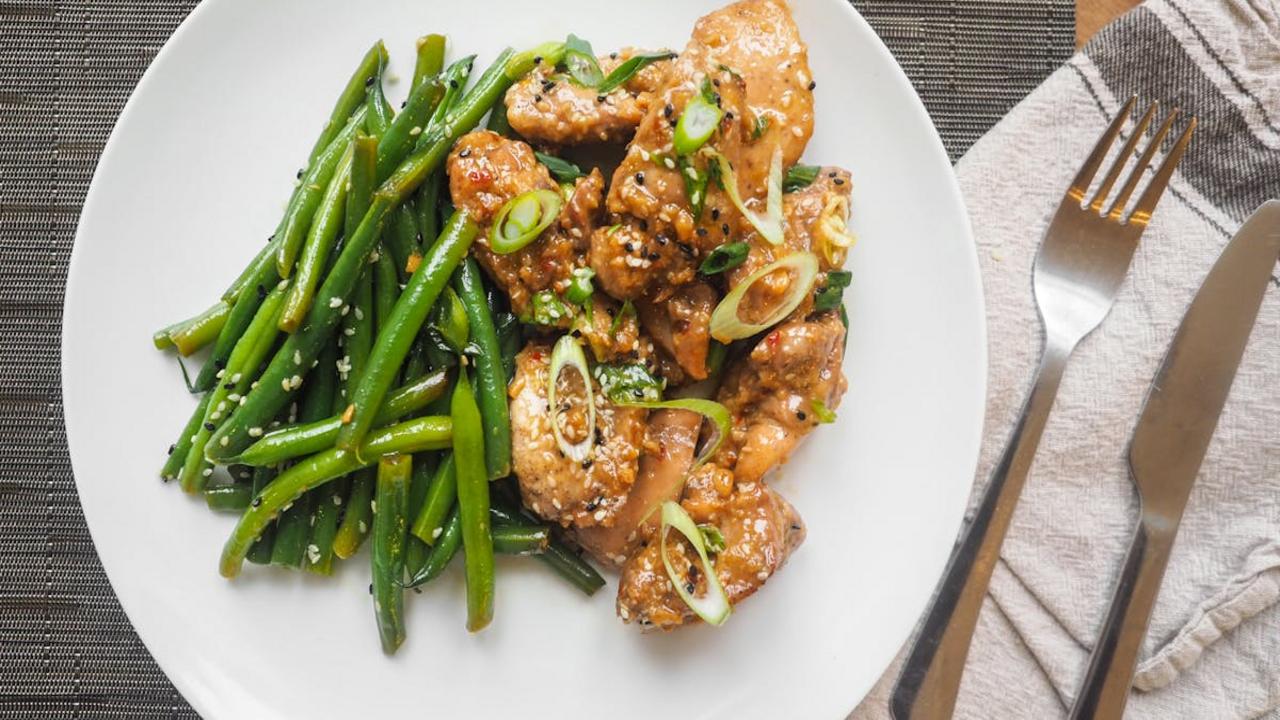
Walk into almost any American Chinese restaurant and you’ll spot sesame chicken on the menu—golden-fried chunks of chicken glazed in a sticky-sweet sauce and showered with toasted sesame seeds. It’s comfort food at its finest, but here’s what might catch you off guard: this dish doesn’t exist in traditional Chinese cooking. The version we know was crafted specifically for Western palates, loaded with sugar and cornstarch to create that signature candy-like coating. In China, you’ll find chicken prepared countless ways—steamed, stir-fried, braised—but rarely battered, deep-fried, and drowned in syrup. The authentic approach celebrates the natural flavors of quality poultry paired with aromatic ginger, scallions, and light soy-based sauces.
If you’re making this at home, try reimagining it with a healthier spin that still delivers on flavor. Skip the deep fryer and pan-sear bite-sized chicken pieces in a hot skillet with just a touch of oil until they develop a beautiful golden crust. Create your sauce from scratch using real honey or maple syrup instead of refined sugar, balanced with rice vinegar, tamari, and a hint of toasted sesame oil. Thicken it naturally by reducing the sauce rather than relying on cornstarch, and finish with a generous sprinkle of sesame seeds and sliced scallions. This approach gives you all the satisfaction of the takeout favorite while keeping things wholesome and letting the actual chicken shine through.
Orange Chicken
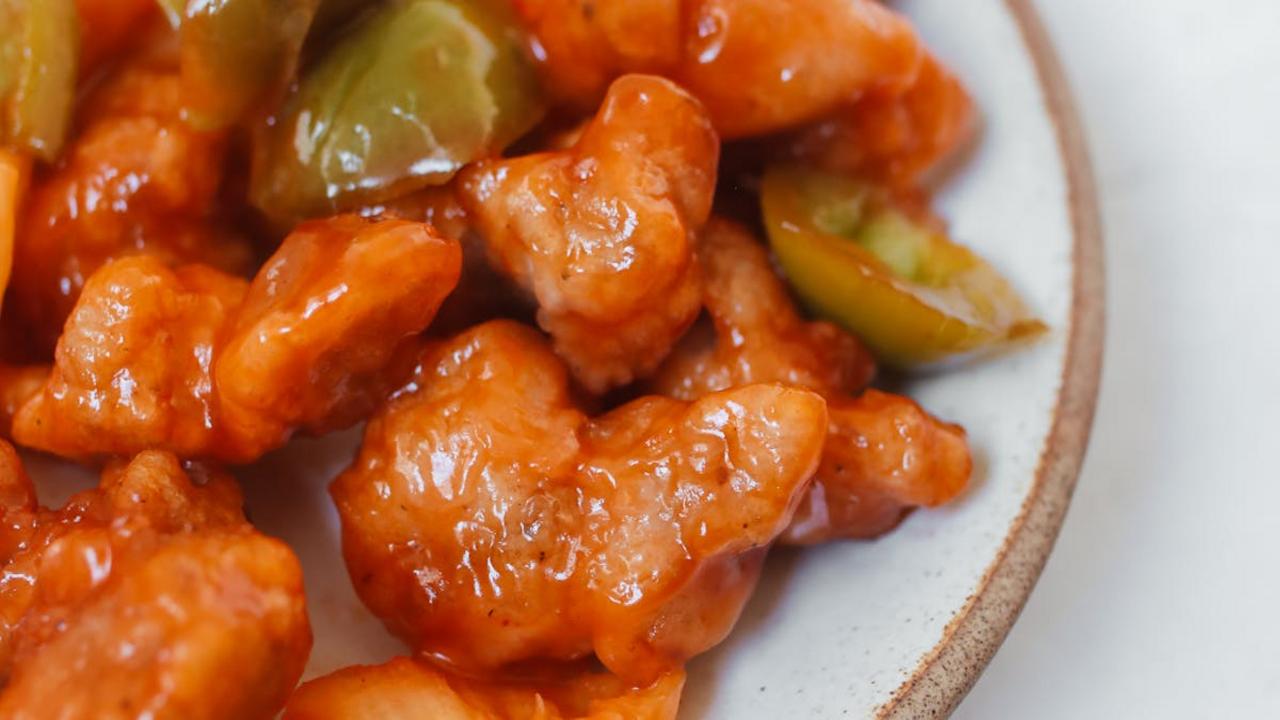
Orange chicken holds a special place in American-Chinese restaurants, but you won’t spot it on menus across China. This dish was created in the 1980s by Chef Andy Kao at Panda Express, making it a purely American invention. The sweet, tangy sauce coating crispy fried chicken pieces became an instant hit, turning into one of the most ordered items at Chinese takeout spots nationwide. The orange flavor comes from orange juice and zest mixed with sugar, vinegar, and soy sauce, creating that addictive sweet-and-sour combination Americans crave.
What makes this dish distinctly American is the excessive sweetness and the deep-fried preparation. Traditional Chinese cooking tends to balance flavors more delicately, and while orange peel appears in some Hunan and Sichuan dishes, it’s used sparingly as a fragrant accent rather than the star ingredient. When you make orange chicken at home, you control the sugar content and can use fresher ingredients than most restaurants. I recommend baking the chicken instead of deep-frying to keep things lighter, and using fresh orange juice with just enough honey or maple syrup to balance the acidity. You’ll get that familiar flavor profile without the heavy, overly sweet coating that leaves you feeling sluggish after eating.
Sweet and Sour Chicken
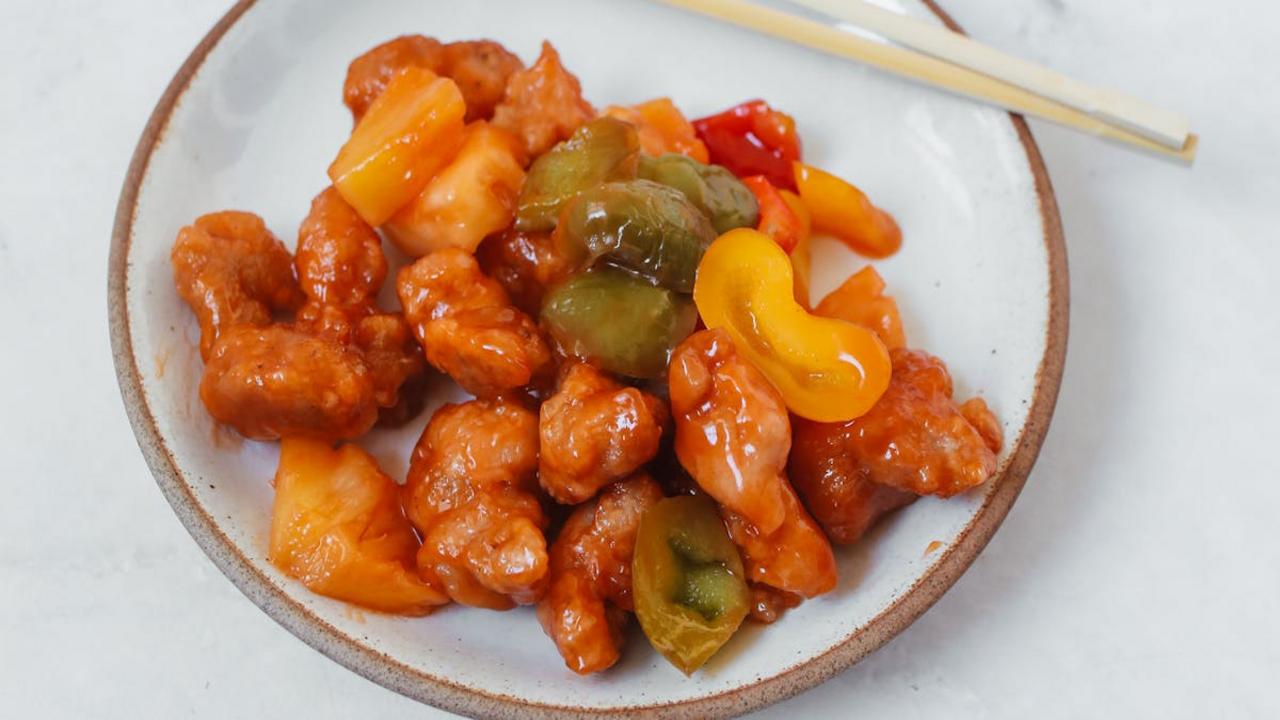
Walk into any American Chinese restaurant and you’ll spot this glossy, tangerine-colored dish on nearly every table. Sweet and sour chicken became a staple here in the 1960s, but you’d struggle to find anything resembling it in China. The original Cantonese sweet and sour dishes featured pork, not chicken, and the sauce was lighter, more vinegar-forward, and definitely not neon orange. American versions load up on pineapple chunks, bell peppers, and a thick, candy-sweet sauce that coats deep-fried chicken pieces until they’re barely recognizable. It’s comfort food designed for Western palates that crave bold sweetness paired with a hint of tang.
Making your own version at home gives you control over the sugar content and lets you skip the heavy frying. Try baking marinated chicken pieces until crispy, then toss them in a sauce made from rice vinegar, a touch of honey, tomato paste for color, and fresh ginger for depth. Add chunks of fresh pineapple and crisp bell peppers right at the end so they keep their texture. You’ll get that satisfying sweet-sour contrast without the artificial color or overwhelming sweetness. Serve it over brown rice with steamed broccoli on the side, and you’ve transformed a takeout favorite into something you can feel good about eating regularly.
Egg Foo Young
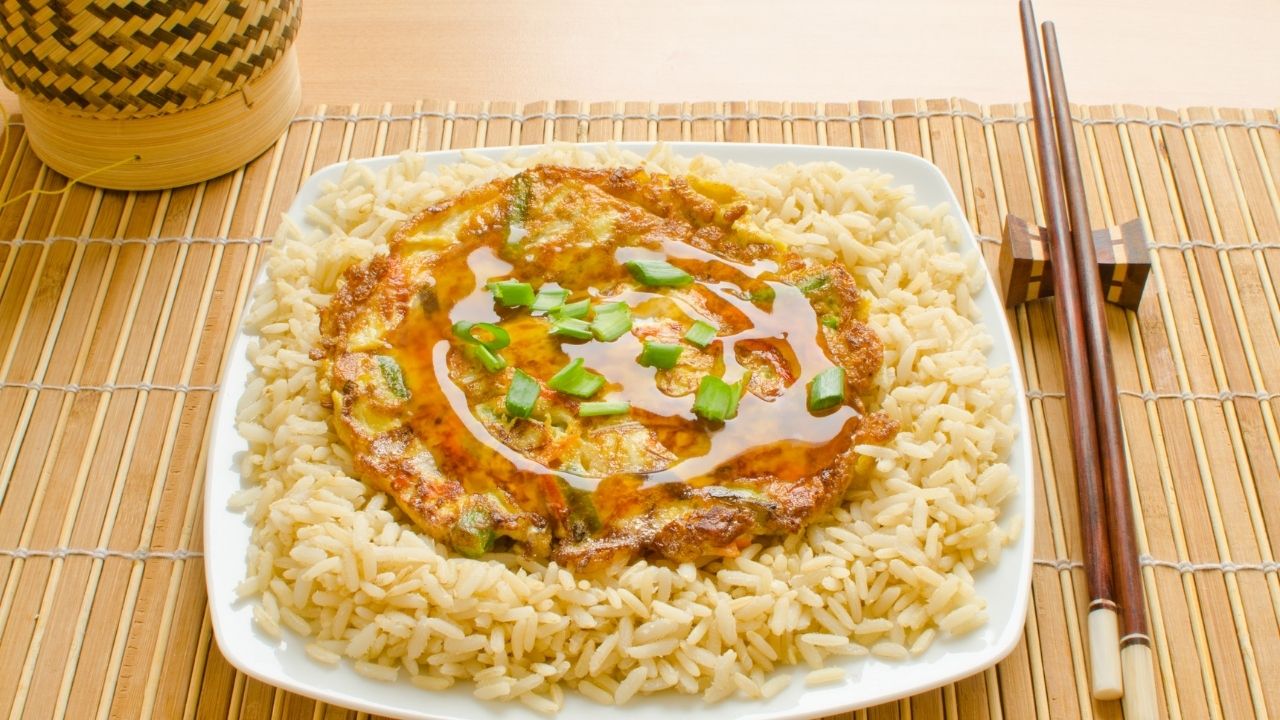
Think of Egg Foo Young as the Chinese-American answer to an omelet, but fluffier, heartier, and smothered in a savory brown gravy that ties everything together. You won’t find this dish on menus across China because it’s a pure American invention, created in Chinese restaurants to appeal to Western breakfast sensibilities while maintaining an Asian flair. The base is simple—beaten eggs mixed with bean sprouts, onions, and often bits of roast pork, shrimp, or chicken—then pan-fried until golden and puffy. What makes it distinctly American is that thick, glossy gravy poured over the top, usually made with soy sauce, chicken stock, and cornstarch. It’s comfort food that bridges two worlds, satisfying that craving for something familiar yet just exotic enough to feel special.
Making Egg Foo Young at home gives you complete control over what goes into those eggs, and I love using up leftover vegetables and proteins this way. Skip the MSG-laden packets and make your own gravy from scratch—it takes maybe five minutes and tastes infinitely better. The key is getting your pan hot enough so the eggs puff up nicely without becoming rubbery, and don’t overcrowd the pan or you’ll end up steaming instead of frying. I often throw in mushrooms, scallions, and whatever vegetables need using up in my fridge. The beauty of this dish is its flexibility; it works for breakfast, lunch, or dinner, and you can pack it with nutrients while keeping it light. Serve it over rice if you want something more filling, or enjoy it on its own with that luscious gravy drizzled generously on top.
Beef with Broccoli
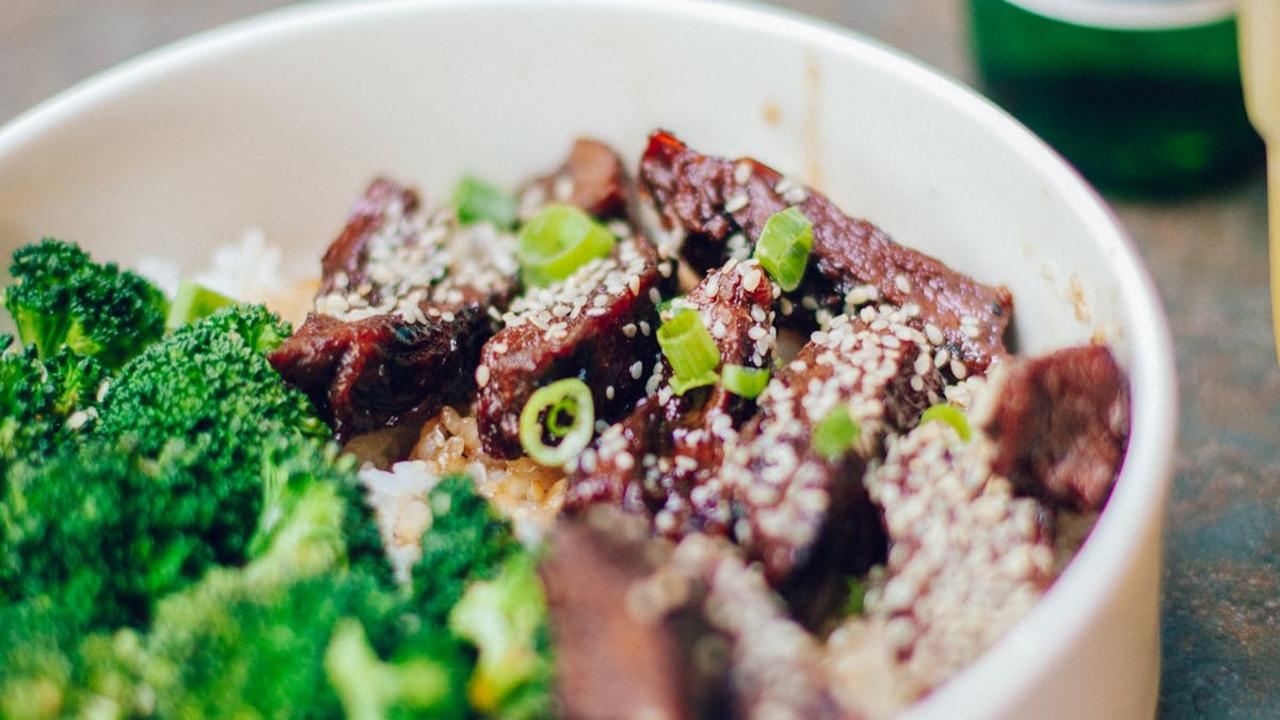
Beef with broccoli might feel authentically Chinese when you’re dipping into that takeout container, but truth is, you won’t spot this exact dish on menus across China. Sure, Chinese cooking features beef and broccoli separately, but this saucy, Americanized pairing was crafted specifically for Western palates. The Chinese version, “gai lan chao niu rou,” uses Chinese broccoli—a leafier, slightly bitter green that’s worlds apart from the crown-topped broccoli we know. American Chinese restaurants swapped it out because regular broccoli was easier to source and more familiar to diners who weren’t ready for bitter greens. The result? A milder, sweeter dish that became a menu staple from coast to coast.
What really sets this version apart is the thick, glossy brown sauce that coats everything—a signature move in American Chinese cooking that you rarely see in traditional preparations. Back in China, stir-fries tend toward lighter seasoning, letting the natural flavors of quality ingredients speak for themselves. But here, that rich sauce, often loaded with cornstarch, soy sauce, and sugar, creates the comfort-food appeal that keeps us ordering it again and again. If you’re cooking this at home, try making your own sauce with real ingredients—skip the bottled stuff packed with preservatives. Use fresh ginger, quality soy sauce, and just enough cornstarch to create that silky texture without overwhelming the tender beef and crisp broccoli florets.
Chop Suey
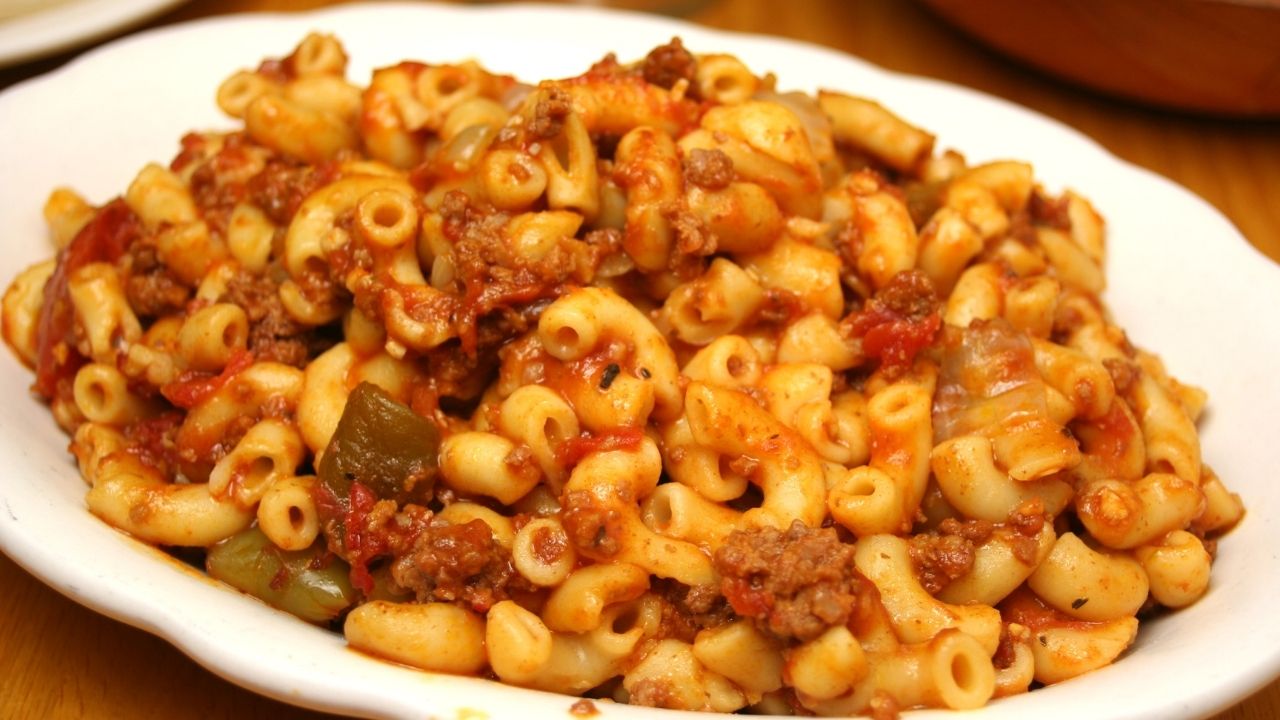
Chop suey stands as one of the most fascinating examples of how immigrant communities adapted their cooking to new environments. This dish, which translates to “odds and ends,” was actually created in America by Chinese immigrants who needed to work with whatever ingredients they could find. You won’t see it on menus in China because it was born right here, mixing celery, bean sprouts, water chestnuts, and various meats in a starchy sauce that Americans found comforting and familiar. The beauty of this dish lies in its flexibility—you can throw in whatever vegetables you have sitting in your crisper drawer, making it perfect for those nights when you need to clean out the fridge.
What I love most about chop suey is how it represents resourcefulness in the kitchen. Those early Chinese cooks weren’t trying to replicate traditional dishes—they were creating something entirely new that would appeal to American diners while using cooking techniques they knew by heart. The result became a bridge between cultures, even if it never existed in China itself. Making chop suey at home gives you control over the ingredients, letting you skip the heavy cornstarch and excessive sodium that plague restaurant versions. Instead, you can build layers of flavor with fresh ginger, garlic, and a light sauce that lets the vegetables shine through rather than drowning them.
Moo Shu Pork
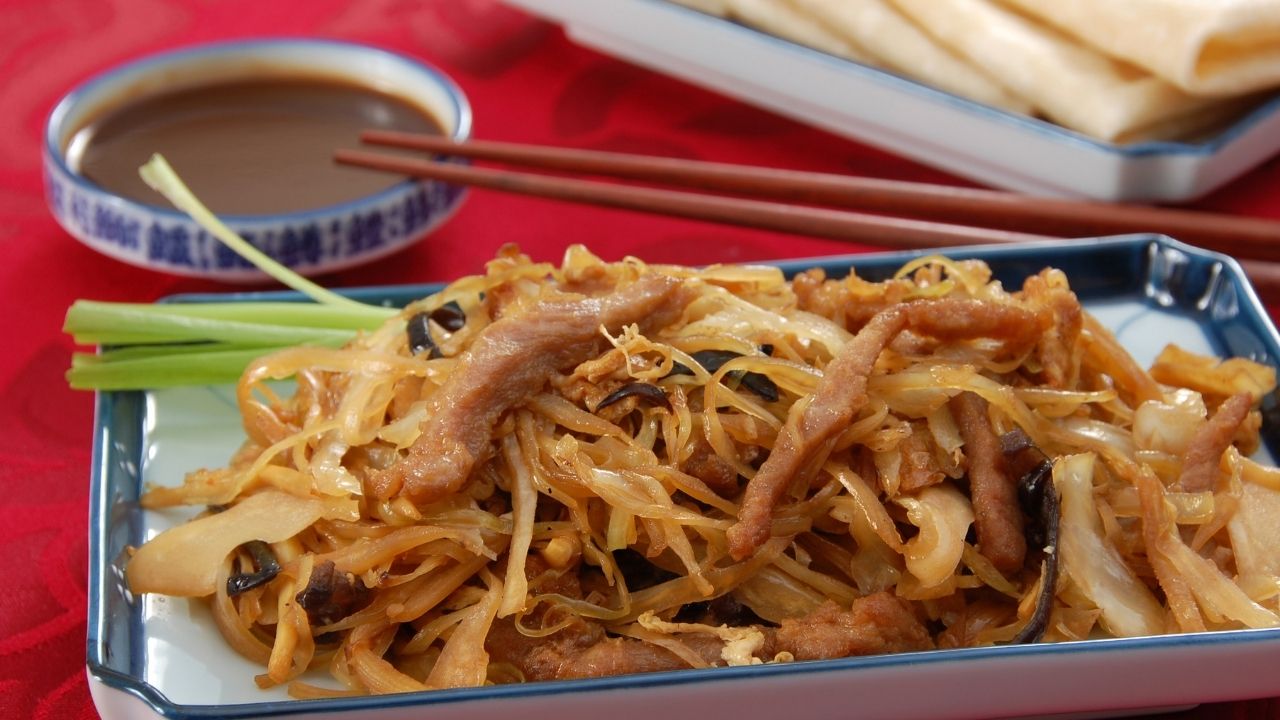
This dish holds a special place in American-Chinese restaurants, but ask for it in Beijing or Shanghai, and you’ll get puzzled looks. The version you know—shredded pork, scrambled eggs, cabbage, and wood ear mushrooms wrapped in thin pancakes with hoisin sauce—is a distant cousin of a northern Chinese home-style dish called Muxu Rou. In China, the original is typically served on a plate with rice, not rolled into pancakes like little burritos. The American adaptation transformed it into something entirely different, adding the sweet hoisin sauce that’s become its signature component. Chinese cooks rarely use hoisin this way, preferring lighter seasoning that doesn’t mask the ingredients’ natural flavors.
What makes the American version so appealing is its interactive nature—you get to build your own wraps at the table, which turns dinner into an experience rather than just a meal. The contrast between the soft pancakes, crispy vegetables, and savory-sweet sauce creates textures that work beautifully together. I love making this at home because you can control the sauce quantity and add extra vegetables like shiitake mushrooms or carrots. The eggs give it richness while keeping everything light enough that you can eat three or four wraps without feeling weighed down. It’s one of those dishes that proves how immigration and adaptation create entirely new food traditions worth celebrating on their own terms.
Crab Rangoon
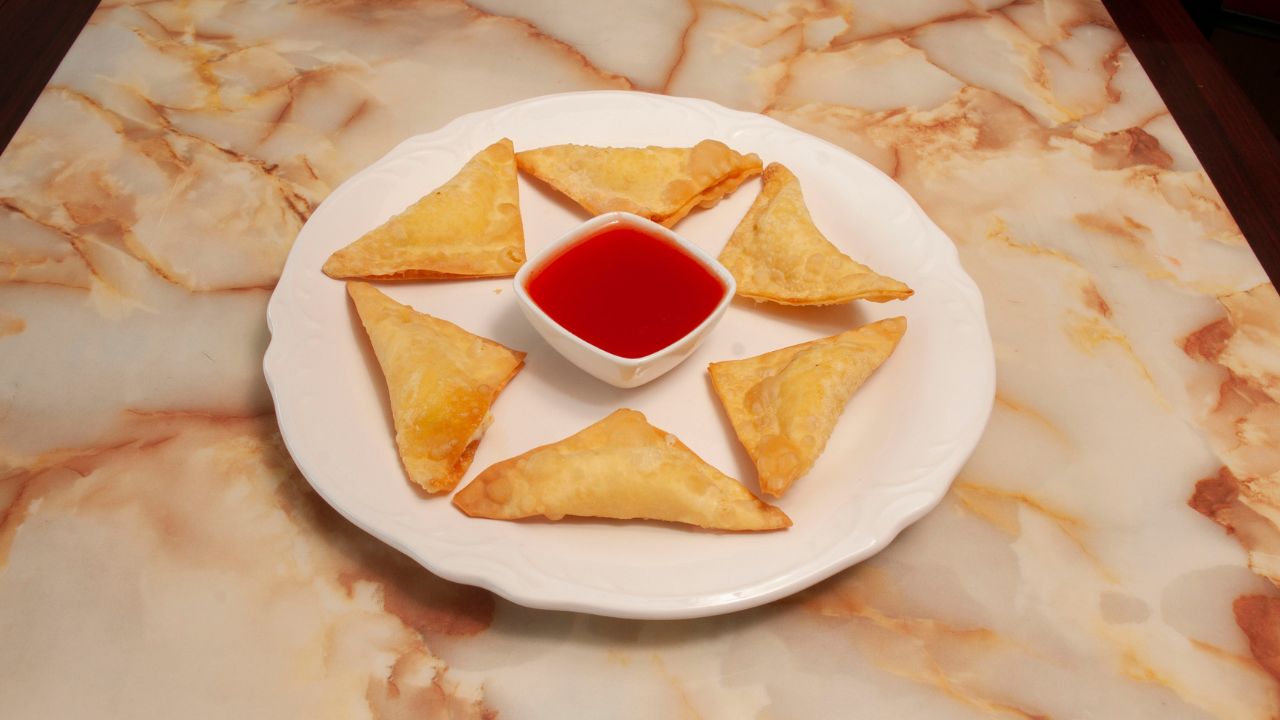
These crispy, golden wontons filled with cream cheese and imitation crab have become a staple appetizer at American Chinese restaurants, but you won’t find them anywhere in China. The dish was actually invented in the 1950s at Trader Vic’s, a Polynesian-themed restaurant in San Francisco. The combination of cream cheese—a dairy product rarely used in traditional Chinese cooking—and the deep-fried wonton wrapper created something entirely new. What makes these so appealing is the contrast between the crunchy exterior and the creamy, slightly sweet filling that oozes out when you bite into it. Most versions today use imitation crab rather than real crabmeat, making them even more removed from authentic Chinese ingredients and techniques.
I’ve made these at home countless times, and they’re surprisingly simple to prepare. You can control exactly what goes into the filling, swapping out the processed cream cheese for something like ricotta mixed with mascarpone, or using real crab if you want a more authentic seafood flavor. The key is making sure your filling is well-seasoned with garlic, scallions, and a touch of soy sauce or fish sauce to give it depth. Fold the wontons tightly so the filling doesn’t leak during frying, and serve them hot with sweet and sour sauce or a spicy mayo. They’re proof that sometimes the best dishes come from unexpected fusion, creating something that stands on its own merit regardless of authenticity.
Fortune Cookies
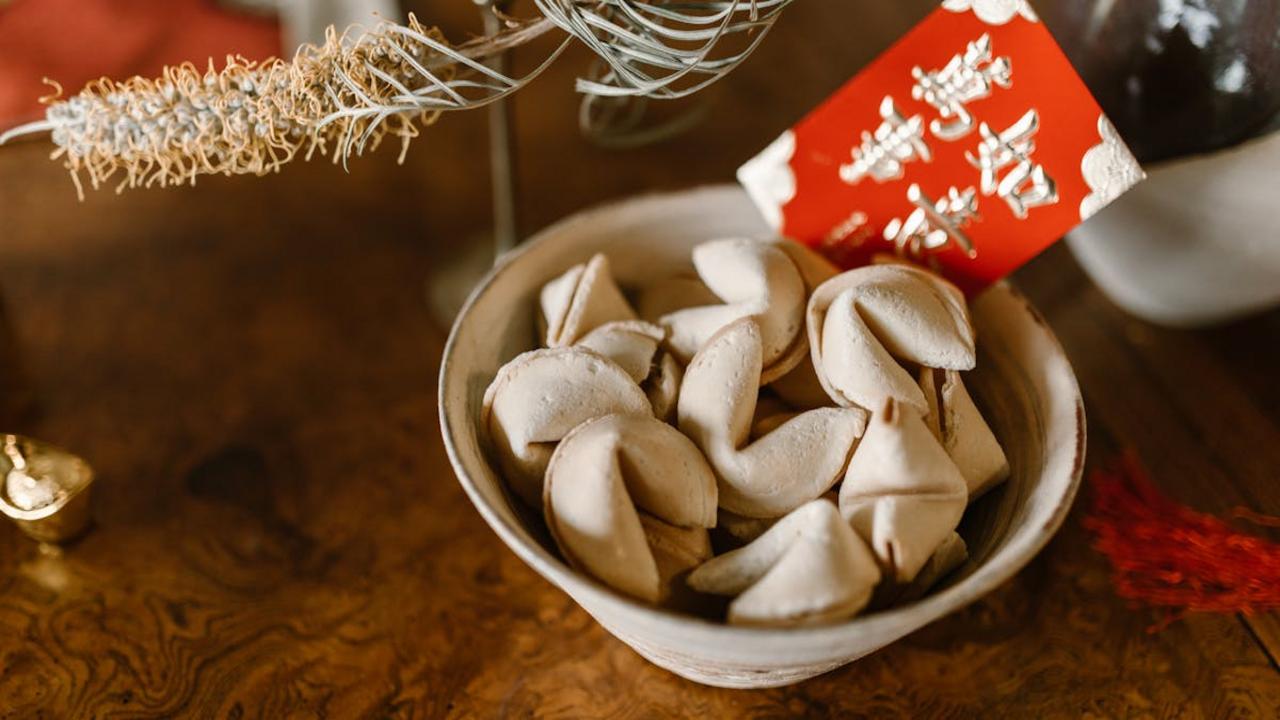
Fortune cookies have become such an iconic part of the American-Chinese dining experience that most people assume they originated in China. The truth? You won’t find these crispy, prophecy-filled treats in Chinese restaurants across China. They’re actually an American invention, likely created by Japanese immigrants in California during the early 1900s. The cookies became associated with Chinese restaurants during World War II when Japanese Americans were sent to internment camps, and Chinese restaurant owners adopted the tradition. What makes this story even more interesting is that fortune cookies have now been exported back to Asia as an American novelty item, coming full circle in the most unexpected way.
I love how fortune cookies represent the beautiful complexity of food culture—they’re not authentic to any single tradition, yet they’ve created their own authentic identity through decades of shared experience. Making them at home is surprisingly simple and gives you complete control over the messages inside. The batter is basically a thin crepe that you quickly fold while still warm, creating that distinctive shape and satisfying crunch. Try adding a touch of almond extract or vanilla to personalize them, and write your own fortunes for dinner parties. The key is working fast once they come out of the oven because they harden within seconds, turning from pliable to crisp almost instantly.
General Tso’s Chicken
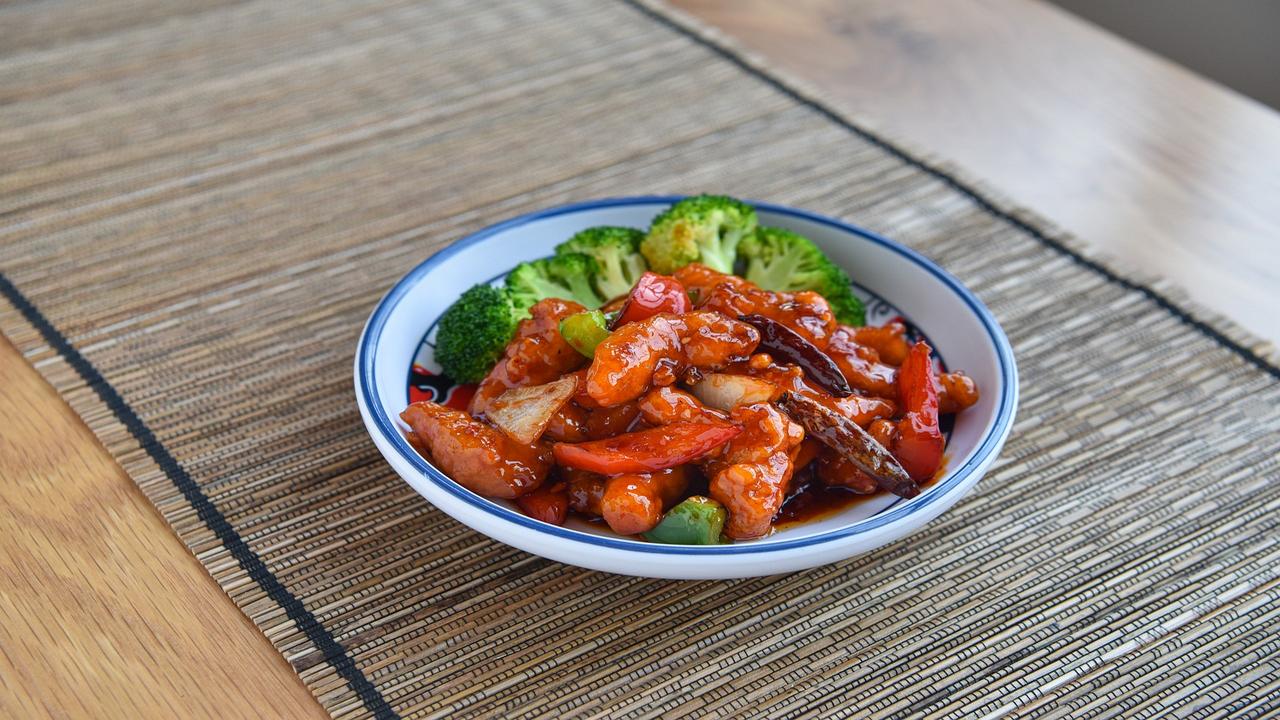
You know that crispy, sweet-and-spicy chicken you order every Friday night? The one drowning in glossy sauce with those dried chilies scattered on top? Yeah, that’s not flying off plates in Beijing or Shanghai. General Tso’s Chicken is as American as apple pie, created by Taiwanese chef Peng Chang-kuei in New York during the 1970s. The original version he made in Taiwan was more savory and complex, but Americans wanted something sweeter, so he adapted the recipe. Now it’s the poster child for Americanized Chinese food—battered chicken chunks deep-fried until golden, then tossed in a sauce that’s more sugar-forward than anything you’d find in traditional Chinese cooking. The general it’s named after was a real military leader from Hunan province, but he never tasted this dish, and honestly, he’d probably be confused by it.
Making this at home gives you control over the sugar bomb factor. I coat chicken thighs in a light cornstarch mixture and pan-fry them instead of deep-frying—you still get that satisfying crunch without swimming in oil. The sauce is where you can play around: I use less sugar than most recipes call for and add fresh ginger, garlic, and a good splash of rice vinegar to balance the sweetness. Throw in some broccoli or snap peas to lighten things up. The beauty of cooking this yourself is tweaking it to your taste—maybe you want more heat from those dried chilies, or perhaps you’d rather skip the breading altogether and keep it simple. Either way, you’re making something fresh and honest, not relying on whatever’s been sitting under a heat lamp at your local takeout spot.