We Get a $70 Daily Meal Stipend. My Colleague Still Only Leaves a Flat $5 Tip on a $100 Check.
There are certain unwritten rules we all learn to follow, especially when it comes to representing our workplace. We know to be polite, to dress appropriately, and to conduct ourselves with a certain level of professionalism, even after hours. It’s a matter of respect, not just for ourselves, but for the company whose name we carry.
However, one woman recently shared a story online that proves not everyone sees it that way, especially when it comes to dining out on the company’s dime. Her tale of a tight-fisted colleague has sparked a fierce debate about money, manners, and what we owe to others.
The Incident
The woman explained that she was on a work trip with her project lead. Their company has a generous policy, allowing them to expense up to $70 a day for meals. As per company rules, the highest-ranking person, her lead, was responsible for paying with the company card and handling the expenses for both of them.
After a few days, she noticed a troubling pattern. At dinner, on bills that were anywhere from $60 to $100, he would consistently leave a flat $5 tip. The woman was mortified. One evening, she was so embarrassed by his stinginess that she secretly went back into the restaurant to give the server extra cash to make up for it.
The final straw came when, after another dinner with a $60 check, he again left a mere $5. She said, “The server gave us a dirty look as we pulled away in the car.” To make matters worse, her colleague was wearing a shirt with their company logo, broadcasting his poor behavior for all to see. “That’s a representation of me and our company,” she lamented.
Having reached her limit, she finally confronted him in the car. “You gotta start tipping more,” she said. “We get $70 a day and these servers don’t make barely anything and probably have families to feed.”
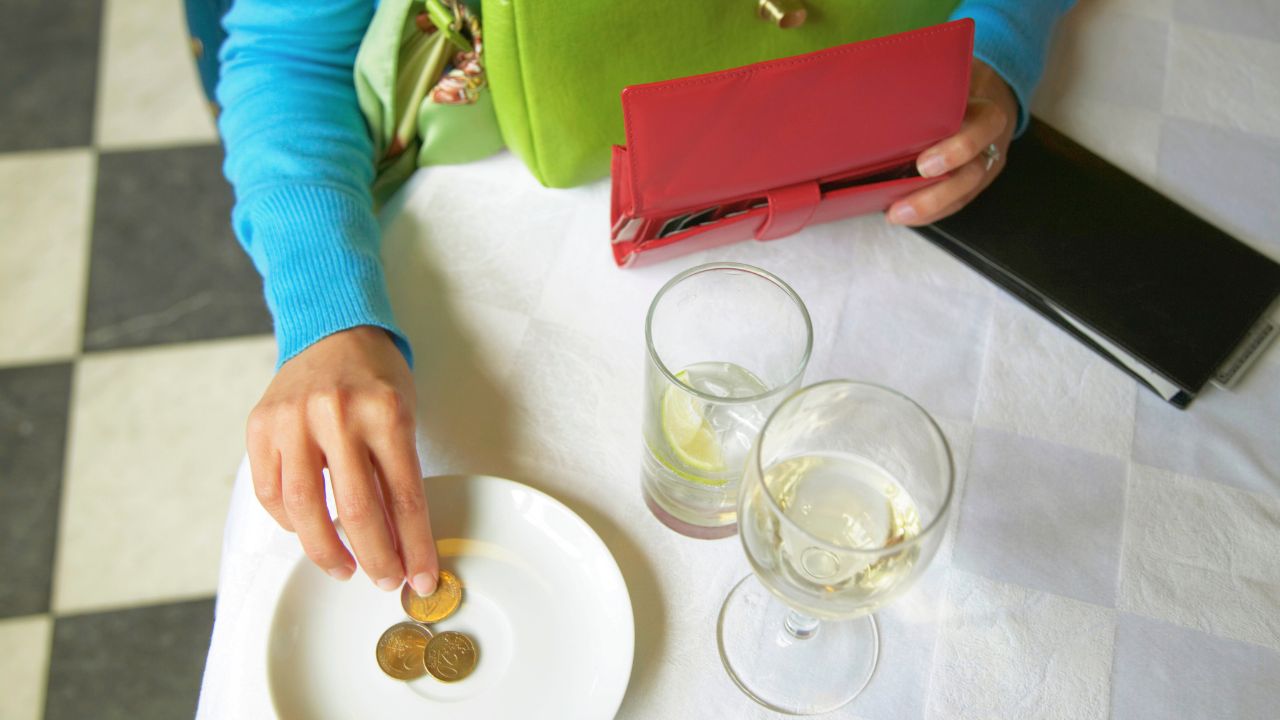
Her colleague did not take the feedback well. He became angry, complaining that he was the one who had to track everything. He then tried to justify his actions by saying he assumed servers made at least $7 an hour, as they do in his home state, completely missing the point that it wasn’t his money to begin with.
The Internet Reacts
As you can imagine, the internet had plenty to say about this workplace drama, and people were sharply divided. Commenters quickly formed camps around whether the woman was right to speak up or if she had overstepped her bounds.
Camp 1: The “Absolutely Not” Crowd
Many readers were furious on the woman’s behalf, arguing that her colleague’s behavior was unacceptable. They pointed out that in the United States, tipping isn’t just a suggestion; it’s part of a social contract. As one person put it, “No one is legally bound to tip… but that doesn’t mean that they wouldn’t be a grade A a..hole. If you’re not going to tip then don’t eat out.”
Another commenter didn’t mince words, calling the man an “elitist and a control freak who thinks it’s his place to determine the hourly wage of the waitstaff.” They added, “I bet he’s also picky about the service he receives, am I right? Tightwads usually are.”
Camp 2: The “Devil’s Advocate”
Of course, not everyone agreed. Some felt the woman was in the wrong for scolding her superior. A few commenters from other countries were baffled by the entire situation, highlighting the cultural differences in tipping. “Is this an America Issue I’m too European to understand?” one person asked, noting that a 10% tip is considered generous where they live.
Others argued that tipping is, by definition, optional. “Tipping is a choice, not an obligation,” one user stated firmly. Another directed their frustration not at the man, but at the system itself: “You really feel bad for these servers? Direct your anger towards the system, not the people who refuse to play ball.”
Camp 3: The Problem Solvers
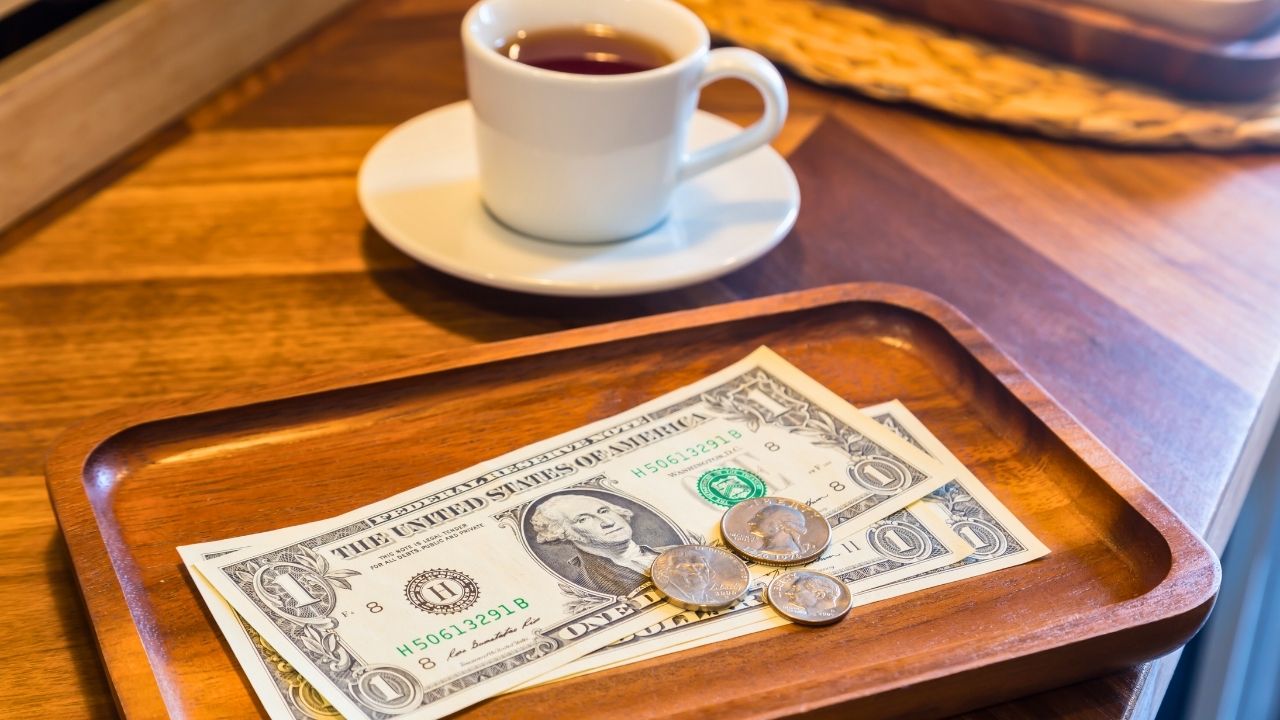
A third group of people focused less on blame and more on practical solutions. They felt the woman’s heart was in the right place, but her execution could have been better. “I might have approached it differently by first asking him why he only tipped the amounts that he did rather than starting with the accusations,” one person suggested.
The most sensible advice came from a user who suggested looking at the rulebook. “Might want to check company policy,” they wrote. “My company actually tells us to tip 20% on meals.” This simple step could have solved the entire issue without a confrontation.
The Etiquette Verdict
Let’s be perfectly clear. While the debate around tipping culture is valid, it is irrelevant in this situation. The man was not paying out of his own pocket; he was using company funds designated for this very purpose. To be cheap with someone else’s money, especially when it directly impacts the livelihood of a service worker, is simply poor form.
Furthermore, when you are on a business trip, you are an ambassador for your company. His actions reflected badly on his employer and his colleague. The golden rule of business expenses is to be reasonable and respectful. This man’s behavior was neither. It costs nothing to be a decent person, and in this case, it was literally true.

What’s Your Take?
This is a tricky situation that blends workplace hierarchy with social etiquette. So, we have to ask: Was the woman right to confront her boss about his poor tipping, or should she have minded her own business and let it go?
Ready for the next level of insight? Discover more in my latest article here.