13 Must-Try Exotic Fruits and How to Enjoy Them
Ready to add some excitement to your fruit bowl? The world offers so many incredible exotic fruits beyond the usual apples and oranges. From sweet to tangy, creamy to crunchy, these 13 unique fruits will transform your snacking routine and bring new flavors to your kitchen.
Each exotic fruit packs its own blend of vitamins, minerals, and antioxidants that can boost your health while treating your taste buds. Whether you find them at specialty markets, Asian grocery stores, or while traveling abroad, these fruits deserve a spot in your regular rotation.
I’ll walk you through how to pick, prepare, and savor each of these amazing fruits. You’ll learn simple ways to enjoy them fresh, blend them into smoothies, or incorporate them into both sweet and savory dishes. Get ready to discover your new favorite fruits!
Longan
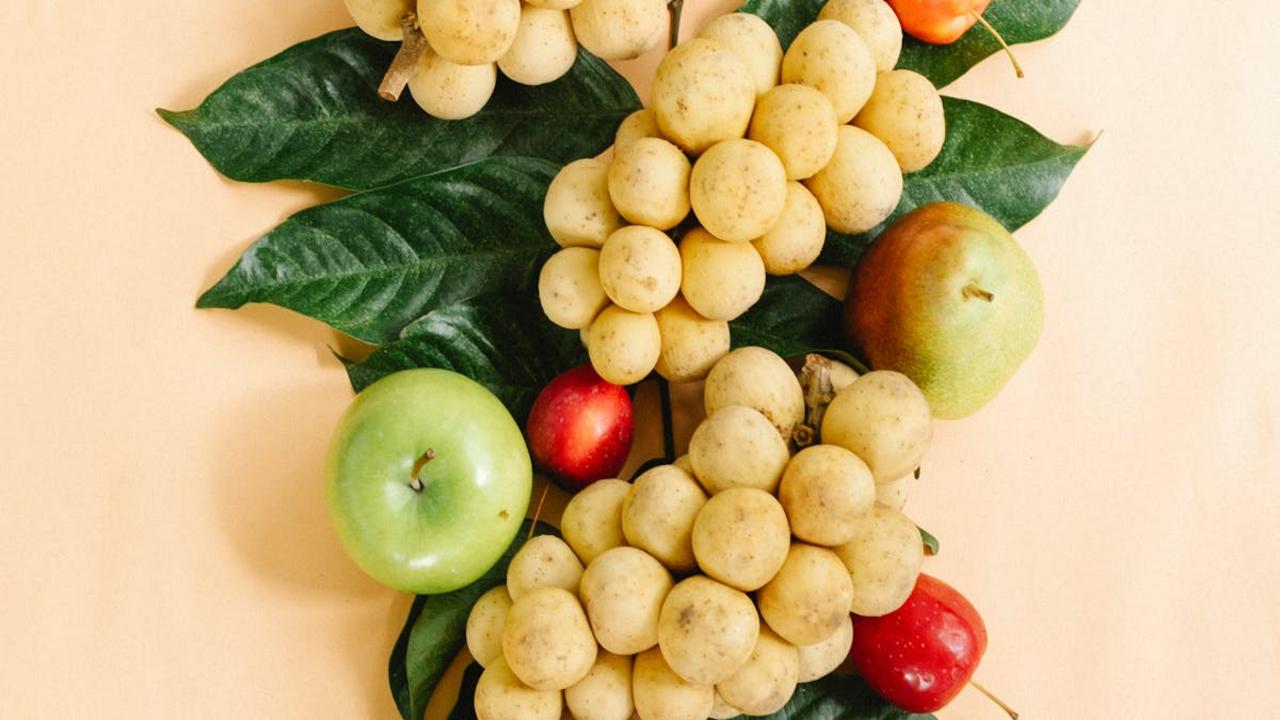
You’ll find longan fruit a close cousin to lychee, with its small round shape and translucent white flesh. Native to Southeast Asia, this sweet and fragrant fruit has a subtle floral aroma that will transport you straight to a tropical paradise. I love peeling back the thin brown shell to reveal the juicy fruit inside – it reminds me of peeling tiny little treasures! The flesh has a distinctive honey-like sweetness with just a hint of musk that makes it totally unique from other tropical fruits.
My favorite way to enjoy longan is to simply peel and eat them fresh, but you can also add them to fruit salads or smoothies for an exotic twist. In Asian cuisine, you’ll often see longan used in sweet soups and desserts, or even dried as a healthy snack. The dried version concentrates the sweetness and gives the fruit an almost caramel-like quality that’s absolutely addictive. If you’re new to longan, start by looking for fruits with brown shells that give slightly when pressed – those will be perfectly ripe and ready to eat.
Cherimoya
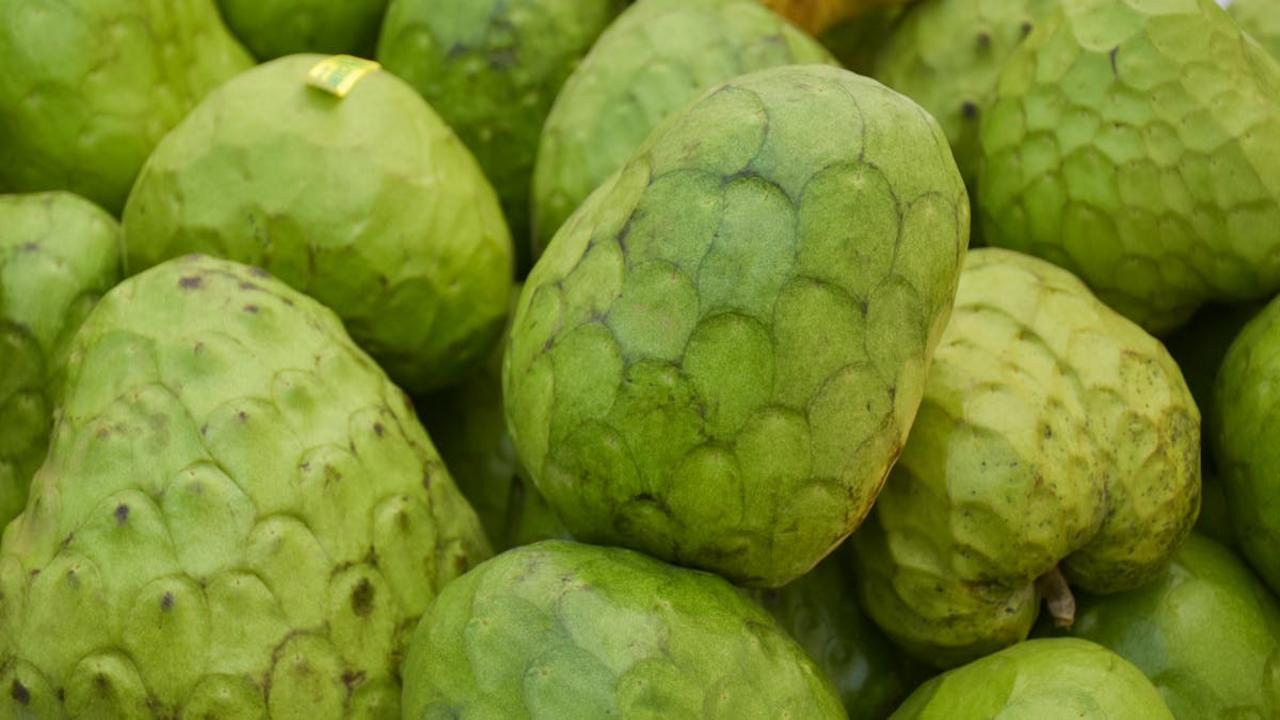
I’ve found my latest fruit obsession in the creamy, sweet cherimoya – often called “custard apple” because of its smooth, custard-like flesh. This heart-shaped fruit has a green, scaly exterior that might look intimidating at first, but trust me, the reward inside makes it worth the effort. The white flesh carries notes of banana, pineapple, and vanilla that’ll make you wonder how nature packed so many wonderful flavors into one fruit.
To enjoy a cherimoya, wait until it yields slightly to gentle pressure, similar to a ripe avocado. Then, slice it in half and scoop out the soft flesh with a spoon, avoiding the large black seeds. I love adding cherimoya to smoothies or eating it straight from the shell for a refreshing snack. You can also freeze the flesh and blend it into a naturally sweet ice cream alternative. The fruit pairs beautifully with citrus juices, particularly lime, which brings out its tropical notes even more.
Soursop
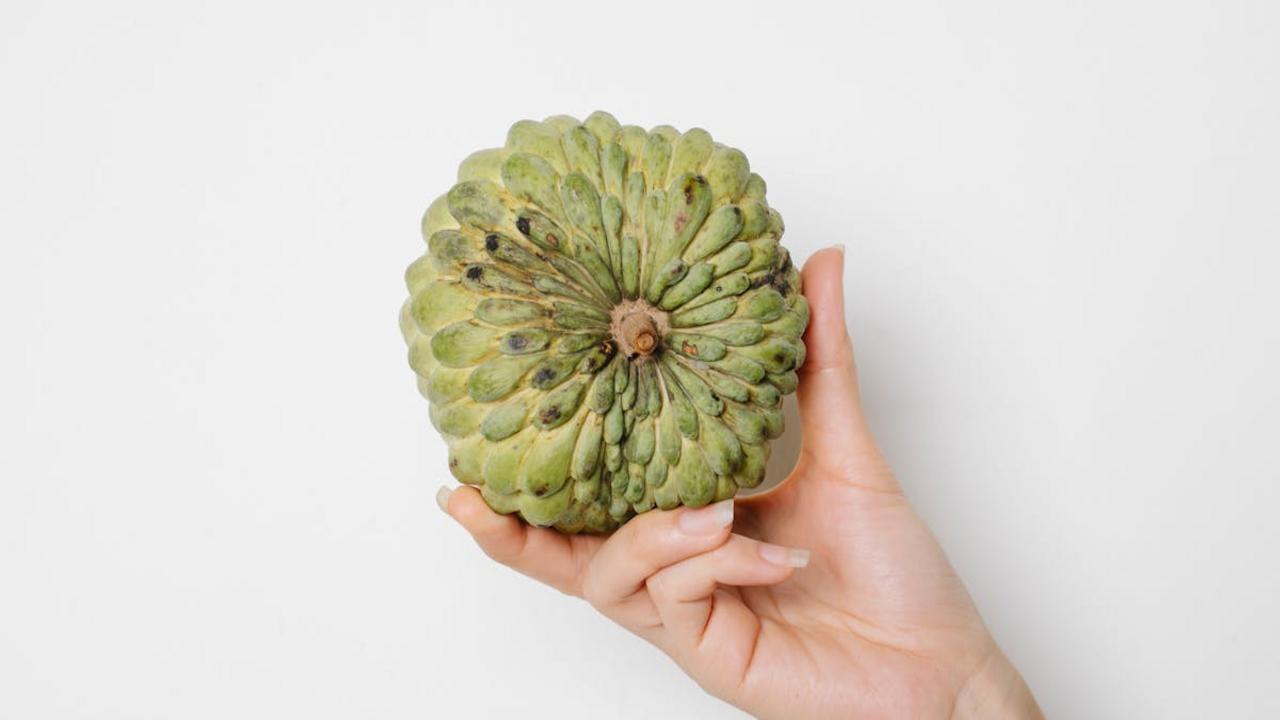
You’ll find soursop to be one of the most intriguing tropical fruits around! This spiky green beauty has soft, creamy white flesh that combines the sweetness of banana and pineapple with subtle tangy notes. I love introducing my readers to this amazing fruit because it packs a serious nutritional punch – it’s loaded with vitamin C, fiber, and antioxidants. The large, heart-shaped fruit can weigh up to 15 pounds, though you’ll usually find smaller ones at specialty markets or Asian grocery stores.
To enjoy soursop at its best, wait until it yields slightly to gentle pressure, similar to a ripe avocado. You can eat it fresh by cutting it in half and scooping out the flesh with a spoon (just watch out for the black seeds!). I recommend blending it into smoothies or using it to make refreshing drinks – simply strain the pulp and mix with water and a touch of honey. The fruit also makes fantastic ice cream and sorbets. Pro tip: if you can’t find fresh soursop, look for frozen pulp in Latin American or Asian markets – it works just as well in recipes!
Durian
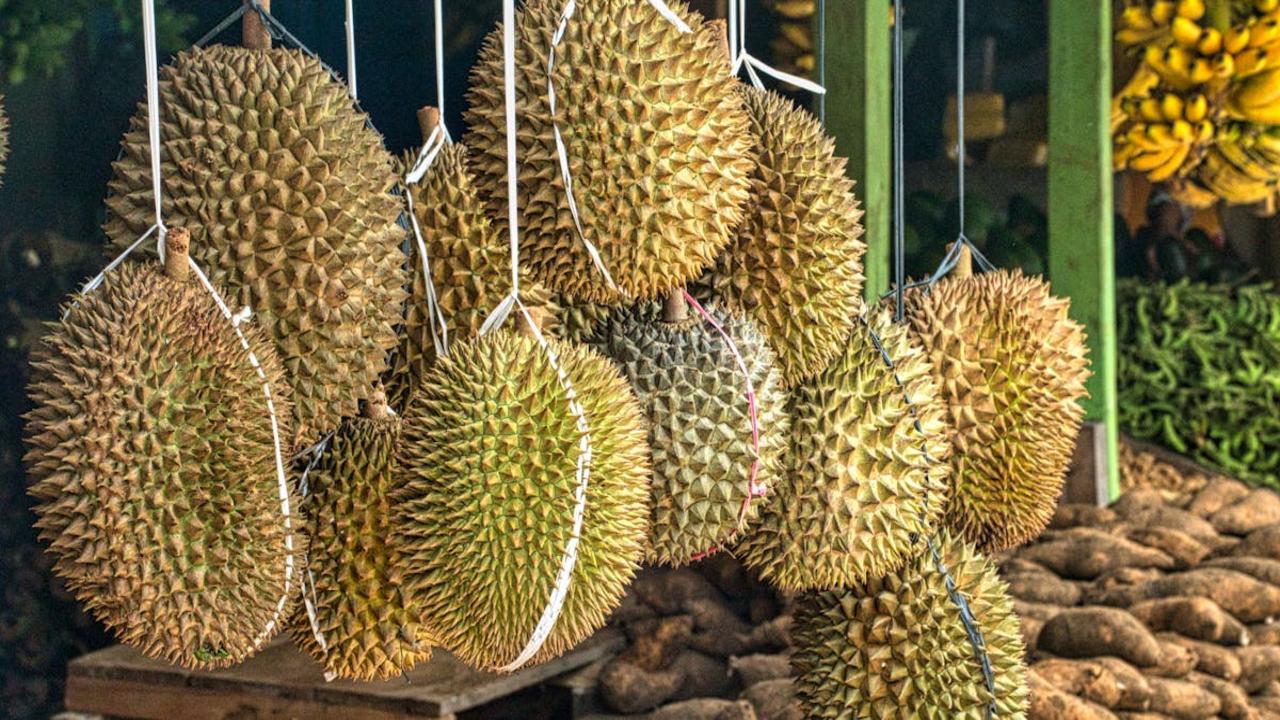
You’ll encounter the durian’s infamous reputation before you even get near it – this spiky fruit has such a strong smell that many hotels and public spaces in Southeast Asia ban it outright! But don’t let that stop you from trying what many call the “King of Fruits.” Under its thorny exterior lies creamy, custard-like flesh with a unique sweet flavor that blends notes of almond, caramel, and vanilla. While the aroma may be polarizing, the smooth, rich texture makes it a favorite in Malaysian and Thai desserts.
I recommend starting with frozen durian if you’re new to this fruit – the cold temperature helps mellow out both the smell and intensity. You can eat it straight out of the pod or blend it into smoothies and ice cream. For an authentic Southeast Asian treat, try durian with sticky rice or fold it into traditional pastries. Just remember to remove the large seeds before eating, and keep a supply of breath mints handy! The fruit’s peak season runs from June to August, and you’ll find it in Asian markets or specialty produce stores. Look for durians with a strong, intact stem and shell that gives slightly when pressed.
Kumquat
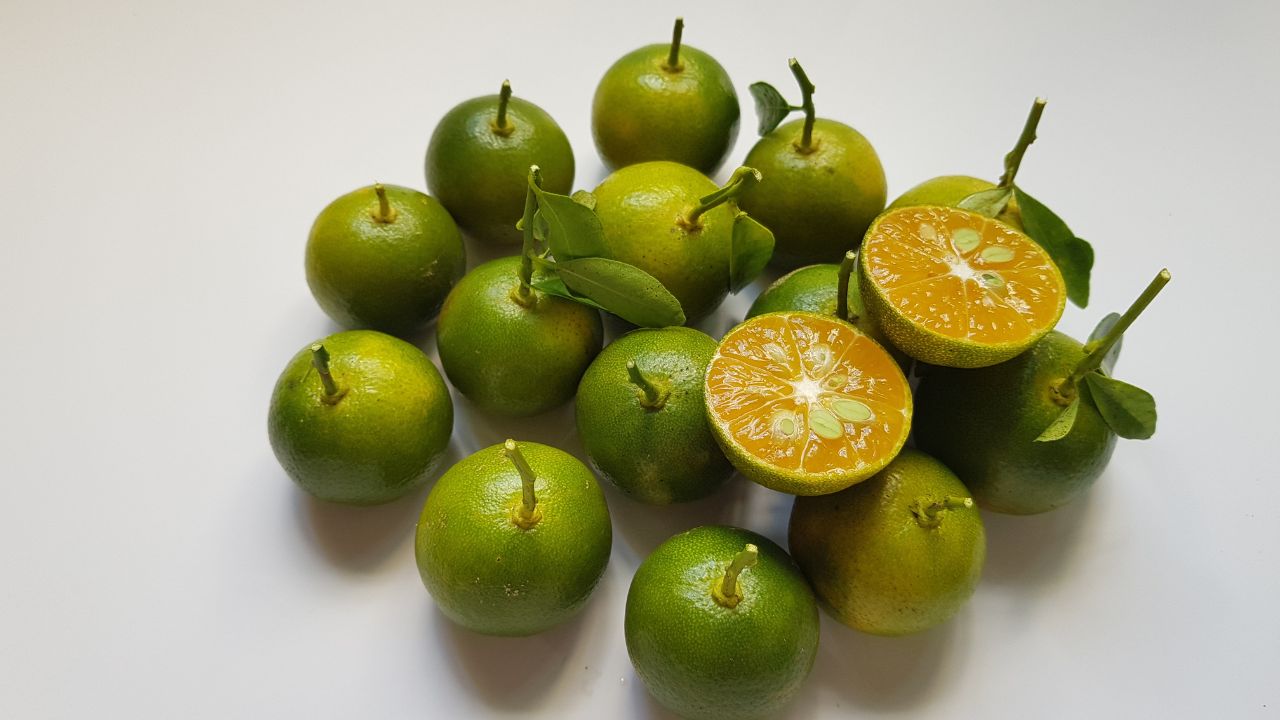
Think of kumquats as nature’s perfect tiny citrus bombs – each one packs a complete flavor experience! These grape-sized fruits offer a unique twist: you eat them whole, peel and all. The outer skin brings a sweet punch while the inside delivers that familiar citrus zing. I love snacking on these straight from the fruit bowl, but they also make fantastic additions to salads and cocktails. The best part? You don’t need to spend time peeling them like other citrus fruits.
My favorite way to enjoy kumquats is to slice them thinly and candy them with honey – they become beautiful, translucent orange circles that add sparkle to desserts or morning yogurt bowls. You can also simmer them into marmalades or preserves, perfect for spreading on warm toast. If you’re new to kumquats, start by rolling them gently between your fingers to release their natural oils before eating – this simple trick brings out their sweetness and makes your first bite even more memorable. Keep them in your fridge, and they’ll stay fresh for up to two weeks!
Guava
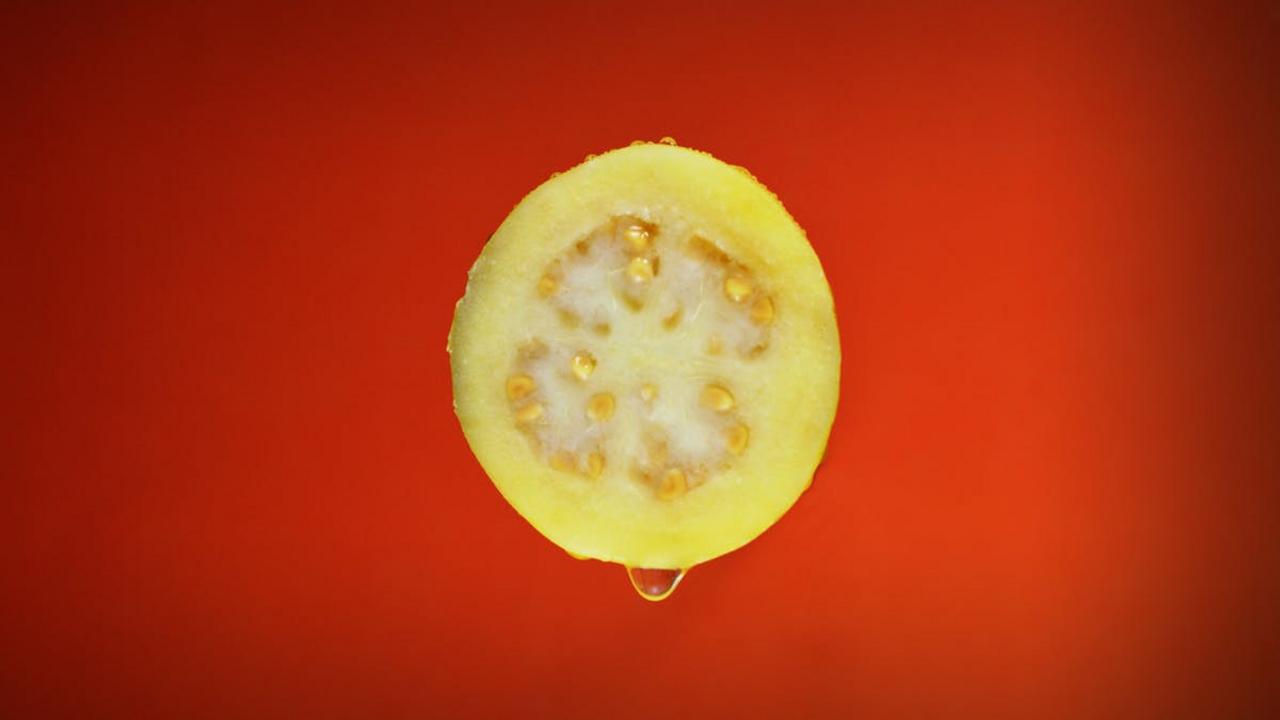
I’ll never forget my first bite into a fresh guava – the sweet, floral aroma and bright pink flesh completely won me over! This tropical fruit packs a serious nutritional punch with four times more vitamin C than oranges and plenty of fiber to keep you satisfied. You’ll find guavas with either white or pink flesh inside their pale green exterior. The entire fruit is edible, from the slightly grainy flesh to the tender rind, though many people prefer to scoop out the small seeds.
You can enjoy guava in so many delicious ways! Slice it raw for a quick snack, blend it into smoothies, or cook it down into jams and preserves. The fruit adds wonderful tropical sweetness to both savory and sweet dishes – try adding diced guava to your morning yogurt bowl or incorporating it into marinades for grilled chicken or fish. My favorite simple treat is sprinkling some chili powder and lime juice on fresh guava slices, a popular Mexican street food combination that creates an amazing sweet-spicy-tangy flavor explosion.
Lychee
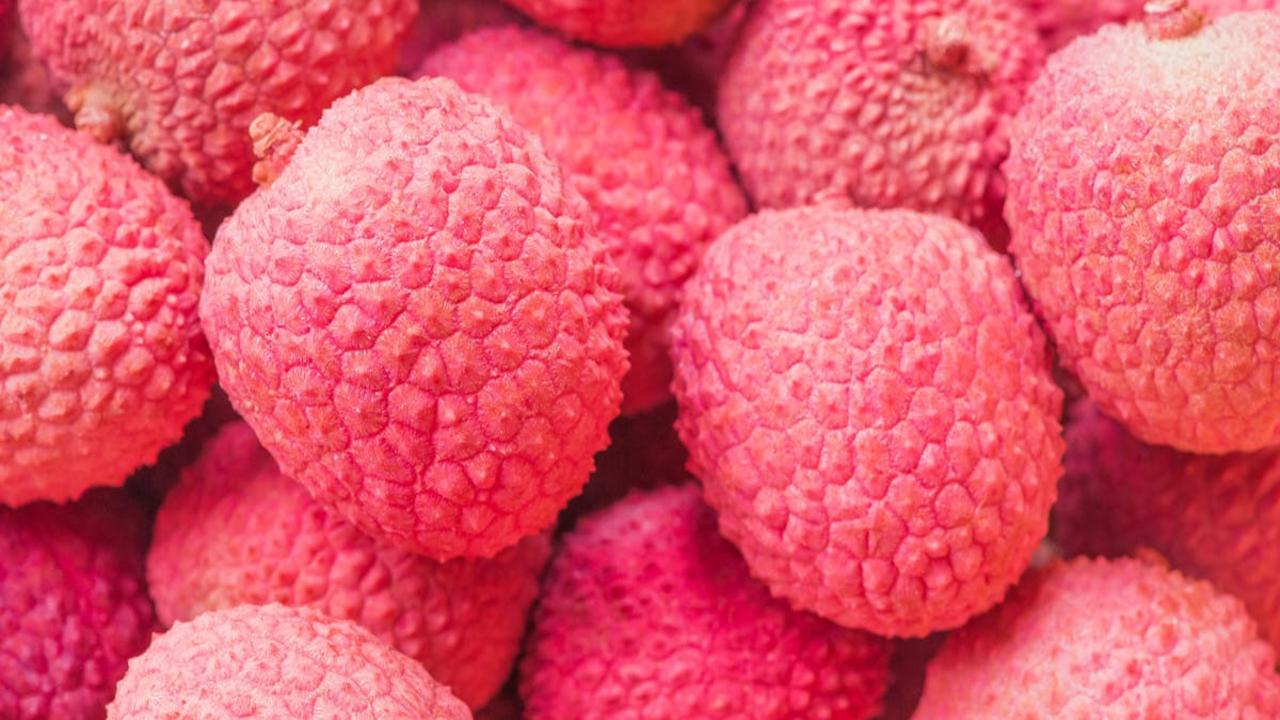
I can’t get enough of these sweet and fragrant little gems from Southeast Asia! Lychees have a bumpy reddish-pink shell that you can easily peel away to reveal translucent white flesh with a grape-like texture. The flavor combines subtle floral notes with hints of rose water and sweet berry undertones. You’ll want to eat them fresh and chilled for the most refreshing experience – just crack open the shell with your thumbs, remove the flesh, and watch out for the brown seed in the center.
My favorite way to enjoy lychees goes beyond snacking on them straight from the shell. Try adding them to fruit salads for an exotic twist, or freeze them for a cool summer treat. You can blend them into smoothies, muddle them in cocktails, or use them as a topping for desserts like ice cream and sorbet. If you spot canned lychees at your local Asian market, grab them – they work great in recipes year-round when fresh ones aren’t in season. Just make sure to drain and rinse them before using to remove any excess syrup.
Star Fruit
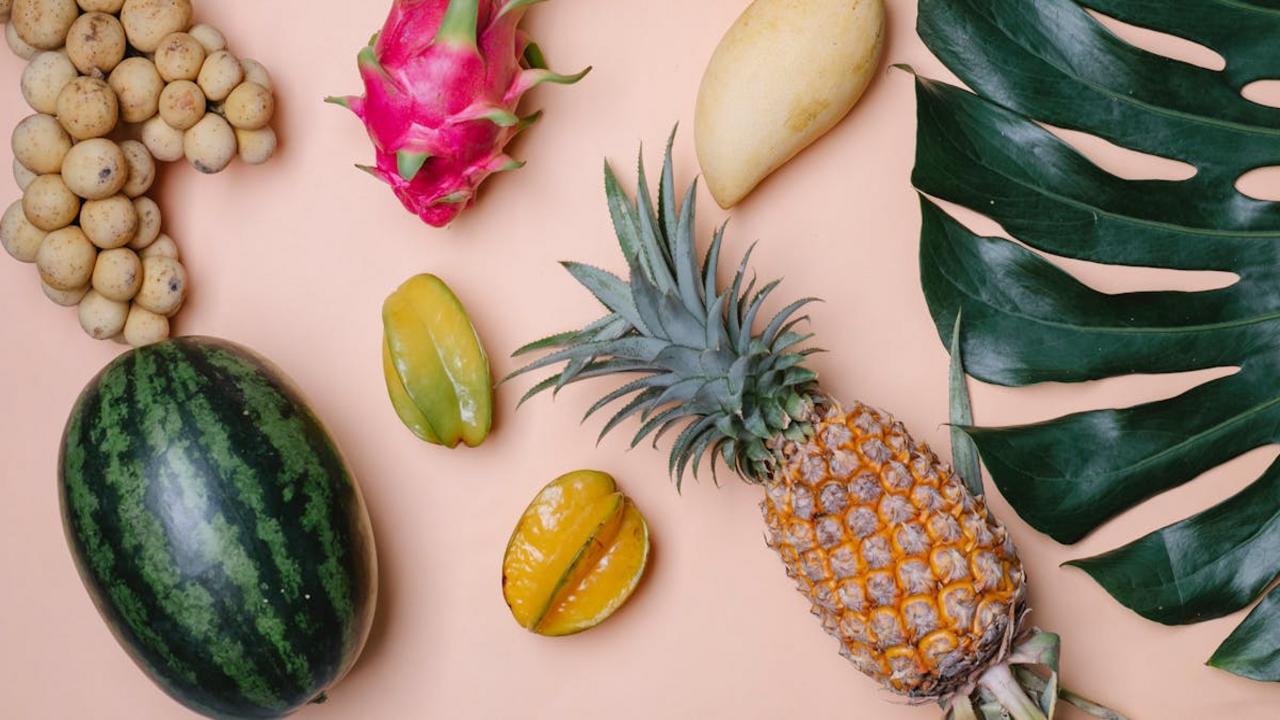
I first discovered star fruit at a local farmers market, and its unique star shape immediately caught my eye! Also known as carambola, this tropical fruit offers a crisp, refreshing bite with sweet and tart notes that remind me of a mix between green grapes and Asian pears. The entire fruit is edible – you can enjoy the waxy exterior and juicy flesh raw, or add it to fruit salads, smoothies, and garnishes. The fruit’s beautiful star pattern makes it a stunning addition to your next party platter or cocktail rim.
To pick the perfect star fruit, look for firm specimens with bright yellow skin and minimal brown spots. You can ripen them at room temperature until they develop a yellow-golden color with slightly brown edges. Once ripe, store them in your refrigerator for up to a week. Before eating, give them a good rinse and cut them crosswise into thin slices to reveal their signature star shape. For the best flavor, remove any green edges along the ridges with a small knife. You’ll get the most enjoyment from star fruit when it’s fully ripe – that’s when its sweet-tart flavor really shines through!
Jackfruit
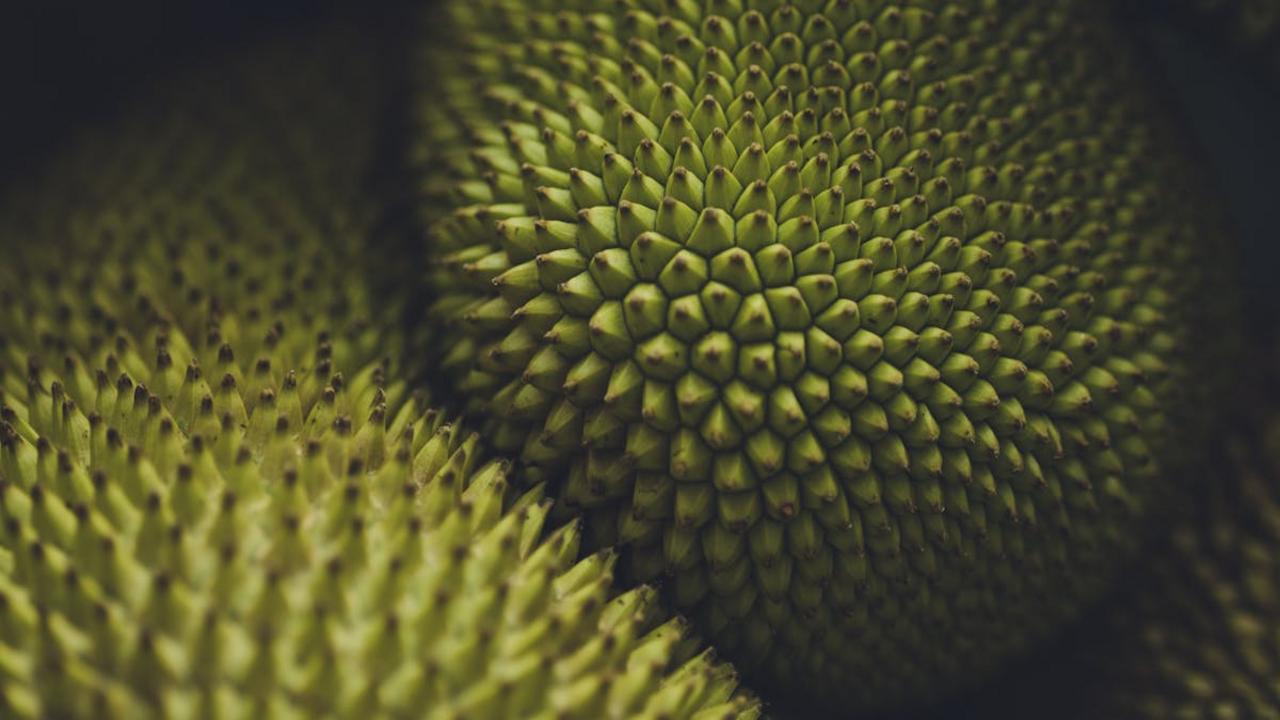
You’ll find jackfruit hard to miss at your local Asian market – these massive green fruits can weigh up to 100 pounds! The spiky exterior opens up to reveal dozens of yellow, fleshy pods that have a sweet tropical flavor similar to a mix of pineapple, mango and banana. The unripe jackfruit has become super popular as a meat substitute thanks to its pulled pork-like texture when cooked. I love adding young jackfruit to tacos, sandwiches, and stir-fries for a plant-based protein option that soaks up any seasonings you add.
Getting into a whole jackfruit takes some work, but you can find pre-cut fresh pods or canned versions at many grocery stores now. The ripe pods make an amazing tropical fruit salad mixed with mango and pineapple. Don’t toss those seeds either – roast them like pumpkin seeds for a crunchy, nutritious snack! The jackfruit tree gives us one of the largest fruits in the world, and every part of it brings something special to the table. Add this versatile fruit to your shopping list and get ready to discover your new favorite ingredient.
Rambutan
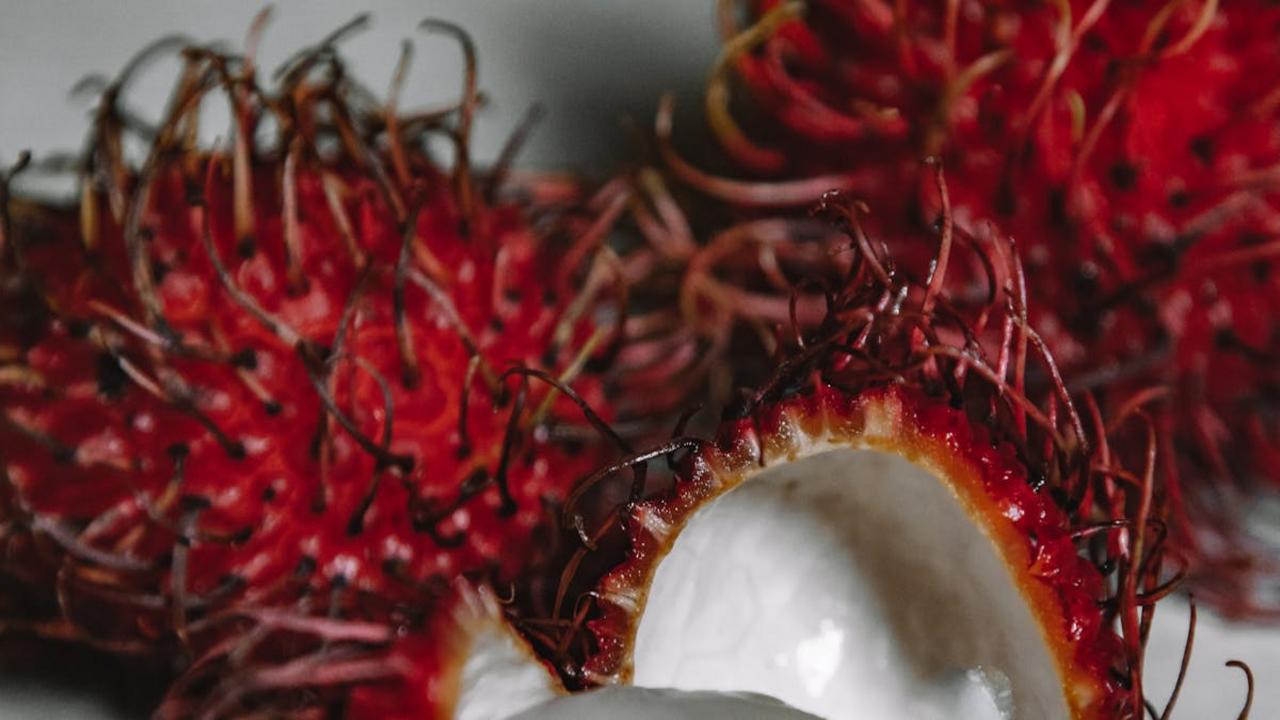
Meet the rambutan – that eye-catching red fruit with wild, hairy spikes that looks like it jumped straight out of a Dr. Seuss book! Native to Southeast Asia, this sweet tropical delight belongs to the same family as lychee and longan. Under its dramatic exterior lies a translucent white flesh that offers a perfect balance of sweet and tart flavors. I love introducing my friends to rambutan because their faces light up when they first see this unique fruit, and then they get hooked on its refreshing, grape-like texture.
You’ll find fresh rambutan in Asian markets and some specialty grocery stores, particularly during summer months. To enjoy one, simply score the outer skin with a knife and peel it back to reveal the fruit inside. Pop out the flesh and eat it right away – just watch out for the seed in the center! You can add rambutan to fruit salads, blend it into smoothies, or my favorite way: chill them and serve as a natural candy-like snack. The fruit doesn’t keep long once ripe, so plan to eat them within 3-4 days of purchase while keeping them refrigerated.
Mangosteen
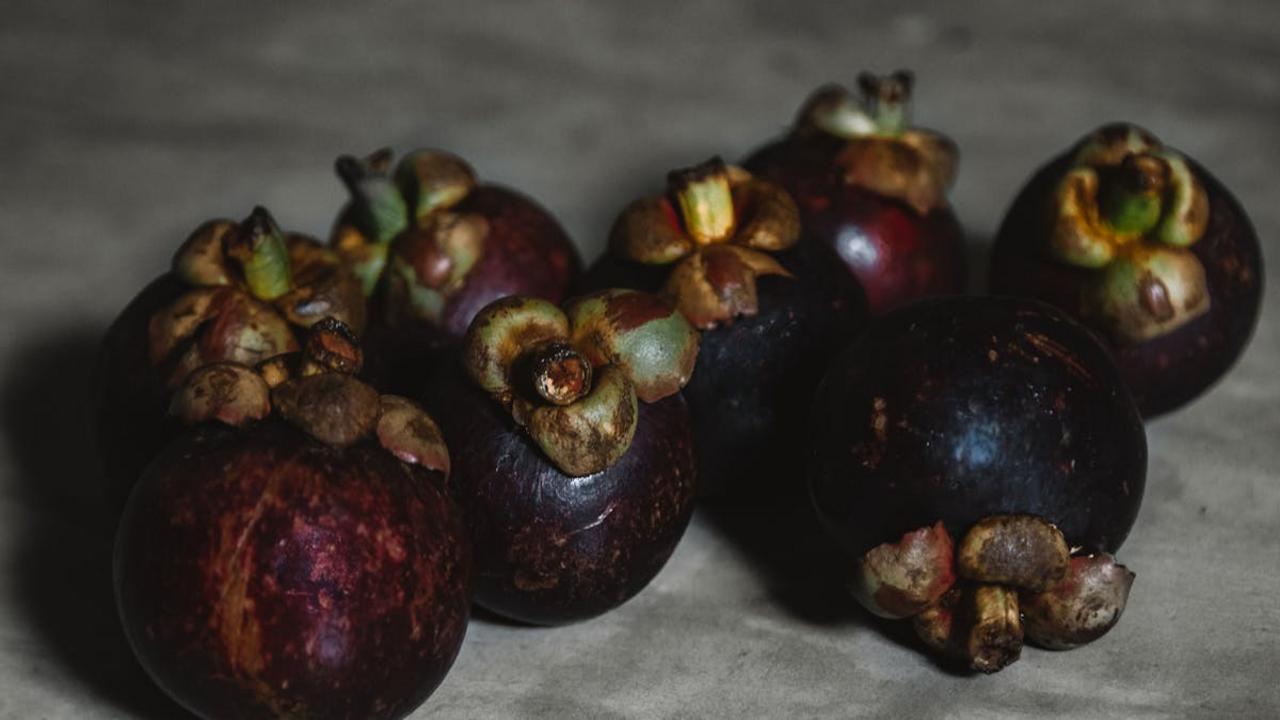
I always get excited when I spot mangosteens at my local Asian market! This sweet tropical fruit, often called the “Queen of Fruits,” has a deep purple rind that opens to reveal snow-white segments inside. The fruit’s tender flesh delivers a perfect mix of sweet and tangy notes, with hints of peach, strawberry, and a subtle citrus kick. Native to Southeast Asia, mangosteens pack a nutritional punch with their high antioxidant content and immune-boosting compounds.
To eat a mangosteen, press firmly around the middle of the fruit until the thick rind cracks open – it should split naturally into two halves. You’ll find 4-8 white segments inside, similar to orange segments but much softer. Pick them out with a spoon or your fingers and eat them straight away. The juicy segments make fantastic additions to fruit salads or smoothie bowls. Remember to choose fruits that feel heavy for their size and have a rich purple color without any blemishes. While the rind may seem tough, the heavenly flavor inside makes it worth the effort!
Passion Fruit
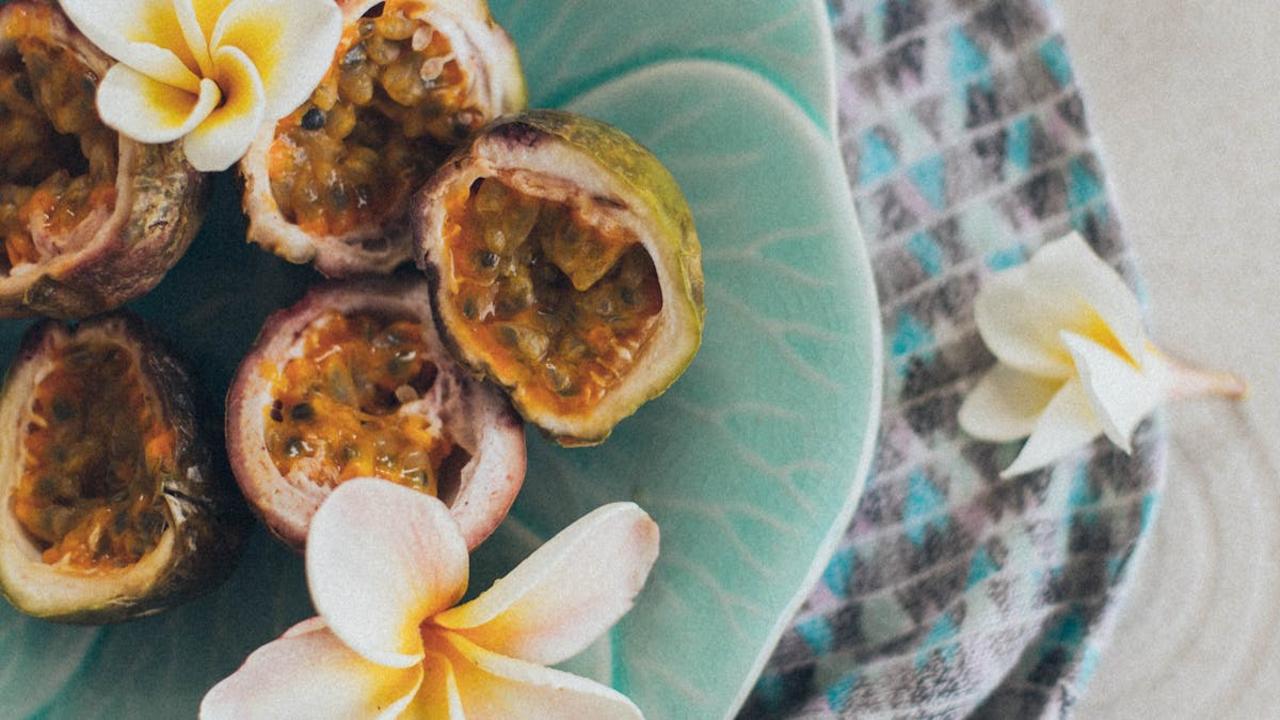
I’ll never forget the first time I cracked open a passion fruit – that sweet-tart aroma instantly transported me to a tropical paradise! This small, round fruit has a wrinkled purple exterior that holds the most incredible golden pulp inside. The seeds are totally edible and add a wonderful crunch, while the vibrant yellow flesh delivers an intense flavor that combines notes of pineapple, guava, and citrus. You’ll find passion fruit adding bright, exotic flair to everything from smoothies and cocktails to desserts and breakfast bowls.
Want to pick the perfect passion fruit? Look for ones that feel heavy for their size and have slightly wrinkled skin – that’s how you know they’re ripe and ready to eat! Simply cut the fruit in half and scoop out the pulp with a spoon. I love stirring the pulp into yogurt for breakfast or using it to make an amazing tropical sauce for grilled fish. The seeds make beautiful garnishes too, and you can freeze the pulp in ice cube trays to enjoy that amazing flavor year-round. Your morning smoothie bowl will thank you for this zingy addition!
Dragon Fruit
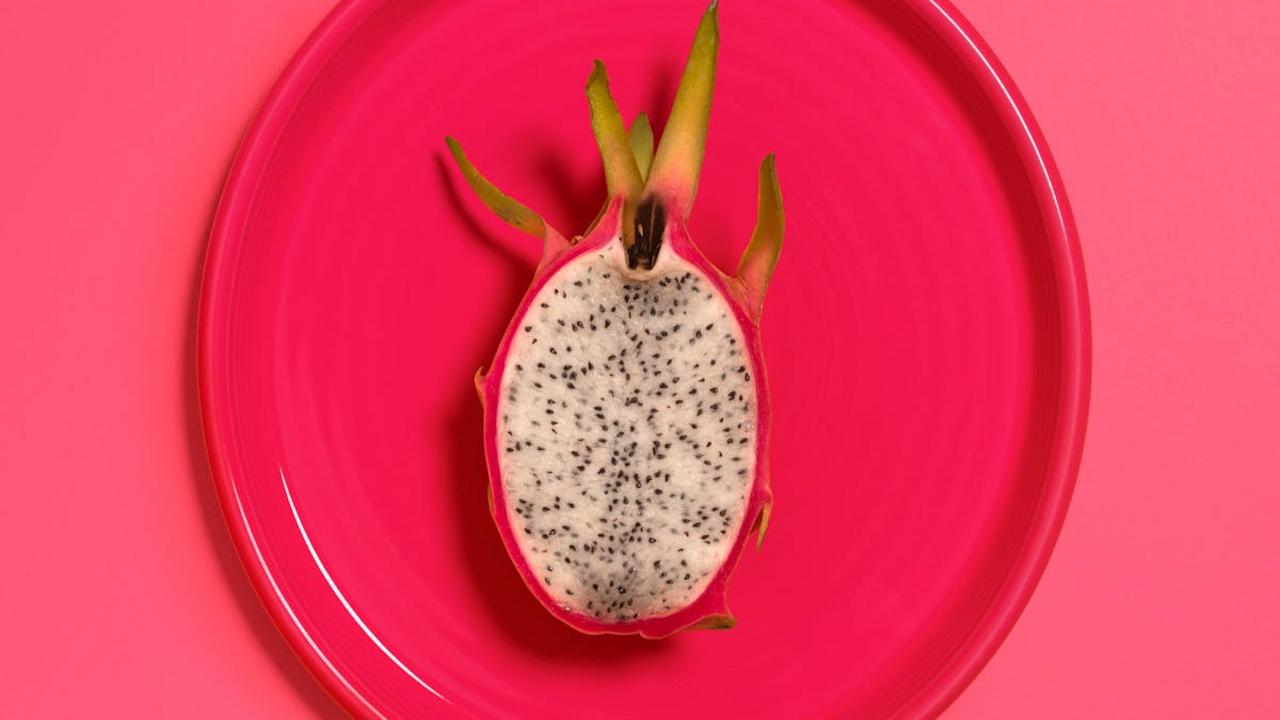
You’ll spot dragon fruit right away at your local market – its hot pink exterior and green spiky leaves make it stand out from other fruits! Inside, you’ll find either white or magenta flesh dotted with tiny black seeds that add a fun crunch. The flavor is mild and sweet, similar to a mix between a pear and a kiwi. I recommend picking one that gives slightly when you press it gently, just like choosing a ripe avocado.
To enjoy dragon fruit at its best, simply cut it in half lengthwise and scoop out the flesh with a spoon – it’s that easy! You can eat it straight away, add it to your morning smoothie bowl, or toss it into a tropical fruit salad. The fruit pairs wonderfully with lime juice and a touch of honey. For an Instagram-worthy breakfast, try arranging dragon fruit cubes on top of coconut yogurt and sprinkle with granola. The fruit stays fresh in your fridge for about 5 days, so you have plenty of time to try different ways to serve it.