14 Shelf Stable Pantry Staples You Can Stockpile for Long Lasting Freshness
Your pantry holds more power than you think! Those humble shelves can transform into a survival stronghold with the right shelf-stable foods. From maple syrup that stays sweet for decades to dried beans that pack a protein punch year after year, smart stockpiling means you’ll always have ingredients ready for any recipe or emergency.
I’ve discovered 14 pantry champions that laugh in the face of expiration dates. These kitchen warriors will stick by your side through thick and thin, ready to jump into action whenever you need them. Think powdered eggs that bring breakfast back from the brink and honey that ancient Egyptians stored in tombs – still perfectly edible thousands of years later!
Whether you’re preparing for the unexpected or just want to shop less often, these long-lasting ingredients deserve prime real estate in your pantry. The best part? Many of these foods don’t just survive – they maintain their flavor, texture, and nutritional value far longer than their fresh counterparts. Now that’s what I call shelf confidence!
Dried Pasta
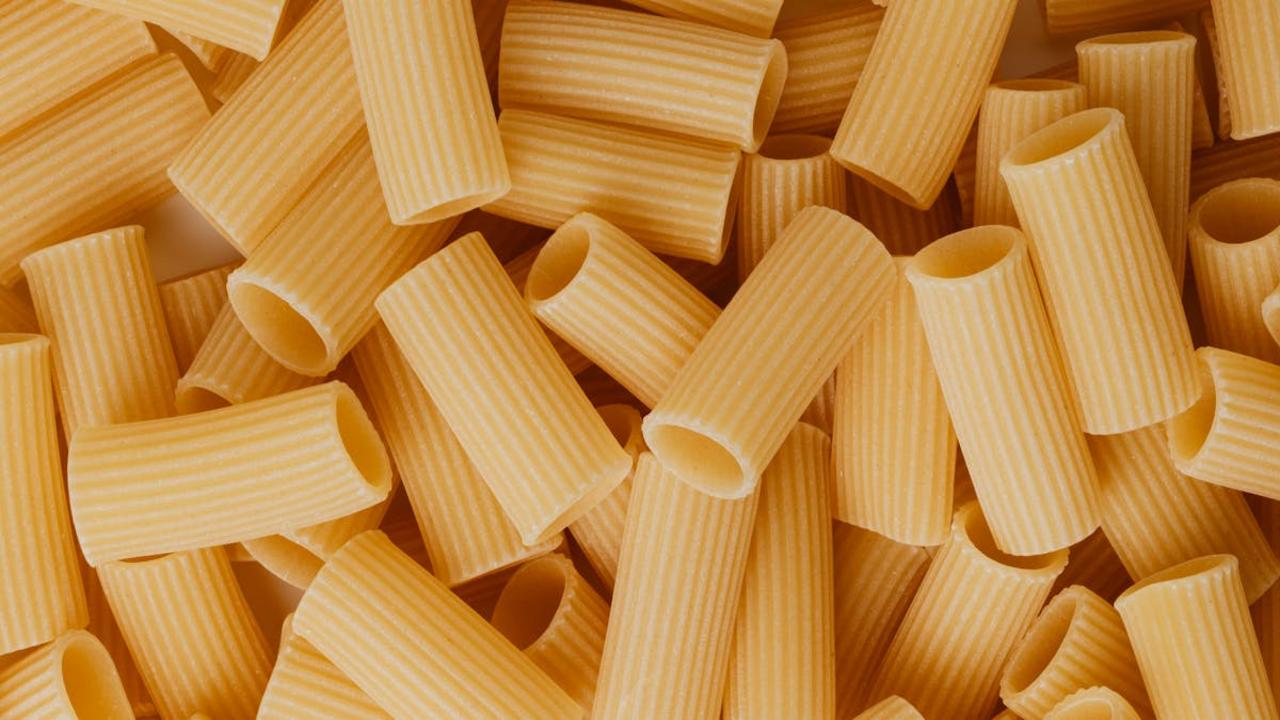
Your pantry won’t feel complete without good old dried pasta – the ultimate “I need dinner in 15 minutes” lifesaver! This kitchen superhero can last up to two years when stored properly in airtight containers, making it the perfect stockpile staple. I keep at least five different shapes in my pantry at all times because, let’s face it, sometimes you need angel hair for your light garlic sauce, and other times only thick rigatoni will do for that hearty bolognese. The best part? Pasta doesn’t care if you forget about it for months – it’ll stay just as fresh and ready to jump into boiling water whenever you need it.
Did you know pasta was once considered so valuable that it was used as currency in parts of Italy? While I wouldn’t recommend paying your bills with spaghetti today, dried pasta remains one of the most budget-friendly and versatile ingredients you can buy. From quick weeknight dinners to fancy weekend feasts, this pantry warrior transforms into countless meals with minimal effort. Just remember to store it in a cool, dry place away from direct sunlight – think of it as pasta’s version of a cozy bedroom. Add a few jars of sauce to your stockpile, and you’ll always have a satisfying meal within reach.
Canned Pumpkin
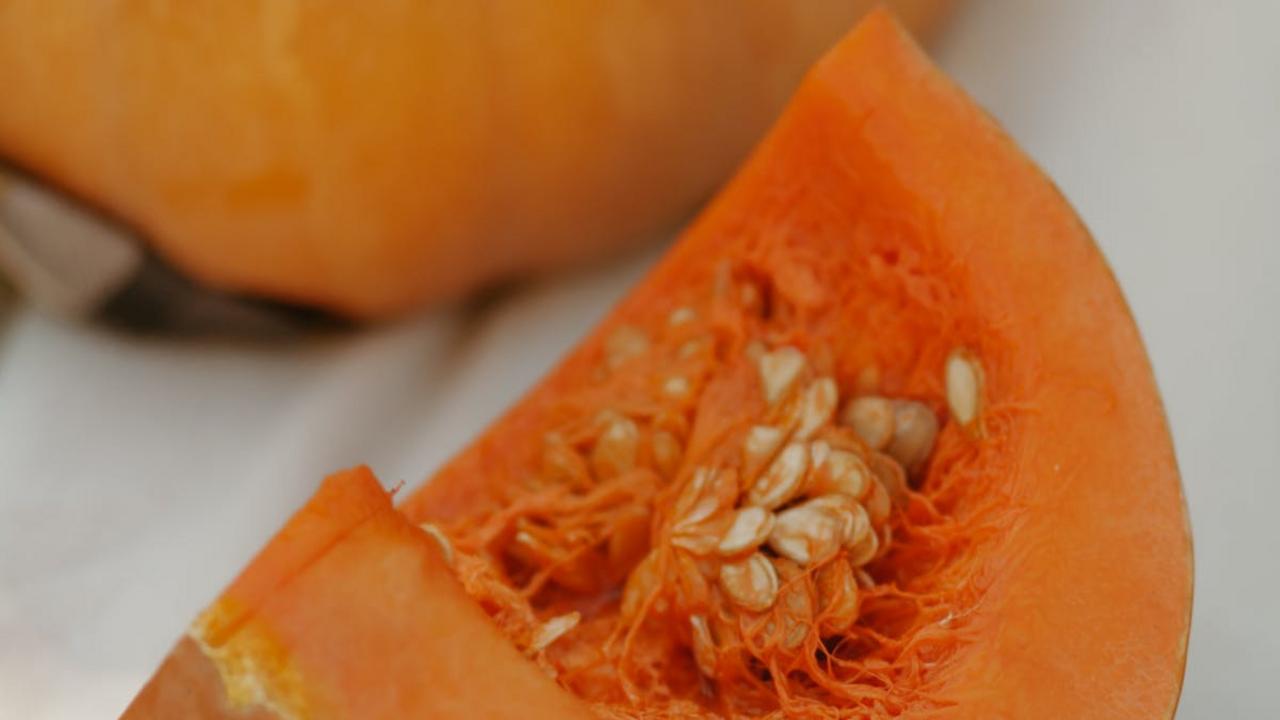
You might think canned pumpkin only shows up for pie season, but I keep this orange superstar in my pantry year-round! Pure canned pumpkin packs a nutritional punch with fiber, vitamin A, and potassium, while staying fresh for up to two years in your cupboard. The best part? It’s not just for desserts – I love stirring it into morning oatmeal, blending it into smoothies, or mixing it into mac and cheese for an extra veggie boost that my picky niece never notices. Plus, you’ll save yourself the hassle of wrestling with a whole pumpkin and spending hours roasting, scooping, and pureeing.
Here’s a pro tip: always double-check that you’re grabbing pure pumpkin and not pumpkin pie filling – they sit right next to each other on the shelf and look nearly identical! The pie filling comes loaded with sugar and spices, which limits its uses. I learned this the hard way when I once made “interesting” pumpkin soup with the wrong can. My dinner guests were polite, but their faces told the real story. Now I stock up on the plain stuff during fall sales when prices drop, ensuring I have enough to last through spring and summer when this pantry MVP becomes harder to find.
Powdered Milk
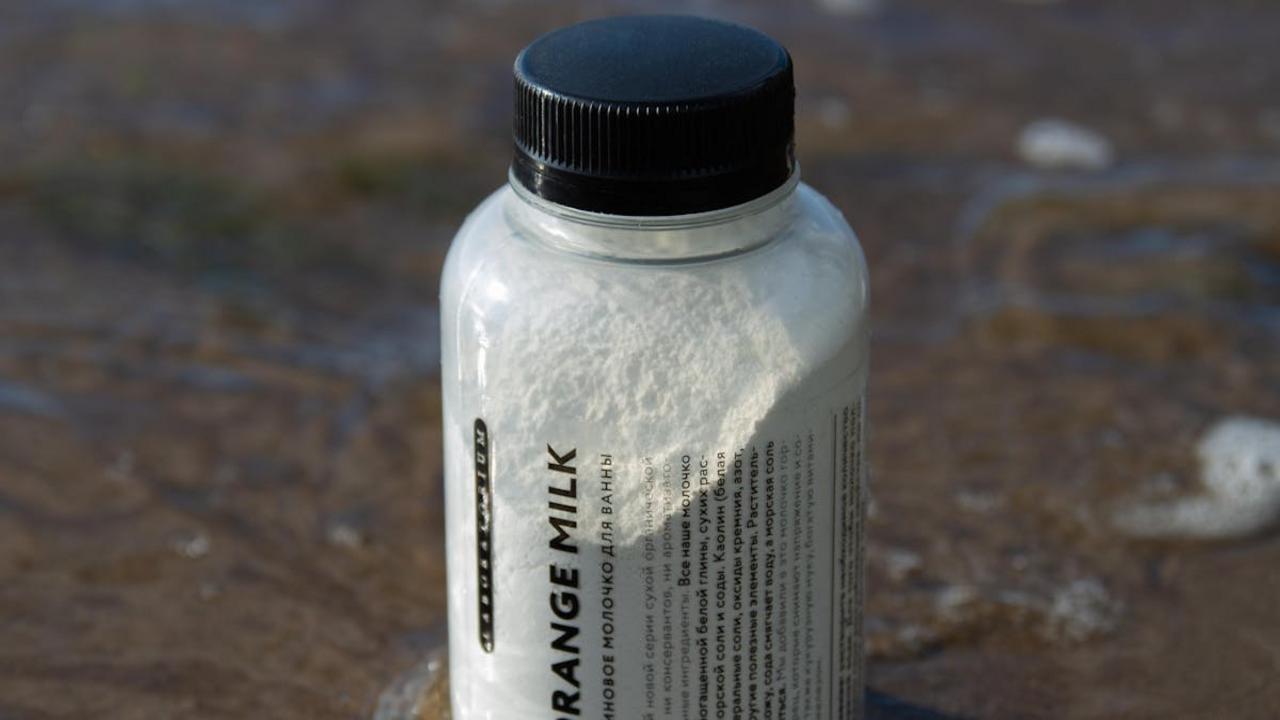
Look, I know powdered milk might not win any glamour awards in your pantry, but this unsung hero has saved my bacon (and my coffee!) more times than I can count. You can keep this dehydrated dairy marvel in your pantry for up to 10 years when stored properly in airtight containers away from light and moisture. Plus, you’ll never have to make that midnight grocery run for milk again – just mix with water, and voilà! Your morning cereal crisis is averted.
Beyond being a straight milk substitute, powdered milk shines in baking where it adds richness to bread, cakes, and homemade hot cocoa. I’ve even sprinkled it into smoothies for an extra protein boost! Here’s a fun fact: powdered milk was a military innovation from World War I, when soldiers needed a way to transport milk without spoilage. Now, one small package can give you the equivalent of four gallons of liquid milk – talk about a space-saving superstar! Just remember to store it in a cool, dry place and always use clean, dry measuring tools to keep moisture out.
Popcorn Kernels

Let me share a fun fact that will blow your mind – those tiny popcorn kernels in your pantry can last up to 2 years when stored properly! Just keep them in an airtight container away from heat and moisture, and they’ll stay ready to transform into fluffy clouds of snacking perfection. The best part? A single kernel contains just enough water inside its hard shell to create that magical “pop” moment, expanding up to 40 times its original size when heated.
You can turn these humble kernels into endless snack variations – from classic butter and salt to wild flavor combinations like maple bacon or spicy jalapeño lime. I love keeping a big jar of kernels on hand for impromptu movie nights or quick afternoon snacks. Pro tip: store your kernels in a cool, dark spot in a glass or plastic container with a tight-fitting lid. Unlike pre-packaged microwave popcorn, plain kernels give you complete control over ingredients while costing just pennies per serving. Plus, there’s something so satisfying about hearing those first few pops and watching a handful of kernels burst into a bowlful of light, airy popcorn.
Molasses
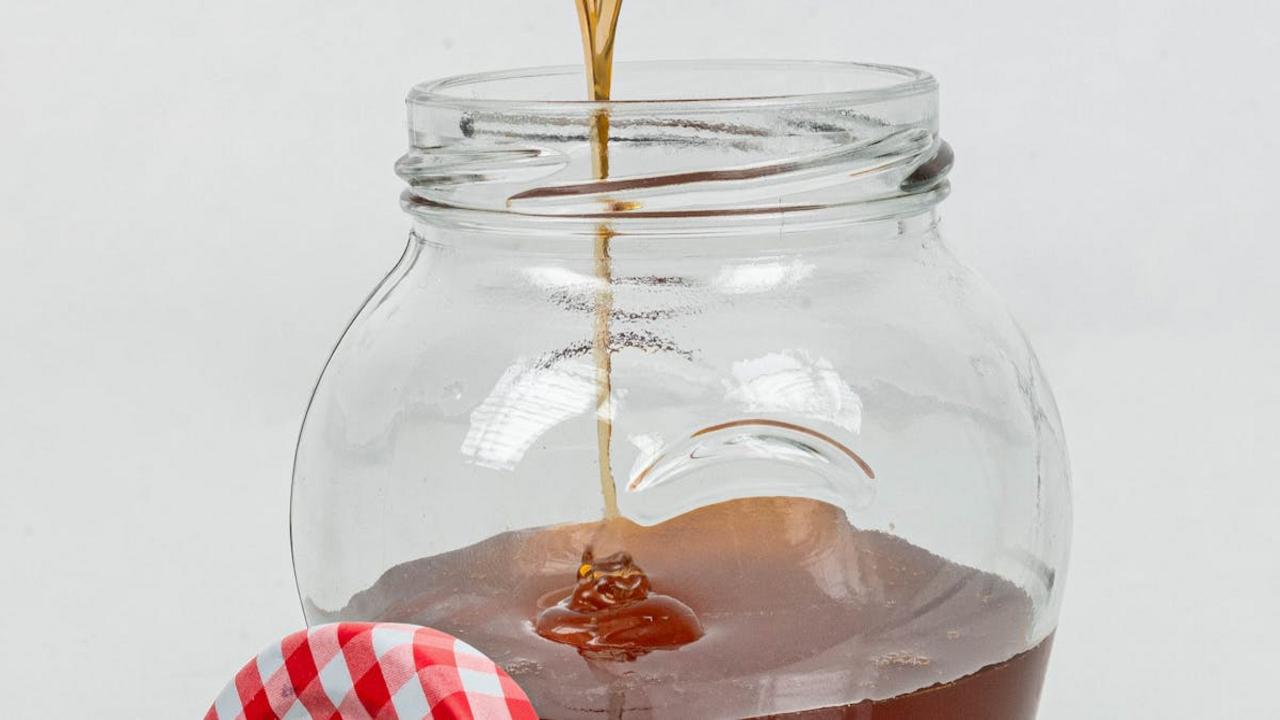
You might think molasses just sits there looking all dark and gloopy, but this sweet, sticky substance will stick around in your pantry for ages without going bad! A properly sealed jar of molasses can last up to 10 years – that’s a whole decade of baking potential right there. I keep a jar tucked away next to my baking supplies, ready to add that rich, complex sweetness to everything from gingerbread cookies to barbecue sauce. The best part? You don’t even need to refrigerate it after opening, though storing it in a cool, dark place will help maintain its quality longer.
Beyond its impressive shelf life, molasses brings some serious nutritional perks to the party. This byproduct of sugar production packs iron, calcium, and potassium into every sticky spoonful. The darker varieties, like blackstrap molasses, contain the highest concentration of these minerals. Pro tip: if your molasses starts to crystallize (which can happen after long storage), just warm the jar in a bowl of hot water and give it a good stir. You’ll have smooth, pourable molasses again in no time! Just remember to always use clean utensils when scooping it out to prevent any unwanted bacteria from crashing your molasses party.
Bouillon Cubes
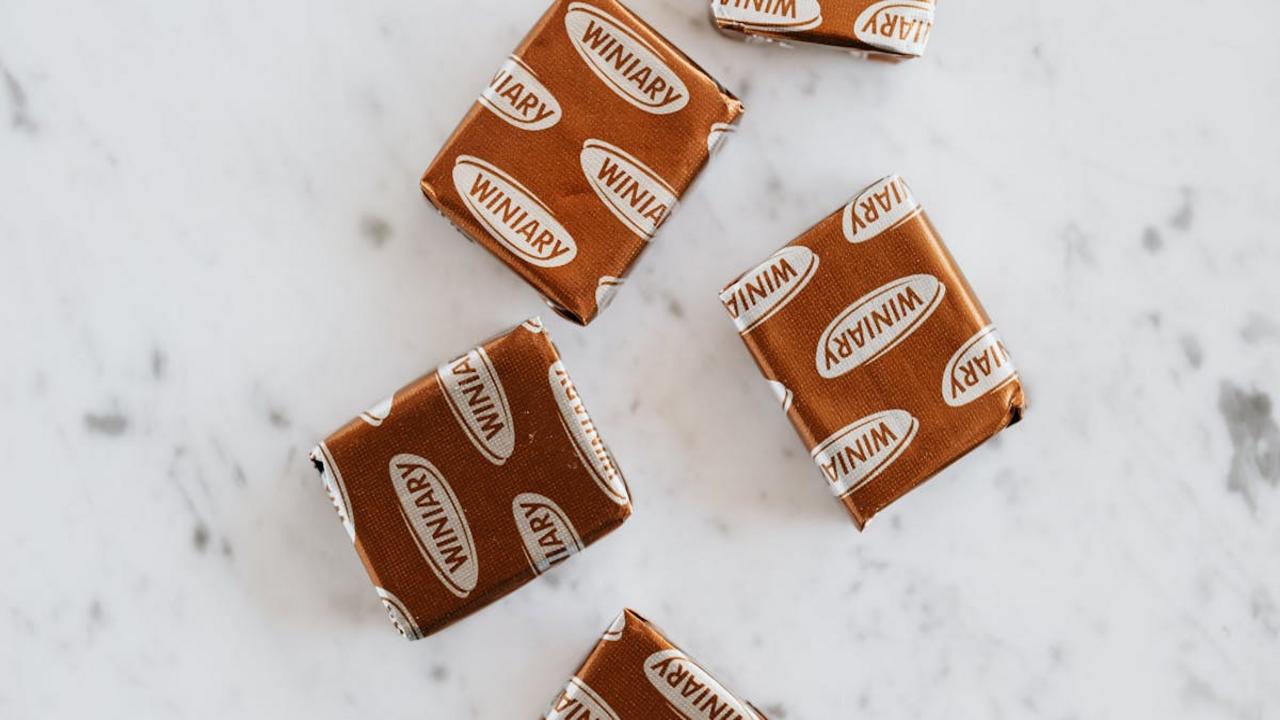
I keep a stash of bouillon cubes in my pantry like they’re precious little flavor bombs ready to transform any dish into something magical. These concentrated cubes pack an incredible amount of savory goodness into such a tiny package – just drop one into hot water, and boom! You’ve got instant broth without hauling heavy cartons home from the store. My grandmother swore by them for quick soup bases, and I’ve found they work wonders in rice dishes, gravies, and even as a secret ingredient in my famous pot roast.
The best part? Bouillon cubes last practically forever in your pantry (though I recommend using them within 2 years for optimal flavor). You’ll find them in chicken, beef, vegetable, and fish varieties, each bringing its own unique punch to your cooking. Just remember to watch the salt content – these little guys can be pretty sodium-heavy. I’ve learned to cut back on other salty ingredients when I toss one into the pot. Pro tip: Break them into smaller pieces when you only need a touch of flavor boost rather than using the whole cube.
Cornstarch
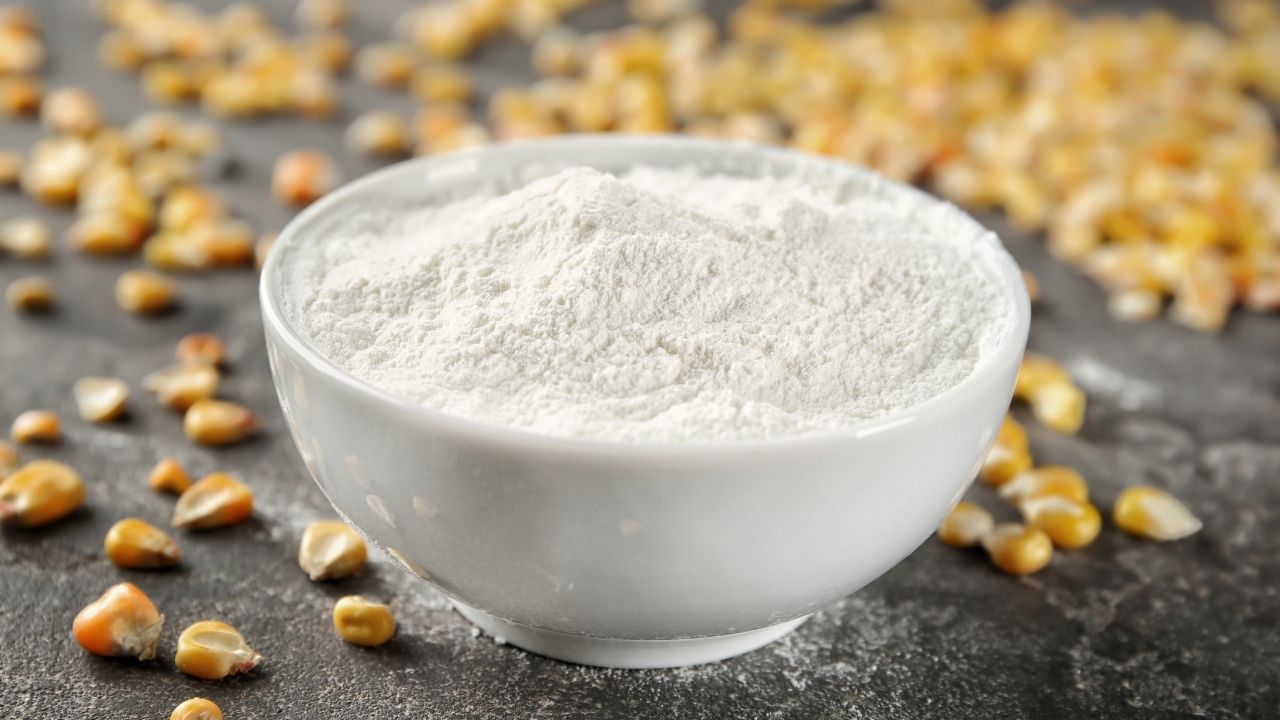
Oh, what a magical white powder cornstarch can be! Your secret weapon for thickening sauces and gravies without any fuss. Just a tablespoon or two will transform a thin liquid into a silky smooth sauce that clings perfectly to your food. I keep several boxes in my pantry because you never know when you’ll need to rescue a runny pie filling or create the perfect stir-fry sauce. The best part? Cornstarch can last for years in your pantry if you keep it sealed tight in its original container or an airtight jar.
Beyond its thickening powers, cornstarch works wonders in so many unexpected ways. Mix it with equal parts water for a DIY replacement for eggs in your baking recipes – each tablespoon of the mixture equals one egg. You can also use it to make the crispiest coating for fried chicken or to prevent your homemade powdered sugar from clumping. One quirky tip: sprinkle some in your shoes to absorb moisture and odors! Just remember to keep cornstarch away from humidity by storing it in a cool, dry place, and always use a dry spoon when scooping to prevent any moisture from sneaking in.
Instant Coffee
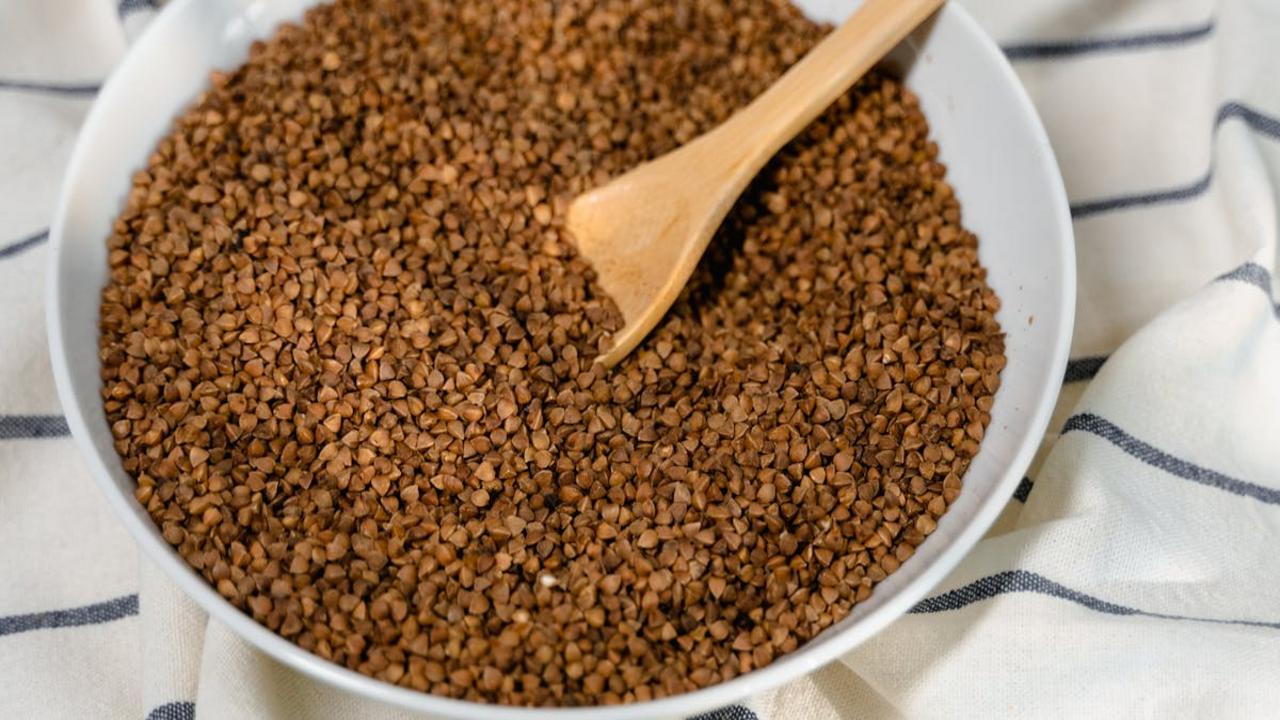
Oh, instant coffee – the unsung hero of my pantry that has saved me from countless morning zombie moments! While coffee snobs might turn up their noses, I’ve found instant coffee to be an incredibly practical stockpile staple that can last up to 20 years when stored properly. Just keep it in an airtight container away from heat, light, and moisture, and you’ll have your caffeine fix ready whenever you need it. Plus, it’s not just for drinking – I’ve discovered it makes an amazing secret ingredient in chocolate cakes and BBQ rubs!
Beyond its obvious morning pick-me-up powers, instant coffee has become my go-to ingredient for quick mocha smoothies and homemade coffee ice cream. The granules dissolve beautifully in both hot and cold liquids, making them perfect for creative kitchen experiments. My favorite trick? I mix a spoonful with vanilla extract and brown sugar to create a rich coffee syrup for pancakes. And during power outages or camping trips, nothing beats having these magical crystals on hand – no fancy equipment needed, just hot water and your favorite mug!
Dried Beans
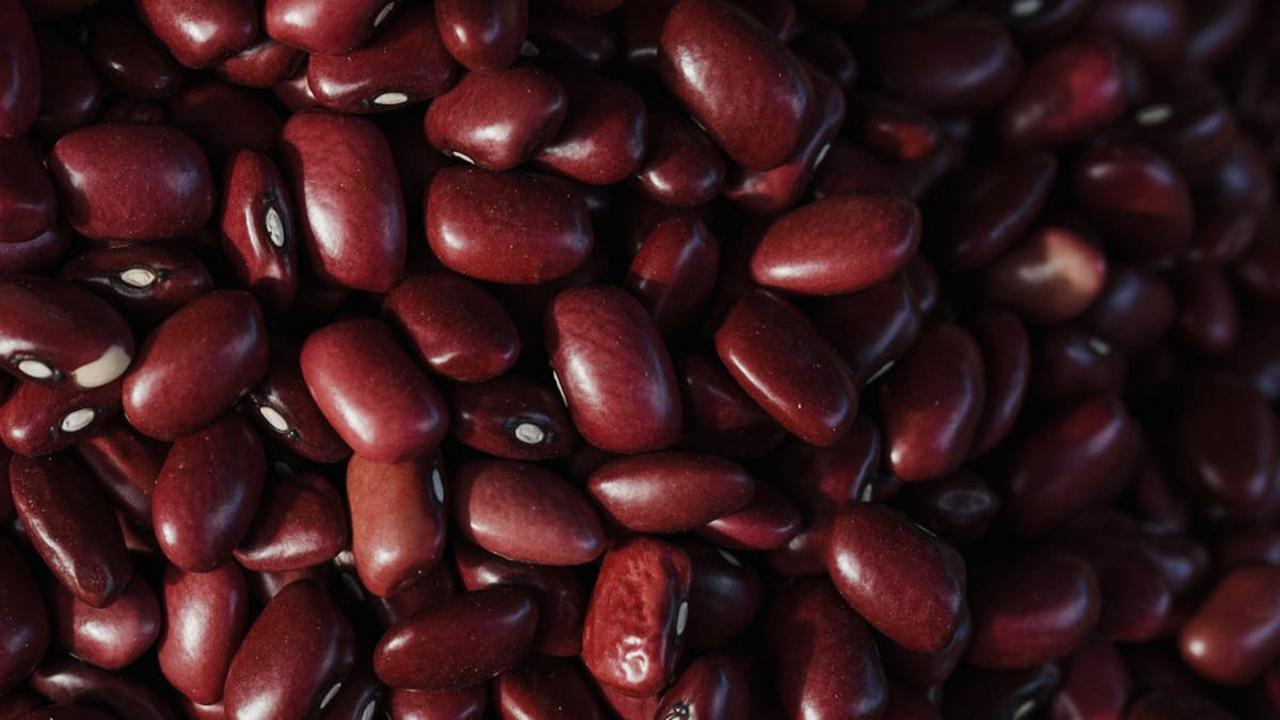
You’ll find dried beans in my pantry year-round because they pack a serious nutritional punch while keeping my wallet happy. These humble little powerhouses can hang out in your pantry for 2-3 years without breaking a sweat, making them the ultimate “I forgot to go grocery shopping” backup plan. From black beans to chickpeas, kidney beans to navy beans – each variety brings its own personality to the table while delivering protein, fiber, and minerals that’ll make your body do a happy dance.
I love turning these pantry heroes into quick weeknight dinners – just toss them in your pressure cooker with some broth, garlic, and spices, and boom! You’ve got a meal that costs pennies per serving. Pro tip: skip the pre-soaking step if you’re using a pressure cooker – it’s totally unnecessary and saves you hours of planning ahead. And here’s a fun fact that’ll make you the star of your next dinner party: ancient Romans used white beans as voting ballots, with white beans meaning “yes” and black beans meaning “no.” Who knew democracy could be so delicious?
Vinegar
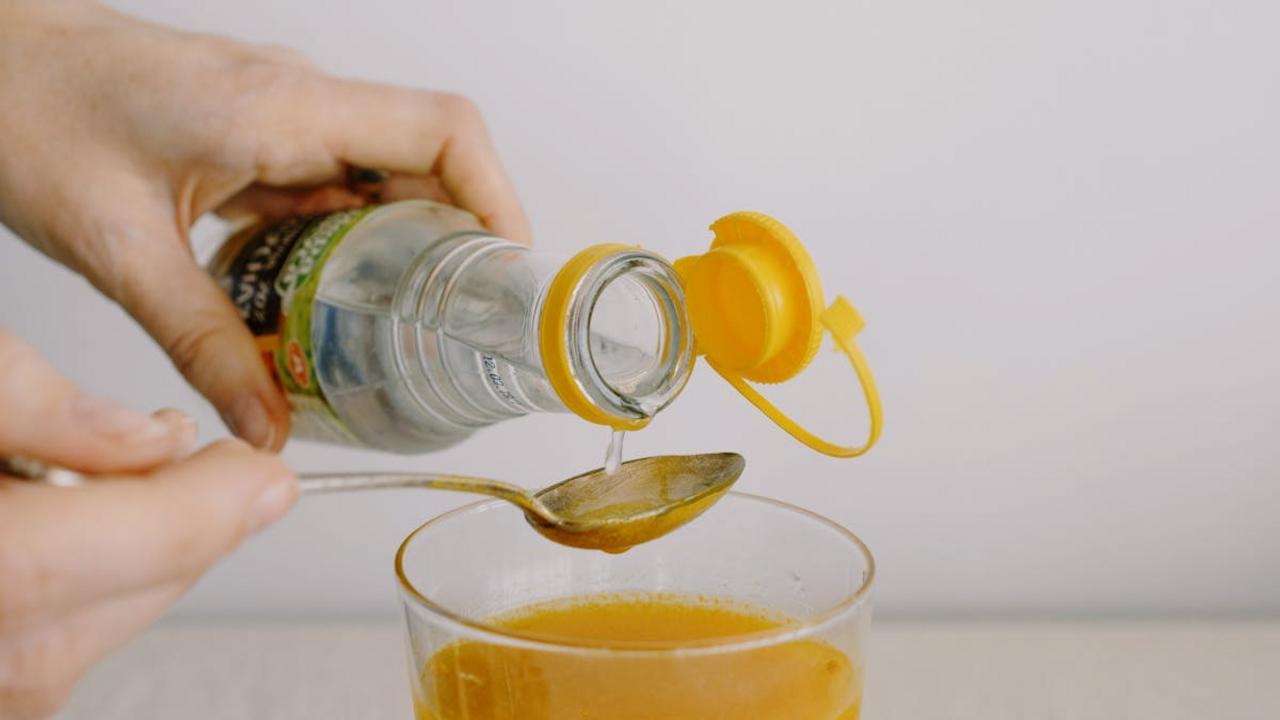
Vinegar is your pantry’s unsung hero that never goes bad – in fact, it gets better with age! This fermented wonder won’t just outlast most items in your kitchen, but will keep transforming your dishes with its zippy punch for practically forever. I’ve had a bottle of balsamic sitting in my cabinet for five years now, and it’s only gotten richer and more complex. From quick pickles to salad dressings, marinades to cleaning solutions, vinegar brings that perfect tangy kick that makes everything more interesting.
You’ll find dozens of varieties to stock up on – each with its own personality. Rice vinegar adds subtle sweetness to Asian dishes, while apple cider vinegar brings a fruity twist to everything from braised meats to folk remedies. White vinegar doubles as both a cooking staple and an eco-friendly cleaning superhero. Red wine vinegar turns simple olive oil into an instant Italian restaurant-worthy dressing. The best part? You don’t need to worry about expiration dates or special storage conditions. Just keep your vinegar bottles in a cool, dark spot and they’ll reward you with years of faithful service.
Honey
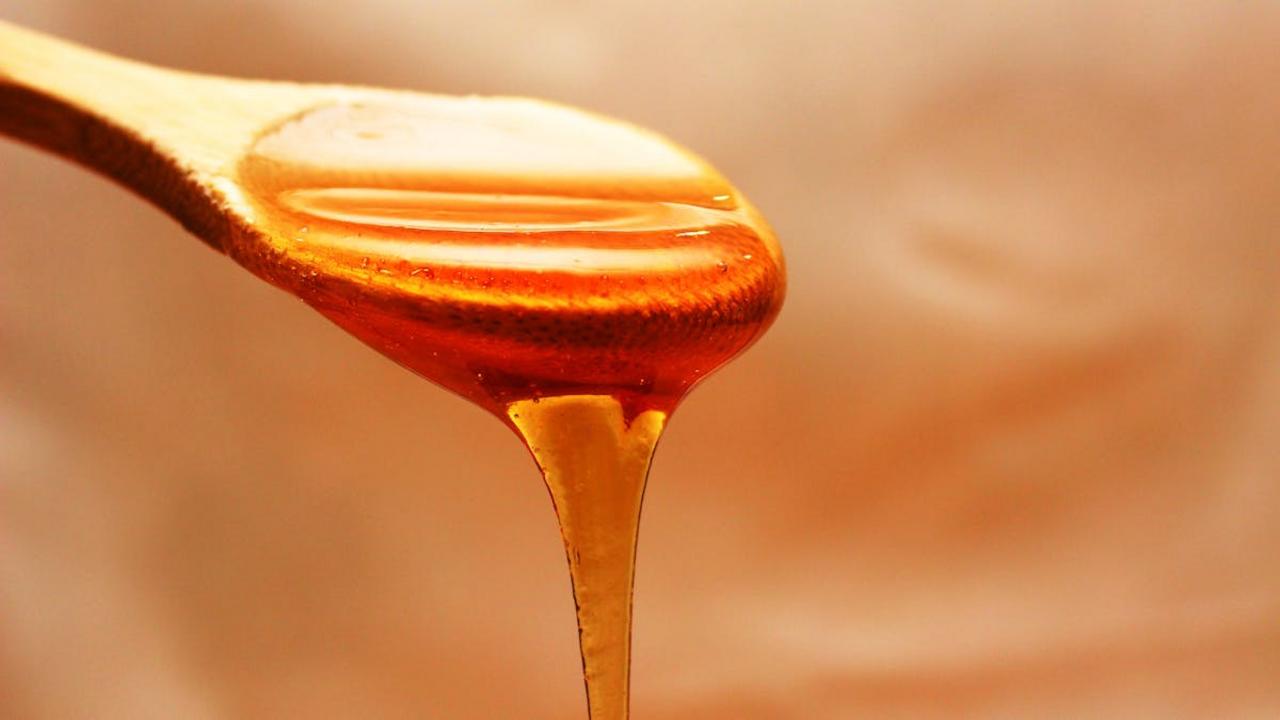
You know what’s absolutely wild about honey? This golden nectar never goes bad – like, never ever! I once found a jar of honey in my grandma’s pantry from the 1980s, and it was still perfectly good. Archaeological digs have even uncovered edible honey in ancient Egyptian tombs. The secret lies in honey’s natural composition – its low moisture content and high acidity create an environment where bacteria and microorganisms simply can’t survive. Plus, bees add an enzyme that produces hydrogen peroxide, making honey a natural preservative.
Beyond its immortal shelf life, honey stands ready to sweeten your life in countless ways. You can substitute it for sugar in baking (just reduce other liquids by 1/4 cup for every cup of honey), drizzle it over yogurt, or stir it into tea. If your honey crystallizes, don’t toss it! Just place the jar in warm water for 15 minutes, and watch it return to its liquid glory. Raw honey offers extra perks with antibacterial properties and local allergy relief. Keep your honey in a cool, dark spot, and this liquid gold will stay fresh indefinitely – making it the ultimate pantry superhero.
Hard Candy
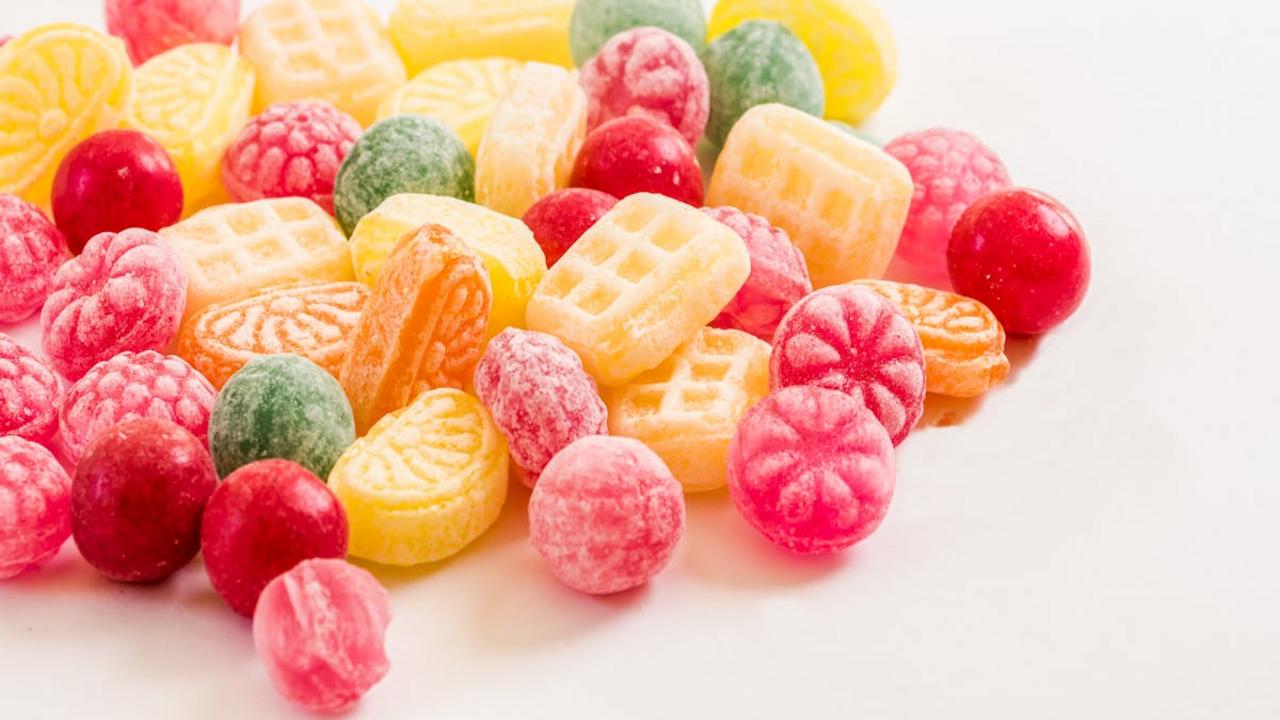
Your grandma had the right idea keeping those glass jars of hard candies around! Hard candies pack a sweet punch of nostalgia and practical storage benefits. These sugary treats can last up to a year when stored in an airtight container at room temperature. From classic peppermints to butterscotch discs, hard candies make perfect emergency sugar boosts or just satisfying little treats to keep in your desk drawer. Plus, they won’t melt, spoil, or attract ants like other sweets might.
I keep a mason jar of Werther’s Originals in my pantry for those moments when I need a quick sugar fix or want to channel my inner grandparent energy. The best part? Hard candies don’t just serve as treats – they can help with dry mouth, motion sickness, and even work as impromptu throat lozenges. Just remember to store them away from humidity and heat to prevent them from getting sticky. And if you spot any changes in color, texture, or notice them sticking together unusually, it’s time to replace your stash with fresh ones.
Powdered Eggs
I’ll admit – powdered eggs didn’t exactly win me over at first glance. But after discovering their incredible versatility during a camping trip where fresh eggs would’ve turned into a scrambled mess in my backpack, I became a total convert! These dehydrated wonders can last up to 10 years when stored properly, making them a smart addition to your emergency food stash. Just mix with water, and boom – you’ve got yourself the foundation for breakfast burritos, quick omelets, or any baked goods that call for eggs.
The real magic of powdered eggs lies in their convenience and reliability. You won’t need to worry about cracked shells, running out of eggs mid-recipe, or that dreaded sniff test that makes you question your life choices. Plus, they pack a nutritional punch similar to fresh eggs – loaded with protein and essential nutrients. I keep a large container in my pantry for those “oops, forgot to buy eggs” moments, and they’ve saved many a late-night baking adventure. Mix them with some dried herbs and a splash of water for a quick scramble, or fold them into your pancake batter for extra protein. Your breakfast game will thank you!
Maple Syrup
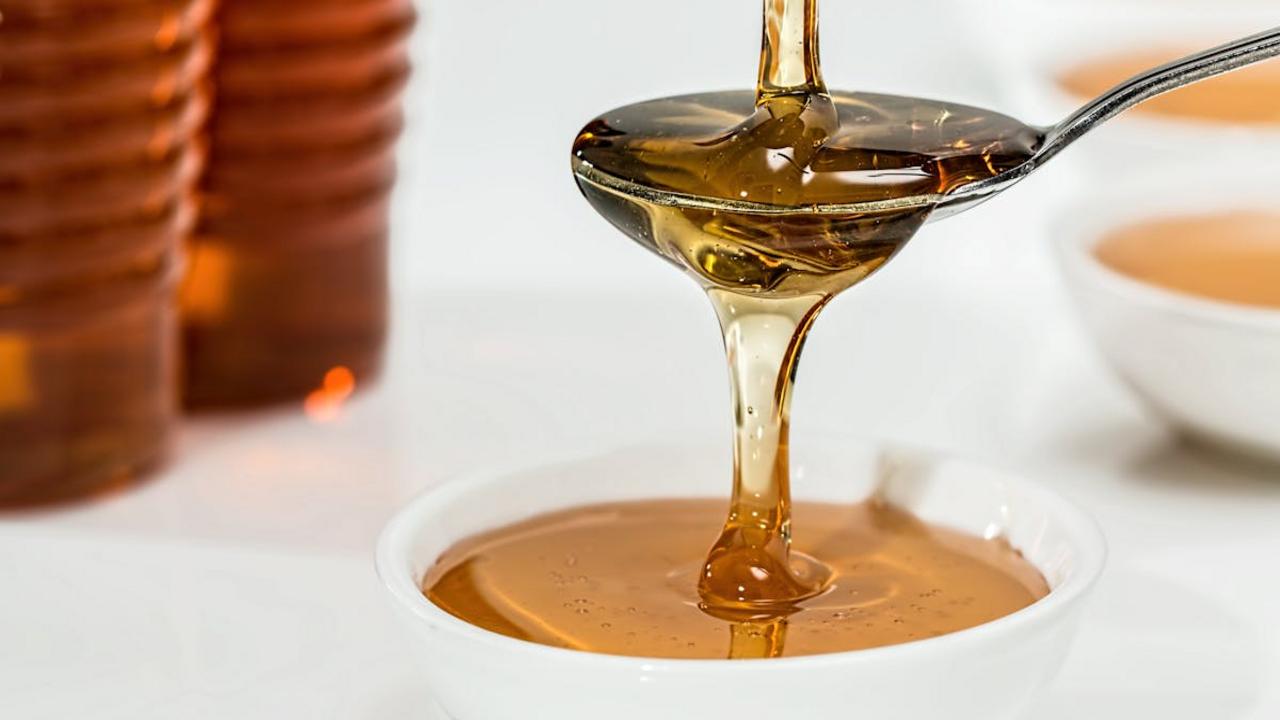
Your pantry needs pure maple syrup – not just for weekend pancake feasts, but as a versatile sweetener that will last for years! Store your maple syrup properly in a cool, dark place, and you’ll have liquid gold ready whenever you want it. The natural sugars and lack of water activity make it almost impossible for bacteria to grow, giving pure maple syrup an indefinite shelf life when sealed. Just remember to refrigerate after opening to prevent any unwanted mold from crashing your syrup party.
Beyond the breakfast table, maple syrup adds depth to marinades, glazes, and baked goods. I keep a backup bottle stashed away because running out mid-recipe feels like a minor kitchen catastrophe! Mix it into your coffee for a Canadian-inspired morning boost, drizzle it over roasted vegetables, or whisk it into salad dressings. Fun fact: It takes about 40 gallons of maple tree sap to make just one gallon of syrup – no wonder the authentic stuff costs more than the artificial versions. But trust me, the rich caramel notes and complex sweetness of real maple syrup make it worth every penny.