12 Dishes at Fine Dining Restaurants That Aren’t Worth the Splurge
Fine dining restaurants often charge premium prices for dishes that don’t always deliver on value. I’ve spotted this pattern while visiting upscale eateries across the country – many menu items carry hefty price tags simply for the prestige factor rather than exceptional flavor or craftsmanship.
You work hard for your money, and spending $45 on truffle pasta that contains just a microscopic shaving of truffles feels disappointing. Similarly, paying extra for gold leaf (which adds zero flavor) or “deconstructed” versions of classics that you need to reassemble yourself seems like an unnecessary expense.
Before your next special occasion dinner, consider which splurges truly enhance your experience. Skip the $25 bottled water and basic risotto you could make at home. Instead, focus your budget on unique dishes featuring technical skill and exceptional ingredients that justify their price tag.
Marked Up Everyday Pasta Dishes

You know that simple spaghetti carbonara you make at home with just eggs, cheese, pancetta, and pasta? Well, some fine dining restaurants will charge you $35 for basically the same dish, just plated on fancy porcelain. I’ve seen restaurants take basic aglio e olio – literally just garlic, olive oil, and pasta – and price it at $28 because they call it “house-made linguine with imported Ligurian olive oil.” The ingredients cost maybe $3 total, and while their pasta might be fresh, you can make equally delicious fresh pasta at home with a simple pasta machine and a weekend afternoon.
Don’t get me wrong – I love a perfectly executed cacio e pepe as much as anyone, but paying restaurant prices for what amounts to pasta, cheese, and black pepper feels like highway robbery. These dishes succeed because of technique and timing, not expensive ingredients, which means you can absolutely master them in your own kitchen. Instead of spending $40 on marked-up pasta, invest in good-quality Italian cheese, learn the proper emulsification technique, and practice your pasta timing. You’ll not only save money but also gain confidence in creating these classic comfort foods whenever a craving strikes.
Simple Mixed Green Salads
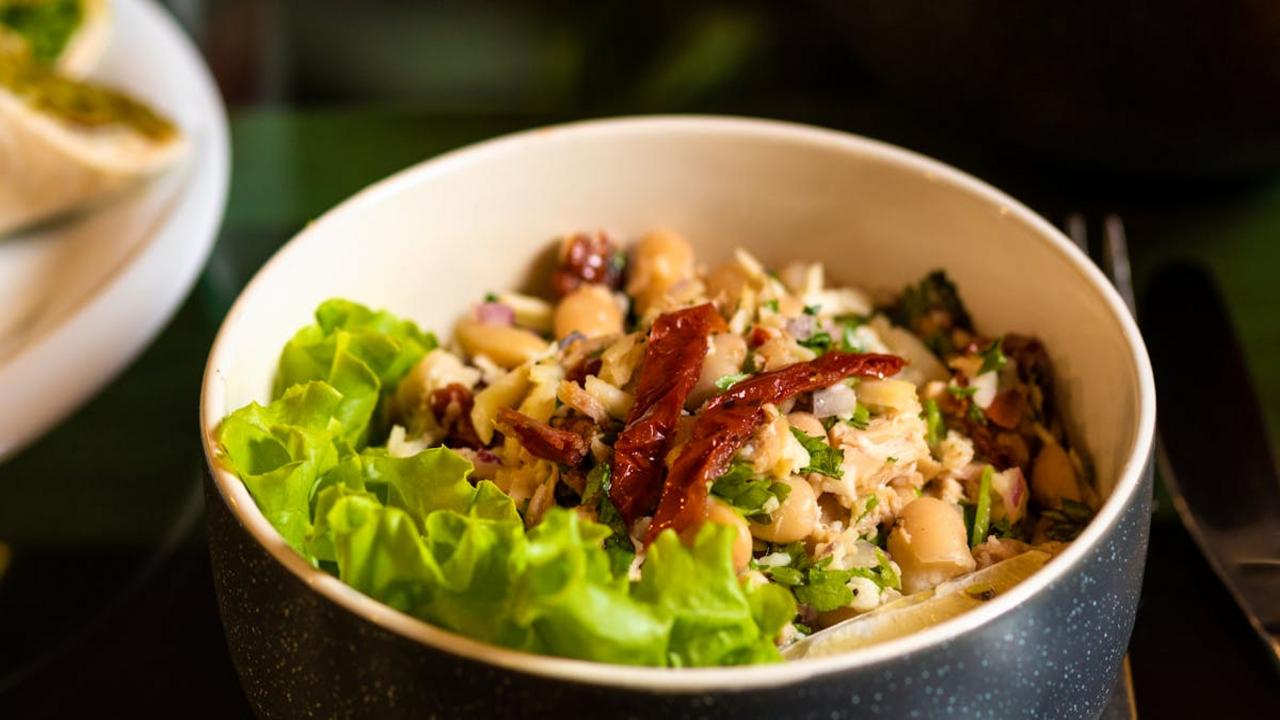
You know that moment when you’re at a fancy restaurant and see a “artisanal mixed greens” salad for $28? I get it – we want to start with something light and healthy. But here’s the thing: you’re paying premium prices for what’s basically a handful of lettuce leaves with a drizzle of vinaigrette. Most fine dining establishments charge outrageous amounts for salads that contain ingredients you probably have sitting in your fridge right now. We’re talking basic spring mix, maybe some cherry tomatoes, and a house dressing that likely costs pennies to make.
Instead of spending your hard-earned money on overpriced greens, save that cash for the main course where the chef’s skills really shine. Your wallet will thank you, and you can easily recreate these simple salads at home with fresher ingredients for a fraction of the cost. Mix your own greens, add some seasonal vegetables, and whip up a quick vinaigrette with olive oil, vinegar, and herbs from your garden. The best part? You control the quality and freshness of every single ingredient, and you’ll have enough left over for several more salads throughout the week.
Plain Grilled Chicken Breast
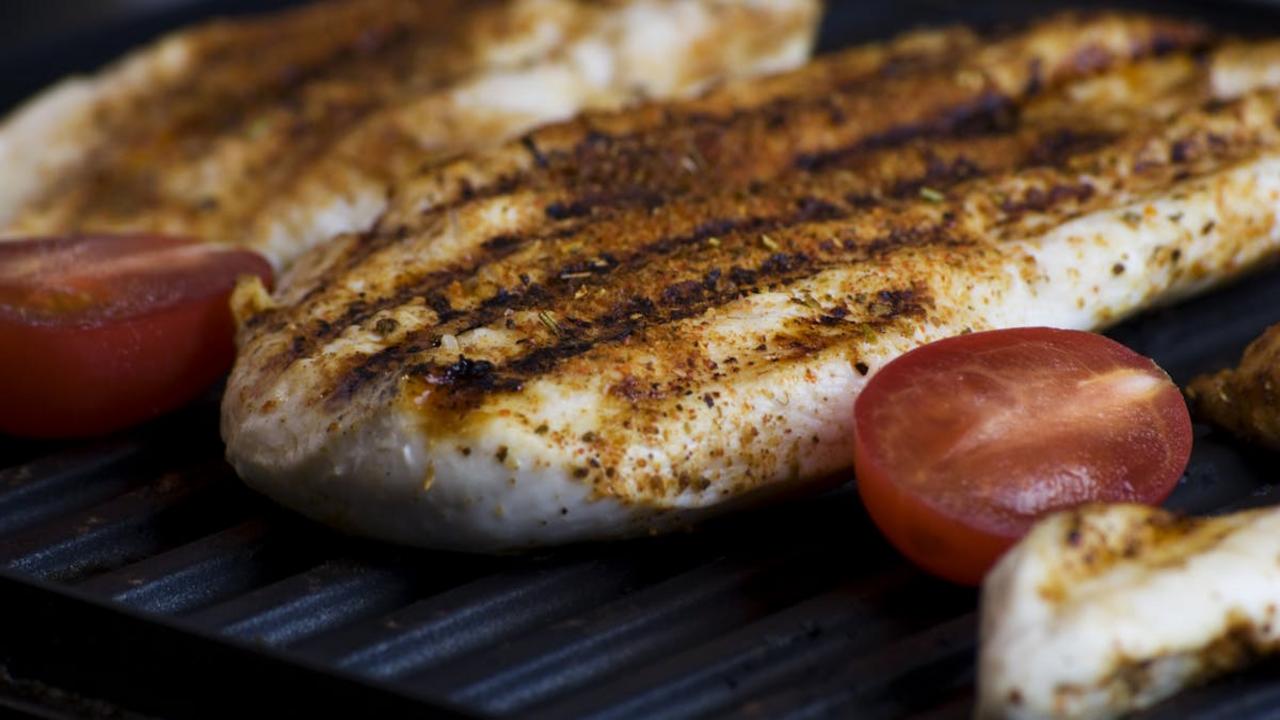
You know what breaks my heart at fancy restaurants? Paying $35 for a plain grilled chicken breast that tastes like something I could whip up on a Tuesday night without breaking a sweat. These establishments charge premium prices for what amounts to basic protein preparation – no creative seasonings, no interesting accompaniments, just a straightforward piece of chicken that screams “I gave up.” The markup on this simple dish feels almost insulting when you consider how little effort goes into transforming this everyday ingredient into something memorable.
Here’s the thing about chicken breast – it needs love, creativity, and technique to shine! At home, you can create magic with herb crusts, citrus marinades, or stuffing it with seasonal vegetables for a fraction of the cost. Instead of dropping serious cash on bland protein, save your money and make your own version with fresh herbs, a squeeze of lemon, and maybe some garlic butter. Your wallet will thank you, and honestly, your homemade version will probably taste better than what most upscale places serve. Trust me on this one – plain grilled chicken belongs in your weeknight rotation, not on your special occasion splurge list!
Caviar
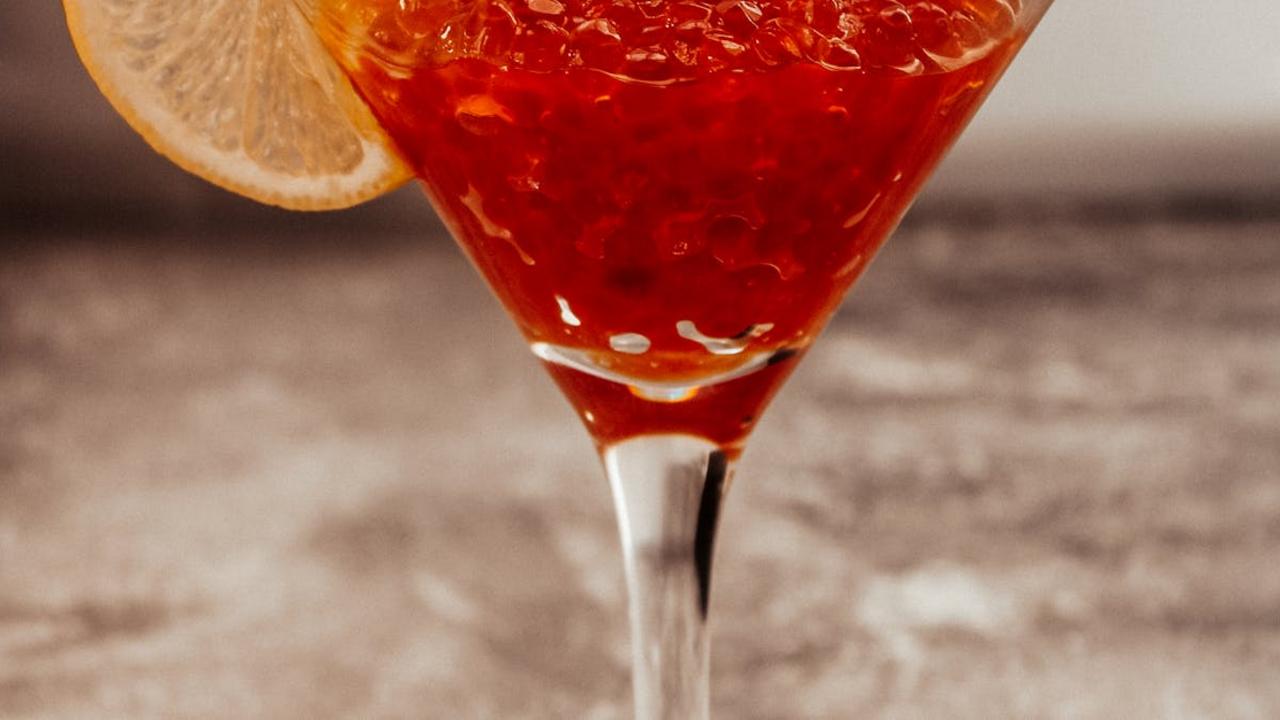
You know that moment when you see caviar on a fine dining menu and feel like you should order it because it screams luxury? I get it completely! Those tiny, glistening pearls represent the pinnacle of fancy dining experiences. But here’s my honest take after trying caviar at various upscale restaurants: the price tag rarely matches the flavor payoff. Most diners expect this explosion of oceanic complexity, but what you often get is a subtle, briny pop that disappears before you can really savor it. The texture is interesting, sure, but not necessarily worth the $150+ price point that many establishments charge.
What really gets me is how caviar has become more about status than actual food enjoyment. You’re paying for the reputation and rarity rather than a transformative dining experience. I’ve watched so many friends order caviar, take that Instagram shot, then quietly admit they didn’t really love it. Instead of splurging on those expensive fish eggs, consider ordering the restaurant’s signature appetizer or trying their tasting menu. You’ll likely discover flavors that actually excite your palate and create memorable moments. Save your money for dishes where the chef’s creativity and technique truly shine through every single bite.
Chocolate Lava Cake
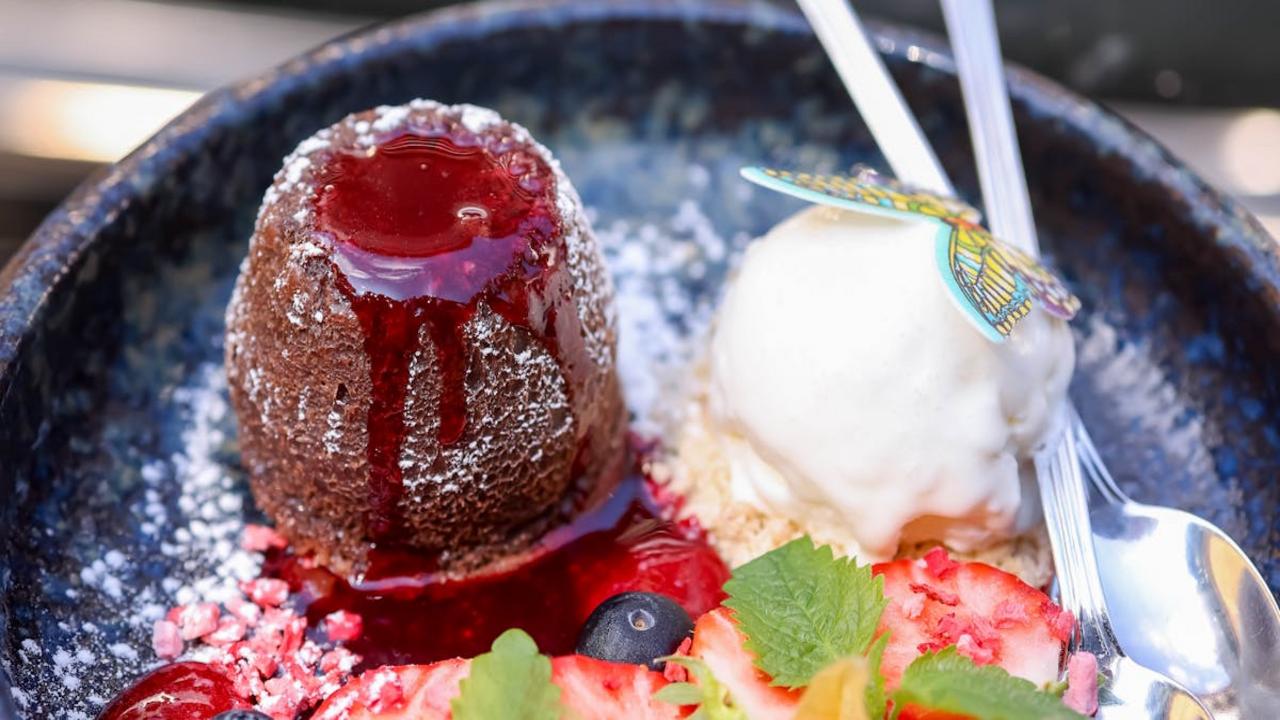
You know what breaks my heart a little? Watching people drop $18-25 on chocolate lava cake at fancy restaurants when they could make something infinitely better at home for a fraction of the cost. Most fine dining establishments serve up versions that are either overcooked (goodbye, molten center!), underwhelming in flavor, or drowning in mediocre vanilla ice cream that masks the chocolate rather than complementing it. I’ve tasted my fair share of these desserts, and honestly, the majority feel like they’re coasting on reputation rather than delivering true decadence.
Here’s the beautiful truth about chocolate lava cake – it’s one of the most achievable restaurant-quality desserts you can master in your own kitchen! With just six basic ingredients (dark chocolate, butter, eggs, sugar, flour, and a pinch of salt), you can create individual cakes that blow away most restaurant versions. The secret lies in using high-quality chocolate and getting the timing just right – about 12 minutes in a 425°F oven. Plus, you control every element: the richness of the chocolate, the gooeyness of that center, and what you serve alongside it. Trust me, once you nail this at home, you’ll never want to order it out again.
Basic Risotto
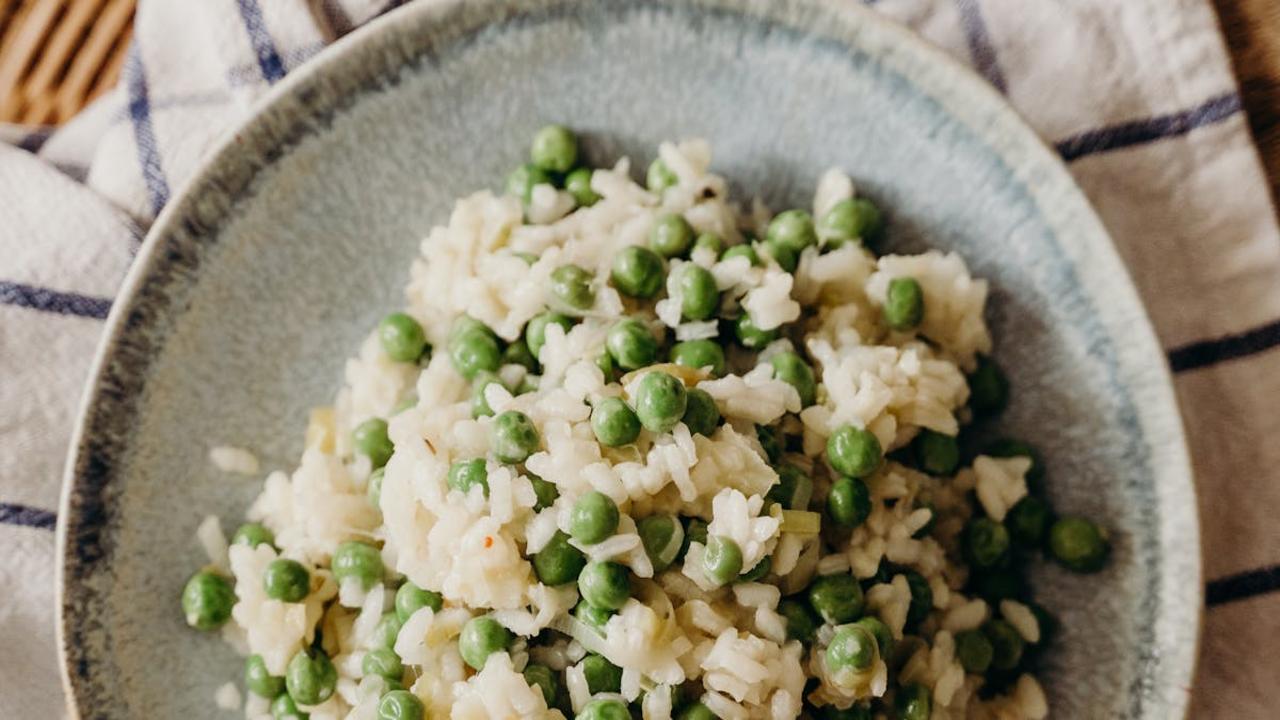
You know that feeling when you see “risotto” on a fancy restaurant menu with a $28 price tag and think you’re getting something magical? I’ve been there too, and honestly, basic risotto at fine dining spots often disappoints more than it delivers. Most restaurants serve up what’s essentially dressed-up rice with some stock and cheese – nothing you couldn’t whip up at home for a fraction of the cost. The real kicker? Many places use shortcuts like pre-cooked rice or instant versions, which completely defeats the purpose of paying premium prices for this supposedly sophisticated dish.
Here’s what really gets me fired up about this: risotto is one of those dishes that sounds intimidating but is actually quite forgiving once you understand the technique. You can create restaurant-quality risotto in your own kitchen with just Arborio rice, good stock, white wine, onions, and Parmesan cheese. The key is patience and stirring – that’s it! Instead of dropping serious cash on mediocre restaurant versions, grab some quality ingredients and make it yourself. You’ll control every element, from the creaminess to the flavor intensity, and you’ll probably surprise yourself with how delicious your homemade version turns out compared to what you’d get at overpriced establishments.
Imported Bottled Water

You know what really gets me fired up? When I see people dropping $15-25 on a bottle of water that supposedly traveled from some pristine spring in France or Italy. I get it – fine dining is about the experience, but come on! Your local tap water, properly filtered, delivers the same hydration without the ridiculous markup. These restaurants know you’re already committed to the splurge, so they push these overpriced bottles like they’re liquid gold.
Here’s the thing that bothers me most: you’re paying premium prices for something that’s basically the same H2O molecules you get at home, just with fancier packaging and a story about Alpine glaciers. Instead of falling for this markup, ask your server about their house water – most upscale places have excellent filtration systems that produce crystal-clear, perfectly chilled water. Save that $20 for an extra appetizer or a better bottle of wine that actually pairs with your meal. Your wallet will thank you, and honestly, your body won’t know the difference between that imported water and good old filtered tap.
Deconstructed Classic Dishes
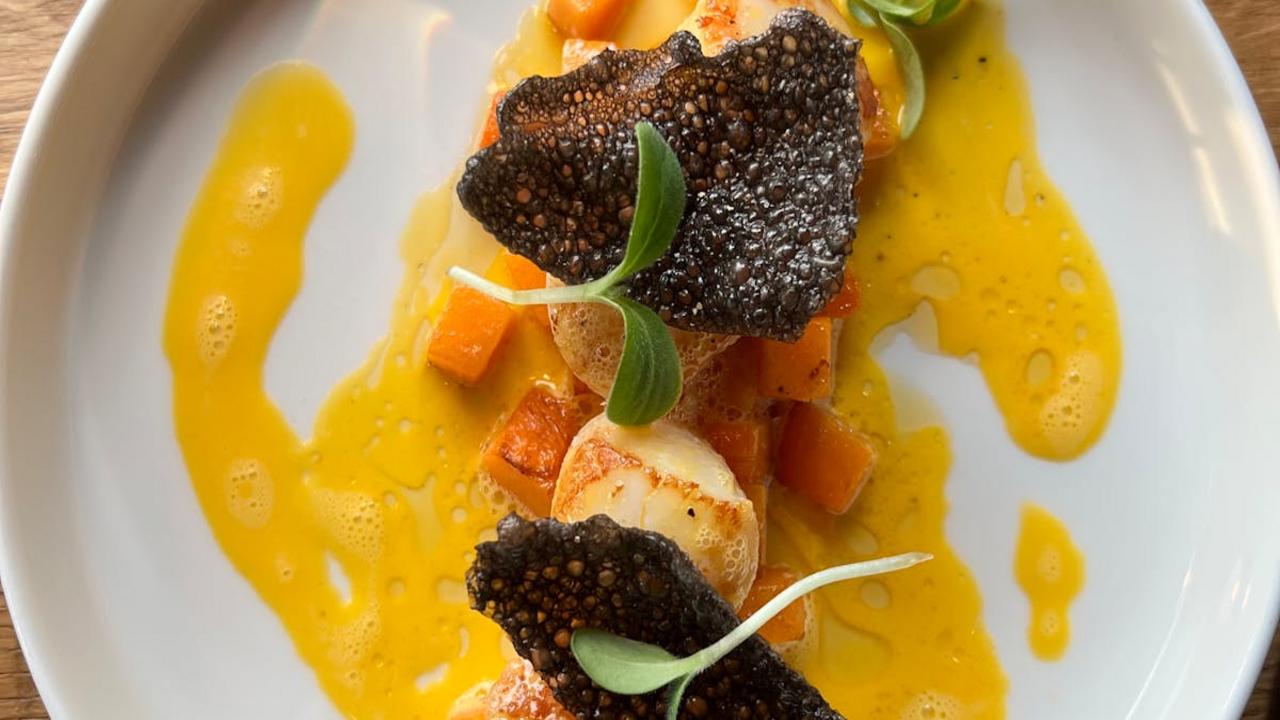
You walk into a high-end restaurant, excited to try their “deconstructed chicken parmesan,” only to find scattered breadcrumbs, a lonely piece of chicken, and sauce dots artfully placed around your plate. While the presentation might look Instagram-worthy, you’re left wondering where the actual dish went! These reimagined classics often strip away everything that made the original comfort food so satisfying – the melted cheese binding everything together, the crispy coating protecting the tender meat, or the way flavors meld when components cook together. Instead of innovation, you get confusion and a meal that requires you to reconstruct it yourself with each forkful.
The truth is, classic dishes became classics for good reason – they work! When chefs deconstruct a beloved recipe like lasagna or apple pie, they’re often solving a problem that didn’t exist in the first place. You end up paying premium prices for what feels like meal prep ingredients arranged on expensive dishware. Save your money and make the real version at home where you can enjoy every gooey, messy, perfectly integrated bite. Your wallet and your taste buds will thank you for choosing substance over style, especially when that style comes with a hefty markup that doesn’t match the dining experience.
Gold Leaf Anything
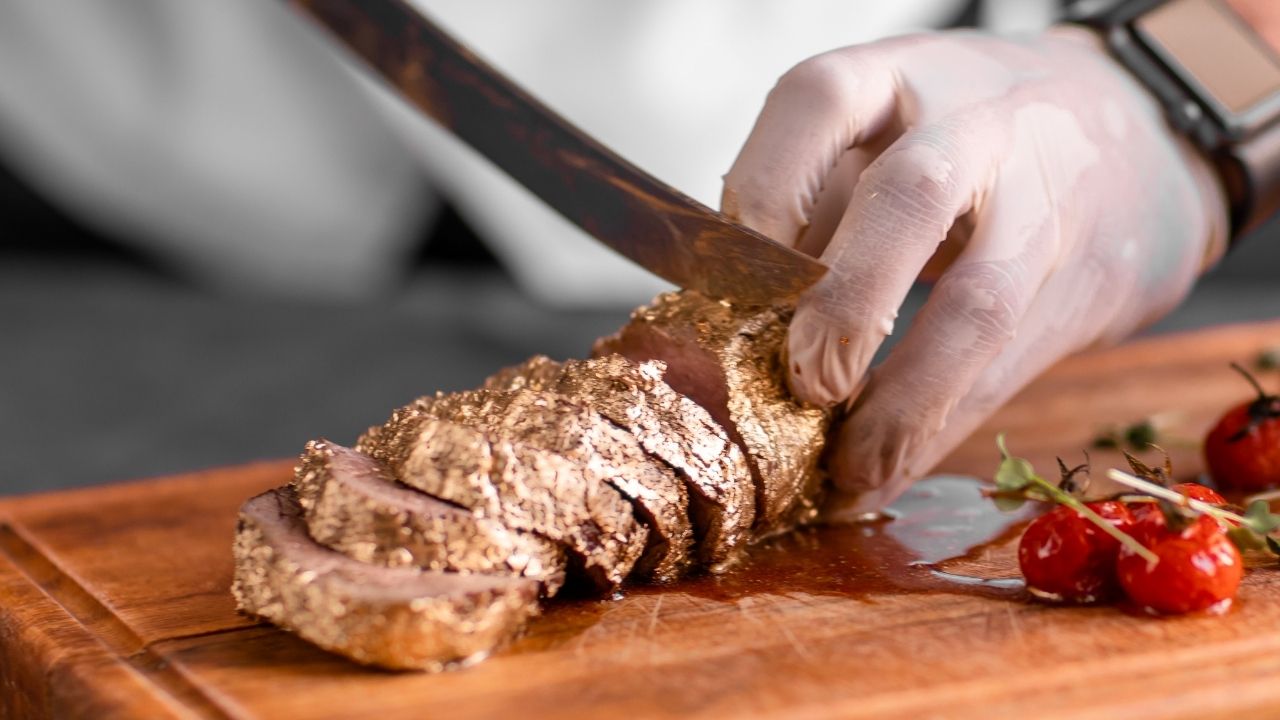
You know what makes me shake my head every time I see it on a menu? Edible gold leaf sprinkled on everything from desserts to steaks. Here’s the thing about gold leaf – it adds absolutely zero flavor to your dish. None. Zilch. You’re literally paying hundreds of extra dollars for what amounts to fancy metallic confetti that passes through your digestive system unchanged. I’ve watched diners Instagram their gold-flecked ice cream with such excitement, only to realize they can’t taste any difference between their $80 sundae and the regular $12 version down the street.
The worst part? Restaurants use this shiny gimmick to justify outrageous price increases on otherwise ordinary dishes. I’ve seen simple chocolate mousse marked up 400% just because someone dusted it with gold flakes that cost the restaurant maybe three dollars. Your money goes so much further when you choose restaurants that focus on quality ingredients and skilled preparation instead of flashy garnishes. Save those extra dollars and spend them on a meal where every component actually contributes something meaningful to your dining experience – better ingredients, expert technique, or genuine hospitality that makes the evening special.
Lobster Mac and Cheese
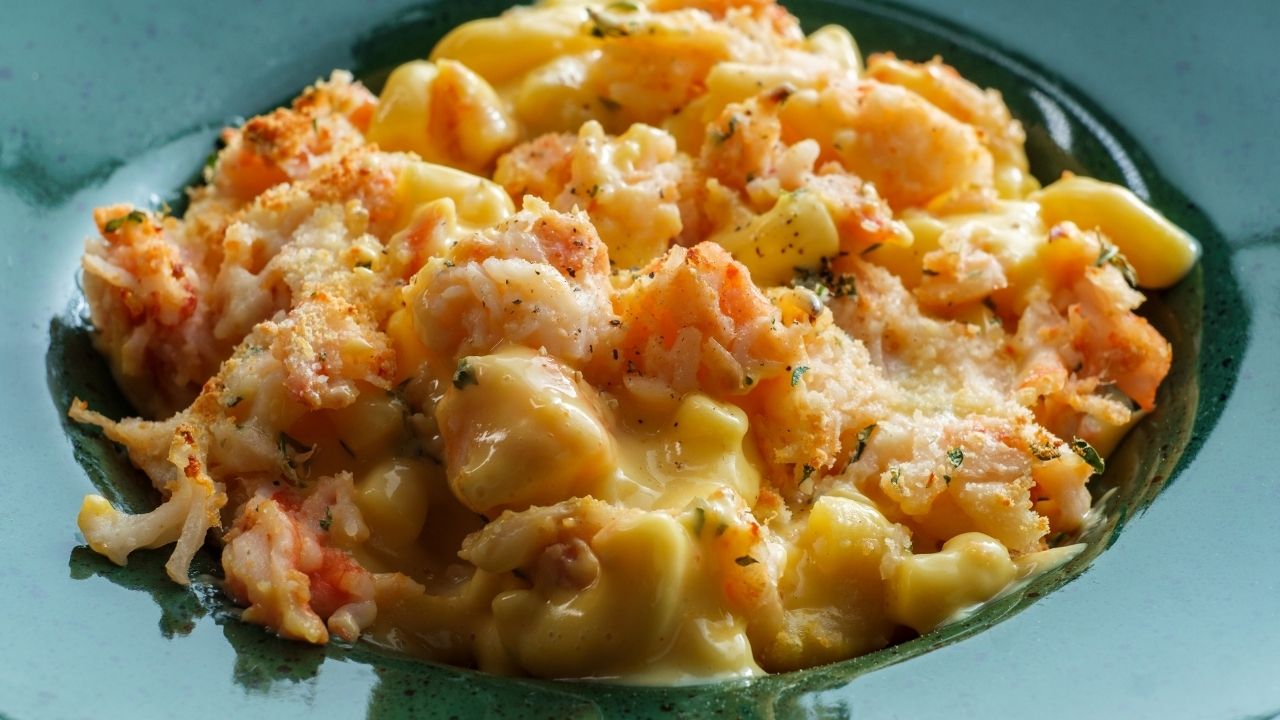
You know that moment when you see lobster mac and cheese on a fancy restaurant menu and your heart skips a beat? I totally get it – the combination sounds absolutely divine. But here’s the thing: most fine dining spots charge anywhere from $35 to $65 for this dish, and honestly, it rarely lives up to the hype or the price tag. The lobster often gets lost in heavy, overly rich cheese sauces that mask its delicate sweetness, and you’re essentially paying premium prices for what amounts to glorified comfort food with a few chunks of seafood thrown in.
The real kicker is that you can create something far more delicious at home for a fraction of the cost! When you make lobster mac and cheese yourself, you control the quality of both the lobster and the cheese – no more rubbery seafood or artificial-tasting sauce. Start with fresh lobster tails or even good-quality frozen ones, and pair them with a blend of sharp white cheddar and gruyere for that perfect creamy-but-not-heavy texture. Add some fresh herbs like chives or tarragon, and you’ll have a restaurant-quality dish that actually showcases the lobster instead of drowning it. Your wallet and your taste buds will thank you!
Wagyu Sliders

You know that moment when you see “Wagyu sliders” on a fine dining menu and your heart skips a beat? I totally get it! The promise of premium beef in bite-sized portions sounds incredible, but here’s what I’ve learned from ordering these little disappointments more times than I care to admit – they’re often the biggest letdown on upscale menus. The beautiful marbling and buttery texture that makes Wagyu so special gets completely lost when you grind it up and compress it into slider patties. Plus, most restaurants serve them on fancy brioche buns loaded with gourmet toppings that mask any subtle beef flavor you might have been hoping to experience.
What really gets me is the price point – you’re paying premium money for what essentially becomes ordinary ground beef once it hits the grill. The magic of Wagyu lies in its texture and the way it melts on your tongue, qualities that simply disappear in slider form. Instead of splurging on these overpriced mini burgers, save your money and order a proper Wagyu steak where you can actually appreciate what makes this beef so special. Trust me, your wallet and your taste buds will thank you for choosing quality over quantity every single time!
Truffle Pasta
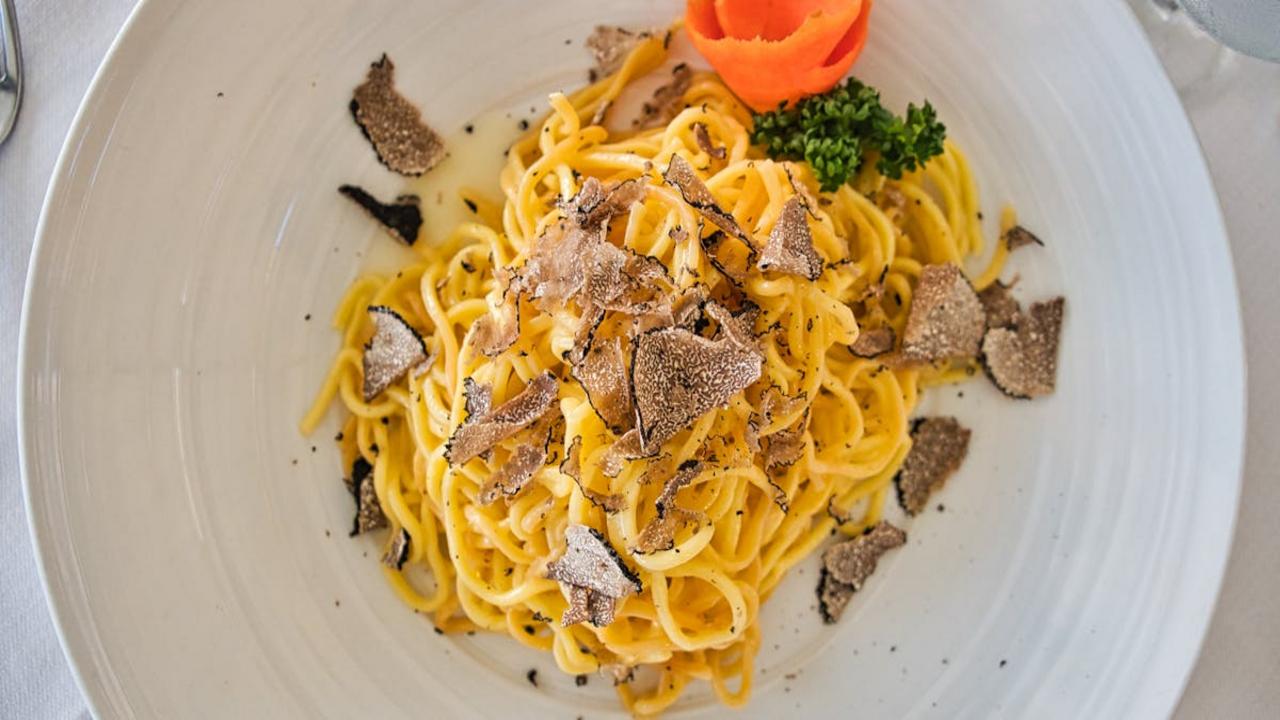
You know what makes my heart sink at fancy restaurants? Watching someone pay $45 for a plate of basic pasta with a few shavings of truffle on top. The truth is, most fine dining establishments use truffle oil instead of fresh truffles, and that synthetic flavor doesn’t justify the astronomical price tag. I’ve seen too many disappointed faces when people realize they’re paying restaurant rent prices for what amounts to glorified mac and cheese with artificial truffle essence.
Here’s the thing – you can create an incredible truffle pasta at home for a fraction of the cost! Grab some quality dried pasta, good parmesan cheese, and either invest in a small amount of real truffle or high-quality truffle oil from a specialty store. The key is using restraint with the truffle flavor and focusing on technique – proper pasta water starch, good timing, and quality ingredients. Your homemade version will taste more authentic than most restaurant versions, and you’ll save enough money to buy groceries for the entire week. Trust me, your wallet and your taste buds will thank you for skipping this overpriced restaurant trap!