14 Unspoken Food Rules You Probably Follow Without Even Realizing
Food traditions run deep in our social DNA, creating invisible scripts we follow without a second thought. You’ve likely caught yourself saving that last brownie for someone else or instinctively passing the fortune cookie tray only after the main dishes have cleared. These unwritten rules govern our eating habits more than we recognize, creating a secret language of food etiquette we all somehow learned.
Ever noticed how your friends quietly negotiate who gets the slice with the most frosting flowers? Or how weekend pancakes seem mandatory while Monday’s breakfast is purely functional? These food commandments exist in a curious middle ground—never formally taught but universally understood. You follow them religiously, yet might struggle to explain exactly why or when you learned them.
The beauty of these culinary customs lies in their silent transmission across generations and social circles. From the sacred duty of elders carving Thanksgiving turkeys to the unspoken agreement that fries taste better when swiped from someone else’s plate, these rules create comfort and connection. They remind us that eating isn’t just about nutrition—it’s about the invisible bonds we create around the table.
Fortune cookies must be eaten last at Chinese restaurants
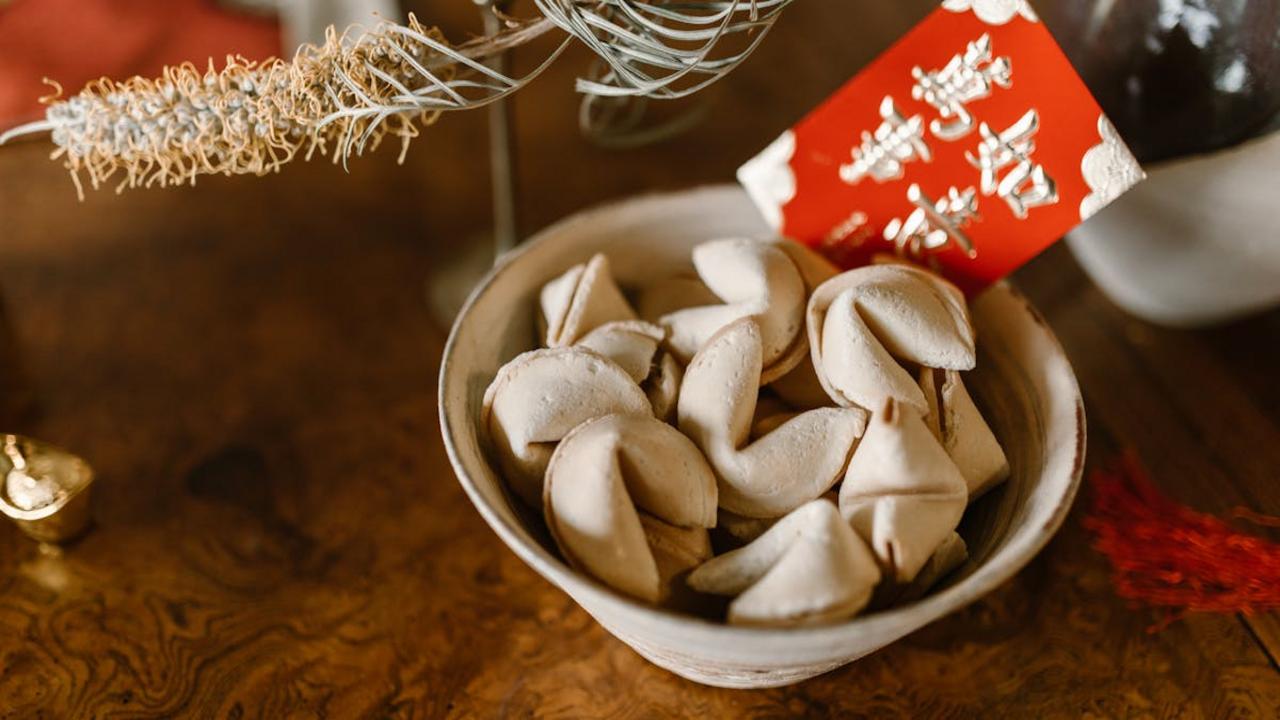
You know that moment when your server brings out those golden, crescent-shaped fortune cookies alongside your check? Your hand automatically reaches for one, then stops mid-air. Something deep in your dining DNA whispers “not yet” – and you’re absolutely right to listen. This unspoken rule runs deeper than most people realize, rooted in both practical wisdom and cultural respect. Fortune cookies mark the official end of your meal, the final punctuation mark on your dining experience. Breaking one open mid-meal feels like opening Christmas presents before breakfast – technically possible, but somehow wrong.
The tradition makes perfect sense once you think about it. These sweet, vanilla-scented wafers contain messages meant to send you off into the world with hope, humor, or hilariously vague predictions about your future. Reading “A pleasant surprise awaits you” while you’re still working through your lo mein diminishes the magic entirely. Plus, fortune cookies arrived in America through Chinese restaurants but actually originated from Japanese immigrants – making them a beautiful example of how food traditions evolve and find their perfect place. Save yours for last, crack it open with ceremony, and let that slip of paper be your parting gift from the meal.
Restaurant bills are split equally unless discussed beforehand
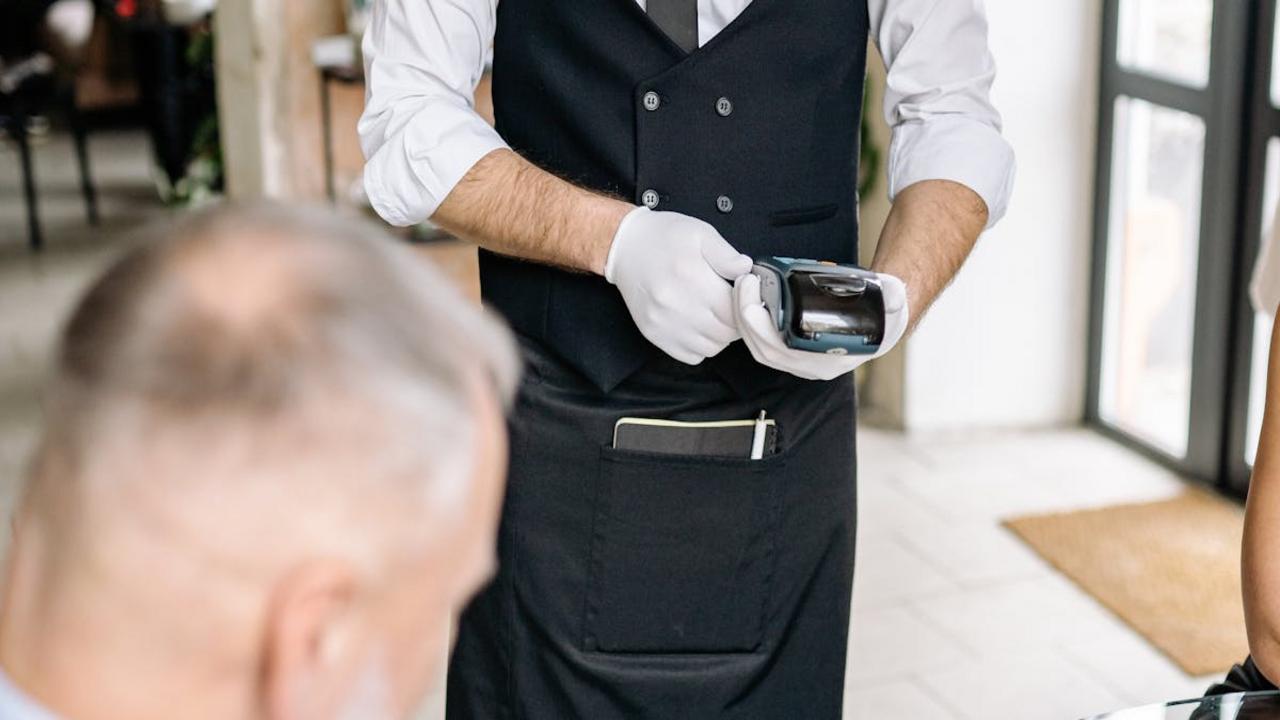
Picture this: you’re at dinner with five friends, everyone’s ordered wildly different things, and suddenly the check arrives like an awkward elephant wearing a tuxedo. Sarah got the $12 Caesar salad, while Mike demolished a $38 ribeye with truffle fries. Yet somehow, without anyone saying a word, you all start doing mental math to divide that total by six. This unspoken rule runs deeper than your grandmother’s marinara sauce recipe, and we follow it religiously even when it makes absolutely no financial sense.
The psychology behind this phenomenon fascinates me more than watching someone try to eat spaghetti on a first date. We’d rather overpay by $10 than create social friction by suggesting we itemize the bill. Studies show that 73% of diners automatically assume equal splitting unless someone brave enough speaks up beforehand. The funniest part? We’ll spend twenty minutes debating whether pineapple belongs on pizza, but when faced with a $180 dinner tab, we suddenly become mathematical geniuses who can calculate our share faster than a server can say “separate checks.” Next time you’re planning group dining, save everyone the silent math anxiety and just address the payment situation upfront – your wallet and your friendships will thank you.
Ice cream containers with tiny amounts get pushed to the back
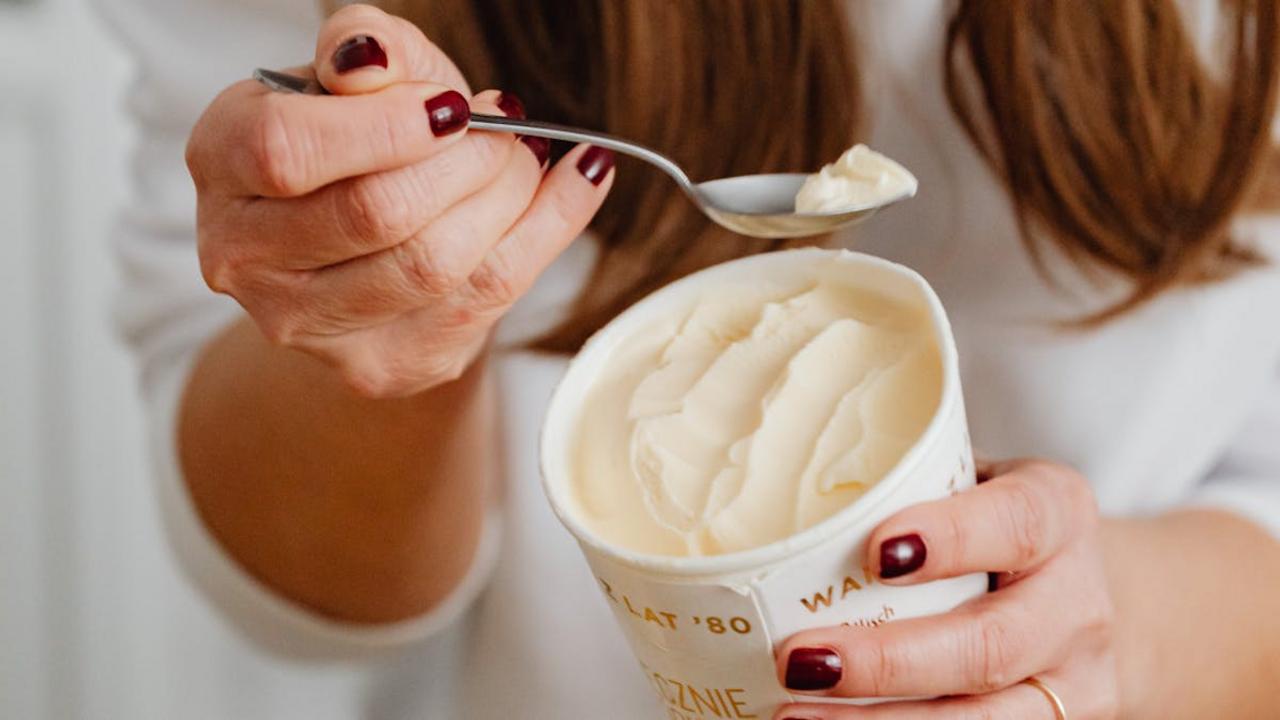
You know that shameful dance we all perform in front of our freezers, right? There’s always that one ice cream container lurking in the back corner, containing exactly three spoonfuls of what was once a glorious pint of mint chip or cookies and cream. Instead of finishing it off like a decent human being, you shove it behind the frozen peas and pretend it doesn’t exist. Scientists have actually studied this phenomenon (because apparently they have nothing better to do), and discovered that we subconsciously save those final bites for “special occasions” that never actually arrive. Meanwhile, that sad container develops freezer burn while you buy a fresh pint of the exact same flavor.
The psychology behind this behavior is fascinatingly ridiculous. Your brain treats those last few spoonfuls like precious treasure, too valuable for ordinary Tuesday night consumption. You convince yourself you’re being “responsible” by not demolishing the entire container in one sitting, but really you’re just creating a freezer graveyard of abandoned dairy dreams. The worst part? When you finally rediscover that forgotten container three months later, it’s transformed into a crystallized disappointment that tastes more like vanilla-scented ice cubes than actual ice cream. Pro tip: next time you’re down to the dregs, just eat the damn ice cream. Your freezer space will thank you, and your taste buds won’t have to suffer through freezer-burned “dessert” that crunches more than it creams.
Thanksgiving turkey carving belongs to the family elder
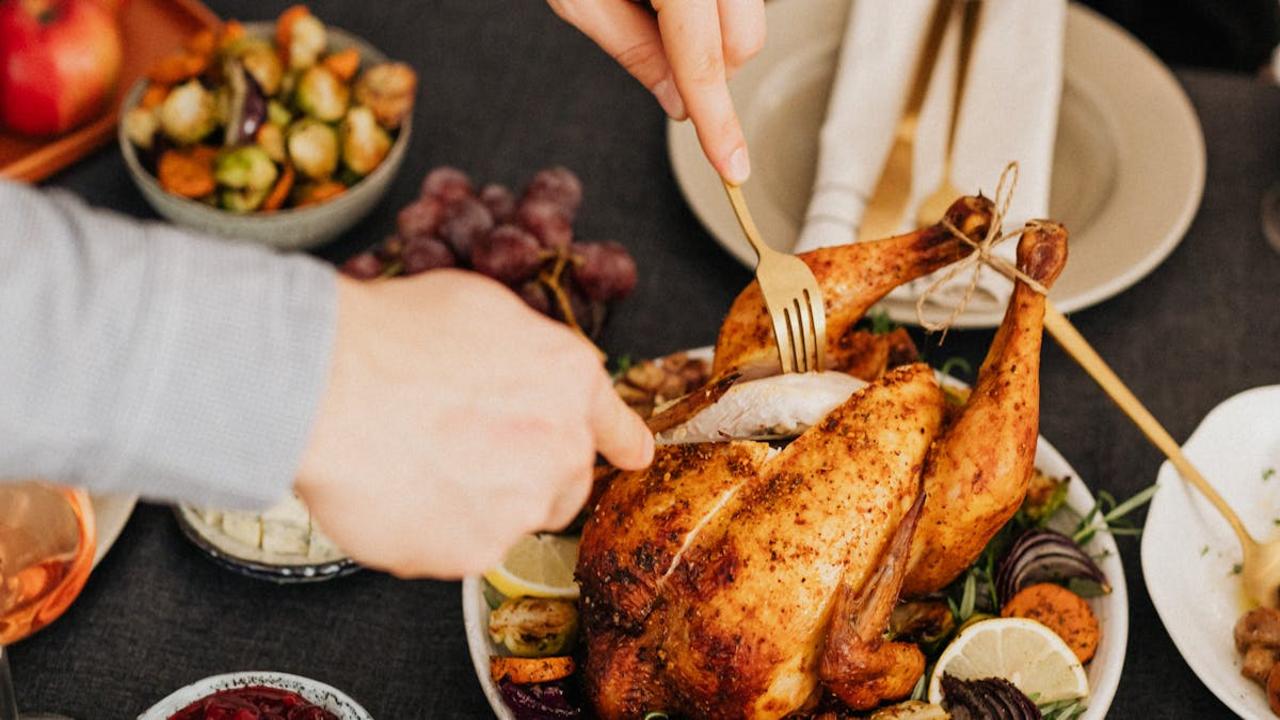
Every Thanksgiving, there’s an unwritten law that governs who gets to wield the carving knife, and it’s not about skill or experience—it’s about seniority. Watch any family gathering, and you’ll notice the same ritual: Grandpa or the family patriarch stands at the head of the table, ceremoniously sharpening that blade while everyone else hovers nearby, offering unsolicited advice about breast meat thickness and drumstick angles. This tradition dates back centuries when the head of household literally held dominion over the feast, and apparently, we never got the memo that times have changed. Uncle Jerry might burn water on a regular Tuesday, but come turkey day, he transforms into a carving master simply because he’s been around the longest.
The beauty of this rule lies in its complete disregard for actual carving competence. I’ve witnessed seasoned chefs step aside so their 80-year-old father could massacre a perfectly good bird with all the finesse of a lumberjack. Meanwhile, the designated elder approaches the turkey with the solemnity of a surgeon, even if their last kitchen victory was successfully opening a can of soup. The younger generation stands by, internally cringing as Grandma saws through the wishbone like she’s cutting firewood, but nobody dares intervene. It’s not about the turkey—it’s about respect, tradition, and the understanding that some battles simply aren’t worth fighting, especially when pie comes next.
Restaurant orders shouldn’t duplicate within a group
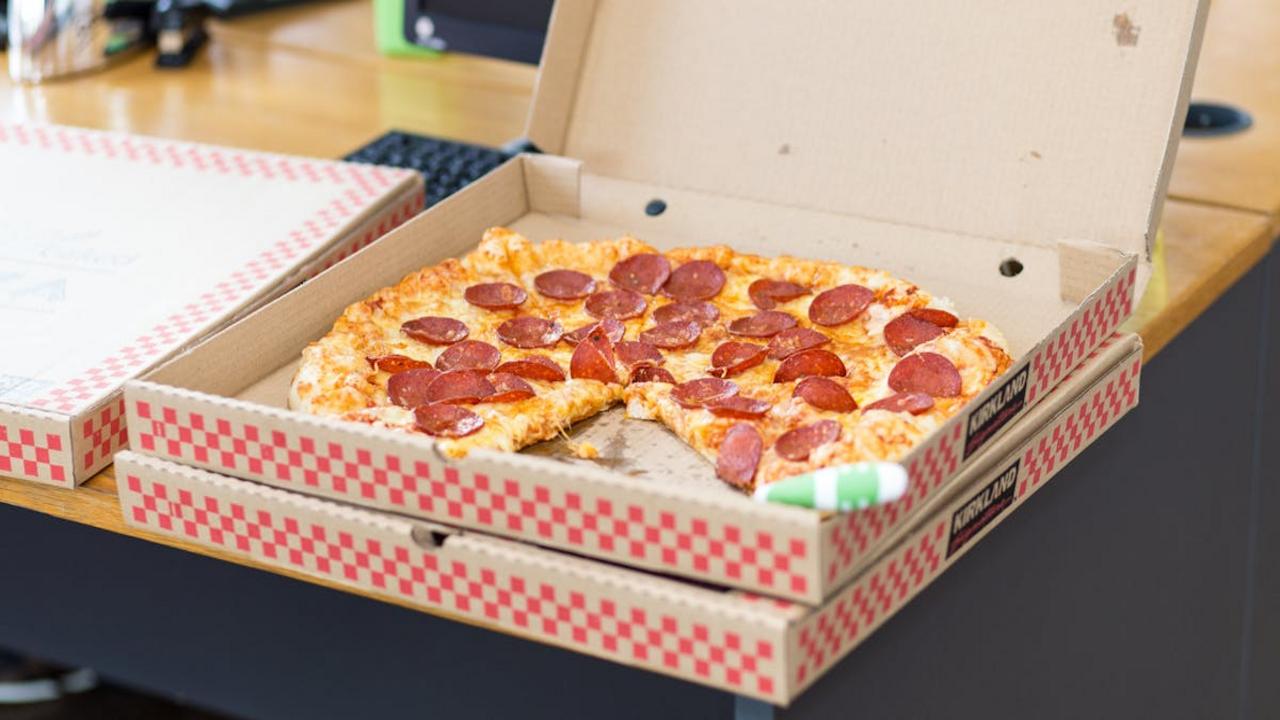
You know that awkward moment when you and your dining companion both reach for the menu, scan through twenty-seven pasta options, and somehow both land on the exact same dish? The air gets thick with unspoken tension as you both mumble, “Well, I was thinking about the carbonara…” It’s like accidentally showing up to a party wearing the same outfit, except instead of changing clothes, you’re stuck defending your right to creamy bacon pasta for the next two hours. This invisible dining rule runs so deep that most people will actually switch their order mid-sentence rather than commit the social sin of menu monotony.
The psychology behind this phenomenon fascinates me more than it probably should. We instinctively want our table to become a mini buffet experience where everyone can sample different flavors and textures. Sarah gets the salmon, Mike orders the steak, and Jennifer goes wild with the mushroom risotto – suddenly your table transforms into a democratic tasting menu. Studies show that groups who order different dishes report higher satisfaction with their dining experience, probably because they get to live vicariously through everyone else’s food choices. Plus, there’s something delightfully rebellious about sneaking a bite of your friend’s gnocchi when they’re not looking, which you absolutely cannot do if you both ordered the same thing.
Sharing food requires cutting it exactly in half
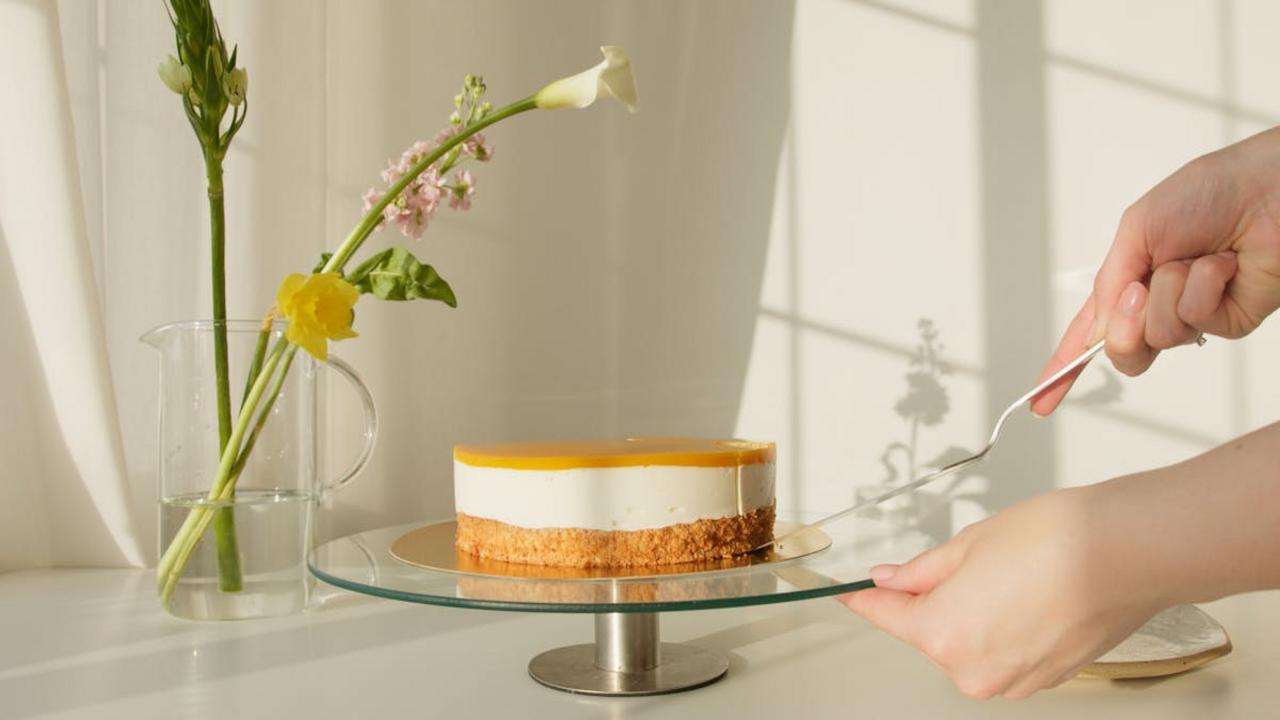
You know that moment when you’re splitting a dessert with someone and suddenly become a geometry professor? Your inner mathematician emerges as you meticulously measure that brownie, ensuring each piece contains precisely the same amount of fudgy goodness. It’s like you’re conducting a scientific experiment where the hypothesis is “fairness in food distribution leads to friendship preservation.” I’ve watched grown adults use rulers – actual rulers! – to divide a slice of cheesecake, because apparently eyeballing it would result in social catastrophe.
This unwritten rule runs so deep that restaurants have capitalized on our obsession with perfect portions. Ever notice how sharing plates come pre-divided or accompanied by multiple serving spoons? They understand our psychological need for equity. The panic that sets in when someone suggests “just tearing off a piece” of shared bread? That’s your brain screaming “CHAOS!” because somehow, uneven food distribution feels like a betrayal of trust. We’ll spend more time debating the perfect cut than actually enjoying the food, turning every shared meal into an exercise in diplomatic negotiations.
The host takes the smallest portion
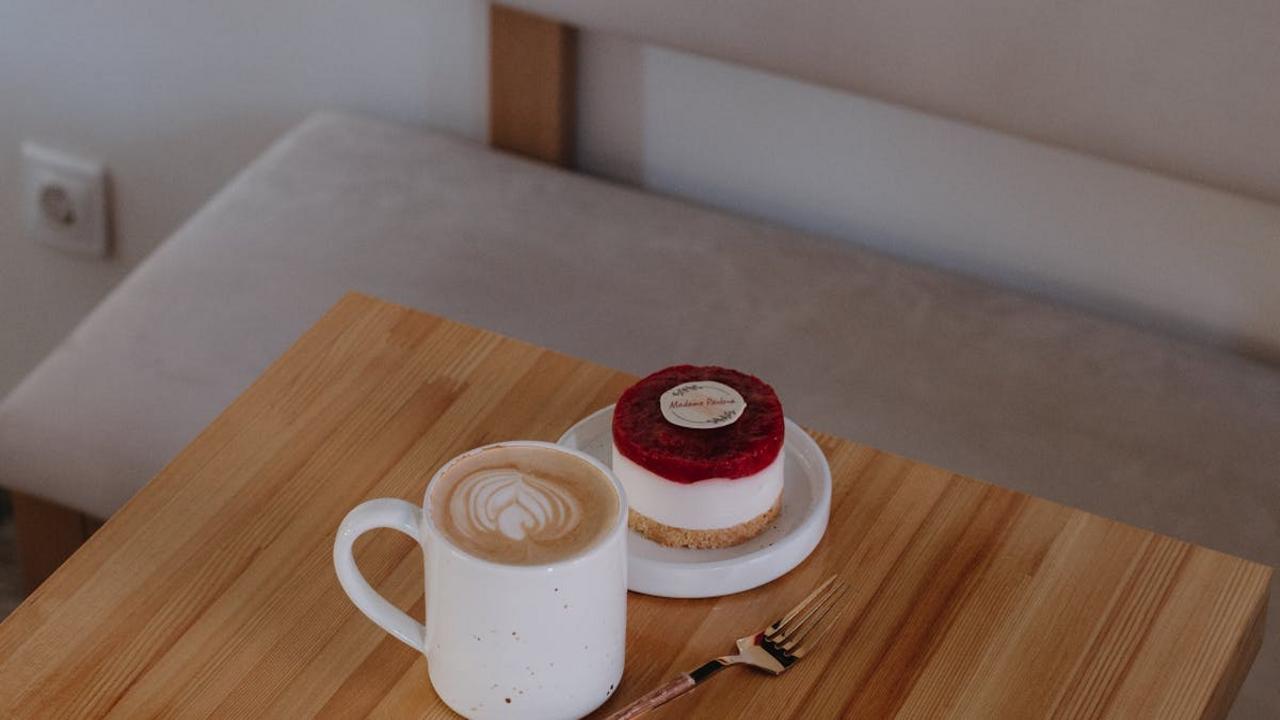
You know that awkward dance around the dinner table where everyone’s eyeing the last piece of garlic bread, but nobody wants to grab it? Well, here’s the thing – if you’re the one who cooked that beautiful spread, you’ve probably already claimed the tiniest serving without even thinking about it. This unspoken rule runs so deep that hosts worldwide automatically reach for the scrawniest chicken thigh or the corner brownie that looks like it got into a fight with the spatula. It’s like we’re hardwired to become food martyrs the moment we fire up the stove.
This behavior actually stems from ancient hospitality traditions where showing generosity to guests was considered sacred. But let’s be real – sometimes you spend three hours making homemade pasta only to end up with two sad little penne pieces while your friends demolish your masterpiece. The funny thing is, your guests probably don’t even notice you’re doing this because they’re too busy complimenting your cooking and secretly wondering if it’s okay to ask for seconds. Next time you’re hosting, remember that taking a proper portion doesn’t make you selfish – it makes you human, and honestly, you deserve to enjoy your own cooking just as much as everyone else does.
Weekend breakfast must be bigger than weekday breakfast
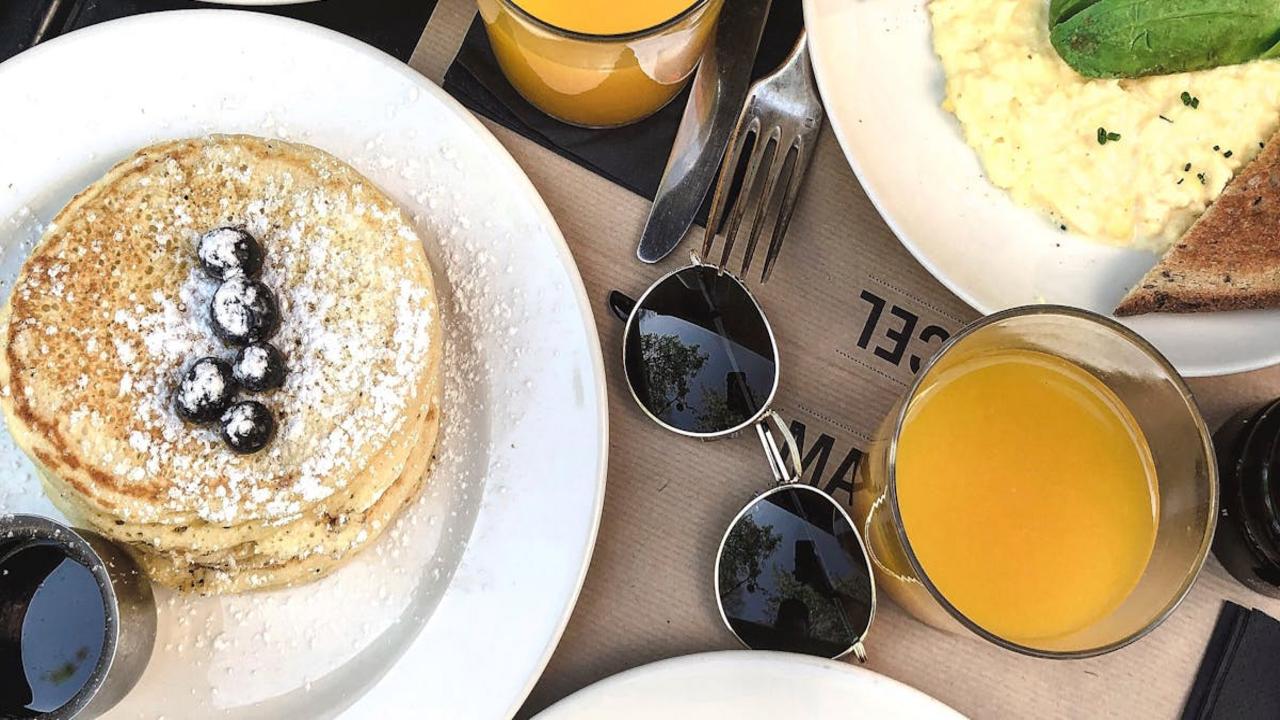
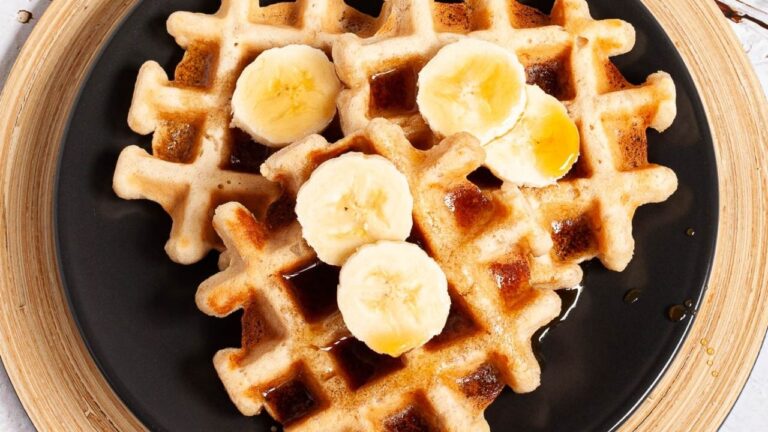
There’s an unwritten law in kitchens everywhere: Saturday and Sunday mornings demand pancake stacks that tower like edible skyscrapers, bacon that crackles like a symphony, and eggs that shine like golden suns on your plate. Your Tuesday morning toast and coffee suddenly feel like sad office cafeteria food compared to the weekend breakfast bonanza you’re about to create. You know this rule exists because your brain automatically starts planning the weekend feast by Thursday afternoon, mentally cataloging whether you have enough maple syrup and wondering if three types of breakfast meat might be excessive (spoiler alert: it’s not).
Scientists say we naturally crave more indulgent foods during our days off, but honestly, you don’t need a PhD to understand that weekends were invented for french toast thick enough to use as a pillow. Your weekday breakfast takes seven minutes max – grab, toast, run – but weekend breakfast becomes a two-hour production featuring fresh fruit arrangements, perfectly scrambled eggs, and hash browns so crispy they sound like autumn leaves when you bite them. You’ll spend more time making breakfast than eating it, and somehow that feels exactly right because weekend mornings exist in a different time zone where rushing is illegal and second helpings are mandatory.
Fries from someone else’s plate taste better
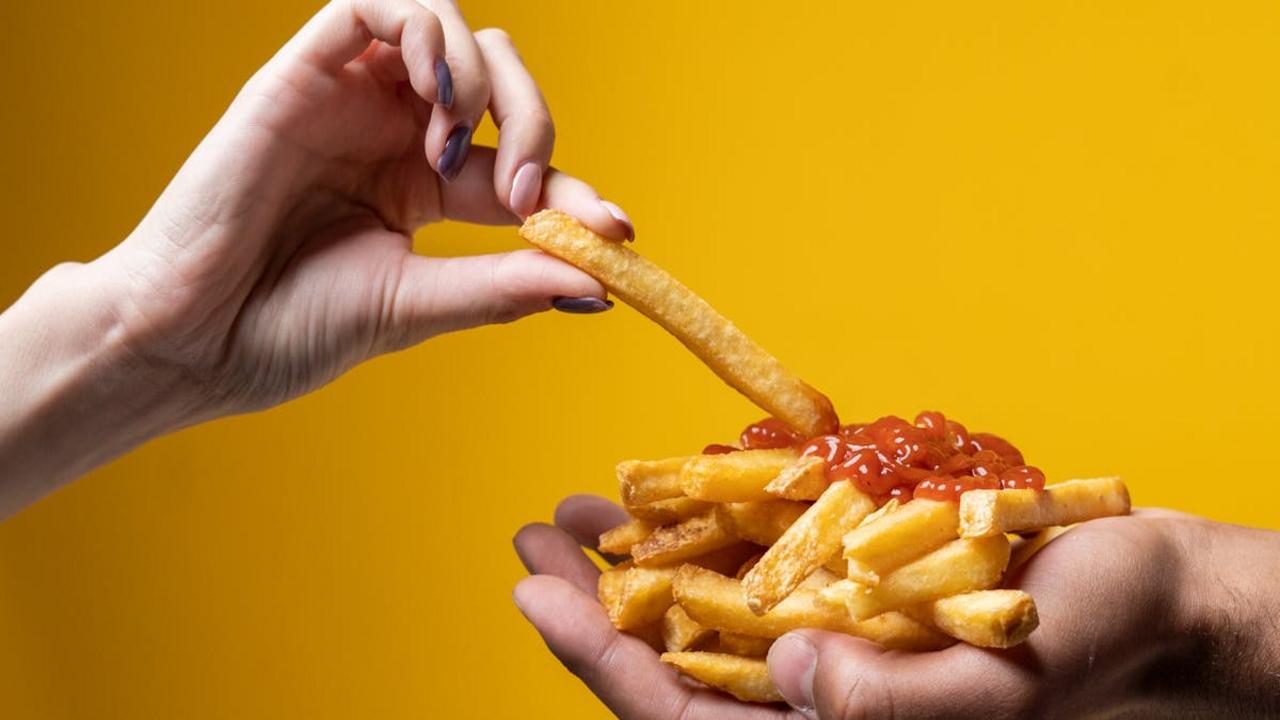
There’s something mysteriously magical about sneaking a fry off your friend’s plate that transforms that ordinary potato stick into pure gold. Scientists haven’t officially studied this phenomenon (yet!), but I guarantee you’ve experienced it. Maybe it’s the thrill of the steal, or perhaps it’s because you didn’t have to make the decision to order them yourself. Whatever the reason, that stolen fry hits different than the identical ones sitting on your own plate. It’s like your brain tricks itself into believing that forbidden french fry contains extra seasoning made of mischief and friendship.
This unspoken rule extends beyond just fries too – a bite of someone else’s dessert always seems sweeter, their sandwich more satisfying, their nachos crunchier. Food psychologists suggest this happens because we experience less “sensory-specific satiety” when we taste something new, even if it’s technically the same dish. Plus, there’s zero commitment involved. You get all the flavor satisfaction without the guilt of ordering your own side of carbs. Next time you’re out with friends, watch how everyone suddenly becomes a food Robin Hood, redistributing fries across the table like some delicious form of socialism.
Coffee or tea is served after dessert
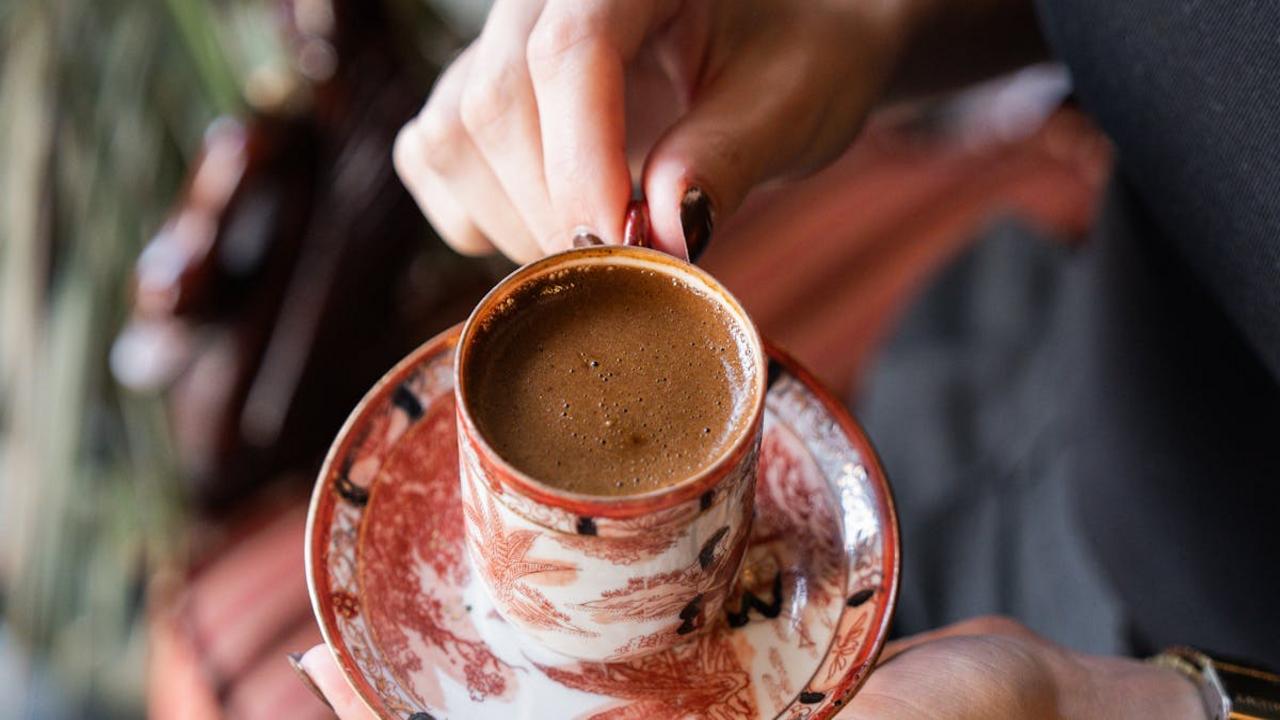
You know that moment when you’ve just polished off a decadent slice of chocolate cake, and without even thinking about it, you automatically reach for your coffee cup? That’s not coincidence – that’s centuries of dining etiquette whispering in your ear! This unspoken rule runs so deep that most restaurants won’t even bring your espresso until after you’ve scraped the last crumb of tiramisu from your plate. The French perfected this dance with their post-meal café, while the British turned it into an entire second act with proper tea service complete with tiny spoons and sugar cubes that somehow taste fancier than regular sugar.
Here’s the genius behind this timing: your palate needs a moment to recover from all that sweetness before coffee can work its magic as the perfect punctuation mark to your meal. Think of it as hitting the reset button on your mouth – the bitter notes in coffee or the tannins in tea actually cleanse your palate and aid digestion, making you feel less like you need to unbutton your pants. Plus, there’s something almost ceremonial about that final sip that signals “okay, dinner’s officially over, time to gossip about who ordered the most ridiculous thing on the menu.” Try serving coffee before dessert at your next dinner party and watch your guests’ confused faces – it’s like wearing socks with sandals, technically possible but universally wrong!
Pizza crusts are saved for last
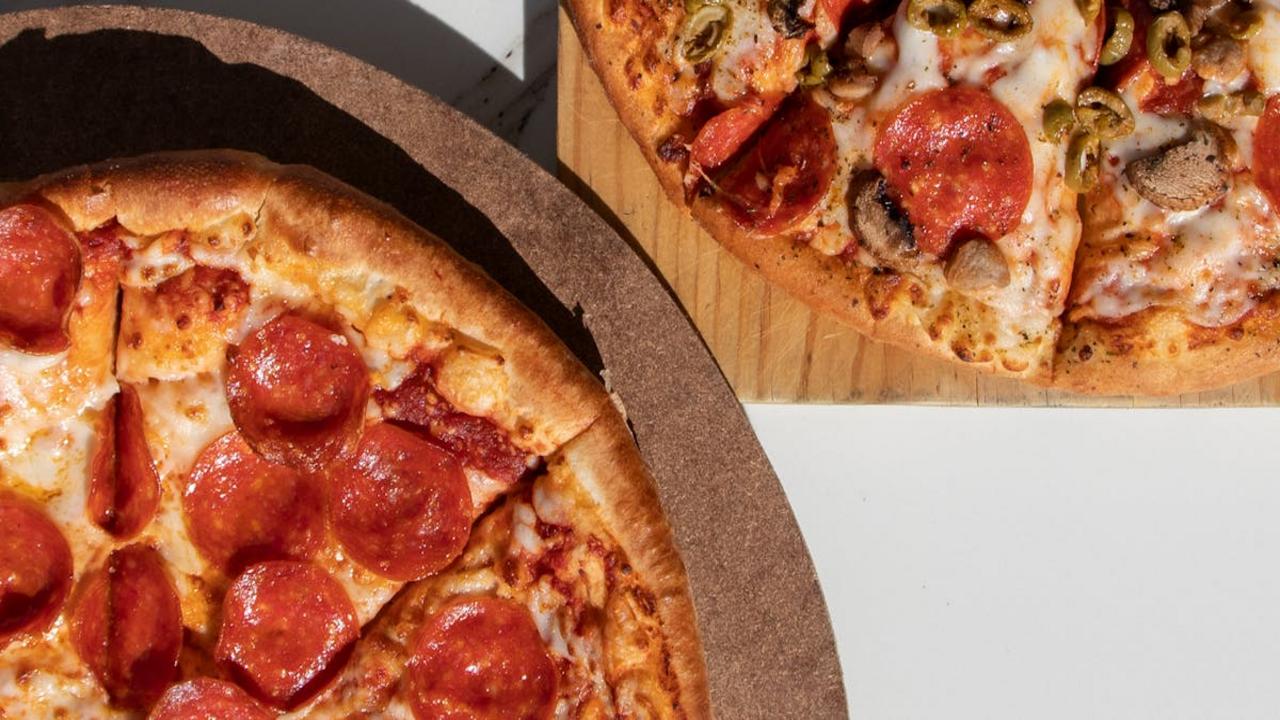
You know that moment when you’re demolishing a slice of pizza, methodically working your way through the cheesy, saucy goodness, and suddenly you’re left holding what looks like a breadstick? Welcome to the universal pizza crust phenomenon! Whether you’re Team Eat-the-Crust or Team Leave-It-on-the-Plate, there’s something deeply ingrained in most of us that treats that final crusty border like the grand finale of a fireworks show. It’s the pizza equivalent of saving the cherry on top of your sundae – you want to experience all the main event first before deciding if you have room for the supporting act.
This unspoken rule has actually divided pizza lovers into distinct camps for decades. Some people treat those crusts like edible handles, designed purely for pizza transportation purposes, while others see them as the perfect vehicle for ranch dip or garlic butter. Fun fact: in Italy, leaving pizza crust on your plate is considered wasteful, but here in America, we’ve turned crust-saving into an art form. Your pizza crust strategy says more about your personality than your horoscope – are you an optimistic crust-saver who believes there’s always room for more carbs, or a pragmatic crust-abandoner who knows when to quit while you’re ahead?
Always blow on hot food before tasting
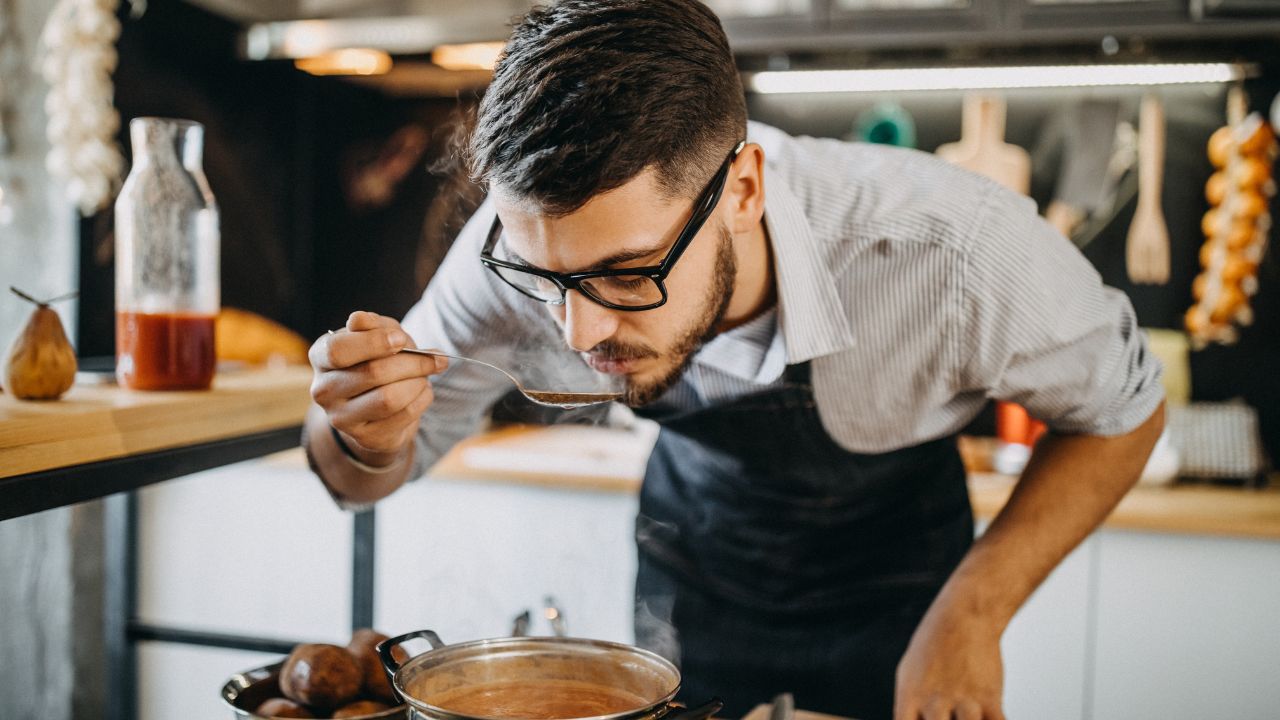
You know that instinctive puff of air you send toward your steaming bowl of soup? That little ritual isn’t just politeness—it’s pure survival instinct wrapped in social conditioning. We’ve all been there: fork halfway to mouth, steam rising like tiny ghosts from our food, and suddenly we’re channeling our inner wolf, huffing and puffing at our dinner. Your grandmother probably taught you this without even thinking about it, the same way she taught you to look both ways before crossing the street. Scientists say we can detect temperatures above 140°F as potentially harmful, which explains why your mouth automatically recoils from that first bite of molten pizza cheese.
The blowing technique actually creates a mini wind tunnel that accelerates evaporation and heat transfer, dropping the surface temperature by several degrees in just seconds. Think of it as your personal air conditioning system for food! Some cultures have turned this into an elaborate dance—watch someone cool down hot tea in Morocco, and you’ll witness a masterclass in temperature management. But here’s the funny thing: we often blow on food that’s already cooled down, like some sort of culinary muscle memory. Next time you catch yourself puffing at room-temperature leftovers, just remember you’re participating in one of humanity’s most widespread food safety protocols, passed down through generations of people who learned the hard way that patience prevents a scorched tongue.
Never eat the last piece without asking first
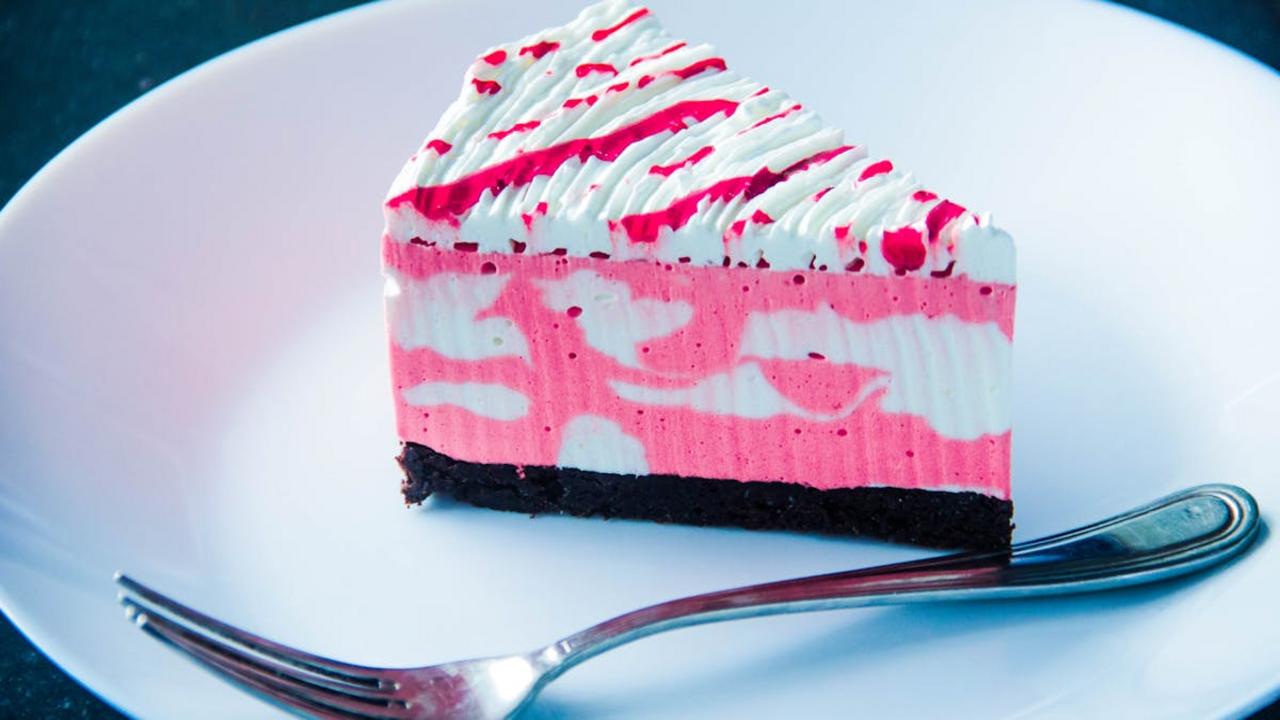
You know that moment when there’s one perfect slice of pizza left in the box, sitting there like a golden beacon of cheesy temptation? Your hand hovers over it, but something deep in your social DNA stops you cold. That’s the unspoken commandment of shared meals speaking – thou shalt not claim the final morsel without proper consultation. This sacred rule exists across cultures and cuisines, whether we’re talking about the last dumpling in a dim sum basket, the final cookie on the plate, or that lone french fry abandoned at the bottom of the communal order.
The psychology behind this behavior runs deeper than simple politeness – it’s about respect for the group dining experience and avoiding the dreaded “food hog” label. Studies show that people will literally go hungry rather than take the last bite without permission, even when they’re still genuinely hungry. The ritual usually involves at least three rounds of “Does anyone want this?” followed by reluctant acceptance when everyone insists they’re “totally full.” Of course, there’s always that one friend who breaks the code and swoops in like a seagull, which is precisely why this rule exists in the first place. Smart diners have learned to cut that last piece in half, creating the illusion of sharing while secretly claiming their rightful portion.
Birthday cake slices must include a flower or decoration
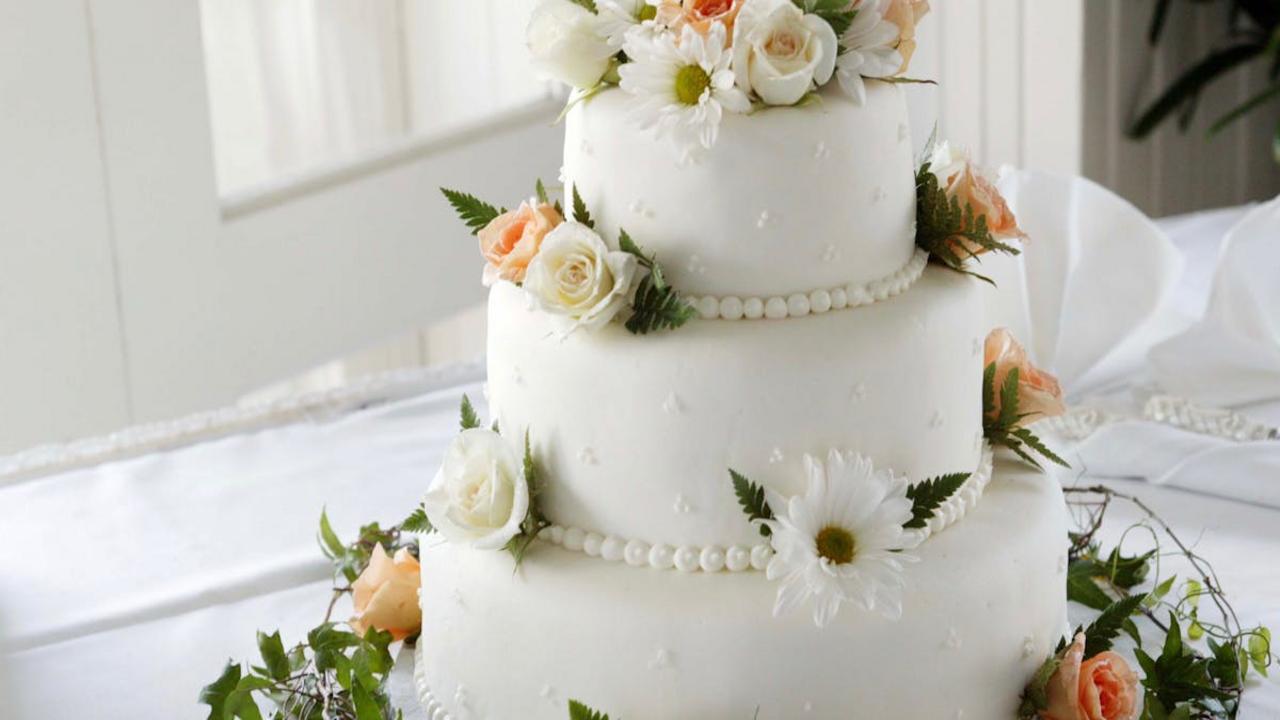
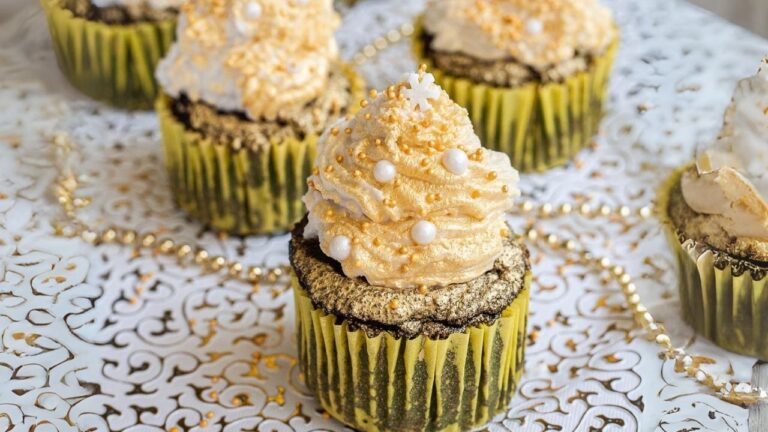
You know that moment when someone’s cutting the birthday cake and you’re silently calculating which slice will land you the perfect sugar flower? Don’t pretend you haven’t done this – we ALL have. There’s something deeply unsatisfying about receiving a plain corner piece while your neighbor gets the slice with the elegant fondant rose or that adorable piped buttercream rosette. It’s like getting the puzzle piece without any picture on it. Your brain registers it as incomplete, even though the cake tastes exactly the same.
This unspoken rule runs so deep that bakeries have caught on and now strategically place decorations across the entire cake surface. Smart move, because nothing ruins a birthday party faster than someone getting stuck with the “boring slice.” I once watched a grown man at his own 40th birthday party specifically request “the piece with the blue flower” – and honestly, respect. We’ve all been trained since childhood that birthday cake isn’t just about the cake itself; it’s about getting your fair share of the festive magic. The decoration makes it official, transforms ordinary vanilla sponge into celebration-worthy perfection. Without that little sugar flourish, you’re basically eating regular cake on a Tuesday, and nobody signed up for that level of disappointment.