13 Fun and Essential Kitchen Skills Every Kid Can Master by Age 10
Teaching kids to cook isn’t just fun—it builds confidence and independence that will serve them for life! By age 10, children can learn kitchen skills that transform them from hungry onlookers to helpful sous chefs. These 13 skills create a foundation for kitchen safety, food preparation, and cooking basics that grow along with your child.
Your child doesn’t need fancy equipment or complicated recipes to get started. Simple tasks like measuring flour correctly or washing vegetables properly teach precision and cleanliness. More advanced skills like cracking eggs or chopping vegetables (with supervision!) help develop coordination and patience while building pride in their contributions to family meals.
Starting early means these skills become second nature by the teen years. Kids who cook understand food better, make healthier choices, and often show more willingness to try new foods. Plus, the kitchen creates perfect moments for family bonding, math practice, and creating delicious memories together!
Basic food storage knowledge
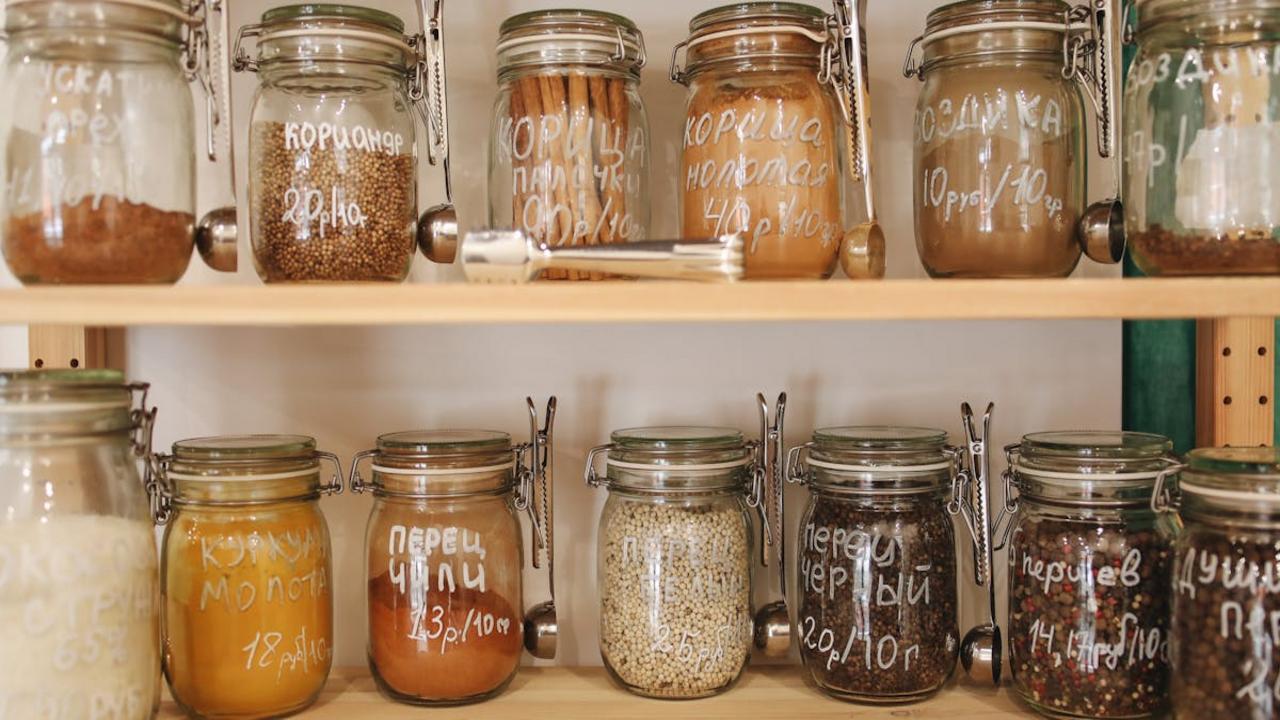
Teaching kids how to store food properly transforms them into little kitchen guardians who can keep ingredients fresh and safe! Start with the refrigerator basics: show them how dairy products, leftovers, and fresh produce need cold temperatures to stay good. Help them understand that raw meat belongs on the bottom shelf to prevent drips, while fruits and vegetables have their own special drawer. Kids love learning about the “first in, first out” rule – older items move to the front so they get used before newer ones. This simple system prevents waste and saves money!
Pantry organization becomes a fun treasure hunt when kids know the secrets! Teach them to check expiration dates and rotate canned goods so nothing gets forgotten in the back. Show them how dry goods like cereal, pasta, and crackers stay crispier in airtight containers, and explain why bread can live on the counter but goes stale faster in the fridge. Kids quickly grasp that onions and potatoes prefer cool, dark spots away from each other, while bananas help other fruits ripen faster. These storage smarts give children confidence to help with grocery shopping and meal planning while building responsibility for taking care of the family’s food supply.
Setting up and cleaning workstation
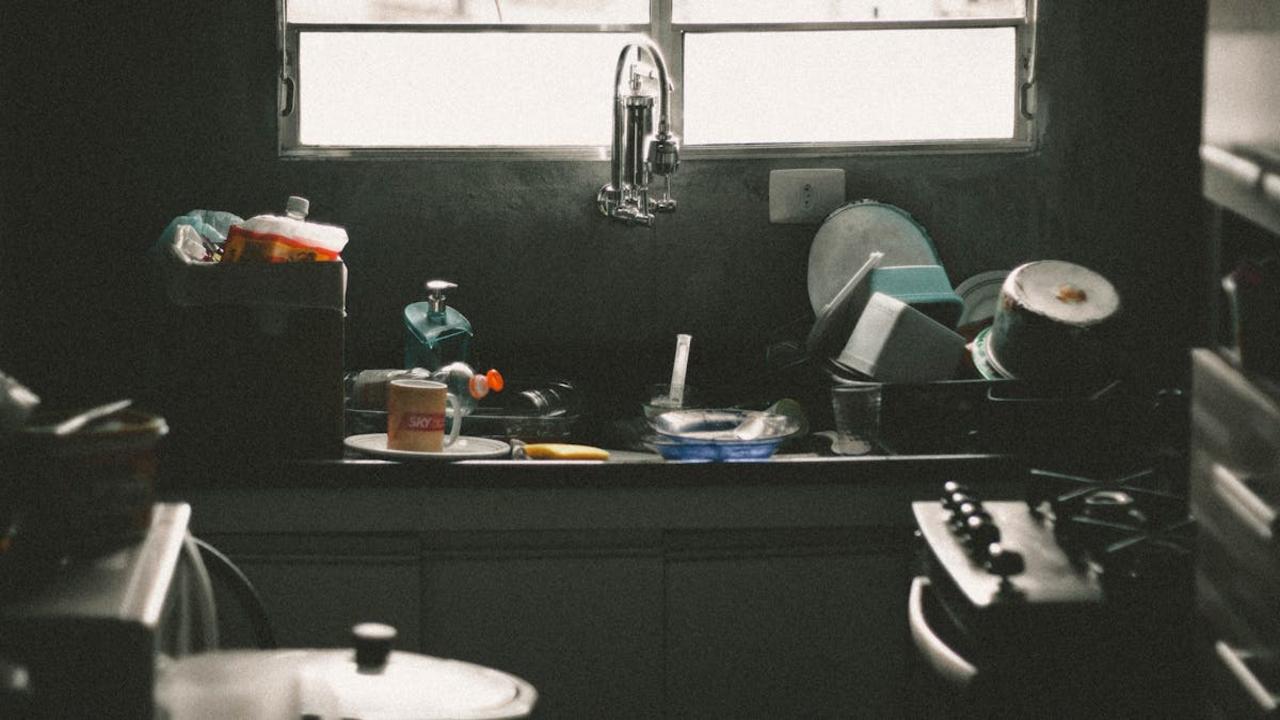
Teaching kids to set up their workstation properly transforms cooking from chaos into calm confidence! Start by showing them how to gather all ingredients and tools before they begin – this simple habit prevents mid-recipe scrambles and builds organizational skills they’ll use forever. Have them wash their hands thoroughly, tie back long hair, and roll up sleeves. Next, demonstrate how to clear counter space, lay out cutting boards, and arrange ingredients in order of use. This methodical approach helps young cooks feel prepared and reduces kitchen accidents significantly.
Cleaning as you go becomes second nature when kids learn this skill early, and trust me, it makes the whole cooking experience so much more enjoyable! Show them how to keep a “trash bowl” nearby for scraps, wipe spills immediately, and wash dishes while waiting for things to cook. Make it fun by timing them – can they clean their cutting board in under 30 seconds? After cooking, teach them to return ingredients to their proper spots, load the dishwasher correctly, and sanitize surfaces. This habit creates responsible young chefs who understand that taking care of their workspace shows respect for food, family, and themselves.
Boiling pasta and checking doneness
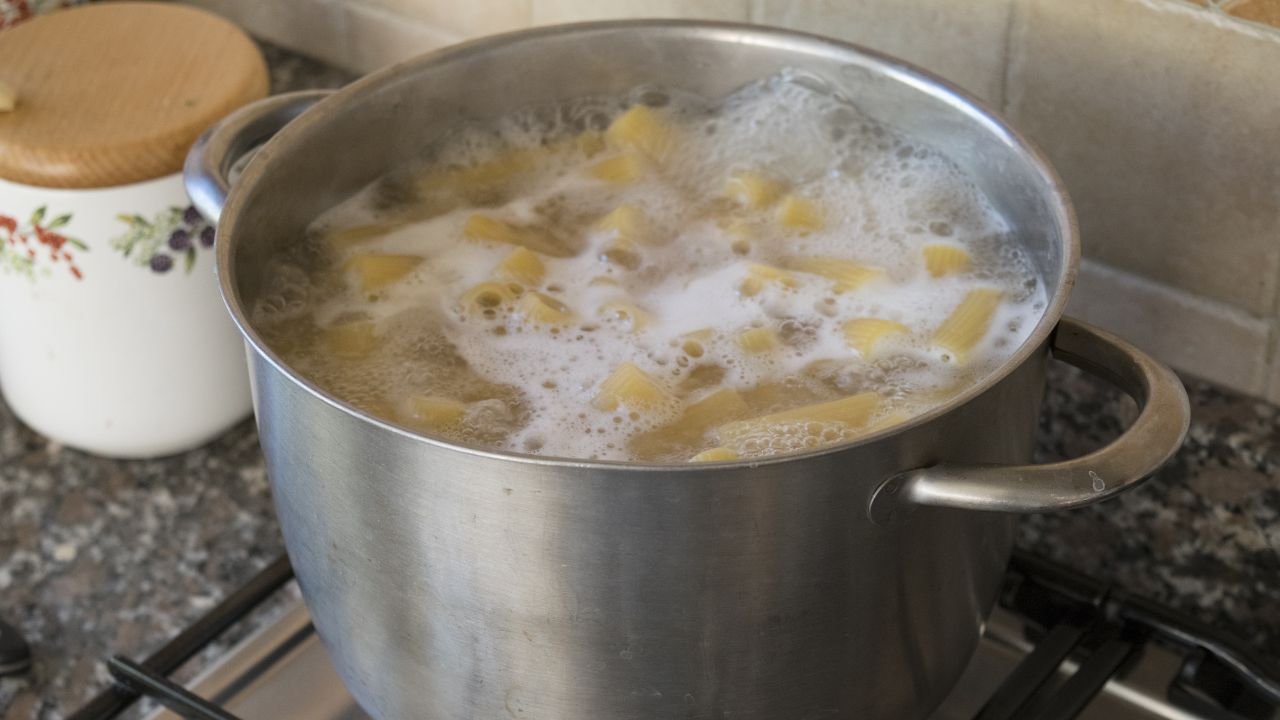
Teaching your child to boil pasta perfectly opens up a world of quick, satisfying meals they can make independently. Start by showing them how to fill a large pot with water—about three-quarters full works best. Add a generous pinch of salt (this makes the pasta taste better, not just the water!), and bring it to a rolling boil. Once those bubbles are dancing enthusiastically, add the pasta and give it a gentle stir to prevent sticking. Your little chef will love watching the transformation as dried noodles come to life in the bubbling water.
The magic happens when you teach them the “taste test” method for checking doneness. About two minutes before the package time is up, have them carefully fish out a single piece with a fork or spoon (always remind them to blow on it first—hot pasta burns tongues!). The perfect pasta should feel tender but still have a slight firmness when they bite it. If it’s too hard, give it another minute and test again. This hands-on approach builds confidence and helps them understand that cooking times are guidelines, not absolute rules. Soon they’ll be draining pasta like pros and creating their own simple sauce combinations!
Washing fruits and vegetables correctly
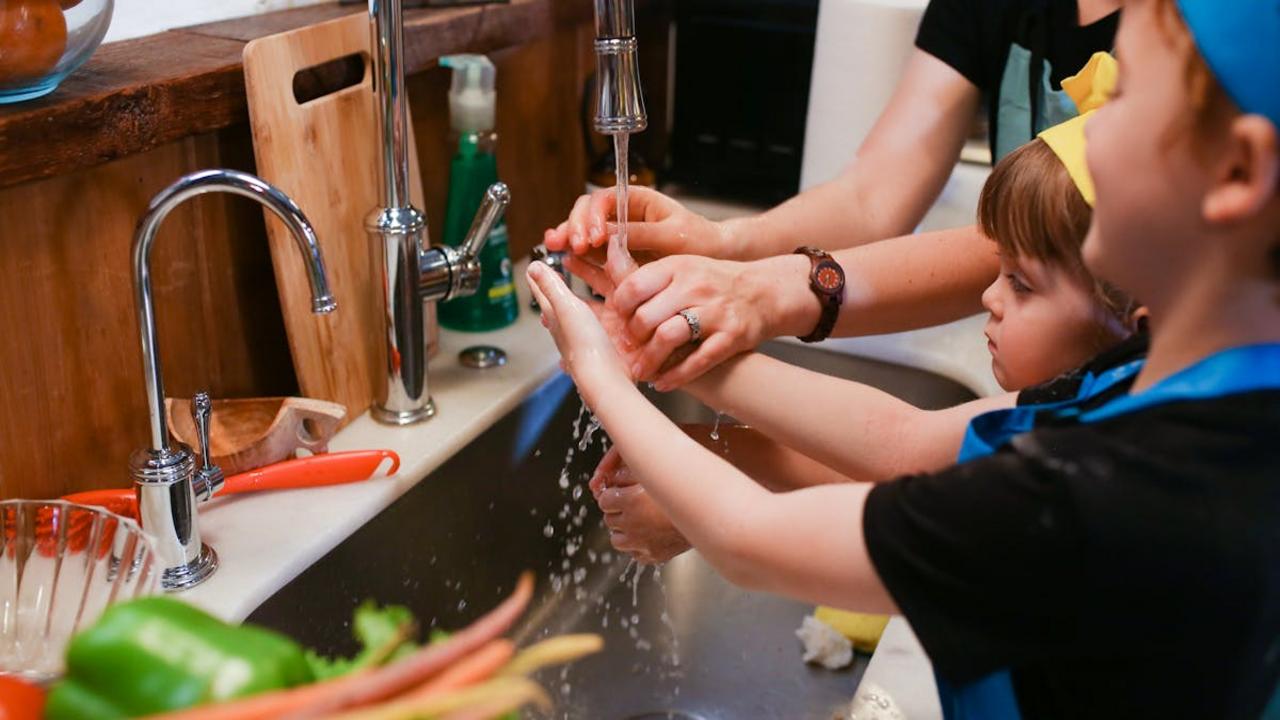
Teaching your kids how to properly clean fruits and vegetables gives them a foundation for safe, healthy eating habits that will last a lifetime. I love watching children discover that washing produce isn’t just a quick rinse under the faucet – there’s actually a method to it! Start by showing them how to use cool running water for most fruits and vegetables, gently rubbing the surface with their hands or a clean brush for tougher skins like potatoes or apples. For leafy greens, demonstrate how to separate the leaves and swish them around in a bowl of cool water, letting any dirt settle to the bottom.
What makes this skill so wonderful for kids is how it connects them to their food before they eat it. They learn to inspect what they’re washing, noticing the natural textures and colors while removing any visible dirt or debris. For berries and delicate fruits, teach them the gentle approach – a light rinse in a colander works perfectly. Don’t forget to show them when NOT to wash certain items (like mushrooms, which absorb water) and explain that some produce with thick, inedible peels still needs cleaning since knives can transfer bacteria from the outside to the inside. This simple practice builds their confidence in food safety while making them more mindful eaters.
Using kitchen timers

Teaching your kids to use kitchen timers transforms them into confident little chefs who understand the importance of timing in cooking. I love watching children’s faces light up when they realize they can prevent burnt cookies or perfectly time their pasta just by setting a simple timer. Start with basic digital timers or even smartphone apps that make fun sounds – kids naturally gravitate toward technology, and this gives them ownership over the cooking process. Show them how different foods need different timing, from the quick 3-minute egg timer to the longer 25-minute roast vegetable countdown.
Once your young cooks master the basics, they’ll develop an internal cooking clock that serves them throughout life. I always encourage families to let kids be the official “timer managers” during meal prep – they take this responsibility seriously and rarely forget to check on their assigned dishes. You can make it even more engaging by using multiple timers for different cooking stages, turning meal preparation into an exciting coordination game. Watch how quickly they learn that timing isn’t just about following rules – it’s about creating delicious food that brings everyone together around the dinner table with perfectly cooked results every single time.
Kitchen safety around heat sources
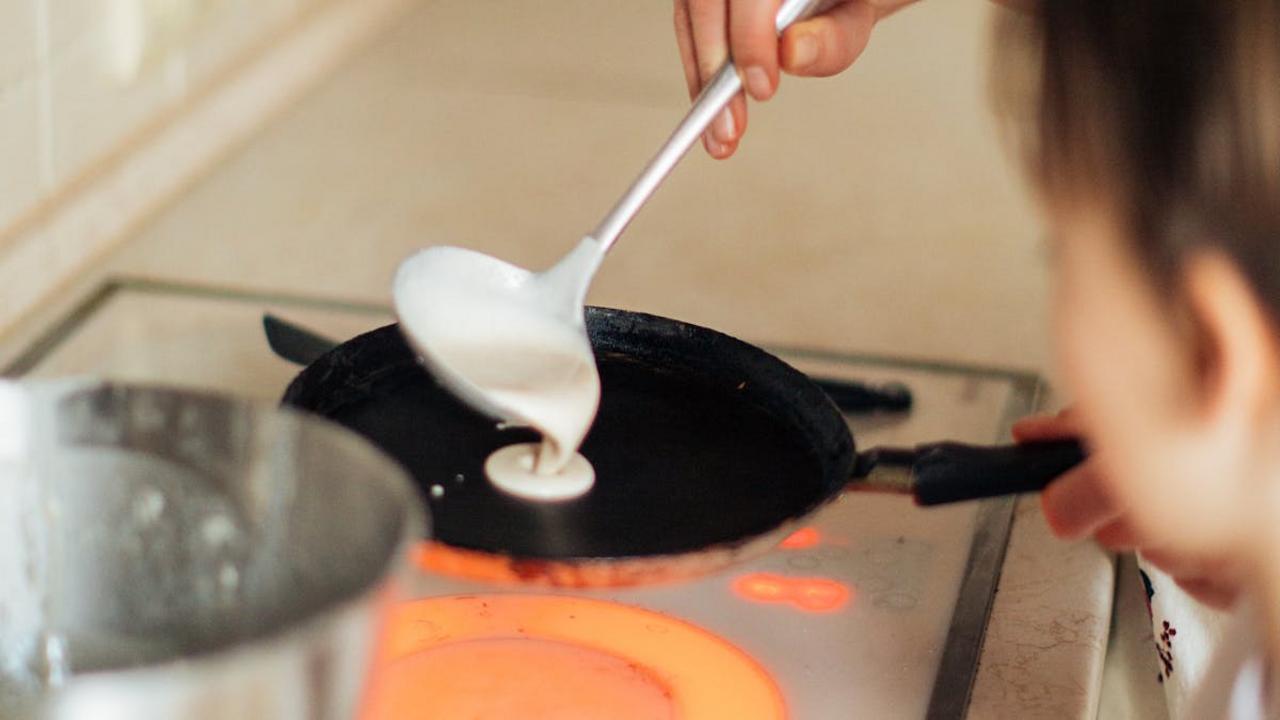
Teaching kids to respect heat sources in the kitchen creates confident young cooks who understand boundaries. Start with the basics: hot surfaces hurt, steam burns just like flames do, and pot handles should always point inward on the stove. Show your child how to identify when burners are on, even electric ones that might not glow red. Practice the “hover test” together – hold your hand a safe distance above a surface to feel for heat before touching anything. Make turning off appliances part of every cooking session, and always use oven mitts or pot holders when handling anything that’s been near heat.
Smart habits around heat become second nature with practice and clear rules. Teach your child to keep loose clothing, long hair, and dish towels away from flames and hot surfaces. Show them how to turn pot handles toward the center of the stove so nobody accidentally bumps them. When opening the oven, demonstrate the proper stance – stand to the side and pull the door open slowly to avoid that rush of hot air. Create a “hot zone” rule where only grown-ups handle items directly from the oven or stovetop until kids master proper techniques. These safety practices protect everyone while building the foundation for a lifetime of confident cooking.
Mixing and whisking techniques
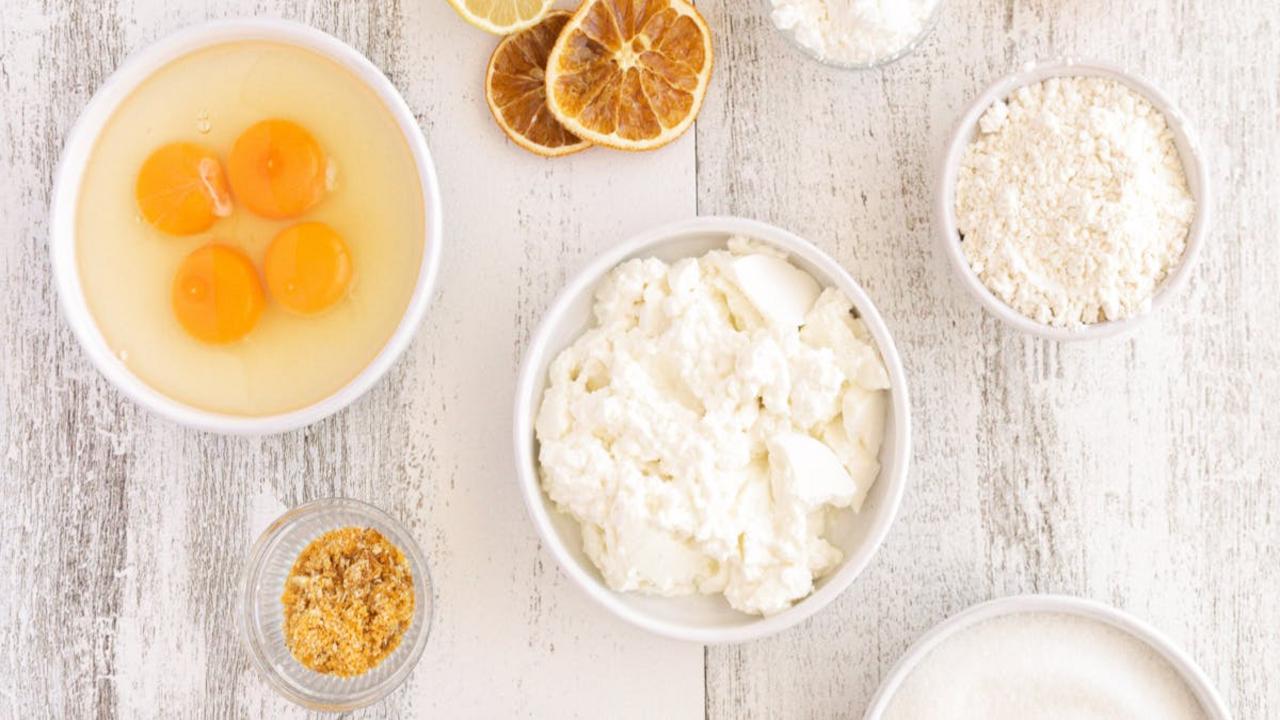
Learning proper mixing and whisking techniques opens up a world of baking possibilities for young cooks! Start by teaching your kids the difference between folding, stirring, and beating. For gentle mixing like combining flour into cake batter, show them the folding technique – using a spatula to cut down through the mixture and gently turn it over. This keeps delicate batters light and fluffy. When making pancakes or muffins, demonstrate the stirring method with slow, circular motions that bring ingredients together without overworking the batter.
Whisking becomes second nature with practice, and kids love the satisfying motion of creating smooth mixtures and fluffy peaks. Start with simple tasks like whisking eggs for scrambled breakfast or beating cream for homemade whipped topping. Show them how to hold the whisk at different angles and use their whole arm, not just their wrist, to create the most effective motion. Watch their excitement grow as they master making smooth gravies, lump-free pancake batter, and perfectly beaten eggs. These fundamental skills build confidence and set the foundation for more advanced baking adventures down the road.
Making a sandwich
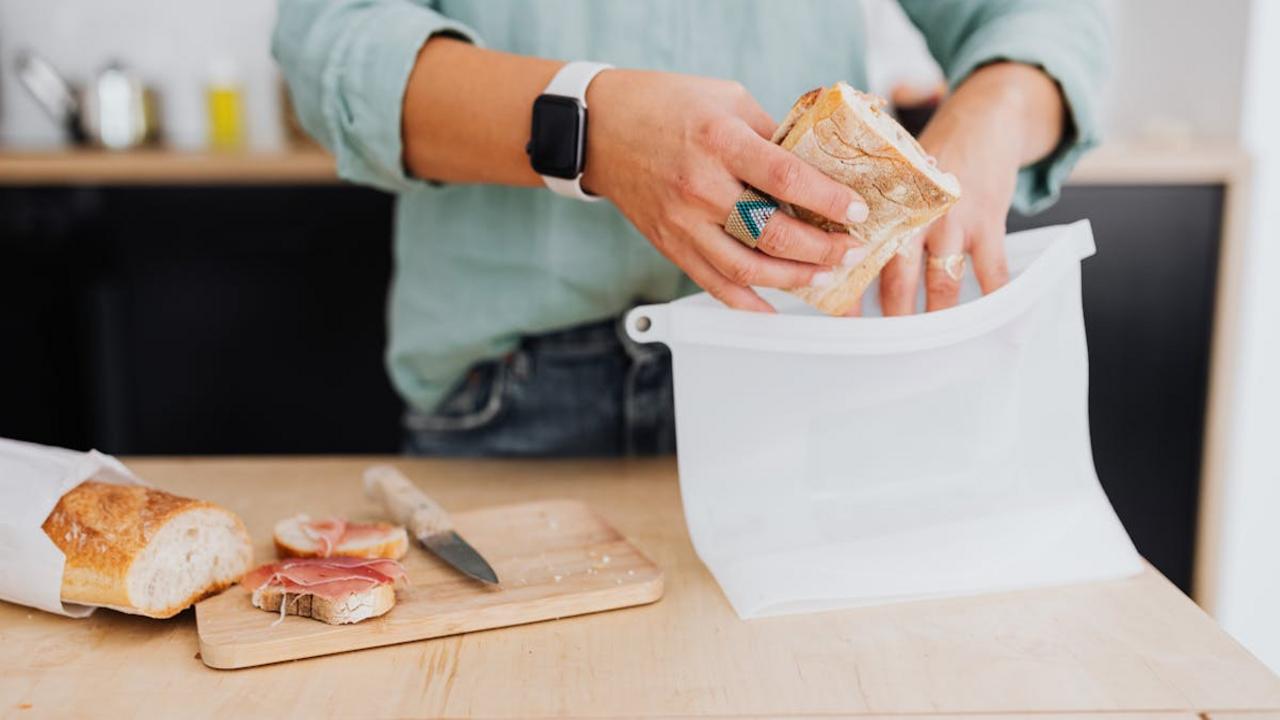
Building a sandwich ranks among the most practical skills you can teach your child in the kitchen. This foundational cooking technique gives kids complete control over their meal choices while teaching them about layering flavors and textures. Start with simple combinations like peanut butter and jelly, then gradually introduce more complex ingredients like sliced vegetables, different cheeses, or lean proteins. Watch your child’s confidence soar when they realize they can create their own delicious lunch without asking for help. The beauty of sandwich making lies in its flexibility – there’s no wrong way to stack ingredients, and kids love the creative freedom this provides.
Teaching proper knife safety becomes important when your child wants to slice tomatoes or cut their sandwich in half. Show them how to use a butter knife first, then progress to a small serrated knife under supervision. Encourage experimentation with different bread types, from whole grain to pita pockets, and discuss how various spreads like hummus or avocado add nutrition and flavor. Making sandwiches also introduces basic food safety concepts like keeping cold ingredients refrigerated and understanding which foods pair well together. Your young chef will develop decision-making skills as they choose ingredients and learn to balance flavors, creating meals that satisfy their personal preferences while meeting nutritional needs.
Simple vegetable chopping
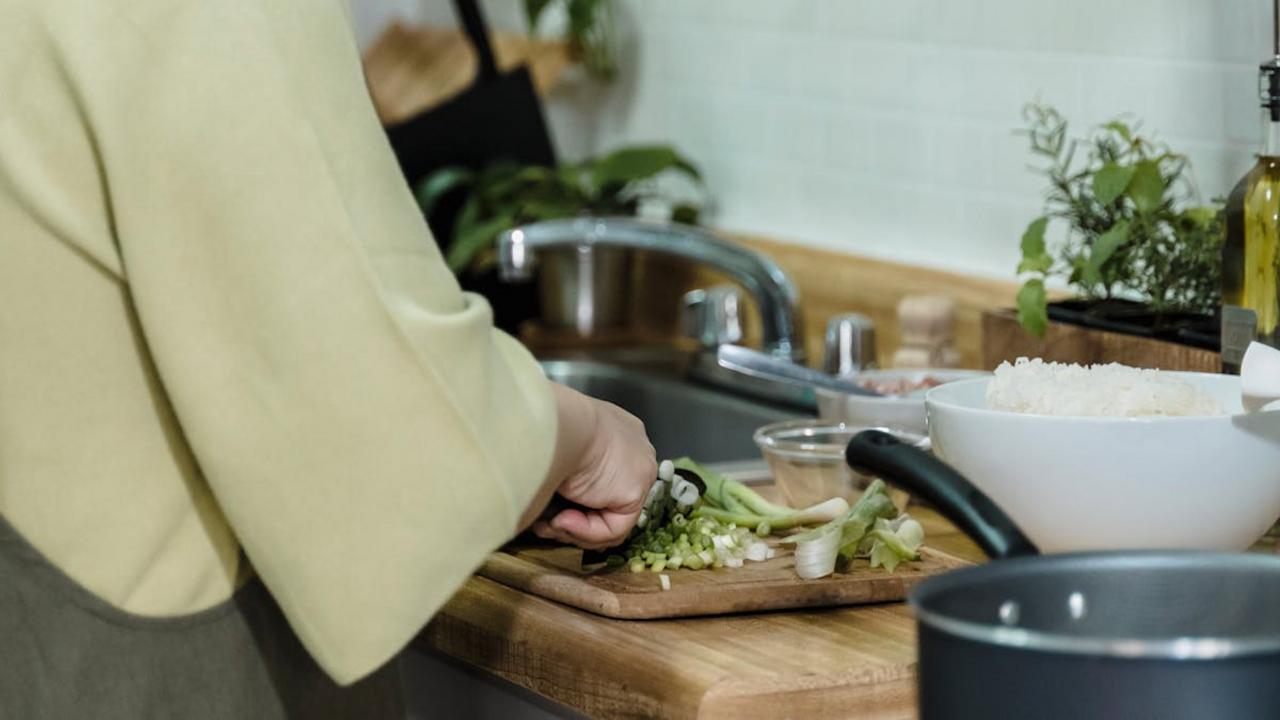
Teaching your little ones to chop vegetables safely opens up a world of kitchen confidence they’ll carry forever! Start with softer vegetables like mushrooms, zucchini, or bell peppers, and always begin with a proper grip on the knife handle. Show them the “claw” technique – curling their fingers like a cat’s paw to keep fingertips safely tucked away while their knuckles guide the blade. A small, sharp knife actually works better than a dull one because it requires less pressure and gives kids more control. I love watching children’s faces light up when they successfully dice their first tomato or slice cucumber rounds that look restaurant-worthy!
Practice makes perfect, and chopping vegetables becomes second nature surprisingly quickly for young hands. Start with simple cuts like rounds and strips before moving on to dicing techniques. Create fun challenges by asking them to make all their carrot coins the same thickness, or see who can create the most uniform pepper strips. This skill builds fine motor coordination while teaching valuable lessons about food preparation and kitchen safety. Once they master basic chopping, your young chef can contribute meaningfully to family meals, from preparing salad ingredients to helping with stir-fries and soups. The pride they feel when serving vegetables they prepared themselves makes every meal more special!
Basic knife safety and grip
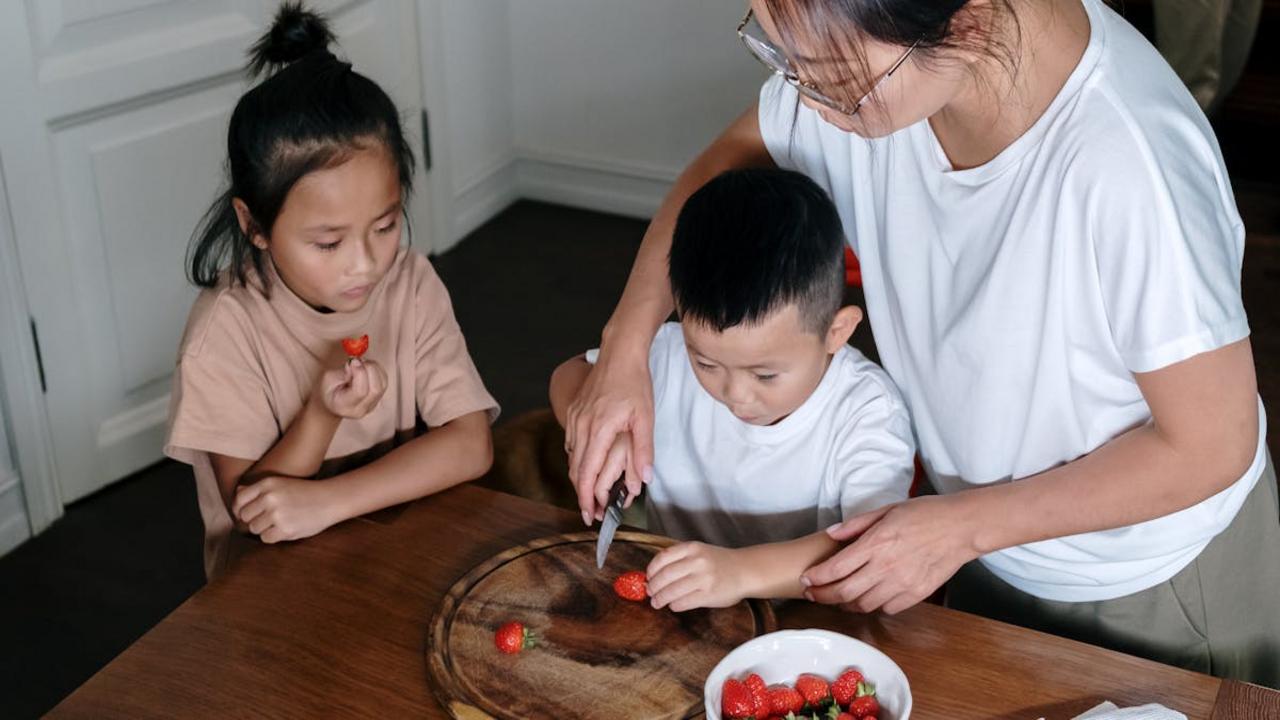
Teaching your little ones proper knife safety transforms what might seem scary into an incredibly empowering skill they’ll carry forever. Start with a small, sharp knife (yes, sharp is actually safer than dull!) and show them the “claw grip” – curl those fingers like a cat’s paw, tucking fingertips safely away from the blade while the knuckles guide the knife. I love watching kids’ faces light up when they realize they’re holding a real chef’s tool! Keep that cutting board steady, stand with feet shoulder-width apart, and always cut away from the body. These fundamentals create confident young cooks who respect their tools.
Practice makes perfect, so start with soft foods like bananas or cooked carrots before moving to firmer vegetables. Your child should always focus completely on their cutting – no distractions, no rushing, just mindful, deliberate movements. I always remind parents that supervision doesn’t mean hovering nervously; instead, create a calm, supportive environment where mistakes become learning opportunities. Watch how proud they become when they master that perfect dice or create beautiful, even slices! This foundational skill opens doors to so many other cooking adventures, building both technique and confidence that will serve them well throughout their lives.
Cracking eggs without shell fragments
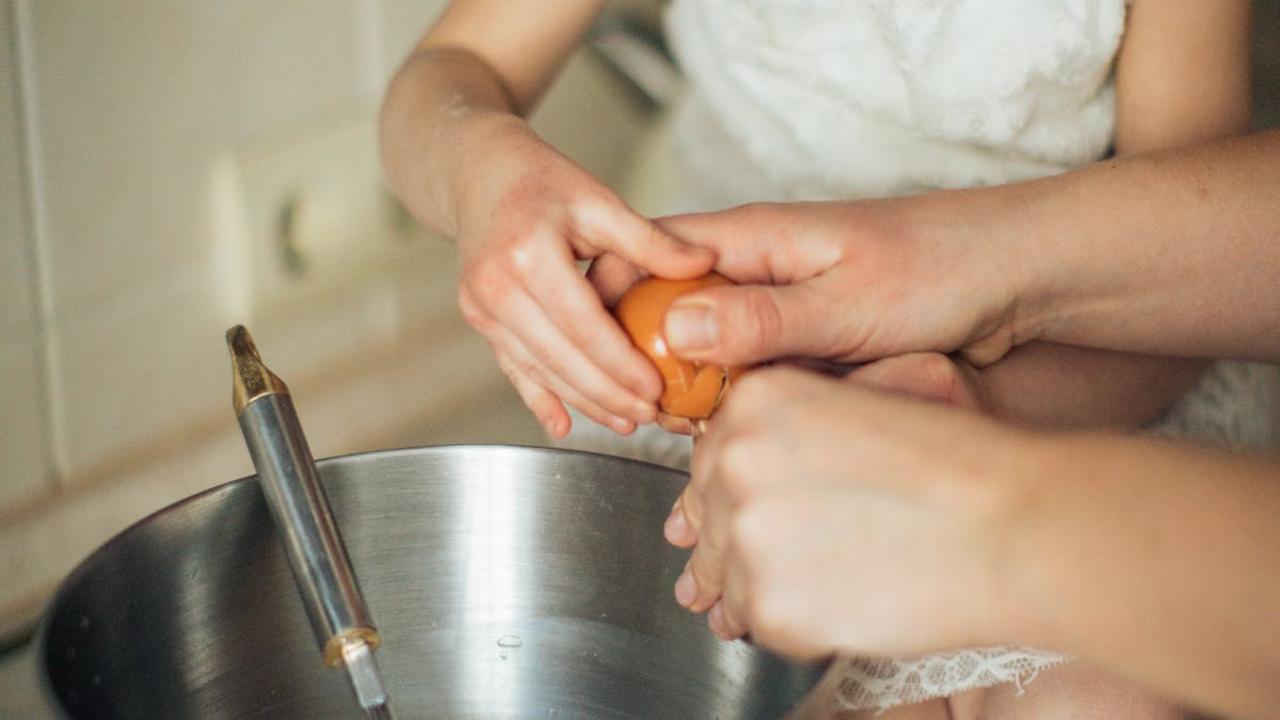
Teaching your kids to crack eggs cleanly is one of those kitchen skills that builds serious confidence! I love watching young cooks master this technique because it transforms them from hesitant helpers into eager breakfast makers. The secret lies in using a flat surface instead of the bowl’s edge – counter tops work perfectly. Show your child how to give the egg one firm tap against the counter, creating a single clean crack rather than multiple small ones that create those pesky shell pieces.
Once they’ve got that initial crack down, teach them to hold the egg low over the bowl and use their thumbs to gently pull the shell apart in one smooth motion. This keeps the yolk intact and prevents shell fragments from falling into their mixture. Practice makes perfect here, so let them crack a dozen eggs for weekend pancakes or scrambled eggs. Soon they’ll be the family’s designated egg-cracker, and you’ll never have to fish tiny shells out of your batter again!
Reading a basic recipe
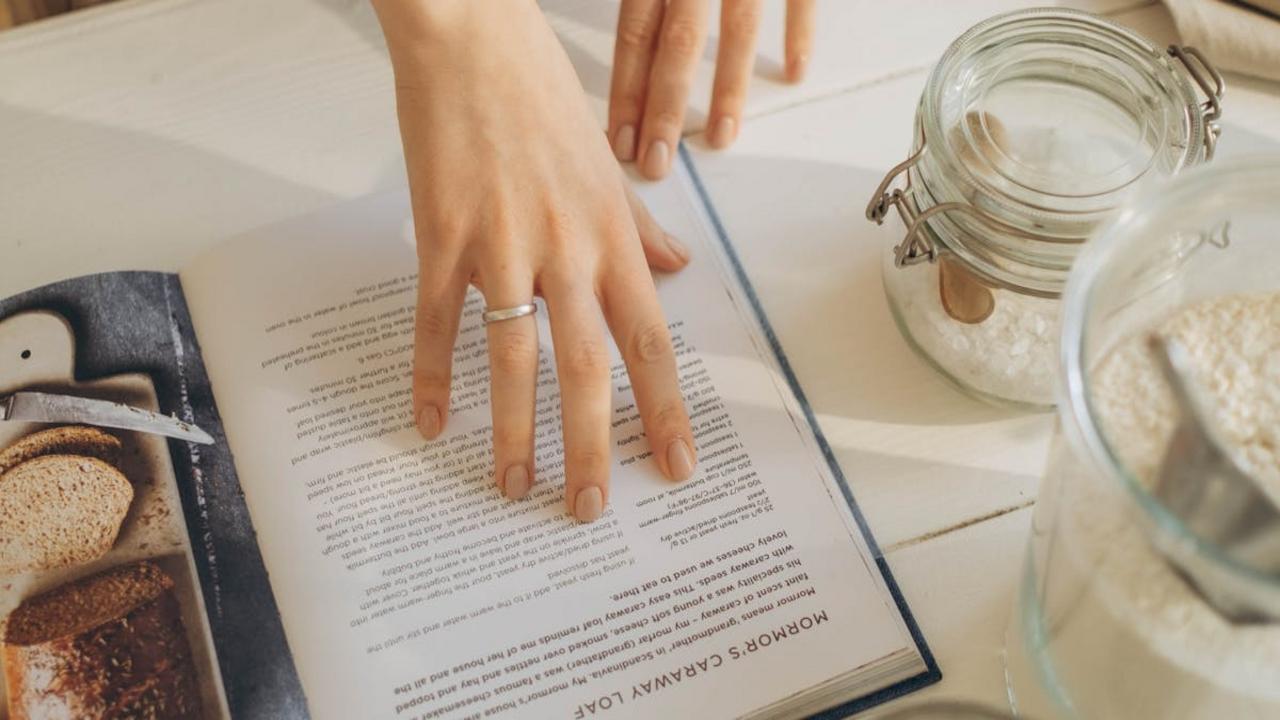
Teaching kids to read recipes opens up a world of independence in the kitchen! Start with simple, well-written recipes that use clear measurements and straightforward instructions. Show your child how to scan through the entire recipe first – this helps them understand what ingredients they need and gives them a mental roadmap of the cooking process. Point out the difference between ingredient lists and step-by-step directions, and explain why reading everything through before starting prevents those “oops, I needed to preheat the oven” moments that we’ve all experienced.
Help your child understand common cooking abbreviations like “tsp” for teaspoon, “tbsp” for tablespoon, and “oz” for ounce. Practice reading recipes together, having them tell you what comes next in their own words. This builds comprehension and confidence! Once they master reading basic recipes, they can start suggesting modifications – maybe adding extra chocolate chips to cookies or trying different spices in a soup. This skill transforms kids from passive kitchen observers into active participants who can follow directions, plan ahead, and even start experimenting with their own creative cooking ideas.
Measuring dry ingredients properly
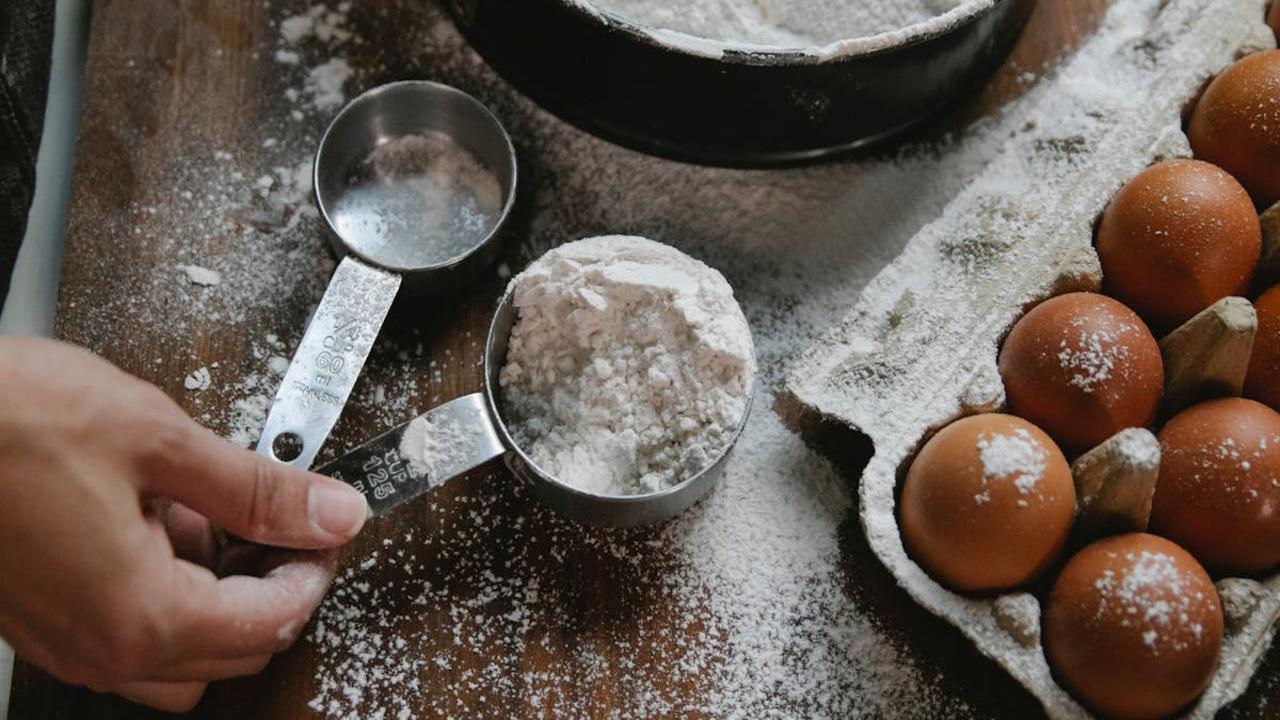
Learning to measure dry ingredients correctly will transform your young chef into a baking superstar! You want to teach your little one the “spoon and level” method – the golden rule that separates successful bakers from those wondering why their cookies turned out flat. Have them gently spoon flour, sugar, or cocoa powder into their measuring cup without packing it down, then use the flat edge of a butter knife to level off the excess. This technique prevents dense, heavy baked goods that nobody wants to eat.
Make measuring fun by turning it into a science experiment your kids will love. Show them how scooping flour directly from the container can pack in up to 30% more flour than needed – that’s enough to turn fluffy pancakes into hockey pucks! Set up different measuring cups and let them practice with various ingredients like oats, brown sugar, and baking powder. You’ll watch their confidence soar as they master this fundamental skill, and they’ll start understanding why following recipes matters so much for creating those perfect treats you both crave.