10 Hidden Food Stories from the Bible You Didn’t Know
Food and faith intertwine throughout the Bible in ways that’ll make your stomach growl and your mind wonder. From miraculous multiplying bread to honey found in unlikely places, these stories showcase how God used food to teach, test, and transform His people. The Bible serves up some genuinely fascinating food moments you’ve probably never heard about.
Think divine bread delivery services, ravens acting as celestial DoorDash drivers, and a wedding where water turned into the finest wine. These biblical accounts mix supernatural events with everyday meals, creating rich narratives that reveal deeper truths about faith, obedience, and God’s provision.
Ready for a biblical food adventure? We’re about to uncover 10 incredible stories that’ll change how you see your next meal. From wilderness fast food to royal menu rejections, these tales prove that heavenly messages often came wrapped in very earthly packages – usually something edible!
The Quails in the Desert

You know what’s wild? When the Israelites were wandering through the desert and got tired of eating manna every single day, God literally made it rain birds! According to Exodus 16 and Numbers 11, enormous flocks of quail swooped down and covered their camp. Picture this: thousands of plump, juicy quail just dropping from the sky like feathery gifts. The Israelites gathered these birds by the bushel – the Bible says each person collected at least ten homers (that’s about 60 bushels) of quail!
The funny thing is, this wasn’t just a one-time miracle takeout order. God sent these quail deliveries twice during their desert wanderings. But here’s the kicker – the second time around in Numbers, some folks got a bit too greedy with their quail buffet and suffered food poisoning! Makes you think twice about complaining about dinner options, right? Modern Middle Eastern cuisine still features quail prominently, and I bet those desert-dwelling Israelites would have appreciated some of today’s za’atar-spiced roasted quail recipes instead of their hurried campfire cooking.
Esau’s Lentil Stew
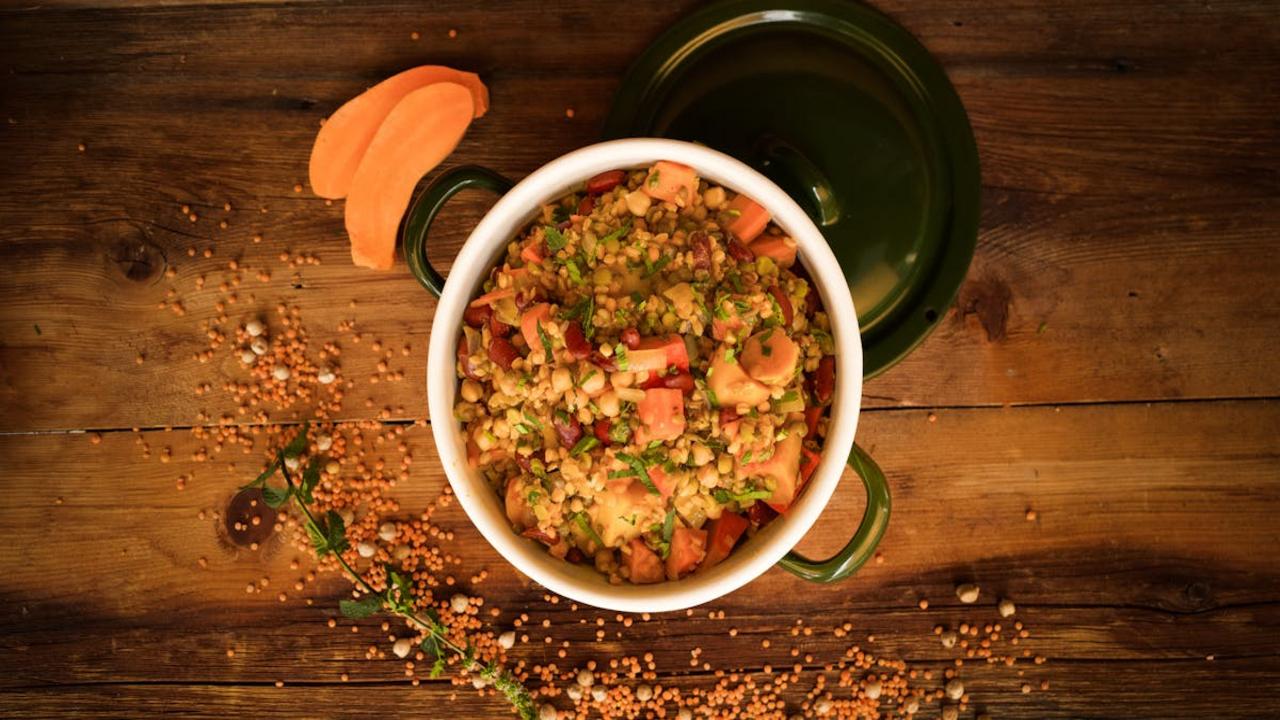
Who knew a bowl of lentil stew could cause so much family drama? In one of the Bible’s most fascinating food-related stories, Esau trades away his birthright to his younger brother Jacob for a simple bowl of red lentil stew. After a long day of hunting, Esau returns home starving and spots Jacob cooking this aromatic dish. The enticing smell of the stew, combined with his intense hunger, leads him to make the rash decision to give up his firstborn privileges for just one meal. Talk about an expensive bowl of soup!
The red lentil stew (also called “pottage” in some translations) remains a popular Middle Eastern dish today. Made with red lentils, onions, garlic, and regional spices like cumin and coriander, this hearty dish packs both flavor and nutrition. I’ve made this dish several times in my kitchen, and the rich, earthy aroma fills every corner of the house – though I wouldn’t recommend trading any inheritance rights for it! Biblical scholars believe this type of stew was a common meal during ancient times, making it even more remarkable that Esau valued it above his birthright in that moment of hunger.
The Feeding of the Five Thousand
Picture this: You’ve got 5,000 hungry people to feed, and all you have are five loaves of bread and two fish. Not exactly what I’d call well-stocked for a crowd! Yet this miracle in the Gospel of John shows Jesus pulling off the ultimate multiplication trick with food. The original bread was likely barley bread – the budget-friendly option of ancient times, mainly eaten by the poor. And those fish? They were probably small dried or pickled fish from the Sea of Galilee, similar to sardines, which locals would carry as a portable snack.
Here’s what makes this story extra fascinating – after everyone had their fill (and we’re talking about seriously satisfied customers here), the disciples collected twelve baskets of leftovers. Talk about your ultimate doggy bag! The Greek word used for ‘basket’ in this story is ‘kophinos’ – a specific type of basket Jews would carry their food in. These weren’t your modern grocery bags; they were deep woven baskets designed to keep food fresh during long travels. Ancient fast food containers, if you will! The miracle wasn’t just about quantity – it was about abundance and making sure nothing went to waste.
Jesus at the Wedding Feast in Cana

Did you know Jesus’ first miracle involved wine? At a wedding celebration in Cana, the hosts ran out of wine – a major social faux pas in ancient Middle Eastern culture! But Jesus saved the day by turning six stone jars of water into wine. Each jar held 20-30 gallons, so we’re talking about 120-180 gallons of wine total. The best part? The wedding guests told the host this wine topped the quality of what they’d been drinking earlier. Talk about an upgrade from the house wine!
The story gives us a fascinating peek into ancient Jewish wedding customs, which often lasted up to seven days. Running out of wine would have brought shame to the family and dampened the festivities. That’s why Jesus’ mom Mary stepped in and nudged him to help. While some scholars debate the exact type of wine produced, archaeological evidence suggests most wines in ancient Palestine were red and fairly strong. Can you imagine being the server who poured that water into cups, only to watch it come out as premium wine? Now that’s what I call a divine party trick!
John the Baptist and Locusts

Hey, did you know that John the Baptist was basically a wilderness foodie? While most religious figures of his time dined on bread and fish, John took a different route with his menu choices. The Bible tells us he survived on locusts and wild honey while preaching in the Judean desert. And before you scrunch up your nose, locusts are actually packed with protein – more than beef! They’re still a popular snack in many Middle Eastern countries today, where people roast them with a sprinkle of salt for a crunchy treat.
The combination of locusts and honey created a fascinating survival meal that kept John going through his desert ministry. The locusts provided the protein and minerals he needed, while the wild honey gave him quick energy and natural sweetness. If you’re wondering about the taste, modern-day locust enthusiasts say they have a nutty, shrimp-like flavor. Many Biblical scholars believe John’s unusual diet highlighted his dedication to his spiritual mission – he literally lived off the land, showing complete trust in God’s provision. Who would’ve thought this ancient Biblical figure would end up being ahead of his time, eating what many now consider a sustainable food source?
Samson and the Honeycomb
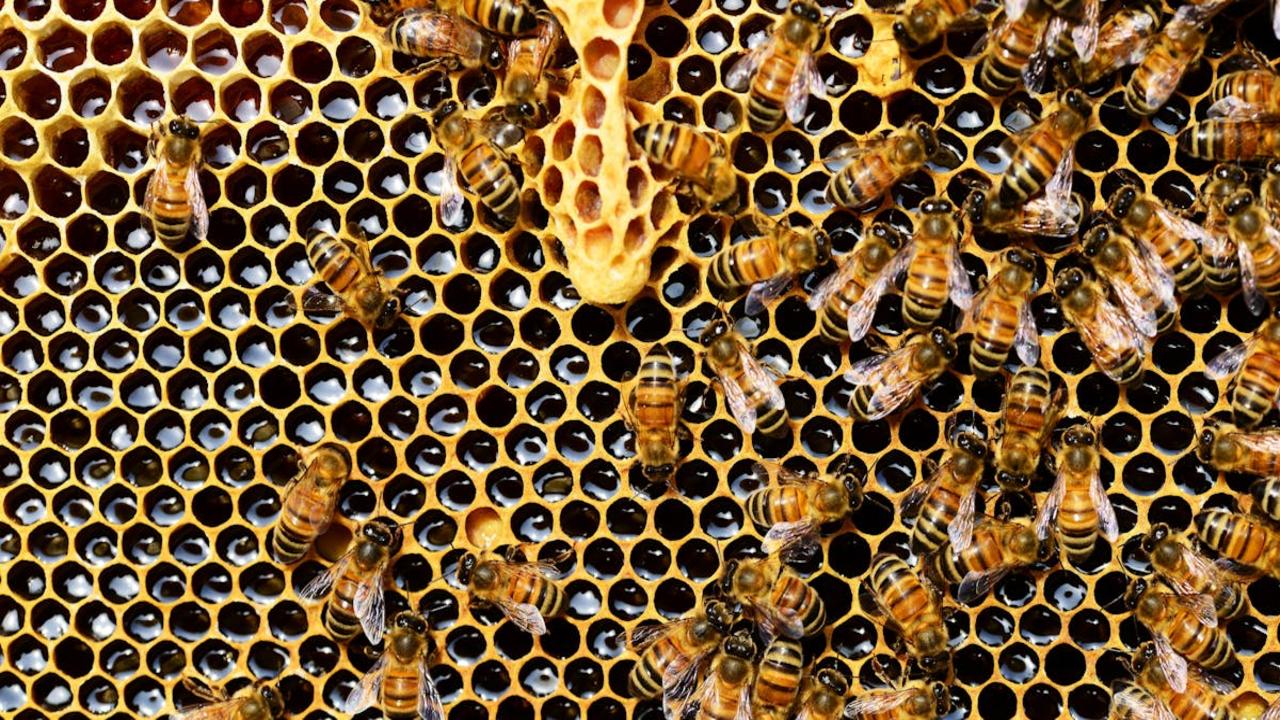
Here’s a sweet Biblical tale you might not remember from Sunday school! After Samson killed a lion with his bare hands (yes, really!), he later passed by its carcass and found something unexpected – bees had made their home inside the dead lion and created a honeycomb. Without telling anyone where he got it, Samson scooped out the honey and shared it with his parents. This honey discovery became the basis for his famous riddle at his wedding feast: “Out of the eater came something to eat, out of the strong came something sweet.”
This peculiar honey story teaches us about nature’s resourcefulness – bees will build their homes in the most unusual places! While I wouldn’t recommend eating honey from a lion carcass today (health codes and all that!), ancient Middle Eastern honey was a prized commodity. Raw honey has natural antibacterial properties and never spoils – archaeologists have found 3,000-year-old honey in Egyptian tombs that’s still perfectly edible. The next time you drizzle honey on your morning toast, remember Samson’s strange encounter with this golden treat!
The Widow of Zarephath’s Flour and Oil

Picture this: You’re down to your last handful of flour and a tiny drop of oil during a devastating drought, and suddenly a prophet shows up asking for food! That’s exactly what happened to the Widow of Zarephath in 1 Kings 17. Despite having only enough ingredients for one final meal for herself and her son, she took a leap of faith and shared with the prophet Elijah. What makes this story extra incredible? Her act of generosity kicked off a miraculous non-stop supply of flour and oil that kept flowing until the drought ended!
The Bible doesn’t mention the specific type of flour or oil, but historians believe the widow likely used barley flour (the common grain back then) and olive oil – Mediterranean kitchen staples. The miracle itself breaks every law of physics – imagine a flour jar and oil jug that refill themselves daily! This story goes beyond just food though – it shows how sharing your last morsel can lead to unexpected abundance. Next time you’re baking bread or drizzling olive oil, remember this widow who gave everything she had and got an endless supply in return. Now that’s what I call a divine cooking hack!
Daniel and the King’s Table

Ever wondered what would happen if you turned down the king’s finest meats and wines? Well, Daniel did just that! When King Nebuchadnezzar of Babylon captured Jerusalem’s young nobles, he wanted to feed them the richest foods from his royal table. But Daniel, being a devout Jew who followed strict dietary laws, made a bold move. He asked to eat only vegetables and drink water instead of indulging in the king’s lavish spreads of meat and wine. Talk about having some serious food principles!
Here’s the kicker – after just ten days of this veggie-only diet, Daniel and his friends looked healthier and stronger than all the other young men who ate from the king’s table. The royal official was so impressed that he let them stick to their plant-based menu. You could say Daniel pioneered one of history’s first documented vegetarian diet experiments! And it worked out pretty well for him – he went on to become one of the king’s most trusted advisors. Who knew that choosing lentils over lamb could lead to such success in ancient Babylon?
Elijah and the Ravens

You might think DoorDash was the first food delivery service, but the Bible beat them to it by a few thousand years! During a severe drought in Israel, God sent ravens to bring bread and meat to the prophet Elijah twice daily while he camped near the Cherith Brook. These divine takeout orders kept Elijah fed and strong during one of the most dramatic showdowns in biblical history. The ravens, not exactly known for sharing their food, went against their scavenging nature to become God’s personal delivery birds.
What makes this story extra fascinating is how these typically selfish birds transformed into faithful servants. Ravens usually steal food from others, yet here they became reliable couriers bringing Elijah his breakfast and dinner. The Bible doesn’t mention if Elijah tipped his feathered friends or left them a 5-star review, but this unique meal service continued until the brook dried up. Next time you get a food delivery, remember – someone did it first with actual birds! Now that’s what I call “air mail” service at its finest.
Manna from Heaven
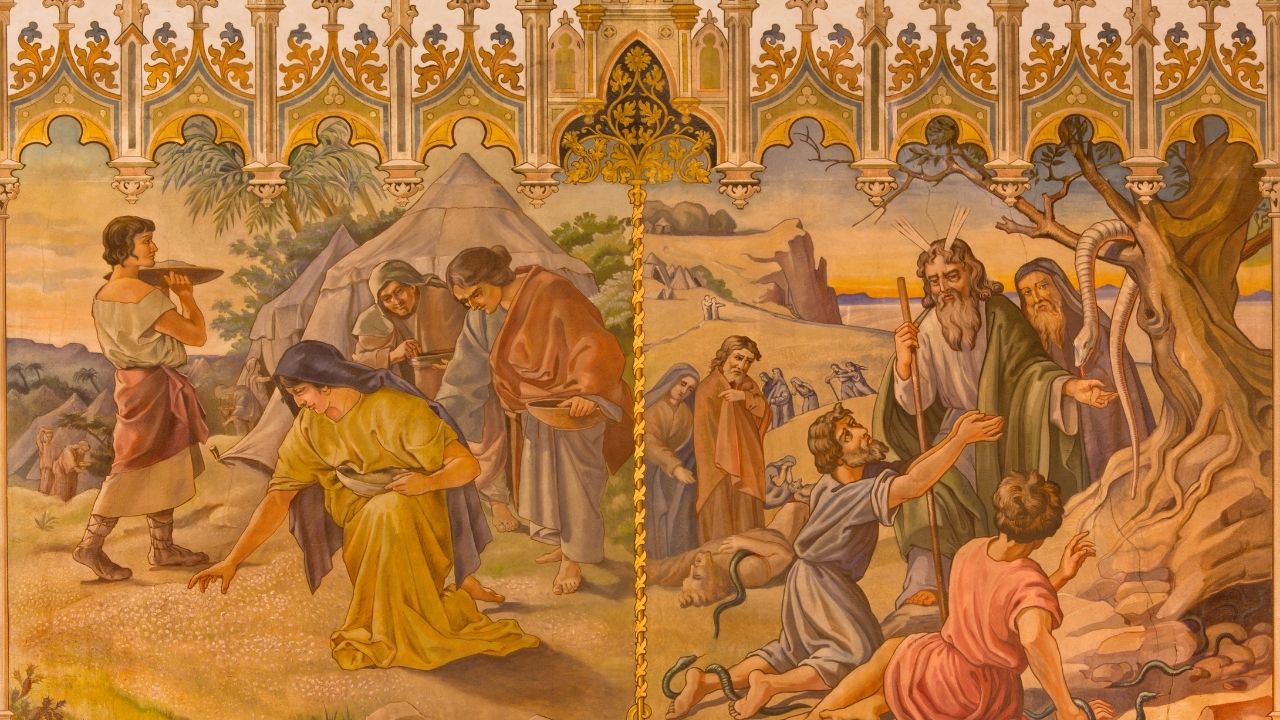
You know that feeling when you’re desperately hungry and wish food would just fall from the sky? Well, that’s exactly what happened to the Israelites during their 40-year journey through the desert! Every morning except the Sabbath, they’d wake up to find mysterious white flakes covering the ground – a divine breakfast delivery service, if you ask me. The Bible describes manna as “white like coriander seed” with a taste of “wafers made with honey,” though some scholars think it might have been a natural desert substance from tamarisk trees.
The coolest part? This heavenly food came with specific gathering instructions: collect only what you need for the day, or it’ll spoil by morning. But here’s the Friday special – you could grab a double portion because none would appear on the Sabbath. Talk about meal prep! The word “manna” actually comes from the Hebrew phrase “man hu,” which means “What is it?” – pretty much everyone’s reaction when they first saw it. I imagine ancient food critics would’ve had a field day reviewing this supernatural sustenance that kept an entire nation fed for four decades.