Top 15 Fiendishly Difficult Dishes Better Left to Chefs, Not Your Kitchen
Ever spotted a stunning dish on Instagram and thought, “I could make that!” only to end up with a kitchen disaster? Some recipes demand skills, equipment, and time that most home cooks simply don’t have. While I admire your cooking ambitions, these 15 notoriously complex dishes might make you appreciate restaurant prices!
From the towering cream puff mountain of Croquembouche to the time-intensive layering of Mille-Feuille, these recipes include multiple components with precise timing and temperatures. Beef Wellington requires perfect doneness while keeping pastry crisp, and Soufflé demands split-second precision – skills professional chefs spend years perfecting.
That doesn’t mean you can’t try them! But understanding which dishes truly deserve their intimidating reputation helps you choose your cooking battles wisely. Next time you crave these masterpieces, you might just want to book a table instead of buying ingredients – your sanity (and kitchen) will thank you!
Cassoulet
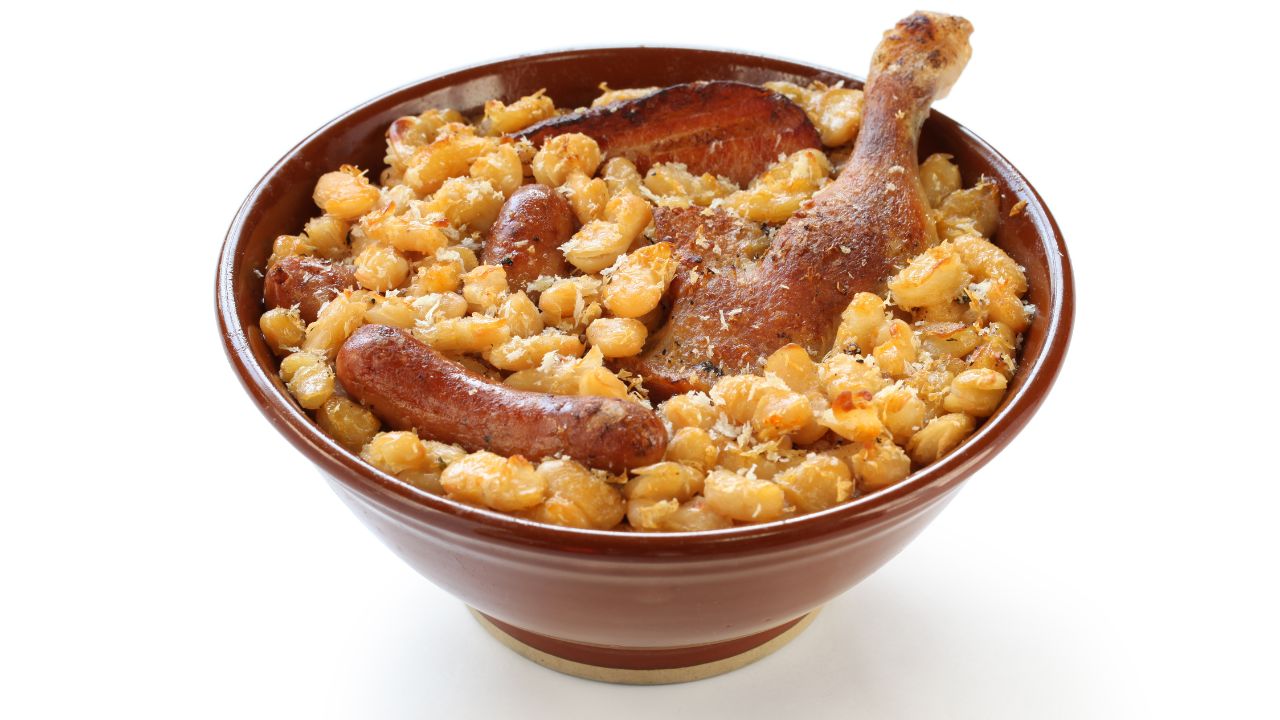
Cassoulet stands as one of France’s most beloved comfort dishes, but don’t let that fool you into thinking it’s simple weeknight fare. This hearty white bean stew requires a minimum of three days to prepare properly, with each component demanding individual attention and perfect timing. You’ll need to source duck legs, various sausages, and sometimes lamb or pork, then slowly braise each protein separately before combining them with soaked beans that have been cooking for hours. The traditional method involves baking the entire mixture in a clay pot, repeatedly breaking and reforming the golden crust that develops on top.
The complexity doesn’t stop at ingredients – cassoulet requires an understanding of French cooking techniques that take years to master. Professional chefs spend considerable time learning how to balance the rich, meaty flavors while ensuring the beans maintain their creamy texture without becoming mushy. Temperature control becomes critical during the long baking process, and timing each element so everything finishes simultaneously takes real skill. While the results are absolutely divine, this dish truly belongs in restaurant kitchens where chefs have the time, space, and expertise to give it the attention it deserves.
Canelé
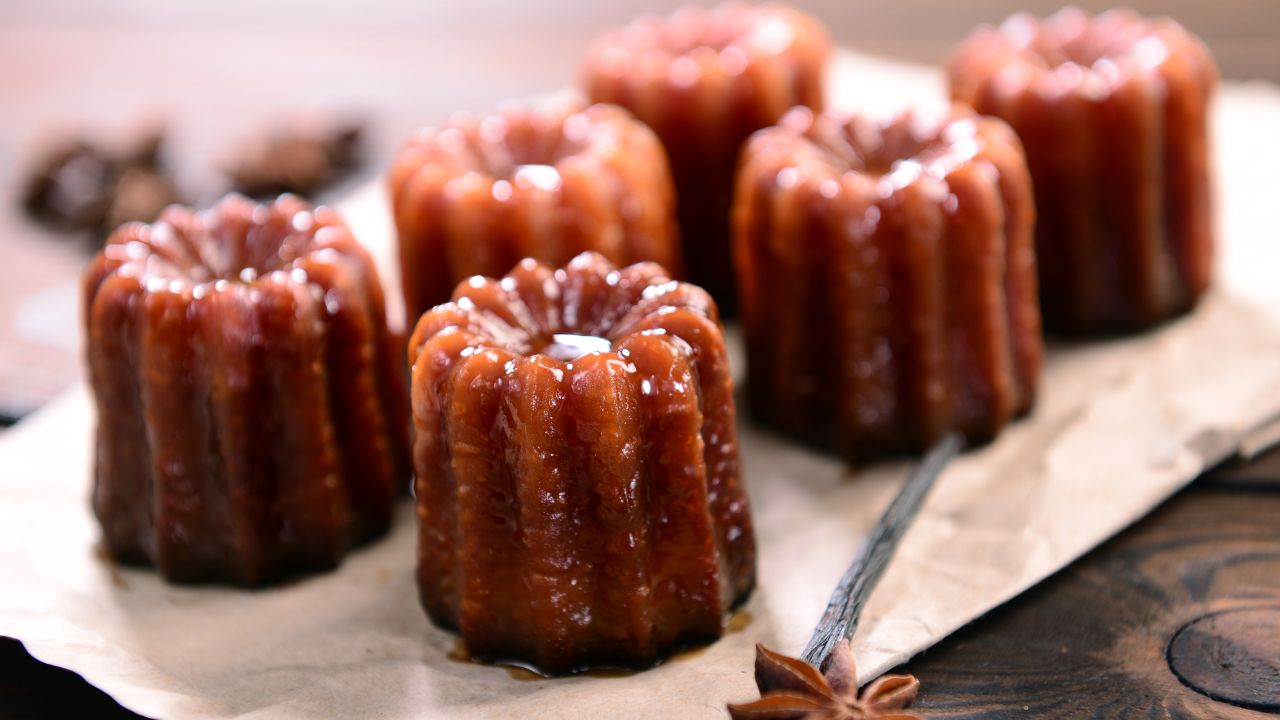
These gorgeous little French pastries from Bordeaux might look simple, but don’t let their petite size fool you! Canelés demand precision that would make a Swiss watchmaker sweat. You need specialized copper molds (and yes, they’re expensive), perfect timing, and a technique so specific that even seasoned bakers throw in the towel. The batter requires a 24-48 hour rest period, and the baking process involves multiple temperature changes that require your complete attention for hours.
What makes canelés so tricky is their signature contrast – that dark, caramelized exterior with the soft, custardy center. Getting this balance right means mastering the exact ratio of milk, eggs, butter, flour, and rum, plus knowing precisely when to adjust your oven temperature. One degree off, and you’ll end up with either burnt shells or soggy centers. Even professional pastry chefs often struggle with consistency. Save yourself the frustration and treat yourself to these beauties from a skilled French patisserie instead – your kitchen (and your wallet) will thank you!
Tarte Tatin
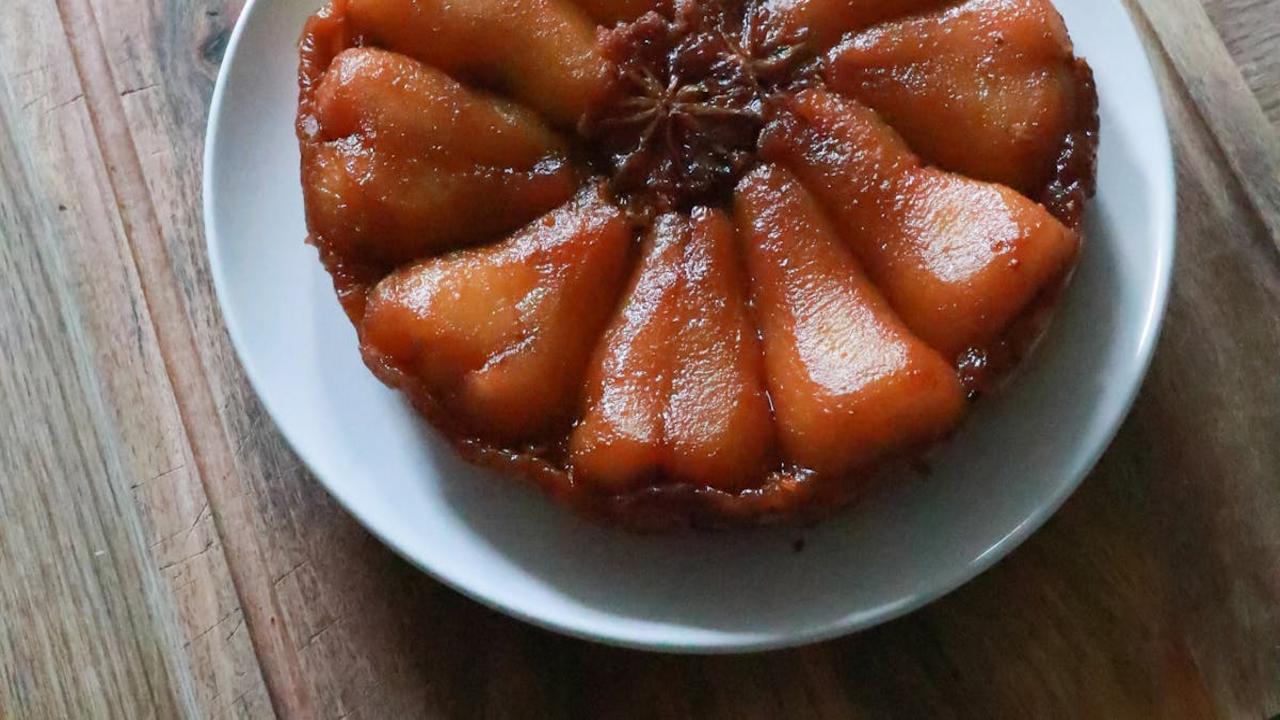
This French upside-down apple tart might look simple, but don’t let its rustic appearance fool you! Making a proper Tarte Tatin requires perfect timing, temperature control, and a fearless approach to caramelized sugar. The process involves creating a beautiful amber caramel directly in your pan, arranging apple slices just so, then covering everything with pastry before the dramatic flip that reveals your masterpiece. One wrong move with that molten caramel, and you’ll either end up with burnt sugar or a soggy bottom that completely ruins the texture.
Professional chefs spend years mastering the caramel-making process, knowing exactly when that sugar reaches the perfect golden stage before it turns bitter. They understand how different apple varieties behave under heat and can judge moisture content by sight alone. The flipping technique alone takes serious confidence – you need to invert a blazing hot pan filled with molten caramel and fruit without hesitation. At home, you’re more likely to create a sticky mess or burn yourself trying to achieve that perfect caramelized bottom that makes this dessert legendary.
Gâteau Saint-Honoré
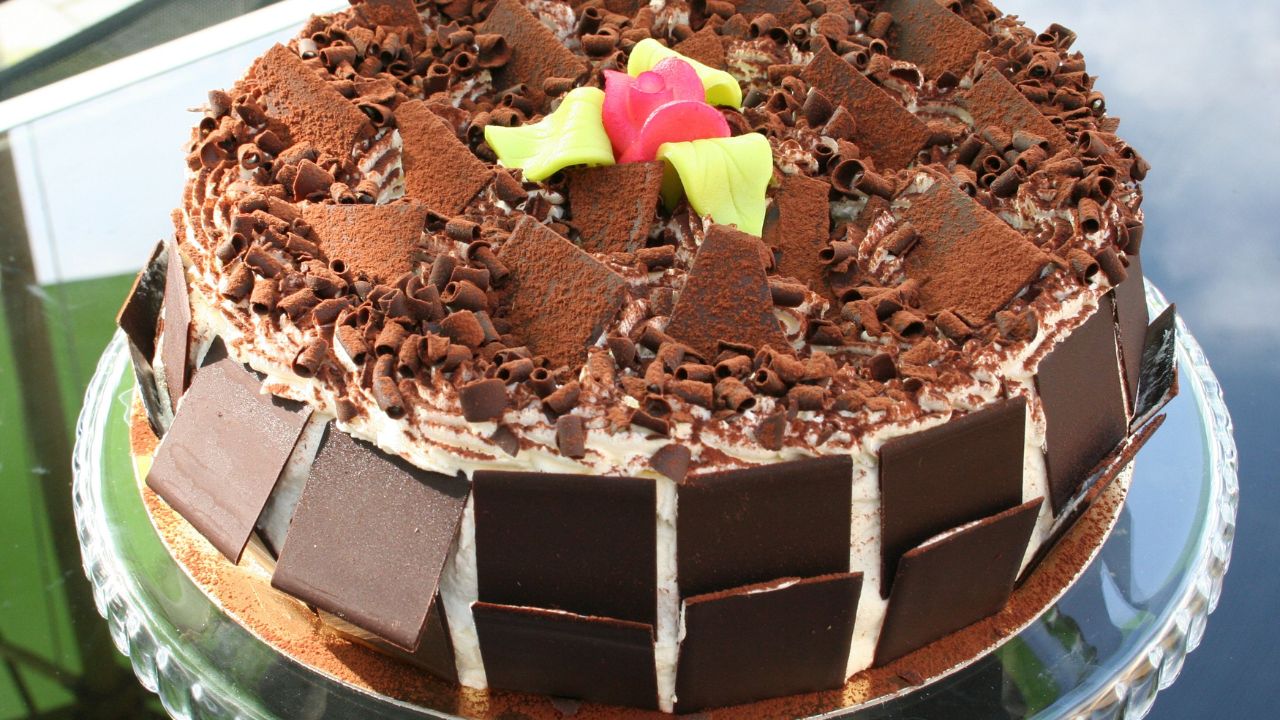
Oh my goodness, friends – the Gâteau Saint-Honoré is like watching a master pastry chef perform magic right before your eyes! This French showstopper combines choux pastry, pâte brisée, crème chiboust, and caramelized profiteroles into one absolutely stunning dessert. Named after the patron saint of bakers, this towering beauty requires you to master multiple techniques simultaneously: creating perfect choux pastry that puffs just right, making silky smooth pastry cream, whipping up Italian meringue at precisely the right temperature, and crafting golden caramel that doesn’t crystallize. Each component must be executed flawlessly because there’s simply no hiding imperfections in this transparent masterpiece.
Here’s the thing about Saint-Honoré – timing becomes your biggest nemesis in the kitchen! You need to assemble everything while the caramel stays workable, the cream holds its shape, and the choux pastry maintains its crispness. One minute too long and your caramel hardens into unusable chunks, or your cream deflates into a sad, soupy mess. Professional pastry chefs spend years perfecting the coordination required for this dessert, and even they approach it with serious respect. While I absolutely encourage you to try new things in your kitchen, this particular beauty might be better appreciated from the customer side of a French patisserie counter, where you can savor every perfect bite without the stress!
Mole Poblano
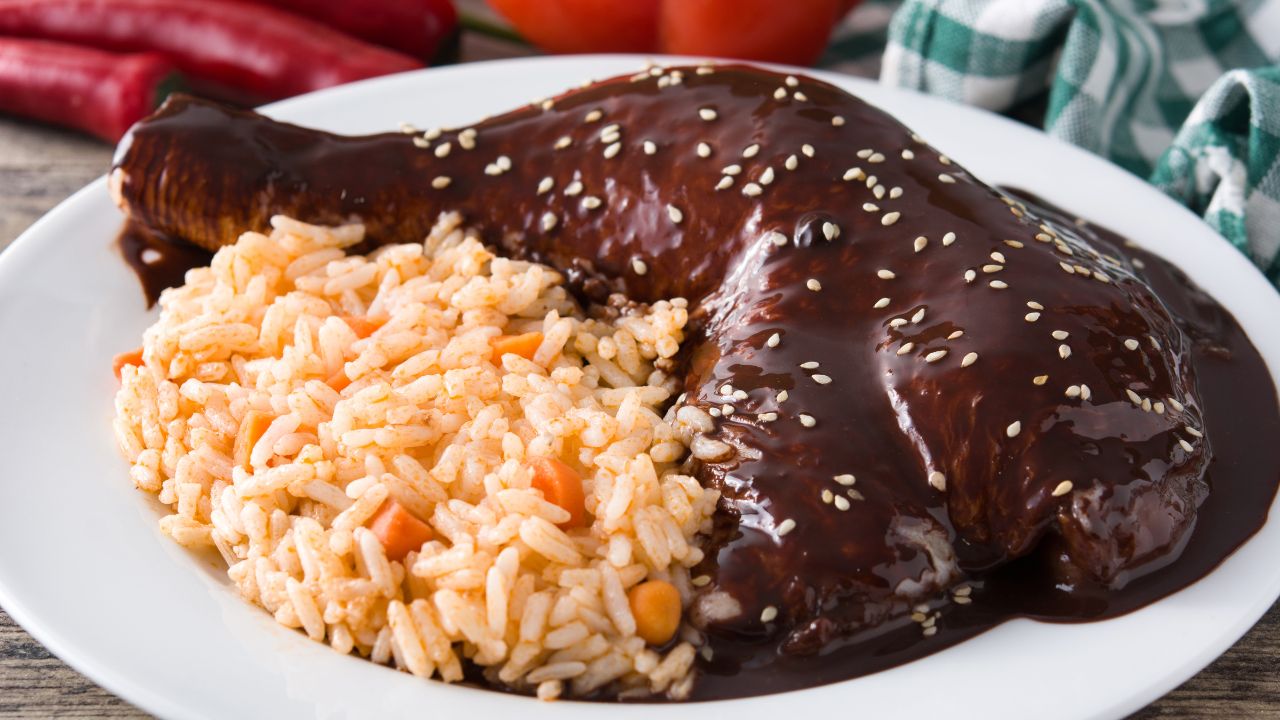
Mole Poblano stands as one of Mexico’s most complex and revered sauces, requiring upwards of 20 ingredients and days of preparation to achieve perfection. This deep, rich sauce combines chocolate with various chiles, spices, nuts, seeds, and aromatics in a delicate balance that demands years of experience to master. Professional chefs spend their entire careers perfecting their mole technique, understanding how each ingredient contributes to the final symphony of flavors. The process involves toasting, grinding, and slowly cooking components in specific sequences that can’t be rushed or simplified.
What makes this dish particularly intimidating for home cooks is the sheer precision required in balancing bitter chocolate with smoky chiles, sweet raisins, and savory spices. Each ingredient must be prepared individually before combining, and the sauce requires constant attention during its lengthy cooking process to prevent burning or separation. Even experienced home cooks often find their attempts falling short of the complex, velvety texture and nuanced flavor profile that defines authentic Mole Poblano. Rather than risk disappointment with this masterpiece, save your energy for simpler Mexican dishes and leave this legendary sauce to the masters who understand its intricate secrets.
Ramen from scratch
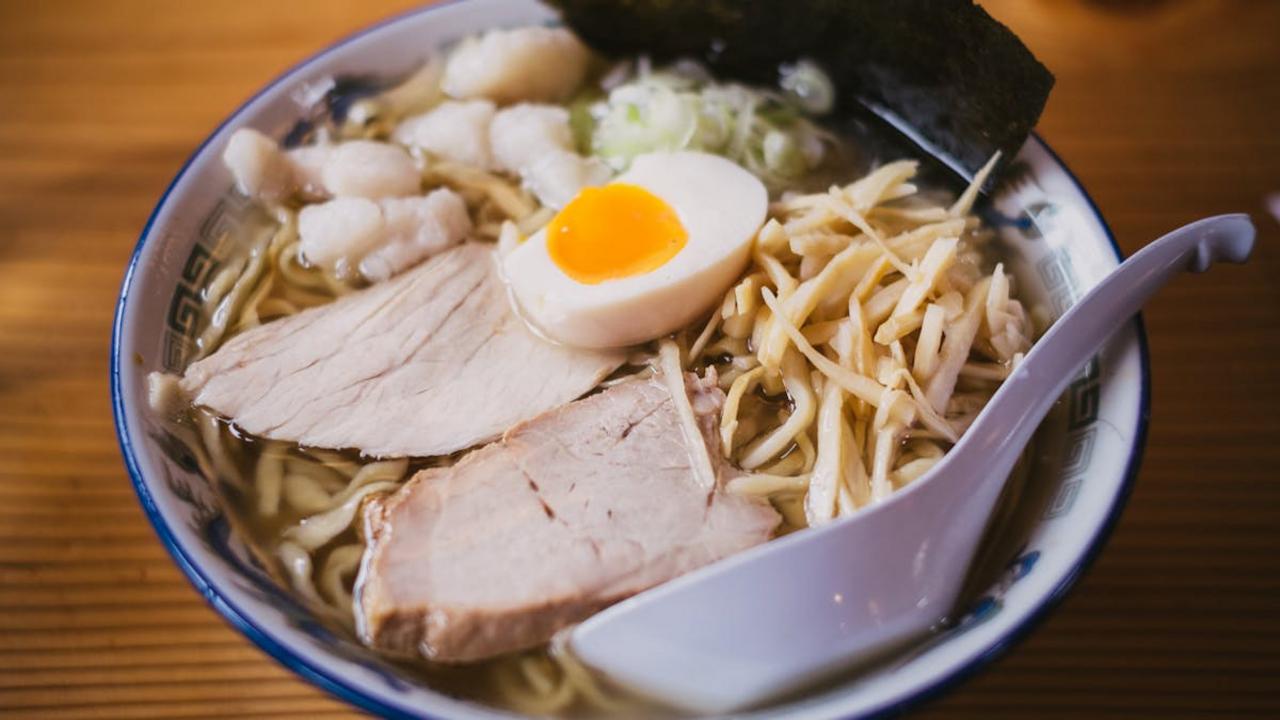
Making authentic ramen from scratch transforms your kitchen into a battlefield of patience and precision. You’ll spend hours upon hours simmering pork bones for tonkotsu broth, carefully monitoring temperature and skimming impurities. The noodles demand exact flour ratios, precise kneading techniques, and specialized alkaline water that most home cooks don’t have access to. Even the chashu pork requires overnight marinating and slow braising that can easily go wrong. Professional ramen shops dedicate entire stations and years of training just to perfect their broths.
While I absolutely love encouraging home cooking adventures, ramen sits in that special category of dishes best appreciated at your favorite noodle shop. The time investment alone – we’re talking 12-24 hours for proper broth development – makes this more of a weekend project that spans multiple days. Plus, achieving that perfect chewy noodle texture requires equipment and ingredients that aren’t readily available in most grocery stores. Save yourself the stress and support your local ramen restaurant instead. Your taste buds will thank you for experiencing the real deal crafted by masters who’ve dedicated their lives to perfecting each steaming bowl.
Sushi
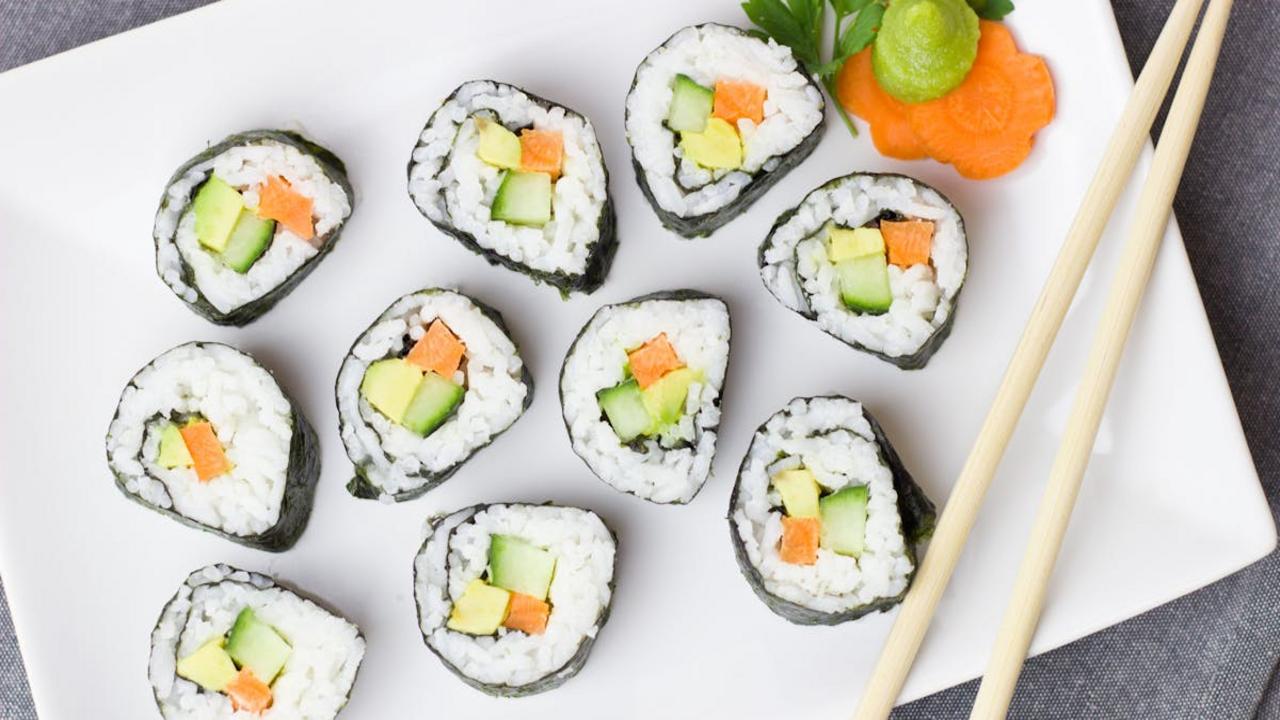
You know that feeling when you watch a sushi chef work their magic behind the counter? Those precise knife cuts, the perfect rice temperature, the way they shape each piece with lightning speed – it looks so simple, right? Wrong! Making authentic sushi requires years of training and skills that most home cooks simply don’t possess. The rice alone is a science project – it needs the exact ratio of vinegar, sugar, and salt, plus the perfect temperature and texture that takes practice to master.
Then there’s the fish selection and preparation, which demands expert knowledge about freshness, proper storage, and safe handling techniques. One wrong move with raw fish can lead to serious food safety issues. Professional sushi chefs spend years learning how to select the best fish, understand seasonal varieties, and execute those flawless knife techniques that create uniform, beautiful pieces. Save yourself the frustration (and potential stomach troubles) and leave this one to the professionals who’ve dedicated their lives to perfecting this incredible craft.
Peking Duck
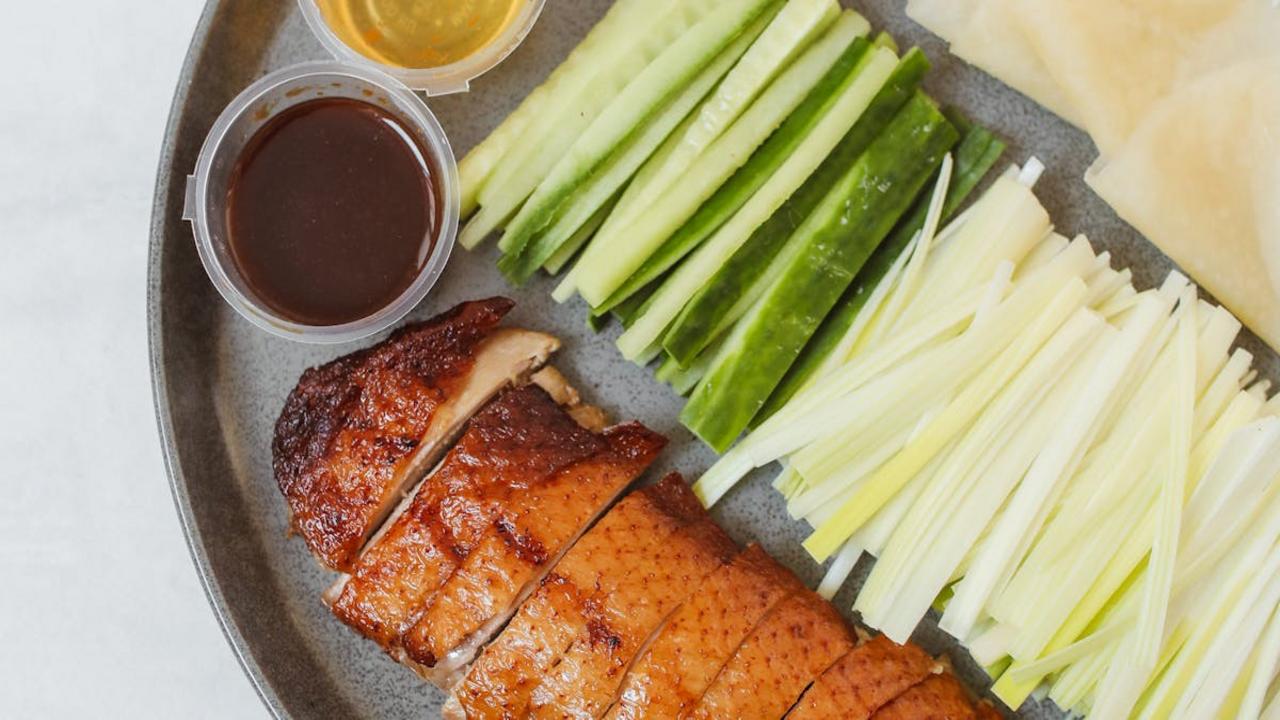
Peking Duck stands as one of the most technically demanding dishes you can attempt at home, requiring days of preparation and precision that would make most professional chefs sweat. The traditional process begins 24 hours before serving, involving air-drying the duck to achieve that signature crispy skin, followed by multiple glazing sessions with maltose syrup. You need specialized equipment like a proper roasting setup and the right temperature control – something most home kitchens simply can’t replicate. The duck must be inflated between skin and meat, then hung to dry in specific humidity conditions that your kitchen probably can’t maintain.
What makes this dish particularly tricky for home cooks is the sheer number of moving parts that must align perfectly. You’re juggling the duck preparation, making fresh pancakes from scratch, preparing scallion brushes, and creating the perfect hoisin-based sauce – all while timing everything to serve simultaneously. The carving technique alone requires years of practice to master those paper-thin, uniform slices that include both crispy skin and tender meat. Professional restaurants dedicate entire stations to this single dish because the margin for error is virtually nonexistent. Save yourself the stress and enjoy this masterpiece at a quality Chinese restaurant where skilled chefs have spent years perfecting every detail.
Consommé
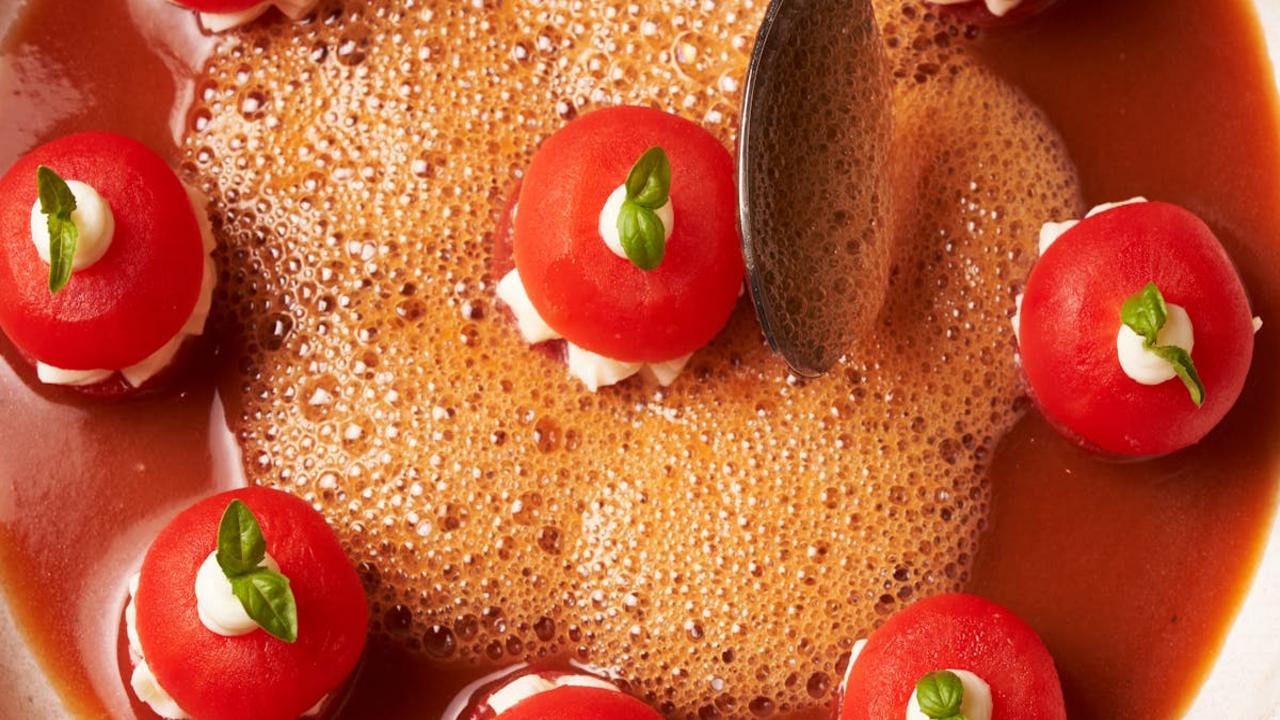
You know that crystal-clear, intensely flavorful soup that looks almost magical in its transparency? That’s consommé, and trust me, it’s one of those dishes that separates the kitchen warriors from the casual home cooks. This French classic demands absolute perfection in technique, requiring you to clarify a rich stock using egg whites, ground meat, and vegetables in a process called clarification. The mixture forms what’s called a “raft” that slowly filters the broth, trapping every particle and impurity to create that stunning, see-through liquid gold.
The real nightmare begins with temperature control – you need to maintain the gentlest simmer possible for hours, because even the slightest boil will cloud your consommé and ruin days of work. Professional chefs spend years mastering this technique, learning to read the subtle signs of the raft formation and understanding exactly when to strain the precious liquid. One wrong move, one moment of inattention, and you’re left with murky soup instead of that pristine, restaurant-quality consommé that took 12 hours to create. Save yourself the heartache and order this masterpiece when dining out!
Turducken
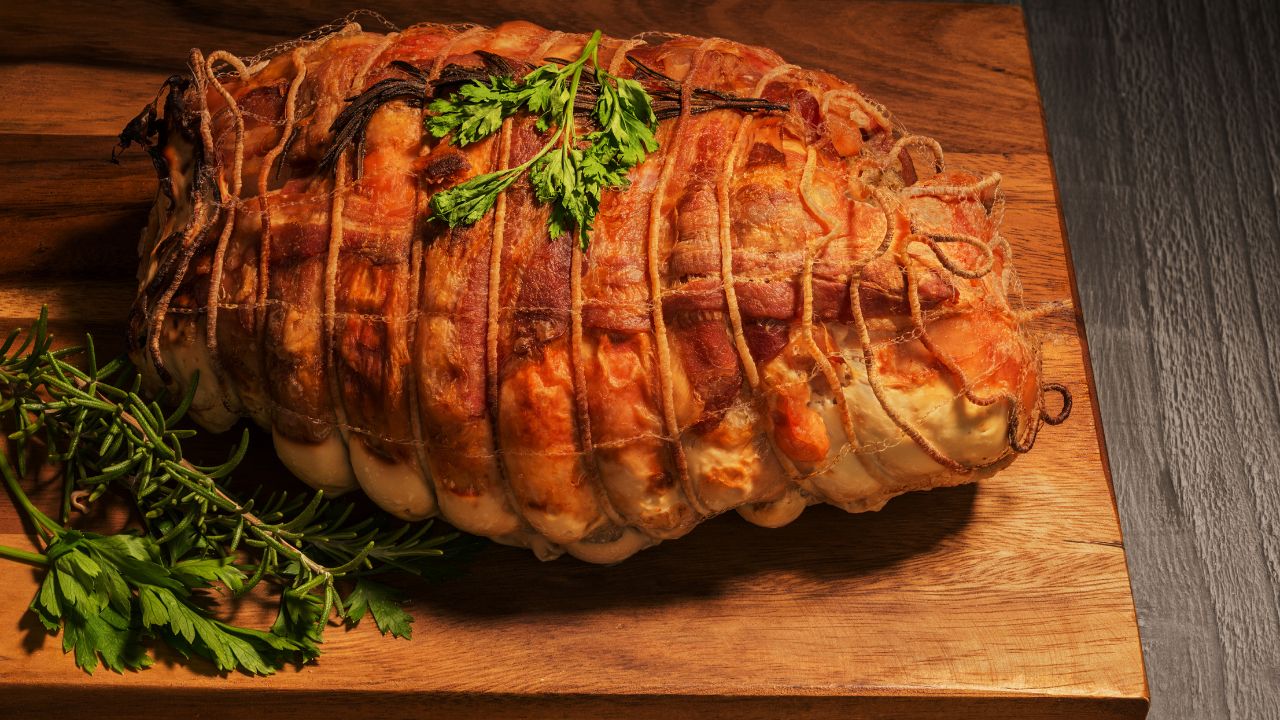
You know that friend who always goes overboard with holiday dinner? Well, turducken is their spirit animal in food form! This beast involves deboning a chicken, stuffing it inside a deboned duck, then cramming that whole situation inside a deboned turkey. Between each layer, you add different stuffings – maybe cornbread, sausage, or oyster dressing. The result? A frankenfowl that sounds impressive but requires surgical precision and about eight hours of your life you’ll never get back.
Here’s the real talk: deboning three different birds without shredding the meat takes skills most home cooks simply don’t have. You need to understand the anatomy of each bird, work with razor-sharp knives, and maintain food safety standards throughout the marathon cooking process. Plus, cooking this monster evenly without drying out the outer turkey while ensuring the inner chicken reaches safe temperatures? That’s temperature management wizardry right there. Save yourself the stress and order one from a professional who’s mastered this meaty puzzle – your sanity and your guests will thank you!
Soufflé
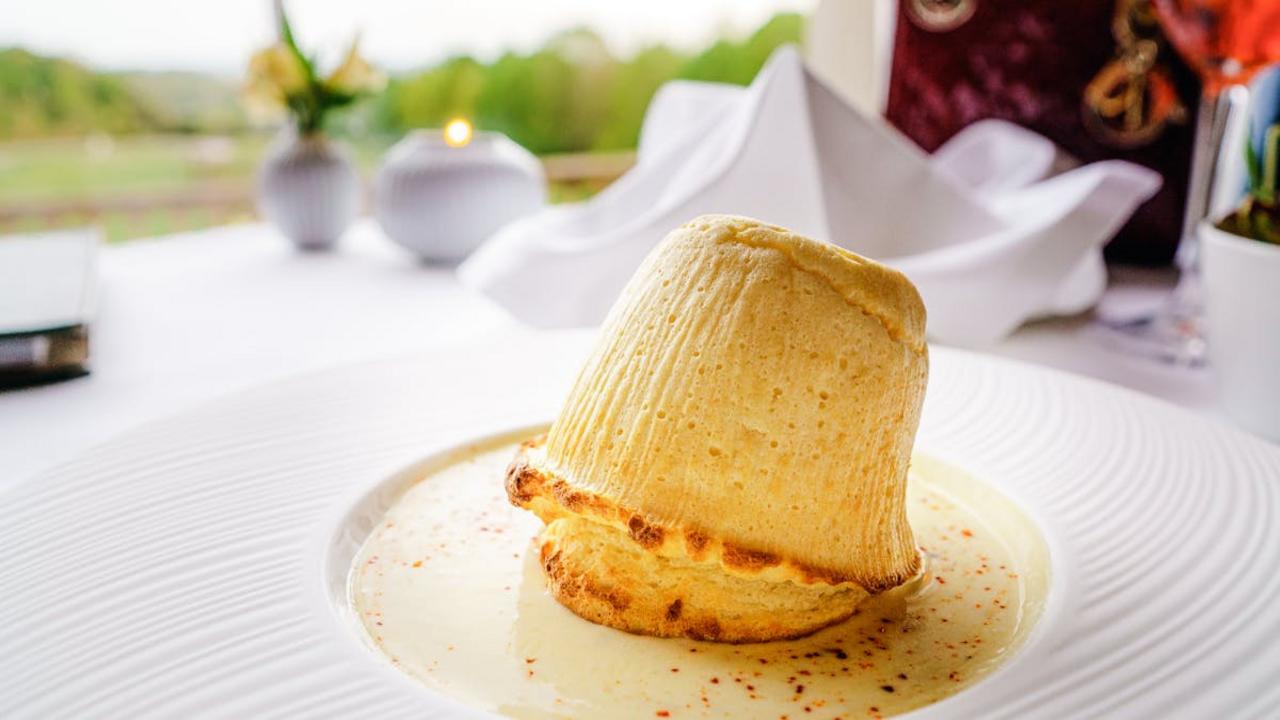
You know that magical moment when a soufflé rises perfectly in the oven, all golden and proud? Well, here’s the thing – achieving that Instagram-worthy puff requires serious technical precision that can make even experienced home cooks want to throw in their aprons. The temperamental nature of this French classic means you’re working with exact temperatures, perfect timing, and egg whites that demand respect. One slam of the oven door, one degree too hot or cold, and your beautiful creation deflates faster than your confidence in the kitchen.
The real trouble starts with separating those eggs flawlessly – not a single drop of yolk can sneak into your whites, or they’ll refuse to whip into the cloud-like peaks you need. Then comes the delicate folding technique that preserves all those precious air bubbles you’ve worked so hard to create. Professional chefs spend years mastering the gentle hand movements and understanding their ovens’ quirks. Your home kitchen likely lacks the consistent heat circulation and precise temperature control that restaurants have, making this dish a genuine test of both skill and luck that’s honestly better left to the pros.
Beef Wellington
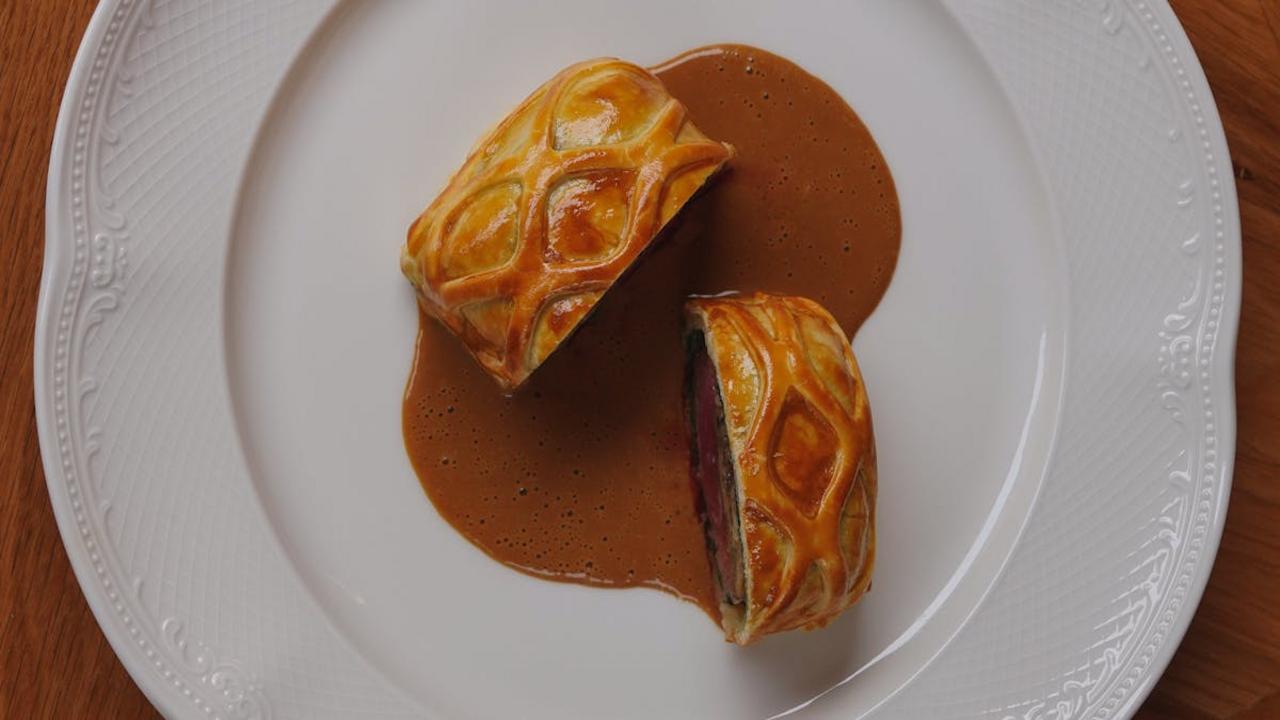
You know that moment when you watch Gordon Ramsay make Beef Wellington look effortless on TV? Don’t let that fool you – this dish demands serious respect and even more serious skills. The timing alone will make your head spin: perfectly seared beef tenderloin wrapped in mushroom duxelles and pâté, all encased in flaky puff pastry that needs to be golden brown while keeping the meat at exactly the right temperature. One degree off, and you’ve either got raw pastry with overcooked beef or crispy pastry housing what resembles shoe leather.
The technical precision required here goes way beyond your average Sunday dinner. Professional chefs spend years mastering the balance between moisture control, pastry handling, and temperature management that makes Wellington legendary. Your home oven simply doesn’t have the consistent heat distribution that restaurant-grade equipment provides, and without a meat thermometer and serious experience, you’re gambling with expensive ingredients. Save yourself the heartbreak and splurge on this masterpiece at a restaurant where trained hands can give it the attention it deserves – your wallet and your dinner guests will thank you.
Mille-Feuille
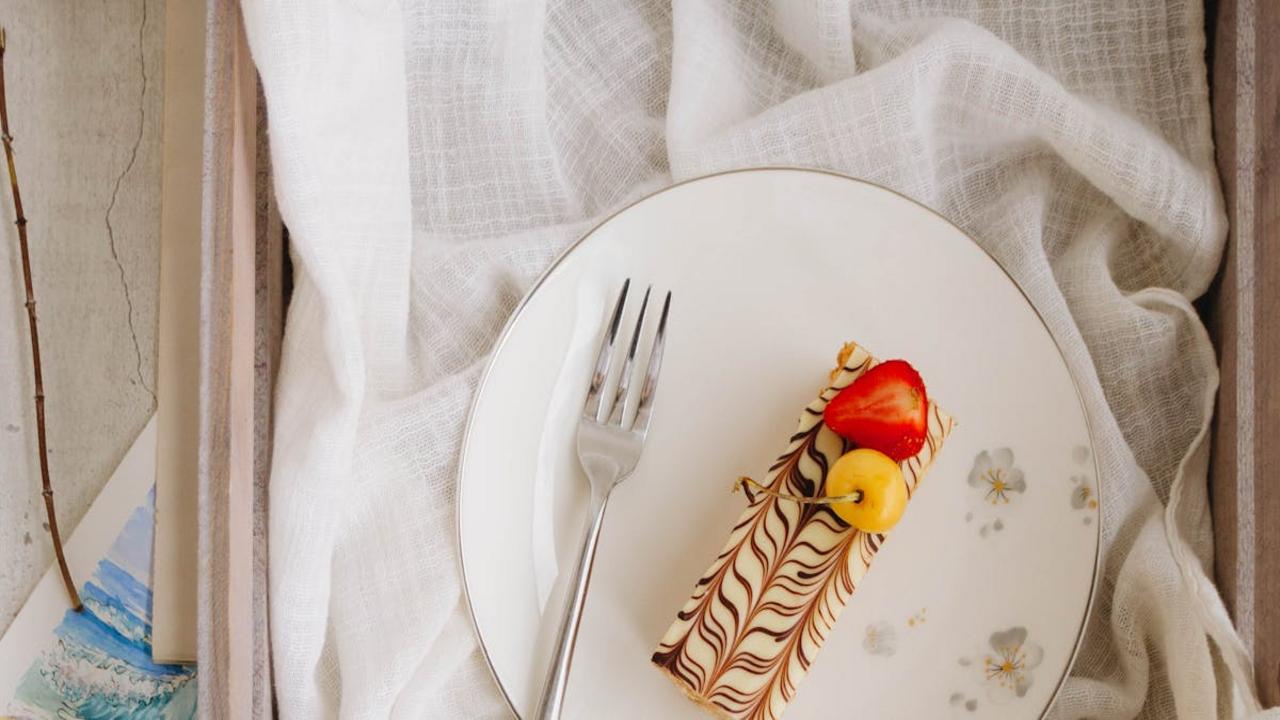
Mille-feuille, that gorgeous French pastry with its thousand delicate layers, will test every ounce of your patience and precision. This elegant dessert demands perfectly laminated puff pastry that requires folding butter into dough repeatedly, chilling between each turn, and maintaining exact temperatures throughout the process. One degree too warm and your butter melts into a greasy mess. Too cold and it breaks through the dough like shattered glass. Professional pastry chefs spend years mastering this technique, and even they sometimes curse at their ovens when humidity decides to wreak havoc on their carefully planned layers.
The assembly process proves just as tricky as making the pastry itself. You need to bake those delicate sheets until they’re golden and crisp, then layer them with pastry cream that’s been cooked to the perfect consistency – not too thick, not too runny. The final step involves creating that signature fondant top with its characteristic feathered pattern, which requires steady hands and perfect timing. Your home kitchen simply doesn’t have the controlled environment that professional kititchens offer. Save yourself hours of frustration and treat yourself to this masterpiece from a skilled pastry chef who can give mille-feuille the respect and expertise it truly deserves.
Baked Alaska
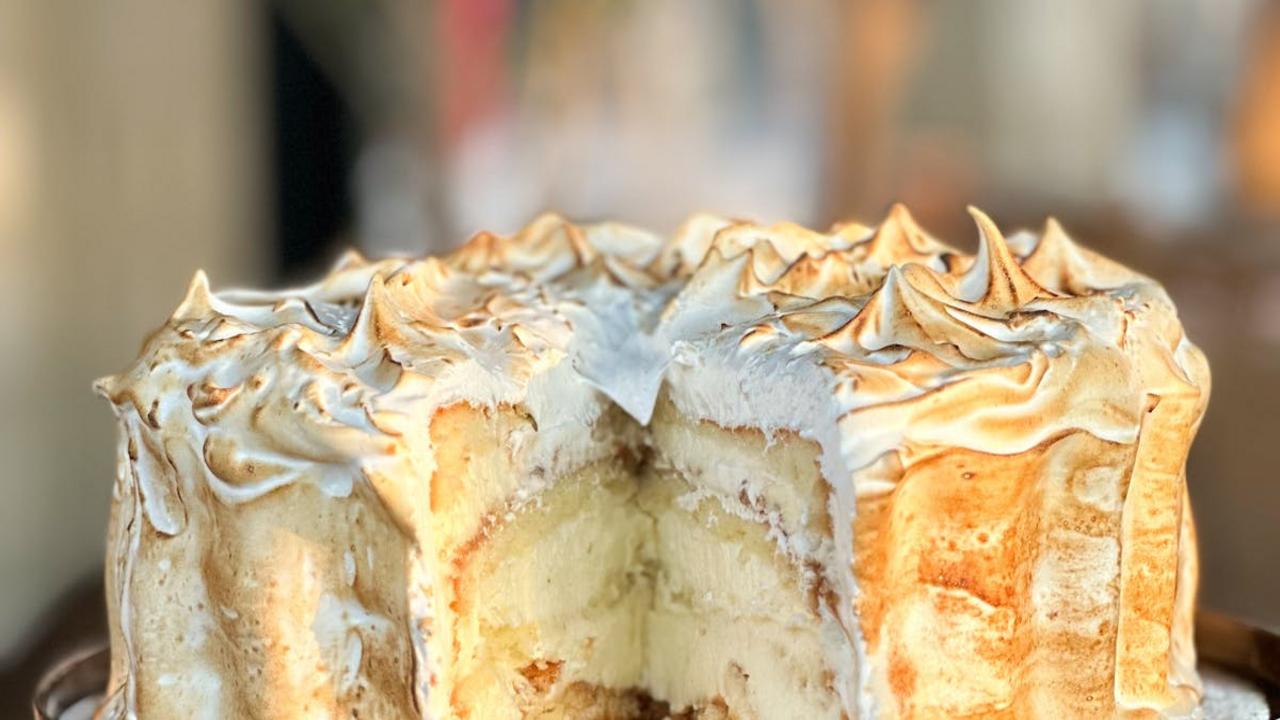
You know that show-stopping dessert that makes everyone at the dinner party gasp? That’s Baked Alaska, and honestly, it’s one of those dishes that looks deceptively simple but will test every ounce of your kitchen skills. This frozen masterpiece combines ice cream, cake, and meringue in a way that requires precise timing, temperature control, and nerves of steel. The meringue needs to be whipped to stiff peaks, spread evenly over the frozen components, then torched or baked just long enough to brown the exterior without melting the ice cream inside.
The real nightmare begins when you realize you’re racing against time and physics. One minute too long in the oven, and your beautiful creation becomes a puddle of disappointment on your serving plate. The meringue can weep, crack, or refuse to brown properly, while the ice cream fights back by melting faster than you can work. Professional pastry chefs spend years mastering the perfect balance of temperatures and timing that makes this dessert work. Save yourself the stress and enjoy this spectacular treat at a restaurant where trained professionals can execute it flawlessly while you sit back and marvel at their expertise.
Croquembouche
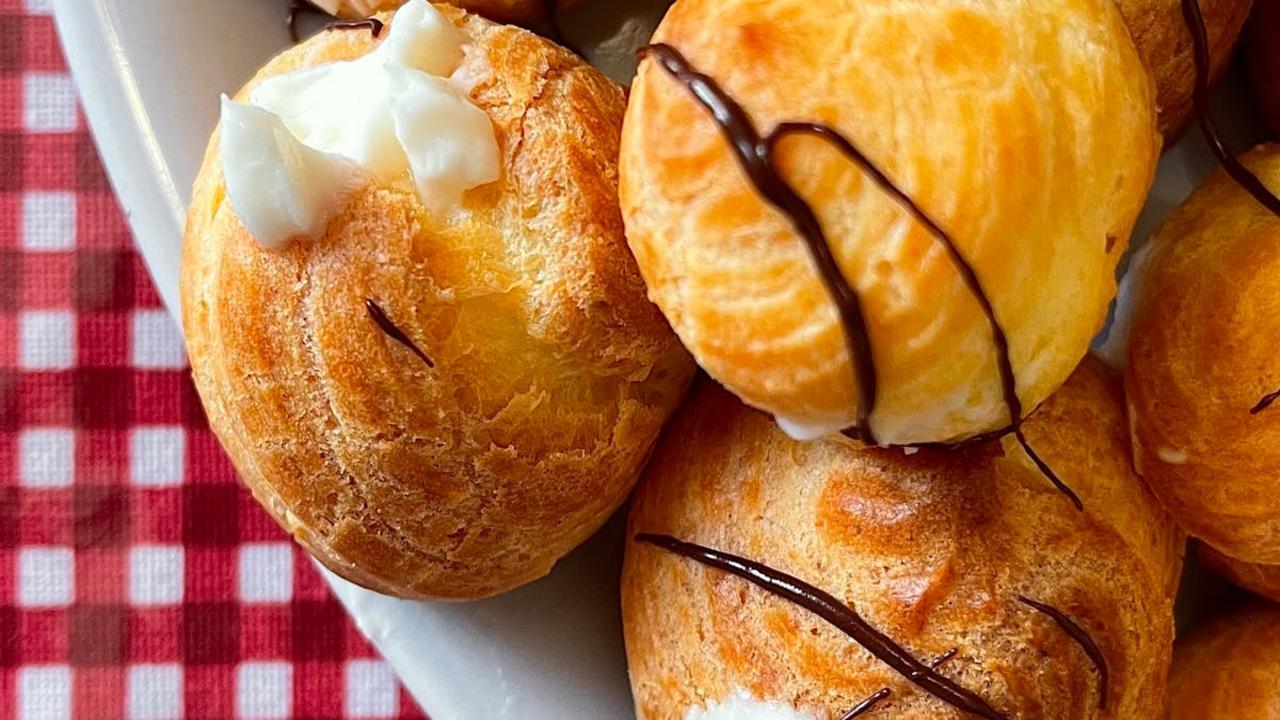
This towering French dessert will make you question everything you thought you knew about pastry skills. Croquembouche demands perfect choux pastry, flawless caramel work, and architectural precision that would challenge even seasoned home bakers. You’re looking at hours of meticulous work, starting with dozens of cream puffs that need identical consistency, followed by pastry cream that requires constant stirring and temperature control. Then comes the real test – creating amber caramel that stays workable long enough to bind everything together without burning your fingers or creating a sticky disaster.
Professional pastry chefs spend years mastering the timing and technique required for this spectacular creation. The caramel hardens quickly, leaving no room for hesitation or second-guessing your placement. One wrong move and your beautiful tower becomes an expensive pile of broken dreams and burnt sugar. Home kitchens rarely have the specialized tools needed, like proper pastry bags, candy thermometers, and the workspace required for such an ambitious project. Save yourself the stress and admire this golden masterpiece from your favorite French patisserie instead – your kitchen counters will thank you!