12 Weirdest Foods You Can Actually Buy in a Can
Ever wondered what happens when food manufacturers push their creativity to bizarre limits? Welcome to the wild world of canned oddities, where whole chickens and cheesecakes somehow fit into metal containers. I’ve discovered food items so strange you might question if they belong in your pantry or a museum of culinary curiosities.
From slithering reptiles like rattlesnake and cobra to exotic offerings like silkworm pupae and fermented shark, these canned concoctions break every conventional food rule. The strangest part? People actually buy these! Someone, somewhere thought, “You know what would sell? Canned cheeseburgers and alligator meat!”
The canning craze doesn’t stop at edibles either. Yes, you read that right – companies now sell canned air from different cities. While you’re contemplating whether to try brown bread from a tin or reindeer pâté for your next dinner party, remember this: in the universe of preserved foods, these twelve items stand as monuments to human innovation (or perhaps madness).
Canned Air from Different Cities

Yes, you read that correctly – someone actually bottles up air from famous cities and sells it in cans. This bizarre phenomenon started as a novelty gift concept but has grown into a surprisingly popular tourist souvenir industry. You can now purchase authentic air from Paris, New York, London, Tokyo, and even the Swiss Alps, all neatly packaged in sleek aluminum containers. The companies behind these products claim they capture the “essence” of each location, though I’m pretty sure that Paris air doesn’t actually smell like croissants and romance (unfortunately).
While you can’t exactly whip up a recipe with canned city air, these quirky collectibles make for conversation starters that your dinner guests will never forget. Some people collect them like vintage wine, displaying rows of international atmosphere on their shelves. The price tags range from reasonable to absolutely ridiculous – premium air from exclusive locations can cost upwards of $50 per can. My personal favorite has to be the “Post-Brexit British Air,” which the manufacturer claims has a distinctly different molecular composition than pre-2016. Whether that’s scientifically accurate or just brilliant marketing, I’ll leave for you to decide while you’re enjoying your completely free, locally-sourced air.
Canned Cobra

Picture this: you’re browsing the international aisle of your local grocery store, minding your own business, when BAM—a can of cobra stares back at you from the shelf. Yes, you read that right. Actual snake meat, coiled up and ready for your dinner plate. This Vietnamese delicacy comes packed in its own juices, and trust me, opening one of these bad boys feels like unwrapping a dare from the universe. The meat itself has a texture somewhere between chicken and fish, with a surprisingly mild flavor that won’t knock your socks off. Most people expect it to taste like danger and rebellion, but honestly? It’s pretty anticlimactic in the flavor department.
Now, before you start planning your next dinner party around canned cobra, know that this protein powerhouse packs serious nutritional punch—high in protein, low in fat, and allegedly great for your skin according to traditional medicine. You can stir-fry it with vegetables, toss it into soup, or if you’re feeling particularly adventurous, eat it straight from the can while maintaining eye contact with your horrified friends. The texture might remind you of canned tuna, but chewier and with way more street cred. Pro tip: keep a few cans in your pantry for those moments when you need to establish dominance at potluck dinners. Nothing says “I’m interesting” quite like bringing snake to the office barbecue.
Canned Bacon
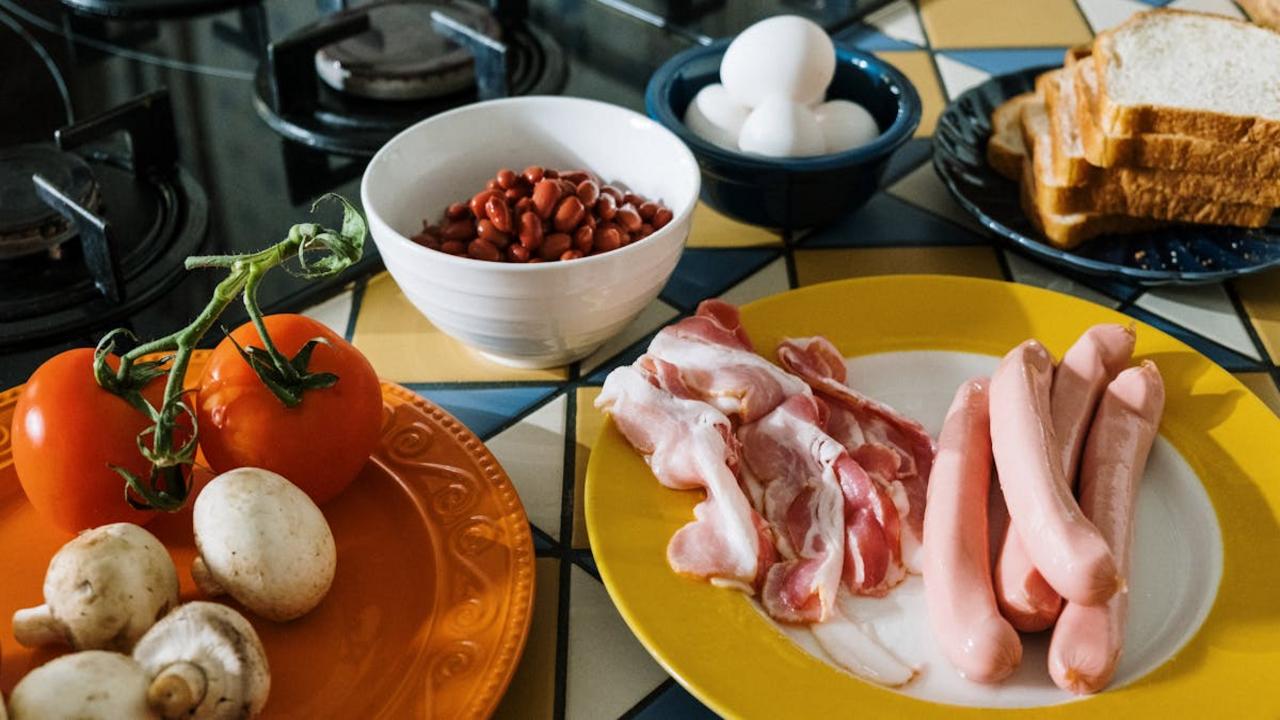
Picture this: you’re camping in the middle of nowhere, miles from the nearest diner, and suddenly you’re craving that perfect crispy bacon strip. Enter canned bacon – the survival food that actually makes sense! This shelf-stable wonder comes fully cooked and ready to eat straight from the can, though I recommend giving it a quick pan sear for maximum sizzle factor. Companies like Yoder’s and Tactical Bacon have perfected the art of preserving those smoky, salty strips in their own rendered fat, creating a product that can last up to 10 years unopened. The texture might surprise you – it’s more tender than your typical breakfast bacon, but still maintains that unmistakable pork flavor we all crave.
Here’s where things get interesting: canned bacon has become the darling of preppers, RV enthusiasts, and anyone who’s ever faced a bacon emergency at 3 AM. The fat content stays remarkably high, making it perfect for adding richness to camping meals or emergency pasta dishes. I’ve seen people crumble it into salads, wrap it around vegetables for quick appetizers, and even blend it into bacon butter (yes, that’s a thing). While purists might scoff at bacon that doesn’t require refrigeration, this canned version delivers when fresh options aren’t available. Pro tip: save the rendered fat in the can – it’s liquid gold for cooking eggs or roasting potatoes!
Reindeer Pâté

Yes, you read that right—Rudolph might just end up as your next appetizer spread! Reindeer pâté comes in a can, and it’s surprisingly popular in Scandinavian countries where reindeer meat is considered a delicacy. This silky, rich spread has been gracing Norwegian and Swedish tables for generations, often paired with crisp crackers and a dollop of lingonberry jam. The meat itself tastes like a cross between venison and beef, with an earthy flavor that’s both lean and surprisingly mild. Santa’s sleigh team would definitely not approve, but your dinner guests might raise an eyebrow in the best possible way.
Before you start worrying about Christmas magic disappearing forever, know that reindeer farming is a sustainable practice in Nordic regions, where these animals roam semi-wild across vast tundra landscapes. The canned version preserves all those complex flavors while giving you the convenience of grabbing it off your pantry shelf whenever sophistication calls. Spread it thick on dark rye bread, add some pickled onions, and you’ve got yourself a conversation starter that’ll have everyone asking where on earth you found such an unusual treat. Just maybe don’t serve it during your holiday party—the kids might have some questions about what happened to Dasher and Dancer!
Hákarl Fermented Shark
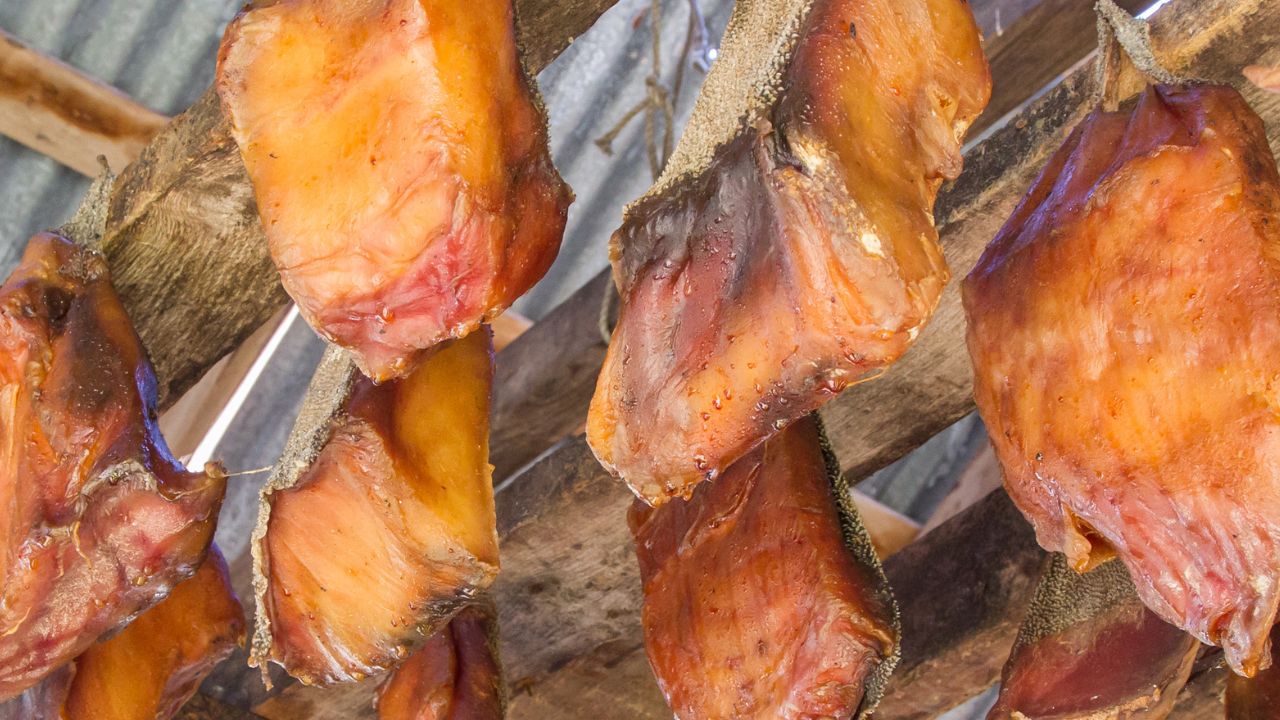
Picture this: you’re browsing the canned goods aisle and suddenly spot a tin labeled “fermented shark.” Your brain does a double-take, wondering if you’ve accidentally wandered into some bizarre alternate universe where Icelandic delicacies meet convenience store logic. Well, friend, welcome to the wild world of canned hákarl! This infamous Greenland shark gets buried underground for months, then hung to dry for several more months until it reaches peak pungency. The traditional preparation process removes toxins that would otherwise make you very sick, transforming what was once poisonous flesh into something merely… challenging to your senses.
Now, I won’t sugarcoat this – hákarl smells like a combination of ammonia and regret, with a texture that’s been described as “chewy fish jerky that fights back.” The canned version somehow manages to concentrate all these delightful qualities into a portable package that you can crack open anywhere (though your friends might never forgive you). Icelanders consider this stuff a rite of passage, often washing it down with brennivín schnapps to help the experience along. If you’re feeling adventurous enough to try canned hákarl, I recommend having some strong alcohol nearby – not just for courage, but because you’ll definitely need something to chase away that lingering taste of the Arctic ocean floor.
Canned Brown Bread
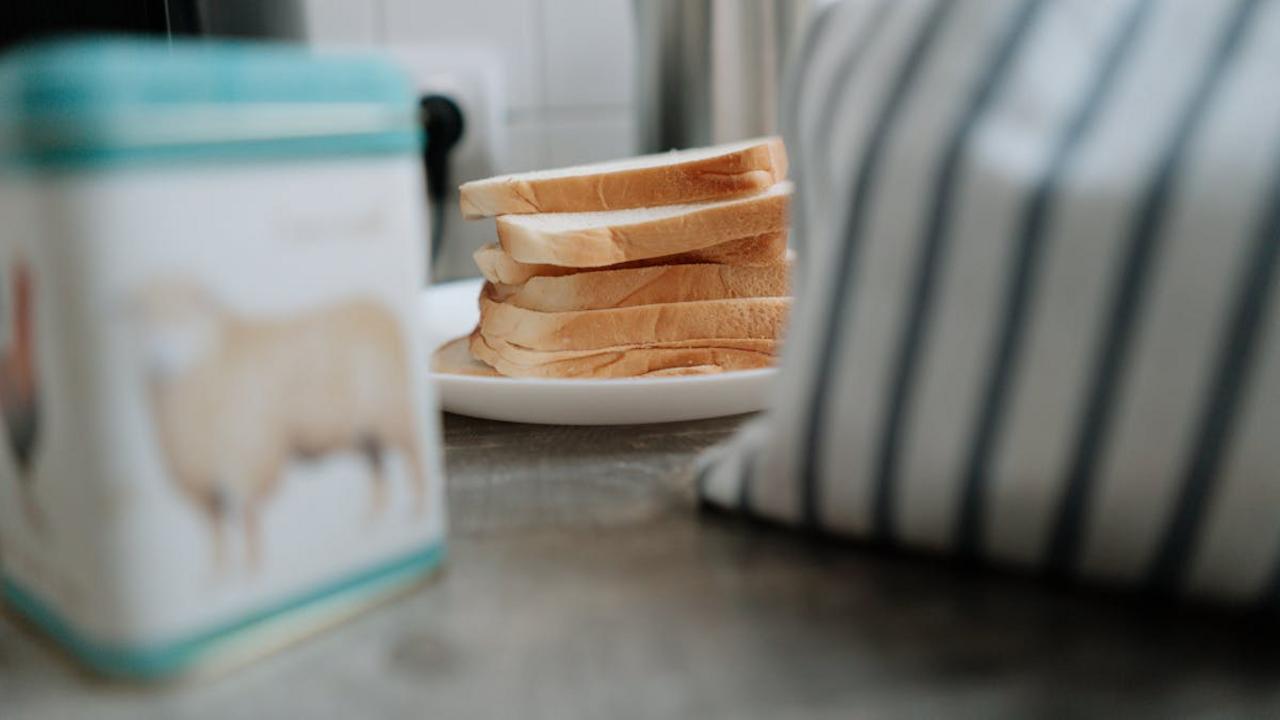
Picture this: you’re strolling through the grocery store, minding your own business, when BAM—there it sits on the shelf like some sort of cylindrical mystery. Canned brown bread. Yes, you read that right. Someone actually figured out how to stuff bread into a can, and honestly, I’m both horrified and impressed. This New England staple has been confusing shoppers since B&M started canning it back in 1927. The bread emerges from its metal prison looking suspiciously like a dense, dark log that could double as a doorstop. But here’s the kicker—it actually tastes pretty decent! Think molasses-sweet, slightly dense, and perfect for slathering with cream cheese or butter.
The real magic happens when you realize this stuff lasts longer than your last three relationships combined. We’re talking years of shelf life, people! The secret lies in the steaming process that happens right inside the can—it’s like a tiny bread sauna in there. Boston baked bean enthusiasts swear by pairing it with their favorite legume dish, creating what I can only describe as the most aggressively Northeastern meal possible. Pro tip: don’t try to slice it immediately after opening unless you enjoy bread that looks like it went through a blender. Let it cool, then slice with a sharp knife, and watch as your guests stare in bewilderment at bread that came from a can but somehow doesn’t taste like metal.
Canned Alligator Meat

Yes, you read that right – someone decided that America’s apex reptile needed the canned treatment, and honestly? I’m not mad about it. Canned alligator meat sits proudly on specialty store shelves like a conversation starter that doubles as dinner. The texture resembles chicken (because everything does, apparently), but with a slightly fishier undertone that whispers “I used to terrorize Florida swamps.” Companies like Exotic Meat Market package this prehistoric protein in neat little tins, complete with recipes that’ll make your dinner guests do a double-take. The meat comes pre-cooked and ready to toss into jambalaya, gumbo, or whatever Cajun creation your heart desires.
What cracks me up is how normalized this sounds in Louisiana – walk into any grocery store in New Orleans, and canned gator meat sits next to the regular tuna like it’s no big deal. The protein content rivals beef, packing about 46 grams per serving, which makes it a surprisingly practical choice for adventurous health nuts. Plus, alligator farming is actually more sustainable than cattle ranching, requiring less water and producing fewer emissions (though I doubt environmental consciousness drives most purchases). Fair warning: one can costs around $25, so this isn’t your everyday protein swap, but hey – when else will you casually mention you ate reptile for lunch?
Canned Cheeseburger
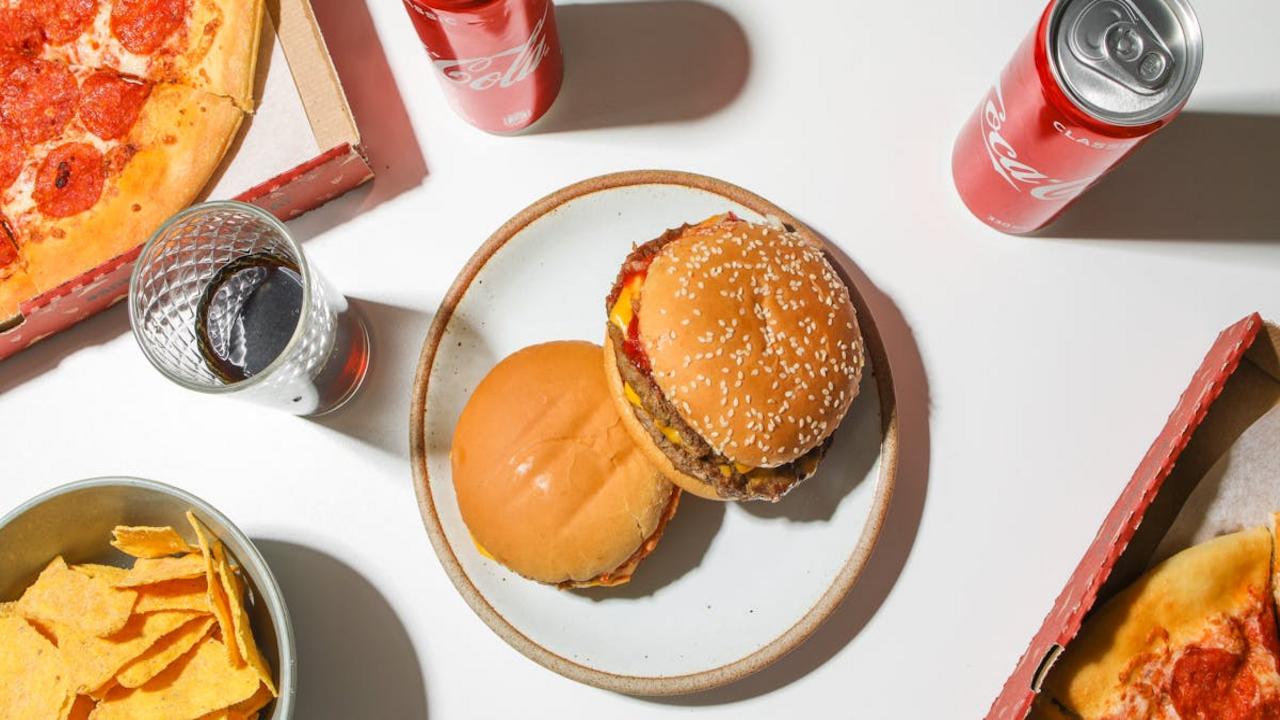
You know that moment when you’re staring into your pantry at 2 AM, wondering if you’ve finally lost your mind? Well, meet the canned cheeseburger – a German invention that makes you question everything you thought you knew about fast food. This bizarre creation comes complete with bun, patty, cheese, pickles, and sauce, all mysteriously suspended in a can like some sort of culinary science experiment gone rogue. The company behind this madness, Trekking Mahlzeit, originally designed it for hikers and campers who apparently couldn’t bear the thought of going without their McDonald’s fix in the wilderness.
Opening one of these cans feels like unwrapping a gift from an alternate universe where convenience food has completely lost its mind. The “burger” slides out in one gelatinous mass that vaguely resembles its fast-food inspiration, though it looks more like something a food replicator might produce during a malfunction. Despite its frankly terrifying appearance, brave souls who’ve tried it report that it actually tastes surprisingly decent – imagine a regular cheeseburger that took a detour through a time machine and came back slightly confused but still recognizable. At around $6 per can, it’s definitely not replacing your local burger joint anytime soon, but hey, at least you’ll have the most interesting story at your next camping trip!
Silkworm Pupae
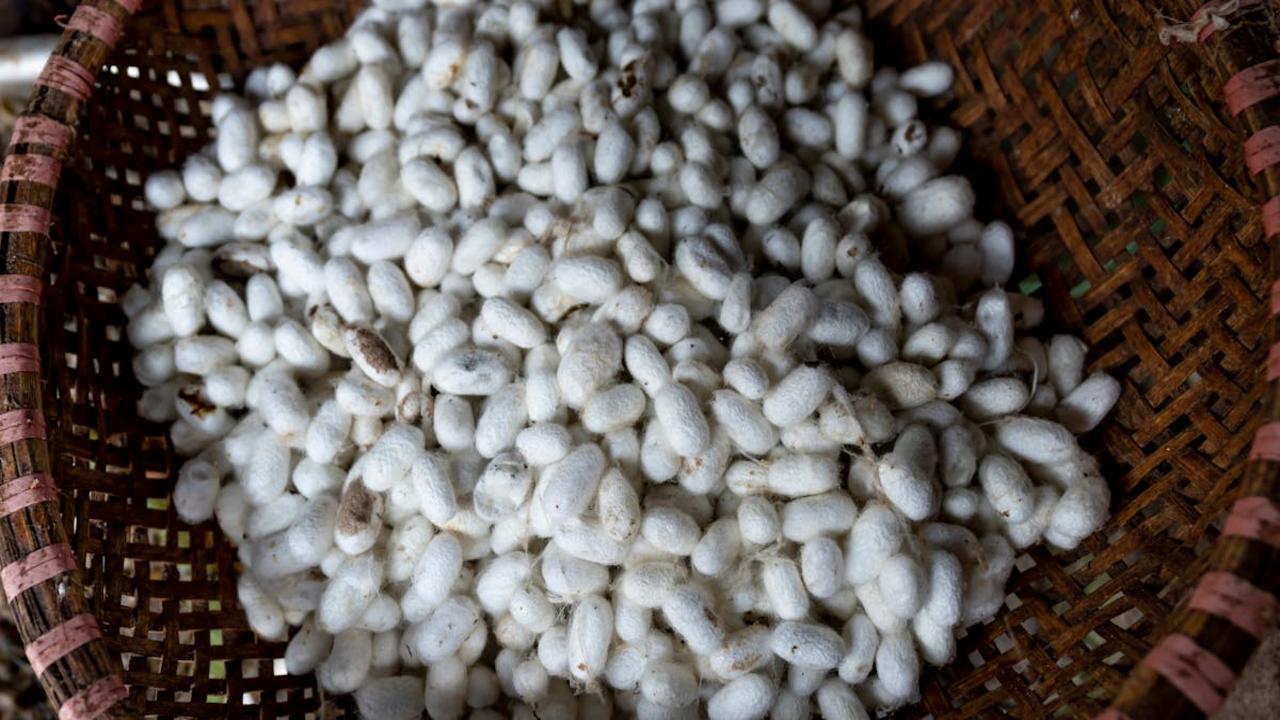
Picture this: you’re browsing the international aisle at your local grocery store, and suddenly you spot a can with what looks like tiny golden nuggets floating in brine. Congratulations, you’ve just discovered silkworm pupae! These little protein powerhouses are basically the chrysalis stage of silkworms – yes, the same creatures that spin silk for fancy scarves. In South Korea, they call them beondegi, and you’ll find street vendors selling steaming cups of these crunchy morsels like they’re roasted peanuts. The texture hits you like a surprise party in your mouth – imagine biting into a firm grape that’s decided to cosplay as a tiny dumpling.
Now, before you wrinkle your nose and scroll past, hear me out! These nutty-flavored protein bombs pack more punch than your average energy bar, loaded with amino acids and vitamins that would make a nutritionist weep tears of joy. I once convinced my skeptical brother to try them by telling him they tasted like “earthy popcorn with commitment issues” – and honestly, that’s not entirely wrong. The canned version makes them accessible to curious food adventurers who don’t happen to live near a Korean night market. Pro tip: if you’re brave enough to crack open a can, try tossing them in a stir-fry with garlic and soy sauce – they absorb flavors like tiny edible sponges and add an unexpected crunch that’ll have your dinner guests asking for your secret ingredient.
Canned Rattlesnake

Picture this: you’re browsing the canned goods aisle, minding your own business, when suddenly you spot a tin with a rattlesnake coiled on the label. Yes, you read that right—actual rattlesnake meat, preserved in a can like your grandmother’s green beans! This isn’t some backwoods novelty; it’s a legitimate protein source that’s been feeding adventurous eaters and survival enthusiasts for decades. The meat itself tastes surprisingly mild, with a texture that falls somewhere between chicken and fish, though die-hard fans insist it has its own unique character that you simply can’t replicate with boring old poultry.
Originally popularized in the American Southwest, canned rattlesnake became a practical solution for preserving this wild protein source year-round. The canning process removes all those pesky bones while keeping the meat tender and flavorful. You can eat it straight from the can (if you’re feeling particularly bold), toss it into a stir-fry, or mix it into chili for the ultimate conversation starter at your next dinner party. Fun fact: rattlesnake meat is actually quite nutritious, packed with protein and low in fat. Sure, your dinner guests might give you some strange looks, but hey, at least they’ll never forget the meal! Just remember to save the empty can—it makes for one heck of a conversation piece on your kitchen shelf.
Canned Cheesecake

Picture this: you’re standing in the grocery store, scanning shelves for dessert inspiration, when BAM! There it sits – an actual cheesecake imprisoned in a metal cylinder. Yes, you read that correctly. Some brilliant (or slightly unhinged) food scientist decided that America’s favorite creamy dessert needed the aluminum can treatment. The Japanese company Bourbon takes credit for this particular stroke of genius, creating a shelf-stable cheesecake that defies everything you thought you knew about physics and dairy products.
Now, before you start questioning the sanity of canned desserts, hear me out – this isn’t your grandmother’s New York-style masterpiece. Think more along the lines of a dense, sweet cheese mousse that somehow maintains its structural integrity without refrigeration. The texture falls somewhere between pudding and actual cheesecake, which sounds horrifying but actually works in a “I’m camping and desperately need dessert” kind of way. You can find these metallic treasures in Japanese convenience stores or order them online for about $8 per can. Pro tip: serve it chilled if you want to maintain any illusion that this resembles real cheesecake, or embrace the chaos and eat it straight from the can with a spoon while questioning your life choices.
Canned Whole Chicken
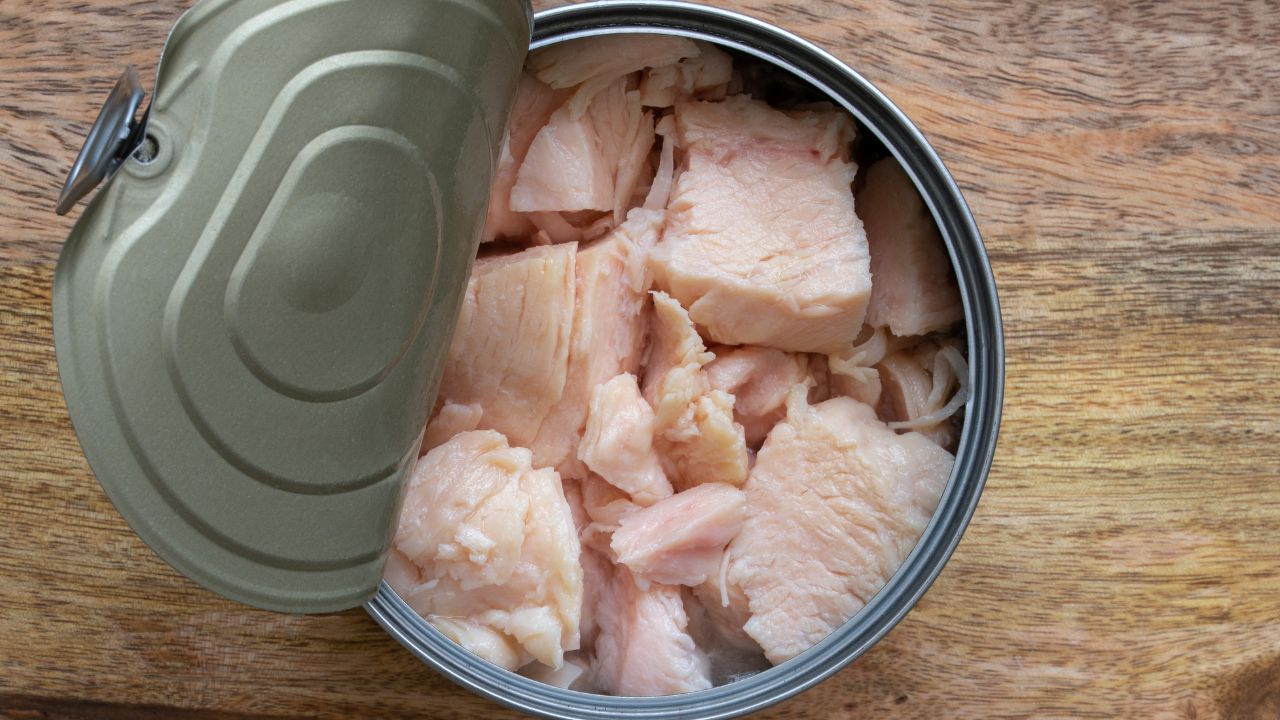
Picture this: you’re strolling down the canned goods aisle, minding your own business, when suddenly you spot what looks like a science experiment gone wrong. There it sits—a whole chicken, complete with bones, skin, and all its former glory, somehow crammed into a metal cylinder like some bizarre poultry magic trick. Sweet Valley Chicken Company made this fever dream a reality, and honestly, I’m both horrified and fascinated. The chicken slides out of the can in one gelatinous, wobbly mass that defies everything we know about physics and good taste. It’s like watching a horror movie, except the monster is dinner.
Now, before you run screaming from your computer screen, hear me out—this thing actually has fans! Camping enthusiasts swear by canned whole chicken because it requires zero refrigeration and provides enough protein to fuel a small army of hikers. The meat pulls apart surprisingly well once you get past the initial shock, and you can make decent chicken salad, soup, or even tacos if you’re feeling adventurous. Just don’t expect Instagram-worthy presentation. Pro tip: drain that suspicious jelly first (it’s just natural chicken juices, but it looks like alien slime), then shred the meat and season it heavily. Your taste buds will thank you, even if your eyes never recover from the initial trauma.