14 European Winter Comfort Foods Europeans Love That Americans Rarely Try
Winter in Europe means kitchens filled with aromas that most Americans never experience. While you’re reaching for mac and cheese or chicken noodles soup, Europeans warm themselves with dishes like caldo verde and knödel—foods that transform humble ingredients into soul-satisfying meals.
These comfort foods represent generations of home cooks working with seasonal ingredients, creating nourishing dishes from root vegetables, hearty grains, and preserved foods. You won’t find these recipes trending on American social media, yet they offer incredible depth and warmth that processed convenience foods simply can’t match.
Each dish tells a story of resourcefulness and tradition. From Portugal’s vibrant kale soup to Germany’s tender potato dumplings, these foods prove that comfort comes from understanding how simple ingredients work together. Your winter cooking will never be the same once you discover these European secrets.
Rosemary Polenta
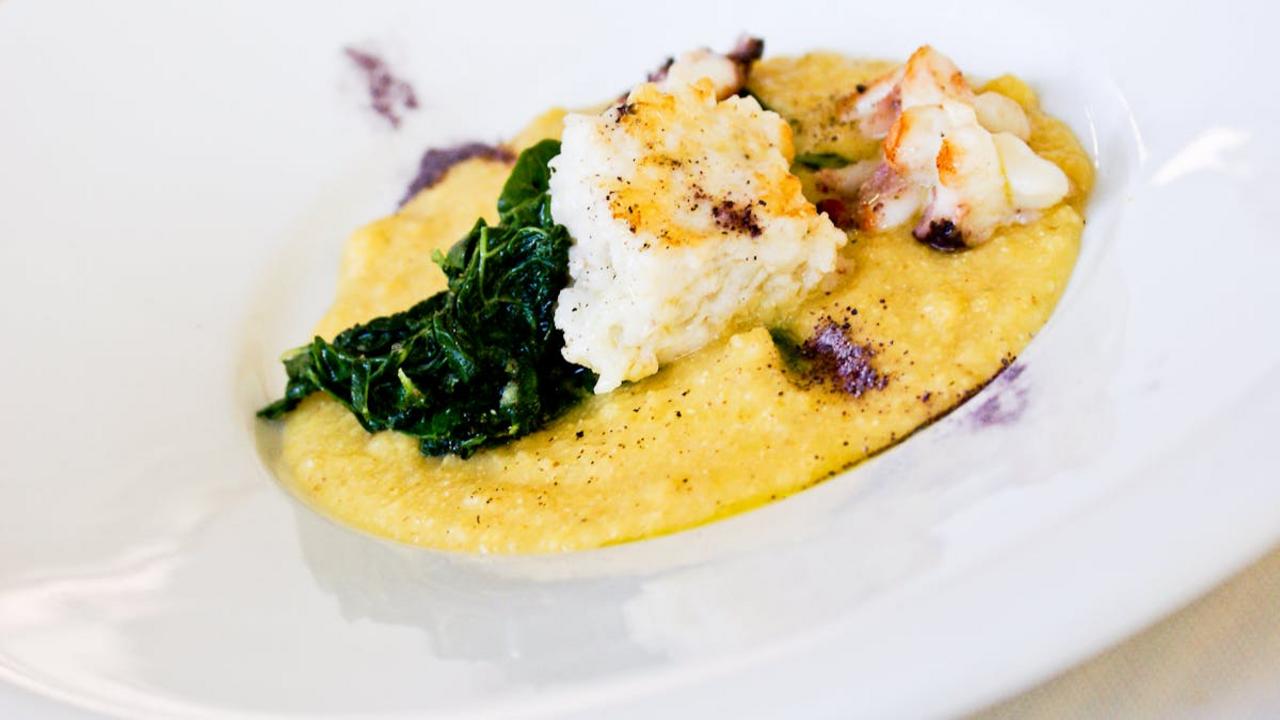
I remember the first time I encountered rosemary polenta in a tiny trattoria tucked away in Northern Italy’s mountains. The chef stirred fresh cornmeal with such patience, adding fragrant rosemary sprigs that perfumed the entire kitchen. What struck me most was how this humble dish transformed simple ingredients into something deeply satisfying. The creamy texture paired with earthy rosemary creates comfort that warms you from the inside out. Unlike the instant versions many Americans know, authentic polenta requires slow cooking and constant stirring, but the payoff is incredible.
Making rosemary polenta at home has become one of my favorite winter rituals. I start with coarse cornmeal, slowly whisking it into simmering broth while adding fresh rosemary sprigs. The key lies in patience—stirring constantly for about 30 minutes until the mixture becomes silky and pulls away from the pot’s sides. I finish mine with good olive oil and freshly grated Parmigiano-Reggiano, creating layers of flavor that make this dish sing. You can serve it creamy straight from the pot or spread it in a pan to cool, then slice and grill for a completely different texture. This versatile comfort food proves that the simplest ingredients often create the most memorable meals.
Red Cabbage (Rotkohl)
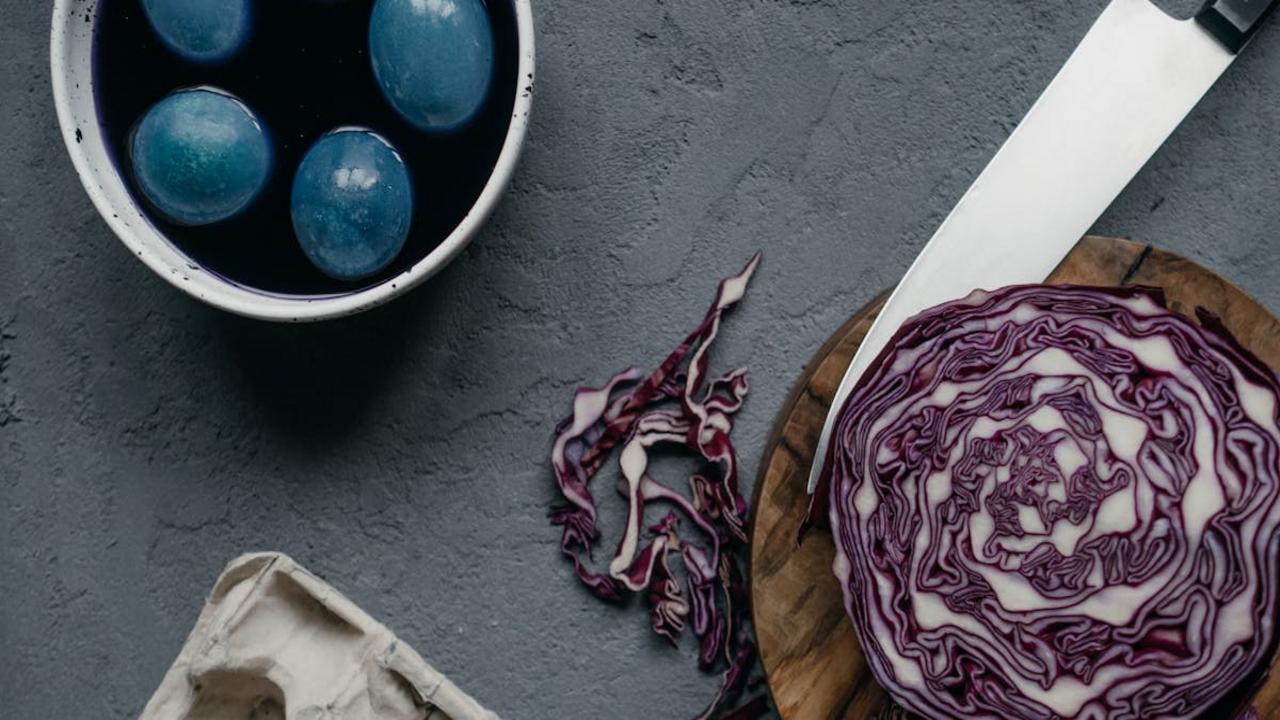
You know that magical moment when your kitchen fills with the most incredible sweet and tangy aroma? That’s exactly what happens when I prepare red cabbage the German way. This vibrant purple vegetable transforms into something completely different from the raw salads Americans typically know. I slow-cook mine with apples, onions, and a splash of red wine vinegar, creating layers of flavor that make your whole house smell like a cozy European Christmas market. The natural sugars caramelize beautifully, while the vinegar keeps that gorgeous deep purple color intact.
What I love most about rotkohl is how it bridges the gap between healthy and indulgent comfort food. You get all those incredible antioxidants from the cabbage, but the cooking method creates this rich, almost jam-like texture that feels like pure comfort. I often add a bay leaf and some juniper berries if I can find them, plus a touch of honey to balance the acidity. This side dish pairs beautifully with roasted meats, but I’ve also served it alongside grilled portobello mushrooms for my vegetarian friends. The best part? It actually tastes better the next day, making it perfect for meal prep or holiday entertaining.
Potato Dumplings (Knödel)

Picture this: fluffy clouds of potato goodness that soak up every drop of gravy and sauce around them. Knödel, Germany and Austria’s beloved potato dumplings, represent everything I adore about European comfort cooking – they transform humble potatoes into something truly magical. These aren’t your typical heavy dumplings either; when made right, they’re light, airy, and incredibly satisfying. I love how German cooks use day-old bread mixed with grated potatoes, creating texture that’s both tender and substantial. The best part? You can make them with whatever potatoes you have on hand, though starchy varieties work beautifully.
What fascinates me about knödel is how they adapt to whatever you serve them with – they’re like edible sponges that capture flavors while maintaining their own gentle potato character. I often make mine with fresh herbs from my garden, maybe some chives or parsley, which brightens the whole dish. Germans typically serve them alongside roasted meats with rich gravies, but I’ve discovered they’re incredible with simple mushroom sauces or even tossed with butter and fresh herbs. The technique might seem intimidating at first, but once you get the hang of mixing the potato-bread base just right, you’ll find yourself making these comforting dumplings regularly during cold months.
Roasted Parsnip with Honey

You know that sweet, earthy magic that happens when root vegetables meet high heat? Roasted parsnips with honey capture that feeling perfectly. I discovered this simple European comfort food during a particularly cold winter, and now I make it whenever I need something that feels like a warm hug on a plate. The natural sugars in parsnips caramelize beautifully in the oven, creating crispy edges while the centers stay creamy and tender. When you drizzle honey over them halfway through roasting, something incredible happens—the sweetness deepens and creates this glossy, golden coating that makes each bite absolutely irresistible.
What I love most about this dish is how it transforms a humble root vegetable into something special without any fussy techniques or processed ingredients. You simply toss peeled parsnip spears with olive oil, salt, and pepper, then roast them at high heat until they’re golden. The honey goes on during the last ten minutes, giving it just enough time to caramelize without burning. The result is a side dish that pairs beautifully with roasted meats or stands alone as a satisfying snack. Europeans have been enjoying this combination for generations, and once you try it, you’ll understand why it deserves a place on American tables too.
Buckwheat Blinis

Picture this: tiny, fluffy pancakes that carry the earthy richness of buckwheat flour, topped with a dollop of sour cream and perhaps a sprinkle of fresh dill or chives. These are blinis, and they’re absolutely magical. I discovered them during a particularly cold winter when I was experimenting with ancient grains in my kitchen. The nutty flavor of buckwheat creates these tender little rounds that feel both rustic and refined at the same time. What I love most about making blinis is how the batter comes together so simply – just buckwheat flour, eggs, milk, and a touch of yeast for that perfect rise.
You can serve blinis warm straight from the pan, which is how I prefer them, or let them cool and use them as a base for countless toppings. Think smoked fish, cream cheese, caramelized onions, or even a simple spread of butter with honey. The beauty lies in their versatility and the way buckwheat’s complex flavor pairs with both sweet and savory ingredients. Making them from scratch means you control every element, avoiding processed alternatives while creating something genuinely nourishing. Once you master this basic recipe, you’ll find yourself reaching for buckwheat flour more often – it’s one of those ingredients that transforms ordinary moments into something special.
Salsify Root Gratin

You know that moment when you discover an ingredient that completely changes your perspective on winter cooking? That’s exactly what happened when I first encountered salsify root in a small French market. This unassuming, beige root vegetable looks like a skinny parsnip, but don’t let appearances fool you – Europeans have been treasuring this “oyster plant” for centuries. The name comes from its surprisingly subtle, almost seafood-like flavor that develops when you cook it slowly. I love how salsify transforms from tough and fibrous to creamy and complex, making it perfect for gratins where it can absorb all those gorgeous flavors.
Making salsify root gratin feels like creating edible comfort in a dish. I slice the peeled roots thin, layer them with cream infused with fresh thyme and nutmeg, then top everything with aged Gruyère cheese. The magic happens in the oven – the roots become tender while the top turns golden and bubbly. What I find incredible is how this simple preparation highlights salsify’s unique character without masking it. The result is pure winter warmth: creamy, satisfying, and completely different from anything you’ll find in typical American comfort food. Once you try this European classic, you’ll understand why salsify deserves a permanent spot in your cold-weather cooking repertoire.
Herring in Cream Sauce
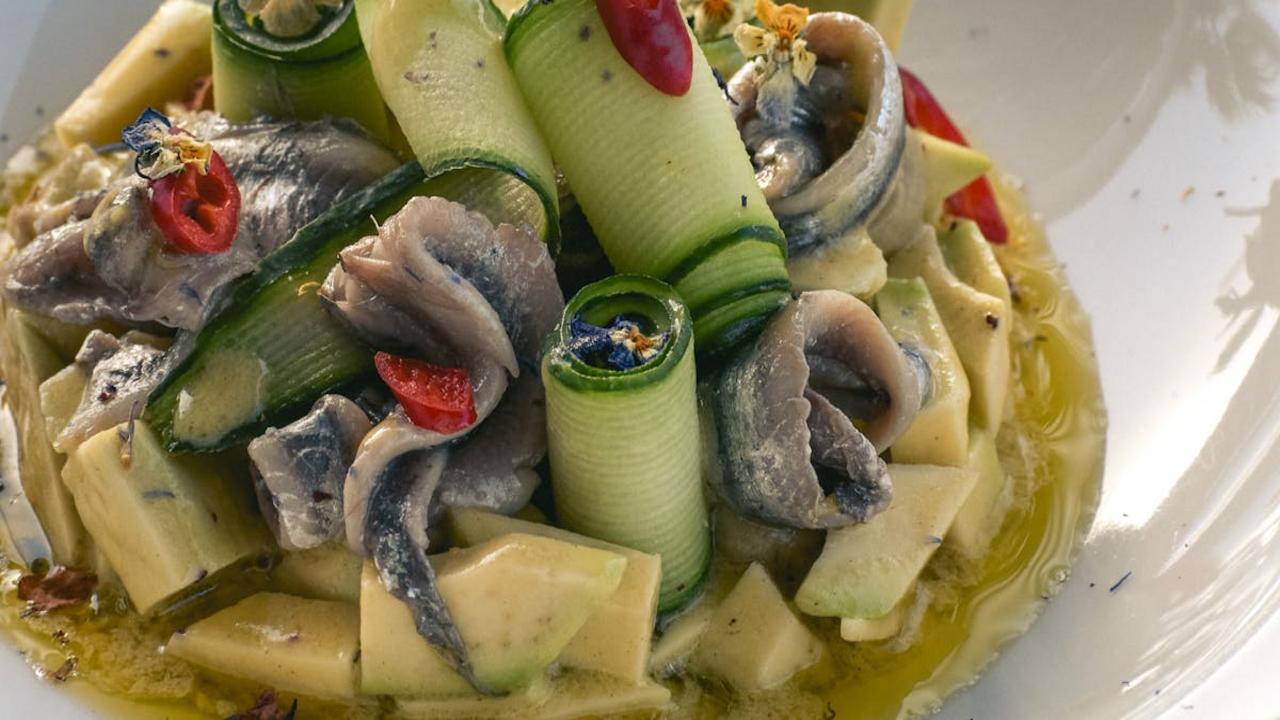
Picture this: silky pickled herring swimming in the most luxurious cream sauce, dotted with fresh dill and maybe a few capers for that perfect briny pop. This Scandinavian and Northern European staple transforms humble fish into something absolutely divine. I’ve watched my Swedish friend’s grandmother prepare this dish with such reverence, and I finally understand why Europeans get misty-eyed talking about it. The herring gets cured in salt and vinegar first, which gives it this incredible tender texture that just melts against the rich, tangy cream.
You serve this beauty on dark rye bread or boiled potatoes, and suddenly you have a meal that feels both rustic and elegant. The cream sauce isn’t heavy like you might expect – it’s bright with lemon juice and fresh herbs, creating this beautiful balance against the fish’s natural saltiness. Americans often shy away from herring, but this preparation makes it incredibly approachable. I love how this dish represents everything I believe about cooking from scratch – taking simple, whole ingredients and transforming them into something that nourishes both body and soul. The omega-3s from the herring paired with minimal processing makes this comfort food that actually comforts your health too.
Rutabaga Puree
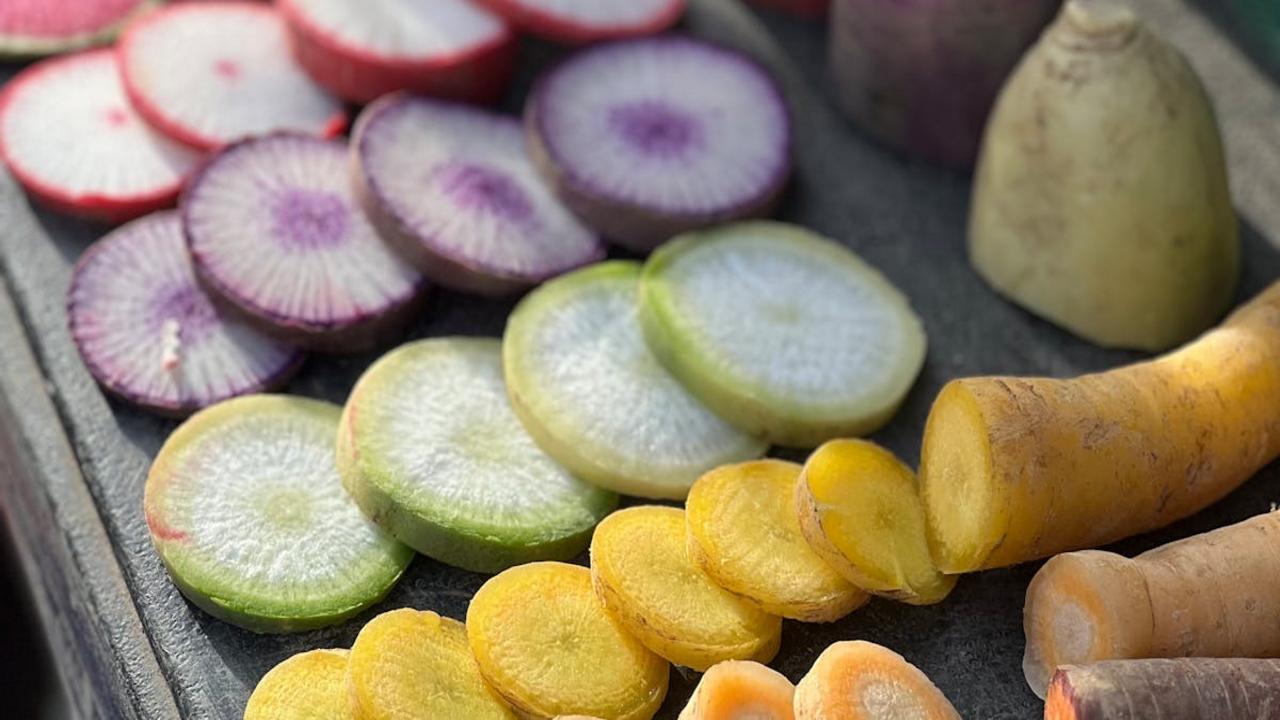
You know that moment when you discover an ingredient that completely changes your perspective on comfort food? That happened to me with rutabaga puree, and I’m convinced this Nordic treasure deserves a place on every American table. While Europeans have been mashing this golden root vegetable into creamy, soul-warming purees for generations, most of us here still walk right past rutabagas in the grocery store without a second glance. What a missed opportunity! This humble vegetable transforms into something absolutely magical when you treat it right – think of it as potato’s more sophisticated cousin with a subtle sweetness and earthy depth that makes every spoonful feel like a warm hug.
The beauty of rutabaga puree lies in its versatility and wholesome simplicity. I love roasting chunks of rutabaga until they’re caramelized and tender, then mashing them with just a touch of butter, cream, and maybe a hint of nutmeg or fresh herbs from my garden. The natural sugars concentrate during cooking, creating this incredible balance between sweet and savory that pairs beautifully with everything from roasted meats to grilled vegetables. Plus, rutabagas pack more nutrients than regular potatoes – more vitamin C, fiber, and minerals – so you’re nourishing your body while satisfying your comfort food cravings. Trust me, once you experience how this unassuming root vegetable can elevate your winter meals, you’ll wonder why it took so long to give it a chance.
Mulled Wine (Glühwein)

Nothing beats the magic of simmering wine with warming spices on a cold winter evening. I discovered this German tradition during my first Christmas market experience, and now I make it regularly throughout the colder months. You start with a decent red wine – nothing fancy, just something you’d enjoy drinking – then add cinnamon sticks, whole cloves, star anise, and orange peel. The slow, gentle heat transforms these simple ingredients into liquid comfort that fills your kitchen with the most incredible aroma.
What I love about glühwein is how forgiving and intuitive the recipe becomes once you understand the basic principle. You can adjust the sweetness with honey or maple syrup, add fresh ginger for extra warmth, or throw in some cardamom pods for an unexpected twist. The key is keeping the temperature low – never let it boil, or you’ll cook off all the alcohol and lose that mellow, warming effect. Serve it in heavy mugs with a cinnamon stick for stirring, and watch how quickly it transforms any gathering into something special. Americans often reach for hot chocolate, but this spiced wine offers a more sophisticated warmth that pairs beautifully with winter evenings and good conversation.
Blood Orange Salad
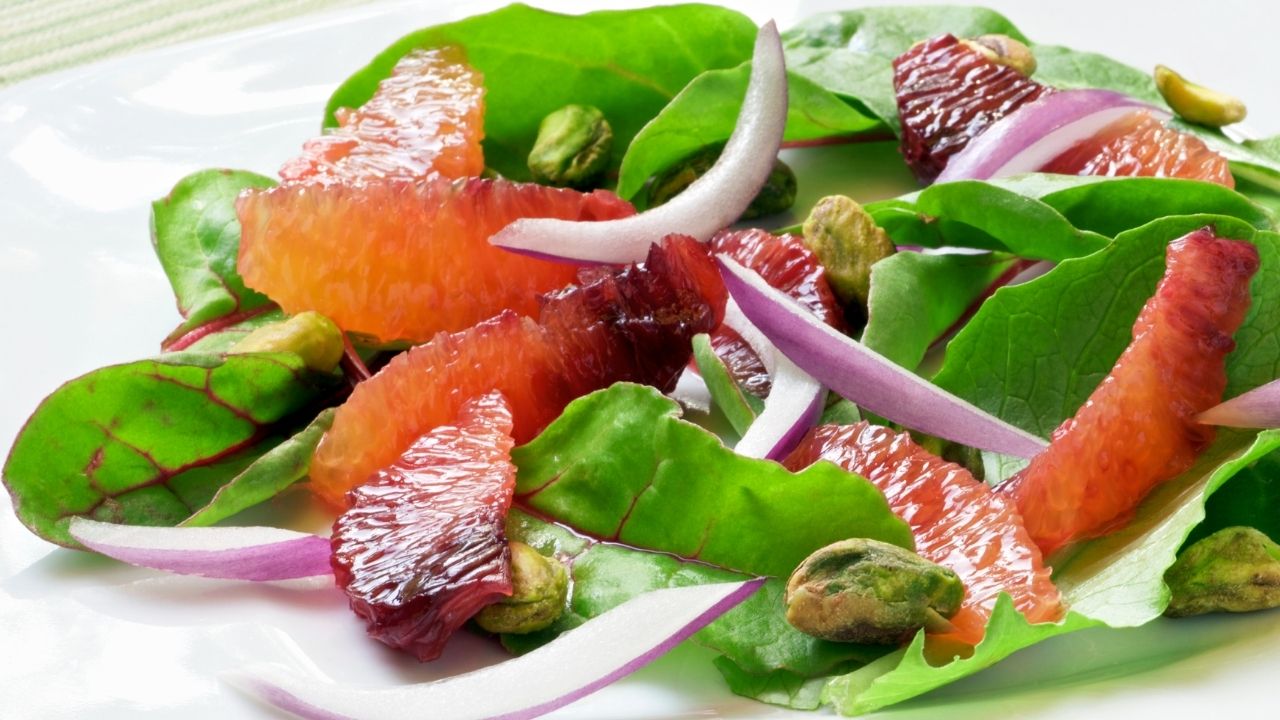
When winter arrives in Europe, blood oranges become the crown jewel of Mediterranean markets, their deep crimson flesh offering both visual drama and bright, complex flavors. You’ll find Europeans creating simple yet stunning salads that celebrate this seasonal fruit in ways that most Americans never experience. I love how European home cooks pair these gorgeous oranges with fennel, red onion, and good olive oil – creating something that feels both rustic and elegant. The natural tartness of blood oranges pairs beautifully with peppery arugula or bitter radicchio, creating layers of flavor that wake up your palate during those gray winter months.
What strikes me most about European blood orange salads is their intuitive simplicity – no heavy dressings or complicated techniques needed. You segment the oranges by hand, letting their natural juices become part of the dressing, then add whatever fresh herbs you have on hand. Mint, basil, or even fresh oregano transform this basic combination into something special. I’ve learned that Europeans often add a sprinkle of sea salt and cracked black pepper, which intensifies the fruit’s natural sweetness while balancing its acidity. This approach to winter eating – celebrating seasonal produce at its peak – creates nourishing meals that feel both satisfying and refreshing when comfort foods tend to get heavy.
Lentil Dal

You know what happens when European immigrants bring their comfort food traditions to new lands? Magic like lentil dal becomes a winter staple across many European households, especially in the UK where Indian influences run deep. I’ve watched friends from London to Amsterdam simmer red lentils with turmeric, cumin, and ginger on cold February nights, creating bowls of pure warmth that cost pennies to make. This isn’t just soup—it’s liquid comfort that transforms humble pantry ingredients into something that hugs you from the inside out.
What I love most about dal is how forgiving it becomes once you understand the basics. Start with red lentils because they cook faster than other varieties, then build your flavor base with onions, garlic, and whatever warming spices you have on hand. Add a splash of coconut milk for richness, or keep it simple with just water and a squeeze of lemon at the end. The beauty lies in how each family makes it differently—some add spinach, others prefer tomatoes, and many finish with fresh cilantro and a drizzle of good olive oil. Americans often overlook this protein-packed comfort food, but once you taste how satisfying and nourishing a proper dal can be, you’ll wonder why it took so long to discover.
Chestnut Gravy

Picture this: you’re walking through a European winter market, and the sweet, earthy aroma of roasted chestnuts fills the crisp air. Now imagine transforming those same chestnuts into a rich, velvety gravy that Europeans have been perfecting for generations. This isn’t your typical flour-based sauce – chestnut gravy brings a natural sweetness and incredible depth that pairs beautifully with roasted meats, especially game and pork. I love how this gravy showcases the versatility of chestnuts beyond just street snacks or holiday stuffing.
Making chestnut gravy feels like pure kitchen magic. You start by cooking fresh or dried chestnuts until tender, then blend them with warm stock to create this silky base. The natural starches in chestnuts act as a thickener, so you’re getting body and richness without any processed additives. I often add a splash of wine or brandy, some fresh herbs like thyme or sage, and maybe a touch of honey to balance the earthiness. The result is a gravy that tastes like autumn condensed into liquid form – nutty, slightly sweet, and incredibly satisfying. It’s the kind of sauce that transforms a simple roasted chicken into something that feels both rustic and elegant.
Celeriac Remoulade

Picture this: you walk into a French bistro on a crisp winter afternoon, and there it is—a mound of ivory-white ribbons glistening with creamy dressing, looking almost too elegant to be made from a gnarly root vegetable. Celeriac remoulade transforms the humble celery root into something magical. I love how this dish proves that the most unassuming ingredients can create the most sophisticated flavors. The celeriac brings this subtle, nutty sweetness that pairs beautifully with the tangy mustard-spiked mayonnaise, creating a salad that’s both refreshing and deeply satisfying during cold months.
What makes me excited about celeriac remoulade is how it challenges everything Americans think they know about winter salads. While we’re reaching for heavy, warm dishes, Europeans have mastered this art of creating something that feels both light and substantial. The key lies in julienning the celeriac into matchstick-thin pieces—I use a mandoline for consistency—then quickly tossing them with lemon juice to prevent browning. The homemade remoulade sauce, with its perfect balance of Dijon mustard, mayo, capers, and fresh herbs, transforms this root vegetable into a conversation starter that guests never forget.
Kale Soup (Caldo Verde)
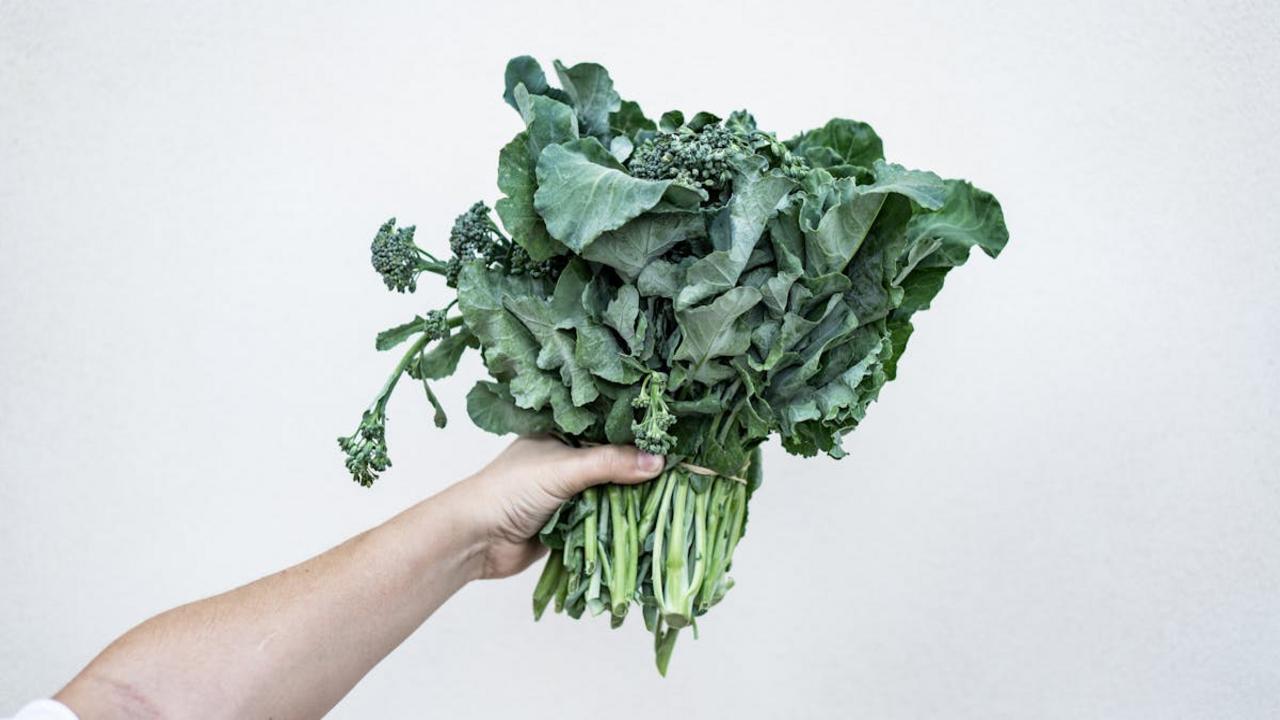
Picture this: you’re standing in your kitchen on a cold evening, craving something that will warm you from the inside out. That’s exactly when I reach for my Portuguese caldo verde recipe. This isn’t your typical American kale preparation—forget massaging leaves for salads or baking chips. Here, you take those sturdy greens and slice them paper-thin, almost like confetti, then drop them into a silky potato broth that’s been enriched with good olive oil and smoky chouriço sausage. The magic happens in those final minutes of cooking when the kale wilts into emerald ribbons that dance through the creamy base.
What strikes me most about caldo verde is how it transforms humble ingredients into pure comfort. You start with potatoes, onions, and garlic—pantry staples that cost practically nothing—then build layers of flavor with quality olive oil and that distinctive Portuguese sausage. The soup teaches you patience too; you can’t rush the potato base, which needs time to break down and create that naturally creamy texture without any dairy. I love how this dish represents everything I believe about cooking: simple ingredients, minimal processing, maximum nourishment. Every spoonful delivers protein, vegetables, and satisfying warmth that makes winter evenings feel like a warm hug.