14 Nostalgic 1970s Restaurant Favorites Ready to Make a Mouthwatering Comeback
Remember those glamorous nights at fancy restaurants in the 1970s? The tableside cooking, the dramatic flambés, and the rich, indulgent dishes created an unforgettable dining experience. Now these classic recipes are making their way back into modern kitchens, bringing their timeless charm to a new generation.
From the buttery delight of Steak Diane to the sweet spectacle of Cherries Jubilee, these dishes remind us of a time when dining out meant putting on your best outfit and making an evening of it. Each recipe carries stories of special occasions, celebrations, and memories shared around the table.
I’ve gathered 14 iconic dishes that defined fine dining in the 1970s. These recipes showcase the bold flavors and showmanship that made this era so special. With simple instructions and modern updates, you can recreate these classics right in your kitchen today.
Baked Alaska
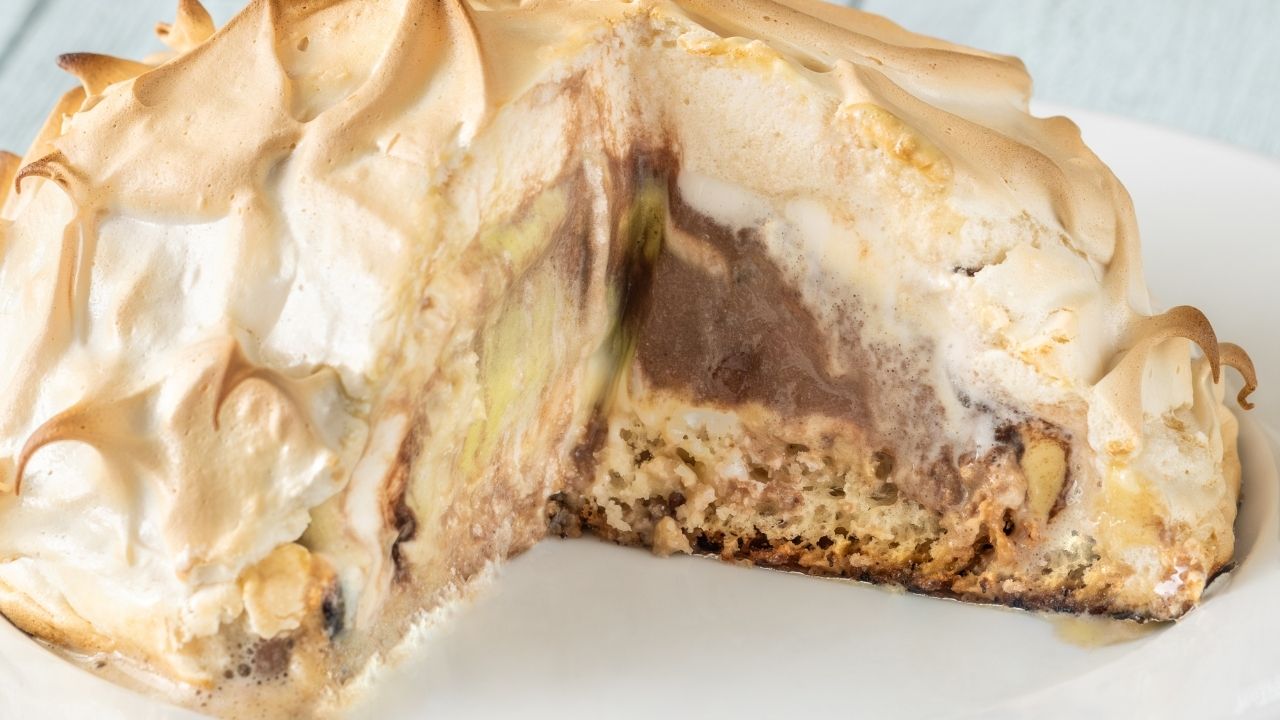
You’ll find pure magic in every spoonful of Baked Alaska, the show-stopping dessert that ruled 1970s dinner parties. This dreamy creation features ice cream nestled on a tender sponge cake base, wrapped in a cloud of toasted meringue. The real excitement happens when you torch the meringue peaks until they turn golden brown, creating that perfect contrast between the warm, crispy exterior and the cold, creamy center. I remember my mom making this spectacular treat for special occasions, and guests would always gasp in delight when she brought it to the table.
The beauty of Baked Alaska lies in its versatility – you can mix and match ice cream flavors and cake bases to create your own signature version. Try combining chocolate cake with mint chip ice cream, or go classic with vanilla sponge and strawberry ice cream. The key to success? Make sure your ice cream is frozen solid before wrapping it in meringue, and work quickly when adding the final meringue layer. This retro dessert deserves its comeback moment, bringing that perfect blend of nostalgia and “wow factor” back to modern dinner tables.
Chateaubriand for Two
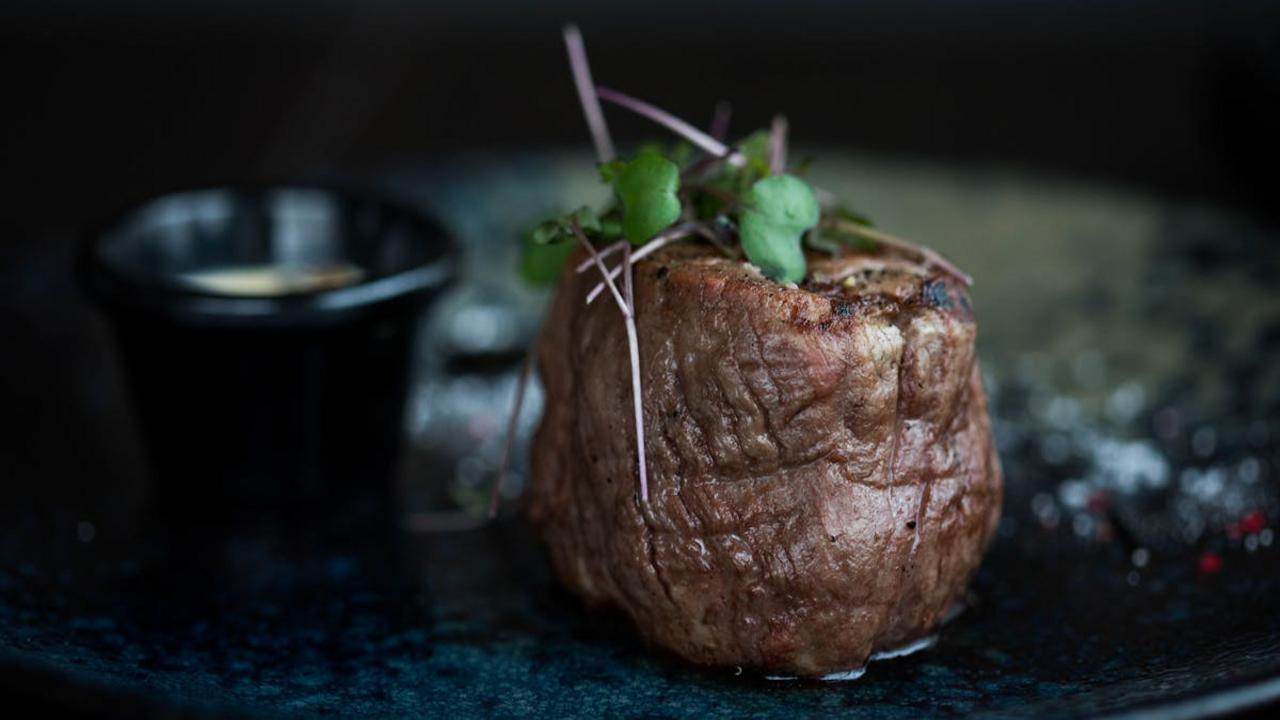
Remember those special date nights in the 1970s when couples would share a perfectly cooked Chateaubriand? This luxurious thick-cut tenderloin steak, traditionally served for two, stood as the crown jewel of romantic restaurant dining. The tender beef would arrive at your table on a heated silver platter, accompanied by béarnaise sauce and often carved right there by your server. The presentation made every couple feel like royalty, creating an intimate dining experience that transformed an ordinary evening into something extraordinary.
I’m thrilled to see this classic making its way back to modern restaurants and home kitchens. The beauty of Chateaubriand lies in its simplicity – a center-cut beef tenderloin, seasoned generously with salt and pepper, then roasted to perfection. The meat should be crispy on the outside while maintaining a juicy, pink center. Today’s home cooks can recreate this nostalgic dish with a good quality cut from their local butcher, some fresh herbs, and basic cooking techniques. Pair it with traditional sides like chateau potatoes and fresh vegetables for an authentic 70s steakhouse experience right at home.
Sole Meuniere
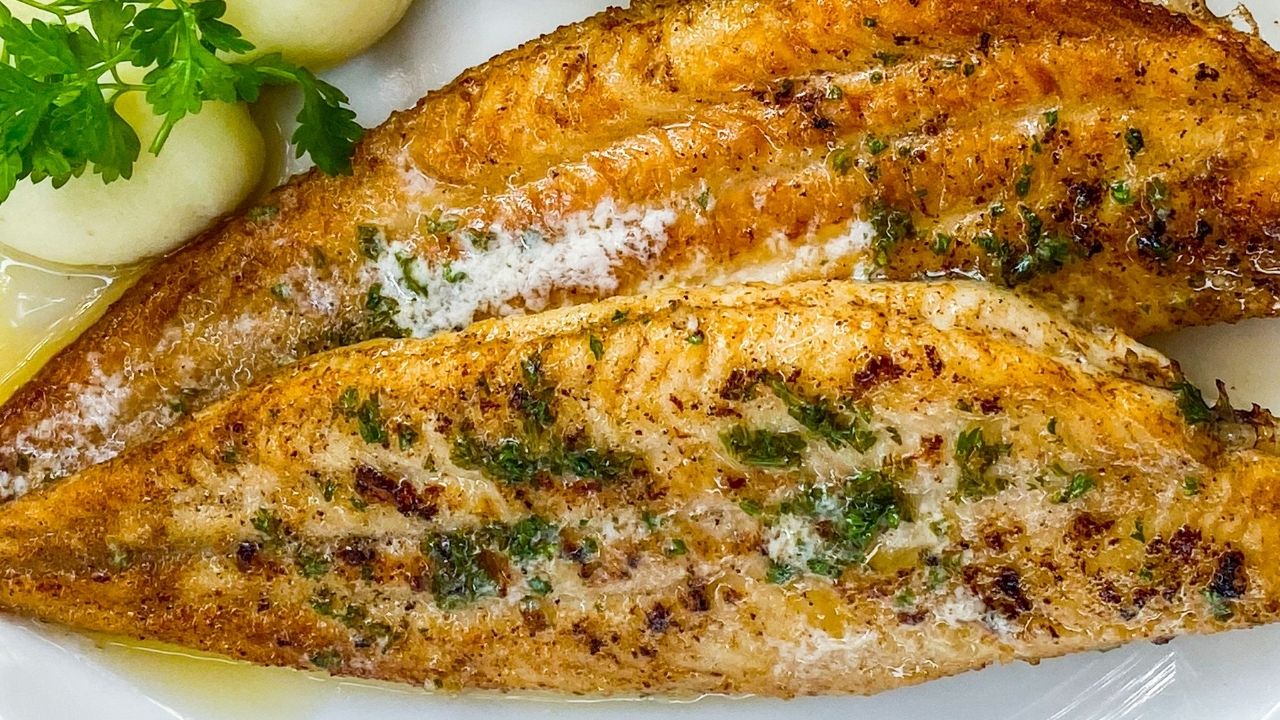
I can’t help but reminisce about Sole Meuniere, a French classic that dominated upscale restaurants throughout the 1970s. This simple yet refined dish features delicate sole fillets dredged in flour, pan-fried in butter until golden brown, and finished with a bright lemon and parsley sauce. The magic happens when the butter turns nutty brown, creating a rich, velvety coating that makes each bite pure bliss. You’ll find this dish particularly special because it balances lightness with indulgence – perfect for those nights when you want something fancy yet uncomplicated.
Making Sole Meuniere at home brings back memories of those elegant restaurant experiences, but with a modern twist. Today’s home cooks can easily recreate this dish using sustainable fish options and clarified butter for a cleaner finish. The preparation remains wonderfully straightforward: just dust the fish in seasoned flour, cook it in sizzling butter until crisp, and drizzle with that heavenly brown butter sauce. Add some capers for extra zing, and serve it with steamed vegetables or a light salad. Your dinner guests will think you’ve channeled a professional French chef!
Quiche Lorraine
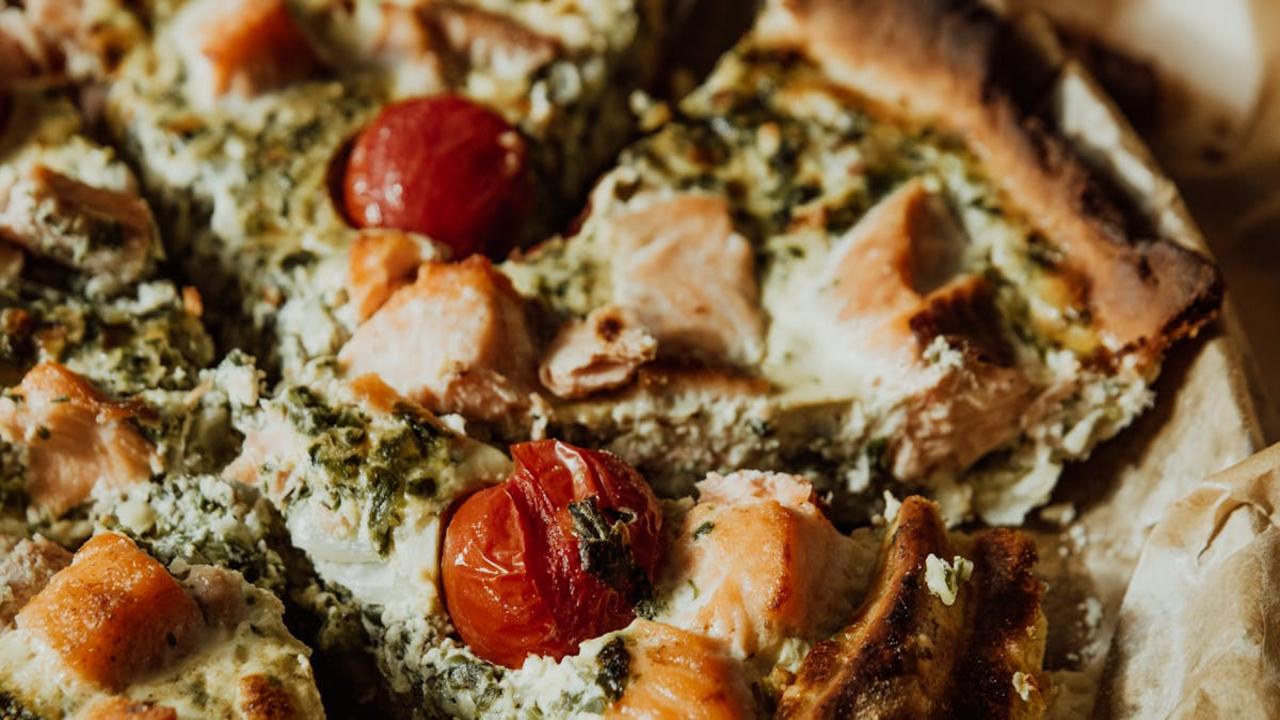
I remember my first bite of Quiche Lorraine at my aunt’s dinner parties in the ’70s – this savory French tart was the star of every gathering! The combination of crispy pastry filled with eggs, cream, smoky bacon, and Swiss cheese created such a rich and satisfying dish that made everyone ask for seconds. While some people thought quiche was fancy or complicated, it actually became a go-to recipe for busy families who wanted to serve something special without spending hours in the kitchen.
Today, I see Quiche Lorraine making its way back onto brunch menus and family tables – and for good reason! The beauty of this dish lies in its versatility – you can serve it hot or cold, for breakfast, lunch, or dinner. I love making a big quiche on Sunday and enjoying the leftovers throughout the week. The classic recipe stays true to its roots with bacon and Gruyere cheese, but don’t be afraid to add your own twist with different cheeses or vegetables. Your family will thank you for bringing this ’70s favorite back to the table!
Lobster Thermidor
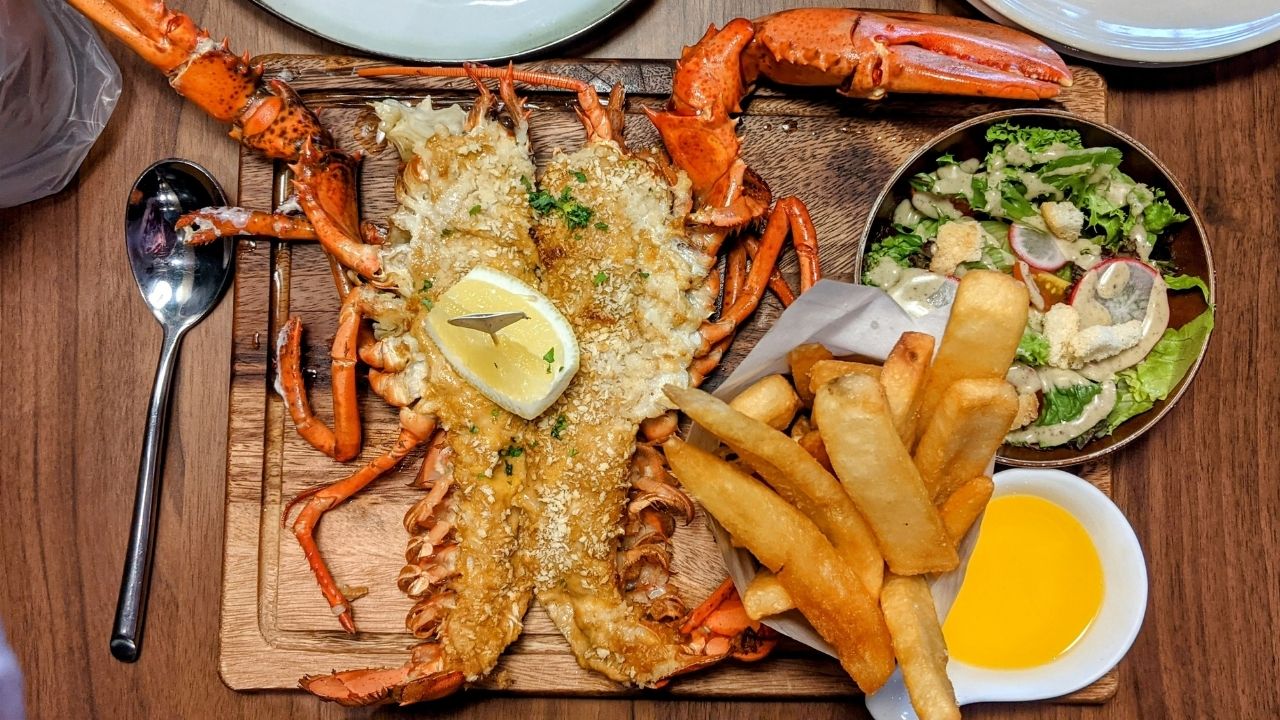
Oh, how I miss the glamorous days when Lobster Thermidor ruled every high-end restaurant menu in the 70s! This rich French dish combines succulent lobster meat with a velvety sauce made from butter, cream, mustard, and cognac, all topped with golden, bubbling Gruyere cheese. The preparation may look fancy, but I promise you can make this showstopper at home. The key lies in gently cooking the lobster meat before folding it into the luxurious sauce and returning it to its shell for the final broil.
The dish got its name from a play called “Thermidor” that opened at the Comédie-Française in 1891, and quickly became a symbol of fine dining throughout the 1970s. Today, you’ll find modern takes on this classic that lighten up the sauce while keeping all the decadence intact. I love serving this with a crisp green salad and crusty bread to soak up every last drop of that heavenly sauce. While it might seem intimidating at first, making Lobster Thermidor will give you serious bragging rights at your next dinner party – and trust me, your guests will beg for seconds!
Bananas Foster
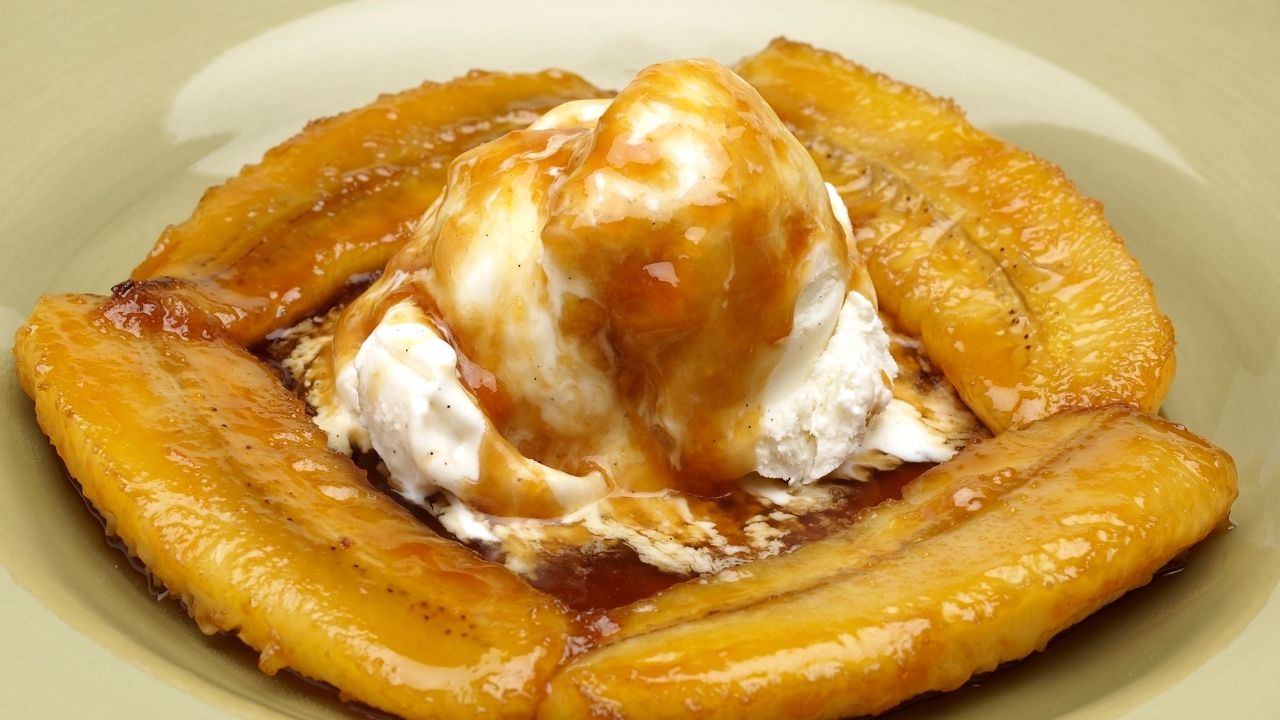
I’ll never forget my first encounter with Bananas Foster at my grandmother’s house in the ’70s – the theatrical presentation of caramelized bananas flambéed tableside in rum sauce left everyone wide-eyed and amazed. This New Orleans classic combines ripe bananas sautéed in butter, brown sugar, and cinnamon, then gets set ablaze with banana liqueur and rum. The warm, gooey bananas served over vanilla ice cream created pure magic that made every special occasion memorable.
You’ll find this retro dessert making waves again in modern restaurants, and it’s easy to see why. The combination of warm, caramelized fruit with cold, creamy ice cream hits all the right notes. While the original recipe remains unchanged, today’s chefs add their own twists – think dark chocolate drizzles, candied pecans, or a splash of bourbon instead of rum. Making this at home? Just remember to have a fire extinguisher handy and keep those eyebrows intact! The reward is worth it: a dessert that brings both nostalgia and excitement to your table.
Veal Oscar
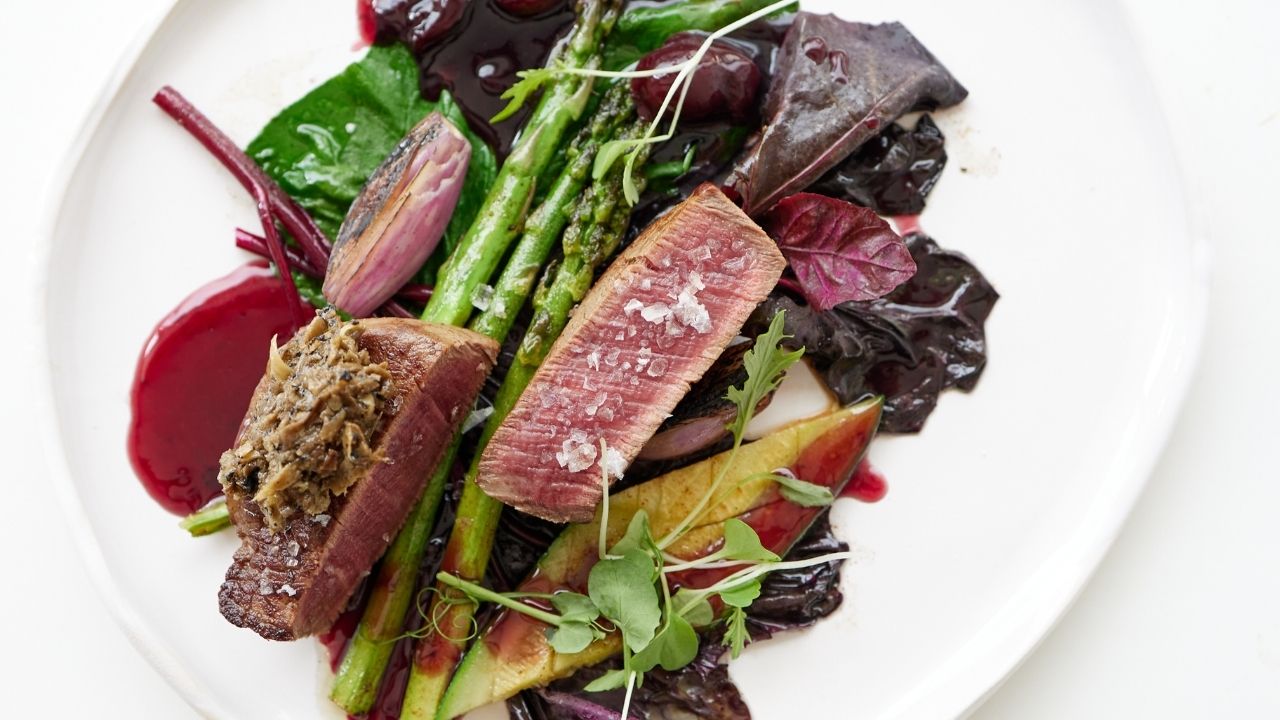
The 1970s brought us Veal Oscar, a luxurious dish that combined tender veal cutlets with succulent crab meat, fresh asparagus spears, and a rich béarnaise sauce. This decadent creation got its name from Sweden’s King Oscar II, who adored the combination of veal and seafood. The dish became a staple at high-end restaurants across America, where chefs would pound the veal until paper-thin, pan-fry it to golden perfection, and layer it with sweet lump crab meat and bright green asparagus.
Today, you can recreate this classic dish at home with a few modern twists. While traditional Veal Oscar calls for béarnaise sauce, many home cooks now opt for a lighter hollandaise or even a lemony butter sauce. The key lies in choosing quality ingredients – tender milk-fed veal, fresh lump crab meat, and in-season asparagus make all the difference. Serve this showstopper with roasted fingerling potatoes and a crisp white wine for a dinner party that will transport your guests back to the sophisticated dining rooms of the 1970s.
Crepes Suzette
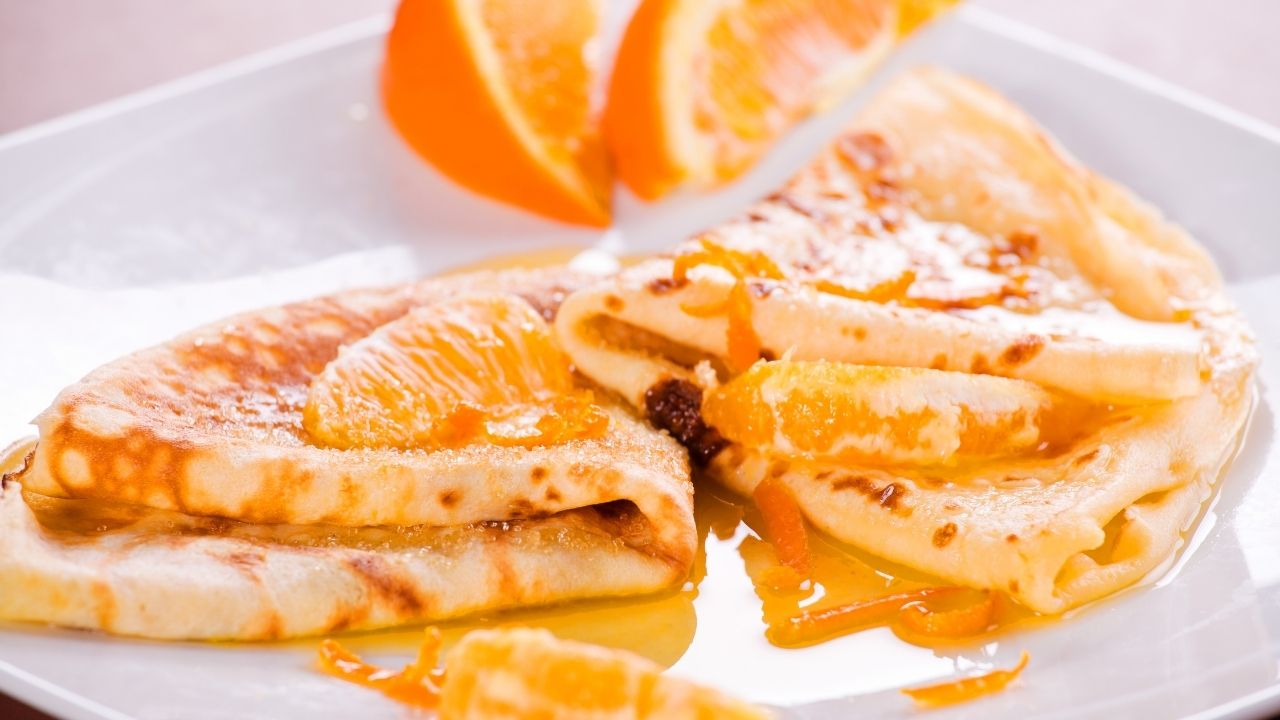
You’ll want to add this French classic to your weekend brunch rotation! Crepes Suzette brings together light, delicate crepes with a bright orange-butter sauce and a touch of theatrical flair. The magic happens when you pour warmed orange liqueur over the crepes and ignite it tableside, creating those beautiful blue flames that made this dish a 70s restaurant superstar. The caramelized citrus sauce blends fresh orange juice, butter, and a hint of orange zest to create a silky smooth coating that transforms simple crepes into something extraordinary.
I remember my grandmother making this glamorous dessert for special occasions – she’d dim the lights and we’d all gather around as she performed the dramatic flambé finale. The best part? You can recreate this retro showstopper at home with basic ingredients and a little practice. Start by mastering a basic crepe batter (it’s easier than you think), then work on that velvety orange sauce. Once you nail the technique, you’ll have a go-to dessert that never fails to impress guests and brings back those wonderful memories of fancy restaurant dining from decades past.
Beef Stroganoff
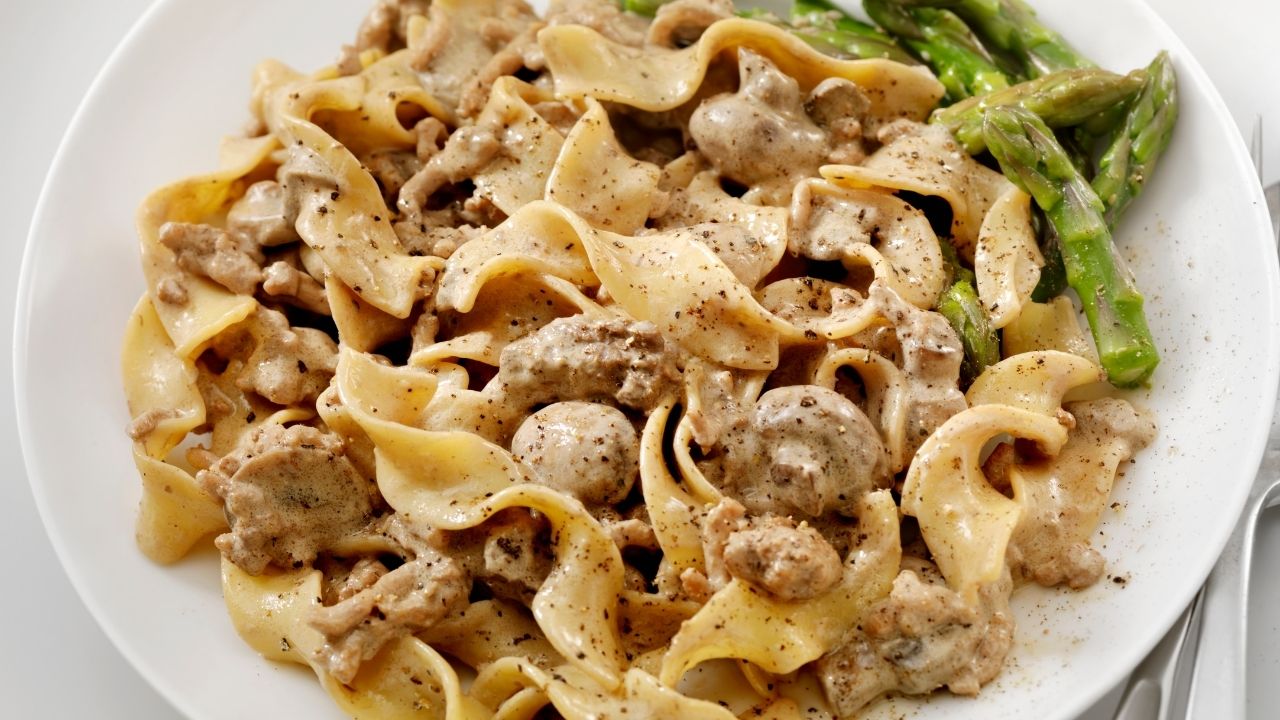
I can still remember my mom making Beef Stroganoff on those chilly winter evenings in the 70s – the rich aroma of tender beef strips and mushrooms simmering in a creamy sauce would fill our entire house. This Russian-inspired dish became a true American comfort food staple during the decade, winning hearts with its perfect blend of egg noodles, sautéed beef, and a velvety sour cream sauce. The combination created such a satisfying and filling meal that families across the country added it to their weekly dinner rotation.
You’ll find the magic of this dish lies in its simple preparation but complex flavors. The tender strips of beef, browned to perfection, mix beautifully with earthy mushrooms and onions. The sauce, made from beef broth and sour cream, transforms into something extraordinary when it coats each tender egg noodle. While some modern versions try to lighten up the recipe with Greek yogurt or lean cuts, the classic 70s version with full-fat sour cream and well-marbled beef delivers that authentic, nostalgic comfort we remember. This beloved dish deserves its comeback moment, bringing warmth and satisfaction to a new generation of food lovers.
Duck a l’Orange
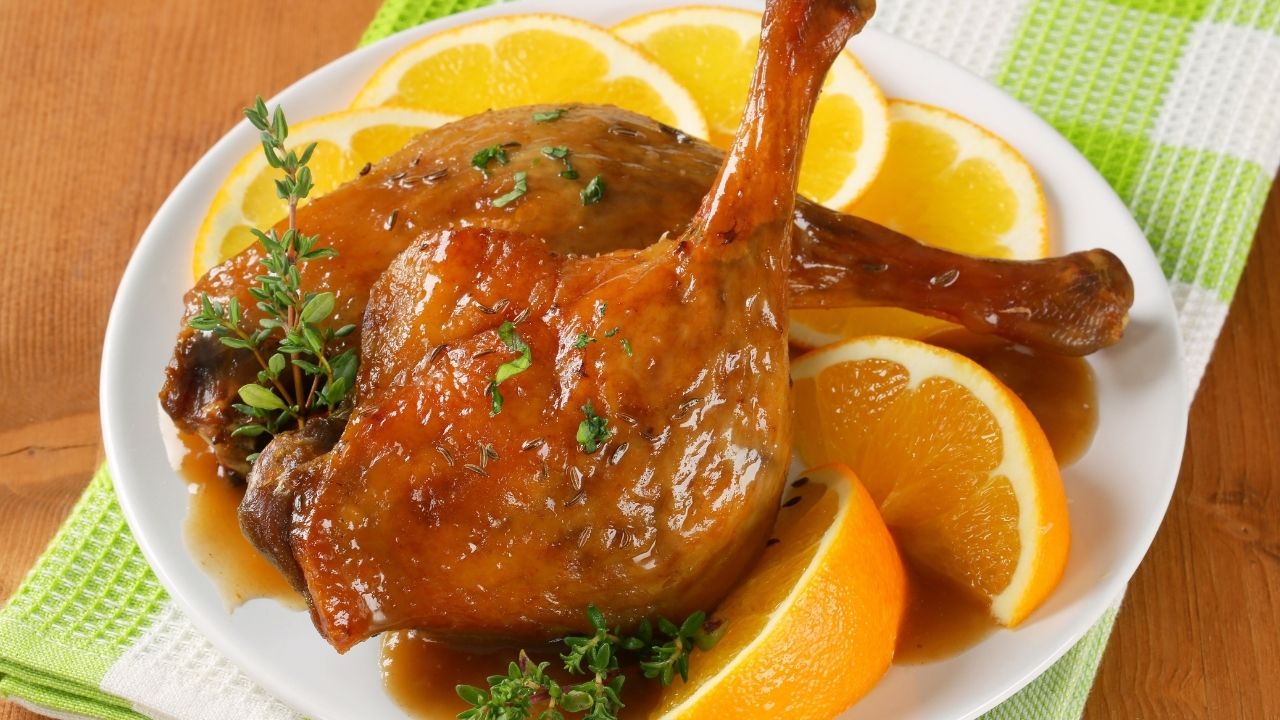
The 1970s brought us Duck a l’Orange, a luxurious French dish that combined tender, crispy-skinned duck with a bright citrus sauce. This classic recipe features a whole roasted duck with perfectly rendered fat and golden-brown skin, served with a rich orange sauce made from fresh orange juice, white wine, and pan drippings. The sauce gets its depth from caramelized sugar and a hint of vinegar, creating a perfect balance of sweet, acidic, and savory flavors.
You can recreate this elegant dish at home with simple ingredients and basic techniques. Start by scoring the duck skin in a diamond pattern and roasting it until crispy. Meanwhile, make the sauce by reducing orange juice with sugar until it thickens, then adding stock and butter for richness. The secret to the perfect Duck a l’Orange lies in the sauce consistency – it should coat the back of a spoon but still flow smoothly. Serve this showstopper with roasted potatoes and green beans for a complete retro-inspired dinner that will impress your guests.
Chicken Kiev
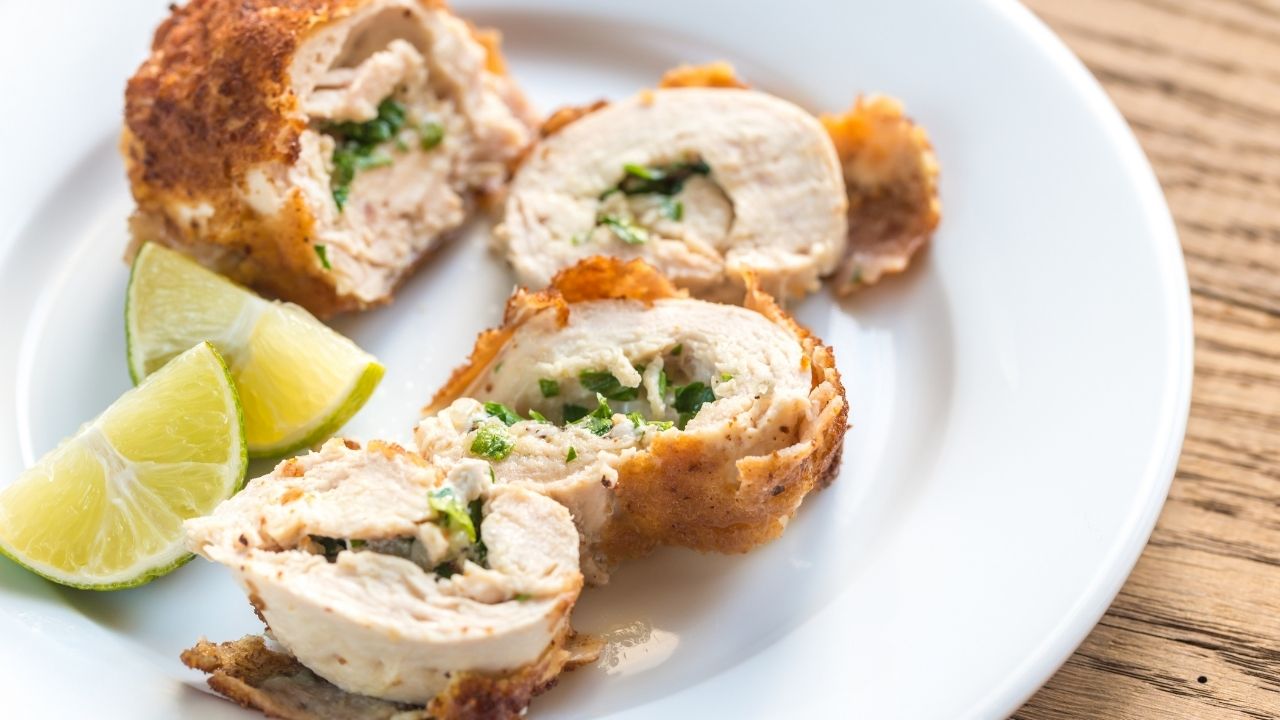
Get ready to rediscover the buttery magic of Chicken Kiev, a classic 1970s dish that will transport you back to elegant dinner parties and fancy restaurant nights. This golden-breaded chicken breast, filled with herb-infused butter that creates an irresistible burst of flavor when you cut into it, remains one of the most memorable dishes from the disco era. The combination of crispy coating, tender chicken, and that moment when the garlic-parsley butter flows onto your plate makes this dish pure nostalgia on a plate.
Making Chicken Kiev at home might seem intimidating, but you’ll find it’s worth every minute of preparation. Start by pounding chicken breasts until thin, then wrap them around cold herb butter before coating them in seasoned breadcrumbs. The trick to perfect Chicken Kiev lies in keeping the butter sealed inside during cooking – double-breading helps prevent leaks and creates an extra-crunchy exterior. Serve it with mashed potatoes or rice to soak up all that wonderful butter sauce, and add steamed vegetables for a complete meal that brings back the best of retro dining.
Oysters Rockefeller
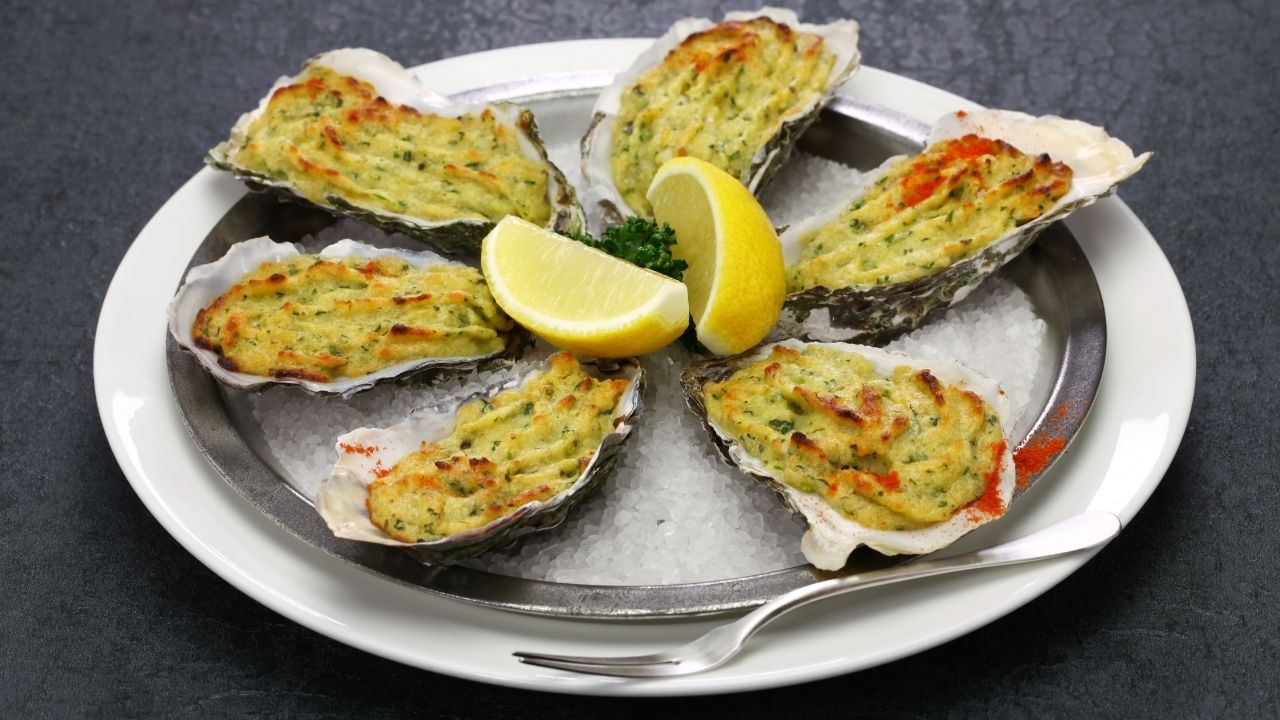
I still remember my first encounter with Oysters Rockefeller at my grandmother’s dinner parties in the ’70s – those perfectly baked oysters topped with a rich blend of spinach, herbs, and butter. This classic dish, created at Antoine’s Restaurant in New Orleans in 1899, became a must-have appetizer at every upscale restaurant during the 1970s. The combination of fresh oysters with the creamy, herbaceous topping creates pure magic on your plate, and I’m thrilled to see modern restaurants bringing back this sophisticated starter.
Making Oysters Rockefeller at home might seem intimidating, but trust me – you can master this elegant dish with just a few key ingredients. Start with fresh oysters, shuck them carefully, and top them with a mixture of sautéed spinach, garlic, green herbs, and breadcrumbs. A quick broil in the oven transforms them into golden-brown bites of heaven. The best part? You can prep everything ahead of time and pop them under the broiler right before your guests arrive. This retro favorite deserves its comeback moment, bringing that perfect blend of coastal freshness and rich, satisfying flavors to your table.
Cherries Jubilee
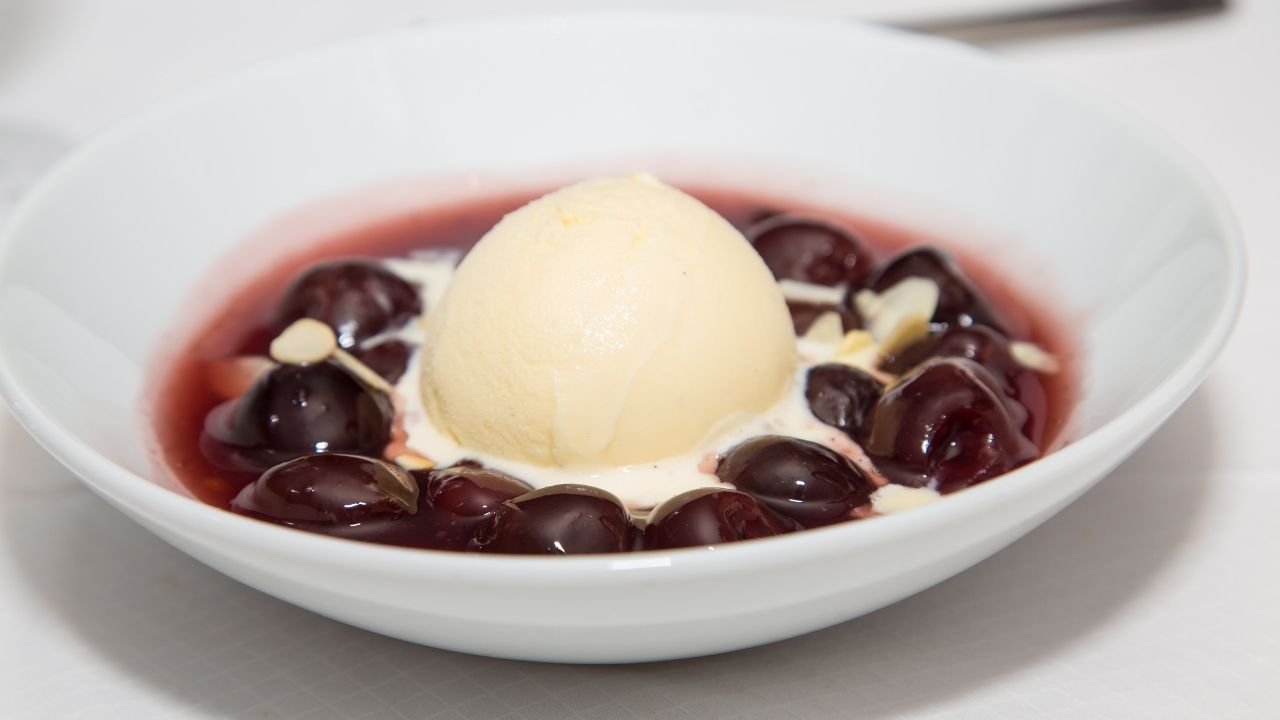
I can still picture my grandmother making Cherries Jubilee at every special family gathering in the 70s – the way she’d dramatically flambé dark cherries in brandy, creating those mesmerizing blue flames that would dance across the pan. This classic dessert combines sweet cherries cooked in sugar syrup and brandy, then gets set aflame before being poured over vanilla ice cream. The combination of warm, boozy cherries with cold, creamy ice cream creates pure magic in your mouth.
Making Cherries Jubilee at home is simpler than you’d think! Start with fresh or frozen dark sweet cherries, cook them down with sugar until they release their juices, then add a splash of brandy. The key to successful flambéing lies in warming the brandy slightly before igniting it – this helps create that signature flame effect. While many modern desserts focus on complex layers and intricate decorations, Cherries Jubilee reminds us that sometimes the most memorable dishes are the ones that bring a bit of tableside theater to your dining experience.
Steak Diane
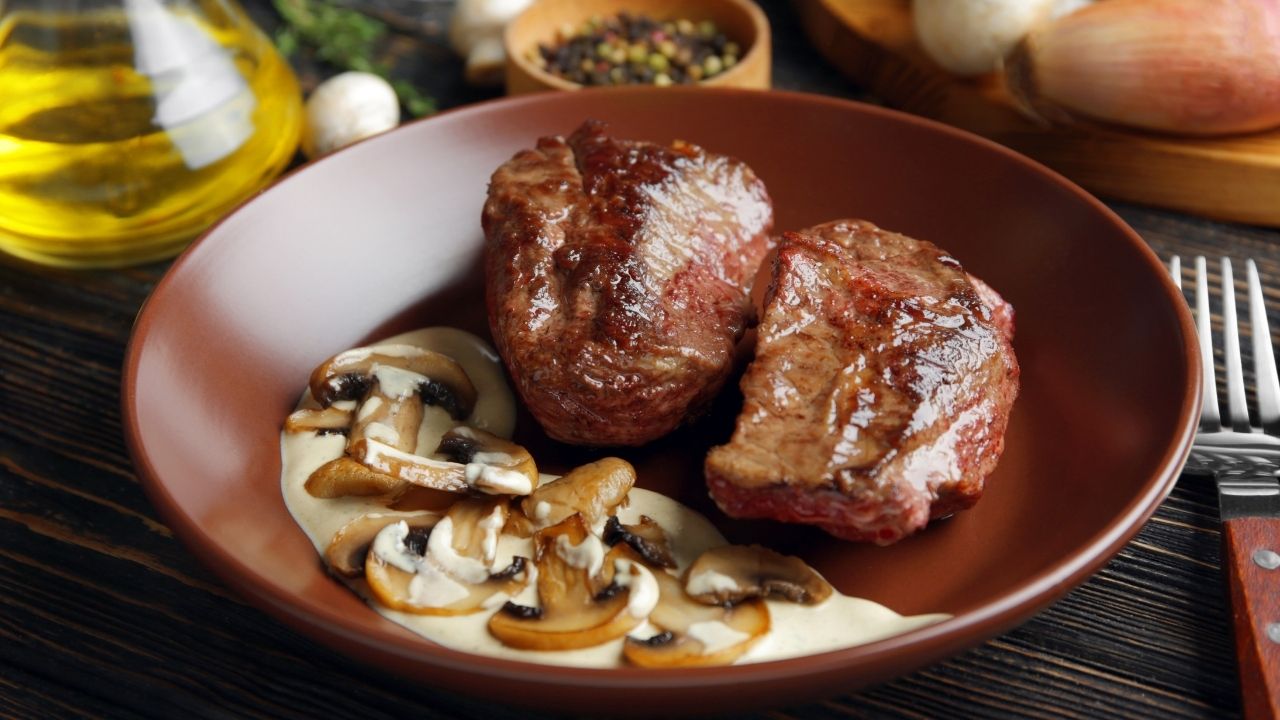
You’ll want to add this retro steakhouse favorite to your dinner rotation! Steak Diane was the star of 1970s fine dining, featuring tender beef medallions in a rich mushroom cream sauce, flambéed tableside with cognac for extra drama. The dish got its name from the Roman goddess Diana, and became a symbol of sophisticated dining during the decade. I remember my parents talking about how the flames would shoot up while the waiters prepared this showstopper right at their table.
Making Steak Diane at home brings all the glamour without the fancy restaurant prices. Start with quality beef tenderloin, pound it thin, then cook it quickly in a hot pan. The magic happens when you add mushrooms, shallots, and mustard to create that signature sauce. While the tableside flambe might be best left to the professionals, you can still achieve that deep, complex flavor by adding a splash of brandy to your sauce. Top the steak with fresh parsley and serve it with crispy potatoes for a truly nostalgic dinner experience.