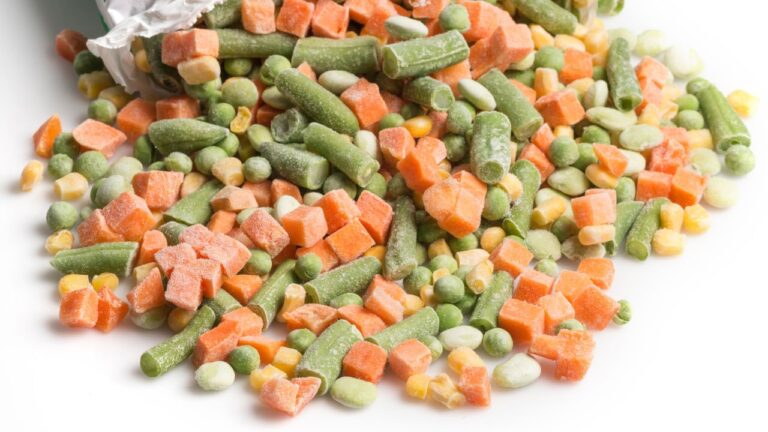
12 Common Foods You Love That Can Be Dangerous In Excess
You adore sprinkling nutmeg on your eggnog and munching on Brazil nuts by the handful, but did you know these everyday treats hide a dangerous side? Many kitchen staples transform from friends to foes when you overindulge, packing toxic compounds that your body simply can’t handle in large doses.
That innocent can of tuna? Too much brings mercury concerns. Those potato eyes you ignored? They contain solanine that might make you sick. Even star fruit and licorice root—seemingly healthy choices—harbor compounds that can trigger serious health issues if you eat too many.
I’m not saying you should toss your cinnamon or avoid kombucha altogether—moderation remains your kitchen ally. Your favorite foods don’t need to become forbidden fruit. Simply know their limits, respect their power, and continue enjoying their flavors without crossing into risky territory.
Cinnamon (Cassia)
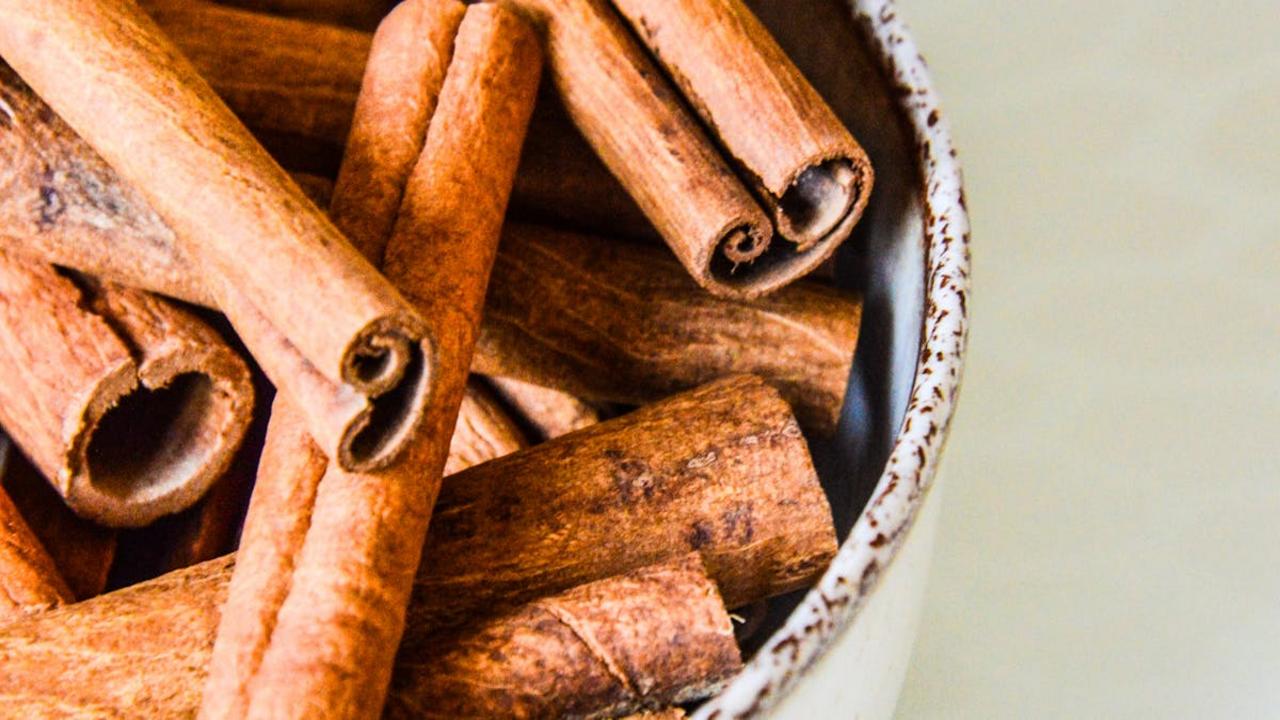
Picture this: you’re sprinkling that gorgeous, rusty-brown powder onto your morning oatmeal, thinking you’re being all health-conscious and fancy. But here’s the plot twist your spice rack doesn’t want you to know—that bottle labeled “cinnamon” is probably cassia cinnamon, the rebellious cousin of true Ceylon cinnamon. Cassia contains coumarin, a compound that sounds like it should be in a Harry Potter potion (and honestly, it might belong there). While a dash here and there won’t hurt you, consuming large amounts regularly can mess with your liver faster than you can say “pumpkin spice everything.”
Now before you dramatically toss your cinnamon collection into the trash, take a breath! We’re talking about people who consume tablespoons of the stuff daily—think those folks chugging cinnamon-honey concoctions or doing that ridiculous cinnamon challenge from years back. Your occasional snickerdoodle isn’t going to send you to the emergency room. The European Food Safety Authority suggests keeping daily coumarin intake below 0.1 mg per kilogram of body weight, which means a 150-pound person should stick to about a teaspoon of cassia cinnamon per day. If you’re a serious cinnamon addict, consider switching to Ceylon cinnamon—it’s pricier but contains much less coumarin, so you can sprinkle with slightly less guilt.
Kombucha
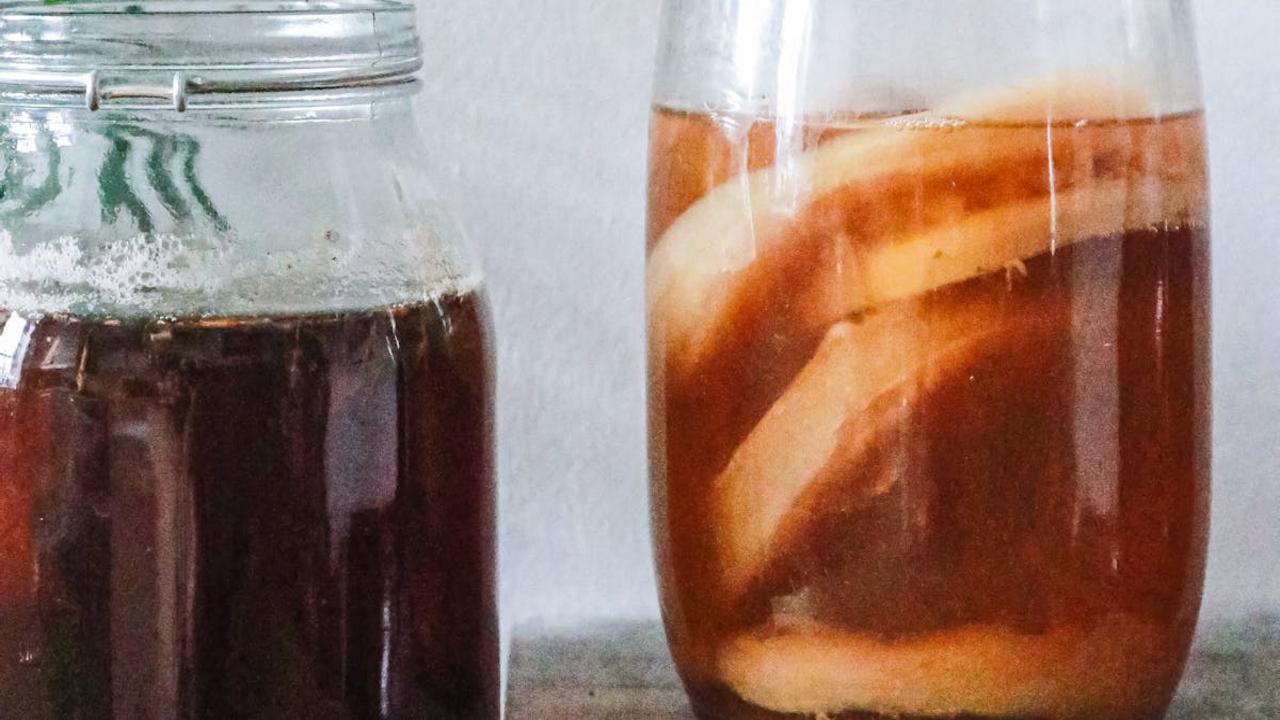
Your trendy fermented friend might seem like liquid health in a bottle, but this fizzy tea can turn from wellness warrior to digestive disaster faster than you can say “SCOBY.” That rubbery, alien-looking culture floating in your brew produces alcohol during fermentation – typically around 0.5% to 3% – which means chugging multiple bottles could leave you unexpectedly tipsy. Plus, the high acidity levels can wreak havoc on your tooth enamel and stomach lining if you’re downing it like water all day long.
The real kicker? Homemade kombucha can harbor some seriously nasty bacteria if not properly prepared, leading to everything from upset stomachs to more severe infections. Even store-bought versions pack a probiotic punch that can overwhelm your system if you go overboard – think bloating, gas, and digestive chaos that’ll make you question every life choice. Stick to 4-8 ounces daily, preferably with food to buffer that acidic bite, and your gut will thank you for showing some restraint with this bubbly beverage that’s equal parts health tonic and potential troublemaker.
Green Potato Parts
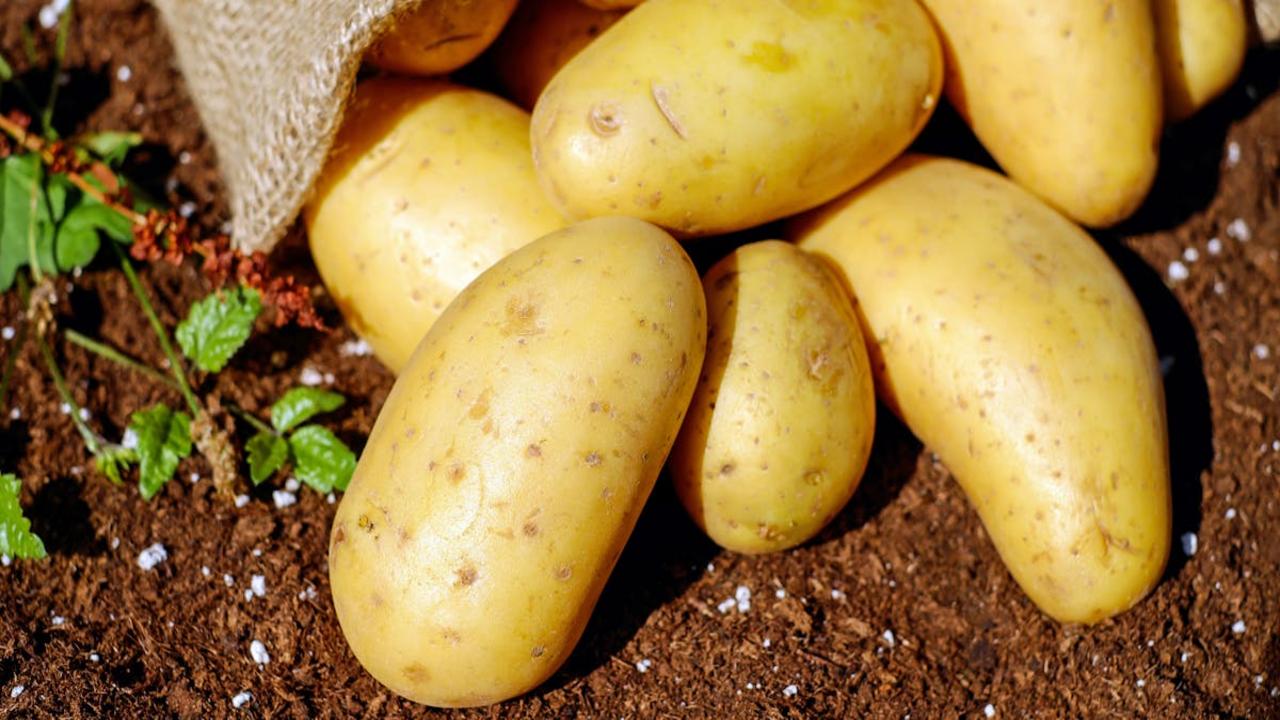
Picture this: you’re prepping dinner and notice your trusty spuds have taken on a rather zombie-like green hue. Before you think “Hey, that’s festive!” and toss them into your pot, pump the brakes! Those green patches aren’t Mother Nature’s way of adding color to your meal – they’re actually your potato’s defense mechanism gone rogue. When potatoes get exposed to light, they produce chlorophyll (the green stuff) and solanine, a natural toxin that can make you feel absolutely miserable. We’re talking nausea, vomiting, and a general “why did I eat that?” feeling that’ll have you swearing off potatoes temporarily.
Now, don’t panic and throw out every slightly green potato you see – you’re not dealing with radioactive waste here! Simply peel away the green areas generously, and you’re good to go. The key word here is “generously” – don’t be stingy with that peeler because solanine likes to hang out just beneath the surface too. If your potato looks more like the Hulk than a humble tuber, though, just toss it. Your stomach will thank you later. Fun fact: this same compound exists in tomato leaves and stems, which is why your great-grandmother probably told you never to eat those parts. Smart lady, that one!
Almonds (Bitter)
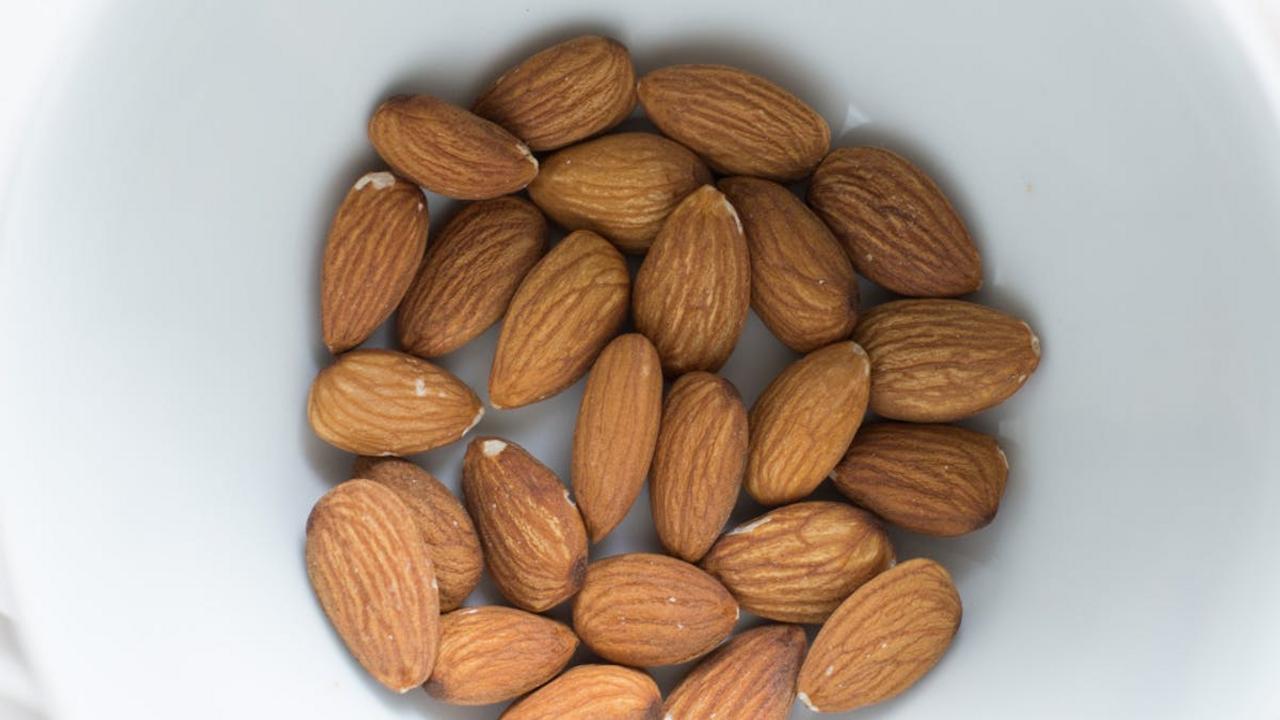
Here’s a plot twist that’ll make you rethink your snack drawer: those innocent-looking bitter almonds contain amygdalin, which breaks down into hydrogen cyanide when you chew them. Yes, the same stuff used in spy movies! Sweet almonds (the ones you actually buy at the store) are totally safe, but their bitter cousins pack enough punch to knock you flat. Just 20-50 bitter almonds could be fatal for an adult, and kids need even fewer to get seriously sick. The wild part? Bitter almonds taste absolutely terrible, so your taste buds are actually your bodyguards here, screaming “nope!” before you can do any real damage.
You won’t accidentally poison yourself at Trader Joe’s because bitter almonds are banned for sale in the US – thank goodness for food regulations, right? But if you’re ever wandering through European markets or foraging (please don’t), remember that bitter almonds look almost identical to sweet ones. The only difference is that bitter varieties will make your face scrunch up like you just bit into a lemon wearing socks. Some traditional recipes call for bitter almond extract for that distinctive marzipan flavor, but commercial versions use synthetic compounds instead. So stick to your regular almonds for snacking, and save the drama for your Netflix shows!
Rhubarb Leaves
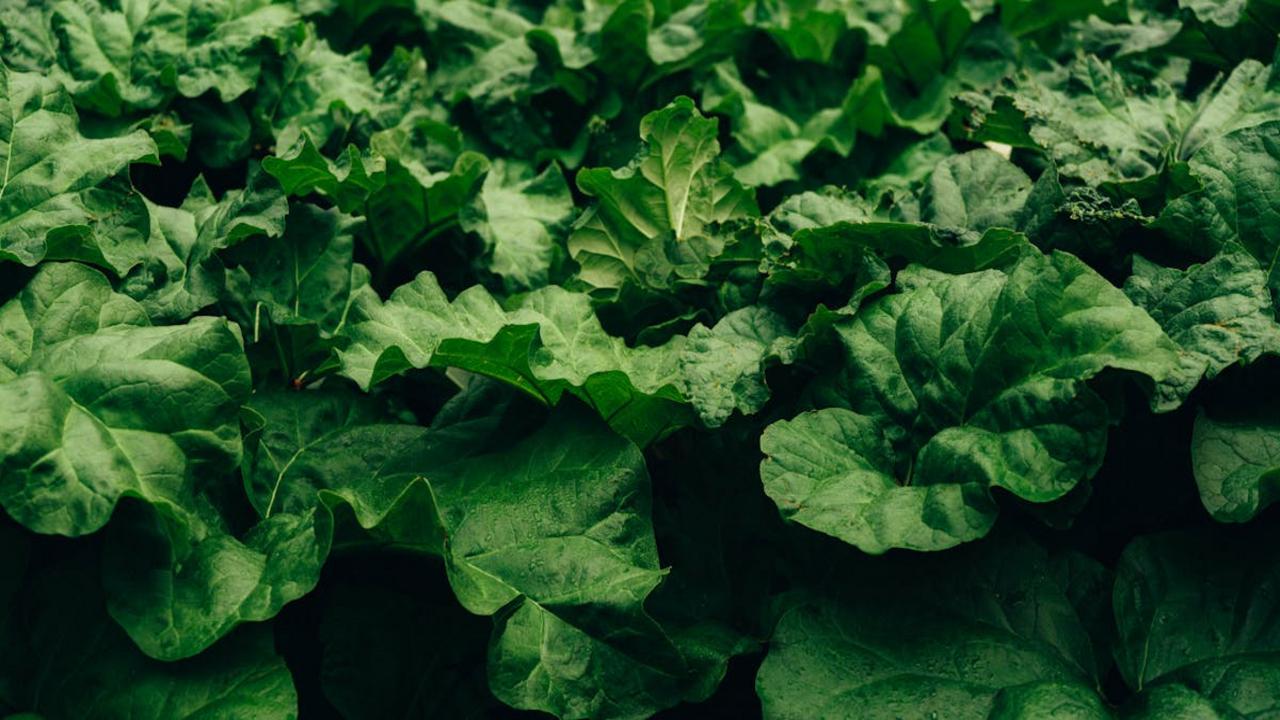
Picture this: you’re admiring your gorgeous rhubarb patch, those ruby-red stalks practically begging to become the perfect strawberry-rhubarb pie. But wait – whatever you do, don’t even think about tossing those massive, elephant-ear leaves into your cooking pot! Those innocent-looking green giants pack a serious punch of oxalic acid and anthraquinone glycosides, compounds that can send you straight to the emergency room faster than you can say “toxic salad.” We’re talking kidney damage, difficulty breathing, and seizures – definitely not the dinner party story you want to tell.
Here’s the thing that gets me: rhubarb leaves contain enough poison to knock out a grown adult, yet somehow this plant decided to make its stalks absolutely delicious. Mother Nature really has a twisted sense of humor, doesn’t she? The good news is that you’d need to munch on about 11 pounds of these leaves to reach a truly dangerous dose, but why risk it when the stalks are where all the magic happens anyway? Stick to those tart, tangy stems for your pies and jams, and treat those leaves like the botanical equivalent of a “Do Not Touch” sign. Your kidneys will thank you, and your desserts will still be legendary.
Casava
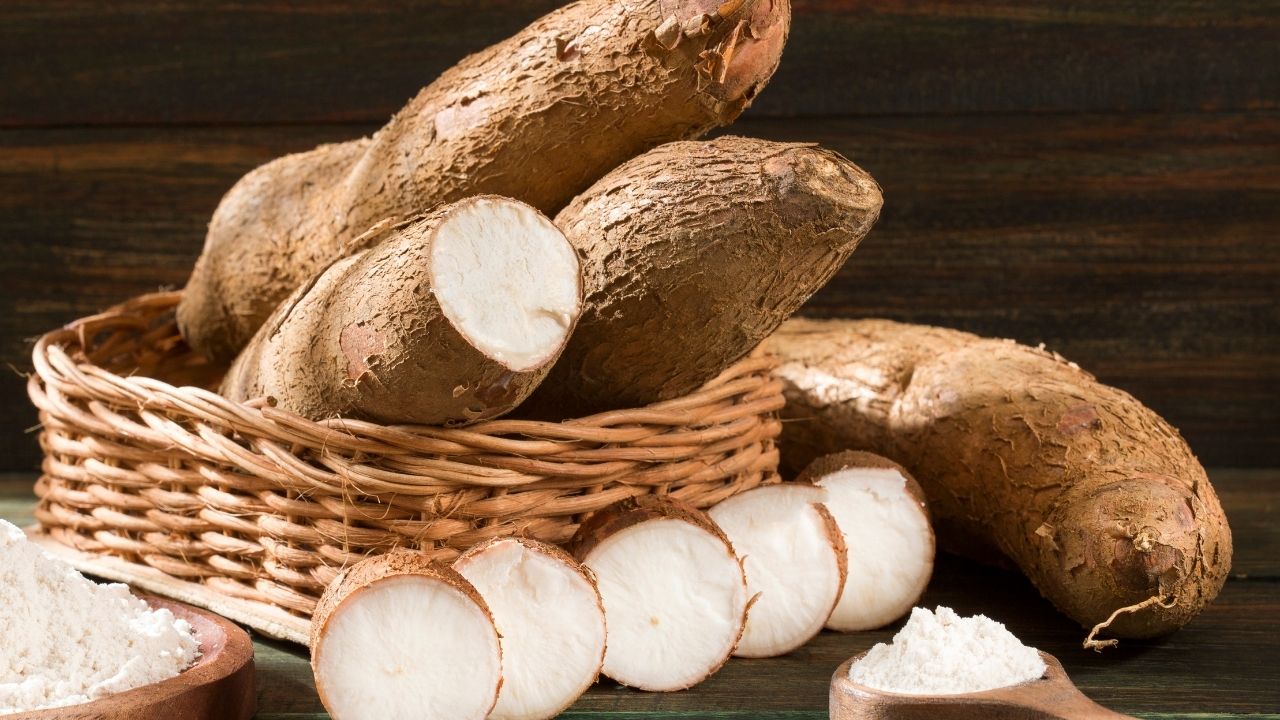
You know that starchy root vegetable that’s been feeding half the world for centuries? Yeah, cassava might look innocent sitting there in your grocery store’s exotic produce section, but this tuberous troublemaker has a dark secret. Raw cassava contains cyanogenic glycosides – fancy science talk for “compounds that release cyanide when you chomp down.” I’m not kidding! This beloved staple food of over 800 million people worldwide can literally poison you if you don’t prepare it right. The bitter varieties pack the most punch, containing enough natural toxins to make you seriously sick.
Before you swear off this versatile root forever, here’s the good news: proper preparation turns this potential poison into perfectly safe comfort food. Soaking, fermenting, boiling, or roasting breaks down those nasty compounds, which is why cultures across Africa, South America, and Asia have been safely enjoying cassava for generations. They know their stuff! The sweet varieties you’ll find in most Western stores are generally safer, but you still want to cook them thoroughly. Think of cassava like that friend who’s absolutely wonderful once you get past their prickly exterior – just don’t try to handle them raw, and you’ll be fine.
Licorice Root
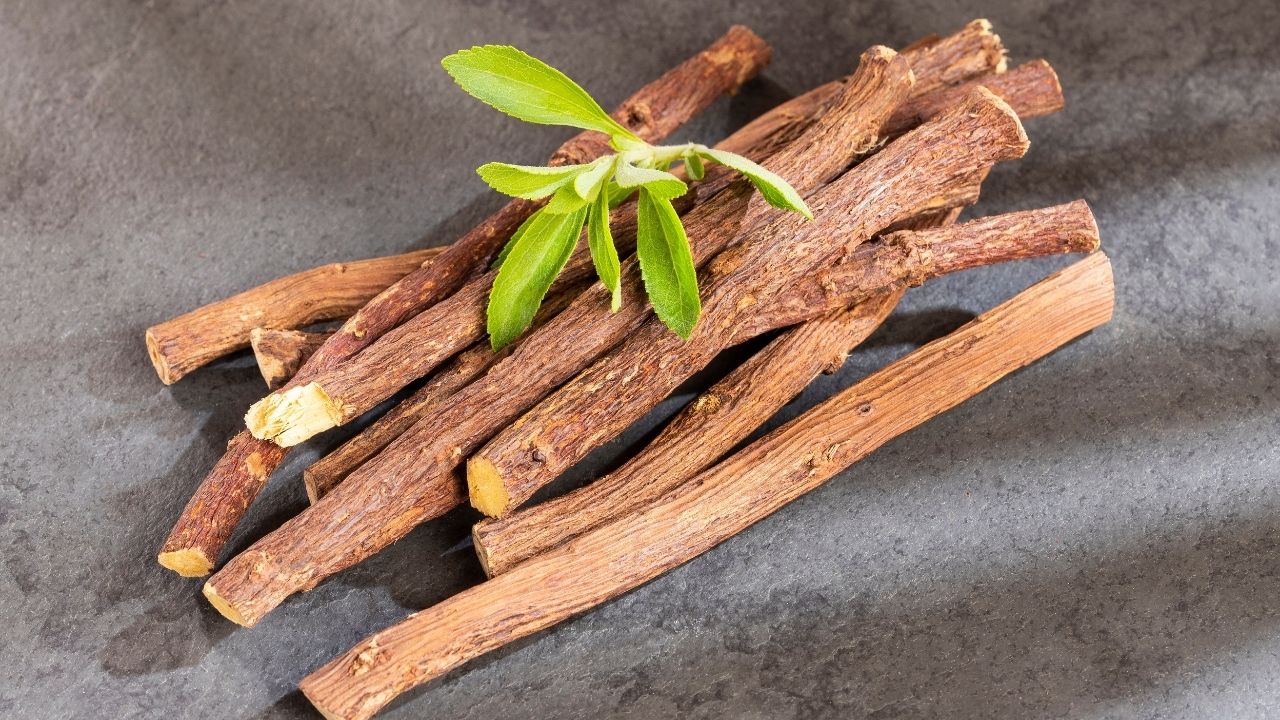
You know that polarizing black candy that makes people either scrunch their faces in disgust or light up like kids on Christmas morning? Well, licorice root—the plant behind that distinctive aniseed flavor—has been masquerading as a harmless herb for centuries, but don’t let its medicinal reputation fool you. This sneaky root contains glycyrrhizin, a compound that can mess with your body’s potassium levels and blood pressure if you go overboard. I’m talking about the real deal here, not those strawberry “licorice” imposters that taste nothing like the original.
The FDA actually warns against eating more than two ounces of black licorice daily for weeks on end, because apparently some folks have ended up in the hospital after licorice binges. One memorable case involved a construction worker who ate a bag and a half of black licorice every day for three weeks and landed in the ER with dangerous heart rhythm problems—talk about taking your candy obsession too far! If you’re pregnant, over 40, or have heart issues, you should probably admire licorice from afar. The good news? Those red “licorice” twists you see at movie theaters are usually just strawberry-flavored sugar ropes with zero actual licorice root, so binge away on those guilt-free.
Star Fruit
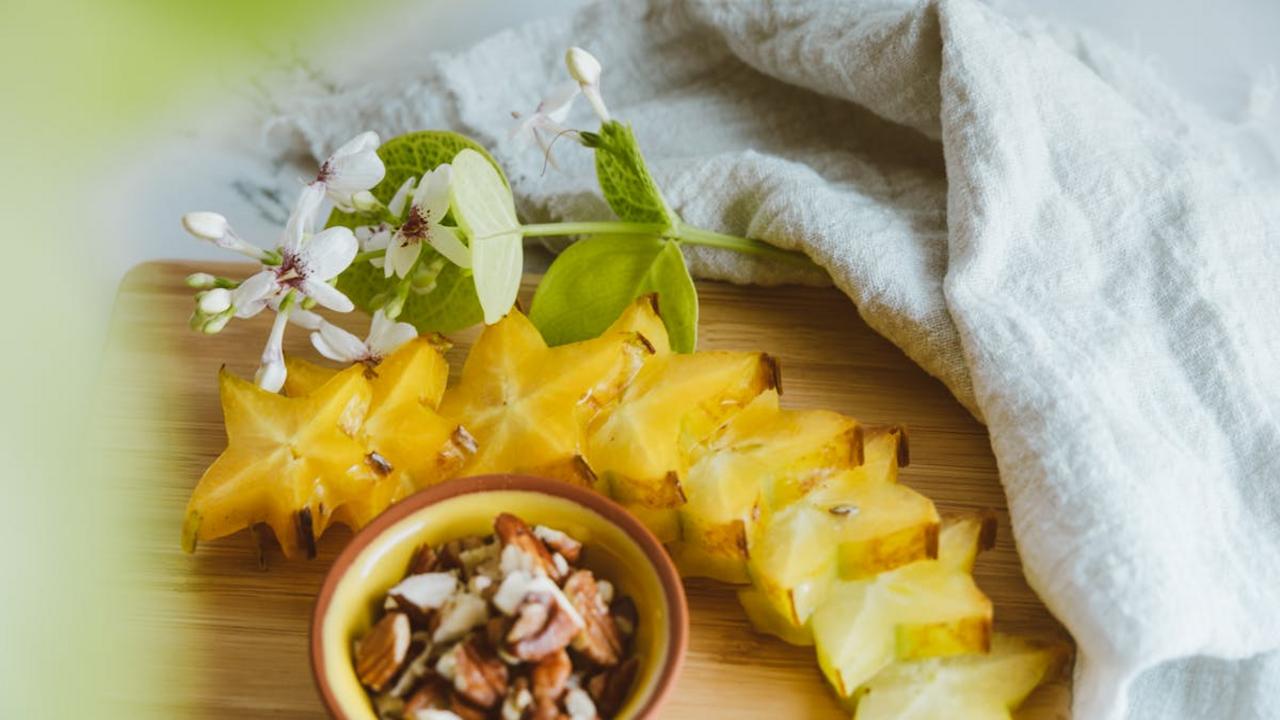
Picture this: you’re wandering through the produce section, and suddenly you spot these gorgeous golden stars scattered among the mundane apples and oranges. Star fruit, or carambola if you want to get fancy, looks like something a fairy godmother would whip up for Cinderella’s midnight snack. With its ridged edges that form perfect five-pointed stars when sliced, this tropical beauty practically screams “Instagram me!” But here’s the plot twist that would make even Cinderella think twice—this stunning fruit packs a hidden villain inside its star-shaped costume.
Those pretty yellow stars contain high levels of oxalates and a mysterious compound that your kidneys absolutely despise. For most of us, munching on a few slices won’t cause drama, but if you have kidney problems or you go overboard trying to turn your fruit salad into a constellation, you could face serious neurological issues. We’re talking confusion, seizures, and even more frightening consequences. The fruit also interacts with certain medications the same way grapefruit does, making your prescriptions either weaker or dangerously stronger. So while star fruit makes your smoothie bowl look like a work of art, treat it like that gorgeous but temperamental friend—wonderful in small doses, potentially catastrophic if you spend too much time together!
Lima Beans
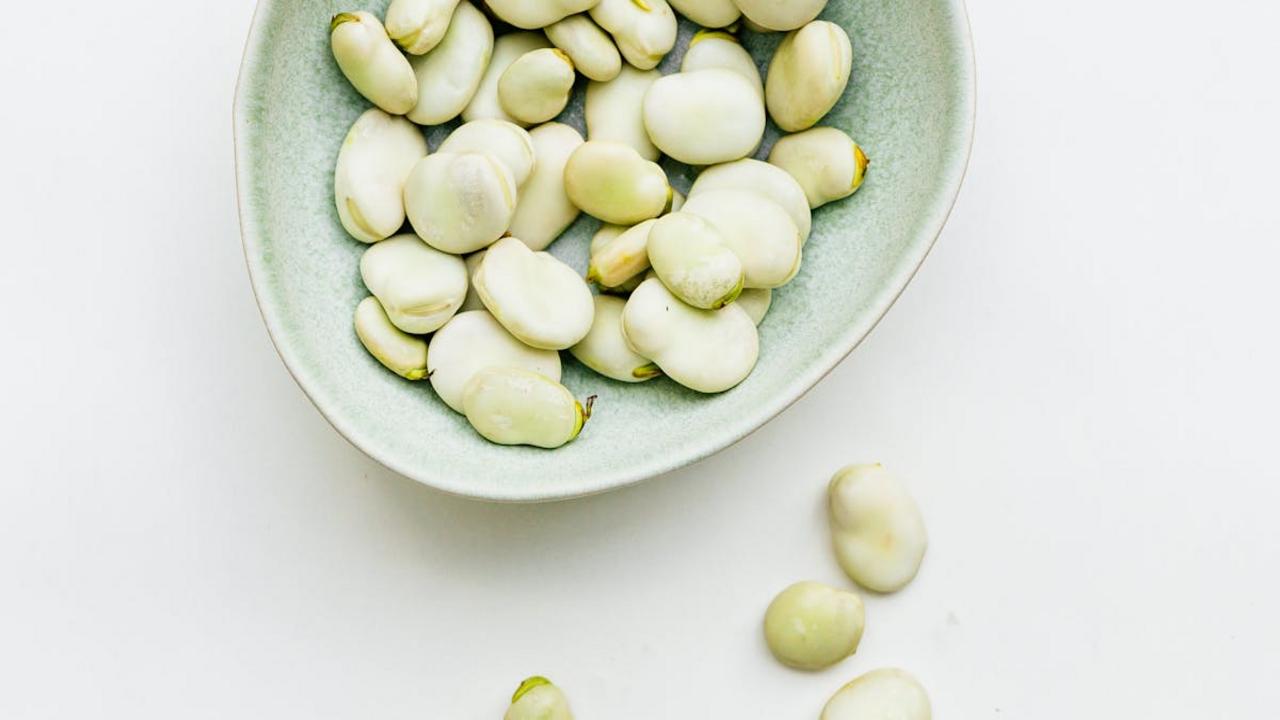
Oh, lima beans – those innocent-looking green pods that somehow became the villain of every childhood dinner table drama! You know them, you’ve probably pushed them around your plate with a fork while plotting your escape from vegetables forever. But here’s the plot twist that would make M. Night Shyamalan jealous: these seemingly harmless legumes pack a secret weapon called linamarin, a compound that releases hydrogen cyanide when you chew them. Raw lima beans contain enough of this natural toxin that munching on a handful could leave you feeling seriously unwell, with symptoms ranging from nausea and vomiting to breathing difficulties. The larger, more mature beans pack the biggest punch – think of them as the boss level of the lima bean world.
Before you swear off succotash forever, take a deep breath! Cooking these sneaky little beans completely neutralizes their toxic tendencies, transforming them from potential troublemakers into perfectly safe, protein-packed powerhouses. The heat breaks down that pesky linamarin, which explains why your grandmother never served them raw in her famous three-bean salad. Most commercial lima beans sold in stores have been specially bred to contain much lower levels of this compound anyway, so you can sleep soundly knowing your frozen food aisle purchases won’t stage a rebellion in your digestive system. Just remember: always cook your limas thoroughly, and maybe don’t go foraging for wild ones in your backyard – leave that adventure to the professionals!
Tuna
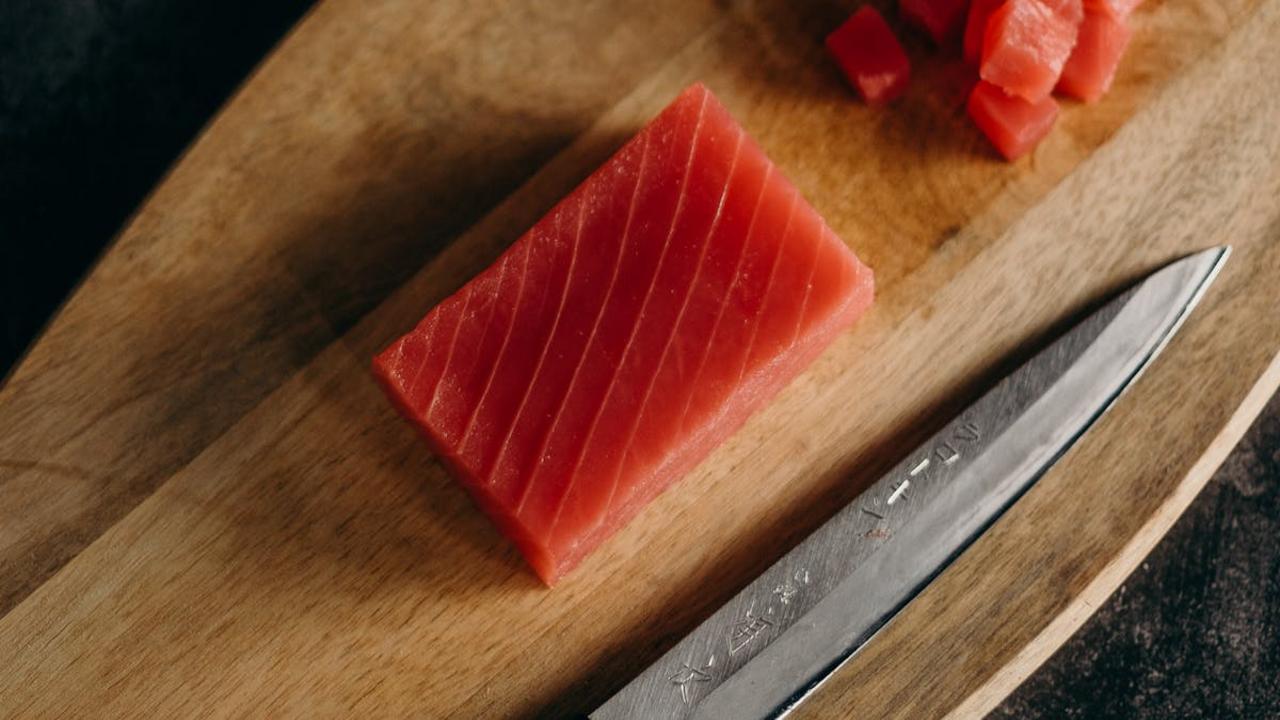
Oh, tuna! That magnificent ocean swimmer has captured hearts worldwide with its buttery texture and that satisfying snap when you crack open a can. You probably stock your pantry with those shiny little tins, thinking you’ve got the perfect protein-packed lunch sorted. But here’s where things get fishy (pun absolutely intended): tuna contains mercury, and too much mercury turns your brain into something resembling a foggy day in London. The bigger the tuna, the more mercury it packs – think of it like a really unwelcome souvenir from swimming in polluted waters.
Now before you panic and toss every can into the trash, take a breath! You don’t need to break up with your beloved tuna entirely. The FDA suggests limiting yourself to about 2-3 servings per week for most adults. Pregnant women should be extra careful since mercury can mess with developing brains. Albacore (white) tuna contains more mercury than light tuna, so if you’re a heavy tuna eater, maybe switch teams occasionally. Mix things up with salmon, sardines, or other low-mercury fish. Your brain will thank you, and you’ll still get those omega-3s that make your skin glow like you just returned from a Mediterranean vacation.
Brazil Nuts
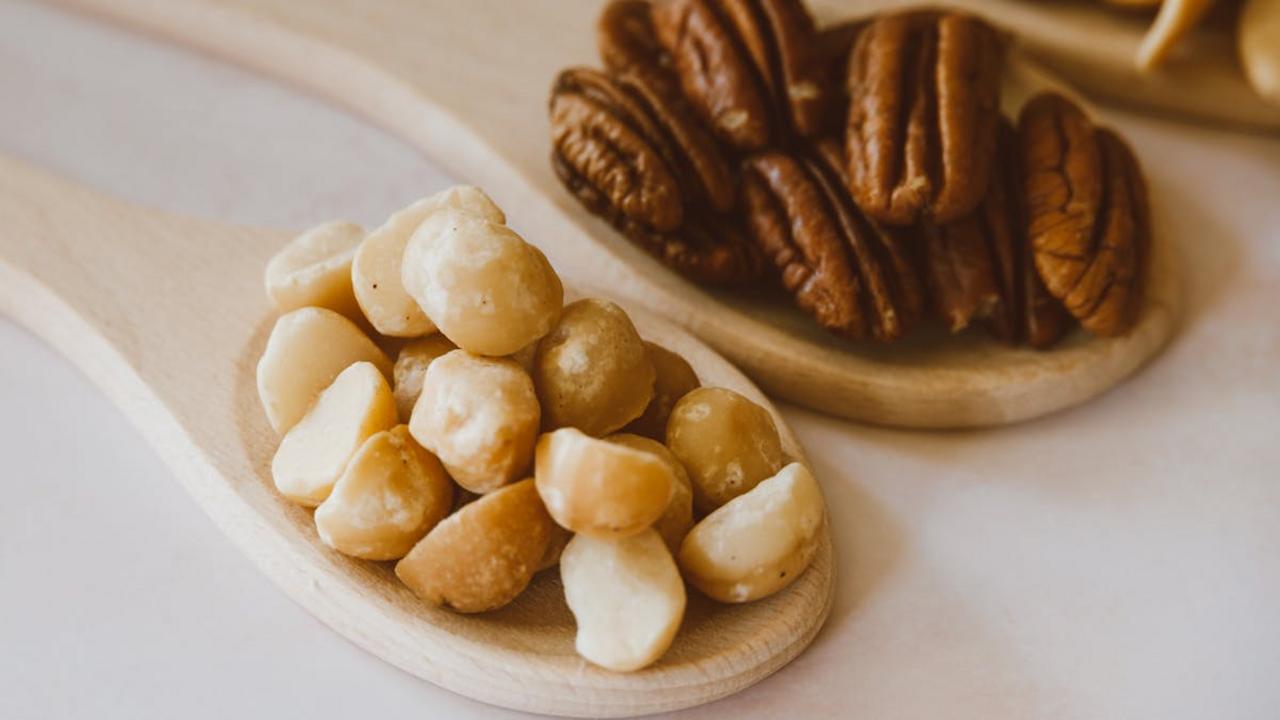
Brazil nuts look so innocent sitting there in their little triangular shells, but these Amazonian powerhouses pack more selenium than a vitamin store’s entire inventory. Just six of these buttery, rich nuts contain enough selenium to meet your daily needs – and then some. I learned this the hard way after demolishing an entire bag during a Netflix binge, only to discover I’d consumed about ten times the recommended daily amount. Your body needs selenium for thyroid function and antioxidant protection, but too much turns this mineral from friend to foe faster than you can crack another shell.
Selenium toxicity isn’t something you want to mess around with – we’re talking hair loss, nail brittleness, garlic breath that won’t quit, and digestive drama that’ll have you questioning every life choice. The irony? Brazil nuts are incredibly nutritious and delicious, with their creamy texture and subtle coconut-like flavor making them perfect for everything from trail mix to fancy desserts. The key is treating them like the concentrated nutrition bombs they are. Stick to two or three nuts per day, and you’ll get all the benefits without turning into a walking science experiment. Think of them as nature’s multivitamin – powerful, but definitely not meant to be eaten by the handful.
Nutmeg
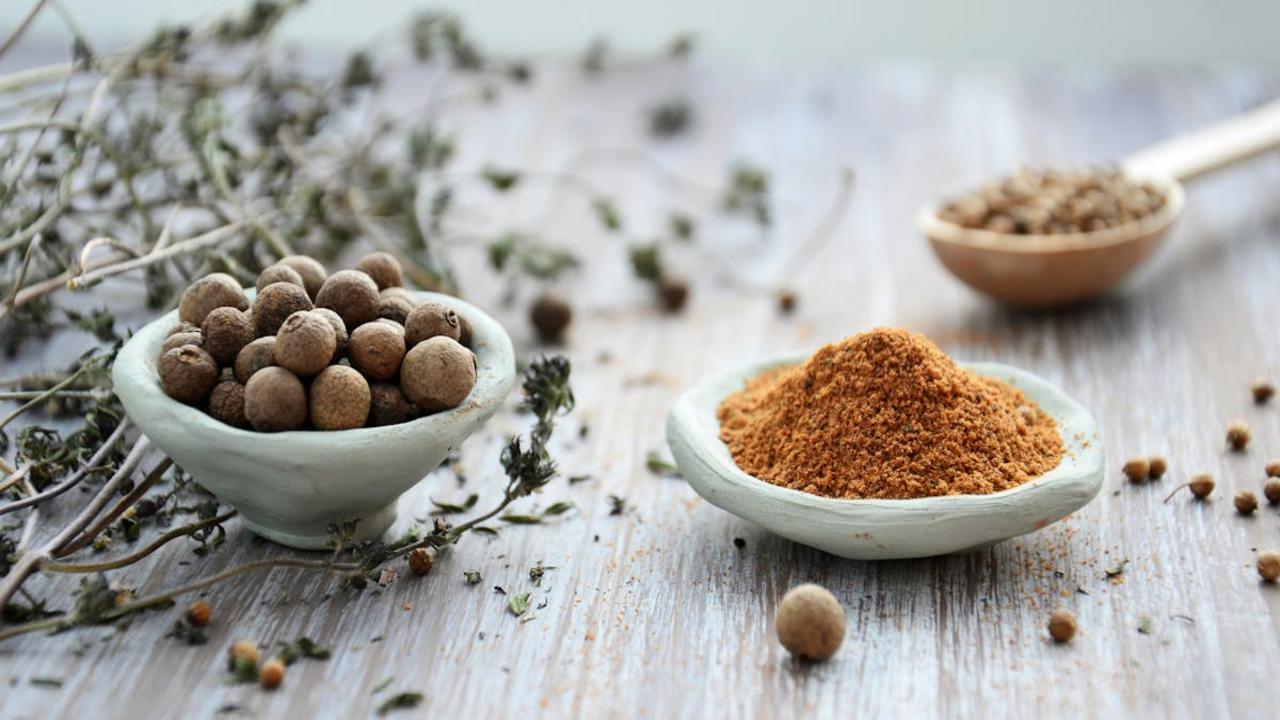
You know that warm, cozy spice that makes your eggnog taste like Christmas morning wrapped in a blanket? Well, here’s a plot twist that’ll make you rethink your heavy-handed seasoning habits: nutmeg can actually get you high—and not in the good way. This innocent-looking seed from the Myristica fragrans tree contains compounds called myristicin and safrole that turn psychoactive when you consume more than a teaspoon or two. We’re talking hallucinations, nausea, dizziness, and a hangover that’ll make you swear off holiday drinks forever. Medieval folks used nutmeg as currency because it was so precious, but they probably didn’t know they were trading in nature’s sketchy party favors.
The scary part? Nutmeg poisoning symptoms can take up to six hours to kick in, so you might think you’re fine after that third helping of spiced custard, only to find yourself talking to your kitchen cabinets later that evening. Cases of nutmeg toxicity spike around the holidays (shocking, right?), with people ending up in emergency rooms after going overboard with their festive baking. Stick to pinches, not spoonfuls—your taste buds will thank you, and you’ll avoid spending New Year’s Day explaining to paramedics why your cookies seemed to be moving. A little nutmeg magic goes a long way, but too much turns your cozy kitchen into a very unwelcome adventure zone.