10 Food Myths So Ridiculous You Won’t Believe They’re Actually True
Food myths spread faster than gossip at a family reunion, and some of them sound absolutely bonkers until you dig into the science. Picture this: your grandmother warning you about watermelon seeds sprouting in your belly while she simultaneously insists that carrots will give you superhero vision. These tales have bounced around kitchen tables for decades, passed down like precious family recipes.
Here’s the kicker—some of these seemingly ridiculous claims actually hold water! While your stomach won’t transform into a watermelon patch, certain myths contain surprising nuggets of truth that’ll make you question everything you thought you knew about food. From radioactive fruit to sleepy poultry, the world of food science serves up more plot twists than a soap opera.
Get ready to have your mind completely blown as we unpack ten food myths that sound like they came straight from your eccentric aunt’s playbook—except science backs them up. You’ll laugh, you’ll gasp, and you’ll probably text your friends about bananas being radioactive. Trust me, this ride gets weird fast!
Crackers can cure hiccups
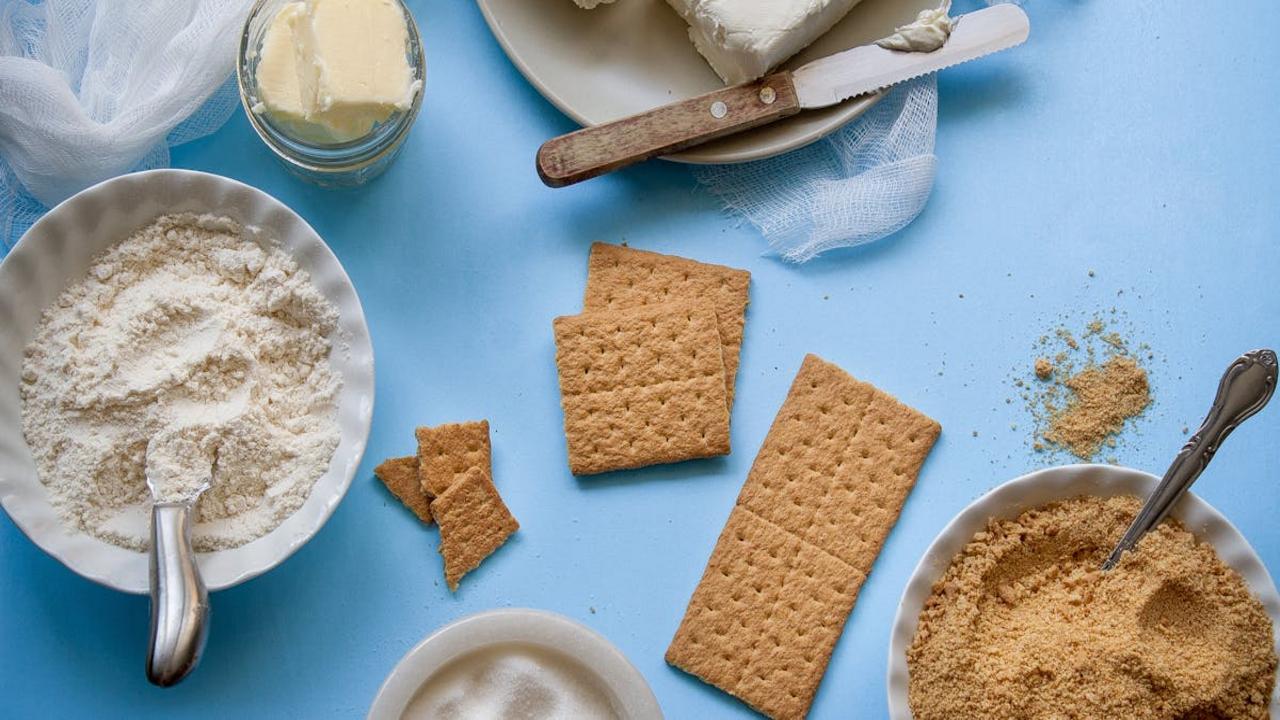
Okay, I know what you’re thinking – crackers for hiccups sounds like something your grandmother made up after one too many sherries. But hear me out! This isn’t just old wives’ tale nonsense. The science behind this crunchy cure actually makes perfect sense when you break it down. Eating a plain cracker forces you to chew slowly and deliberately, which changes your breathing pattern and helps reset your diaphragm’s rhythm. Plus, the dry texture makes you swallow multiple times, interrupting the hiccup cycle that’s been driving you absolutely bonkers.
I discovered this weird trick during a particularly embarrassing dinner date where my hiccups decided to make their grand debut right after the appetizers arrived. My date’s Italian grandmother shuffled over with a sleeve of saltines and insisted I eat one immediately. Within thirty seconds – silence! No more mortifying squeaks interrupting our conversation. Now I keep crackers stashed everywhere like some sort of hiccup-preparedness enthusiast. The best part? Any plain cracker works – saltines, water crackers, even those bland rice cakes your health-conscious friend keeps pushing on you. Just avoid anything with strong flavors or seasonings that might trigger more digestive drama.
Spinach makes you strong
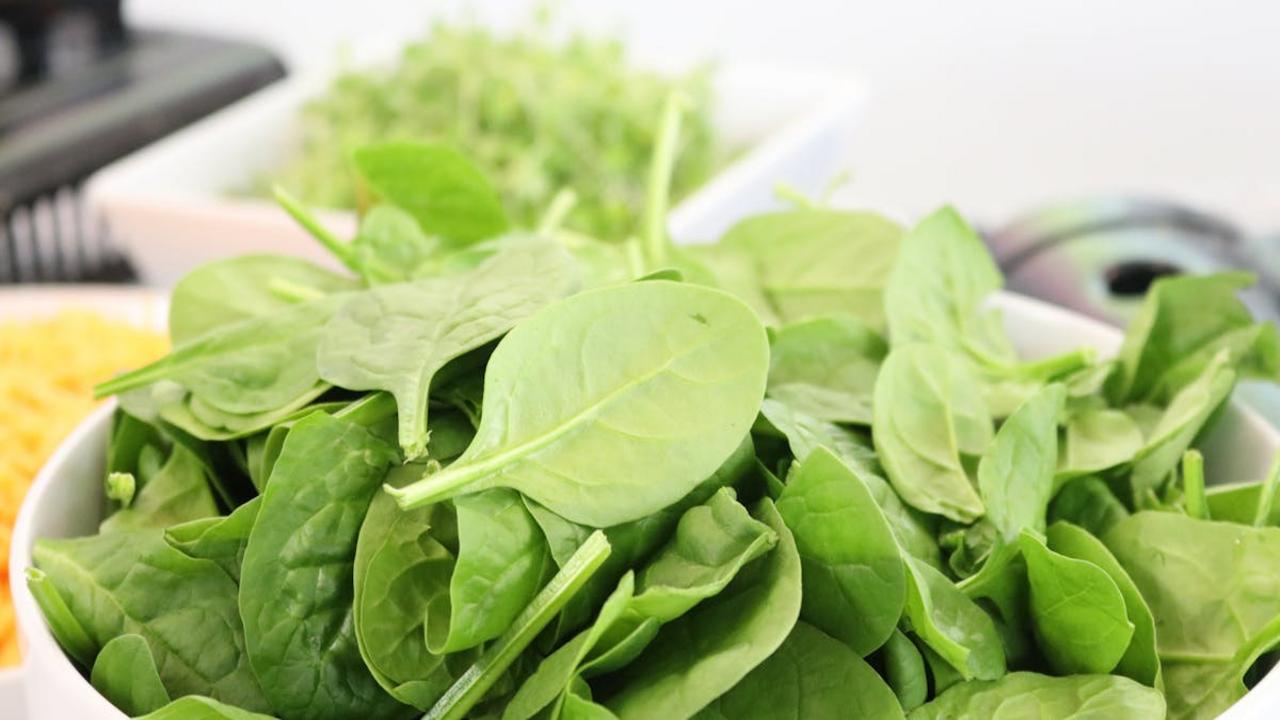
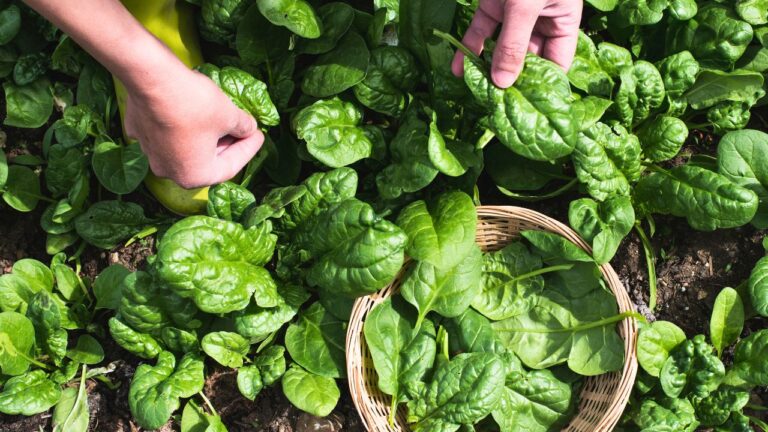
Oh boy, do I have news for you about our leafy green superhero! That cartoon sailor with the anchor tattoos might have been onto something, but not for the reasons you think. The whole “spinach makes you incredibly strong” myth actually started with a mathematical mistake back in the 1870s. Some German scientist accidentally moved a decimal point and reported that spinach contained ten times more iron than it actually does. Whoops! By the time anyone caught the error, Popeye was already chugging cans and flexing his cartoon biceps for millions of kids worldwide.
Here’s the kicker though – spinach really IS good for you, just not in that instant-muscle-bulging way we all hoped for. This dark green powerhouse packs folate, vitamin K, and yes, some iron (just not superhuman amounts). Plus, it contains nitrates that can actually improve your workout performance over time. So while you won’t suddenly bench press a car after eating a salad, your body will thank you in subtler ways. I like to think of spinach as the quiet kid in class who turns out to be brilliant – not flashy, but genuinely impressive once you get to know what’s really going on under those crinkled leaves.
Fish is brain food
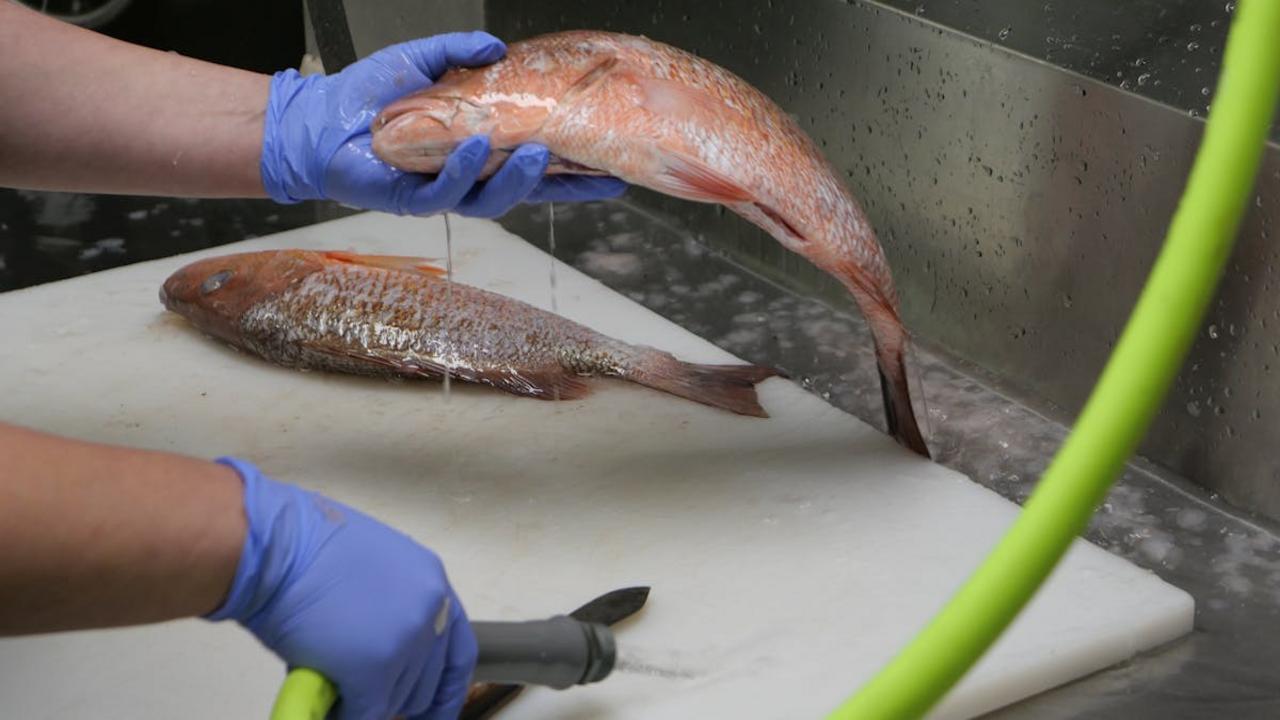
Your grandmother wasn’t just making up stories when she insisted you eat your salmon – turns out fish really does boost your brainpower! Those omega-3 fatty acids swimming around in fishy flesh actually help build and maintain brain cell membranes, improve memory function, and keep your cognitive wheels spinning smoothly. Scientists have discovered that people who regularly munch on fish score higher on memory tests and show less age-related mental decline. The DHA (docosahexaenoic acid) found in fatty fish like mackerel, sardines, and tuna literally feeds your neurons and helps them communicate better with each other.
But here’s where it gets wonderfully weird: your brain is about 60% fat, and nearly half of that fat consists of omega-3s! So when you’re savoring that perfectly grilled piece of cod, you’re basically giving your brain exactly what it craves most. The Japanese, who consume more fish than almost anyone else on the planet, have some of the lowest rates of depression and dementia worldwide – coincidence? Probably not! Even more fascinating, pregnant women who eat fish regularly tend to have babies with higher IQs. So next time someone teases you about being a “fish head,” just smile and remember that your brain is literally thanking you for every flaky, delicious bite.
Coffee stunts growth
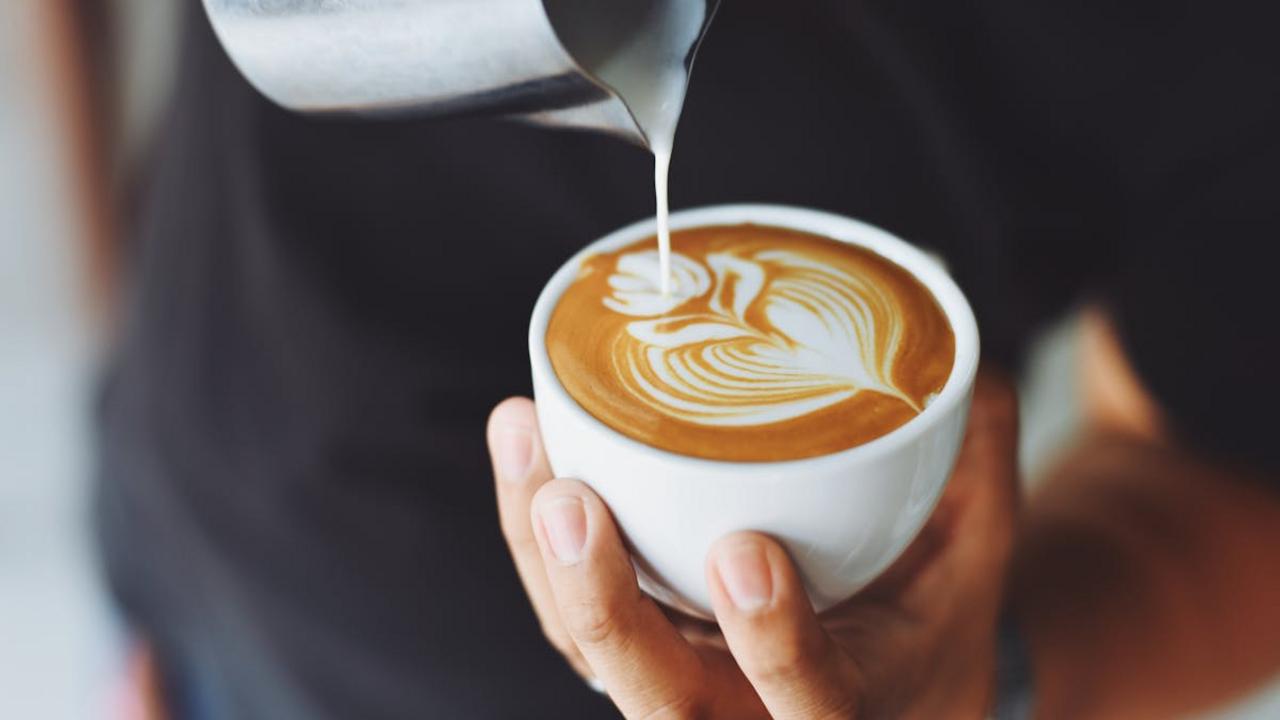
Your grandmother probably wagged her finger at you countless times, warning that your beloved morning brew would turn you into a caffeine-fueled hobbit. I’ve watched parents snatch steaming mugs away from teenagers with the same urgency they’d use to grab a lit firecracker. The truth? This myth has absolutely zero scientific backing – coffee doesn’t affect your height one tiny bit! The confusion likely started because coffee can interfere with calcium absorption, and calcium helps build strong bones. But here’s the kicker: you’d need to drink about 30 cups of coffee daily to actually impact your calcium levels enough to matter.
Scientists have studied this myth more thoroughly than a barista perfecting latte art, and every single study confirms that coffee consumption has no correlation with final adult height. Your genes determine how tall you’ll be, not your coffee habit. So go ahead and sip that cappuccino without guilt – your future self won’t be shorter because of it. The only thing coffee might stunt is your sleep if you drink it too late in the day, and even then, you’ll just be a tired person of perfectly normal height. I find it hilarious that we blamed coffee for short stature when genetics, nutrition, and overall health play the real starring roles in determining how many inches you’ll claim on your driver’s license.
Eating watermelon seeds will make them grow in your stomach
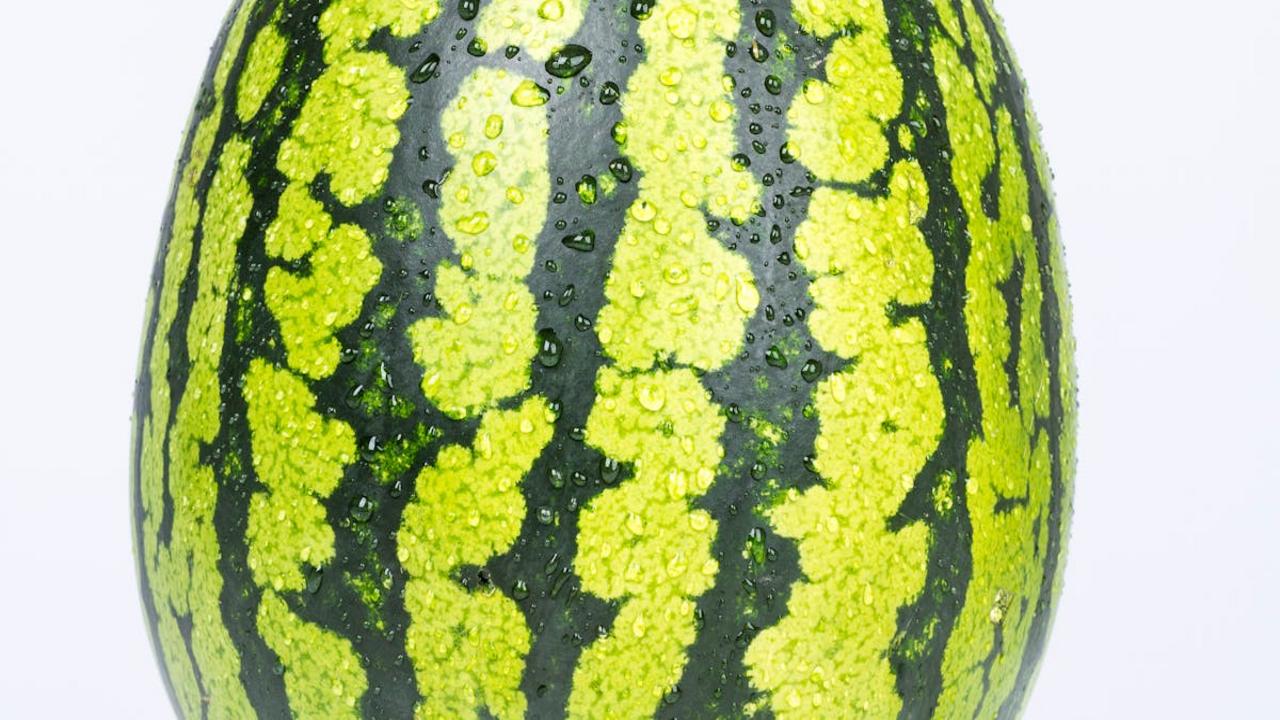
You know that moment when you’re devouring a juicy watermelon slice and accidentally swallow a few black seeds? Your grandmother probably gasped and warned you about the tiny garden that would sprout in your belly. This absolutely bonkers myth has terrorized kids for generations, making them envision vines crawling through their intestines like some botanical horror movie. The truth? Your stomach is basically a hostile acid bath with a pH level around 1.5 to 3.5 – think of it as nature’s most aggressive pickle juice. No seed, no matter how determined, could possibly survive that acidic torture chamber, let alone find the sunlight and soil it desperately needs to grow.
Here’s what actually happens to those sneaky seeds: they take a wild water slide ride through your digestive system and exit your body completely unchanged within 24 to 72 hours. Your stomach acid can break down proteins and fats, but it’s surprisingly gentle with tough seed coats. If watermelon seeds could actually germinate in human stomachs, we’d have people walking around looking like they swallowed beach balls! Instead of worrying about your internal garden, focus on the fact that watermelon seeds are actually packed with protein, healthy fats, and minerals – some cultures roast and eat them as snacks. So next time you accidentally swallow a seed, just smile and know you’ve given your body a tiny nutritional bonus.
Spicy food causes stomach ulcers

Oh honey, your grandmother was wrong about this one! For decades, we blamed our beloved jalapeños and sriracha for burning holes in our stomachs, but science came swooping in with a plot twist worthy of a telenovela. Turns out, most stomach ulcers aren’t caused by that extra-hot vindaloo you demolished last Tuesday—they’re actually the handiwork of a sneaky little bacteria called Helicobacter pylori, or good old stress and certain medications. The researchers who discovered this bacterial villain even won a Nobel Prize for basically telling the entire medical community, “Hey, you’ve been blaming the wrong guy!”
Here’s the kicker that’ll make you reach for that hot sauce with renewed confidence: spicy foods might actually help protect your stomach lining! Capsaicin, the compound that makes your mouth feel like it’s hosting a five-alarm fire, can stimulate protective mucus production and improve blood flow to your digestive tract. So while that ghost pepper challenge might leave you questioning your life choices for entirely different reasons, at least you know your stomach isn’t plotting revenge with ulcer formation. Next time someone warns you about spicy food “eating through your stomach,” just smile and order that extra-spicy pad thai—your gut can handle way more than you think!
Turkey makes you sleepy

Picture this: you’re sprawled on the couch after Thanksgiving dinner, pants unbuttoned, eyes drooping like a cartoon character who just got bonked on the head. “It’s the turkey!” everyone declares, pointing accusatory fingers at that innocent bird. But hold up – turkey’s getting a bad rap here. While turkey does contain tryptophan (that amino acid everyone loves to blame), so do tons of other foods you eat without face-planting into your mashed potatoes. Cheese, chicken, even your morning oats pack similar amounts of this supposedly sleep-inducing compound.
The real sleepiness culprit? You just consumed enough food to feed a small village, including mountains of stuffing, gallons of gravy, and probably three different potato preparations. Your body’s working overtime to digest this feast, blood sugar’s doing the cha-cha, and you’ve been socializing with relatives for hours – no wonder you’re ready for a nap! Turkey’s just an innocent bystander in this food coma scenario. Next time someone blames the bird, remind them that you could eat a turkey sandwich for lunch any Tuesday and still power through your afternoon meetings just fine. The myth persists because we need something to blame for our post-feast exhaustion that isn’t “I ate my weight in carbohydrates.”
Bananas are radioactive
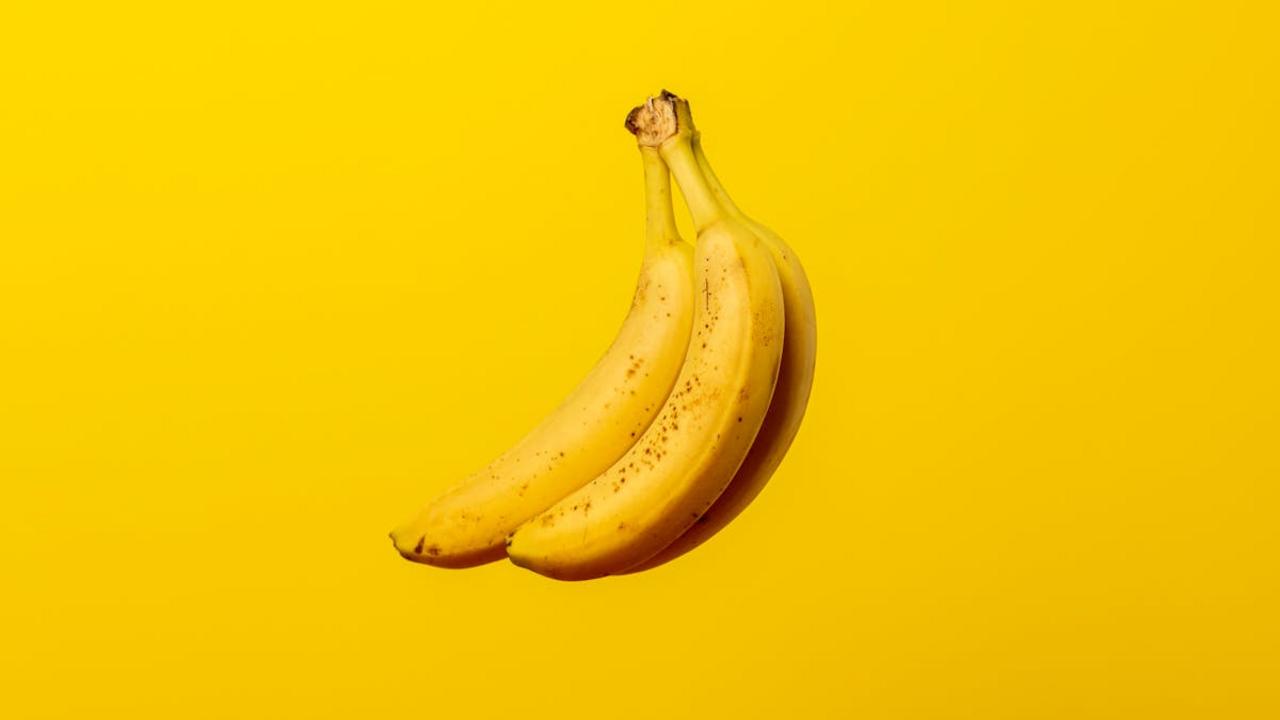
Your innocent yellow breakfast companion is actually a tiny radiation source! Every banana contains potassium-40, a naturally occurring radioactive isotope that makes your favorite smoothie ingredient technically radioactive. Scientists even use bananas as an informal unit of radiation measurement called the “Banana Equivalent Dose” (BED) – because apparently physicists have the same sense of humor as dad joke enthusiasts. One banana delivers about 0.1 microsieverts of radiation, which sounds scary until you realize you’d need to eat 10 million bananas at once to face any real danger.
Before you start eyeing your fruit bowl suspiciously, remember that literally everything around you contains trace amounts of radioactivity – your smoke detector, your granite countertops, even your own body! You’re more radioactive than a banana simply by being alive and containing carbon-14. Airport security systems are so sensitive they can detect the radiation from bananas in cargo holds, leading to the occasional false alarm when someone ships a few too many bunches. So go ahead, blend that banana smoothie without worry – you’re getting more radiation from a cross-country flight than from a lifetime of potassium-packed snacking!
Carrots improve vision
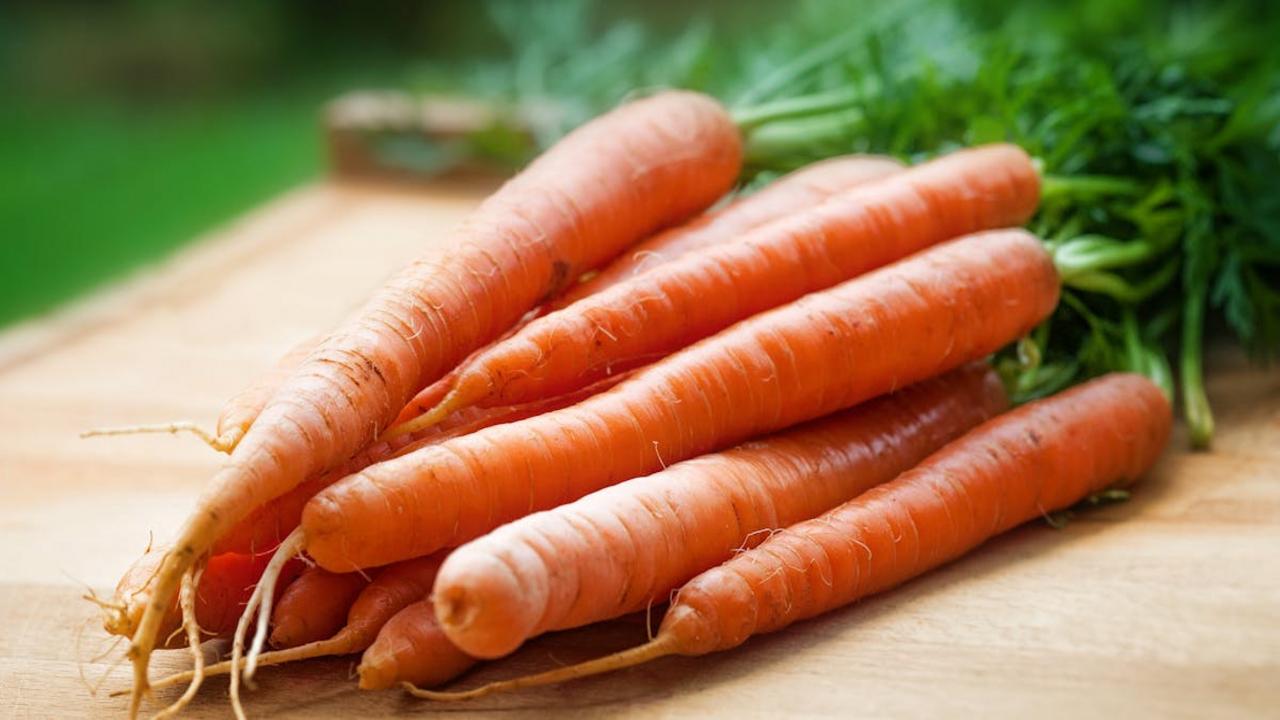
Oh boy, do I have news for you! That whole “eat your carrots for better eyesight” thing your mom drilled into your head? It’s actually a brilliant piece of World War II propaganda that somehow became gospel truth. The British Royal Air Force needed to keep their new radar technology secret, so they spread rumors that their pilots had superhuman night vision thanks to—you guessed it—massive carrot consumption. The story was so convincing that people still believe it today, and honestly, I kind of love that we’ve all been bamboozled by vegetables for decades.
Here’s the kicker though: carrots do contain beta-carotene, which your body converts to vitamin A, and vitamin A deficiency can cause night blindness. So while munching on carrots won’t give you eagle eyes or help you spot a fly from across the room, they can prevent your vision from getting worse if you’re lacking this particular vitamin. Think of carrots as your eyes’ insurance policy rather than their personal trainer. Plus, they’re crunchy, sweet, and perfect for dunking in hummus—so even if they can’t turn you into a superhero, they’re still pretty fantastic little orange rockets of joy!
Chocolate causes acne
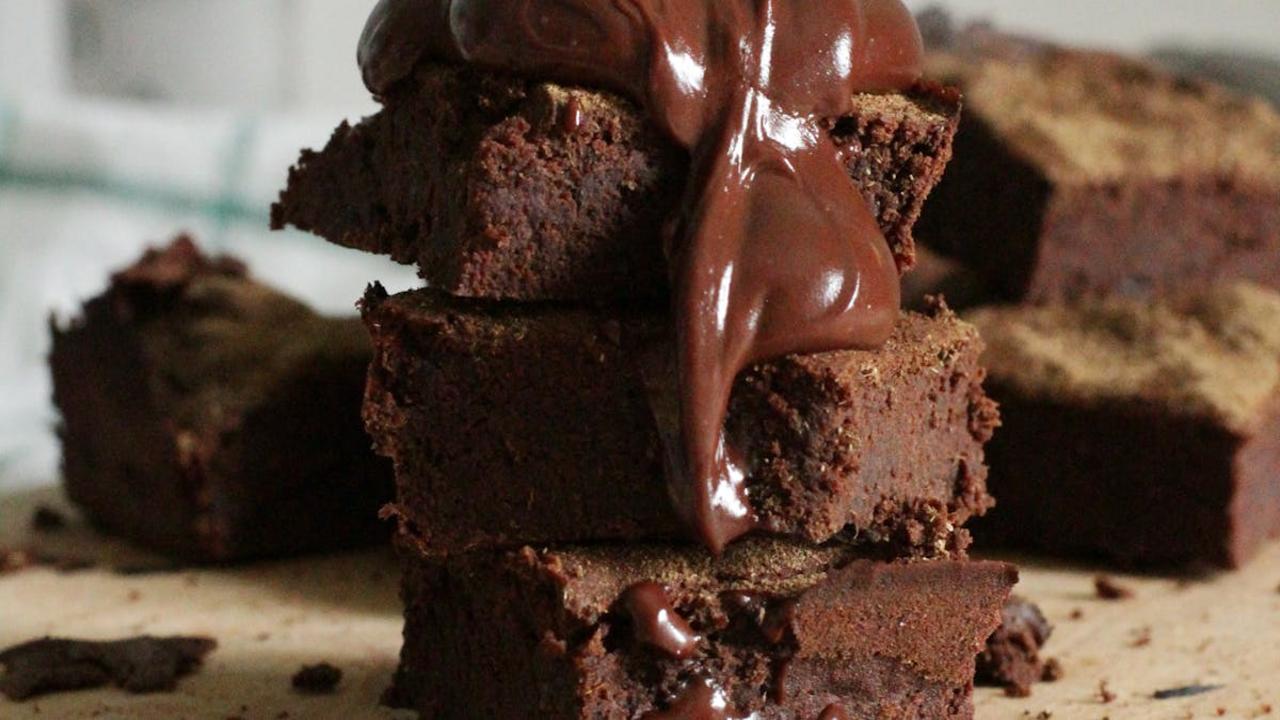
Oh honey, grab your favorite chocolate bar because I’m about to blow your mind! That age-old warning your mom probably gave you about chocolate causing breakouts? Total hogwash! Scientists have been putting this myth through the wringer for decades, and guess what they found? Zero connection between your beloved Snickers habit and those pesky pimples. In fact, a groundbreaking study from the University of Pennsylvania fed participants massive amounts of chocolate – we’re talking 10 times the normal consumption – and monitored their skin for weeks. The result? Not a single additional zit appeared on any face.
The real villains behind your breakouts are hormones, genetics, and that sneaky habit of touching your face with unwashed hands (guilty as charged!). Your skin produces oil regardless of whether you’ve devoured an entire box of truffles or survived on celery sticks alone. Here’s the kicker though – dark chocolate actually contains antioxidants that might help your skin look better! So next time someone tries to shame you for enjoying that divine piece of Belgian goodness, you can smugly inform them that you’re basically eating skincare. Just remember to choose quality chocolate over sugar-loaded candy bars, because while chocolate won’t cause acne, excessive sugar can trigger inflammation throughout your body.