14 Irresistible Street Foods from Hidden Corners of the Globe That Will Make Your Mouth Water
Street food brings us the most authentic flavors from local communities worldwide. From bustling night markets in Asia to vibrant food stalls in South America, each destination offers unique bites that tell stories of culture and tradition through simple, handheld delights.
I’ve gathered 14 incredible street foods that capture the heart of their home countries. These dishes range from crispy Japanese takoyaki to comforting South African bunny chow, each representing generations of cooking wisdom passed down through families and street vendors.
Whether you’re a cautious foodie or an adventurous eater, these street foods will transport you across continents. Get ready to discover mouthwatering treats that locals line up for – from warm, cheese-filled Georgian khachapuri to crispy Vietnamese bánh xèo that sizzles right off the griddle.
Sfenj – Morocco
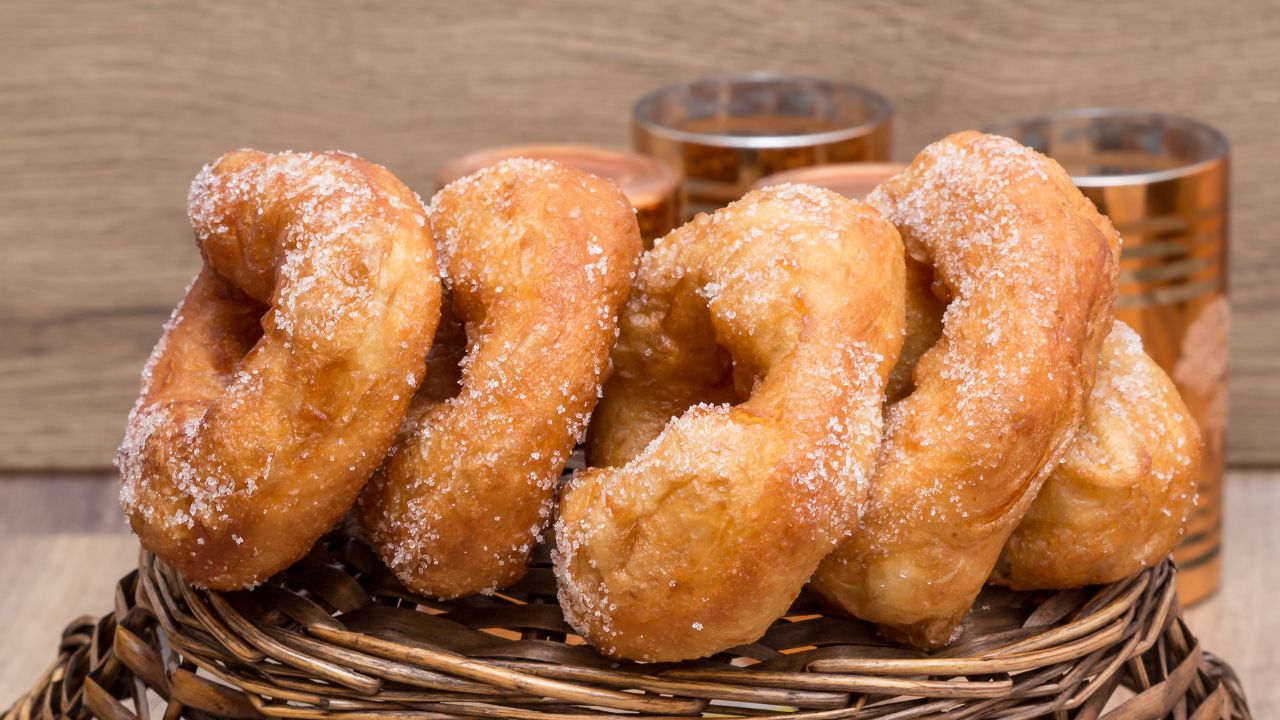
You’ll find these fluffy Moroccan doughnuts brightening up countless street corners across Morocco, especially during Ramadan. Sfenj, made from a simple mixture of flour, water, salt, and yeast, look like golden rings of happiness after deep-frying in oil. Unlike their American cousins, these treats skip the sugar coating – instead, locals dip them in hot mint tea or coffee for breakfast. The dough gets stretched by hand into rings before hitting the hot oil, creating an airy, light texture that makes them incredibly addictive.
The real magic of sfenj lies in its versatility and the way Moroccans have made it part of their daily routines. Street vendors start frying these beauties at dawn, filling the narrow alleyways with an irresistible aroma that draws crowds of early risers. Many Moroccans grab a bag of fresh sfenj on their way to work, while others make it a weekend family tradition. The best part? You can enjoy these doughnuts plain, drizzled with honey, or my favorite way – dunked in warm coffee until they soak up all that rich flavor.
Balut – Philippines
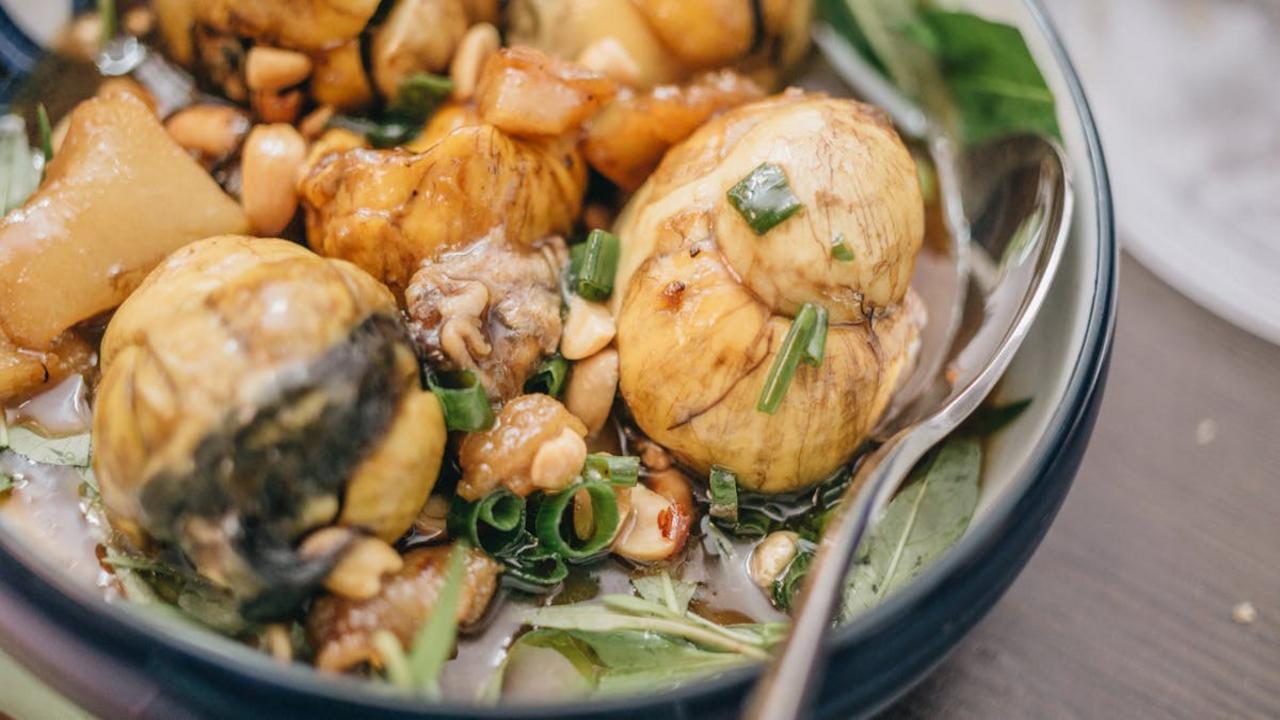
I’ve discovered that balut stands out as one of the Philippines’ most daring street foods – a fertilized duck egg that contains a developing embryo, boiled and eaten straight from the shell. You’ll find vendors calling out “Baluuuut!” in the evening hours, carrying wooden baskets filled with these warm, ready-to-eat treats. While it may seem unusual to some, this protein-rich snack brings pure joy to many Filipinos who grew up enjoying it with a dash of vinegar and salt.
The traditional way to eat balut involves cracking a small hole at the top of the shell, sipping the savory broth, and then peeling away the shell to reveal the contents inside. The egg white has a firm, chewy texture, while the yolk remains creamy and rich. The baby duck adds an extra layer of flavor and texture that many consider a bonus. For generations, street vendors have sold balut for its supposed health benefits, including increased energy and enhanced virility – making it a popular late-night snack among workers and party-goers alike.
Khachapuri – Georgia
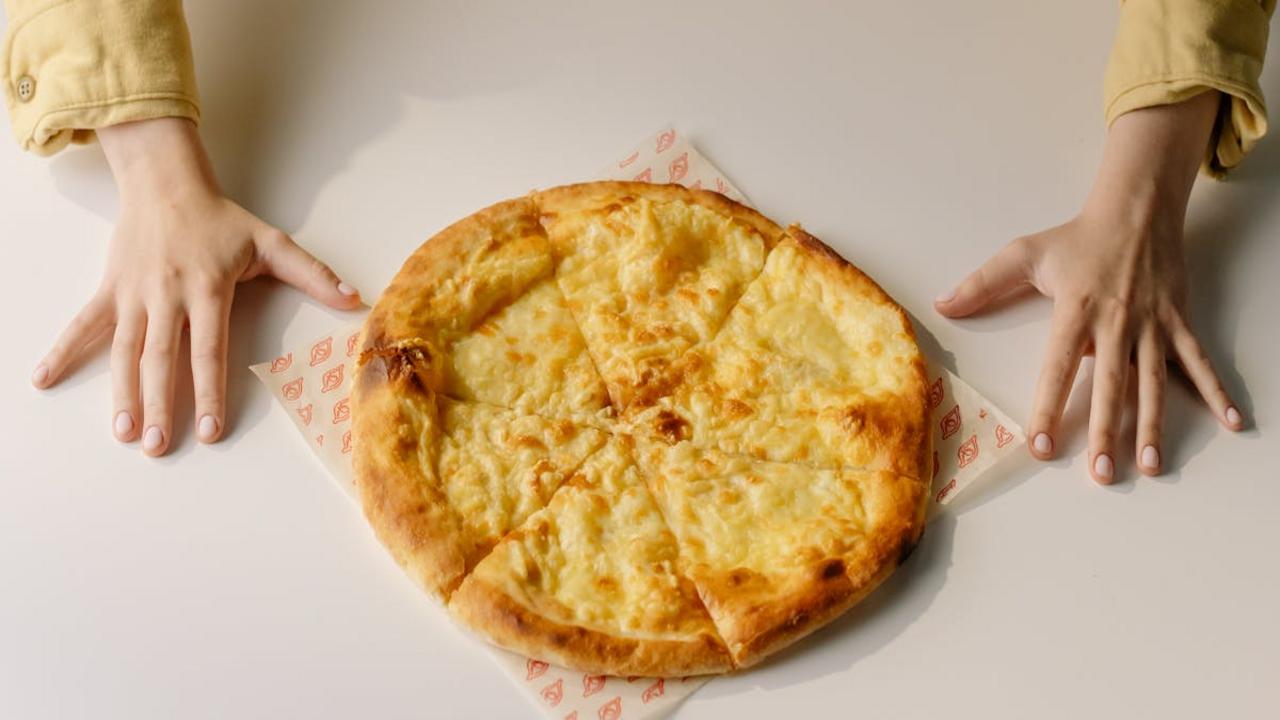
I want you to meet your next bread obsession – khachapuri, Georgia’s beloved cheese-filled bread that makes pizza look boring! Picture this: warm, fluffy bread shaped like a boat, filled with a pool of melted cheese, butter, and a runny egg right in the center. Every Georgian family has their own special way of making this bread, but the basic concept stays true – you tear off pieces of the crusty edges and dip them into that heavenly cheese mixture until you reach the gooey center.
The magic of khachapuri lies in its simple yet bold ingredients. The dough gets its rich flavor from yogurt or sour cream mixed into the base, while the filling combines briny Georgian Sulguni cheese with salty feta. Once it comes out of the oven bubbling hot, you’ll drop a pat of butter and crack an egg into the cheese pool. Mix it all together and watch that golden yolk create the most incredible sauce. Many Georgians start their day with this hearty bread, and after trying it myself, I completely understand why – it’s pure comfort in every bite!
Currywurst – Germany
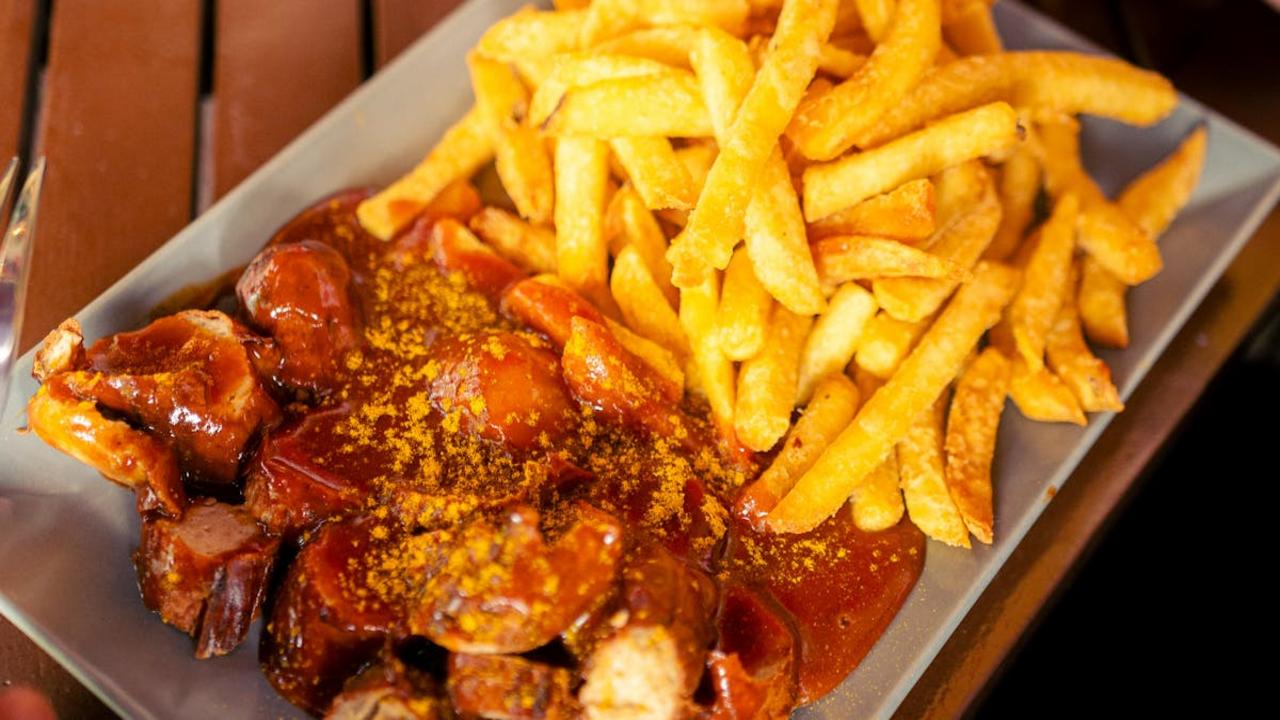
You’ll find Currywurst stands dotting the streets of Berlin and beyond, serving up this beloved German street food that combines crispy fried sausages with a rich curry-spiced ketchup sauce. The dish was born in post-war Berlin when food vendor Herta Heuwer traded spirits with British soldiers for curry powder and mixed it with tomato sauce to create this now-iconic condiment. The traditional preparation involves slicing a grilled or fried bratwurst into bite-sized pieces, then drowning it in the signature curry sauce and dusting it with additional curry powder.
The magic of Currywurst lies in its perfect balance of flavors – the smoky, juicy sausage meets the sweet and tangy curry sauce, creating an unforgettable combination that Germans and tourists can’t resist. Most vendors serve it with a side of crispy French fries or a crusty bread roll to soak up every drop of sauce. While you can find Currywurst in restaurants across Germany, true fans know the best versions come from the small street stalls where vendors have perfected their secret sauce recipes through generations. This simple yet satisfying dish proves that sometimes the most memorable foods come from humble beginnings.
Börek – Turkey
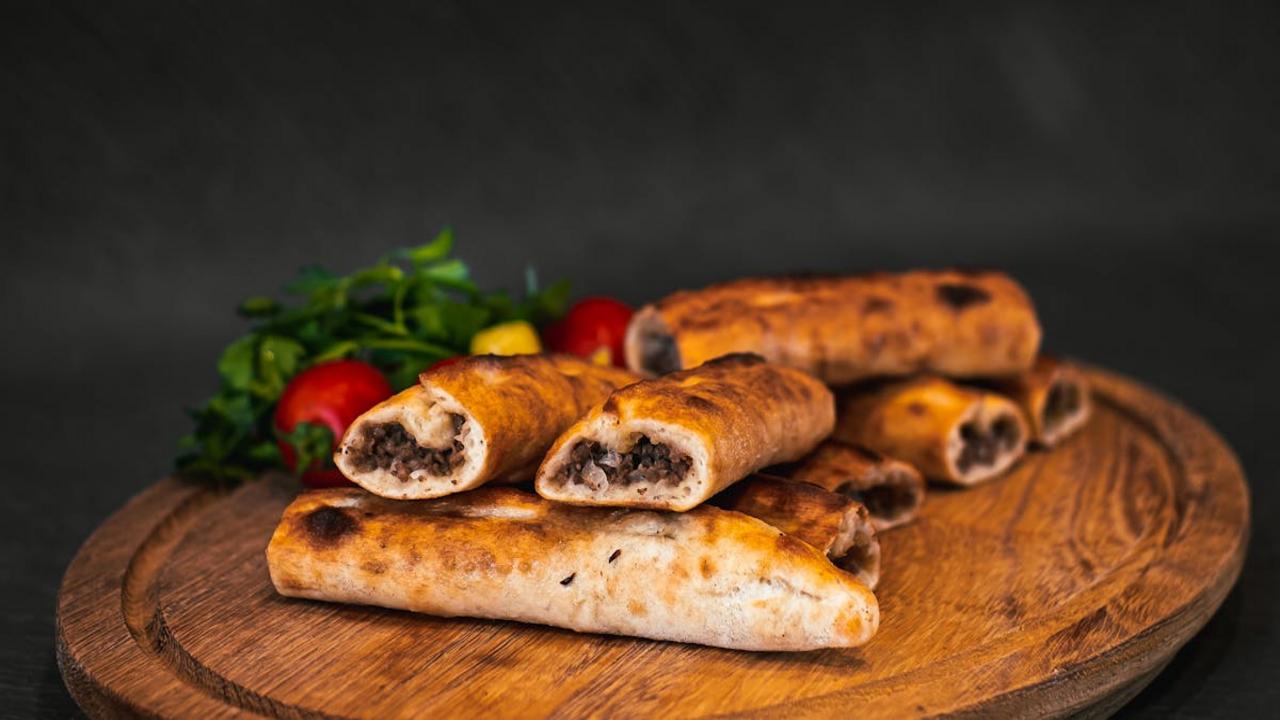
I first discovered börek while wandering through Istanbul’s winding streets, where local bakers create these flaky, savory pastries with generations of expertise. The traditional Turkish treat features paper-thin layers of phyllo dough filled with an array of ingredients – from spinach and feta cheese to minced meat and potatoes. The dough gets brushed with butter or olive oil between each layer, creating an incredibly crispy exterior that shatters delightfully with every bite.
You’ll find börek served in different shapes across Turkey – some rolled into spirals, others folded into half-moons, or layered in large baking pans and cut into squares. The morning markets fill with the irresistible smell of fresh börek, where locals grab these portable pastries for breakfast or a quick snack. My favorite version combines crumbled feta with fresh parsley and black pepper, though the potato and onion filling offers pure comfort food satisfaction. The beauty of börek lies in its versatility – each region and family adds their own special touch to this beloved street food.
Pani Puri – India
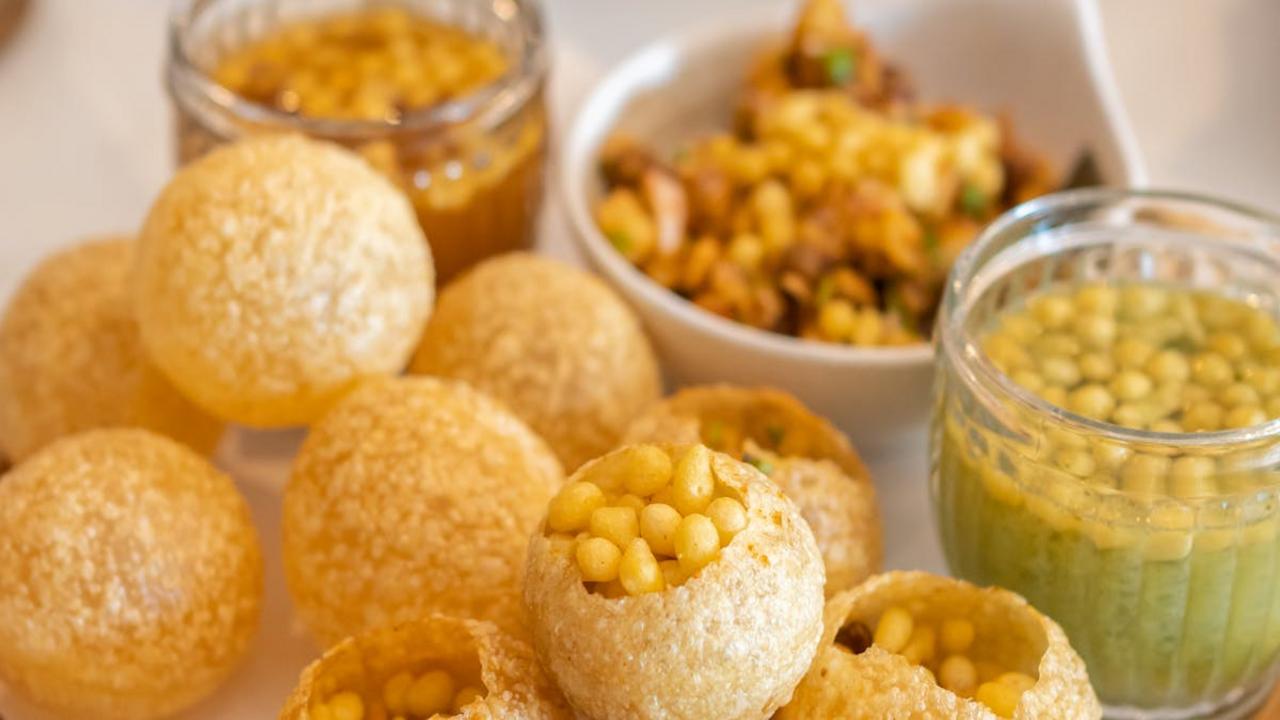
Picture yourself biting into a crispy, hollow sphere of pure bliss – that’s Pani Puri for you! This tiny but mighty Indian street snack packs an explosion of flavors in every bite. The delicate puri shells, made from semolina or wheat flour, hold a perfect mix of spiced potato, chickpeas, and tangy tamarind chutney. But the real magic happens when you pour in the spiced mint water (pani), transforming this simple snack into an unforgettable flavor bomb that dances on your tongue.
I’ve watched countless street vendors in Mumbai and Delhi skillfully assemble these bite-sized wonders with lightning speed. They’ll hand you a plate of 6-8 puris, each one ready to be filled with your choice of sweet, spicy, or tangy water. The best part? You must eat each puri in one quick bite before it gets soggy – making it both a snack and a fun food challenge! The combination of textures – from the crackly shell to the soft filling and the zingy water – creates such a unique experience that you’ll find yourself going back for seconds, thirds, and maybe even fourths.
Karaage – Japan
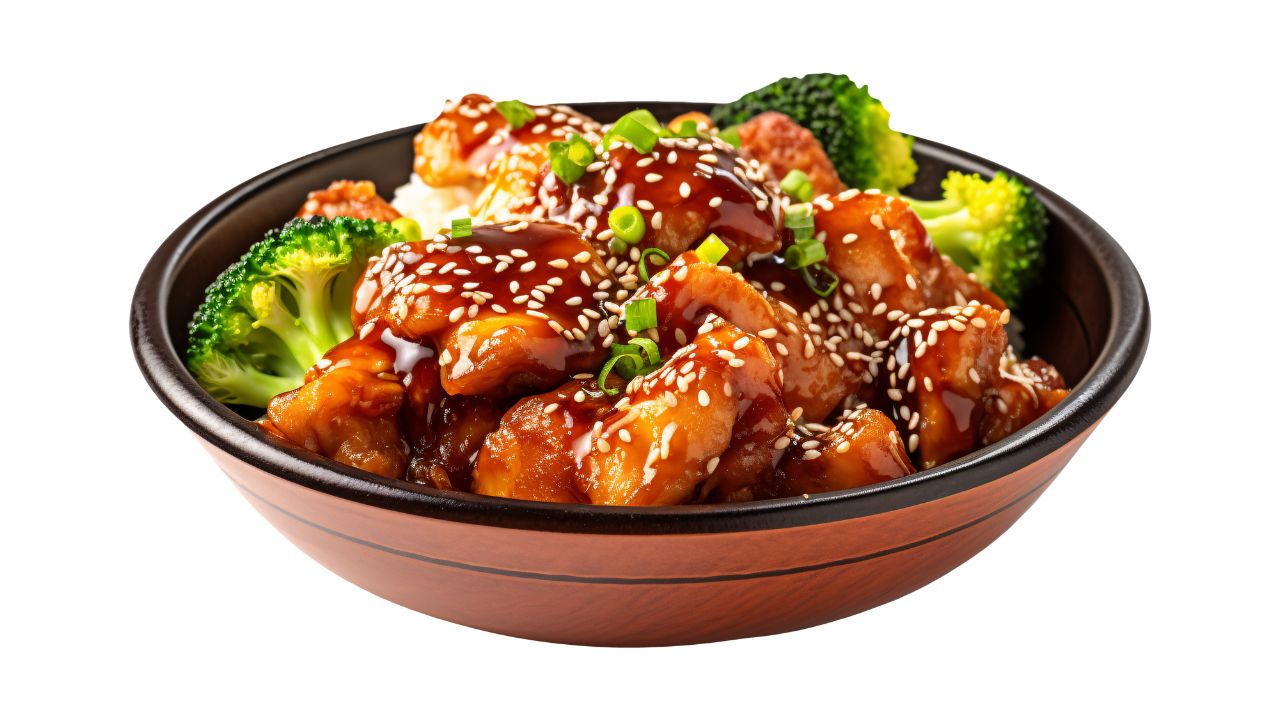
You’ll find Karaage everywhere in Japan, from convenience stores to izakayas (traditional pubs). This Japanese-style fried chicken features juicy, marinated pieces of meat coated in a light, crispy shell that creates the perfect crunch with each bite. The marinade includes soy sauce, ginger, and garlic, giving the chicken a deep umami flavor that makes it impossible to stop at just one piece. Many Japanese home cooks prepare this dish weekly, serving it with a squeeze of lemon and a side of shredded cabbage.
While the preparation looks simple, the secret to perfect Karaage lies in double-frying the chicken at different temperatures. The first fry cooks the meat through, while the second creates that signature golden-brown exterior that Japanese food lovers crave. You’ll often spot this dish in bento boxes, where working professionals and students pack it alongside rice and pickled vegetables for lunch. The beauty of Karaage shines through its versatility – eat it hot, cold, or at room temperature, and it maintains its delicious flavor profile.
Ceviche – Peru
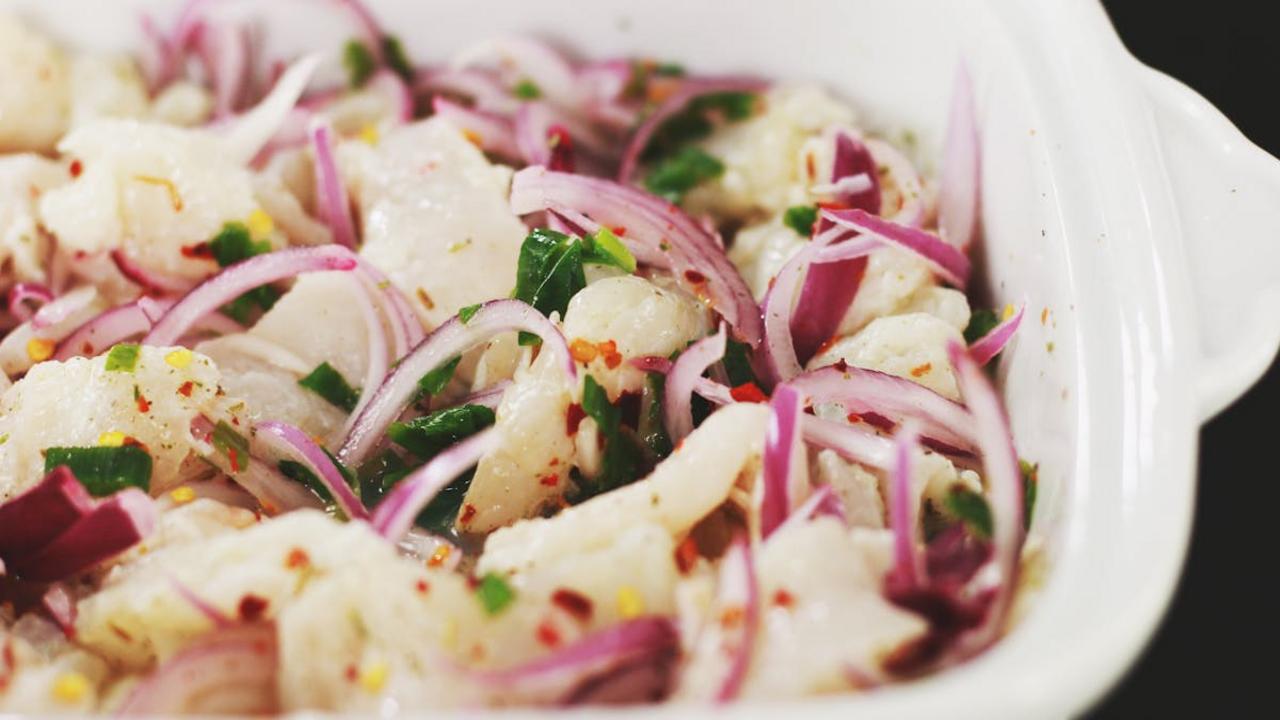
Fresh, zingy, and bursting with coastal flavors, Peruvian ceviche stands out as one of South America’s most beloved street foods. Raw fish chunks (usually sea bass or sole) swim in a bright mixture of lime juice, which “cooks” the fish through a chemical reaction, creating a perfectly tender texture. Local vendors add razor-thin red onions, fiery chili peppers, and crisp corn kernels to create a dish that captures Peru’s vibrant food culture. You’ll find the best ceviche at small street carts near Lima’s beaches, where fishermen bring their morning catch directly to the vendors.
What makes Peruvian ceviche unique is leche de tigre – “tiger’s milk” – the tangy, spicy liquid that forms from the citrus marinade mixing with fish juices. This potent elixir not only adds incredible flavor but also serves as a natural hangover cure, according to local wisdom. Street vendors serve their ceviche with sweet potatoes and choclo (large-kerneled Peruvian corn) on the side, creating a perfect balance of textures and temperatures. The dish brings together Peru’s indigenous and Spanish influences in one refreshing, protein-rich bite.
Bánh Xèo – Vietnam
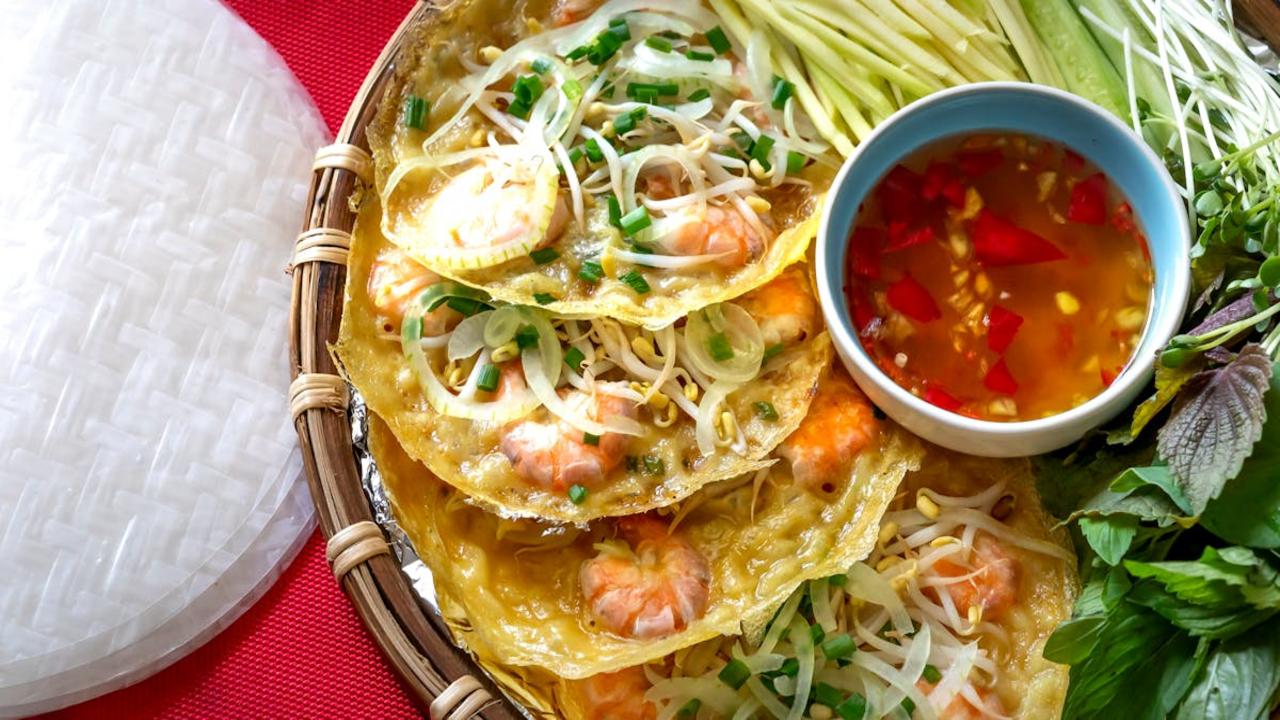
Picture this: you’re walking through a bustling Vietnamese street market, and you catch the sizzling sound of rice batter hitting a hot pan. That’s the magical moment of bánh xèo coming to life! These crispy, golden-yellow rice flour crepes get their vibrant color from turmeric and coconut milk. The skilled street vendors pour the batter with precision, creating a thin, lacy texture that crackles with each bite. They stuff these heavenly crepes with tender pork belly, plump shrimp, crunchy bean sprouts, and fresh herbs.
The best part about bánh xèo? The interactive eating experience! You’ll grab a piece of the crepe, wrap it in fresh lettuce leaves, add mint, cilantro, and Thai basil, then dip it in nước chấm – a bright and tangy fish sauce-based dressing. The combination creates an explosion of textures and flavors in your mouth – from the crunch of the crepe to the tenderness of the filling, all tied together with fresh herbs and that perfect sauce. This Vietnamese street food favorite brings people together, encouraging sharing and conversation while everyone builds their perfect bite.
Bunny Chow – South Africa
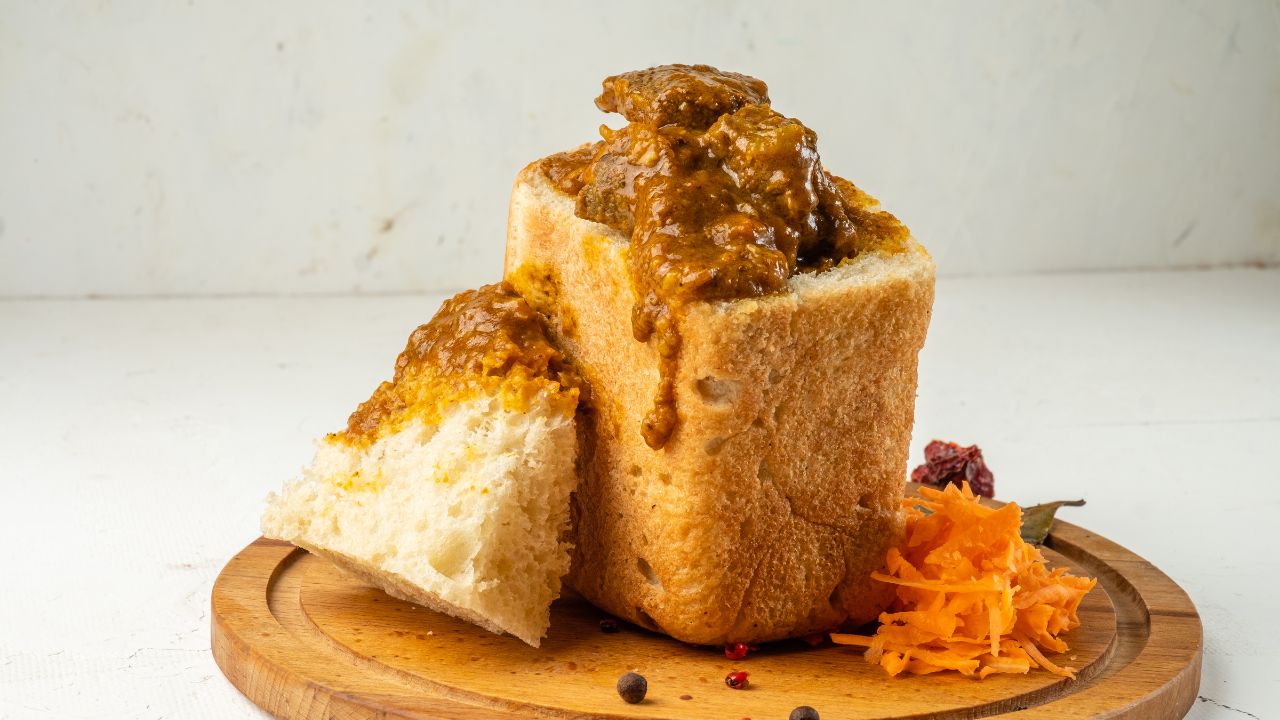
You’ll find this incredible South African street food staple in the bustling streets of Durban, where Indian and African influences blend to create something magical. Bunny Chow is a hollowed-out loaf of white bread filled with spicy curry – typically lamb, chicken, or beans. Despite its name, you won’t find any rabbits here! The dish originated in the 1940s when Indian laborers needed a convenient way to carry their lunch to the sugarcane fields, and creative food vendors came up with this portable curry solution.
The best part about Bunny Chow is how the bread soaks up all those rich curry flavors while staying crispy on the outside. You’ll want to dive right in with your hands – that’s the authentic way to eat it! The curry itself packs a punch with aromatic spices like turmeric, garam masala, and cardamom, while chunks of tender meat or vegetables swim in the thick gravy. Local vendors often top it with a sprinkle of fresh cilantro and serve it with a side of carrot sambal for extra zing. This filling meal has become such a beloved part of South African culture that you’ll now find it everywhere from street corners to high-end restaurants.
Langos – Hungary
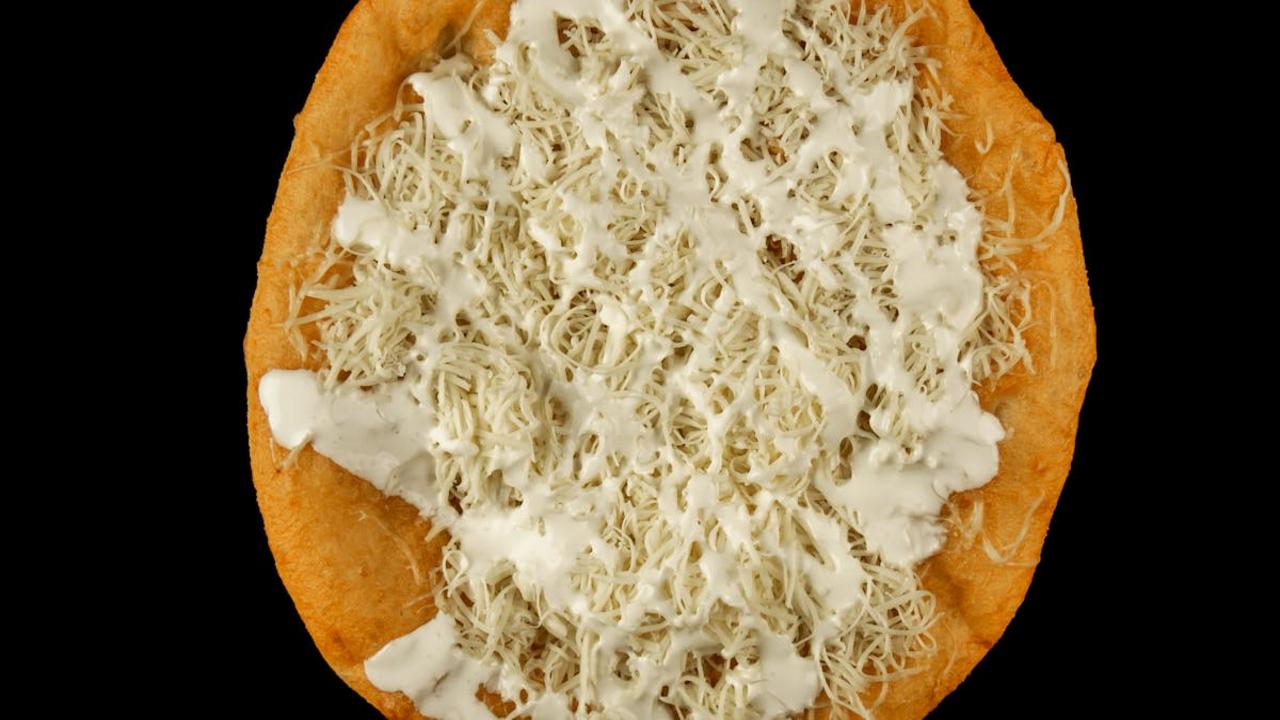
I discovered Langos during my weekend trip to Budapest, and this Hungarian street snack immediately won my heart! Picture a disc of deep-fried dough that puffs up into a golden cloud, crispy on the outside yet pillowy-soft inside. The traditional version comes slathered with sour cream and topped with shredded cheese and minced garlic – a combination that creates pure magic in your mouth. You’ll find these hot, aromatic treats at street vendors and markets across Hungary, where locals grab them for breakfast or a satisfying afternoon snack.
While the classic garlic-sour cream-cheese version remains the most popular, creative vendors now offer modern twists with toppings like ham, sausage, or even sweet variations with Nutella and powdered sugar. The dough itself traces back to Turkish influences during the Ottoman occupation, but Hungarians made it uniquely their own. I recommend eating your Langos immediately while it’s still hot – there’s nothing better than watching the cheese melt into the fresh-from-the-fryer bread. Just remember to grab extra napkins because this delicious treat can get wonderfully messy!
Gimbap – South Korea
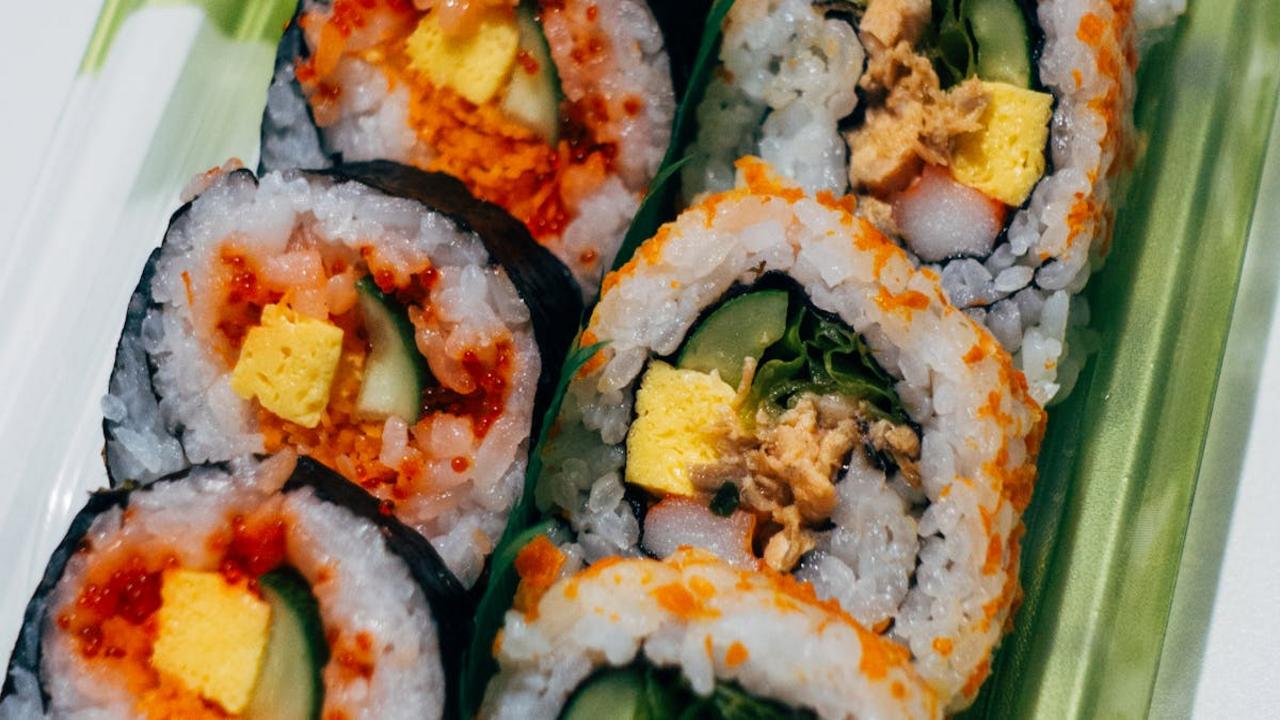
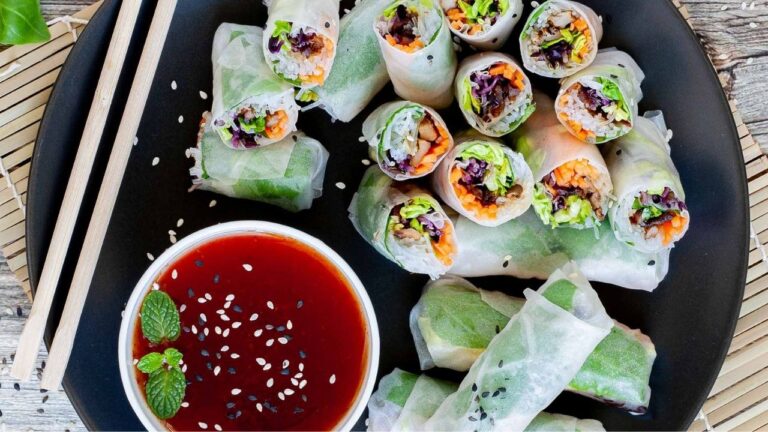
If you’re walking through Seoul’s bustling street markets, you’ll spot vendors rolling these colorful Korean rice rolls with lightning speed. Gimbap (or kimbap) wraps seasoned rice and fresh ingredients in dried seaweed sheets, creating perfect grab-and-go bites. Inside, you’ll find a rainbow of fillings like pickled radish, carrots, spinach, eggs, and meat or fish. The rice gets a light coating of sesame oil, giving each bite a nutty aroma that’ll make you reach for another piece.
I love how gimbap brings together so many textures and flavors in one neat package. The chewy rice, crisp vegetables, and tender protein create an amazing contrast, while the seaweed wrapper adds a subtle ocean breeze note. You can find different variations across South Korea, from simple vegetarian rolls to spicy tuna or bulgogi beef versions. My favorite part? The way the sesame-seasoned rice hugs all the ingredients together, making each piece a complete meal you can enjoy while exploring the vibrant streets of Korea.
Arepas – Venezuela
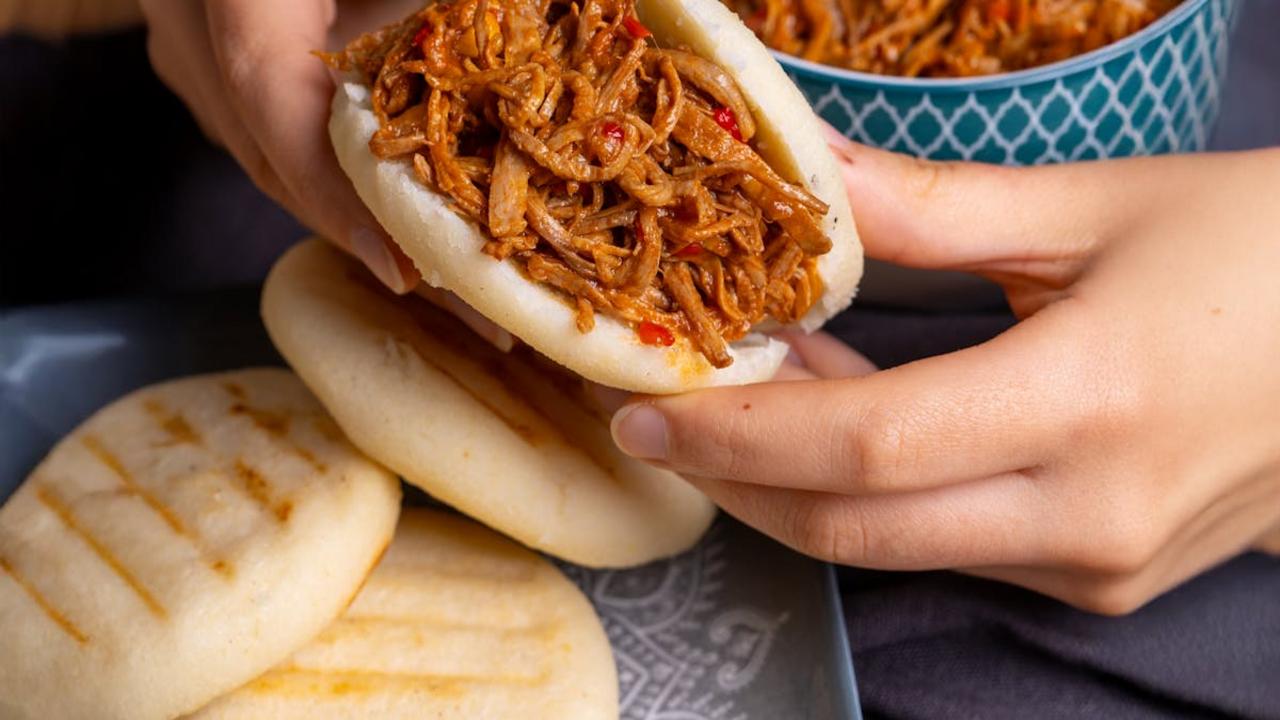
I love the way arepas transport me straight to the bustling streets of Venezuela with their comforting aroma and golden-brown crust. These round, thick corn patties start with a simple mix of pre-cooked corn flour (called masarepa), water, and salt – but don’t let their simplicity fool you! The magic happens when you grill them until they develop a crispy exterior while maintaining a tender, pillowy center. You’ll find vendors across Venezuela grilling these beauties on flat-top griddles, filling them with everything from shredded beef and black beans to cheese and avocado.
What makes arepas truly special is their versatility and the way they bring people together. In Venezuelan homes and street corners, you’ll spot families and friends gathering around steaming plates of fresh arepas, splitting them open like warm pockets to stuff with their favorite fillings. My go-to combination is the classic reina pepiada – a creamy chicken and avocado salad that perfectly complements the subtle corn flavor of the arepa. Whether you enjoy them for breakfast, lunch, or dinner, these handheld delights offer a satisfying meal that’s both filling and budget-friendly.
Takoyaki – Japan
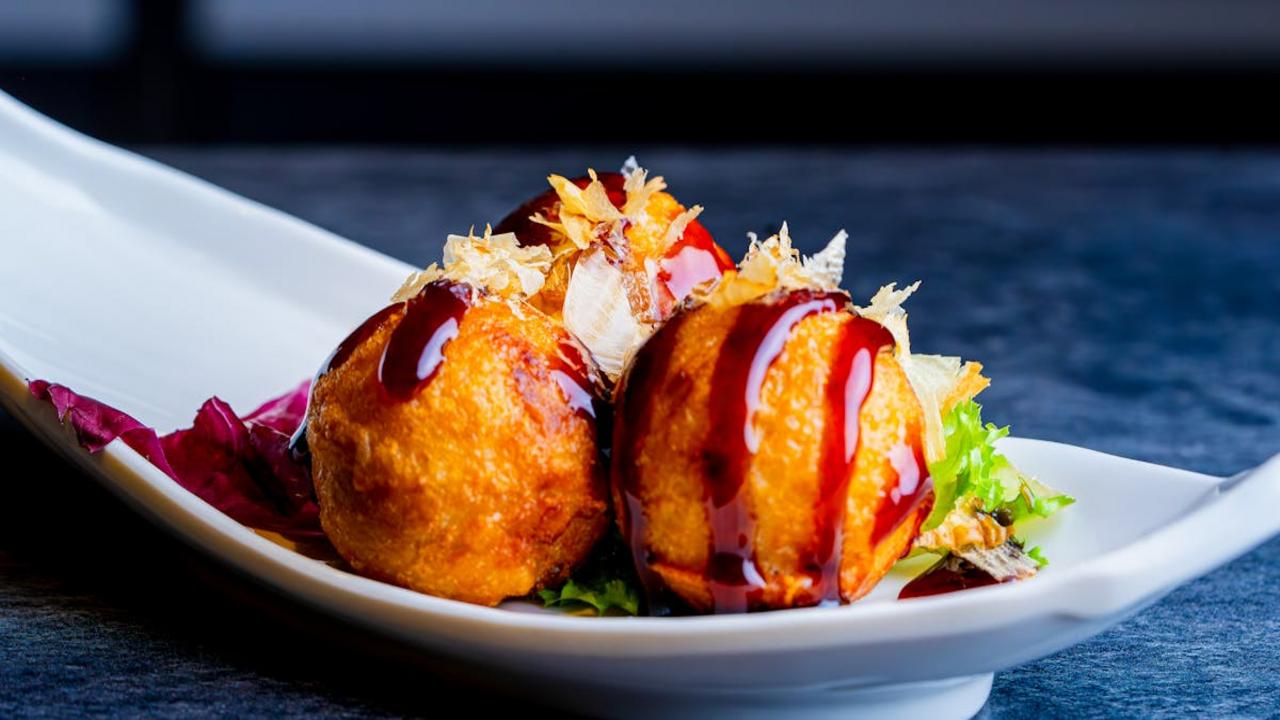
You’ll spot these golden-brown octopus balls sizzling away at street vendors throughout Japan, particularly in Osaka where they originated. These savory spheres contain tender pieces of octopus, tempura scraps, pickled ginger, and green onion, all wrapped in a light, fluffy batter. The real magic happens when vendors top them with a generous drizzle of sweet-savory takoyaki sauce, Japanese mayo, dried seaweed flakes, and dancing bonito flakes that wave in the steam.
I never miss a chance to grab these piping hot treats whenever I visit Japan – though be warned, your first bite needs patience! The center stays incredibly hot for several minutes after they come off the special molded pan. The contrast between the crispy exterior and the gooey interior creates an addictive texture that keeps locals and tourists coming back for more. Each vendor has their own special touch, whether it’s a secret sauce recipe or a particular way of flipping the balls to achieve that perfect golden crust.