12 Strangest Foods You Can Buy in a Can
Picture this: you’re wandering through the grocery store, minding your own business, when suddenly you spot a can labeled “Whole Chicken.” Your brain does a double-take. Yes, that’s an entire bird stuffed into a metal container, bones and all. Welcome to the wonderfully weird world of canned foods that make you question everything you thought you knew about preservation.
From silkworm pupae that crunch like potato chips to fermented shark that smells like ammonia-soaked socks, the canning industry has pushed boundaries you didn’t even know existed. Someone, somewhere, decided that cheeseburgers belonged in cans. Another brilliant mind thought, “You know what? People need cobra meat on their pantry shelves.”
These bizarre creations aren’t just novelty items collecting dust—they represent humanity’s endless quest to make everything portable, shelf-stable, and slightly unsettling. Whether you’re brave enough to try rattlesnake or just want to impress dinner guests with reindeer pâté, these canned curiosities prove that convenience food has no limits.
Canned Air from Different Cities

Okay, so technically this isn’t food, but hear me out – people are literally buying canned air like it’s the next artisanal pickle trend! Companies now bottle atmospheric samples from famous cities and sell them as souvenirs. You can snag a whiff of Paris morning air for about $20, or maybe treat yourself to some premium Swiss mountain breeze. I once watched a friend crack open a can of “authentic New York City air” at a dinner party, and honestly, the commitment to the bit was impressive. The company claims each can contains genuine atmospheric particles from specific locations, though I’m pretty sure my apartment’s dusty corners offer a similar experience for free.
The whole concept started as a novelty gift but somehow evolved into a legitimate business model. Some brands even offer seasonal variations – spring air from Tokyo during cherry blossom season costs extra, naturally. What cracks me up is reading the product descriptions: “Notes of urban sophistication with hints of exhaust and dreams.” Really? Dreams have a scent now? But people keep buying these things, probably because there’s something oddly romantic about owning a piece of a faraway place, even if that piece happens to be invisible and trapped in a tin can. Just don’t expect it to taste like croissants, no matter what the Parisian air marketing suggests.
Canned Cobra

Picture this: you’re wandering through an Asian specialty market, minding your own business, when BAM—there it is on the shelf, coiled and preserved in all its serpentine glory. Canned cobra isn’t just some internet myth; it’s a legitimate product you can actually purchase, primarily from Vietnam and other Southeast Asian countries. The cobra meat floats in its own juices, looking remarkably like chunky chicken in a can, except this chicken once had fangs and could kill you with a single bite. The irony is delicious—literally. You’ve got this apex predator, reduced to convenient pantry storage.
Now, before you start panicking about accidentally grabbing cobra instead of tuna for your sandwich, know that this delicacy commands serious respect and a hefty price tag. In traditional Vietnamese medicine, cobra meat boasts supposed health benefits, from boosting virility to improving skin conditions. The flavor? Surprisingly mild and chicken-like, though chewier and with a slightly fishy undertone. Some adventurous chefs incorporate it into soups or stir-fries, but honestly, most people buy it more for the shock value than the flavor. Just imagine the look on your dinner guests’ faces when you casually mention they’re eating snake!
Canned Bacon
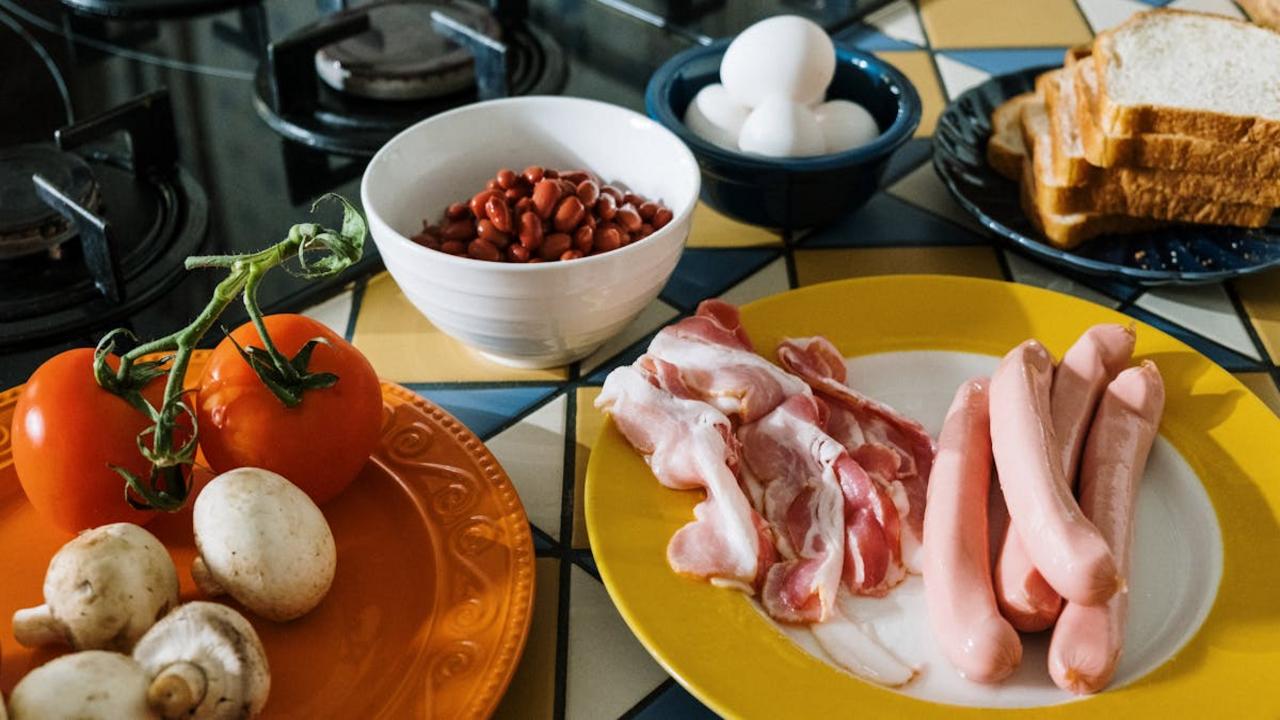
Picture this: you’re camping in the middle of nowhere, desperately craving that smoky, salty bacon goodness, but there’s no refrigeration in sight. Enter canned bacon – the shelf-stable miracle that somehow manages to preserve those crispy strips for up to 10 years! Companies like Yoders and Tactical Bacon have turned this breakfast staple into a survival food that doesn’t need refrigeration until you crack open that metal fortress. The process involves pre-cooking the bacon, then sealing it in the can with its own rendered fat, creating an apocalypse-proof breakfast that would make any prepper weep with joy.
Now, before you wrinkle your nose, canned bacon actually tastes surprisingly decent – though it’s more like bacon bits than those perfect crispy strips you see in commercials. You can eat it straight from the can (if you’re feeling adventurous), toss it into scrambled eggs, or crumble it over a salad for that instant bacon fix. Military personnel and outdoor enthusiasts swear by this stuff, and honestly, after trying it myself during a particularly chaotic camping trip, I gained a newfound respect for whoever figured out how to trap bacon essence in aluminum. Sure, it’s not going to replace your Sunday morning bacon ritual, but when civilization crumbles and you need portable pork, this little can becomes your best friend.
Reindeer Pâté

Picture this: you’re wandering through a Scandinavian grocery store, minding your own business, when BAM—there it sits on the shelf like it’s the most normal thing in the world. Reindeer pâté in a can. Your first thought? “Wait, isn’t that one of Santa’s crew?” But before you start feeling guilty about Rudolph, remember that reindeer farming is a centuries-old tradition in northern Europe, particularly in Norway, Sweden, and Finland. These aren’t the magical Christmas variety—they’re domesticated animals raised by the indigenous Sami people, who’ve been perfecting this protein source long before canned goods became trendy.
The flavor? Think rich, gamey, and surprisingly smooth—imagine if venison decided to get fancy and put on a tuxedo. This isn’t your average grocery store mystery meat; reindeer pâté boasts a deep, earthy taste with hints of juniper and wild herbs from the Arctic tundra where these animals roam. Spread it on crispy rye crackers with a dollop of lingonberry jam, and you’ve got yourself an authentic Nordic experience without booking a flight to Stockholm. Fun fact: reindeer meat contains more protein and less fat than beef, plus it’s packed with vitamin B12 and iron. So really, you’re just being health-conscious while simultaneously crossing “eat Dasher’s cousin” off your bucket list.
Hákarl Fermented Shark
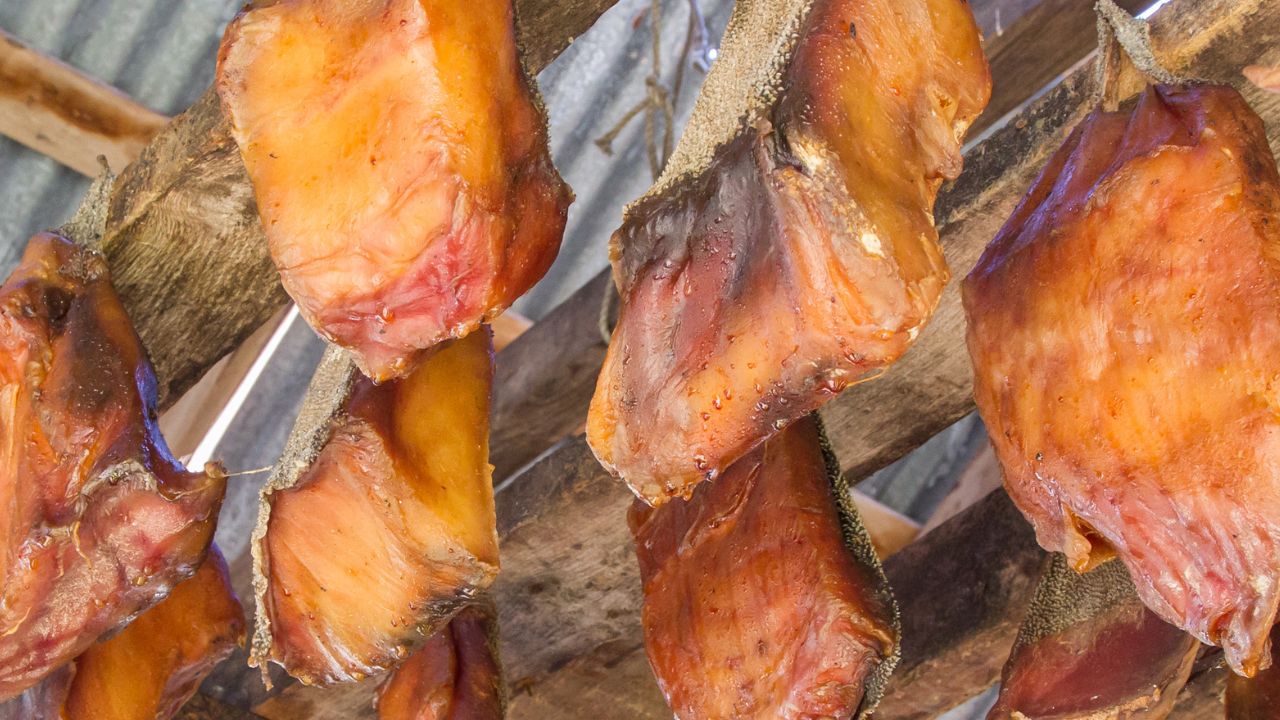
Picture this: you’re browsing the international foods aisle and spot a can labeled “fermented shark.” Your first thought? Probably “Who thought THIS was a good idea?” Well, meet hákarl, Iceland’s most infamous delicacy that somehow made its way into convenient aluminum packaging. This centuries-old Icelandic tradition involves burying Greenland shark meat underground for four to five months, then hanging it to dry for another four months. The process removes toxins that would otherwise make you violently ill, transforming what was once poisonous flesh into something that… well, still makes most people gag. The smell alone has been compared to a public restroom mixed with ammonia and regret.
Now, you might wonder why anyone would can this pungent delicacy, and honestly, I’m still scratching my head too. Traditional hákarl requires serious commitment – you need to dig holes, wait months, and pray the weather cooperates. Canned versions offer instant access to this polarizing protein without the archaeological effort. Anthony Bourdain famously called it “the single worst, most disgusting and terrible tasting thing” he’d ever eaten, yet Icelanders consider it a point of national pride. If you’re brave enough to try it, chase it with brennivín (caraway-flavored schnapps) like the locals do – trust me, you’ll need something strong to wash down that unforgettable fishy-ammonia punch.
Canned Brown Bread
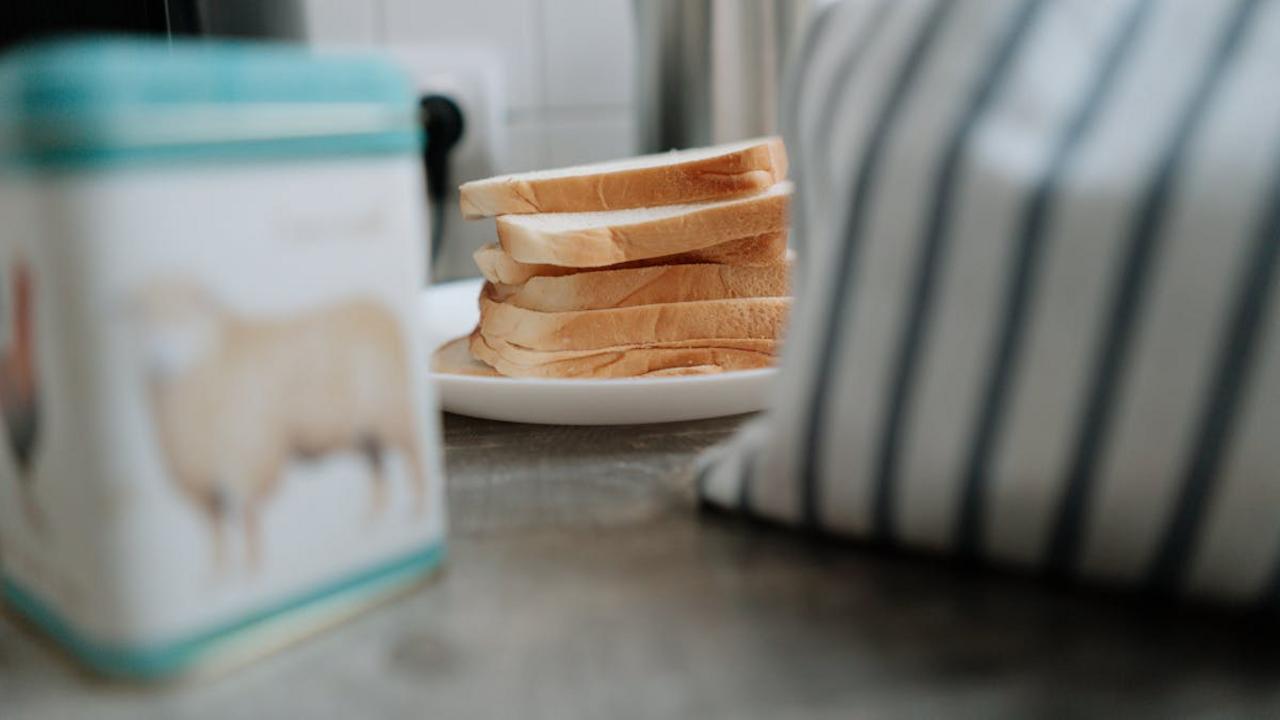
Picture this: you crack open what looks like a paint can, and inside sits a perfectly cylindrical loaf of dense, molasses-sweetened bread that slides out with a gentle thud. Welcome to the wonderfully weird world of B&M Brown Bread, New England’s favorite pantry mystery! This steamed bread tradition dates back to colonial times when Puritan settlers needed hearty sustenance that could survive harsh winters. The can steaming process creates an impossibly moist texture that regular baking simply can’t achieve – think cake meets bread meets something your great-grandmother would approve of.
You can slice this bad boy straight from the can and serve it alongside baked beans (the classic combo), or get fancy and toast thick rounds with cream cheese for breakfast. Some adventurous souls even use it as the base for bread pudding or French toast. The ingredients read like a health food store wish list: whole wheat flour, cornmeal, molasses, and raisins. Sure, it looks bizarre sliding out of that metal cylinder, but one bite of this sweet, dense treasure will convert even the most skeptical eaters. Pro tip: refrigerate any leftovers – if there are any – because this stuff disappears faster than you’d expect!
Canned Alligator Meat

You know that moment when you’re strolling through the grocery store, minding your own business, and suddenly you spot a can labeled “gator meat” sitting there like it’s the most normal thing in the world? Welcome to Louisiana, my friends, where canned alligator is about as shocking as finding beignet mix on the shelf. This scaly protein has been swimming around in cans since the 1980s, when clever entrepreneurs realized that not everyone could make it down to the bayou for fresh gator tail. The meat inside tastes surprisingly like a cross between chicken and fish – tender, mild, and completely lacking that “I just ate a prehistoric predator” vibe you might expect.
What makes canned gator particularly brilliant is its versatility in the kitchen. You can toss it into jambalaya, whip up some gator cakes (think crab cakes but way more conversation-worthy), or simply sauté it with some Cajun spices and call it a Tuesday night dinner. The texture holds up remarkably well through the canning process, maintaining that signature chewiness without becoming rubber boot material. Each can typically contains about 12 ounces of meat from farm-raised alligators – yes, gator farming is absolutely a thing, and it’s booming in states like Florida and Louisiana. Pro tip: always drain the liquid first unless you want your kitchen smelling like a swamp for the next week!
Canned Cheeseburger
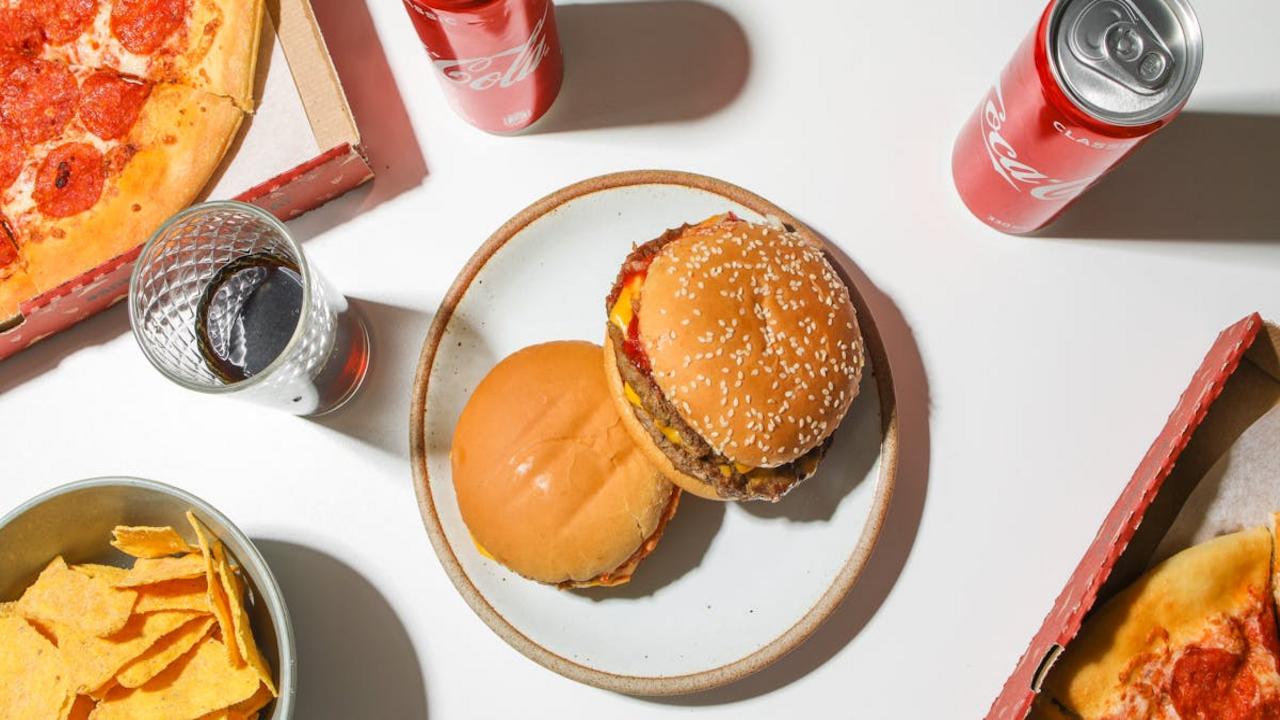
Yes, you read that correctly—someone actually figured out how to stuff an entire cheeseburger into a can, and honestly, I’m not sure whether to applaud their innovation or question their life choices. This German-made marvel contains a fully assembled burger complete with bun, beef patty, cheese, pickles, and sauce, all somehow crammed into a metal container that looks like it should hold soup instead. The whole contraption gets heated in boiling water for about ten minutes, and supposedly emerges as a legitimate meal that won’t immediately send you running to the nearest real burger joint.
Now, I won’t lie to you—the visual presentation is about as appetizing as wet cardboard, but the taste surprisingly doesn’t make you want to swear off food forever. The bun maintains a soggy-yet-edible consistency, while the meat actually resembles something that once had four legs and went “moo.” Sure, it’s not going to replace your favorite burger spot anytime soon, but for apocalypse preppers or extremely lazy college students, this canned wonder serves its purpose. At around $6 per can, you’re paying premium prices for convenience that nobody asked for, but hey, at least you can say you’ve eaten a burger that survived longer in a can than most relationships last these days.
Silkworm Pupae
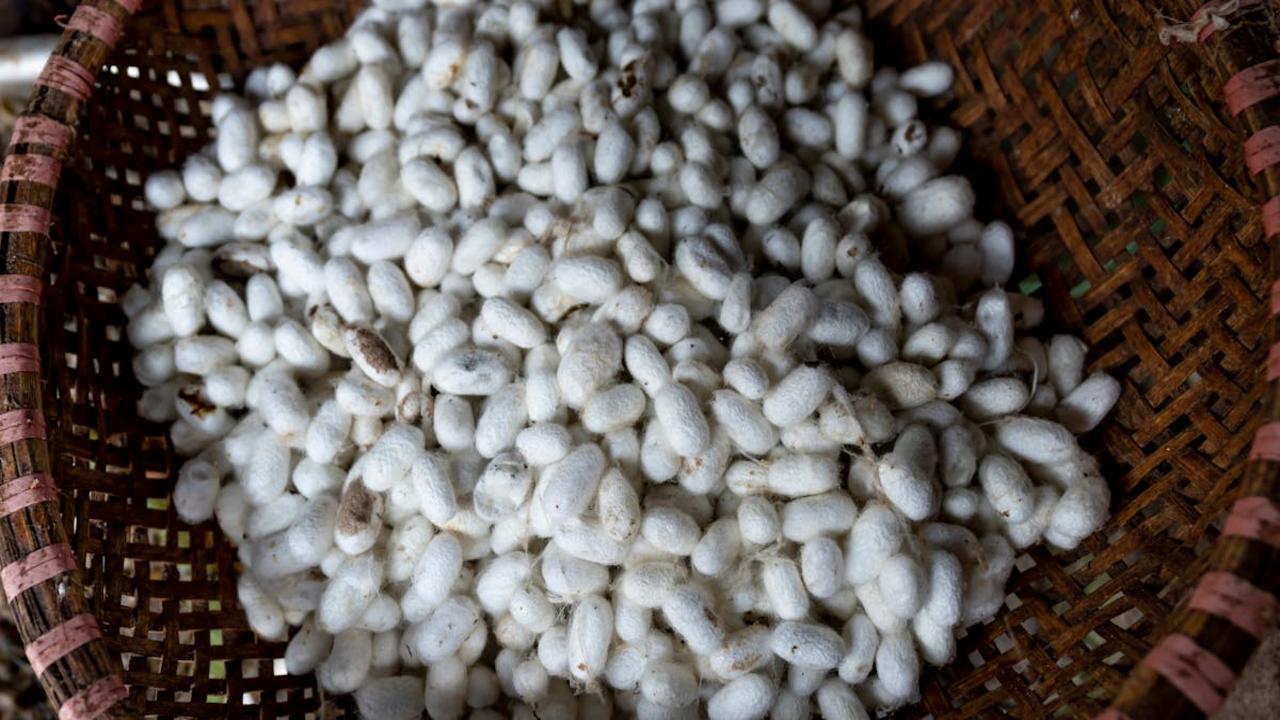
Picture this: you’re wandering through an Asian grocery store, minding your own business, when BAM—a can of silkworm pupae stares back at you from the shelf. Yes, these are actual baby moths-to-be, suspended in their pre-flight stage and packed for your dining pleasure. In South Korea, these protein-packed morsels go by “beondegi” and are considered the ultimate street food snack. Vendors steam them fresh and serve them in paper cups, but if you can’t make it to Seoul, the canned version brings the party straight to your pantry. The texture hits somewhere between firm tofu and cooked shrimp, while the flavor carries a nutty, earthy quality that surprises most first-timers.
Before you wrinkle your nose, consider this: these little guys pack more protein per ounce than beef and contain all nine essential amino acids. Korean students swear by them during exam season, claiming the brain-boosting nutrients help with focus and memory. You can eat them straight from the can (brave souls unite!), toss them into fried rice for extra crunch, or blend them into a smoothie if you’re feeling particularly adventurous. Pro tip: drain the liquid first—it’s intensely salty and might overpower whatever dish you’re creating. Sure, they won’t win any beauty contests, but these wrinkly brown pods represent centuries of sustainable eating wisdom that’s finally catching on worldwide.
Canned Rattlesnake

Picture this: you’re standing in the canned goods aisle, casually scanning for soup, when BAM—there’s a tin of rattlesnake staring back at you. Yes, you read that right. Canned rattlesnake exists, and it’s surprisingly popular among adventurous eaters and survivalists alike. This peculiar protein comes pre-cooked and seasoned, ready to pop open for your next backyard barbecue conversation starter. The meat itself tastes remarkably similar to chicken (shocking, I know—everything does), but with a slightly fishy undertone that reminds you this creature once slithered through desert sand. Companies like Exotic Meat Market have made this wild delicacy accessible to curious foodies everywhere, though you’ll pay premium prices for the privilege of eating what most people run screaming from.
Before you dismiss this as pure novelty, rattlesnake actually packs serious nutritional punch. It’s loaded with protein, low in fat, and contains omega-3 fatty acids that would make your doctor nod approvingly. The canning process preserves the meat beautifully, giving it a tender texture that works surprisingly well in chili, tacos, or even fried up with some onions. Native American tribes have considered rattlesnake a delicacy for centuries, often using every part of the snake for food and medicine. So really, you’re not being weird—you’re being culturally sophisticated! Just maybe warn your dinner guests beforehand, unless you enjoy watching people’s faces cycle through confusion, horror, and reluctant curiosity all in the span of three seconds.
Canned Cheesecake

Picture this: you’re craving that rich, creamy slice of New York-style cheesecake at 2 AM, but the nearest bakery won’t open for hours. Enter canned cheesecake – yes, that’s right, someone actually figured out how to stuff America’s favorite dessert into a metal container! This peculiar invention originated in Japan (because of course it did), where vending machines dispense everything from hot coffee to entire meals, so canned desserts barely raise an eyebrow.
The texture resembles something between pudding and actual cheesecake, though purists might argue it’s more like sweetened cream cheese that got lost on its way to becoming the real deal. Companies like Sapporo and various German manufacturers have perfected this bizarre treat, creating flavors from classic vanilla to strawberry swirl. The strangest part? It’s surprisingly decent! Sure, you won’t mistake it for Junior’s famous recipe, but when desperate times call for desperate measures, that little can delivers a satisfying dose of creamy sweetness. Pro tip: chill it first – room temperature canned cheesecake feels like eating sweet paste, and nobody wants that experience!
Canned Whole Chicken
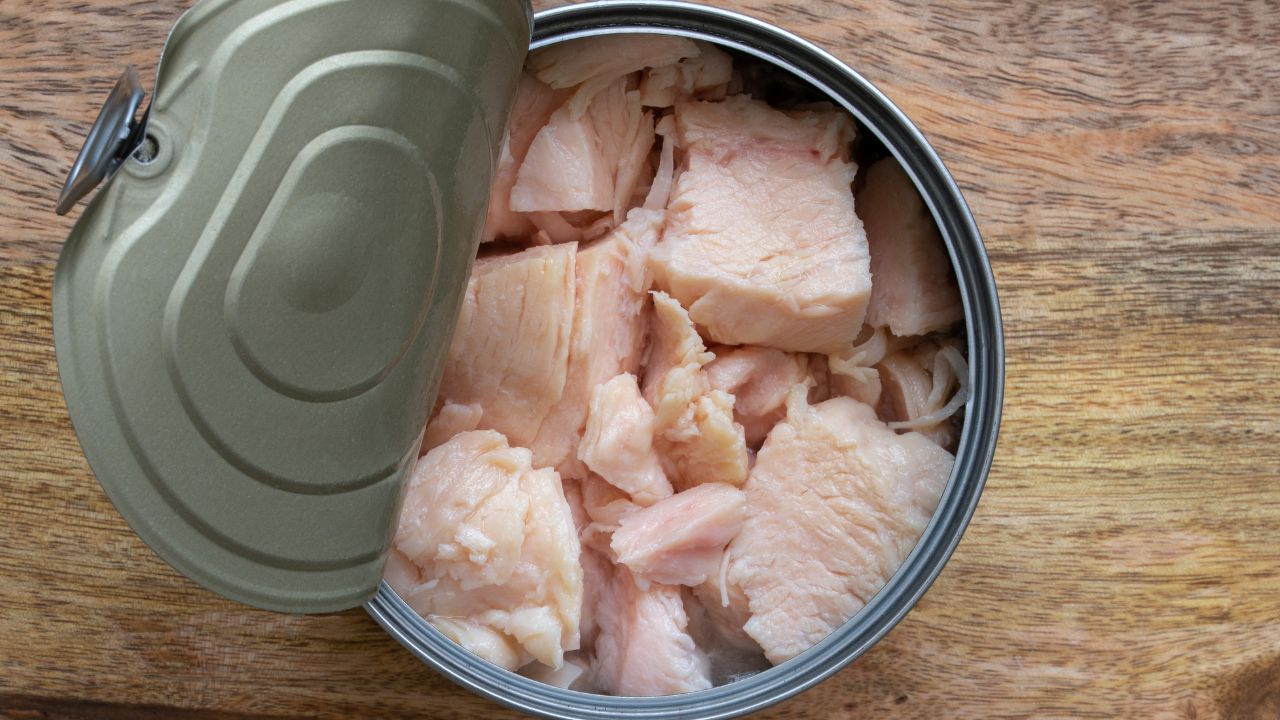
Picture this: you’re strolling through the grocery store, minding your own business, when BAM! A can the size of a small coffee pot catches your eye, and there’s an entire chicken floating inside like some sort of poultry snow globe. Sweet Mountain Chicken has been producing these magnificent cylindrical birds since the 1920s, and honestly, I’m both horrified and fascinated. The chicken slides out of the can with a wet *thunk* that sounds like dropping a rubber boot in a bathtub, complete with bones, skin, and that slightly translucent gelatin coating that makes you question everything you thought you knew about food preservation.
Now before you run screaming, hear me out – this gelatinous wonder actually makes decent chicken salad once you get past the initial shock. The meat separates easily from the bones (though good luck trying to carve this baby for Sunday dinner), and the flavor is surprisingly mild, like chicken that took a really long, salty bath. Emergency preparedness enthusiasts swear by these cans, claiming they last longer than most relationships and require zero refrigeration. Just don’t expect Instagram-worthy presentation – this chicken looks like it survived a particularly rough day at the spa, but hey, at least it comes pre-cooked and ready for your next apocalypse potluck!