14 Overpriced Grocery Items You Should Stop Buying
Your grocery cart doesn’t need to look like a millionaire’s shopping spree! Some foods carry price tags so astronomical they’d make your wallet weep actual tears. These luxury ingredients might sound impressive at dinner parties, but they’re often more about bragging rights than actual flavor.
Sure, that $400-per-ounce saffron sounds exotic, but do you really need it for your Tuesday night pasta? Many of these premium products have perfectly delicious (and affordable) alternatives that won’t require taking out a second mortgage. Your bank account will thank you for skipping the $300 coffee beans.
Before you blow your grocery budget on ingredients that cost more than your car payment, consider whether these splurges truly enhance your cooking. Sometimes the most expensive option isn’t the most delicious one – it’s just the one with the fanciest marketing story attached to it!
Pine nuts
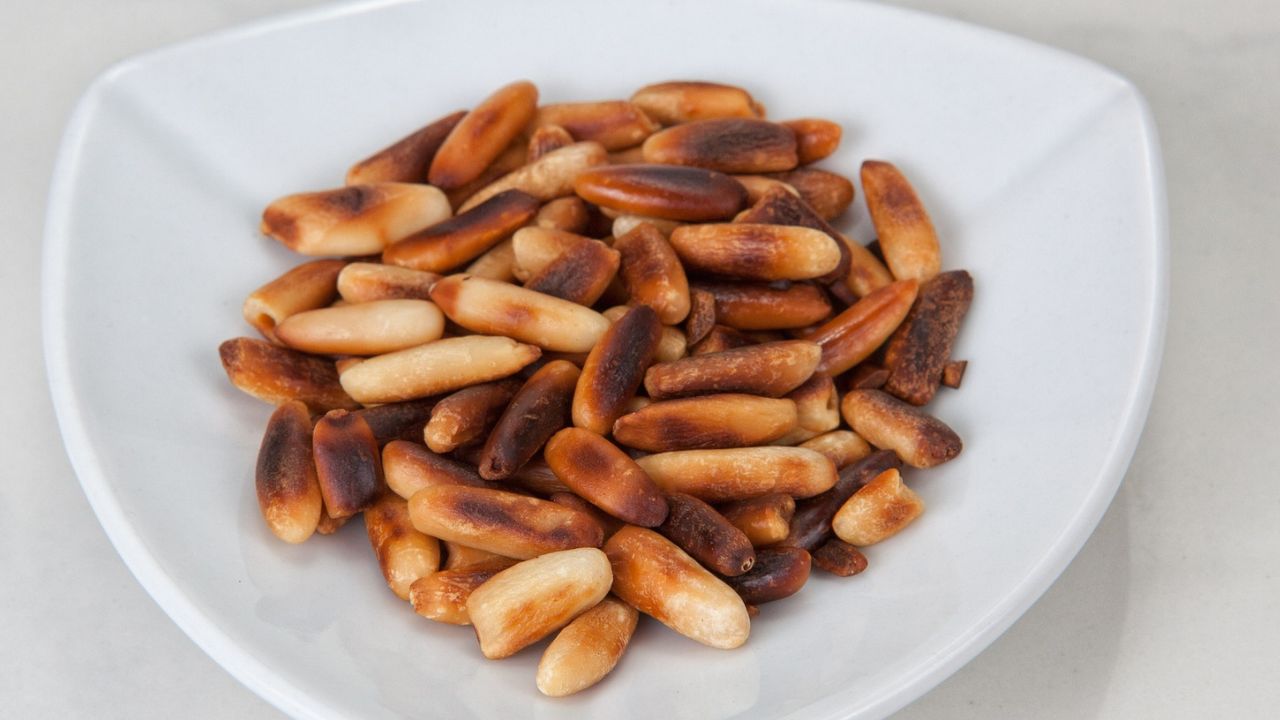
Pine nuts cost more per pound than prime ribeye steak, and honestly, that’s just nuts! These tiny, buttery seeds hiding inside pinecones can run you $30-40 per pound at the grocery store, making them one of the most expensive ingredients you can sprinkle on your salad. The reason? Most pine nuts sold in American stores come from Korea or China, where workers hand-harvest them from pinecones in a labor-intensive process that takes forever. Plus, pine trees take 15-25 years to mature enough to produce cones, so you’re basically paying for decades of tree patience.
Before you mortgage your house for pesto ingredients, try sunflower seeds or chopped almonds instead – they’ll give you similar crunch and richness without requiring a small loan. If you absolutely must have authentic pine nuts, buy them in bulk online or look for domestic varieties from New Mexico (they’re smaller but pack more flavor). Fun fact: pine nuts can go rancid quickly due to their high oil content, so that expensive bag sitting in your pantry for six months might taste like cardboard anyway. Save your money and your taste buds by skipping these pricey tree treasures!
Beluga Caviar
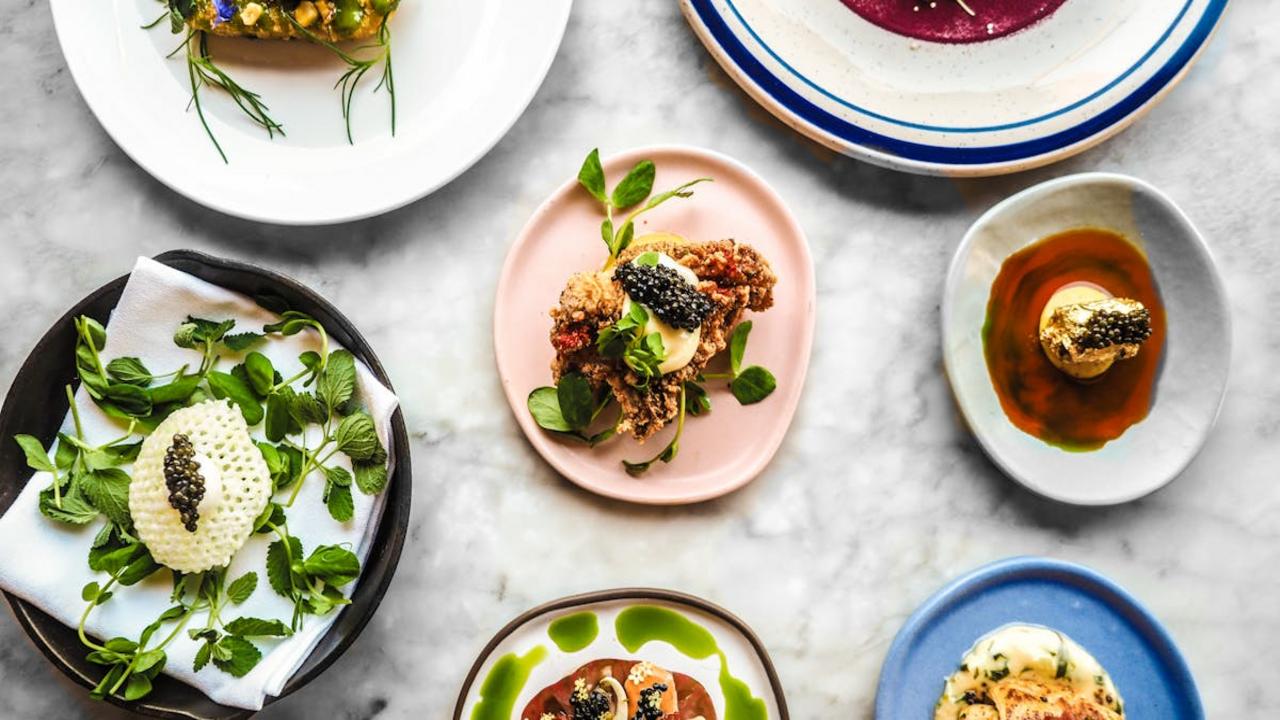
Listen, I get it – you want to feel fancy, maybe impress your mother-in-law, or convince yourself you’ve “made it” in life. But dropping $200+ per ounce on beluga caviar is like buying a Ferrari to drive through your neighborhood Wendy’s drive-thru. Sure, those tiny black pearls from the Caspian Sea sturgeon are the Rolls-Royce of fish eggs, but your wallet will weep harder than you did watching Titanic. The sturgeon that produces this luxury takes up to 20 years to mature – that’s longer than most Hollywood marriages! Meanwhile, you could feed a small village with what you spend on a tablespoon of these salty spheres.
Here’s the kicker: most people can’t even tell the difference between beluga and decent salmon roe in a blind taste test. I once watched a food blogger lose her mind over “authentic beluga” that turned out to be $12 paddlefish caviar from Kentucky. Your taste buds aren’t that sophisticated, and neither are your dinner guests’ (sorry, not sorry). Instead of bankrupting yourself for bragging rights, grab some American hackleback caviar or even good old-fashioned salmon roe. Serve it on blinis with crème fraîche, and everyone will think you’re a culinary genius without requiring you to sell a kidney on the black market.
White Alba Truffles
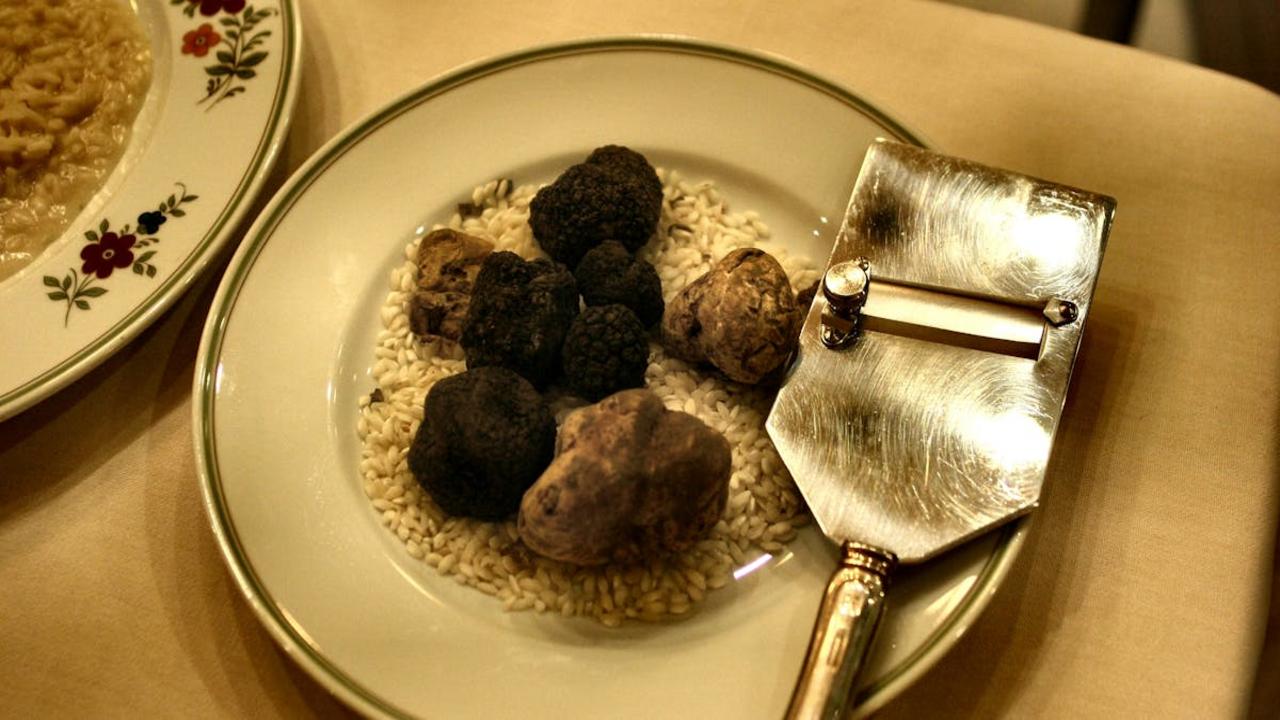
Listen, I get it – you see those little knobby white treasures sitting behind glass at the fancy grocery store, and suddenly you’re convinced your dinner party absolutely needs a $300 truffle shaved over some pasta. But before you blow your entire grocery budget on what looks like a moldy golf ball, take a deep breath and step away from the truffle display. These Italian fungi command astronomical prices because they’re rare, sure, but they’re also the biggest marketing scam in the food world. White Alba truffles lose their potent aroma within days of being harvested, so unless you’re buying directly from a truffle hunter in Piedmont (and honey, you’re probably not), what you’re getting is an expensive paperweight with delusions of grandeur.
The dirty secret about truffles? Most of what you taste in restaurants comes from truffle oil made with synthetic compounds anyway. That “authentic” truffle experience you’re paying premium prices for could be replicated with a $12 bottle of decent truffle oil from the regular grocery aisle. Save your money and buy some good pasta, quality olive oil, and a block of real Parmigiano-Reggiano instead. You’ll create a meal that’s infinitely more satisfying than watching a server shave paper-thin slices of your mortgage payment onto lukewarm fettuccine. Your bank account will thank you, and honestly, your guests probably won’t know the difference between real truffle and the synthetic stuff anyway.
Yubari King Melons
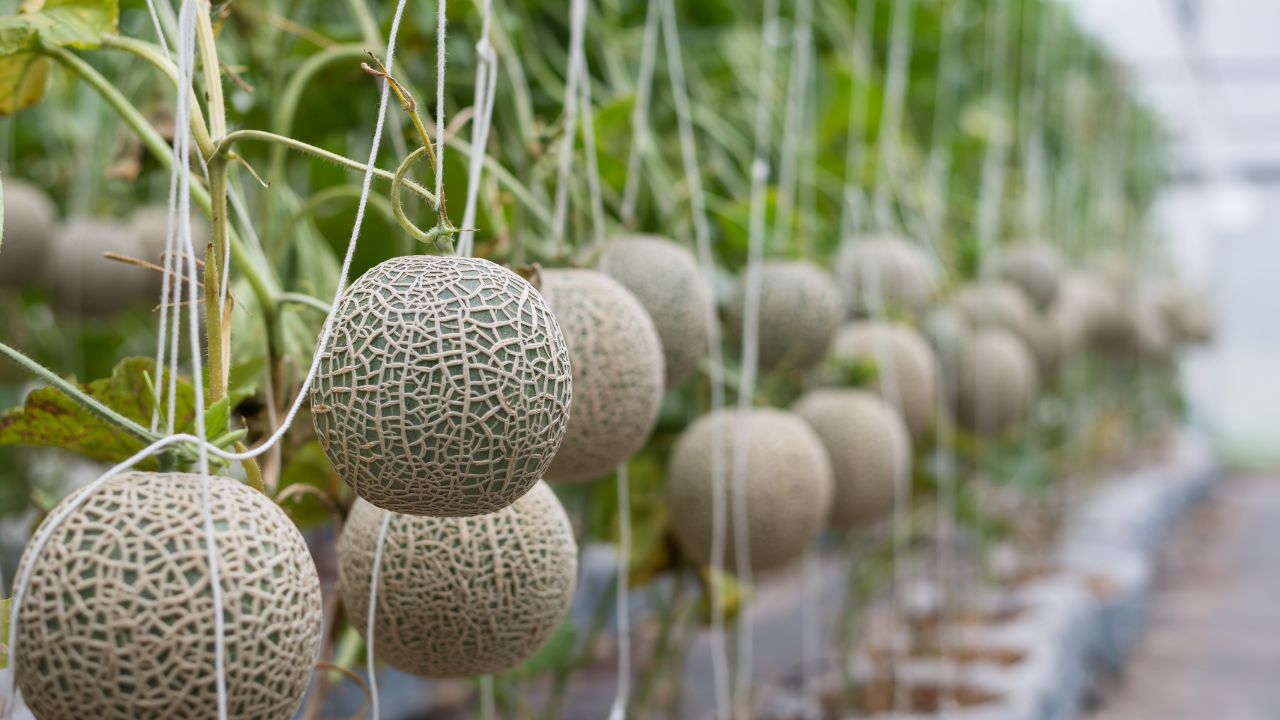
Picture this: you’re casually browsing the grocery store, minding your own business, when suddenly you spot a single melon with a price tag that makes your mortgage payment look reasonable. Welcome to the world of Yubari King melons, Japan’s answer to “what if we made fruit cost more than a car?” These perfectly spherical orange beauties from Hokkaido can fetch anywhere from $200 to a jaw-dropping $45,000 at auction. Yes, you read that right – forty-five thousand dollars for one melon. I once watched a documentary where two businessmen paid that astronomical sum for a pair of these melons as gifts, and I spent the entire time calculating how many regular cantaloupes I could buy instead (spoiler alert: approximately 22,500).
Now, I’m not saying these melons aren’t special – they’re grown with the obsessive care typically reserved for newborn babies, with each fruit getting its own little hat to protect it from sun damage and individual massages to ensure perfect roundness. But here’s the thing: unless you’re planning to propose with produce or need to impress a melon sommelier (yes, that’s apparently a thing), your local cantaloupe will deliver the same sweet, refreshing experience without requiring you to take out a second mortgage. Save your money for something more practical, like a vacation to Japan where you can at least see where these golden orbs come from – and still have enough left over to buy a lifetime supply of perfectly delicious, reasonably priced melons at your neighborhood market.
Fugu (Pufferfish)
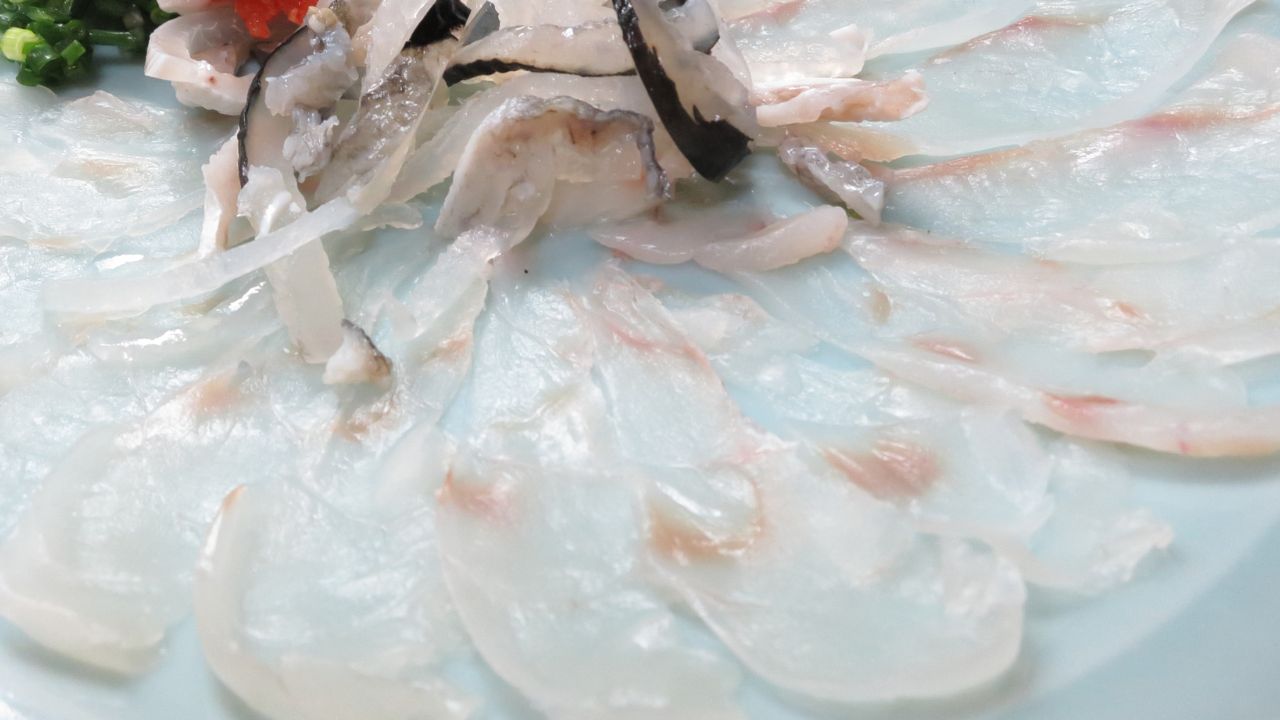
Listen, I get it – you want to live dangerously, and what’s more thrilling than dining on a fish that could literally kill you? Fugu, the infamous Japanese pufferfish, contains enough tetrodotoxin to knock out thirty adults, yet people pay astronomical prices for this potentially lethal delicacy. We’re talking about dropping $200-400 per person for a few paper-thin slices that taste like… well, mild white fish with a slightly chewy texture. The real kicker? You need a licensed chef who’s trained for years just to prepare it without accidentally turning your dinner into your final meal.
Here’s the thing about fugu that nobody mentions in those dramatic food documentaries: the flavor doesn’t justify the price tag or the Russian roulette aspect. Sure, there’s supposedly a mild tingling sensation on your lips (that’s actually trace amounts of poison, by the way), but you can get that same thrill from Pop Rocks candy for about $1.99. The fish itself is pretty bland, and most of what you’re paying for is the theatrical experience and the chef’s insurance premiums. Save your money and your life – buy a nice piece of salmon instead and spend the leftover cash on something that won’t require calling your next of kin before dinner.
Moose Milk Cheese
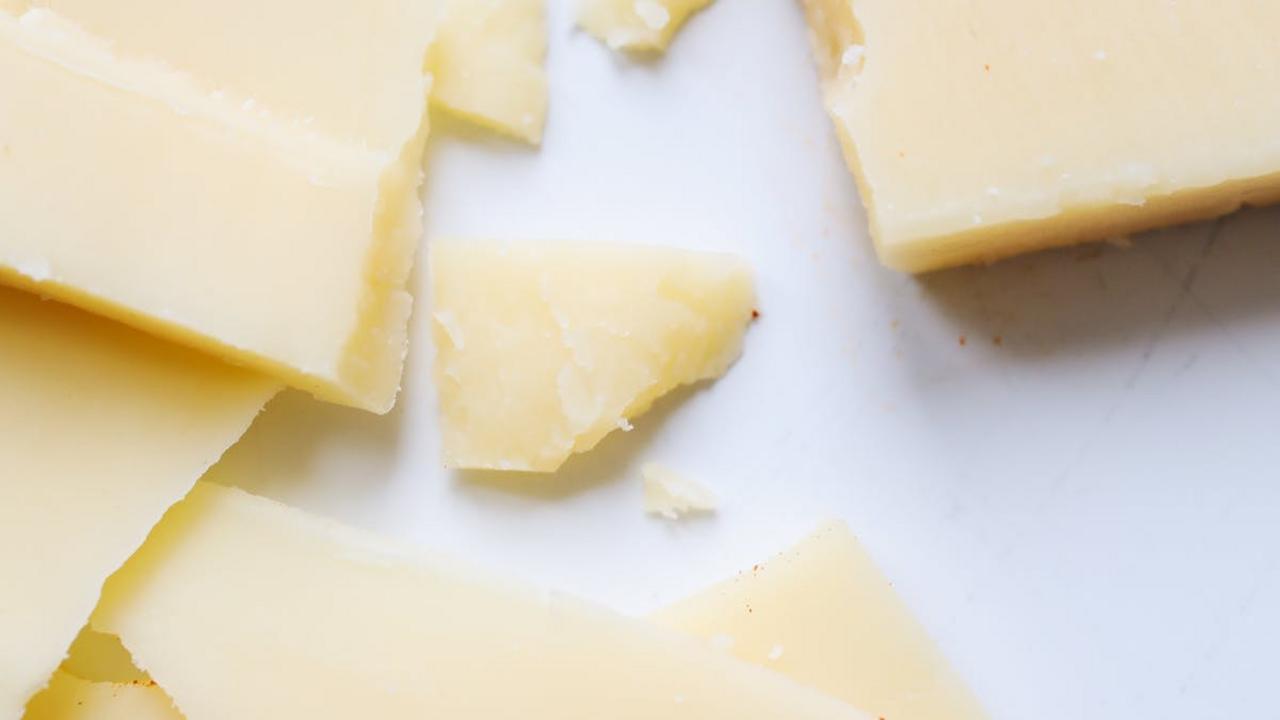
Picture this: you’re strolling through an upscale grocery store when you spot a small wheel of moose milk cheese with a price tag that makes your eyes water more than cutting onions. At roughly $500 per pound, this Nordic delicacy costs more than most people’s rent! Made exclusively at the Moose House farm in Sweden, where three moose named Gullan, Haelga, and Juno produce just enough milk for about 660 pounds of cheese annually. The entire world’s supply comes from these three ladies who only lactate between May and September, making this cheese rarer than finding a parking spot at Trader Joe’s on Sunday.
Now, I’m all for trying exotic foods, but moose milk cheese tastes surprisingly similar to a mild cow’s milk cheese with a slightly gamey undertone. The texture resembles fresh ricotta, and honestly, you could blindfold most people and they’d mistake it for an expensive goat cheese. Instead of dropping your kid’s college fund on this novelty, grab some high-quality aged gouda or a beautiful piece of Humboldt Fog for under $30 per pound. Your wallet will thank you, and your guests will still think you’re incredibly sophisticated when you tell them about the time you almost bought cheese from a moose named Gullan.
Bluefin Tuna
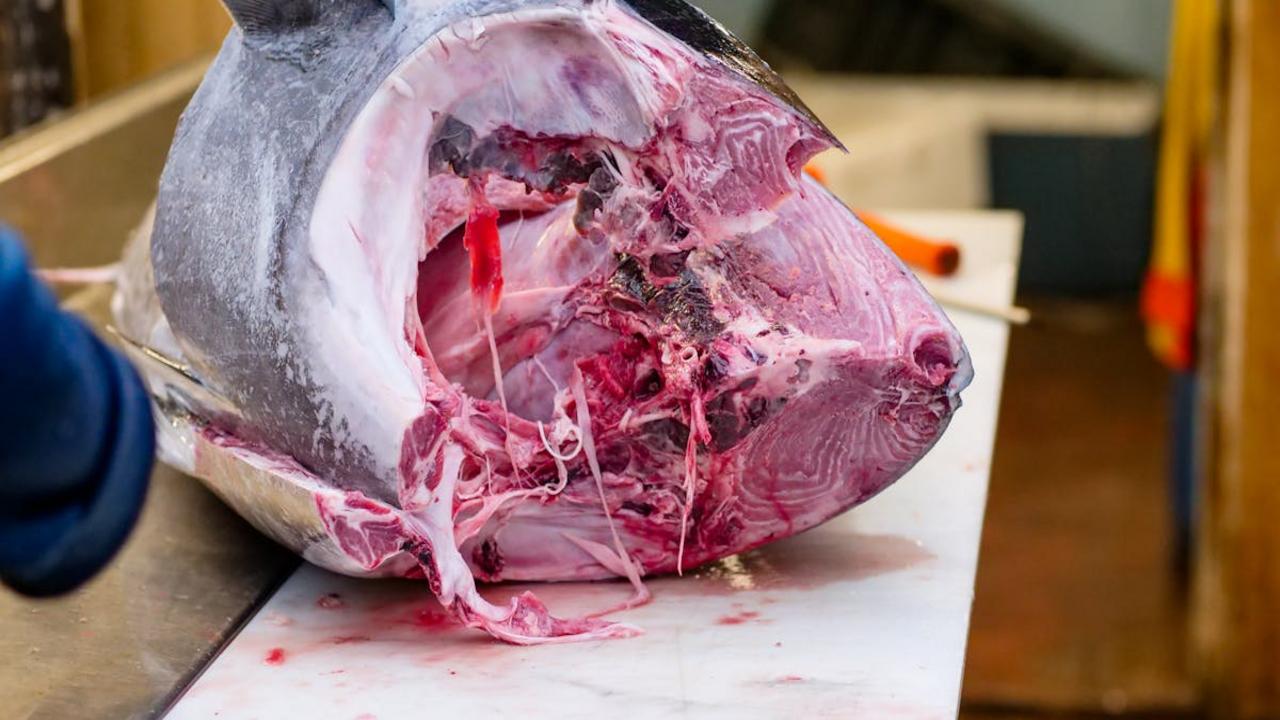
Listen, I get it – you see that gorgeous piece of bluefin tuna glistening behind the seafood counter, and suddenly you’re convinced you need to drop $40 per pound to feel fancy. But here’s the thing: unless you’re running a high-end sushi restaurant or celebrating your lottery win, that price tag is absolutely bonkers! Bluefin tuna has become the Rolls-Royce of fish, with some specimens selling for hundreds of thousands of dollars at Tokyo’s fish markets. A single bluefin sold for $3.1 million in 2019 – that’s more than most people’s houses cost!
Instead of bankrupting yourself for that buttery, melt-in-your-mouth experience, grab some yellowfin or bigeye tuna for a fraction of the cost. They’re still incredibly delicious and won’t require you to take out a second mortgage. You can make amazing seared tuna steaks, poke bowls, or even sashimi that’ll impress your dinner guests without the heart-stopping receipt. Save the bluefin splurge for truly special occasions – like when your rich aunt visits or you finally finish paying off your student loans. Your wallet will thank you, and honestly, most people won’t even notice the difference when you’re busy impressing them with your killer wasabi mayo sauce.
Kobe Beef
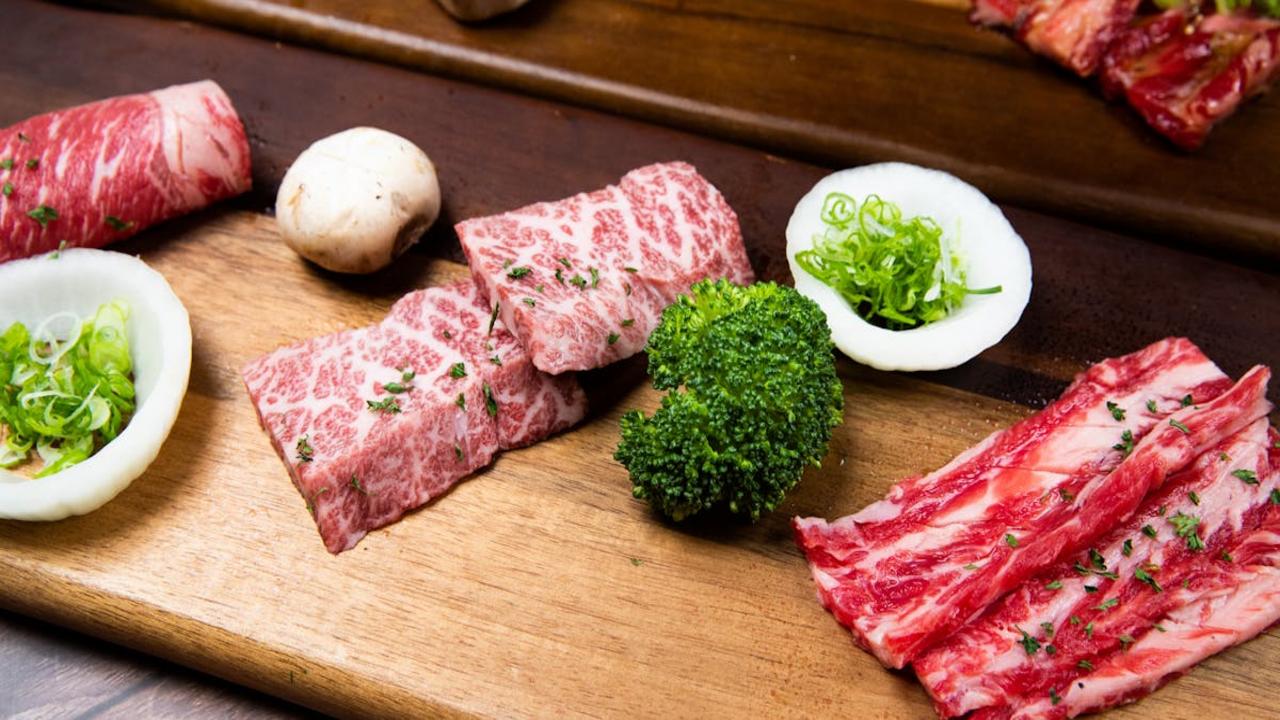
Look, I get it – you want to impress your dinner guests with the fanciest beef on the planet. But here’s the thing about authentic Kobe beef: it costs more per pound than most people’s rent, and honestly? You’re probably not getting the real deal anyway. True Kobe beef comes exclusively from Tajima cattle raised in Japan’s Hyogo Prefecture, and only about 3,000 cattle qualify for this prestigious label each year. That means genuine Kobe beef can run you $200-400 per pound at retail, making your wallet cry harder than watching a sad movie while cutting onions.
The kicker? Most “Kobe” beef sold in American grocery stores is actually just high-quality wagyu or American beef with fancy marketing. Even if you splurge on the authentic stuff, your average home cooking setup won’t do justice to this premium product – it’s like using a Stradivarius violin to play “Chopsticks.” Instead, grab some excellent American wagyu or a prime ribeye for a fraction of the cost. You’ll still get that rich, buttery flavor that makes your mouth happy, plus you won’t need to take out a second mortgage to afford dinner. Save the real Kobe experience for a special occasion at a top-tier steakhouse where they actually know how to handle this liquid gold properly.
Iberico Ham
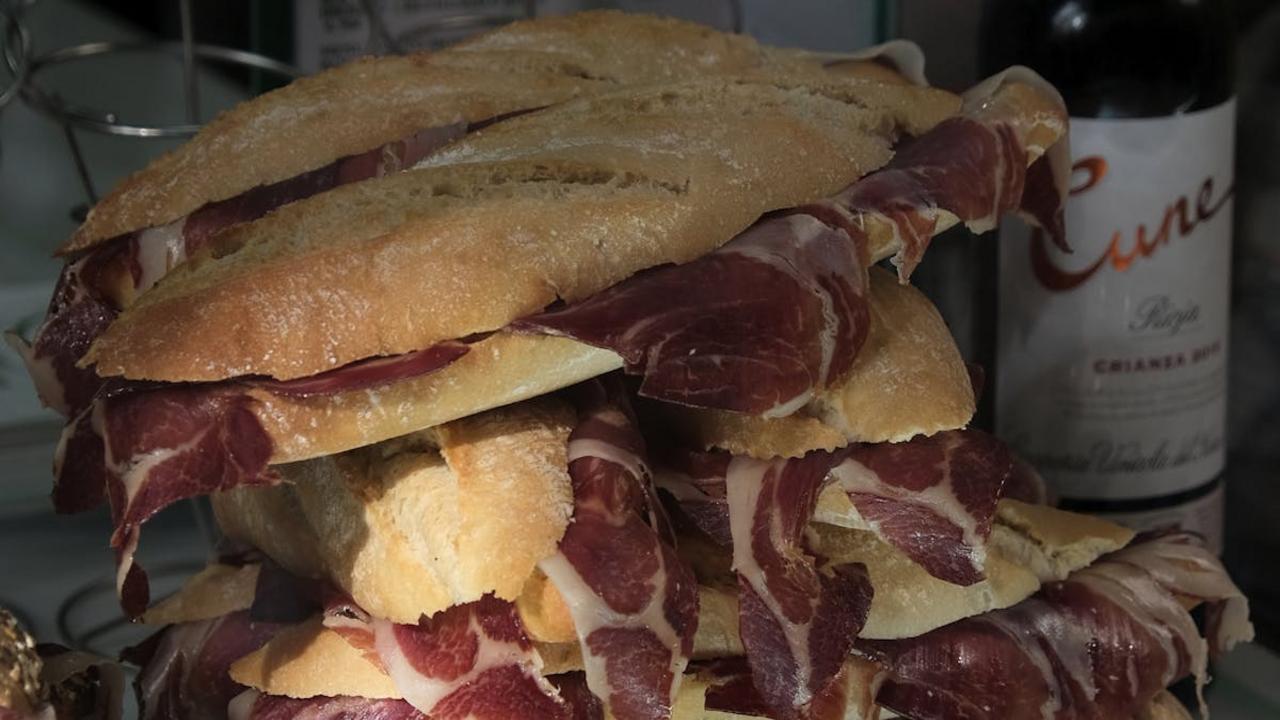
Listen, I get it. You’ve seen those paper-thin slices of Iberico ham draped dramatically across your Instagram feed, priced at roughly the same cost as a small car payment. While this Spanish delicacy does come from pampered pigs who literally feast on acorns in oak groves (living their absolute best life, honestly), paying $30-50 per pound at your local gourmet shop feels like highway robbery. These porcine aristocrats produce some seriously spectacular meat, but your wallet doesn’t need to suffer for the sake of charcuterie board bragging rights.
Here’s the thing about Iberico ham – you can absolutely find quality alternatives that won’t require you to take out a second mortgage. Try serrano ham instead, which offers similar nutty, complex flavors at a fraction of the price. Or better yet, visit a Spanish market or order online directly from importers who bypass the fancy retail markup. You can also stretch that precious Iberico further by treating it like the luxury ingredient it is – a few paper-thin slices mixed with regular prosciutto on your board will still deliver that wow factor without the financial devastation. Your guests will never know the difference, and your bank account will thank you for the clever substitution.
Manuka Honey
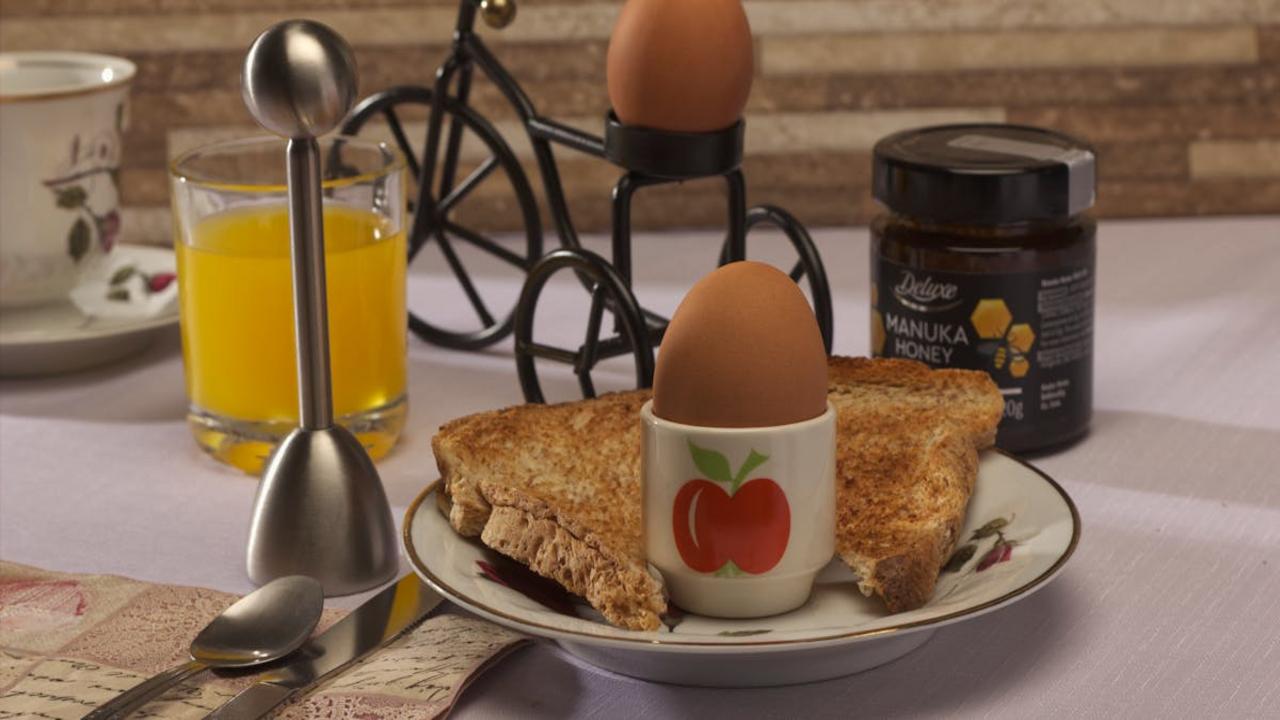
Listen, I get it – Manuka honey sounds fancy and exotic, like something a wellness influencer would drizzle over their acai bowl while doing yoga at sunrise. But here’s the sticky truth: you’re paying premium prices for what’s basically regular honey with a New Zealand passport. Sure, Manuka honey comes from bees that feast on the Manuka bush (which sounds like something out of a fairy tale), and yes, it has some antibacterial properties. But unless you’re planning to use it as medicine – which, by the way, you should discuss with your doctor first – you’re essentially buying the Rolls Royce of sweeteners to put in your morning tea.
The price tag on authentic Manuka honey can make your wallet weep genuine tears – we’re talking $30 to $50 for a small jar that’ll last you about as long as your New Year’s resolutions. Meanwhile, local honey from your farmer’s market costs a fraction of that and actually supports beekeepers in your community. Plus, local honey might help with seasonal allergies, which is way more practical than bragging about your imported breakfast condiment. Save the Manuka money for something truly special, and remember that regular honey has been sweetening human lives for thousands of years without needing a fancy marketing campaign.
Kopi Luwak Coffee
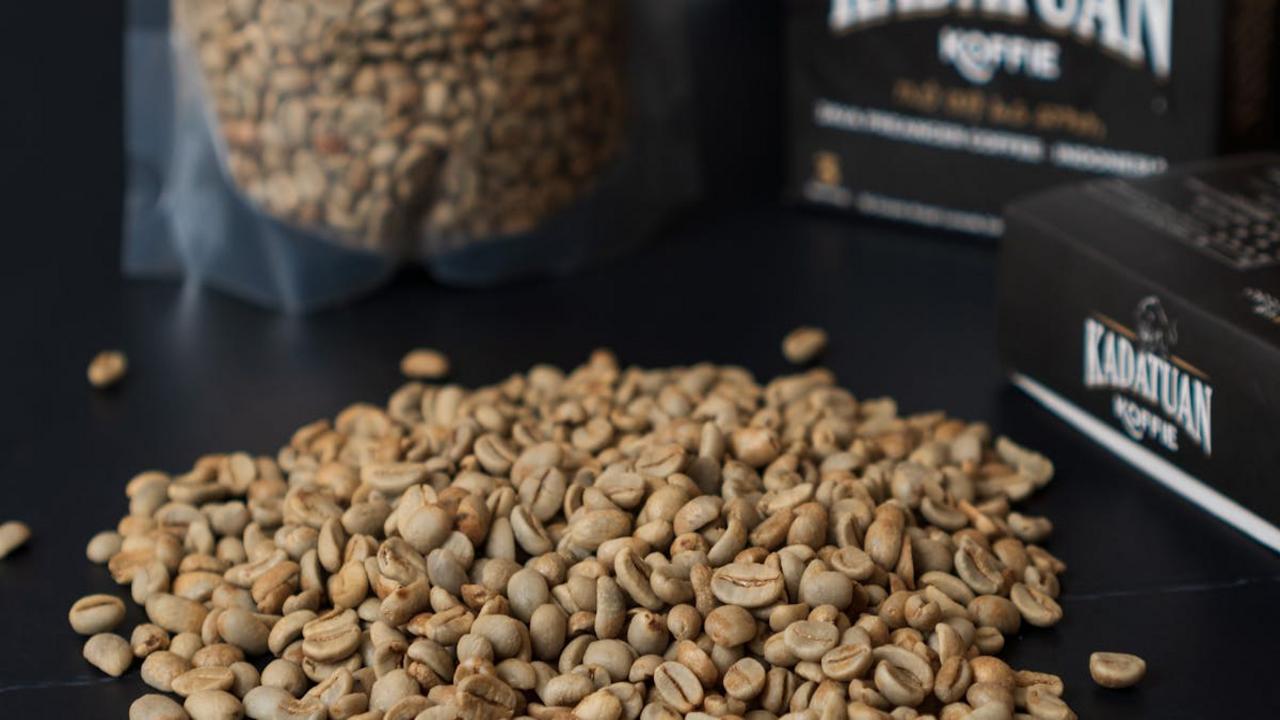
Oh boy, here we go with the world’s most overpriced cup of joe that literally comes from animal poop. Kopi Luwak coffee, which can cost upwards of $100 per pound, gets its “unique” flavor from Asian palm civets eating coffee cherries and, well, processing them naturally through their digestive systems. Coffee farmers then collect these “processed” beans, clean them thoroughly (thank goodness), and roast them into what marketers call liquid gold. The civets supposedly select only the ripest cherries, and their stomach acids break down proteins that create a smoother, less bitter brew.
Here’s the thing though – blind taste tests consistently show that most people can’t tell the difference between Kopi Luwak and regular premium coffee. You’re paying astronomical prices for what amounts to fancy marketing and bragging rights at dinner parties. Plus, the increased demand has led to some pretty questionable practices where civets are kept in cages and force-fed coffee cherries, which completely defeats the original concept of wild animals naturally selecting the best fruit. Save your money and buy a really excellent single-origin coffee instead – your wallet and your conscience will thank you, and honestly, your taste buds probably won’t know the difference.
Vanilla Beans

Those fancy vanilla beans sitting in the spice aisle for $12-15 per pod? Yeah, they’re basically the Lamborghini of the baking world, and frankly, your cookies don’t need to drive a sports car. I get it – you want to scrape those gorgeous black seeds into your crème brûlée like some French pastry chef, but here’s the thing: vanilla extract does the exact same job for pennies on the dollar. One vanilla bean equals about one teaspoon of extract, so unless you’re planning to sell your kidney to fund your baking hobby, stick with the bottle. Fun fact: vanilla beans are actually seed pods from orchids, which explains why they cost more than your monthly Netflix subscription!
The real kicker? Most people can’t even taste the difference between real vanilla bean specks and extract in finished desserts. Those Instagram-worthy black flecks might look fancy, but they’re mostly for show – like buying a designer handbag that you’ll stuff with grocery receipts and loose change. Save those vanilla beans for special occasions when you’re trying to impress your mother-in-law or attempting to justify your stand mixer purchase. For everyday baking adventures, high-quality vanilla extract will make your chocolate chip cookies sing just as beautifully, and you’ll have enough money left over to actually buy ingredients for a second batch.
Matsutake Mushrooms

You know that friend who always brags about their expensive hobbies? Well, matsutake mushrooms are basically the luxury sports car of the fungi world – and just about as practical for your average Tuesday dinner. These Japanese delicacies can cost anywhere from $100 to $600 per pound, which means a single mushroom might set you back more than your monthly Netflix subscription. Sure, they smell like cinnamon and pine needles had a baby, and yes, they’re rarer than finding a parking spot at Trader Joe’s on Sunday afternoon, but here’s the kicker: most people can’t even detect their supposedly sublime flavor profile.
The matsutake craze exists because these mushrooms grow in specific soil conditions that are becoming increasingly rare due to environmental changes, making them about as elusive as a unicorn with good Wi-Fi. But here’s what nobody tells you – you can achieve similar earthy, aromatic flavors with shiitake or oyster mushrooms for a fraction of the cost, plus some pine essential oil strategically placed near your dining table (kidding, please don’t actually do this). Save your hard-earned cash and buy regular mushrooms instead. Your wallet will thank you, and honestly, unless you have the palate of a professional sommelier, you probably won’t miss the difference anyway.
Saffron
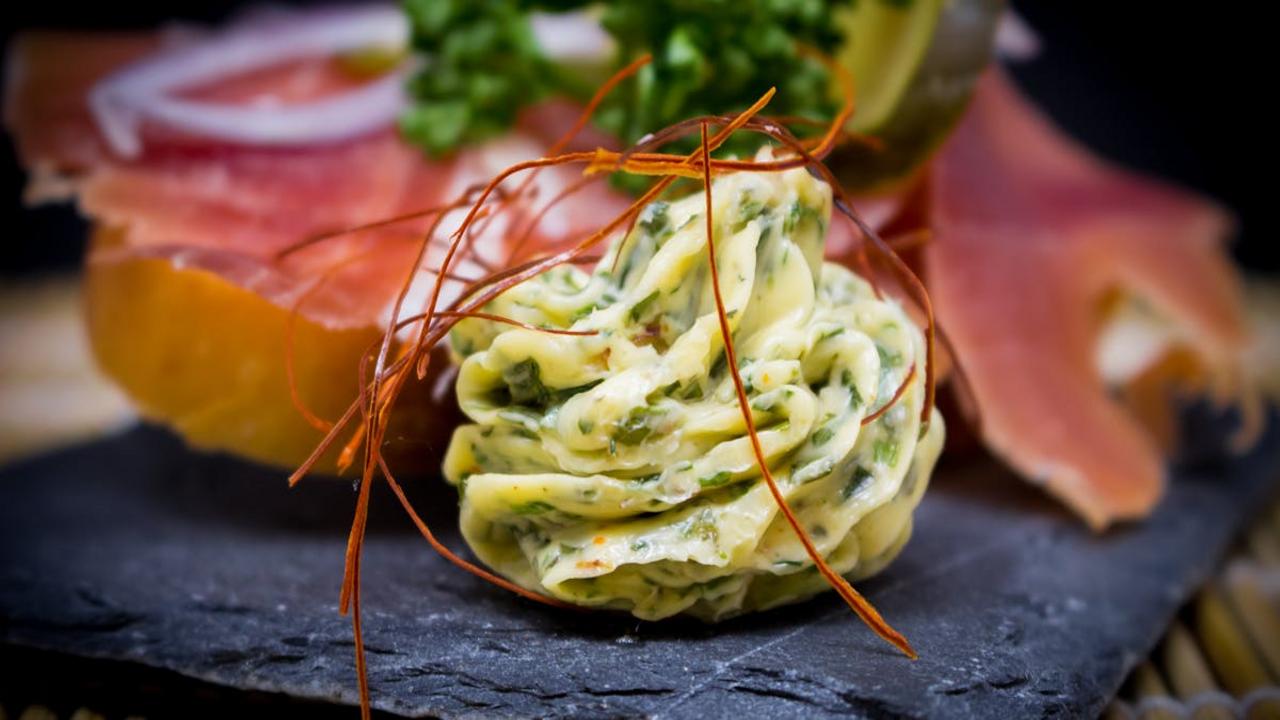
Listen, I get it – saffron sounds exotic and mysterious, like something a Persian princess would sprinkle into her tea while plotting palace intrigue. But at $15-20 per gram (that’s more expensive than gold, by the way!), this crimson spice has become the luxury sports car of the spice world. You know what’s funny? Most people buy those tiny glass vials thinking they need authentic saffron for their paella or risotto, then use about three threads and wonder why their dish tastes like expensive disappointment. The truth is, unless you’re making traditional Spanish paella for your entire extended family or hosting a Michelin-starred dinner party, you probably don’t need real saffron taking up premium real estate in your spice cabinet.
Here’s the kicker – turmeric mixed with a pinch of paprika gives you nearly the same golden color and a perfectly pleasant flavor that won’t require you to take out a second mortgage. I’ve served “fake saffron” rice to dinner guests who raved about the “authentic” taste, completely oblivious to my budget-friendly substitution. Save your saffron money for something truly worthwhile, like good olive oil or aged cheese. Your bank account will thank you, and your paella will still be Instagram-worthy. Besides, if you really want to impress people, tell them about how saffron comes from crocus flowers and takes 150 blossoms to make just one gram – they’ll be so fascinated by your trivia knowledge, they won’t even notice you used turmeric instead!