14 Smart Food Swaps to Level Up Your Everyday Meals
Making simple food swaps can transform your daily meals from ordinary to extraordinary. I’ve discovered that small changes in your pantry and cooking habits create massive impacts on both flavor and nutrition. These 14 swaps aren’t about restriction—they’re about upgrading what you already love.
You don’t need to overhaul your entire kitchen overnight. Start with one or two swaps that feel natural to you. Replace refined oils with olive oil, or swap white bread for whole grain versions. Each change builds momentum toward healthier, more vibrant meals.
These swaps work because they focus on whole foods over processed alternatives. Your body craves real ingredients, and when you provide them, everything improves—energy levels, satisfaction, and even your cooking confidence grows stronger with each meal you prepare.
Cut Back on Processed Foods

I know firsthand how easy it becomes to reach for that box of instant rice or pre-made sauce after a long day, but I promise you – making the shift away from processed foods will transform your kitchen and your health. Start small by swapping packaged seasoning mixes for your own blend of spices. Instead of buying jarred pasta sauce loaded with preservatives, I simmer fresh tomatoes with garlic, herbs, and a splash of good olive oil. The difference in flavor hits you immediately, and your body will thank you for the clean ingredients.
The beauty of cooking from scratch means you control every single ingredient that goes into your meals. Replace instant oatmeal with steel-cut oats that you can prep in batches, or swap frozen dinners for simple grain bowls topped with roasted vegetables and protein. I keep my pantry stocked with whole grains, dried legumes, and quality spices so I can create nourishing meals without relying on processed shortcuts. These swaps don’t require more time – they just require a different mindset about how you approach cooking.
Swap Butter for Plant Spreads

I’ve been experimenting with plant-based spreads in my kitchen for years now, and honestly, the transformation in both flavor and nutrition never stops amazing me. Whether you’re spreading it on morning toast, melting it into pasta, or using it for baking, quality plant spreads bring richness without the saturated fat overload that comes with traditional butter. My go-to favorites include avocado-based spreads, coconut butter, and those beautiful nut spreads made from almonds or cashews. Each one carries its own personality – coconut butter adds tropical notes to your pancakes, while almond spread creates the most incredible depth in homemade cookies.
What I love most about making this swap is how it opens up your cooking to new flavor dimensions. Traditional butter can mask other ingredients, but plant spreads actually complement and enhance whatever you’re creating. I’ve started making my own tahini-based spreads with a touch of lemon and herbs – it’s become my secret weapon for everything from roasted vegetables to grain bowls. Your heart will thank you for reducing saturated fats, and your palate will discover combinations you never thought possible. Plus, many plant spreads stay creamy at room temperature, making them perfect for those spontaneous cooking moments when you don’t want to wait for anything to soften.
Fresh Fruits Daily
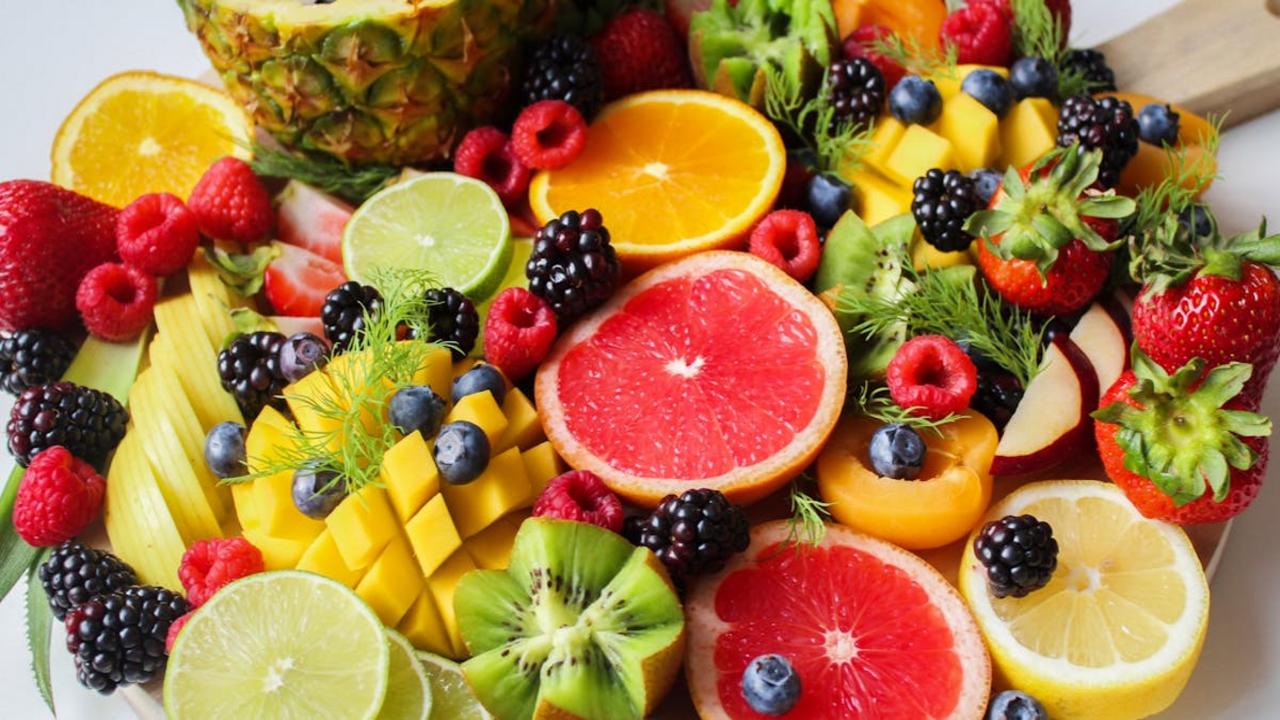
I can’t stress enough how transforming your relationship with fresh fruit will completely change your daily meals. Instead of reaching for processed snacks or sugary desserts, I keep bowls of seasonal fruit visible on my counter – ripe pears in autumn, citrus in winter, berries in summer. This simple swap means I’m getting natural sugars, fiber, and vitamins while my body craves something sweet. You’ll notice how your energy stays more stable throughout the day when you fuel yourself with nature’s candy rather than manufactured alternatives.
The beauty of making fresh fruit a daily habit lies in its versatility across every meal. I toss diced apples into my morning oatmeal, blend frozen mango into smoothies, or create quick fruit salsas with pineapple and jalapeños for grilled proteins. Even savory dishes benefit – try adding pomegranate seeds to grain salads or roasting stone fruits with herbs for an unexpected side dish. Fresh fruit brings natural sweetness, vibrant colors, and incredible nutrition to your plate without any processing or artificial additives. Your body will thank you for choosing whole foods that nourish rather than just fill.
Add Garlic and Onions
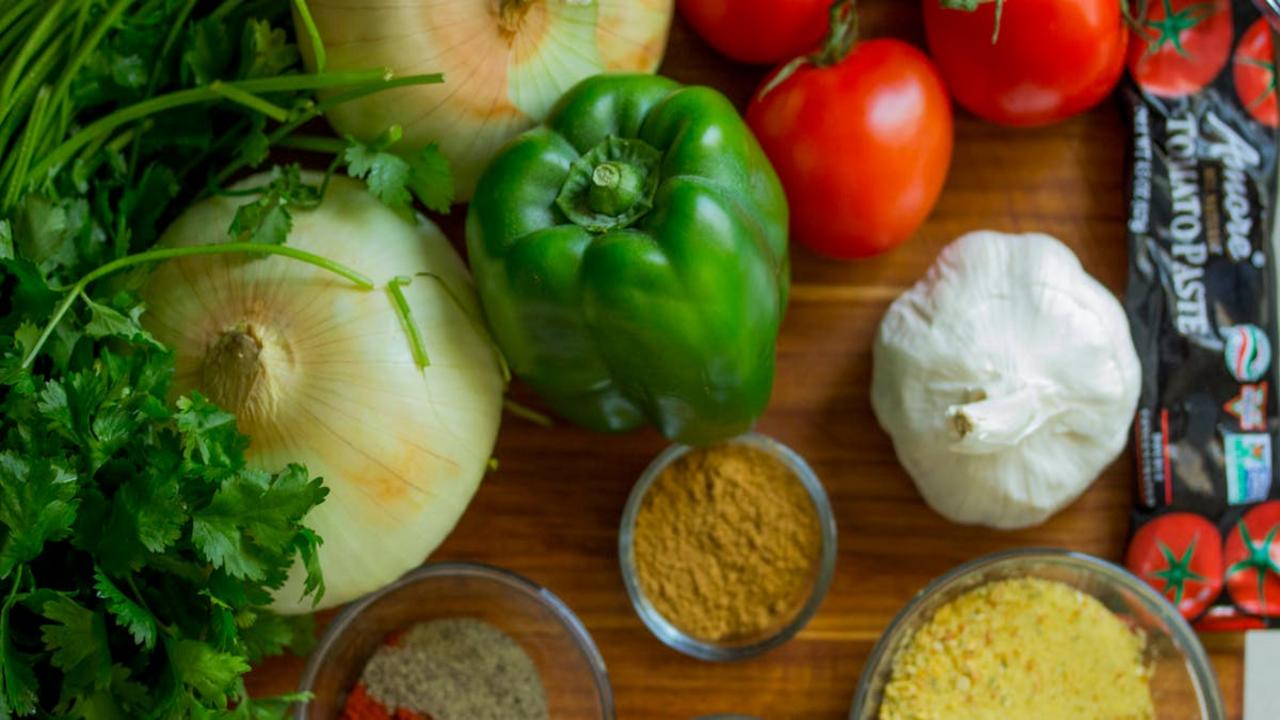
You know what transforms any ordinary dish into something magical? Garlic and onions. These two powerhouse ingredients are my secret weapons in the kitchen, and honestly, I can’t imagine cooking without them. They’re like the foundation of flavor in so many cuisines around the world – from the sofrito in Latin cooking to the holy trinity in Creole dishes. When you sauté them together, they create this incredible aromatic base that makes your whole house smell like home. I always keep fresh garlic and onions on hand because they’re affordable, store well, and can elevate everything from a simple scrambled egg to a complex curry.
The beautiful thing about garlic and onions is how they develop different flavor profiles depending on how you cook them. Raw garlic gives you that sharp, pungent kick, while slow-cooked garlic becomes sweet and mellow. Onions follow the same path – they can be sharp and crisp when raw, or deeply caramelized and jammy when cooked low and slow. I love starting almost every savory dish by warming some oil in my pan and adding minced garlic and diced onions. That sizzling sound and the smell that fills my kitchen immediately tells me I’m on the right track to creating something delicious and nourishing for my family.
Pick Low Fat Dairy

You know what changed my whole perspective on cooking? Swapping full-fat dairy for low-fat versions without sacrificing flavor. I used to think this meant bland, watery disappointment, but I discovered that Greek yogurt, low-fat cottage cheese, and skim milk can actually enhance your dishes when you know how to work with them. Greek yogurt becomes my secret weapon in marinades for chicken tikka—the tanginess penetrates the meat beautifully while keeping it tender. Low-fat cottage cheese transforms into creamy pasta sauces when blended with fresh herbs and a splash of pasta water.
The magic happens when you treat these ingredients as flavor carriers rather than mere substitutes. I mix low-fat ricotta with roasted garlic and lemon zest for stuffed shells that taste incredibly rich. Skim milk works perfectly in my turmeric-spiced golden milk lattes, and the reduced fat content actually allows the spices to shine brighter. The best part? Your body gets all that protein and calcium without the heavy feeling that sometimes comes after indulgent meals. Start with one swap—maybe use low-fat mozzarella on your next pizza—and watch how your energy levels stay steady throughout the day.
Limit Red Meat

I’ve discovered that reducing red meat in my cooking has opened up a whole new world of flavors and textures. Instead of reaching for that usual beef or lamb, I now experiment with fish, chicken thighs, lentils, and even hearty mushrooms like portobello or king oyster. These alternatives bring their own unique character to dishes while keeping meals satisfying and protein-rich. Fish offers those omega-3 benefits we all need, while legumes provide fiber and plant-based protein that keeps you full for hours. The best part? Your grocery budget will thank you, and your body will feel lighter and more energetic.
When I do include red meat, I treat it more like a seasoning than the main event. A small amount of pancetta can transform a simple pasta dish, or a few strips of bacon can add smokiness to a vegetable-heavy soup. This approach lets you enjoy those rich, savory flavors without overdoing it. I’ve found that marinating chicken in bold spices or creating lentil-based “meatballs” with herbs and aromatics gives me that same hearty satisfaction I used to crave from red meat. Your heart health improves, inflammation decreases, and you’ll discover protein sources you never considered before.
Dark Leafy Greens
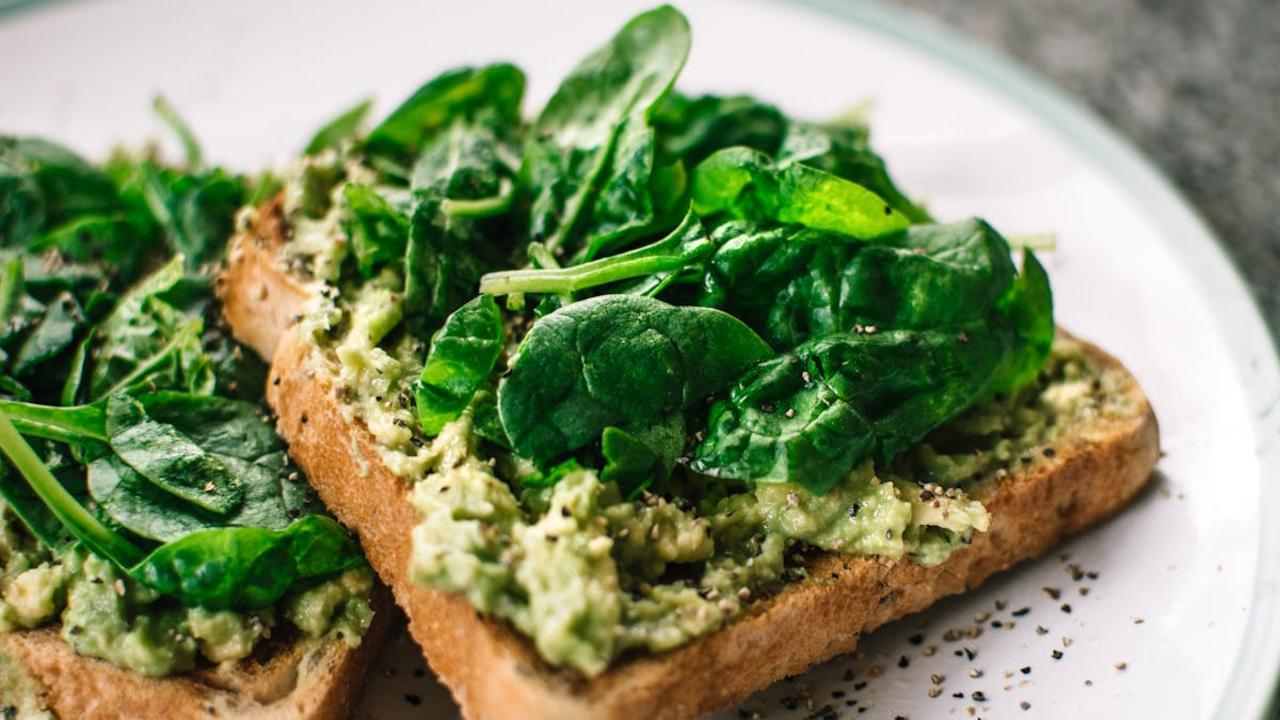
You know that wilted iceberg lettuce sitting in your crisper drawer? Time to kick it to the curb and welcome some nutritional powerhouses into your kitchen! Dark leafy greens like kale, collard greens, Swiss chard, and arugula bring so much more to your plate than their pale cousins. These vibrant greens pack serious nutrition – we’re talking iron, folate, vitamin K, and antioxidants that actually make a difference in how you feel. I love how versatile they are too. Kale becomes crispy and addictive when massaged with a little olive oil and lemon, while collard greens transform into the perfect wrap for your favorite fillings.
What really excites me about dark leafy greens is how they adapt to any cooking style or flavor profile. Toss baby spinach into your morning smoothie for an invisible nutrition boost, or sauté chard with garlic and red pepper flakes for a Mediterranean side dish. Swiss chard stems? Don’t throw them away – they pickle beautifully and add crunch to salads. I’ve learned that the key is treating each green according to its personality. Tender spinach wilts in seconds, while sturdy kale loves a good massage or quick braise. Start small if you’re new to these greens – mix them into familiar dishes like pasta or soup until your palate adjusts to their earthy, mineral-rich flavors.
Eat More Beans
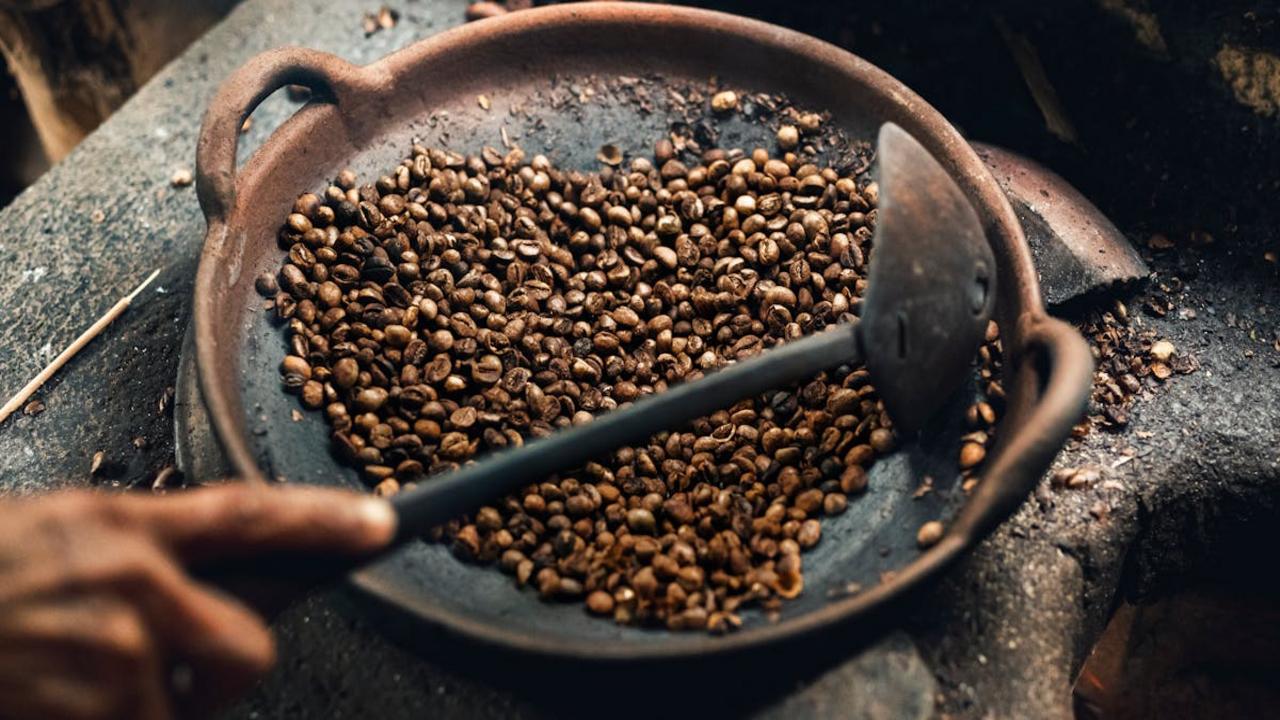
You know what I’ve discovered after years of cooking around the world? Beans are honestly one of the most underrated ingredients sitting in your pantry right now. I started cooking with more beans when I realized how they transform simple dishes into something incredibly satisfying and nutritious. Whether you’re making a quick weeknight dinner or meal prepping for the week, beans bring this amazing creamy texture and earthy flavor that makes everything taste more substantial. Plus, they’re packed with protein and fiber, which means you’ll actually feel full and energized after your meal.
The beauty of beans lies in their versatility – you can throw them into soups, mash them into creamy dips, toss them in salads, or even blend them into burger patties. I love using white beans in my Mediterranean-inspired pasta dishes, adding black beans to Mexican-style rice bowls, and folding cannellini beans into hearty winter stews. Instead of reaching for processed protein sources or expensive meat for every meal, try swapping in a can of beans. Your wallet will thank you, your body will feel nourished, and you’ll discover that beans actually make your cooking more creative and flavorful.
Add Avocados
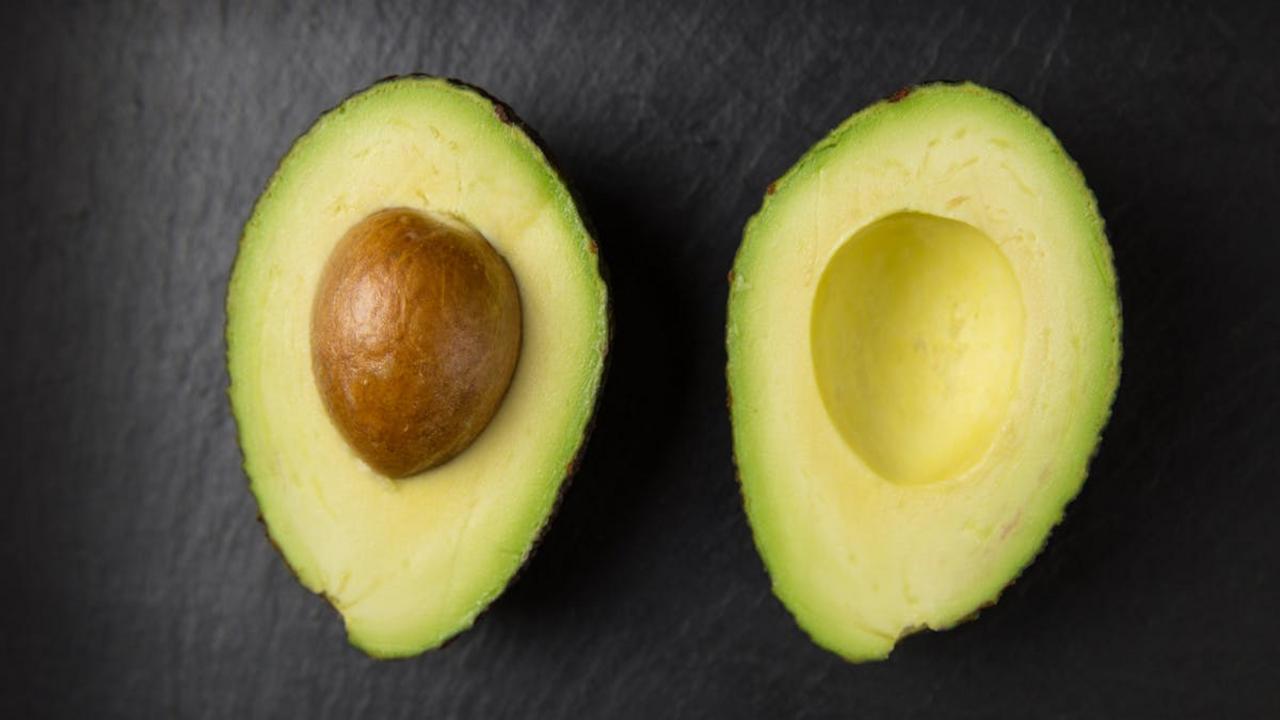
I can’t count how many times avocados have saved my meals from mediocrity! This creamy green powerhouse transforms ordinary dishes into something special without any extra cooking time. You can mash them into your morning toast, slice them over salads, or blend them into the silkiest chocolate mousse you’ve ever tasted. I love how avocados bring richness to dishes while packing in healthy fats, fiber, and potassium. They work beautifully in both sweet and savory applications—think avocado ice cream or as a butter substitute in brownies.
What makes avocados so brilliant is their versatility across different cuisines. I’ll add them to Mexican-inspired bowls, blend them into Indian lassi for extra creaminess, or use them as a base for Mediterranean-style dips with herbs and lemon. They’re perfect for those moments when you want to make a simple meal feel more satisfying. Keep a few at different ripeness stages—firm ones for slicing, perfectly ripe ones for mashing, and even overripe ones work wonderfully in smoothies or baked goods. Your body will thank you for choosing this nutrient-dense whole food over processed alternatives.
Choose Whole Grain Bread

You know what transformed my morning routine completely? Swapping out that soft, pillowy white bread for hearty whole grain varieties. I used to think whole grain bread was just the “healthy but boring” option, but honestly, once you experience the nutty depth and satisfying chew of real whole grains, there’s no going back. The flavor complexity is incredible – each slice tells a story of wheat berries, oats, quinoa, or ancient grains that have been minimally processed and packed with fiber, B vitamins, and minerals that your body actually craves.
What I love most about this swap is how it changes the entire foundation of your meals. That same avocado toast now has a robust, earthy backdrop that complements the creamy fruit beautifully. Your morning peanut butter spread gets elevated with grains that provide sustained energy instead of that quick sugar spike and crash. I’ve started making my own simple whole grain loaves on weekends – just flour, water, salt, and time – and the aroma that fills my kitchen reminds me why real food beats processed alternatives every single time. Your sandwich game will never be the same once you discover how whole grains add substance and nutrition to every single bite.
Include Fatty Fish
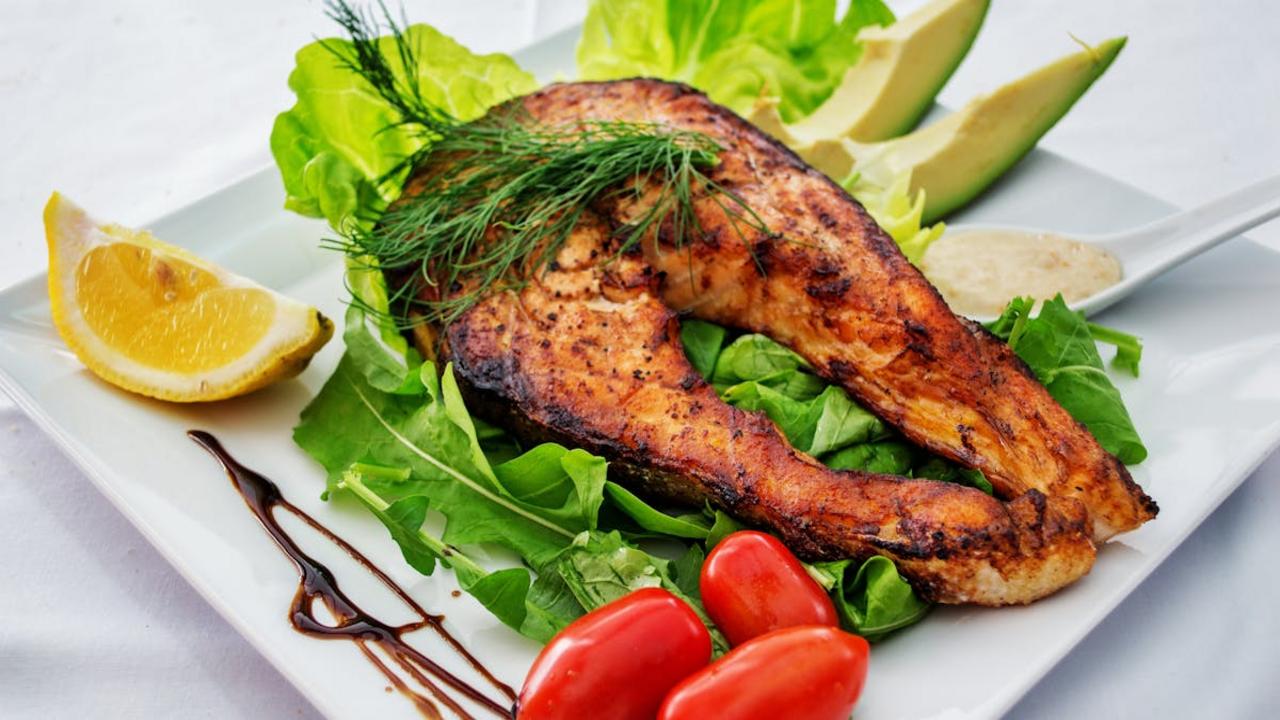
You know that moment when you’re staring at your usual chicken breast or ground beef, wondering how to make dinner more interesting? Here’s where fatty fish becomes your secret weapon. Salmon, mackerel, sardines, and tuna pack so much flavor that they transform ordinary weeknight meals into something special. I love how a simple piece of salmon can go from basic to brilliant with just some lemon, herbs, and a hot pan. These fish bring natural richness that makes every bite satisfying, plus they cook quickly – perfect for those busy evenings when you want something nourishing without the fuss.
What really gets me excited about fatty fish is how they boost your health while making everything taste better. Those omega-3 fatty acids support your brain and heart health in ways that lean proteins simply can’t match. I’ve noticed that when I include salmon or mackerel in my weekly rotation, I feel more energized and my skin looks better too. Try swapping your regular protein for canned sardines in pasta sauce, or grill some mackerel with Mediterranean herbs. These fish work beautifully with global flavors – think miso-glazed salmon or Moroccan-spiced tuna steaks. Your body will thank you for the nutrition upgrade, and your dinner guests will wonder what magic you’ve worked in the kitchen.
Snack on Nuts
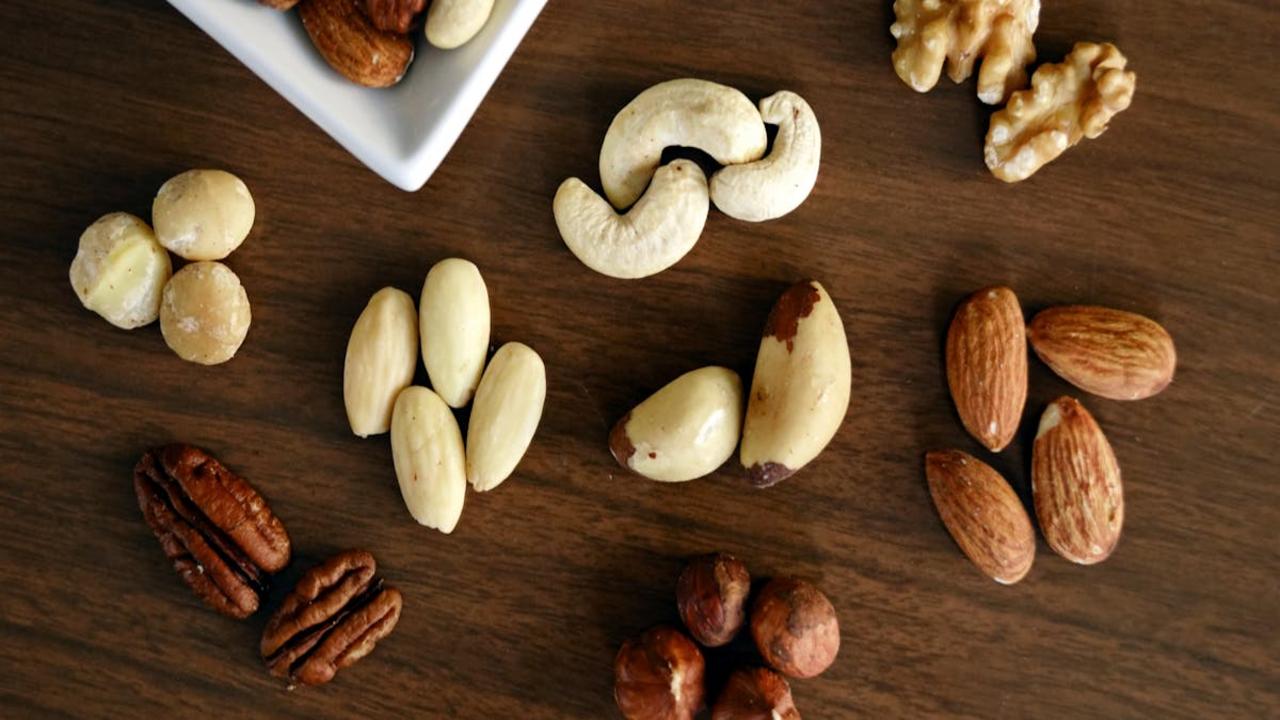
You know that afternoon slump when you’re reaching for whatever’s closest? Instead of grabbing those processed crackers or cookies, I want you to consider nuts your new best friend. I keep a mix of almonds, walnuts, and pistachios within arm’s reach because they’re packed with healthy fats, protein, and fiber that actually keep you satisfied. Unlike those sugary snacks that send your energy crashing an hour later, nuts provide steady fuel that powers you through the rest of your day without the rollercoaster ride.
What I love most about nuts is how versatile they are beyond just eating them straight from the bag. I toss them into my morning oatmeal, blend them into creamy sauces for pasta, or chop them up to add crunch to salads and roasted vegetables. When I’m cooking Middle Eastern or Mediterranean dishes, I’ll toast pine nuts or almonds to sprinkle on top – they add this incredible depth and richness that transforms simple ingredients into something special. The key is buying them raw and toasting them yourself when needed, because pre-flavored varieties often come loaded with unnecessary sodium and artificial seasonings that mask their natural goodness.
Add Oatmeal for Breakfast
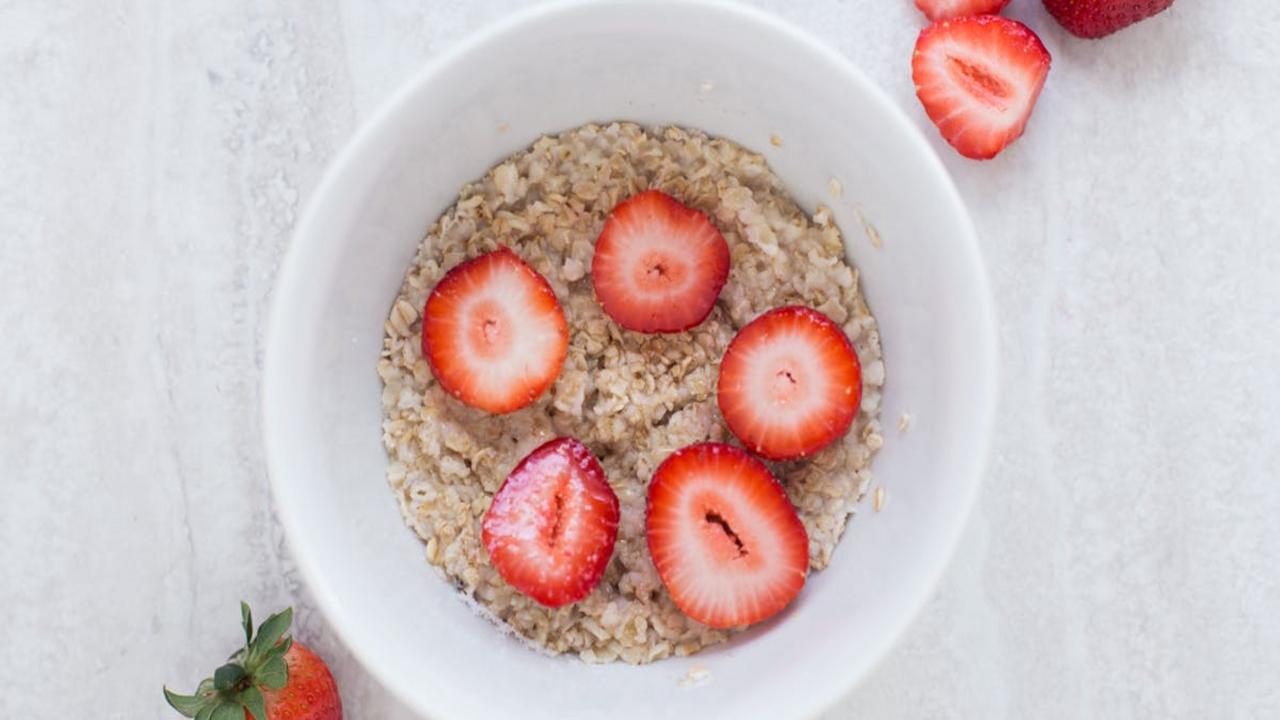
Your morning routine deserves better than sugary cereals that leave you crashing before lunch. I’ve discovered that swapping processed breakfast options for a bowl of steel-cut or rolled oats transforms not just your energy levels, but your entire relationship with the first meal of the day. Oats provide sustained fuel through their complex carbohydrates and fiber, keeping you satisfied until your next meal without the blood sugar rollercoaster that comes with refined breakfast foods.
What excites me most about oats is their versatility as a canvas for global flavors. I love preparing overnight oats with cardamom and pistachios for a Middle Eastern twist, or cooking them savory-style with miso paste and a soft-boiled egg for something completely unexpected. You can batch-cook steel-cut oats at the beginning of the week, then reheat portions with different toppings—fresh berries and almond butter one day, grated apple with cinnamon the next. This simple swap eliminates the need for processed cereals while giving you complete control over sweetness levels and nutritional additions, creating a breakfast that actually nourishes your body for hours ahead.
Switch to Olive Oil

Your pantry probably holds multiple cooking oils, but olive oil deserves the starring role in your kitchen. I reach for extra virgin olive oil daily because it transforms ordinary dishes into something special while supporting your health. Unlike refined oils that undergo heavy processing, good olive oil retains its natural antioxidants, healthy fats, and that gorgeous fruity flavor that makes vegetables actually taste better. You can drizzle it over roasted vegetables, use it for gentle sautéing, or whisk it into vinaigrettes that make salads irresistible.
The beauty of olive oil lies in its versatility across different cooking methods and cuisines. I love how it carries the flavors of herbs and spices, creating depth in Mediterranean pasta dishes or adding richness to Middle Eastern grain bowls. Choose cold-pressed extra virgin varieties for the best flavor and nutrition – they might cost more upfront, but you need less to achieve that satisfying taste. Store your olive oil in a cool, dark place away from heat, and remember that fresher oils deliver brighter flavors that make every meal feel more intentional and nourishing.