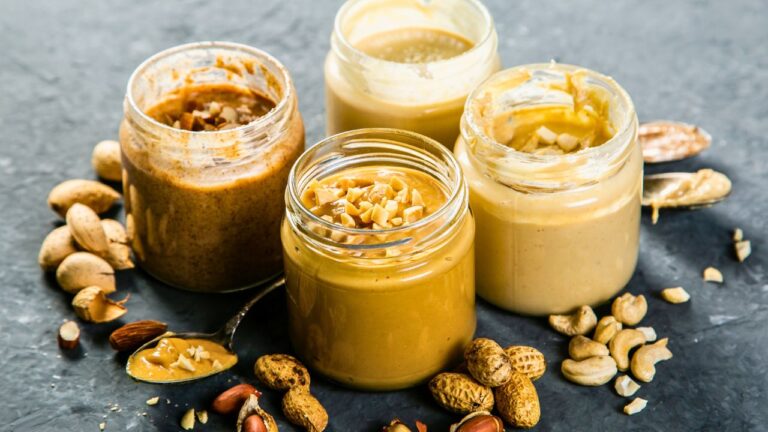
15 Once Weird Foods We Now Can’t Get Enough Of
Remember when you’d wrinkle your nose at green sushi rolls or that strange fizzy kombucha drink? Food trends shift fast! What once seemed bizarre on your grocery shelf has now become a kitchen staple. Your parents might have never heard of quinoa or spirulina, but today these ingredients fill shopping carts nationwide.
I’ve watched this food revolution happen right before my eyes. Avocado toast? Once unusual, now practically breakfast royalty. Kale chips replaced potato chips in many snack drawers. And jackfruit pulled “pork” sandwiches fool even dedicated meat lovers at backyard barbecues.
This shift shows how we’ve grown more adventurous with our eating habits. Foods that seemed too exotic or too healthy just a decade ago now stock our pantries. From seaweed snacks to matcha lattes, these 15 foods have made the incredible journey from “what’s that?” to “can’t live without it!”
Jackfruit
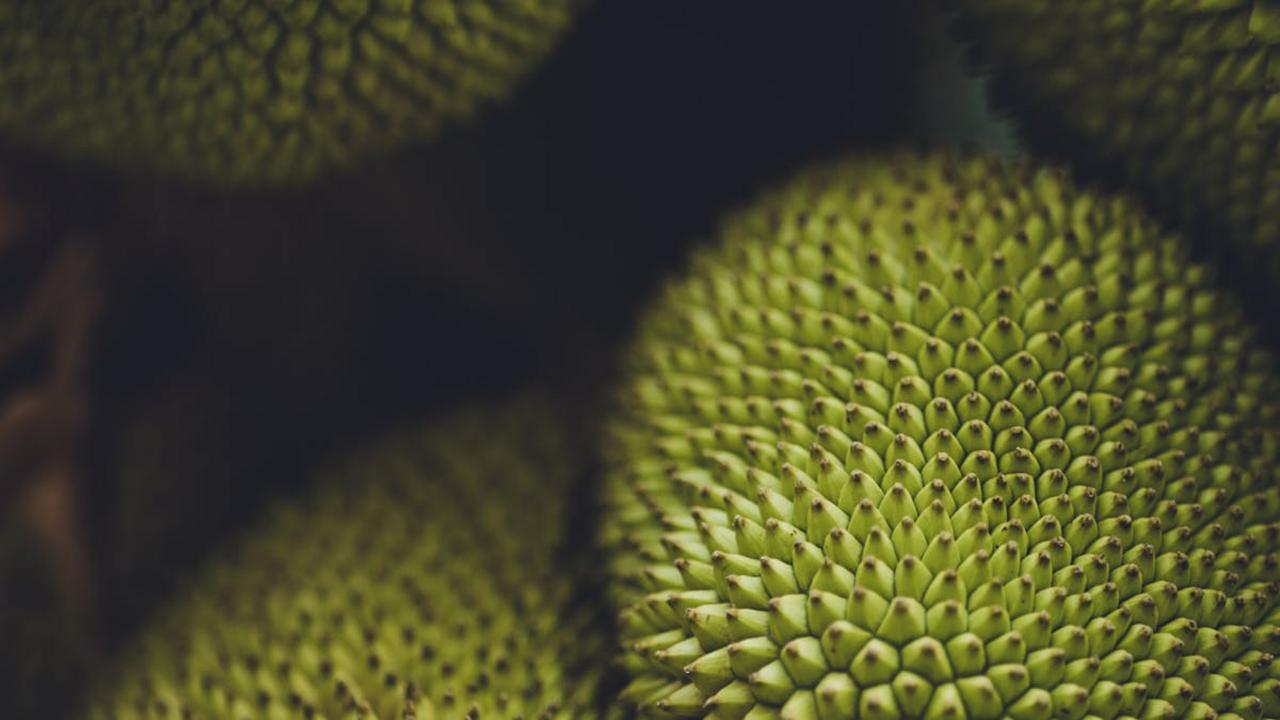
Just a decade ago, most Americans would have stared blankly at this massive, spiky tropical fruit sitting in the produce section. Now, jackfruit has become the darling of plant-based cooking, and for good reason! This incredible fruit can weigh up to 80 pounds and offers two completely different eating experiences depending on ripeness. When young and unripe, jackfruit has a remarkably meaty texture that shreds beautifully, making it perfect for pulled “pork” sandwiches, tacos, and curries. The neutral flavor absorbs marinades and spices like a dream, creating satisfying meals that even meat-lovers appreciate.
What really excites me about jackfruit is how accessible it has become. You can now find it fresh, canned, or frozen in most grocery stores, and the canned version makes weeknight cooking incredibly simple. When ripe, jackfruit transforms into something completely different – sweet, fragrant, and tropical with flavors reminiscent of banana, mango, and pineapple combined. I love adding ripe jackfruit to smoothies, using it in desserts, or simply eating it fresh as a healthy snack. The fact that one fruit can serve as both a savory protein substitute and a sweet treat shows just how versatile and exciting plant-based eating can be!
Tempeh
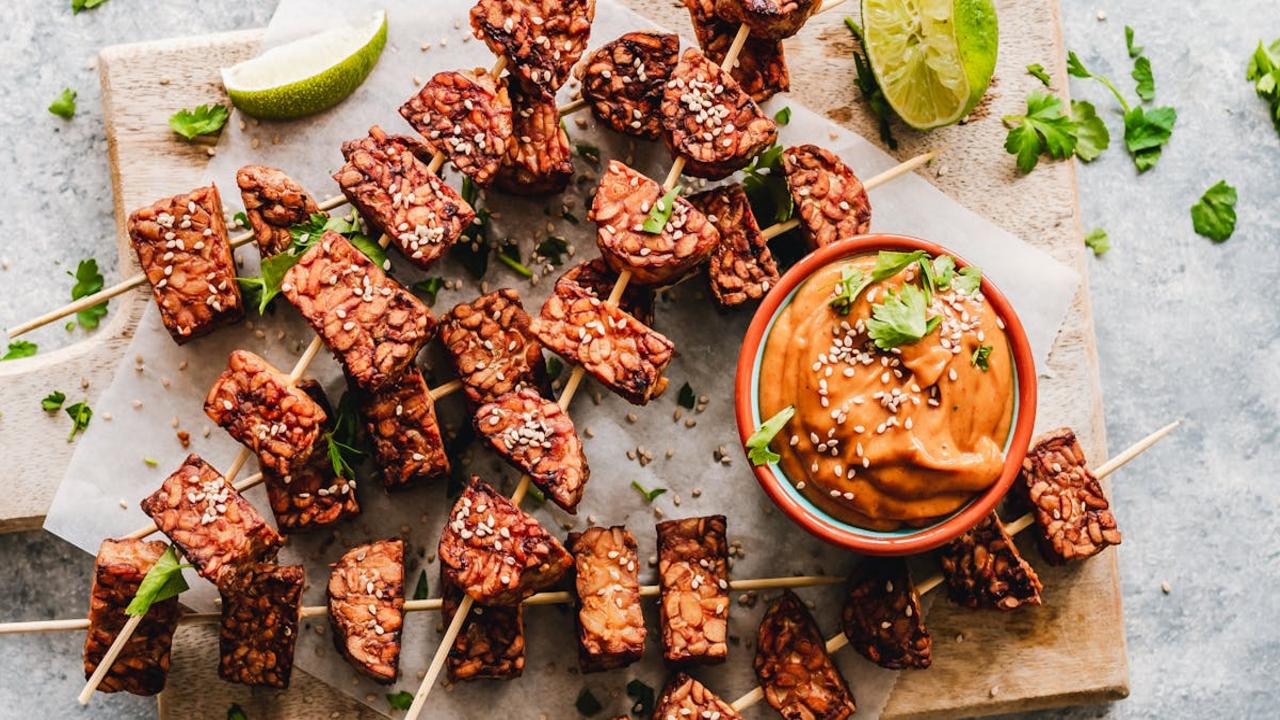
This Indonesian fermented soybean cake might look a bit intimidating at first glance, but don’t let its nutty, earthy appearance fool you! Tempeh has been quietly winning over health-conscious foodies everywhere, and for good reason. Unlike its softer cousin tofu, tempeh boasts a firm, meaty texture that holds up beautifully in stir-fries, sandwiches, and even as a standalone protein. The fermentation process creates those distinctive white veins you see throughout, which aren’t just pretty patterns – they’re actually beneficial probiotics working their magic.
What makes tempeh so special is its incredible versatility and nutritional punch. You can marinate it, grill it, crumble it into pasta sauce, or slice it thin for crispy bacon-style strips. I love how it soaks up whatever flavors you pair it with while maintaining its own subtle, slightly tangy personality. Plus, it’s packed with complete protein, fiber, and those gut-friendly probiotics we all need more of. Once you master a few simple cooking techniques, tempeh transforms from that weird fermented block in the health food store into your new go-to protein that actually makes you feel energized and satisfied.
Matcha
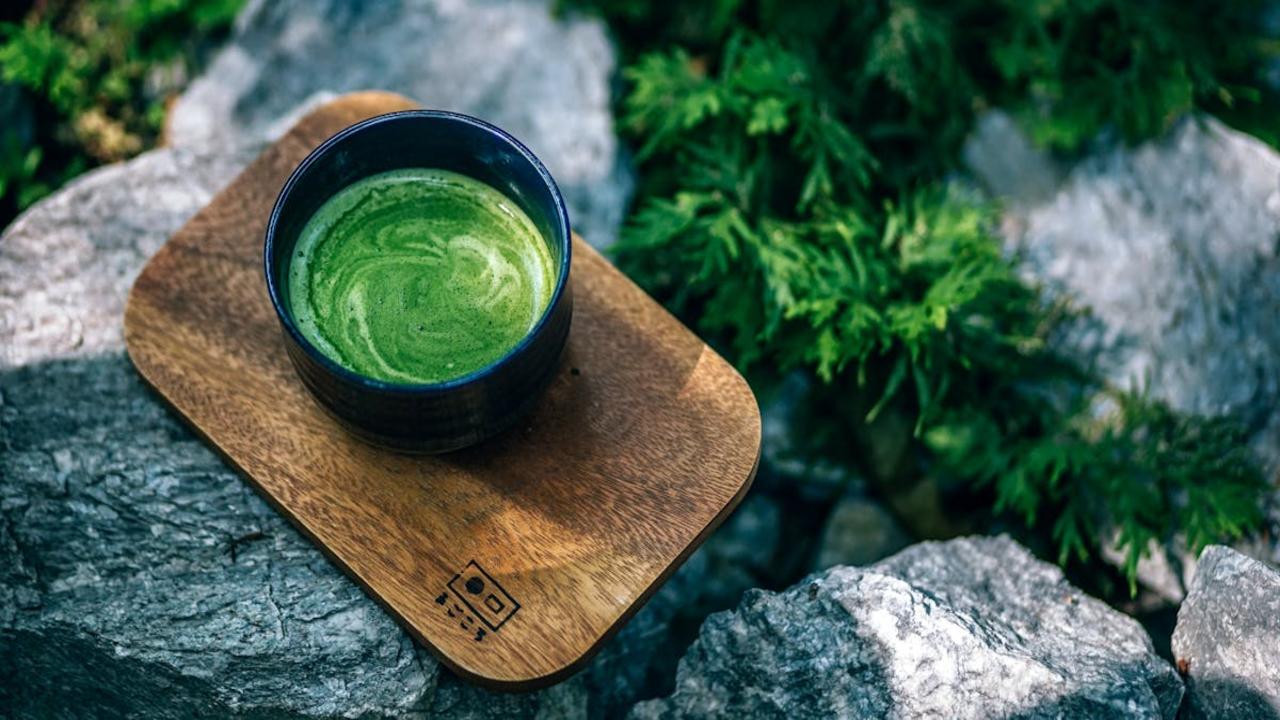
Just a few years ago, most Americans wrinkled their noses at the idea of drinking bright green powder mixed with hot water. Matcha seemed foreign and intimidating – this vibrant, earthy powder that looked more like something you’d find in a science lab than your morning coffee routine. I remember my first encounter with matcha at a trendy café, watching the barista whisk the emerald powder into a frothy, almost electric green latte. The flavor hit me like a revelation: grassy, slightly bitter, but with an underlying sweetness that made my brain feel instantly alert and focused.
Now you can’t walk into any coffee shop without seeing matcha lattes, matcha ice cream, matcha cookies, and even matcha white chocolate bars lining the shelves. This finely ground green tea powder has become America’s obsession, and for good reason. Packed with antioxidants called catechins and delivering a sustained energy boost without the jittery crash of coffee, matcha offers both flavor and function. I love how versatile it is in my kitchen – I whisk it into my morning smoothies, fold it into homemade muffin batter, and even mix it into frosting for special occasion cakes. The ceremonial-grade versions deliver that perfect balance of umami richness that transforms any ordinary recipe into something extraordinary.
Spirulina
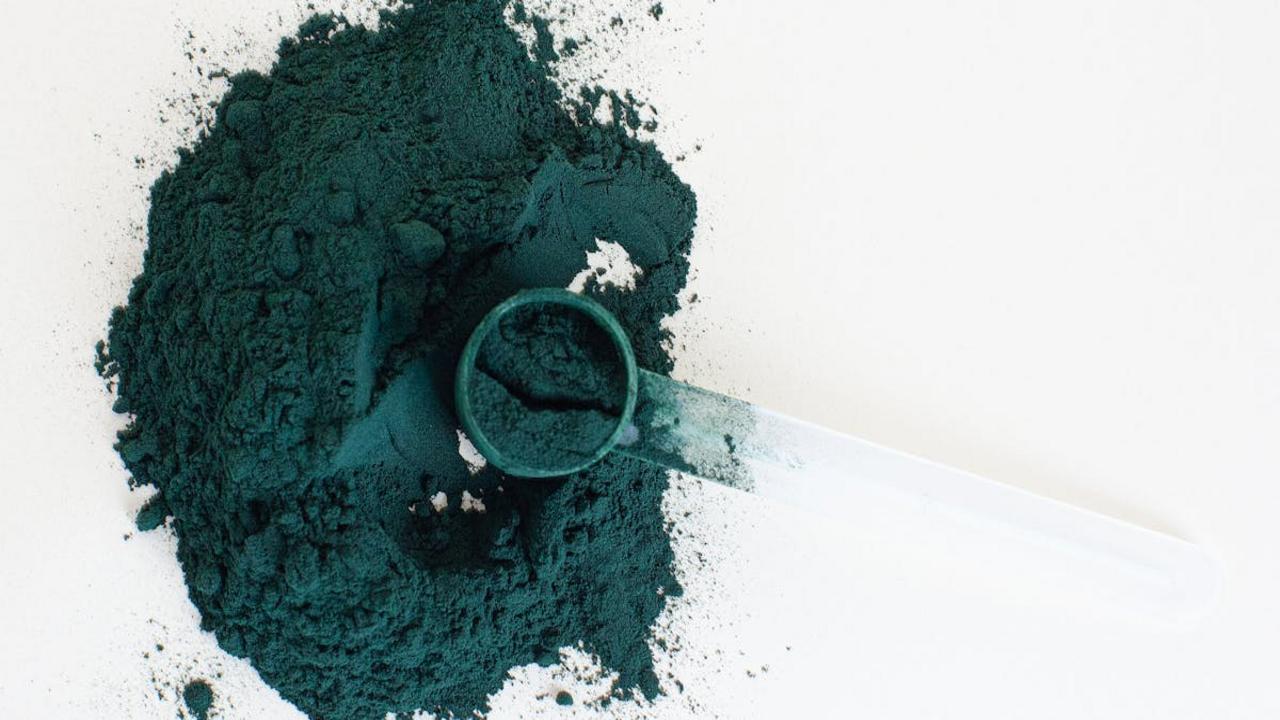
Remember when spirulina first hit the health food scene and everyone thought it looked like pond scum? I totally get why people were skeptical – this blue-green algae powder definitely doesn’t win any beauty contests! But once you learn that this ancient superfood packs more protein per gram than beef and contains all nine amino acids your body needs, suddenly that weird color becomes a lot more appealing. You can find spirulina in everything from smoothie bowls to energy bars these days, and honestly, once you blend it into a tropical mango smoothie, you’ll barely notice that oceanic flavor.
What really changed the game for spirulina was when health-conscious foodies started getting creative with it in their kitchens. Instead of just mixing it into water (which, let’s be honest, tastes pretty awful), people began incorporating it into chocolate protein balls, vibrant green pancakes, and even homemade energy drinks. The trick is balancing that mineral-rich taste with sweet fruits like pineapple or banana – trust me, your taste buds will thank you! Plus, knowing you’re getting a mega-dose of iron, B vitamins, and antioxidants makes every sip or bite feel like you’re doing something amazing for your body.
Edamame
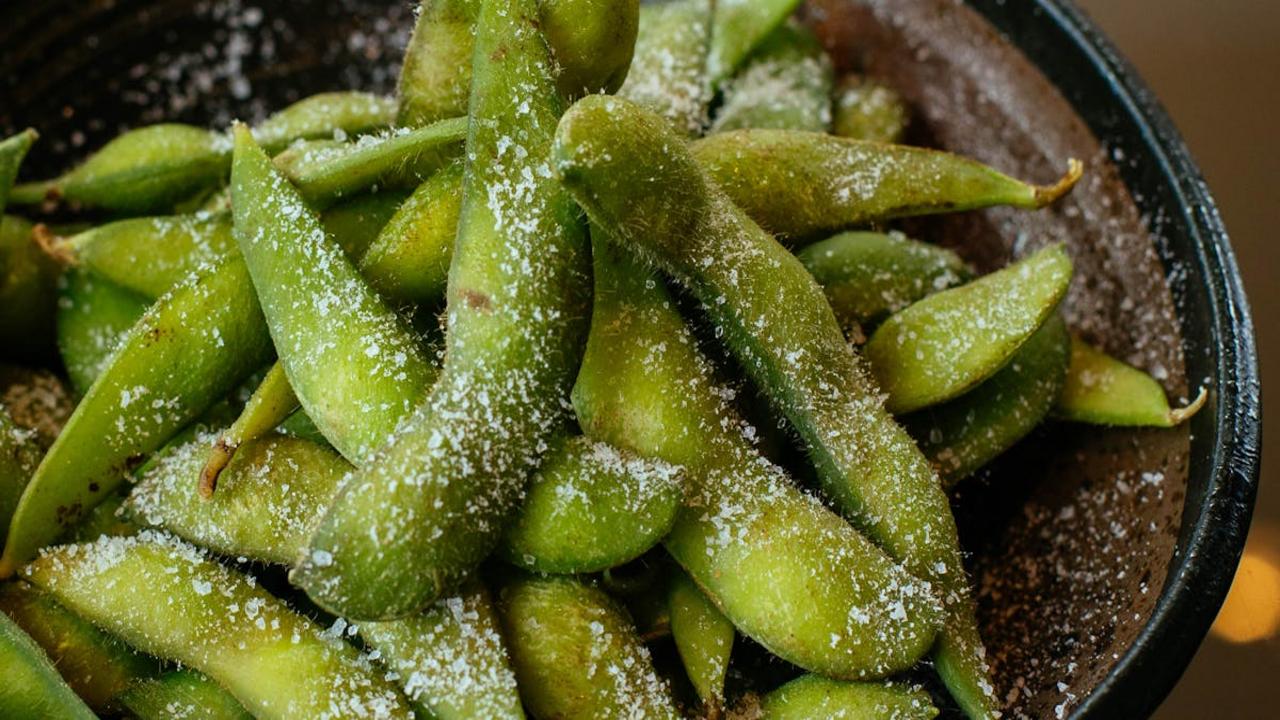
Remember when you first saw those bright green pods sitting in a bowl at a Japanese restaurant and wondered what on earth they were? Edamame seemed so foreign and mysterious back then, but now these little soybeans have become our go-to healthy snack! I love how they’ve transformed from an unfamiliar appetizer into a pantry staple you can find in every grocery store freezer section. The simple act of popping these tender beans out of their pods feels almost meditative, and honestly, there’s something incredibly satisfying about that little ritual before you get to enjoy their nutty, slightly sweet flavor.
What really wins me over about edamame is how they pack such incredible nutrition into those small green packages. These protein powerhouses contain all nine amino acids your body needs, plus they’re loaded with fiber, folate, and vitamin K. I keep bags of frozen edamame on hand for those moments when I need a quick, wholesome snack that actually fills me up. Just steam them for a few minutes, sprinkle with sea salt, and you have something way more satisfying than chips or crackers. They’re perfect for adding to salads, grain bowls, or even blending into a vibrant green hummus that surprises everyone at parties!
Cauliflower rice
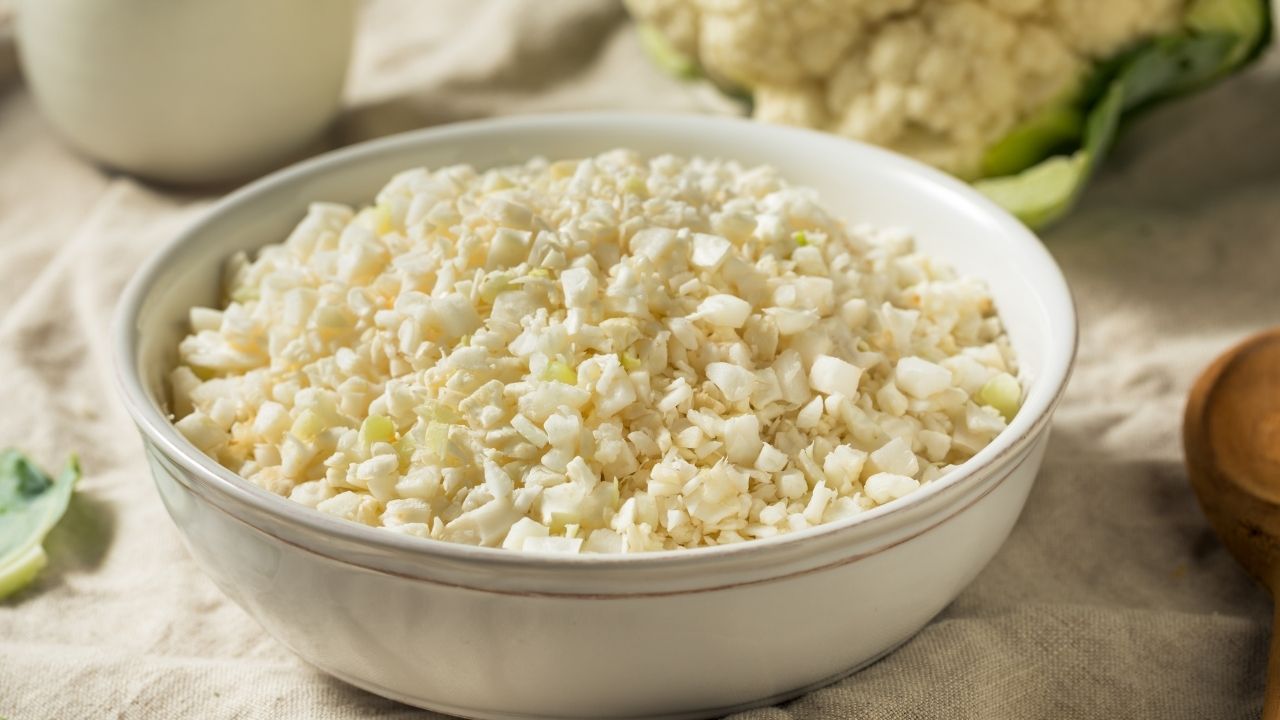
Remember when cauliflower rice first hit the scene and everyone thought it was just another bizarre diet trend? I totally get why people were skeptical – turning a perfectly good vegetable into fake rice seemed pretty wild. But wow, how wrong we all were! This white, fluffy substitute has completely transformed how we think about comfort food and healthy eating. What started as a keto-friendly novelty has become a pantry staple that even rice lovers can’t resist.
The beauty of cauliflower rice lies in its incredible versatility and how it soaks up flavors like a sponge. You can season it with garlic and herbs for a Mediterranean twist, add soy sauce and sesame oil for an Asian-inspired dish, or mix in some tomatoes and spices for a Mexican-style base. Plus, at just 25 calories per cup compared to rice’s 200+ calories, you get to enjoy generous portions without any guilt. Whether you buy it pre-made from the freezer section or pulse fresh florets in your food processor, this veggie swap has proven that sometimes the weirdest ideas turn into the most brilliant solutions for satisfying, nutritious meals.
Tofu
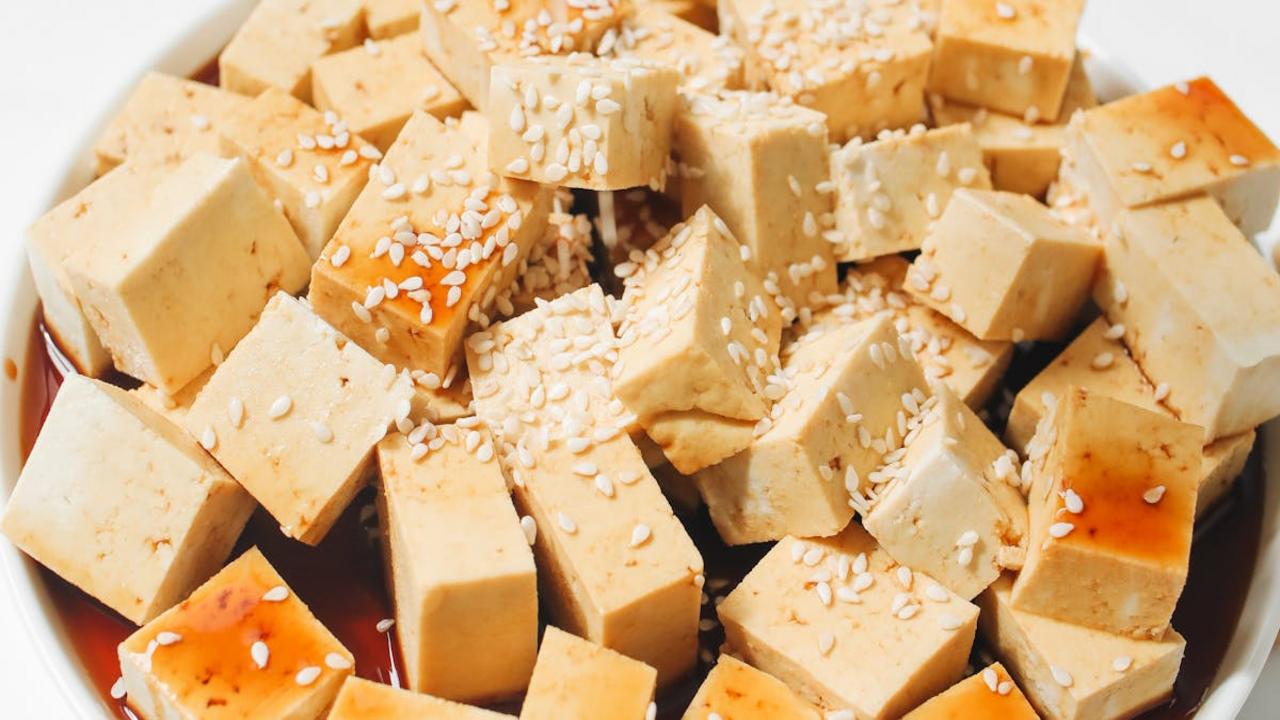
Remember when tofu seemed like this mysterious white block that only health enthusiasts dared to touch? I get it – for years, many of us looked at this soy-based protein with complete confusion, wondering how something so bland could possibly be appetizing. The texture threw people off, and let’s be honest, plain tofu straight from the package doesn’t exactly scream “delicious dinner.” But here’s what changed everything: we learned that tofu acts like a flavor sponge, soaking up whatever seasonings, marinades, and sauces you pair with it.
Now tofu has become a kitchen superstar that shows up in everything from crispy stir-fries to creamy smoothies and even chocolate desserts. You can press it, cube it, crumble it, or blend it – each method creates completely different textures and opens up new recipe possibilities. The silken variety makes your smoothies incredibly creamy without any dairy, while extra-firm tofu crisps up beautifully in a hot pan with some soy sauce and garlic. Plus, with 10 grams of plant-based protein per serving, it’s become a go-to ingredient for anyone looking to add more nutritious options to their meals without sacrificing flavor or satisfaction.
Seaweed

Remember when you’d wrinkle your nose at those dark green sheets wrapped around sushi rolls? I totally get it – seaweed seemed like something that belonged in the ocean, not on our dinner plates! But now I find myself reaching for nori snacks at the grocery store and sprinkling dulse flakes on my salads without a second thought. This ocean vegetable has completely transformed from an “icky” foreign ingredient to a mainstream superfood that’s packed with vitamins, minerals, and that amazing umami flavor we all crave.
What makes seaweed so incredible is its versatility and nutritional punch. You can crisp up sheets of nori for a satisfying snack that beats potato chips any day, blend wakame into your miso soup for extra depth, or toss some sea lettuce into your smoothies for a mineral boost. The best part? Seaweed gives you iodine, iron, and vitamin K in spades – nutrients that can be tricky to get from land-based foods. I love how it adds that savory, almost bacon-like flavor to dishes without any of the heaviness. Trust me, once you start experimenting with different varieties, you’ll wonder why it took so long for this ocean treasure to swim into mainstream kitchens!
Avocado
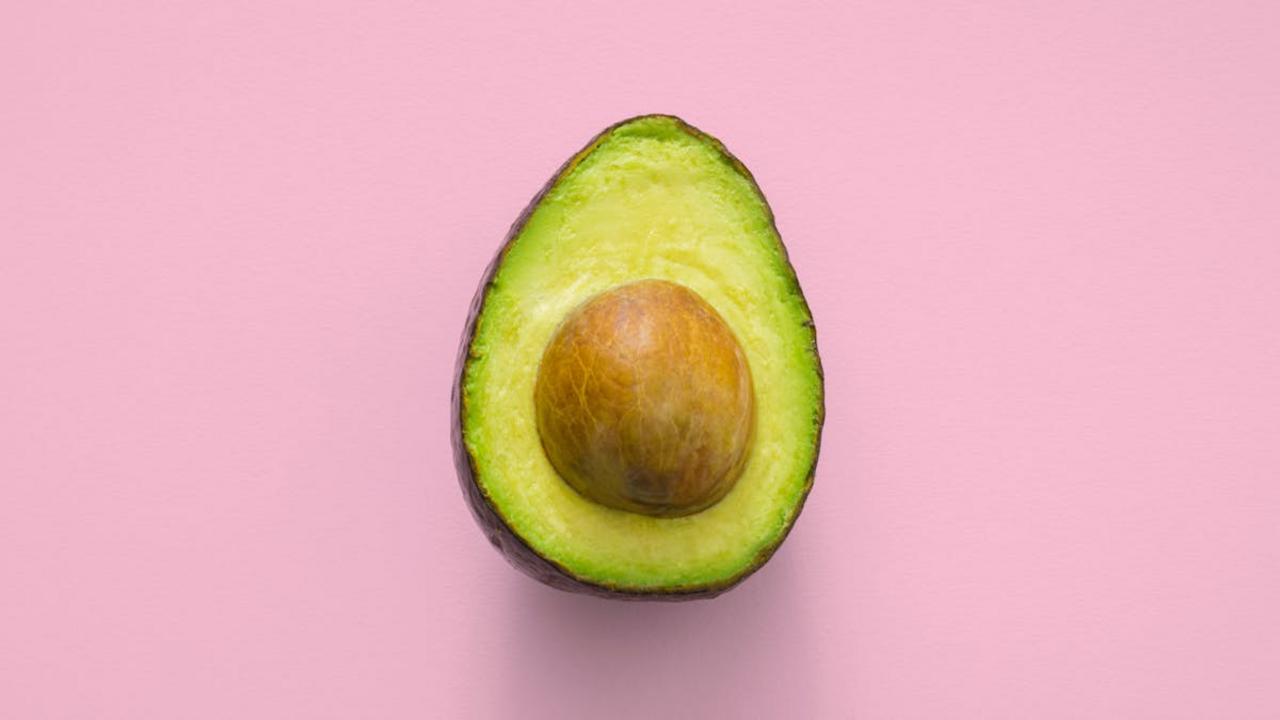
Remember when avocados were that mysterious green fruit your grandmother eyed suspiciously at the grocery store? Back in the 1980s and early 90s, most Americans had never even tasted one! These creamy gems were primarily found in Mexican and Southwestern cuisine, and many people weren’t quite sure what to do with them. The buttery texture and mild flavor seemed foreign to palates accustomed to traditional fruits. Fast forward to today, and you can’t scroll through social media without seeing perfectly arranged avocado toast or vibrant green smoothie bowls taking center stage.
The transformation has been absolutely incredible to witness! Now we slather them on everything from morning toast to burger buns, blend them into chocolate puddings, and even use them as natural face masks. What makes avocados so special goes beyond their Instagram-worthy appearance – they’re packed with heart-healthy monounsaturated fats, fiber, and potassium. I love how versatile they are in my kitchen; one day I’m making creamy pasta sauce, the next I’m whipping up dairy-free ice cream. The best part? They make you feel satisfied and energized, proving that sometimes the foods we once questioned become the ones we can’t imagine living without.
Kombucha

Remember when kombucha first hit mainstream shelves and everyone wondered what that fizzy, vinegary drink actually was? This fermented tea seemed so foreign with its cloudy appearance and tangy kick that most people passed right by it in the grocery store. Now, you can’t walk through any health food section without seeing dozens of kombucha varieties lining the refrigerated cases. What started as a niche health drink has completely transformed into a billion-dollar industry that continues growing every year.
The beauty of kombucha lies in its perfect balance of probiotics, refreshing fizz, and endless flavor possibilities. You get all the benefits of fermented foods while enjoying something that actually tastes great and satisfies your craving for something bubbly. From classic ginger and lemon combinations to adventurous flavors like lavender mint or cherry hibiscus, there’s truly something for everyone. Making your own at home has become incredibly popular too – all you need is a SCOBY (that weird-looking symbiotic culture), some sweet tea, and patience. Your gut health will thank you, and your wallet will appreciate the savings compared to buying those $4 bottles at the store.
Kale
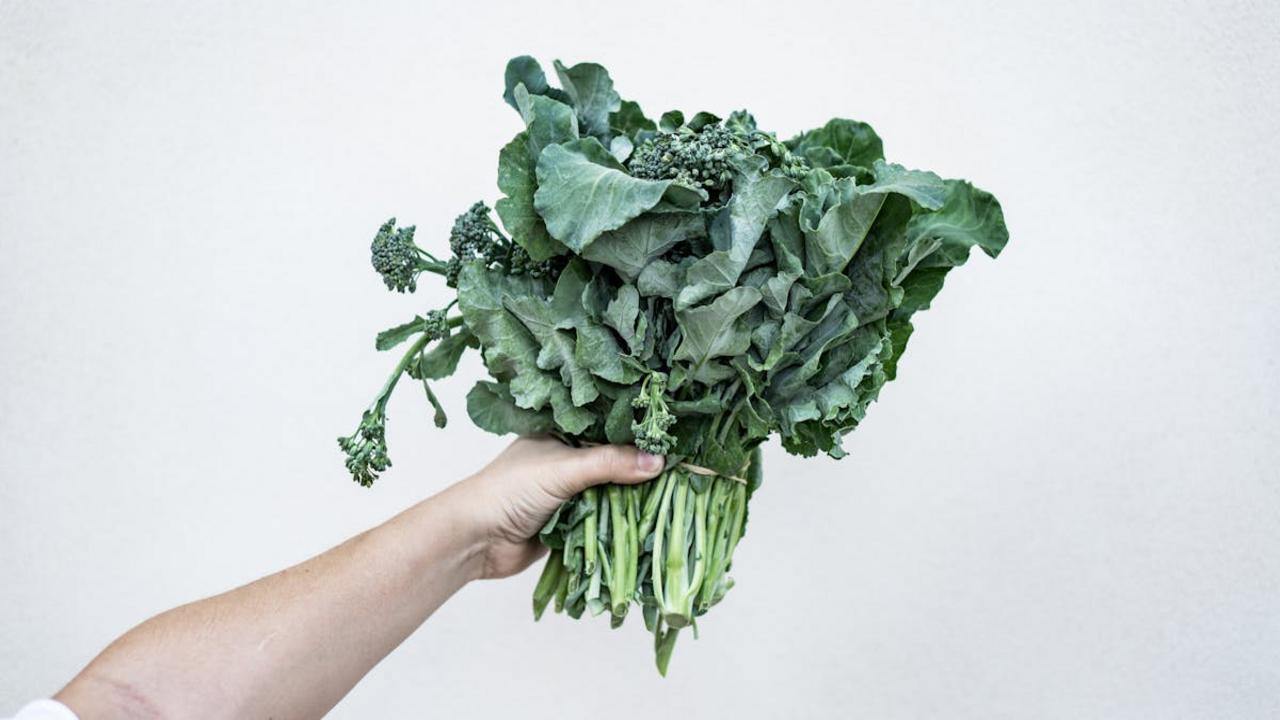
Remember when kale was just that tough, bitter green your grandmother might have grown in her garden? Fast forward to today, and this leafy powerhouse has completely transformed from an overlooked side dish into the darling of health-conscious kitchens everywhere. I love how kale went from being considered “rabbit food” to becoming the star ingredient in smoothies, salads, and even crispy snack chips. What makes this transformation so amazing is that we finally learned how to work with kale’s naturally robust texture and slightly bitter flavor instead of fighting against it.
The secret to falling for kale lies in understanding how to prepare it properly. Massaging those sturdy leaves with a bit of olive oil and salt breaks down the tough fibers, creating a tender base that’s perfect for raw preparations. You can also quickly sauté it with garlic for a simple side dish, or toss it into soups during the last few minutes of cooking. My favorite discovery has been turning kale into crispy chips by baking them with just a touch of seasoning – they’re addictively crunchy and satisfy that snack craving without any guilt. This nutritional powerhouse packed with vitamins A, C, and K has proven that sometimes the foods we initially resist become the ones we can’t imagine living without.
Chia seeds
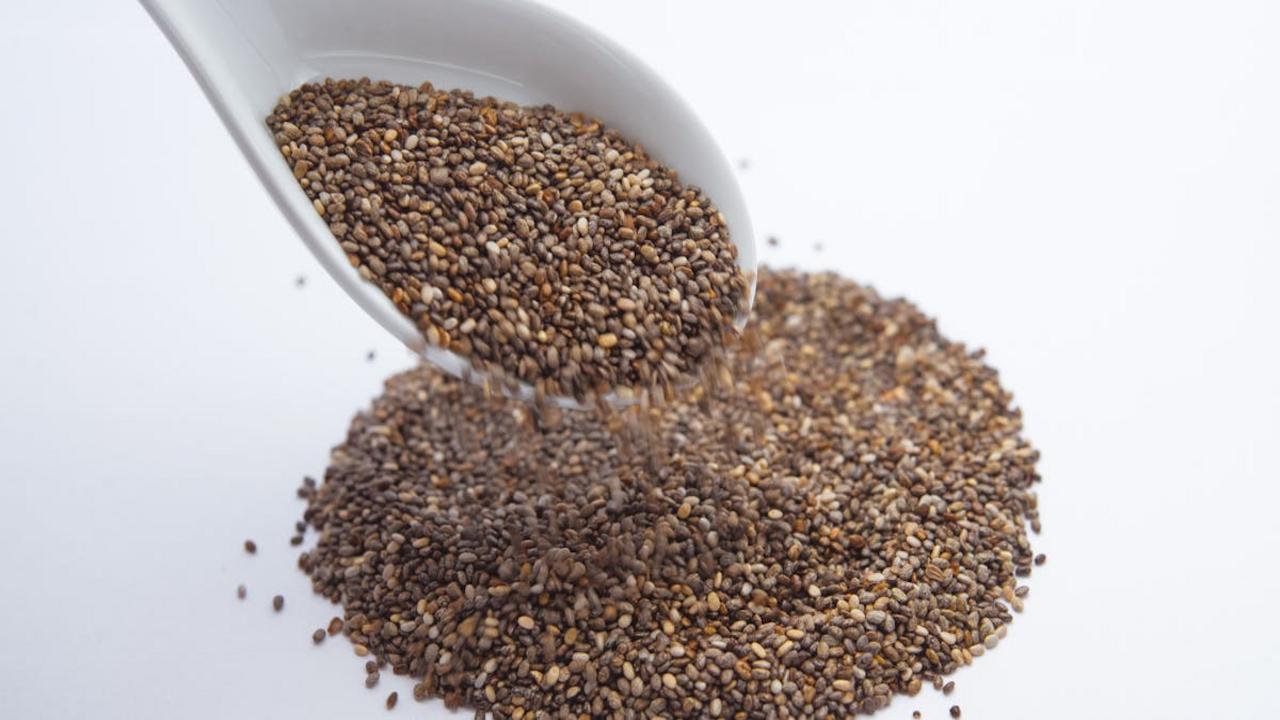
Remember when chia seeds were just those green fuzzy things growing on ceramic pets? Now these tiny powerhouses sit proudly in smoothie bowls, puddings, and energy bars across the country. I love how these little black and white specks pack such an incredible nutritional punch – they’re loaded with omega-3 fatty acids, fiber, and protein that keeps you satisfied for hours. What makes them so amazing is their ability to absorb liquid and create that satisfying gel-like texture that transforms ordinary recipes into something special.
The transformation from novelty gift to superfood happened because people discovered how versatile and beneficial chia seeds really are. You can sprinkle them on yogurt, blend them into smoothies, or create overnight chia puddings that make breakfast prep a breeze. They don’t have a strong flavor, so they blend seamlessly into whatever you’re making while boosting the nutritional value tremendously. I always keep a jar in my pantry because they’re perfect for those moments when you want to add extra nutrition to your meals without changing the taste. Plus, they help thicken sauces and dressings naturally, making them a fantastic ingredient for anyone looking to eat more wholesome foods.
Quinoa
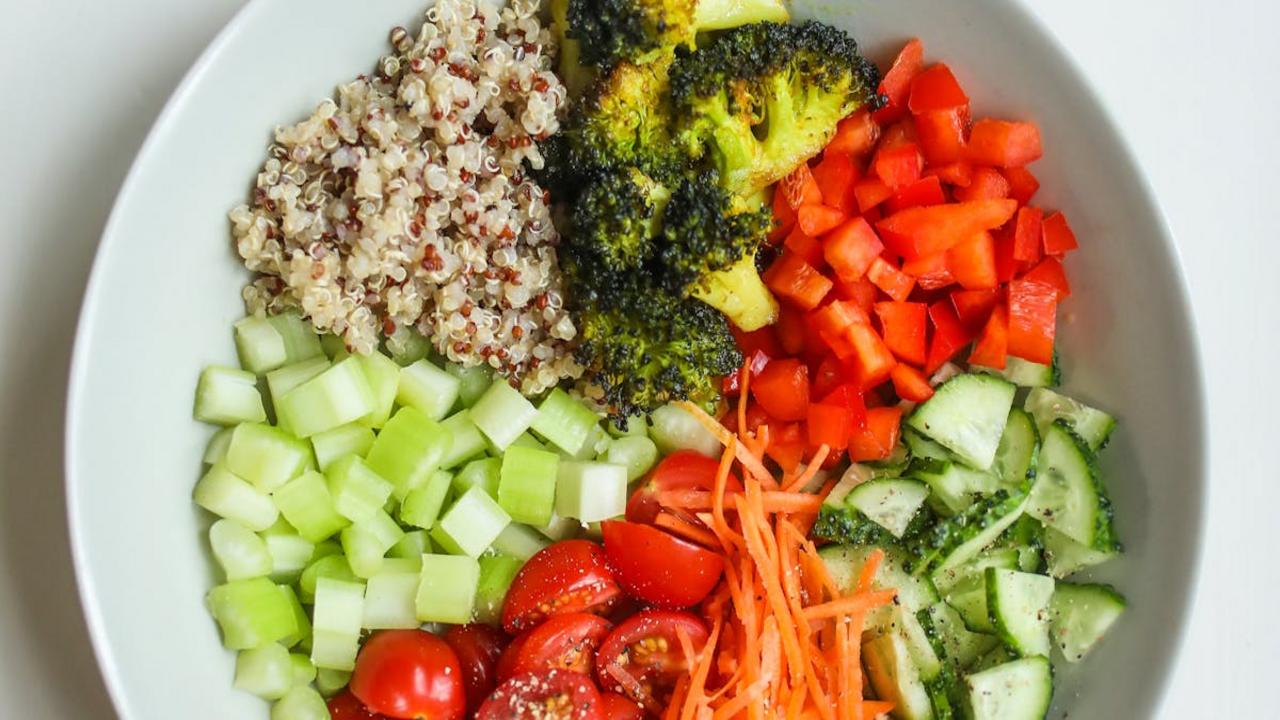
Remember when quinoa was that mysterious grain hiding in the health food store’s corner? I used to walk right past those tiny beige seeds, completely clueless about the protein powerhouse I was missing. Now quinoa sits proudly in my pantry, and I reach for it almost weekly. This ancient grain from South America packs all nine essential amino acids, making it a complete protein that rivals meat and eggs. What really won me over wasn’t just the nutrition stats – it was how quinoa transforms into fluffy, nutty perfection in just 15 minutes.
These days, quinoa shows up everywhere from trendy salad bowls to your neighborhood grocery store’s main aisle. You can toss it into soups for extra heartiness, mix it with roasted vegetables for a satisfying dinner, or even blend cooked quinoa into smoothies for added protein. I love making big batches on Sunday and using it throughout the week in different ways. Try toasting raw quinoa in a dry pan before cooking – it brings out an incredible nutty flavor that makes this former “weird food” absolutely irresistible.
Kimchi
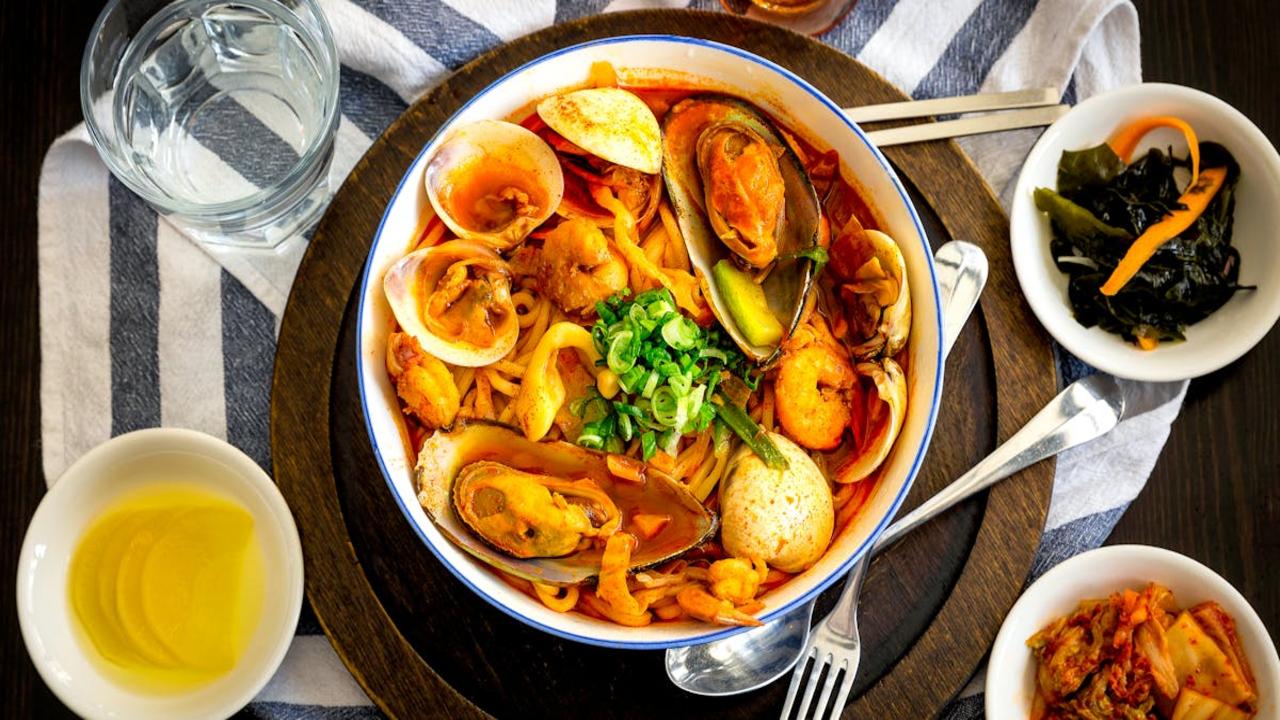
Remember when fermented cabbage sounded absolutely bizarre to most Americans? Kimchi was once that mysterious, pungent Korean side dish that made people wrinkle their noses at first whiff. The intense garlic, ginger, and chili pepper combo seemed too bold for mainstream palates. Fast forward to today, and you can find this spicy, tangy fermented vegetable mix in grocery stores nationwide, trendy restaurants, and even gas station fridges. What started as an “acquired taste” has become a full-blown obsession for health-conscious food lovers everywhere.
The transformation happened because we finally understood what Korean families have known for generations – kimchi is a nutritional powerhouse disguised as a condiment. Packed with probiotics, vitamins A and C, and beneficial bacteria that support gut health, this fermented wonder delivers serious wellness benefits with every crunchy bite. Plus, it adds instant flavor complexity to everything from scrambled eggs to grain bowls. I love how kimchi proves that the most nourishing foods often start with simple, whole ingredients transformed through time-honored techniques. Now you’ll spot kimchi tacos, kimchi fried rice, and kimchi burgers on menus coast to coast – proof that bold flavors always find their audience.
Sushi
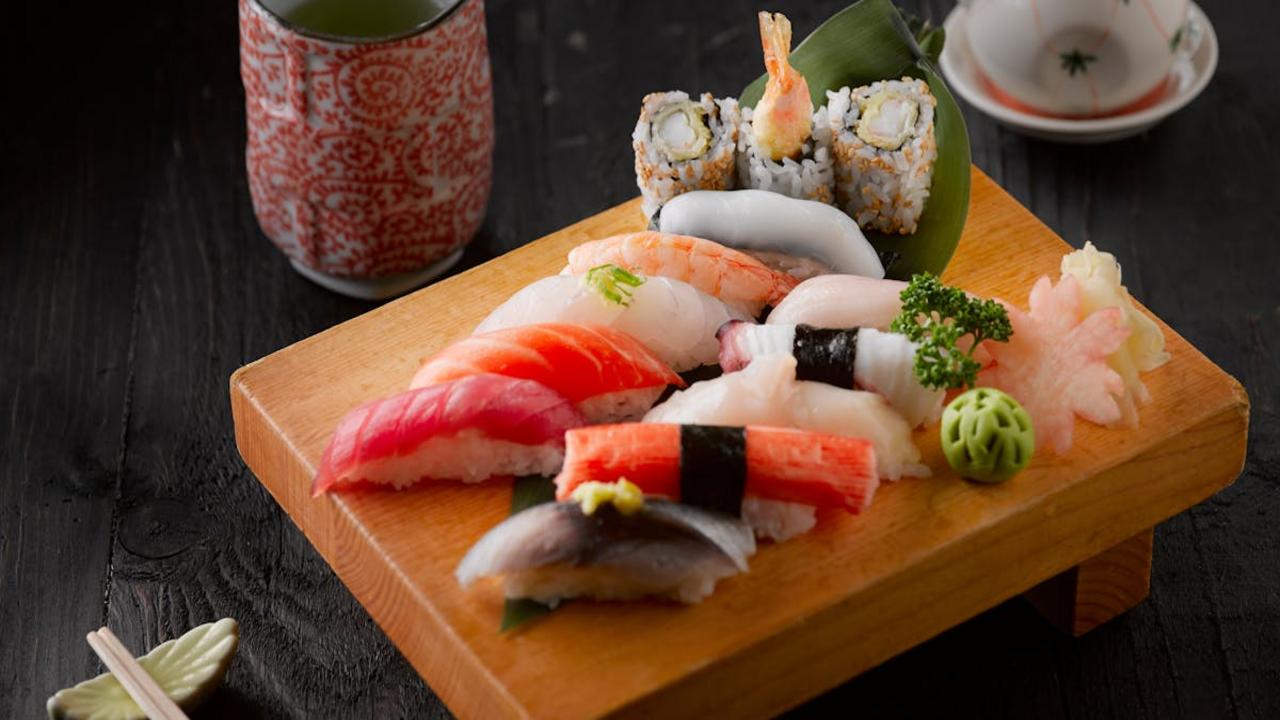
Raw fish on rice? You bet that raised some eyebrows when sushi first arrived in America back in the 1960s! Most people couldn’t wrap their heads around the idea of eating uncooked seafood, and many restaurants had to convince hesitant diners that this Japanese tradition was both safe and delicious. The thought of biting into a piece of fresh salmon or tuna without any cooking involved seemed downright scary to generations raised on well-done everything. Early sushi pioneers had their work cut out for them, slowly introducing Americans to this ancient practice one California roll at a time.
Fast-forward to today, and you can find sushi everywhere from gas stations to high-end restaurants – and we absolutely can’t get enough! What once seemed foreign and intimidating has become our go-to choice for date nights, lunch meetings, and even quick weekday dinners. The health benefits didn’t hurt either: lean protein, omega-3 fatty acids, and minimal processing made sushi a perfect fit for our wellness-focused world. Now we debate the merits of different fish cuts, seek out the best wasabi, and many of us have even tried making rolls at home. Who would have thought that raw fish would become such a mainstream obsession?