14 Foods That Define Generations from Retro Classics to Viral Bites
Food tells the story of who we are and when we lived. Each generation grows up with signature snacks and meals that shape their memories and define their era. From the convenience revolution of the 1950s to today’s social media-driven food trends, what we eat reflects our times perfectly.
Think about how your childhood favorites instantly transport you back in time. Maybe you remember peeling back foil on TV dinners or sipping Tang like an astronaut. Perhaps Lunchables defined your school lunch experience, or you discovered kombucha during your health-conscious twenties.
These iconic foods capture more than just flavor – they represent cultural moments, technological advances, and shifting priorities. Let’s explore fourteen foods that became generational touchstones, each one telling a unique story about American food culture and how we’ve evolved from convenience-focused eating to Instagram-worthy creations.
Bubble tea
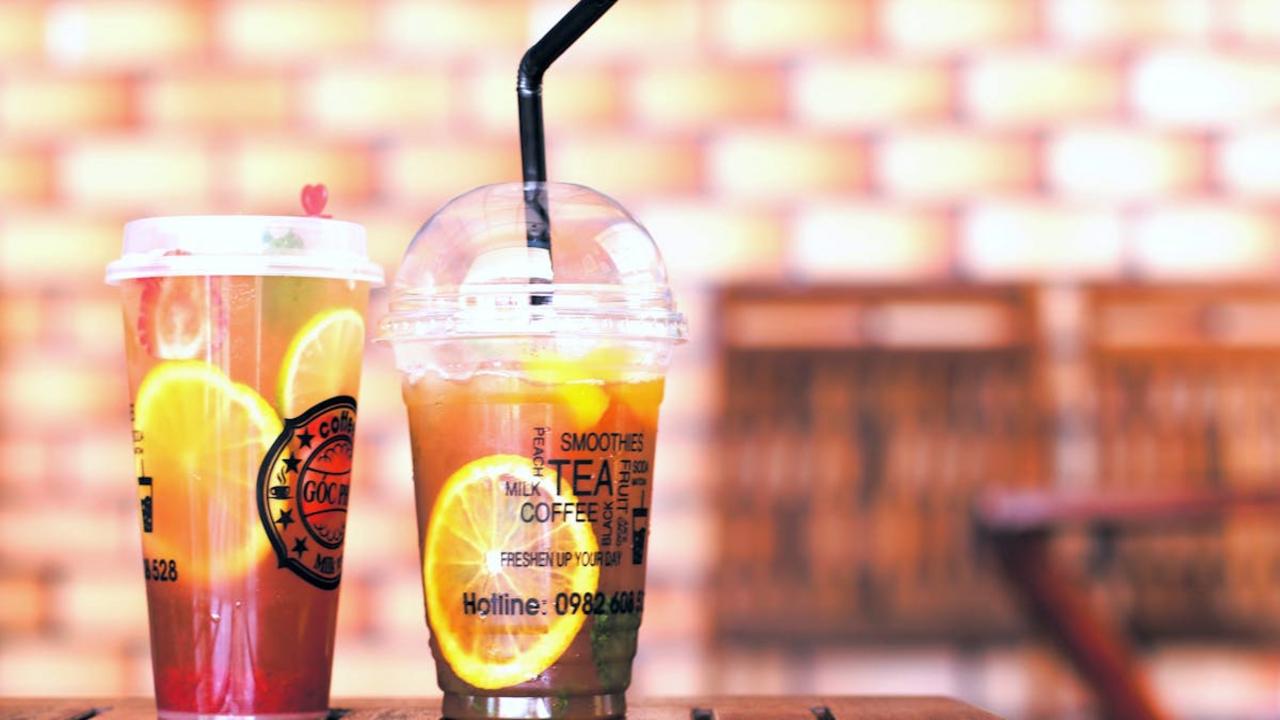
You know that satisfying moment when you bite down on those chewy tapioca pearls at the bottom of your drink? That’s bubble tea magic right there! This Taiwanese sensation took the world by storm in the 1980s and became the ultimate Gen Z drink of choice. What started as a simple black tea with tapioca balls has transformed into an endless playground of flavors, toppings, and Instagram-worthy presentations. From classic milk tea to fruity concoctions with popping boba, this drink represents pure customization freedom.
The beauty of bubble tea lies in its interactive experience – you’re not just drinking, you’re chewing, slurping, and discovering new textures with every sip. Each generation has made this drink their own, with millennials loving the nostalgic comfort and Gen Alpha creating TikTok trends around their favorite combinations. Whether you prefer traditional brown sugar milk tea or adventurous taro smoothies with rainbow jellies, bubble tea brings people together in the most delightful way. It’s become more than just a beverage; it’s a social experience that bridges cultures and creates connections over shared excitement for that perfect pearl-to-tea ratio.
Avocado toast
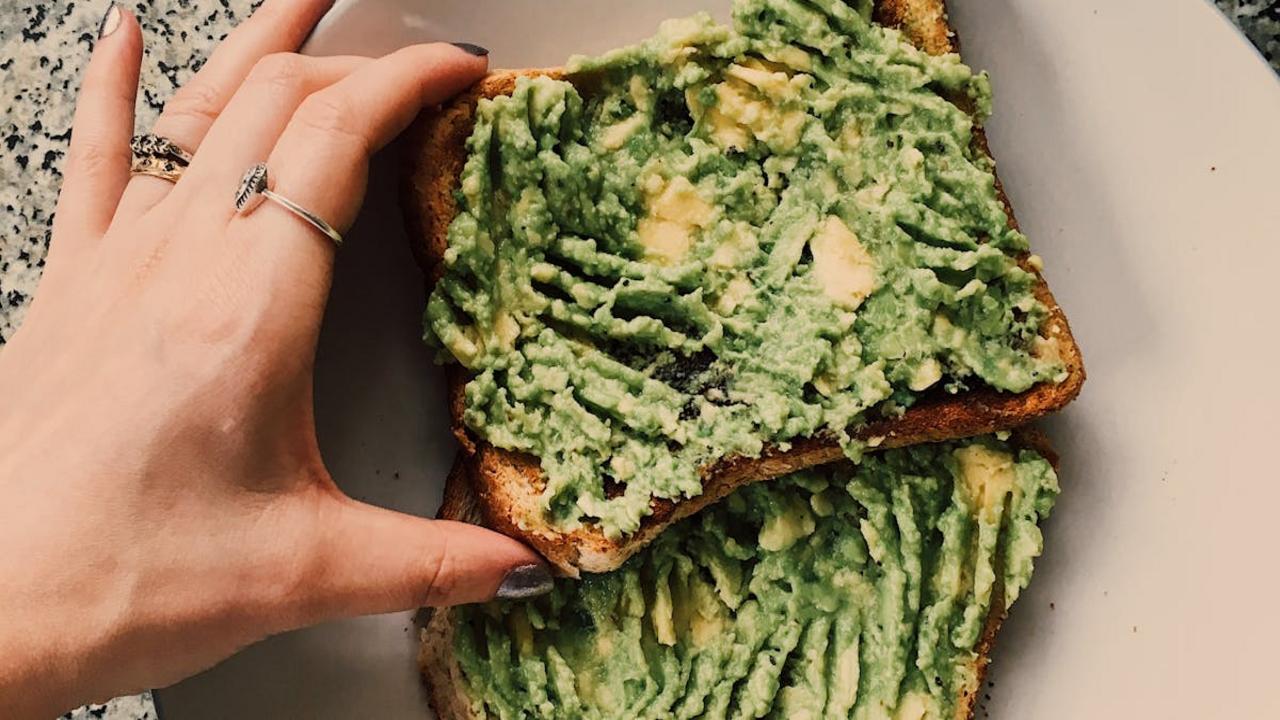
You know that moment when a simple combination becomes a cultural phenomenon? That’s exactly what happened with avocado toast! This gorgeous green creation took the millennial generation by storm in the 2010s, transforming from a basic breakfast into an Instagram-worthy masterpiece. What started as California health food quickly spread across trendy cafes worldwide, with each spot adding their own creative twist – everything from heirloom tomatoes and microgreens to poached eggs and sriracha drizzles.
Here’s what I love most about avocado toast: it’s incredibly forgiving and totally customizable to your taste preferences. You can keep things simple with just mashed avocado, lemon juice, and sea salt on sourdough, or go wild with toppings like crumbled feta, red pepper flakes, or even smoked salmon. The creamy texture of ripe avocado paired with crunchy toasted bread creates this perfect contrast that never gets old. Plus, you’re getting healthy fats, fiber, and potassium in every bite – making this trendy treat actually good for you too!
Kombucha
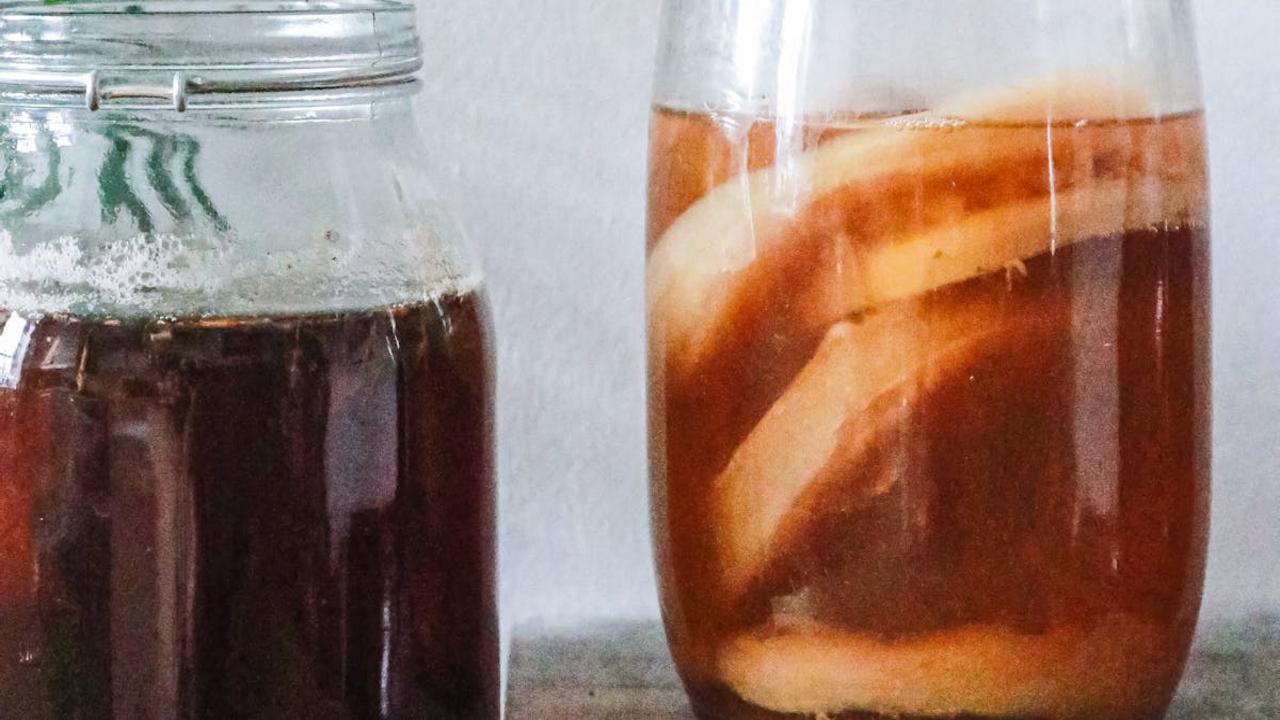
This fizzy, fermented tea became the poster child for millennials’ wellness obsession, and honestly, I get why! Kombucha transformed from a mysterious health drink into a mainstream grocery store staple that you can find everywhere from Whole Foods to your corner convenience store. What started as a niche product that health-conscious folks brewed in their kitchens has exploded into a billion-dollar industry, with flavors ranging from classic ginger to wild combinations like lavender-lemon and hibiscus-mint.
The beauty of kombucha lies in its perfect balance of tangy, sweet, and slightly sour flavors, plus those amazing probiotics that make your gut happy. I love how this drink represents our generation’s shift toward functional foods – we want our beverages to do more than just taste good. Making your own kombucha at home is surprisingly simple too! All you need is a SCOBY (that weird, rubbery culture that looks like a pancake), some sweet tea, and patience. The fermentation process creates natural carbonation and develops complex flavors that change with each batch, making every sip an adventure.
Sunny D
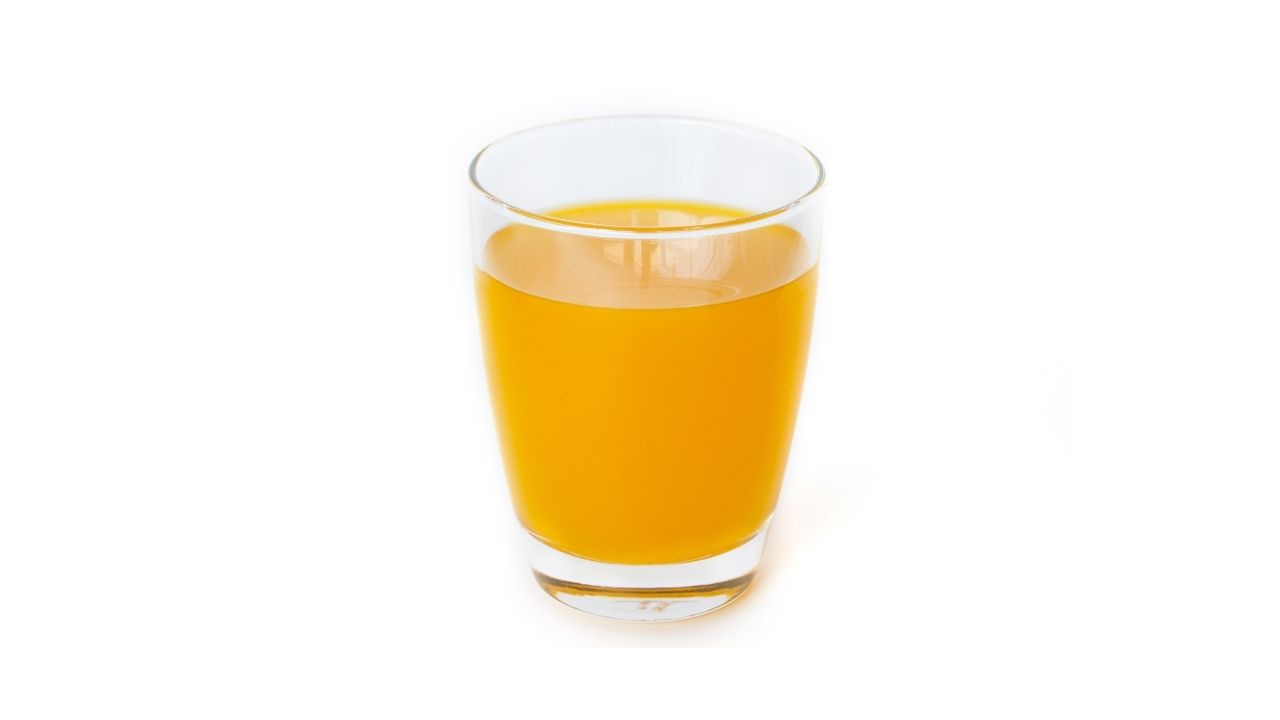
You know that electric orange drink that practically glowed in your lunchbox back in the day? Sunny D was the ultimate childhood status symbol for kids in the ’90s and early 2000s. This citrus-flavored beverage became a household name with its bold marketing campaigns and that distinctive tangy-sweet taste that somehow made regular orange juice seem boring in comparison. I remember trading snacks just to get a sip of someone’s Sunny D – it felt like liquid sunshine in a bottle, even though we all knew it was more artificial than actual fruit.
While Sunny D might not align with today’s focus on whole foods and natural ingredients, it holds a special place in generational food memory. The drink taught us about the power of marketing to kids and became a perfect example of how food trends can capture an entire generation’s attention. Today, many parents look back and laugh at how we begged for this neon beverage, now choosing fresh-squeezed orange juice or homemade fruit smoothies for their own families. Still, Sunny D remains a nostalgic reminder of simpler times when our biggest nutritional concern was whether mom packed the “good” drinks in our lunch.
Hot Pockets
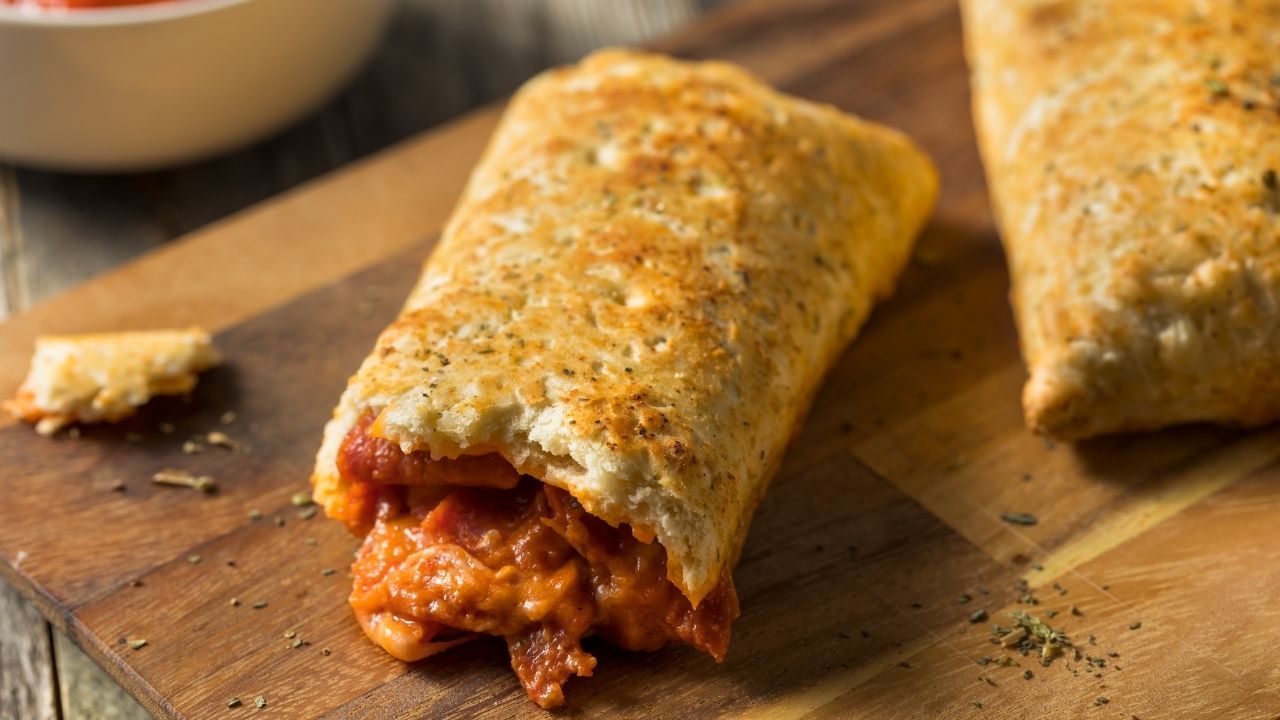
Hot Pockets burst onto the scene in the 1980s and quickly became the unofficial mascot of busy lifestyles and college dorm rooms everywhere. These microwaveable pastry pockets filled with cheese, meat, and sauce offered a quick solution for anyone craving something warm and satisfying without the fuss of actual cooking. You probably remember the excitement of unwrapping that crinkly sleeve and sliding it into the microwave, followed by the inevitable dance of trying to eat one without burning your tongue on the molten cheese center.
While nutritionists might raise an eyebrow at their processed nature, Hot Pockets represent something bigger than their ingredient list – they symbolize convenience culture and the way we adapted our eating habits to match our increasingly fast-paced lives. Today, you can still find them in freezer aisles everywhere, now available in dozens of flavors from classic pepperoni pizza to more adventurous options. They’ve become a nostalgic comfort food that reminds us of simpler times when a three-minute microwave meal felt like magic, and honestly, sometimes that’s exactly what we need after a long day.
Dunkaroos
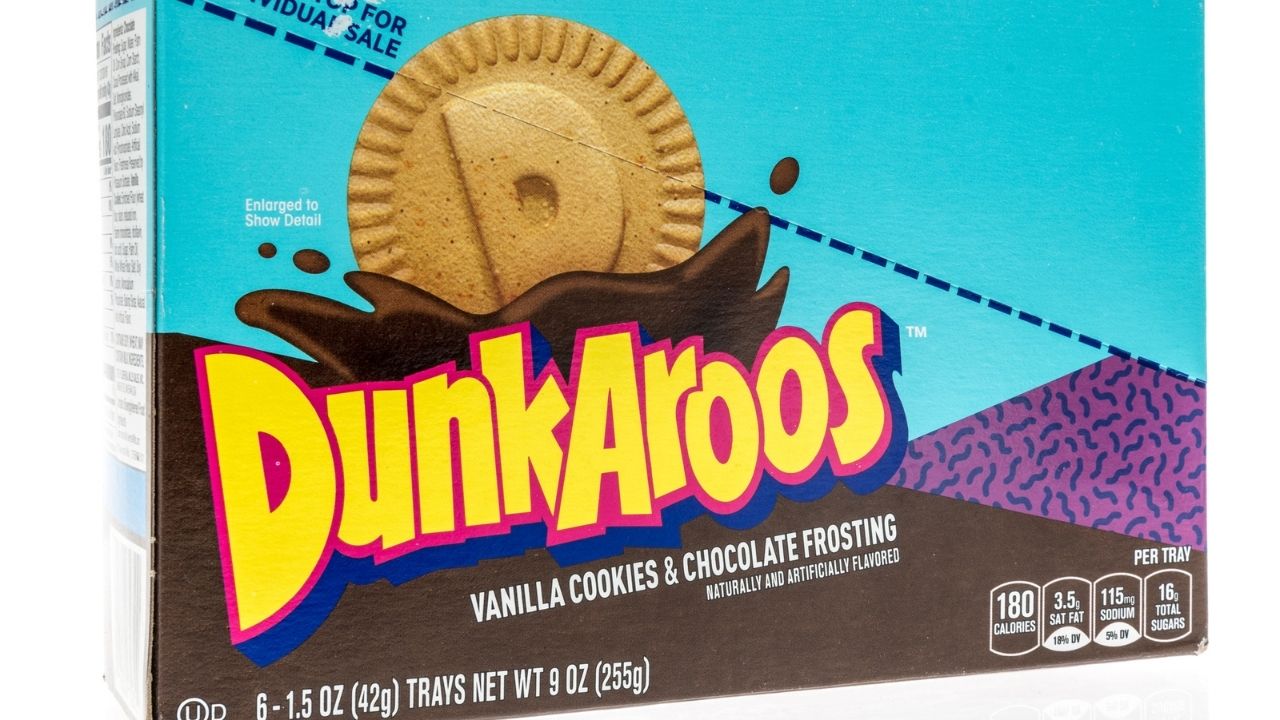
Remember when snack time meant tearing open that bright yellow package and finding pure childhood magic inside? Dunkaroos hit the scene in the early ’90s and became an instant obsession for kids everywhere. These weren’t just cookies – they were an interactive snack experience that made every lunch box infinitely cooler. The combination of crispy graham cookies paired with that sweet vanilla frosting created a ritual that defined after-school snacking for an entire generation.
What made Dunkaroos special wasn’t just the taste – it was the ceremony of dunking each cookie into that little compartment of frosting, trying to get the perfect ratio every single time. You’d strategically scrape every last bit of that creamy goodness, and somehow it always disappeared faster than the cookies themselves! While they disappeared from shelves for years, their comeback proves that some foods create memories so powerful they transcend time. Today’s parents introduce them to their own kids, sharing that same joy of discovering the perfect dunk technique and watching tiny faces light up with sugary delight.
Kid Cuisine
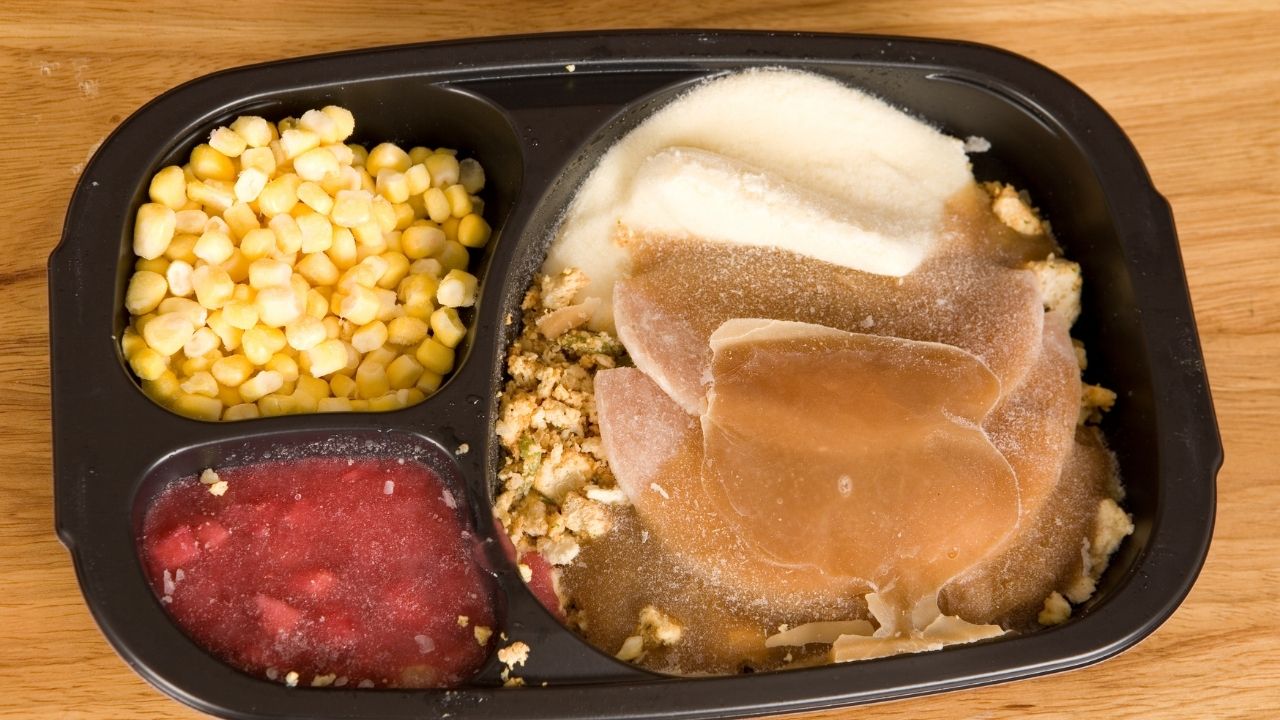
Kid Cuisine dominated freezer aisles from the 1990s through the early 2000s, becoming the go-to dinner solution for busy parents and the ultimate treat for kids everywhere. Those iconic compartmentalized trays featured everything from chicken nuggets and mac and cheese to corn and a brownie, all packaged with fun characters and games on the box. You probably remember the excitement of seeing that penguin mascot staring back at you from the grocery store freezer, promising a meal that felt more like a party than dinner.
While Kid Cuisine wasn’t exactly a nutritional powerhouse, it represented something bigger than just convenience food. These meals gave kids a sense of independence and ownership over their dinner choices, even if parents were doing the microwaving. The portion-controlled compartments taught us about balanced meals in their own quirky way, and many of us learned to appreciate having different foods that didn’t touch each other on our plates. Though we might cringe at the sodium content now, Kid Cuisine holds a special place in millennial and Gen Z hearts as a symbol of childhood freedom and the simple joy of having your very own special meal.
Lunchables
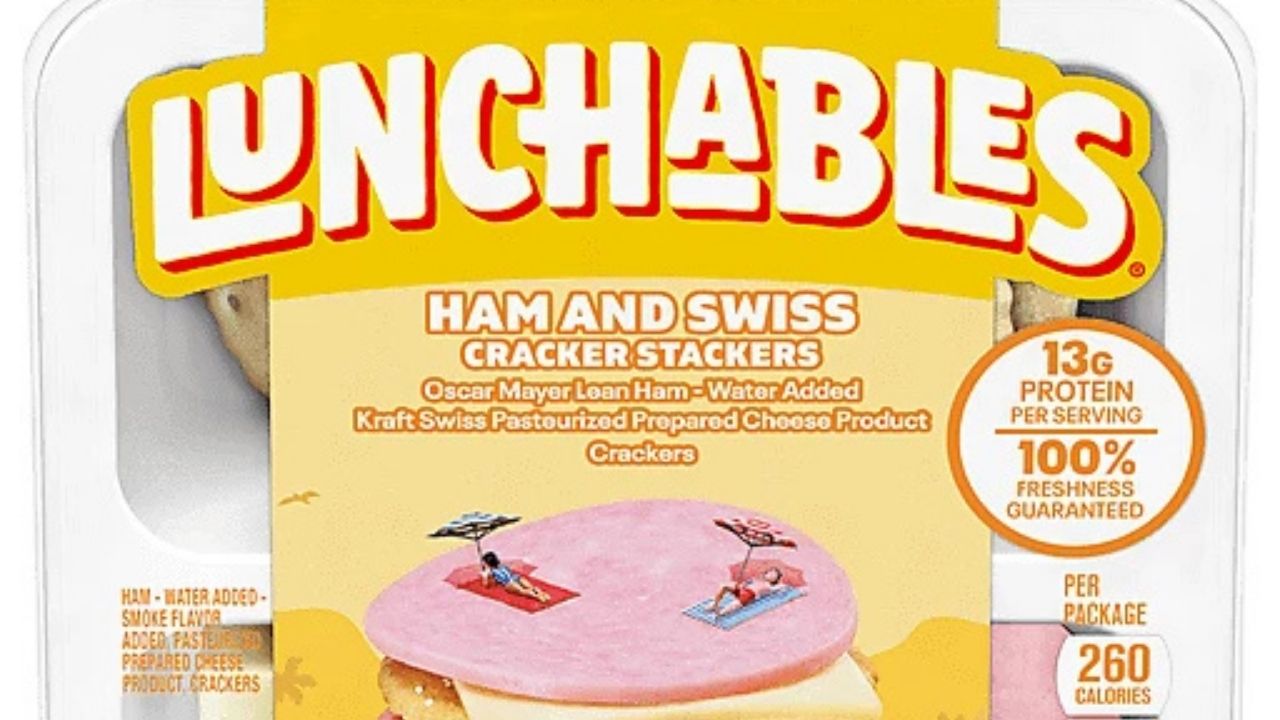
Remember those exciting moments in elementary school when you’d open your lunchbox and find that distinctive yellow package waiting inside? Lunchables revolutionized how kids thought about lunch when they hit store shelves in 1988. These convenient meal kits turned eating into an interactive experience – suddenly, you became the chef, carefully arranging crackers, cheese, and deli meat into perfect little sandwiches. The simple act of assembly made lunch feel special, transforming ordinary ingredients into something that felt both grown-up and playfully yours.
While I always encourage fresh, homemade meals, I understand the nostalgic pull of these portable meal kits that defined so many childhoods. Today’s parents can create healthier versions at home using whole grain crackers, organic cheese, and nitrate-free meats, capturing that same fun assembly experience while boosting nutrition. Pack everything in separate compartments of a bento box, and watch your kids light up with the same excitement we felt decades ago. Sometimes the best family food memories come from the simplest concepts – giving children ownership over their meal and making lunchtime feel like an adventure rather than just another part of the day.
Capri Sun
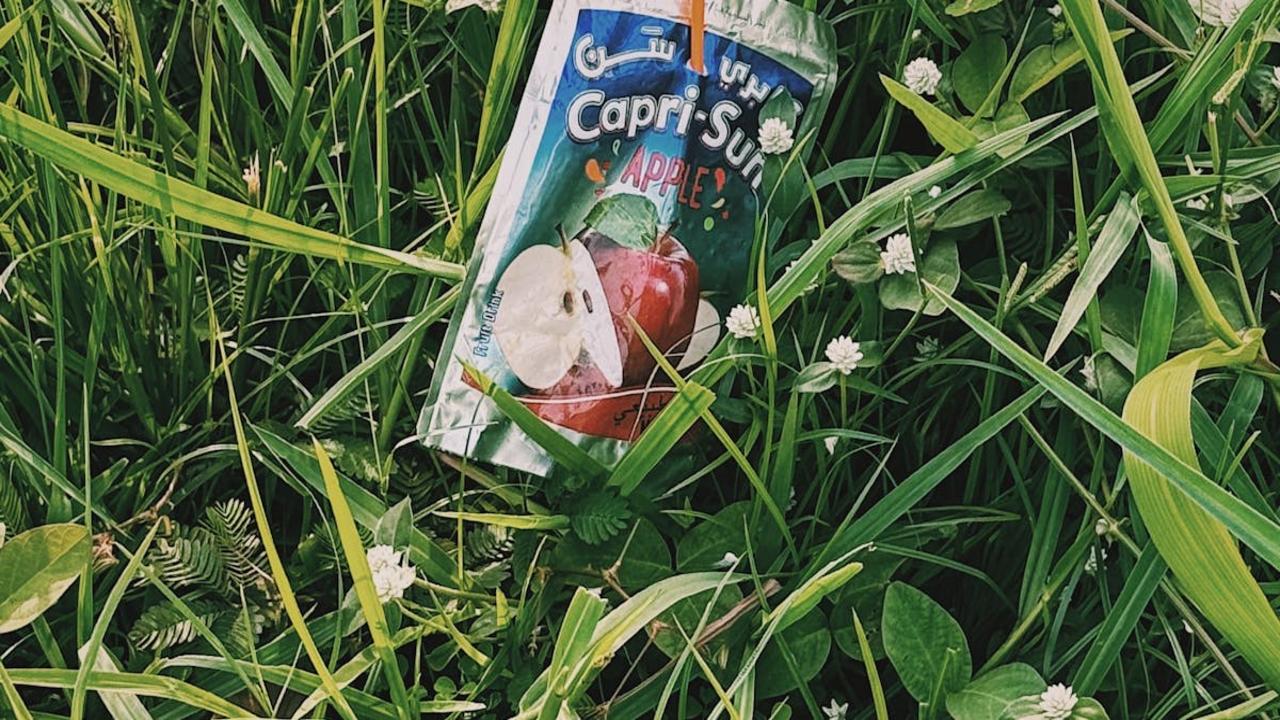
Remember those silver pouches that made lunch boxes across America infinitely cooler? Capri Sun didn’t just quench our thirst – it became the unofficial currency of elementary school cafeterias. You’d trade anything for that Pacific Cooler flavor, and mastering the straw-poking technique without creating a fountain was practically a rite of passage. The metallic crinkle sound alone could make any kid’s day brighter, and let’s be honest, we all tried to blow up the empty pouch afterward.
What makes Capri Sun so special isn’t just the nostalgic factor – it’s how this simple drink connected generations of kids through shared experiences. Sure, nutritionists might raise an eyebrow at the sugar content today, but back then, it felt like pure liquid happiness in a pouch. The brand knew exactly what they were doing with those fun flavors and that iconic packaging. Even now, when I see those familiar pouches in the store, I can’t help but smile and remember the pure joy of puncturing that foil seal and taking that first refreshing sip on a hot school day.
Fruit Roll-Ups
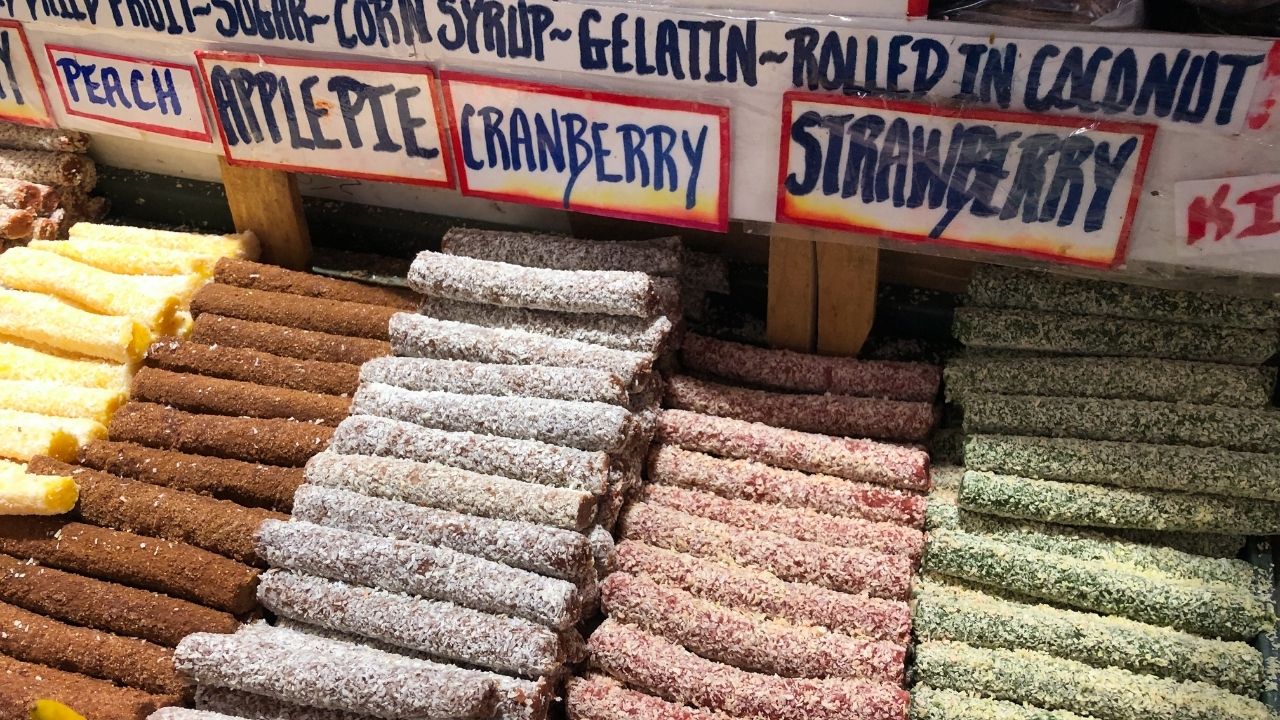
Fruit Roll-Ups became the ultimate 90s lunch box treasure, turning ordinary snack time into an interactive experience that kids absolutely adored. These colorful strips of fruity goodness weren’t just about eating – they were about peeling, unrolling, and creating temporary tongue tattoos that made every bite feel like pure magic. You probably remember that satisfying moment when you carefully separated the roll from its plastic backing, trying not to tear your precious snack before savoring every chewy, sweet bite.
What made Fruit Roll-Ups so special was their ability to transform a simple fruit snack into something that felt both fun and rebellious. The wild flavors like Strawberry Sensation and Tropical Tie-Dye gave us our first taste of bold, artificial fruit combinations that somehow worked perfectly together. Sure, they weren’t exactly a health food, but they taught an entire generation that food could be playful and interactive. Today, you can recreate that nostalgic magic in your own kitchen by making homemade fruit leather using real pureed fruits, honey, and a dehydrator – giving your family all the fun memories with wholesome ingredients your body will actually thank you for.
Tang
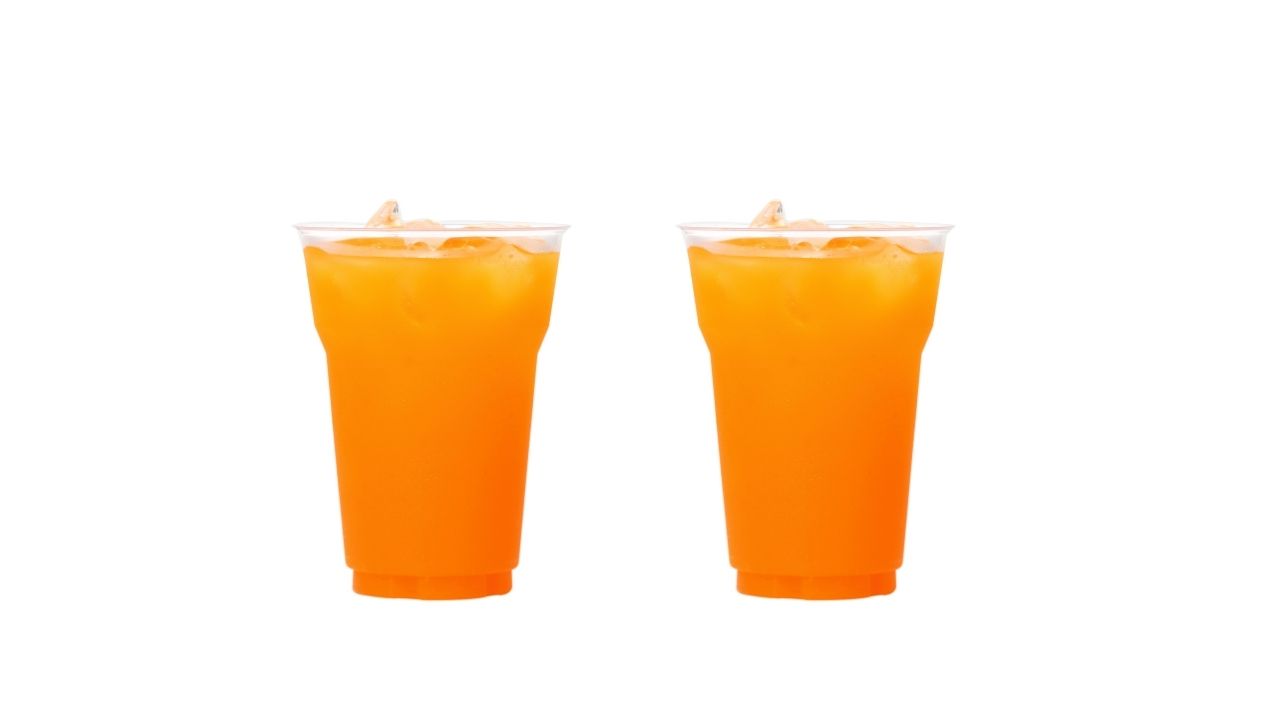
You know that bright orange powder that turned water into liquid sunshine? Tang became the breakfast drink of choice for countless families throughout the 1960s and 70s, transforming morning routines across America. This vitamin C-packed instant beverage mix promised convenience and nutrition in one simple scoop, making it the perfect solution for busy parents who wanted to give their kids something healthier than soda. NASA’s decision to send Tang to space with astronauts only boosted its cool factor, turning every kitchen table into mission control headquarters.
While Tang might seem like a relic from another era, its impact on how we think about fortified beverages remains significant today. The drink taught us that nutrition could come in convenient, shelf-stable forms – a concept that paved the way for modern protein powders and vitamin-enhanced drink mixes. Sure, we’ve moved toward more natural options now, but there’s something nostalgic about that distinctive tangy flavor that made mornings feel special. If you’re feeling adventurous, try mixing Tang into yogurt or using it as a glaze for chicken – sometimes those retro flavors deserve a modern comeback in unexpected ways.
Jell-O molds
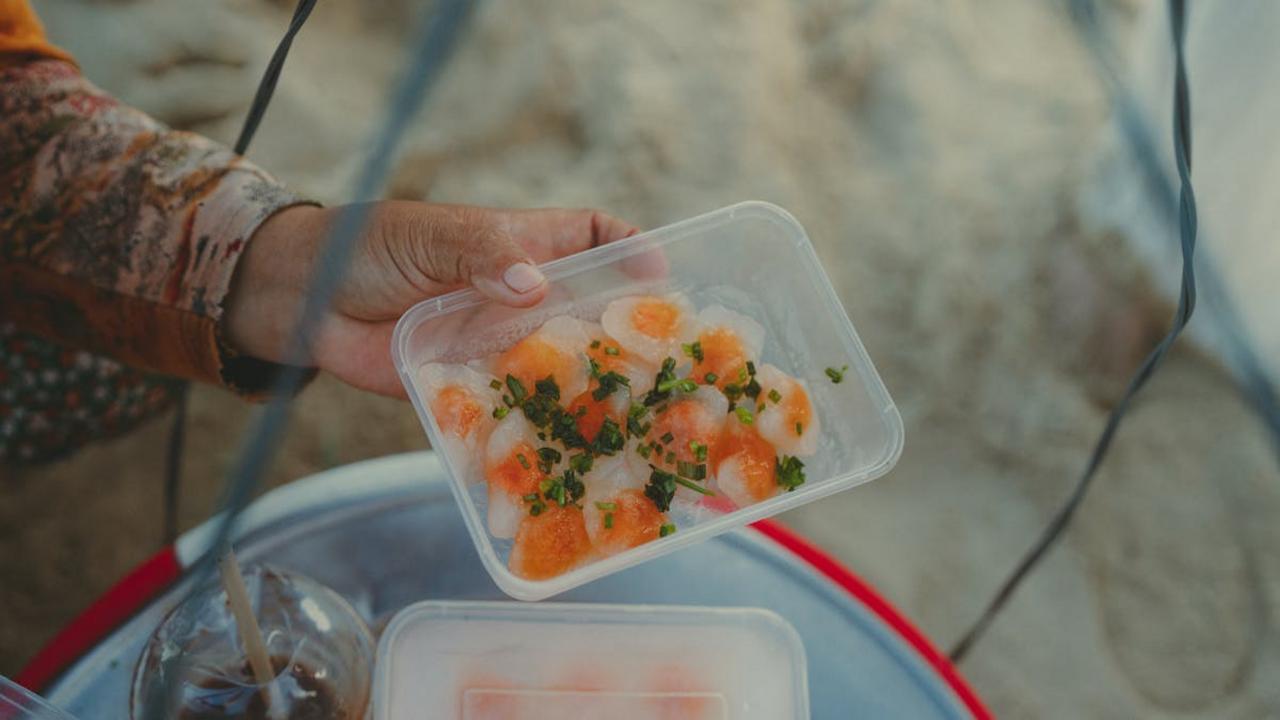
Remember those shimmering, wobbly centerpieces that graced dinner tables throughout the 1950s and 60s? Jell-O molds were the ultimate party food, transforming simple gelatin into stunning works of edible architecture. Your grandmother probably had at least three different mold shapes tucked away in her kitchen cabinets, ready to create everything from elegant lime-pineapple rings to savory aspic creations filled with vegetables and meats. These colorful creations weren’t just desserts – they were conversation starters that brought families together around the dinner table, each one a testament to the home cook’s creativity and attention to detail.
What I love most about Jell-O molds is how they represent a time when presentation mattered just as much as flavor. Making these translucent treasures required patience and planning – you couldn’t rush the setting process, and timing your layers perfectly took real skill. Today, while we might chuckle at photos of tuna-filled lime gelatin rings, there’s something beautifully nostalgic about the care and effort that went into each creation. If you’re feeling adventurous, try making a modern version using fresh fruit and natural gelatin – you’ll discover that this retro trend can absolutely find a place in today’s health-conscious kitchen, bringing both whimsy and wholesome ingredients to your table.
Spam
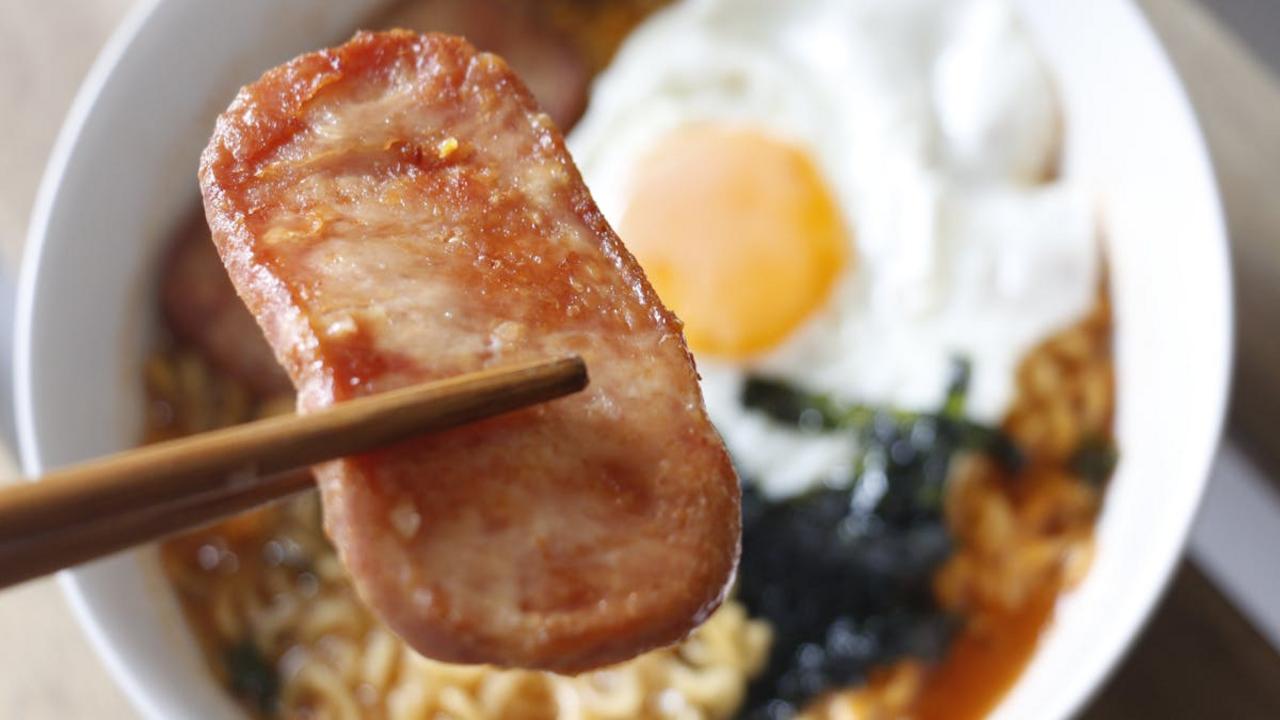
You know that iconic blue can sitting in your pantry? Spam became an absolute lifesaver during World War II when fresh meat was scarce, and families needed protein that could last. This canned marvel fed soldiers overseas and kept home kitchens running when rationing made grocery shopping a real challenge. What started as wartime necessity quickly became a beloved staple that crossed cultural boundaries and found its way into family recipes worldwide.
Today, Spam has transformed from emergency food to comfort food superstar, especially in places like Hawaii where Spam musubi reigns supreme! You can slice it thick for breakfast alongside eggs, dice it into fried rice for dinner, or even get creative with Spam tacos. The salty, savory flavor pairs beautifully with rice, vegetables, and even pineapple for those sweet-and-salty combinations we all crave. Don’t let food snobs fool you – this humble canned meat has fed generations and continues to bring families together around the dinner table with its reliable, satisfying taste.
TV dinners
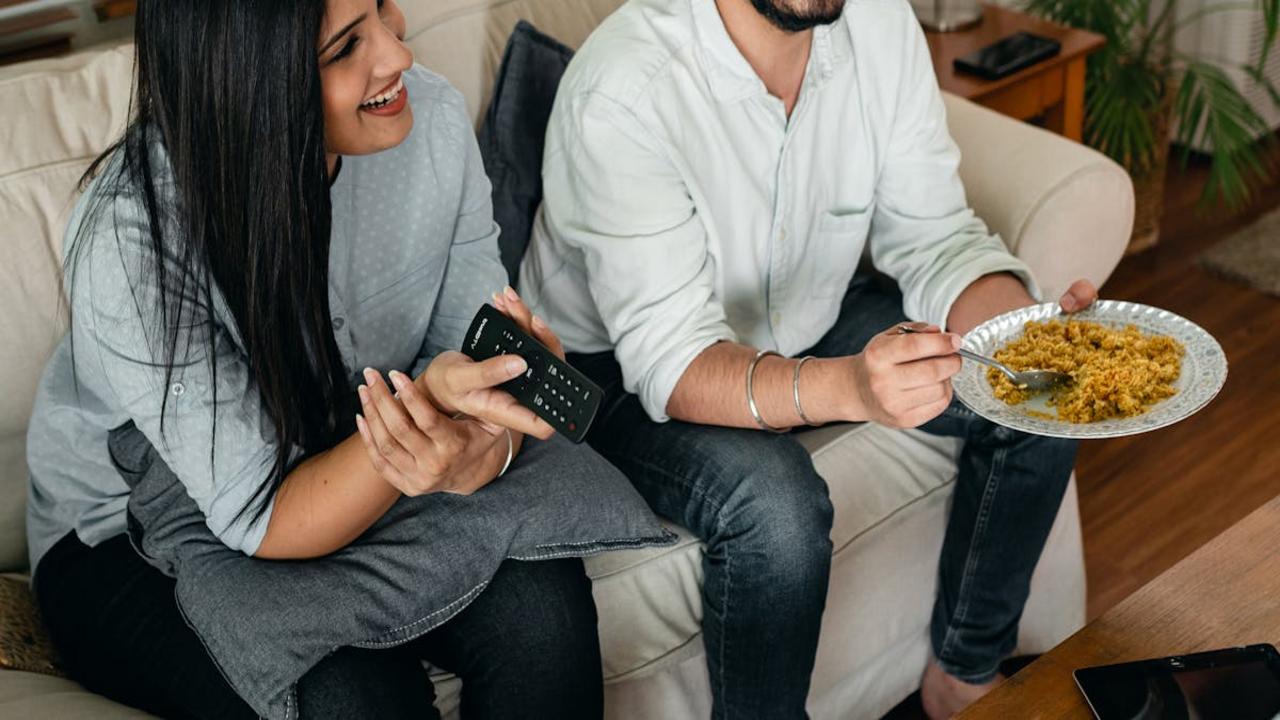
Picture this: you walk into your grandmother’s freezer in 1960, and there they are – those perfectly portioned aluminum trays promising a complete meal in just 25 minutes. TV dinners revolutionized how families approached weeknight eating, transforming the dinner table from a formal affair into something far more casual and convenient. These frozen compartmentalized meals gave busy parents a break from daily cooking while introducing an entire generation to the concept of eating while watching their favorite shows.
What started as Swanson’s turkey dinner with cornbread dressing and peas has evolved into today’s massive frozen food industry. While modern versions offer everything from organic options to international cuisines, those original TV dinners taught us that convenience doesn’t have to mean compromise. You can still find the nostalgic charm in preparing a simple, balanced meal that brings back memories of family TV time. Try recreating that classic compartmentalized approach at home – roast some chicken, steam fresh vegetables, and add a small portion of whole grains. Your family will appreciate both the simplicity and the throwback to simpler times when dinner meant gathering around the television together.