10 Flavor-Packed Cuisines to Savor Around the World
Food tells the world’s most delicious stories! From sun-soaked Mediterranean tables to fiery Korean barbecues, each cuisine carries centuries of tradition in every bite. I’ve packed my passport and my appetite to bring you ten global flavor powerhouses that will revolutionize your dinner table.
Japanese precision meets Ethiopian communal joy. Nordic simplicity dances with Indian complexity. These culinary traditions don’t just feed our bodies—they connect us to cultures far beyond our own kitchens. Each distinctive food style brings unique ingredients, techniques, and philosophies to the global pantry.
Whether you crave the aromatic spice blends of Lebanese cooking or the umami-rich depths of Vietnamese broths, these ten cuisines offer a world tour for your mouth. Ready your forks (or chopsticks, or fingers) for a whirlwind trip through the planet’s most crave-worthy food traditions!
Ethiopian Cuisine
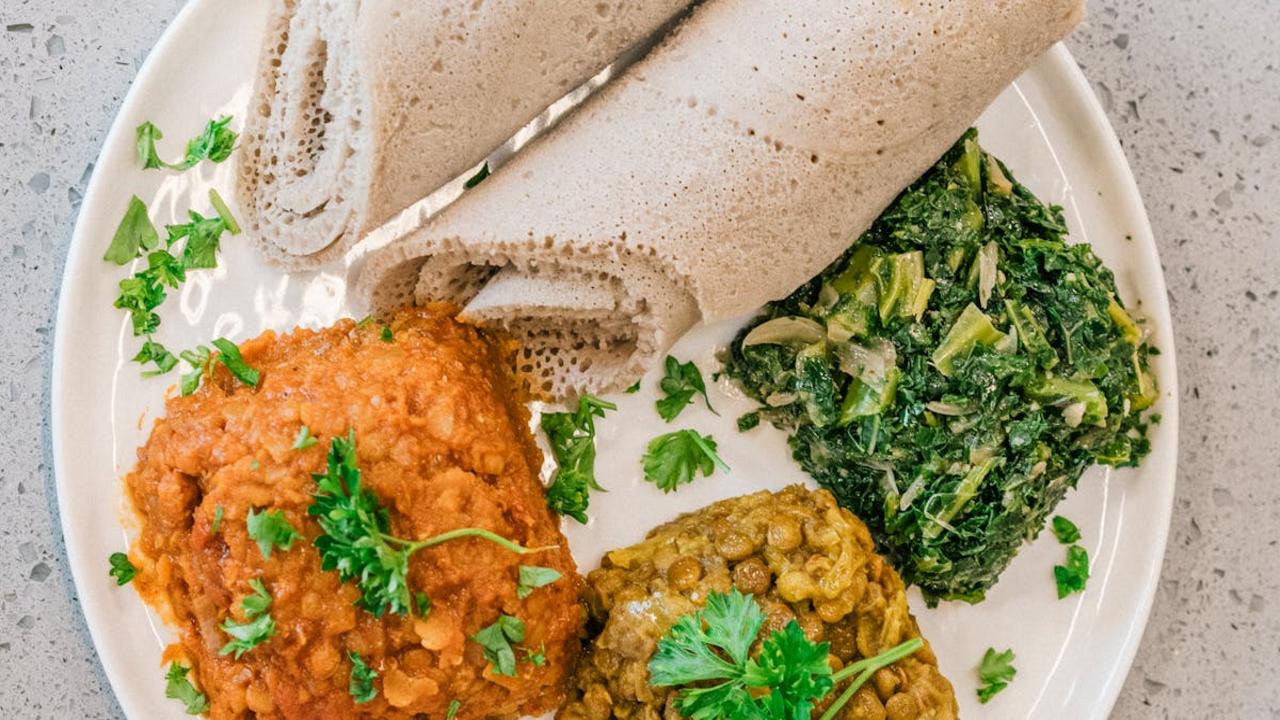
Picture this: you’re sitting cross-legged around a massive platter, no utensils in sight, about to dig into one of the world’s most communal dining experiences. Ethiopian food turns every meal into a social event where sharing isn’t just polite—it’s mandatory! The star of the show is injera, a spongy sourdough flatbread that doubles as your plate and your fork. Made from teff, an ancient grain that’s been growing in Ethiopia for over 3,000 years, injera has a slightly tangy flavor and a texture that’s perfect for scooping up stews. Fun fact: teff is so tiny that 150 grains equal the weight of just one grain of wheat, yet it packs more protein than quinoa!
Now, let’s talk about berbere, the spice blend that makes Ethiopian cuisine sing opera in your mouth. This magical mix contains anywhere from 10 to 20 spices, including cardamom, coriander, and fenugreek, but the exact recipe is often a family secret passed down through generations. The result? Dishes like doro wat (chicken stew) that’ll make you question why you ever settled for bland food. Vegetarians absolutely thrive here too—Ethiopian Orthodox fasting traditions mean restaurants serve incredible plant-based dishes like shiro (ground chickpea stew) and gomen (collard greens) that are so flavorful, you’ll forget meat exists. Pro tip: always eat with your right hand, and don’t be shy about getting messy—that’s half the fun!
Lebanese Cuisine
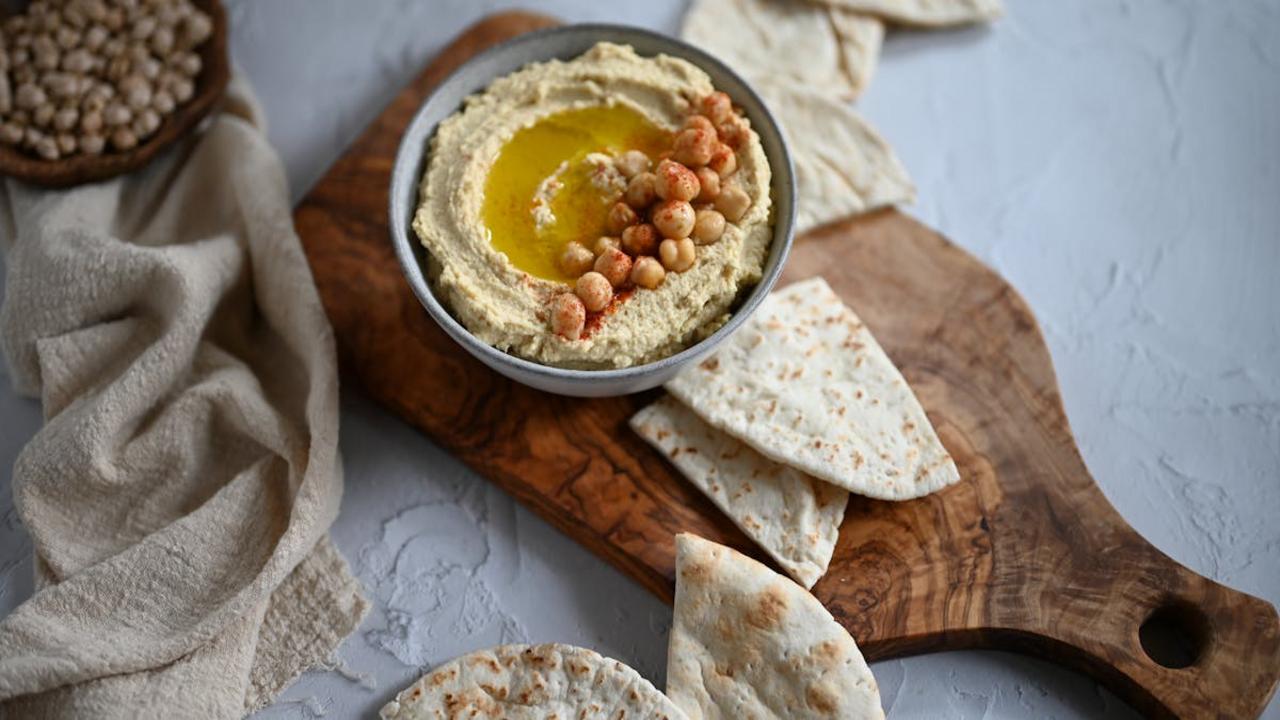
Picture this: you’re sitting at a Mediterranean table groaning under the weight of mezze plates, and suddenly you realize you’ve entered food paradise without even ordering an entree. Lebanese cuisine transforms every meal into a celebration, where sharing isn’t just polite—it’s practically mandatory. The Lebanese have mastered the fine art of making you feel simultaneously stuffed and somehow still reaching for more hummus. Their secret weapon? Layering flavors like a master perfumer layers scents, combining za’atar’s earthy tang with sumac’s bright tartness, then throwing in some pomegranate molasses just because they can.
Here’s something that’ll blow your mind: Lebanese cooks use rose water and orange blossom water in their desserts with the confidence of someone who’s never heard the phrase “too much of a good thing.” Take ma’amoul cookies—these buttery, semolina-based treats stuffed with dates or nuts taste like someone bottled up a Middle Eastern garden and baked it into cookie form. And don’t get me started on kibbeh, those football-shaped bulgur shells hiding spiced meat inside like edible surprise packages. Pro tip: when Lebanese grandmothers start rolling grape leaves, clear your schedule for the next three hours and prepare your stretchy pants—you’re about to experience dolmas that make store-bought versions weep in shame.
Spanish Cuisine
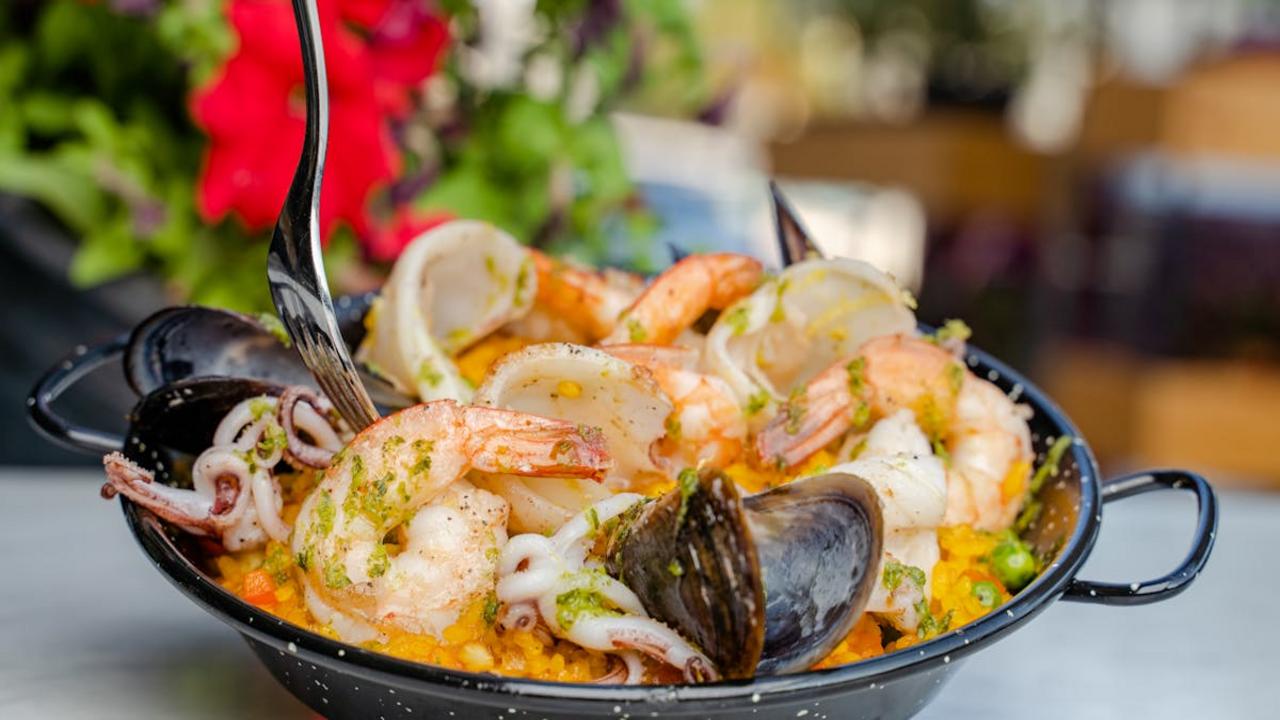
Spain’s food scene hits different, and I mean that in the best possible way. Picture this: you’re wandering through a bustling tapas bar in Seville at 11 PM (because apparently, eating dinner before 9 PM is for tourists), and suddenly you’re faced with jamón ibérico so divine it practically melts on your tongue. Spanish cuisine doesn’t mess around—it takes simple ingredients like tomatoes, olive oil, and garlic, then transforms them into something that makes you question everything you thought you knew about flavor. The secret weapon? Time and patience. Spaniards have mastered the ancient art of not rushing things, whether it’s curing ham for three years or letting a proper paella simmer slowly over wood fire.
Here’s what blows my mind about Spanish cooking: they invented the concept of small plates way before it became trendy everywhere else. Tapas weren’t originally meant to be Instagram-worthy—legend says they started as simple slices of bread or ham placed over wine glasses to keep flies out. Now look at us, making entire meals out of these tiny masterpieces! And don’t get me started on paella—this isn’t just rice with stuff thrown in. Authentic Valencian paella contains exactly ten ingredients, and if you add chorizo, prepare for some seriously offended Spaniards. They take their saffron-kissed rice as seriously as we take our morning coffee, and honestly, I respect that level of dedication.
Thai Cuisine
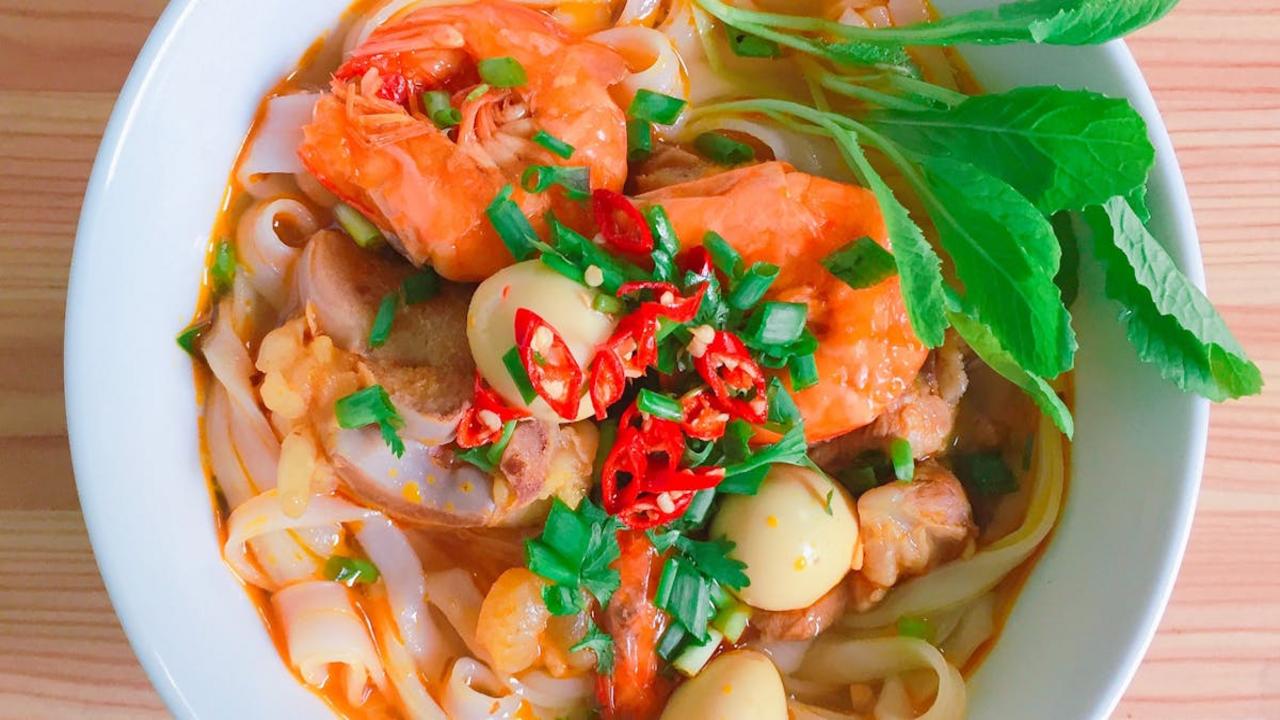
Thai food hits you like a freight train of flavor – and I mean that in the most delicious way possible. You know that moment when you take your first bite of pad thai and your mouth simultaneously catches fire and does a happy dance? That’s the magic of Thai cooking right there. These culinary wizards have mastered the art of balancing sweet, sour, salty, and spicy in ways that would make your chemistry teacher weep with joy. Fun fact: Thai cuisine actually has five fundamental flavors (they threw in bitter for good measure), and traditional cooks taste their dishes obsessively to achieve perfect harmony. It’s like edible feng shui, but way more satisfying.
Here’s something that’ll blow your mind – authentic Thai restaurants in Thailand don’t even serve pad thai regularly because it was basically invented as tourist food! The real gems are dishes like som tam (green papaya salad that packs more punch than a heavyweight boxer) or massaman curry (which sounds fancy but literally means “Muslim curry” and will ruin you for all other curries forever). Pro tip from someone who learned this the hard way: when your Thai server asks how spicy you want your food and gives you that knowing smile, maybe don’t go full warrior mode on your first visit. Start with “medium” and work your way up to the level where you can handle bird’s eye chilies without crying into your coconut rice.
Nordic Cuisine
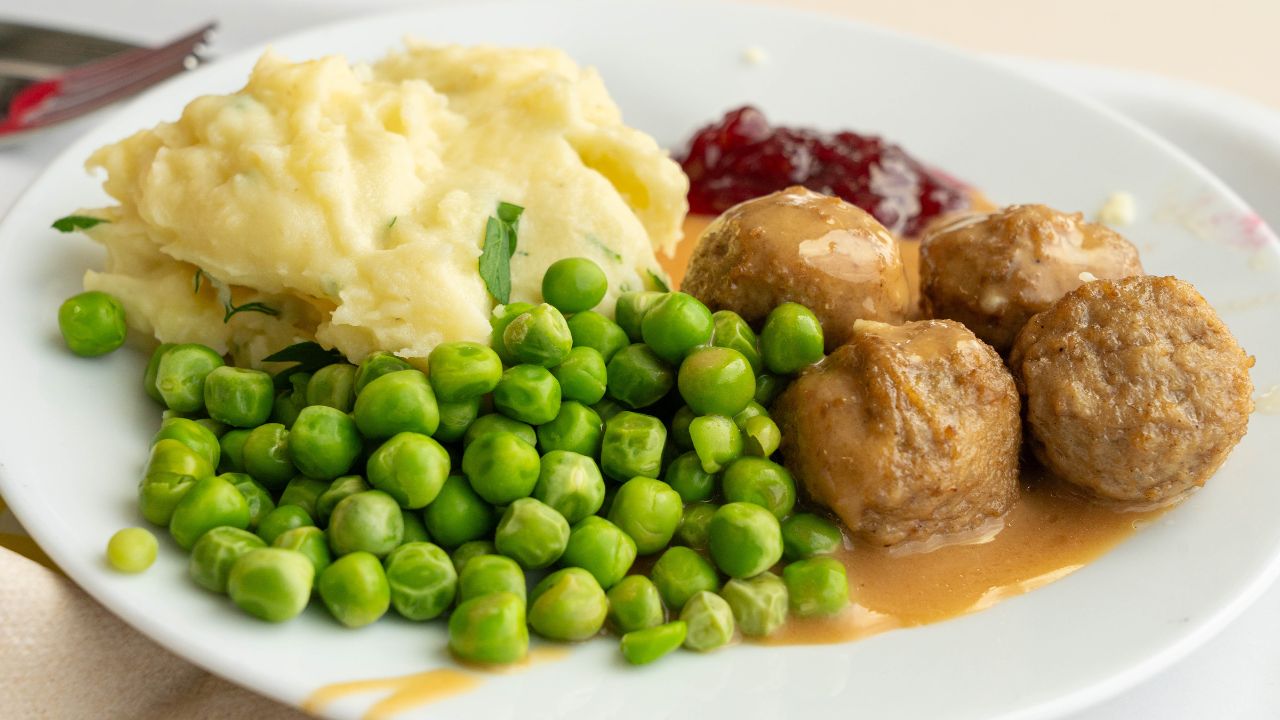
You know what happens when Vikings decide to get fancy with their food? You get Nordic cuisine – and trust me, these Scandinavian folks have turned “survival cooking” into something absolutely spectacular. Picture this: chefs foraging through snow-covered forests like culinary treasure hunters, gathering cloudberries, wild mushrooms, and herbs that most of us can’t even pronounce. They’ve mastered the ancient technique of smoking fish so perfectly that a simple piece of salmon becomes a smoky, buttery revelation that’ll make you question every bagel topping you’ve ever chosen. The Nordics don’t just cook with seasons – they worship them, preserving summer’s bounty through fermentation and pickling techniques that would make your grandmother weep with joy.
Here’s the kicker: Nordic chefs have convinced the entire world that eating moss is not only acceptable but actually desirable (looking at you, reindeer lichen). They’ve taken ingredients like sea buckthorn – which sounds like something you’d clear from your driveway – and turned it into vibrant sauces that pop with tartness. The region’s obsession with rye bread runs so deep that they’ve created over 300 varieties, and yes, some of them involve burying dough underground for months. Their coffee culture makes Italian espresso bars look casual, with multiple daily coffee breaks being practically mandatory for survival through those endless winter months. Trust the Nordics to make eating fermented shark seem like a perfectly reasonable Tuesday night dinner option.
Vietnamese Cuisine
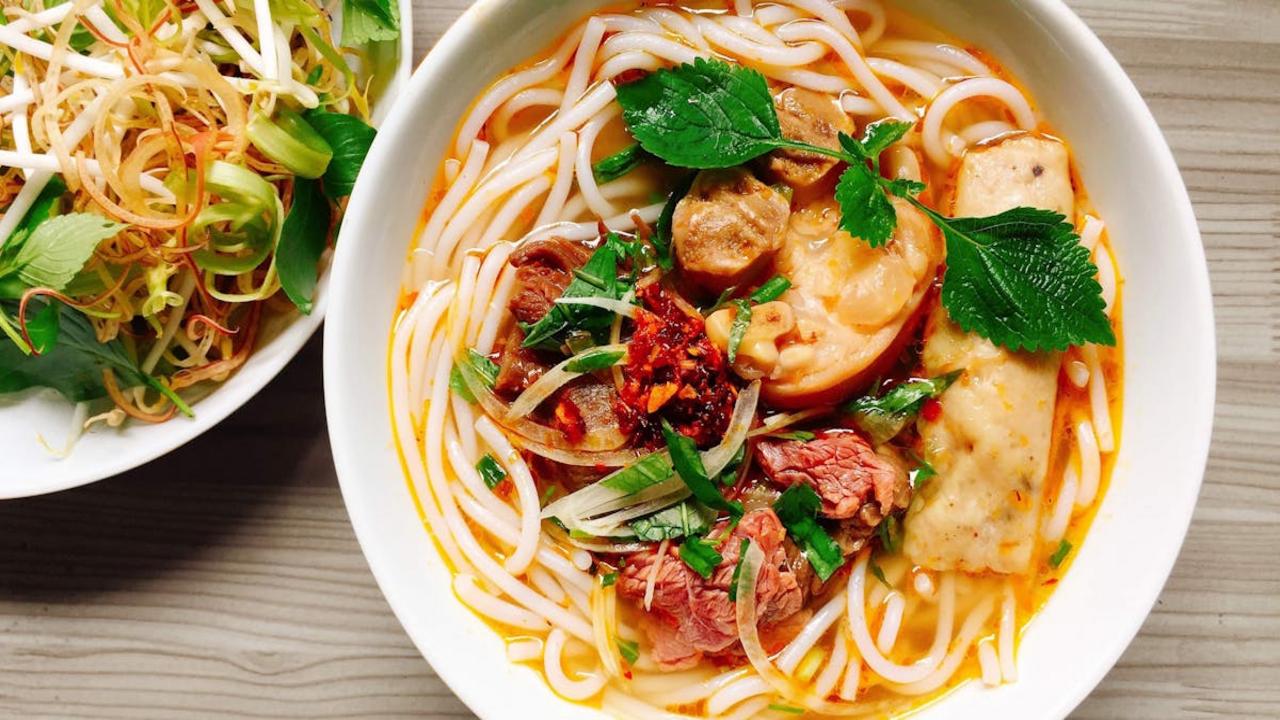
Vietnamese food hits different—literally. Every bite delivers a symphony of fresh herbs, tangy pickles, and aromatic broths that make your mouth do a little happy dance. Pho might be the poster child, but this cuisine goes way beyond that iconic noodle soup. Picture this: bánh mì sandwiches where French baguettes meet Vietnamese fillings in the most delicious cultural mashup ever, or fresh spring rolls so packed with herbs they’re basically salad wrapped in rice paper. The Vietnamese have mastered the art of balance—sweet fish sauce meets sour lime, crunchy vegetables contrast with silky noodles, and every dish feels like a refreshing splash of flavor.
Here’s something wild: Vietnamese cooks use over 500 different types of herbs and vegetables in their cooking, which explains why every meal feels like a garden party in your mouth. They’re also obsessed with texture—you’ll find chewy, crunchy, soft, and crispy elements all hanging out together in perfect harmony. Try making Vietnamese summer rolls at home by wrapping shrimp, vermicelli noodles, and a ridiculous amount of fresh mint and cilantro in rice paper. Dip them in nuoc cham (that magical fish sauce concoction), and boom—you’ve got instant vacation vibes. Pro tip: Vietnamese restaurants often serve herbs on the side so you can customize each bite. Don’t be shy about loading up!
Indian Cuisine
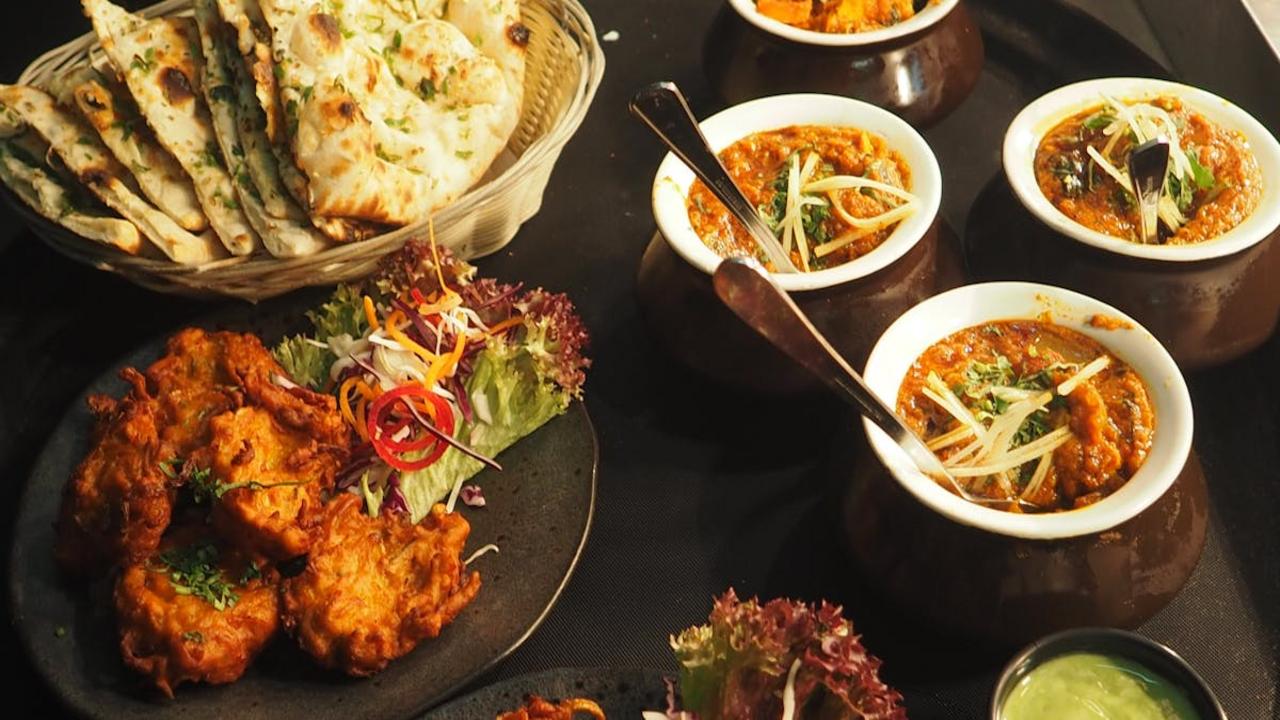
Picture this: you’re sitting in a bustling Mumbai street stall, sweat beading on your forehead as you bite into a samosa that’s basically a crispy torpedo of pure joy. Indian cuisine doesn’t mess around when it comes to flavor – it grabs you by the shoulders and shouts “WAKE UP!” in seventeen different spice languages. From the creamy, tomato-rich butter chicken that could make a vegetarian question their life choices to the fiery vindaloo that doubles as a natural decongestant, Indian food operates on the principle that bland food is basically a crime against humanity. The beauty lies in how each region tells its own spicy story – Kerala’s coconut-kissed curries whisper sweet nothings, while Rajasthani dal bati churma practically yells with robust, earthy flavors.
Here’s a fun fact that’ll blow your naan-loving mind: India uses more spices than any other country, with turmeric alone being so revered that brides literally bathe in it before weddings (talk about a golden glow-up!). The magic happens when these spices dance together in something called “tempering” – basically throwing whole spices into hot oil until they sizzle like tiny flavor fireworks. Want to try making garam masala at home? Toast whole cardamom, cinnamon, cloves, and black peppercorns in a dry pan until they smell like heaven had a spice party, then grind them up. Your kitchen will smell so amazing, your neighbors might start proposing marriage through the walls. Just remember: Indian cooking isn’t about following recipes to the letter – it’s about tasting, adjusting, and trusting your instincts like a spice-wielding wizard.
Korean Cuisine
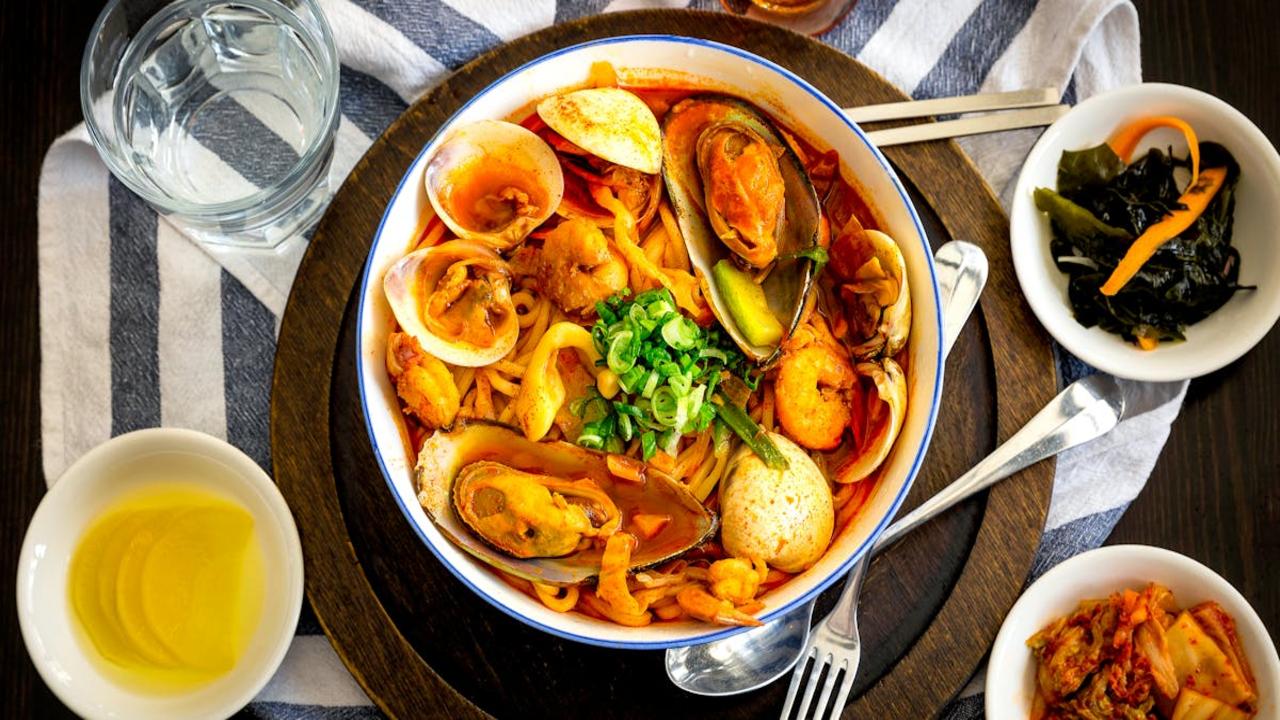
Korean food hits different, and I mean that in the most spectacular way possible. This cuisine knows how to balance sweet, salty, spicy, and umami like a culinary tightrope walker who never falls. Kimchi alone deserves its own fan club – this fermented cabbage masterpiece packs more personality than most people I know. The Koreans have been perfecting this spicy, garlicky, absolutely addictive side dish for over 2,000 years, and honestly, they nailed it around year one. Korean barbecue transforms dinner into an interactive experience where you become the chef, grilling marinated bulgogi or galbi right at your table while the sizzling sounds provide the soundtrack to your feast.
Here’s something that’ll blow your mind: Koreans eat soup with nearly every meal, even breakfast, because they believe it aids digestion and keeps you hydrated. Smart cookies, those Koreans! Bibimbap literally means “mixed rice,” and it’s basically a beautiful bowl of organized chaos – perfectly arranged vegetables, meat, and a fried egg all waiting for you to destroy the artistry by mixing everything together with gochujang (Korean chili paste). The banchan system of small side dishes means your table becomes a colorful mosaic of pickled vegetables, seasoned bean sprouts, and other tiny flavor bombs that complement your main dish. Pro tip: never finish all your banchan – Korean restaurants will keep refilling them for free, so pace yourself and enjoy the ride!
Japanese Cuisine
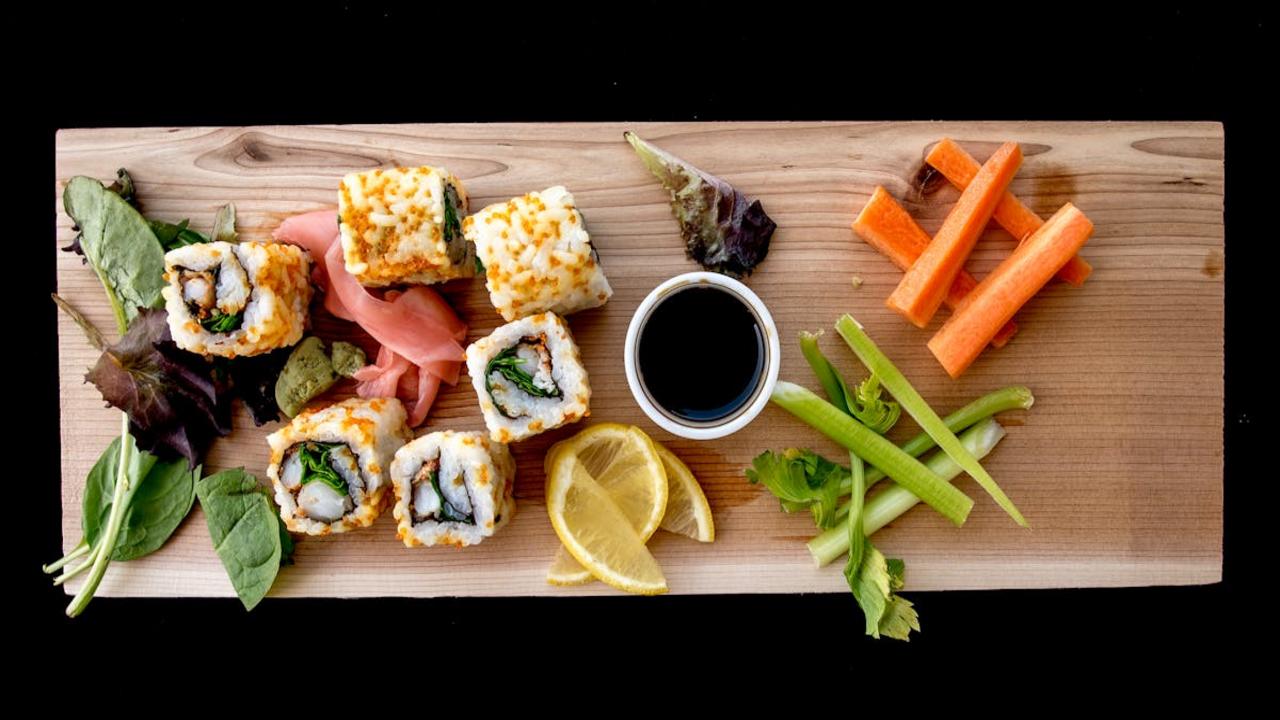
Picture this: you’re sitting in a tiny Tokyo restaurant where the chef has been perfecting his craft for forty years, and he hands you a piece of sushi that literally melts on your tongue like a buttery ocean dream. Japanese food isn’t just about raw fish (though that’s pretty spectacular too) – it’s about precision, seasonality, and a level of respect for ingredients that borders on spiritual. From the umami bomb that is authentic ramen to the delicate sweetness of mochi, every dish tells a story of balance and technique that would make a tightrope walker jealous.
Here’s something that’ll blow your mind: traditional Japanese meals follow the principle of “ichijuu sansai” – one soup, three dishes – creating perfect nutritional harmony that your body will thank you for later. The Japanese have this magical ability to make even the simplest ingredients sing, whether it’s transforming humble soybeans into silky tofu or turning ordinary rice into sushi that costs more than your rent (and trust me, it’s worth every penny). Plus, they’ve mastered the fine technique of making vegetables so delicious that even your carnivorous uncle would ask for seconds of their pickled radishes and tempura vegetables.
Mediterranean Cuisine
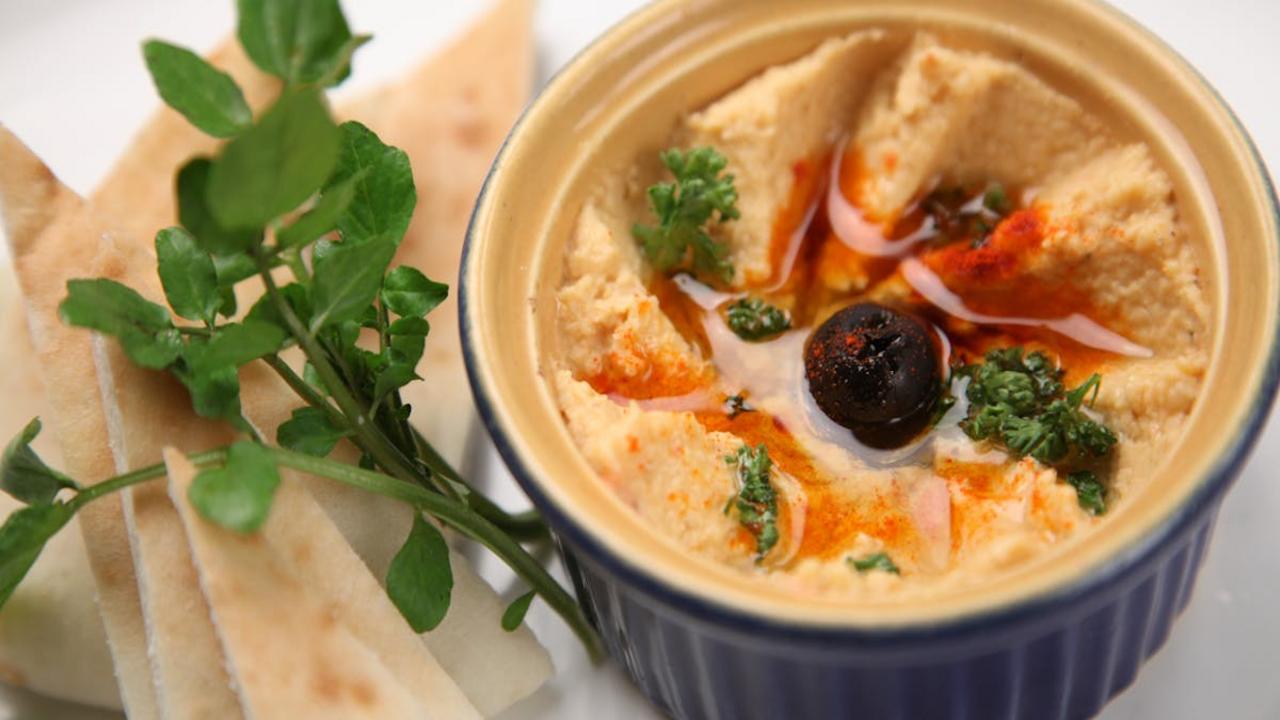
Picture yourself sitting on a sun-drenched terrace overlooking the Aegean Sea, and suddenly you understand why Mediterranean food feels like a warm hug from your grandmother who happens to own a Greek island. This isn’t just food—it’s edible sunshine mixed with ancient wisdom and a healthy dose of olive oil that would make Popeye jealous. The Greeks alone consume about 26 liters of olive oil per person annually (that’s roughly 55 pounds!), which explains why their skin glows like they’ve discovered the fountain of youth. From Spain’s smoky paella that crackles in massive pans to Italy’s pasta that dances al dente on your fork, Mediterranean cuisine treats vegetables like celebrities and herbs like precious gems.
What makes Mediterranean food absolutely magical is its “less is more” philosophy that somehow creates flavor explosions worthy of fireworks shows. Take a simple Greek salad—just tomatoes, cucumbers, olives, feta, and oregano—yet it tastes like summer decided to throw a party in your mouth. The secret lies in quality ingredients getting cozy together without fancy techniques or Instagram-worthy presentations. Fun fact: the Mediterranean diet wasn’t actually called a “diet” until the 1960s when researchers noticed that people living around the Mediterranean Sea lived longer and had fewer heart problems. They were basically accidentally eating their way to health while the rest of us were figuring out TV dinners. Whether you’re dipping fresh bread into Greek tzatziki or savoring Spanish gazpacho that tastes like liquid garden, Mediterranean cuisine proves that simple ingredients plus generous amounts of love equals pure magic.