14 Iconic Dishes Forged by Necessity That Became Beloved Traditions
Need sparked ingenuity in kitchens worldwide, giving birth to dishes we now hold dear. From stale bread transformations to meat-stretching stews, what began as thrifty survival tactics blossomed into comfort food classics. These 14 iconic recipes show how creativity thrives under constraint.
Your grandparents knew something we often forget – nothing goes to waste in a smart kitchen. Leftover bread becomes luxurious bread pudding. Yesterday’s potatoes and cabbage transform into bubble and squeak. Each dish tells a story of resourceful cooks making magic from what others might discard.
I find such beauty in these humble origins. The most memorable meals often come not from abundance but from necessity’s clever hands. These dishes connect us to our ancestors who created something wonderful from whatever they had, proving that great food doesn’t require fancy ingredients – just imagination and heart.
Matzo Ball Soup
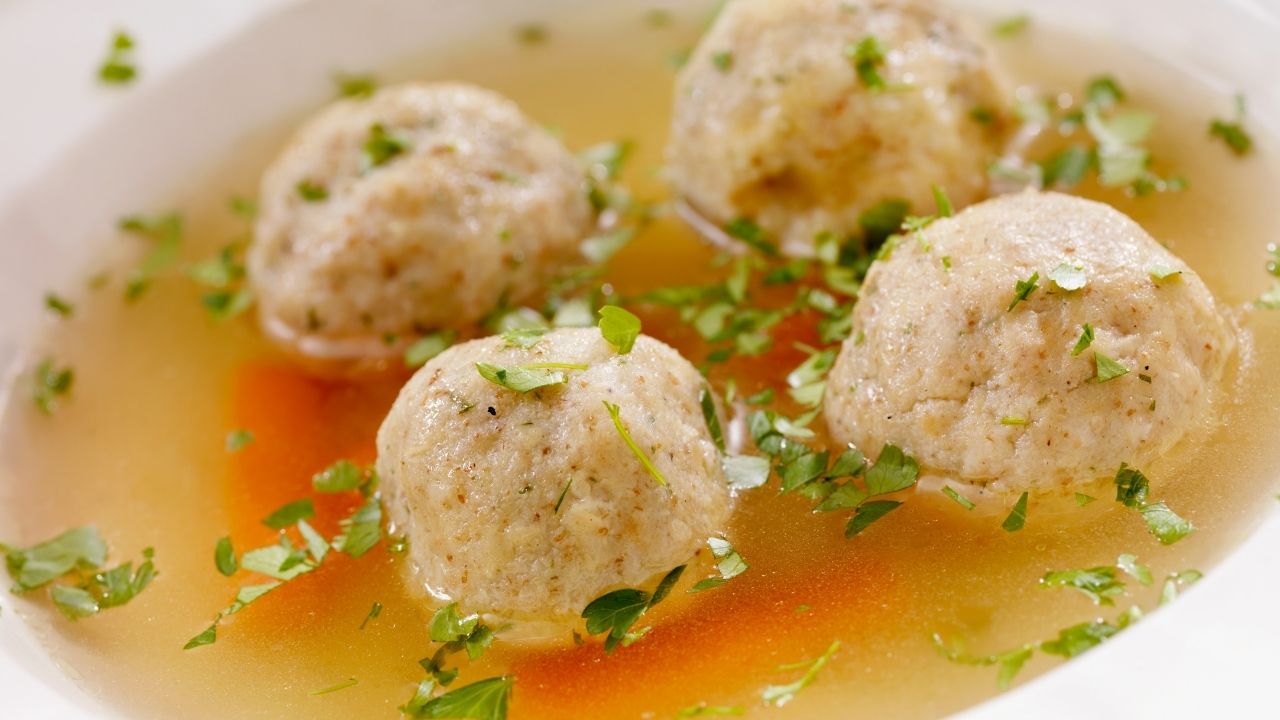
Picture this: Jewish communities scattered across Eastern Europe, working with the simplest ingredients during times of scarcity and religious observance. Matzo ball soup became their answer to creating comfort from almost nothing. You take matzo meal—essentially ground unleavened bread—mix it with eggs, a bit of fat, and water, then drop these dumplings into a warming broth. What started as practical Passover cooking, when leavened bread was forbidden, transformed into something that could heal both body and spirit. I love how this dish proves that restriction often births the most beautiful creativity in the kitchen.
Now here’s what makes matzo ball soup so special to me as a cook: the technique is deceptively simple, but getting that perfect texture requires intuition. You want your matzo balls light and fluffy, not dense hockey pucks. The secret lies in letting that mixture rest in the fridge, allowing the matzo meal to fully hydrate. Your broth becomes the foundation—I always start with whole chicken, aromatic vegetables, and plenty of fresh dill. This soup teaches us that sometimes the most nourishing meals come from understanding how basic ingredients can create extraordinary comfort. Every spoonful connects you to generations of home cooks who found ways to make magic from the mundane.
Spam Musubi
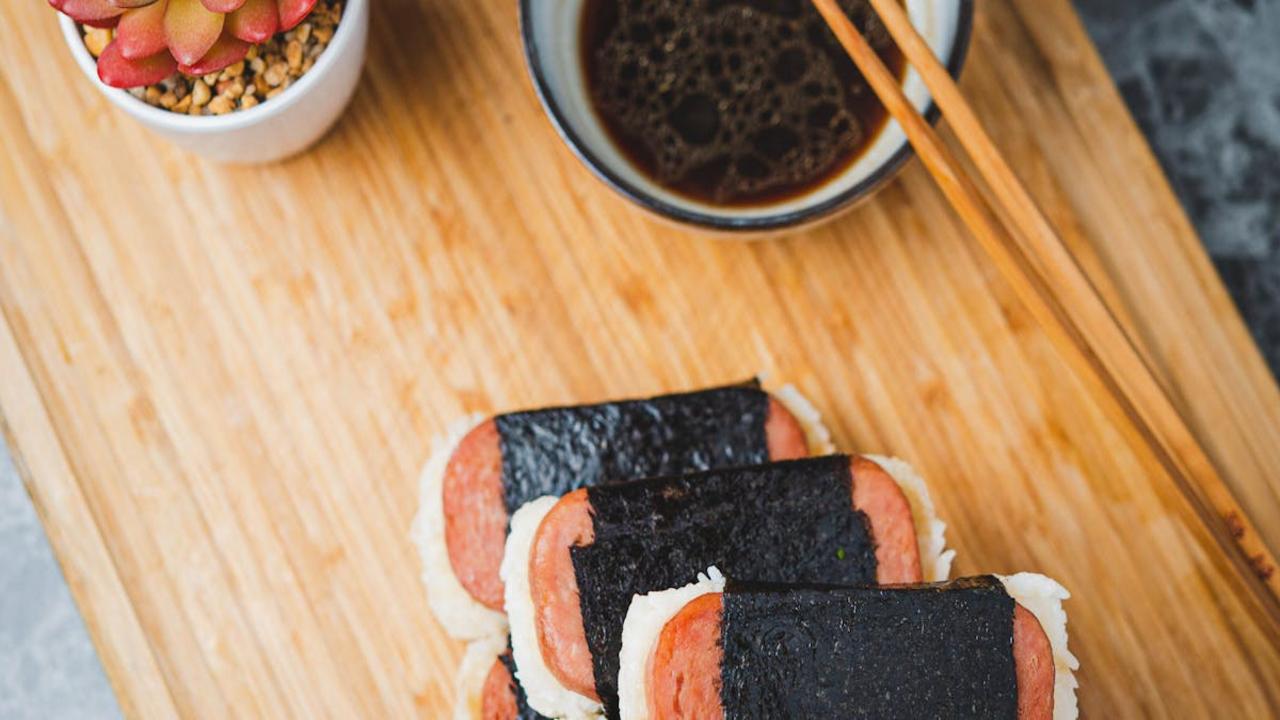
When World War II brought rationing and scarcity to Hawaii, local families discovered magic in the most unlikely combination: canned meat and rice. Japanese immigrants living on the islands took their traditional onigiri rice balls and wrapped them around slices of Spam, creating something that shouldn’t work but absolutely does. This fusion happened out of pure necessity – Spam was affordable and shelf-stable, while rice remained a kitchen staple. What started as a way to stretch ingredients and feed families during tough times has become Hawaii’s unofficial handheld treasure.
I love how this dish proves that innovation often comes from constraint rather than abundance. You take perfectly seasoned sushi rice, add a slice of caramelized Spam (yes, you can make canned meat taste incredible with a little soy sauce and sugar), then wrap it all in crisp nori seaweed. The textures play together beautifully – the tender rice, the slightly chewy meat, and that satisfying snap of seaweed. Making musubi at home connects you to this story of resilience and creativity. Every bite reminds you that sometimes the most beloved foods come from making the best of what you have, turning simple pantry staples into something that feeds both body and soul.
Pad Thai
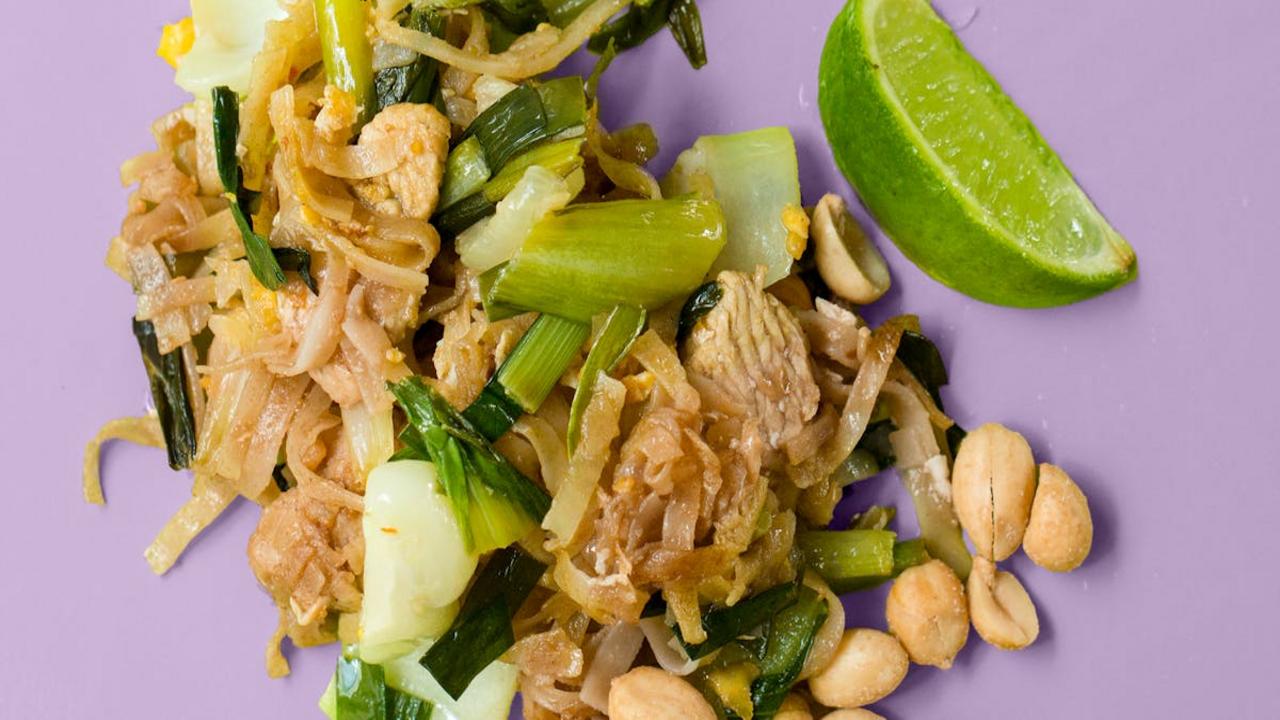
You know what I absolutely adore about Pad Thai? This dish wasn’t born from ancient tradition—it was actually created in the 1930s as part of Thailand’s national identity campaign. Prime Minister Plaek Phibunsongkhram wanted to unite his country around a signature dish that would represent Thai cuisine to the world. He literally distributed recipes to street vendors and restaurants, encouraging them to make this stir-fried noodle dish that balanced sweet, sour, and salty flavors in perfect harmony. What started as a political initiative became one of the most recognizable Thai dishes globally, and honestly, I think that’s pretty brilliant.
When I make Pad Thai at home, I love how it teaches you about balance—the tamarind paste brings that signature tang, palm sugar adds sweetness, and fish sauce delivers that umami depth. You can absolutely make this dish your own by swapping in whatever protein you have on hand or loading it up with fresh vegetables. I often use brown rice noodles for extra nutrition and throw in extra bean sprouts and scallions for crunch. The beauty of Pad Thai lies in its adaptability—street vendors across Thailand make it differently, so why shouldn’t you? It’s a perfect example of how necessity created something beautiful that brings families together around the dinner table.
Poutine
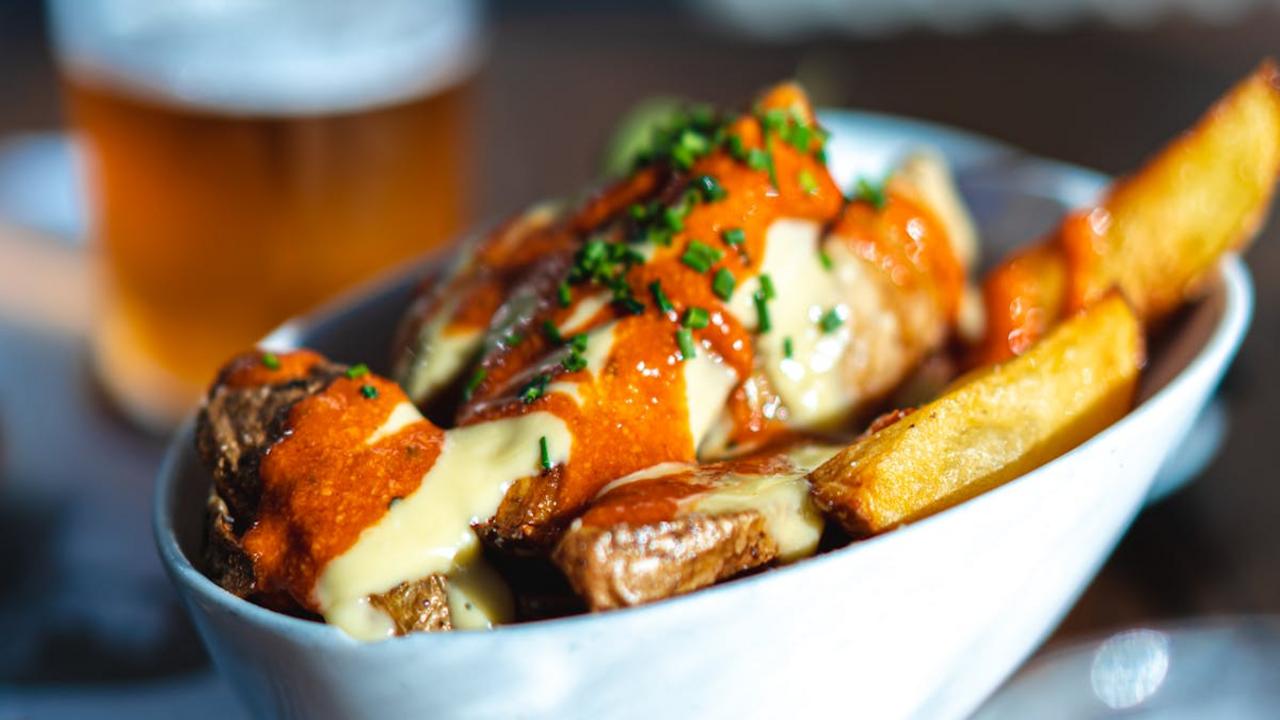
Picture this: you’re working late shifts at a Quebec diner in the 1950s, and a regular customer walks in asking for something different. You grab fresh cheese curds, crispy fries, and ladle hot gravy over the top – and boom, poutine is born! This wasn’t some fancy chef’s creation; it was pure necessity meeting hunger in the most beautiful way. The story goes that Fernand Lachance, a restaurant owner in Warwick, Quebec, first served this combination when a customer requested cheese curds on his fries. What started as an odd request became the most iconic Canadian comfort food.
I absolutely love how poutine represents everything I believe about cooking – taking simple, honest ingredients and creating something that brings pure joy. Those squeaky fresh cheese curds, perfectly golden fries, and rich brown gravy come together like old friends at a reunion. You can make this at home using real cheese curds (never pre-shredded cheese!), hand-cut potatoes fried until golden, and a simple beef or mushroom gravy made from scratch. The magic happens when the hot gravy slightly melts the curds while they still maintain that perfect squeak. It’s comfort food that tells a story of resourcefulness, community, and the beautiful accidents that become beloved traditions.
Colcannon
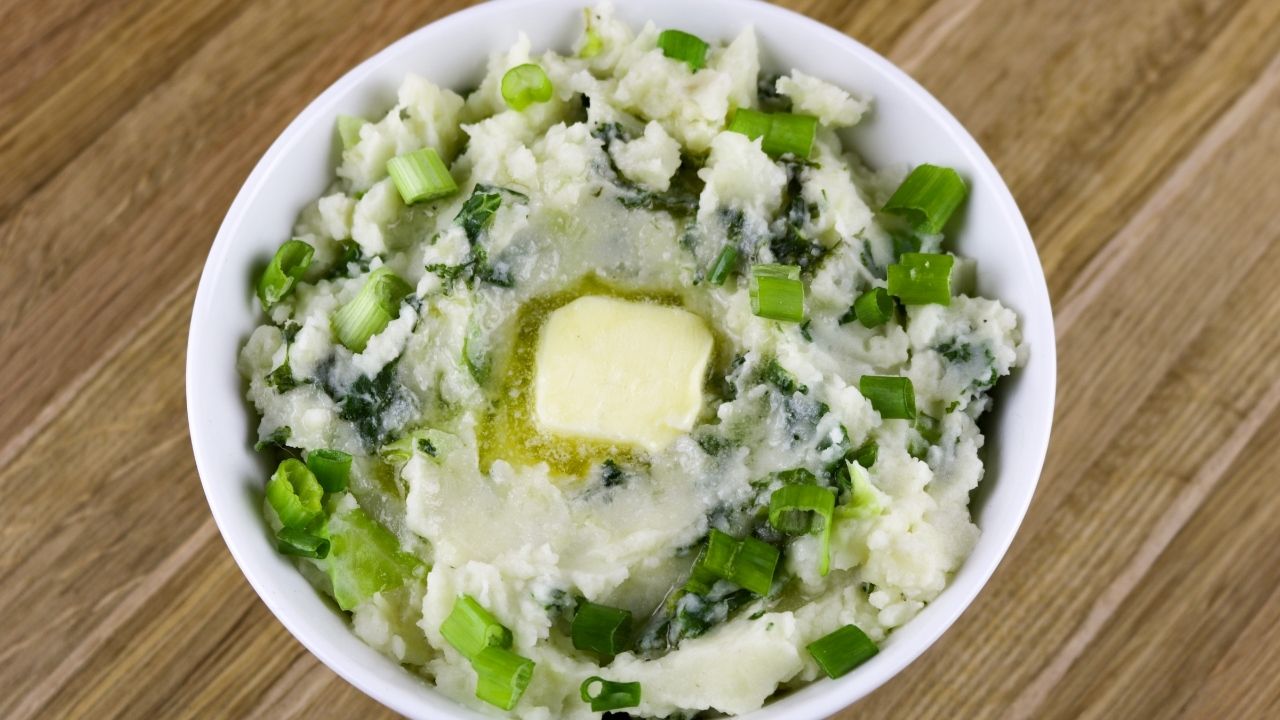
Ireland’s colcannon tells a beautiful story of resourcefulness during harsh times, born from the simple marriage of two staples: potatoes and cabbage or kale. When families faced lean seasons, they discovered that mashing these humble ingredients with butter, milk, and scallions created something magical—a dish that transformed scarcity into comfort. I love how this recipe shows us that the best cooking often comes from making do with what grows nearby, turning basic pantry staples into soul-warming meals.
What draws me to colcannon is its honest simplicity and how you can make it your own. Start with fluffy mashed potatoes, then fold in sautéed cabbage or kale—I prefer kale for its earthier flavor and extra nutrients. The traditional touch of butter and cream makes it indulgent, but you can lighten it with good olive oil and plant milk without losing that creamy texture. Fresh scallions bring a gentle onion bite that brightens every spoonful. This dish reminds me why I cook from scratch—taking basic, wholesome ingredients and creating something that feeds both body and spirit, just like Irish families have done for generations.
Feijoada
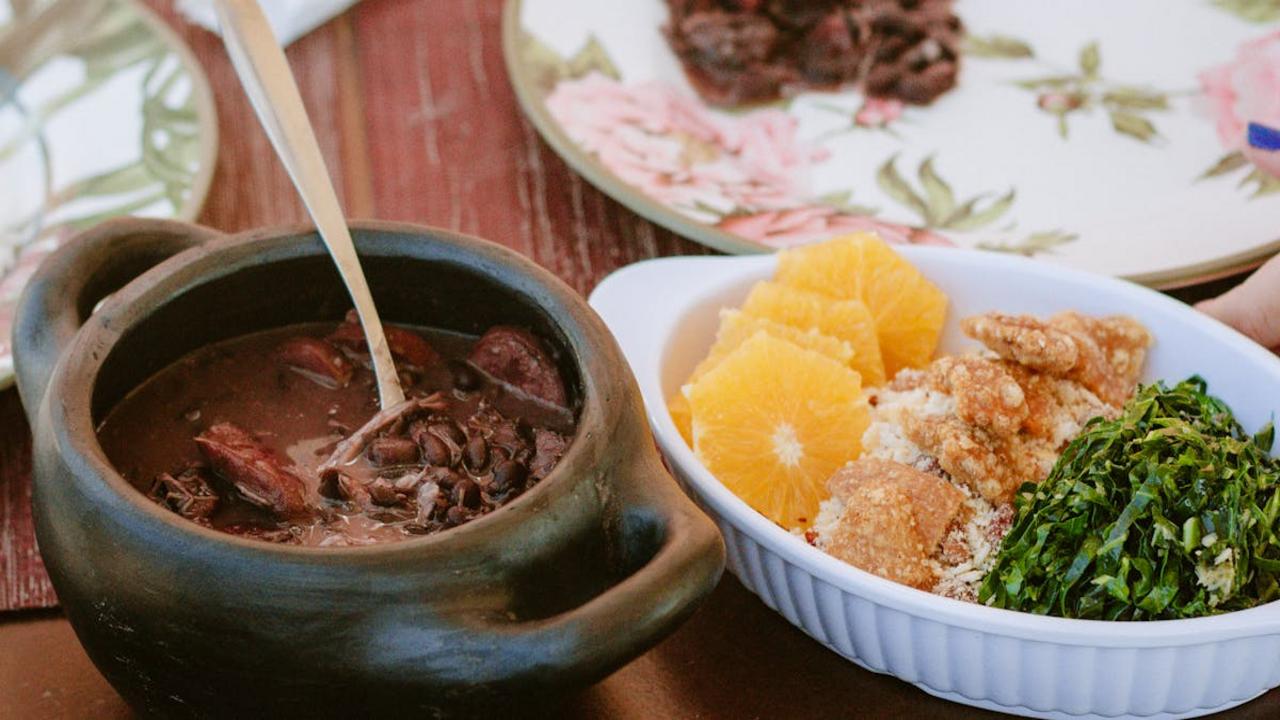
Picture this: you’re standing in a Brazilian kitchen, watching generations of resourcefulness bubble away in one magnificent pot. Feijoada began as enslaved Africans transformed the scraps their masters discarded—pig’s feet, ears, tails—into something transcendent. They combined these humble cuts with black beans, creating a dish that would become Brazil’s national treasure. What started as survival cooking became a weekend ritual that brings families together around tables laden with rice, collard greens, and orange slices.
I love how feijoada teaches us that limitation breeds creativity. Those original cooks didn’t have access to prime cuts, so they made magic with what they had. The slow braising transforms tough connective tissues into silky richness, while the beans absorb every bit of smoky, meaty goodness. You can recreate this spirit in your own kitchen—maybe swap some of those traditional cuts for your favorite protein, but keep that patience and respect for the process. The beauty lies in how time and gentle heat turn simple ingredients into something that nourishes both body and soul, proving that the most beloved dishes often spring from the most challenging circumstances.
Coq au Vin
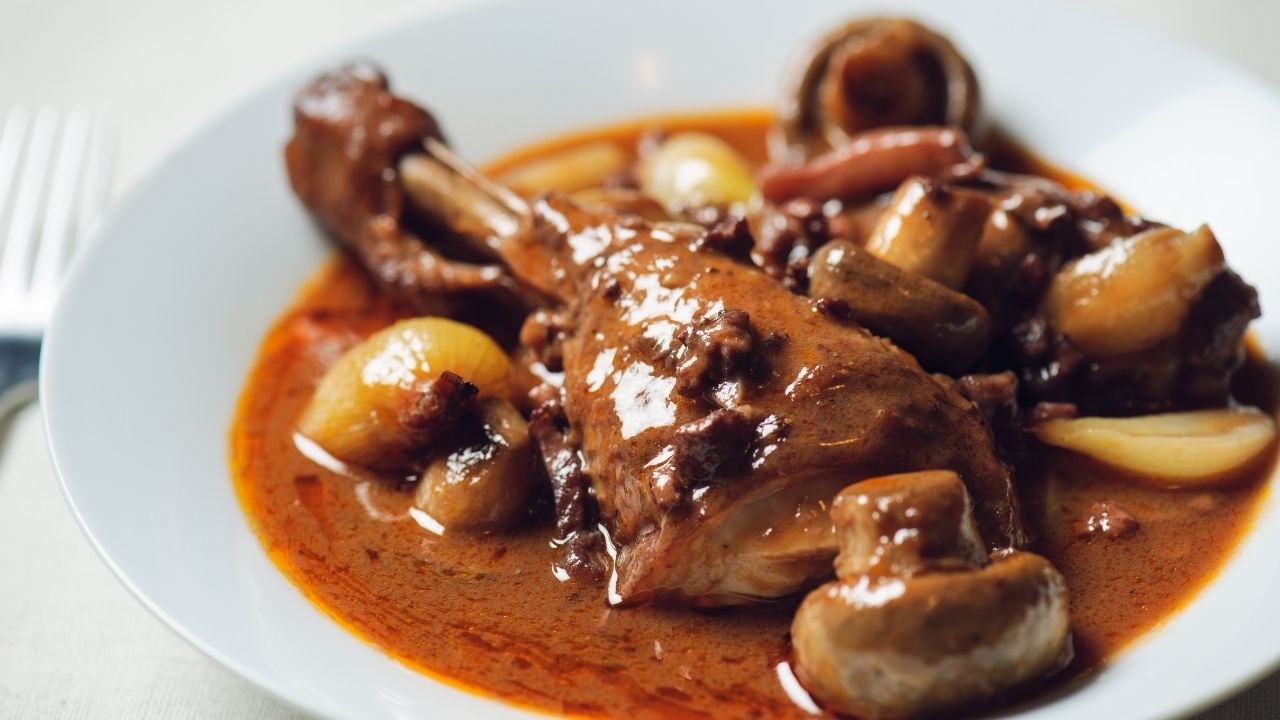
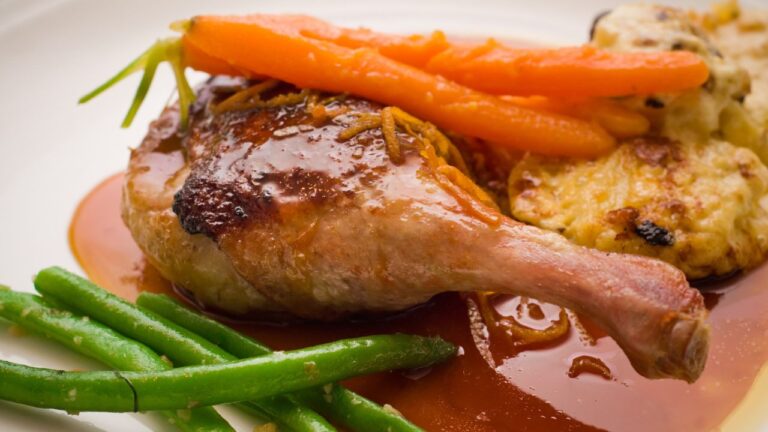
Picture this: French soldiers during ancient Gaul, stuck with nothing but a tough old rooster and whatever wine they could scrounge up. What sounds like a culinary nightmare actually birthed one of France’s most celebrated dishes. Coq au Vin transforms the stringiest, most stubborn bird into pure silk through the magic of slow braising in wine. I love how this dish proves that limitation breeds innovation – those soldiers had no choice but to make something incredible from scraps.
Today, you can recreate this masterpiece in your own kitchen using chicken pieces instead of that ancient rooster. The key lies in building layers of flavor: crispy bacon, aromatic vegetables, and wine that reduces into liquid gold. Don’t rush the process – let that chicken simmer low and slow until it practically falls off the bone. I always add mushrooms and pearl onions because they soak up all those beautiful wine-infused juices. This isn’t just cooking; it’s alchemy that turns humble ingredients into something that’ll make your dinner guests think you’ve been hiding culinary secrets.
Gazpacho
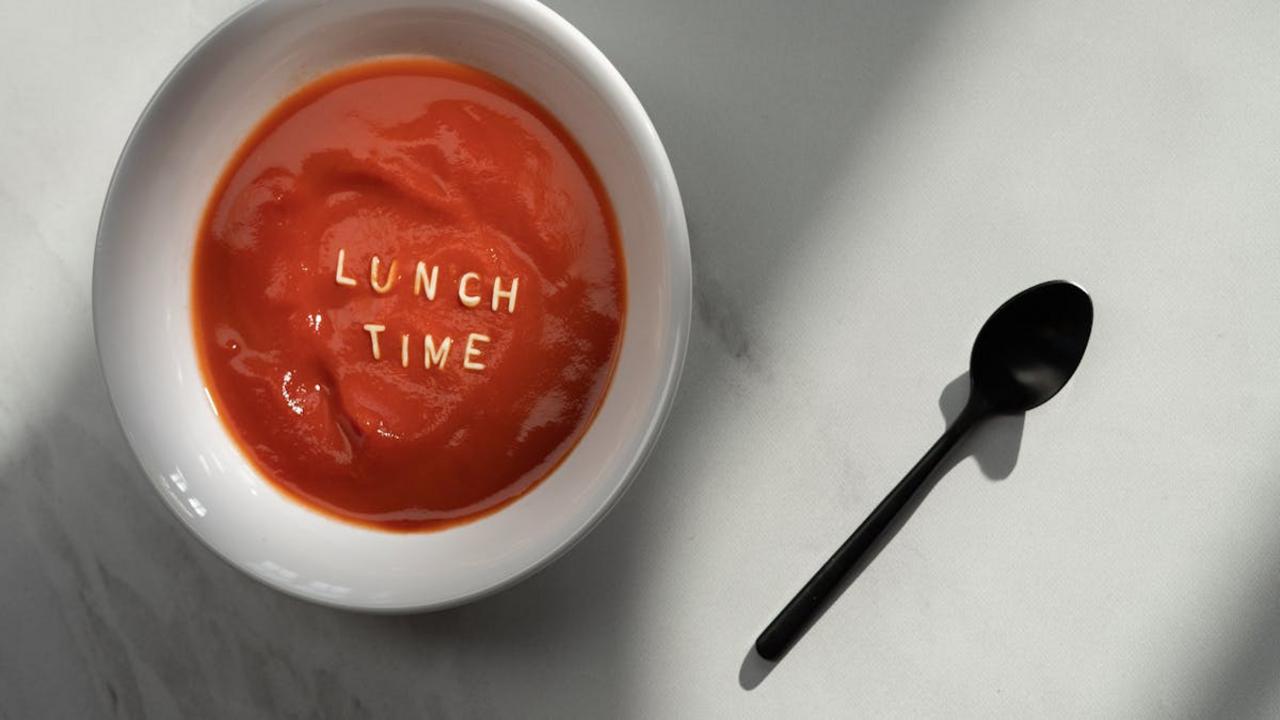
Picture this: you’re working the fields under Spain’s blazing sun, and there’s no refrigeration in sight. What do you do? You create gazpacho! This genius cold soup was born from necessity in Andalusia, where farm workers needed something refreshing and nourishing to sustain them through scorching days. They’d combine stale bread, tomatoes, peppers, onions, garlic, olive oil, and vinegar—whatever they had on hand—then mash it all together with water. No cooking required, just pure ingenuity turning humble ingredients into liquid gold.
I absolutely love how gazpacho teaches us that the best recipes often come from making do with what we have. When you blend those fresh vegetables with good olive oil and a splash of sherry vinegar, magic happens. The bread acts as a natural thickener, creating this velvety texture that feels luxurious despite its peasant origins. Today, I make mine with the ripest tomatoes I can find, adding cucumber for extra freshness and adjusting the consistency with ice-cold water. It’s proof that sometimes the most satisfying dishes require no heat at all—just fresh ingredients and a willingness to think outside the box.
Shepherd’s Pie
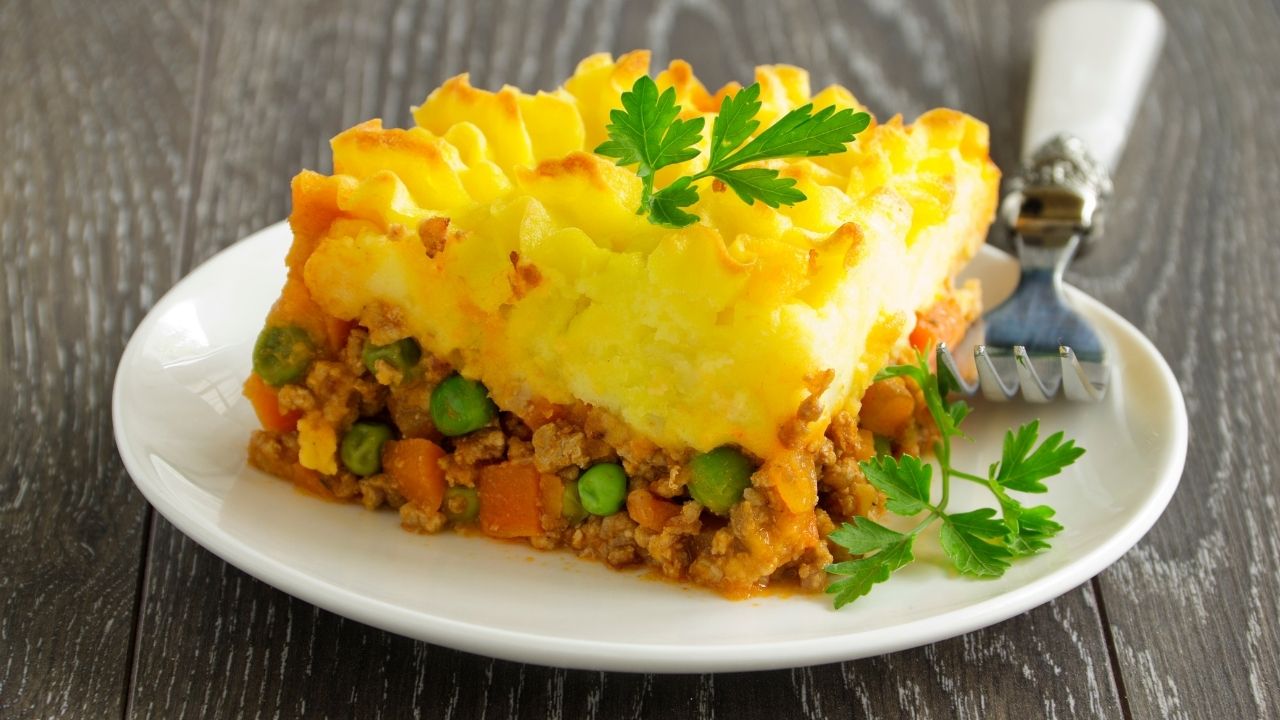
You know that moment when you open your refrigerator and find bits of leftover roast, some carrots that need using, and potatoes staring back at you? That’s exactly how shepherd’s pie came to life in 18th-century Britain. Resourceful cooks stretched Sunday’s lamb roast into Monday’s dinner by mincing the meat, mixing it with whatever vegetables they had on hand, and crowning it with a blanket of creamy mashed potatoes. This wasn’t fancy cooking—it was pure survival instinct transformed into comfort food magic.
What I love most about shepherd’s pie is how it teaches us that the best meals often come from making do with what we have. I’ve made versions using leftover turkey with sweet potato tops, ground lamb with parsnip mash, and even a plant-based version with lentils and cauliflower. The beauty lies in that satisfying contrast between the savory, herb-scented filling and the golden, fluffy potato layer that gets crispy around the edges. Every family has their own twist—some add Worcestershire sauce, others sneak in frozen peas—but they all share that same spirit of transforming humble ingredients into something deeply satisfying and nourishing.
Ribollita
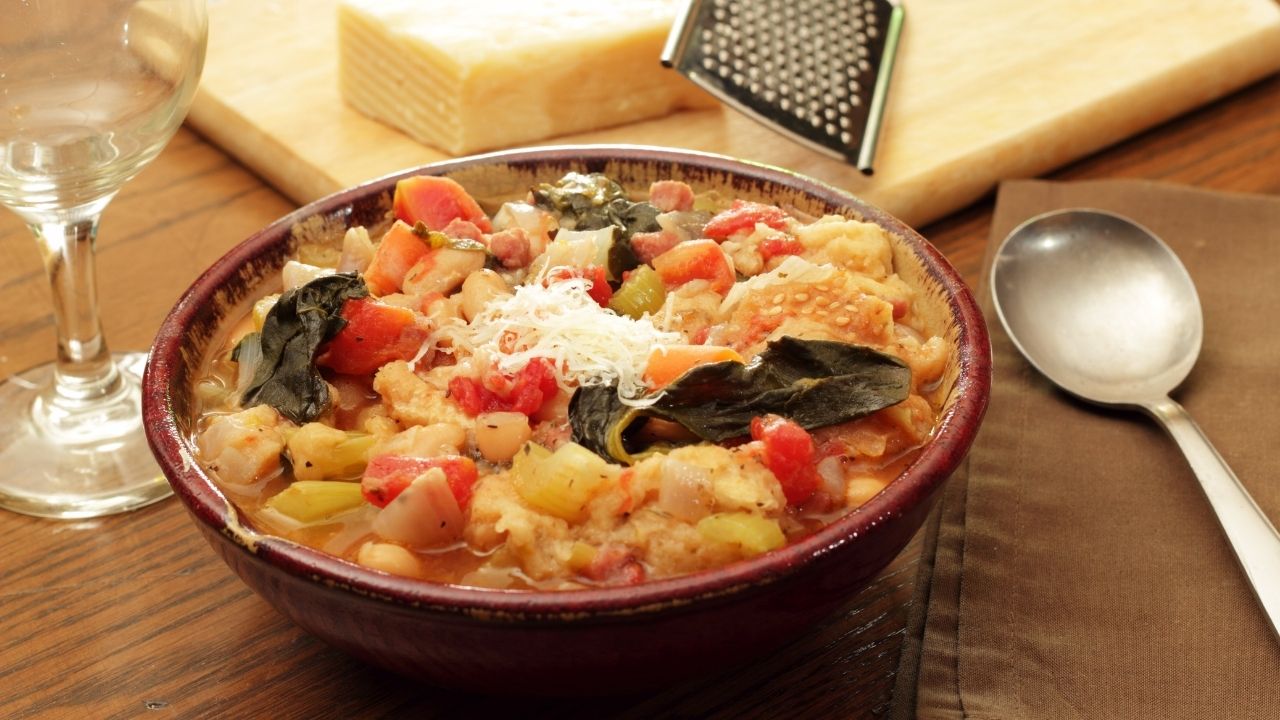
Picture this: you’re standing in your kitchen with day-old bread growing stale on the counter, some leftover vegetables wilting in your fridge, and maybe a few sad greens that need rescuing. Instead of tossing them, you transform these humble ingredients into ribollita, Tuscany’s ultimate comfort soup born from pure necessity. Medieval peasants created this masterpiece by literally “reboiling” yesterday’s minestrone with stale bread, creating something so satisfying that wealthy families eventually adopted it for their own tables. I love how this dish teaches us that the most nourishing meals often come from what we already have at home.
What makes ribollita special is how it celebrates imperfection and seasonality in the most beautiful way. You layer torn bread with whatever vegetables you have—cannellini beans, kale, carrots, onions, tomatoes—then let them meld together into this thick, soul-warming stew. The bread doesn’t just thicken the soup; it becomes part of its very essence, soaking up all those incredible flavors. Every family has their own version, and that’s exactly how it should be. This dish reminds me why I cook from scratch—you take simple, real ingredients and create something that feeds both body and spirit, proving that necessity truly breeds the most delicious innovations.
French Onion Soup
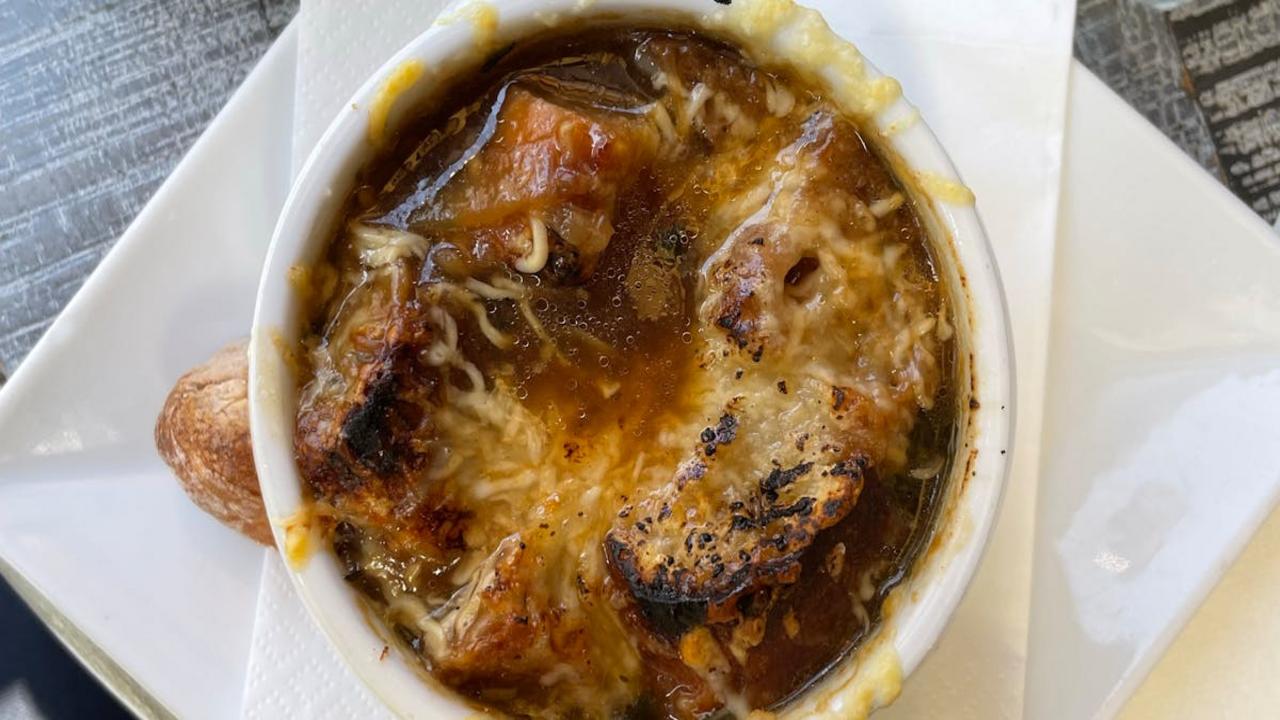
Picture this: you’re a French worker in the 18th century, coming home after a long day with nothing but onions, stale bread, and maybe some cheese if you’re lucky. What sounds like the makings of disappointment actually becomes one of France’s most cherished comfort foods. French onion soup born from pure necessity, transformed humble ingredients into something that feels like a warm hug on a cold day. Those caramelized onions, slowly cooked until they release their natural sweetness, create a rich base that makes your kitchen smell like heaven.
I make this soup whenever I need to clear out my vegetable drawer, and honestly, the magic happens during that slow caramelization process. You can’t rush good onions – they need time to develop those deep, golden-brown flavors that make this soup so special. The beauty lies in its simplicity: onions, broth, a splash of wine if you have it, topped with crusty bread and melted cheese. Each spoonful connects you to generations of home cooks who understood that patience and basic ingredients could create something extraordinary. This soup teaches us that the best meals often come from making do with what we have.
Bubble and Squeak
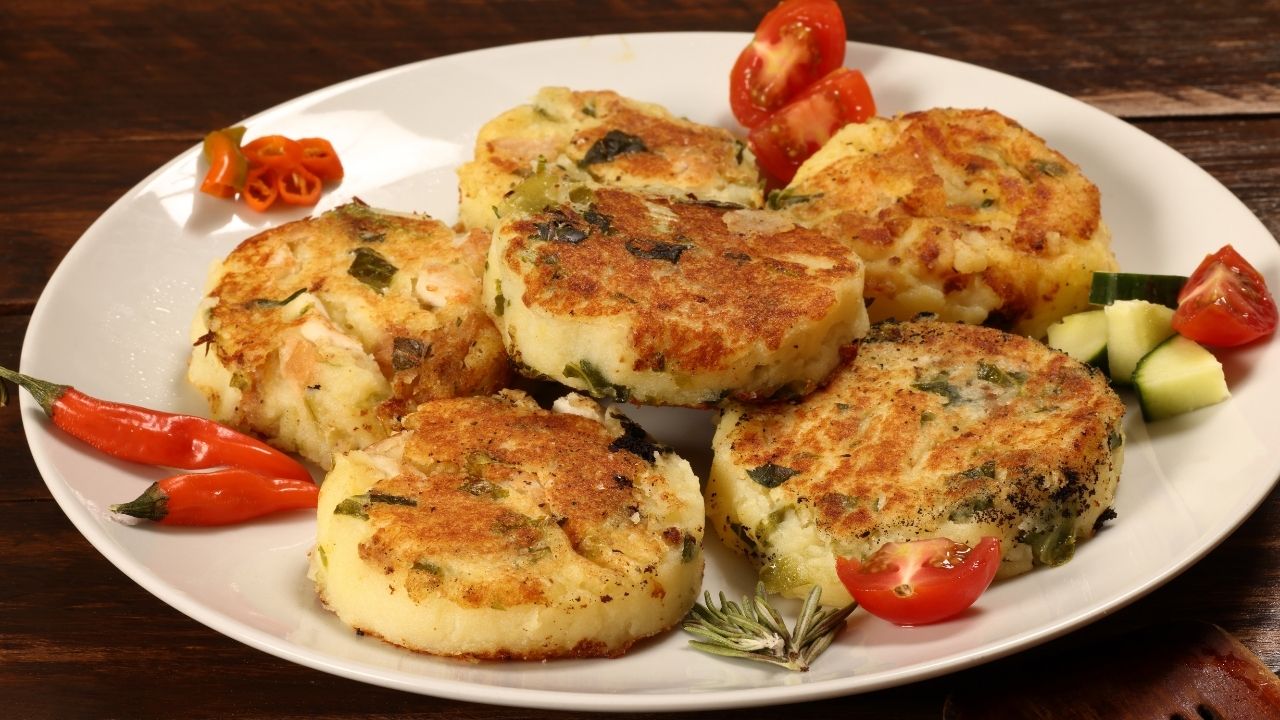
You know those Sunday evenings when you’re staring at a fridge full of leftover roast vegetables and wondering what magic you can create? That’s exactly how Bubble and Squeak came to life in British kitchens centuries ago. This humble dish transforms yesterday’s potatoes, cabbage, and whatever vegetables you have hanging around into something absolutely magnificent. I love how this recipe refuses to follow strict rules – throw in some leftover Brussels sprouts, carrots, or even that bit of roasted cauliflower that’s been waiting patiently. The key lies in getting that beautiful golden crust on the bottom while keeping everything tender and flavorful inside.
What makes me smile about Bubble and Squeak is how it celebrates the art of resourcefulness without compromising on taste. You mash those leftover potatoes, chop up the vegetables, and let them dance together in a hot pan with just a touch of good oil or butter. The sizzling and bubbling sounds give this dish its playful name, but don’t let that fool you – this creates serious comfort food. I often add fresh herbs from my windowsill garden or a sprinkle of nutritional yeast for extra depth. Serve it with a perfectly fried egg on top, and you’ve got a meal that proves leftovers can be more exciting than the original feast.
Panzanella
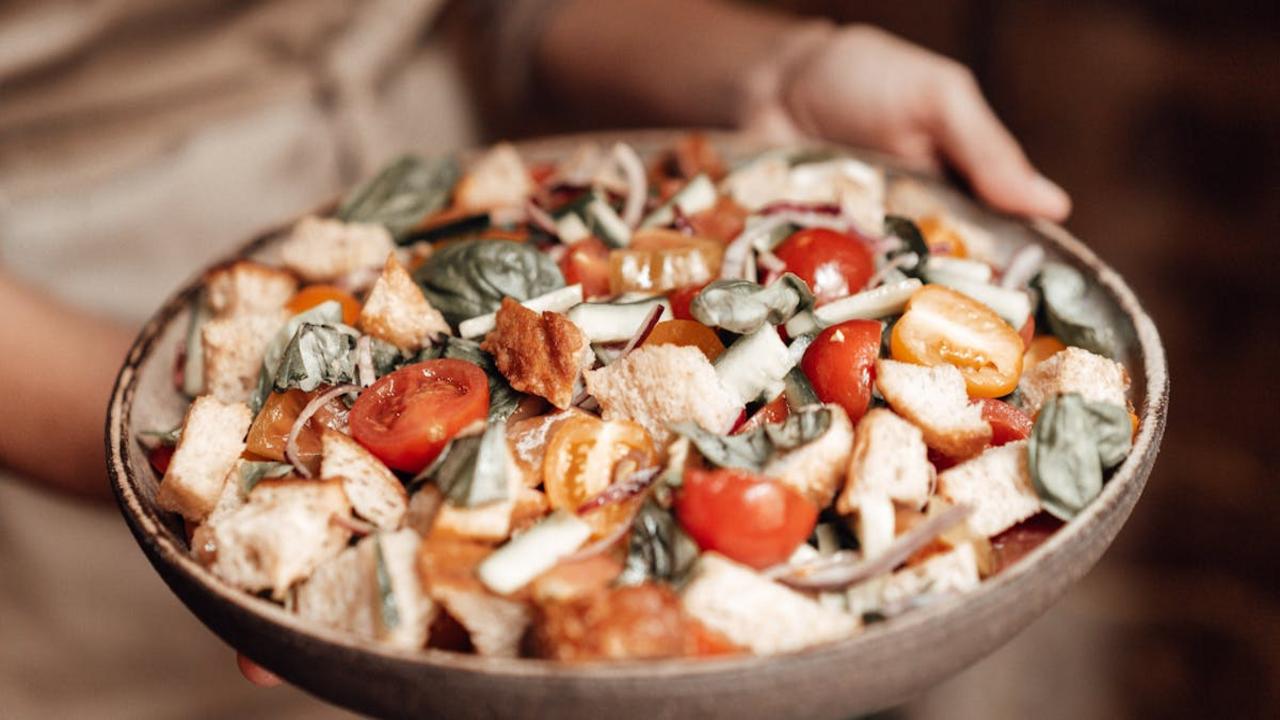
Picture this: you’re standing in your kitchen with day-old bread that’s gone stale, and instead of tossing it out, you create magic. That’s exactly what Tuscan farmers did centuries ago when they invented panzanella, transforming their leftover bread into a vibrant salad that celebrates summer’s bounty. I love how this dish perfectly captures my philosophy of turning what others might consider waste into something absolutely beautiful. The genius lies in how the bread soaks up all those gorgeous juices from ripe tomatoes, creating this incredible harmony of textures and flavors that makes your mouth sing.
What gets me excited about panzanella is how it breaks all the traditional salad rules – bread as the star ingredient? Yes, please! You tear that stale bread into chunks, let it drink up the tomato juices mixed with good olive oil and vinegar, then add whatever fresh vegetables you have on hand. I often throw in cucumbers, red onions, and fresh basil from my garden, but the beauty is in its flexibility. This dish teaches us that the best cooking comes from necessity and creativity working together, turning humble ingredients into something that feels like pure summer on a plate.
Bread Pudding
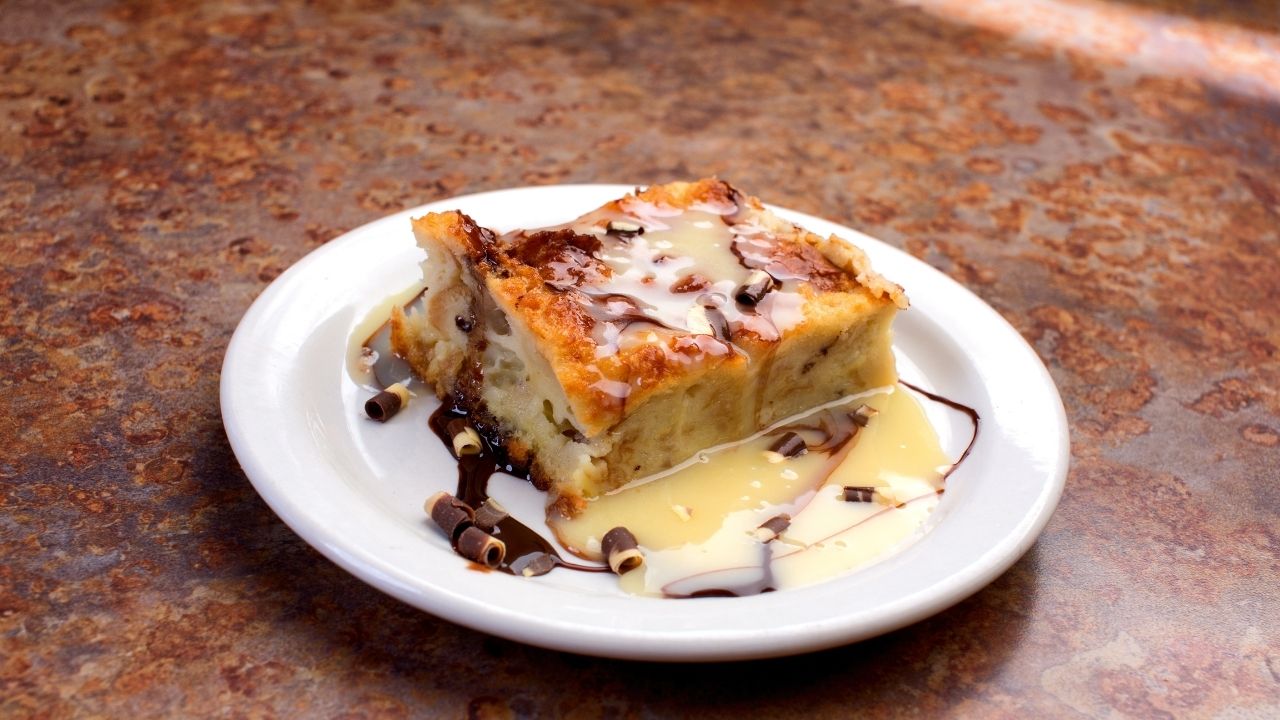
You know that sinking feeling when you discover a loaf of bread that’s gone stale on your counter? Instead of tossing it, transform it into something magical with bread pudding. This genius dessert was born from pure necessity—European cooks couldn’t bear wasting precious bread, so they created this cuddly, custard-soaked wonder. I love how this dish teaches us that sometimes the most beautiful creations come from refusing to waste what we have. The basic technique involves tearing up that day-old bread, soaking it in a rich custard made from eggs, milk, and whatever sweeteners you have on hand.
What makes bread pudding so special is how forgiving and adaptable it is to your pantry. I often add fresh seasonal fruits, nuts, or warm spices like cinnamon and nutmeg to create something unique each time. The beauty lies in watching tough, forgotten bread transform into tender, custardy spoonfuls of comfort. You can make individual portions in ramekins or go family-style in a large baking dish. Each bite delivers that perfect balance of creamy custard and slightly chewy bread pieces, proving that necessity truly is the mother of delicious invention.