12 Ways the Shapes on Your Plate Steer Your Portions
Your dinner plate just played a sneaky trick on your brain, and you totally fell for it. That innocent ceramic circle sitting on your table? It’s actually a master manipulator, quietly convincing you to eat more or less without you even noticing. Scientists have discovered that everything from your plate’s size to its color creates optical illusions that mess with your hunger signals.
Picture this: you serve identical pasta portions on a massive dinner plate versus a smaller salad plate. Your brain immediately assumes the big plate holds less food, so you pile on extra helpings. Meanwhile, that cozy bowl makes the same amount look generous and satisfying. These visual tricks happen faster than you can say “second helping.”
From geometric patterns that confuse your appetite to utensil shapes that change how much you scoop, your dinnerware secretly controls your eating habits. Ready to outsmart your plates and take back control of your portions? These twelve shape-shifting secrets will transform how you see every meal.
Visual Overload with Mixed Shapes
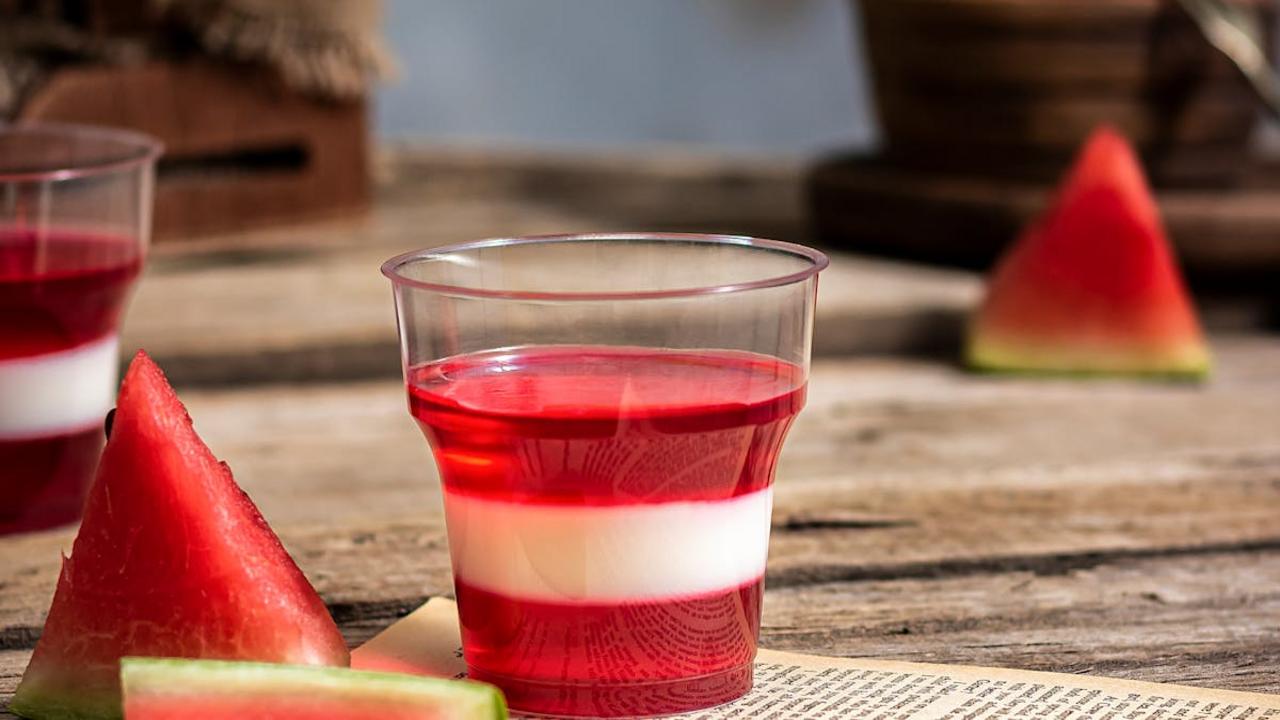
Your dining table looks like a geometry textbook exploded, and your brain is having a complete meltdown trying to process it all! When you pile triangular tortilla chips next to circular cookies, square crackers, and oddly-shaped pretzels on the same plate, your visual system goes into overdrive. Scientists have discovered that our brains work overtime when processing multiple shapes simultaneously, and this mental exhaustion actually tricks us into eating more. It’s like your mind gets so distracted by the visual chaos that it forgets to send the “hey, you’re full!” signal to your stomach.
Think of it as the dining equivalent of trying to solve a Rubik’s cube while juggling – your poor brain is so busy decoding all those different geometric patterns that portion control becomes practically impossible. Restaurant buffets absolutely love this phenomenon because they know that variety platter with star-shaped chicken nuggets, circular onion rings, and rectangular fish sticks will have you coming back for seconds (and thirds). Next time you’re arranging snacks for movie night, try sticking to similar shapes on each plate. Your waistline will thank you, and you won’t feel like you need a math degree just to figure out what you’re eating!
Edge-to-Edge Serving
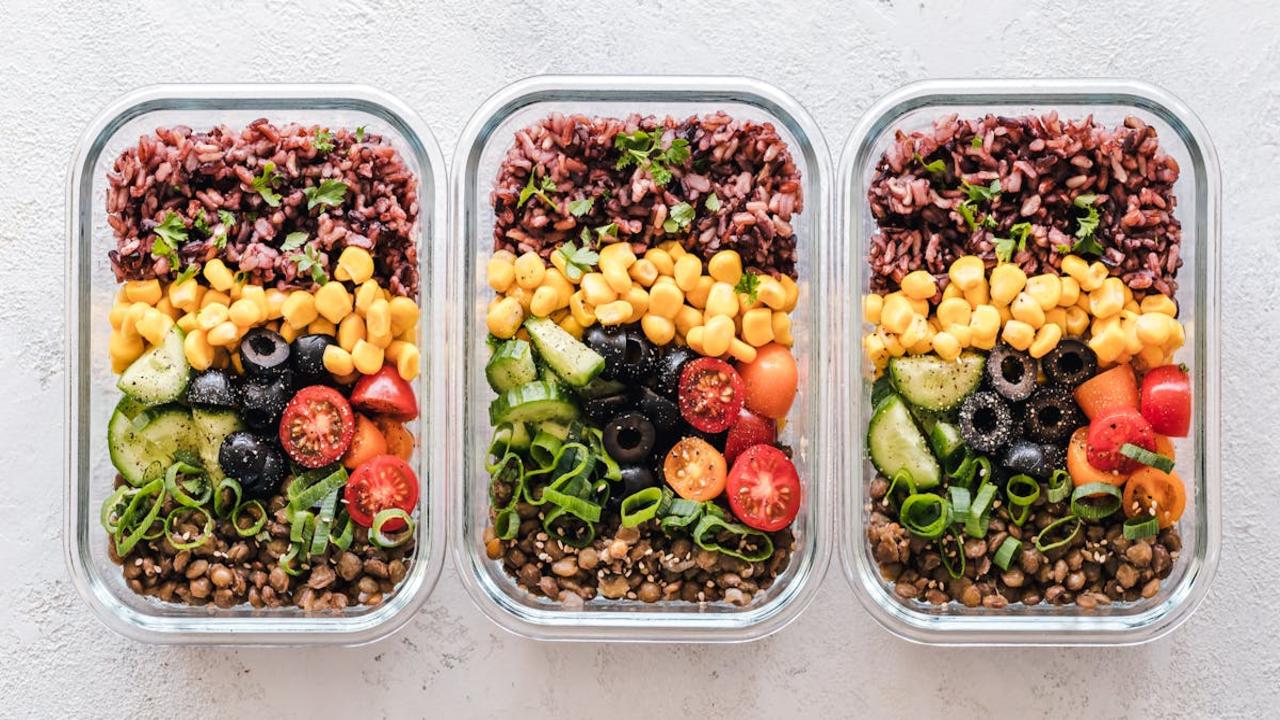
Picture this: you’ve got a gorgeous dinner plate, and instead of plopping your food right in the center like some culinary bull’s-eye, you spread that goodness from edge to edge. Your brain does a little happy dance because suddenly that same portion looks like it could feed a small army. This visual trick works because our eyes scan the entire plate surface, and when food covers more real estate, we perceive abundance even when the actual amount stays exactly the same. It’s like optical illusion magic, but with mashed potatoes!
I discovered this sneaky technique during a particularly ambitious dinner party where I accidentally served tiny portions on enormous plates. My guests looked politely hungry until I redistributed the same food across the entire surface – suddenly everyone felt satisfied! The science backs this up too: researchers found that people consistently rate edge-to-edge plated meals as more filling than centrally concentrated ones. Try this with your next stir-fry or pasta dish – spread those noodles and vegetables across your plate’s entire canvas. Your stomach will thank you for the perceived generosity, and you’ll feel like you’ve mastered some ancient dining room sorcery without adding a single extra calorie.
Shape of Utensils
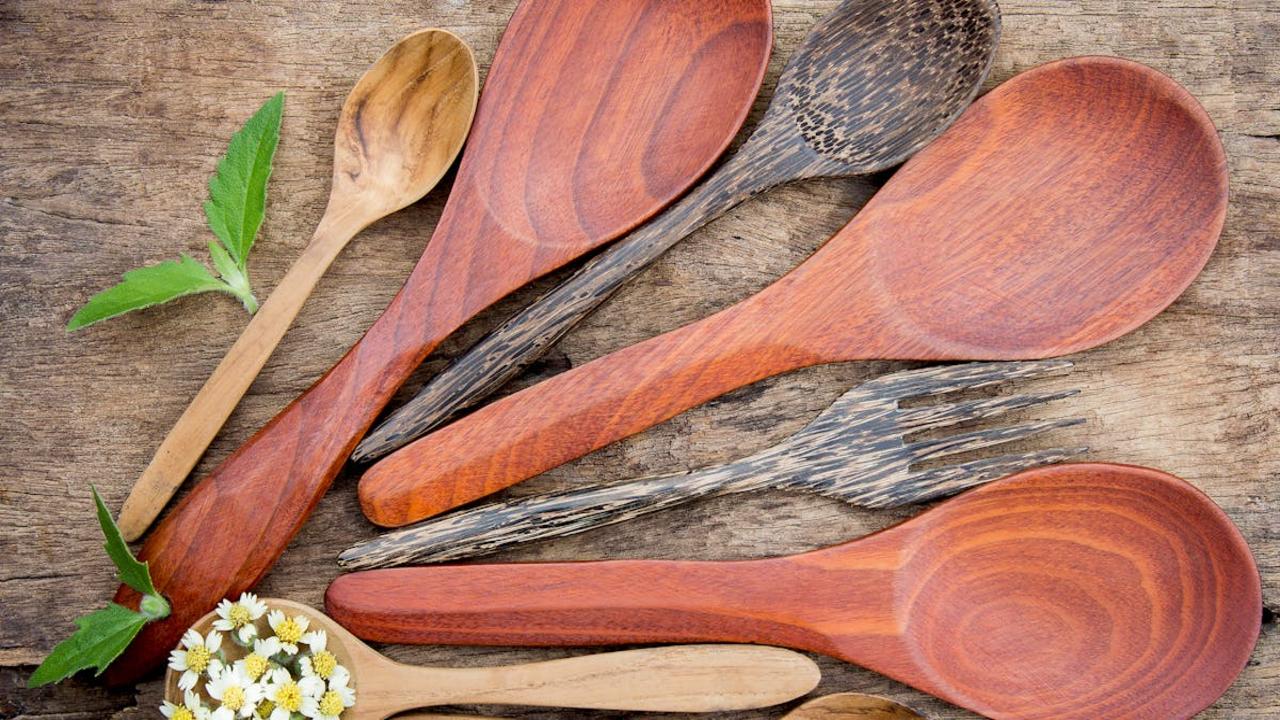
Your fork might look innocent sitting there next to your knife, but that sneaky little devil has been secretly sabotaging your portion control all along! The shape of your utensils plays a surprising role in how much you actually consume during a meal. Research shows that people eat significantly less when using smaller utensils – think dessert spoons instead of soup ladles, or salad forks rather than dinner forks. Your brain gets tricked into thinking you’re taking bigger bites than you actually are, which leads to feeling satisfied sooner. It’s like optical illusion magic, but for your mouth!
Here’s where things get really wild: the actual design of your utensil matters just as much as its size. Those wide, shallow spoons encourage you to load up on more food per scoop, while narrow, deep spoons naturally limit your portions. Even the weight of your fork can influence your eating pace – heavier utensils slow you down, giving your stomach time to send those “I’m full” signals to your brain. So next time you’re trying to eat more mindfully, grab your daintiest silverware and watch the magic happen. Your grandmother’s tiny teaspoons weren’t just for show – they were portion control pioneers!
Depth Perception in Bowls
Your brain plays the sneakiest tricks when you’re staring into a bowl, and honestly, it’s both fascinating and slightly infuriating. Wide, shallow bowls make your portion look enormous—like you’ve just served yourself a feast fit for a Viking—while narrow, deep bowls create an optical illusion that makes the same amount of food appear tiny and sad. I discovered this the hard way during my cereal experiments (yes, I conduct cereal experiments, don’t judge me). My favorite wide ceramic bowl made my morning oats look like I could feed a small army, but when I switched to a tall, narrow bowl, suddenly I felt like Oliver Twist asking for more.
The science behind this bowl trickery lies in how our brains process visual information and estimate volume. When food spreads across a wide surface, we see more area covered, which our minds interpret as “more food.” But pack that same portion into a deep bowl, and it looks like you’re rationing supplies for the apocalypse. Smart diners can use this quirk to their advantage: choose wide bowls for healthy foods like salads and vegetables to make modest portions feel satisfying, and grab those deep bowls for calorie-dense treats like ice cream. Your brain will thank you for the portion control magic, even if it doesn’t realize it’s being beautifully deceived.
Symmetry vs. Asymmetry
Your brain loves a good visual riddle, and nothing confuses it more than a perfectly symmetrical plate staring back at you. Picture this: three identical meatballs arranged in a perfect triangle, each carrot stick cut to exactly the same length, your mashed potatoes smoothed into a flawless circle. Your mind goes into autopilot mode, assuming everything must be equal portions since everything looks so… balanced. The result? You end up eating more than you planned because your brain tricks you into thinking those symmetrical servings are smaller than they actually are. It’s like your eyes are wearing rose-colored glasses, but instead of making everything look romantic, they’re making your dinner look dainty.
Now flip the script with some intentional chaos on your plate, and watch the magic happen! Asymmetrical plating – think one large piece of salmon next to a small mound of quinoa and scattered roasted vegetables – actually makes your brain work harder to process what it’s seeing. This extra mental effort translates into better portion awareness and increased satisfaction with smaller amounts. Japanese restaurants have mastered this technique for centuries, presenting dishes with deliberate imbalance that somehow feels more abundant than perfectly portioned Western meals. Try breaking your symmetry habit by varying the sizes of your food pieces or clustering items on one side of the plate instead of centering everything.
Geometric Figures and Appetite

Your brain plays wild tricks on you every time you sit down for a meal, and geometric shapes are pulling the strings like puppet masters at a dinner theater. Picture this: you’re staring at two identical portions of pasta—one piled high in a perfect circle on your plate, the other spread across in a long, thin rectangle. Your eyes immediately tell your stomach that the circular mound looks more substantial, even though both portions weigh exactly the same. Scientists have discovered that our brains process circular and round arrangements as “more food” compared to linear or angular presentations, which explains why that pizza slice always seems more satisfying than the same amount of cheese melted on rectangular crackers.
This visual trickery becomes your secret weapon once you know how to work with it instead of against it. Try arranging your salad ingredients in concentric circles on your plate—cucumber slices forming the outer ring, cherry tomatoes creating the next layer, and crumbled feta nestled in the center like edible confetti. Your brain registers this circular symphony as abundant and satisfying, helping you feel fuller with less food. Meanwhile, if you’re trying to eat more vegetables, spread them out in straight lines or geometric patterns across your plate. The linear arrangement makes your brain think there’s less food than there actually is, so you’ll unconsciously reach for seconds of those nutrient-packed goodies without feeling like you’re forcing yourself to eat your greens.
Visual Density Perception
Your brain plays the most delicious tricks on you every single time you sit down for a meal! Picture this: you’ve got two identical portions of creamy mushroom risotto, but one sits spread thin across a wide, shallow bowl while the other towers proudly in a narrow, deep dish. I guarantee you’ll swear the tall portion looks like way more food, even though they’re exactly the same amount. This sneaky phenomenon happens because our brains judge quantity based on how densely packed food appears, not actual volume. Wide plates make your dinner look sparse and lonely, like it’s doing the backstroke in an ocean of ceramic, while narrow containers create that satisfying “abundance illusion” that makes your portion feel generous and filling.
Food stylists and restaurant chefs have been secretly exploiting this visual trickery for decades! They pile mashed potatoes high in ramekins instead of spreading them flat, and they serve soup in narrow bowls that make every ladleful look substantial. You can use this same psychology at home – serve your morning oatmeal in a tall mug instead of a wide bowl, and watch how much more satisfied you feel. Stack your sandwich ingredients high rather than spreading them thin, and suddenly your lunch feels like a proper feast. The magic happens because dense-looking food sends “fullness signals” to your brain before you even take the first bite, making smaller portions feel more satisfying and helping you eat just the right amount without feeling deprived.
Arrangement Patterns

You know that friend who arranges their M&Ms by color before eating them? Well, turns out they might be onto something brilliant for portion control! The way you arrange food on your plate creates visual patterns that your brain interprets as “more” or “less” food, even when the actual quantity stays exactly the same. Scientists have discovered that scattered arrangements make portions appear larger than neat, organized layouts. So if you spread those cherry tomatoes randomly across your salad instead of lining them up like little soldiers, your brain gets tricked into thinking you’re getting a more generous helping. It’s like optical illusion magic, but for dinner!
Here’s where it gets really fun: symmetrical arrangements actually make us eat less because they look more “complete” and satisfying to our pattern-loving brains. Think about how fancy restaurants present their dishes – that perfectly centered protein with vegetables arranged in tidy little clusters? That’s not just Instagram-worthy plating; it’s psychology in action! Meanwhile, asymmetrical, seemingly chaotic arrangements trigger our “more is more” sensors. Try scattering your roasted vegetables randomly instead of organizing them by type, or toss your pasta with herbs so they’re distributed unevenly. Your eyes will register abundance, your stomach will feel satisfied with less, and you’ll feel like you’ve discovered some secret foodie superpower that makes portion control feel like a game rather than a chore.
Serving Dish Shape
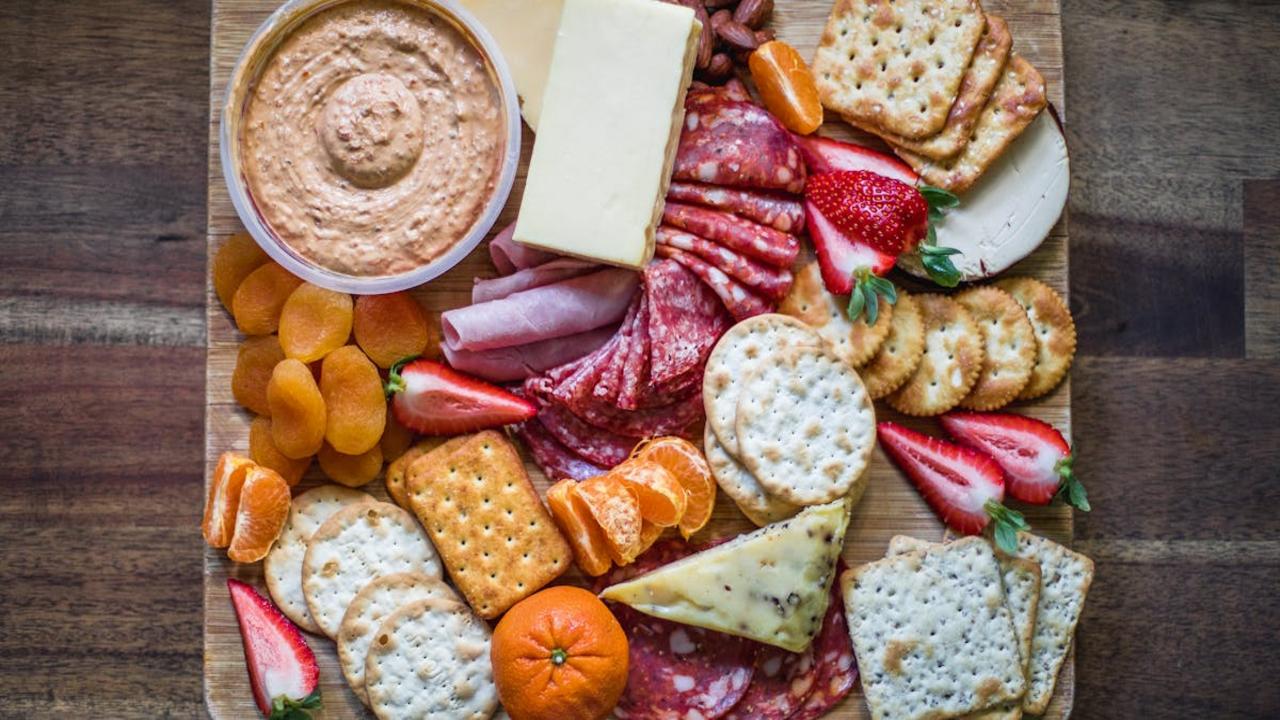
Your serving dishes moonlight as sneaky portion puppeteers, and they’re surprisingly good at their job! That elegant rectangular platter makes you pile on way more pasta than the round bowl sitting right next to it. Square and rectangular serving dishes create this optical illusion where food looks smaller against all those sharp corners and extended surfaces. Your brain goes into “fill the space” mode, much like how you feel compelled to arrange furniture against every wall in a room. Meanwhile, round dishes act like natural portion boundaries – there’s something psychologically satisfying about a neat mound of mashed potatoes that fits perfectly within those curved edges.
Scientists have actually measured this madness, and rectangular dishes can trick you into serving 20% more food than their circular counterparts. It’s like your grandmother’s ancient oval turkey platter versus her newer round serving bowl – same volume capacity, completely different visual impact on your scooping enthusiasm. The shape creates negative space that your brain interprets as “room for more,” which explains why restaurant buffets love those long, narrow chafing dishes. They make everything look abundant while you unconsciously load up your plate. Smart dinner party hosts have figured this out too – they use smaller round serving bowls for rich, calorie-dense sides and save the rectangular platters for lighter vegetables and salads.
Color Contrast Effect
You know that moment when you’re staring at your dinner plate, wondering why you grabbed such a massive portion of mashed potatoes? Well, your brain might have been playing tricks on you through something called the color contrast effect. Picture this: creamy white potatoes sitting on a stark white plate practically disappear into the background, making your eyes think there’s less food than there actually is. Your brain, being the helpful little troublemaker it is, tells you to pile on more until it “looks right.” Meanwhile, if you’d served those same potatoes on a dark navy or forest green plate, the contrast would make that portion appear significantly larger, and you’d naturally serve yourself less.
Food scientists have discovered that this visual illusion can influence your portion sizes by up to 30%! The darker your plate, the more your light-colored foods will pop, creating an optical illusion that makes portions appear bigger than they really are. This works in reverse too – dark foods like chocolate cake or blackened salmon look more substantial on light plates. Smart restaurants have been using this trick for years, serving rich desserts on white plates to make smaller portions feel more generous. Next time you’re trying to manage your portions, grab a plate that contrasts with your main dish. Your eyes will thank you, and so will your waistline when it realizes it’s been getting perfectly satisfying portions all along.
Illusion of Portion Size

Your brain plays the most ridiculous tricks on you when food hits your plate, and honestly, it’s both fascinating and slightly embarrassing how easily we fall for these visual shenanigans. Picture this: you’ve got two identical servings of creamy risotto, but one sits on a massive dinner plate while the other nestles perfectly on a smaller salad plate. Your eyes immediately scream “THAT’S NOT ENOUGH!” at the big plate version, even though both portions contain exactly the same amount of food. This phenomenon, known as the Delboeuf illusion, makes your portion appear smaller on larger plates and bigger on smaller ones – basically, your plate size becomes your brain’s measuring cup, and it’s terrible at math.
The shape factor gets even weirder because your mind doesn’t just measure area – it gets completely bamboozled by height and width ratios too. Take pasta bowls versus flat plates: that same cup of spaghetti looks like a sad, lonely serving when spread across a wide, shallow dish, but pile it up in a deep bowl and suddenly you feel like you’re getting a proper feast. Restaurant owners have caught onto this psychological quirk and routinely serve smaller portions on appropriately sized plates to make you feel satisfied while keeping their food costs down. Smart? Absolutely. Sneaky? You bet. The good news is that once you know about this visual trickery, you can use it to your advantage – downsize your plates if you want to eat less, or grab that cozy bowl if you want to feel more satisfied with reasonable portions.
Plate Size Influence
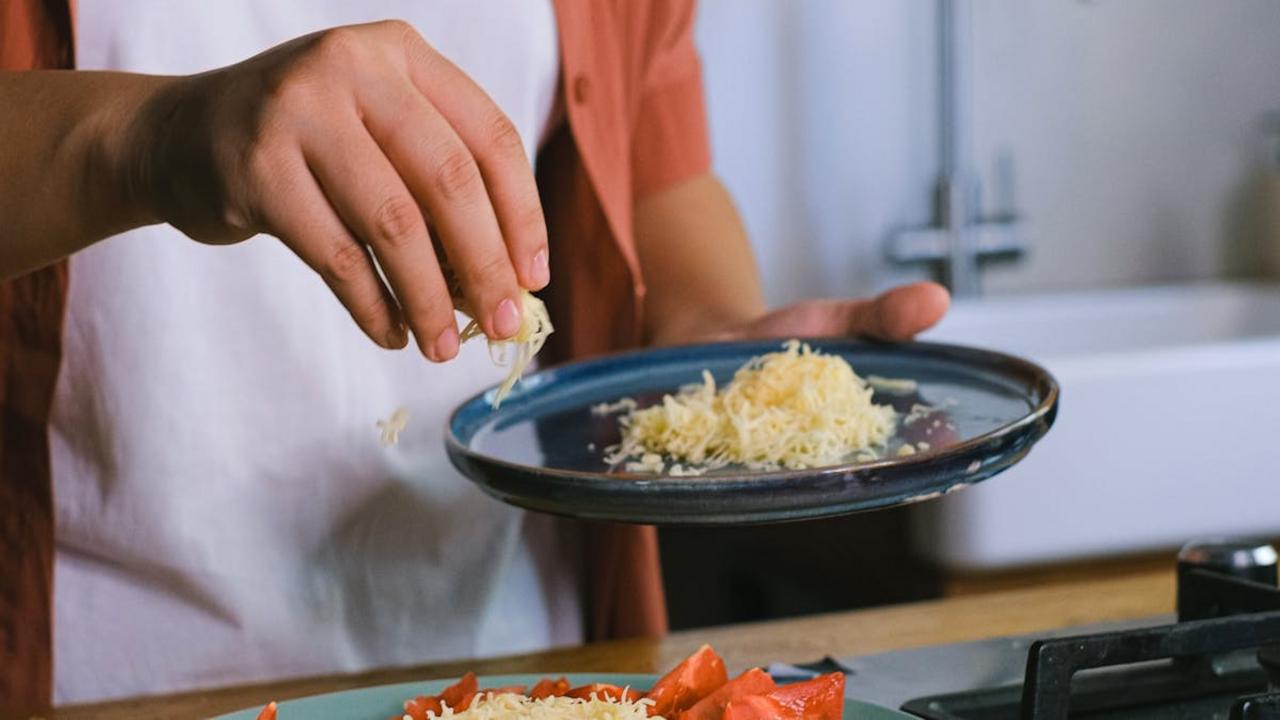
Your dinner plate might be playing mind games with you, and honestly, it’s winning. That massive 12-inch dinner plate sitting in your cabinet? It’s basically a magician’s trick disguised as dinnerware. When you pile food onto a large plate, your brain gets confused about portion sizes because everything looks smaller by comparison. Picture this: the same serving of pasta that looks abundant on an 8-inch plate suddenly appears sad and lonely on a 12-inch surface. Your brain starts panicking, thinking you’re about to starve, so you add more food to make the plate “look right.” Meanwhile, your stomach had no say in this visual deception whatsoever.
The sneaky truth is that plate sizes have grown by about 23% since the 1900s, and our waistlines have followed suit like obedient puppies. Scientists discovered that people consistently serve themselves 22% more food on larger plates – even nutrition experts fall for this trick! I once watched my friend Sarah pile enough spaghetti on her oversized plate to feed a small Italian village, then wonder why she felt stuffed afterward. The solution? Downsize to salad plates for your main courses. Your brain will think you’re getting a generous portion while your pants will thank you for the reality check. It’s like optical illusion therapy, but with better results than those weird spinning circles.