14 Foods So Controversial They’re Banned Around the World
Your grocery cart might hold secret outlaws! From Mountain Dew to raw milk, some everyday foods you enjoy freely in your country face outright bans elsewhere. These controversial edibles spark heated debates among health experts, lawmakers, and consumers about what we should put into our bodies.
I stumbled down this food-ban rabbit hole after discovering my favorite gummy bears contained dyes illegal in several European countries. The global food regulation landscape looks wildly different depending on where you stand. What horrifies food safety officials in Japan might not raise an eyebrow in Brazil.
These 14 banned foods reveal how differently countries approach food safety. While some bans stem from solid scientific evidence, others reflect cultural values or economic protectionism. Your perfectly legal breakfast in America might land you a hefty fine across the pond!
Raw Milk
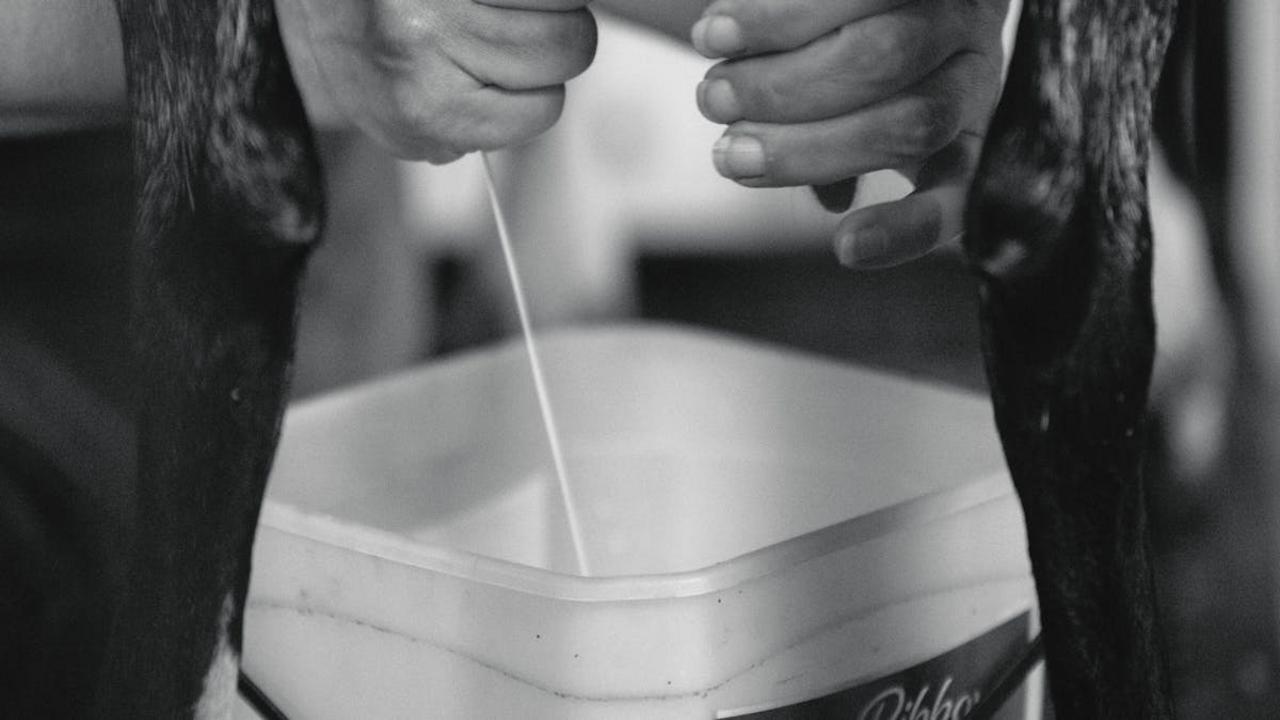
Picture this: you’re strolling through a farmer’s market, and there’s Bob from the local dairy farm offering you a glass of milk straight from Bessie herself—no pasteurization, no processing, just pure, creamy goodness that would make your great-grandmother weep with nostalgia. But hold your horses! In many places around the world, including most of the United States, Canada, and Australia, that innocent glass of raw milk is treated like liquid contraband. The FDA considers unpasteurized milk so dangerous they’ve banned its interstate sale, while health officials wave around scary statistics about bacteria like listeria, salmonella, and E. coli potentially lurking in every sip.
Raw milk enthusiasts swear by its superior taste, claiming it’s creamier, more flavorful, and packed with beneficial enzymes and probiotics that pasteurization destroys. They’ll tell you stories about how their grandparents drank raw milk daily and lived to be 95, conveniently forgetting that Great-Grandpa Joe also walked uphill both ways to school in a blizzard. The controversy gets spicier when you consider that countries like France legally sell raw milk cheese aged less than 60 days (which would be illegal in the US), while raw milk vending machines dot the European countryside like caffeinated oases. Meanwhile, American raw milk lovers resort to buying “pet food” or joining bizarre cow-sharing programs just to get their hands on the white stuff—because nothing says “food freedom” like pretending your Holstein is actually your beloved pet.
Artificial Sweeteners
Picture this: you’re sipping your diet soda, thinking you’re being health-conscious, when suddenly you discover that innocent little packet of sweetener might be persona non grata in several countries! Artificial sweeteners have sparked heated debates across the globe, with some nations treating them like dietary villains. Take cyclamate, for instance – this zero-calorie wonder got the boot from the United States back in 1969 after studies linked it to bladder cancer in rats (though those poor rodents consumed amounts equivalent to hundreds of diet sodas daily). Meanwhile, countries like Canada and the European Union still welcome cyclamate with open arms, proving that food politics can be more complicated than explaining TikTok to your grandmother.
The sweetener saga gets even juicier with aspartame, which has more conspiracy theories surrounding it than Area 51! This particular sugar substitute has faced bans and restrictions in various countries at different times, with health authorities flip-flopping more than a politician during election season. What makes this whole situation absolutely bonkers is that millions of people consume these sweeteners daily in products ranging from chewing gum to “sugar-free” cookies, yet regulatory agencies can’t seem to agree on their safety. One day they’re declaring artificial sweeteners perfectly fine, the next they’re slapping warning labels on them faster than you can say “saccharin.” It’s like watching a never-ending soap opera where the plot twists involve laboratory mice and conflicting scientific studies!
Trans Fats
Picture this: you’re munching on your favorite packaged snack, blissfully unaware that lurking inside those crispy layers is a sneaky ingredient that’s been quietly wreaking havoc on hearts worldwide. Trans fats, those artificially created molecular troublemakers, have managed to get themselves kicked out of kitchens faster than a bad date. These laboratory-born fats were once the darling of food manufacturers because they kept products shelf-stable longer than a vampire’s lifespan and gave baked goods that perfect flaky texture we all crave.
Denmark was the trendsetter here, becoming the first country in 2003 to show trans fats the door with strict limits that basically amounted to a polite but firm “don’t let the door hit you on the way out.” The United States finally caught up in 2018, while countries like Switzerland, Austria, and Iceland have all joined the trans fat eviction party. The science behind the ban is pretty straightforward – these artificial fats raise your bad cholesterol while simultaneously drop-kicking your good cholesterol, creating a perfect storm for heart disease. Your grandmother’s lard might have gotten a bad rap, but at least it didn’t pretend to be something it wasn’t while secretly plotting against your arteries!
Food Grade Coloring

You know that electric blue slush that made your tongue look like a Smurf’s nightmare? Well, some countries took one look at those synthetic rainbow hues and said “absolutely not.” Food dyes like Red Dye #40, Yellow #5, and Blue #1 have been giving European regulators the side-eye for decades. These artificial colorings, which make American candy aisles look like unicorn paradise, require warning labels in the EU because studies suggest they might turn your hyperactive cousin into an actual tornado. Meanwhile, we’re over here dyeing our mac and cheese fluorescent orange like it’s perfectly normal to eat something that glows under blacklight.
The controversy centers around potential links to hyperactivity in children and possible carcinogenic effects, though the FDA maintains these dyes are safe in approved amounts. European countries have largely banned or restricted many synthetic food colorings, forcing companies to reformulate their products with natural alternatives like beetroot extract or turmeric. This means your favorite childhood cereal might taste the same in London, but it looks disappointingly beige instead of rainbow-bright. Some American manufacturers now produce separate versions for different markets – one psychedelic version for us color-loving Americans, and one that looks like actual food for everyone else. Who knew the difference between Fruity Pebbles and bird seed could be so politically charged?
Food Preservatives
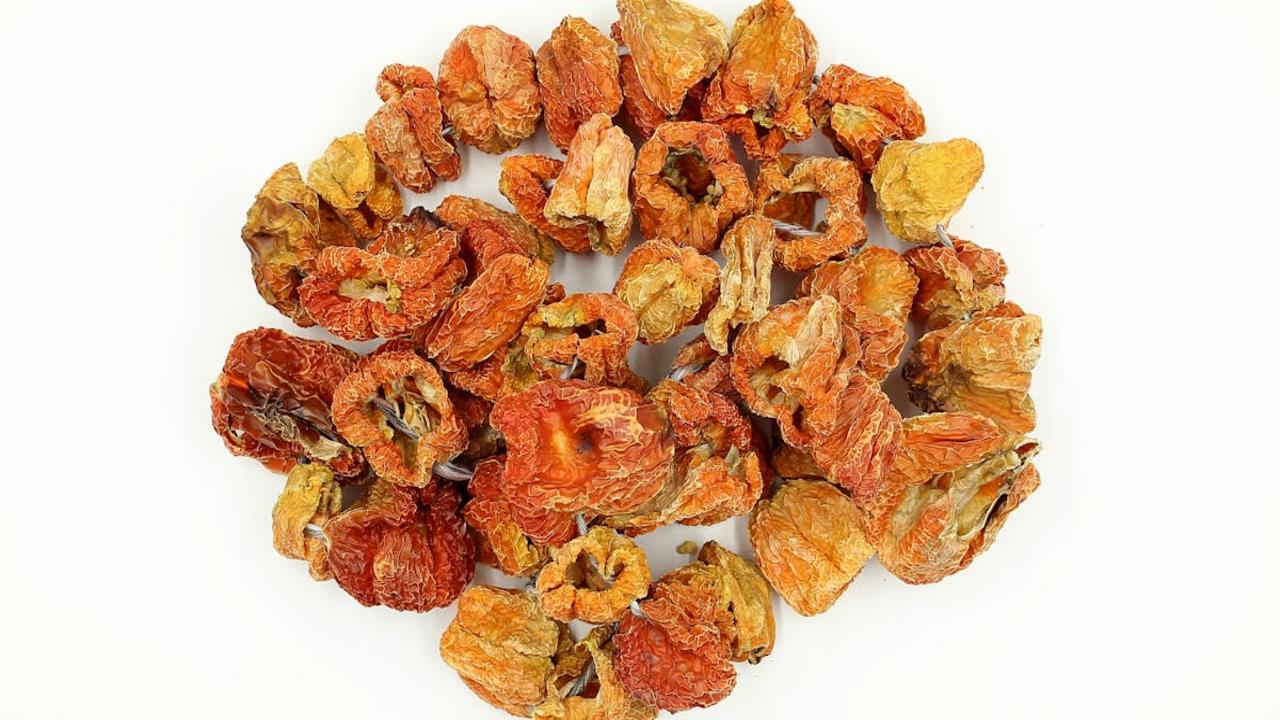
Picture this: you’re standing in the cereal aisle, squinting at ingredient labels that read like chemistry textbooks, wondering if BHT sounds more like a boy band or a toxic waste dump. Well, my curious friend, those mysterious acronyms have sparked international food fights that make playground disputes look tame! BHT (butylated hydroxytoluene) and BHA (butylated hydroxyanisole) keep your favorite snacks from going rancid, but they’ve been given the boot in several European countries and Japan because of potential cancer links. Meanwhile, Americans munch away on Froot Loops and Pop-Tarts containing these preservatives, blissfully unaware that their breakfast would be contraband across the pond.
The preservative drama doesn’t stop there – brominated vegetable oil (BVO) makes your Mountain Dew glow like radioactive waste and prevents citrus flavoring from floating to the top, but it’s banned in over 100 countries because bromine builds up in your system faster than laundry in your hamper. Then there’s potassium bromate, the flour “improver” that makes bread fluffy but potentially carcinogenic, earning bans everywhere except the good old US of A and Japan. It’s like we’re playing an international game of food roulette, where one country’s “generally recognized as safe” is another’s “absolutely not happening.” So next time you bite into that perfectly preserved snack cake, remember – it might just be your little act of culinary rebellion!
Arsenic Fed Chicken
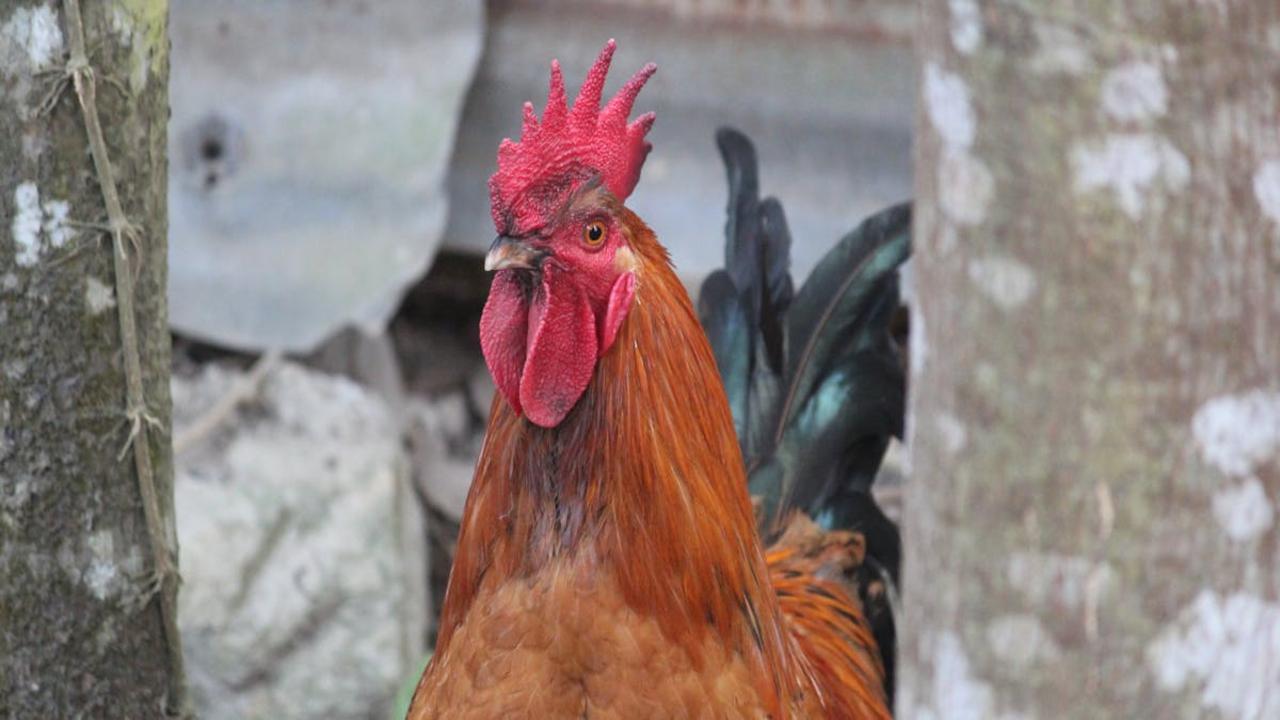
Picture this: you’re at the grocery store, eyeing that plump rotisserie chicken, when suddenly you discover it might contain arsenic—yes, the same stuff from murder mysteries! For decades, American poultry producers fed chickens organic arsenic compounds like roxarsone, claiming it made the meat pinker and helped birds grow faster. The European Union took one look at this practice and said “absolutely not,” banning arsenic-laced feed entirely. Meanwhile, the FDA took until 2015 to finally pull roxarsone from the market, though other arsenic compounds still sneak into some chicken feed today.
Here’s the kicker: while the arsenic levels in chicken were supposedly “safe” according to industry standards, many scientists argued that any amount of this known carcinogen in our dinner plates was too much. The compound breaks down into inorganic arsenic—the really nasty kind that accumulates in your body over time. European consumers have been enjoying arsenic-free poultry for years, proving that chickens can grow just fine without chemical enhancement. If you want to avoid this controversy entirely, look for organic or pasture-raised chicken, where arsenic-containing feed is prohibited, and your Sunday roast won’t come with a side of heavy metals.
Genetically Modified Foods
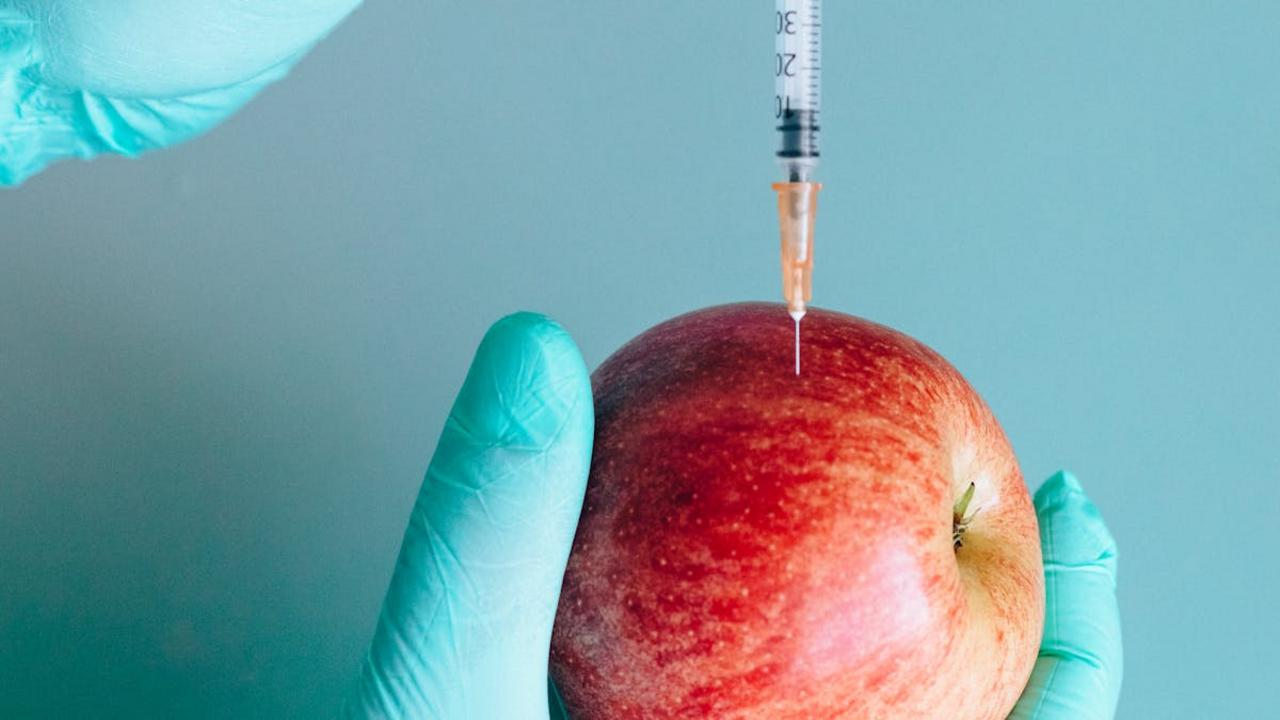
Picture this: you’re standing in a grocery store, holding two identical-looking tomatoes. One grew naturally in soil under the sun, while the other had its DNA tweaked in a lab to resist pests and grow bigger. Can you tell the difference? Most of us can’t, but entire countries have made that choice for us. The European Union treats GMOs like vampires treat garlic – they want nothing to do with them. Over 60 nations require GMO labeling, while some ban them outright. Russia even went so far as to ban GMO crop cultivation entirely in 2016, declaring their country a “GMO-free zone” with the dramatic flair of a soap opera villain.
The funny thing about this whole GMO drama is that we’ve been modifying our food for centuries through selective breeding – we just did it the slow way. Those massive, juicy strawberries you love? Wild strawberries are tiny and tart. That perfect yellow corn? Originally looked more like grass seeds. But mention “genetic modification” and people lose their minds faster than kids spotting an ice cream truck. Some countries worry about long-term health effects, others about environmental impact, and a few just don’t trust scientists playing food god in laboratories. Meanwhile, Americans munch happily on GMO soybeans and corn syrup, blissfully unaware that about 70% of processed foods contain genetically modified ingredients. The irony? Some of the most vocal GMO opponents probably ate them for breakfast.
Meat With Growth Hormones

Picture this: you’re biting into what looks like a perfectly normal steak, but somewhere in the back of your mind, you’re wondering if that cow was basically the bodybuilder of the barnyard. Growth hormones in meat have turned dinner tables into battlegrounds across the globe, with the European Union taking such a hard stance that they’ve banned hormone-treated beef imports from the US since 1989. These synthetic and natural hormones – think estradiol, progesterone, and trenbolone acetate – get pumped into cattle to make them grow faster and bigger, because apparently regular cow growth just isn’t speedy enough for our modern world.
The controversy burns hotter than a overcooked burger because health concerns keep popping up like mushrooms after rain. Some scientists worry about hormone residues potentially messing with human development, especially in kids, while others argue the levels are too tiny to matter. The European Food Safety Authority remains unconvinced by the “tiny amounts” argument, maintaining their ban while American ranchers insist their beef is perfectly safe. Meanwhile, countries like Australia have found a middle ground, allowing some hormones but banning others. It’s like a global game of “Will You Eat This?” where the stakes involve international trade wars and your weekend barbecue plans.
Potassium Bromate
Picture this: you’re munching on a perfectly fluffy dinner roll, completely unaware that lurking in those golden grains might be a chemical that’s made most of the world say “absolutely not!” Potassium bromate sounds like something straight out of a chemistry textbook, and honestly, that’s exactly what it is. This white crystalline powder gets mixed into flour to make bread rise higher and develop that coveted chewy texture we all crave. American bakers have been sprinkling this stuff into dough since the 1960s, creating those Instagram-worthy loaves that practically beg you to slather them with butter.
Here’s where things get spicy: while the FDA gives potassium bromate a reluctant thumbs up (with about seventeen different warnings), countries like Canada, the UK, and pretty much all of Europe have banned it faster than you can say “sourdough starter.” The concern? This little additive has been linked to kidney damage and thyroid issues in lab studies, earning it a spot on the “probably carcinogenic” list. Most responsible bakeries have switched to safer alternatives like ascorbic acid or enzymes that do the same job without the drama. Next time you’re bread shopping, flip that package over and become a label detective – your future self will thank you for dodging this controversial chemical bullet!
Olestra
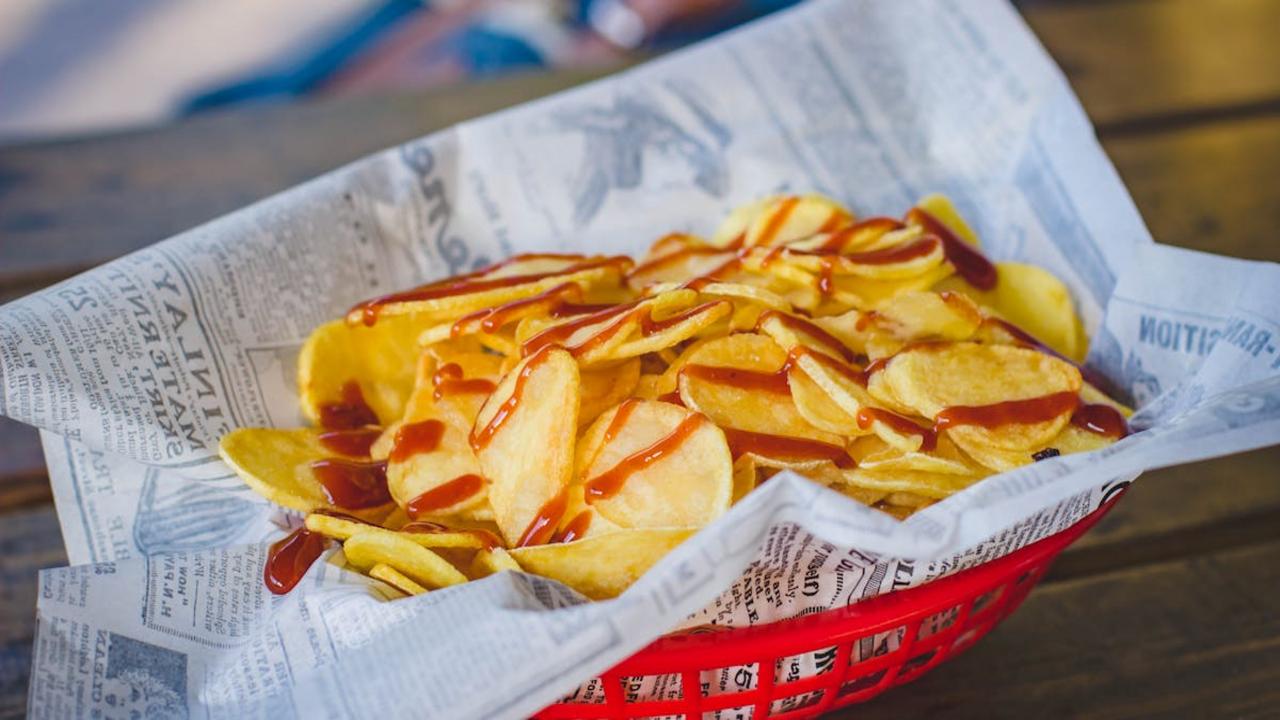
Meet Olestra, the fat substitute that promised to revolutionize snacking but ended up creating more drama than a reality TV show! This synthetic compound, developed by Procter & Gamble in the 1960s, had the magical ability to taste like fat without actually being absorbed by your body. Sounds perfect, right? Well, not exactly. The FDA approved it for potato chips and crackers in 1996, but here’s where things got interesting – and by interesting, I mean intestinally catastrophic. Olestra had a notorious side effect that earned it the nickname “anal leakage chips” among less-than-thrilled consumers. The warning labels on Olestra-containing products read like a cautionary tale, mentioning potential digestive issues that could turn your afternoon snack into an emergency bathroom situation.
Canada and the European Union took one look at this controversial creation and said “absolutely not,” banning it faster than you can say “digestive distress.” While the U.S. kept it legal, consumer complaints poured in like confetti at a New Year’s party – except way less fun. People reported everything from stomach cramps to those infamous “leakage” incidents that nobody wants to discuss at dinner parties. By the early 2000s, most major snack companies quietly phased out Olestra products, not because they were forced to, but because nobody wanted to buy chips that came with a built-in bathroom warning. Today, you’d be hard-pressed to find Olestra lurking in your local grocery store, proving that sometimes the promise of guilt-free indulgence isn’t worth the potential consequences.
Brominated Vegetable Oil
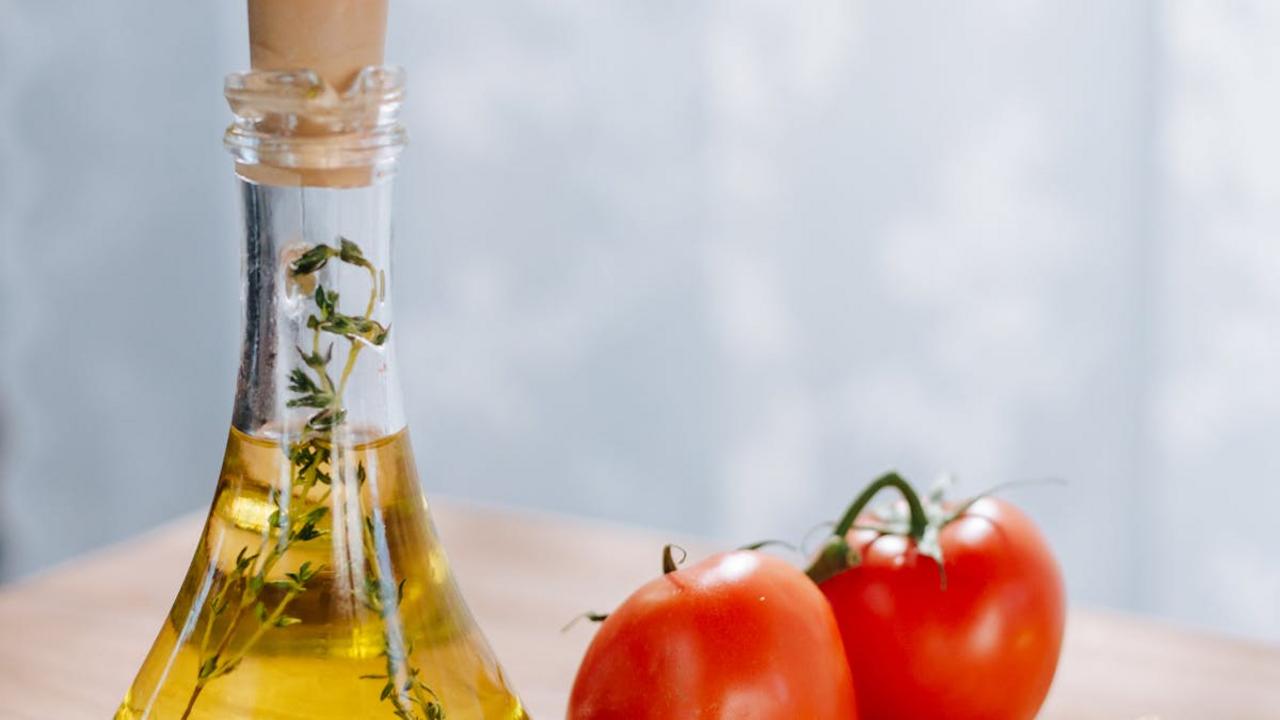
Picture this: you’re sipping on a bright orange soda, watching the citrus flavors swirl around in perfect suspension, never settling to the bottom. That magical floating act? Thank brominated vegetable oil, or BVO, a chemical compound that keeps your drink looking Instagram-ready but has countries like Japan and the European Union running for the hills. This sneaky additive, made by bonding bromine atoms to vegetable oil, acts like a flavor bodyguard, preventing citrus oils from separating and floating to the surface like tiny oil slicks in your Mountain Dew.
Here’s where things get spicy: bromine is the same element used in flame retardants and some pesticides, which explains why over 100 countries have given BVO the boot. The FDA finally caught up to the party in 2024, banning this controversial ingredient after decades of “we’re looking into it” responses. Some folks who consumed excessive amounts of BVO-laden drinks reported skin lesions and memory loss – talk about a buzz kill! While most of us won’t turn into walking chemistry experiments from occasional soda consumption, major brands like Coca-Cola and PepsiCo have already reformulated their recipes, proving that sometimes the crowd really does know best.
Artificial Food Dyes
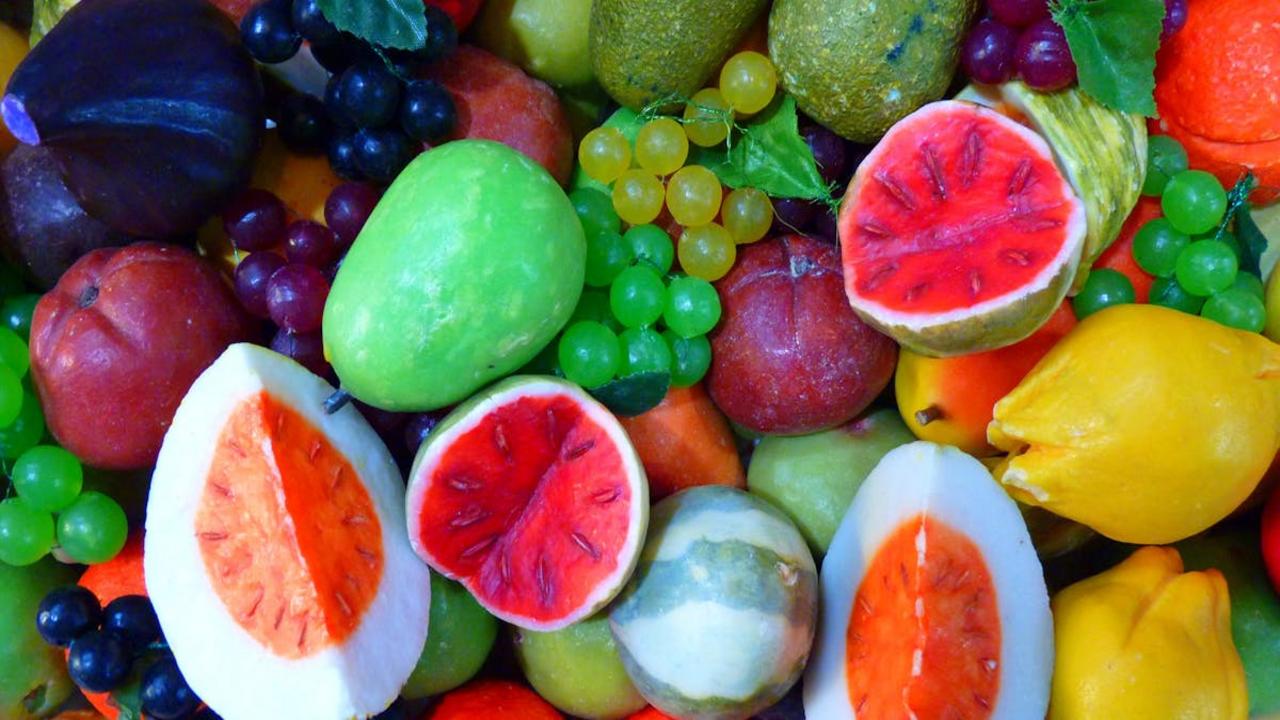
Rainbow-colored cereals, electric blue sports drinks, and those impossibly vibrant birthday cake frostings – they’re all thanks to artificial food dyes that make our plates look like a unicorn exploded. But here’s the plot twist: many countries have given these colorful chemicals the boot faster than you’d toss expired milk. The European Union requires warning labels on foods containing certain synthetic dyes, basically telling parents “Hey, this might turn your kid into a tiny tornado.” Meanwhile, countries like Norway and Austria have banned specific dyes altogether, forcing companies to find natural alternatives or face the regulatory music.
The controversy centers around studies linking artificial dyes to hyperactivity in children and potential health risks that make some parents more nervous than a cat in a dog park. Red Dye 40, Yellow 5, and Blue 1 – they sound like a superhero team, but critics argue they’re more like villains in disguise. What’s fascinating is how companies magically find natural alternatives when forced to – suddenly that bright red candy can get its color from beets or paprika instead of petroleum-derived chemicals. It’s like watching a magician reveal their tricks, except the magic was synthetic chemistry all along, and the rabbit was actually made of coal tar derivatives.
Farm Raised Salmon
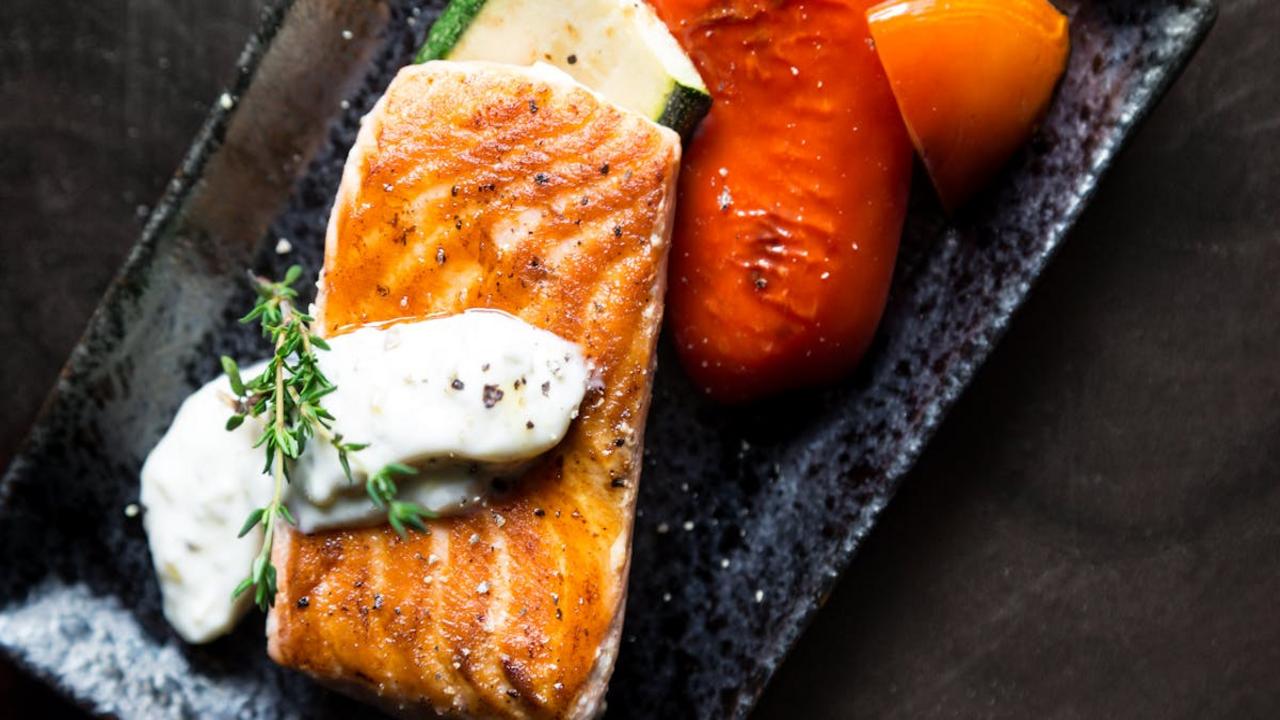
Picture this: you’re standing in front of the seafood counter, eyeing that gorgeous pink salmon fillet, when suddenly you realize you’re looking at a fish that’s basically the aquatic equivalent of a couch potato. Farm-raised salmon spend their days swimming in cramped net pens, munching on pellets that turn their flesh that Instagram-worthy shade of pink – because without those artificial colorants, they’d be as pale as your office complexion in January. Australia and New Zealand took one look at these chemically-enhanced swimmers and said “absolutely not,” banning them faster than you can say “Atlantic salmon.”
The controversy doesn’t stop at the color job, though. These farmed fish get pumped with antibiotics like they’re prepping for major surgery, and their crowded living conditions create pollution nightmares that make city traffic look clean. Wild salmon laugh at their domesticated cousins while flexing their naturally muscular bodies and flaunting their deep, earned-through-exercise pink color. But here’s the kicker – in many countries where farm-raised salmon is banned, you can still find it swimming around in local fish farms, just not on your dinner plate. It’s like having a pet you can never eat, which honestly sounds like the beginning of a very weird reality show.
Mountain Dew
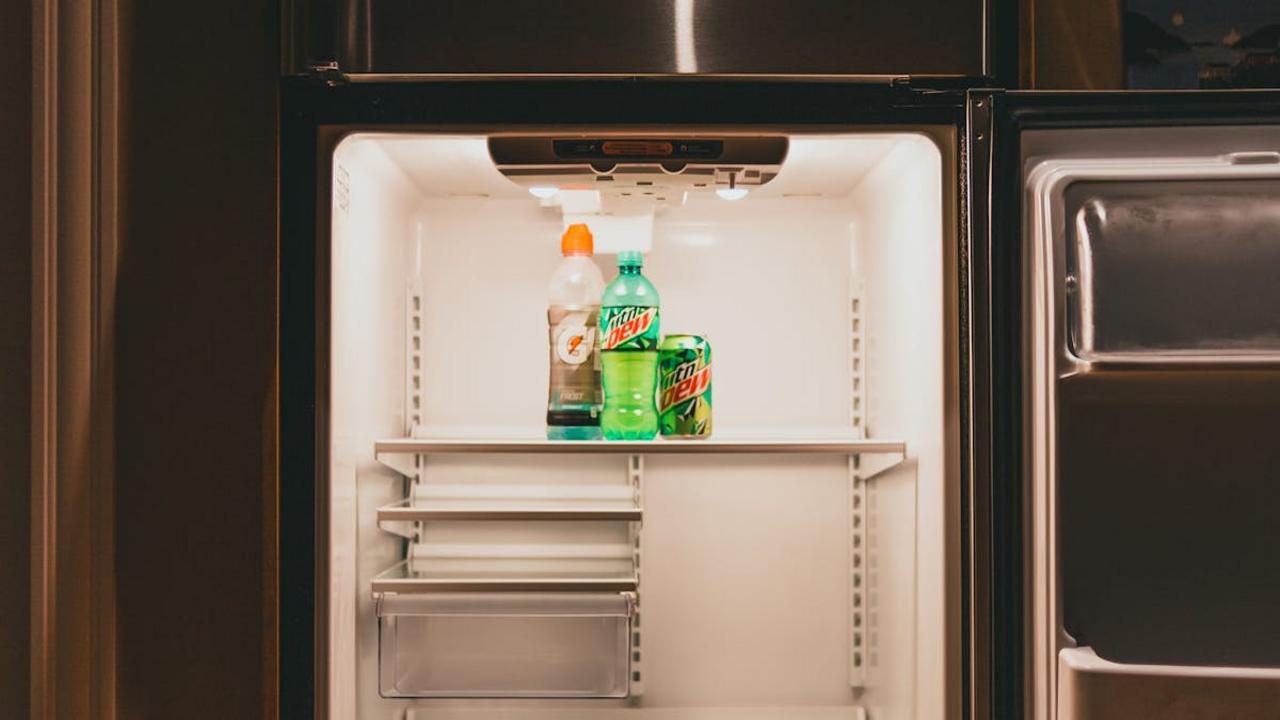
Here’s a plot twist that’ll make your head spin faster than a sugar rush: Mountain Dew, that electric-green beacon of American gas station culture, gets the boot in Europe and Japan. The reason? Two ingredients that sound like they belong in a science lab rather than your favorite caffeinated beverage. Brominated vegetable oil (BVO) and Yellow Dye No. 5 have made this citrus soda persona non grata across the pond. BVO, originally developed as a flame retardant, helps keep the artificial flavoring from floating to the top of your drink. Meanwhile, Yellow Dye No. 5 has been linked to hyperactivity in children, which honestly explains a lot about those late-night gaming sessions fueled by the Dew.
The irony hits harder than a double shot of espresso when you realize that PepsiCo, Mountain Dew’s parent company, actually reformulated the drink for international markets. They’ve proven they can make a BVO-free version that still delivers that signature neon glow and caffeine kick, yet the original formula continues to flow freely in American convenience stores. European Mountain Dew drinkers get their fix with natural flavors and different coloring agents, while Americans apparently get the chemistry experiment version. It’s like having two completely different recipes for the same drink – one that passes international safety standards and another that makes regulators nervous enough to slam the door shut.